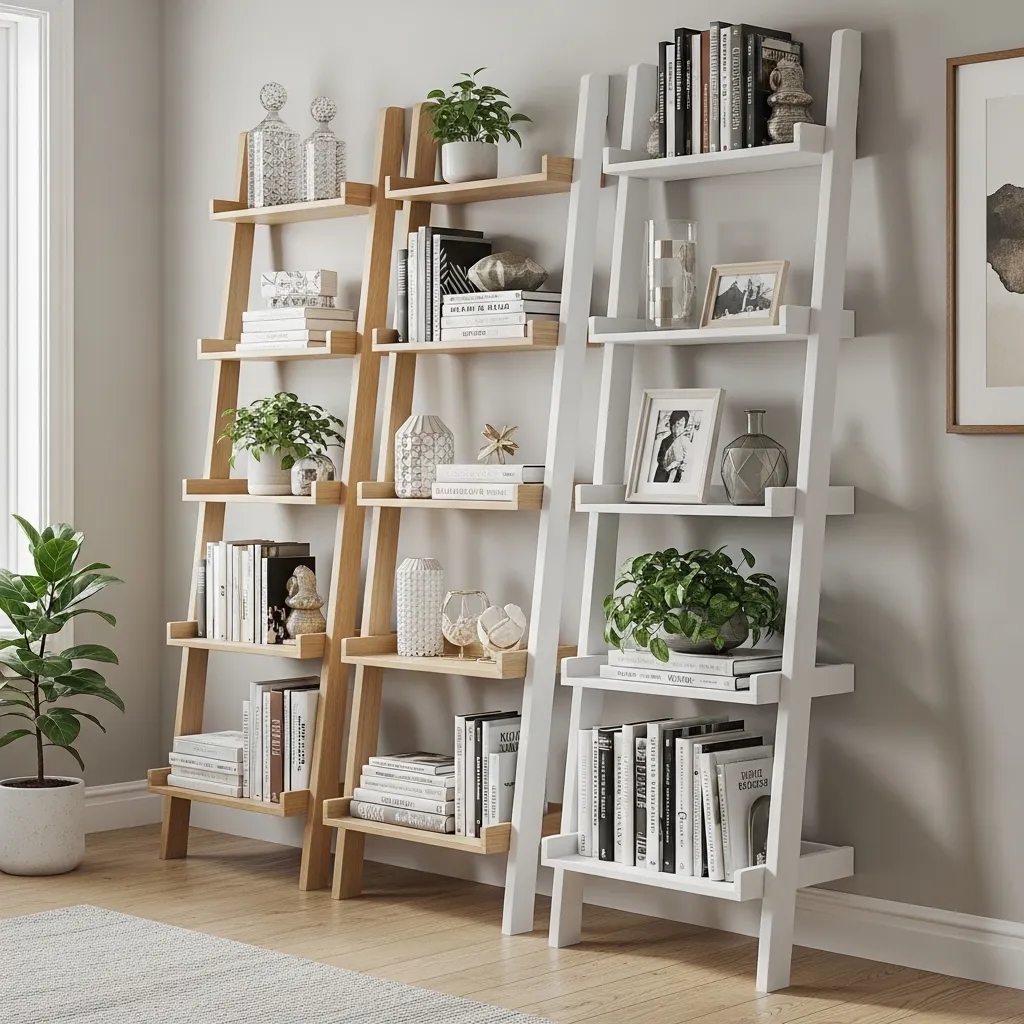
10 Unique Terrace Garden Ideas
There’s something magical about transforming a bare terrace into your own private garden sanctuary, and I’ve been absolutely obsessed with discovering creative ways to make outdoor spaces feel like they belong in a design magazine. Whether you’re working with a tiny city balcony or a sprawling rooftop, terrace gardens offer this incredible opportunity to bring nature right to your doorstep without needing a traditional backyard. From vertical gardens that climb your walls to cozy seating nooks tucked between potted herbs, the possibilities are honestly endless when you start thinking outside the traditional planter box.
I’ll never forget the first time I visited a friend’s terrace garden and realized that outdoor spaces could be just as thoughtfully designed as any indoor room. She had string lights woven through climbing jasmine, a little bistro set surrounded by lavender, and the whole space just felt like an escape from the chaos below. That’s when it hit me—terrace gardens aren’t just about having plants in containers, they’re about creating an entire experience, a mood, a place where you actually want to spend your mornings with coffee or your evenings unwinding after a long day.
What I love most about terrace gardening is how personal it can be. You’re not following someone else’s landscaping plan or dealing with whatever the previous homeowner planted. It’s a blank canvas where you can experiment with Mediterranean vibes one season and switch to a tropical jungle the next if the mood strikes. Plus, there’s something incredibly satisfying about growing your own tomatoes or basil just steps from your kitchen, or watching butterflies visit the flowers you chose specifically to attract them. These spaces become extensions of who we are, little green havens that reflect our personalities and give us a reason to step outside every single day.
1. Vertical Herb Wall Garden
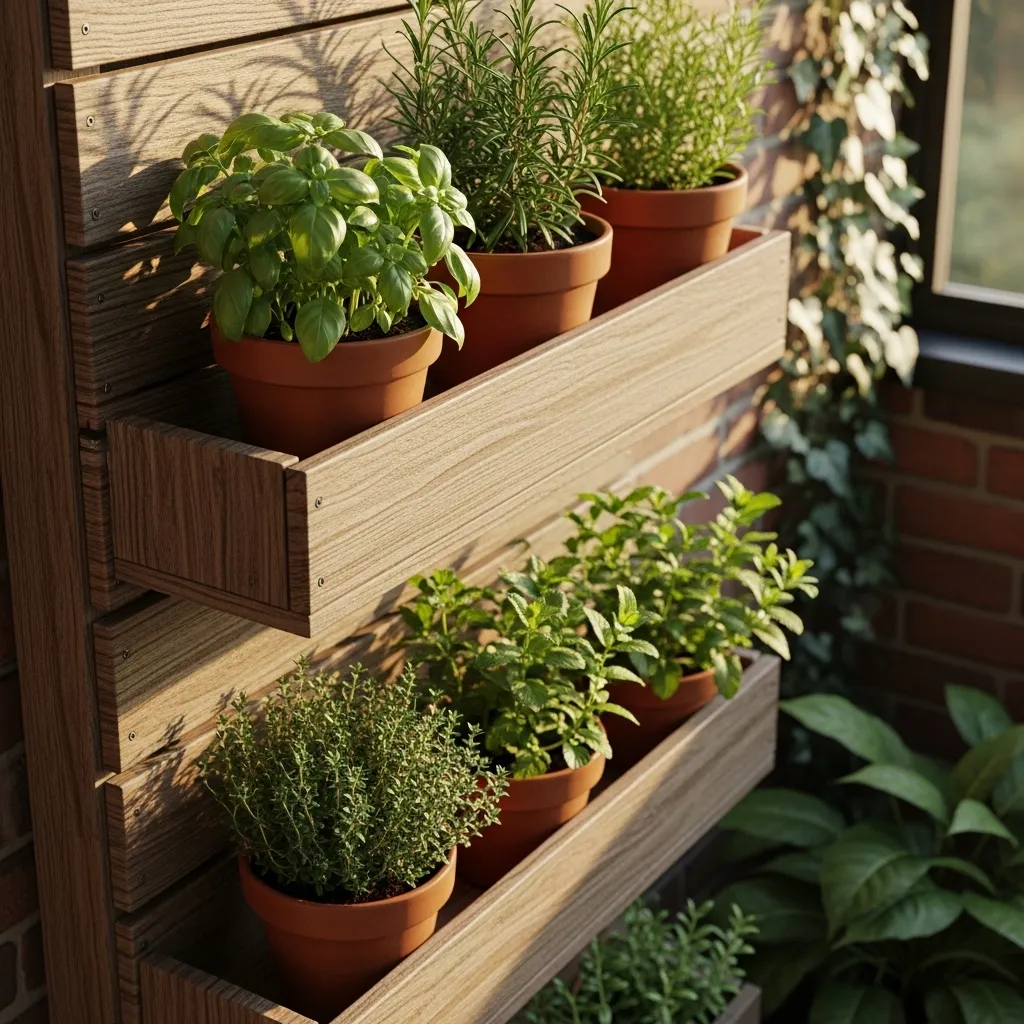
I started my vertical herb wall on a whim one spring weekend, and honestly, it’s become the most-used feature of my entire terrace. There’s something so satisfying about just reaching over while you’re grilling or making dinner and snipping fresh basil or rosemary without having to run to the store. The vertical setup saves so much floor space too, which is crucial when you’re working with limited square footage and want room for actual seating.
The best part is how incredible it smells when you brush past the herbs or when the sun hits them just right in the afternoon. I used reclaimed wood for the frame, which gives it this charming farmhouse feel, and the terracotta pots add warmth that plastic containers just can’t match. It’s functional and beautiful at the same time, and guests always comment on it immediately when they step outside.
2. Moroccan-Inspired Lounge Corner
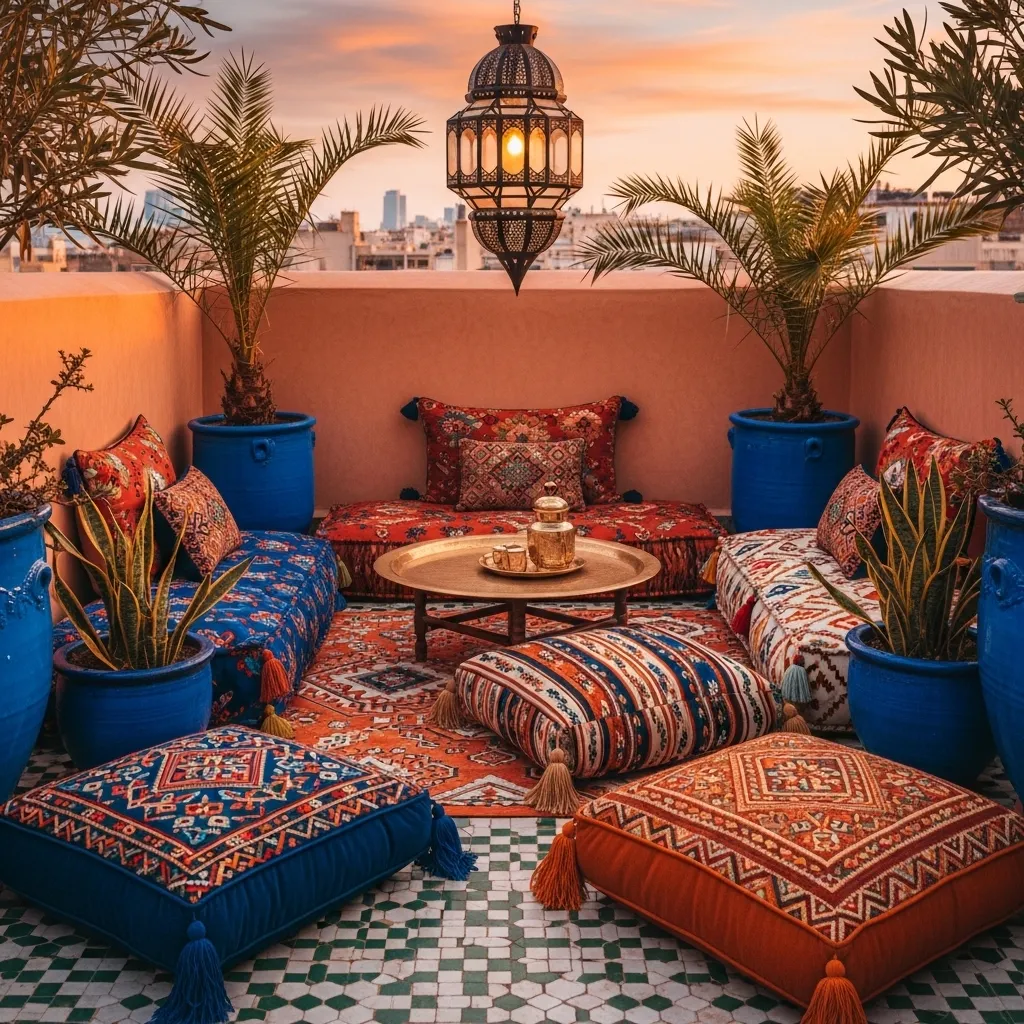
I’ve always been drawn to the rich colors and textures of Moroccan design, so creating this little escape corner on my terrace felt like bringing a piece of my travel dreams home. The floor cushions make it such a relaxed space where you can actually lounge for hours, and I’ve found myself out there reading or chatting with friends way more often than I ever used it before. The mosaic tiles were an investment, but they transformed the entire feel of that corner from boring concrete to something that feels transported from Marrakech.
Layering is really the secret here—mixing different patterns and textures keeps it from feeling flat or one-dimensional. I added plants in blue glazed pots to tie in with the cushion colors, and the hanging lantern creates the most magical dappled light when evening hits. It’s become my favorite spot to unwind with mint tea, and it photographs like a dream, which doesn’t hurt either.
3. Edible Rainbow Container Garden
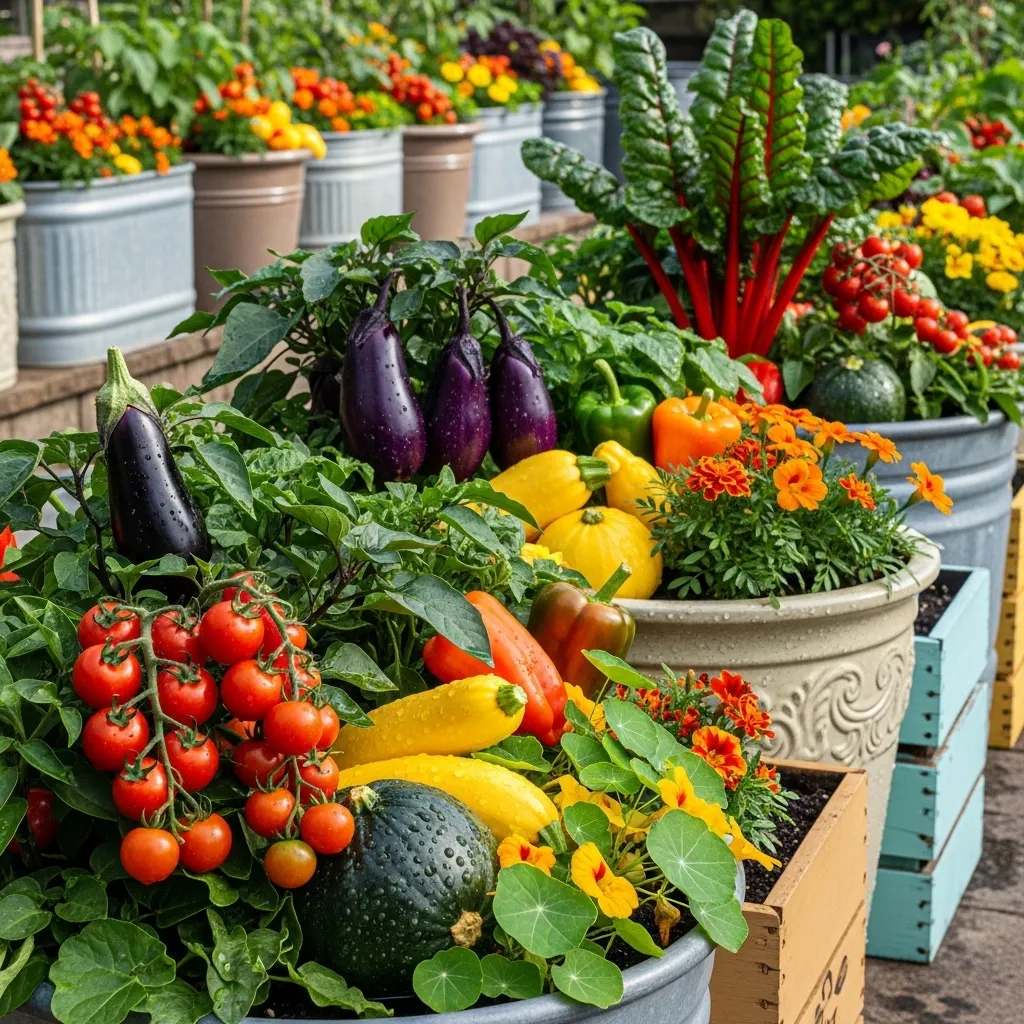
Growing food on my terrace started as a practical decision but quickly became this unexpectedly joyful project where I found myself checking on my plants multiple times a day like they were pets. Arranging the containers by color created this rainbow effect that’s honestly just as pretty as any flower garden, plus you get to eat the results, which feels like winning twice. I never expected eggplants and peppers to be so ornamental, but when you group them intentionally, they’re absolutely stunning.
The kids in my building have become obsessed with watching the garden grow and change, which has been such a sweet bonus. There’s something deeply satisfying about harvesting your own dinner ingredients just steps from your kitchen, and the flavor difference compared to store-bought is remarkable—tomatoes that actually taste like sunshine, peppers with real depth. I tuck edible flowers like nasturtiums between the vegetables, which attract pollinators and add these unexpected pops of color while also being totally edible in salads.
4. Japanese Zen Meditation Space
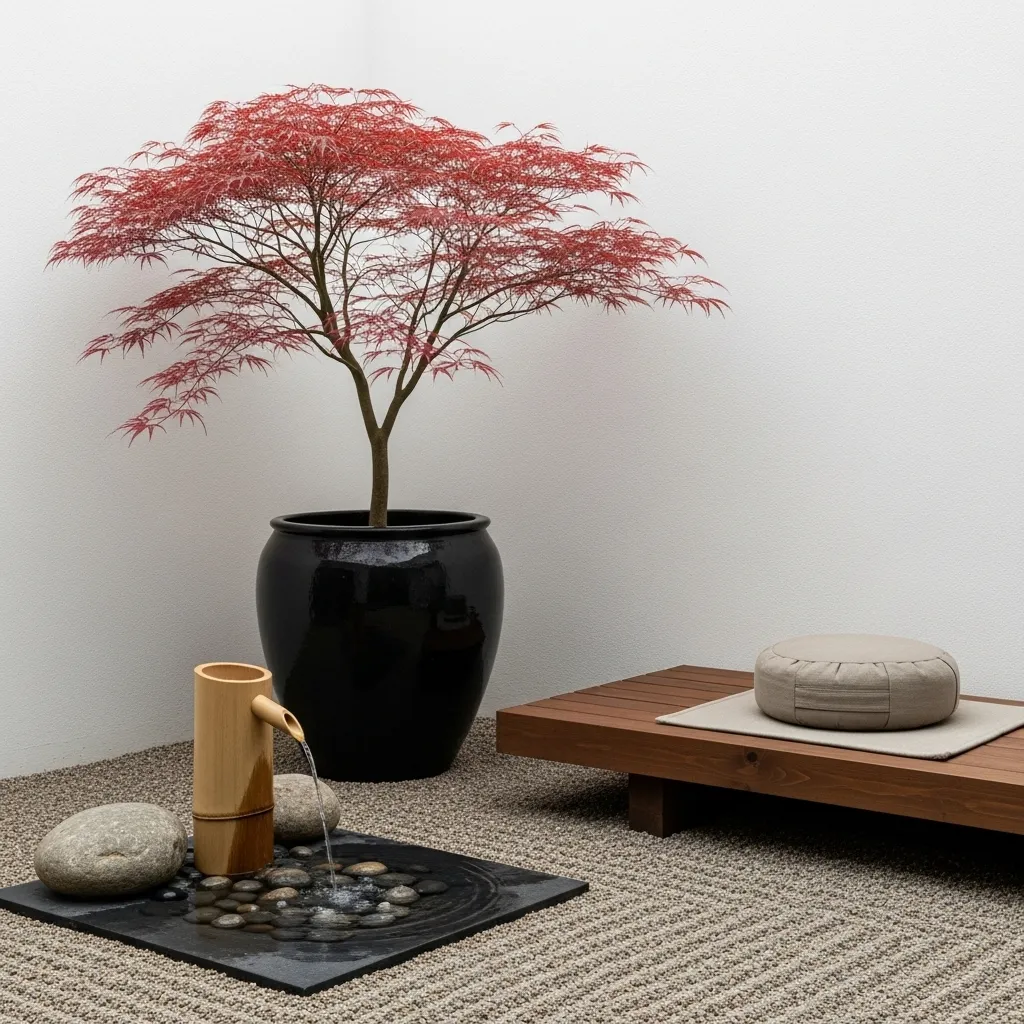
Creating this zen corner happened during a particularly stressful period in my life when I desperately needed a dedicated space just for breathing and being still. The simplicity is the entire point—every element is intentional, and there’s nothing extra to distract from the practice of just sitting quietly. The Japanese maple changes with the seasons, which I’ve come to appreciate as a gentle reminder that everything is temporary and constantly shifting.
The bamboo fountain was the best addition because the sound of trickling water has this incredible way of masking city noise and creating a natural sound boundary. I spend ten minutes out here most mornings before the day gets chaotic, and it’s genuinely changed how I handle stress. The raked gravel gives me something meditative to do with my hands on weekends, and there’s something grounding about that simple, repetitive maintenance that keeps the space feeling cared for.
5. Cottage Garden Overflow with Climbing Roses
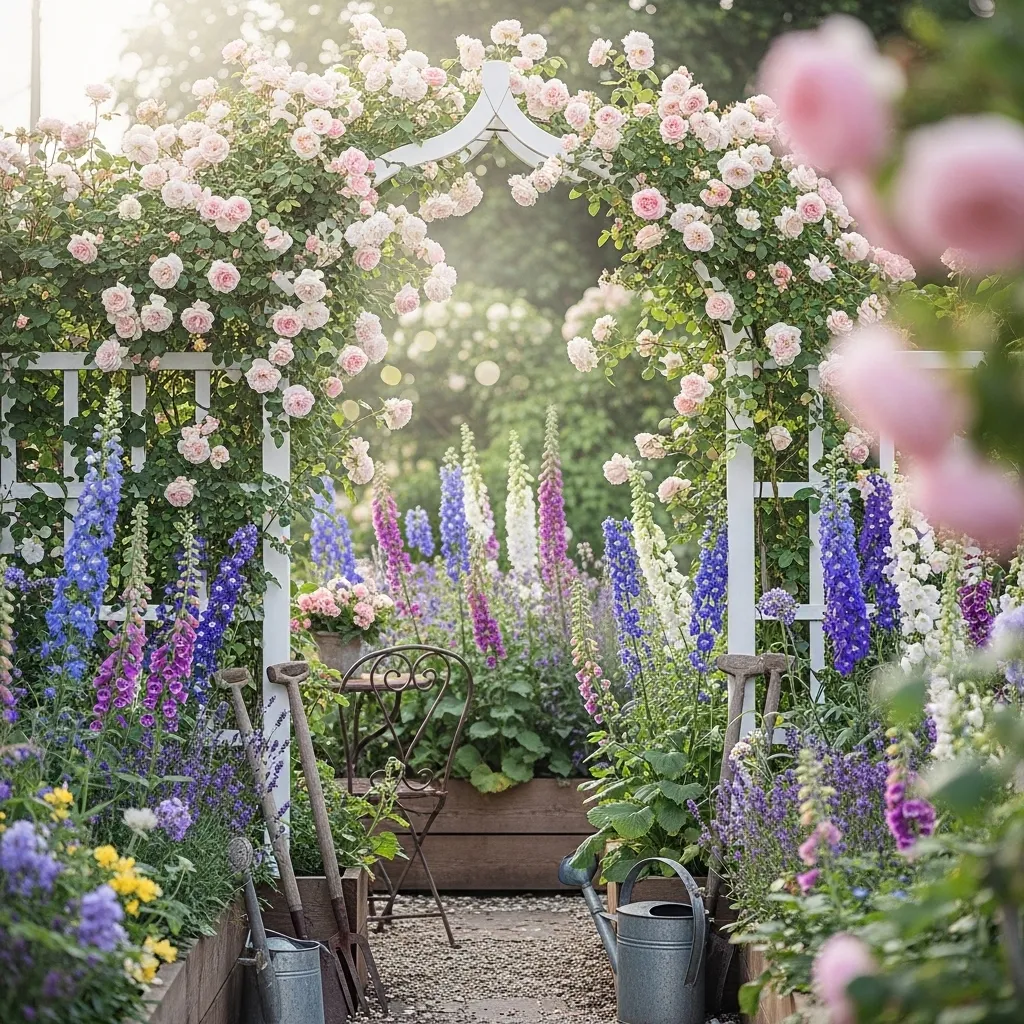
I’ve always envied those sprawling English cottage gardens but assumed they were impossible without actual ground to plant in, and then I discovered you absolutely can create that lush, overflowing look in containers if you’re willing to go a bit wild with it. The climbing roses took a full season to really establish, but once they started their upward journey over the trellis, the whole terrace transformed into something from a storybook. The secret is not being too precious about it—cottage gardens thrive on a little controlled chaos.
Mixing heights and textures is what makes this style work in a terrace setting. I’ve got tall delphiniums in the back, mid-height lavender and foxgloves in the middle, and sprawling catmint spilling over the edges of containers. It looks effortless, but I’ll admit it took some planning to get the bloom times overlapping so there’s always something flowering. The whole space smells incredible from late spring through summer, and the bees and butterflies are constant visitors, which makes the garden feel alive in the best possible way.
6. Modern Succulent and Cactus Desert Scape
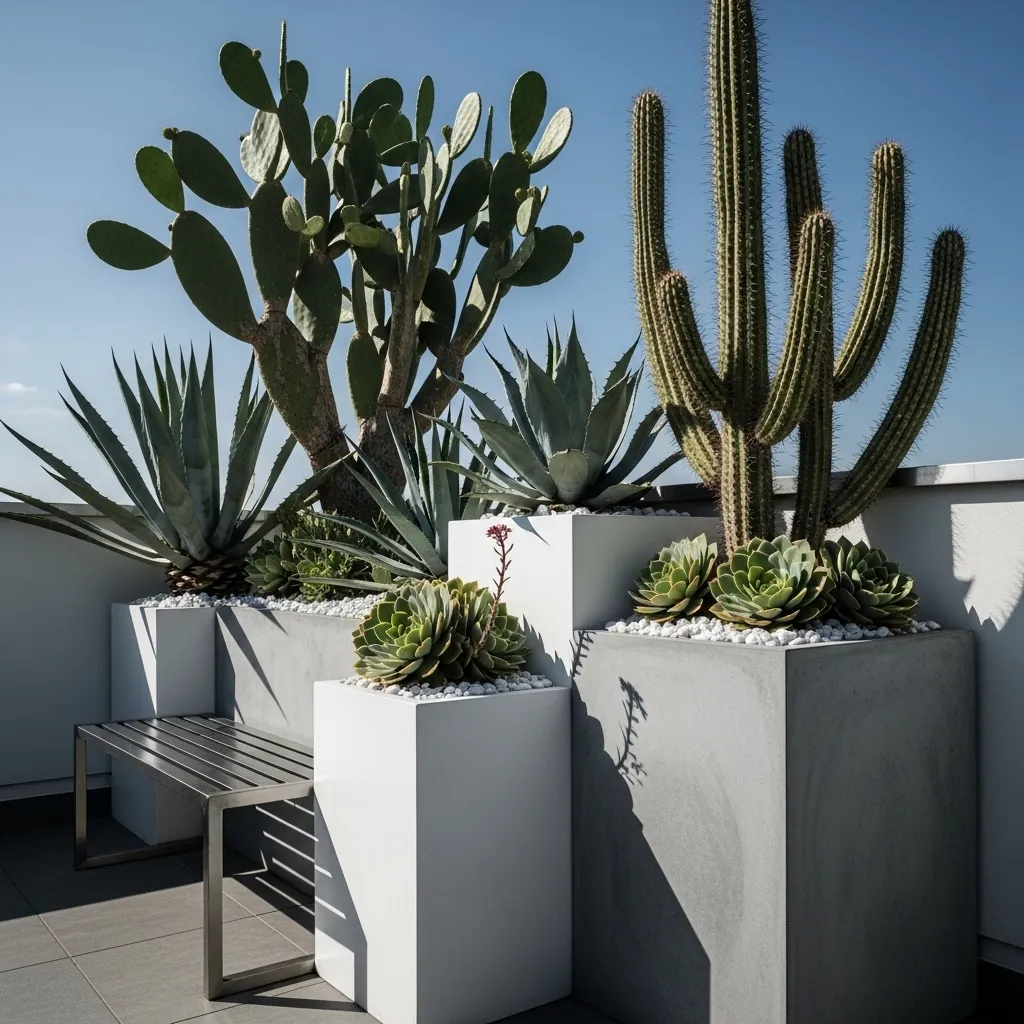
My succulent garden started because I travel frequently and needed plants that could survive my benign neglect, but it evolved into this unexpectedly striking modern installation that people assume was professionally designed. There’s something sculptural about succulents and cacti that reads as intentional art rather than just “plants,” especially when you group them in those clean concrete planters. The low-maintenance aspect is real—I water maybe once every two weeks in summer and barely at all in winter.
What surprised me most was how much personality these plants have despite their toughness. The blue agave has this dramatic, architectural presence, while the little echeveria rosettes are almost delicate and geometric at the same time. I added different heights with the planters themselves, which creates visual interest even though the color palette is fairly restricted to greens, blues, and greys. On really hot summer days, this corner of my terrace becomes the only comfortable spot because succulents don’t need afternoon shade like my other garden areas do.
7. String Light Canopy with Evening Bloomers
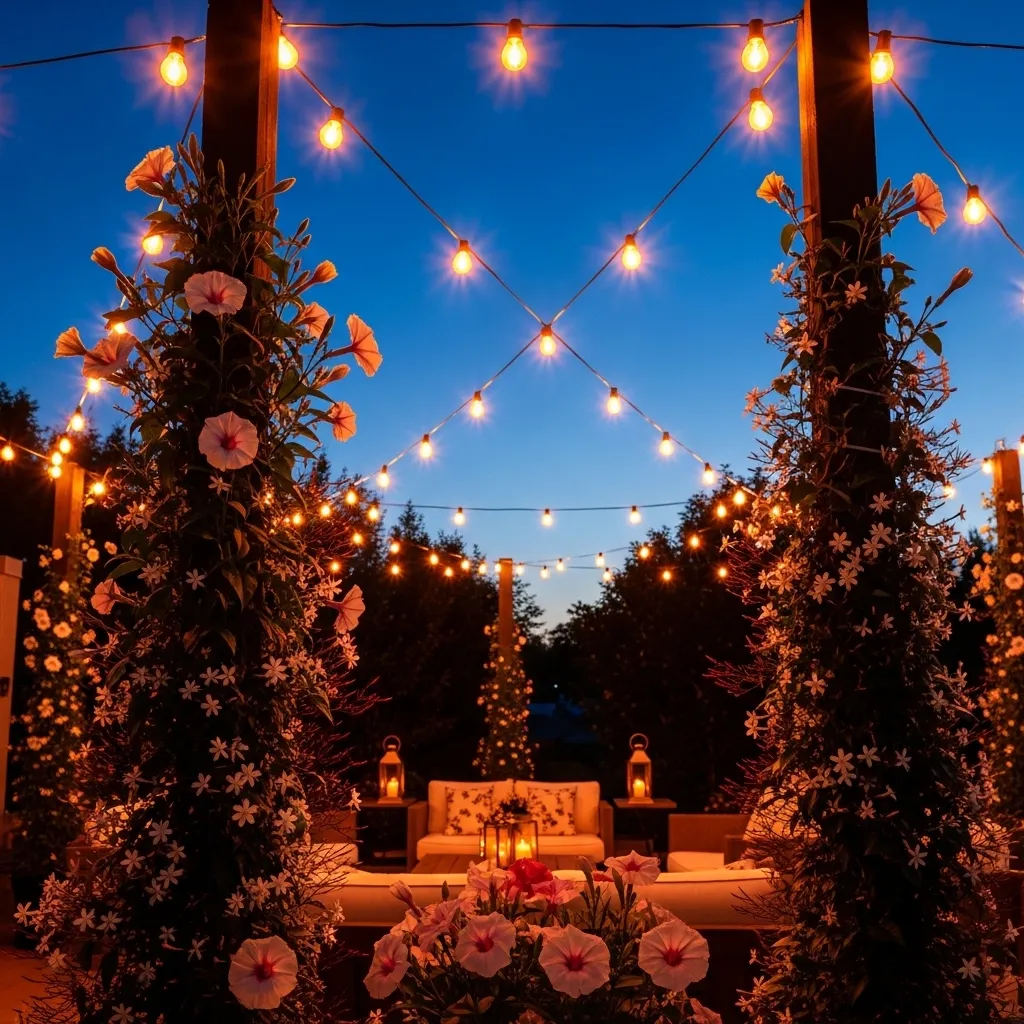
Installing the string light canopy was hands-down the best decision I made for actually using my terrace after dark, and pairing it with night-blooming plants turned it into something truly special. The moonflowers were a discovery—they literally unfurl their blooms as the sun sets, which is mesmerizing to watch with a glass of wine in hand. The jasmine’s fragrance intensifies at night too, creating this intoxicating atmosphere that makes evening gatherings feel like an event rather than just sitting outside.
I strung the lights in a loose grid pattern rather than just straight lines, which creates more visual interest and better light distribution. The warm glow makes everything feel intimate and welcoming, and I’ve found myself hosting way more dinners and small gatherings since creating this setup. There’s something about the combination of living plants and twinkling lights that makes even a Tuesday night feel a little bit magical, and my friends have started calling it “the secret garden,” which I absolutely love.
8. Tropical Paradise with Bold Foliage
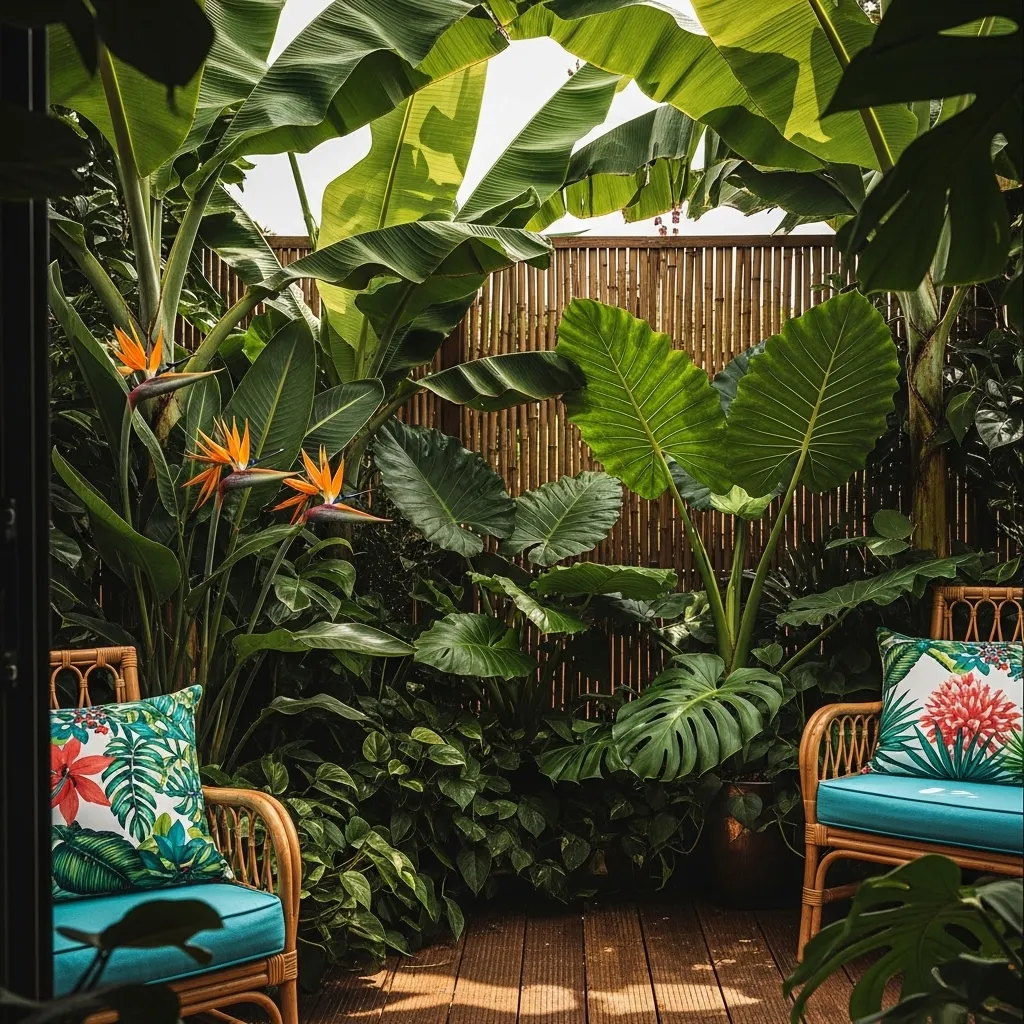
I went completely overboard with the tropical theme after returning from a vacation in Bali, and I regret nothing because stepping onto my terrace now genuinely feels like a mini getaway. The large-leafed plants create this immediate visual impact that smaller plants just can’t match, and they also provide natural privacy screening without needing to install anything permanent. I was worried they’d be high-maintenance, but most tropical plants actually thrive on the warmth and humidity that terraces naturally provide during summer months.
The bird of paradise took three years to finally bloom, and when it did, I legitimately called my friends over to see it because those flowers are just outrageously beautiful and exotic-looking. I group mist the plants on really hot days, which they seem to love, and it’s become this meditative ritual that helps me unwind. The whole corner has this jungle-like density now where different leaf shapes and sizes create layers of green, and I tucked the bright cushions in as pops of color that echo tropical birds and flowers.
9. Wine Barrel Raised Bed Vegetable Garden
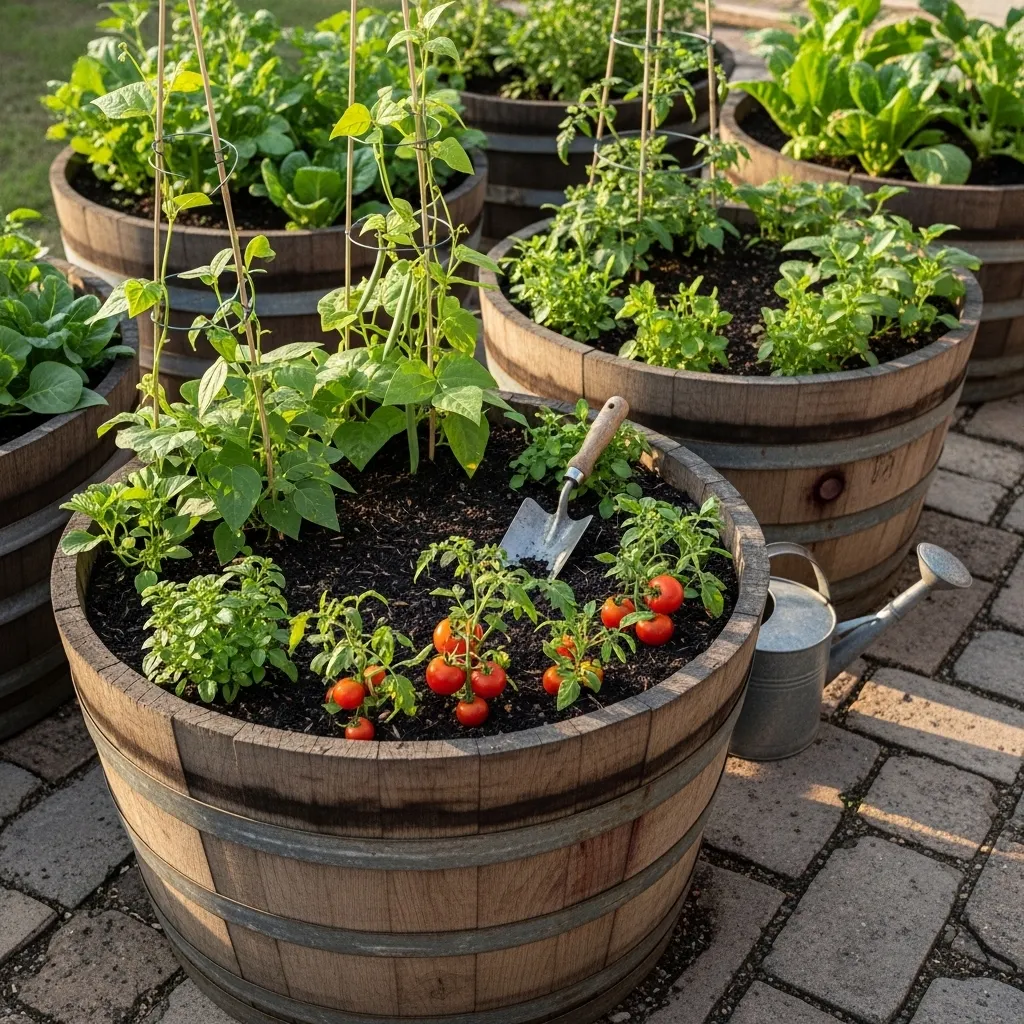
I found these old wine barrels at a salvage yard and knew immediately they’d be perfect for my terrace veggie garden—they’ve got built-in drainage, they’re deep enough for root vegetables, and honestly they just look fantastic in that rustic, lived-in way. The natural wood aging gives them character that plastic or even new wooden planters can’t compete with, and I love knowing they had a whole previous life making wine before becoming my garden beds. Each barrel holds a different crop, which makes rotation easy and helps me experiment without committing huge space to anything that might not work out.
The height of these barrels is genuinely back-saving compared to ground-level gardening, and I can actually tend my vegetables without kneeling or bending over constantly. I’ve grown everything from lettuce and spinach to bush beans and compact tomato varieties, and the yield has been surprisingly generous for such a contained space. There’s something deeply satisfying about the whole barrel-to-table concept, especially when I serve salads made entirely from greens I grew myself, and guests always comment on the barrels themselves as design features before even noticing they’re functional gardens.
10. Butterfly and Pollinator Meadow in Containers
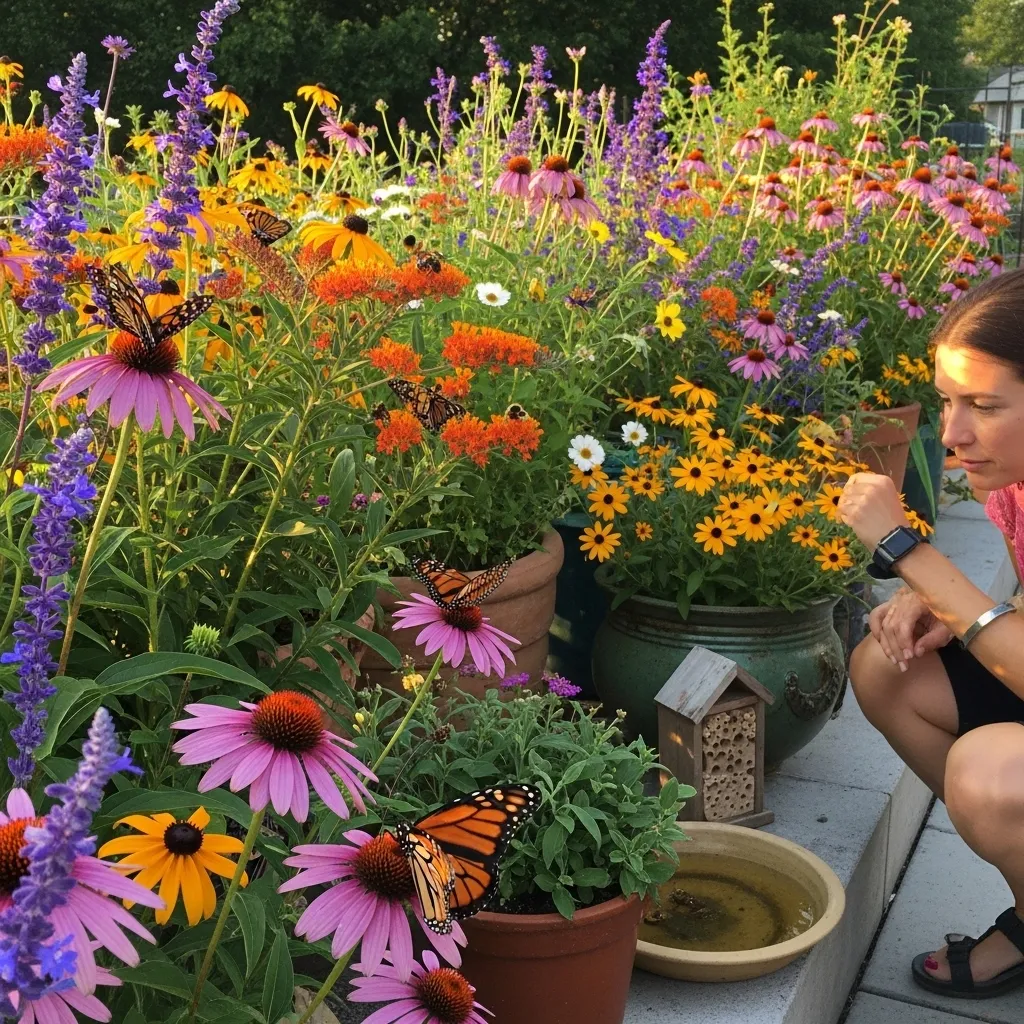
Creating a pollinator garden on my terrace started as an environmental choice but became this incredibly rewarding project when I realized I was creating an actual ecosystem just outside my door. The first time a monarch butterfly emerged from a chrysalis that had formed on my butterfly weed plant, I literally cried—it felt like witnessing pure magic. Now I keep a garden journal noting which butterflies, bees, and even hummingbirds visit, and I’ve identified at least a dozen regular species that depend on these flowers.
The meadow-like planting style works beautifully in containers if you pack them generously and choose plants with different bloom times to keep the buffet open all season. I installed a simple bee hotel on the wall and added shallow dishes of water with rocks for landing spots, which the pollinators absolutely use. The garden hums with activity on sunny days, and there’s something profoundly peaceful about sitting among the flowers and just watching nature do its thing. It’s taught me that even small urban spaces can make a real difference for struggling pollinator populations, and that feels meaningful in a way that purely decorative gardens don’t quite capture.