11 Home Garden Ideas
Home gardens have evolved far beyond simple vegetable patches or flower beds into genuine extensions of our living spaces—places for growing food, cultivating beauty, connecting with nature, entertaining, relaxing, and finding respite from the demands of modern life. Whether you have acres to work with or just a small urban balcony, creating a thoughtful garden transforms your outdoor space into something deeply personal and genuinely useful. The beauty of home gardens is their incredible versatility—they can be purely ornamental sanctuaries filled with flowers and foliage, productive spaces yielding fresh vegetables and herbs, wildlife habitats supporting pollinators and birds, outdoor entertaining areas surrounded by greenery, or most often, a combination of all these purposes woven together.
What makes gardening so rewarding is the tangible connection it creates between effort and result. You plant seeds or seedlings, tend them through the season, and harvest the literal fruits of your labor—whether that’s tomatoes for your table, cut flowers for your home, or simply the satisfaction of watching something grow through your care. Gardens also ground us in the rhythms of nature and seasons in ways our climate-controlled indoor lives often don’t. You become attuned to weather patterns, day length, soil conditions, and the complex web of pollinators, beneficial insects, and soil organisms that make gardens thrive. It’s deeply grounding and genuinely therapeutic—there’s solid research showing that gardening reduces stress, improves mood, and provides gentle exercise.
The practical benefits of home gardens shouldn’t be overlooked either. Growing your own vegetables and herbs provides access to the freshest possible produce, often varieties you can’t find in stores, without pesticides or packaging. Edible gardens genuinely reduce grocery costs when done well. Ornamental gardens increase property value, improve curb appeal, and create beautiful outdoor spaces that enhance daily life. Pollinator gardens support essential ecosystem services and connect your small patch to larger environmental health. Let’s explore these garden ideas and figure out how to create an outdoor space that brings beauty, productivity, and joy to your daily life.
1. Raised Bed Vegetable Garden
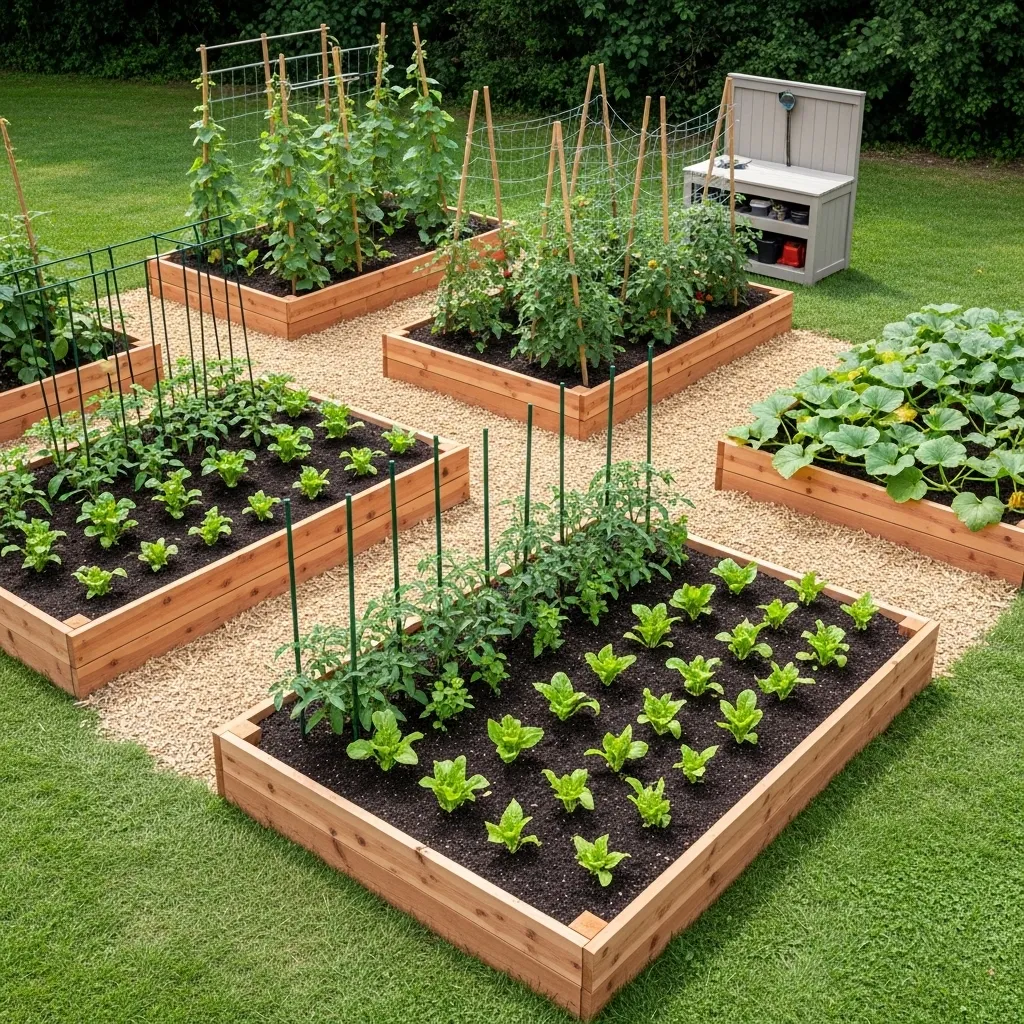
Raised bed gardens are the gold standard for vegetable growing, offering superior drainage, better soil control, easier access, and organized growing spaces that make gardening more manageable and productive. The elevated design warms up earlier in spring, drains better in wet weather, and eliminates the back-breaking stooping required with traditional in-ground gardens. You control the soil composition completely, creating ideal growing conditions regardless of your native soil quality.
The structured beds create natural organization—you can practice crop rotation easily, companion planting becomes intuitive, and succession planting is straightforward when you have defined spaces. The paths between beds stay clean and mud-free, making garden access pleasant even after rain. Cedar or composite lumber resists rot and looks attractive while lasting for years. Position beds in your sunniest location—most vegetables need 6-8 hours of direct sun daily. Start with a few beds rather than overwhelming yourself, and expand as you gain experience and confidence. Include vertical growing structures like trellises and cages to maximize space. The result is a beautiful, productive garden that provides fresh vegetables throughout the growing season while being genuinely manageable and enjoyable to tend.
2. Cottage Garden with Mixed Perennials
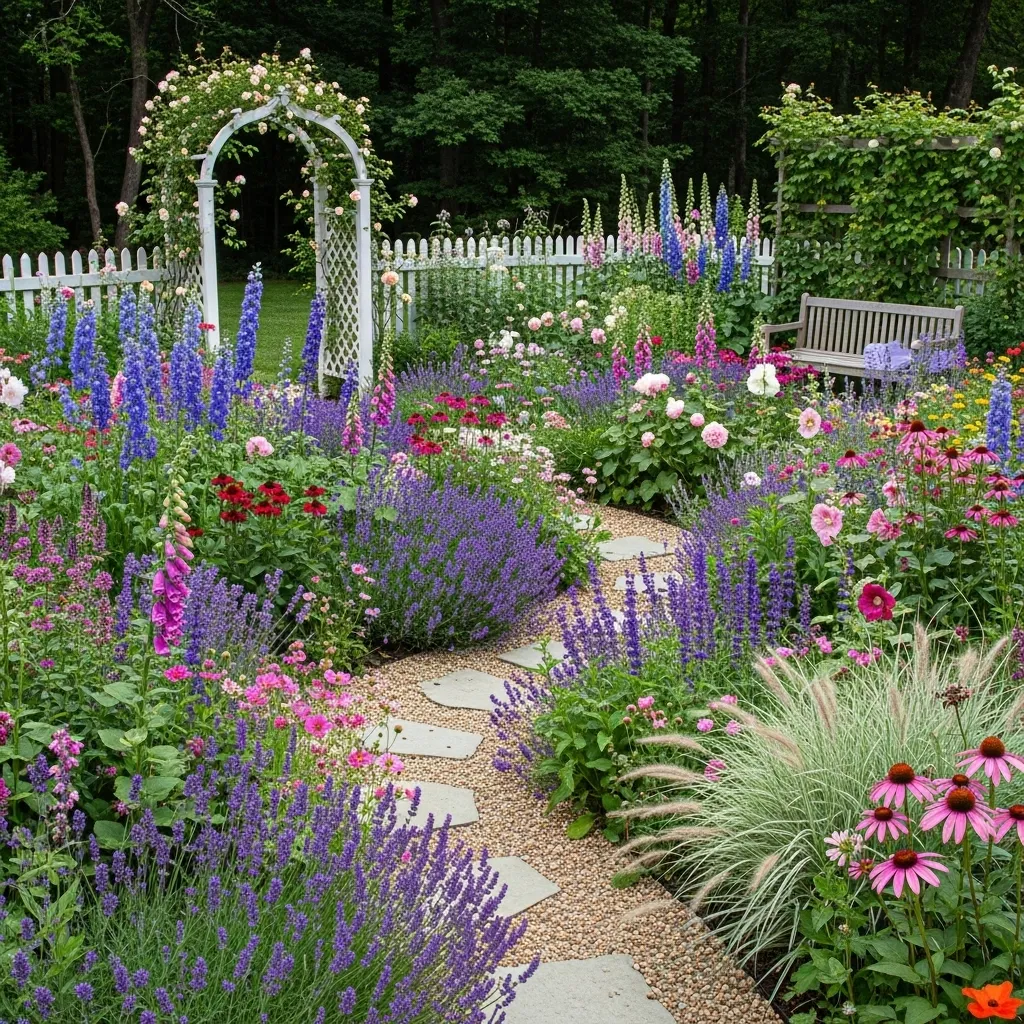
Cottage gardens embrace abundance, romance, and that slightly wild, overgrown aesthetic that feels both intentional and spontaneous. Unlike formal gardens with rigid structure and precise spacing, cottage gardens layer plants generously, mix colors freely, and allow self-seeding volunteers to create happy surprises. The result is lush, colorful, and incredibly romantic—beds overflowing with flowers, fragrance filling the air, and butterflies and bees working the blooms.
The key to successful cottage gardens is choosing a mix of perennials that bloom at different times, ensuring color from spring through fall. Layer plants by height—taller delphiniums and hollyhocks at the back, medium salvias and roses in the middle, lower lavender and catmint at the front. Allow plants to touch and intermingle rather than maintaining rigid separation. Include self-seeding annuals that fill gaps and create evolving combinations each year. Traditional elements like picket fences, arbors with climbing roses, and gravel paths enhance the cottage aesthetic. This style works beautifully in informal settings and creates a garden that feels abundant and generous without being fussy or high-maintenance. The cottage garden rewards a relaxed approach and creates ever-changing beauty.
3. Container Garden for Small Spaces
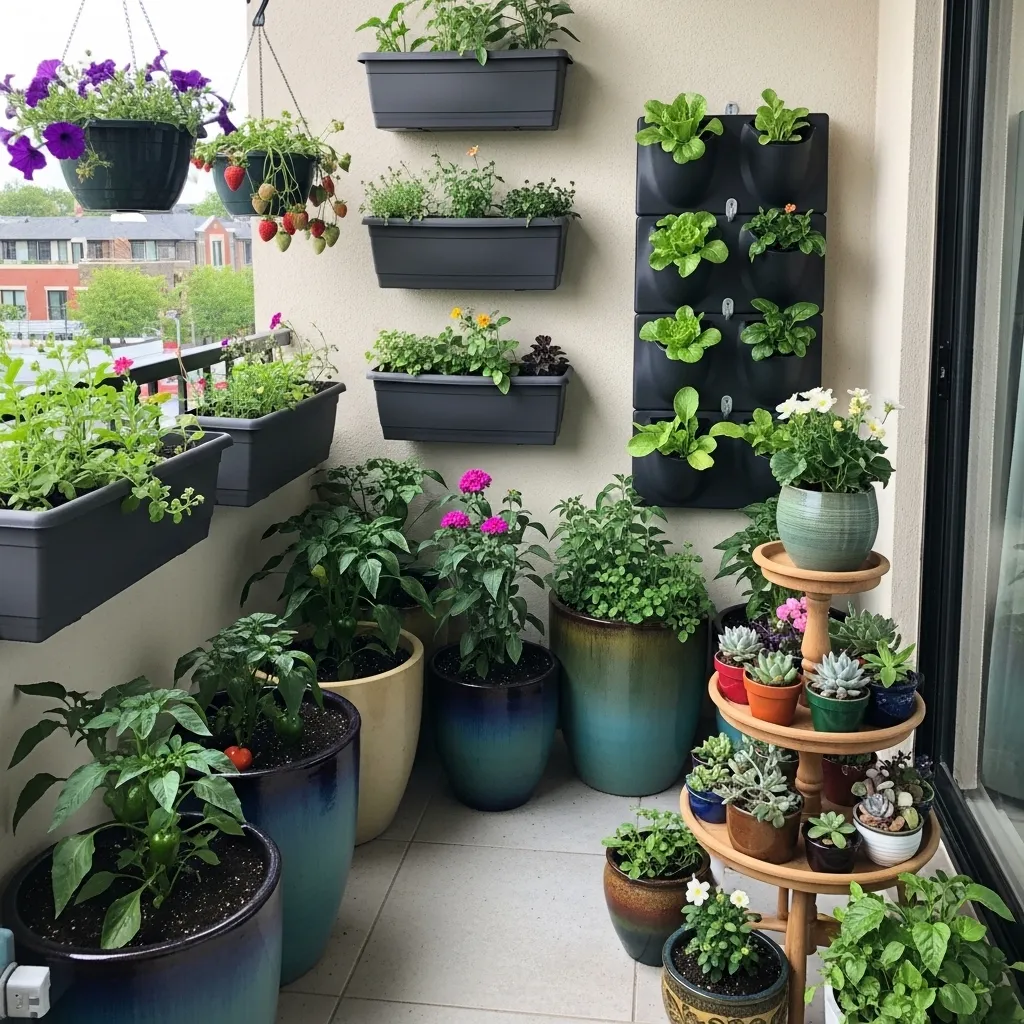
Container gardens are perfect solutions for apartments, condos, small yards, or any situation where in-ground gardening isn’t possible. The beauty of containers is their incredible flexibility—they can be moved to follow sun, rearranged for aesthetics, brought indoors for winter, or replaced seasonally. You have complete control over soil, drainage, and growing conditions for each plant, allowing you to grow a wide variety even in small spaces.
The key to successful container gardening is choosing appropriately sized containers—bigger is generally better as larger soil volumes retain moisture better and give roots room to grow. Ensure all containers have drainage holes. Use quality potting mix rather than garden soil. Mix edibles and ornamentals for both beauty and productivity—cherry tomatoes in large pots, herbs in window boxes, flowers in hanging baskets, greens in vertical planters. Vary container heights using plant stands, upturned pots, or wall-mounted planters to create dimension. Install drip irrigation or use self-watering containers if possible—containers dry out quickly and need frequent watering. The result is a lush garden that proves you don’t need acreage to grow beautiful and productive plants.
4. Native Pollinator Garden
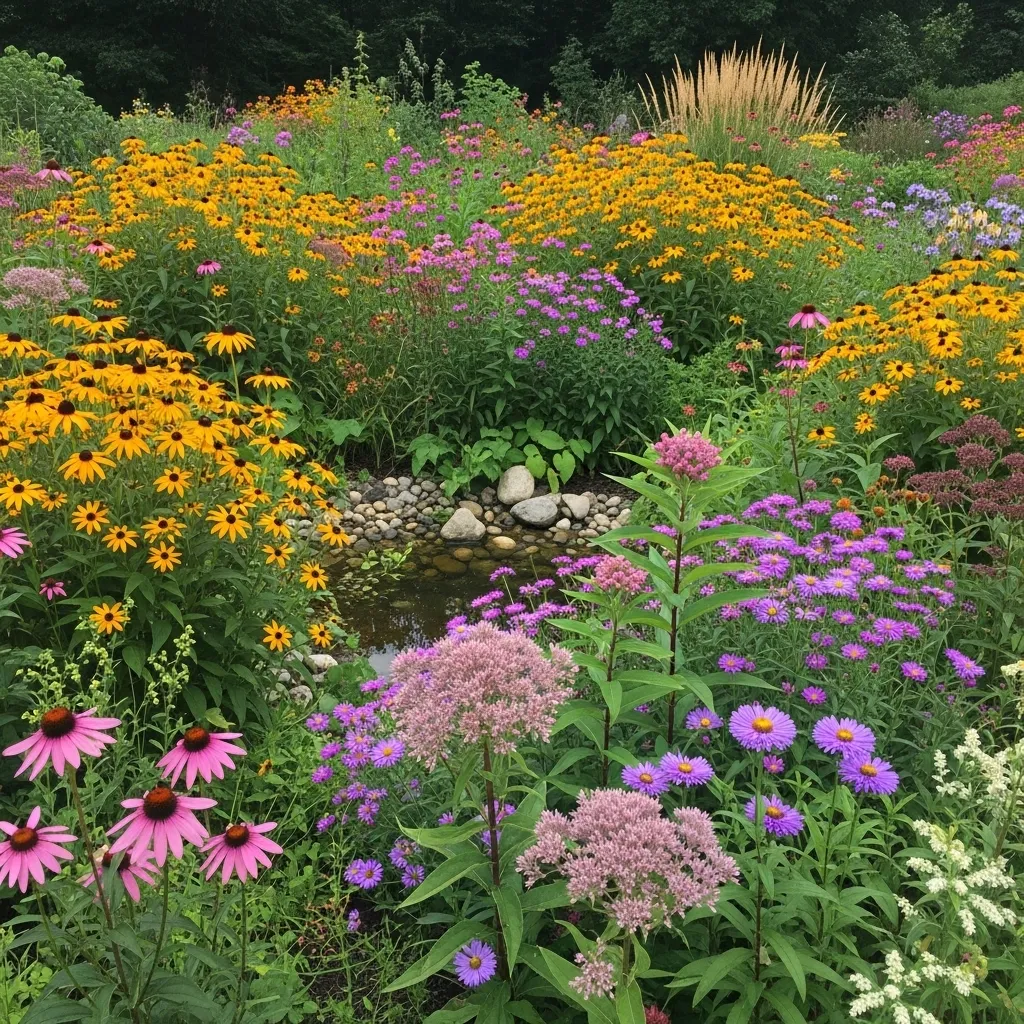
Native pollinator gardens serve dual purposes—creating beautiful flowering displays while providing essential habitat for bees, butterflies, hummingbirds, and other pollinators whose populations are declining. Using plants native to your region supports local ecosystems, provides appropriate food sources for native insects, and requires less water and maintenance than exotic species once established. It’s gardening that gives back to the environment while creating beauty.
Choose native plants that bloom at different times throughout the season, ensuring food availability from early spring through fall. Include specific host plants for butterfly larvae—milkweed for monarchs, native violets for fritillaries, parsley family plants for swallowtails. Avoid all pesticides which harm the very creatures you’re trying to support. Provide water sources—even a shallow dish with pebbles for landing spots helps. Leave some areas slightly wild with leaf litter and plant stems standing through winter to provide overwintering habitat. The result is a garden that’s alive with activity—buzzing bees, fluttering butterflies, and the satisfaction of knowing you’re supporting essential species. Native gardens are also typically more drought-tolerant and disease-resistant than exotic plantings, making them lower-maintenance once established.
5. Vertical Garden Wall
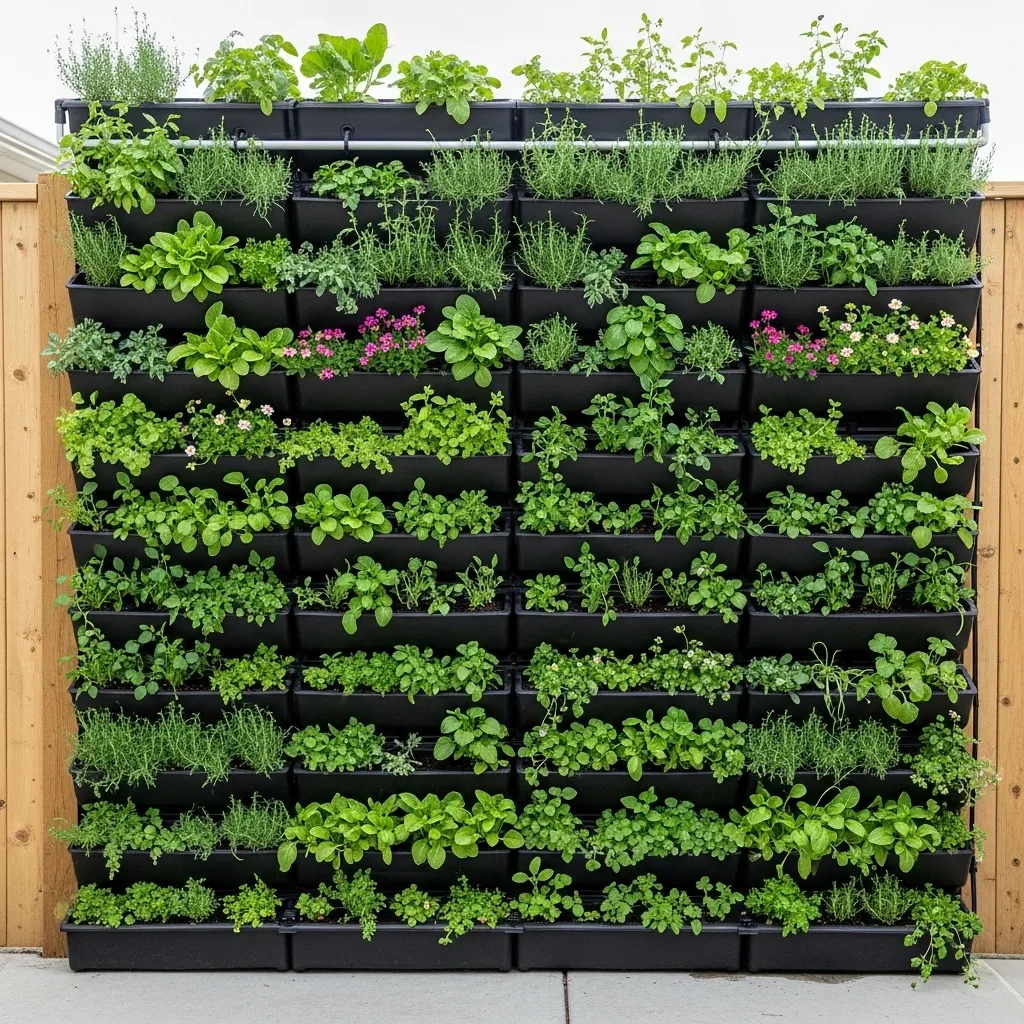
Vertical gardens maximize productivity and beauty in minimal footprints by growing upward rather than outward—perfect for small yards, balconies, or even indoor spaces. Living walls create stunning visual impact, provide insulation and cooling, improve air quality, and can grow surprising amounts of food in very small spaces. The vertical orientation also makes tending and harvesting easier since everything is at comfortable reaching height.
Various systems work for vertical gardening—modular pocket planters that hang on walls, stacked containers with drainage between levels, repurposed pallets with landscape fabric backing, or purpose-built vertical garden systems with integrated irrigation. Choose plants appropriate to vertical growing—herbs, lettuces and greens, strawberries, small flowering annuals, and trailing plants that cascade beautifully. Ensure adequate irrigation—vertical gardens dry out quickly and often benefit from drip systems or self-watering features. Position to receive appropriate sun for your chosen plants. The result is a dramatic living wall that provides beauty, food, and greenery while using minimal ground space. This is particularly powerful in urban settings where every square foot counts.
6. Four-Season Edible Garden
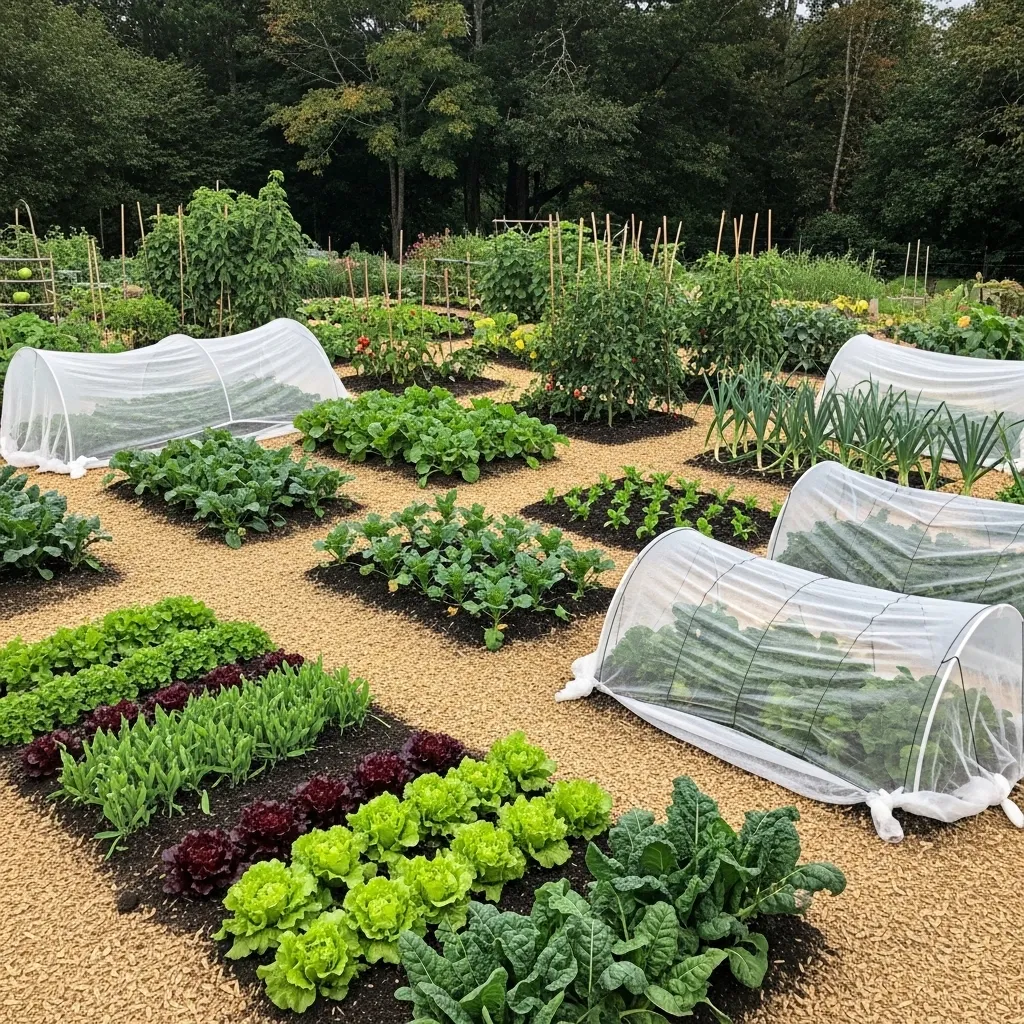
Four-season gardening requires planning and knowledge but rewards you with fresh food year-round rather than the typical summer-only harvest. Understanding your local climate, frost dates, and day-length changes allows strategic planting that keeps beds productive through all seasons. This approach maximizes your garden’s output and provides the genuine satisfaction of eating homegrown food even in winter.
The key is succession planting—as early spring crops finish, immediately plant summer crops in those spaces; as summer crops decline, plant fall and winter varieties. Use season-extension techniques like row covers, cold frames, and hoop houses to protect cold-hardy crops through winter. Choose appropriate varieties—winter-hardy greens like kale and spinach, cold-tolerant root vegetables, quick-maturing varieties for tight planting windows. Incorporate perennial edibles that return reliably each year without replanting. Keep detailed planting records to refine your timing each year. The result is a garden that’s always producing something, providing fresh food and keeping you engaged with gardening through all seasons rather than having months of dormancy.
7. Formal Herb Garden with Geometric Beds
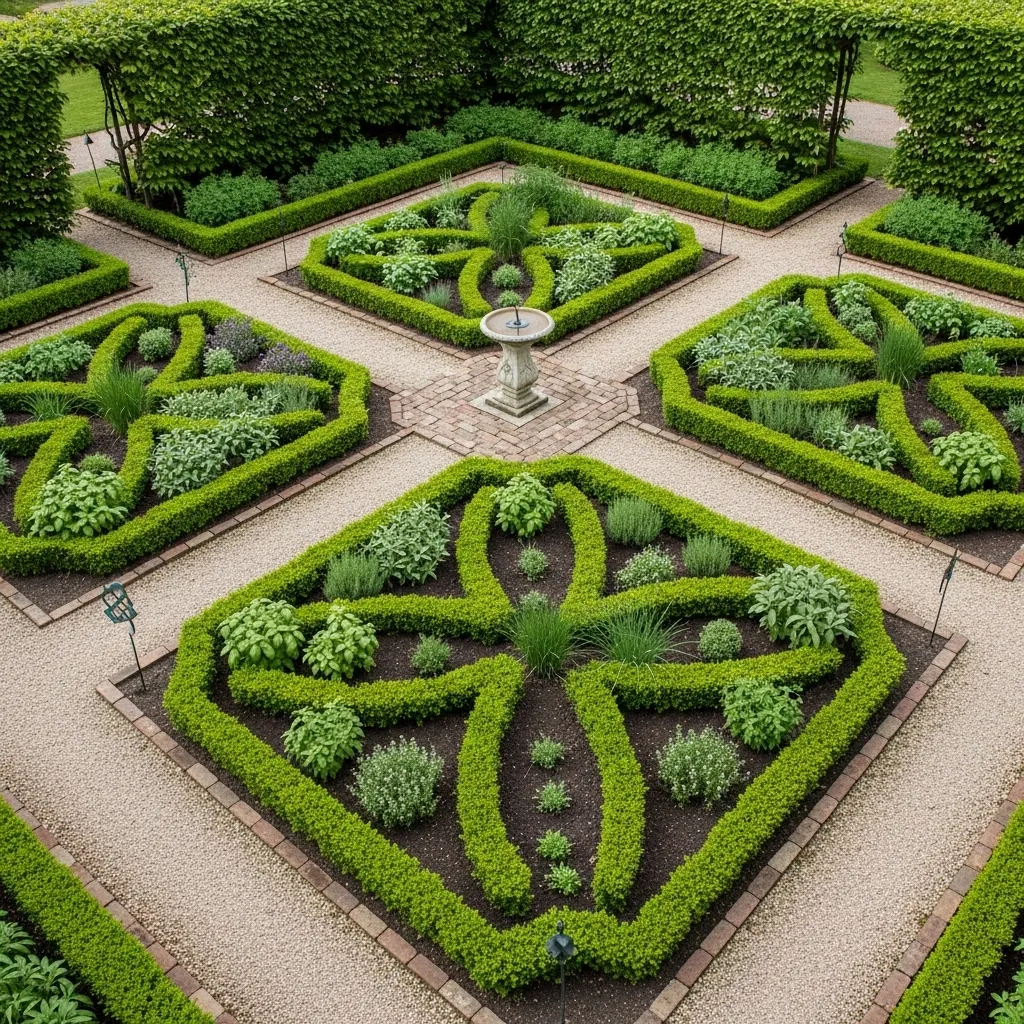
Formal herb gardens combine beauty and utility through structured geometric designs that elevate functional herb growing into genuine garden art. The formal structure—whether classic four-square layouts, circular designs, or intricate knot gardens—creates visual interest and organization while growing incredibly useful culinary and medicinal plants. This approach has historical roots in monastery and apothecary gardens where herbs were grown for cooking and healing.
The geometric beds create natural organization—culinary herbs in one section, medicinal in another, or organized by growing requirements and harvest timing. Formal edging with brick, stone, or low hedges like boxwood defines beds and creates structure. Gravel or brick paths provide all-weather access and enhance the formal aesthetic. Include a central focal point—sundial, fountain, or sculpture—to complete the traditional design. The beauty is that you’re growing highly practical plants in a beautiful setting. Herbs are generally easy to grow, many are perennial returning year after year, and the frequent harvesting for cooking keeps them compact and attractive. The formal herb garden is both beautiful and incredibly functional, providing fresh flavors steps from your kitchen in a setting that’s garden-worthy.
8. Edible Landscape Integration
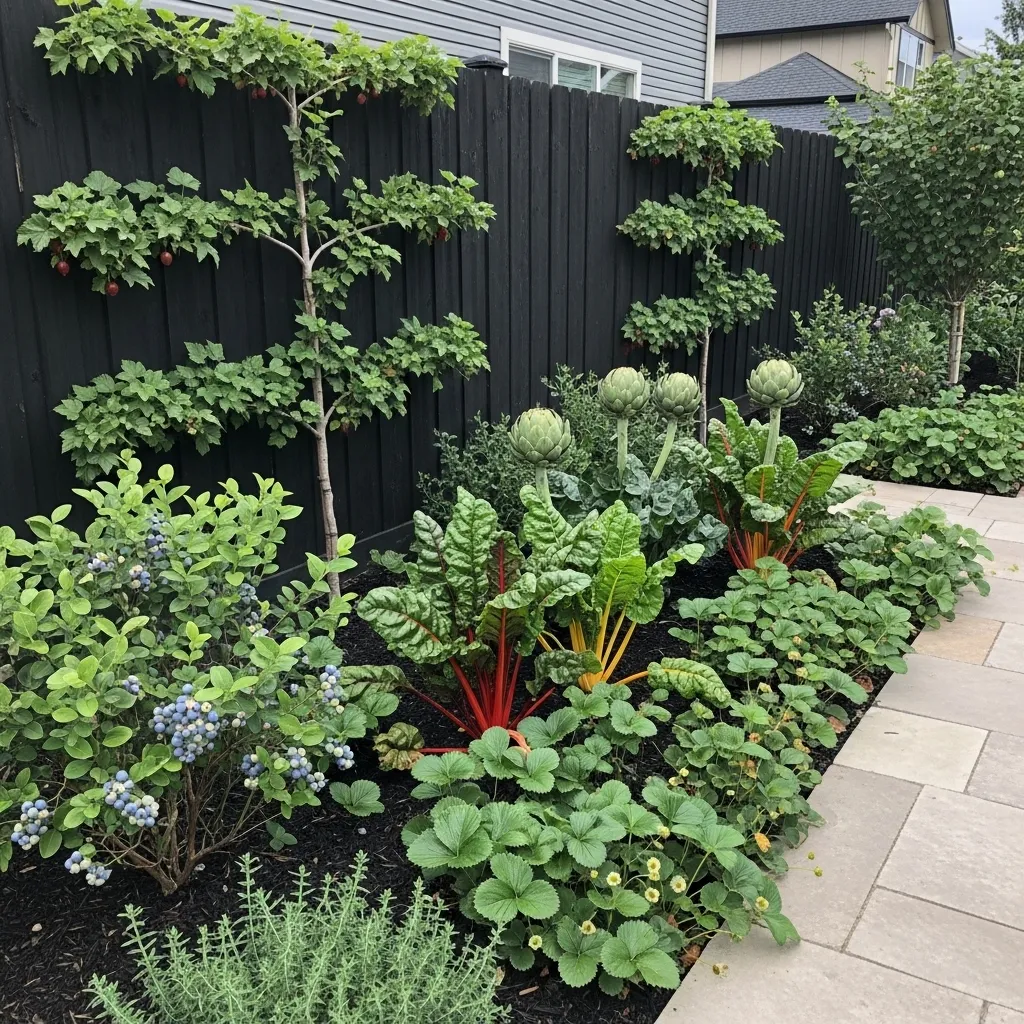
Edible landscaping challenges the traditional separation between ornamental and productive gardens by recognizing that many food plants are genuinely beautiful and deserve prominent placement in landscape designs. Why plant purely decorative shrubs when blueberries provide spring flowers, summer fruit, and brilliant fall color? Why use generic groundcovers when strawberries offer flowers, fruit, and attractive foliage? This approach creates landscapes that are both beautiful and productive.
The key is choosing edible plants with ornamental qualities and using them intentionally in landscape designs. Espaliered fruit trees trained flat against walls or fences create living artwork while producing fruit. Herbs with attractive foliage edge paths and beds. Colorful vegetables like rainbow chard and purple kale provide foliage interest. Fruiting shrubs anchor mixed borders. The result is landscaping that works aesthetically while providing food—maximum utility from your planted spaces. This is particularly valuable in small lots where dedicating separate areas to ornamental and edible gardens isn’t practical. The edible landscape proves that beauty and productivity aren’t mutually exclusive—they can and should coexist in well-designed gardens.
9. Shaded Woodland Garden
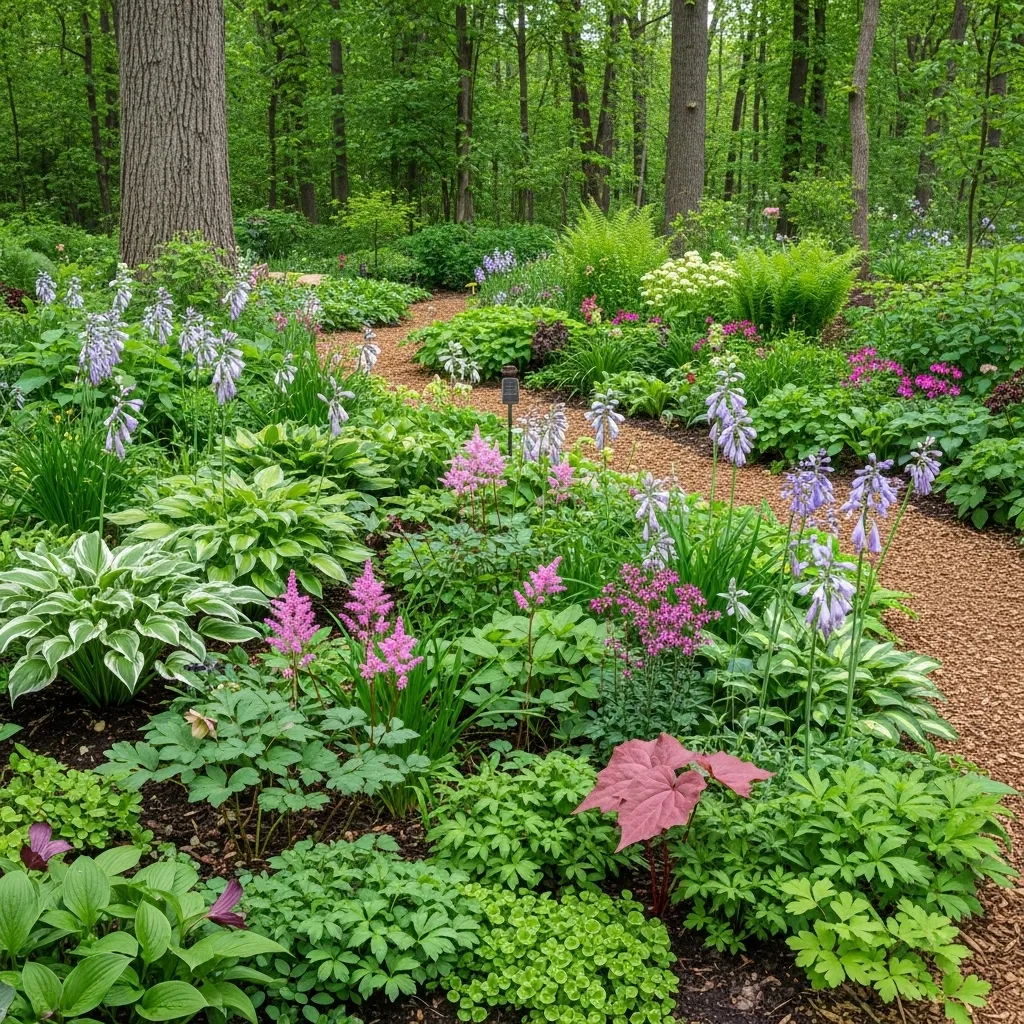
Shaded areas under trees are often seen as problem spaces, but they’re actually opportunities for beautiful woodland gardens featuring plants that prefer or tolerate shade. Instead of fighting the shade by trying to grow sun-lovers, embrace it by creating lush plantings of shade-adapted species. These gardens have a completely different aesthetic from sunny perennial borders—cooler, calmer, with emphasis on foliage texture and form rather than constant flowers.
The key is working with shade levels—dappled shade under high tree canopies allows more options than deep shade under dense evergreens. Choose plants adapted to your specific conditions. Layer plants at different heights—low groundcovers, medium perennials, taller specimens—creating depth and interest. Include spring ephemerals that bloom early before trees fully leaf out, then go dormant—they’re perfectly adapted to woodland conditions. Use varied foliage textures—bold hostas, delicate ferns, architectural Solomon’s seal—to create interest without relying on flowers. Natural mulch paths enhance the woodland feeling. The result is a peaceful, lush garden that thrives in conditions where lawn struggles, proving that shade is an opportunity rather than a limitation.
10. Cut Flower Garden
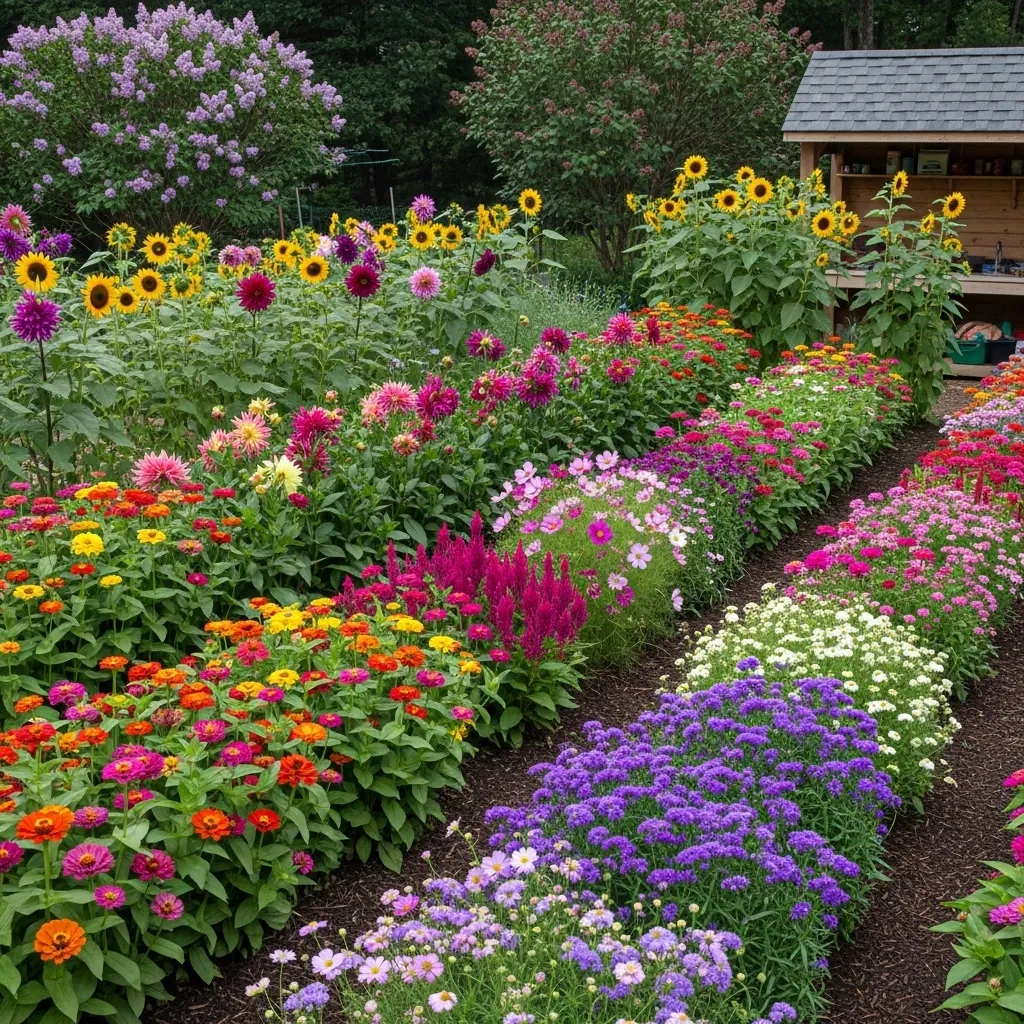
Cut flower gardens are dedicated spaces for growing flowers specifically for harvesting and bringing indoors rather than leaving them in the garden. This practical approach allows you to cut generously without depleting ornamental beds, and you can grow flowers in efficient rows for easy access and harvesting. It’s incredibly rewarding to have fresh flowers in your home throughout the season, and the cost savings compared to buying flowers is substantial.
The key is choosing varieties bred for cutting—long stems, good vase life, and prolific blooming. Annuals like zinnias, cosmos, and sunflowers produce continuously when cut frequently. Perennials like peonies and dahlias provide spectacular seasonal blooms. Include filler flowers and foliage for complete arrangements. Plant in succession for continuous blooms rather than one massive flush. Locate the cutting garden in a practical area—it doesn’t need to be prominently displayed since you’re harvesting heavily. Include a potting bench or workspace for arranging. The result is a garden that provides beauty both in the ground and in vases throughout your home, making every harvest a rewarding experience.
11. Small Fruit Orchard
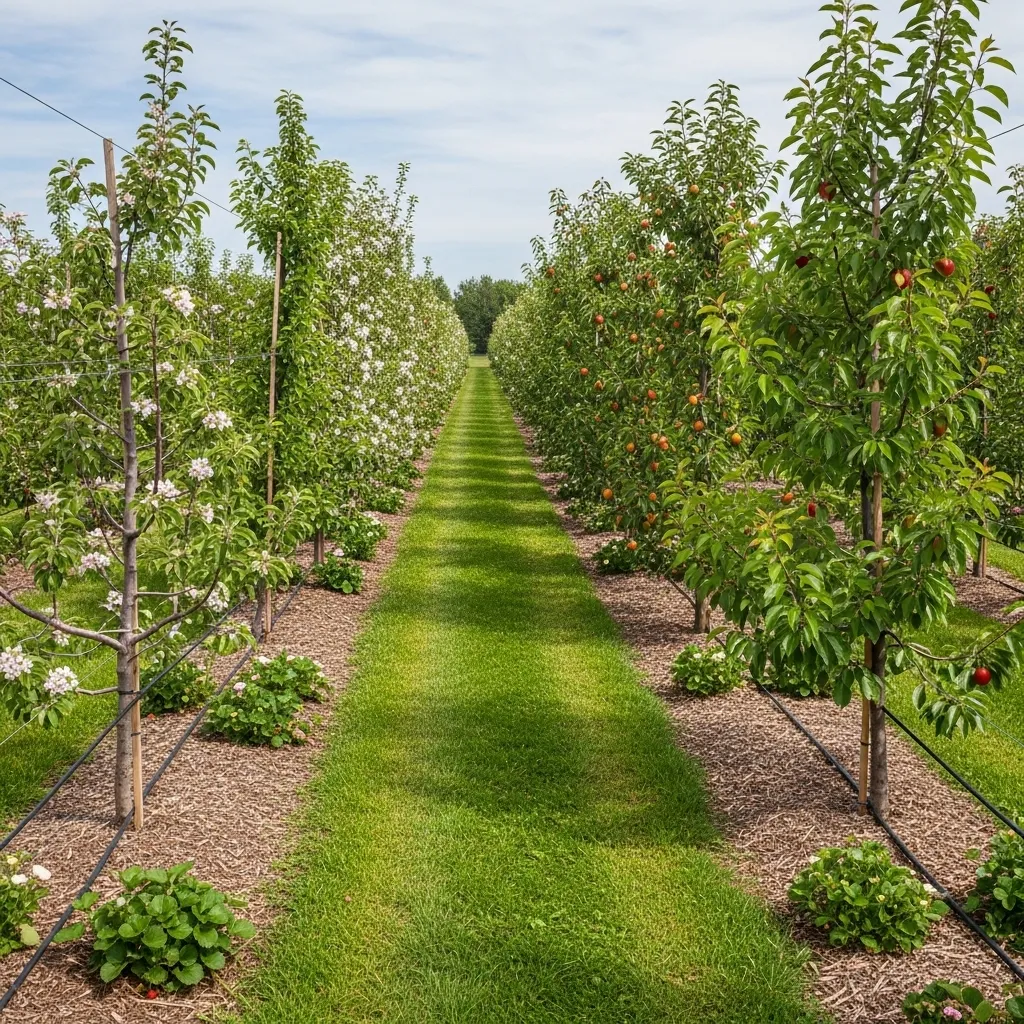
A small home orchard transforms your property into a productive landscape that provides fruit for years or even decades from a single planting investment. Modern dwarf and semi-dwarf rootstocks make fruit growing accessible even in small yards, keeping trees at manageable 8-12 foot heights that don’t overwhelm landscapes and make harvesting easy without ladders. The spring blossoms are spectacularly beautiful, and the homegrown fruit quality far exceeds supermarket produce.
The key is choosing varieties suited to your climate and chill hours, selecting disease-resistant varieties to minimize spraying, and planning for cross-pollination where needed. Plant at proper spacing for mature size—dwarf trees need 8-10 feet, semi-dwarf 12-15 feet. Maintain mulched rings around trees to reduce competition and conserve moisture. Prune annually to maintain manageable size and encourage productive fruiting wood. Consider planting multiple varieties for extended harvest—early, mid, and late-season apples provide fruit from August through October rather than all at once. Underplant with strawberries, herbs, or flowering groundcovers to maximize space. The result is a beautiful, productive landscape feature that provides fresh fruit for your family while adding genuine value to your property.