
15 Ways to Arrange Throw Pillows on a Couch That Actually Look Good in Real Life
If you’ve ever stood in front of your sofa holding a pile of throw pillows feeling genuinely baffled about where any of them should go and why the arrangement you just tried looks nothing like the ones you see in design magazines and on perfectly styled living rooms online, you are in extremely good company — because pillow arrangement is one of those things that looks effortless when it’s done well and completely mysterious when you’re trying to figure out how it was achieved. The ideas in this roundup cover every pillow situation you might find yourself in, from the clean two-pillow setup on a small loveseat to the deeply layered maximalist abundance of a large sectional, plus the classic symmetrical approach, the casually asymmetric arrangements that look professionally unstudied, the triangle layering method, mixed size and scale combinations, bolster placement strategies, the floor pillow spill-out, pattern mixing rules that actually work, and several more approaches that will change how you think about your sofa styling permanently.
I went through a phase of buying beautiful individual throw pillows and then being completely unable to make them look good together on the sofa — the problem wasn’t the pillows themselves, it was that I had no organizing principle for how they should relate to each other. I’d put them all in a row and it looked like a hotel lobby. I’d stack them front to back and they’d all fall over. I’d try to replicate arrangements I’d seen in photos and something about the result always felt slightly off without my being able to identify why. The breakthrough came when I stopped thinking about arranging pillows and started thinking about composing them — the way you’d compose elements in a photograph or objects on a shelf — and suddenly the principles became clear and the results became consistently good.
What I’ve learned from years of pillow arrangement obsession — and from watching how professional stylists set up sofas before a shoot — is that every great pillow arrangement has an underlying logic that isn’t visible in the finished result. There’s a size relationship, a color relationship, a texture relationship, and a symmetry or deliberate asymmetry decision all working together beneath the surface of what looks like a casual pile of cushions. Understanding those underlying principles is what separates a sofa that looks like someone thought about it from a sofa that looks like someone just threw pillows at it and hoped for the best. These fifteen approaches make those principles explicit and applicable.
1. The Classic Symmetrical Setup
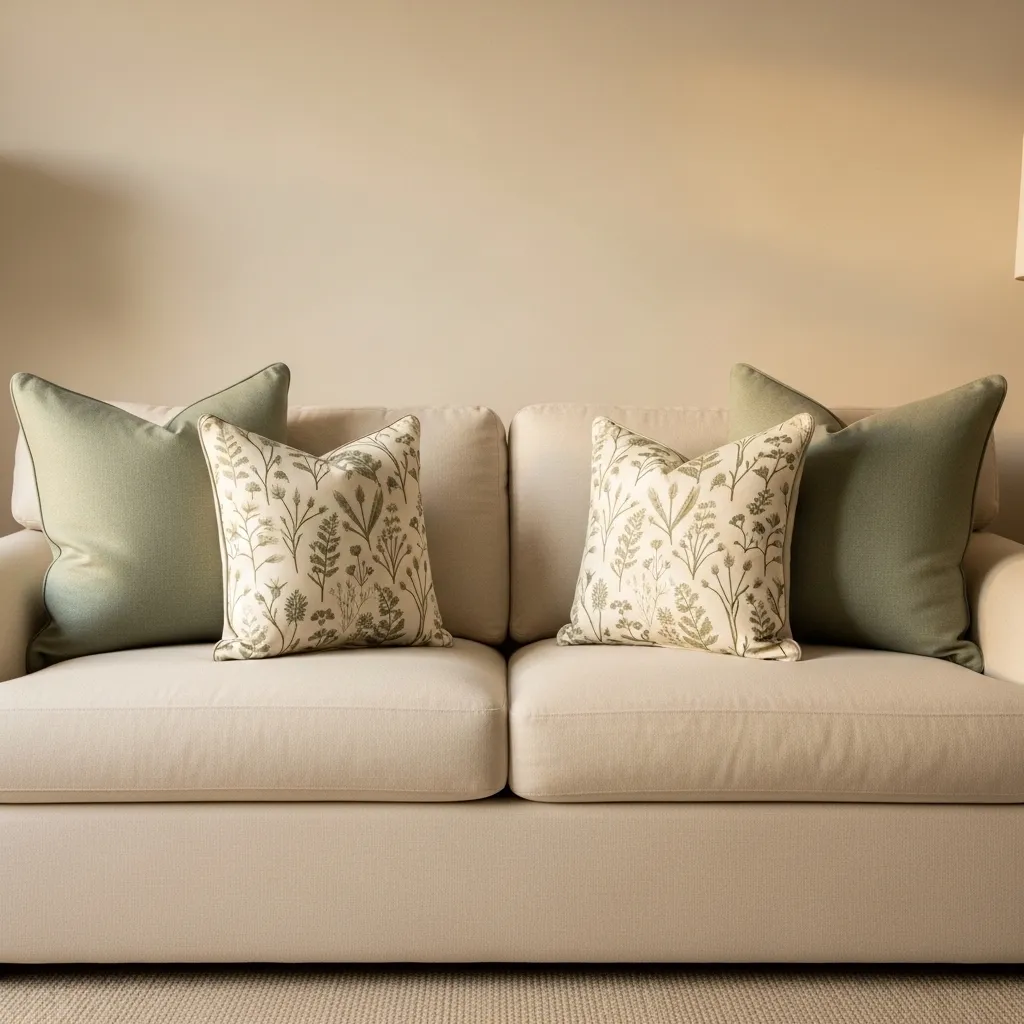
The symmetrical pillow arrangement is the one that your eye recognizes as correct and orderly without consciously registering why — it works because bilateral symmetry is one of the fundamental organizing principles the human visual system uses to assess order and intention, and a symmetrically arranged sofa reads immediately as a deliberately designed space rather than a casually occupied one. It’s the arrangement that makes a room feel most formal and considered, which is exactly what you want in a living room where you’re trying to create a specific atmosphere of calm and order.
The key to symmetry that feels relaxed rather than rigid is allowing small imperfections in the execution — pillows leaning at slightly different angles, one edge of a pillow overlapping its neighbor differently on each side, the front pillows positioned at very slightly different distances from the sofa edge. These micro-variations communicate that the arrangement was made by a person rather than a machine, and that human quality is what distinguishes beautiful sofa styling from something that looks like a furniture showroom display.
2. The Casual Asymmetric Arrangement
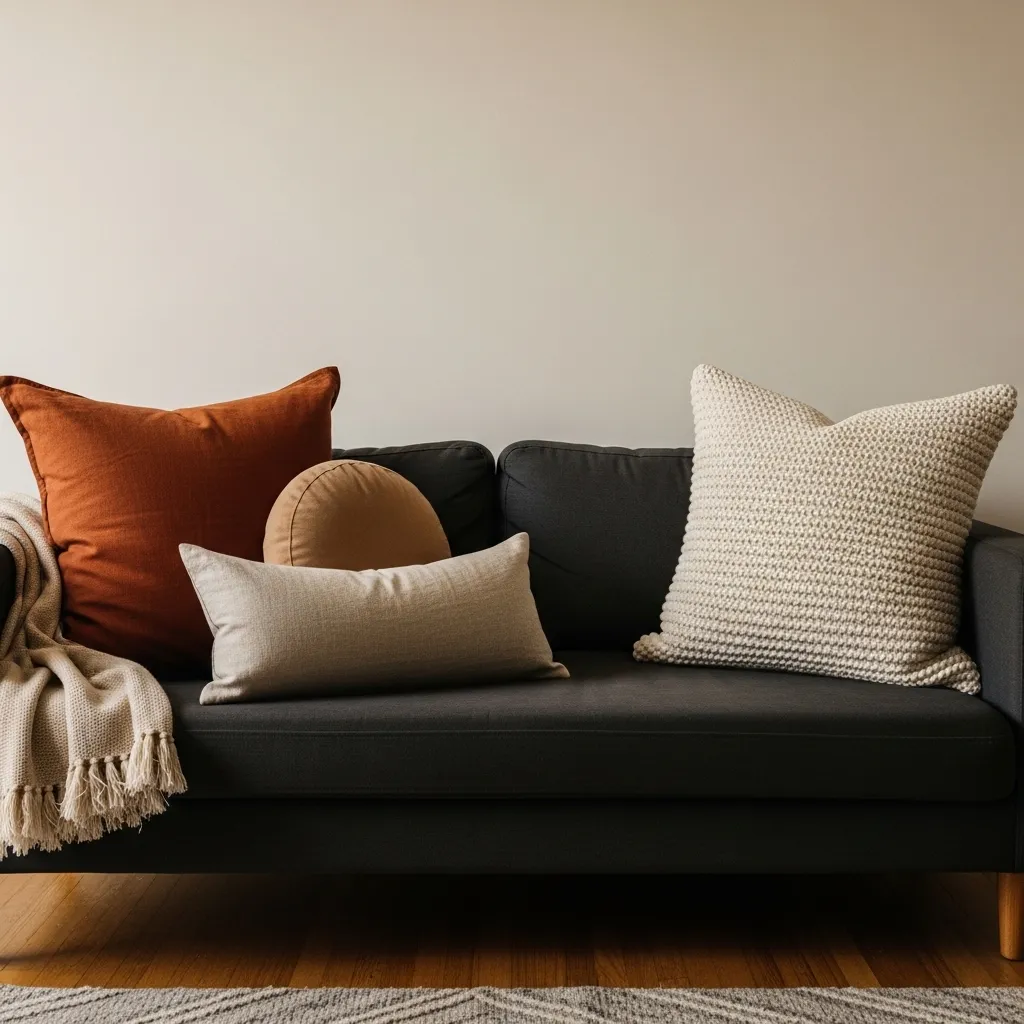
Deliberate asymmetry in a pillow arrangement is the styling choice that communicates the most design confidence — because it requires you to create visual balance through weight and relationship rather than through mirroring, which is a considerably more sophisticated compositional challenge. An asymmetric sofa with more pillows on one side than the other looks intentional when you get the balance right and looks like someone left for work in a hurry when you don’t, and the difference between those two outcomes is understanding what visual weight actually means.
Visual weight in a pillow arrangement comes from scale, color density, and texture — a large pillow in a bold color has more visual weight than a small pillow in a pale tone, and a cluster of three pillows has more weight than a single pillow of equivalent total size. Asymmetry works when the visual weight on the heavier side is balanced by something on the lighter side — more empty sofa space, a larger throw draped at that end, or simply the deliberate quality of a single beautiful pillow given space to breathe.
3. The Triangle Method for Three Pillows
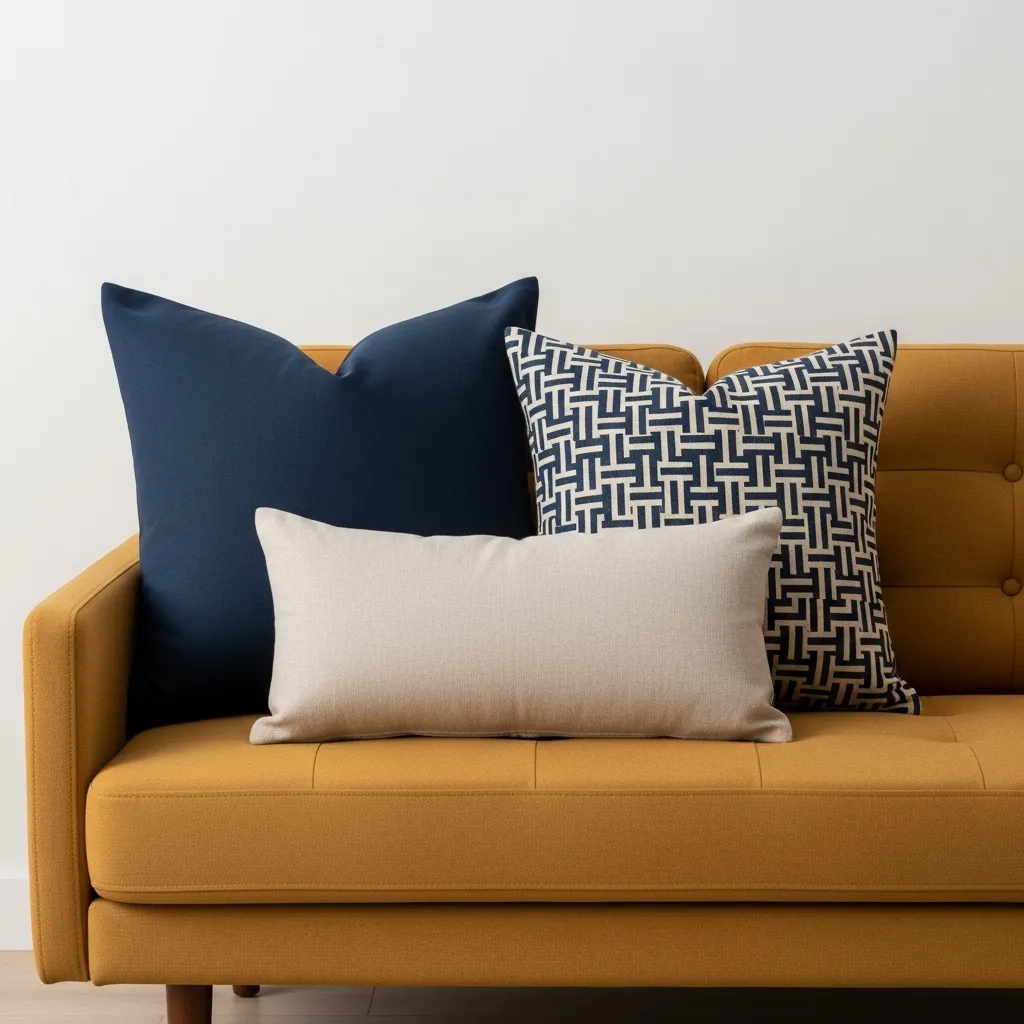
The triangle method is the pillow arrangement formula that professional stylists use most consistently because it creates visual rhythm and dimension that flat, same-height arrangements lack — by positioning three pillows of decreasing size so that the largest is at the back, the medium is at mid-depth, and the smallest is at the front, you create a sense of depth and layering that makes the sofa look styled rather than just covered in pillows. The triangle shape is one of the most stable and satisfying compositional structures in visual art for the same reasons it works in pillow arrangement.
The size differential between the three pillows needs to be genuinely significant for the triangle to read properly — if all three pillows are within a few inches of each other in size, the arrangement reads as flat rather than triangular. A large 24-inch square at the back, a 20-inch square or 18-inch square in the middle, and a 14-inch square or 12 by 20-inch lumbar at the front creates a size progression that’s clear enough to read as an intentional composition from across the room.
4. The Maximalist Layered Sectional
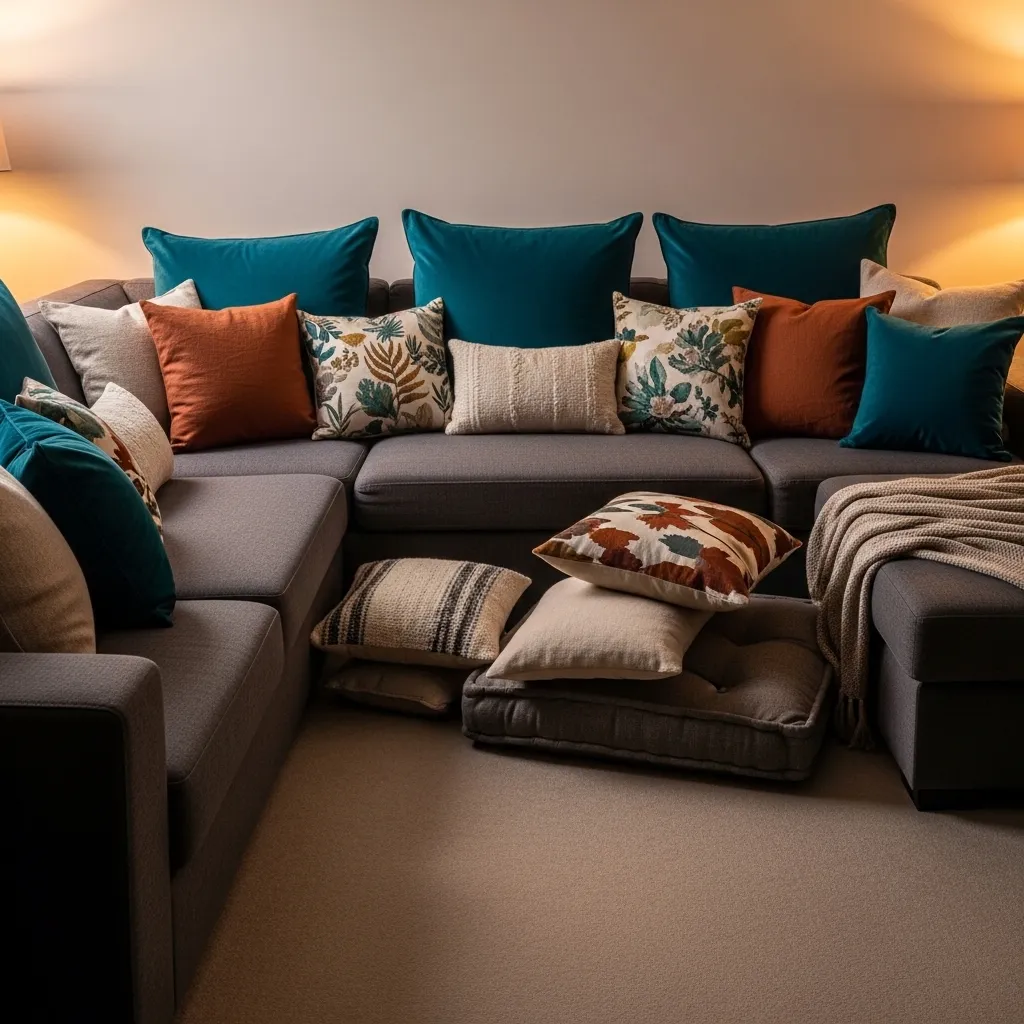
A maximalist layered sectional arrangement is the pillow styling approach where abundance is the whole point — the goal is to create a sofa that looks so deeply, generously cushioned that you could disappear into it completely and not emerge until you were thoroughly rested. The key to maximalist pillow abundance that looks designed rather than chaotic is absolute color discipline — you can have as many pillows as you want in as many different patterns and textures as you like as long as they all share the same color palette.
The number of pillows on a sectional is genuinely a matter of personal preference and lifestyle — people with young children and dogs who actually use the sofa constantly might prefer fewer pillows that are easier to manage, while people whose living room is primarily a designed space for guests and occasional use might go all in on the abundant look. Both are completely valid, and neither requires justification beyond what you actually want your sofa to look and feel like to live with.
5. The Lumbar Pillow as a Front Layer
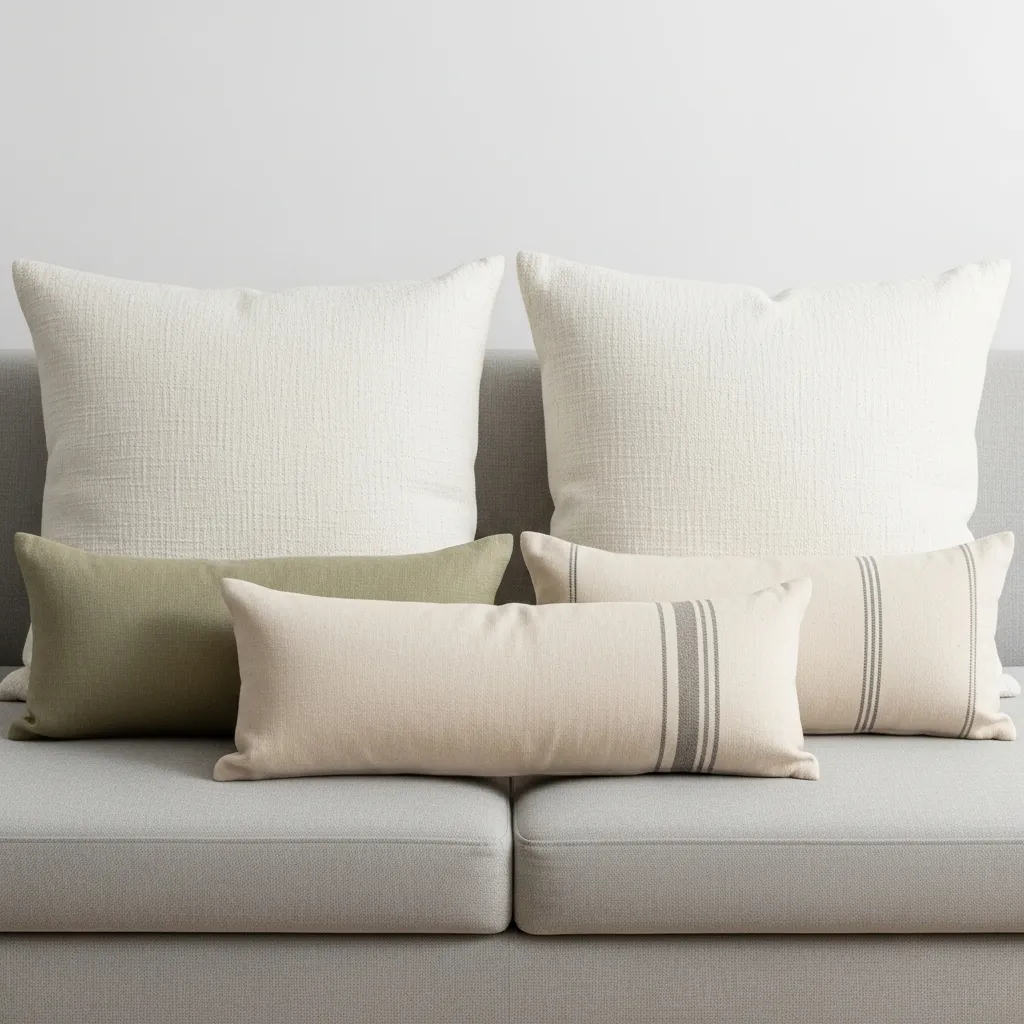
The lumbar pillow positioned in front of a larger square pillow is the single pillow technique that instantly elevates a basic two-pillow setup into something that looks genuinely styled — the horizontal rectangle of the lumbar against the vertical square behind it creates a shape contrast that reads as intentional and layered, and the extension of the lumbar pillow beyond the edges of the square behind it creates a sense of width and dimension that makes the arrangement look more complex than it actually is.
Lumbar pillows are underused in most people’s sofa styling and they deserve considerably more attention because they bring a shape to the pillow arrangement that pure squares can’t provide — the low horizontal rectangle sits at a different visual height than the taller squares, creating a stepped composition that gives the eye multiple levels to rest on rather than a single flat plane of same-height squares. The contrast between square and rectangle is as important to good pillow arrangement as the contrast between large and small or bold and subtle.
6. Two Pillows on a Small Sofa or Loveseat
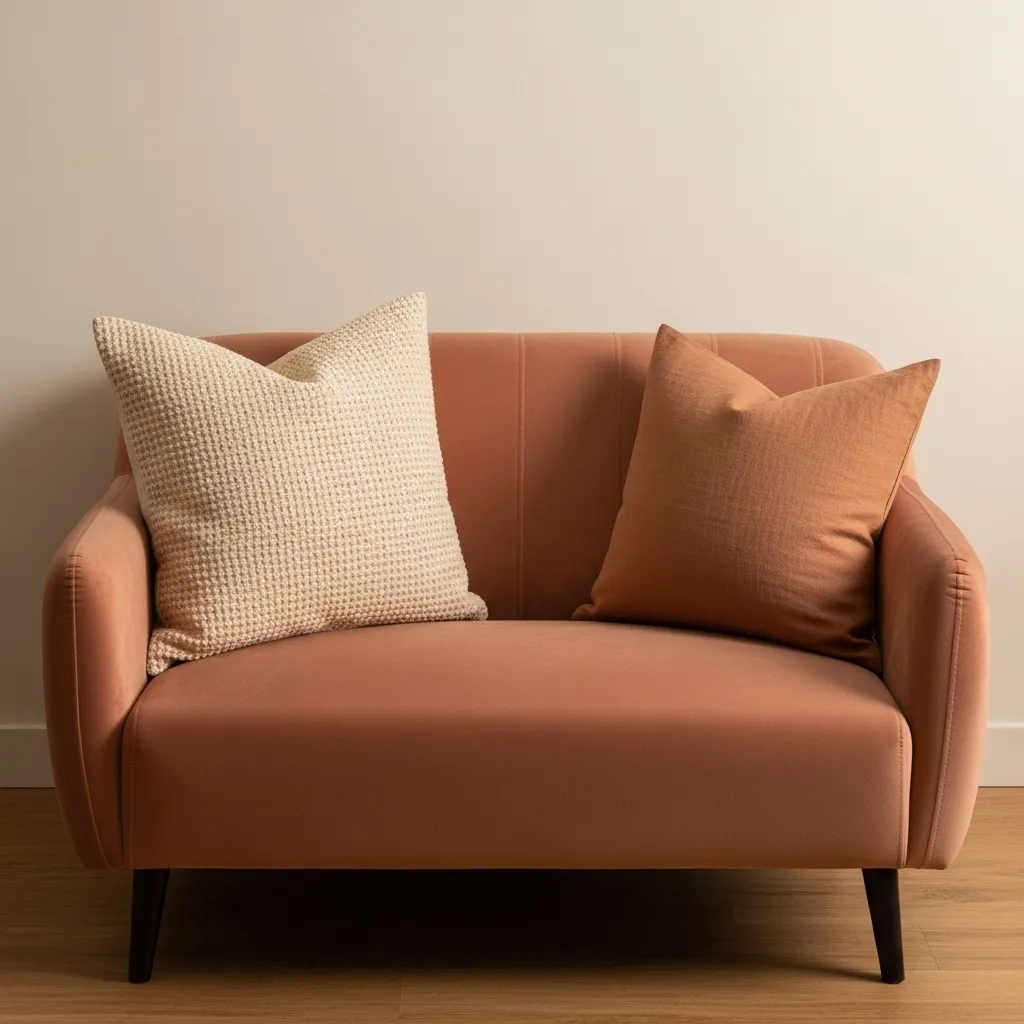
Two pillows on a small sofa is the arrangement that requires the most confidence and the most restraint — the temptation to add more is strong, but a loveseat or small two-seater actually looks most beautiful and most correct with just one pillow at each end, because adding more overwhelms the scale of the furniture and makes the seating area look cramped rather than styled. The two-pillow rule for small sofas is the rule that professional stylists apply consistently and that most homeowners resist until they try it and see immediately that it was right.
The choice to use a complementary pair rather than a matching set is the detail that makes two pillows on a small sofa look considered rather than minimal by default — two identical pillows looks like a furniture store display, but two pillows that clearly belong together through shared color or texture while being subtly different in size or pattern looks like someone who knows what they’re doing made a specific and considered selection. The relationship between the two pillows is the entire pillow story of the sofa, so that relationship needs to be genuinely good.
7. Mixing Patterns — The Rule That Works
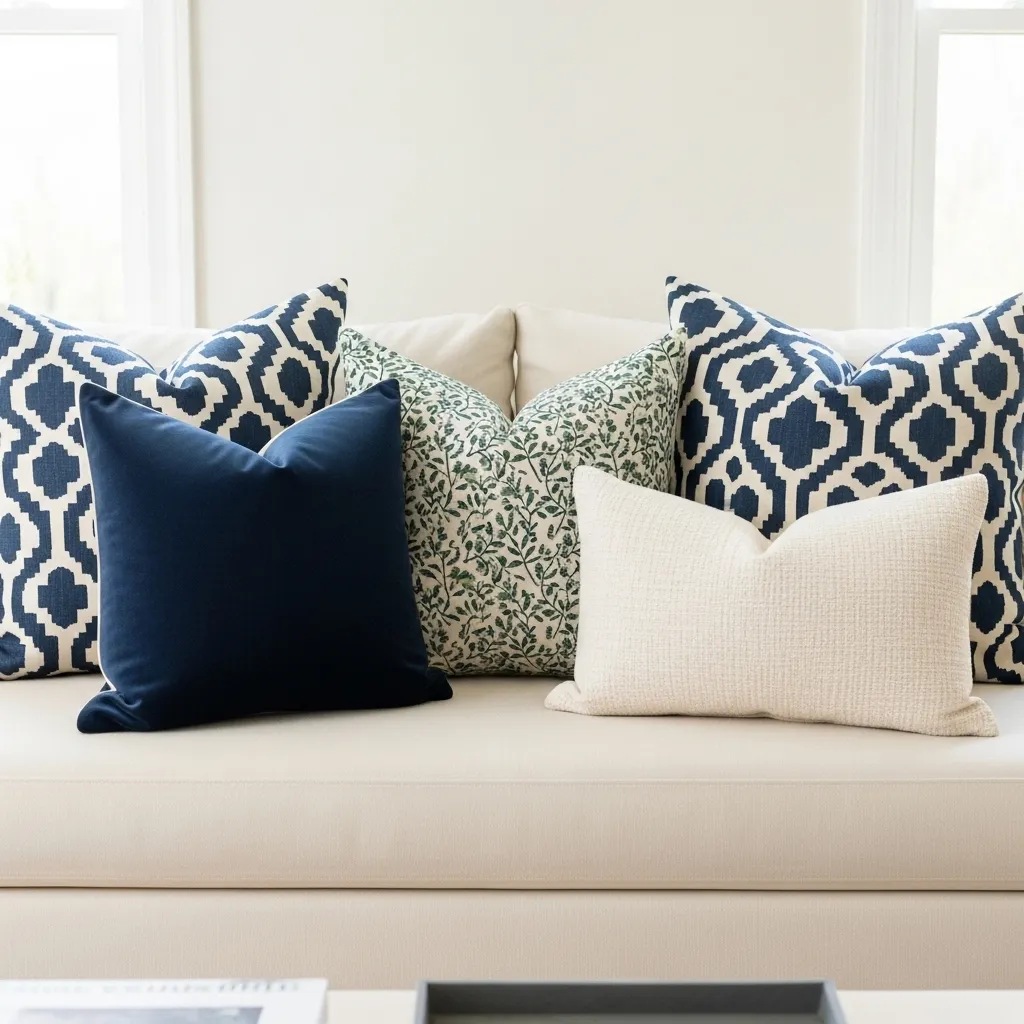
Pattern mixing in throw pillows is the styling skill that separates a truly sophisticated sofa from a merely coordinated one — but it’s a skill governed by a rule that, once understood, makes the whole process genuinely reliable. The rule is scale variation: mix a large-scale pattern, a medium-scale pattern, and a small-scale or solid, all within the same color palette. The scale variation prevents the patterns from competing with each other visually, while the shared color palette creates the cohesion that makes them read as a collection rather than a collision.
The solid pillow is an often-underestimated element in a pattern mix — it provides visual rest amid the patterns, gives the eye a place to pause between the geometric and the botanical, and when it’s in a rich texture like velvet or a nubby linen, it contributes materially to the composition even while contributing no pattern. A pattern mix without at least one solid or near-solid often reads as restless and overwhelming, and the introduction of that quiet element is frequently what transforms a good pillow arrangement into a great one.
8. The Karate Chop or Pillow Karate Method
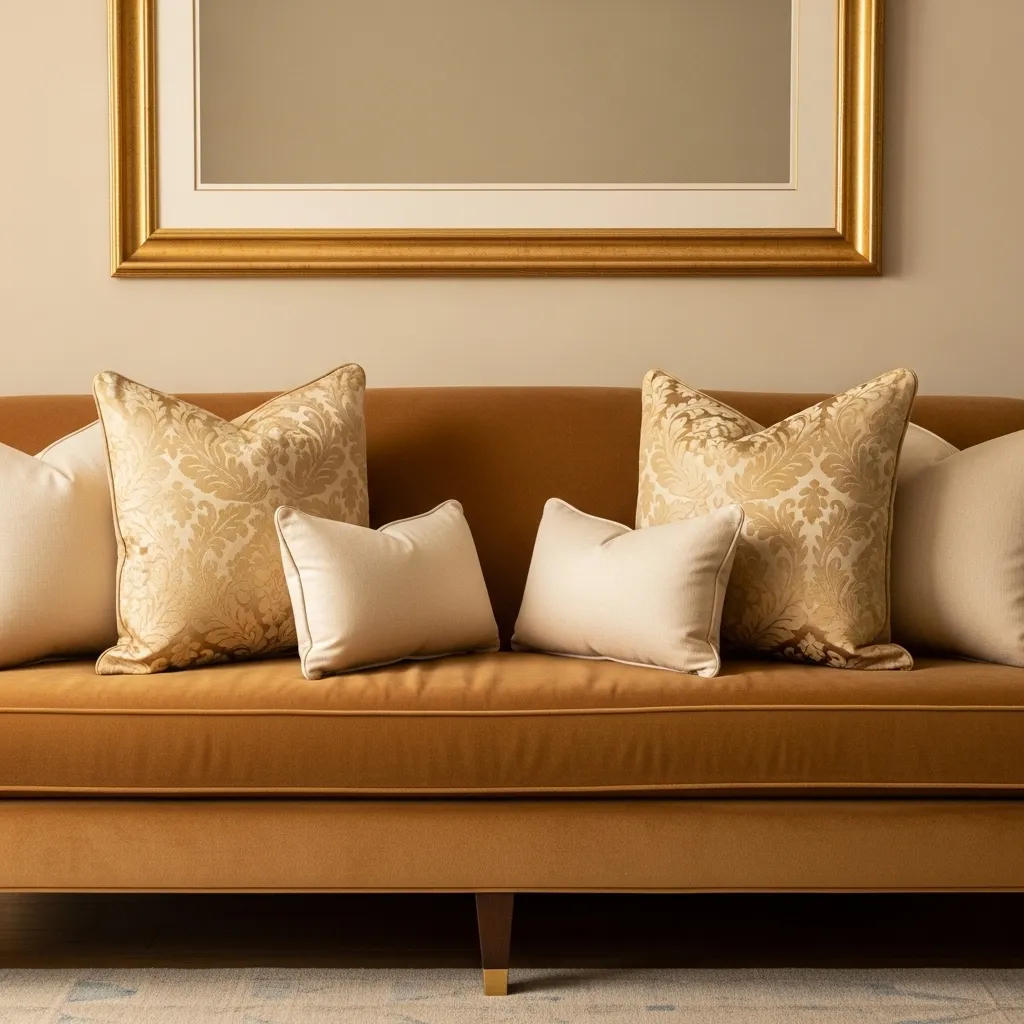
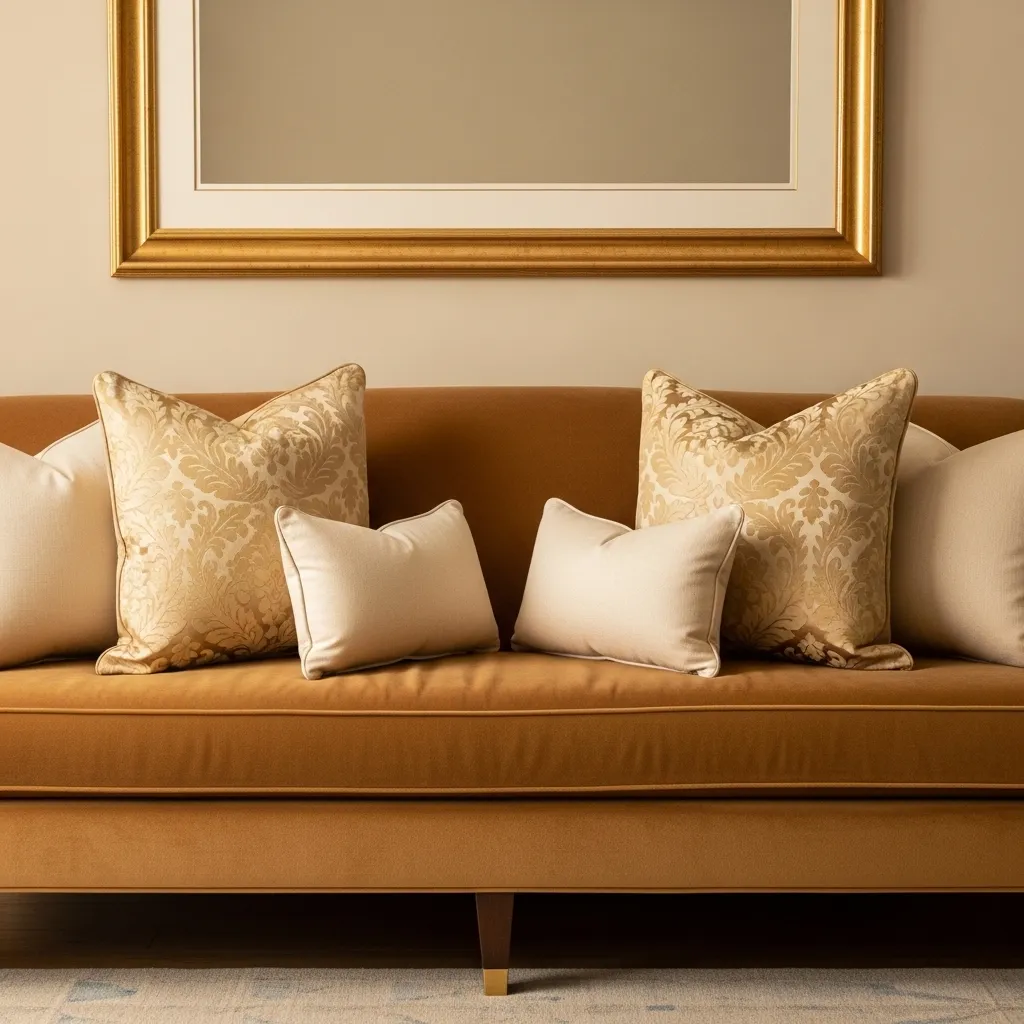
The karate chop — pressing a firm indentation into the center top edge of a throw pillow with the side of your hand — is the hotel styling technique that makes filled pillows look deliberately positioned rather than just placed, and it’s one of those details that’s genuinely invisible in its mechanism but clearly visible in its effect. A karate-chopped pillow looks structured and intentional; an un-chopped pillow of the same design looks slightly deflated and casually dropped. The technique works on any pillow with enough fill to hold the shape, and it’s a ten-second step that makes a meaningful difference.
The karate chop is particularly effective on large square pillows with down or high-quality fiber fill because the indentation creates a structured crown shape at the top of the pillow that emphasizes the pillow’s volume and quality — it makes a well-stuffed pillow look even more generously stuffed and shows the quality of the fill by demonstrating its ability to hold a shape. It’s the technique that makes your sofa look like the display version of itself rather than the version that’s been sitting there since Tuesday.
9. The Throw and Pillow Combination
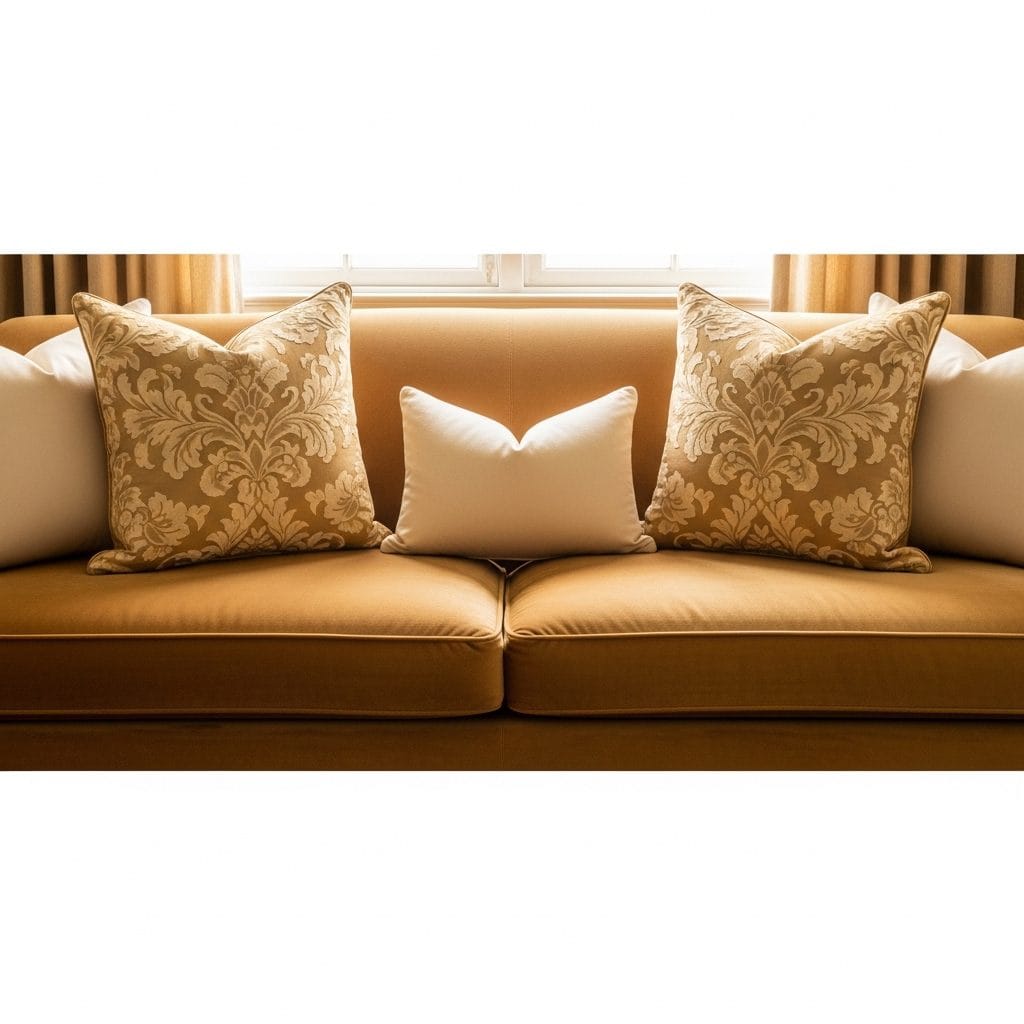
A throw draped over the sofa arm is not a pillow arrangement element but it affects the pillow arrangement profoundly — because the throw introduces a visual weight, a texture, and a color on one side of the sofa that needs to be accounted for in the pillow composition for the whole thing to feel balanced. When the throw is draped on the left arm, the pillow arrangement needs either more visual weight on the right side to compensate, or the throw itself provides the counterweight to a cluster of pillows on the left.
The most natural and beautiful way to integrate a throw and a pillow arrangement is to allow the throw to be the dominant element at one end of the sofa — letting it drape over the arm and fall across the seat generously — and respond to that dominance with a more interesting or more abundant pillow arrangement at the same end, with a single simpler pillow at the other end. The throw and the pillow cluster become a team rather than two separate styling decisions competing for attention.
10. Round and Bolster Pillows in a Mixed Shape Arrangement
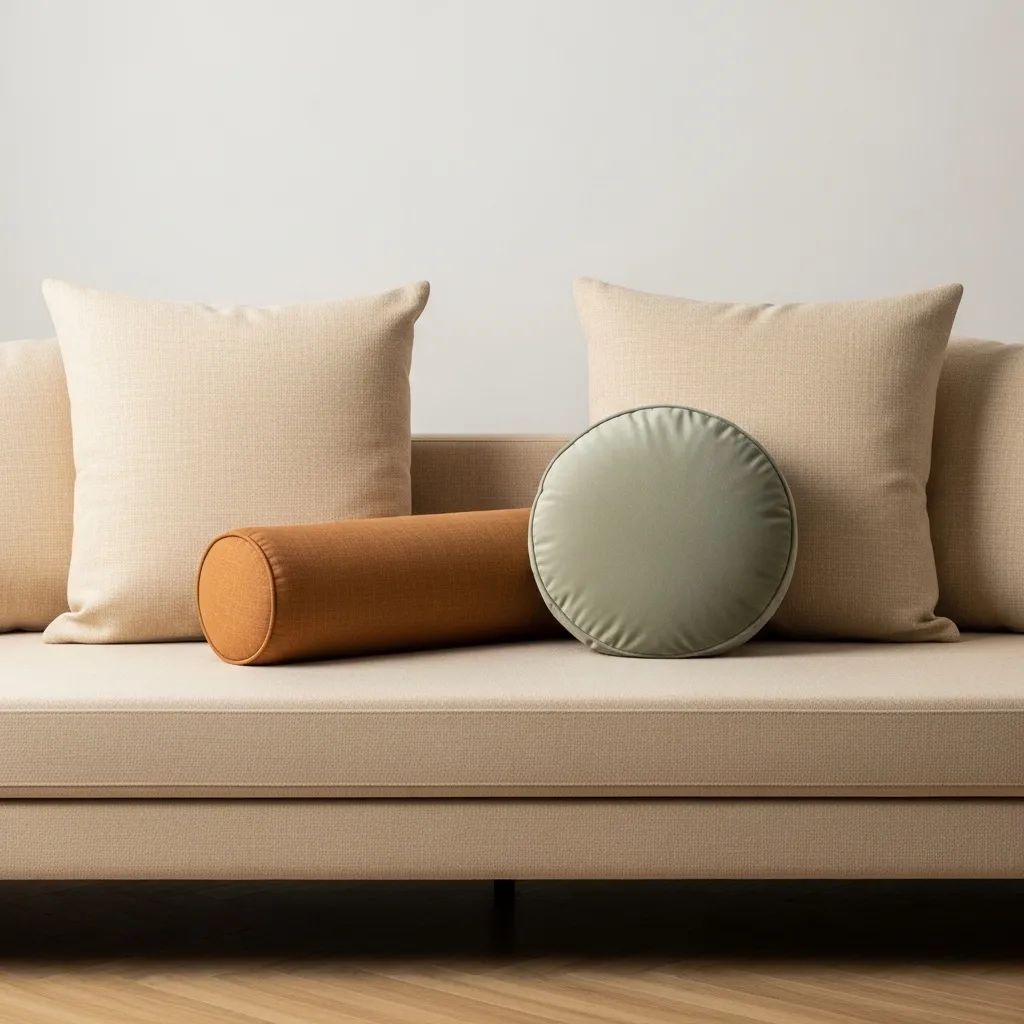
Mixing pillow shapes — squares, rounds, bolsters, and rectangular lumbars — is the arrangement approach that creates the most interesting and visually sophisticated sofa styling because shape variation adds a dimension to the composition that color and pattern variation alone can’t provide. Most people own only square pillows of varying sizes, and while that works perfectly well, the introduction of even one round pillow or one bolster into a predominantly square arrangement creates an instant visual interest that transforms the sofa from correctly styled to genuinely designed.
Round pillows specifically are having a significant design moment in 2026 and for good reason — the circle shape is unusual enough among sofa pillows that it reads as a deliberate and considered selection, and its soft, complete form has a particular warmth and playfulness that squares and rectangles don’t possess. A single round velvet pillow positioned in front of a pair of square pillows creates a focal point in the arrangement that draws the eye and gives the composition a center of gravity that makes the whole arrangement feel more organized and more beautiful.
11. The Floor Pillow Spill-Out for a Relaxed Look
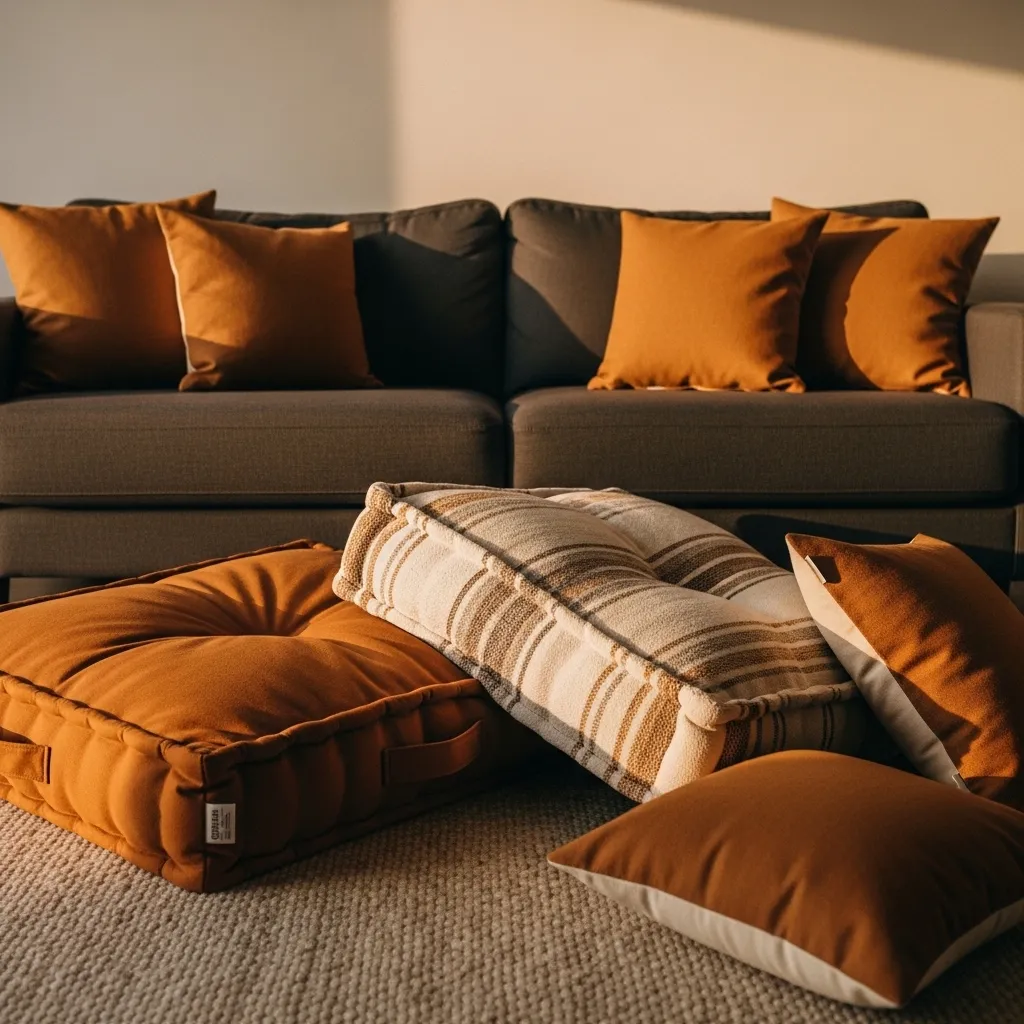
The floor pillow spill-out is the styling technique that most effectively communicates that a living room is genuinely used and enjoyed rather than just maintained and preserved — when pillows appear to have migrated from the sofa to the floor, the room tells a story of people having been there recently, lounging, watching a film, gathering on the floor for a game or a conversation. That storytelling quality is what makes a styled room feel inhabited rather than staged, and it’s the difference between a room that looks like it belongs to real people and one that looks like a furniture advertisement.
Large floor cushions chosen to coordinate with the sofa pillow palette rather than match it exactly are the practical element that makes this work — they need to belong to the same color family and general aesthetic as the sofa pillows, so the migration from sofa to floor reads as natural and organic rather than as an entirely separate pile of stuff on the floor that has nothing to do with the sofa styling. The relationship between the floor cushions and the sofa pillows is what creates the sense of a continuous, relaxed composition rather than two separate things happening in the same space.
12. The Color Story Pillow Arrangement
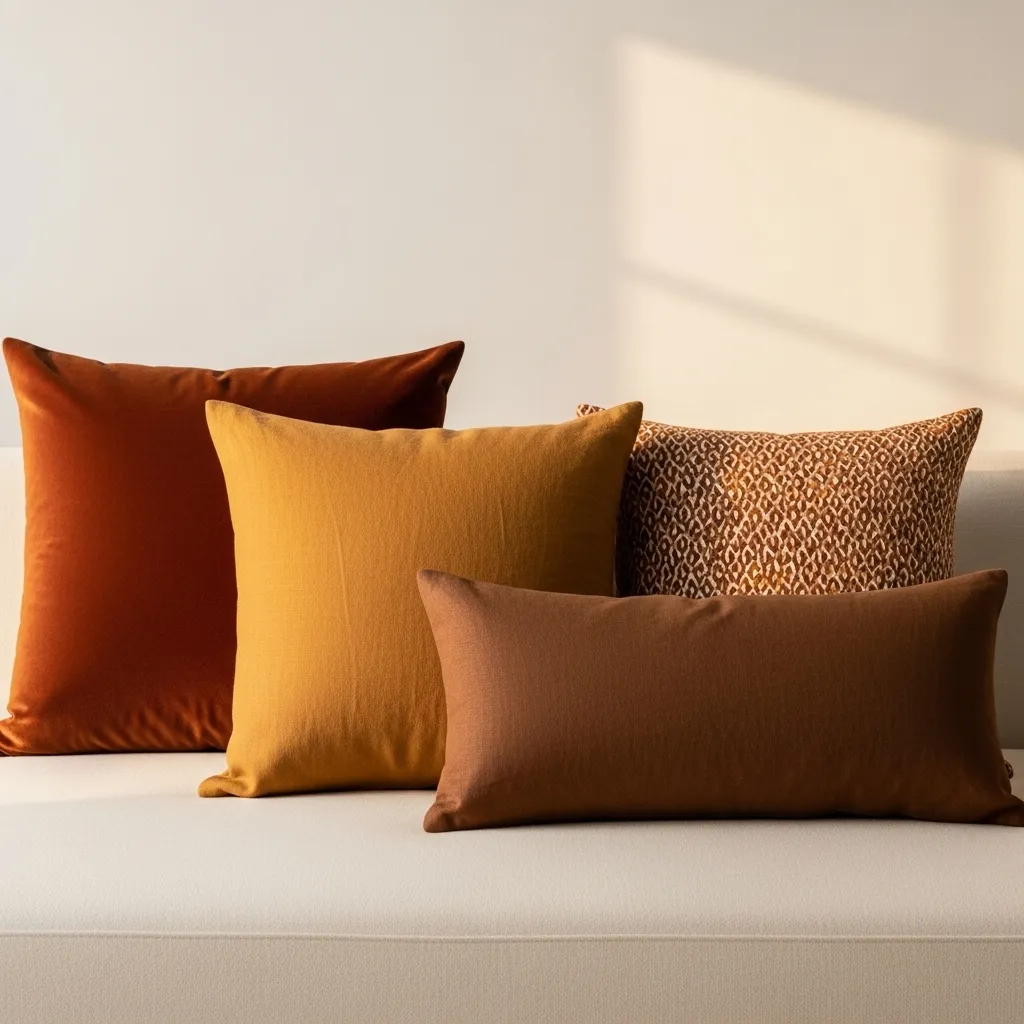
Building a pillow arrangement around a single cohesive color story — choosing two or three tones that belong together and using them consistently across every pillow on the sofa — is the approach that makes the most cohesive and satisfying result and the one most likely to survive the test of time without needing to be completely redone. A color story can be revisited, refreshed with new individual pieces, expanded or contracted, but the underlying palette relationship between the pillows stays consistent and keeps the arrangement looking intentional.
The warmth of the color story you choose for your sofa pillows should be considered in relation to both the sofa color and the room’s overall palette — pillows that harmonize with the wall color, the rug, and the main furniture upholstery create a room that feels composed and considered, whereas pillows that create random color contrast throughout the room feel like decorative accidents even if each individual pillow is beautiful. The pillow color story is part of the room’s color story and they should be planned together rather than in isolation.
13. The Odd Number Rule in Practice
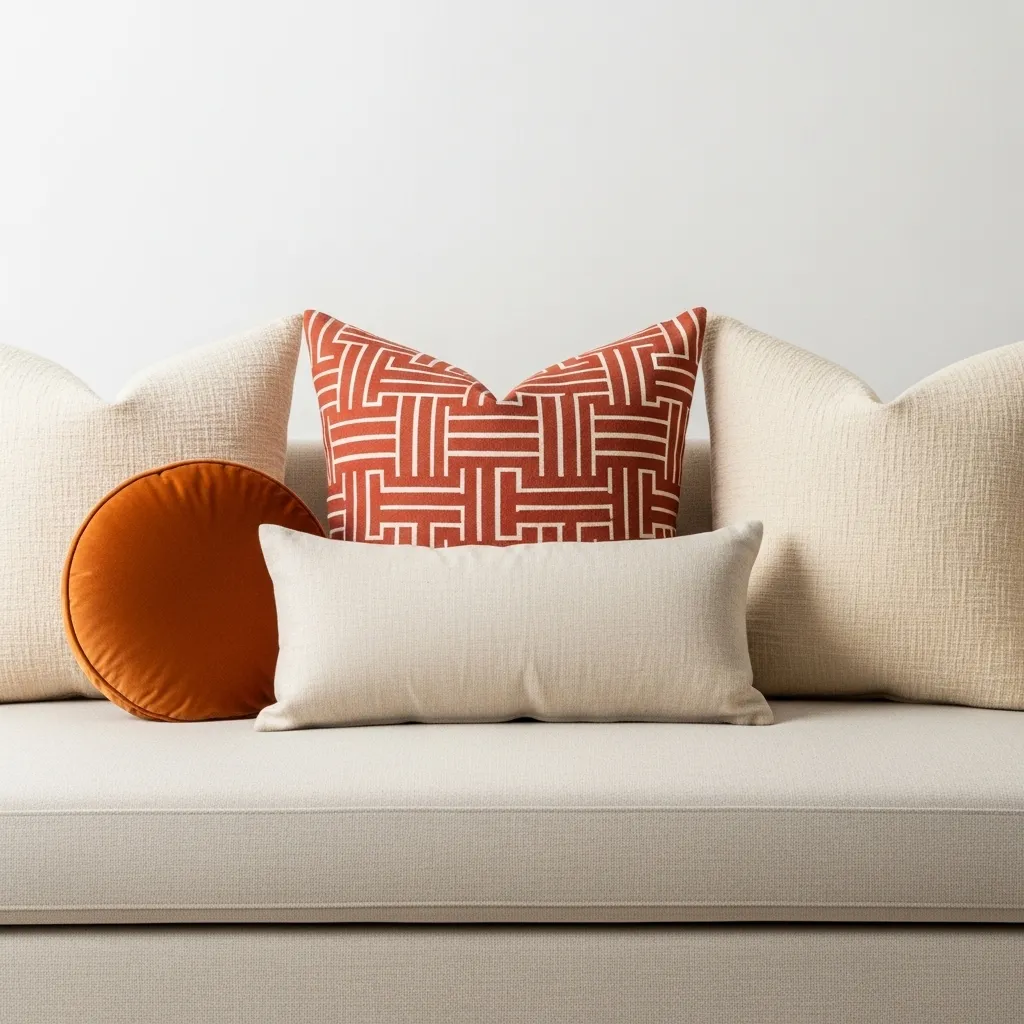
The odd number rule — styling with three, five, or seven pillows rather than two, four, or six — is one of the most reliably successful guidelines in interior styling and it applies to pillow arrangement with particular force. Even numbers of pillows have a natural tendency to split into pairs, creating a balanced but static composition where every element has a partner. Odd numbers resist that pairing tendency and create a natural hierarchy — in any group of three or five objects, one becomes the focal point and the others support it, and that hierarchy creates visual movement and interest that even-numbered arrangements struggle to achieve.
The center pillow in a five-pillow arrangement is the one that establishes the focal point — it should be the most visually distinctive or the boldest pattern or color in the arrangement, because its central position gives it authority that it needs to deserve. The two pillows flanking it on each side should support rather than compete, providing the framework within which the center pillow can have presence. Think of it like a portrait photograph — the subject at center, the supporting elements at the sides.
14. The Tight and Neat Arrangement for Small Spaces
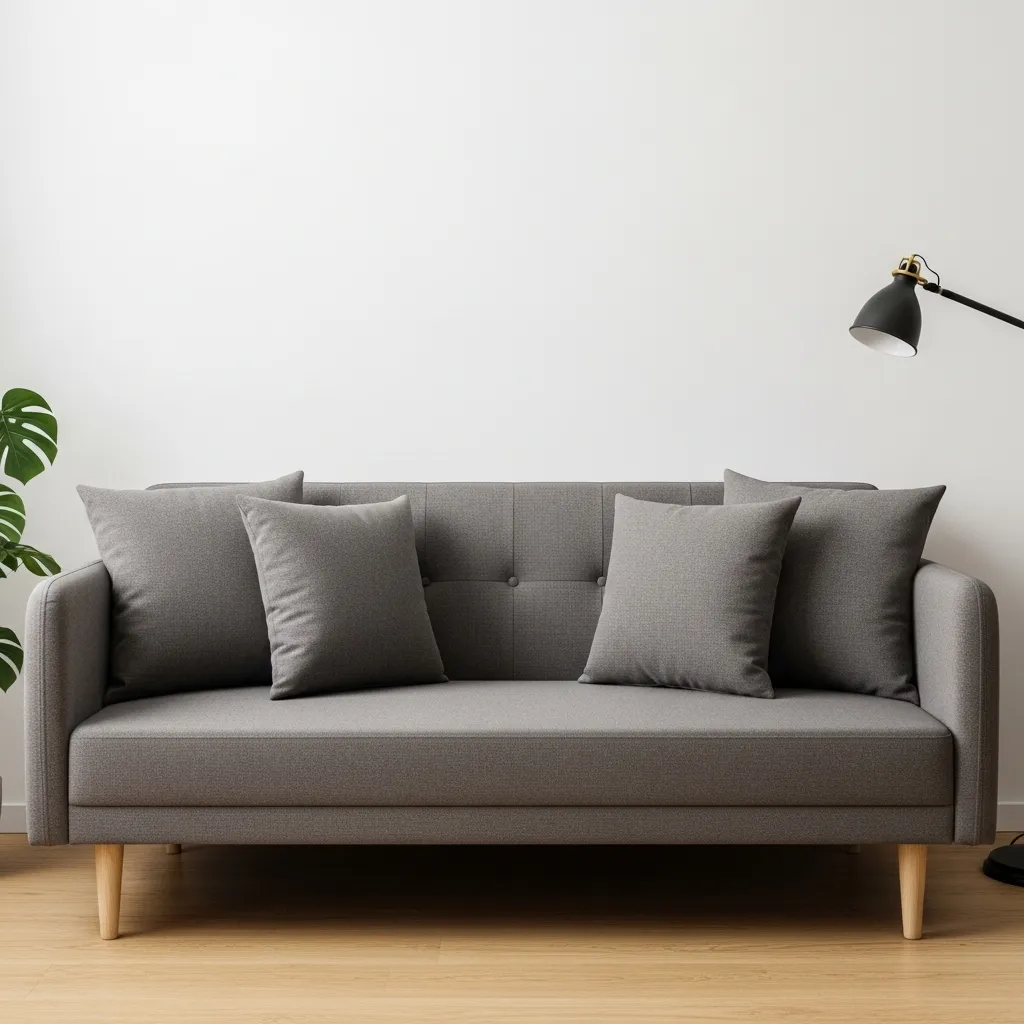
A tight and neat pillow arrangement that keeps pillows at the ends of the sofa and leaves the center completely clear is the approach for small sofas, small rooms, and people who prioritize actual comfortable seating over abundant styling — because a pile of pillows that occupies two-thirds of the sofa surface might look beautiful but it creates the practical problem of having nowhere to actually sit without first relocating a pile of cushions, which becomes tiresome very quickly in a home that’s actually lived in.
The discipline of keeping pillows contained to the ends of the sofa is one that many professional interior stylists apply in rooms meant for actual use rather than photography — it creates a sofa that looks styled and considered from the doorway while remaining genuinely functional and comfortable from the sofa itself. The neatness of the execution compensates for the reduced number of pillows, and a tightly plumped, precisely positioned pair of beautiful pillows at each end of a sofa is more elegant than a haphazard pile of many.
15. Seasonal Pillow Refresh Without Starting From Scratch
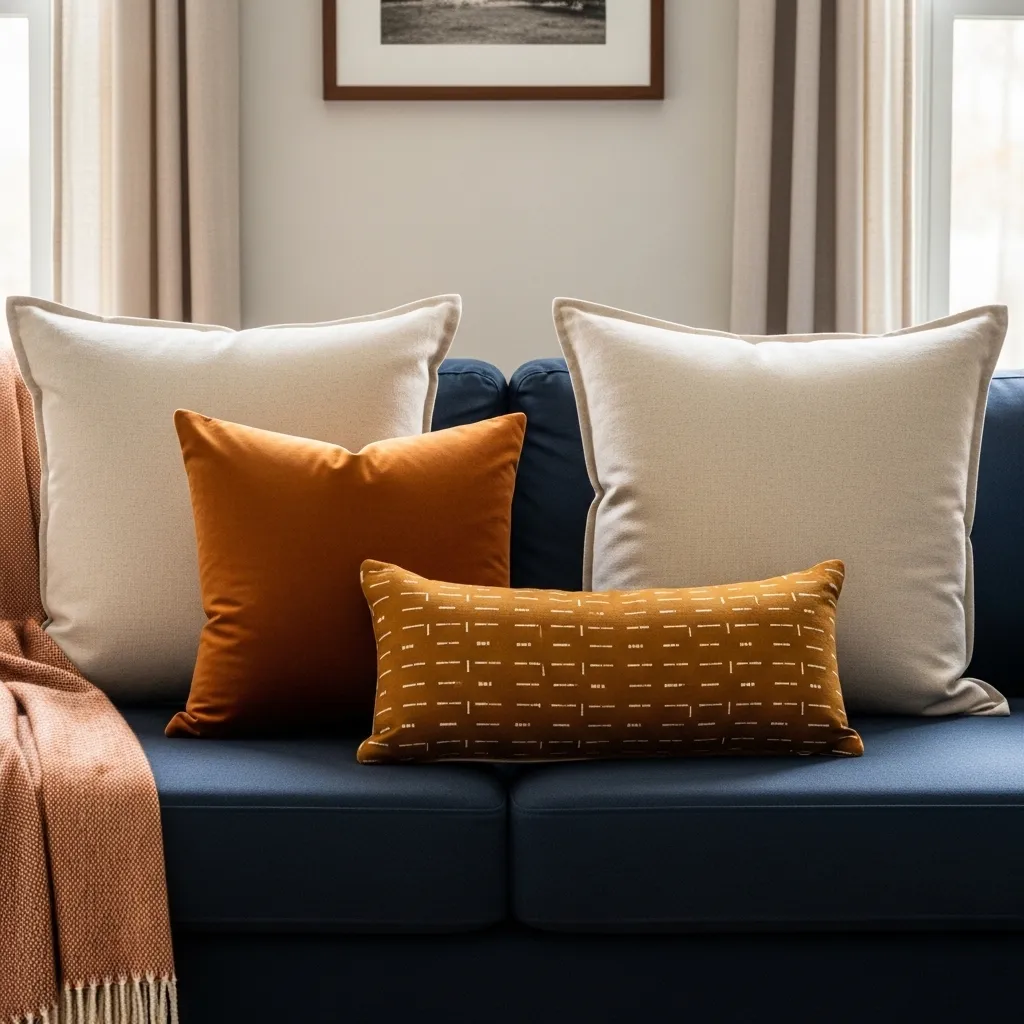
A seasonal pillow refresh strategy — keeping two or three core neutral anchor pillows year-round and rotating seasonal accent pillows in front of them — is the approach that gives your sofa styling genuine seasonal variety without requiring you to store an enormous collection of pillows or spend significant money on a complete new set every few months. The anchor pillows are the investment pieces — in quality fabric, in generous size, in colors neutral enough to work across seasons — and the seasonal accents are the more affordable, more trend-responsive pieces that come and go with the months.
The rotation calendar that works best is four distinct seasonal updates — warm terracotta and rust for autumn, deep velvet jewel tones for winter, fresh sage and blush for spring, and bright natural linen and botanical prints for summer. Each seasonal update requires only two or three accent pillows to transform the entire sofa’s character when the anchor pillows beneath remain constant, and the continuity of those anchors creates a visual thread through all four seasons that makes the changing accents feel like evolution rather than reinvention. It’s the pillow arrangement strategy that respects both your aesthetic and your storage space simultaneously.