15 Kids Bedroom Ideas
Kids’ bedrooms are such special spaces because they need to work on so many different levels—they’re sleeping spaces, play areas, homework zones, creative studios, personal retreats, and places where imagination runs wild all rolled into one room. Unlike adult bedrooms that are primarily for rest and relaxation, kids’ rooms need to be incredibly hardworking and adaptable because childhood itself is constantly evolving. What works for a toddler won’t work for a grade-schooler, and what a seven-year-old needs is completely different from what a teenager wants. The best kids’ bedroom designs embrace this evolution by creating flexible foundations that can grow and change as your child does, without requiring a complete overhaul every few years.
What I love about designing kids’ bedrooms is that you get to be playful and creative in ways that might feel too whimsical or bold in other rooms of your house. This is the space where you can paint a wall in that vibrant color you’ve been eyeing, create themed environments that spark imagination, incorporate fun patterns without worrying about them being too trendy, and generally just have more fun with design. Kids respond so beautifully to spaces that feel like they were made specifically for them—rooms that reflect their interests, accommodate their activities, and give them ownership over their personal space. It’s not just about aesthetics; it’s about creating an environment where they feel comfortable, inspired, and genuinely happy to spend time.
The practical side of kids’ bedroom design can’t be ignored either. These rooms need serious storage for toys, clothes, books, art supplies, and the endless accumulation of stuff that comes with childhood. They need durable surfaces that can handle the inevitable spills, scratches, and general wear that active kids dish out. They need good lighting for homework and reading. They need space for friends to hang out and play. The sweet spot is finding that balance between creating something beautiful and inspiring while also being completely functional and livable for everyday use. Let’s dive into these ideas and figure out how to create a bedroom your kid will absolutely love.
1. Built-In Bunk Beds with Storage
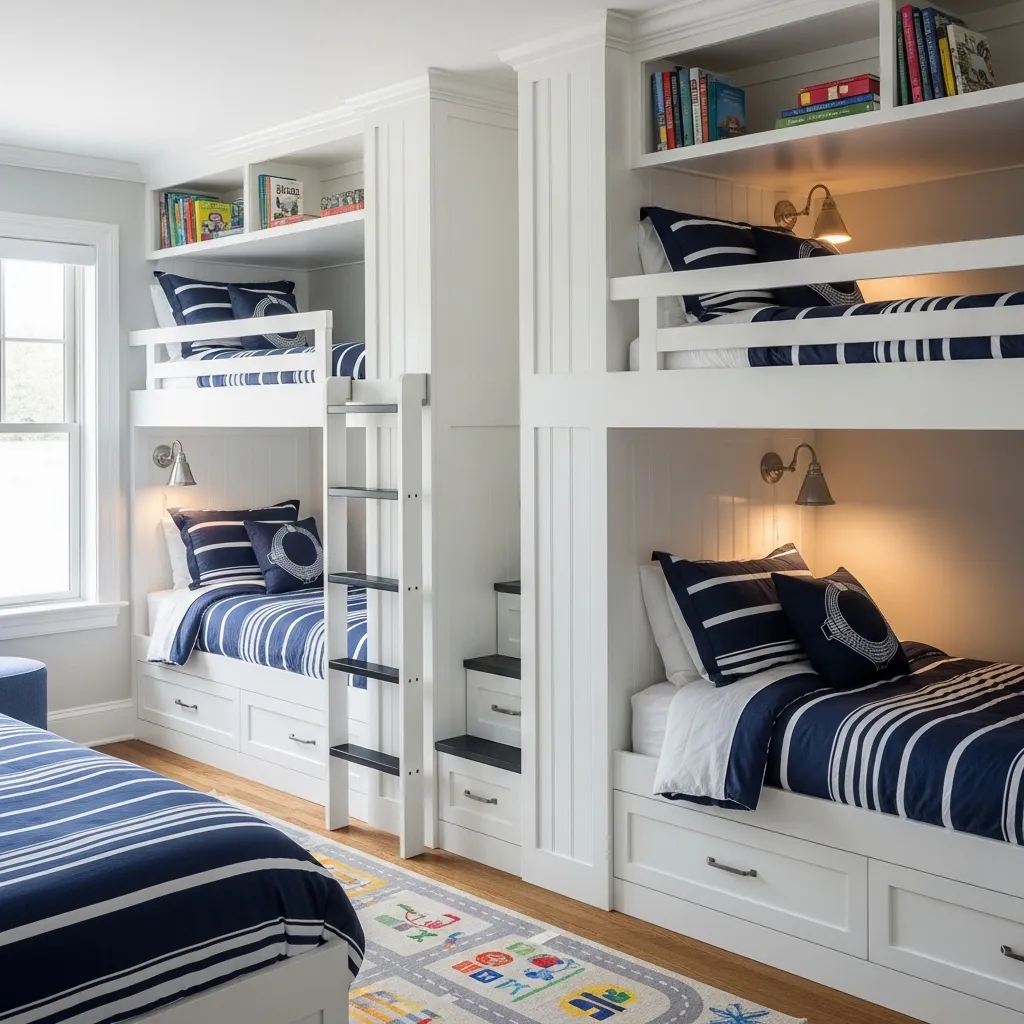
Built-in bunk beds are an absolute game-changer in kids’ rooms, especially when you’re dealing with limited space or multiple kids sharing a room. Unlike freestanding bunks that can feel bulky and take up significant floor space, built-ins become part of the architecture and can incorporate tons of storage—drawers underneath, shelving at the sides, cubbies at the head and foot. You’re essentially building a multi-functional sleep and storage system that maximizes every inch of vertical space.
The beauty of built-ins is how they free up the rest of the room for what kids actually need—space to play, move around, and spread out their activities. The beds become almost like sleeping nooks or alcoves, creating cozy personal spaces for each child while the center of the room remains open. You can customize the design to include exactly what your kids need—maybe a desk built into the lower level, hooks for backpacks, or even a small reading nook. While this requires more investment upfront than buying furniture, the functionality and space-saving benefits are enormous, and it can genuinely transform how a shared bedroom works.
2. Chalkboard or Magnetic Paint Wall
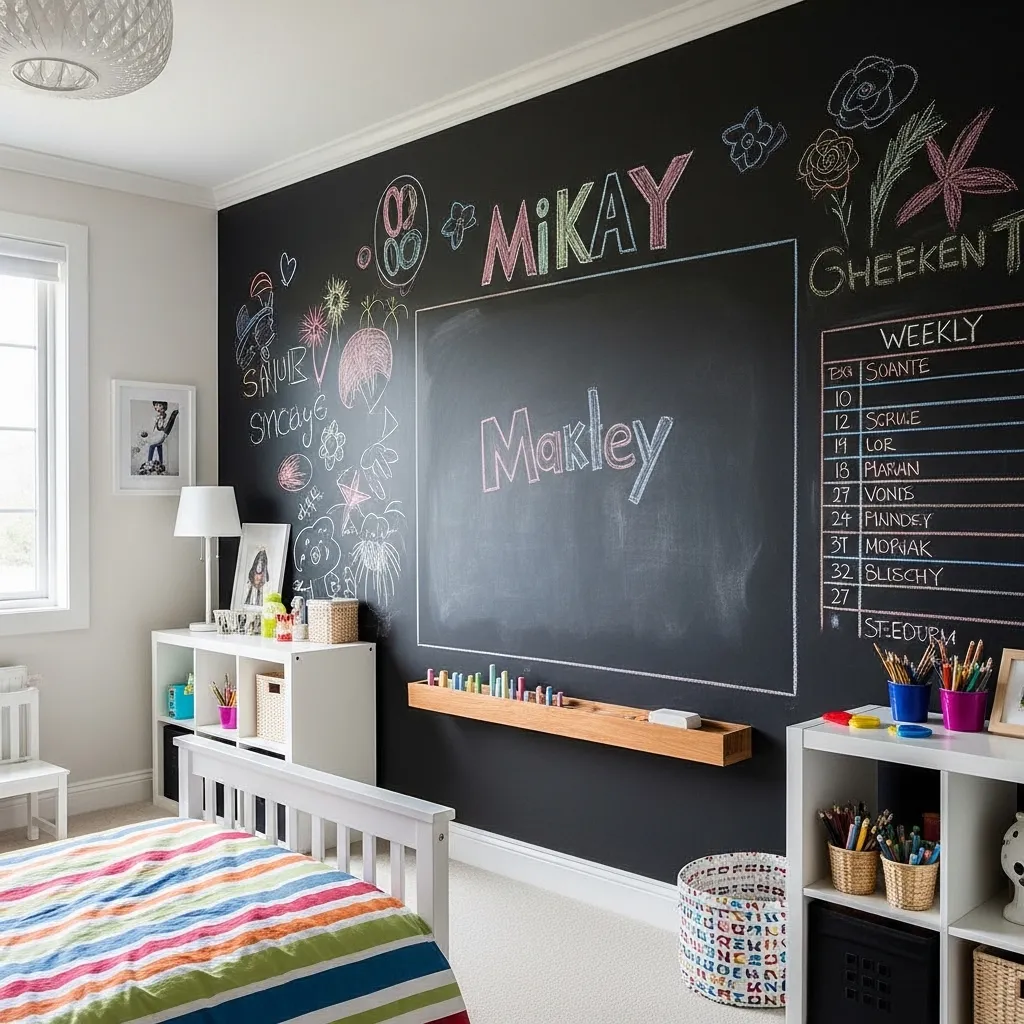
A chalkboard wall is one of those features that kids absolutely love and use constantly—it’s interactive, creative, and changes every day based on their mood and imagination. Instead of fighting the urge to draw on walls, you’re giving them an entire wall specifically for artistic expression. The beauty of using actual chalkboard paint rather than a removable decal is that it creates a seamless, substantial surface that feels permanent and special, and it’s honestly not that hard to paint over if your child outgrows it.
The deep charcoal or black of a chalkboard wall can actually be really sophisticated when balanced with lighter colors on the other walls and bright, cheerful furnishings. It provides a dramatic backdrop that makes colorful furniture and toys pop, and the constantly changing artwork keeps the room from ever feeling static or boring. Stock it with good quality chalk in lots of colors, provide an easy way to erase, and watch your kids create constantly evolving art installations. This works for a wide age range too—toddlers love scribbling, grade-schoolers draw elaborate scenes and write messages, and even teens appreciate having a wall for planning, mood boards, or artistic expression.
3. Reading Nook with Cozy Seating
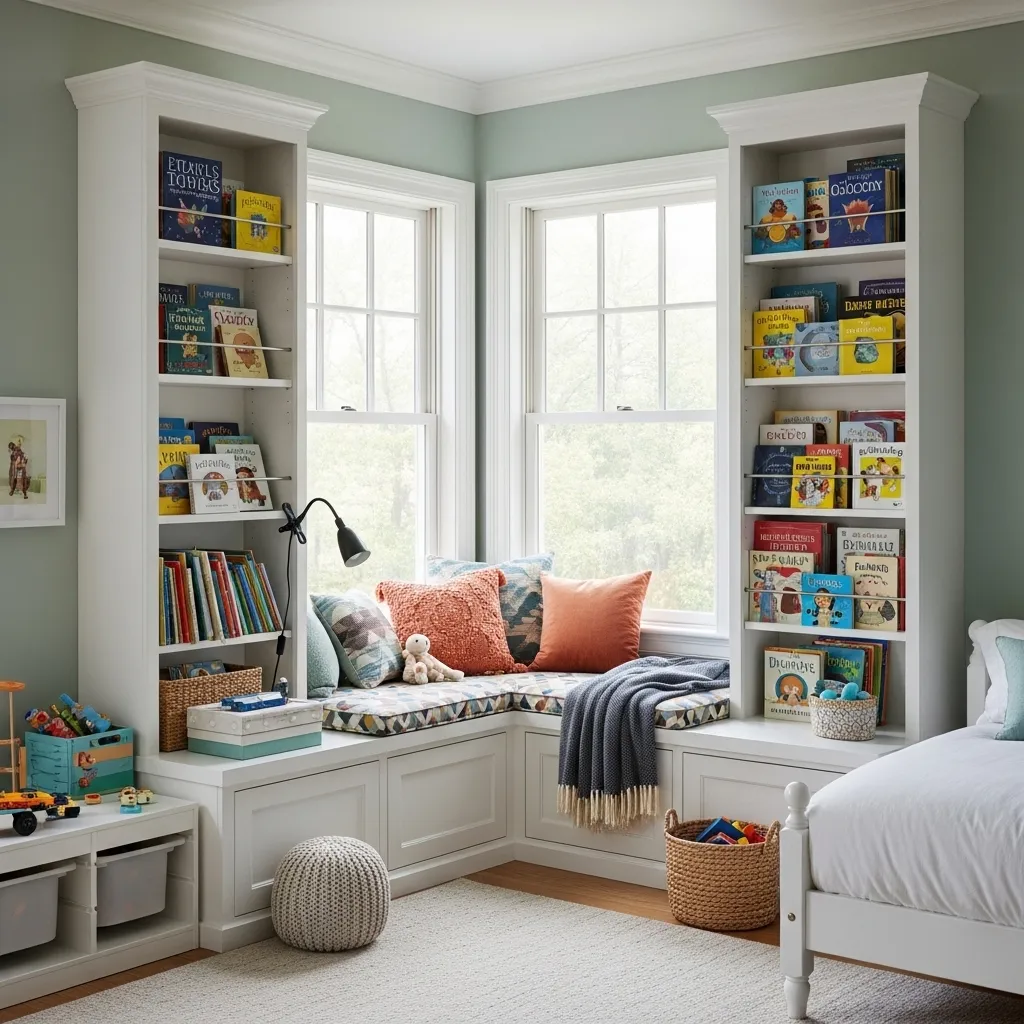
Creating a dedicated reading nook in a child’s bedroom encourages the reading habit by making it feel special and inviting rather than just sitting on their bed with a book. A window seat is ideal because it provides natural light and a view, but you can also create a cozy reading corner with a bean bag chair, floor cushions, or a small upholstered chair tucked into any available corner. The key is making it feel like a little retreat within their room—a special spot just for quiet reading time.
Surrounding the reading area with accessible book storage is crucial. When books are displayed with covers facing out rather than spines-only, kids can easily see and choose what they want to read. Include good lighting for evening reading—a small lamp, clip-on light, or wall-mounted sconce works perfectly. Add soft elements like pillows, cushions, and maybe a cozy throw blanket to make the spot genuinely comfortable for extended reading sessions. This dedicated space sends the message that reading is important and enjoyable, and it gives kids a calm, quiet zone in their room for when they need downtime from more active play.
4. Growth Chart Wall Mural
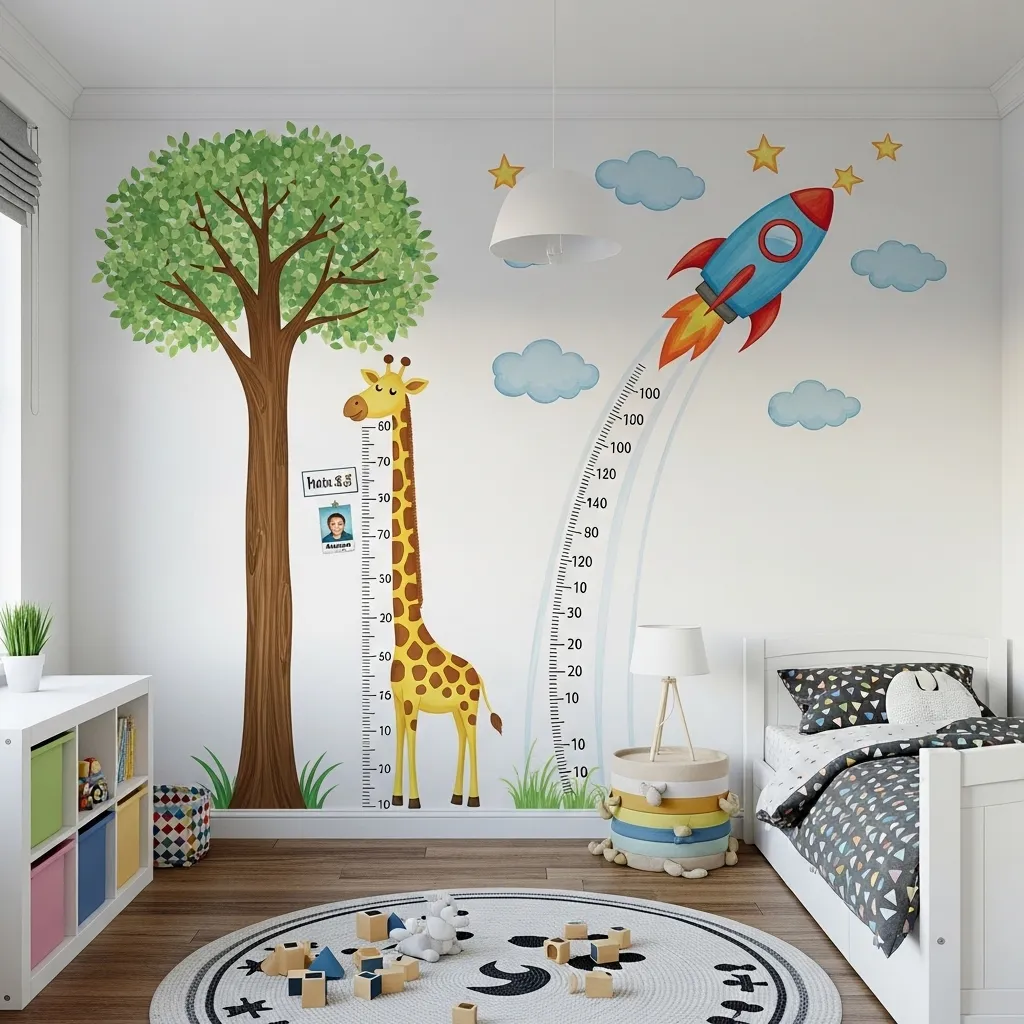
Growth chart murals are such a sweet way to track your child’s growth over the years while adding significant personality and visual interest to their bedroom. Unlike standalone growth charts that can get lost or damaged, a painted or decal version on the wall becomes a permanent record of their childhood that’s also a beautiful decorative element. The design possibilities are endless—trees, giraffes, mountains, rulers, rockets, bookshelves—anything vertical can become a creative growth chart.
What makes this especially meaningful is that it becomes part of the room’s story and your child’s memories. They’ll remember standing against that tree or giraffe for their annual height check, seeing the marks climb higher year after year. The mural adds personality without requiring a full themed room—it’s one playful element that can work with changing tastes and décor updates. You can even use removable wall decals if you’re renting or want flexibility. As kids grow, the chart becomes a visual timeline of their childhood, and the measurement marks become treasured memories of how small they once were.
5. Loft Bed with Play Space Underneath
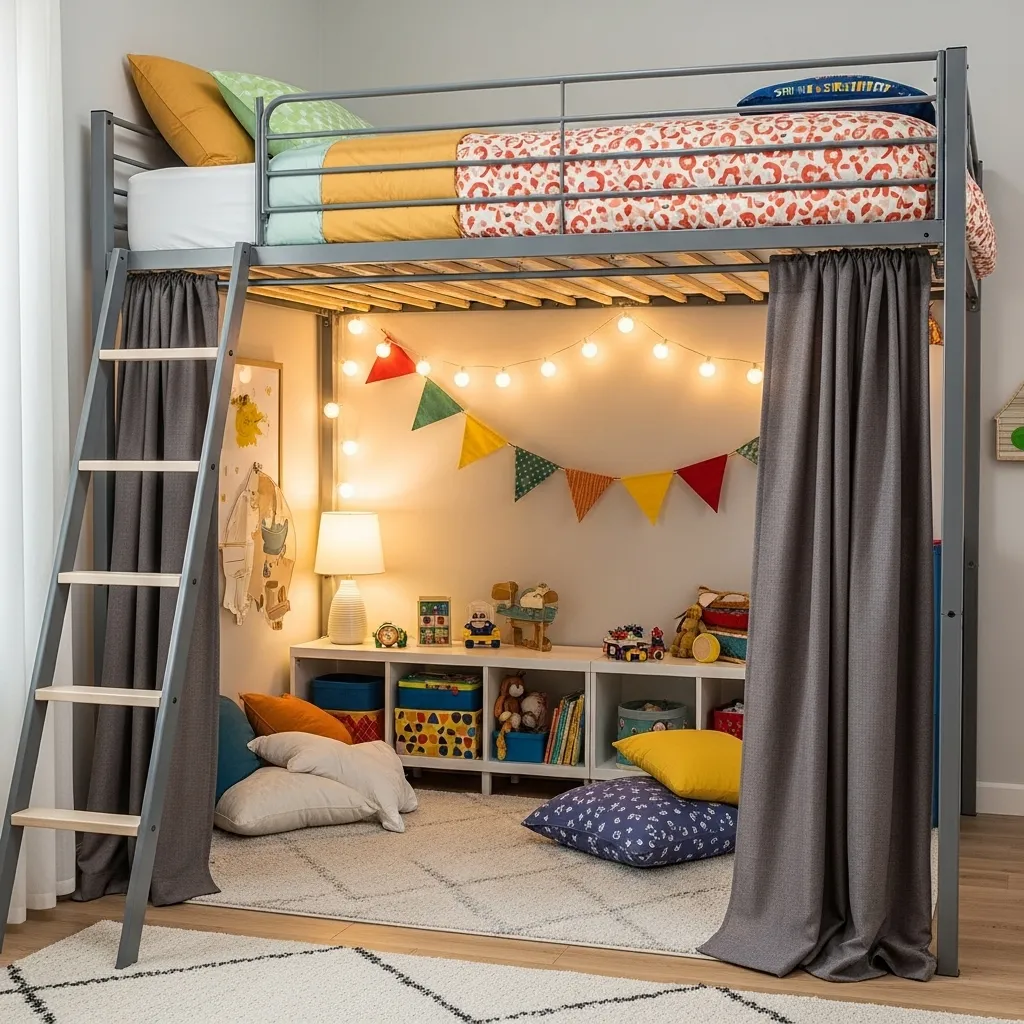
Loft beds are brilliant for kids’ rooms because they free up so much floor space by elevating the sleeping area and creating a whole new usable zone underneath. That under-bed space can become whatever your child needs most—a play area, reading fort, art station, dress-up zone, or just additional storage. The elevated sleeping spot often feels special and fun to kids too, like they’re sleeping in a treehouse or secret hideaway.
The key is making the underneath area genuinely functional and inviting rather than just empty space. Add elements that define the purpose—curtains or fabric panels for a fort feel, cushions and pillows for comfort, lighting so it’s not too dark, and storage or activities appropriate to how the space will be used. Make sure the ladder or stairs are safe and easy for your child to navigate independently. This setup works particularly well for smaller bedrooms where you need every square foot to count, and it grows with kids reasonably well—what starts as a play fort for a young child can evolve into a study nook or chill space for an older kid.
6. Themed Bedding with Neutral Walls
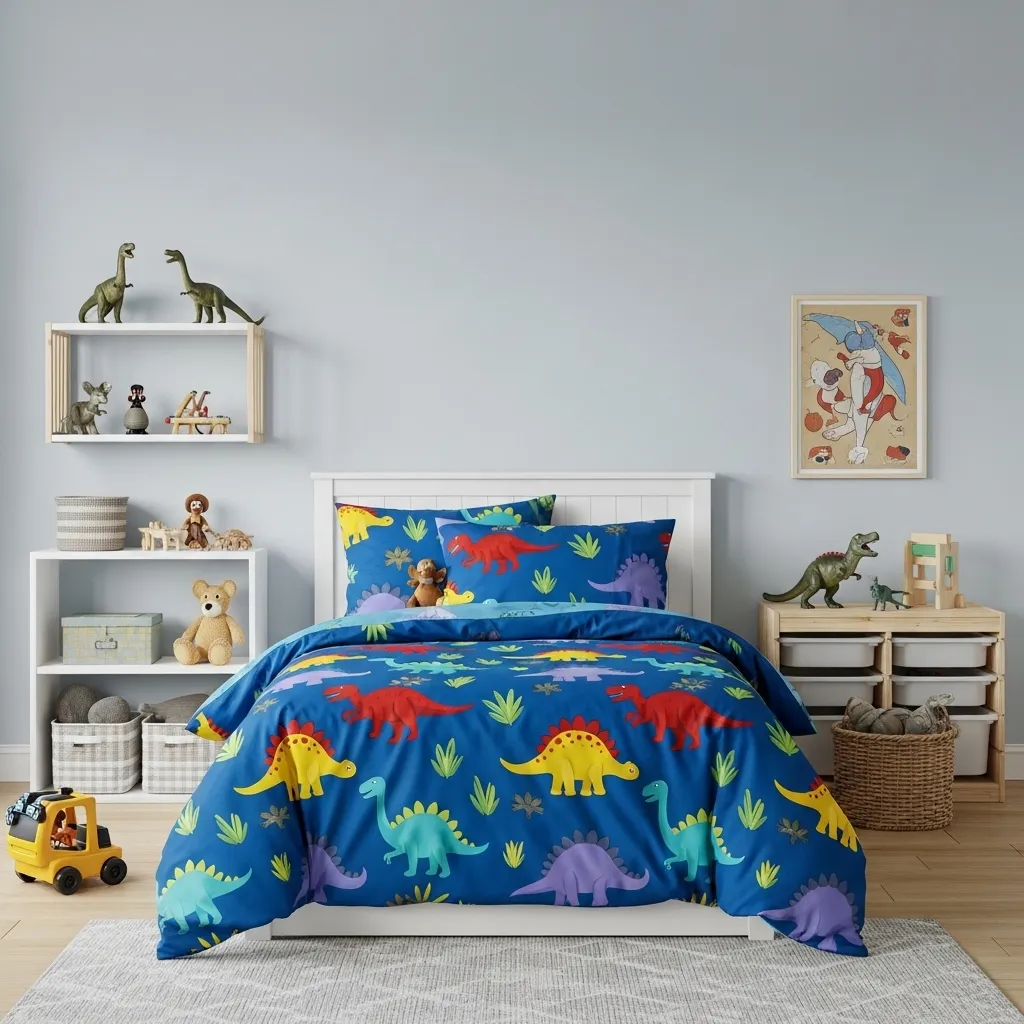
One of the smartest approaches to kids’ bedroom design is keeping the permanent, harder-to-change elements neutral while letting bedding, accessories, and décor carry the personality and themes. Kids’ interests change rapidly—this year it’s dinosaurs, next year it’s space, then suddenly it’s soccer. When your walls are painted in versatile neutrals, you can swap out bedding and accessories to reflect current interests without needing to repaint or do major renovations constantly.
Quality themed bedding allows kids to feel like their room reflects their passions and interests while giving you the flexibility to evolve the room as they grow. The neutral walls also create a calming foundation that prevents the room from feeling too busy or overstimulating, which is important for sleep. You can layer in theme-appropriate accessories—artwork, pillows, rugs, curtains—that are easily changeable, creating a room that feels personalized and fun but isn’t so heavily themed that it’ll require a complete overhaul in a year. This approach respects your child’s current interests while being practical about the reality of childhood’s constantly shifting enthusiasms.
7. Multi-Functional Desk and Storage System
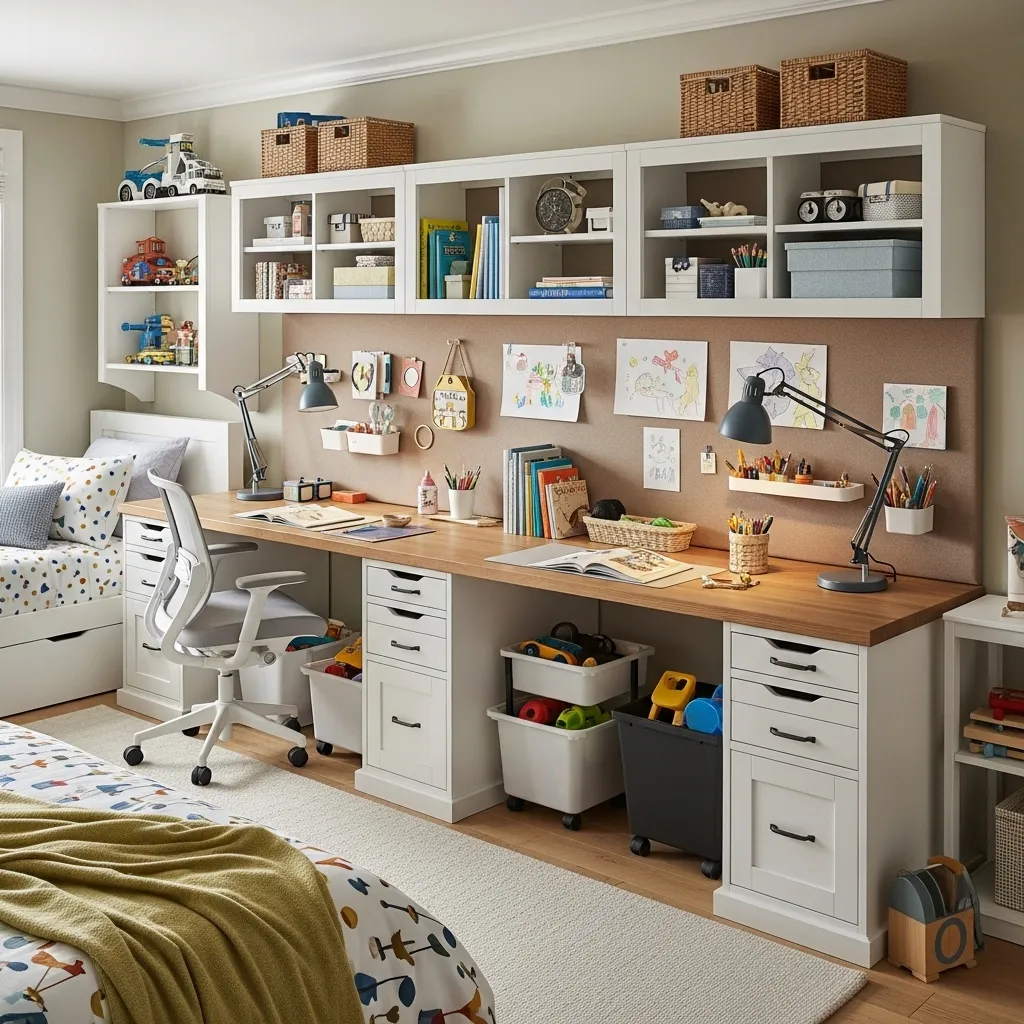
As kids get older and schoolwork becomes more demanding, having a proper, dedicated workspace in their bedroom becomes increasingly important. A built-in or long desk system provides ample surface area for spreading out homework, doing art projects, building Lego creations, or whatever activities your child engages in. When it’s built-in or wall-to-wall, you’re maximizing the workspace while keeping it proportional to the room.
The organization systems are what really make a kids’ desk functional—plenty of drawers and cubbies keep supplies accessible but contained, preventing the desktop from becoming a cluttered disaster. A pegboard or corkboard above the desk provides vertical organization for frequently used items and a place to display favorite artwork or photos. Good lighting is non-negotiable for homework and detailed work. Include hidden storage underneath for toys or craft supplies that can be accessed when needed but stay out of sight when it’s time to focus. A well-designed desk area grows with your child from elementary school art projects through high school studying and even college breaks home.
8. Canopy or Tent Bed
Bed canopies or tent-style frames transform an ordinary bed into something magical that kids absolutely love. There’s something about having that enclosed, cozy space that appeals to children’s natural desire for forts and hideaways, while still being their regular bed. A canopy can be as simple as fabric draped from a ceiling-mounted hook or as structured as a four-post frame, and the effect is always enchanting.
The canopy creates a room-within-a-room feeling that helps kids feel secure and comfortable at bedtime. You can customize the look to fit any style—sheer flowing fabrics for a princess/fairy aesthetic, canvas or cotton for a more neutral camping vibe, or even light-blocking fabric to help with sleep for sensitive sleepers. Adding string lights or small clip-on reading lights creates gentle illumination perfect for bedtime stories. As kids grow, the canopy can evolve from a magical play element to a more sophisticated style statement. It’s a relatively inexpensive update that has enormous impact on how special and personalized a bedroom feels.
9. Bold Accent Wall in Bright Color
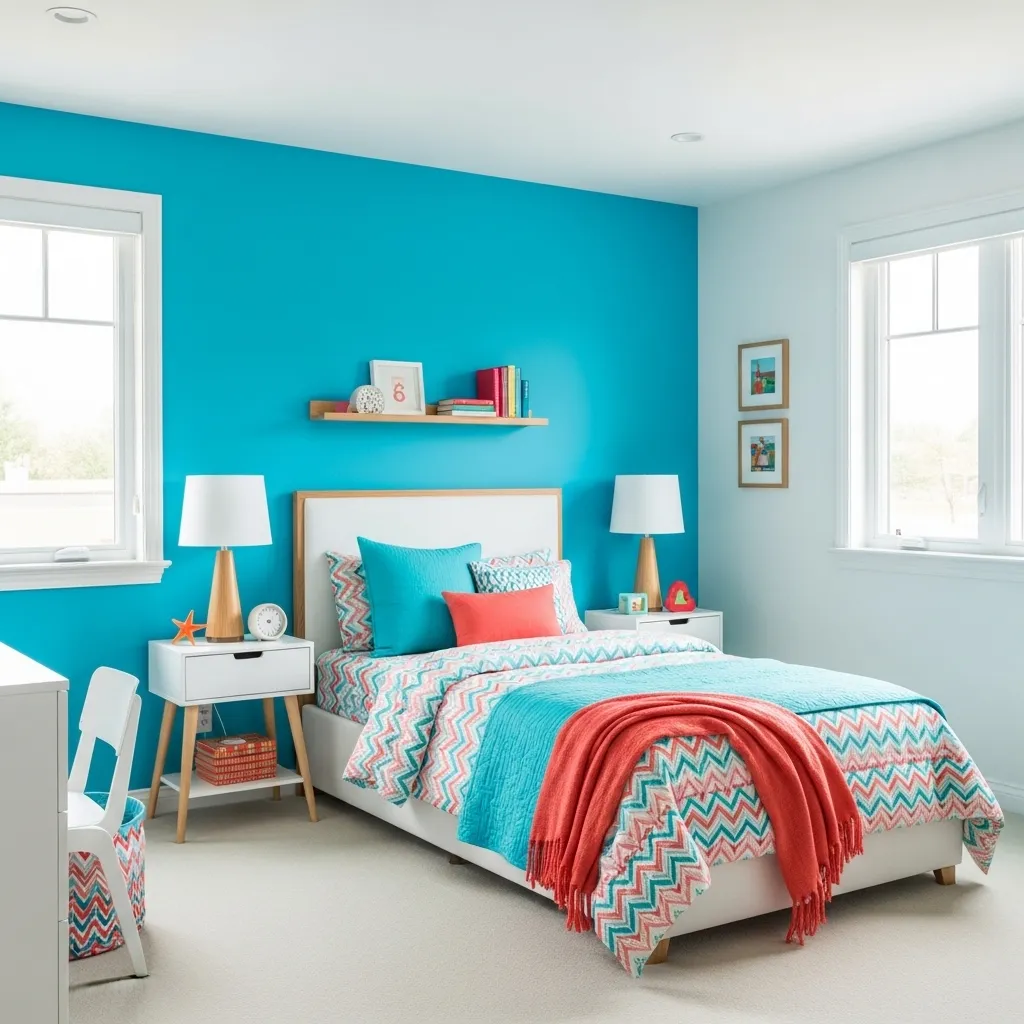
A bold accent wall in a vibrant color that your child loves is such an impactful and relatively easy update that instantly transforms a bedroom’s personality. Kids often gravitate toward brighter, more saturated colors than adults might choose, and their bedroom is the perfect place to embrace those bold choices. Painting just one wall means you get maximum color impact without overwhelming the space or making it feel too dark or enclosed.
Let your child have input on the color choice—it’s their space, after all, and they’ll feel more ownership and excitement about a room that reflects their preferences. Bright colors like sunny yellow, vibrant turquoise, energizing orange, or cheerful coral create happy, energetic spaces that feel playful and fun. The key is balancing that bold wall with neutral furniture and other walls so the room doesn’t become visually exhausting. The accent wall also makes future updates easier—when your child’s color preference inevitably changes, you only need to repaint one wall rather than the entire room. It’s commitment with flexibility, which is perfect for the ever-evolving nature of childhood.
10. Open Toy Storage with Labels
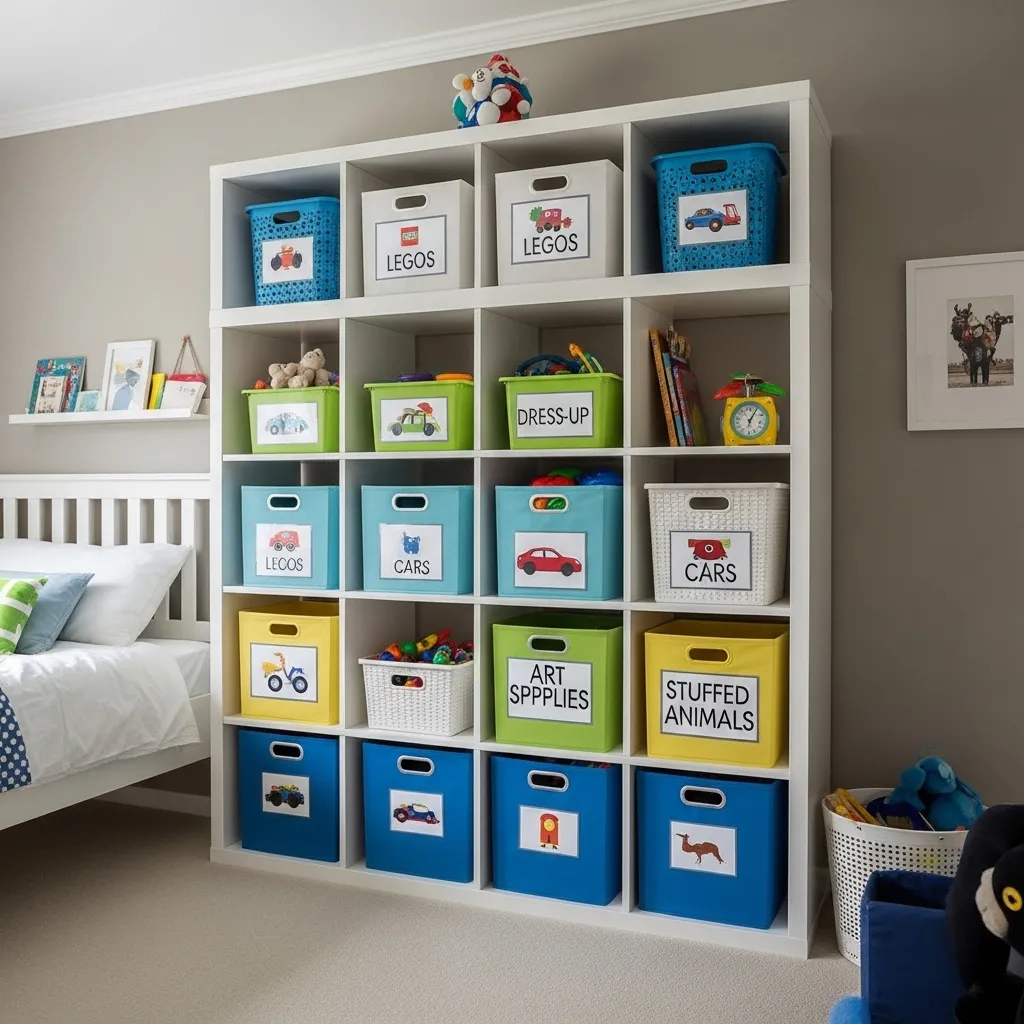
Effective toy storage is absolutely essential in kids’ bedrooms, and open systems with labeled bins work beautifully because kids can see what they have, access it easily, and—most importantly—know exactly where things belong when it’s cleanup time. When storage is accessible and clearly organized, kids are much more capable of maintaining order themselves rather than needing constant adult help. It’s teaching life skills while keeping chaos contained.
The labels are crucial, and for younger kids who don’t read yet, use pictures along with words so they can identify where things go visually. Organize toys by category rather than just randomly stuffing everything into bins—all the Legos together, all the dress-up clothes together, all the art supplies together. This makes play easier because kids can find what they want, and cleanup becomes a matching game of putting items in their correct homes. Choose bins and baskets that are easy for small hands to handle and that coordinate colorfully to make the storage wall attractive rather than purely utilitarian. When storage is both functional and beautiful, everyone wins.
11. Wall-Mounted Swing or Hanging Chair
A hanging chair or swing in a bedroom is one of those features that kids think is absolutely amazing—it combines play and function beautifully by providing both a fun activity and a cozy spot for reading or relaxing. The gentle swinging motion is naturally calming, making it perfect for quiet activities, and the novelty of having a swing indoors never seems to wear off. It’s an investment that gets used constantly.
The key is proper installation—you need to mount it to a ceiling joist or beam that can safely support the weight, not just drywall. Consult with someone knowledgeable or hire a handyperson if you’re not confident in the installation. Position it thoughtfully so there’s adequate swinging clearance without banging into furniture or walls. There are lots of styles from modern bubble chairs to bohemian macramé swings to simple wooden swings, so you can choose something that fits your child’s room aesthetic. This feature works for a surprisingly wide age range too—toddlers through teens generally love having a swing in their room. It’s whimsical and functional, which is the sweet spot for kids’ bedroom design.
12. Creative Ceiling Treatment
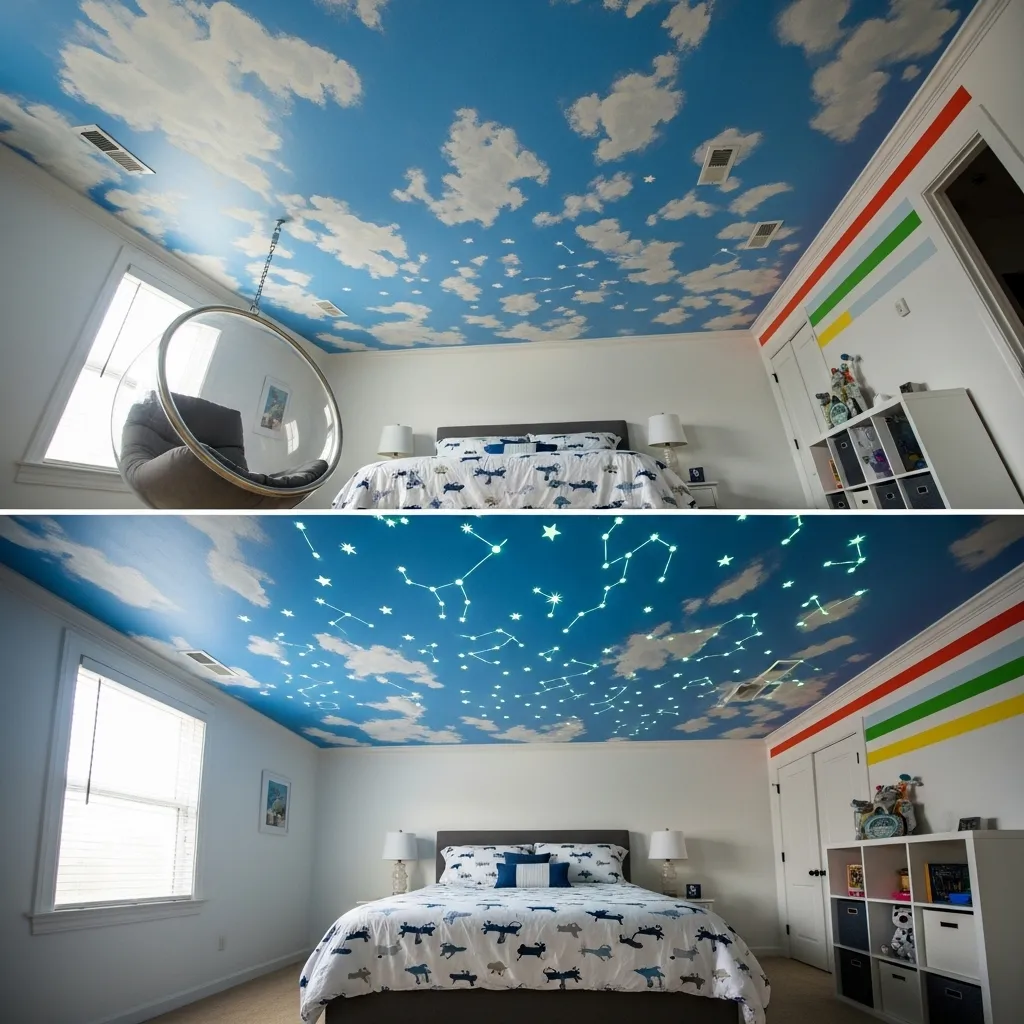
We often forget about ceilings in design, but in kids’ rooms especially, the ceiling is actually prime real estate for creativity since it’s what kids see when they’re lying in bed. A painted sky with clouds, glow-in-the-dark stars creating constellations, colorful stripes, or even a simple bold color can transform the fifth wall into something special and imaginative. It’s an unexpected design move that kids notice and appreciate.
Ceiling treatments work particularly well in kids’ rooms because they add personality and whimsy without taking up wall space needed for storage, artwork, or windows. Glow-in-the-dark elements are especially magical at bedtime, creating a gentle nighttime feature that provides comfort without the brightness of a nightlight. Even just painting the ceiling a cheerful color different from the walls adds visual interest and makes the room feel more designed and intentional. This is a space where you can be playful and creative in ways that might feel too much in adult rooms, so embrace the opportunity to create something genuinely special overhead.
13. Modular Furniture That Grows
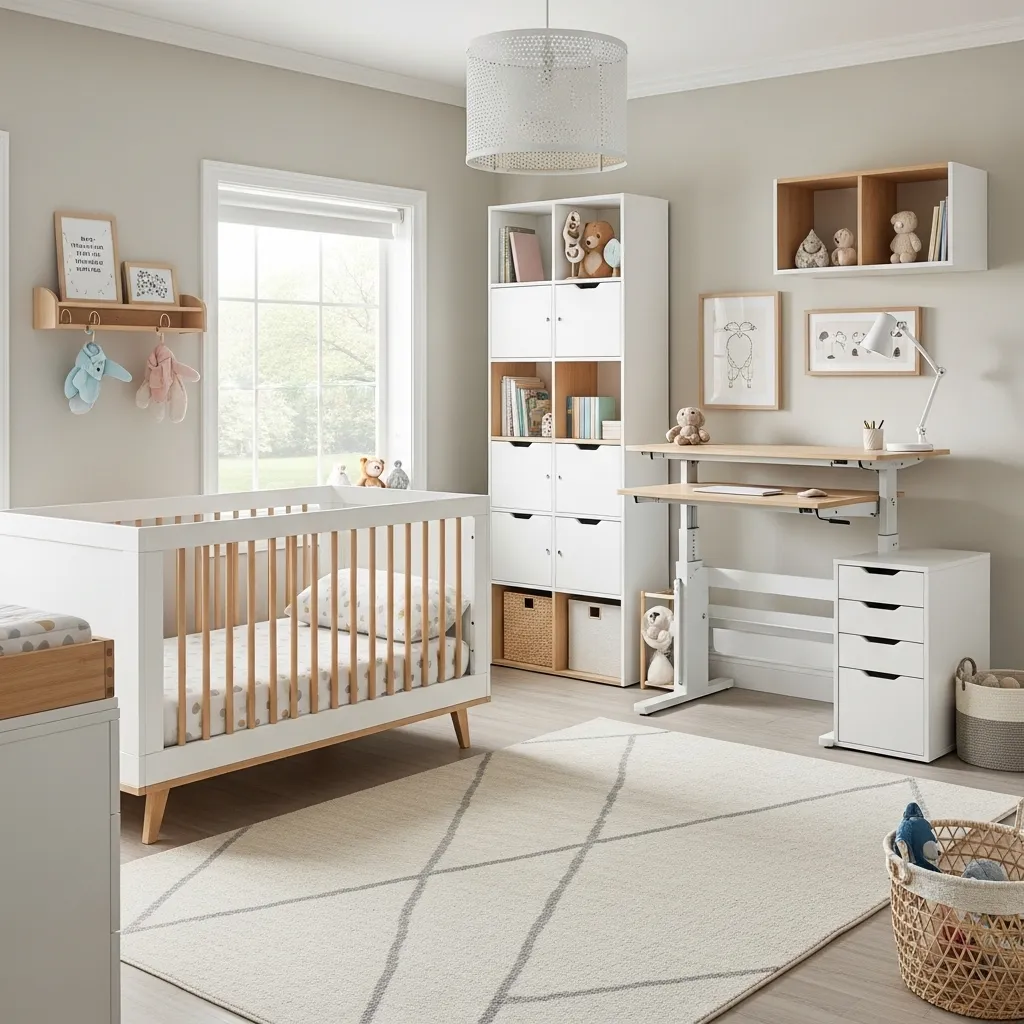
Investing in quality modular furniture that adapts as your child grows is both economically and environmentally smart—you’re not constantly replacing entire furniture sets as they outgrow pieces. Convertible cribs that transform into toddler beds and eventually full beds, desks with adjustable heights, and modular storage systems that can be reconfigured all provide years of use and adapt to changing needs rather than becoming obsolete.
This approach requires thinking long-term and choosing pieces with classic, timeless design rather than overly juvenile styling. Solid wood furniture in natural finishes or painted white works from infancy through teenage years, while character-themed furniture becomes outdated quickly. The modular storage is particularly brilliant—cube systems can be low and accessible for a toddler’s toys, then stacked taller for a grade-schooler’s books and belongings, then reconfigured again for a teen’s needs. While the initial investment might be higher than buying cheap furniture that you’ll replace repeatedly, the quality pieces that grow with your child ultimately save money and create less waste while maintaining consistent design throughout the years.
14. Sports or Activity Equipment Display
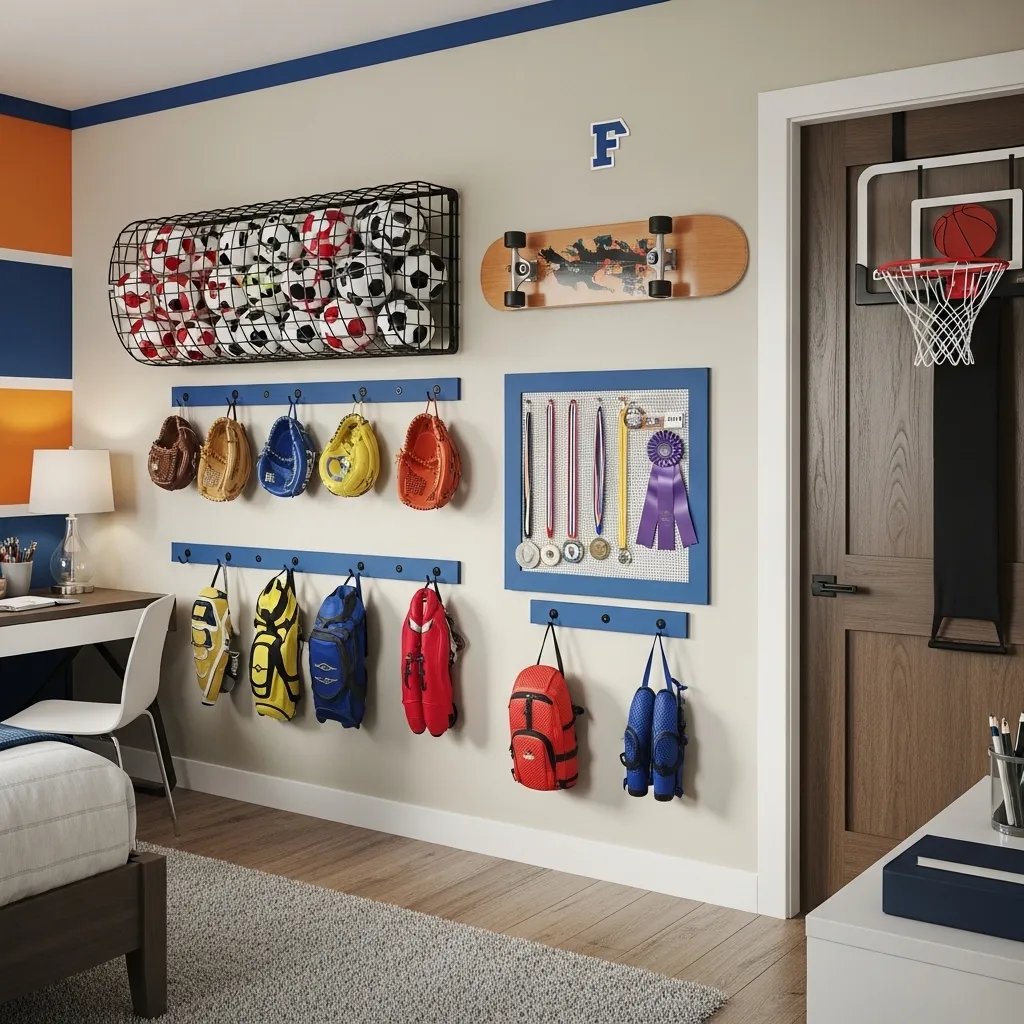
For athletic and active kids, incorporating their sports equipment and achievements into the bedroom design creates a space that genuinely reflects who they are while solving the practical problem of equipment storage. Instead of sports gear being thrown in a pile in the corner or taking up closet space, wall-mounted storage turns it into decorative display that celebrates your child’s interests and accomplishments.
Wall-mounted ball cages, equipment hooks, and display systems keep gear organized and accessible while making it a visual element of the room. A designated spot for medals, ribbons, and trophies validates their achievements and creates pride in their accomplishments. Even items like skateboards or hockey sticks can be mounted as wall art when chosen thoughtfully. The key is making it look intentional rather than messy—uniform hooks, coordinated display methods, and designated zones for different types of equipment. This approach works for any activity-focused child too—dance shoes and costumes, musical instruments, art supplies—whatever they’re passionate about can be integrated into the room’s design in an organized, celebratory way.
15. Nature-Inspired Calm Space
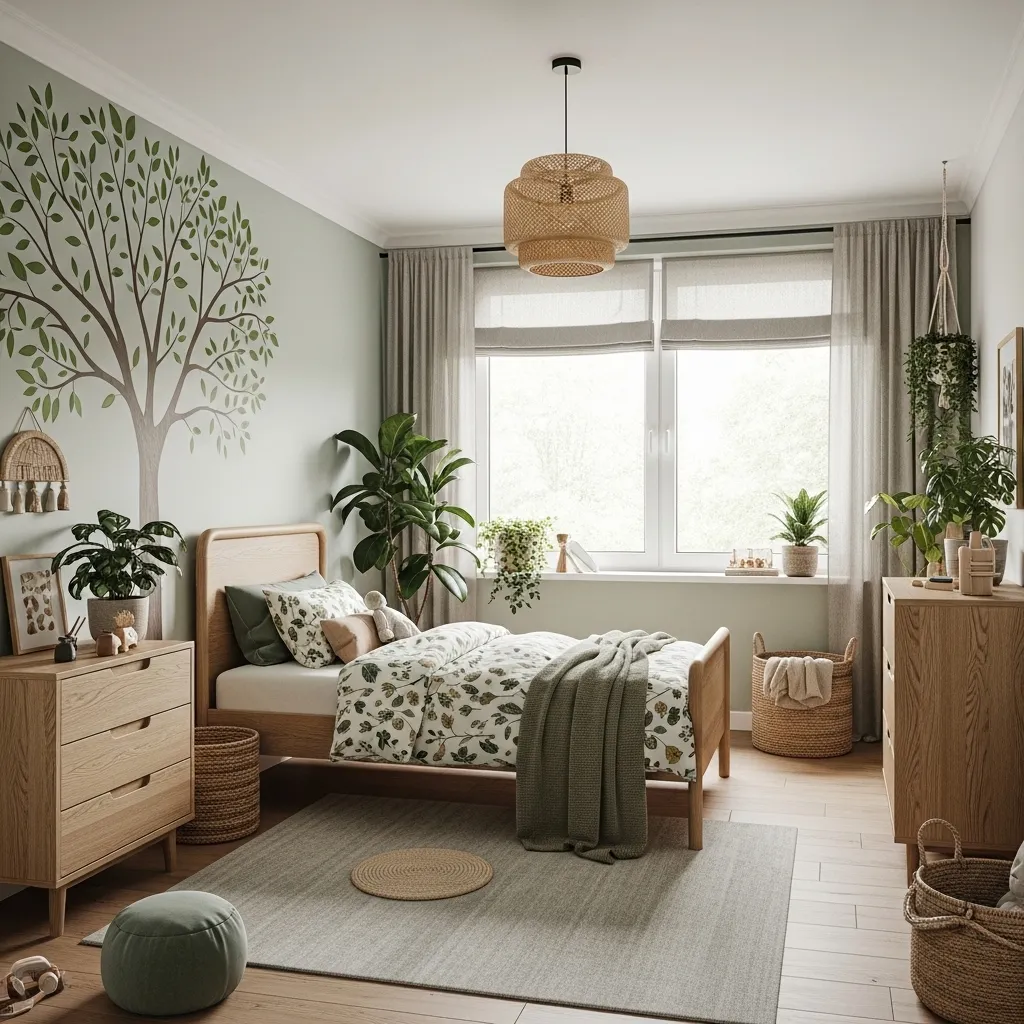
Creating a nature-inspired kids’ room with calming colors, natural materials, and organic elements provides a peaceful foundation that works beautifully for sleep and focused activities while still being playful enough for childhood. Soft greens, warm woods, natural fibers, and plant life create a grounded, serene environment that’s increasingly valuable in our overstimulating world. This aesthetic grows well too—it’s sophisticated enough to work from early childhood through teenage years with minor updates.
The natural elements have actual benefits beyond aesthetics—studies show that nature-connected environments promote calmness, creativity, and focus in children. Real plants teach responsibility and bring life into the space, while natural materials like wood and cotton feel warmer and more inviting than plastic and synthetic alternatives. This doesn’t mean the room can’t be fun and playful—you can incorporate bright colored toys, books, and accessories while maintaining that natural foundation. The result is a room that supports both active play and restful sleep, energizing creativity while also providing calm when needed. It’s a balanced approach that serves children’s complex needs beautifully.