11 Modern Farmhouse Kitchen Ideas
Modern farmhouse kitchens have captured hearts and Pinterest boards for good reason—this style beautifully bridges the gap between rustic charm and contemporary functionality, creating spaces that feel both warmly nostalgic and completely livable for today’s lifestyles. The modern farmhouse aesthetic takes the best elements of traditional farmhouse design—shiplap, apron-front sinks, open shelving, natural materials, vintage-inspired fixtures—and refines them with clean lines, updated color palettes, and modern conveniences. The result is a kitchen that feels collected and characterful without being cluttered, comfortable and approachable without sacrificing style, and rooted in tradition while being thoroughly contemporary.
What makes modern farmhouse kitchens so appealing is their inherent warmth and livability. Unlike stark minimalist kitchens that can feel cold and unwelcoming, or overly traditional kitchens that might feel stuffy or dated, modern farmhouse strikes this perfect balance of being beautiful enough for entertaining while feeling comfortable enough for everyday family life. These kitchens invite you in—they’re spaces where you want to gather, cook, bake, do homework at the island, and linger over coffee. The emphasis on natural materials like wood, stone, and metal creates an organic warmth, while the predominantly white or neutral color palettes keep things feeling bright, clean, and spacious.
The versatility of modern farmhouse style is one of its greatest strengths. It works in actual century-old farmhouses and brand-new suburban homes alike. You can lean more rustic with reclaimed wood and vintage finds, or more modern with sleek fixtures and minimal accessories. The foundational elements—white cabinetry, natural wood tones, farmhouse sinks, simple subway tile, open shelving—provide a framework that you can personalize and adapt to your specific taste and home. Let’s explore these modern farmhouse kitchen ideas and figure out how to create a space that’s both beautiful and genuinely functional for how you actually cook and live.
1. White Shaker Cabinets with Butcher Block Island
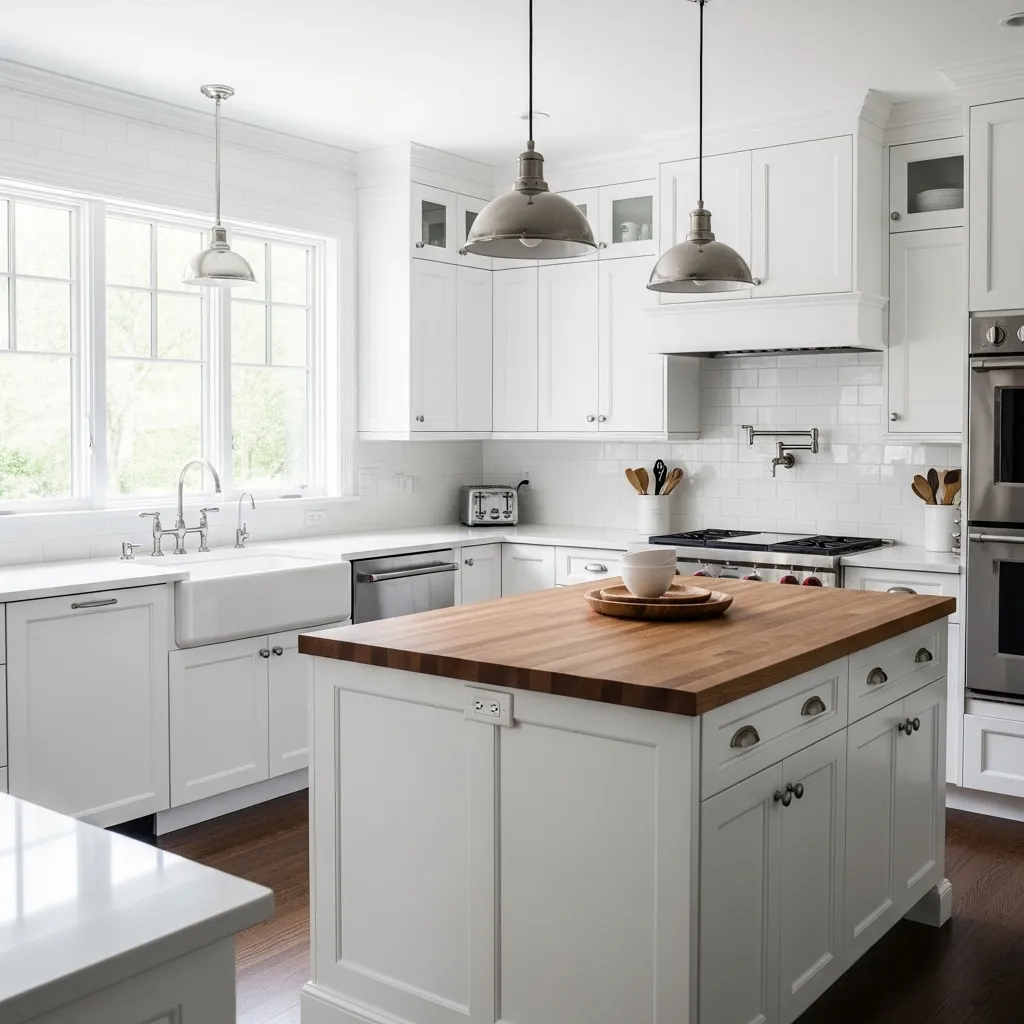
White shaker cabinets are the foundation of most modern farmhouse kitchens—they’re clean, classic, and timeless without being fussy or ornate. The simple panel doors reference traditional craftsmanship while the white color keeps everything feeling fresh and current. Pairing these white cabinets with a butcher block island creates that essential warmth and prevents an all-white kitchen from feeling too sterile or cold. The natural wood countertop is both beautiful and functional—perfect for food prep, baking, and adding character.
The butcher block island becomes the heart of the kitchen and provides visual grounding among all the white. It’s a practical surface that develops beautiful patina over time and can be sanded and re-oiled when needed, making it genuinely sustainable and long-lasting. The warmth of the wood pairs perfectly with other natural elements—jute rugs, woven baskets, plants—that complete the modern farmhouse aesthetic. This combination works in kitchens of all sizes and creates a bright, welcoming space that feels both clean and cozy. Add open shelving, vintage-inspired lighting, and simple accessories to complete the look.
2. Shiplap Accent Wall
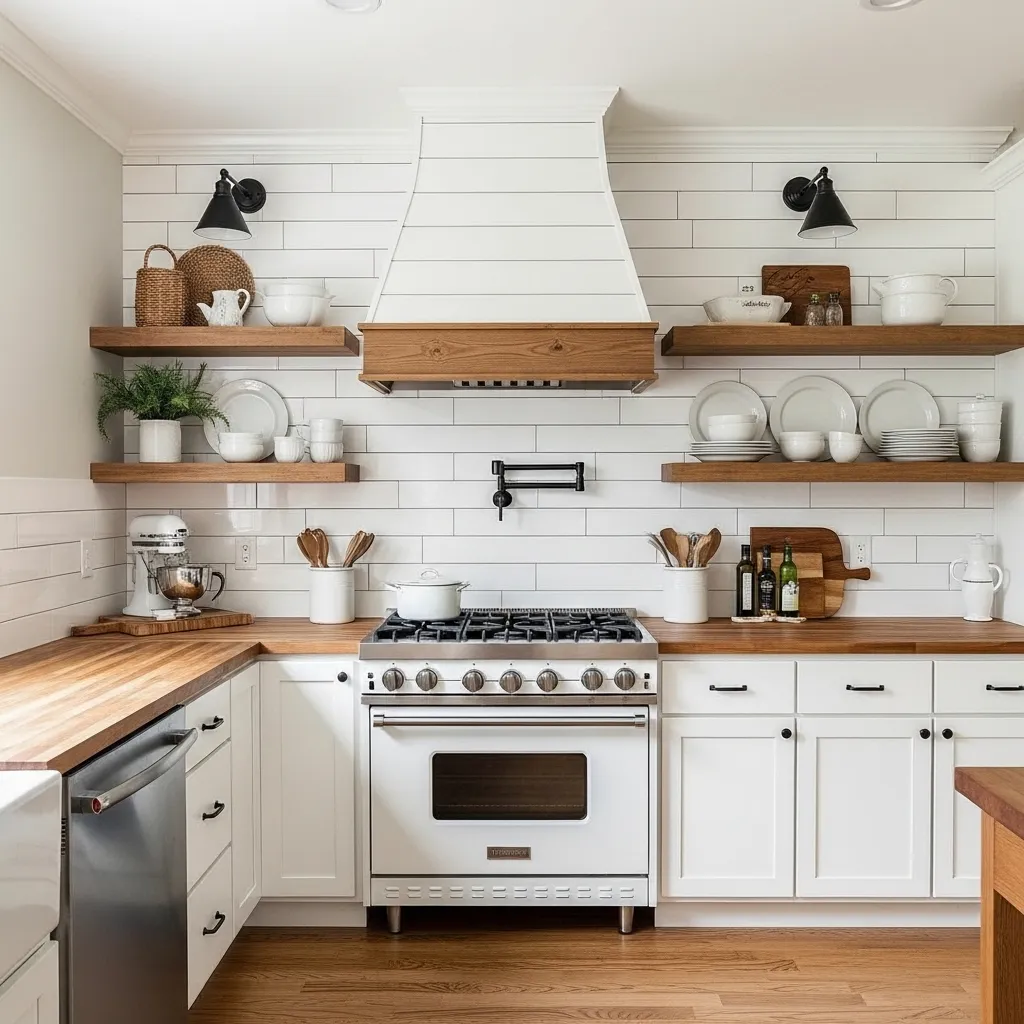
Shiplap has become synonymous with modern farmhouse style, and for good reason—those horizontal planks add immediate architectural character and texture that plain drywall can’t provide. The subtle shadow lines between boards create dimension and visual interest while maintaining the clean, simple aesthetic. Painted white, shiplap becomes a textured neutral rather than a loud statement, working as a beautiful backdrop for open shelving, artwork, or your range and hood.
Installing shiplap on one accent wall—typically behind the range or on a wall without upper cabinets—creates a focal point without overwhelming the kitchen. The texture adds warmth and character that makes the space feel more custom and intentional. Real wood shiplap has the best texture and authenticity, but there are also affordable MDF options and even peel-and-stick versions for renters. The key is keeping the rest of the kitchen relatively simple so the shiplap can be the textural star. Pair it with open shelving to show off the wall behind, or let it stand alone as architectural backdrop. This detail transforms a basic kitchen into something special with genuine farmhouse character.
3. Large Farmhouse Sink with Bridge Faucet
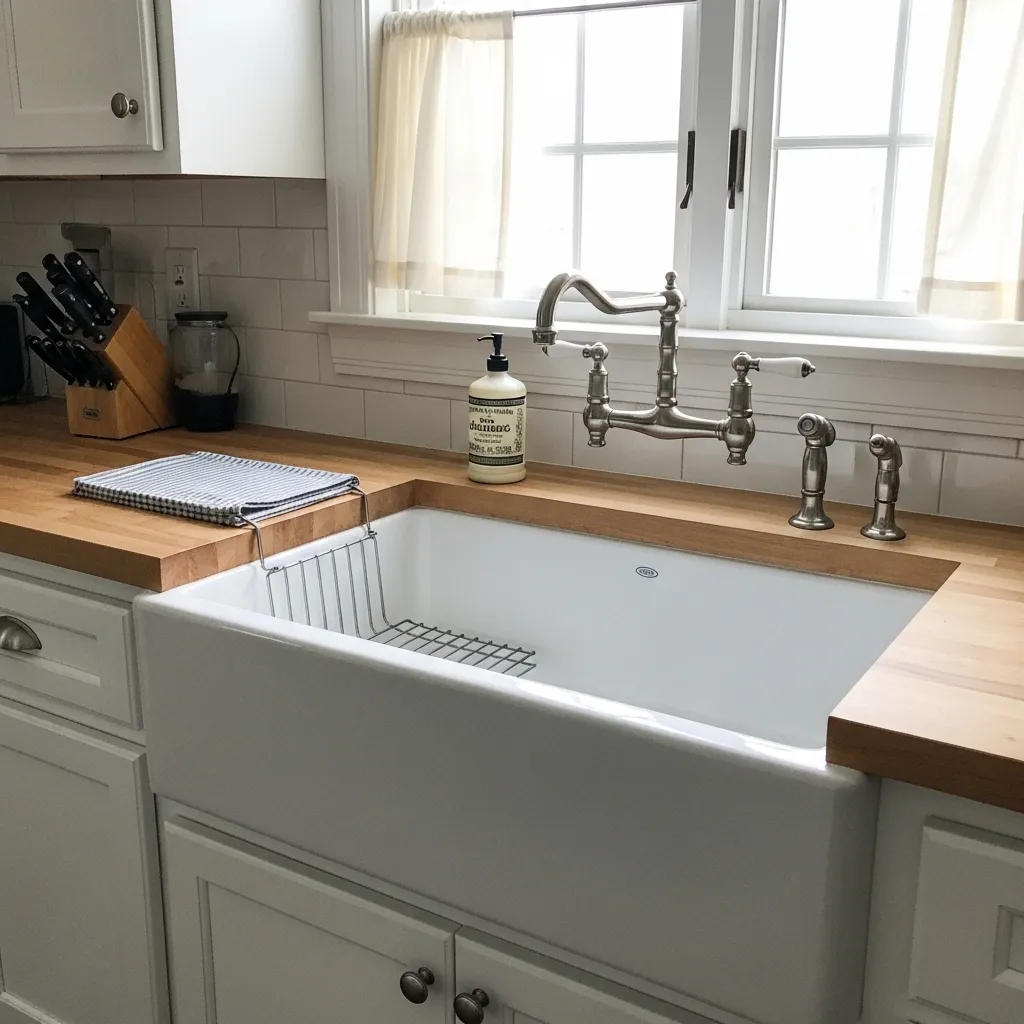
The farmhouse sink—also called an apron-front sink—is one of the most iconic and beloved elements of farmhouse kitchens. That exposed front panel and deep basin are both beautiful and incredibly practical, accommodating large pots, baking sheets, and making it easier to wash oversized items. The traditional design references working farms where these deep sinks were essential, but modern versions are thoroughly functional for today’s cooking needs.
Pairing the farmhouse sink with a bridge faucet creates an authentic, cohesive look. Bridge faucets have that vintage-inspired design where the hot and cold handles connect via a bridge to the spout, creating visual interest and traditional character. Modern bridge faucets combine period styling with current technology and functionality. Position the sink beneath a window if possible—natural light at your sink makes washing dishes more pleasant and connects you to the outdoors. Choose a finish for your faucet that coordinates with your cabinet hardware and light fixtures for cohesion. The white fireclay or porcelain sink is classic and shows off the beautiful apron front, though there are also gorgeous options in stainless steel or even colored finishes for a twist on tradition.
4. Open Shelving with Wood Brackets
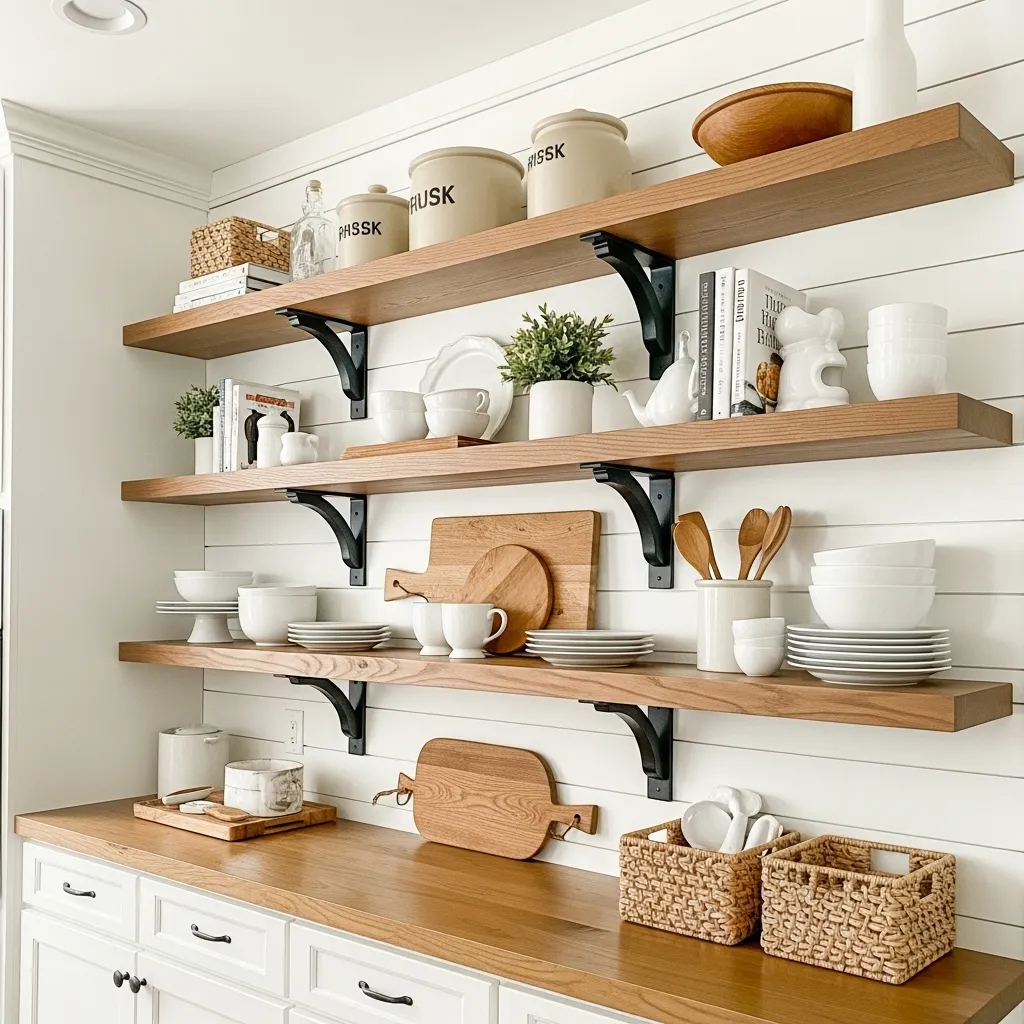
Open shelving is both practical and aesthetic in modern farmhouse kitchens—it makes your everyday dishes and beautiful objects accessible while creating opportunities to display them as part of the décor. The shelves break up expanses of upper cabinets and keep kitchens feeling more open and less closed-in. Natural wood shelves on metal or wood brackets add warmth and texture, and the brackets themselves become decorative architectural elements.
The key to successful open shelving is thoughtful curation—what’s displayed needs to look intentional and attractive since it’s always visible. Use items you actually use regularly so the shelves remain functional, not just decorative. White dishes, wooden cutting boards, glass storage jars, cookbooks, and small plants all look beautiful and serve purposes. Keep it edited rather than cramming every shelf full—breathing room makes displays more attractive. Mix functional and decorative items in balanced arrangements. The wood shelves coordinate beautifully with butcher block counters, wood floors, and other natural materials common in farmhouse kitchens. This is farmhouse style at its most practical and beautiful—everyday items become the décor.
5. Black Window Frames and Black Hardware
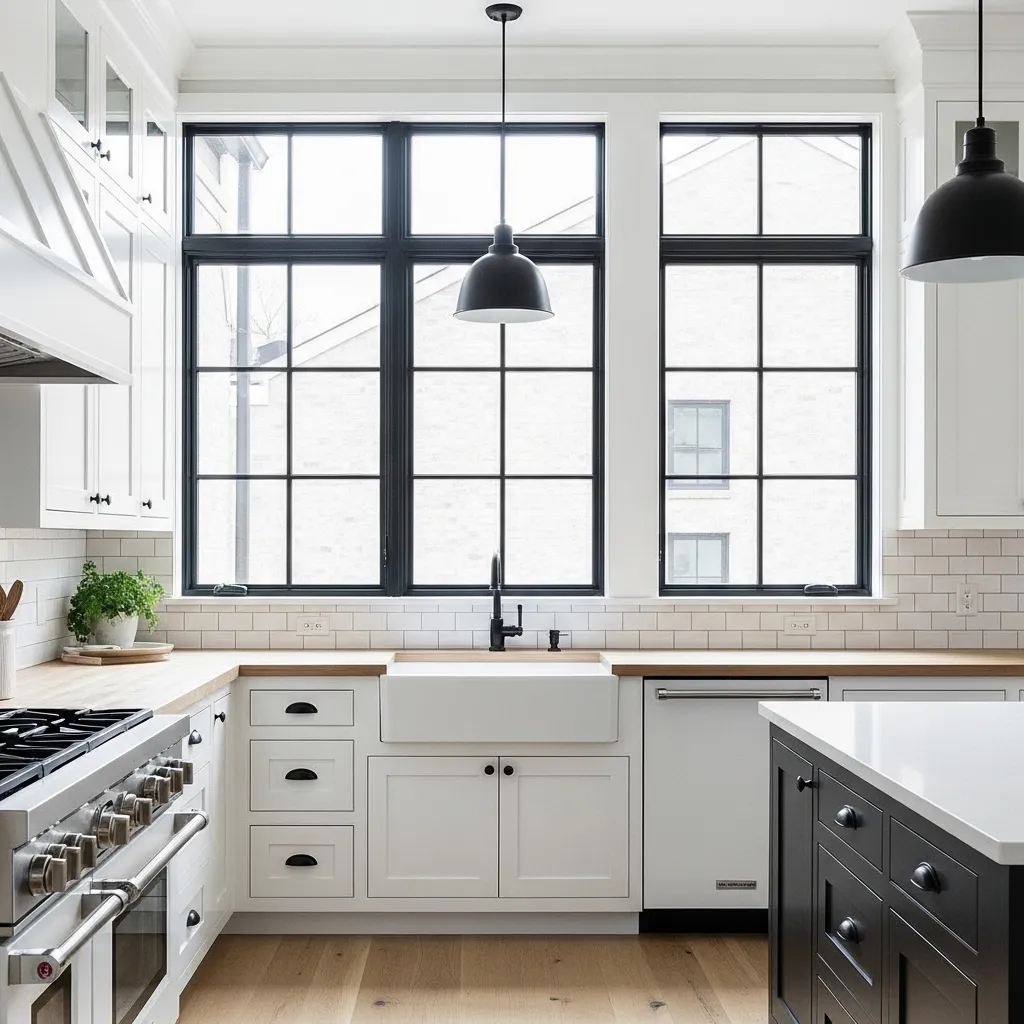
Black window frames have become a signature element of modern farmhouse style, adding that touch of industrial influence and contemporary edge that distinguishes modern farmhouse from traditional country kitchens. The black frames create strong, graphic lines that add structure and architectural interest, especially effective with larger windows or multiple windows grouped together. They reference factory and warehouse windows while feeling appropriate in residential kitchens.
Coordinating black cabinet hardware with the black windows creates a cohesive accent thread throughout the kitchen. The black provides necessary contrast and definition against all-white or predominantly neutral kitchens, preventing them from feeling too soft or washed out. Black is also incredibly practical—it doesn’t show fingerprints or wear like chrome or brushed nickel, and it’s timeless enough to age beautifully. Add black pendant lights, perhaps black bar stools, or even a black range hood to strengthen the theme. The black-and-white combination is classic and graphic, creating a kitchen that feels both traditional in its farmhouse bones and contemporary in its execution. Natural wood elements add essential warmth to balance the crisp contrast.
6. Reclaimed Wood Beam Ceiling
Reclaimed wood beams add instant character, warmth, and historical reference to modern farmhouse kitchens. Whether they’re structural or decorative, the weathered wood with its authentic age and patina brings that connection to the past that’s central to farmhouse aesthetic. The beams add visual interest overhead—a place we often neglect in design—and provide that rustic element that balances more refined or modern elements below.
Authentic reclaimed beams from old barns, warehouses, or demolished buildings bring genuine history and sustainability to your kitchen. The varied grain, weathering, and imperfections are features that add character rather than flaws to hide. If structural beams aren’t possible, decorative faux beams achieve a similar aesthetic at lower cost and weight. Paint the ceiling between beams white to maintain brightness and create contrast that highlights the wood. The beams work particularly well in kitchens with higher ceilings where they help bring the scale down to more intimate proportions. Pair them with other natural wood elements—butcher block, wood floors, open shelving—to create cohesion. The overhead warmth balances white cabinetry beautifully and creates a kitchen with genuine character.
7. Vintage-Inspired Lighting
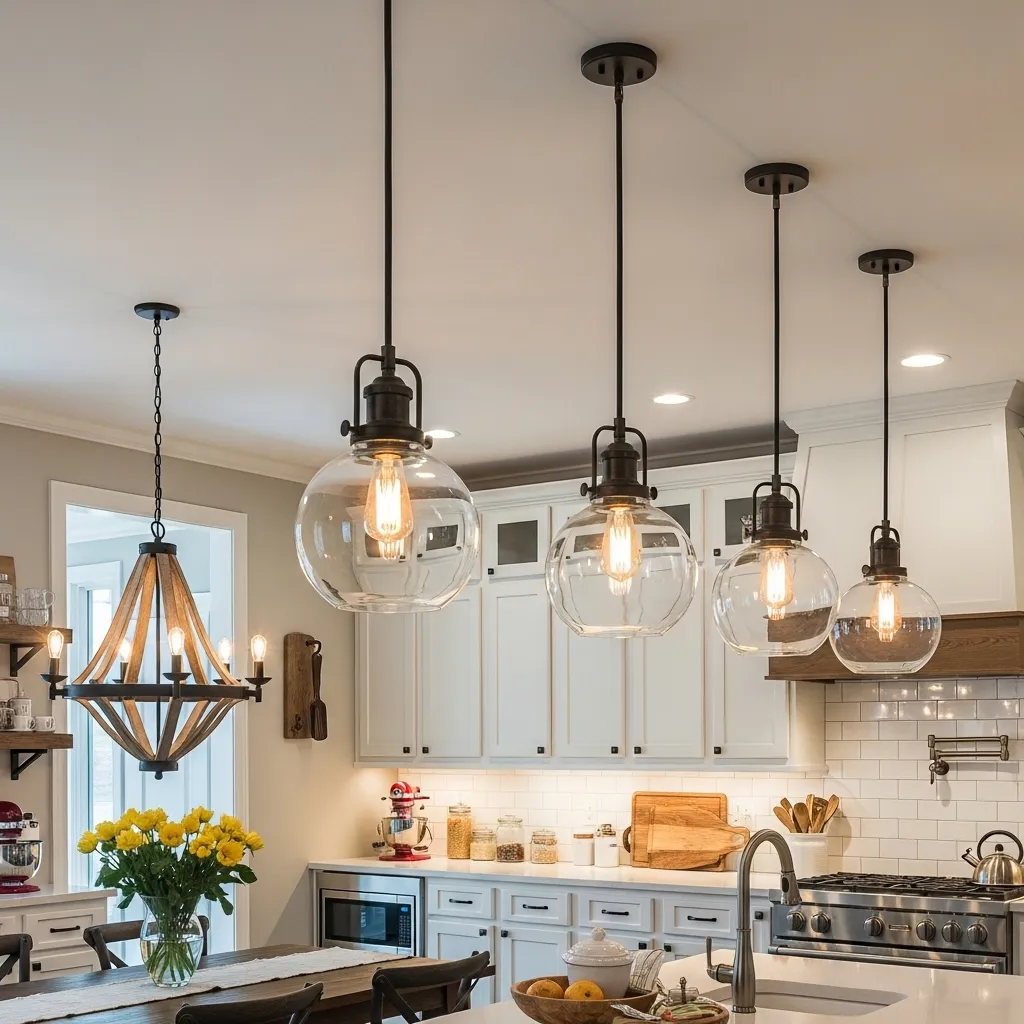
Lighting is where you can really inject personality and vintage character into modern farmhouse kitchens. Vintage-inspired fixtures—schoolhouse pendants, industrial cage lights, barn lights, farmhouse chandeliers, metal shaded pendants—reference historical periods while being fully functional for today’s needs. The lighting becomes decorative and functional simultaneously, adding character while properly illuminating your workspace.
Layering different types of lighting creates both ambiance and functionality. Pendant lights above the island provide focused task lighting for food prep and eating. A chandelier or larger fixture above a dining table creates a gathering focal point. Under-cabinet lighting illuminates counters for detailed work. Mix finishes and styles slightly for collected character—maybe black metal pendants with a wood and iron chandelier—rather than matching everything perfectly. Choose fixtures with vintage styling but modern technology like LED bulbs for energy efficiency and longevity. The aged bronze, matte black, or weathered metal finishes common in farmhouse lighting coordinate beautifully with other hardware and add warmth against white backdrops. Lighting is your opportunity to add genuine personality and character.
8. Two-Tone Cabinets with Island Contrast
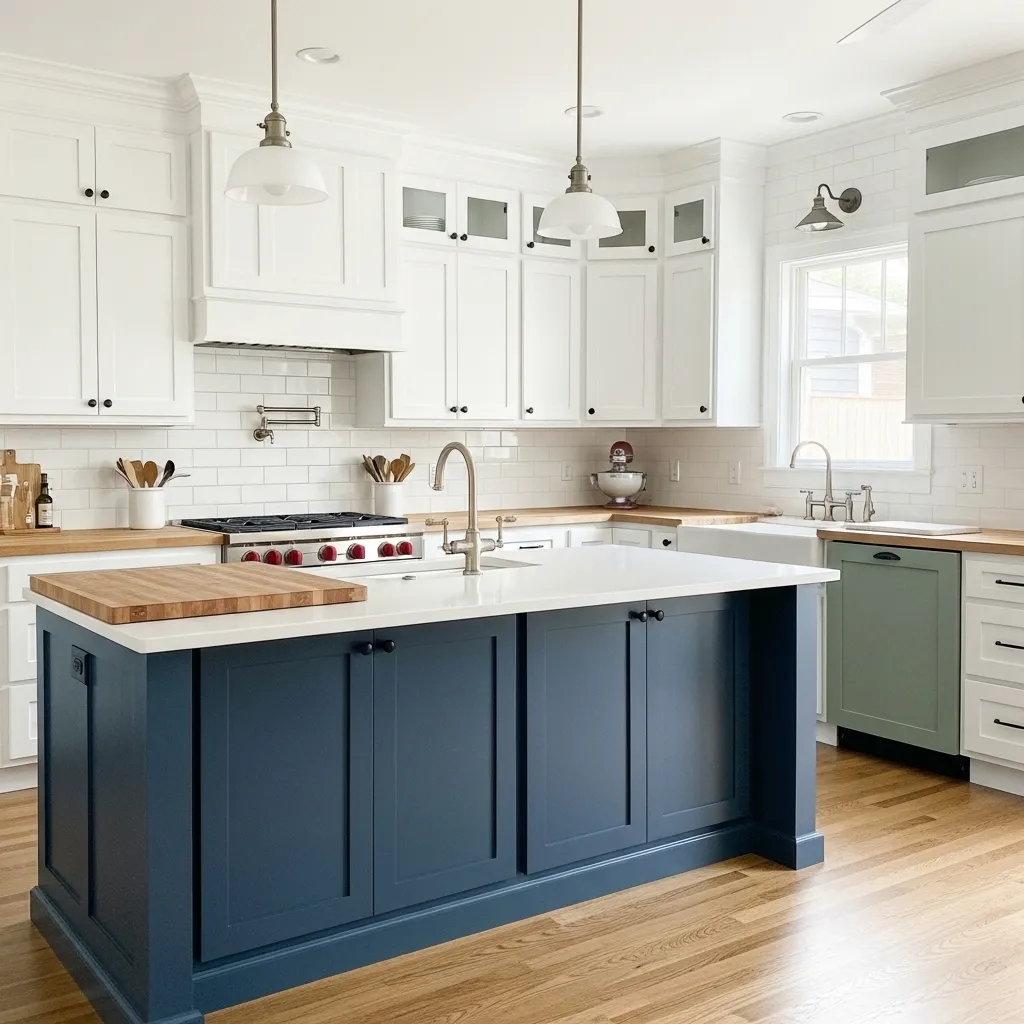
Two-tone cabinetry has become incredibly popular in modern farmhouse kitchens as a way to add personality and visual interest while maintaining the classic aesthetic. Using white for perimeter cabinets keeps the kitchen bright and spacious, while painting the island a contrasting color—navy blue, sage green, charcoal gray, or even black—creates a focal point and grounding element. The island becomes a statement piece that anchors the kitchen.
The colored island prevents an all-white kitchen from feeling too sterile or bland while still maintaining the bright, open feeling that white provides. The color choice affects the mood—navy or charcoal creates sophisticated drama, sage or mint brings soft color, black creates graphic contrast. The island is the perfect place for color because it’s a distinct piece that can be repainted if tastes change, unlike floor-to-ceiling built-ins. Coordinate the island color with other elements—maybe your pendant lights, window frames, or bar stools—to create cohesion. The two-tone approach feels collected and intentional rather than matchy-matchy, fitting perfectly with farmhouse aesthetic’s emphasis on character and personality over perfection.
9. Subway Tile Backsplash to Ceiling
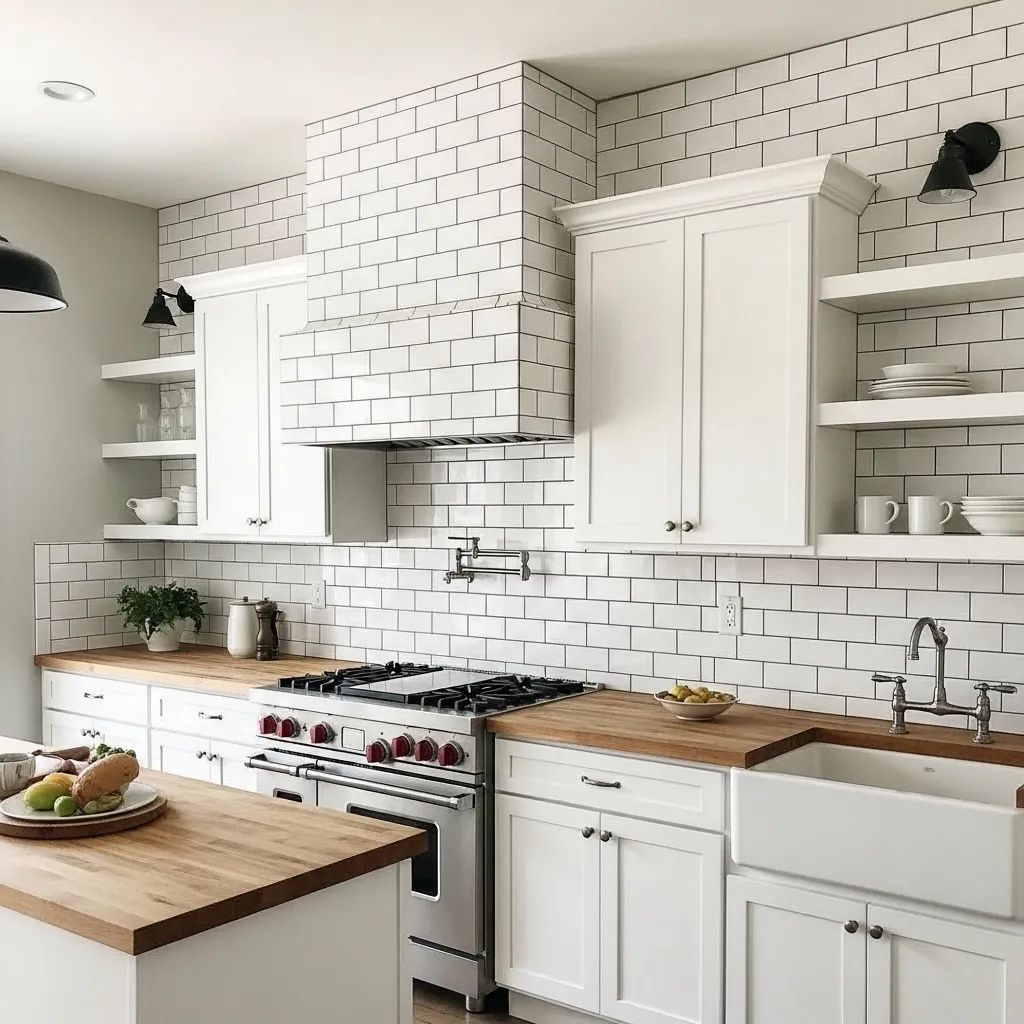
Extending subway tile all the way to the ceiling creates a clean, cohesive look that’s both beautiful and practical. Instead of the standard 18-inch backsplash that leaves most of your wall exposed, floor-to-ceiling tile creates a finished, intentional appearance and provides easy-clean surfaces in the hardest-working areas of your kitchen. This treatment references historical kitchens where tile protected walls from cooking splatter and moisture.
The classic white subway tile in a running bond pattern is timeless and pairs perfectly with modern farmhouse aesthetics. The repetitive pattern creates subtle visual interest without being busy, and the white reflects light beautifully. The extended tile works particularly well on the cooking wall behind the range where protection is most needed, or on the wall between cabinets where you might otherwise have open shelving. The clean white tiles provide a perfect backdrop for open wood shelving, showing off both the shelves and what’s displayed on them. This is one of those details that elevates a kitchen from basic to custom-looking, creating that finished, designed quality that characterizes the best modern farmhouse spaces.
10. Natural Wood Floors in Wide Planks
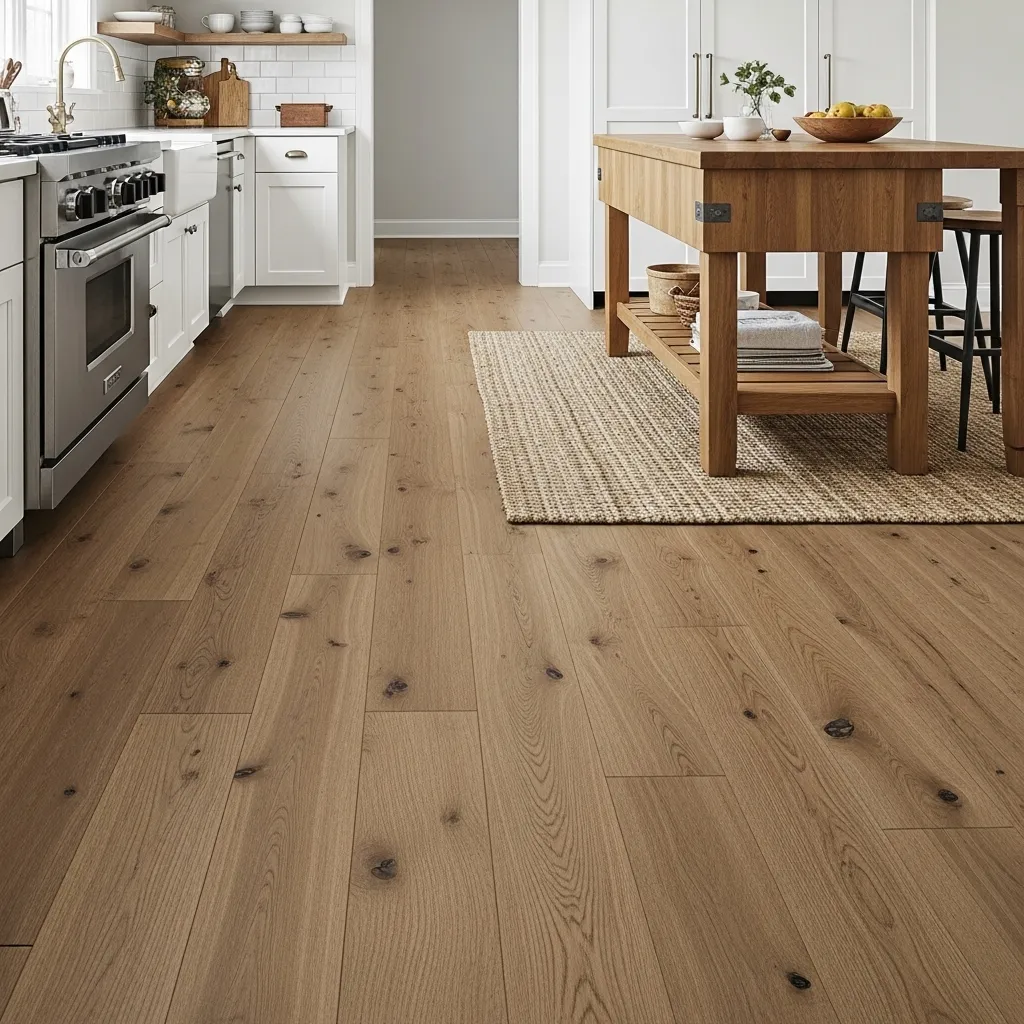
Wide-plank wood floors are essential to authentic modern farmhouse style. The wider planks—typically 7-9 inches compared to standard 2-3 inch planks—reference historical flooring and create a more substantial, less busy appearance that feels appropriate to farmhouse aesthetics. Natural oak in light to medium tones with visible grain brings warmth, organic texture, and that connection to natural materials that’s central to the style.
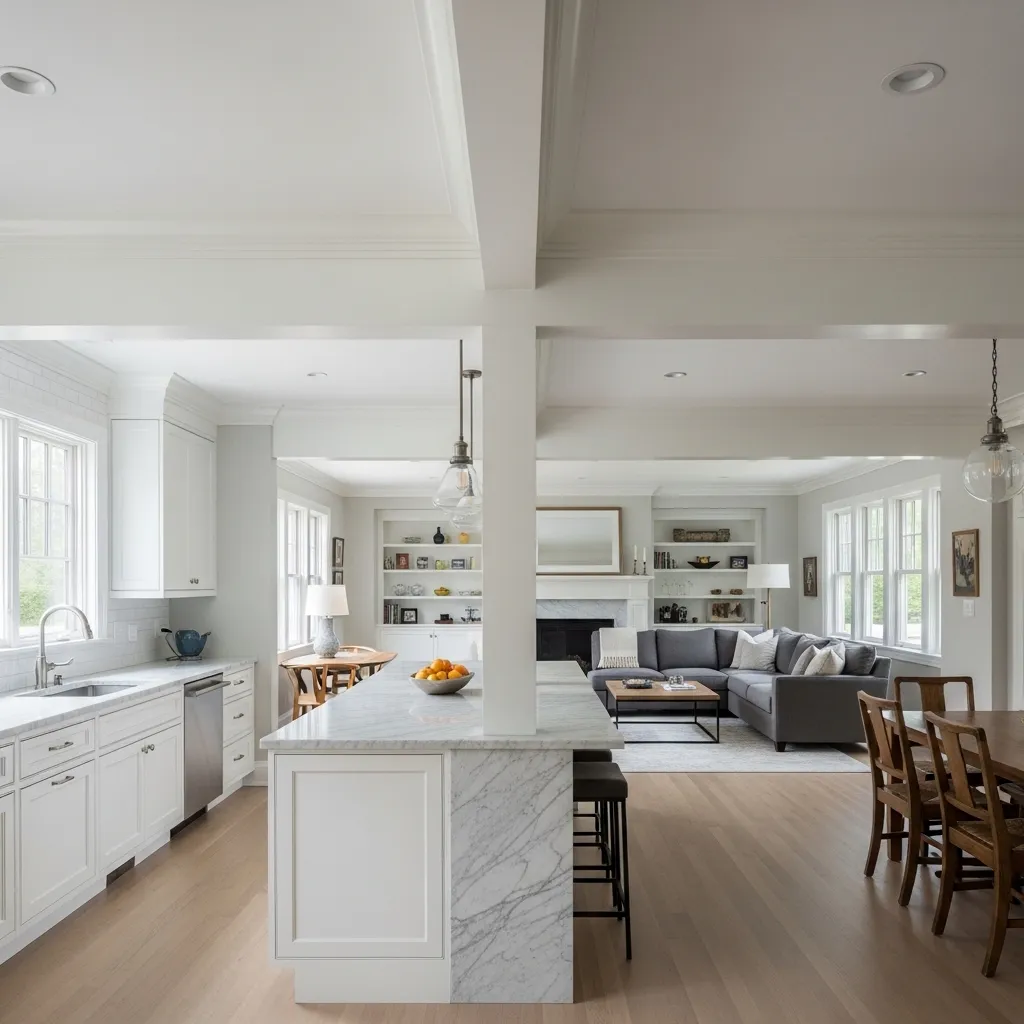
The wood floors provide essential grounding and warmth in kitchens dominated by white cabinetry and tile. They age beautifully, developing character over time rather than looking worn. The natural variations in grain and color add subtle interest underfoot. Wide planks work particularly well in open-concept spaces where the flooring flows from kitchen to living and dining areas, creating visual continuity. Choose a matte or satin finish rather than high-gloss for a more authentic, less formal appearance. The wood coordinates beautifully with butcher block counters, exposed beams, and wood shelving, creating layers of natural material that prevent all-white kitchens from feeling cold. This is a foundational element worth investing in—quality wood floors will last decades and never go out of style.
11. Vintage-Style Range and Hood
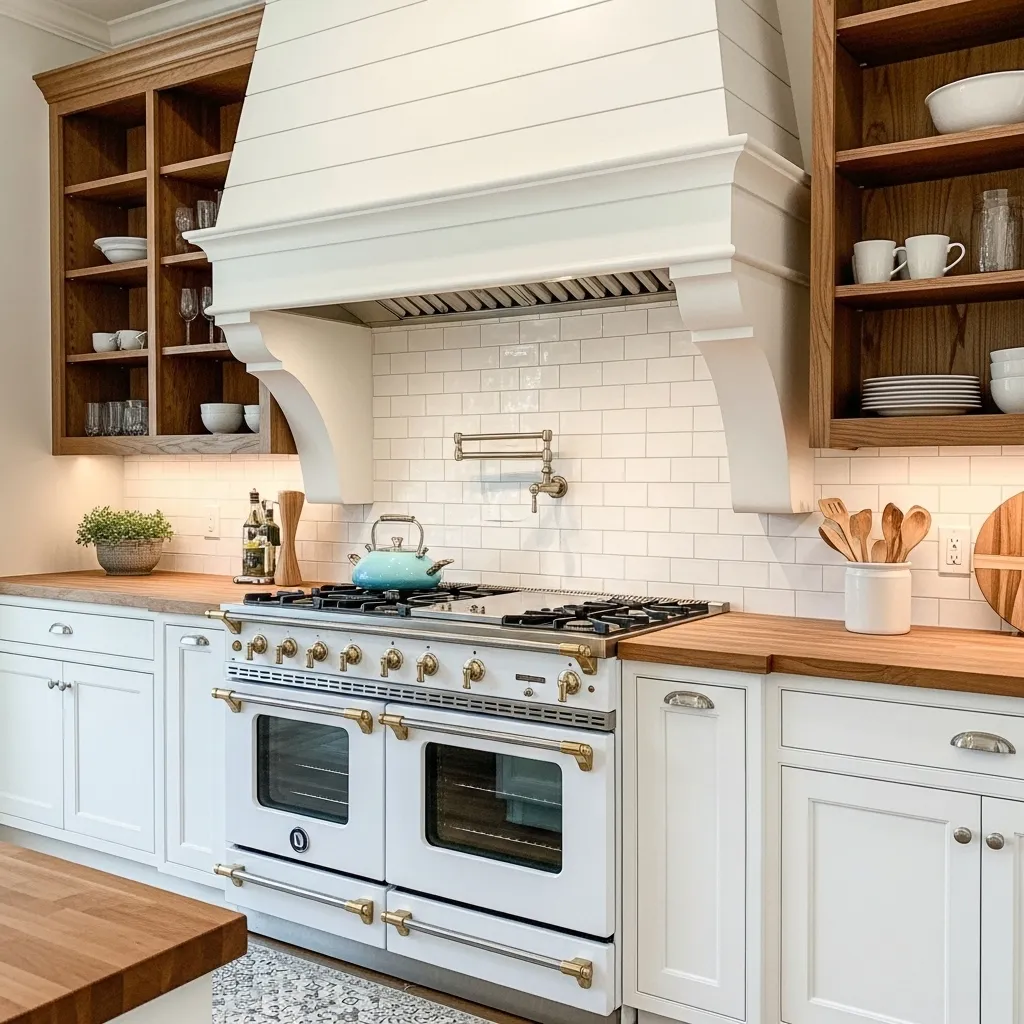
A vintage-style range creates instant character and serves as a natural focal point in modern farmhouse kitchens. Whether it’s a true vintage restored range or a new range with vintage styling, these substantial appliances bring personality and presence that standard ranges can’t match. Options range from classic white or cream to unexpected colors like pale blue or mint green, and the vintage details—brass accents, ornate knobs, decorative panels—add authentic character.
Pairing the vintage range with a substantial custom hood creates a composed focal point that anchors the entire kitchen. The hood can be designed in countless ways—painted wood with decorative corbels, shiplap in a farmhouse style, smooth plaster for French country influence—and becomes an architectural feature rather than just functional ventilation. Flanking the range and hood with open shelving, glass-front cabinets, or simply continuing the tile creates a symmetrical, intentional composition. This cooking zone becomes the heart and focal point of the kitchen, where vintage character meets modern functionality. It’s an investment that creates genuine wow-factor and makes your kitchen memorable and special.