11 Small Backyard Ideas
Small backyards present unique design challenges and opportunities—these compact outdoor spaces can feel limiting at first, but with thoughtful planning and creative design, they can become extraordinary outdoor rooms that deliver all the beauty, function, and enjoyment of far larger yards. The key is recognizing that small doesn’t mean less valuable or less capable; it simply means being more intentional about every square foot. A well-designed small backyard can serve as an outdoor dining room, peaceful retreat, productive garden, entertainment space, children’s play area, or ideally, a combination of several functions layered efficiently within the available space. The intimacy of a small backyard can actually be an advantage—these spaces feel cozy and enclosed rather than exposed, they’re easier to maintain than sprawling yards, and you can often afford higher-quality materials and furnishings when you need less of everything.
What makes small backyard design so rewarding is the creative problem-solving it requires and the dramatic transformations possible when you get it right. Every decision matters—plant selection, furniture scale, color choices, vertical versus horizontal space usage, how you define zones, what you include and crucially what you leave out. Small backyards force you to clarify priorities. You probably can’t fit a pool, full outdoor kitchen, large lawn, and extensive flower beds, but you absolutely can create a beautiful dining area surrounded by container gardens, or a cozy lounge space with a small water feature and vertical plantings, or a productive raised bed vegetable garden with a bistro table for morning coffee. The constraints create focus and often result in more cohesive, intentional designs than larger yards where it’s easy to add elements without overall vision.
The psychological impact of a well-designed small backyard shouldn’t be underestimated—having access to private outdoor space, no matter how compact, provides genuine mental health benefits and quality of life improvements. A small backyard becomes your personal outdoor retreat, a buffer from neighbors and streets, a place to grow things, a spot for morning coffee or evening wine, somewhere to entertain friends or let kids play, and a connection to nature and seasons right outside your door. Let’s explore these small backyard ideas and create an outdoor space that maximizes every inch while bringing beauty and function to your daily life.
1. Multi-Level Deck with Built-In Seating
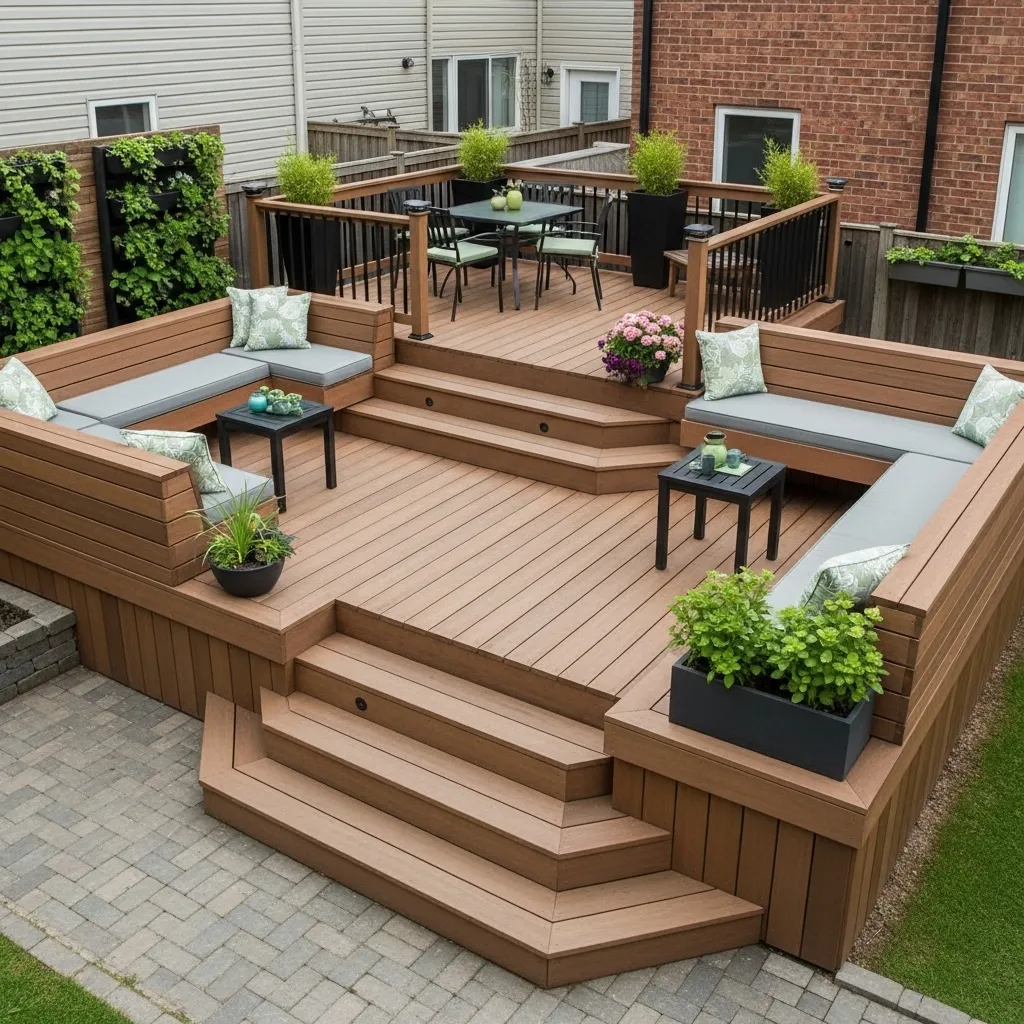
Multi-level decks create significant visual interest and functional zoning within small backyards by using vertical space creatively. The different levels naturally define separate areas for different activities without requiring walls or barriers that would make the space feel smaller. The steps between levels become design features and additional seating rather than just circulation, and the elevation changes create architectural drama that a flat yard cannot achieve.
Built-in seating is brilliant for small spaces because it provides ample seating capacity without the floor space and visual clutter of freestanding furniture. Built-in benches can wrap corners, line perimeters, and include storage underneath for cushions, gardening supplies, or outdoor games. Add weather-resistant cushions for comfort that you can bring inside during bad weather. The different deck levels allow you to create a dining zone on one level—perhaps slightly elevated with a view—and a lounging zone on another with comfortable built-in seating. Include integrated planters or leave spaces between deck boards for plants to soften the wood and bring nature into the design. The result is a small backyard that feels spacious, organized, and fully functional despite limited square footage.
2. Vertical Garden Walls
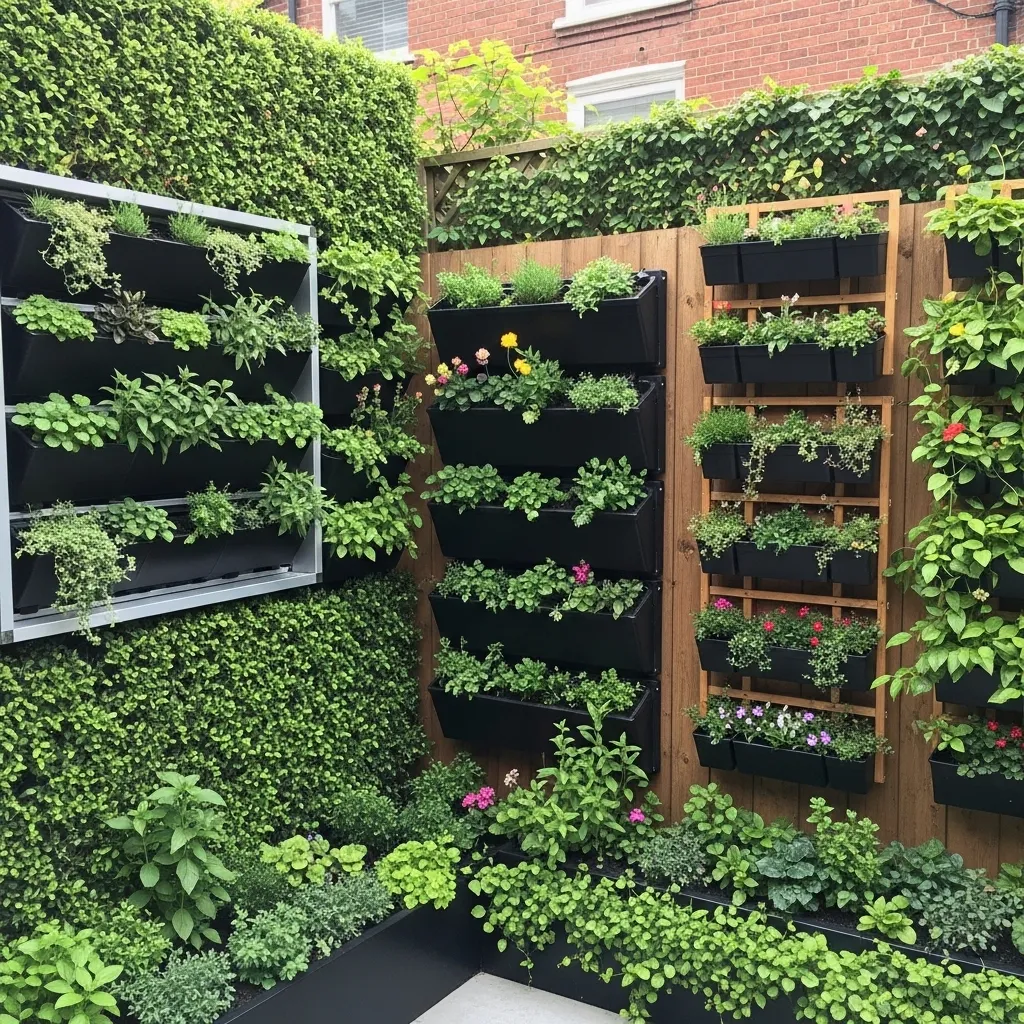
Vertical gardens are game-changers for small backyards, allowing abundant plantings without sacrificing precious ground space needed for seating, dining, or circulation. By growing upward on walls, fences, and vertical structures, you can create lush, garden-filled environments even in tiny urban yards. Vertical plantings also provide privacy screening, soften hard surfaces, and create the enclosed, garden-room feeling that makes small spaces feel cozy rather than cramped.
The vertical gardens can take many forms—modular living wall systems with integrated irrigation, simple wall-mounted planters, fabric pocket systems, climbing plants on trellises, or espalier fruit trees trained flat against fences. Choose plants appropriate to your sun exposure and maintenance capacity—succulents for low-water vertical gardens, herbs for edible walls, flowering annuals for color, or evergreen groundcovers for year-round greenery. Ensure adequate irrigation since vertical plantings dry out quickly—drip systems or self-watering planters make maintenance manageable. The result is a small backyard that feels abundantly planted and garden-like despite limited ground space, proving that you can have lush greenery without a large footprint.
3. Cozy Fire Pit Gathering Area
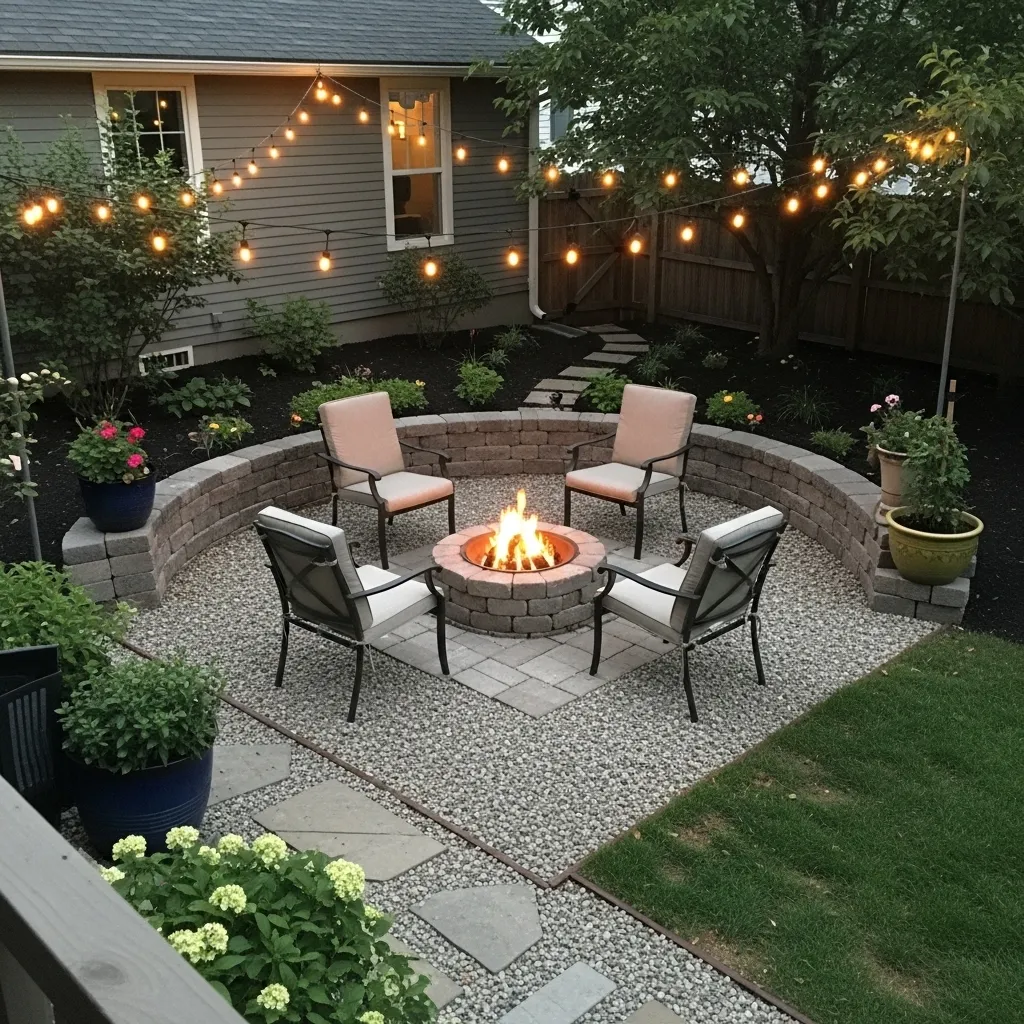
Fire pits create magical gathering spots that become the heart of small backyards, providing warmth, light, and that primal draw that makes people want to gather and linger. Even a small fire pit transforms a basic backyard into an entertainment and relaxation destination. The intimate scale of a small yard actually enhances the fire pit experience—the enclosed space feels cozy and protected rather than exposed, and the fire’s warmth and light reach the entire space.
Choose an appropriately scaled fire pit for your space—a 30-36 inch diameter is often ideal for small yards, providing adequate fire and warmth without overwhelming. Portable metal fire bowls offer flexibility and can be moved or stored, while built-in stone or brick designs feel more permanent and substantial. Create a defined fire pit zone with non-flammable surfacing—gravel, pavers, stone, or decomposed granite—extending several feet around the pit for safety and aesthetics. Position seating close enough for conversation and warmth—4-6 feet from the fire is typically ideal. Add overhead string lights or lanterns for additional ambiance. The fire pit creates a focal point and purpose for your small backyard, making it a space you’ll actually use and enjoy rather than just look at.
4. Outdoor Dining Room with Pergola
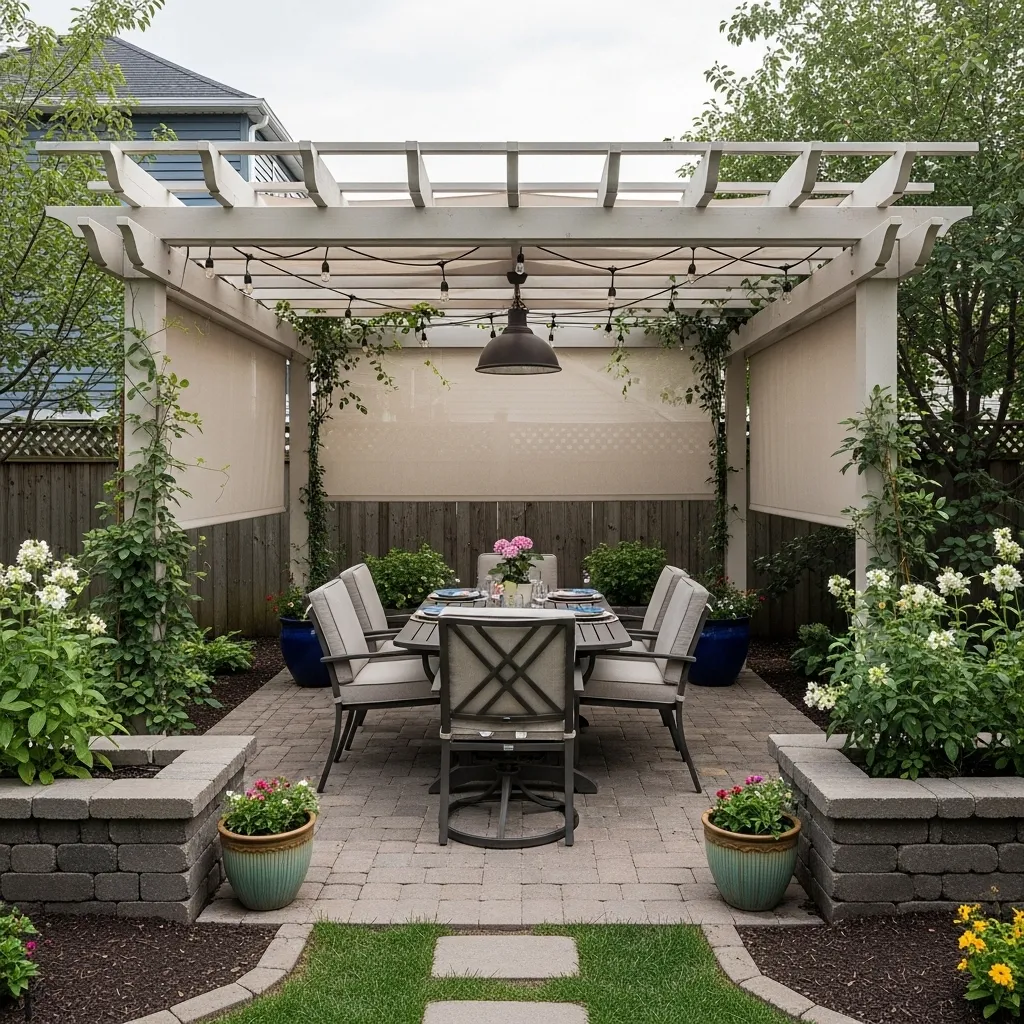
Creating a dedicated outdoor dining area transforms your small backyard into a genuine outdoor room that extends your living space and makes outdoor entertaining practical and pleasant. The pergola provides architectural definition and a “ceiling” that makes the space feel room-like and protected rather than completely exposed. Even in a small backyard, prioritizing dining creates huge value if you enjoy outdoor meals and entertaining.
Choose furniture scaled appropriately—a bistro table for two or small round table for four might be perfect for tiny spaces, while slightly larger yards can accommodate 6-person tables. The pergola should be proportional to your space and furniture—8×10 feet is often perfect for small backyards. Dress the pergola with climbing plants like wisteria or jasmine for beauty and shade, string lights for evening ambiance, or retractable fabric panels for sun and rain protection. Position the dining area on a paved or decked surface for stability and cleanliness. Surround with potted plants, raised beds, or vertical gardens that bring greenery without encroaching on the functional dining space. The result is an outdoor dining room that rivals your interior dining in terms of atmosphere and becomes your preferred spot for meals during pleasant weather.
5. Container Garden Oasis
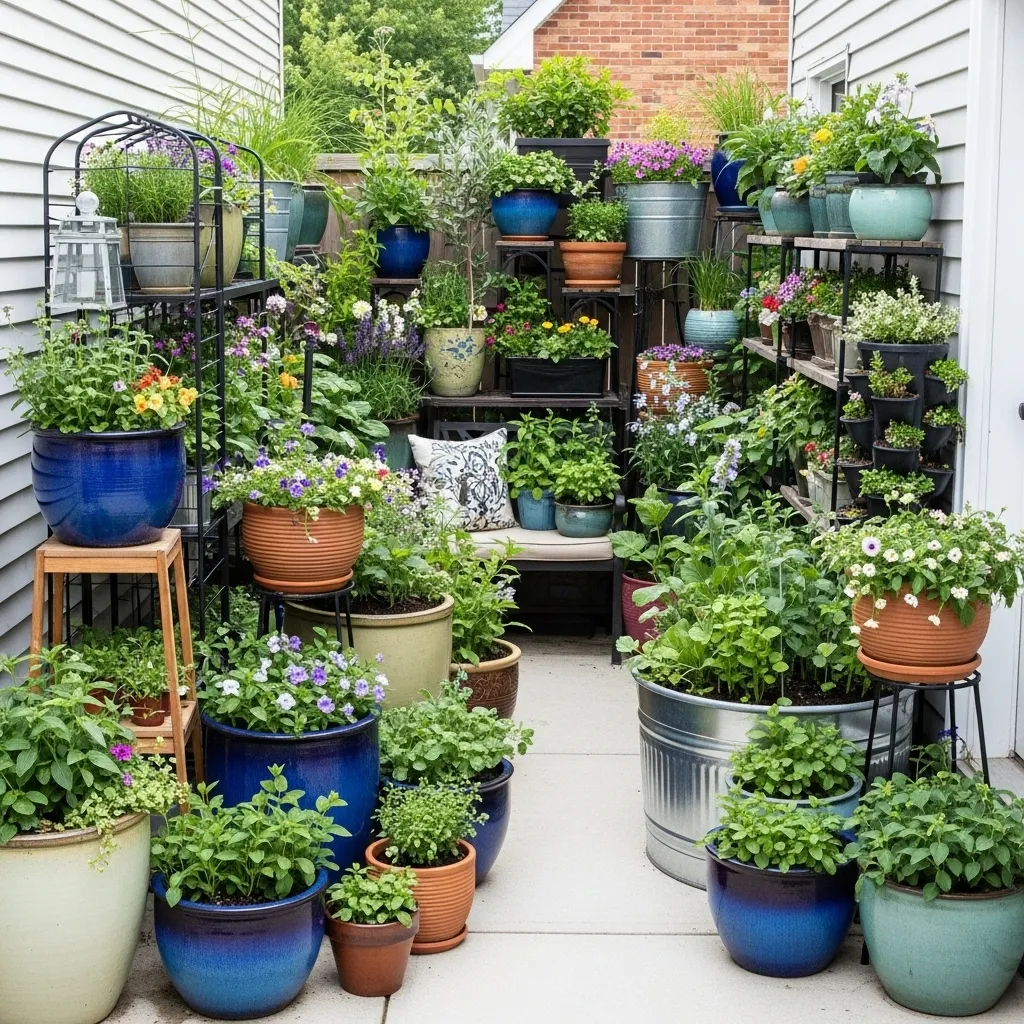
Container gardens offer incredible flexibility and allow lush, abundant plantings in small backyards without committing to in-ground beds or permanent plantings. Containers can be moved to follow sun, rearranged for aesthetics or function, changed seasonally, and allow you to grow plants even if you have poor soil or are renting. The variety of container styles, sizes, and materials creates visual interest and personality that uniform in-ground beds don’t provide.
The key to successful container gardening is variety and layering. Use containers of different sizes—large pots for shrubs and small trees, medium for perennials and vegetables, small for herbs and annuals. Vary heights by using plant stands, stacking, or placing containers on different levels. Group containers in clusters rather than spacing them individually—odd-numbered groupings of three or five create attractive compositions. Mix materials—ceramic, wood, metal, concrete—for textural variety. Include a mix of plants—flowering annuals for color, herbs and vegetables for edibility, evergreens for structure, trailing plants to cascade over edges. Ensure all containers have drainage and use quality potting mix. Install drip irrigation if possible since containers dry out quickly. The result is a lush, flexible garden that provides beauty and productivity without permanent commitment.
6. Minimalist Zen Garden
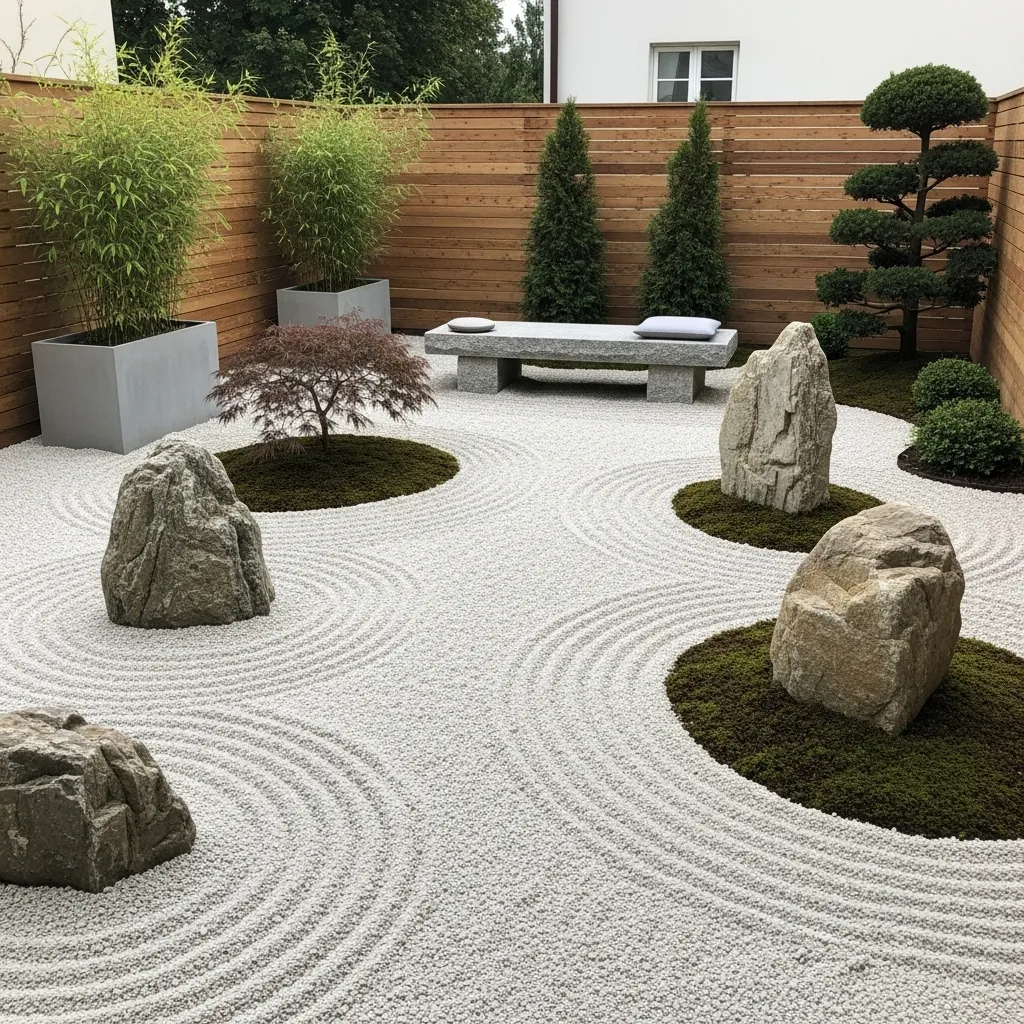
Zen-inspired gardens embrace minimalism and intentionality, creating peaceful sanctuaries through careful composition of few elements rather than abundant plantings. This approach works beautifully in small backyards where trying to fit too much creates clutter and chaos. The minimalist aesthetic makes small spaces feel larger through simplicity and restraint, and the focus on texture, composition, and negative space creates visual interest without visual noise.
The key elements are carefully chosen rocks positioned for maximum impact, raked gravel or sand creating texture and pattern, minimal but meaningful plantings providing life and seasonal change, and perhaps a water feature for gentle sound. Each element should be intentional—placed for specific aesthetic or symbolic reasons rather than randomly positioned. The maintenance is focused on keeping the composition pure—raking gravel, pruning plants to maintain shape, removing debris. Include simple seating for meditation or contemplation—a stone bench, wooden platform, or even just a large flat rock. The result is a backyard that serves as a genuine retreat from modern chaos, providing space for quiet reflection and mental restoration. The minimalist approach proves that sometimes less truly is more.
7. Productive Raised Bed Garden
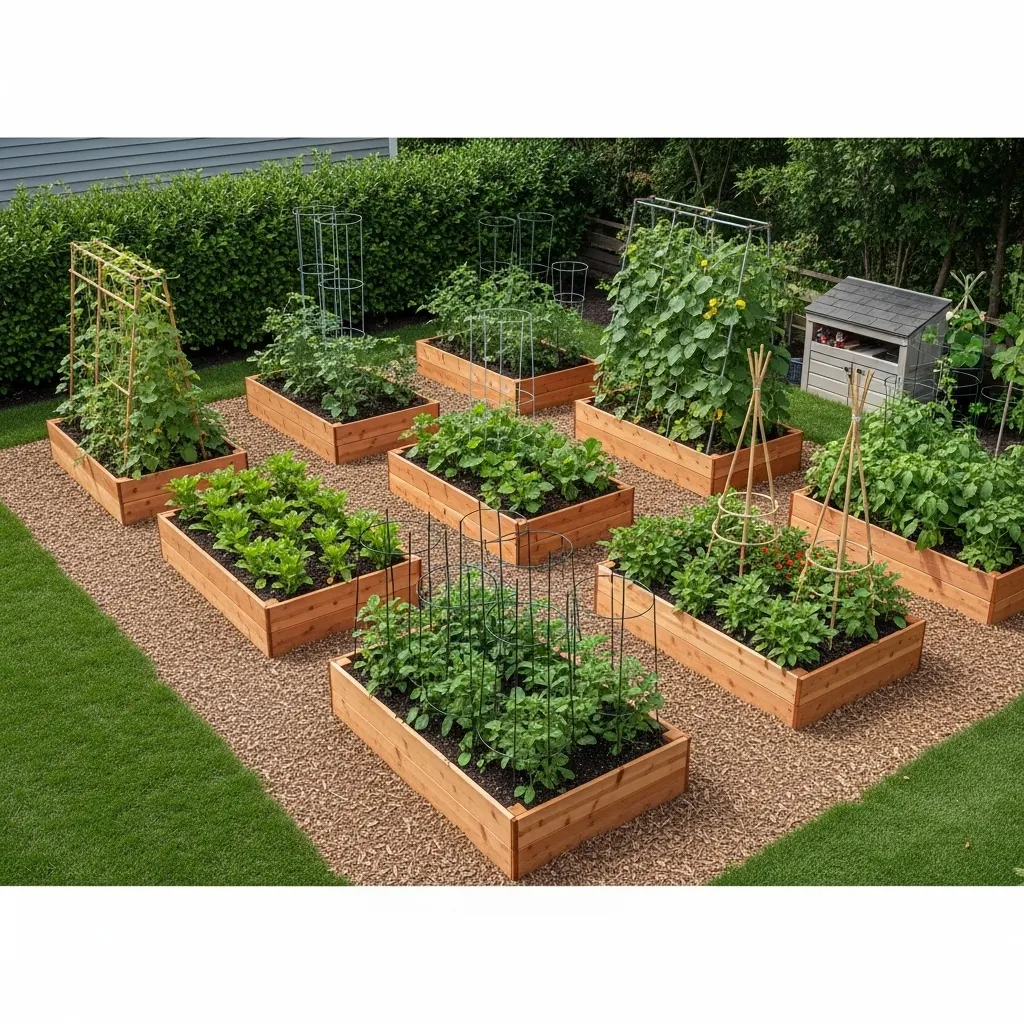
Small backyards can be remarkably productive when designed specifically for food growing rather than trying to balance multiple competing functions. Raised beds are ideal for small spaces because they maximize growing area while maintaining organization and accessibility. The defined beds create structure and prevent the chaos that can occur with traditional in-ground gardens, and the raised design improves drainage, extends the growing season, and makes tending easier without constant bending.
The key is efficient organization and intensive planting. Space beds close enough to maximize growing area while leaving adequate paths for comfortable access and wheelbarrow passage—typically 2-3 feet. Practice succession planting and intercropping to ensure beds are always producing. Incorporate vertical growing structures to grow upward rather than outward—trellises, cages, towers for climbing and vining crops. Include herbs and flowers among vegetables for pest management and pollinator support. A small potting bench provides workspace for transplanting and tool storage. Efficient irrigation—drip systems on timers—makes maintenance manageable. The result is a small backyard that provides impressive amounts of fresh food throughout the growing season, transforming what might have been just lawn into genuine productivity and purpose.
8. Small Pool or Plunge Pool
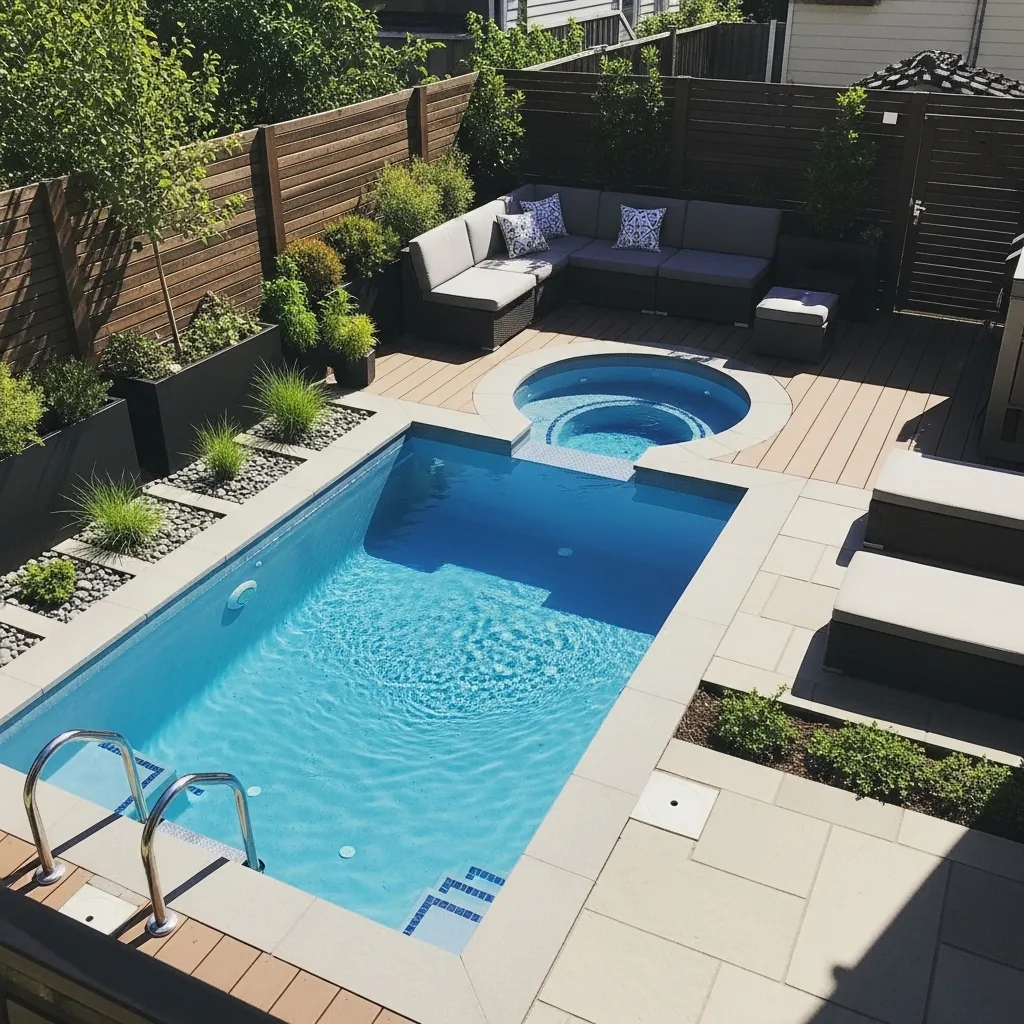
Small pools or plunge pools prove that you don’t need a large backyard to enjoy the luxury and recreation of a swimming pool. Compact pools—whether 10×15 foot lap pools, circular plunge pools, or small geometric designs—provide genuine swimming, cooling, and water recreation within tight footprints. For hot climates or pool enthusiasts, dedicating a small backyard to a pool might be the best use of limited space.
The key is designing the pool to fit your specific space and primary use. Lap pools are narrow but long, perfect for swimming in small yards. Plunge pools are deeper and designed for cooling rather than swimming. Spa-style pools combine hot tub features with swimming. Surrounding decking should be proportional—enough space for lounging and accessing the pool but not overwhelming the water feature. Consider heating or covering systems to extend the season. Privacy screening creates a resort-like, secluded feeling. Minimal maintenance landscaping in containers allows greenery without consuming limited space. The result is a small backyard that becomes a genuine retreat and recreation space, providing the pool experience without requiring a large lot.
9. Cottage Garden with Winding Path
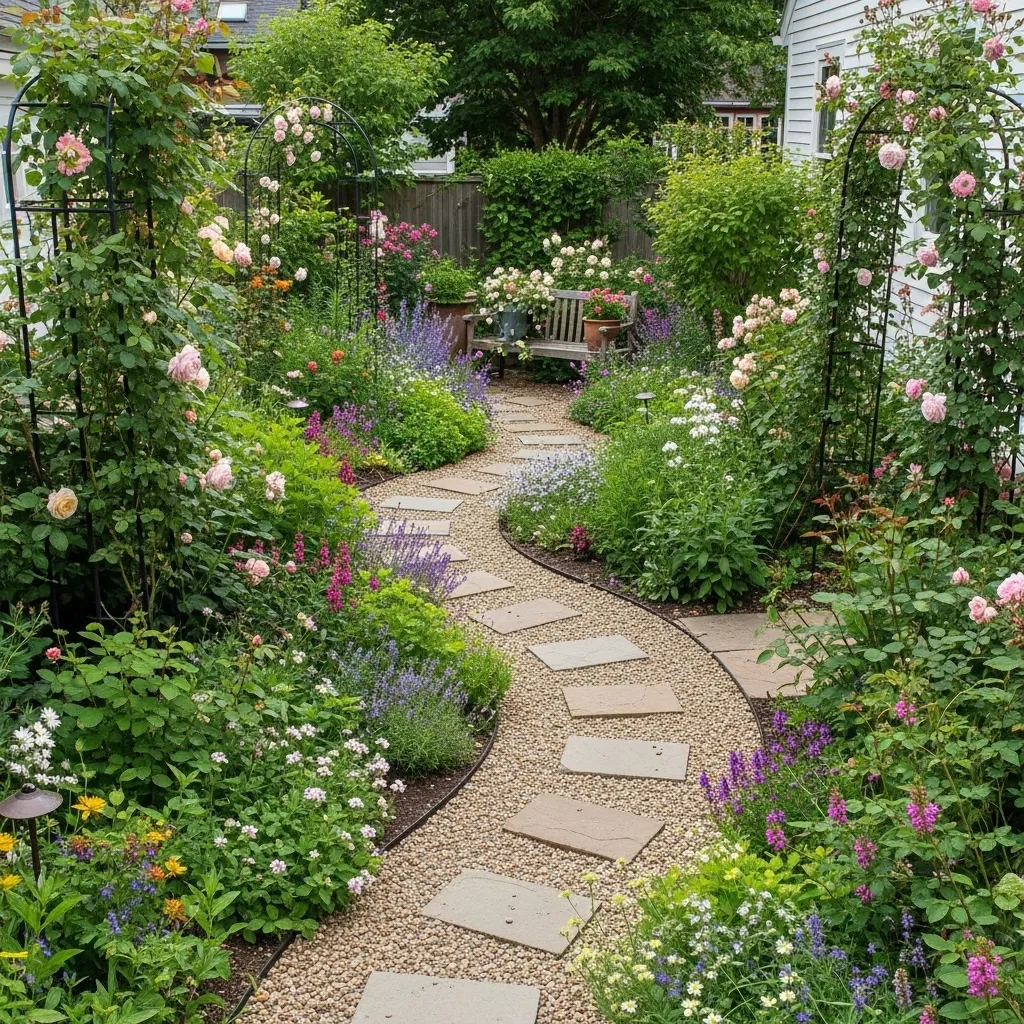
Cottage gardens embrace abundance and romance, creating lush planted environments through generous use of flowers, herbs, and ornamental edibles. The winding path is key in small backyards—rather than a straight path that reveals the entire space at once, curves and gentle turns create a sense of journey and make the space feel larger by revealing garden areas progressively. The brain interprets the winding path and hidden corners as more space than actually exists.
The key is abundant planting with a mix of perennials, annuals, roses, herbs, and flowering shrubs creating continuous bloom and textural variety. Allow plants to overflow path edges and intermingle, creating that slightly wild, abundant cottage aesthetic. Include fragrant plants—roses, lavender, herbs—that engage additional senses. Vertical elements like arbors with climbing roses add height and architectural interest. A destination—bench, birdbath, or small seating area—gives purpose to the winding journey. The cottage garden approach creates maximum beauty and sensory richness in small spaces, making every square foot burst with life and color. It’s intensive but incredibly rewarding, transforming small backyards into genuine garden experiences.
10. Outdoor Living Room Extension
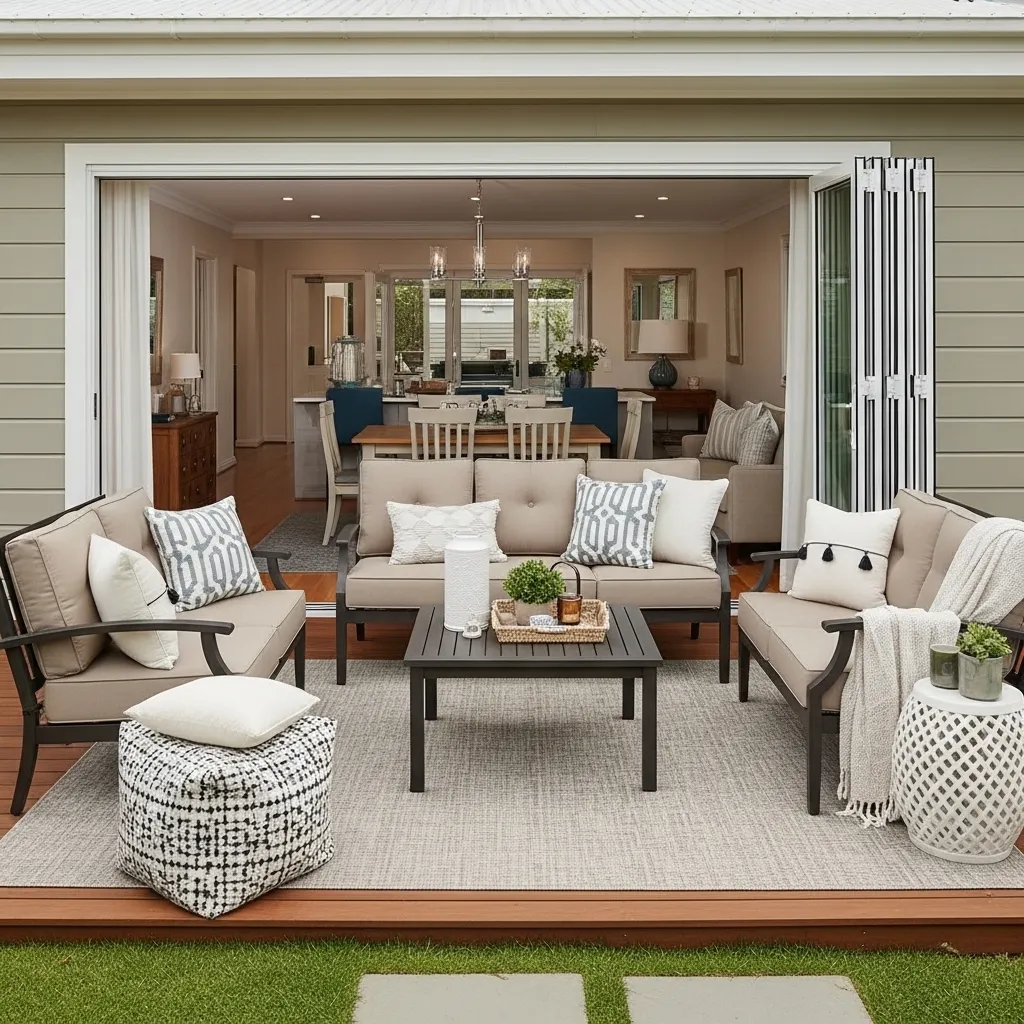
Treating a small backyard as a true room extension rather than a separate outdoor space creates seamless indoor-outdoor living and maximizes usable space, particularly in climates with extended pleasant weather. The connection between interior and exterior becomes fluid, making both spaces feel larger and more functional. The outdoor area becomes as comfortable and inviting as your interior living room.
The key is genuine integration rather than afterthought outdoor space. Install large sliding, folding, or pocket doors that open fully to eliminate barriers between inside and outside. Coordinate flooring materials—if not actual continuation, at least complementary materials that create visual flow. Choose outdoor furniture with similar styling, scale, and quality to interior pieces—comfortable deep seating, proper coffee and side tables, layered textiles. Include outdoor rugs, weatherproof pillows, throw blankets, and functional lighting that mirror interior comfort. Consider retractable awnings or pergolas for shade and weather protection that allow flexible use. The result is a small backyard that genuinely functions as additional living space rather than just being a place to occasionally sit outside, dramatically increasing your home’s functional square footage.
11. Kids’ Play Yard with Artificial Turf
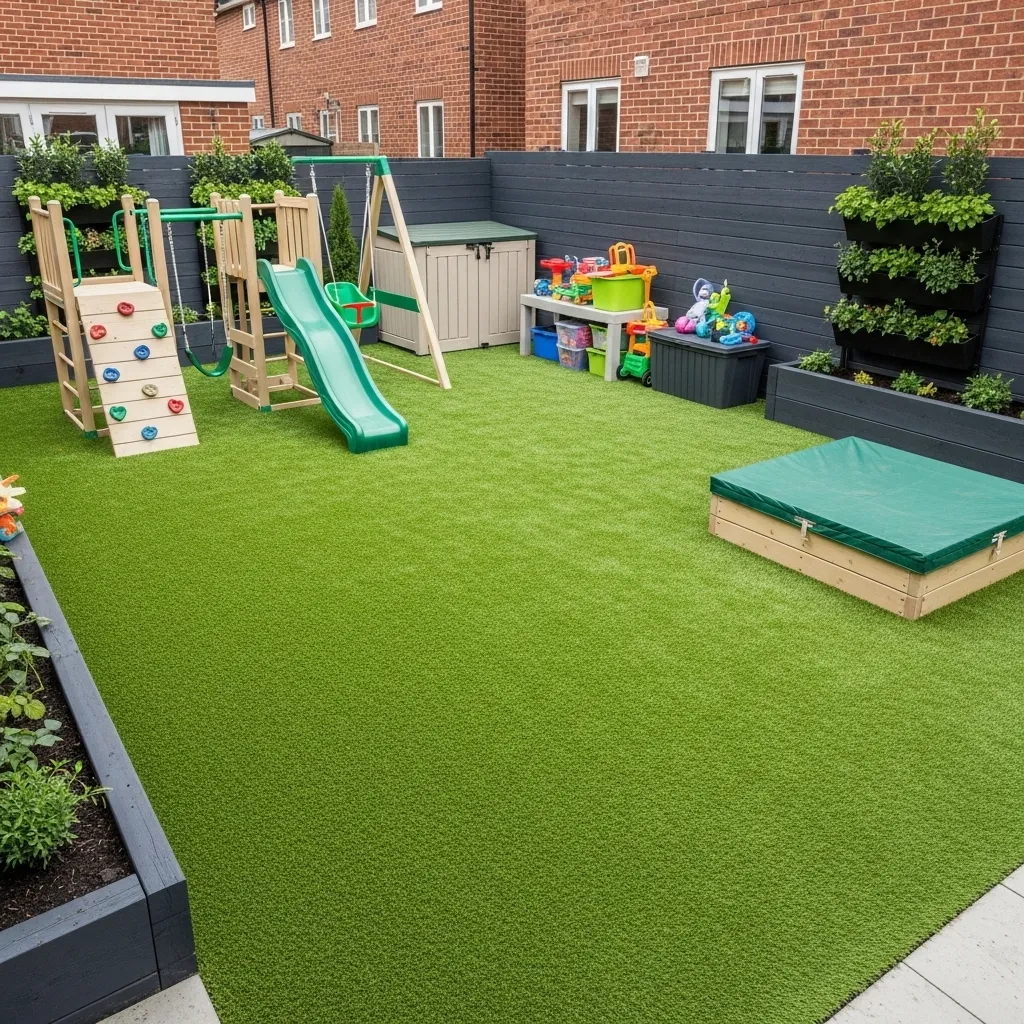
Small backyards with young children face unique challenges—the space must be safe, durable, and conducive to active play while ideally requiring minimal maintenance. Artificial turf addresses multiple issues simultaneously—it provides consistently green, soft surface without the mud, bare patches, and constant maintenance that natural grass requires with heavy kid traffic. Modern synthetic turf is quite realistic, properly draining, and provides cushioning for falls.
The key is designing specifically for the play years with knowledge that you can transform the space later when kids age out. Choose appropriately scaled play equipment—compact climbers, small swing sets, or modular components that provide maximum play value in minimal footprint. Include a sandbox for creative play and sensory experience. Provide organized storage for the inevitable accumulation of outdoor toys—built-in storage benches, weatherproof bins, or a small shed. Keep plantings to the perimeter in raised beds or vertical gardens where they’re protected from balls and active play. Add shade—umbrella, sail shade, or small pergola—for sun protection. The result is a small backyard that genuinely serves a young family’s needs without requiring constant lawn maintenance or creating muddy messes, making outdoor play easier and more pleasant for everyone.