11 Ways to Make a Home Feel Expensive
Creating a home that feels luxurious and expensive has surprisingly little to do with how much money you actually spend and everything to do with intentional design choices, thoughtful curation, and attention to quality over quantity. An expensive-feeling home isn’t cluttered with designer labels or filled with the latest trendy pieces—instead, it exudes a sense of calm, cohesion, and refinement through well-chosen elements, excellent condition and maintenance, and deliberate restraint. The most luxurious homes often embrace simplicity and space, allowing each carefully selected piece to shine rather than competing with dozens of other objects for attention. This is why minimalist spaces often feel more expensive than overstuffed rooms filled with things, even if those things cost more individually.
What truly makes a home feel expensive is the cumulative effect of many small, intentional choices that demonstrate care, quality, and good taste. It’s about maintaining pristine condition—no chipped paint, loose handles, or worn-out fixtures. It’s choosing a cohesive color palette and sticking to it rather than introducing every color you like. It’s investing in proper lighting that flatters and creates ambiance rather than relying on harsh overhead bulbs. It’s displaying fewer, better things rather than collections of mediocre items. It’s ensuring furniture is appropriately scaled and well-arranged rather than pushed against walls or blocking natural flow. Each of these decisions individually might seem small, but together they create an atmosphere of intentionality and refinement that reads as luxury.
The beautiful truth is that creating an expensive-feeling home is accessible regardless of budget. You don’t need to afford designer furniture or high-end finishes—you need to make smart choices about what you prioritize, maintain what you have impeccably, edit ruthlessly to remove clutter and visual noise, and pay attention to the details that truly impact how a space feels. A simple, well-maintained room with excellent lighting, a cohesive palette, and carefully chosen pieces will always feel more expensive than a room filled with actual expensive items that are poorly arranged, badly lit, or surrounded by clutter. Let’s explore these strategies for creating a home that feels luxurious, refined, and expensive regardless of your actual budget.
1. Embrace a Cohesive, Neutral Color Palette
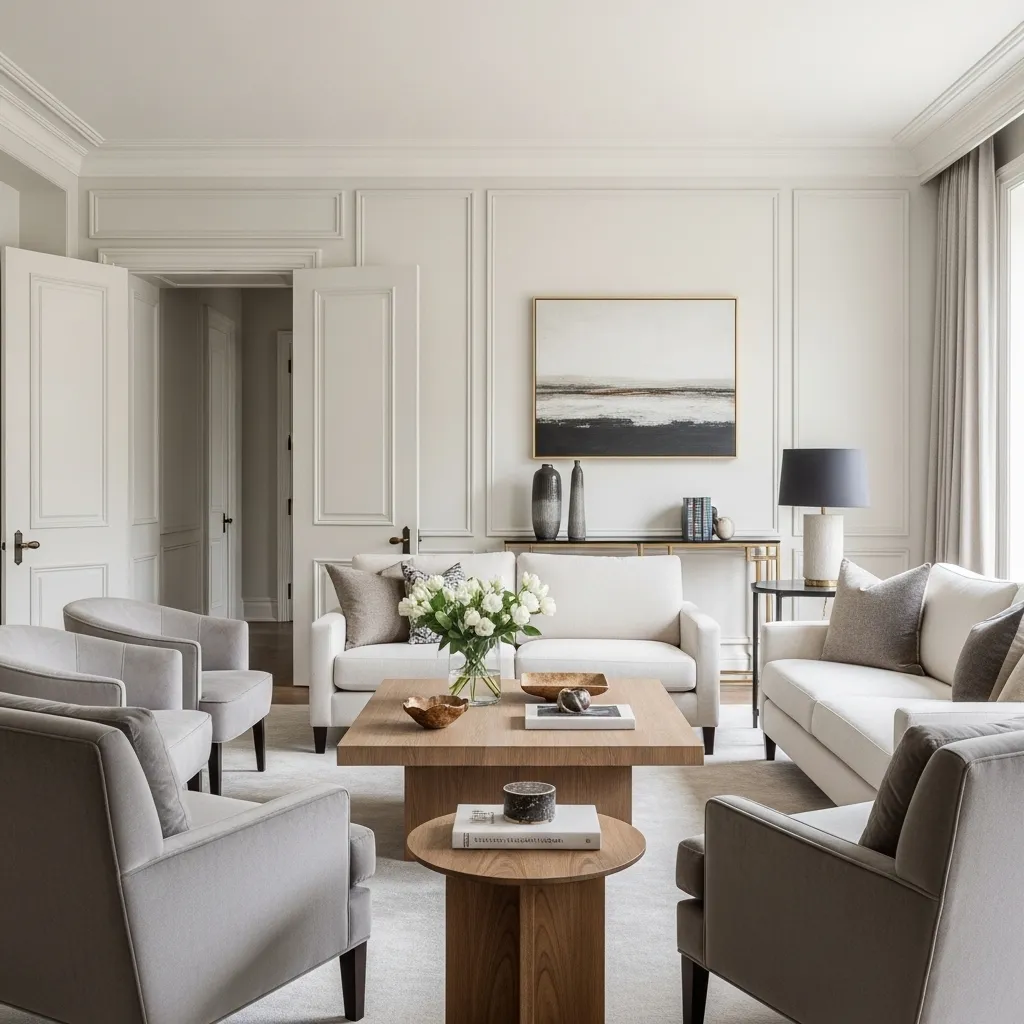
Cohesive color palettes are one of the most powerful tools for creating expensive-feeling spaces. When colors flow harmoniously from room to room and within each space, the home feels intentionally designed rather than randomly decorated. Luxury homes rarely feature wild color variations or competing palettes—instead, they embrace restraint, choosing a sophisticated foundation of neutrals with perhaps one or two accent colors used sparingly and consistently.
The key is choosing your palette deliberately and enforcing it somewhat strictly. Select 2-3 neutral tones that work beautifully together—perhaps warm white walls, soft gray upholstery, and natural wood tones. Use these throughout your home as the foundation. If you want color, choose one or two accent colors maximum and use them sparingly and consistently—perhaps navy and brass, or sage green and black. Avoid introducing random colors just because you like something—if it doesn’t fit your established palette, it disrupts the cohesion. This discipline creates visual calm and allows each piece to shine rather than fighting for attention. The restrained palette reads as sophisticated and intentional, hallmarks of expensive design.
2. Invest in Quality Window Treatments
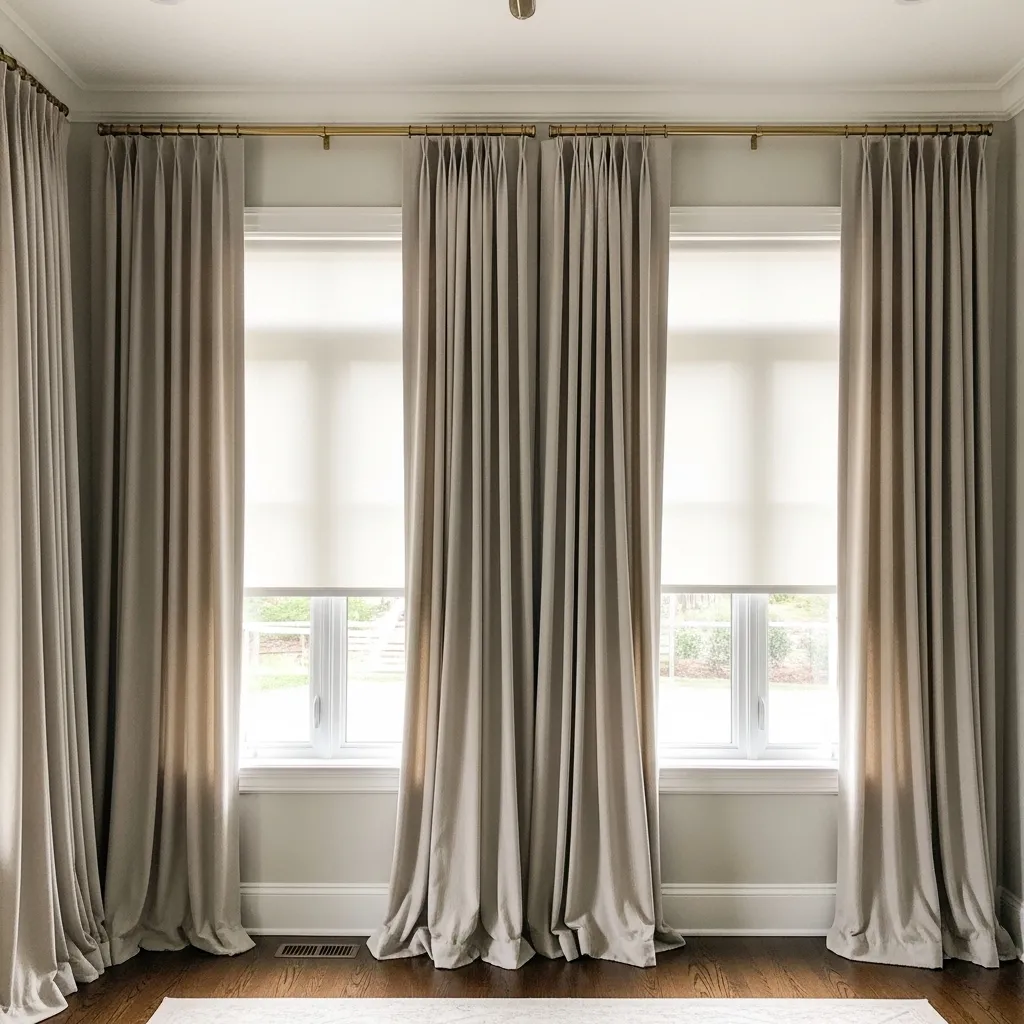
Window treatments are one of the most impactful upgrades for creating an expensive feeling. Cheap, poorly fitted curtains or bare windows instantly make a room feel unfinished or budget, while beautiful, properly hung drapery creates architecture, frames views, softens hard edges, and adds layers of luxury. The difference between builder-grade blinds and custom drapery is transformative.
The key is proper installation and generous fabric. Mount curtain rods at the ceiling rather than just above the window frame—this makes ceilings appear higher and windows more grand. Extend rods well beyond the window frame on each side so when curtains are open, they don’t block the window itself. Choose drapery panels that extend to the floor with a slight break or even puddle slightly for maximum elegance. Use generous, full fabric that creates soft folds rather than flat, skimpy panels. Quality materials matter—real linen, velvet, or substantial cotton blends look and drape better than cheap synthetic fabrics. Layer function and beauty—simple cellular shades or roller shades for privacy and light control, beautiful drapery for aesthetics. The investment in proper window treatments pays enormous dividends in creating an expensive, finished feeling.
3. Maintain Impeccable Condition and Cleanliness
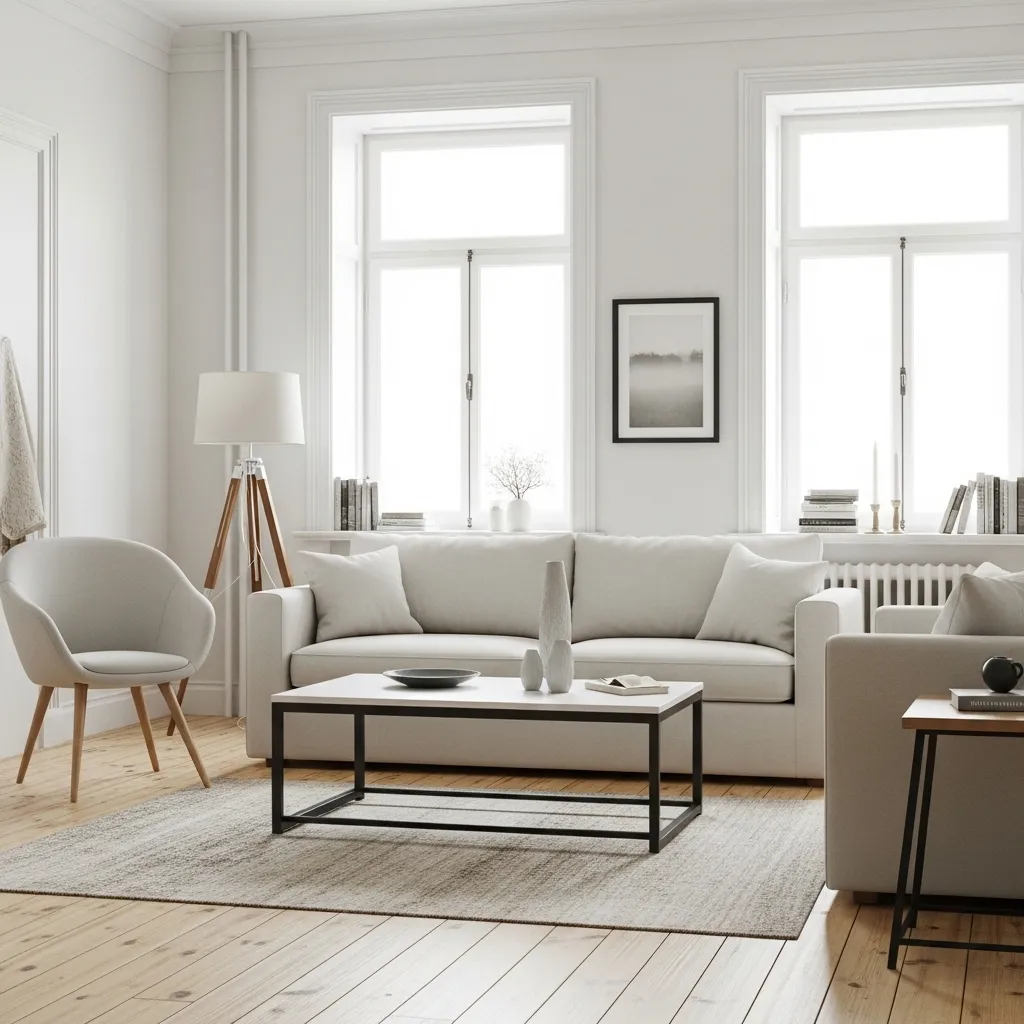
Nothing undermines an expensive feeling faster than poor maintenance. Conversely, impeccable condition elevates even budget pieces and materials. A perfectly maintained IKEA room feels more expensive than a room with actual designer furniture that’s scuffed, dusty, or poorly kept. Luxury is as much about condition and care as it is about cost.
The key is addressing maintenance issues promptly and keeping everything pristine. Touch up paint regularly—no scuffs, marks, or chips should remain visible. Tighten loose doorknobs, cabinet handles, and hardware immediately. Clean thoroughly and regularly—dust-free surfaces, gleaming floors, sparkling windows, and fresh-smelling spaces feel cared for. Repair or replace anything broken, worn, or damaged rather than living with it. Keep upholstery clean and free of stains. Ensure all light bulbs work and are the correct color temperature. Polish hardware and fixtures. Grout should be clean, caulk should be fresh and white, and baseboards should be dust-free. This vigilant maintenance costs very little but creates an atmosphere of quality and care that reads as luxury. A home in perfect condition always feels more expensive than one with visible wear and deferred maintenance.
4. Layer Lighting at Multiple Levels
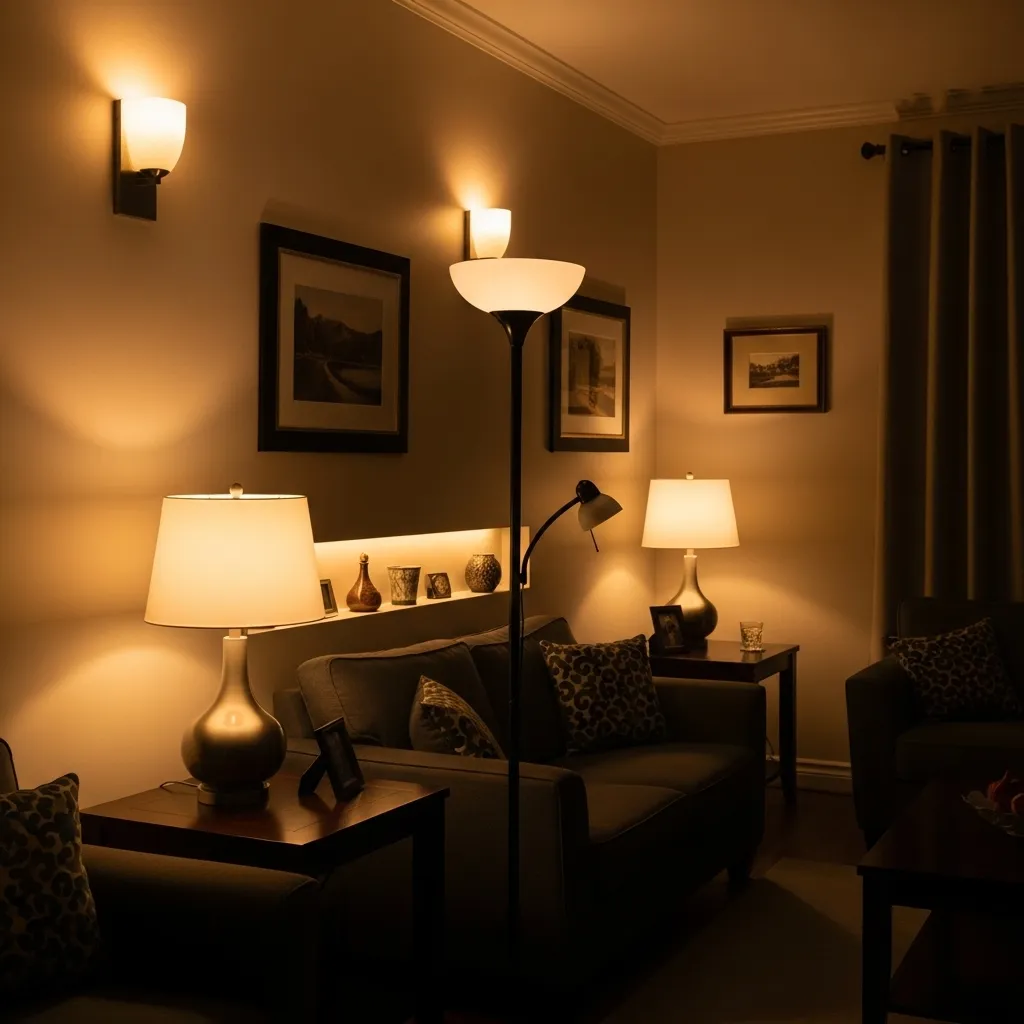
Lighting dramatically impacts how expensive a space feels, yet it’s often overlooked in favor of furniture and décor. Harsh, flat overhead lighting makes even beautiful rooms feel cheap and uninviting, while layered, thoughtful lighting creates depth, warmth, and luxury. Expensive homes never rely on a single overhead fixture—they use multiple light sources at varied heights to create ambiance and flexibility.
The key is including at least three different light sources in each room. Ambient lighting (overhead or recessed lights on dimmers) provides general illumination. Task lighting (table lamps, floor lamps, desk lights) provides focused light for specific activities. Accent lighting (picture lights, sconces, uplights) highlights architectural features or artwork. Use warm bulbs (2700-3000K) consistently throughout your home for cohesive, flattering light. Install dimmer switches wherever possible—the ability to adjust brightness is inherently luxurious and allows you to create different moods. Avoid exposed bulbs in favor of shaded lamps that create soft, diffused light. Layer lighting at multiple heights—floor lamps, table lamps, wall sconces, and overhead—to eliminate harsh shadows and create dimension. The investment in proper lighting transforms how your entire home feels.
5. Edit Ruthlessly and Embrace Negative Space
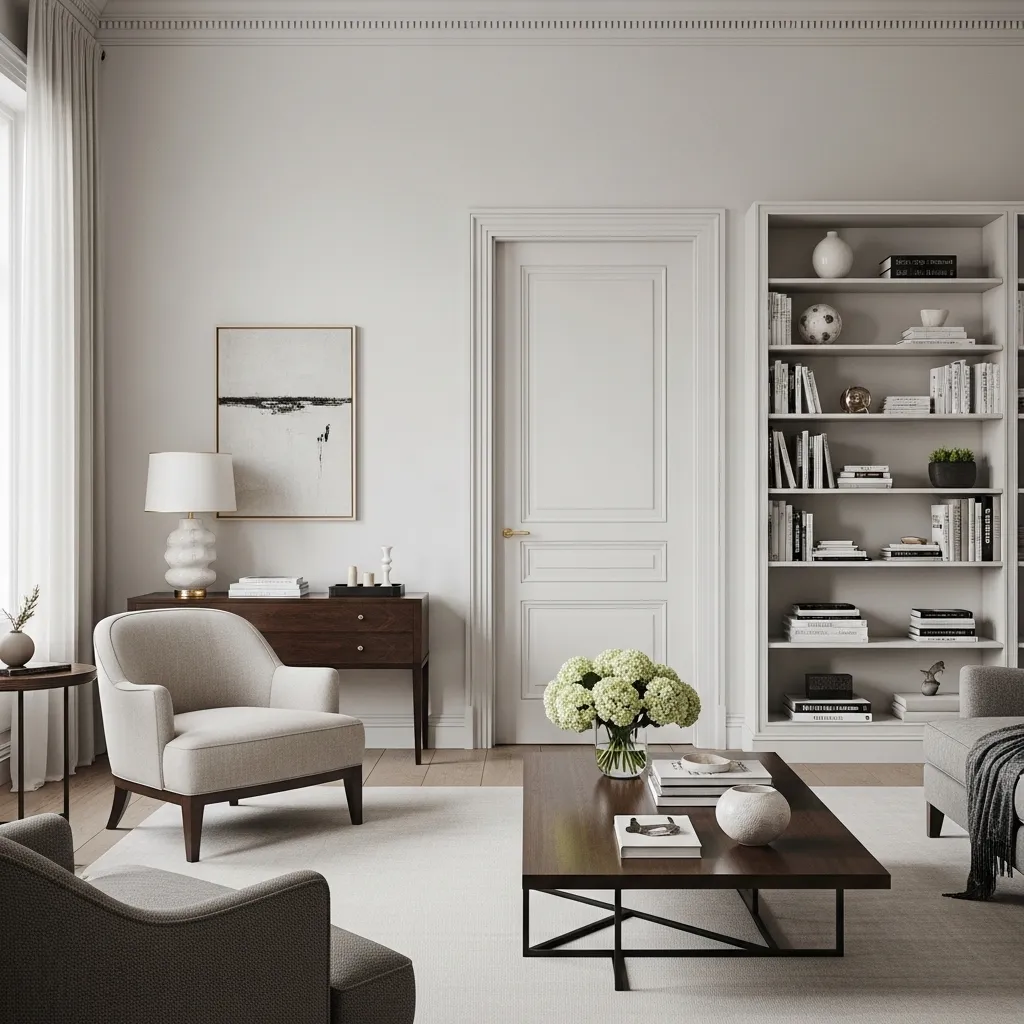
Clutter is the enemy of luxury. Wealthy, expensive-feeling homes are rarely filled with stuff—instead, they embrace restraint, editing, and generous negative space. When rooms are overcrowded with objects, furniture, and decorations, everything looks cheaper because nothing has space to shine. Conversely, when you edit ruthlessly and allow breathing room, each remaining piece feels more significant and valuable.
The key is rigorous editing and the discipline to remove rather than add. Clear surfaces regularly—coffee tables, counters, and nightstands should have only a few carefully chosen items, not collections of random objects. Edit bookshelves to include breathing room—remove books you don’t love, create gaps, and display fewer objects rather than filling every inch. Furniture should be appropriately scaled for the room with space to circulate easily—oversized furniture or too much furniture makes spaces feel cramped and cheap. Remove duplicate items and anything you don’t genuinely love or use. Choose quality over quantity—one beautiful vase is more impactful than five mediocre ones. Embrace empty wall space rather than feeling compelled to fill every surface. The generous negative space and edited selection create calm sophistication that reads as expensive.
6. Upgrade Hardware and Fixtures
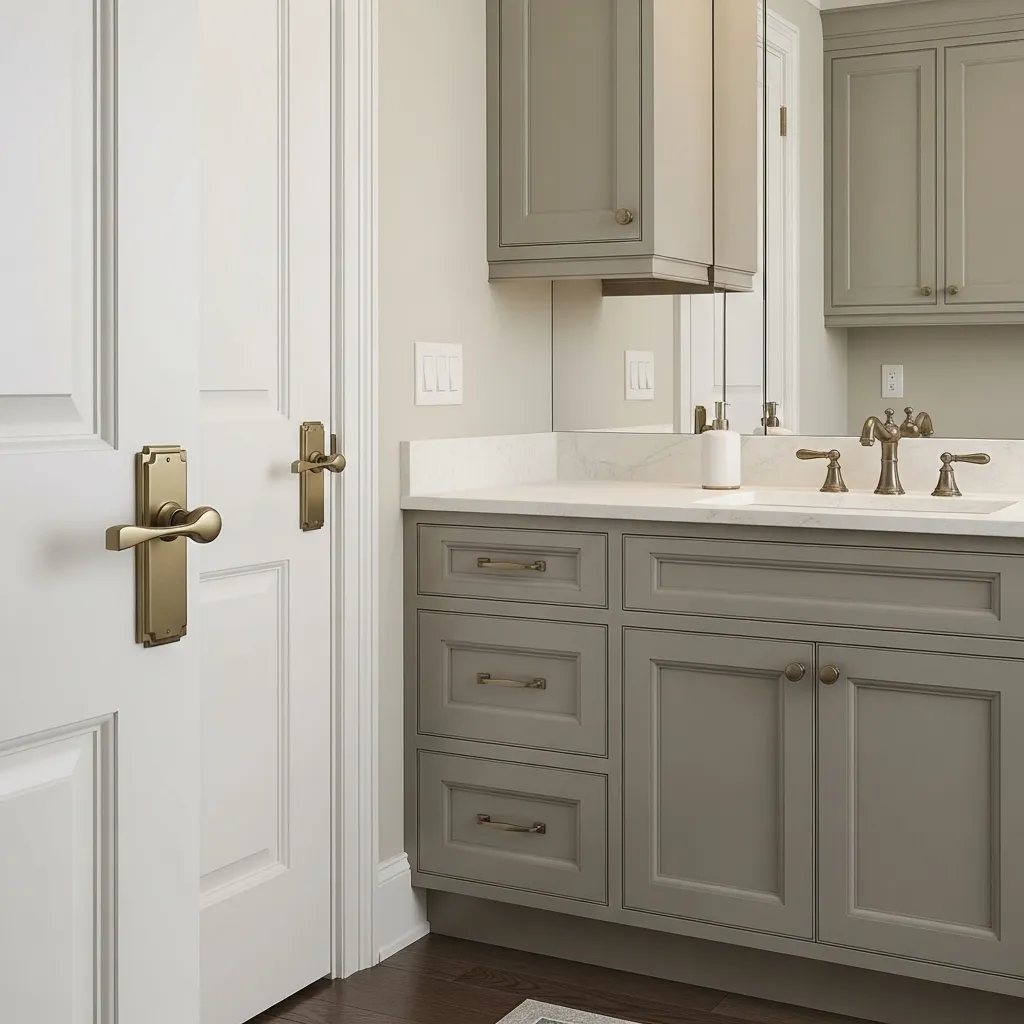
Hardware and fixtures are small details that create outsized impact. Mismatched, cheap, or dated hardware makes everything look cheaper, while coordinated, quality hardware elevates even basic furniture and finishes. Upgrading these elements is relatively affordable but creates significant visual improvement.
The key is choosing quality finishes and using them consistently throughout your home. Select one or two coordinating finishes—perhaps brushed brass for warm metals and matte black for dark accents—and use them consistently. Replace all visible door hardware with matching pieces. Upgrade cabinet pulls and knobs throughout the kitchen and bathrooms to matching styles. Replace cheap plastic light switch plates and outlet covers with metal versions in your chosen finish. Ensure bathroom fixtures coordinate—faucets, towel bars, toilet paper holders should match. Choose substantial, quality hardware rather than flimsy, lightweight pieces. The consistency creates visual flow and shows intentionality. The tactile quality of solid, well-made hardware provides daily reminders of quality every time you open a door or drawer. This upgrade is affordable and DIY-friendly but creates professional, expensive results.
7. Use Large-Scale Art and Mirrors
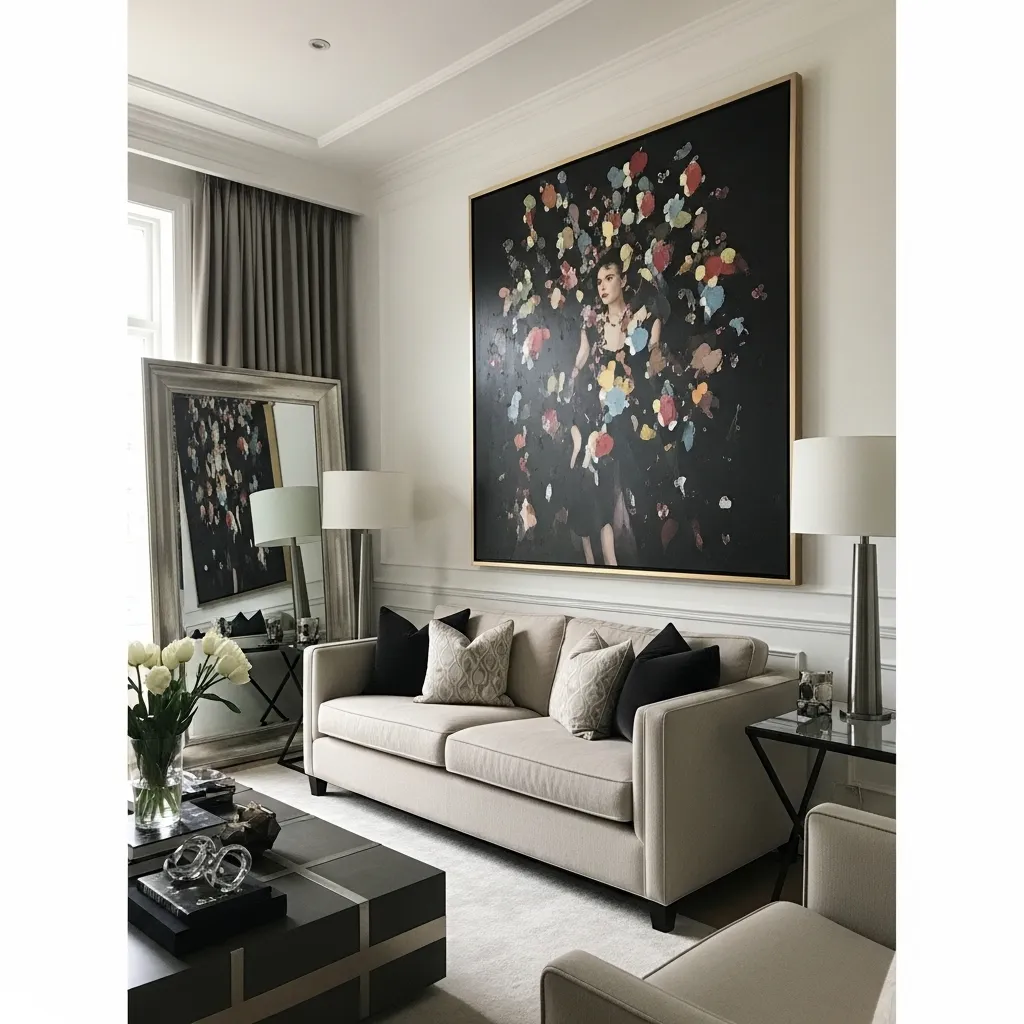
Small, scattered art makes rooms feel cluttered and tentative, while large-scale pieces create confidence, drama, and sophistication. Expensive homes feature substantial artwork that makes bold statements rather than collections of small prints covering walls. The scale itself communicates confidence and intentionality.
The key is going bigger than feels comfortable and choosing fewer, more impactful pieces. One large piece (40×60 inches or larger) creates more impact than a gallery wall of small frames. If you can’t afford or don’t want original art, large-scale photography prints, abstract paintings from affordable sources, or even DIY canvas paintings in your color palette work beautifully. Frame properly with substantial, quality frames rather than thin, cheap ones. Hang at proper height—center of the artwork at eye level (typically 57-60 inches from floor). Large mirrors create similar impact while expanding space and reflecting light—an oversized floor mirror or substantial wall mirror creates architectural presence. The commitment to large-scale pieces shows design confidence and creates sophisticated focal points that elevate entire rooms.
8. Incorporate Natural Materials and Textures
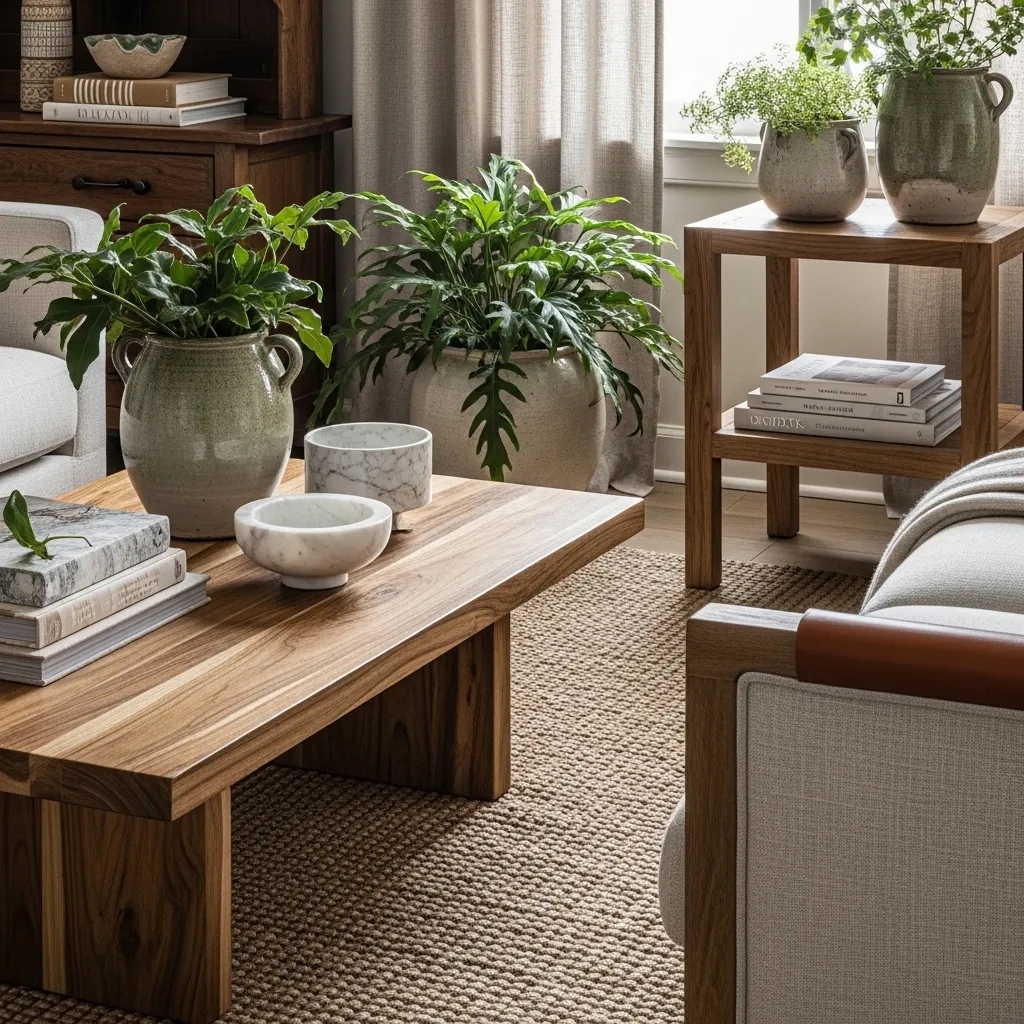
Natural materials inherently feel more expensive and luxurious than synthetic alternatives. Wood, stone, linen, cotton, wool, jute, leather, and metal have weight, texture, and authenticity that plastic and polyester cannot replicate. Layering natural materials creates rich, sophisticated spaces with genuine depth and character.
The key is prioritizing natural materials wherever possible and layering varied textures for interest. Choose wood furniture over particle board or laminate—even simple designs in real wood feel better than ornate pieces in fake materials. Select linen, cotton, or wool textiles over synthetic fabrics—they drape better, age beautifully, and feel more luxurious. Use natural fiber rugs—jute, sisal, wool—rather than synthetic carpets. Include stone, marble, or concrete elements in surfaces or accessories. Add leather through upholstery or accessories for organic richness. Incorporate plants for living, natural elements. Choose metal fixtures and hardware over plastic. The natural materials create warmth, authenticity, and tactile pleasure that synthetic materials cannot match. The cumulative effect of these natural elements creates spaces that feel rich, grounded, and genuinely luxurious.
9. Create Symmetry and Balance
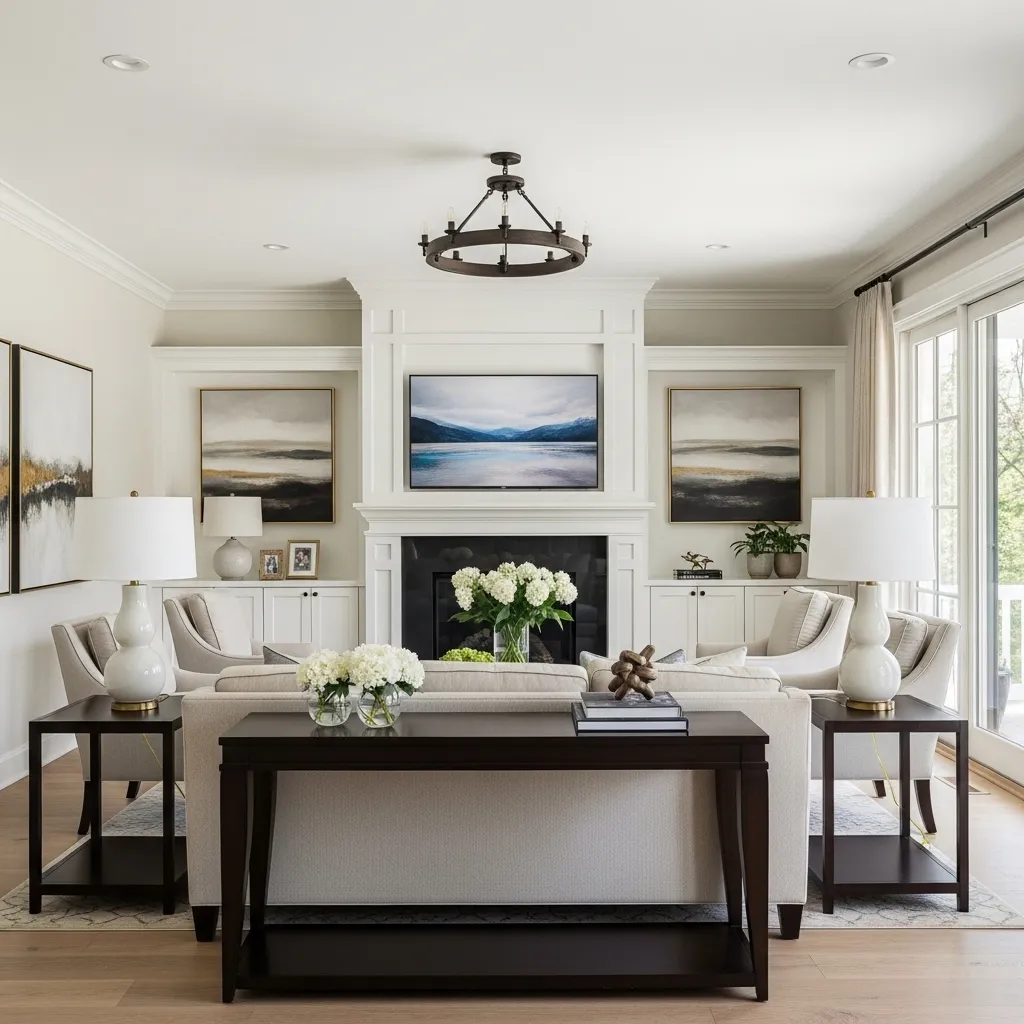
Symmetry and balance are fundamental principles of luxury design. Expensive spaces rarely feel random or chaotic—instead, they exhibit thoughtful arrangement and visual equilibrium. Symmetrical arrangements create immediate order and sophistication, while balanced asymmetry demonstrates design sophistication.
The key is arranging furniture and accessories with intentional balance. Create symmetrical arrangements where appropriate—matching lamps on either side of a sofa, paired chairs facing each other, centered focal points with balanced flanking elements. Even when not perfectly symmetrical, ensure visual balance—a large plant on one side balanced by a substantial chair on the other, or a tall bookcase balanced by lower furniture and large artwork. Avoid pushing all furniture against walls—floating furniture in conversational arrangements creates sophistication. Ensure equal visual weight on both sides of focal points like fireplaces or TVs. The balanced arrangements create calm, intentional spaces that feel designed rather than haphazard. This costs nothing but dramatically impacts how expensive and sophisticated a room feels.
10. Invest in Luxe Textiles and Bedding
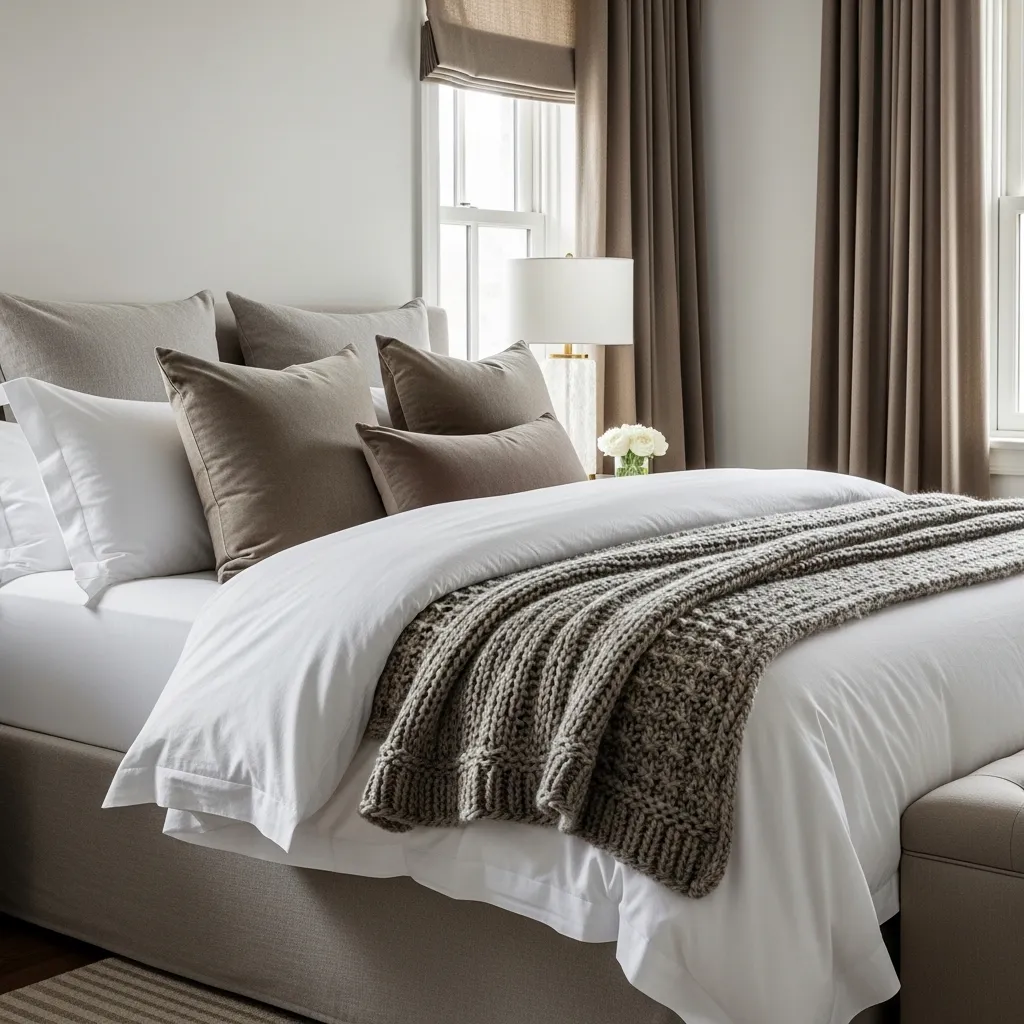
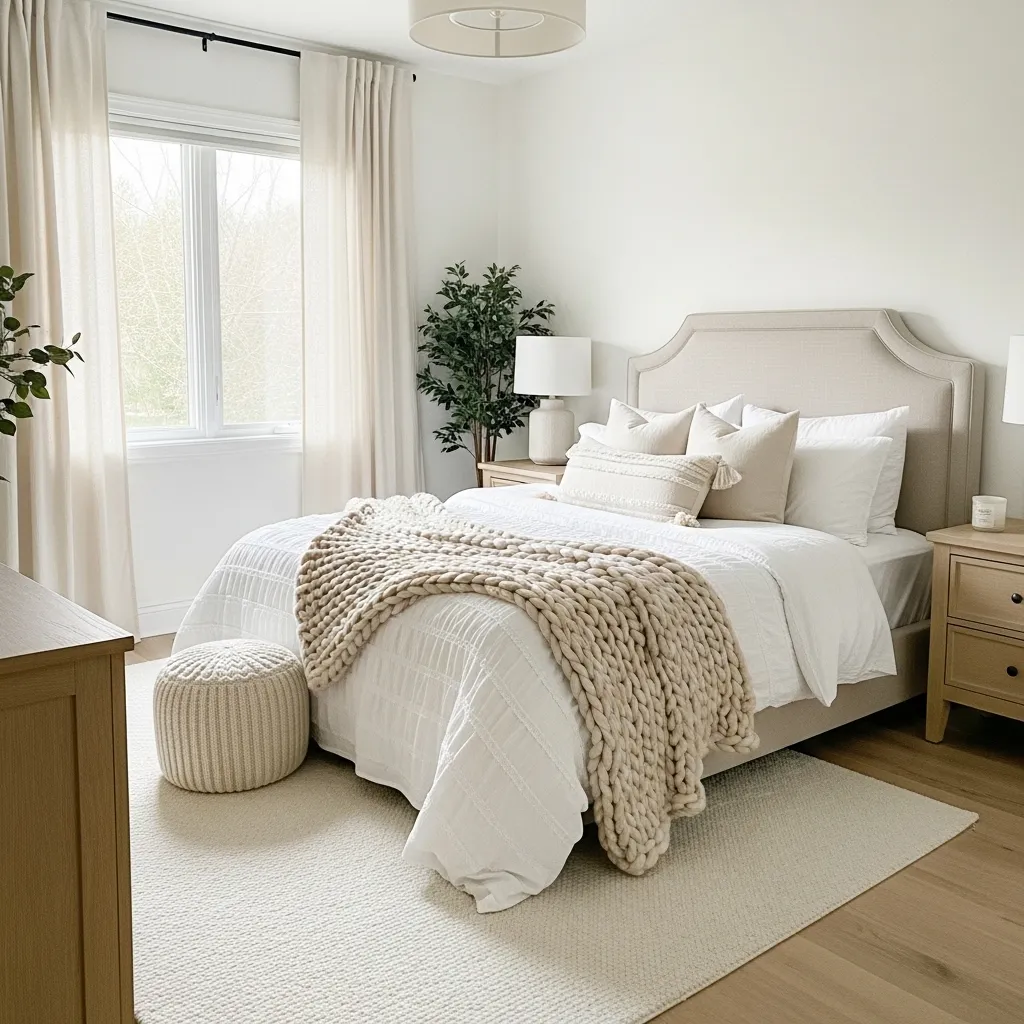
Quality textiles and bedding create immediate, tangible luxury that you experience daily. Unlike furniture that you mostly look at, textiles you touch, use, and sleep in—investing here provides constant sensory rewards and creates visible, touchable luxury. A basic bed frame with beautiful linens looks far more expensive than a fancy bed with cheap sheets.
The key is investing in the textiles you interact with most and layering for visual richness. Prioritize bed linens—quality cotton sheets with high thread count (300-600 is the sweet spot; higher isn’t always better), a substantial duvet or comforter in beautiful cover, and multiple pillows in varied textures and sizes. Layer textures—crisp cotton sheets, soft duvet, linen or velvet pillows, cashmere or chunky knit throw. Keep everything pristine—wash regularly, iron or press duvet covers and shams, replace when worn. Invest in quality towels—thick, absorbent Egyptian or Turkish cotton in your color palette, displayed rolled or folded neatly. Choose window treatments in substantial natural fabrics. Select throw pillows and blankets in luxury materials like linen, velvet, or cashmere. The quality textiles create both visual and tactile luxury that makes your home feel genuinely expensive every single day.
11. Add Crown Molding and Trim Details
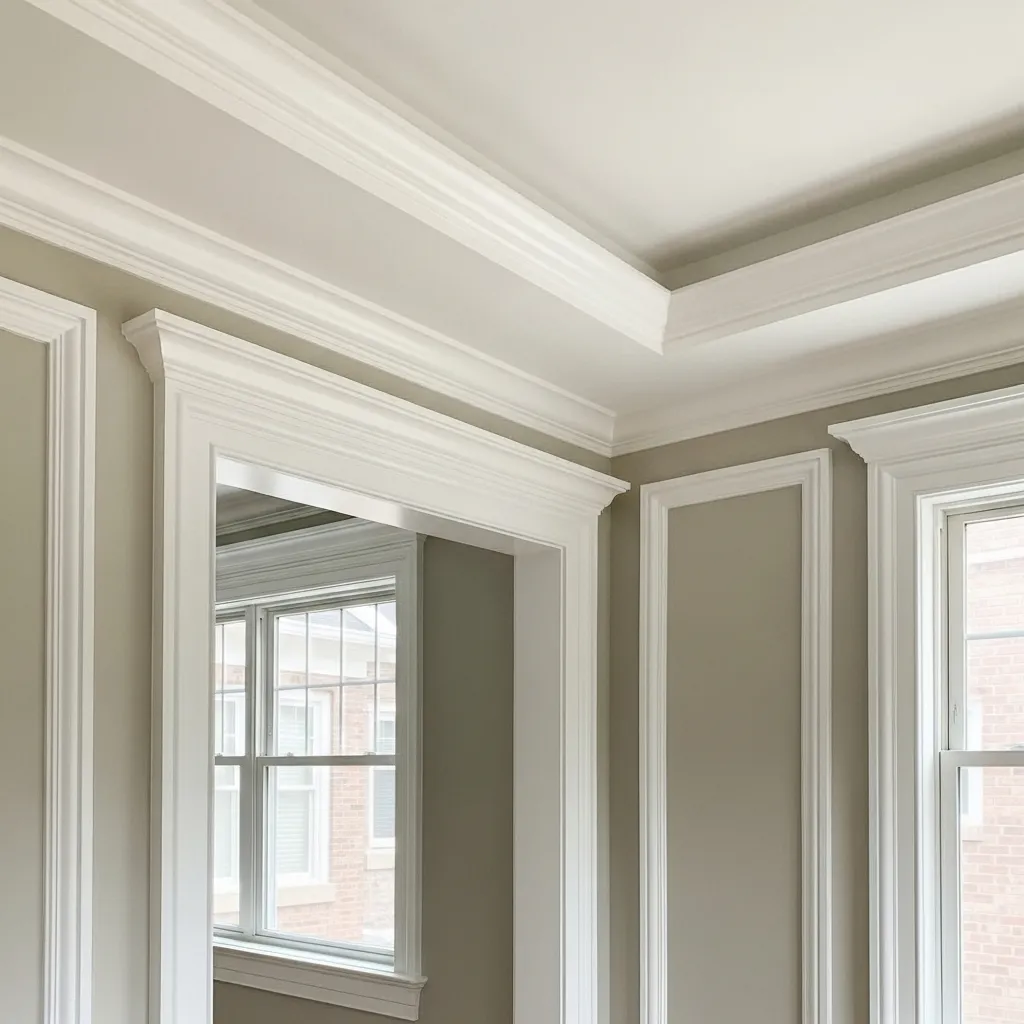
Architectural trim and molding instantly elevates rooms from basic boxes to spaces with character and sophistication. Crown molding, substantial baseboards, detailed casings, and wall paneling create the impression of quality construction, traditional craftsmanship, and attention to detail. These details make even new construction feel more established and expensive.
The key is installing proper trim throughout your home and maintaining it impeccably. Crown molding where walls meet ceiling creates elegant transition—even simple profiles make significant impact. Replace thin, builder-grade baseboards with taller, more substantial trim—6 inches or more creates proper weight. Upgrade door and window casings to wider, more detailed profiles. Consider adding picture frame molding to create wall panels, or board and batten, wainscoting, or shiplap for additional architectural interest. Paint trim in crisp, bright white for traditional contrast, or use subtle tone-on-tone for more modern sophistication. Ensure all trim is perfectly caulked, filled, and painted with no gaps or imperfections. The architectural details cost less than major furniture pieces but transform how expensive and finished your home feels, creating the impression of quality construction and design throughout.