15 Backyard Shed Ideas That Turn a Utility Structure Into Something You Actually Love
If your current backyard shed situation is a weathered grey box that you open once a year to find the thing you definitely put in there, this is going to completely change how you think about what a shed can be — because in 2026 the backyard shed has evolved far beyond its origins as a place to store garden tools and forgotten paint cans into something that can be a proper home office, a she shed retreat, a pottery or art studio, a greenhouse hybrid, a bar and entertainment space, a children’s playhouse that grows with them, a yoga and meditation studio, a potting and garden shed that’s genuinely beautiful, a tiny guest accommodation, a recording studio, a library and reading room, and several more configurations that make the structure one of the most valuable and considered spaces on the entire property. The ideas here cover every direction from purely functional and beautifully organized to fully livable and deeply personal.
I spent years treating our backyard shed as a necessary evil — a utilitarian box that housed the lawnmower, seasonal decorations, and the general overflow of things that didn’t have anywhere else to go. Then a combination of needing a proper home office space and having read one too many articles about shed conversions led me to spend a focused few months transforming it, and what came out the other side was the room I spend the most time in of any room on the property. The process of thinking seriously about what a small dedicated outdoor structure could be — what it could house, what atmosphere it could create, what specific need in your life it could serve — is one of those design exercises that rewards the thinking disproportionately. You end up with a space that is specifically yours in a way that the rooms inside your house, which have to accommodate multiple people and multiple purposes, rarely manage to be.
What makes a great shed conversion or a great new shed installation is the same thing that makes any great small space design — clarity of purpose, commitment to the specific atmosphere you’re creating, and attention to the details that make the space genuinely pleasurable to spend time in rather than just functional within. A shed designed for a specific person with a specific purpose and a specific aesthetic point of view will always be more satisfying than a generic shed with vague storage ambitions, because the specificity is what creates the sense of genuine fit between the space and the life being lived in it.
1. The Proper Home Office Shed
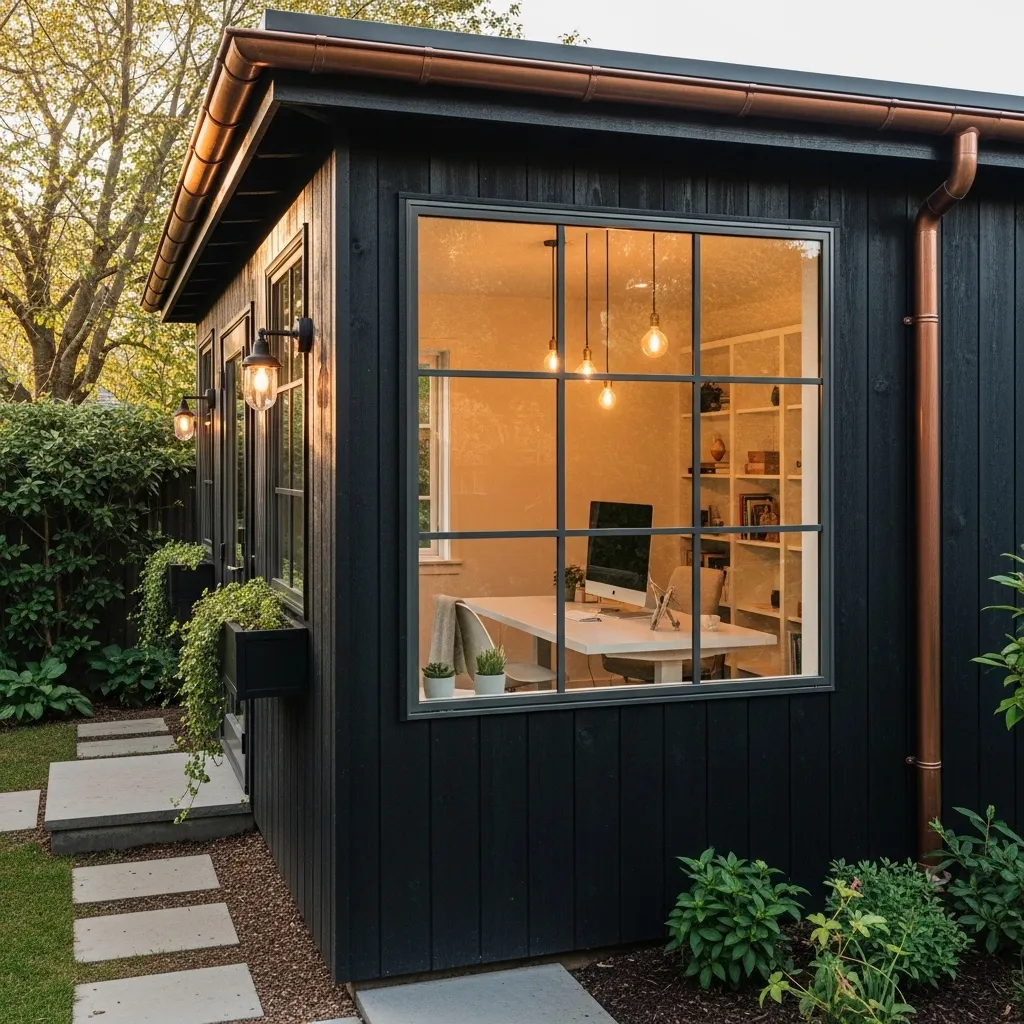
A dedicated home office shed is the workspace solution that solves the fundamental problem of working from home in a way that no amount of interior room arrangement can fully address — the physical separation between the space where you live and the space where you work. When your office is a separate structure you have to walk to and from, the commute is thirty seconds across the garden but it’s still a commute, and that physical threshold creates the psychological separation between work mode and home mode that the desk in the corner of the bedroom or the dining table commandeered as a workspace fundamentally cannot provide.
The garden setting contributes to the work experience in ways that become clear after a few weeks of using an outdoor office — the quality of natural light in a structure surrounded by garden is different from the quality of light in a room surrounded by other rooms, the ambient sounds of birds and garden and weather create a different acoustic backdrop than the sounds of household life, and the view from the desk window of growing things and changing seasons creates a connection to the natural world during the workday that improves both mood and concentration in ways that research consistently supports and that personal experience confirms immediately.
2. The She Shed Retreat and Creative Space
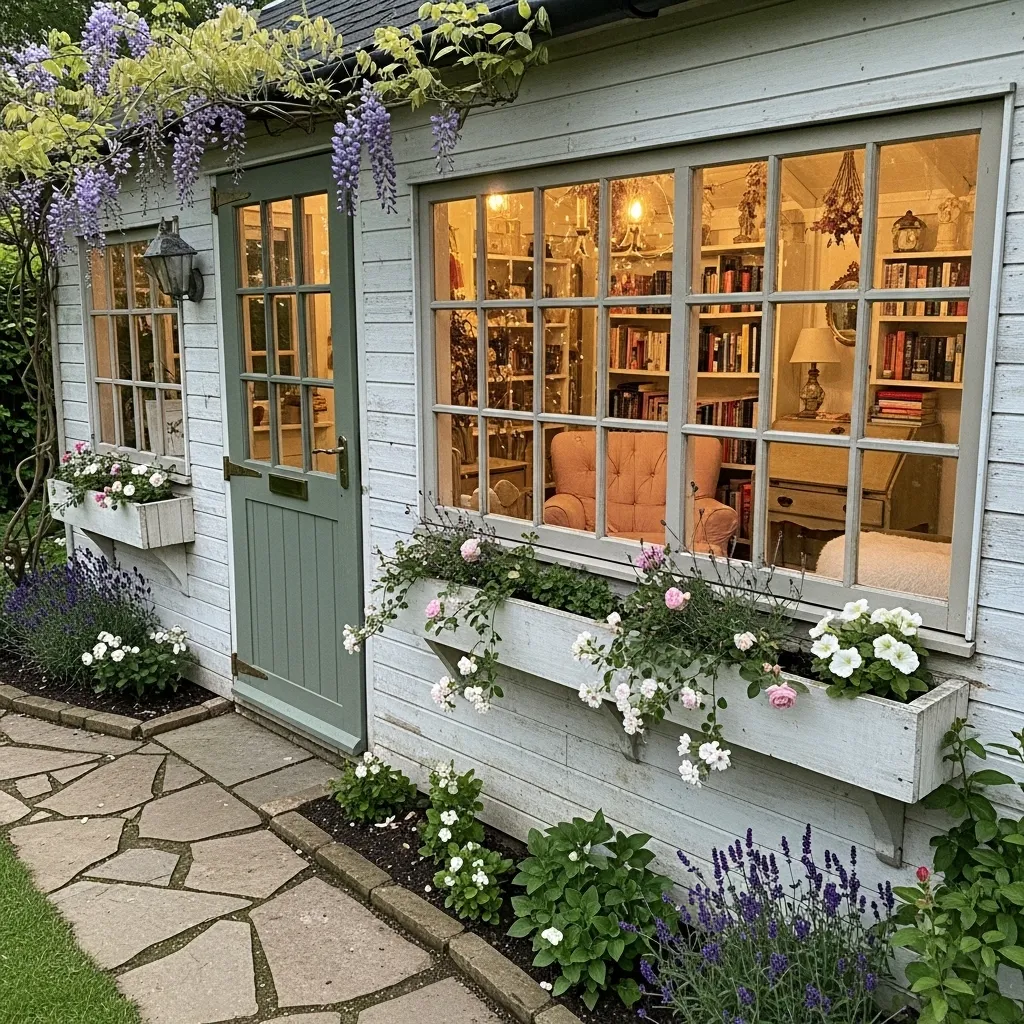
The she shed retreat is the outdoor space concept that addresses a need that most homes don’t properly accommodate — the need for a dedicated personal space that belongs to one specific person, that reflects their specific aesthetic and interests, and that can be entered and experienced without the background noise of household life and household demands. For people who share their home with family members, partners, or housemates, a private outdoor retreat space is not a luxury but a genuine psychological necessity, and a she shed that’s been designed with real care and personal investment becomes one of the most valued and most used spaces on the property.
The romanticism of the she shed aesthetic — the roses on the exterior, the cottage window, the blush armchair, the fairy lights — is not incidental decoration but a deliberate choice to create a space that feels like something you’d read about in a novel rather than something that exists in ordinary suburban reality, and that quality of transported escape is precisely what makes the retreat function as a genuine restorative space rather than just a different room to be in.
3. The Greenhouse and Potting Shed Hybrid
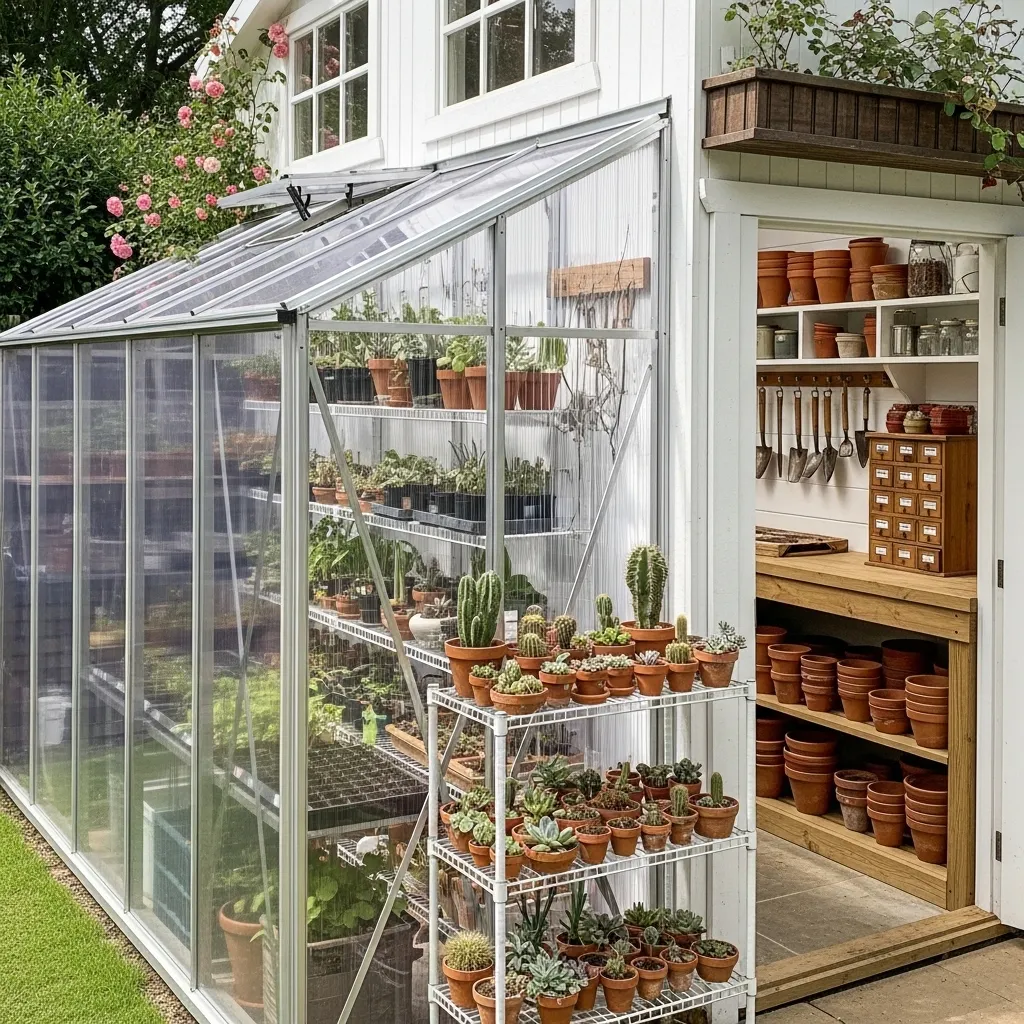
A greenhouse and potting shed hybrid is the garden structure that makes serious gardening possible in a way that a standalone greenhouse or standalone tool shed can’t quite achieve — the combination of growing space and working space in one structure eliminates the constant movement between separate structures that functional gardening requires and creates a genuinely complete garden headquarters where seeds can be started, plants can be potted on, tools can be accessed, and the full range of garden tasks can be accomplished in one contained, comfortable space.
The potting bench is the central piece of furniture that makes a potting shed work brilliantly or just adequately — a properly designed potting bench at the right height, with storage below for compost bags and large pots, drawers at mid-height for smaller tools and accessories, and shelving above for frequently used items creates a workspace that functions like a well-organized kitchen for the garden. Every tool and supply has a home, everything is at the height where it’s used, and the work surface itself is large enough for the actual tasks of potting and repotting and propagating rather than requiring careful management of space.
4. The Backyard Bar and Entertainment Shed
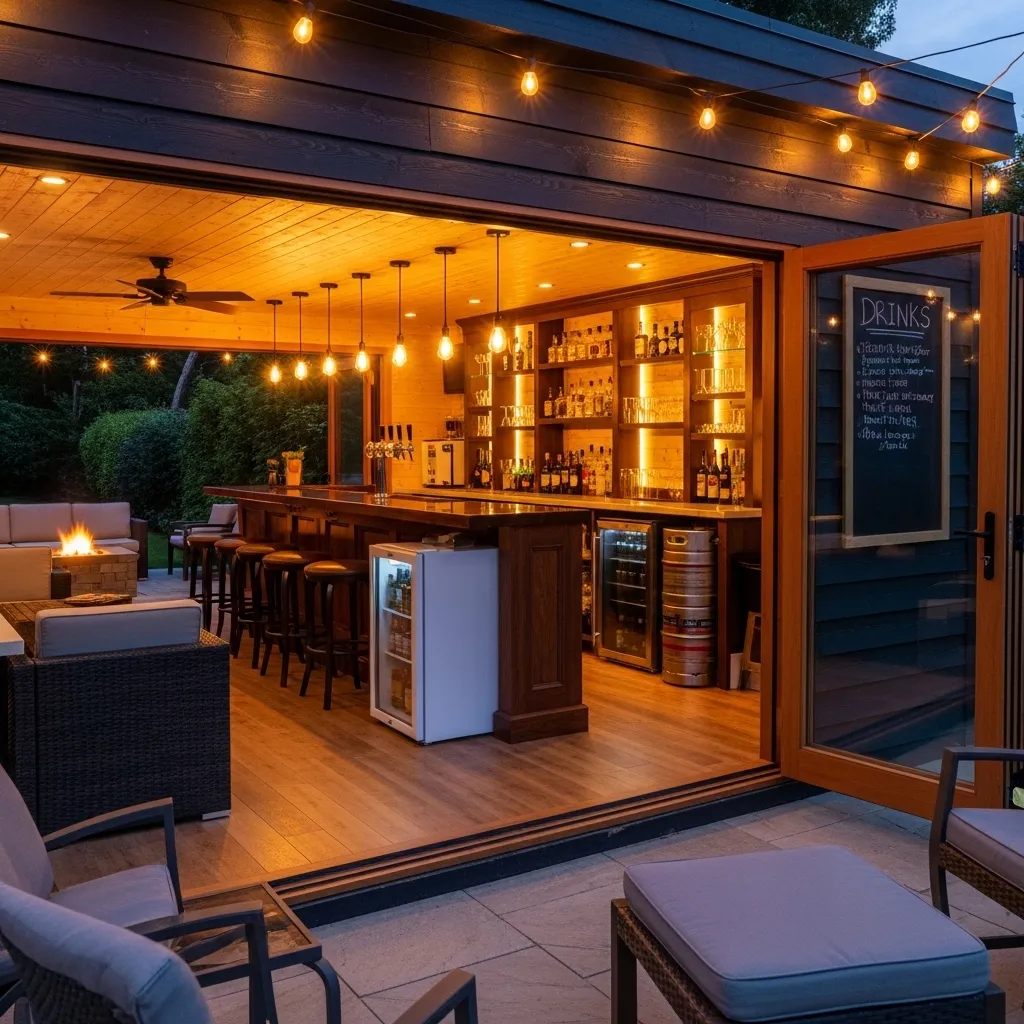
A backyard bar shed with a fold-open or removable front wall that converts the entire structure into an open-air bar serving an outdoor patio is the entertainment addition that most fundamentally transforms how a backyard is used for gatherings — instead of everyone gravitating toward the kitchen inside the house and clustering around the refrigerator as every party inevitably produces, the bar shed creates a dedicated outdoor hospitality hub that keeps the gathering outside and gives it a spatial focus and a social anchor. It makes outdoor entertaining genuinely functional rather than aspirational.
The fold-open wall that connects the shed interior to the patio is the architectural move that makes the bar shed feel like a proper outdoor bar rather than a shed with drinks in it — when the wall opens, the distinction between inside the shed and outside on the patio dissolves and the bar becomes a seamless extension of the outdoor entertaining space. The structural mechanism for a full-width opening wall — bifold panels, barn-style sliding doors, or a removable panel system — is the construction detail that requires the most planning and the one that delivers the most dramatic payoff in how the finished space feels and functions.
5. The Art and Pottery Studio Shed
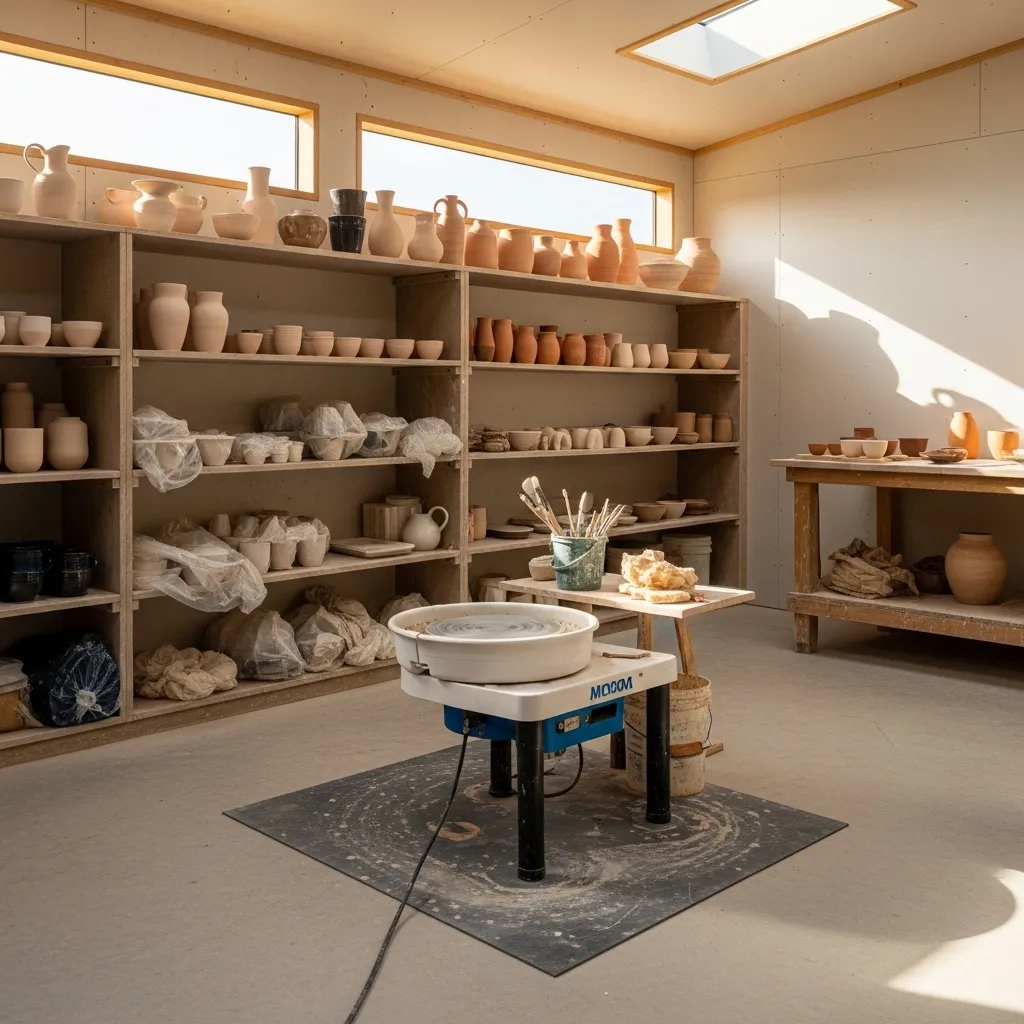
An art or pottery studio shed creates the conditions for creative practice that interior rooms rarely provide — dedicated space that can get genuinely messy without consequence, natural light optimized for art-making rather than living, storage and workspace scaled for creative materials rather than domestic ones, and the psychological separation from household life that allows the specific kind of focused attention that art-making requires. For anyone who has tried to maintain a creative practice in a shared domestic space, the dedicated studio shed is the upgrade that makes the practice sustainable rather than perpetually compromised by spatial constraints.
The floor material in an art studio shed deserves specific consideration — sealed concrete or epoxy-coated concrete is the choice that handles the realities of art-making most gracefully, tolerating clay, paint, water, and general studio mess without damage and cleaning up with a simple mop. The decision to use honest, durable, forgiving materials throughout the studio rather than trying to make it look like a domestic room signals to the person using it that this is a working space, that making a mess is acceptable and expected, and that permission to fully engage with the creative process has been built into the infrastructure.
6. The Children’s Playhouse Shed That Grows With Them
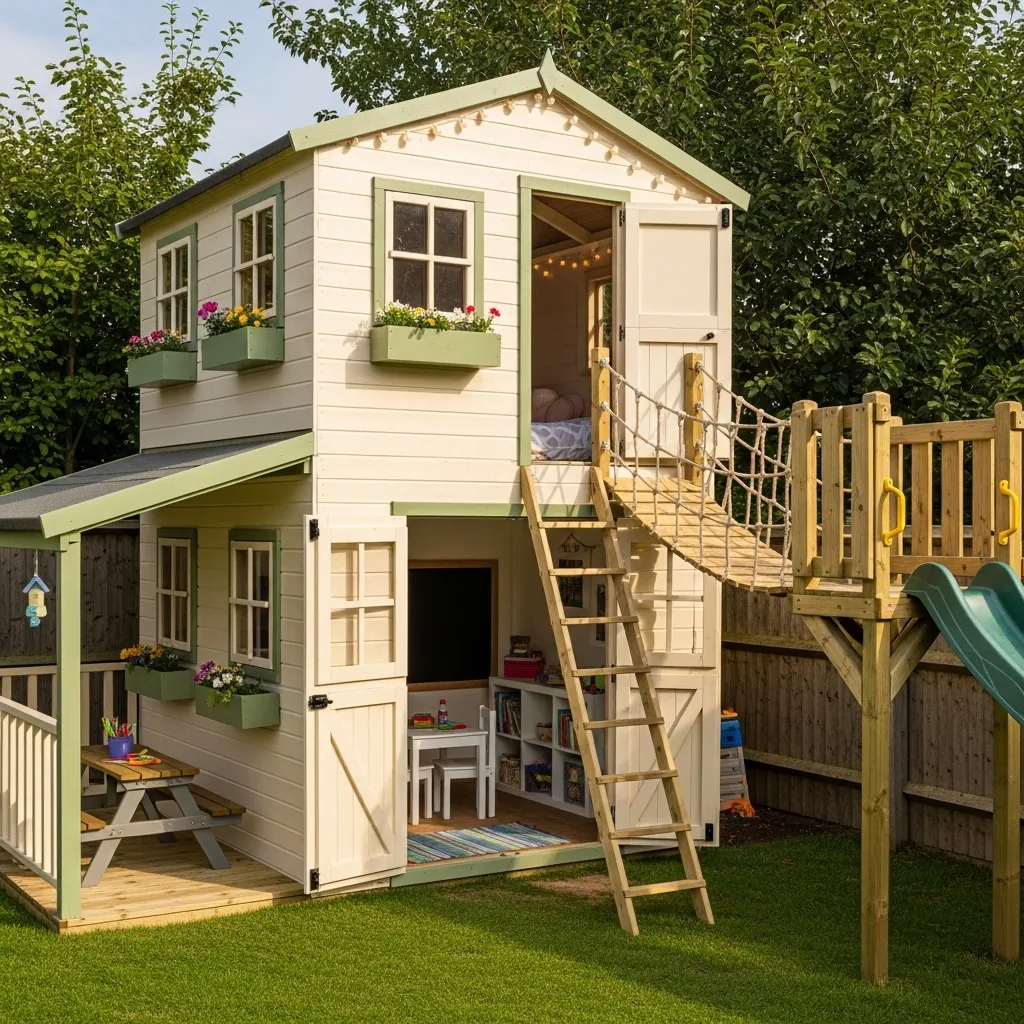
A children’s playhouse shed designed to grow with the children is the outdoor structure investment that provides the longest return in years of active use — designed thoughtfully with a simple lower level that’s primarily an outdoor base camp and a loft that functions as a secret hideout, then adapted as children grow from playing house to reading to socializing with friends to eventually becoming a teenage hangout space to finally transitioning into a proper guest room or studio space when the children have grown and left. Each phase of the structure’s life serves a genuine need and the flexibility is what makes the initial investment justify itself over a decade or more.
The design quality of a children’s playhouse matters in ways that go beyond aesthetics — a well-proportioned, beautifully detailed playhouse communicates to children that their outdoor space is taken seriously and that their play is valued, and the care visible in a well-made structure influences how children engage with and inhabit it. A thoughtfully made playhouse gets used more, gets loved more, and lasts longer than a flimsy kit structure assembled in an afternoon.
7. The Yoga and Meditation Studio Shed
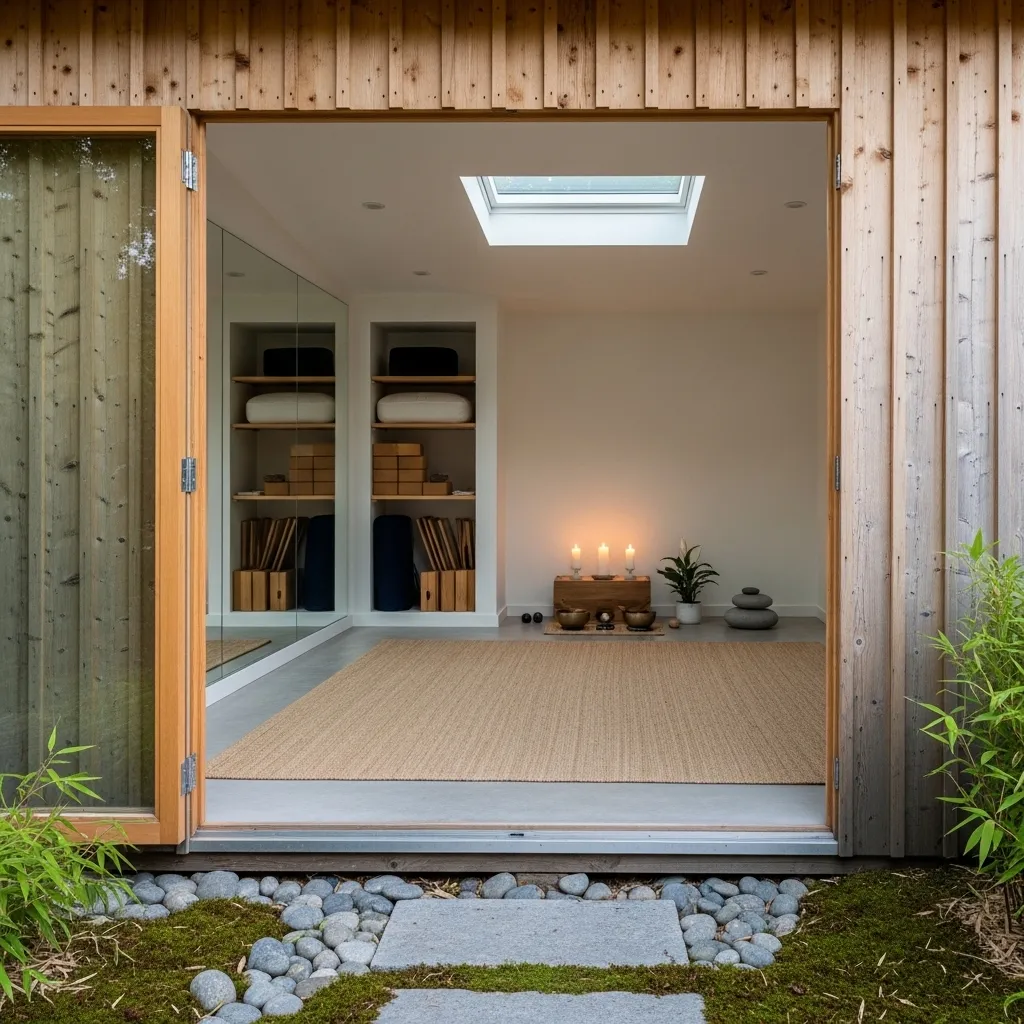
A dedicated yoga and meditation studio shed creates the conditions for a practice that interior rooms genuinely struggle to provide — a space that is specifically and only for practice, that contains nothing unrelated to practice, and that can be entered and experienced as a psychological threshold between the demands of daily life and the specific quality of attention that yoga and meditation require. The dedicated practice shed is the physical infrastructure for a practice that most practitioners know they want and struggle to consistently maintain, and the evidence from people who have built them is remarkably consistent — having a dedicated space makes the practice happen more regularly and more deeply than practicing in a shared domestic space.
The minimalism of the yoga studio interior is not stylistic preference but functional requirement — a space that contains only what the practice needs creates a quality of visual and psychological calm that a room containing ordinary domestic objects alongside yoga props cannot achieve. The decision to build a structure specifically for this purpose rather than adapting an existing room allows the minimalism to be complete rather than partial, and that completeness is what makes the space feel like a proper studio rather than a room where someone happens to do yoga.
8. The Garden Tool and Storage Shed Done Beautifully
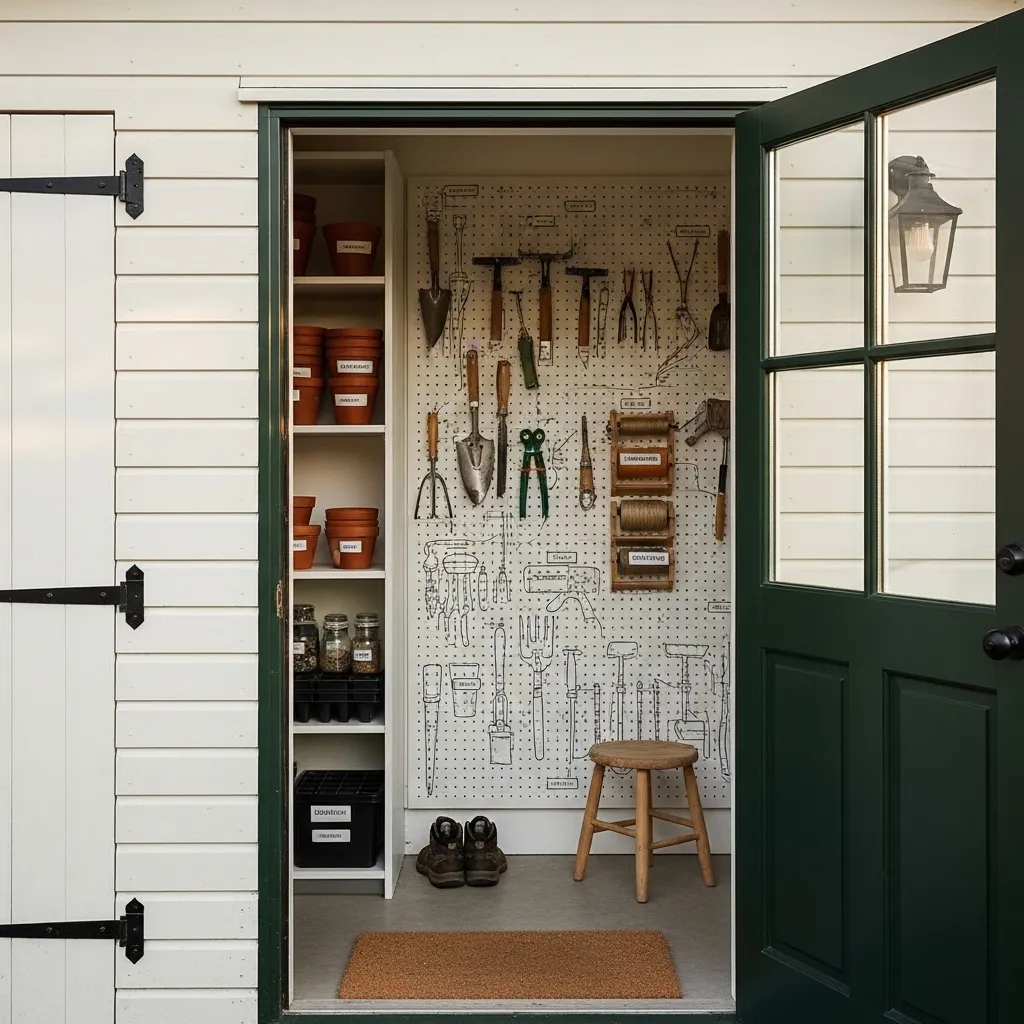
A garden tool shed organized with genuine care and aesthetic intention — the pegboard with tool outlines, the labeled shelving, the dedicated places for everything — transforms the daily experience of gardening in a way that’s easy to underestimate until you’ve experienced it. When every tool has a specific, labeled, accessible home, the friction between wanting to garden and actually gardening decreases dramatically. You go from avoiding the shed because it’s a chaotic mess to actively enjoying opening it because it’s a beautifully organized space that makes you feel competent and prepared.
The aesthetic consideration of a garden shed exterior — the paint color, the hardware, the door, the window boxes — pays dividends in how the whole garden looks and feels because the shed is typically a prominent structure in the garden and its visual quality affects the atmosphere of the whole outdoor space. A shed that looks beautiful from the garden path reads as a designed element rather than a necessary utility, and that distinction changes how the garden is experienced by anyone moving through it.
9. The Tiny Guest Accommodation Shed
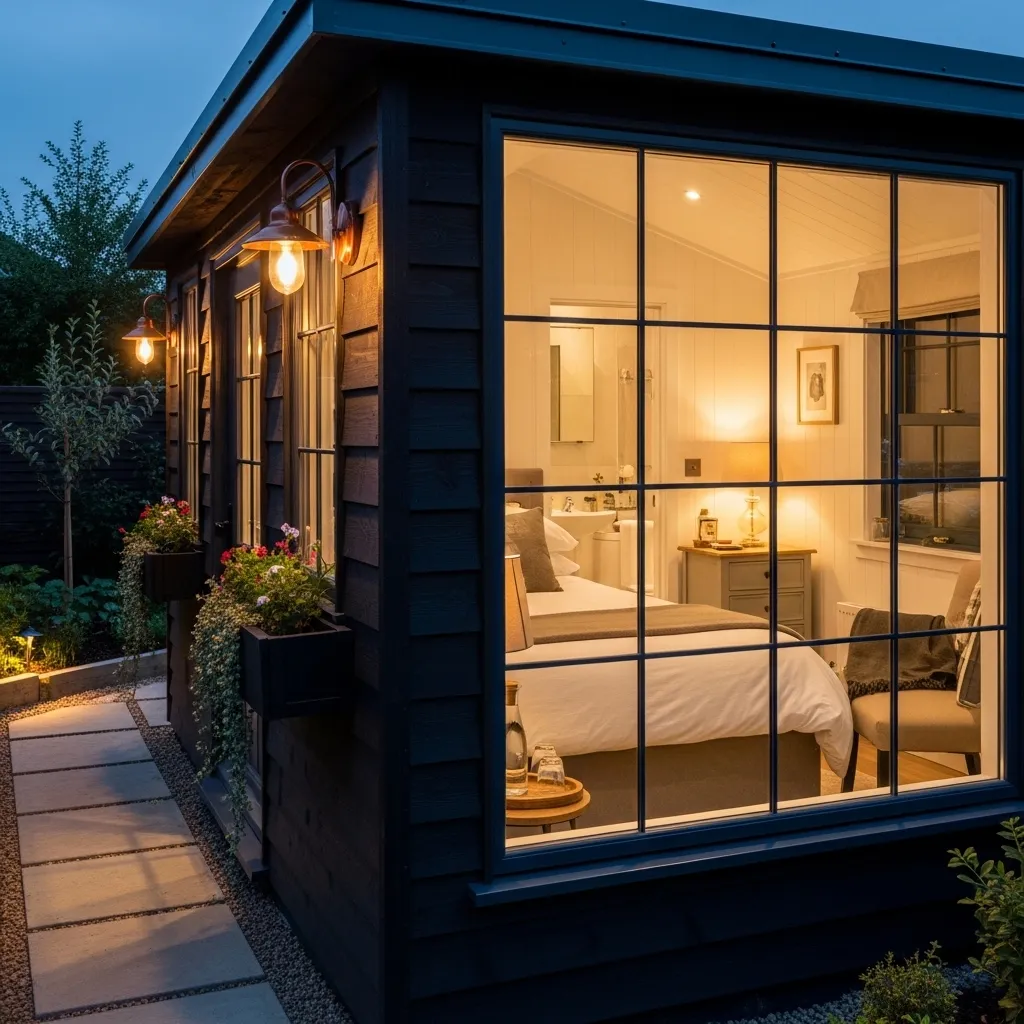
A properly converted guest accommodation shed — with a full bed, a small bathroom, heating and cooling, quality finishes and furnishings — creates the hosting possibility that changes how guests experience staying with you and how willing you are to invite them to stay. The guest shed is private in a way that a spare bedroom in the main house cannot be — guests have their own entrance, their own outdoor space, their own morning and evening without any obligation to intersect with the household routine — and that privacy is one of the most generous things you can offer a visiting guest.
The quality of the finishing and furnishing in a guest shed matters more than in any other shed conversion precisely because guests will be living in the space and forming an impression of both the space and the host from within it. The standard to aim for is the boutique hotel garden room — simple but excellent, with real quality in the bed and linens, proper lighting, a bathroom that works well, and personal touches like fresh flowers and local reading material that communicate genuine welcome and care.
10. The Backyard Library and Reading Room Shed
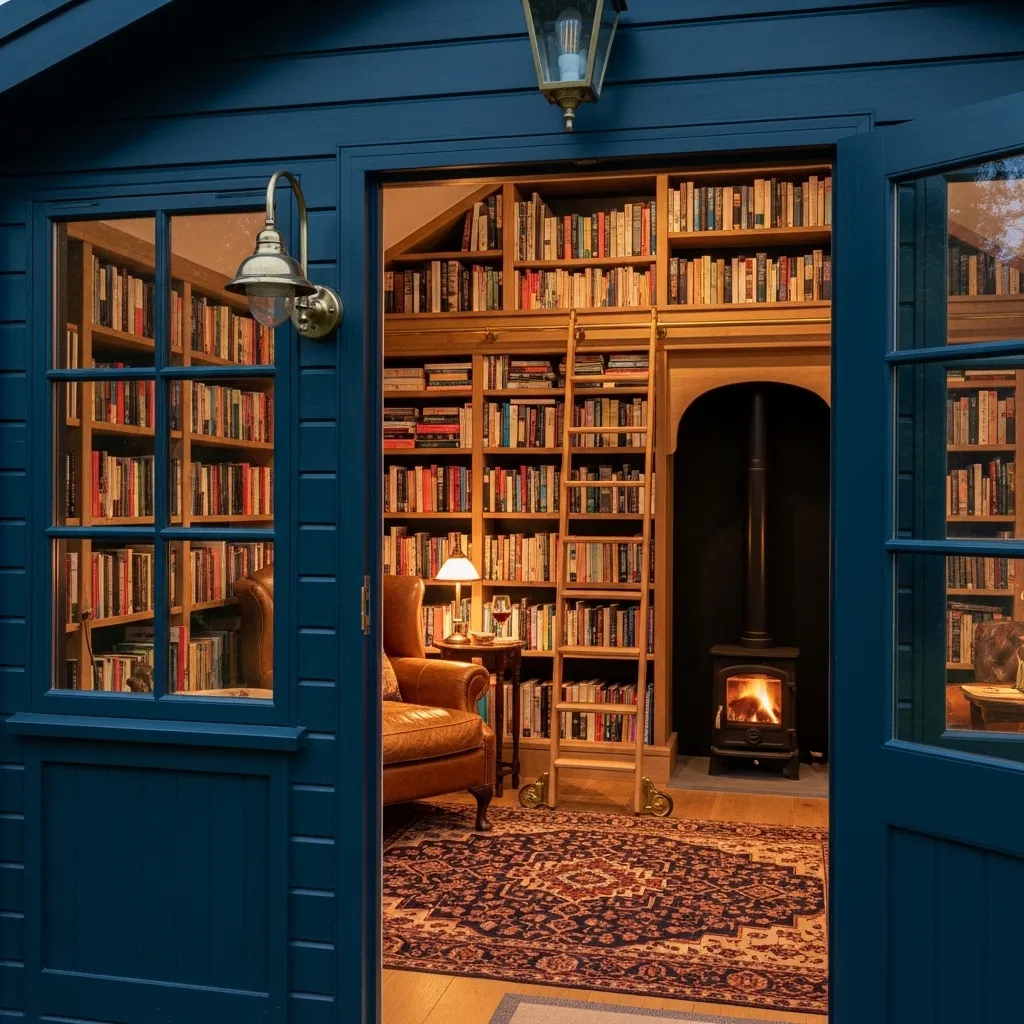
A dedicated library shed — floor-to-ceiling bookshelves, a proper reading chair, a small heat source for cold evenings — is the ultimate expression of taking reading seriously as a practice and as a pleasure, and it creates a relationship with books and with reading that having a bookcase in the bedroom or a few shelves in the living room simply cannot replicate. When books have an entire dedicated room, a room designed specifically around the experience of being among them and reading them, the relationship to reading changes — it becomes a destination rather than something you do in the margins of other activities.
The wood-burning stove is the specific addition to a library shed that makes it a year-round destination rather than a fair-weather one — the warmth of a small stove in a small space, combined with the visual pleasure of a real fire, creates the specific quality of cozy indoor atmosphere in an outdoor structure that makes reading on a cold November evening feel like one of the best possible ways to spend time. The combination of fire, books, and a good chair in a small dedicated space is one of the oldest and most satisfying domestic arrangements in human experience.
11. The Recording Studio or Music Practice Shed
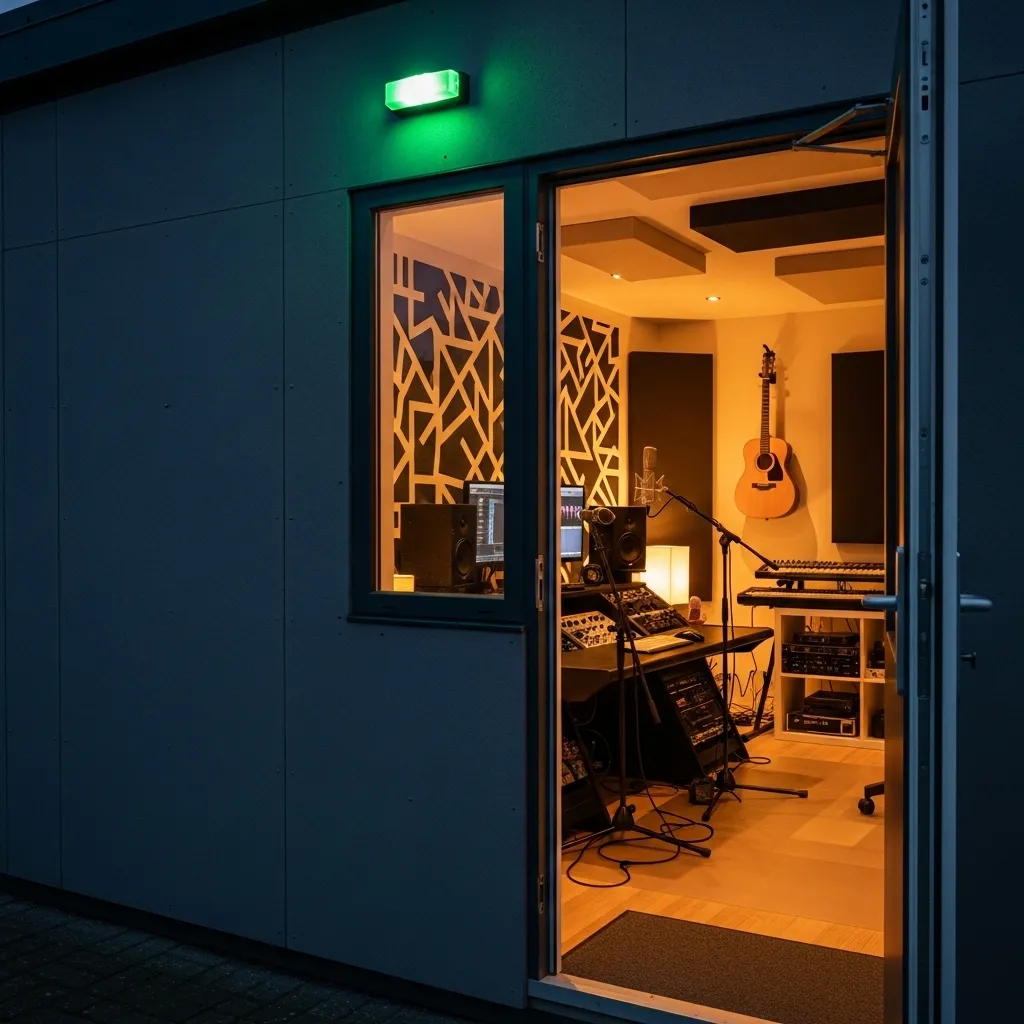
A sound-treated recording and music practice shed solves one of the most persistent conflicts in any household with a musician — the conflict between the musician’s need to practice or record at any hour and at any volume, and everyone else’s need for peace and quiet and undisturbed sleep. Moving the music space outside into a properly acoustically treated structure separates the musical life from the domestic life completely and without compromise, allowing the musician to work without guilt or time constraint and allowing the rest of the household to live without interruption.
The acoustic treatment of a music shed requires considerably more technical consideration than most other shed conversions — proper sound isolation (preventing sound from leaving the structure) and room acoustics (controlling how sound behaves inside the structure) are distinct engineering challenges that require specific materials and construction approaches rather than just foam panels on the walls. A properly treated music shed with real sound isolation is a professional-quality facility that functions at the level of commercial studios and that justifies the investment for anyone who takes music seriously as a practice or a profession.
12. The Sauna Shed
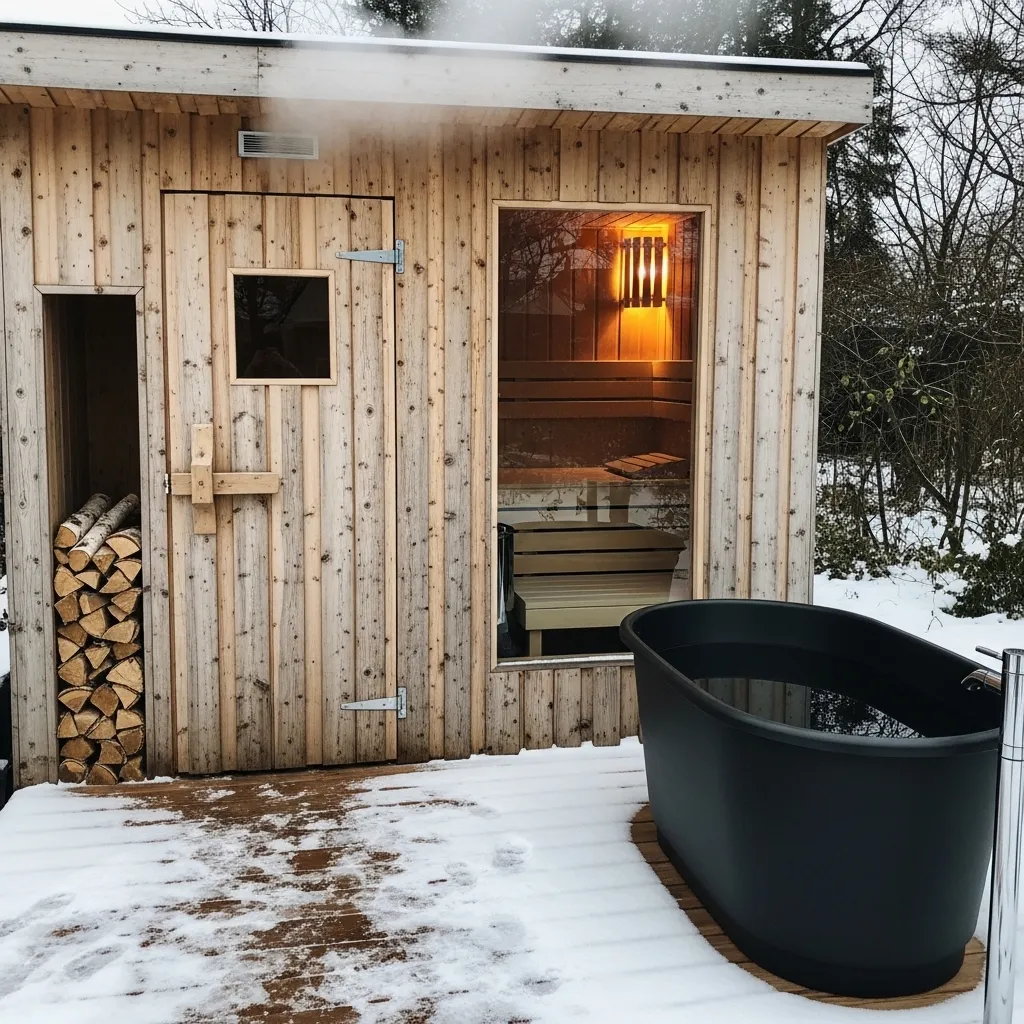
A sauna shed is the backyard structure with the highest daily-use-to-size ratio of any on this list — a properly built outdoor sauna of six by eight feet can accommodate two to four people comfortably, requires minimal maintenance, and provides a health and wellness experience that people who install them consistently report using multiple times a week rather than the occasional-special-occasion pattern that larger or more complex backyard installations often produce. The simplicity of the sauna experience — heat, time, cold plunge, rest — is matched by the simplicity of the structure itself, and that combination of deep benefit and minimal complexity makes it one of the highest-value backyard additions available.
The cold plunge adjacent to the sauna completes the Nordic wellness circuit that makes regular sauna use genuinely transformative rather than merely pleasant — the hot-cold contrast protocol, moving between the heat of the sauna and the cold plunge repeatedly, produces physiological benefits that sauna alone doesn’t, and the mental fortitude required for the cold plunge creates a specific quality of alertness and wellbeing that regular practitioners describe as one of the most reliably positive experiences in their daily lives. The proximity of the two in an outdoor setting, with the cold winter air as an additional element, creates the full Nordic experience in a residential backyard.
13. The Bike and Outdoor Gear Storage Shed
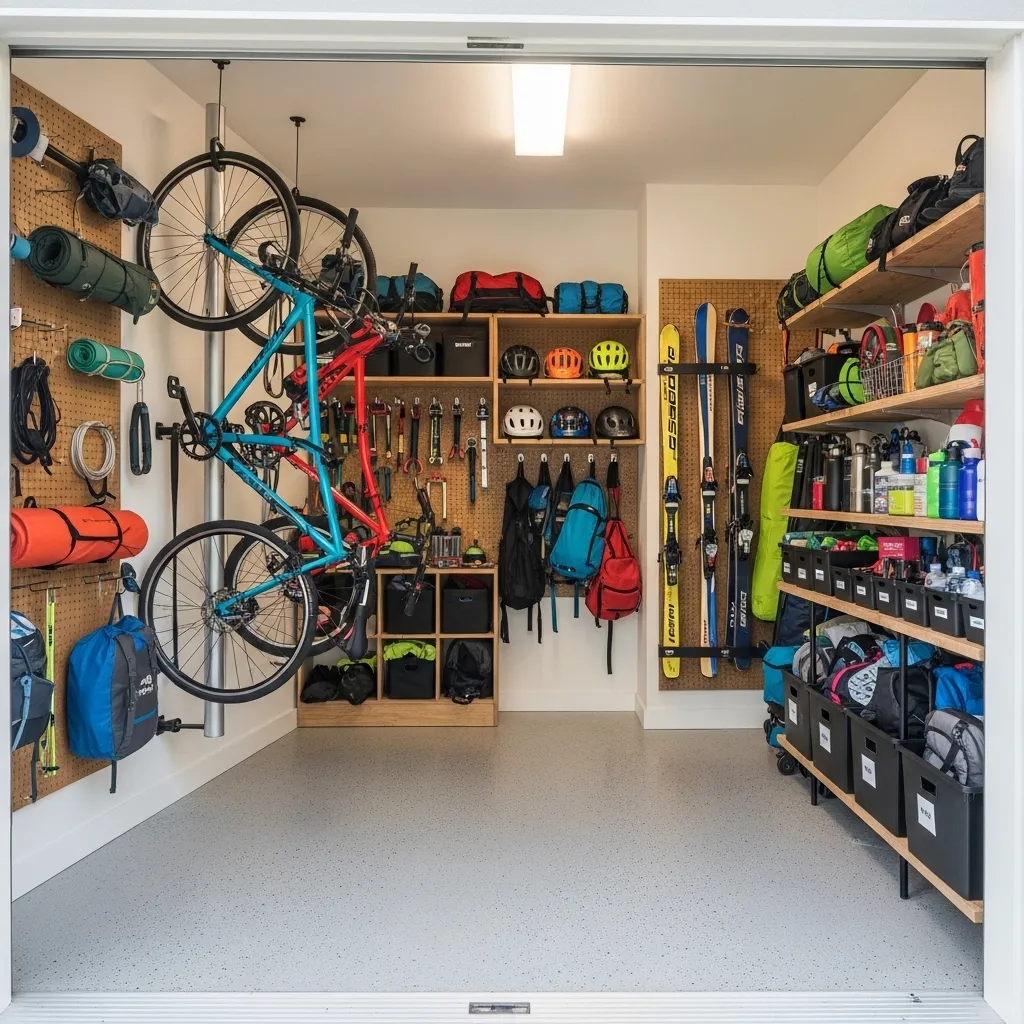
A dedicated outdoor gear storage shed solves the organizational nightmare that any active family with multiple outdoor pursuits inevitably creates — the proliferation of bikes, camping gear, sports equipment, skis, water gear, and the specific accessories for each that accumulates over years of active outdoor life and that has no natural home in a standard domestic interior. The garage is typically the space that absorbs all of this, and it typically absorbs it chaotically, creating a space where no single item can be found without moving six others.
The organizational systems designed specifically for outdoor gear — the vertical bike storage that holds four bikes in the footprint of one, the ski rack, the pegboard with labeled zones for specific equipment categories — create the dramatic capacity and accessibility improvements that make the gear genuinely easy to use rather than perpetually difficult to access. When gear is easy to access, it gets used more, which means the investment in outdoor equipment that motivates the acquisition of the storage shed in the first place is realized more fully rather than sitting in a pile being avoided.
14. The Meditation Garden and Tea House Shed
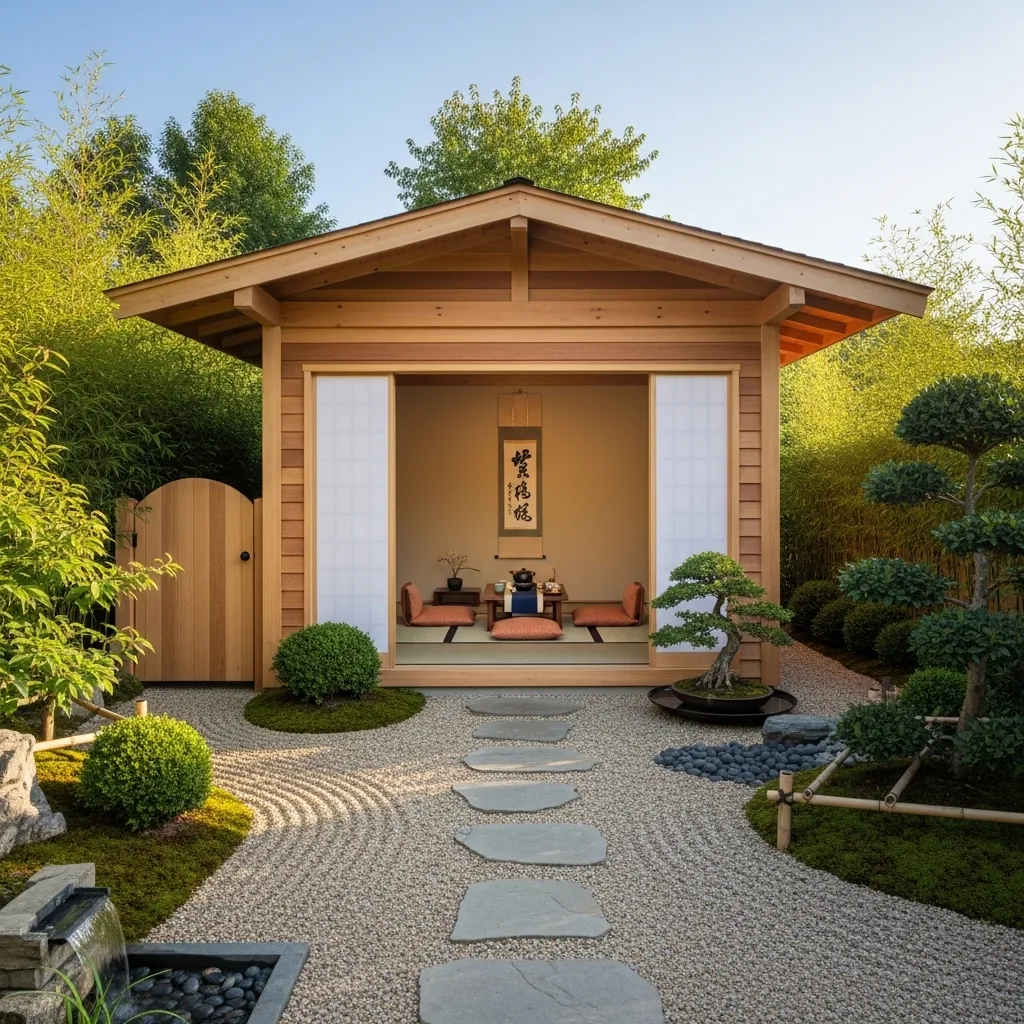
A tea house shed surrounded by a meditation garden creates the most complete and immersive outdoor retreat available on a residential property — the combination of the carefully designed garden approach, the Japanese architectural detail of the structure, and the minimal, ceremonial interior creates a destination that feels genuinely removed from ordinary life in a way that no other residential garden feature quite achieves. Walking through a properly designed meditation garden to a tea house is a spatial sequence that has a genuinely decompressing effect on the nervous system, and that effect is what gives the structure its value beyond its aesthetic beauty.
The tea ceremony aspect — having a proper tea set, cushions for kneeling, a low table, the minimal interior that the ceremony requires — creates a specific practice around the use of the space that gives it purpose and ritual beyond general retreat. Regular use of a dedicated tea ceremony space creates a mindfulness practice grounded in a physical place and physical objects that is more sustainable and more specific than a meditation practice without dedicated space or ritual, and the Japanese tradition of finding the quality of mind cultivated in tea ceremony applicable to all of ordinary life means that the space earns its value across every hour of the day, not just the hours spent inside it.
15. The Converted Shed Into Full Outdoor Living Room
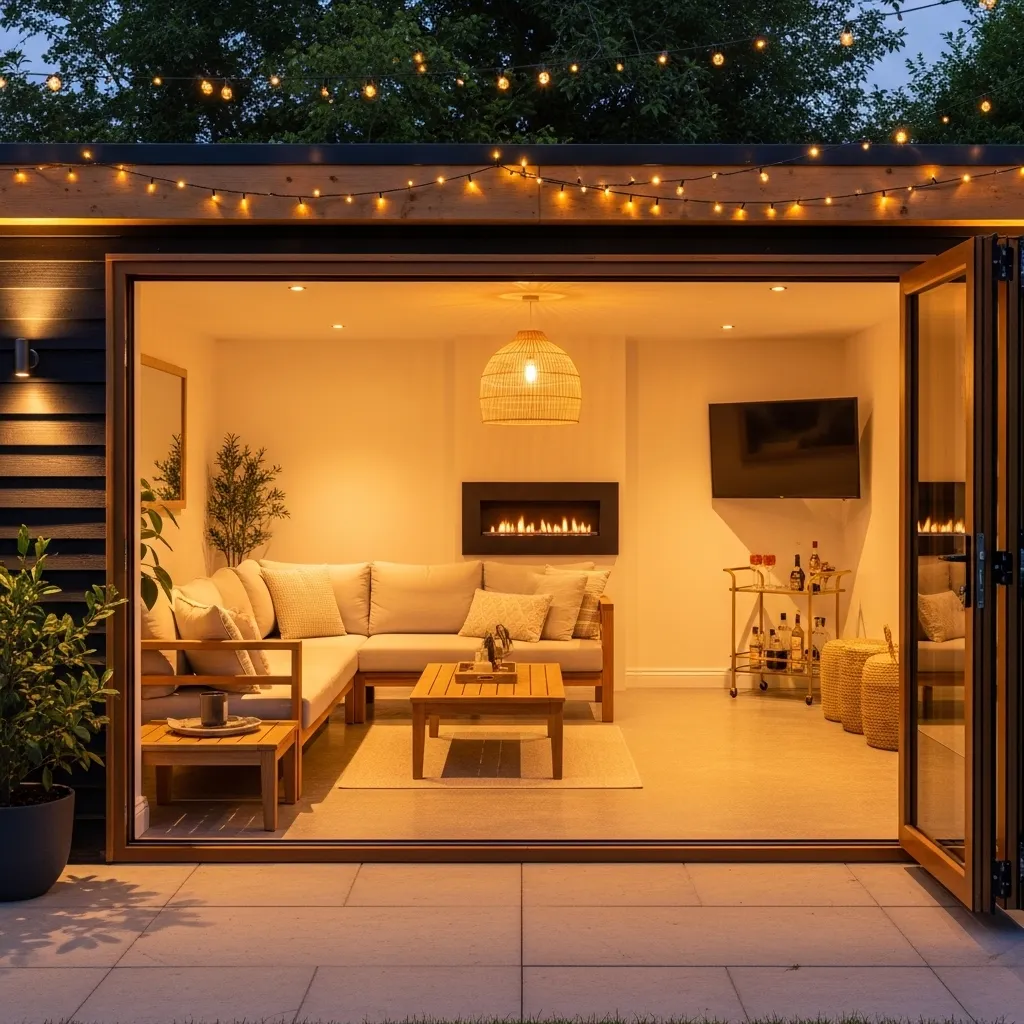
A shed converted into a full outdoor living room — with a proper sofa, a television, a bar, a fireplace, and bifold doors that completely open the front wall to merge the interior with the covered patio outside — creates an outdoor room that functions with the comfort and completeness of an interior living room while maintaining the connection to the outdoor space and the outdoor atmosphere that makes it a genuinely different and better experience than watching television on the sofa inside. It’s the structure that makes outdoor living truly all-weather rather than fair-weather.
The bifold door wall is the architectural element that defines this conversion — the ability to open the entire front of the structure completely, making the distinction between inside the shed and outside on the patio effectively disappear, is what creates the indoor-outdoor quality that justifies the investment and that produces the specific experience of being sheltered and comfortable while simultaneously being connected to the garden and the outdoor air. Closed against cold or rain, the space is a proper warm room. Open on a beautiful evening, it’s an outdoor room that happens to have walls behind it, and the flexibility between those two states makes it usable and genuinely valuable across every season of the year.