Winter has a special way of encouraging us to slow down, look closer, and appreciate the beauty hiding in ordinary moments. From frosty windows and bare tree branches to warm afternoon light falling across a quiet room, the season offers endless inspiration for creative minds. Art can help us notice these details, express our emotions, and find comfort when the days feel short and gray. Sometimes, all it takes is a thoughtful quote about creativity to awaken a little inspiration.
These 14 inspirational art quotes offer encouragement for painters, illustrators, photographers, writers, and anyone who enjoys making something beautiful. Some celebrate imagination and self-expression, while others remind us that creativity grows through patience, experimentation, and the courage to begin. Whether you are searching for winter art inspiration, meaningful words for your studio wall, or a Pinterest-worthy quote to brighten your day, these ideas can help you reconnect with your creative side. Each section includes a reflection on the quote and a practical way to bring its message into your winter routine.
1. “Every artist was first an amateur.” — Ralph Waldo Emerson
Every accomplished artist begins somewhere, often with uncertain hands, imperfect sketches, and a willingness to learn. This quote by Ralph Waldo Emerson is a beautiful reminder that artistic confidence develops through practice rather than appearing overnight. Winter is an ideal time to embrace this message because cozy evenings create opportunities to experiment without worrying about producing a masterpiece.
Choose a simple creative activity, such as sketching a winter landscape, painting a small watercolor snowflake, or learning a new lettering style. Give yourself permission to make mistakes and enjoy the process. Instead of comparing your work with someone else’s finished pieces, celebrate the progress you make with each attempt. Keep your early sketches so you can appreciate how far you have come. Every small creative step contributes to your artistic journey.
2. “Creativity takes courage.” — Henri Matisse
Henri Matisse captured an essential truth about artistic expression: creating something original requires a willingness to take risks. It can feel intimidating to choose unexpected colors, try an unfamiliar medium, or share a personal creation with others. Yet courage is often what transforms an ordinary idea into something memorable.
Let this quote inspire you to approach winter art projects with curiosity rather than fear. Experiment with bold reds against snowy whites, combine collage with watercolor, or turn fallen branches and dried leaves into a seasonal composition. You do not need to know exactly how the finished piece will look before you begin. Allow the materials to guide you and trust your instincts. Even if the result differs from your original vision, you will have discovered something valuable about your creative style.
3. “Art enables us to find ourselves and lose ourselves at the same time.” — Thomas Merton
Art offers a rare balance between self-discovery and escape. When you create, you can explore your thoughts and emotions while becoming completely absorbed in the moment. A few minutes spent mixing paint, arranging flowers, or shaping clay can make everyday worries feel less overwhelming.
This message feels especially meaningful during winter, when cold weather and shorter days may encourage us to spend more time indoors. Create a small corner where your favorite supplies are easy to reach, then set aside a little time for uninterrupted creativity. You might paint the changing colors of a winter sunset or sketch the objects on your coffee table. Focus on the movement of your hands, the texture of the materials, and the pleasure of experimenting. The finished artwork matters, but the peaceful experience of making it matters just as much.
4. “The purpose of art is washing the dust of daily life off our souls.” — Pablo Picasso

Daily responsibilities can leave little room for imagination. Between work, household tasks, and endless notifications, it is easy to forget the refreshing effect of doing something simply because it brings joy. This quote, commonly attributed to Pablo Picasso, presents art as a way to renew our perspective and reconnect with what makes life meaningful.
During the darker winter months, consider treating creativity as a welcome break from your usual routine. Put on gentle music, light a favorite candle safely, and spend twenty minutes drawing, painting, or arranging colors in a sketchbook. You do not have to finish anything or share your results. Let the activity provide a change of pace rather than another obligation. A simple creative ritual can make an ordinary evening feel more intentional and give your mind a pleasant place to rest.
5. “I dream my painting and I paint my dream.” — Vincent van Gogh
Vincent van Gogh’s words celebrate the connection between imagination and artistic expression. Before a painting takes shape, it often begins as a feeling, a memory, or a picture that exists only in the artist’s mind. Translating that inner vision into colors and forms allows a personal idea to become something others can experience.
Winter provides wonderful material for this kind of imaginative exploration. Think about the atmosphere you want to capture: the quiet of a snowy forest, the warmth of a glowing window, or the mysterious blue of twilight. Rather than copying a scene exactly, experiment with colors and brushstrokes that communicate its mood. You might use soft lavender and pale blue for calmness or deep amber and rust for warmth. Keep a small collection of visual references and written observations to help turn passing inspiration into future artwork.
6. “Art is not what you see, but what you make others see.” — Edgar Degas
Art becomes powerful when it invites someone to notice something they might otherwise overlook. A familiar winter scene can feel entirely different when viewed through an artist’s perspective. A photograph of melting snow, for example, might reveal delicate textures, while a painting of an empty street might communicate peacefulness or loneliness.
Use this quote as a reminder to think about the feeling behind your work. Before beginning a project, ask yourself what you want someone to notice or experience. Perhaps you want to communicate the comfort of a warm home, the beauty of bare branches, or the excitement of fresh snowfall. Choose details that support that intention, whether through composition, contrast, color, or texture. You do not need complicated techniques to create an emotional response. Sometimes one carefully chosen detail can make an artwork feel deeply personal and memorable.
7. “Learn the rules like a pro, so you can break them like an artist.” — Often attributed to Pablo Picasso
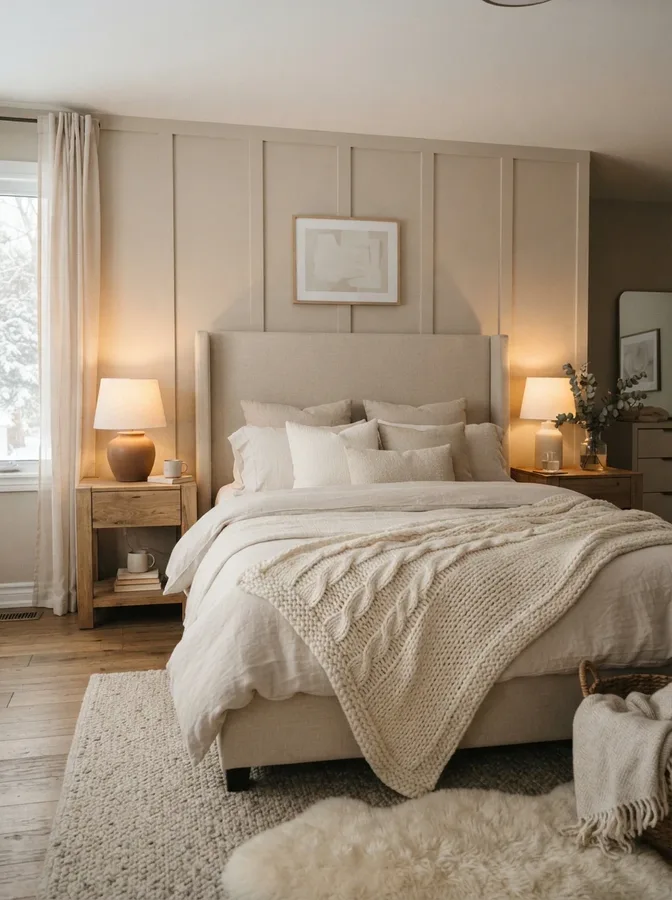
Learning artistic fundamentals provides a useful foundation, but creativity also depends on knowing when to experiment. Understanding color relationships, composition, perspective, and light can help you make deliberate choices. Once you understand these principles, you can bend them to develop a style that feels distinctly yours.
Winter is a good season to try something outside your comfort zone. If you usually paint realistic scenes, explore abstract shapes inspired by frost patterns. If you prefer muted colors, create a vivid winter illustration using unexpected combinations. You could also experiment with unusual paper textures, mixed-media techniques, or expressive lettering. The goal is not to ignore every guideline but to discover which choices serve your artistic vision. Treat each experiment as a learning opportunity, and remember that creative growth often happens when familiar habits give way to new possibilities.
8. “Have no fear of perfection—you’ll never reach it.” — Salvador Dalí
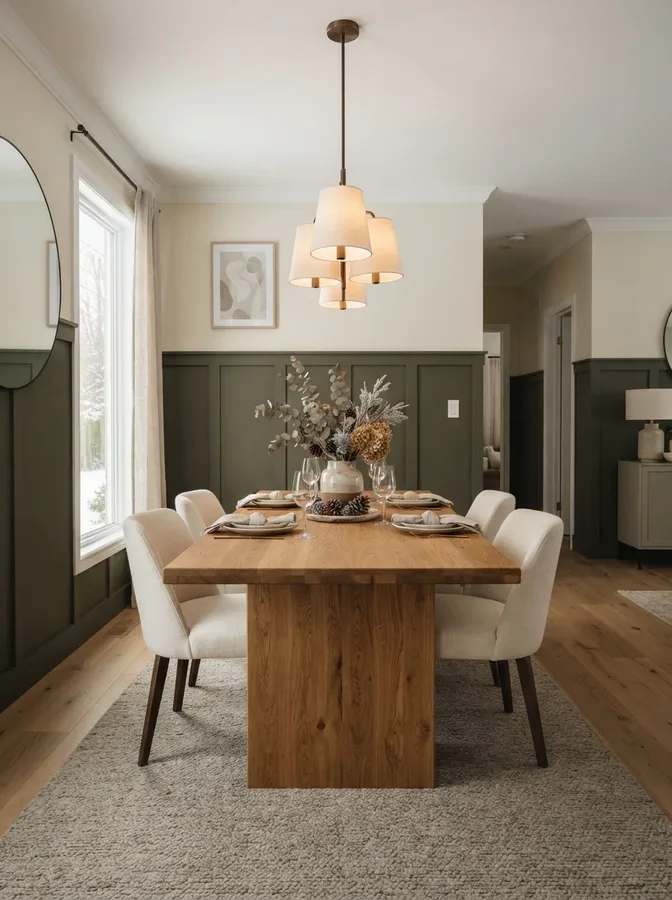
Perfectionism can make even an enjoyable hobby feel stressful. When every line must be flawless and every color must be exactly right, starting becomes difficult and finishing can feel impossible. This quote, associated with Salvador Dalí, encourages artists to release unrealistic expectations and recognize that imperfection is part of the creative experience.
Give yourself a winter art challenge with a simple rule: complete the project without endlessly correcting it. Paint a small landscape in one sitting, fill a page with quick sketches, or create a handmade greeting card using materials already at home. Set a reasonable time limit and stop when it ends. You may notice uneven lines, unexpected color combinations, or other details you would normally change. Let them remain. These imperfections can give your work character and help you build confidence in your decisions. Progress becomes easier when the goal is expression rather than flawlessness.
9. “Every child is an artist. The problem is how to remain an artist once we grow up.” — Commonly attributed to Pablo Picasso

Children often approach creativity with curiosity and freedom. They draw oversized suns, invent imaginary creatures, and combine colors without worrying about whether their choices are correct. Adults sometimes lose that sense of play as responsibilities and expectations take over. This widely circulated quote encourages us to preserve the curiosity that makes creating enjoyable.
Bring a little playful energy into your winter routine by choosing a project without strict rules. Make a whimsical snowman illustration, invent a fantasy winter village, or create a colorful collage from old magazines. If you have children in your life, work alongside them and let everyone develop their own interpretation of the theme. Avoid correcting every unusual idea or turning the activity into a lesson. The purpose is to explore, laugh, and discover. When creativity feels like play rather than performance, it becomes easier to return to it regularly.
10. “Art is the lie that enables us to realize the truth.” — Commonly attributed to Pablo Picasso
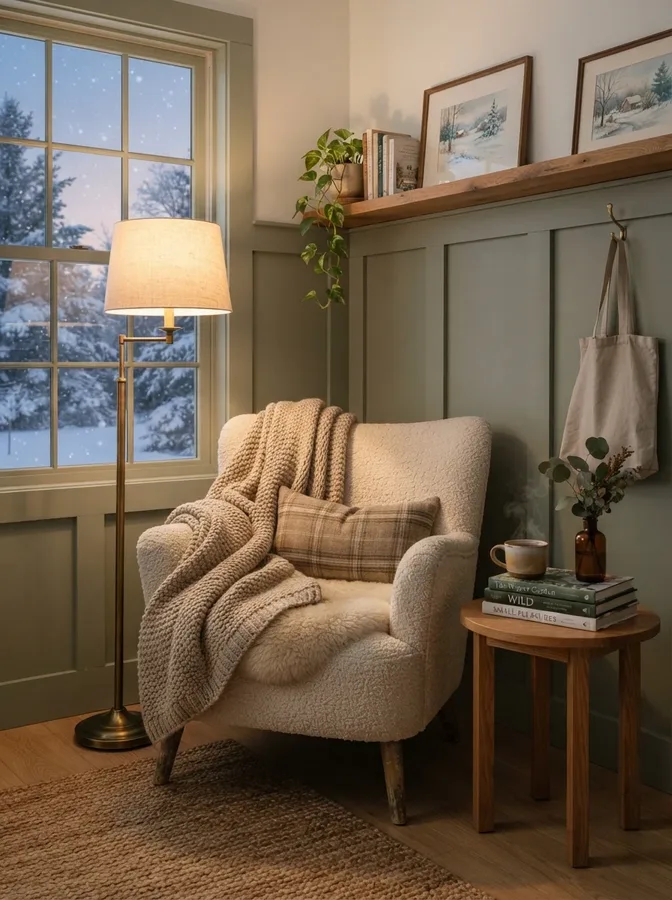
Artists do not always reproduce reality exactly. They simplify shapes, exaggerate colors, rearrange details, and invent imaginary scenes to communicate something meaningful. A painting may depart from what the eye sees while expressing a genuine feeling about memory, identity, nature, or human experience.
This idea can inspire you to look beyond literal representation in your winter artwork. Instead of painting a snowy landscape exactly as it appears, consider how the scene makes you feel. Use oversized trees to communicate grandeur, blurred edges to suggest a snowstorm, or contrasting colors to express the difference between outdoor cold and indoor warmth. Abstract art can communicate a mood just as effectively as realistic painting. Think about what the scene means to you, then choose the artistic techniques that best convey that meaning. Your interpretation does not need to resemble anyone else’s to be authentic.
11. “The aim of art is to represent not the outward appearance of things, but their inward significance.” — Commonly attributed to Aristotle
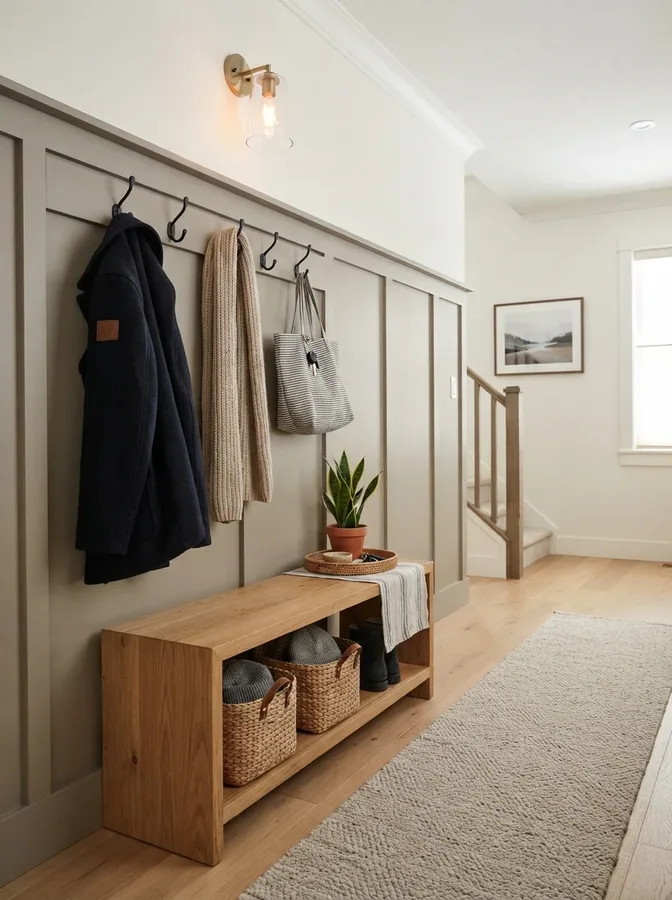
Some of the most meaningful artworks capture more than physical appearance. They communicate a memory, a feeling, or a deeper understanding of a subject. A simple image of a knitted blanket might suggest comfort and belonging, while a painting of bare branches against a pale sky might evoke reflection, change, or resilience.
As winter inspires your creativity, consider the personal associations you have with the season. Perhaps snow reminds you of childhood adventures, warm kitchens bring back family gatherings, or quiet mornings help you feel more centered. Choose one memory or emotion and create a piece around it. You could combine photography with handwritten notes, illustrate a meaningful object, or paint a scene using colors that reflect your mood. When your work begins with a personal connection, even a simple composition can carry depth and offer viewers an invitation to discover their own associations.
12. “Everything you can imagine is real.” — Commonly attributed to Pablo Picasso
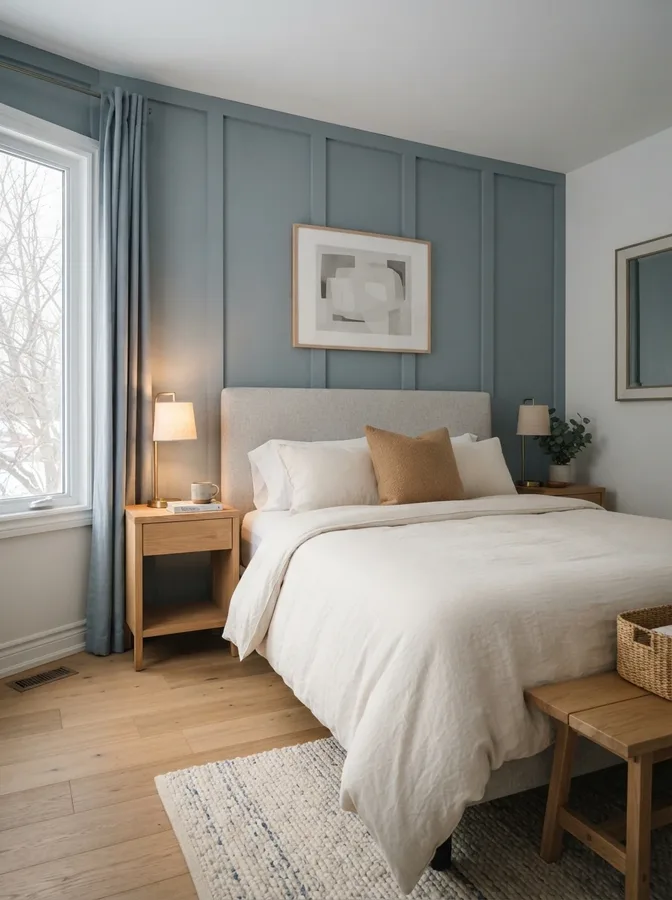
Imagination gives artists permission to explore possibilities that do not exist in everyday life. A winter sky might become a sea of stars, a forest could contain glowing lanterns, or a quiet cottage might stand beneath enormous pastel-colored clouds. These imagined scenes allow creativity to move beyond observation and into invention.
Try building a small collection of ideas for a winter-inspired fantasy artwork. Write down unusual combinations, such as a greenhouse on the moon, a library made of ice, or a garden where flowers bloom beneath the snow. Choose one idea and sketch several versions before deciding which direction to pursue. Do not dismiss an idea simply because it seems strange. Unexpected combinations can lead to distinctive artwork and help you develop a more personal visual language. This exercise also works well for digital illustration, creative writing, collage, and photography with imaginative staging.
13. “Inspiration exists, but it has to find you working.” — Commonly attributed to Pablo Picasso

Waiting for the perfect burst of inspiration can leave a sketchbook empty for weeks. Creative ideas often become clearer after you begin working, even when your initial motivation is low. A few rough lines can suggest a composition, and an accidental brushstroke can lead to a new color palette. The important part is giving inspiration somewhere to appear.
Create a manageable winter art habit that fits your daily schedule. Spend ten minutes drawing before breakfast, practice lettering during an evening break, or photograph interesting textures during a short walk. Keep your supplies visible and prepare a small list of easy projects for days when you feel uninspired. Consistency matters more than the length of each session. You may not create something remarkable every time, but regular practice helps you develop skills, recognize patterns, and collect ideas. Inspiration becomes easier to find when creativity has a place in your routine.
14. “Art should comfort the disturbed and disturb the comfortable.” — Often attributed to Banksy
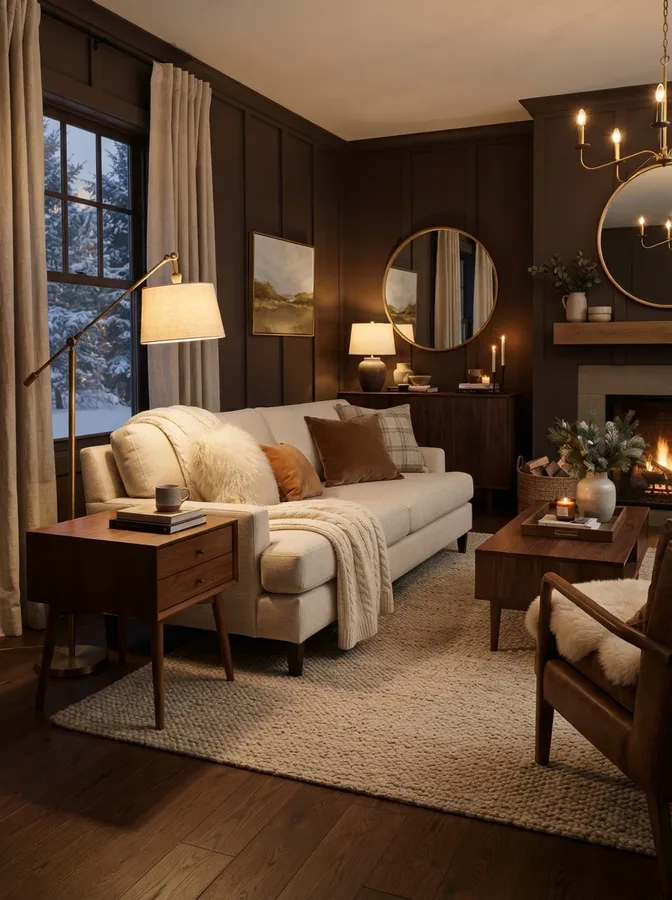
Art can provide reassurance, but it can also challenge assumptions and encourage people to see familiar subjects differently. A gentle landscape may offer peace during a difficult season, while a bold illustration might question consumer habits, environmental damage, or social expectations. This quote, often associated with street artist Banksy, highlights art’s ability to support reflection as well as comfort.
Consider what you want your winter creations to contribute. You might make a calming painting that brings serenity to your living space, or design a poster that encourages people to care for the natural world. You could also explore contrasts, pairing a beautiful snowy scene with a message about climate change or seasonal isolation. Art does not have to be controversial to be meaningful, and it does not need to please everyone. What matters is that your creative choices express a perspective worth sharing. Let your work invite curiosity, empathy, or thoughtful conversation.
How to Use Art Quotes for Daily Winter Inspiration
Inspirational art quotes can become more than attractive words on a screen. When you connect a quote with a small creative action, it can help you establish a satisfying winter ritual and maintain your enthusiasm for making things. Choose one quote each week and place it somewhere you will see it regularly, such as your sketchbook, desk, studio wall, or phone wallpaper.
Try these simple ways to bring the messages into your everyday life:
- Create a quote journal: Write down a favorite quote and add a few sentences about what it means to you.
- Design seasonal wall art: Combine meaningful words with winter illustrations, botanical sketches, or abstract patterns.
- Start a creative challenge: Use one quote as inspiration for a daily drawing, painting, or photography prompt.
- Share encouragement: Send a favorite saying to a creative friend who needs motivation.
- Make a Pinterest collection: Save quotes, color palettes, and artwork references that inspire your next project.
Keep the practice flexible. Some days you may feel ready to create for an hour, while other days a quick sketch or thoughtful observation will be enough. The purpose is to keep creativity accessible and enjoyable throughout the season.
Conclusion: Let Art Bring More Light to Winter
Winter does not have to be a quiet period for creativity. It can be a season of discovery, experimentation, and renewed inspiration. These 14 art quotes remind us to begin before we feel ready, embrace imperfection, trust our imagination, and make room for meaningful creative experiences.
Choose the words that resonate most with you and let them guide your next small project. Paint a snowy landscape, fill a journal with ideas, or simply notice the beauty of light and shadow around your home. You do not need expensive supplies or extraordinary talent to benefit from making art. Sometimes, a few thoughtful words and a little time are enough to brighten a winter day.