
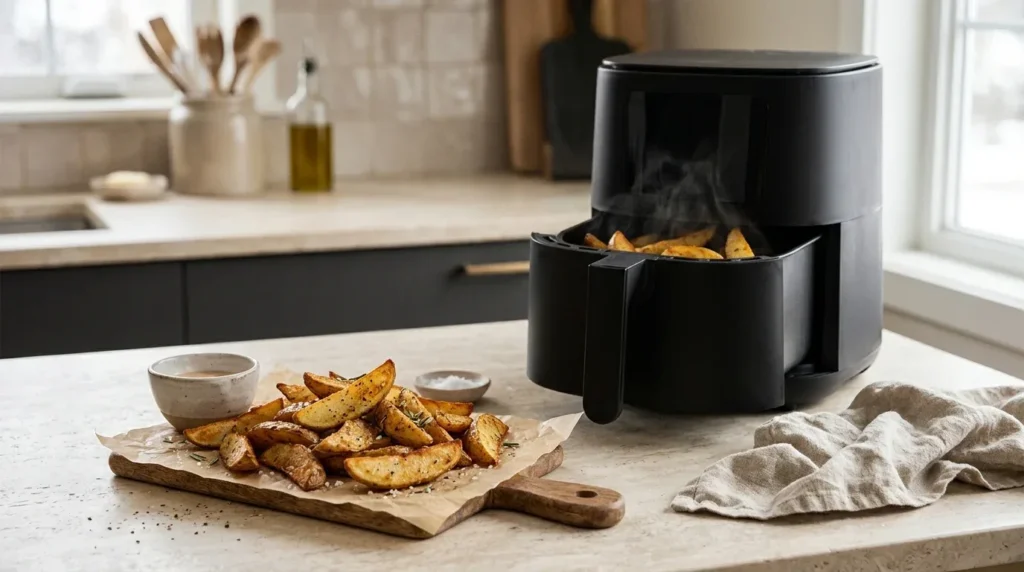
Winter is the perfect season for comforting meals, from crispy roasted vegetables and golden chicken to toasted sandwiches and warm, flavorful snacks. A Cosori air fryer makes these dishes easier to prepare by circulating hot air around the food, creating deliciously crisp results with less oil than traditional deep-frying. Whether you use your air fryer for quick weeknight dinners, weekend comfort food, or simple sides, a few practical techniques can make every batch more satisfying.
Learning how to preheat your appliance, arrange ingredients properly, adjust cooking temperatures, and clean the basket regularly can improve both convenience and consistency. Cold weather also brings opportunities to experiment with seasonal produce, hearty proteins, and easy one-basket meals that keep cleanup manageable. These Cosori air fryer tips will help you make the most of your appliance throughout winter, whether you’re a beginner or an experienced home cook. With thoughtful preparation and a little experimentation, you can enjoy cozy, homemade food without spending hours in the kitchen.
1. Preheat Your Cosori Air Fryer for Better Results
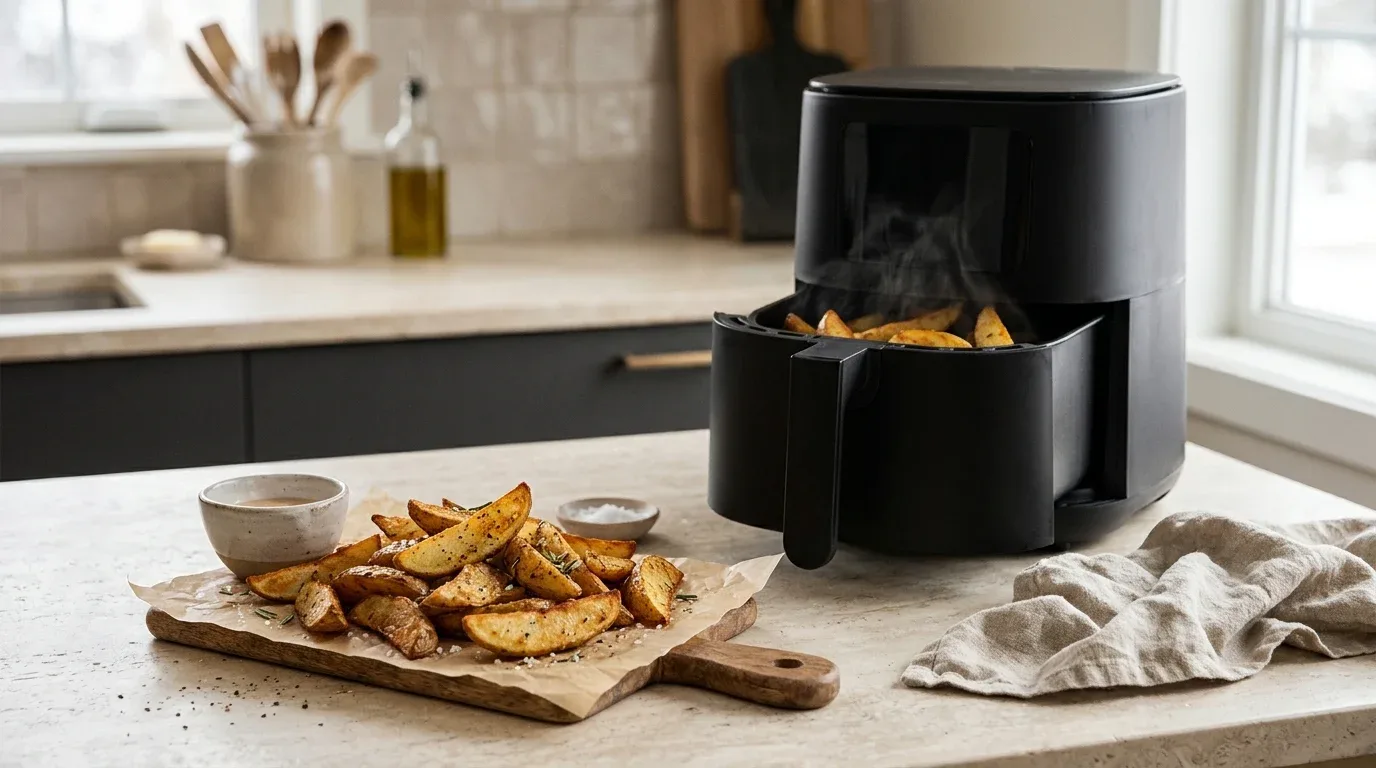
Preheating helps your Cosori air fryer reach the desired cooking temperature before you add food, which can improve browning and make cooking times more predictable. Some Cosori models include a dedicated preheat function, while others allow you to run the appliance empty for a few minutes. Check your model’s manual for the recommended method and timing.
Preheating is especially useful for foods that benefit from a crisp exterior, such as potato wedges, breaded chicken, and frozen snacks. However, it isn’t necessary for every recipe, particularly when cooking delicate foods or following instructions designed for a cold start. Remember that a preheated basket is hot, so use appropriate protection when handling it. A consistent starting temperature can make winter meals easier to prepare with confidence.
2. Avoid Overcrowding the Cooking Basket
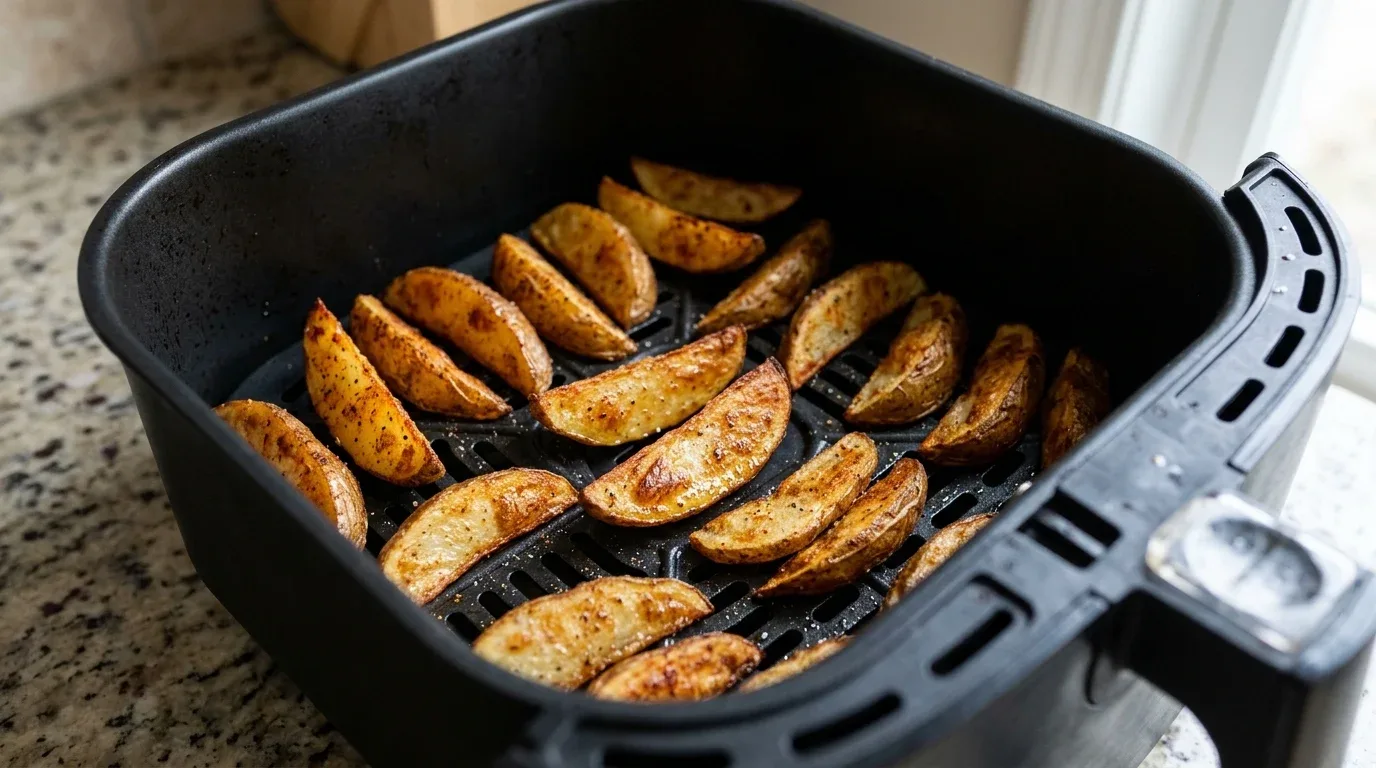
One of the most important Cosori air fryer tips is to leave enough space for hot air to circulate around your ingredients. When the basket is packed too tightly, food may steam instead of developing the crisp edges you want. This is particularly noticeable with fries, Brussels sprouts, chicken pieces, and other ingredients that release moisture during cooking.
Arrange food in a single layer whenever practical, leaving small gaps between pieces. If you’re preparing dinner for the family, cook in batches rather than forcing everything into one load. Although an extra batch takes a little longer, the improved texture is often worth it. For vegetables, cutting ingredients into similar-sized pieces also encourages even cooking. This simple adjustment helps create crisp, golden winter favorites without unnecessary oil.
3. Choose the Right Temperature for Each Food
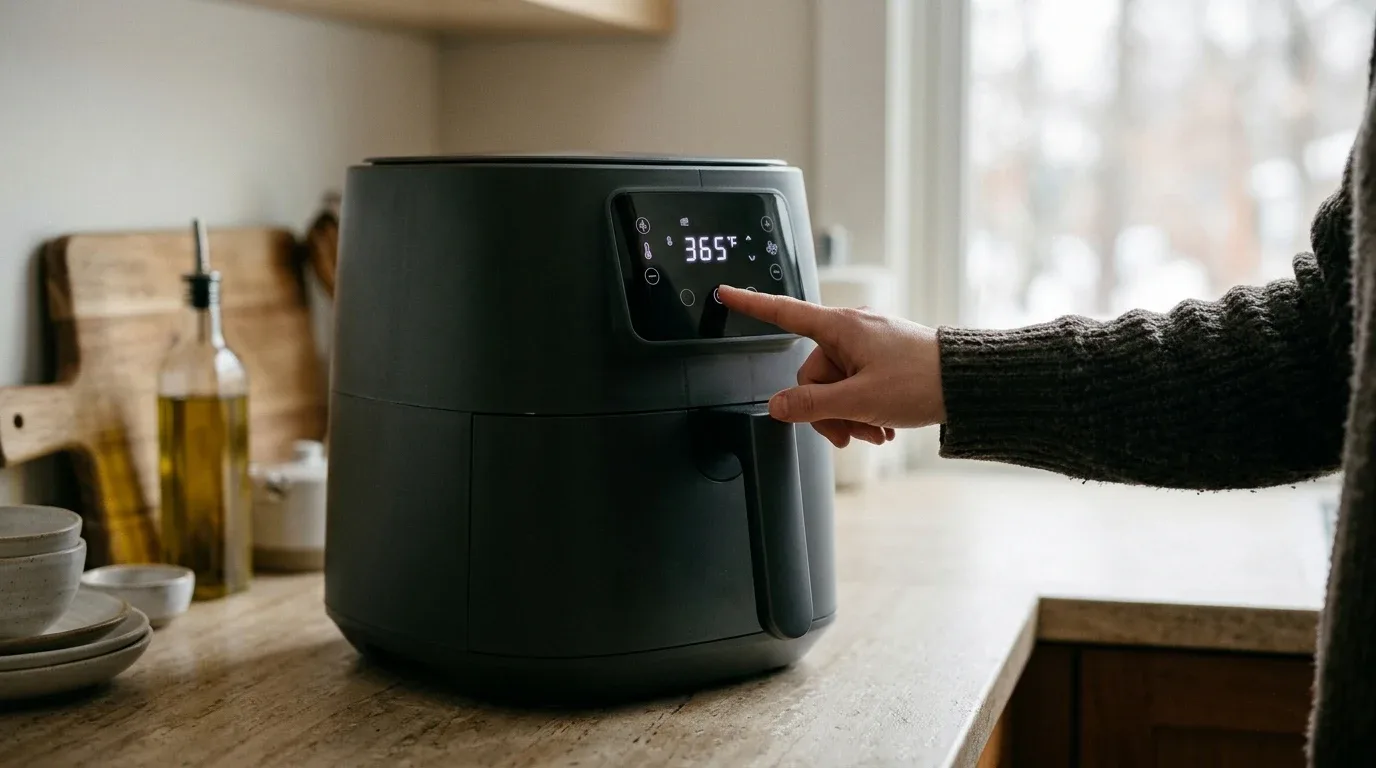
Different foods need different cooking temperatures, so avoid using the same setting for every recipe. Higher temperatures can produce excellent browning on fries and breaded foods, while moderate heat may be better for thicker chicken portions, delicate fish, or vegetables that need time to soften. The right setting depends on the ingredient’s thickness, moisture, and desired finish.
Use your Cosori model’s cooking guide as a starting point, then make small adjustments based on your results. If food browns too quickly before the center is cooked, lower the temperature and allow more time. If vegetables soften without becoming golden, try a slightly higher temperature or a shorter cooking cycle. Keep notes on successful combinations so your favorite winter recipes become easier to repeat.
4. Shake the Basket or Turn Food Midway
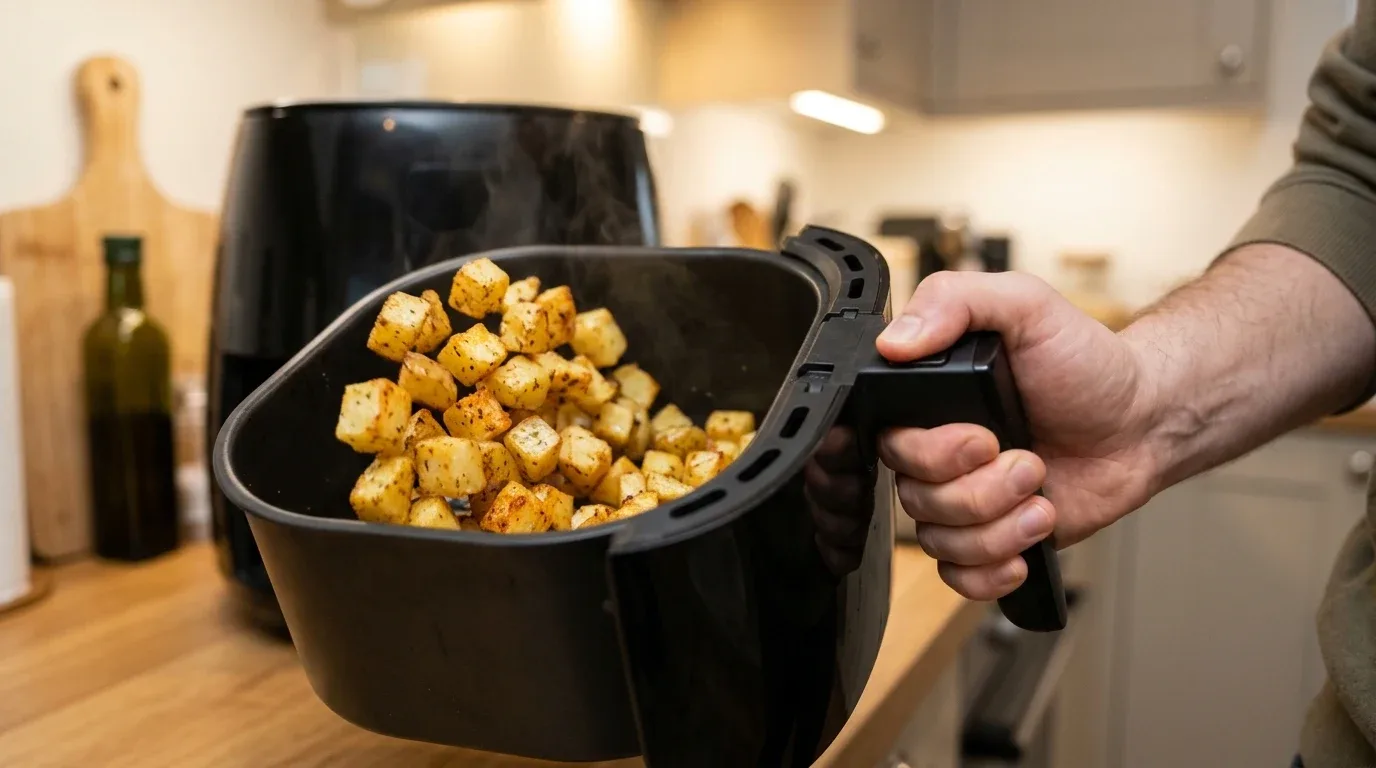
Shaking the basket or turning food halfway through cooking helps expose more surfaces to the circulating heat. This technique is particularly effective for fries, diced potatoes, chickpeas, cauliflower florets, and other small ingredients. Some Cosori air fryers include a shake reminder, but you can also set a separate timer if your model doesn’t offer one.
When the reminder sounds, carefully pull out the basket and shake it gently, or turn larger pieces with heat-resistant tongs. Avoid shaking foods that are fragile or arranged in layers, such as delicate fish fillets. For chicken pieces or stuffed vegetables, turning each portion may provide better control. Always slide the basket securely back into place before continuing. This quick mid-cook check can improve browning and help prevent unevenly cooked spots.
5. Use a Light Coat of Oil for Crispier Food

An air fryer needs far less oil than deep-frying, but a small amount can improve browning, flavor, and texture. Toss fresh potato wedges, carrots, broccoli, or cauliflower with a light coating before cooking. A teaspoon or two may be enough for a modest batch, depending on the quantity and recipe. The goal is to coat the surface rather than leave ingredients dripping with oil.
Use an oil with a smoke point appropriate for your chosen temperature, and follow your recipe’s recommendations. Avoid pouring oil directly into the appliance’s drawer or heating element area. For frozen foods that already contain oil, additional fat may not be necessary. You can also use a refillable oil mister if its design is compatible with your oil and appliance. A restrained amount of oil helps create appealing winter sides without making them greasy.
6. Make Crispy Winter Potato Wedges

Potato wedges are a comforting side dish for cold evenings, pairing well with roasted chicken, veggie burgers, or hearty sandwiches. Cut potatoes into evenly sized wedges so they cook at a similar rate. If you have time, rinse the cut potatoes to remove excess surface starch, then dry them thoroughly before seasoning. Excess moisture can interfere with browning.
Toss the wedges with a little oil, salt, pepper, paprika, and garlic powder. Arrange them in a single layer and cook according to your Cosori model’s guidance, shaking the basket partway through. Check for a crisp exterior and a tender center rather than relying on time alone. For a cozy finishing touch, sprinkle the cooked wedges with chopped parsley or grated Parmesan. Serve immediately for the best texture, alongside a warm dip or homemade yogurt sauce.
7. Roast Seasonal Winter Vegetables
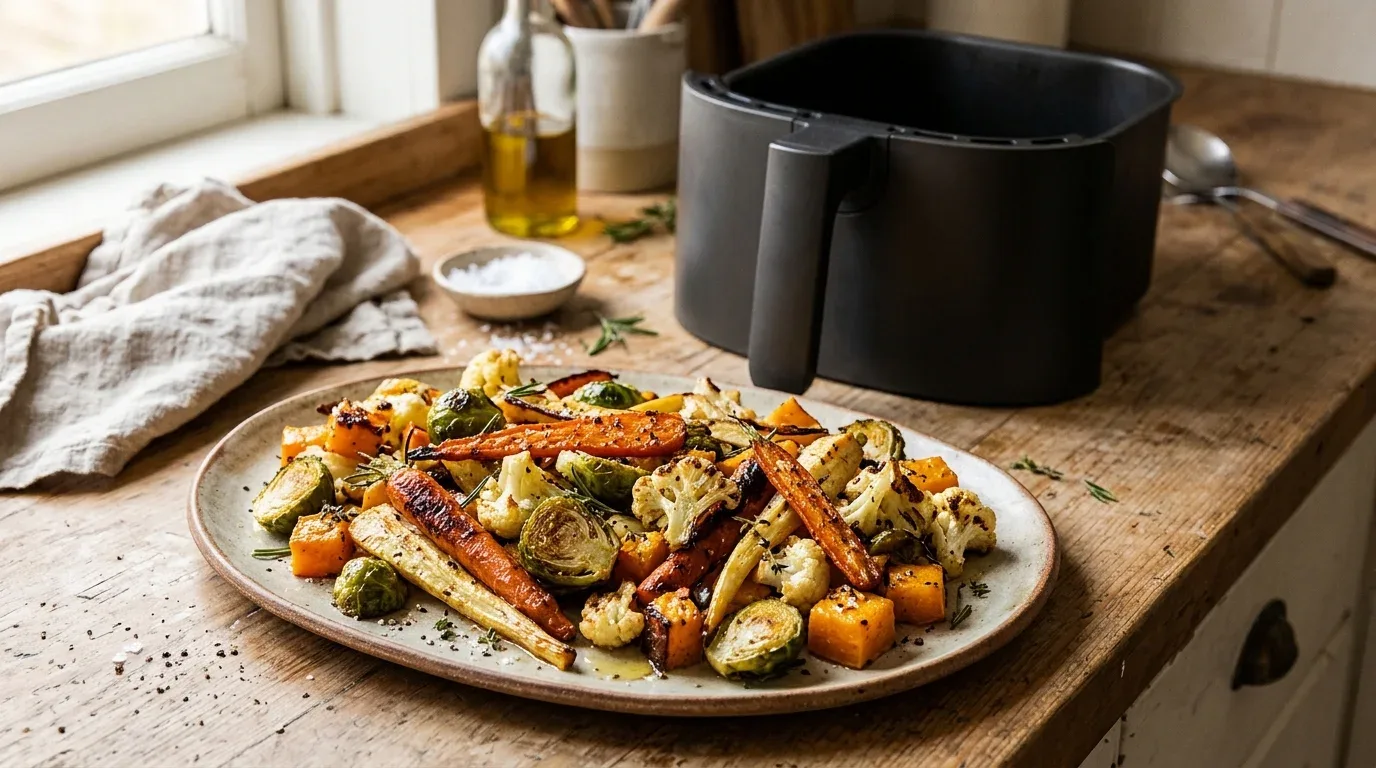
Your Cosori air fryer is a convenient way to prepare seasonal vegetables without heating a large oven. Carrots, parsnips, cauliflower, Brussels sprouts, and cubed squash can develop delicious caramelized edges while remaining tender inside. Cut harder vegetables into relatively small, uniform pieces so they have enough time to soften before the surfaces become too dark.
Coat the vegetables lightly with oil, then season them with salt, black pepper, garlic, rosemary, thyme, or smoked paprika. Cook in batches if necessary, and shake or turn the pieces during cooking. Softer vegetables may cook faster than dense root vegetables, so avoid treating every variety identically. Finish with lemon juice, balsamic vinegar, or a small sprinkle of cheese to brighten the flavors. These warm, colorful sides make winter dinners feel nourishing and satisfying.
8. Prepare Juicy Chicken Without Drying It Out
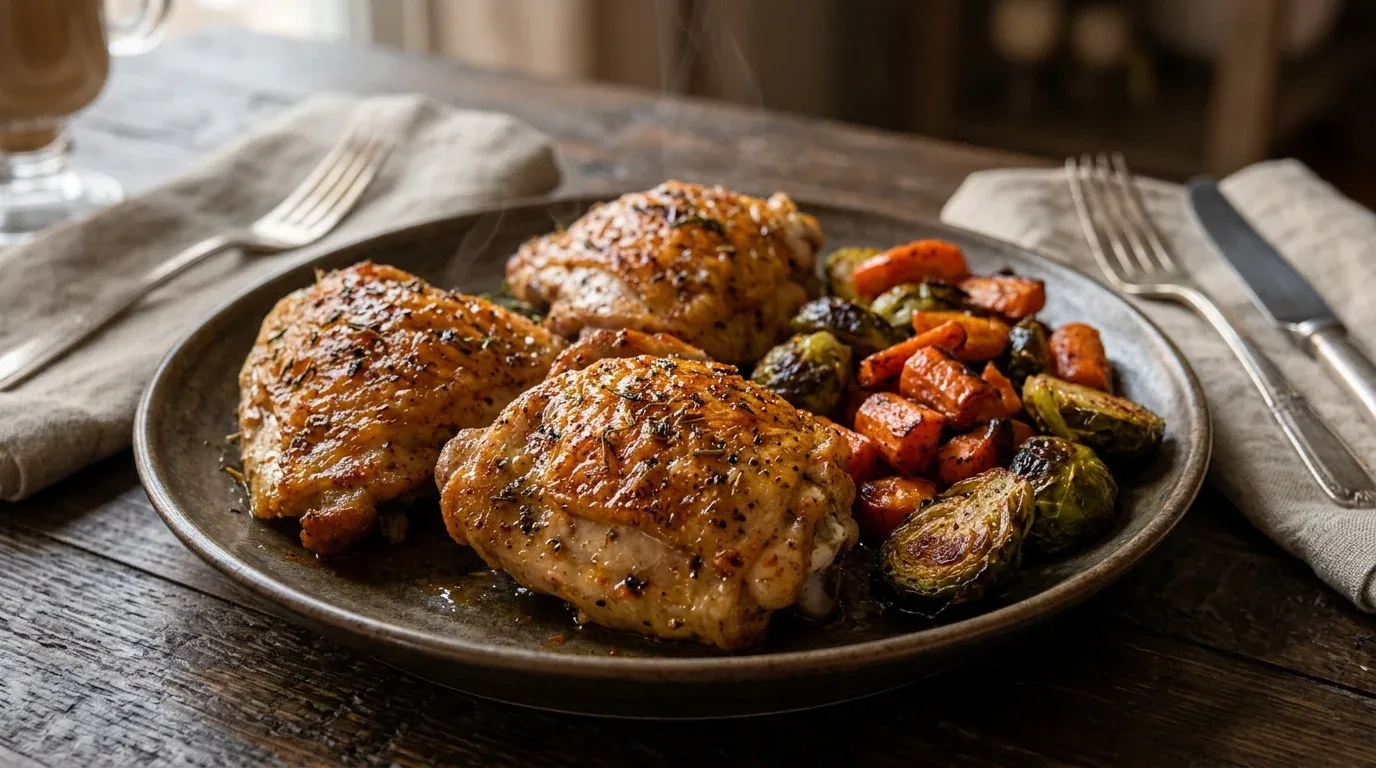
Air-fried chicken can be a practical centerpiece for a cozy winter meal, but the result depends on portion size, seasoning, and temperature. Pat the chicken dry before adding your preferred spices, and apply a light coating of oil if the recipe calls for it. Paprika, garlic powder, black pepper, thyme, and a little lemon zest create a flavorful combination for everyday dinners.
Arrange the pieces with room around them and turn them when appropriate for your cut and model. Cooking time varies significantly between thin cutlets, boneless thighs, and bone-in portions, so use a reliable recipe as your guide. For food safety, check the thickest part with a food thermometer; chicken should reach an internal temperature of 165°F (74°C). Let it rest briefly before serving to help retain moisture. Pair it with air-fried vegetables or potatoes for an easy winter plate.
9. Cook Frozen Foods Straight From the Freezer
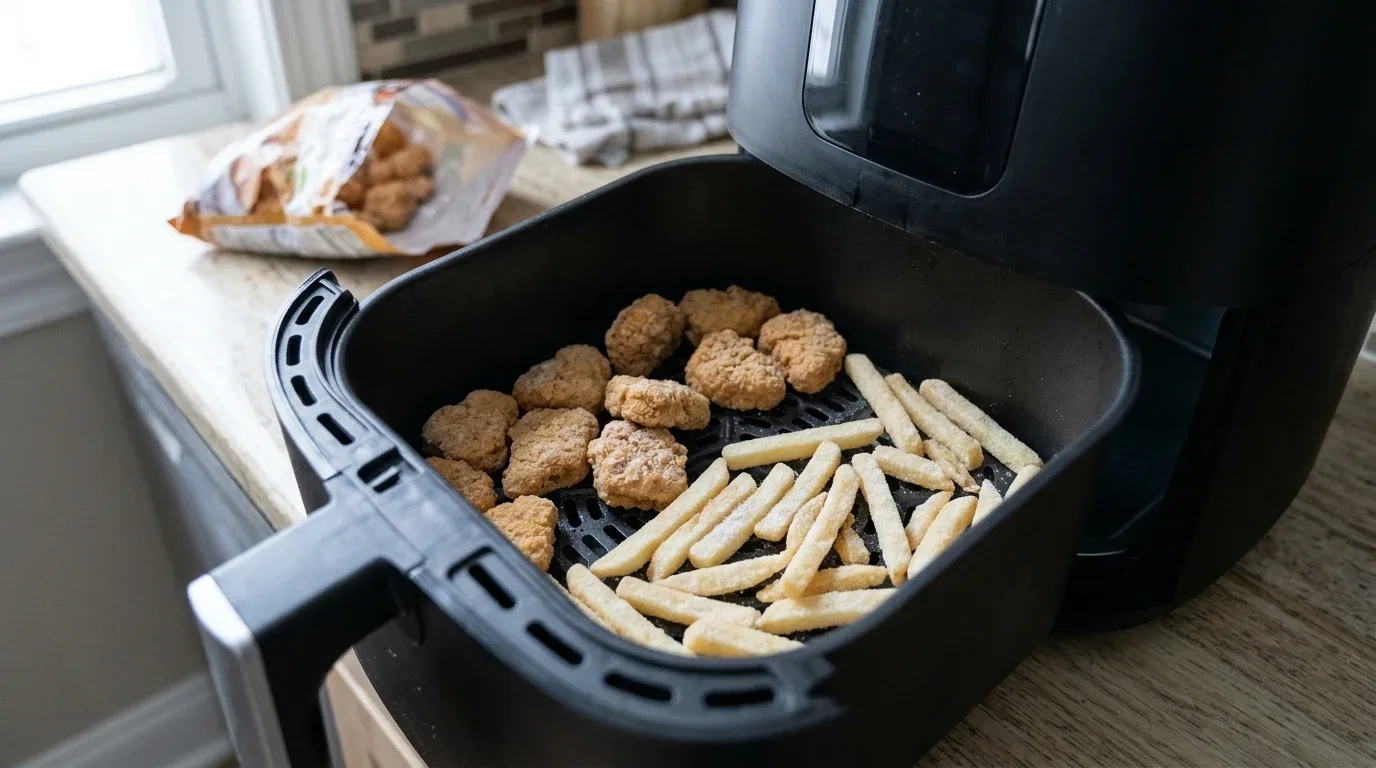
Frozen foods are useful on busy winter evenings when you need dinner or a snack without much preparation. Many frozen fries, breaded chicken pieces, fish sticks, and vegetable snacks can go directly into the Cosori air fryer without thawing. Skipping the thawing stage can also help prevent excess surface moisture from affecting crispness.
Check the package directions and your appliance manual, because recommended settings differ between products and models. Arrange the food in a single layer where possible, and shake or turn it as directed. You may need to add a little cooking time if the basket is heavily loaded, but avoid guessing about food safety. Verify that meat and seafood products reach their recommended safe internal temperatures. Frozen convenience foods can make winter cooking faster while still delivering a pleasantly crisp finish.
10. Use Accessories That Fit Your Cosori Model
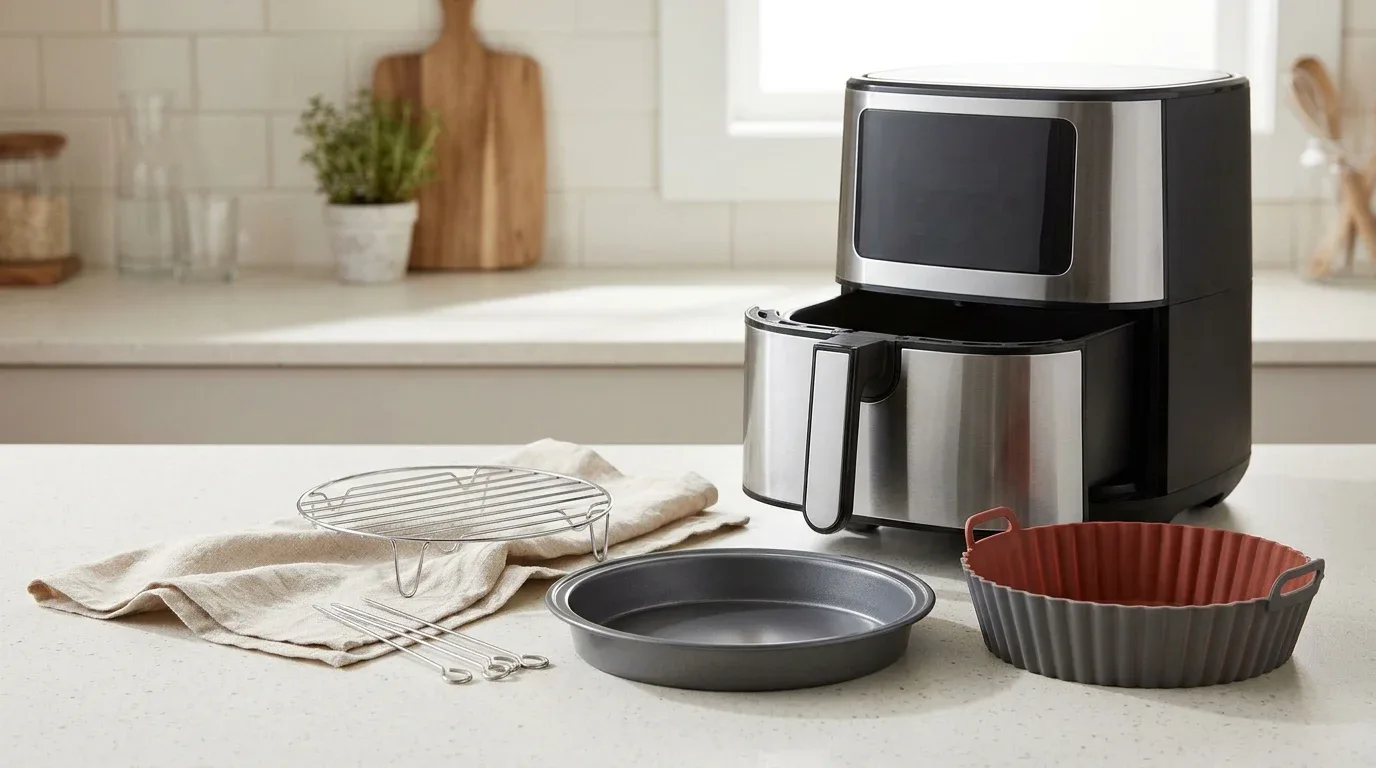
Compatible accessories can expand the kinds of meals you prepare in your Cosori air fryer. Depending on your model, useful options may include a rack, baking pan, silicone liner, or food-safe skewers. These can help with small cakes, layered cooking, kebabs, and ingredients that might otherwise fall through the basket openings.
Before purchasing or using an accessory, confirm that its dimensions and materials are suitable for your specific appliance and cooking temperature. Accessories should never block essential airflow or touch the heating element. Avoid placing loose parchment paper in the appliance during preheating, since the circulating air can lift it toward the heating element. Secure suitable liners beneath food and follow the manufacturer’s directions. The right accessory makes it easier to explore new recipes while keeping cooking safe and manageable.
11. Make Easy One-Basket Winter Dinners

One-basket meals are ideal when you want a warm dinner without a sink full of dishes. Build a simple meal around a protein and a vegetable, choosing ingredients with similar cooking requirements. For example, seasoned chicken pieces and small cauliflower florets may work well together when their cooking times are compatible. Dense vegetables, large meat portions, or ingredients that need different temperatures are usually better cooked separately.
Prepare and season everything before switching on the appliance, then plan the order of cooking carefully. You may need to start the ingredient that takes longest and add quicker-cooking foods later, provided your model’s basket and instructions make this practical. Always verify that each component reaches a safe internal temperature. Serve the finished meal with warm bread, rice, or a simple soup for a comforting dinner that feels complete without demanding extensive cleanup.
12. Reheat Leftovers Without Making Them Soggy

A Cosori air fryer can restore texture to many leftovers more effectively than a microwave. Pizza slices, roasted potatoes, breaded foods, and savory pastries often regain some of their crispness when reheated with circulating hot air. Arrange the food in a single layer and choose a moderate temperature so the exterior warms without burning before the center becomes hot.
Begin with a short reheating interval, check the food, and continue in small increments as needed. Exact settings depend on the portion size and the appliance model. For food safety, refrigerate perishable leftovers promptly, generally within two hours, and reheat leftovers to 165°F (74°C). Avoid reheating the same portion repeatedly. This approach helps reduce food waste and makes it easier to enjoy yesterday’s winter dinner as a satisfying next-day lunch.
13. Keep the Basket Clean Between Uses
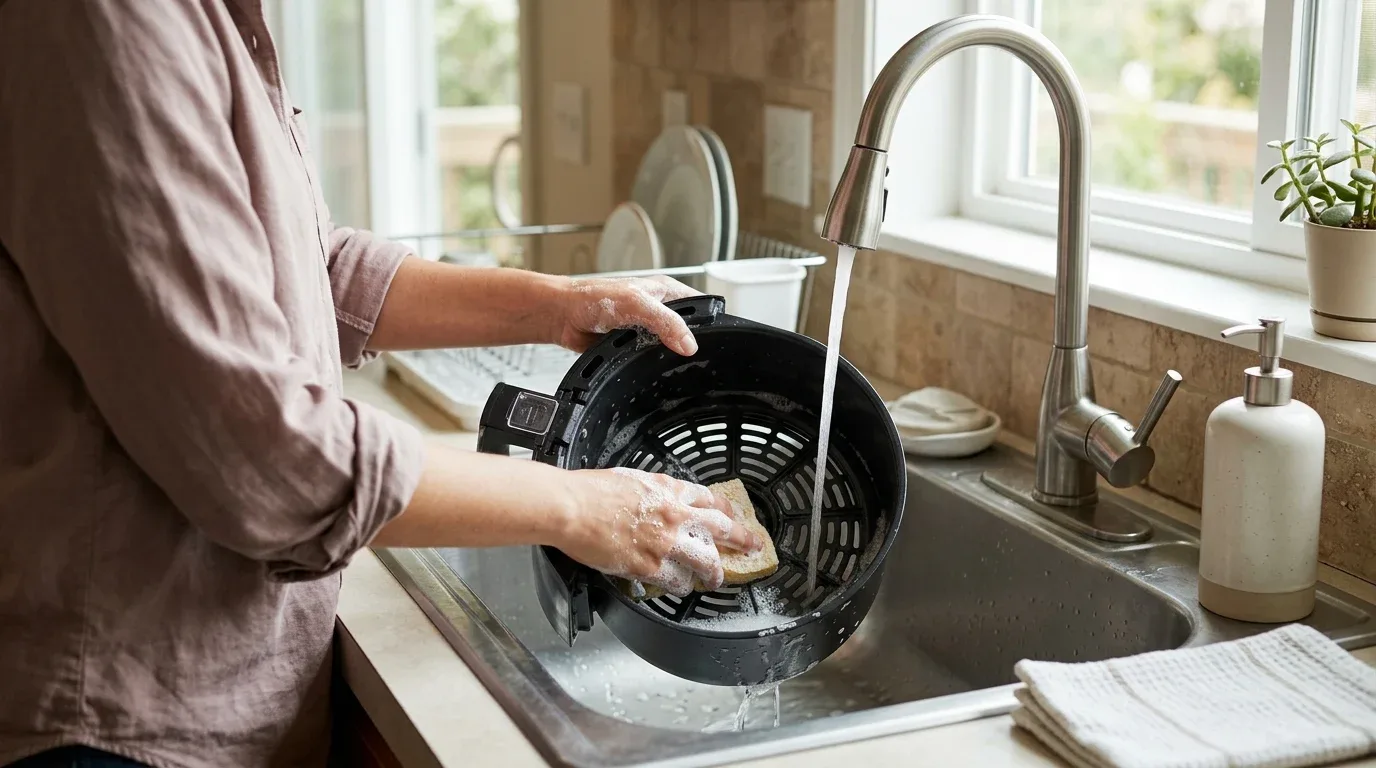
Regular cleaning prevents old grease and food particles from affecting the flavor of your next meal. After cooking, switch off and unplug the appliance, then allow the basket and drawer to cool sufficiently before handling them. Remove loose crumbs and wash the removable components according to your Cosori model’s instructions. Warm water and mild dish soap are usually suitable for washable basket parts.
Use a soft sponge or nonabrasive brush rather than steel wool, which can damage nonstick coatings. Avoid immersing the main appliance body in water, and clean the exterior with an appropriate damp cloth. Make sure removable parts are completely dry before reassembling them. If grease or crumbs collect near the heating element, follow the manual’s specific cleaning instructions and never clean the appliance while it is hot or plugged in. A clean air fryer is easier to maintain and ready for your next cozy recipe.
14. Adjust Recipes for Your Air Fryer Model

Not every Cosori air fryer cooks in exactly the same way. Basket capacity, heating power, fan design, and preset programs can influence how quickly food browns. A recipe developed for a large oven-style model may need adjustments when prepared in a compact basket air fryer, especially if the ingredients are arranged differently.
Start with the cooking guidance supplied for your model and check food a little before the recipe’s suggested finishing time. If a dish repeatedly browns too quickly, reduce the temperature slightly or shorten the cooking cycle. If it remains pale, consider a modest increase in time or temperature after confirming that the center is cooked safely. Keep notes about successful settings for your most-used recipes. These small adjustments help you build confidence and make dependable winter meals without relying on one universal time-and-temperature chart.
15. Plan a Cozy Winter Air Fryer Meal Routine
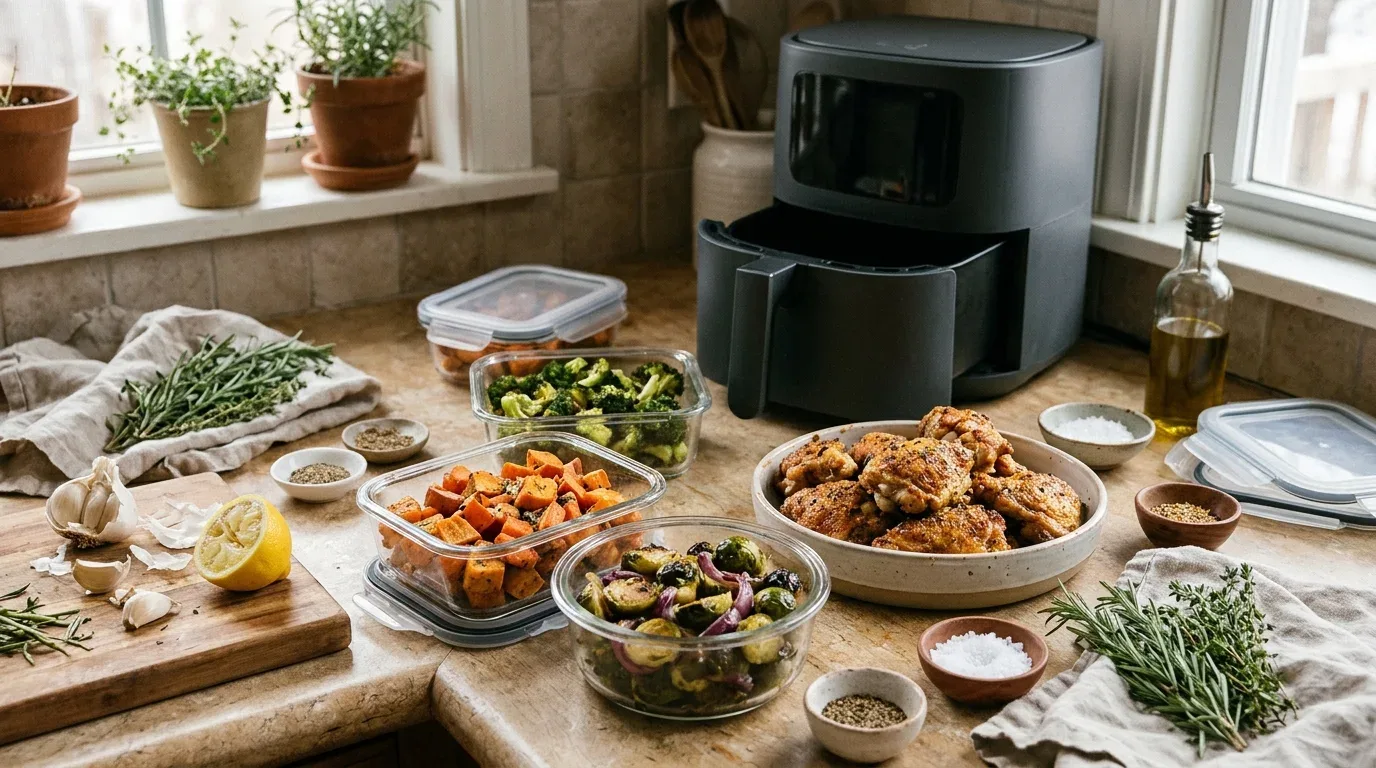
A little planning can turn your Cosori air fryer into a dependable part of your winter cooking routine. Choose a few flexible meals for the week, such as seasoned chicken, roasted vegetables, potato wedges, fish fillets, and toasted sandwiches. Keep pantry staples like paprika, garlic powder, dried herbs, and black pepper available so you can change the flavor of familiar ingredients without buying a long list of extras.
Wash and cut vegetables ahead of time, store them safely in the refrigerator, and measure seasonings before cooking. Avoid stacking raw ingredients into containers in ways that compromise food safety, and keep raw meat separate from ready-to-eat foods. You can also prepare sauces or dips in advance to make serving easier. With a short list of reliable recipes and a little preparation, you’ll spend less time deciding what to cook and more time enjoying warm, homemade winter meals.
Make Winter Cooking Easier With Your Cosori Air Fryer
Getting the best results from a Cosori air fryer comes down to a few consistent habits: leave room for airflow, choose suitable temperatures, check food as it cooks, and clean the appliance regularly. These small adjustments can help you prepare crispy potatoes, flavorful vegetables, juicy chicken, and convenient reheated leftovers throughout the colder months. Start with one or two tips, then adapt your favorite recipes to your particular model. With practice, your air fryer can become a reliable helper for simple weeknight dinners and comforting winter snacks alike.