
Winter can be tough on your hair. Cold outdoor temperatures, dry indoor heating, hot showers, and static-prone clothing can leave strands feeling brittle, rough, and more likely to break. Although winter does not automatically stop hair growth, seasonal dryness and changes in your hair-care routine can make it harder to maintain length and prevent damage.
The secret to healthier winter hair is to protect your scalp, keep your strands moisturized, eat a balanced diet, and handle your hair gently. These simple habits help create a healthier environment for hair growth while reducing breakage that can prevent you from retaining length. Whether your hair is curly, straight, fine, thick, or color-treated, a few thoughtful adjustments can make your winter routine more effective. Explore these 15 practical winter hair growth tips to help your hair look shinier, feel stronger, and stay healthier throughout the coldest months.
1. Keep Your Scalp Clean and Balanced
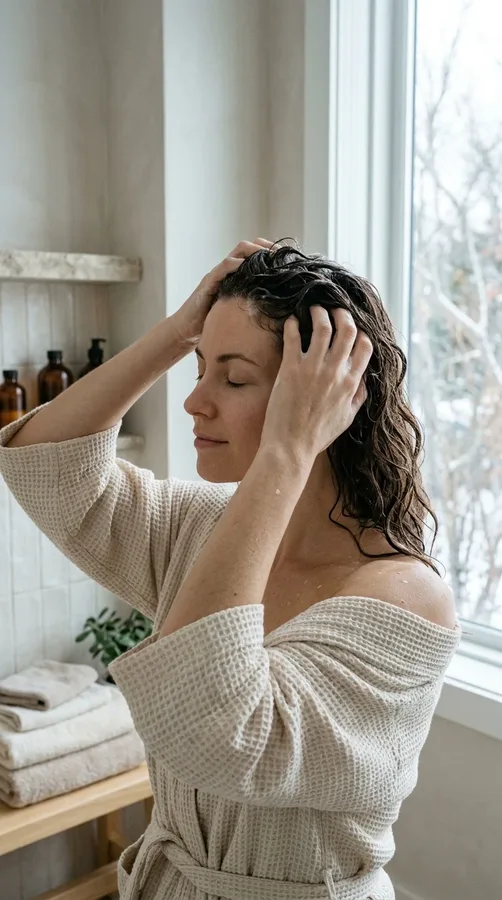
A healthy scalp supports normal hair growth, making regular cleansing an important part of your winter routine. Cold weather may encourage you to wash less frequently, but sweat, oil, styling products, and dead skin can accumulate if you wait too long between washes. On the other hand, excessive washing with harsh shampoos can leave your scalp feeling tight and dry.
Choose a gentle shampoo suited to your scalp type and adjust your washing schedule according to your needs. Massage the shampoo into your scalp with your fingertips rather than scratching with your nails. Rinse thoroughly to remove residue. If you notice persistent itching, redness, heavy flaking, or unusual shedding, consider consulting a dermatologist instead of relying on aggressive scrubs or home remedies.
2. Use a Moisturizing Conditioner After Washing
Dry winter air can make hair more prone to tangles, roughness, and breakage. A moisturizing conditioner helps smooth the hair’s outer surface, improve slip, and reduce friction during detangling. While conditioner does not directly make follicles grow faster, it can help you retain the length your hair naturally gains by preventing avoidable damage.
Apply conditioner mainly to the mid-lengths and ends, where older strands often need the most support. Let it sit for the recommended time before rinsing. If your hair is especially dry, curly, bleached, or heat-damaged, try a richer formula or a weekly conditioning mask. Fine hair may respond better to a lightweight conditioner that softens strands without leaving them limp or greasy.
3. Massage Your Scalp Gently
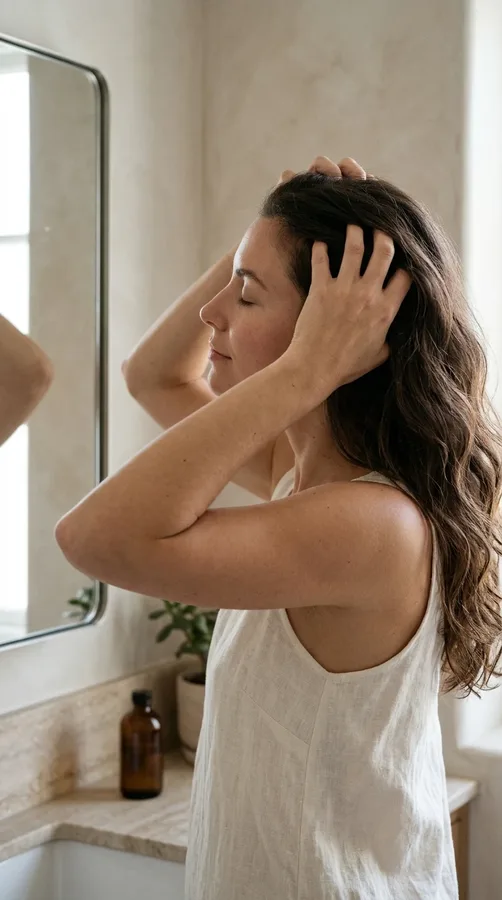
A gentle scalp massage can be a relaxing addition to a winter hair-care routine. Using your fingertips, move in small circular motions across the scalp for a few minutes, applying comfortable pressure without pulling on the roots. Some small studies have explored whether regular scalp massage affects hair thickness, but strong evidence that it reliably increases hair growth is still limited.
Think of scalp massage as a soothing self-care habit rather than a guaranteed treatment for thinning hair. You can do it before shampooing or while washing your hair, provided your scalp tolerates the movement well. Avoid vigorous rubbing, scratching, or tugging, particularly if your scalp is irritated or your hair is fragile. Consistency and gentleness matter more than applying excessive pressure.
4. Protect Your Hair From Cold, Wind, and Friction
Winter wind and cold air can contribute to tangles and dryness, while rough hat linings and scarves may create friction that damages delicate strands. Protecting your hair outdoors is a simple way to reduce mechanical damage and preserve length. Choose a comfortable hat with a smooth lining, or wear a soft silk- or satin-lined beanie if you find that ordinary fabrics cause snagging.
Before putting on a hat, detangle your hair gently and secure long hair in a loose braid or low ponytail. Avoid tight styles that pull at the hairline, especially under snug winter accessories. When you return indoors, remove the hat carefully rather than dragging it over tangled strands. These small precautions are particularly helpful for long, textured, or chemically treated hair.

5. Reduce Heat Styling During Winter
Blow-dryers, flat irons, and curling wands can weaken hair when used frequently or at excessive temperatures. Winter dryness may make the resulting roughness and breakage more noticeable, especially if your strands are already color-treated or naturally fragile. Reducing heat exposure helps protect the hair you have while new growth continues at its normal pace.
Whenever possible, let your hair air-dry partially before using a dryer, and choose a low or medium heat setting. Apply a heat protectant according to its directions before styling, and avoid repeatedly passing an iron over the same section. Try heat-free curls, loose braids, or simple protective styles for everyday wear. If your hair feels unusually brittle, take a break from hot tools until its condition improves.
6. Eat Enough Protein for Stronger Hair
Hair is largely made of a protein called keratin, so adequate dietary protein is important for normal hair production. Restrictive diets or consistently inadequate protein intake can contribute to shedding in some people. Winter is a good time to make balanced meals a priority rather than relying on hair products alone to improve strength and appearance.
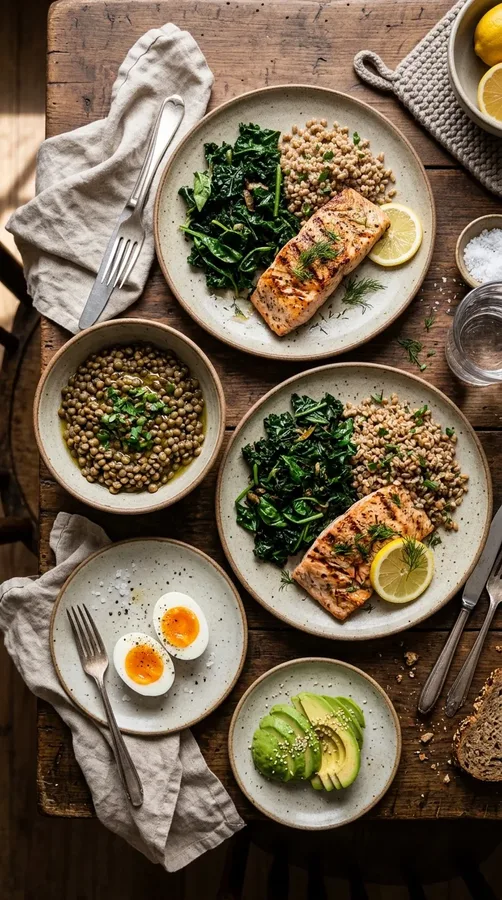
Include protein sources such as eggs, fish, chicken, yogurt, beans, lentils, tofu, or nuts as part of your regular meals. Pair these foods with vegetables, fruits, whole grains, and healthy fats for a varied diet. You do not need an expensive hair-growth diet or a high-dose protein supplement if you already meet your nutritional needs. If you have ongoing hair loss alongside unexplained weight changes or dietary difficulties, speak with a healthcare professional.
7. Include Iron-Rich Foods in Your Diet
Iron helps your body produce hemoglobin, which carries oxygen in the blood. Low iron levels can contribute to hair shedding, although iron is not a universal solution for hair concerns. People with heavy menstrual periods, restrictive diets, or certain medical conditions may be at increased risk of deficiency and may benefit from medical evaluation when hair loss occurs.
Foods that provide iron include lentils, beans, lean meat, spinach, and iron-fortified cereals. Plant-based iron is generally absorbed more effectively when eaten alongside vitamin C-rich foods, such as citrus fruits, tomatoes, or bell peppers. Avoid starting iron supplements solely to improve hair growth without appropriate advice, because excess iron can be harmful. A healthcare professional can determine whether testing or supplementation is warranted.

8. Stay Hydrated Throughout the Day
Drinking enough water supports overall health, including the normal functioning of your body and skin. However, drinking extra water beyond your needs has not been shown to directly accelerate hair growth. The practical goal is to avoid dehydration and maintain a routine that keeps you feeling well during colder months, when thirst may be less noticeable.
Keep water accessible at your desk, carry a reusable bottle, and include water-rich foods such as oranges, cucumbers, soups, and berries in your meals. Warm water or unsweetened herbal tea can be comforting when temperatures drop. Remember that hydration works alongside adequate nutrition and gentle hair care rather than replacing them. If you have a medical condition that requires fluid restrictions, follow your clinician’s advice about how much to drink.

9. Apply Hair Oil Strategically
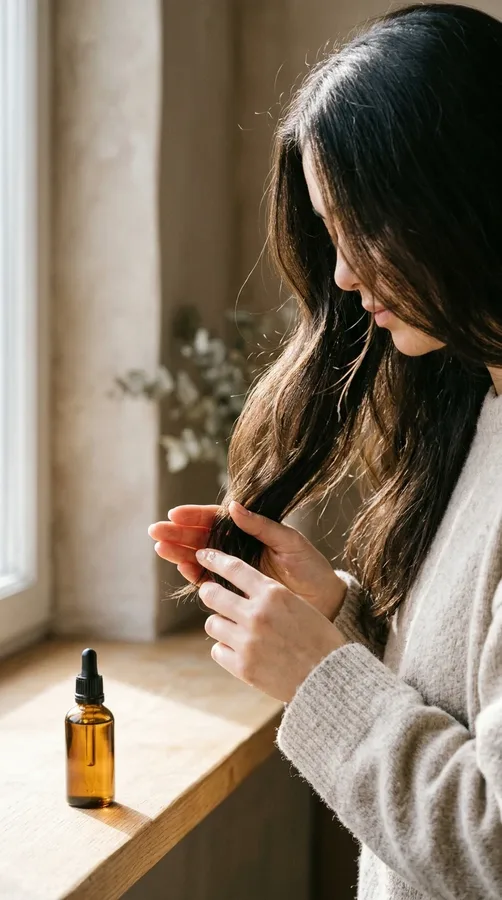
Hair oils can help lubricate strands, reduce friction, and improve softness, which may make winter hair easier to manage. Some oils, including coconut oil, have evidence supporting their ability to reduce protein loss from hair under certain conditions. However, oils are not proven to make everyone’s hair grow faster, and their effects depend on the product, hair type, and application method.
Try applying a small amount to the mid-lengths and ends before washing or after styling if your hair tolerates it. Start with a little to avoid a greasy finish, and choose a lightweight product for fine strands. You do not need to coat your scalp daily, especially if you are prone to irritation or buildup. Stop using an oil if it causes itching, redness, or discomfort.
10. Detangle Your Hair Without Pulling
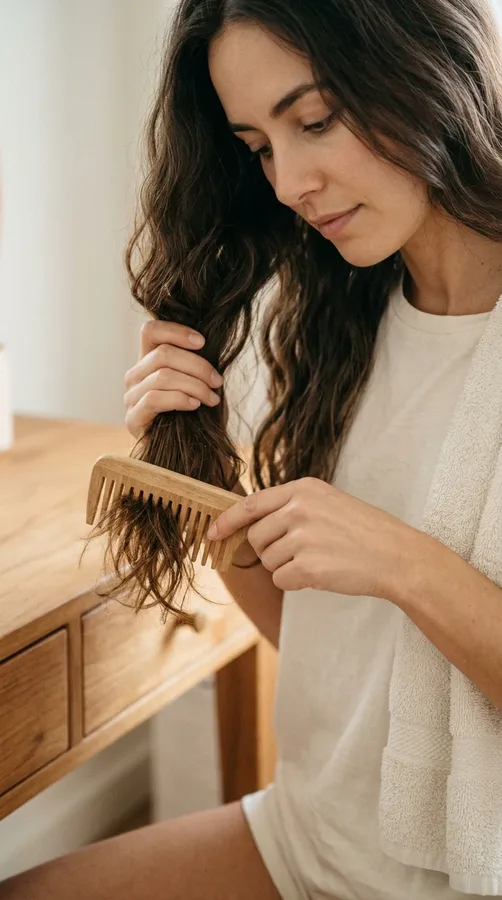
Hair can become more tangled during winter because of static, scarves, coats, and dry ends. Pulling through knots with a brush can snap fragile strands and cause breakage that makes your hair appear thinner or prevents it from reaching your desired length. Gentle detangling is therefore one of the most practical ways to support length retention.
Use a wide-tooth comb or a suitable detangling brush, starting at the ends and gradually working upward. Add conditioner or a detangling product when needed to improve slip. Curly and coily hair may be easiest to detangle in sections while damp and conditioned, while fine straight hair may respond better to careful detangling when dry. Never yank a comb through a stubborn knot; loosen it with your fingers first.
11. Choose Loose, Low-Tension Hairstyles
Tight ponytails, slicked-back buns, and firmly braided styles can place repeated tension on the roots. Over time, this pulling may contribute to traction alopecia, a type of hair loss that can become permanent if the tension continues. Winter hats and scarves can add extra friction, making gentle styling especially important.
Choose loose braids, relaxed buns, or low ponytails secured with soft fabric-covered ties. Vary your part and hairstyle to avoid repeatedly stressing the same areas, particularly around the temples and hairline. If a style causes pain, headaches, bumps, or tenderness, loosen it immediately. Protective hairstyles should reduce manipulation without pulling tightly on your scalp. The aim is to keep your hair secure and comfortable while minimizing unnecessary strain.

12. Use a Humidifier in Dry Indoor Spaces
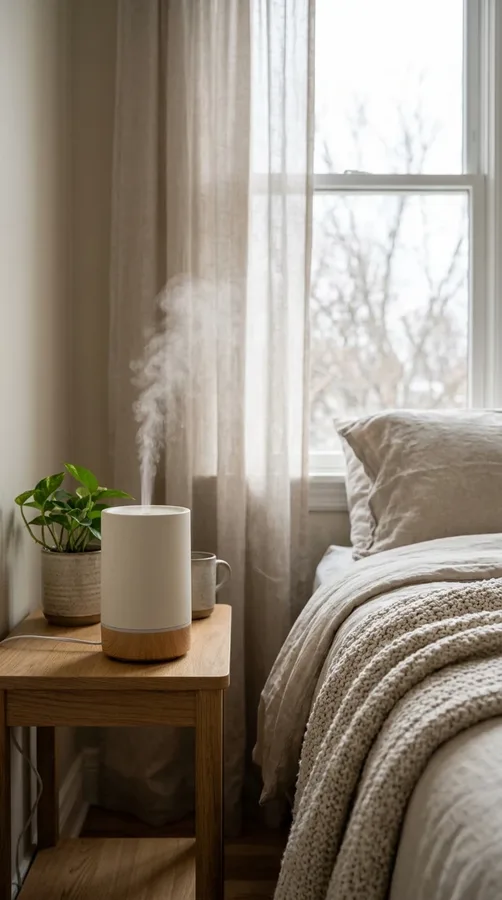
Indoor heating can lower relative humidity, leaving the air feeling dry and contributing to static and flyaways. A humidifier may make your room more comfortable and help reduce some of the dryness-related styling problems that affect winter hair. It does not directly stimulate follicles or guarantee faster growth, but it can support a more comfortable environment for your hair and skin.
Place a humidifier in the bedroom or another frequently used space and follow the manufacturer’s cleaning instructions carefully. Aim for a comfortable indoor humidity level, generally around 30–50%, while avoiding excessive moisture that can encourage mold or dust mites. Monitor windows and walls for condensation, especially in poorly ventilated rooms. If you use a humidifier regularly, clean and refill it as directed rather than allowing stagnant water to collect.
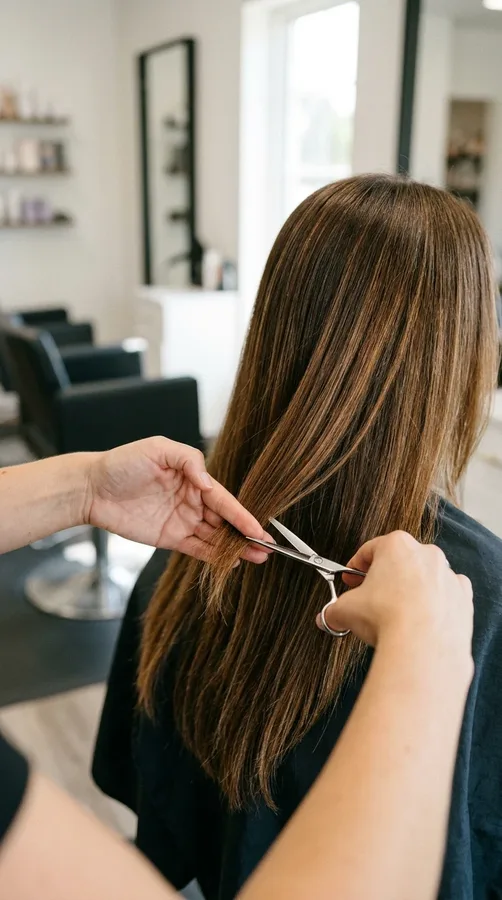
13. Trim Split Ends When Needed
Trimming your hair does not change the growth rate at the scalp, because the ends of your strands are not involved in follicle activity. However, removing severely split or damaged ends can make hair look neater and help prevent splits from traveling farther up the shaft. This can make it easier to retain healthy-looking length over time.
There is no universal schedule that everyone must follow. Fine, damaged, bleached, or frequently heat-styled hair may need more regular maintenance, while healthy hair may require less frequent trims. Look for persistent splitting, rough ends, and tangling as signs that a small trim could help. If you are growing your hair long, ask your stylist for a minimal dusting rather than removing more length than necessary.
14. Be Careful With Hair-Growth Supplements
Hair-growth supplements are heavily marketed during every season, but taking more vitamins does not automatically produce thicker or faster-growing hair. Certain deficiencies, including inadequate iron or zinc, can affect hair health, yet supplements are most useful when they address a demonstrated nutritional need. Excessive amounts of some nutrients, including vitamin A and selenium, can actually contribute to hair loss.
Prioritize a balanced diet and discuss persistent shedding with a healthcare professional before buying high-dose products. Depending on your history and symptoms, they may recommend blood tests to check for specific deficiencies or other potential causes. Biotin supplements can also interfere with some laboratory tests, so tell your clinician if you take them. A targeted treatment based on the cause of hair loss is generally more useful than an unverified supplement routine.

15. Prioritize Sleep and Manage Stress
Sleep and stress management support overall well-being, which can indirectly benefit healthy hair habits. Significant physical or emotional stress may trigger a temporary condition called telogen effluvium, in which more hairs than usual enter the shedding phase. The shedding often appears weeks or months after the triggering event, so it may not be immediately obvious what caused it.
Build a consistent sleep schedule, take regular movement breaks, and make time for relaxing activities such as reading, stretching, or spending time outdoors when conditions allow. Avoid extreme dieting and overly demanding exercise routines that leave you undernourished or exhausted. These habits cannot guarantee faster growth, but they support general health and may help reduce avoidable stressors. Seek medical advice if shedding is heavy, persistent, patchy, or accompanied by scalp pain or other symptoms.

Conclusion
Healthy winter hair starts with consistent, gentle care rather than expensive products or overnight growth promises. Keep your scalp clean, condition regularly, minimize heat and friction, protect your hair outdoors, and eat a varied diet that provides enough protein and essential nutrients. Small adjustments, such as using a humidifier, detangling patiently, and avoiding tight hairstyles, can also help reduce breakage and preserve length.
Remember that hair grows at different rates, and seasonal shedding or dryness can have several causes. If you notice sudden, persistent, or patchy hair loss, consult a qualified healthcare professional to identify the underlying issue. With a realistic routine and patience, you can help your hair stay stronger, smoother, and healthier throughout winter.