Healthy-looking skin is rarely the result of one miracle product or an elaborate beauty routine. Instead, it develops through consistent daily habits that support your skin barrier, protect against environmental damage, and help your complexion look fresh and radiant. From applying sunscreen to getting enough sleep, small choices can make a meaningful difference in how your skin looks and feels over time.
Whether you want to maintain a youthful appearance, improve skin texture, reduce dryness, or build a simpler skincare routine, the best approach combines gentle skincare with healthy lifestyle choices. You do not need an expensive collection of serums to get started. A few well-chosen products, balanced nutrition, adequate hydration, and regular rest can provide a strong foundation. These 17 daily habits for healthy-looking skin are practical, approachable, and suitable for building a sustainable routine. Remember that everyone’s skin is different, and genetics, hormones, age, and medical conditions can also influence its appearance.
1. Apply Sunscreen Every Morning
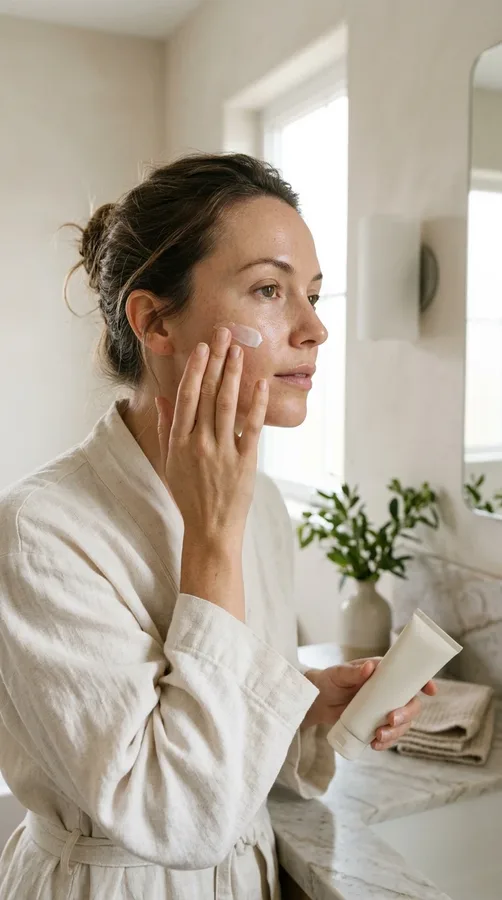
Daily sunscreen is one of the most effective habits for maintaining healthy-looking skin and slowing visible signs of premature aging. Ultraviolet radiation contributes to wrinkles, uneven pigmentation, dark spots, and the breakdown of collagen. Apply a broad-spectrum sunscreen with SPF 30 or higher to exposed skin every morning, even when it is cloudy or you spend much of the day indoors near sunny windows.
Use enough product to cover your face, ears, neck, and other exposed areas. Reapply approximately every two hours when outdoors, and after swimming or sweating. Pair sunscreen with shade, sunglasses, and protective clothing for additional coverage. Choose a formula you enjoy wearing so that daily application becomes an easy habit rather than an occasional extra step.
2. Cleanse Your Face Gently

Gentle cleansing removes sweat, excess oil, sunscreen, makeup, and everyday impurities without unnecessarily disrupting the skin barrier. Choose a mild facial cleanser suited to your skin type instead of relying on harsh soaps or products that leave your face feeling tight. Dry or sensitive skin may respond well to a creamy cleanser, while oily skin often does well with a gentle gel formula.
Wash with lukewarm water and massage the cleanser over your face using your fingertips. Avoid vigorous scrubbing, rough washcloths, and very hot water, which can aggravate irritation and dryness. Cleansing in the evening is particularly important because it removes sunscreen and accumulated debris. In the morning, a gentle rinse may be sufficient for some dry skin types, while others may prefer a full cleanse.
3. Moisturize Every Day
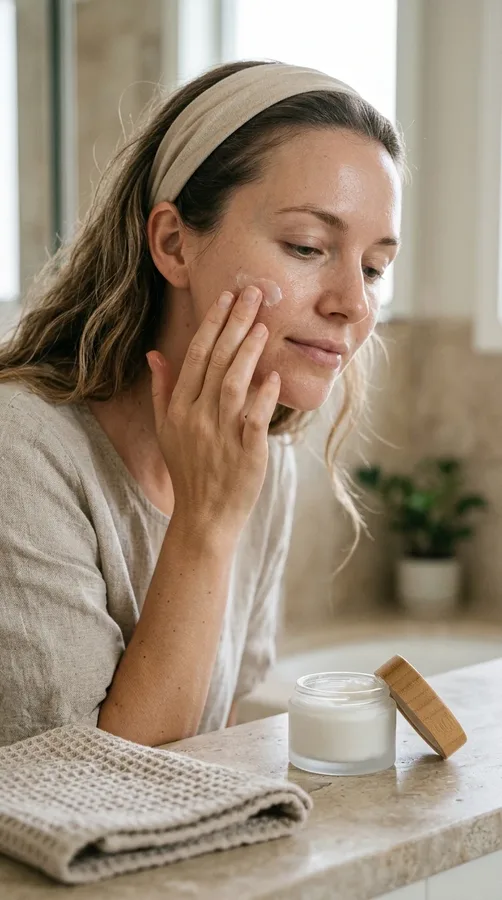
Moisturizing helps maintain the skin barrier, reduces water loss, and leaves the complexion feeling softer and smoother. Well-hydrated skin may also make fine lines associated with dryness less noticeable, although moisturizer cannot permanently remove wrinkles. Look for ingredients such as glycerin, ceramides, and hyaluronic acid, which help attract or retain moisture and support the skin’s protective barrier.
Apply moisturizer after cleansing while your skin is slightly damp to help lock in hydration. Lightweight lotions may suit oily skin, whereas creams can be more comfortable for dry skin. If you are prone to clogged pores, look for a non-comedogenic formula. Consistent moisturizing is generally more useful than frequently switching products in search of an instant glow. If a product causes persistent burning, redness, or itching, discontinue it and reassess your routine.
4. Drink Enough Water Throughout the Day

Staying adequately hydrated supports normal body functions, including those that help maintain healthy skin. Dehydration can make the complexion appear less fresh, particularly when accompanied by fatigue or dry environmental conditions. However, drinking excessive amounts of water will not automatically erase wrinkles, eliminate acne, or transform your complexion. The goal is to meet your body’s fluid needs consistently rather than forcing yourself to drink a particular amount for beauty benefits.
Keep water accessible throughout the day and drink regularly, especially during exercise, hot weather, or other situations that increase fluid loss. Water-rich foods such as cucumbers, oranges, berries, and melons can also contribute to fluid intake. Individual needs vary according to activity, climate, and health circumstances. Pay attention to thirst and your usual hydration needs, and follow medical advice if you have a condition requiring fluid restrictions.
5. Eat a Colorful, Balanced Diet

Your skin benefits from a varied diet that provides protein, healthy fats, vitamins, minerals, and other nutrients. Colorful fruits and vegetables supply antioxidants and vitamin C, which contributes to normal collagen formation. Protein from foods such as eggs, beans, fish, yogurt, and tofu supplies amino acids needed for tissue maintenance. Nuts, seeds, and oily fish can provide beneficial fats that support overall health.
Rather than searching for one anti-aging superfood, aim for variety across your meals. Add berries to breakfast, include leafy greens at lunch, and serve vegetables alongside dinner. Healthy dietary patterns support the body more reliably than restrictive beauty diets or expensive foods marketed as skin cures. If you have food allergies, dietary restrictions, or nutritional concerns, choose suitable alternatives and seek advice from a qualified healthcare professional when needed.
6. Prioritize Quality Sleep

Sleep gives your body time to carry out essential maintenance and recovery processes. Regularly getting too little sleep can contribute to a tired appearance, puffiness, and more noticeable under-eye shadows. While a good night’s rest cannot reverse established wrinkles, consistent sleep supports overall well-being and can help your complexion look more refreshed.
Most adults should aim for at least seven hours of sleep each night, although individual needs vary. Establish a regular bedtime, create a dark and comfortable sleeping environment, and reduce stimulating activities before bed. Keeping your sleep and wake times reasonably consistent can help regulate your body clock. If you regularly struggle with insomnia, loud snoring, or excessive daytime sleepiness, consult a healthcare professional rather than relying solely on beauty products to address the problem.
7. Manage Daily Stress

Ongoing stress can affect sleep, influence inflammatory responses, and aggravate certain skin conditions, including acne and eczema in susceptible individuals. Although stress is not the sole cause of these problems, managing it may make your skincare routine and overall health easier to maintain. A calmer daily rhythm can also help you avoid habits such as picking at blemishes or skipping essential self-care.
Choose a stress-management technique that fits naturally into your schedule. You might take a short walk, practice slow breathing, stretch gently, listen to calming music, or spend a few minutes journaling. Even brief breaks can help you reset during a demanding day. You do not need to eliminate stress completely to benefit from these practices. If stress becomes overwhelming or begins affecting your daily functioning, consider speaking with a qualified mental health professional.
8. Avoid Smoking and Limit Alcohol

Smoking damages the body’s tissues and contributes to changes in skin texture, reduced elasticity, and premature wrinkles. It also affects circulation and exposes the body to substances that promote oxidative stress. Avoiding tobacco is therefore an important step toward supporting both skin health and long-term well-being. If you smoke, seeking help to quit can provide benefits beyond your appearance, and it is never too late to begin.
Alcohol can contribute to dehydration and may interfere with sleep, while heavier consumption is associated with several health risks. Reducing alcohol intake may help you maintain more consistent sleep and hydration habits. You do not need to replace smoking or drinking with expensive anti-aging products; improving the underlying lifestyle habits is a more sensible starting point. If stopping alcohol suddenly could cause withdrawal because of heavy or dependent use, seek medical guidance first.
9. Introduce Retinoids Carefully
Retinoids, including retinol products, can help improve the appearance of fine lines, uneven texture, and some forms of acne. They work by influencing skin-cell turnover and other processes involved in skin renewal. However, they can also cause dryness, redness, peeling, and irritation, particularly when introduced too quickly or combined with several strong active ingredients.
If you want to try a nonprescription retinol product, begin with a low-strength formula and use it on a limited number of evenings each week. Apply a small amount to dry skin and follow with moisturizer. Increase frequency only if your skin tolerates it, and use sunscreen consistently during the day. Retinoids are not suitable for everyone, and topical retinoids should be avoided during pregnancy or when trying to conceive unless your clinician advises otherwise. Seek professional guidance if you have sensitive skin or an existing skin condition.
10. Keep Your Skincare Routine Simple
A simple skincare routine is often easier to follow consistently than a complicated collection of products. For many people, the essentials are a gentle cleanser, moisturizer, and broad-spectrum sunscreen. Additional products can be introduced according to specific concerns, such as uneven pigmentation, acne, or fine lines, but each should have a clear purpose.
Using numerous active ingredients at once can increase the likelihood of irritation and make it difficult to identify the product responsible for a reaction. Introduce one new product at a time and give your skin time to adjust. Patch-test new formulas according to their instructions, particularly if you have sensitive skin. Remember that an effective routine does not need to be expensive or follow every skincare trend. Consistency, suitability, and sun protection matter more than the number of bottles on your shelf.
11. Avoid Picking Pimples and Blemishes

Squeezing pimples or picking at blemishes can damage surrounding tissue, prolong inflammation, and increase the risk of discoloration and scarring. Even a small spot can become more irritated when repeatedly touched. If you are trying to achieve smoother-looking skin, leaving blemishes alone is a useful daily habit that protects your skin while it heals.
Keep your hands away from active breakouts and consider using a hydrocolloid pimple patch to discourage picking and absorb fluid from suitable superficial blemishes. Avoid attempting to extract deep, painful, or inflamed spots at home. If acne is persistent, causes scars, or affects your confidence, a dermatologist can recommend effective treatments. Remember that acne is a common skin condition and not evidence of poor hygiene. Gentle care and appropriate treatment are more helpful than aggressive scrubbing or squeezing.
12. Exercise Regularly

Regular physical activity supports circulation, cardiovascular health, sleep, and stress management, all of which contribute to general well-being. Exercise is not a guaranteed way to achieve a particular complexion, but it can help you maintain healthy routines that indirectly support how your skin looks and feels. Walking, cycling, swimming, dancing, and strength training are all reasonable options when adapted to your abilities.
Follow a sustainable schedule rather than pushing yourself to exhaustion for beauty benefits. After exercising, rinse away sweat and gently cleanse your face when needed, especially if sweat, friction, or sports equipment irritates your skin. Avoid sitting in tight, sweaty clothing for prolonged periods if you are prone to body breakouts. If you exercise outdoors, apply sunscreen and use protective clothing. Choose activities you genuinely enjoy so that movement remains a regular part of your lifestyle.
13. Protect Your Skin From Harsh Weather
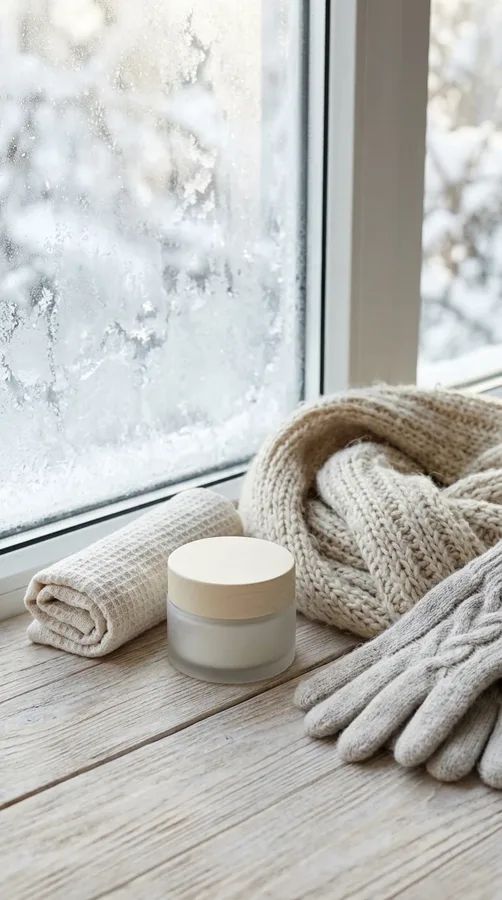
Cold air, low humidity, wind, and indoor heating can contribute to dryness and irritation. Hot, humid conditions can increase sweating and discomfort, while intense sun exposure can damage skin throughout the year. Adjusting your skincare routine to the weather helps maintain a comfortable skin barrier and reduces avoidable irritation.
During colder months, consider using a richer moisturizer and a gentle cleanser. In hot weather, a lightweight moisturizer may feel more comfortable, but do not skip hydration or sunscreen simply because your skin feels oily. Use gloves in cold weather, seek shade in strong sunlight, and consider a humidifier when indoor air is very dry. Avoid excessively hot showers, which can strip away protective oils. If your skin becomes persistently cracked, inflamed, or painful, seek advice from a healthcare professional.
14. Keep Your Hands and Phone Clean
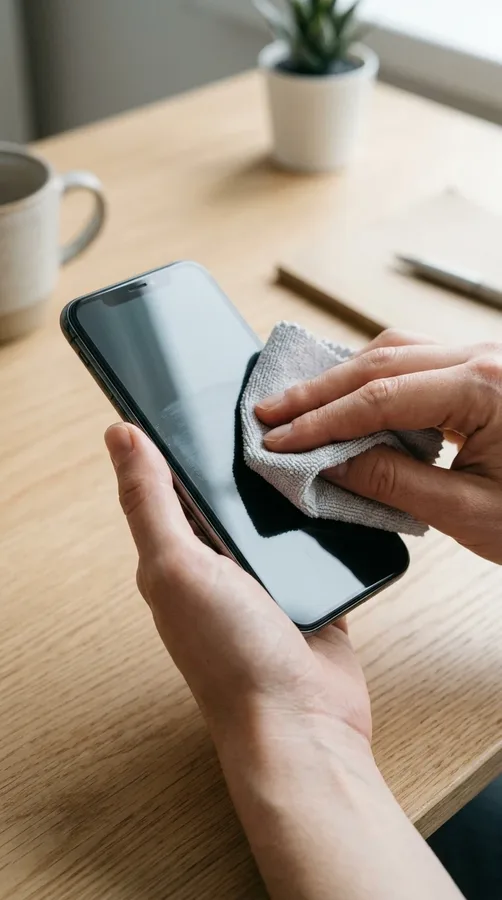
Your hands and phone regularly come into contact with surfaces, facial oils, and everyday debris. Frequently touching your face can transfer these substances and may worsen irritation or contribute to breakouts in some people. Although dirty hands do not directly explain every skin problem, sensible hygiene can reduce unnecessary contact and make your routine more comfortable.
Wash your hands before applying skincare or makeup, and clean your phone screen regularly according to the manufacturer’s instructions. Avoid pressing your phone against the same area of your cheek for extended periods if you notice irritation or blemishes there. Use a clean towel to pat your face dry instead of rubbing with a towel that has been sitting damp for days. These small habits are inexpensive and straightforward, making them easy additions to a consistent skin-health routine.
15. Support Your Skin With Healthy Fats

Dietary fats are important for overall health, and essential fatty acids play a role in maintaining normal skin function. Foods such as walnuts, chia seeds, flaxseeds, olive oil, and oily fish can help provide unsaturated fats within a balanced eating pattern. These foods also contribute other nutrients that support the body’s normal maintenance and repair processes.
Include a variety of fat sources instead of relying on supplements or restrictive eating plans. Add nuts or seeds to oatmeal, use olive oil in salad dressings, or enjoy fish as part of a balanced meal. Eating healthy fats does not mean that you can apply dietary oils indiscriminately to your face; topical products may affect different skin types differently. If you have a diagnosed nutritional deficiency or are considering high-dose supplements, discuss your options with a qualified healthcare professional.
16. Treat Your Neck and Hands With Care
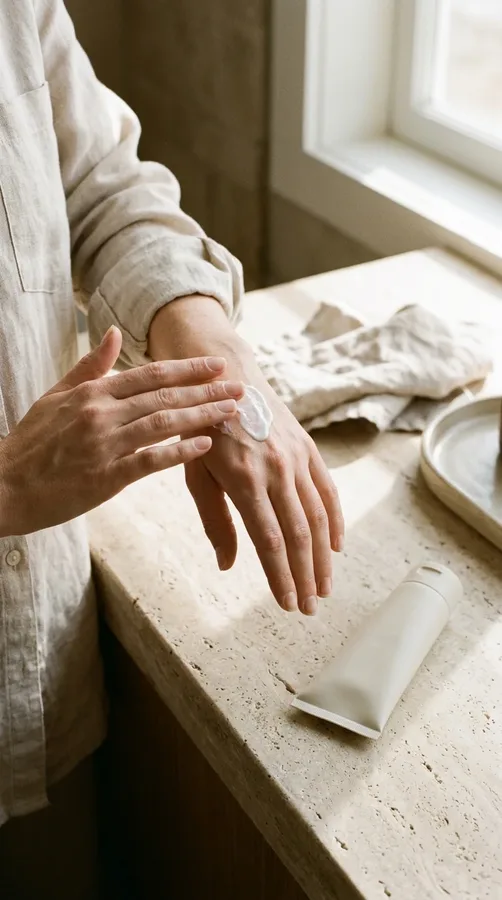
Skincare routines often focus entirely on the face, even though the neck, chest, and hands are also exposed to sunlight and environmental stress. Over time, these areas may develop dryness, uneven pigmentation, and visible signs of aging. Extending a few basic skincare steps beyond your face can help keep exposed skin comfortable and protected.
Apply moisturizer to your neck and hands, and use broad-spectrum sunscreen on exposed areas each morning. Reapply when spending extended time outdoors, particularly after washing your hands. Wear protective clothing when practical, and avoid harsh products that cause unnecessary irritation. You do not necessarily need separate expensive products for every body part; a suitable facial moisturizer or body lotion may work well depending on the area and your skin’s needs. Check with a dermatologist about persistent spots, changing lesions, or unusual skin changes.
17. Stay Consistent and Give Products Time

One of the most valuable habits for healthy-looking skin is following a realistic routine long enough to evaluate its results. Many people change products too frequently because they expect immediate improvements. However, changes in texture, acne, and pigmentation often take weeks or longer to become noticeable, depending on the concern and treatment. Moisturizers may improve dryness quickly, while other products require more patience.
Keep your morning and evening routines manageable, introduce new products gradually, and monitor how your skin responds. Taking an occasional photograph in similar lighting can help you assess changes more objectively than checking your reflection repeatedly throughout the day. Stop using products that cause significant irritation rather than assuming that discomfort means they are working. If your concerns persist despite consistent care, a dermatologist can help identify underlying causes and recommend evidence-based treatment. Healthy skin is about comfort and function as well as appearance.
Conclusion
Building healthy-looking skin and maintaining a youthful appearance starts with everyday choices rather than complicated beauty rituals. Consistent sunscreen use, gentle cleansing, moisturizing, balanced nutrition, adequate sleep, and regular exercise provide a strong foundation. Additional habits, such as managing stress, avoiding smoking, and choosing skincare ingredients carefully, can further support your long-term goals.
Start with two or three manageable changes and build from there. Your skin’s needs may change with the seasons, age, and health, so adjust your routine thoughtfully. Be patient, avoid harsh treatments, and remember that healthy skin does not have to look flawless. If you experience persistent irritation, unusual skin changes, or a skin condition that does not improve, seek professional advice.