Healthy, strong hair often starts with a thoughtful hair care routine, and the right oil can be a useful addition. Hair growth oils are popular for nourishing the scalp, reducing friction, improving the appearance of dry strands, and helping hair feel softer and more manageable. Some oils also contain compounds that researchers are investigating for their potential effects on scalp health and hair growth. However, no oil can guarantee faster growth, and results depend on the cause of hair thinning, your scalp condition, and how consistently you care for your hair.
From familiar coconut and olive oils to rosemary and pumpkin seed oils, there are several options worth considering. The best choice depends on whether you want to moisturize dry ends, protect fragile strands, soothe a dry scalp, or explore ingredients with preliminary research behind them. Here are 17 hair growth oils to consider, along with practical application tips and important precautions for using them safely.
1. Rosemary Oil for a Scalp-Focused Routine
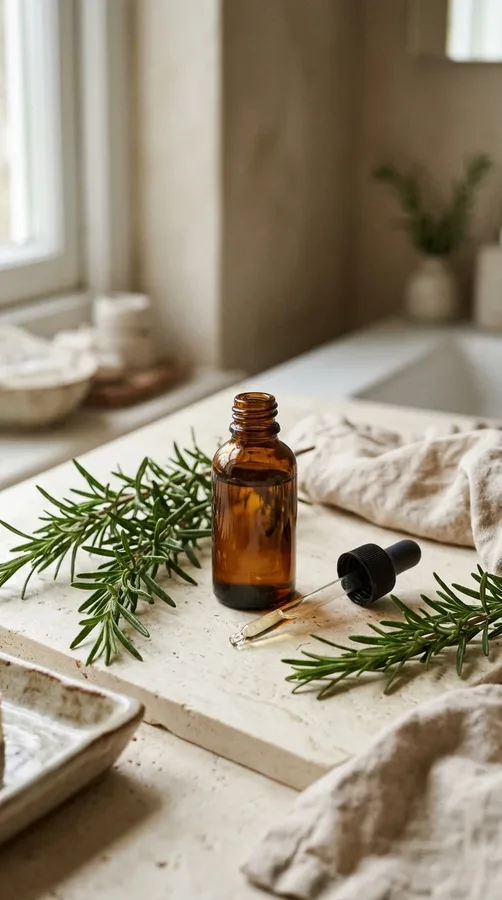
Rosemary essential oil is one of the most talked-about ingredients in natural hair care. A small clinical study comparing rosemary oil with 2% minoxidil found improvements in hair counts after six months in participants with androgenetic alopecia, although the evidence remains limited and more research is needed. Rosemary oil should never be applied undiluted because essential oils can irritate the scalp.
Mix a small amount into a suitable carrier oil, following the product’s dilution instructions, and patch-test before regular use. Stop if you notice itching, burning, or redness. If you are experiencing noticeable or sudden hair loss, consult a dermatologist rather than relying on rosemary oil alone.
2. Coconut Oil for Stronger-Looking Strands
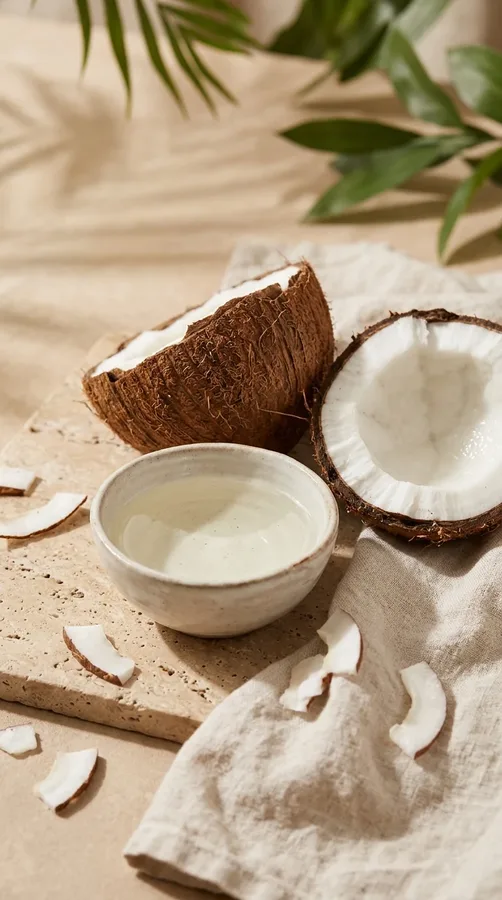
Coconut oil is particularly useful for hair that feels dry, rough, or prone to breakage. Its fatty acid composition allows it to penetrate the hair shaft more effectively than some other oils, and research suggests it can help reduce protein loss during washing and grooming. This may help preserve length by limiting damage, even though coconut oil has not been established as a treatment that stimulates new hair growth.
Warm a small amount between your palms and apply it to the mid-lengths and ends before shampooing. Fine hair may need only a few drops, while thick or coily hair may tolerate a richer application. If your scalp becomes itchy or greasy, keep the oil away from the roots.
3. Castor Oil for a Rich, Conditioning Treatment
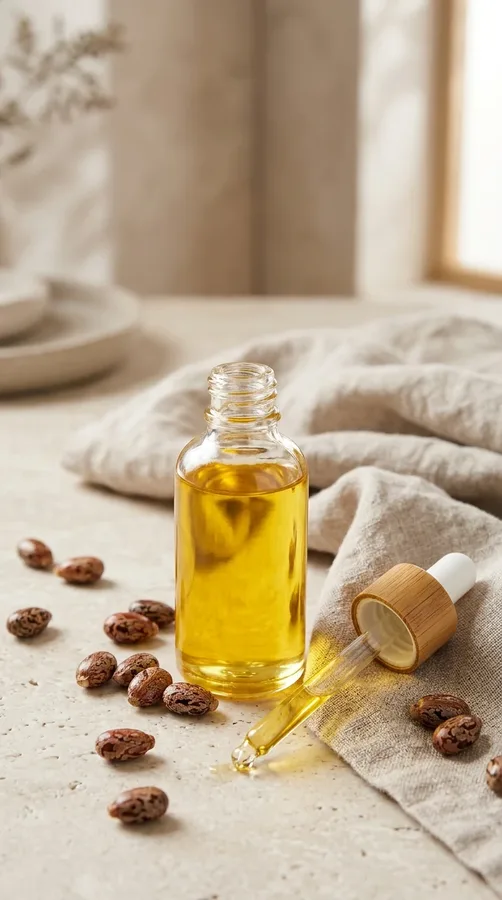
Castor oil is thick, glossy, and commonly used in homemade hair masks. It can coat individual strands, making hair appear shinier and helping dry ends feel smoother. Although it is frequently promoted as a hair growth remedy, there is not enough reliable clinical evidence to show that castor oil increases hair growth or density.
Because of its heavy texture, castor oil is often easier to use when blended with a lighter oil, such as jojoba or coconut oil. Massage a small amount through the lengths, leave it on briefly, and shampoo thoroughly. Avoid applying large quantities to the scalp if you are prone to buildup, clogged follicles, or irritation.
4. Argan Oil for Softness and Shine
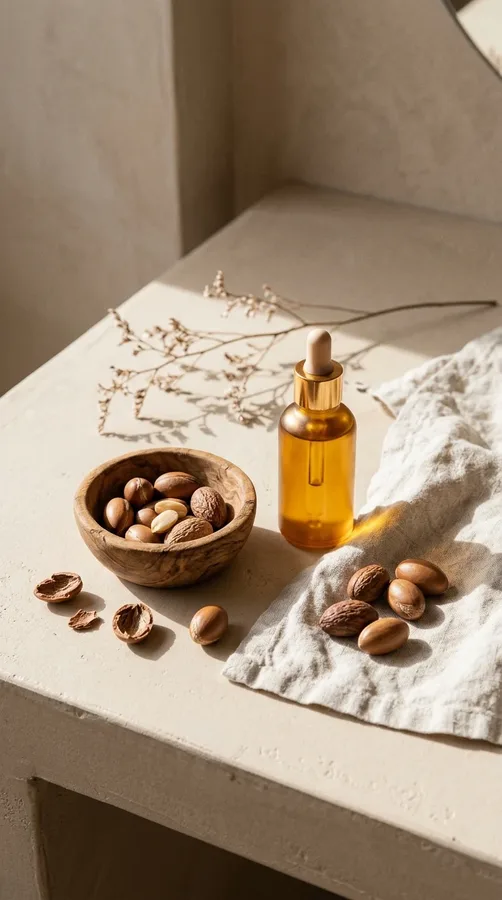
Argan oil contains fatty acids and vitamin E-related antioxidant compounds that make it a popular ingredient in conditioning products. It can help smooth the hair’s outer surface, reduce the appearance of frizz, and improve manageability, particularly when hair has been exposed to heat styling or dry weather. These cosmetic benefits can make strands look healthier without necessarily changing their growth rate.
Apply one or two drops to damp or dry hair, concentrating on the ends. Using too much may leave fine hair looking limp or oily. Choose a product with a straightforward ingredient list if you have a sensitive scalp, and remember that argan oil is best viewed as a protective styling aid rather than a proven treatment for thinning.
5. Jojoba Oil for Scalp and Hair Conditioning
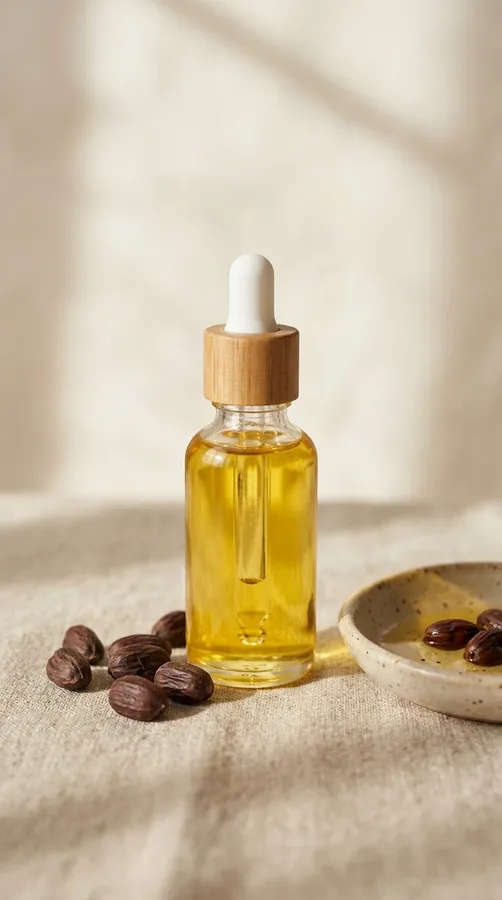
Jojoba oil is a lightweight liquid wax that resembles some of the natural lipids found on skin. It can help soften dry hair, improve slip during detangling, and reduce the feeling of tightness associated with dryness. Although it is often described as balancing scalp oil, strong clinical evidence for that claim or for direct hair growth benefits is lacking.
Use a few drops on dry areas or blend it with a richer oil for a pre-shampoo treatment. People with oily scalps may prefer applying it only to the hair lengths. If you experience persistent flaking, redness, or discomfort, seek advice about the underlying cause rather than assuming that dryness is responsible.
6. Olive Oil for Dry, Coarse Hair
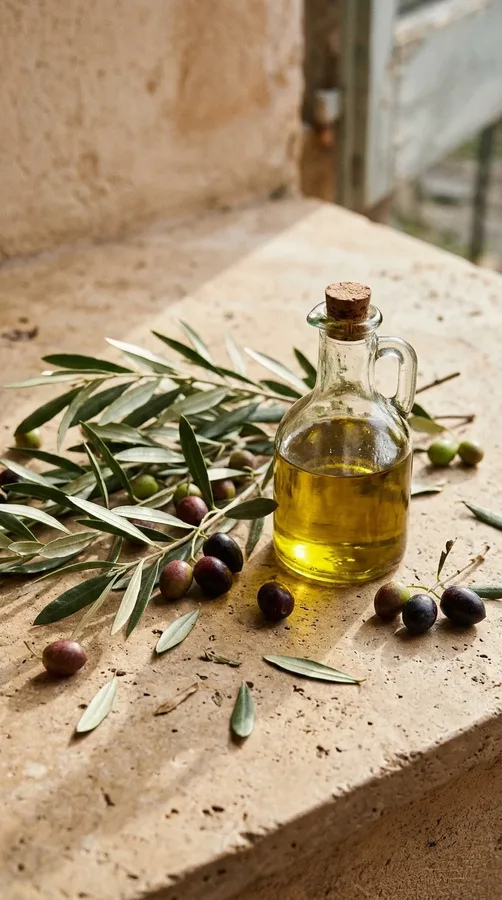
Olive oil is a convenient pantry staple that can double as a conditioning treatment for coarse, dry, or textured hair. Its fatty acids help coat strands, improve softness, and make detangling easier. Olive oil also contains antioxidant compounds, but there is insufficient evidence that applying it directly to the scalp stimulates new hair follicles or reliably speeds up growth.
Work a small amount through the mid-lengths and ends before washing. People with fine hair may find it too heavy, while thick hair may benefit from a richer treatment. Avoid using excessive heat to warm the oil, and shampoo thoroughly afterward if residue remains. If scalp irritation or persistent dandruff worsens, discontinue use.
7. Sweet Almond Oil for Manageable Hair
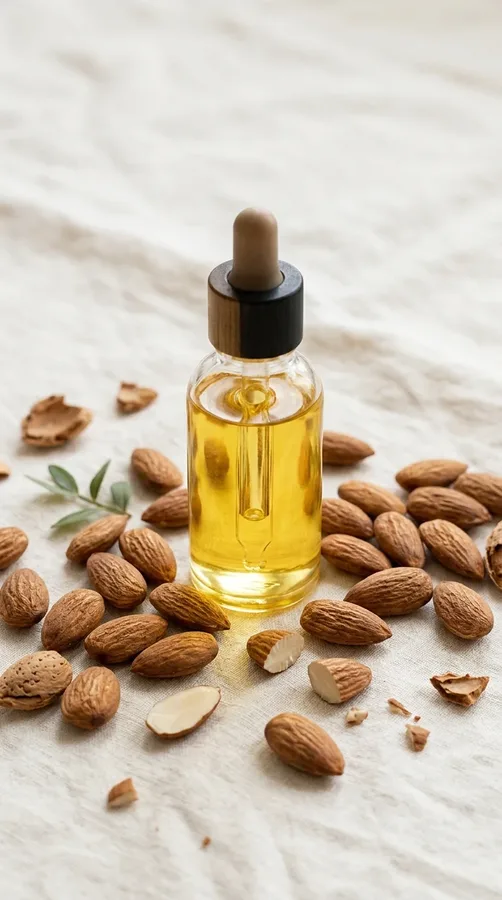
Sweet almond oil contains fatty acids and vitamin E, making it a useful emollient for dry hair. It can improve smoothness, add shine, and help strands glide past one another during brushing. These effects may reduce mechanical stress from detangling, which is valuable if your goal is to retain length rather than simply encourage faster growth.
Apply a small amount to damp ends or use it as a pre-wash conditioner. It is usually unnecessary to saturate the scalp. People with almond or tree-nut allergies should check product labeling and consult a healthcare professional before trying it, especially when a product contains unrefined nut oil. Patch-testing is sensible for anyone with reactive skin.
8. Avocado Oil for Dry and Textured Hair
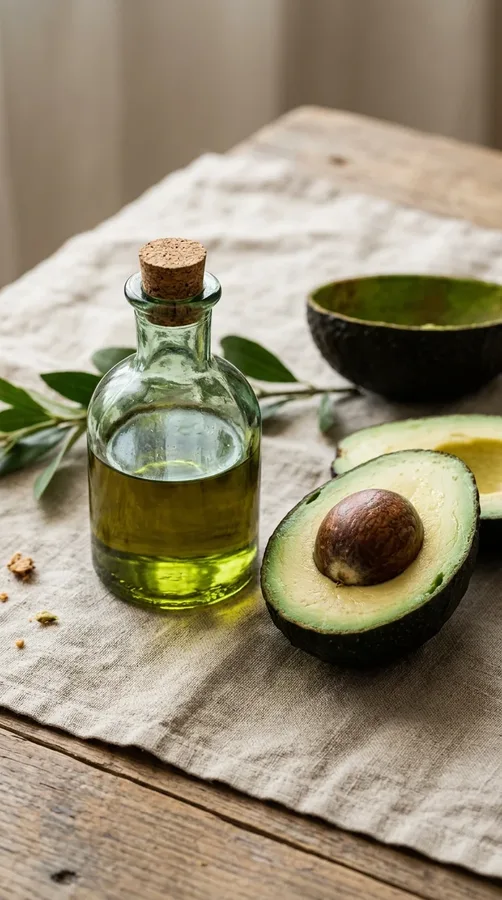
Avocado oil is rich in monounsaturated fatty acids and is commonly used to condition hair that feels coarse or dehydrated. Its emollient properties can improve flexibility and reduce friction during styling, helping minimize breakage from combing. It is especially appealing for curls, coils, and hair that frequently feels rough after shampooing.
Rub a few drops between your hands and smooth them over the lengths, or combine the oil with a moisturizing hair mask. Start with a small quantity because heavier applications can leave a coating that is difficult to remove. Avocado oil is not proven to activate dormant follicles, so use it primarily for conditioning and length retention.
9. Grapeseed Oil for Lightweight Moisture
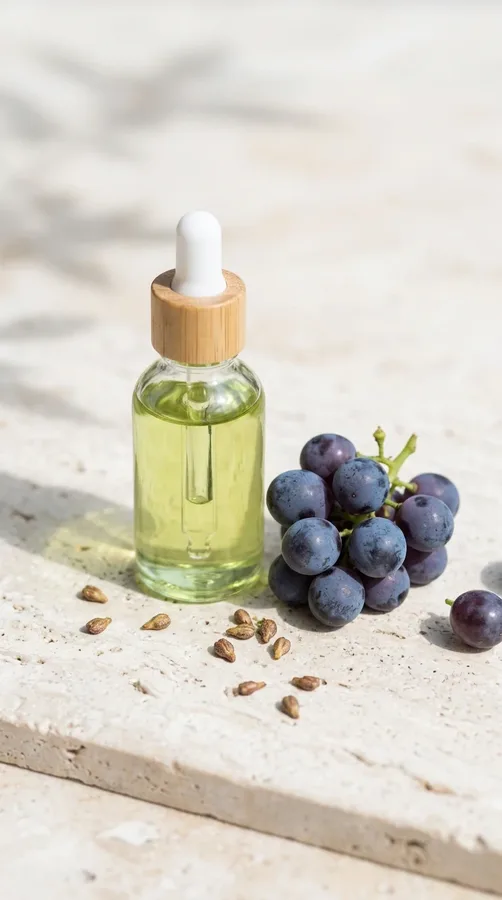
Grapeseed oil is a relatively lightweight option for people who want shine without the rich feel of castor or olive oil. It contains linoleic acid and other lipids that can help soften hair and reduce the dry appearance of the ends. Its lighter texture makes it appealing for fine or straight hair that becomes weighed down easily.
Apply a few drops after washing, focusing on the ends and any areas prone to frizz. You can also use it sparingly before styling to improve slip. Research does not establish grapeseed oil as a direct hair growth treatment, but reducing friction and breakage may help preserve existing length as hair grows naturally.
10. Pumpkin Seed Oil for Research-Inspired Hair Care
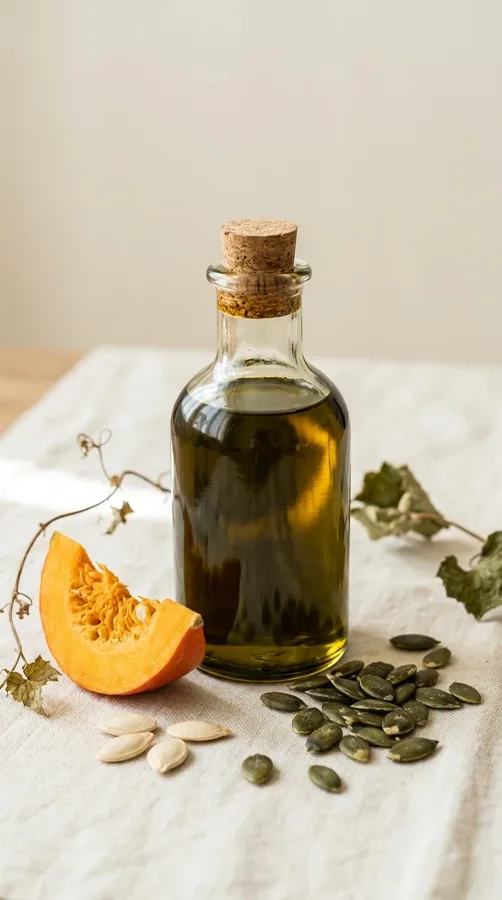
Pumpkin seed oil has attracted attention because of research into its potential relationship with hair density. One small randomized study in men with androgenetic alopecia reported improved hair counts after oral pumpkin seed oil supplementation over 24 weeks. However, this study does not establish that applying the oil to the scalp produces the same effect, and more robust research is needed.
If you want to try topical pumpkin seed oil, treat it as a conditioning ingredient rather than a proven regrowth solution. Use a small amount on the scalp or lengths only if the product is formulated for that purpose. Discuss oral supplements with a healthcare professional, particularly if you take medication or have an ongoing medical condition.
11. Black Seed Oil for a Nourishing Treatment
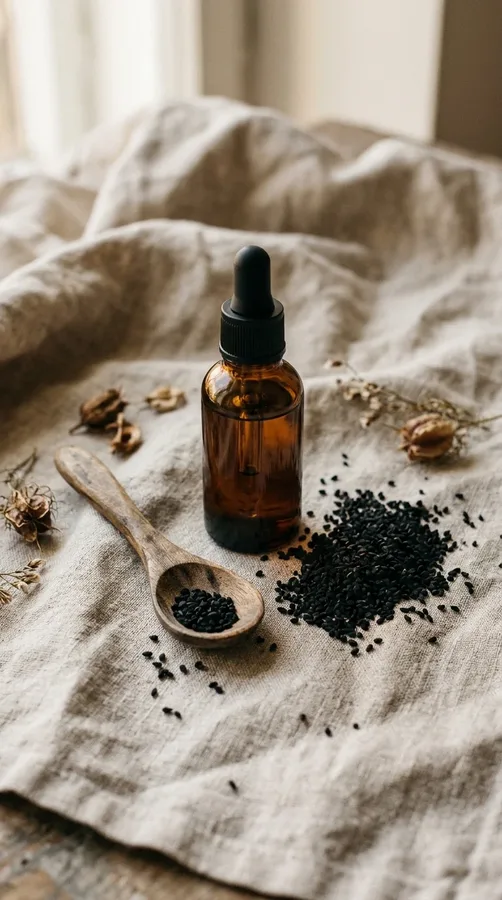
Black seed oil, also called black cumin seed oil, is derived from Nigella sativa. It contains various fatty acids and plant compounds, including thymoquinone, that have been studied for antioxidant and anti-inflammatory properties. These findings have prompted interest in scalp care, but evidence that black seed oil reliably improves human hair growth remains limited.
Choose a product intended for topical use and test a small area before applying it more broadly. Because the oil may have a strong scent and rich texture, consider blending it with a lighter carrier oil. Avoid applying it to broken or inflamed skin, and stop if you experience a rash or burning sensation.
12. Peppermint Oil for a Refreshing Scalp Routine
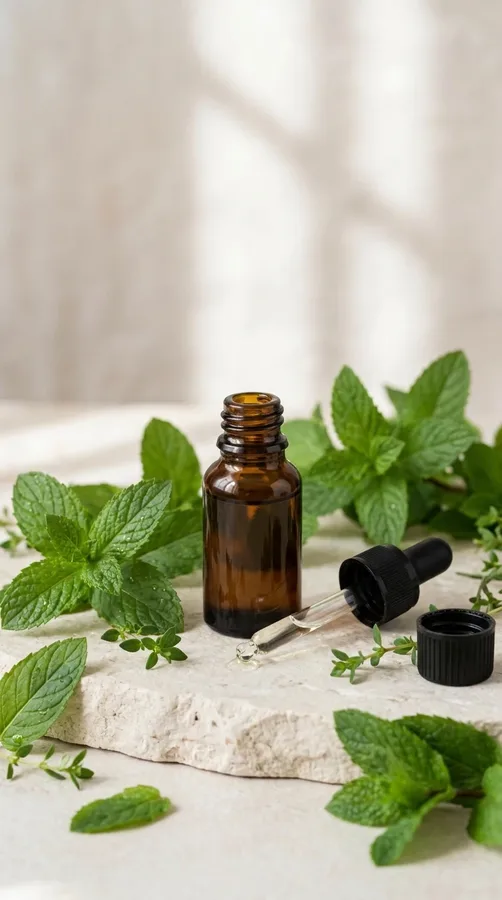
Peppermint essential oil creates a cooling sensation that many people associate with a refreshed scalp. Some early research in animals has investigated its potential effects on hair growth, but these findings cannot establish that it works for human hair loss. The cooling feeling itself is not evidence that follicles are growing more actively.
Never apply concentrated peppermint oil directly to the scalp. Dilute it according to a reputable product’s directions, patch-test carefully, and avoid contact with the eyes and sensitive skin. If the oil causes persistent tingling, redness, or discomfort, wash it off and discontinue use. People with sensitive skin may prefer a fragrance-free conditioning oil instead.
13. Tea Tree Oil for Scalp Flake Management
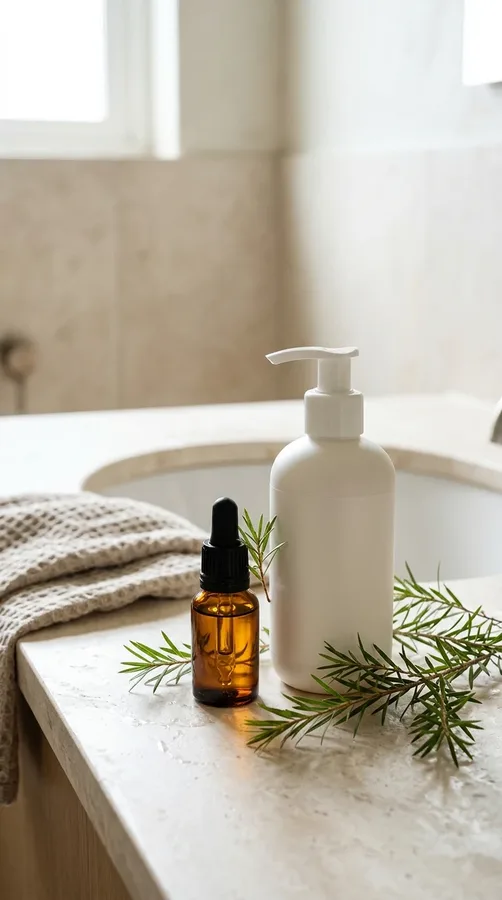
Tea tree oil is best known for its antimicrobial properties and its use in certain scalp-care products. A shampoo containing 5% tea tree oil has been studied for dandruff, with improvements in symptoms reported in a clinical trial. This makes tea tree oil more relevant to managing flakes than to directly stimulating hair growth.
Choose a formulated shampoo rather than applying undiluted essential oil to your scalp. Tea tree oil can cause irritation or allergic contact dermatitis, especially when improperly diluted or oxidized. Keep it away from the eyes and never swallow it. If dandruff is severe, painful, or accompanied by patchy hair loss, ask a healthcare professional for an appropriate diagnosis and treatment.
14. Sesame Oil for Traditional Hair Conditioning
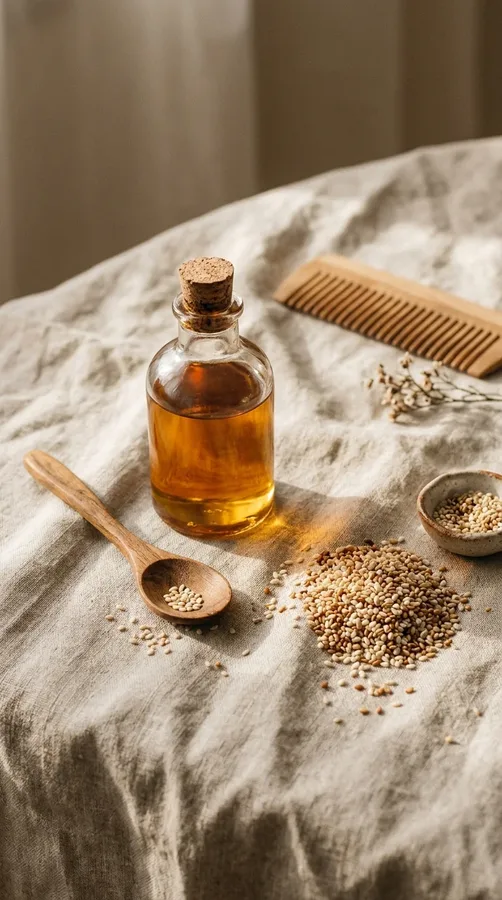
Sesame oil has a long history of use in traditional hair and scalp massage routines. Its fatty acids can help condition dry strands, improve softness, and make hair easier to comb. A gentle massage may also feel relaxing, although massage and oil application should not be mistaken for proven treatments for hereditary or medical hair loss.
Warm a small amount between your palms rather than heating it intensely, then massage gently or smooth it through the lengths before shampooing. Avoid vigorous rubbing, which can pull on fragile hair. Sesame oil may not suit everyone, particularly those with sesame allergies, so review product ingredients and discontinue use if you notice irritation.
15. Bhringraj Oil for Traditional Ayurvedic Care
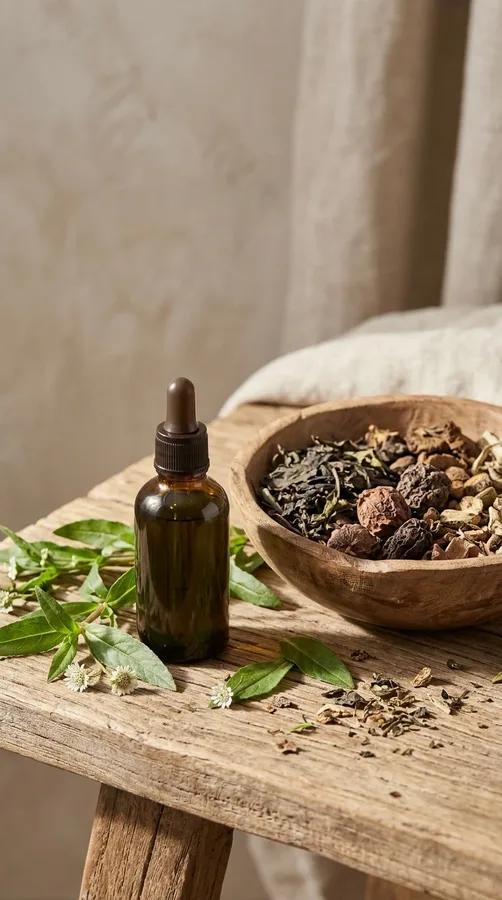
Bhringraj is an herb used in Ayurvedic hair care and is commonly found in oils marketed for hair strength and growth. Some preliminary laboratory and animal research has explored extracts of Eclipta alba, but high-quality human studies demonstrating reliable hair regrowth are lacking. Commercial bhringraj oils may also contain several other herbs, making their individual effects difficult to assess.
If you enjoy traditional scalp massage, choose a clearly labeled product from a reputable manufacturer and check the full ingredient list for fragrances or potential allergens. Apply gently and wash it out if buildup develops. Do not rely on bhringraj oil to treat sudden shedding, widening part lines, or bald patches without seeking medical advice.
16. Amla Oil for a Traditional Hair Care Ritual
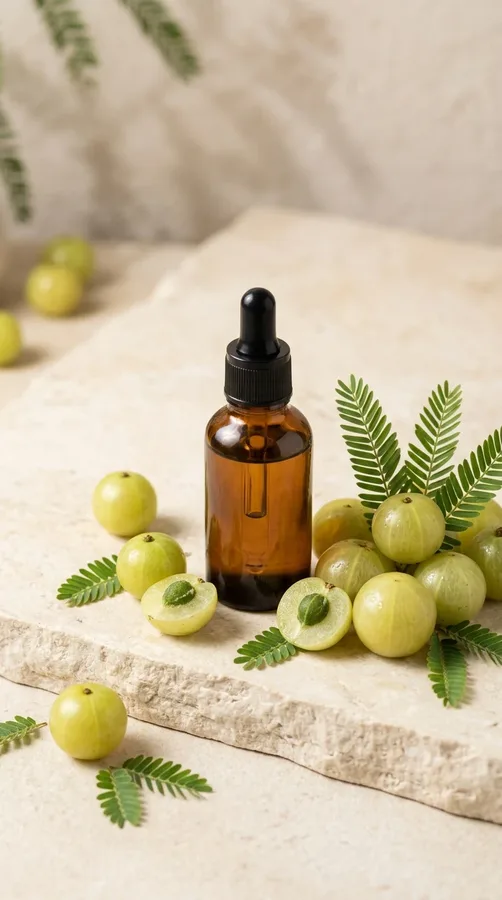
Amla, or Indian gooseberry, is widely used in traditional hair preparations. It contains vitamin C and other plant compounds, although the composition of a finished oil depends on how it is prepared. Amla products may help condition hair when blended with carrier oils, but strong clinical evidence that they independently increase hair growth or prevent hair loss is limited.
Massage a small amount into the hair before shampooing or apply it to dry lengths if the formulation is suitable for leave-in use. Check the label because some products contain fragrance, mineral oil, or additional botanicals. Choose a product that suits your scalp and hair texture rather than assuming that every amla formula will produce the same results.
17. Sunflower Oil for Gentle Everyday Protection
Sunflower oil is a practical, lightweight conditioning option that contains linoleic acid and vitamin E. It can help soften the hair surface and reduce friction during styling, especially when the ends feel dry. Like other conditioning oils, its most realistic benefit is helping hair remain manageable and less prone to mechanical damage, not directly increasing the rate at which follicles produce hair.
Use a few drops on damp ends or distribute a small amount through the lengths before shampooing. Avoid applying so much that hair feels coated or difficult to wash. If your scalp is sensitive, choose a simple, fragrance-free product and test it on a small area first. Consistent gentle handling and reduced heat damage can support length retention alongside conditioning.
How to Use Hair Growth Oils Safely and Effectively
Choosing an oil is only part of a healthy hair routine. How you apply it matters, particularly if your scalp is sensitive or your hair breaks easily. Begin with a small amount and adjust according to your hair’s texture and response.
- Patch-test first: Apply a little of the product to a small area of skin and watch for irritation before wider use.
- Dilute essential oils: Rosemary, peppermint, and tea tree oils should not be applied undiluted. Follow reliable product-specific dilution instructions.
- Choose the right application: Use heavier oils as pre-shampoo treatments and lighter oils sparingly on the lengths or ends.
- Avoid excessive friction: Massage gently with your fingertips rather than scratching or pulling on the hair.
- Wash out buildup: Use a suitable shampoo if the oil leaves the scalp greasy, itchy, or coated.
- Be consistent but realistic: Conditioning benefits may be noticeable quickly, while changes in hair density require a proper assessment and time.
What to Know Before Choosing a Hair Growth Oil
Hair loss can result from genetics, hormonal changes, nutritional deficiencies, illness, medication, scalp conditions, or physical and emotional stress. Oils may improve hair feel and help reduce breakage, but they cannot correct every underlying cause. If shedding is sudden, persistent, associated with bald patches, or accompanied by scalp pain or inflammation, consult a dermatologist. Treatments with stronger clinical evidence, such as topical minoxidil for certain types of hair loss, may be more appropriate depending on your circumstances.
Ultimately, the best hair growth oil is one that suits your hair type, does not irritate your scalp, and supports a routine you can maintain. Focus on gentle detangling, adequate nutrition, and limiting damaging heat and chemical treatments. Think of oils as supportive hair care rather than guaranteed regrowth solutions, and seek professional guidance when thinning becomes noticeable.