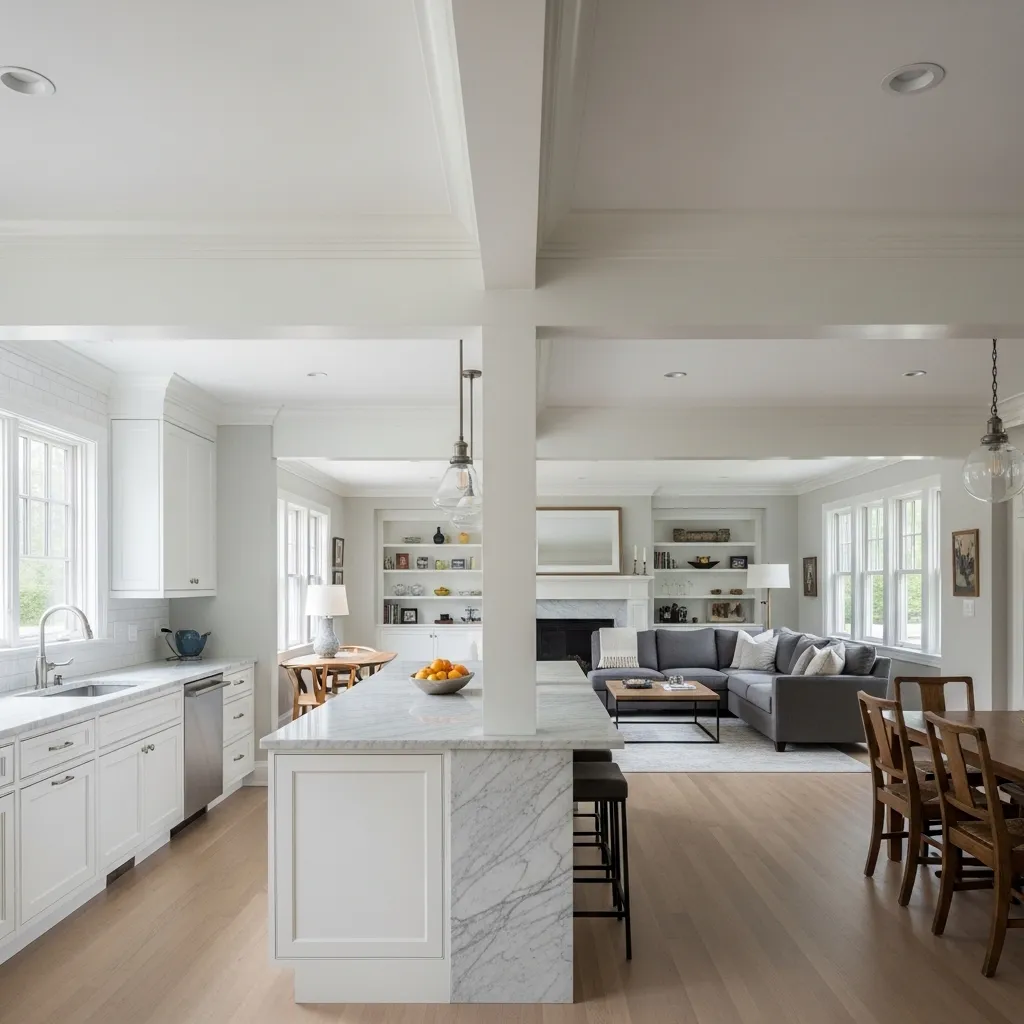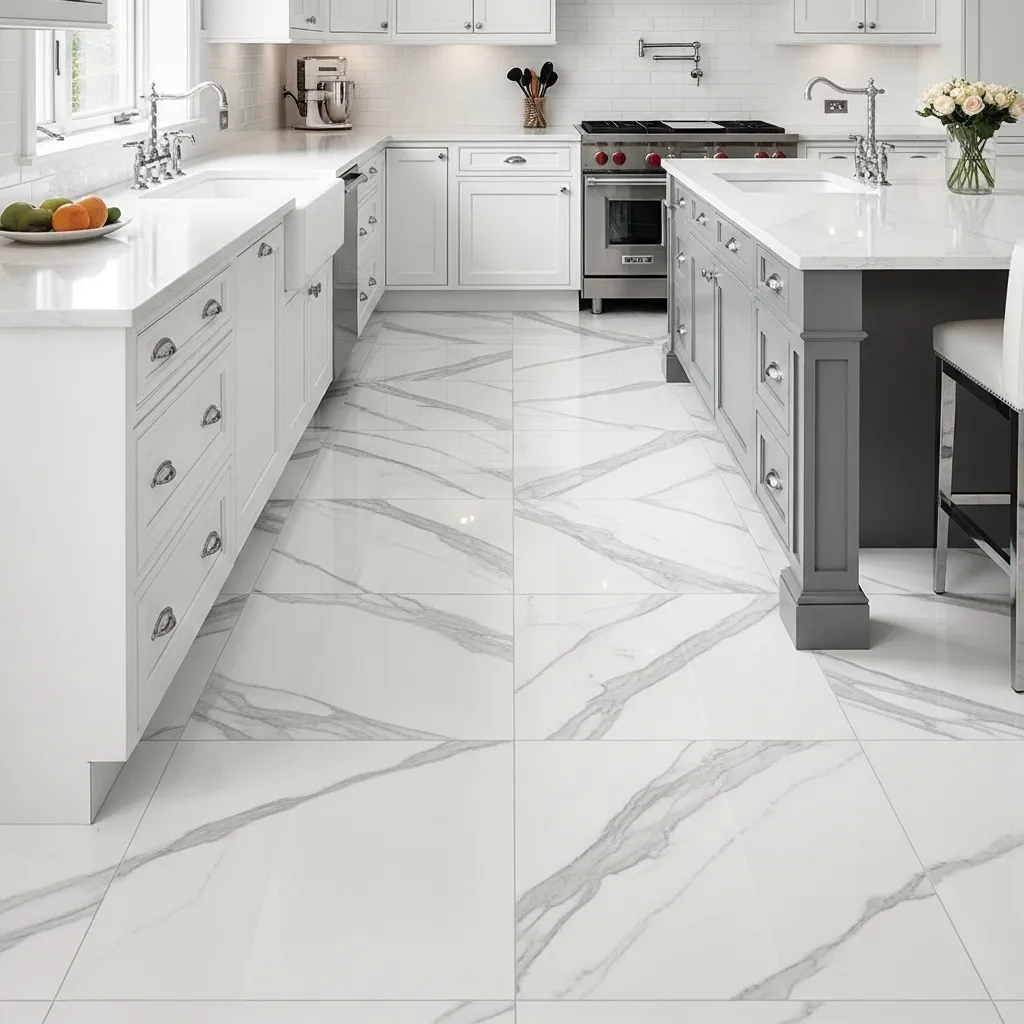
When the weather turns cold, the kitchen naturally becomes one of the coziest places in the home. From preparing comforting meals to enjoying a morning coffee, this hardworking space deserves a design that feels inviting throughout the winter months. Modern walnut kitchen cabinets offer an ideal combination of natural warmth, sophisticated color, and timeless appeal. Their rich brown tones and distinctive wood grain bring character to contemporary interiors without making them feel overly traditional.
Whether you prefer a minimalist kitchen, a dramatic dark interior, or a bright space with warm natural accents, walnut cabinetry offers plenty of design possibilities. It pairs beautifully with cream countertops, marble backsplashes, brushed brass hardware, black fixtures, and soft ambient lighting. The secret is balancing walnut’s depth with complementary textures and colors so the kitchen feels comfortable rather than heavy. Explore these 17 modern walnut kitchen cabinet ideas for inspiration on creating a stylish, functional, and welcoming winter kitchen that remains beautiful throughout the year.
1. Floor-to-Ceiling Walnut Kitchen Cabinets
Floor-to-ceiling walnut kitchen cabinets create a streamlined appearance while maximizing valuable storage space. The uninterrupted vertical lines make the kitchen feel taller and more architectural, especially when the cabinet doors have a simple, handleless design. Walnut’s natural grain adds enough visual interest to keep the expansive cabinetry from appearing plain.
This style works particularly well in modern kitchens with high ceilings or open-plan layouts. Pair the cabinets with pale stone countertops and a light backsplash to balance the deeper wood tone. Integrated LED lighting beneath upper cabinets can illuminate work surfaces and create a gentle evening glow during winter. For a particularly polished result, conceal appliances behind matching walnut panels. The finished space feels organized, sophisticated, and warm without relying on excessive decoration.
2. Walnut Cabinets with Cream Countertops
Cream countertops are an excellent companion for walnut cabinetry because they soften its rich brown color while making the kitchen feel brighter. Unlike stark white surfaces, warm cream introduces a subtle softness that suits cozy winter interiors. Consider quartz or another durable countertop material with understated veining for a refined, low-maintenance finish.
For a cohesive palette, coordinate the countertop with ivory walls, warm white tiles, and natural oak flooring. Brushed brass handles can add a delicate golden accent, while matte black fixtures provide a sharper contemporary contrast. Keep decorative accessories simple so the walnut grain remains the focal point. This combination is especially useful in kitchens with limited natural light, where lighter horizontal surfaces can prevent darker cabinetry from overwhelming the room. The result is an inviting kitchen that feels elegant in every season.
3. Modern Walnut Cabinets with a Marble Backsplash
A marble backsplash brings an elegant, luminous quality to modern walnut kitchen cabinets. The contrast between the expressive wood grain and the delicate veining of marble creates visual depth without requiring multiple decorative materials. Choose a warm white or creamy marble with beige or soft gray veins to complement walnut’s natural undertones.
For a luxurious appearance, extend the backsplash from the countertop to the underside of the upper cabinets, or continue it behind the range as a statement feature. Minimal hardware and clean cabinet fronts help the natural materials stand out. Under-cabinet lighting emphasizes the stone’s texture and makes food preparation easier during darker winter evenings. If natural marble is outside your budget, consider a marble-look porcelain slab or quartz alternative. These options can achieve a similar appearance while offering different maintenance requirements.

4. Two-Tone Walnut and Matte Black Cabinets
Combining walnut with matte black cabinetry creates a bold, contemporary kitchen with a distinctly sophisticated character. Walnut introduces warmth and organic texture, while black adds definition and visual contrast. Rather than covering the entire kitchen in dark finishes, use walnut on the main cabinets and reserve black for an island, pantry wall, or selected upper cabinets.
This arrangement is especially effective in larger kitchens with generous windows or layered lighting. A pale countertop can break up the darker palette, while warm pendant lights prevent the room from feeling cold. Choose black faucets, cabinet pulls, or appliance finishes to connect the different elements. If the kitchen is compact, keep the walls and ceiling light to preserve a sense of openness. The result is a dramatic yet balanced design that feels modern, grounded, and inviting during winter.
5. Handleless Walnut Cabinets for a Minimalist Kitchen
Handleless walnut kitchen cabinets are ideal for homeowners who appreciate uncluttered contemporary design. Push-to-open mechanisms or integrated finger-pull channels allow the wood grain to remain uninterrupted, creating a smooth and cohesive appearance. The simplicity of the cabinet fronts also lets walnut’s natural variation become the main decorative feature.
For a warm winter kitchen, combine this streamlined cabinetry with a pale backsplash, a subtle stone countertop, and warm-toned flooring. Avoid introducing too many competing finishes; a few carefully chosen materials will create a more harmonious result. Integrated appliances can further simplify the design by maintaining a consistent visual line across the kitchen. Before choosing a handleless system, consider how frequently each cabinet will be used and how easily its surface can be cleaned. The best minimalist kitchen is not only beautiful but also practical for everyday cooking.
6. A Statement Walnut Kitchen Island
A walnut kitchen island can become the centerpiece of a winter-ready kitchen, particularly when the surrounding cabinetry is painted cream, warm white, or soft greige. The island introduces natural texture and creates a visual anchor without requiring walnut throughout the entire room. Its generous surface also provides space for meal preparation, baking, casual dining, and entertaining.
Consider waterfall countertop edges for a contemporary appearance, or use a simple rectangular worktop to emphasize the wood’s warmth. Deep drawers can store cookware, while shelves at one end provide space for cookbooks or attractive serving bowls. Pendant lighting above the island adds atmosphere and makes the area more functional after sunset. If you enjoy hosting winter gatherings, position comfortable counter stools along one side. A well-planned walnut island combines practical storage with a welcoming place for family and friends to gather.
7. Natural Walnut Cabinets with Brass Hardware
Brushed brass hardware complements walnut cabinets by highlighting the wood’s warm brown undertones. The muted golden finish introduces a subtle glow without appearing overly shiny, making it especially suitable for kitchens designed around cozy winter colors. Simple bar pulls, slim handles, or small round knobs can each work beautifully, depending on the cabinet style.
For a cohesive look, repeat the brass finish in selected details such as a faucet, pendant lights, or decorative accessories. You do not need to match every metal surface exactly; a restrained mix of finishes can add depth. Cream walls and light countertops keep the overall design balanced, while warm under-cabinet lighting emphasizes the natural grain. Choose durable hardware with a finish suited to regular kitchen use, and check that the handle size feels comfortable on frequently accessed drawers. This combination delivers understated luxury without making the kitchen feel formal.
8. Walnut Cabinets Paired with Warm White Walls
Warm white walls provide a simple backdrop that allows walnut cabinets to stand out while maintaining a bright, welcoming atmosphere. This pairing is particularly useful during winter, when shorter daylight hours can make darker rooms feel less inviting. A creamy white paint with gentle beige undertones often complements walnut better than an icy, blue-based white.
Keep the remaining finishes relatively restrained with light countertops, neutral backsplash tiles, and natural wood or pale stone flooring. If the kitchen has an open layout, warm white walls can also help the cabinetry connect visually with an adjoining dining or living area. Add texture through linen window treatments, woven counter stools, or handmade ceramic accessories rather than introducing numerous colors. Test paint samples beside the actual walnut finish under both daylight and evening lighting, since the same white can look noticeably different throughout the day.
9. Walnut Cabinets with Open Shelving
Open shelving can make walnut kitchen cabinets feel lighter while providing a place to display everyday essentials. Instead of filling an entire wall with closed storage, combine walnut base cabinets with a few floating shelves in matching wood. This arrangement preserves the warmth of natural materials and creates space for ceramics, glassware, cookbooks, or small decorative pieces.
For a winter-inspired look, style the shelves with cream mugs, neutral serving bowls, wooden cutting boards, and a small vase of seasonal greenery. Keep frequently used items within easy reach and avoid overcrowding the shelves, which can quickly create a cluttered appearance. Open storage requires more regular dusting and organization than closed cabinetry, so reserve it for items you use often or enjoy displaying. The contrast between solid walnut doors and airy shelving adds visual rhythm while maintaining a practical balance between display and concealed storage.

10. Dark Walnut Cabinets with Warm Ambient Lighting
Dark walnut kitchen cabinets create a rich, enveloping atmosphere that can feel especially appealing during cold winter evenings. Their deeper color adds sophistication and works well in contemporary kitchens featuring stone surfaces, understated hardware, and carefully layered lighting. The key is ensuring the room remains functional and does not become visually gloomy.
Install warm-white LED strips beneath cabinets, use well-positioned ceiling lights, and consider pendant fixtures above an island or dining counter. Aim for comfortable, consistent illumination rather than relying on a single bright overhead source. Pale countertops and a reflective backsplash can help distribute light throughout the space. If the kitchen receives little natural daylight, limit dark walnut to selected walls or lower cabinets and use lighter finishes elsewhere. This thoughtful balance creates a cozy winter kitchen that still feels comfortable for cooking, cleaning, and entertaining.
11. Walnut Cabinets with a Textured Tile Backsplash
A textured tile backsplash adds dimension to walnut kitchen cabinets without competing with their natural grain. Handmade-look ceramic tiles, softly ridged subway tiles, and gently irregular square tiles are all attractive options. Choose warm white, sand, oatmeal, or pale taupe to maintain a welcoming palette.
The interaction between smooth cabinet fronts and tactile tiles gives the kitchen character while keeping the overall design restrained. A vertical tile arrangement can make a backsplash appear taller, whereas a classic horizontal layout creates a relaxed, familiar look. Use a grout color that complements the tile rather than creating unnecessary contrast. Since textured surfaces can collect cooking residue, consider how easily the chosen material can be cleaned behind the stove and food preparation areas. Pairing tactile tile with walnut is an effective way to make a modern kitchen feel layered, personal, and inviting throughout winter.
12. Walnut Cabinets with Integrated Appliances
Integrated appliances help walnut kitchen cabinets create a seamless, furniture-like appearance. Refrigerators, dishwashers, and selected storage units can be concealed behind matching cabinet panels, reducing visual interruptions and allowing the wood finish to remain the main design feature. This approach is especially effective in open-plan homes where the kitchen is visible from the living or dining area.
Plan appliance dimensions and ventilation requirements before ordering cabinetry, and make sure service access remains practical. Frequently used appliances should be positioned to support a comfortable cooking workflow, with adequate counter space nearby. A built-in oven can be paired with a microwave in a convenient tall unit, while integrated lighting improves visibility inside cabinets and work areas. To keep the space from looking too uniform, introduce a contrasting countertop or a simple backsplash in a lighter shade. The result is a streamlined kitchen that combines contemporary aesthetics with everyday functionality.

13. Walnut Cabinets with Beige and Taupe Accents
Beige and taupe create a naturally harmonious palette for walnut kitchen cabinets. These earthy neutrals share the wood’s warmth, making them ideal for homeowners who prefer a calm interior rather than a high-contrast black-and-white kitchen. Use taupe on selected walls or an island, and introduce beige through countertops, backsplash tiles, or upholstered counter stools.
Vary the textures to prevent the neutral palette from appearing flat. Smooth cabinetry can be balanced with subtly veined stone, woven seating, matte ceramic accessories, or a softly textured rug in an appropriate kitchen area. Keep larger surfaces within a consistent warm color family while allowing the walnut grain to provide the strongest visual variation. This combination is particularly effective in open-plan spaces because its muted colors transition naturally into adjoining rooms. The finished kitchen feels grounded, relaxed, and comfortable for slow breakfasts and cozy winter dinners.
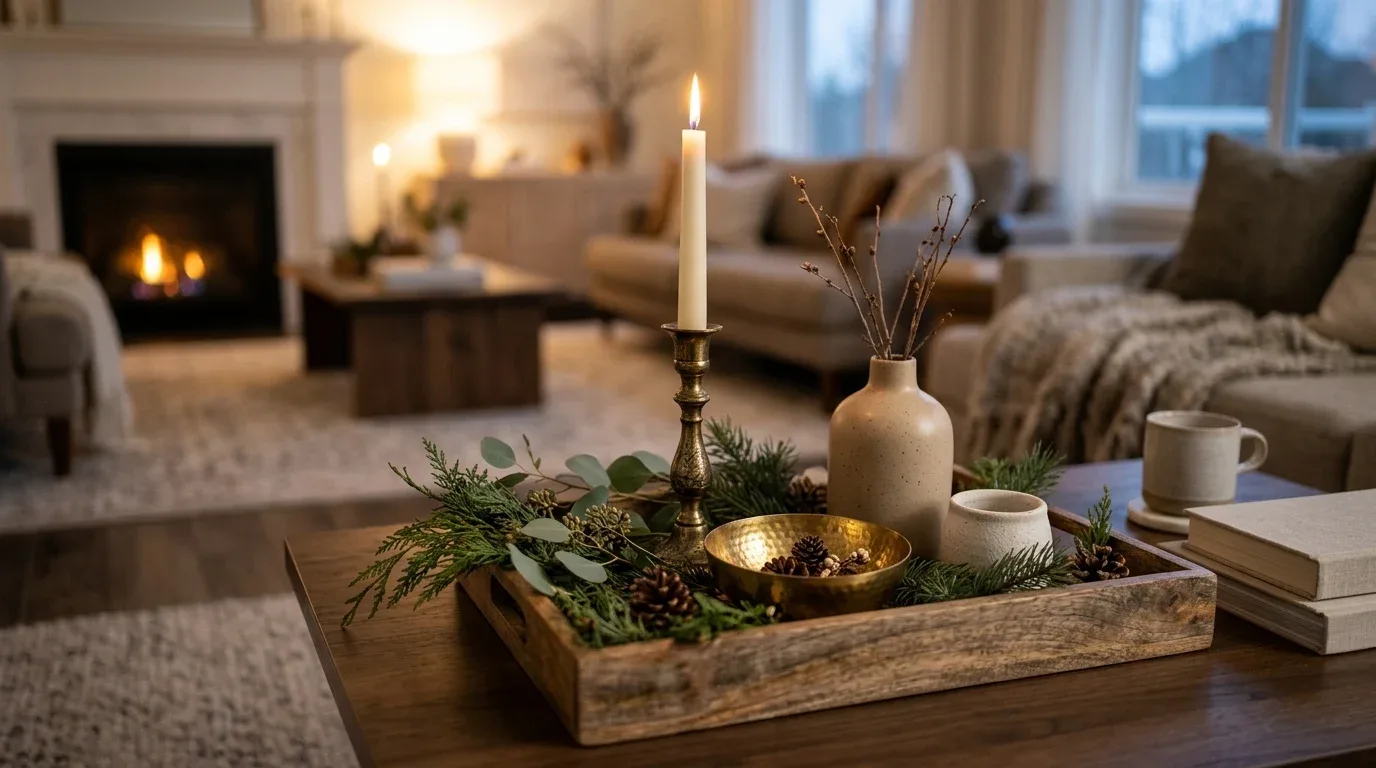
14. Modern Walnut Cabinets with a Waterfall Island
A waterfall island gives a modern walnut kitchen a sculptural focal point. In this design, the countertop material continues down one or both sides of the island, creating a clean, continuous profile. The contrast between a light stone waterfall surface and walnut cabinetry makes the island feel substantial without appearing overly heavy.
Choose a countertop with understated veining if the wood grain is pronounced, or use a quieter walnut finish if you prefer a more expressive stone. Leave sufficient clearance around the island for cabinet doors, appliances, and comfortable movement. If the island includes seating, plan the overhang and support requirements with your kitchen designer or fabricator. Pendant lights positioned above the worktop can emphasize its shape and provide useful task lighting. This design combines architectural impact with practical workspace, making the kitchen an inviting gathering point during winter celebrations and everyday meals.
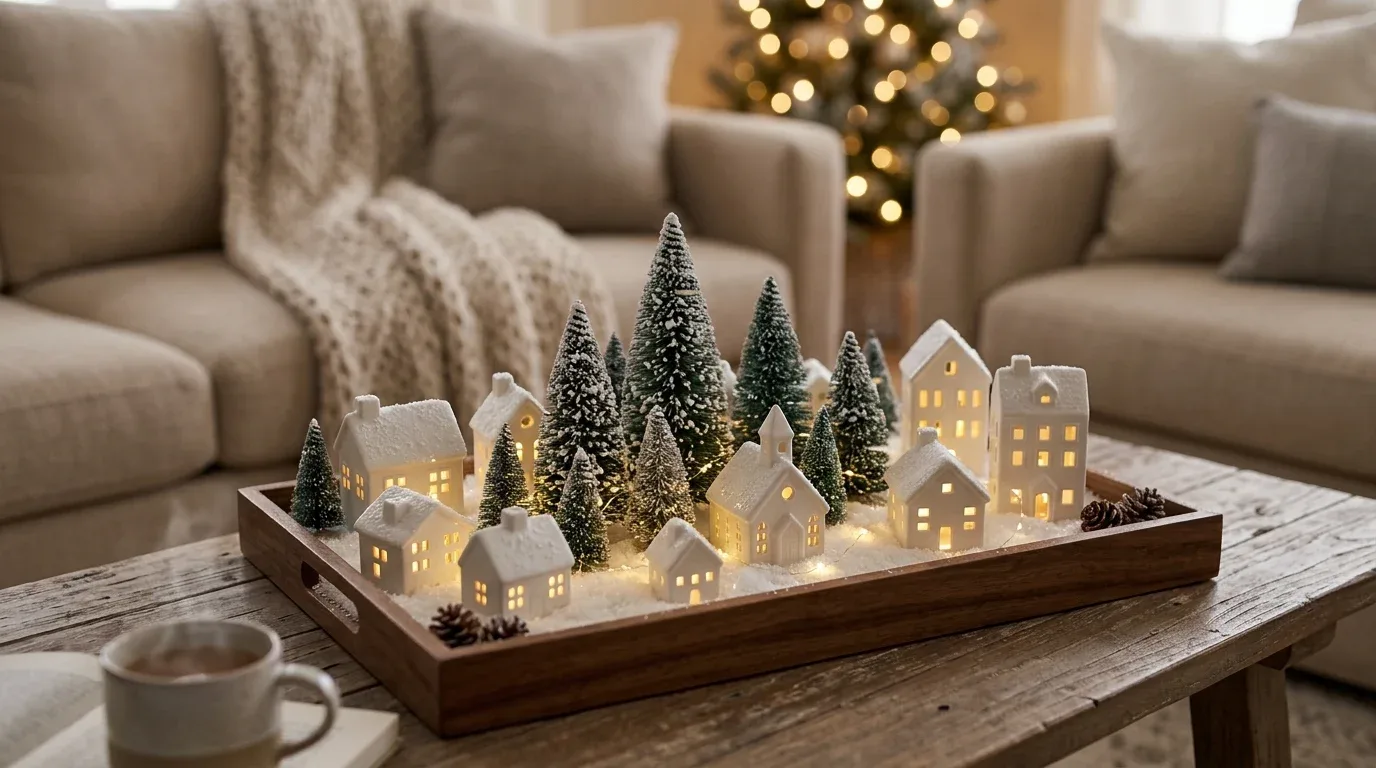
15. Walnut Cabinets with Green Kitchen Accents
Muted green accents pair beautifully with walnut because both colors evoke natural materials and landscapes. Sage, olive, and soft forest green can introduce a refreshing layer of color without diminishing the cabinetry’s warm appearance. For a subtle approach, use green on the kitchen island, a painted niche, or a small section of wall rather than across every cabinet.
Bring the palette together with creamy countertops, brushed brass hardware, and warm lighting. A few leafy plants can reinforce the natural theme, provided they receive suitable light and are placed away from hot cooking areas. Green ceramics, linen accessories, or artwork offer lower-commitment alternatives if you prefer to keep the permanent finishes neutral. In winter, the combination of walnut and muted green creates a grounded, restful atmosphere that feels connected to nature even when the garden outside is bare.
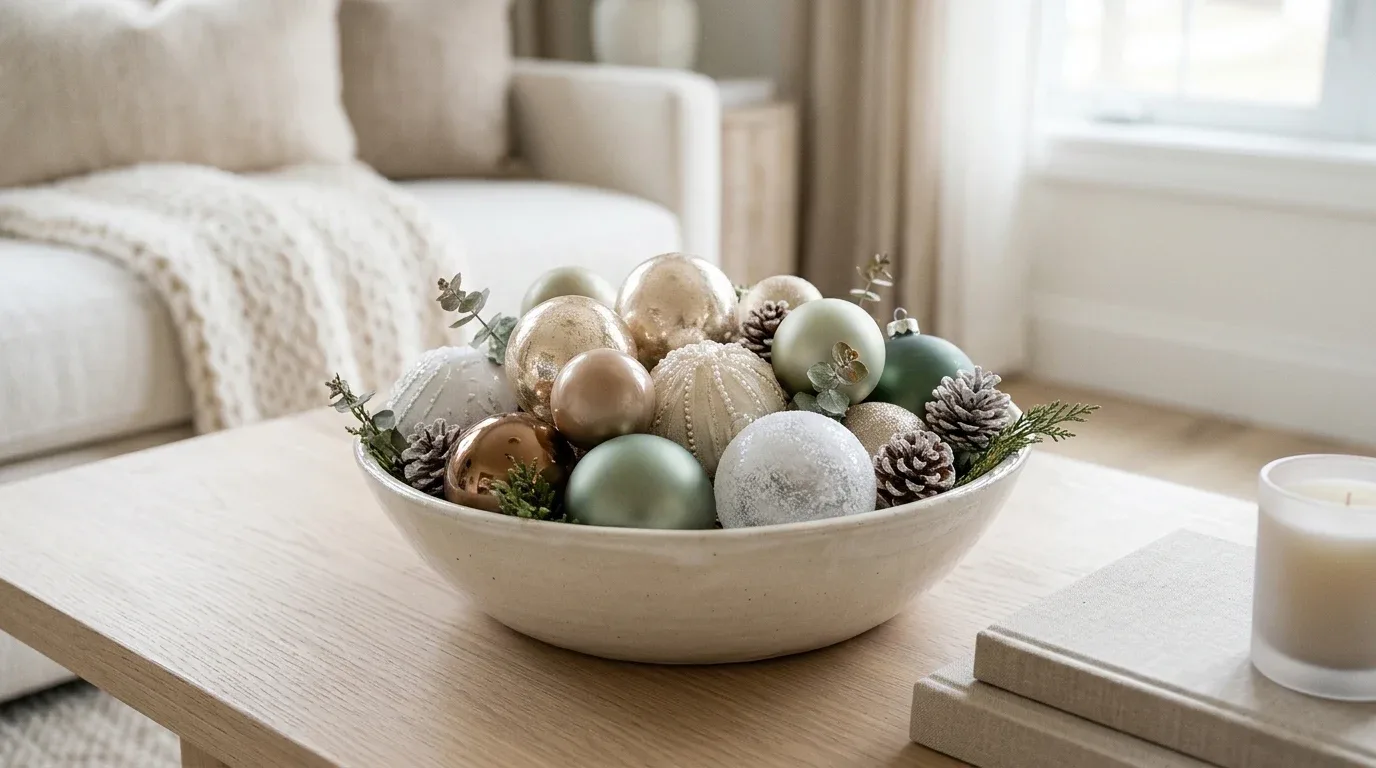
16. Walnut Cabinets with a Cozy Breakfast Nook
A breakfast nook beside walnut kitchen cabinets can turn an ordinary corner into a comfortable winter retreat. If space allows, place a small round or rectangular table near a window and add a built-in bench with neutral upholstery. Walnut cabinetry nearby creates visual continuity, while soft seating introduces a more relaxed texture.
Use washable cushions in cream, caramel, or muted beige to complement the wood. A pendant light above the table provides focused illumination for breakfast, reading, or an afternoon cup of tea. Built-in bench storage can hold table linens, placemats, or other household essentials, helping the area remain tidy. For a smaller kitchen, a compact two-seat arrangement may be more practical than a large banquette. Keep the walkway clear and ensure chairs can be pulled out comfortably. This thoughtful addition makes the kitchen feel more personal and encourages people to linger even on chilly mornings.
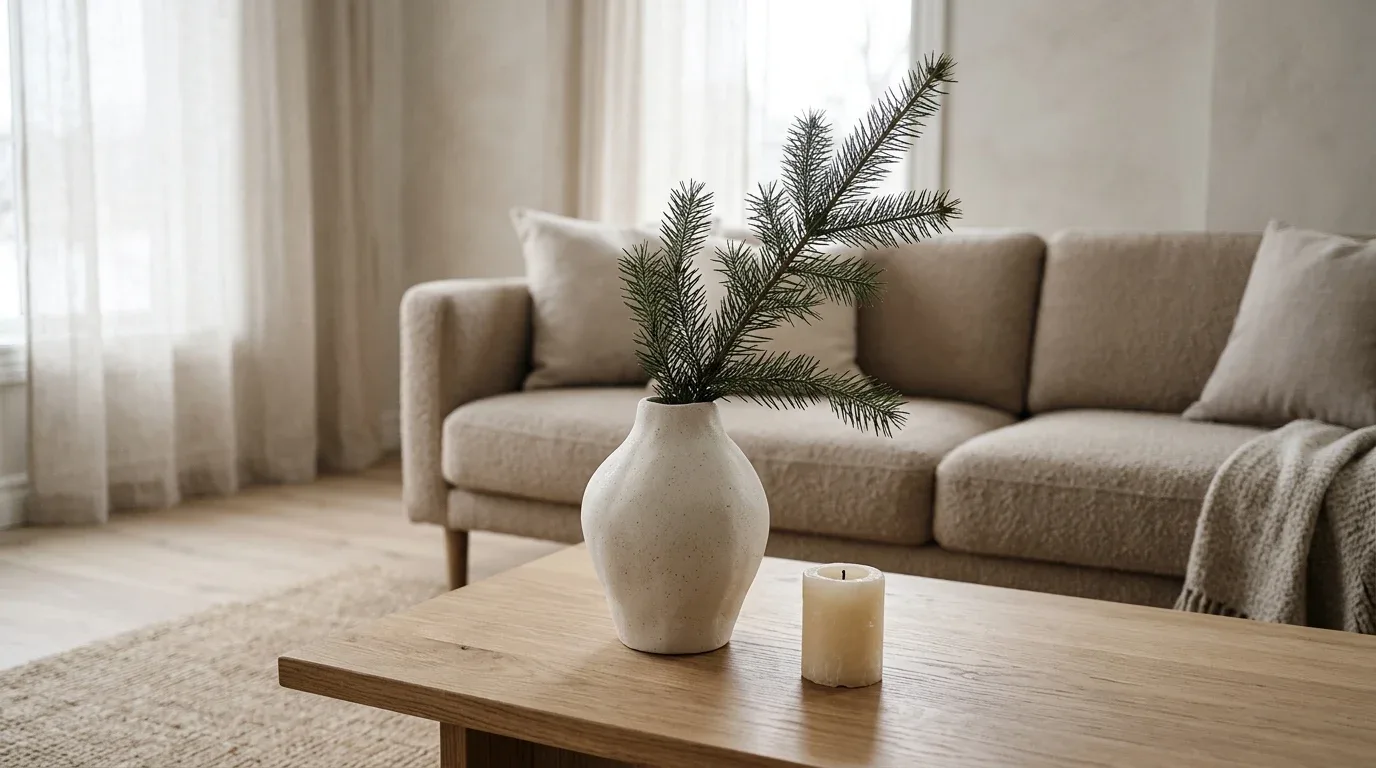
17. Walnut Cabinets with Natural Stone and Wood Textures
Combining walnut cabinets with natural stone and complementary wood textures creates a kitchen that feels sophisticated yet connected to nature. Consider a limestone-look backsplash, a softly veined quartz countertop, or a stone-inspired floor that complements the walnut’s brown undertones. The different materials add depth while preserving a cohesive, organic appearance.
Balance the textures carefully so the kitchen does not become visually busy. If the walnut grain is prominent, choose stone with subtle movement and keep additional wood finishes close in tone. Alternatively, a lightly contrasting oak floor can distinguish the cabinetry while maintaining a warm, natural palette. Incorporate matte ceramic bowls, linen accessories, or a simple wooden serving board to complete the look. During winter, layered natural materials create an inviting atmosphere that feels timeless rather than tied to a passing trend. Prioritize suitable sealing, cleaning requirements, and durability when selecting natural stone and wood finishes.

How to Choose the Right Walnut Cabinets for Your Winter Kitchen
Before choosing a cabinet finish, consider the kitchen’s natural light, size, layout, and existing materials. Lighter walnut tones can help a compact space feel open, while deeper brown finishes create a dramatic effect in larger kitchens. Always examine physical samples beside your proposed countertops, flooring, and backsplash, since walnut can vary significantly in color and grain.
Think about everyday maintenance as well. Flat cabinet fronts offer a clean modern appearance, while textured or heavily grained finishes may require different cleaning methods. Select hardware that feels comfortable, plan storage around your cooking habits, and invest in task lighting for practical winter use. A successful design balances visual warmth with durable materials, efficient storage, and comfortable movement.
Final Thoughts
Modern walnut kitchen cabinets offer a versatile foundation for a warm and welcoming winter kitchen. Whether you choose a dramatic dark finish, a light two-tone palette, an elegant marble backsplash, or a statement island, walnut brings natural character to contemporary spaces. Pair it with complementary colors, thoughtful lighting, and practical storage to create a kitchen that looks beautiful and works effortlessly. With the right combination of finishes and details, your walnut kitchen can become a comfortable gathering place throughout winter and a timeless feature of your home all year long.