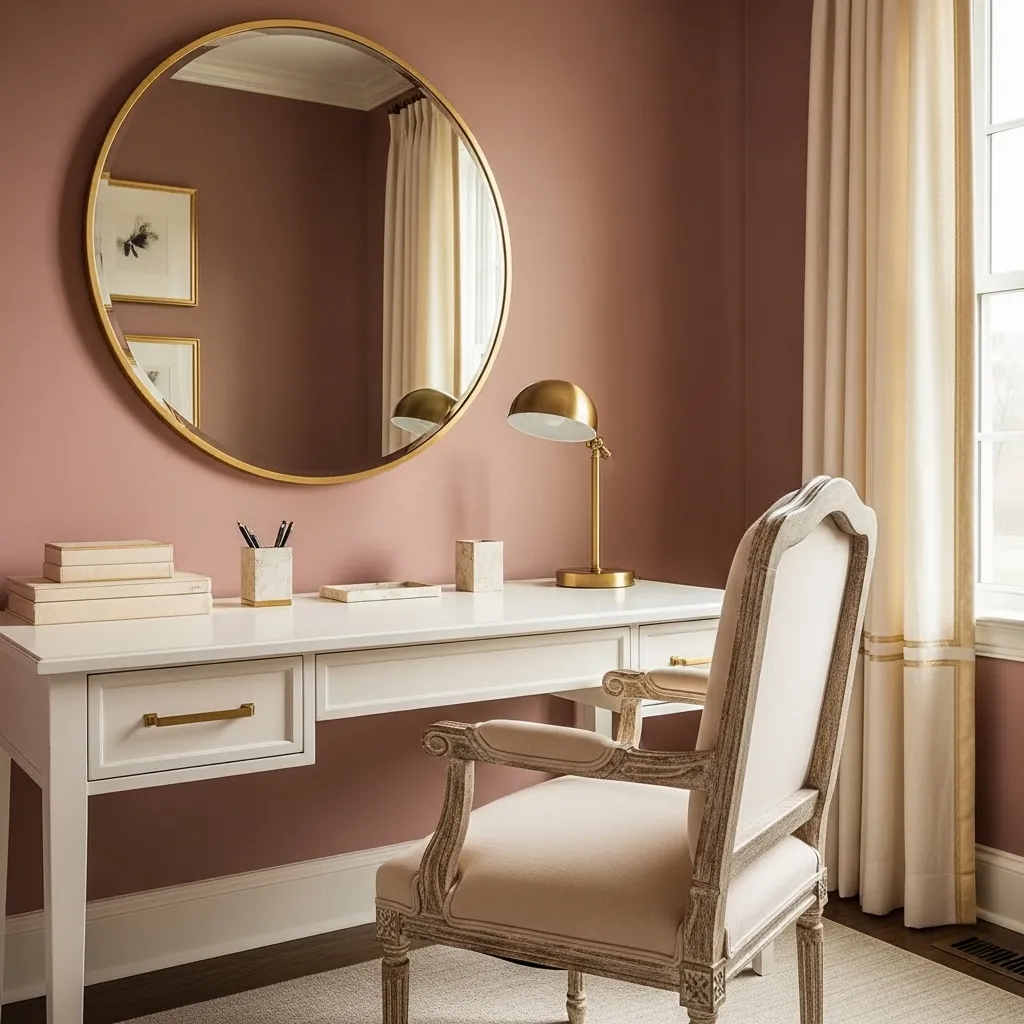
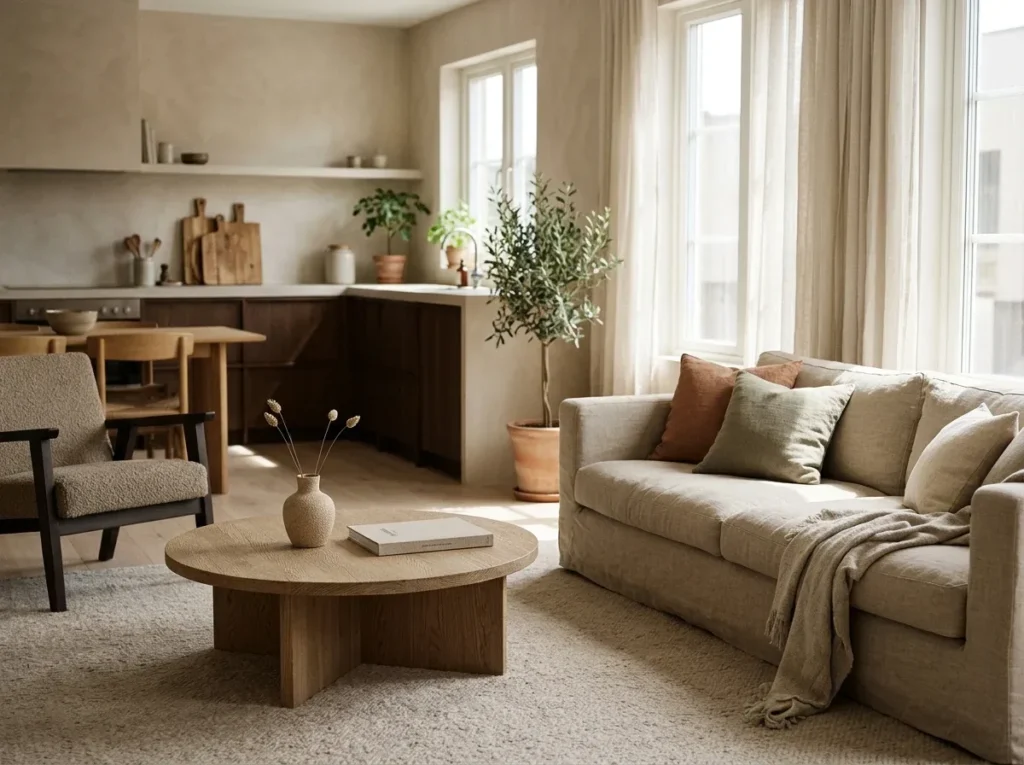
A beautiful home doesn’t have to feature expensive furniture, designer accessories, or a complete renovation. Often, the difference between a space that looks polished and one that feels unfinished comes down to a few everyday details. Cluttered surfaces, poorly fitted curtains, harsh lighting, and mismatched finishes can make even a well-furnished room look less inviting than it could. Fortunately, these problems are usually easy to address without spending a fortune.
If you’ve been wondering what makes a home look cheap, the answer isn’t necessarily the price of your furniture or the size of your budget. It’s how thoughtfully your space is arranged, maintained, and decorated. Small improvements, such as choosing cohesive colors, displaying fewer accessories, and upgrading basic hardware, can make a noticeable difference. These practical decorating tips will help you identify common interior design mistakes and discover what to do instead. Whether you’re refreshing a rental, updating a first home, or improving a room you’ve lived in for years, you can create a more timeless, comfortable, and elevated look with simple changes.
1. Cluttered Countertops and Surfaces
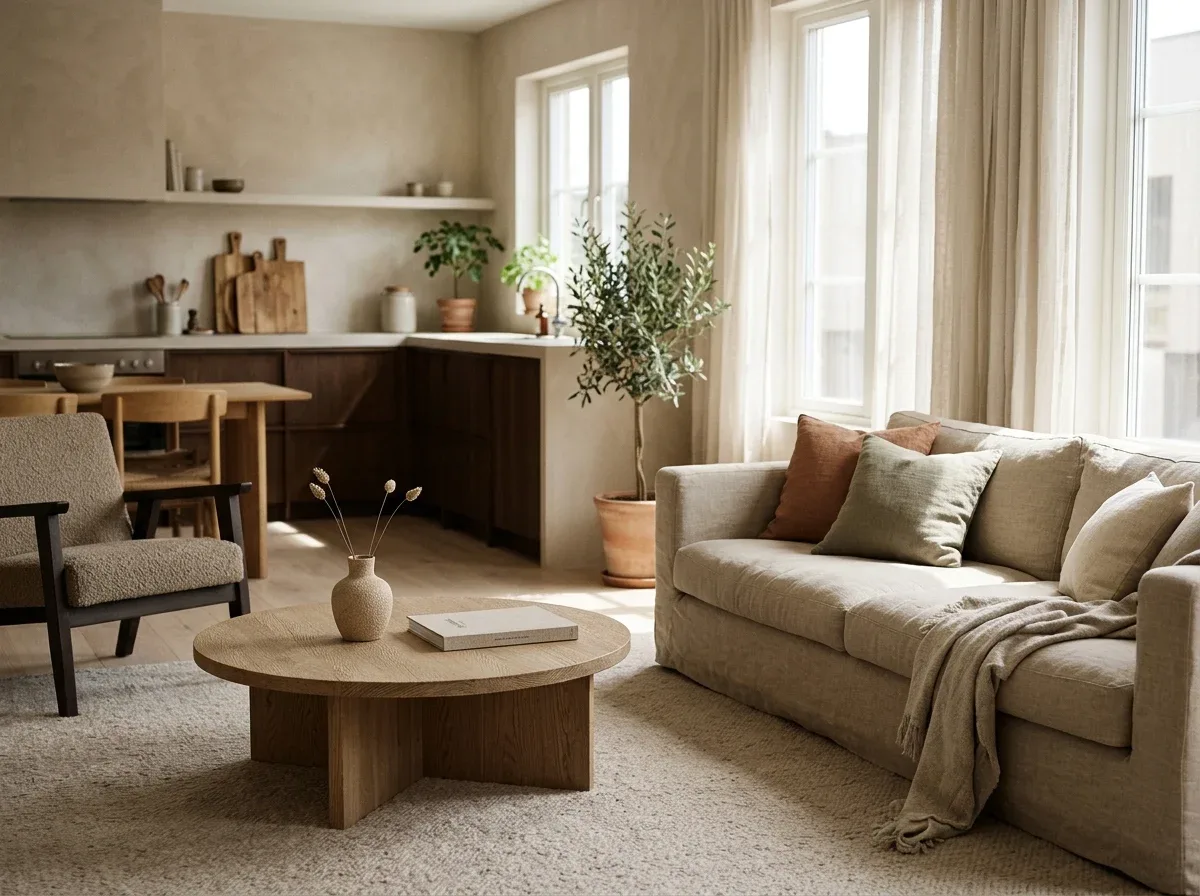
Too many items on kitchen counters, coffee tables, bathroom vanities, and dressers can make a home feel chaotic. Even attractive accessories lose their impact when they’re crowded together with mail, charging cables, toiletries, and everyday essentials. Visual clutter also makes rooms appear smaller and more difficult to maintain.
What to do instead: Clear each surface and return only the items you regularly use or genuinely enjoy displaying. Group decorative objects in small arrangements, leaving plenty of empty space around them. Use a tray to organize soap dispensers or coffee-making essentials, and place loose items in attractive baskets or closed storage. You don’t need to eliminate personality from your home; simply give meaningful pieces room to stand out.
2. Poorly Fitted or Too-Short Curtains
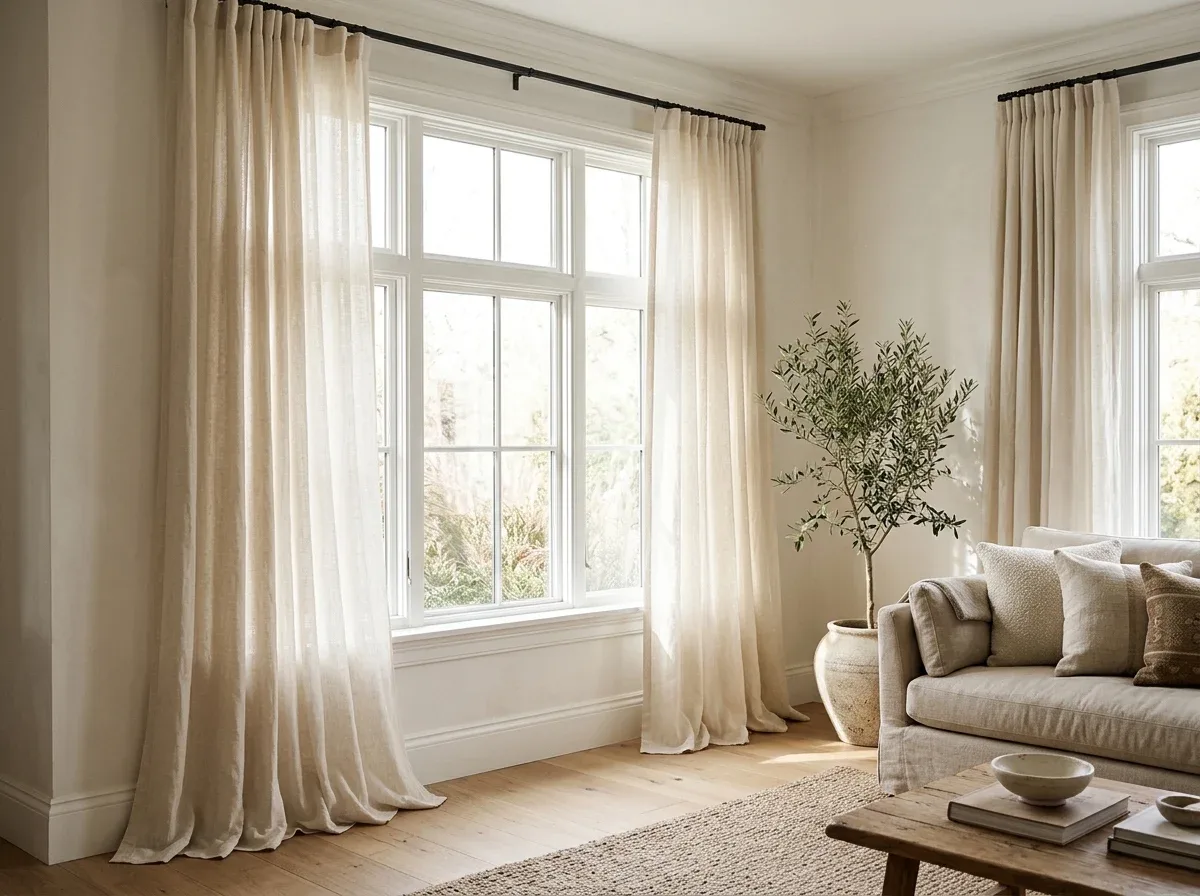
Window treatments have a surprisingly strong influence on how a room looks. Curtains that stop awkwardly above the floor, hang from low-mounted rods, or are too narrow for the window can make ceilings appear shorter and windows feel smaller. Thin, shiny fabric may also look less substantial than the rest of your decor.
What to do instead: Mount curtain rods several inches above the window frame, moving closer to the ceiling when the room’s proportions allow. Choose panels long enough to reach the floor, with a slight break if you prefer a softer finish. Make sure the combined panel width provides generous fullness when closed. Affordable cotton blends, linen-look fabrics, and simple solid colors can look elegant without a luxury price tag.
3. Harsh, Unflattering Lighting
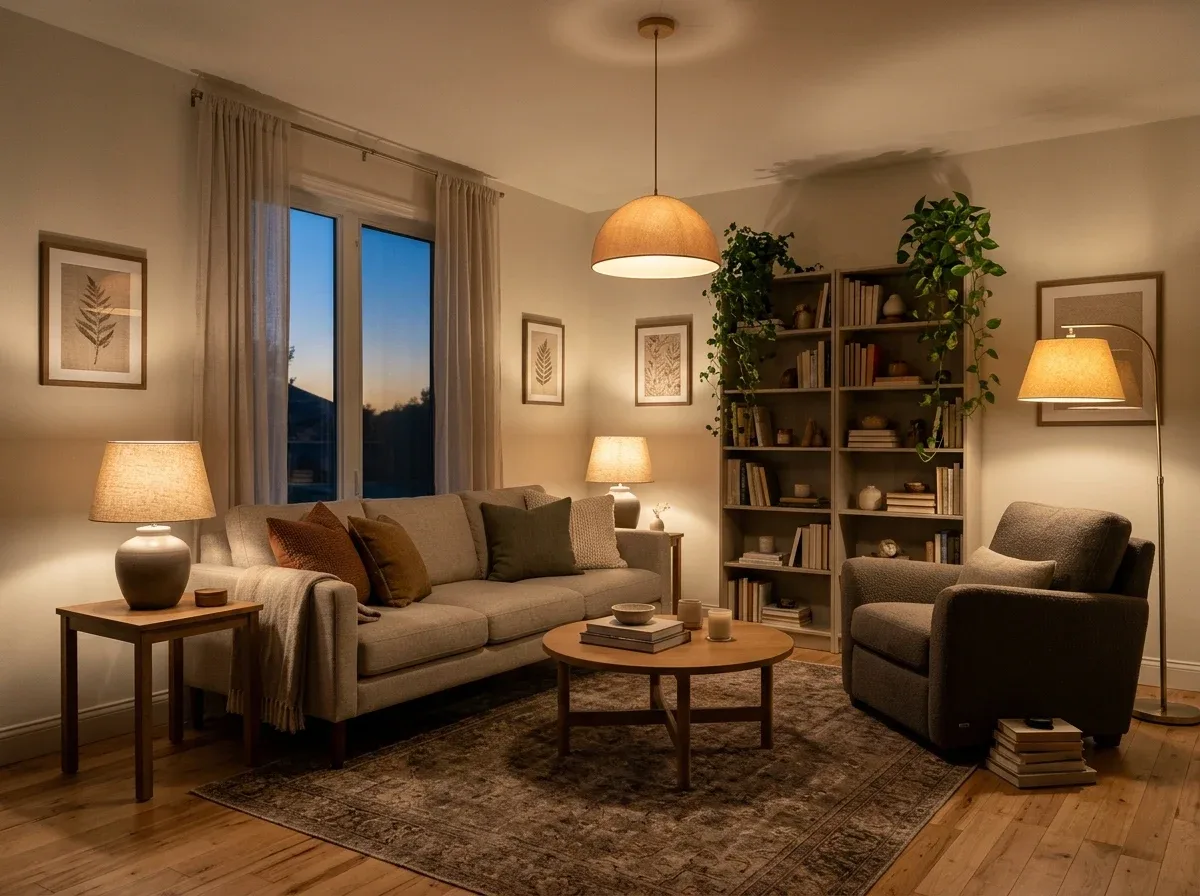
A single bright overhead fixture can leave a living room feeling cold and a bedroom looking more like a waiting room. Lighting that is too harsh, uneven, or bluish can also exaggerate imperfections and make carefully chosen furnishings feel less welcoming. The problem is often the lighting arrangement rather than the room itself.
What to do instead: Layer several light sources at different heights. Combine ceiling lighting with table lamps, floor lamps, and task lighting where needed. For a cozy atmosphere, try warm-white bulbs around 2700K to 3000K, adjusting for the room’s purpose and your preferences. Use brighter, more focused light for cooking, reading, and detailed work. Matching bulb color temperatures within a room creates a more consistent appearance, while dimmers provide flexibility throughout the day.
4. Too Many Competing Colors
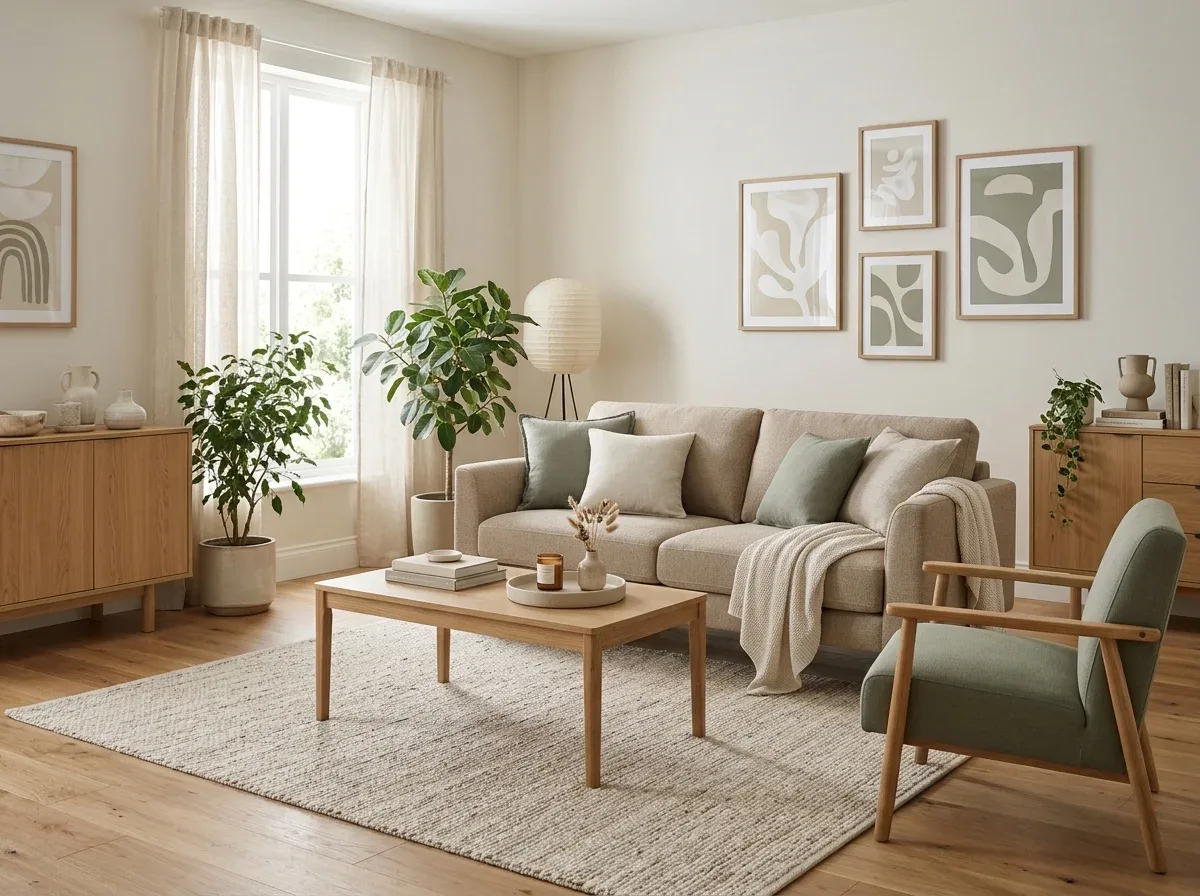
A room can feel disjointed when every piece of furniture, cushion, artwork, and accessory introduces another unrelated color. Bold colors aren’t inherently inexpensive-looking, but using too many without a clear plan can make the space feel visually noisy. The same issue can occur when several strong patterns compete for attention.
What to do instead: Establish a simple color palette with a main neutral, one or two complementary colors, and a smaller accent shade. Repeat those colors throughout the room using cushions, artwork, rugs, and decorative objects. You can still incorporate vibrant tones or interesting prints; just balance them with calmer elements. Before buying anything new, compare it with the colors already in your space. A cohesive palette helps different pieces feel intentional, even when they come from different stores or price ranges.
5. Matching Furniture Sets Without Personality
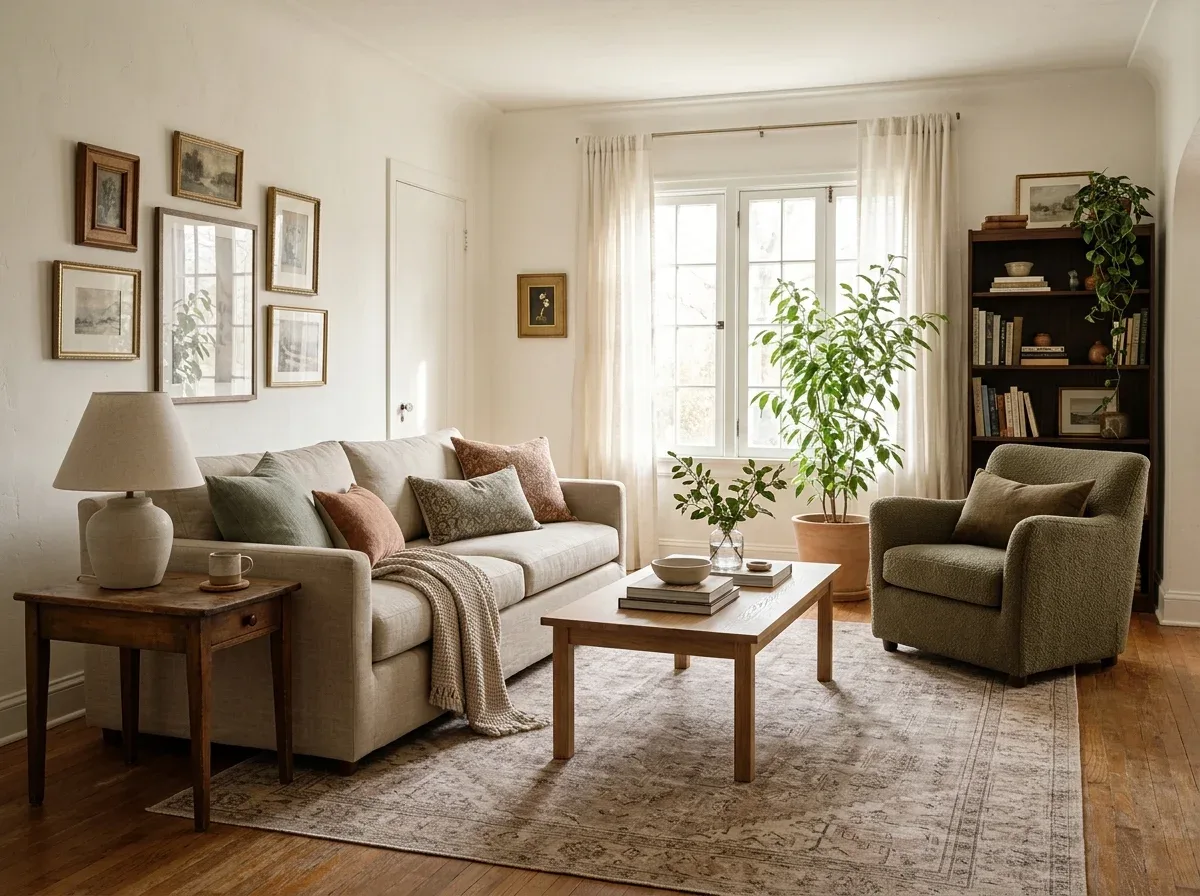
Buying a complete matching furniture set can seem like the easiest way to decorate a room. However, when the bed, dresser, nightstands, and wardrobe all have identical finishes and shapes, the result can feel flat or overly coordinated. A room may look more like a showroom than a home that reflects its owner’s taste.
What to do instead: Mix compatible pieces that share a color family, material, or design influence without being identical. Pair a wooden dining table with upholstered chairs, or combine a simple bed frame with different but complementary nightstands. Repeating one or two finishes throughout the room creates cohesion without sacrificing character. If you already own a matching set, introduce contrast through textiles, lighting, artwork, and a distinctive accent chair instead of replacing everything.
6. Visible Cords and Cable Clutter
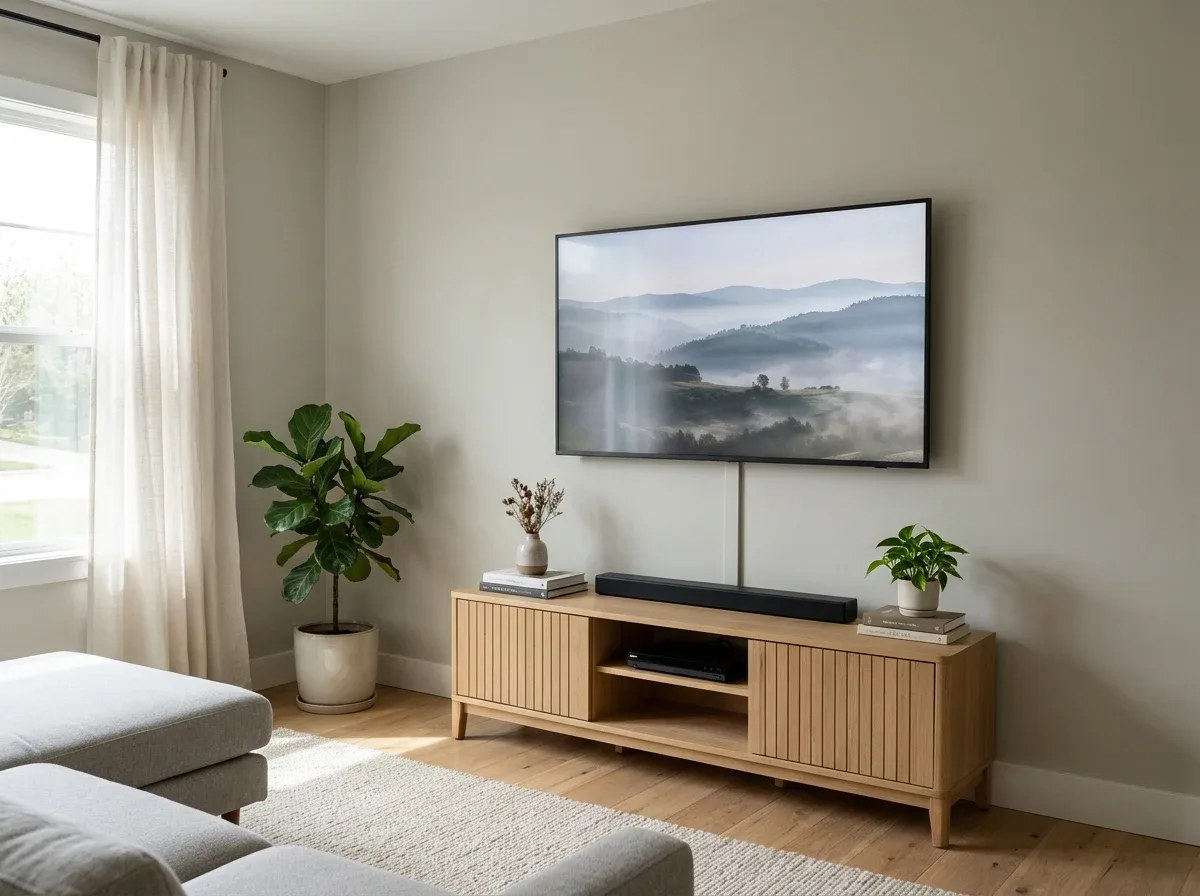
Television cables dangling down a wall, tangled charging cords beside the sofa, and power strips scattered across the floor can make an otherwise organized room look unfinished. These small details are particularly noticeable around entertainment centers, desks, and bedside tables, where people tend to overlook practical accessories.
What to do instead: Use cable clips, cord sleeves, adhesive raceways, and cable-management boxes to keep wires organized and less visible. Position desks and entertainment units near suitable outlets when possible. Gather charging cables in a designated station instead of allowing them to spread across surfaces. Choose cable-management products that allow adequate ventilation, and never enclose hot power adapters or overload outlets. A few inexpensive organizational tools can make a room look significantly tidier without changing any furniture.
7. Cheap-Looking or Poorly Maintained Hardware
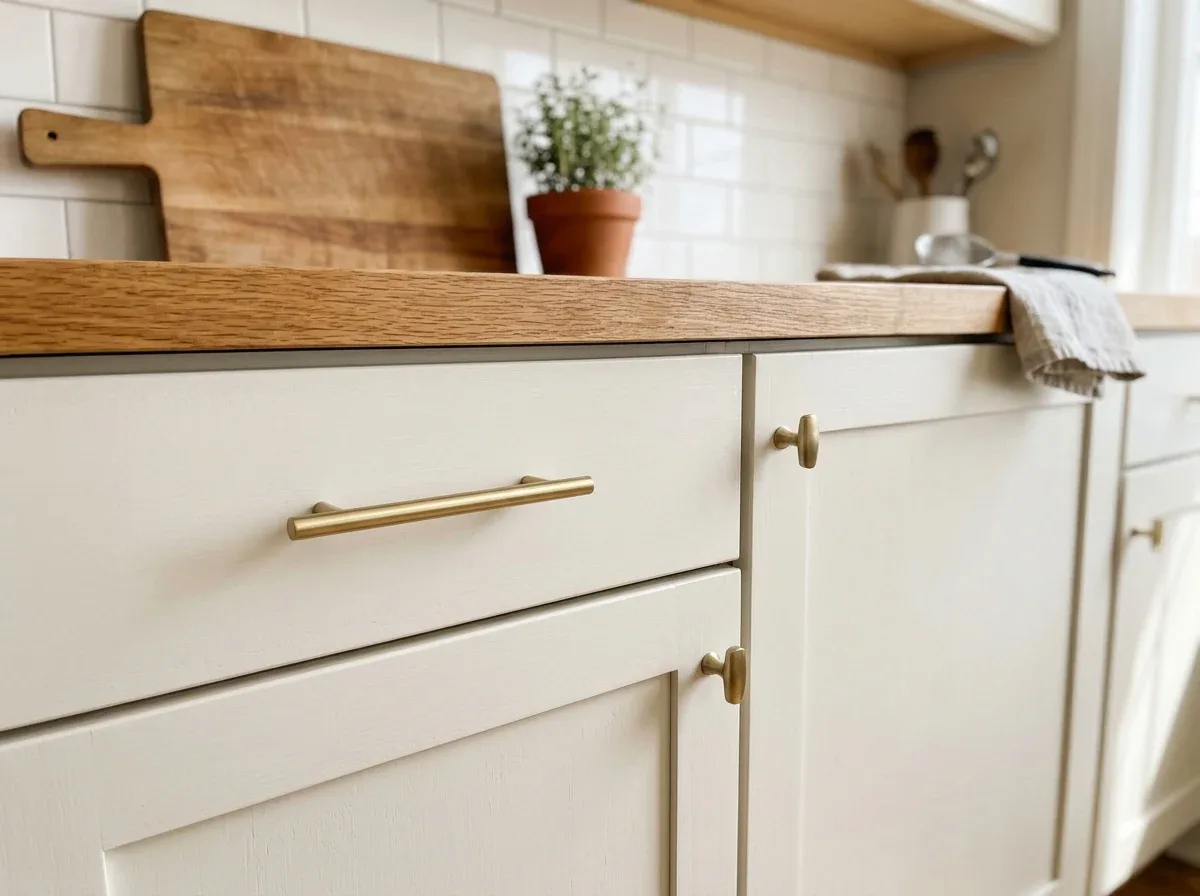
Loose cabinet handles, tarnished knobs, chipped drawer pulls, and mismatched door hardware can make a kitchen or bathroom feel neglected. Because these details repeat throughout a space, their condition has an outsized effect on its overall appearance. Even attractive cabinets may look dated when the hardware is worn or poorly coordinated.
What to do instead: Clean existing hardware thoroughly and tighten any loose fittings before deciding to replace it. If an upgrade is needed, choose simple knobs or pulls in a finish that complements your faucets, lighting, and other metal accents. Brushed nickel, matte black, and warm brass can all work beautifully when used thoughtfully. Measure existing holes before ordering replacements to avoid unnecessary drilling. Updating cabinet hardware is often far more affordable than replacing cabinetry, yet it can give a kitchen or vanity a noticeably fresher appearance.
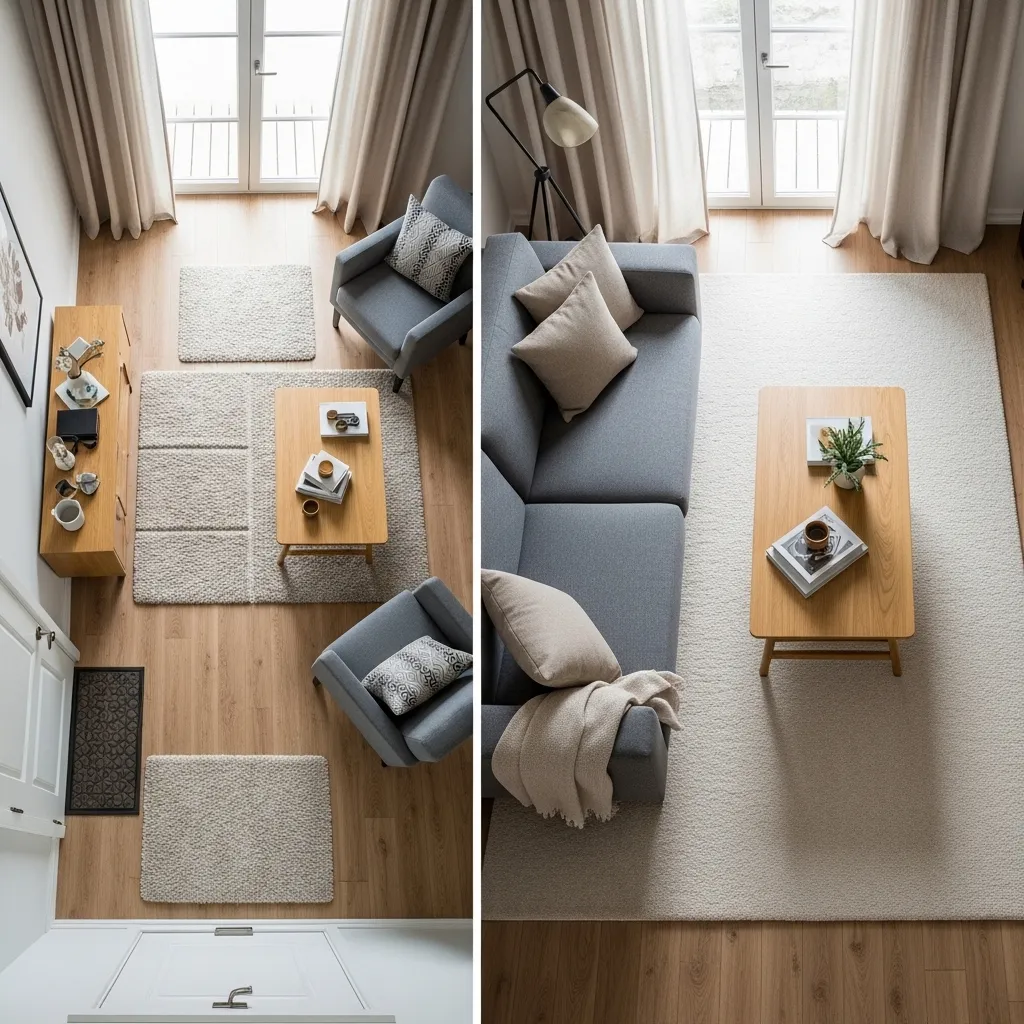
8. Rugs That Are Too Small
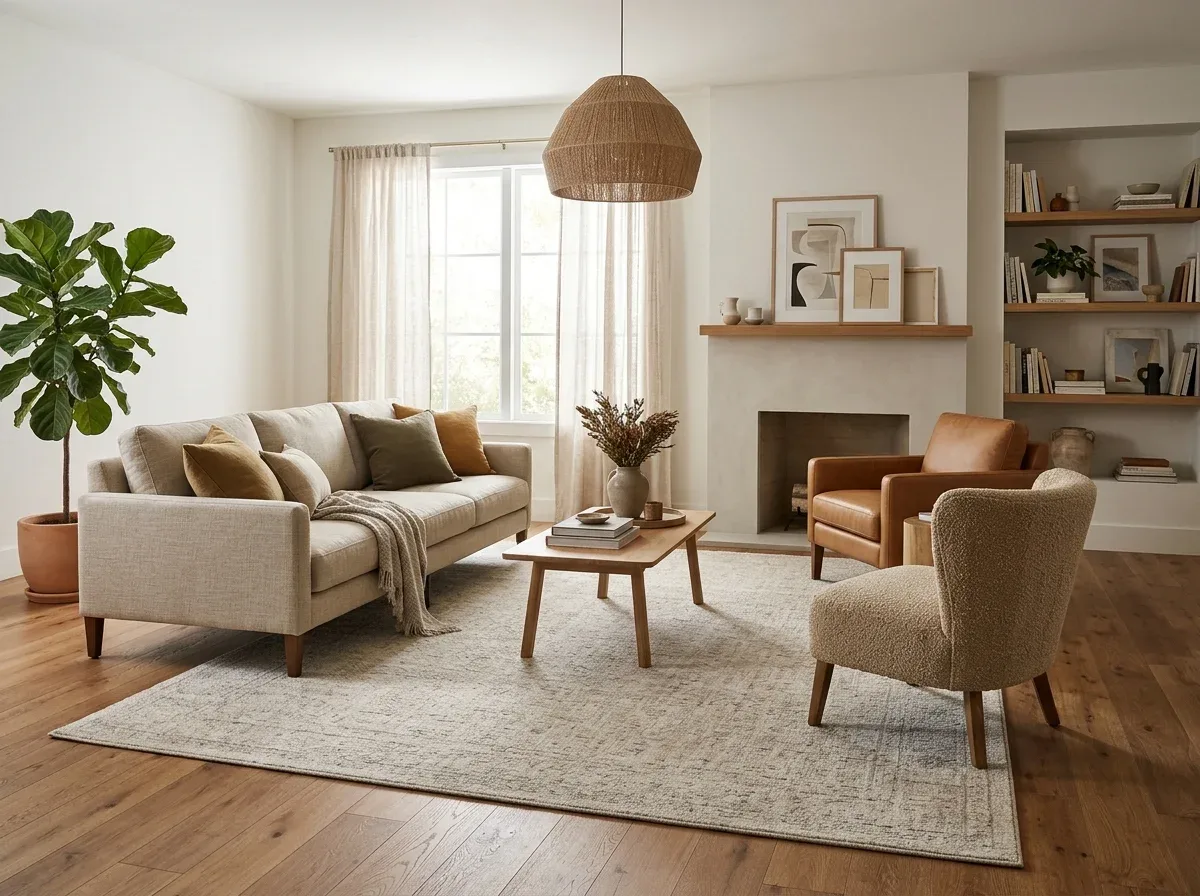
A tiny rug floating in the middle of a living room can make the furniture arrangement look disconnected. In a bedroom, a small rug that barely extends beyond the bed may feel more decorative than functional. Incorrect rug sizing can disrupt the proportions of a room, even when the rug itself is attractive.
What to do instead: Choose a rug that relates to the furniture arrangement rather than simply the open floor area. In many living rooms, the front legs of the sofa and chairs should rest on the rug. Under a dining table, allow enough space for chairs to remain on the rug when pulled out. In bedrooms, select a rug that extends comfortably beyond the sides and foot of the bed. If a large rug is outside your budget, consider affordable flatweaves or durable natural-fiber styles in the correct dimensions.
9. Excessive Decorative Accessories
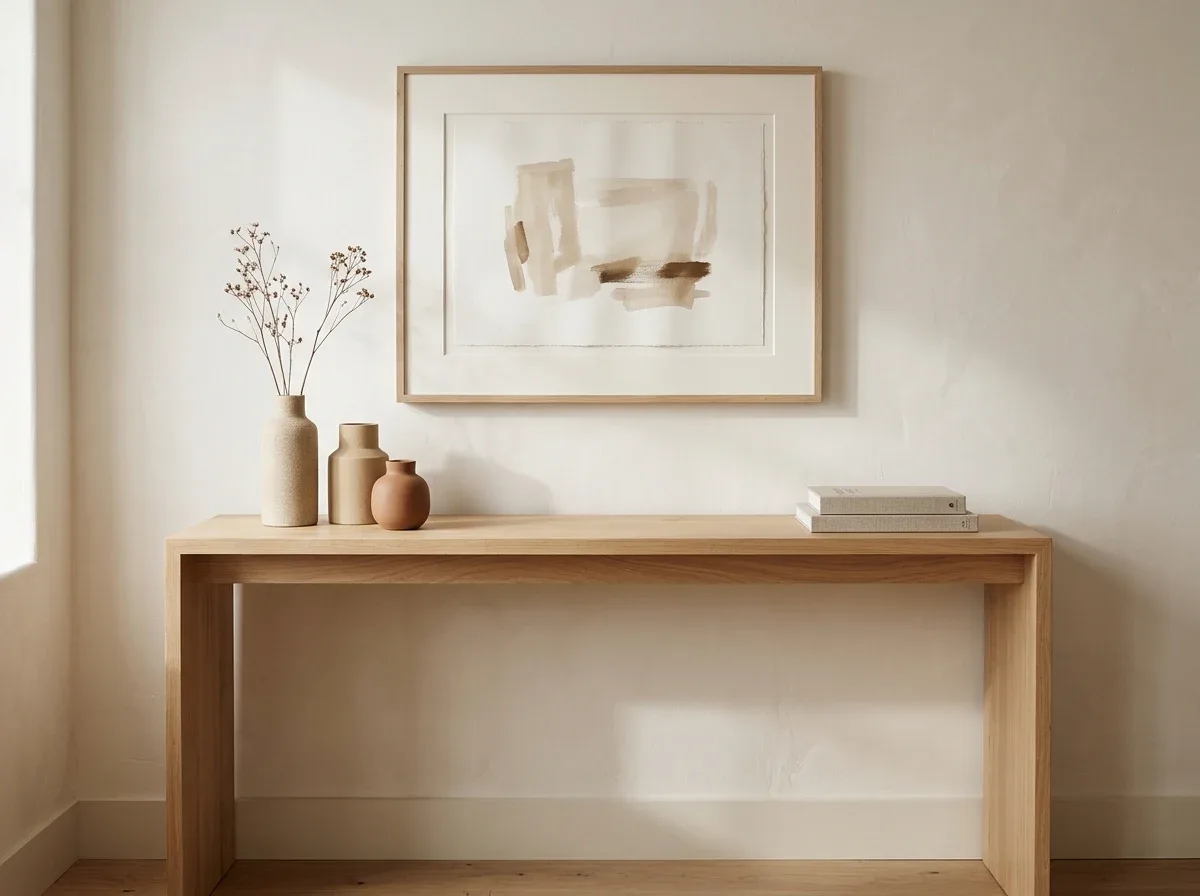
Decorative objects can give a home warmth and personality, but displaying every vase, figurine, candle, and souvenir at once creates visual competition. Shelves become crowded, tabletops lose their usefulness, and individual pieces become difficult to appreciate. The result can feel more cluttered than curated.
What to do instead: Edit your collection and display only the objects that contribute to the room’s style or have personal meaning. Arrange accessories in groups of varying heights, balancing larger statement pieces with smaller accents. Leave open areas between groupings so shelves and surfaces can breathe. Rotate seasonal decorations or treasured collectibles instead of displaying everything simultaneously. You can keep sentimental objects without making every available surface a display area. Thoughtful editing often makes existing decor look more special, and it costs nothing.
10. Poorly Hung Artwork
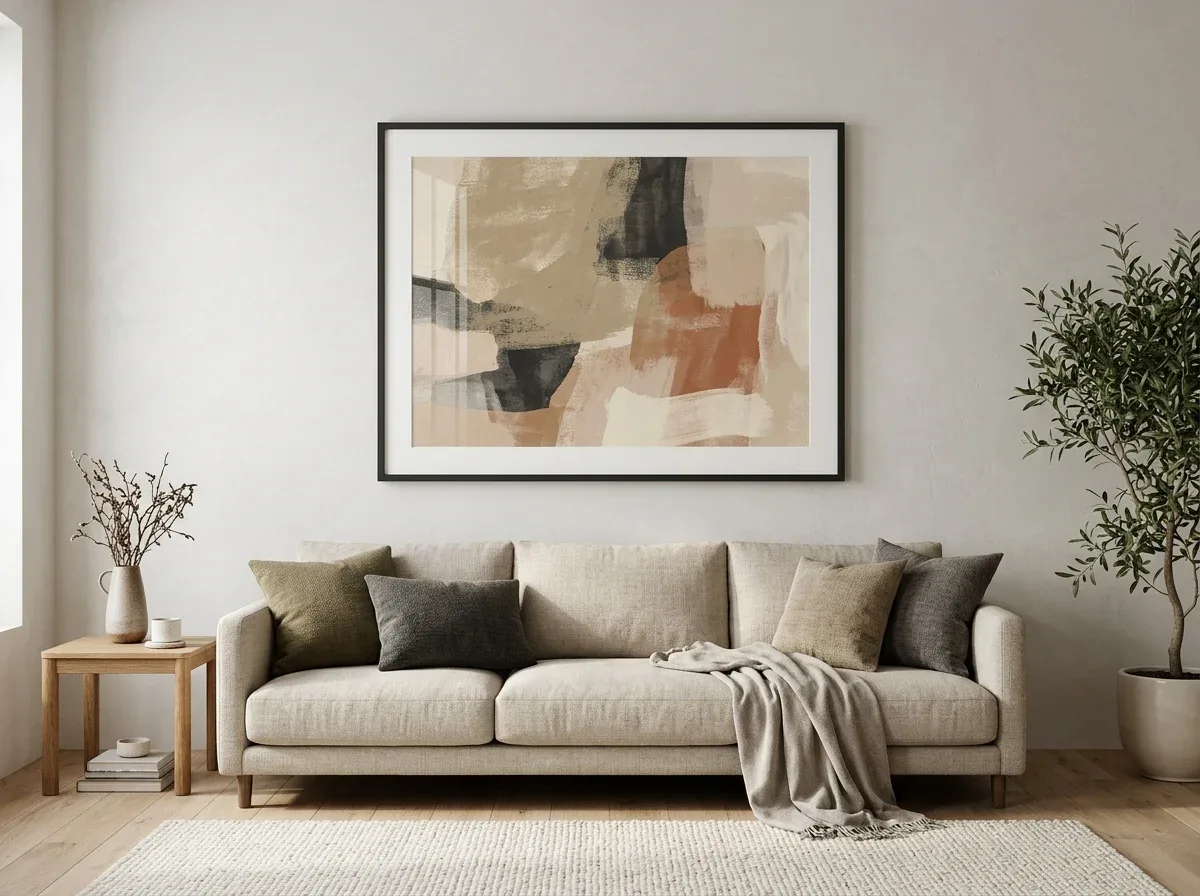
Artwork that hangs too high, appears too small for the wall, or is scattered without a clear arrangement can make a room feel awkward. Tiny frames floating above a large sofa often look disconnected, while gallery walls with inconsistent spacing can seem accidental. The issue isn’t the price of the artwork but how it relates to the surrounding space.
What to do instead: Hang artwork at a comfortable viewing height, generally with the center of the piece around 57 to 60 inches from the floor. When placing art above furniture, keep the lower edge relatively close to the furniture and choose a width that relates to the piece below it. For a gallery wall, lay out the frames on the floor first and maintain consistent spacing. Affordable prints, personal photographs, and simple frames can look sophisticated when arranged with care.
11. Cheap-Looking Artificial Plants
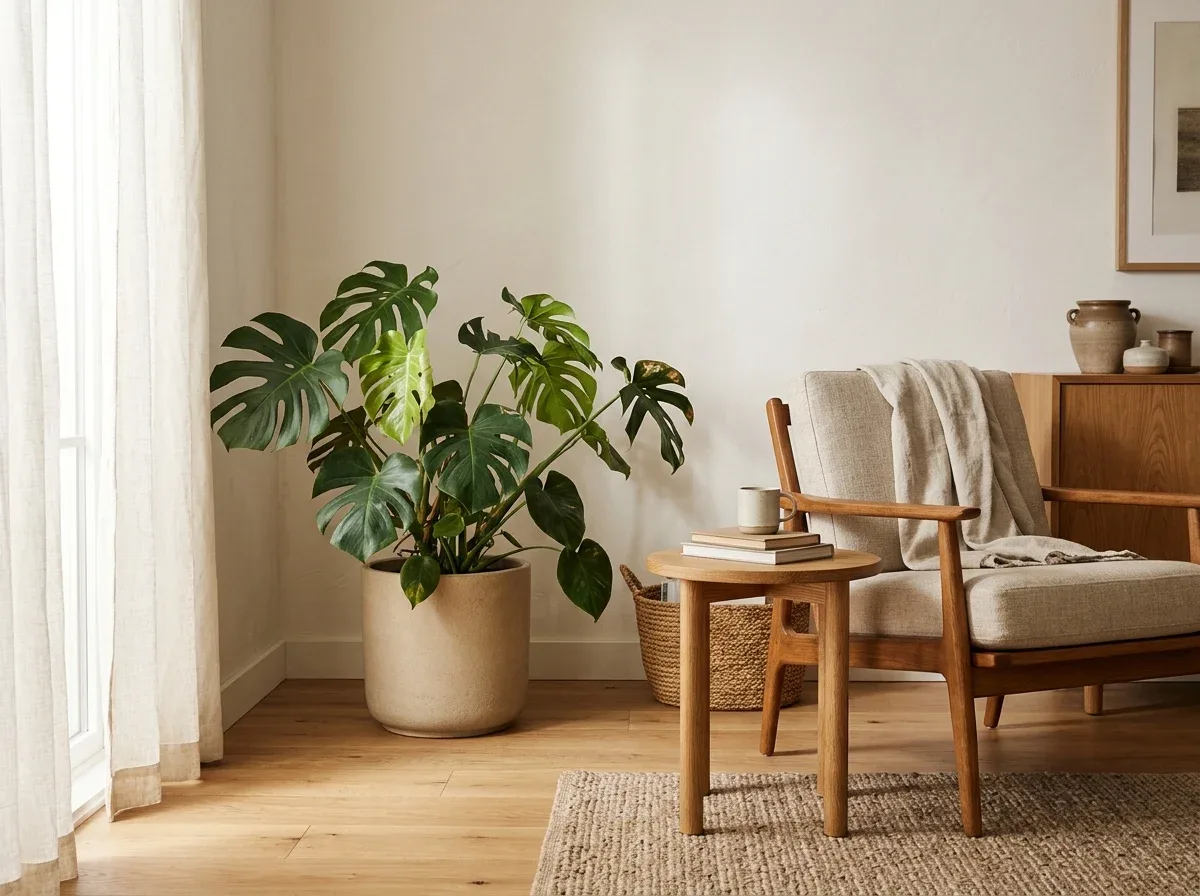
Artificial greenery can brighten a room, but overly glossy leaves, unnatural colors, and flimsy plastic stems may make the arrangement look noticeably artificial. Dusty faux plants can also make a home appear neglected. The problem becomes more obvious when a small, sparse arrangement is placed in an oversized planter.
What to do instead: Choose realistic-looking artificial plants with varied leaf shapes, natural color variation, and flexible stems. Fluff the branches and position them so they don’t appear unnaturally uniform. Select a planter with enough visual weight to balance the plant’s size, and clean the leaves regularly. If you prefer living greenery, choose low-maintenance plants suited to your light conditions. Even a single healthy plant can add texture and freshness. You don’t need a jungle of greenery; a few well-placed plants usually make a stronger impression.
12. Visible Damage and Neglected Maintenance
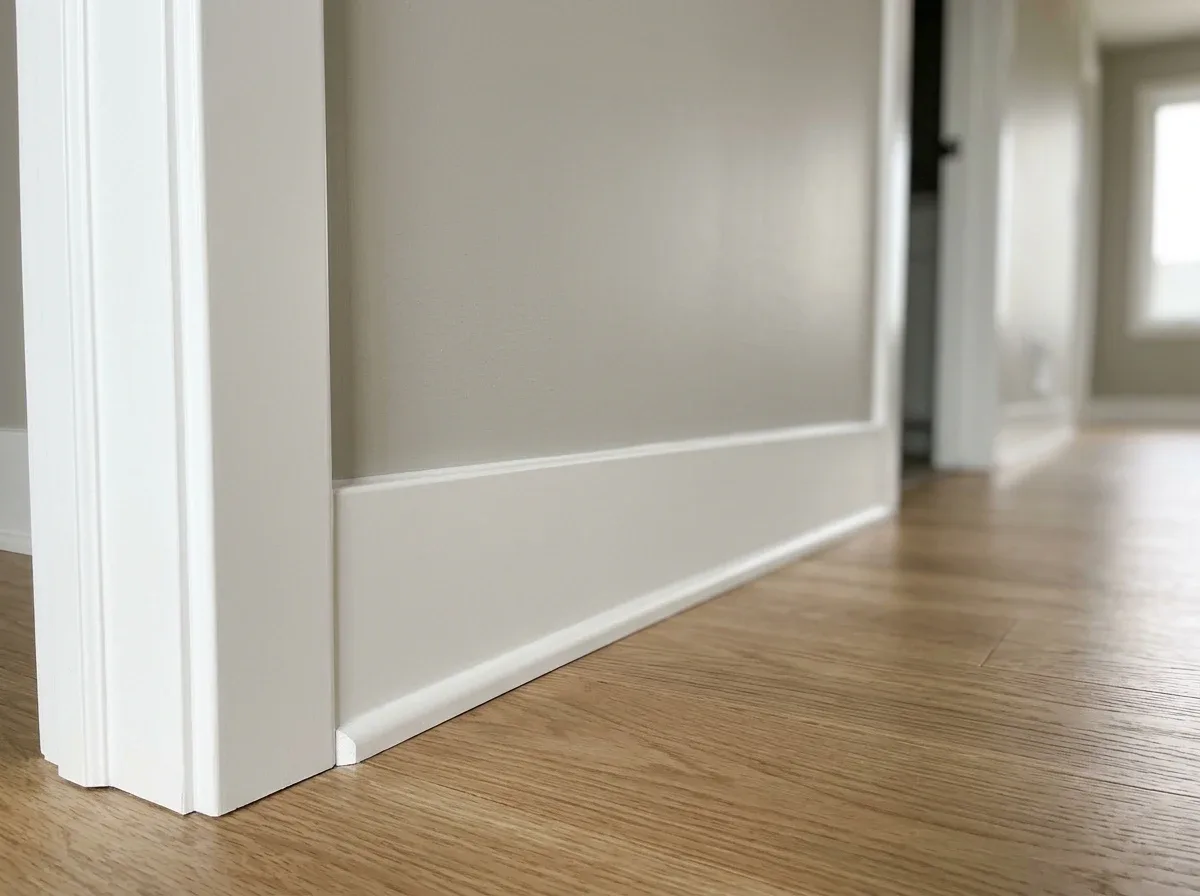
Scuffed baseboards, peeling paint, stained grout, chipped furniture edges, and cracked caulk can make a home feel uncared for. These imperfections may seem minor individually, but together they create an impression of neglect that decorative upgrades cannot fully disguise. Expensive furniture won’t compensate for visible maintenance problems.
What to do instead: Make a list of small repairs and tackle the most noticeable issues first. Touch up chipped paint, clean baseboards, refresh dirty grout, tighten loose handles, and replace deteriorated caulk where appropriate. Use cleaning products suitable for each surface to prevent accidental damage. If you rent, check with your landlord before making permanent changes. Prioritize cleanliness, safety, and function before purchasing additional decor. A well-maintained home often looks more polished than a newly decorated one with obvious wear and unfinished repairs.
13. An Overly Trendy Decorating Scheme
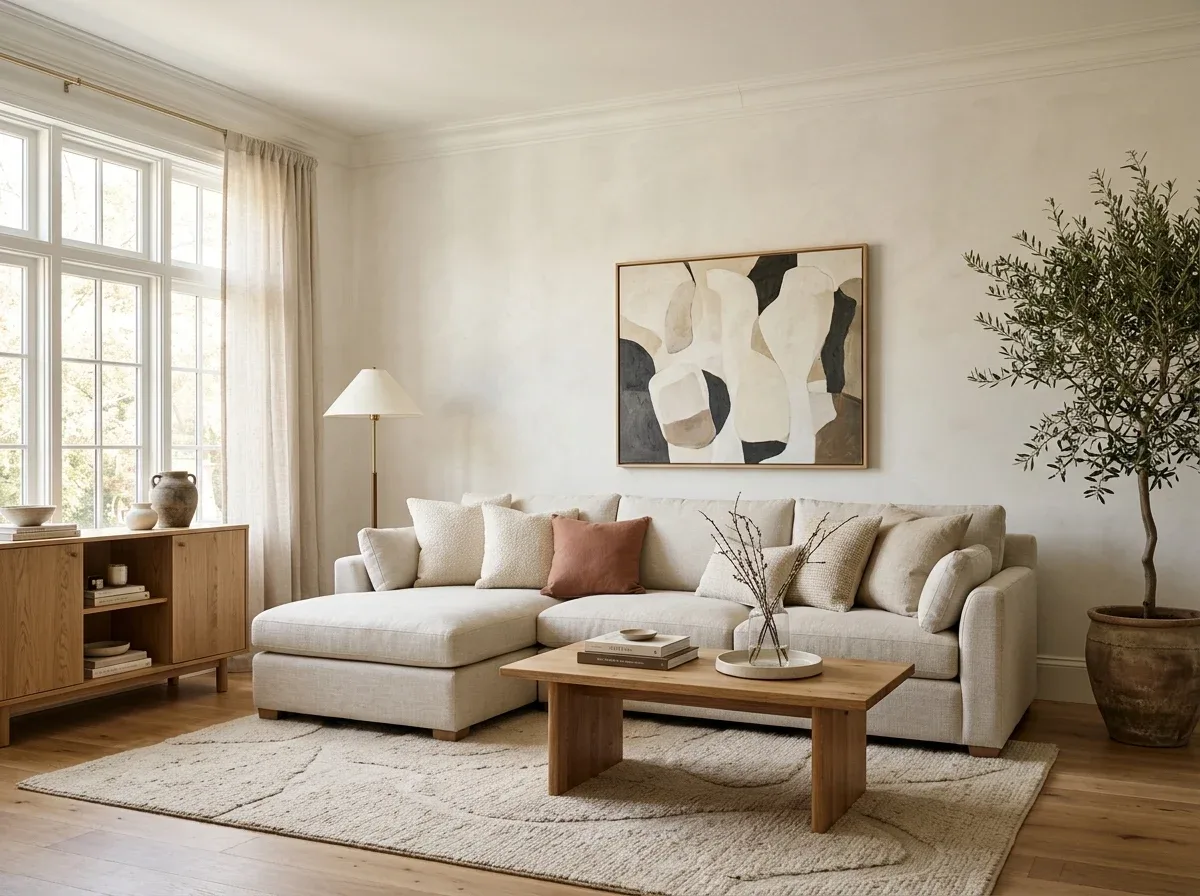
Decorating entirely around a short-lived trend can leave a home feeling dated surprisingly quickly. When every room contains the same fashionable color, distinctive pattern, or viral accessory, the design may lack depth and personal character. Constantly replacing trend-driven items can also become expensive without necessarily improving the space.
What to do instead: Build the foundation of your decor around pieces you genuinely enjoy and can live with for years. Use timeless furniture shapes, versatile textiles, and a consistent base palette. Bring in current trends through inexpensive, easy-to-change items such as cushion covers, artwork, small lamps, or seasonal accessories. This approach lets you experiment without committing your entire room to one look. Trends can be fun and inspiring, but they work best when they complement your home rather than dictate every decorating decision.
14. Shiny, Poorly Coordinated Finishes
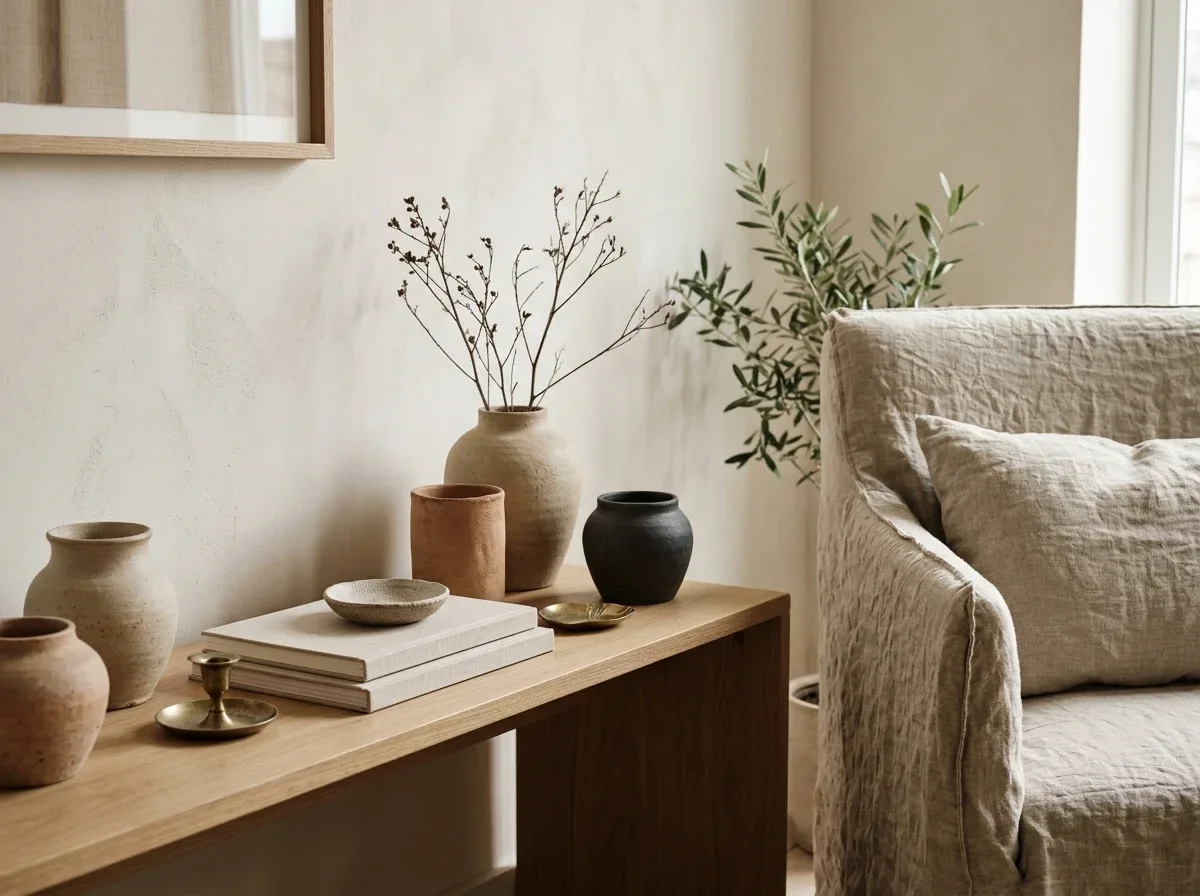
Highly reflective finishes can look attractive in the right setting, but combining too many glossy surfaces, metallic effects, and imitation luxury materials can make a room feel visually busy. The same applies when wood tones clash or metal finishes appear randomly throughout the space. The result may feel less cohesive than intended.
What to do instead: Balance reflective materials with matte, textured, or natural finishes. Pair a polished accent with linen, wood, ceramic, or woven elements to create depth. When choosing metal finishes, repeat a few compatible tones rather than trying to match every item exactly. Wood finishes do not have to be identical, but they should relate through undertones or overall warmth. If you enjoy glam decor, choose a few deliberate statement pieces instead of making every surface shine. Contrast and restraint help materials look considered and harmonious.
15. Cheap-Looking Bedding and Mismatched Textiles
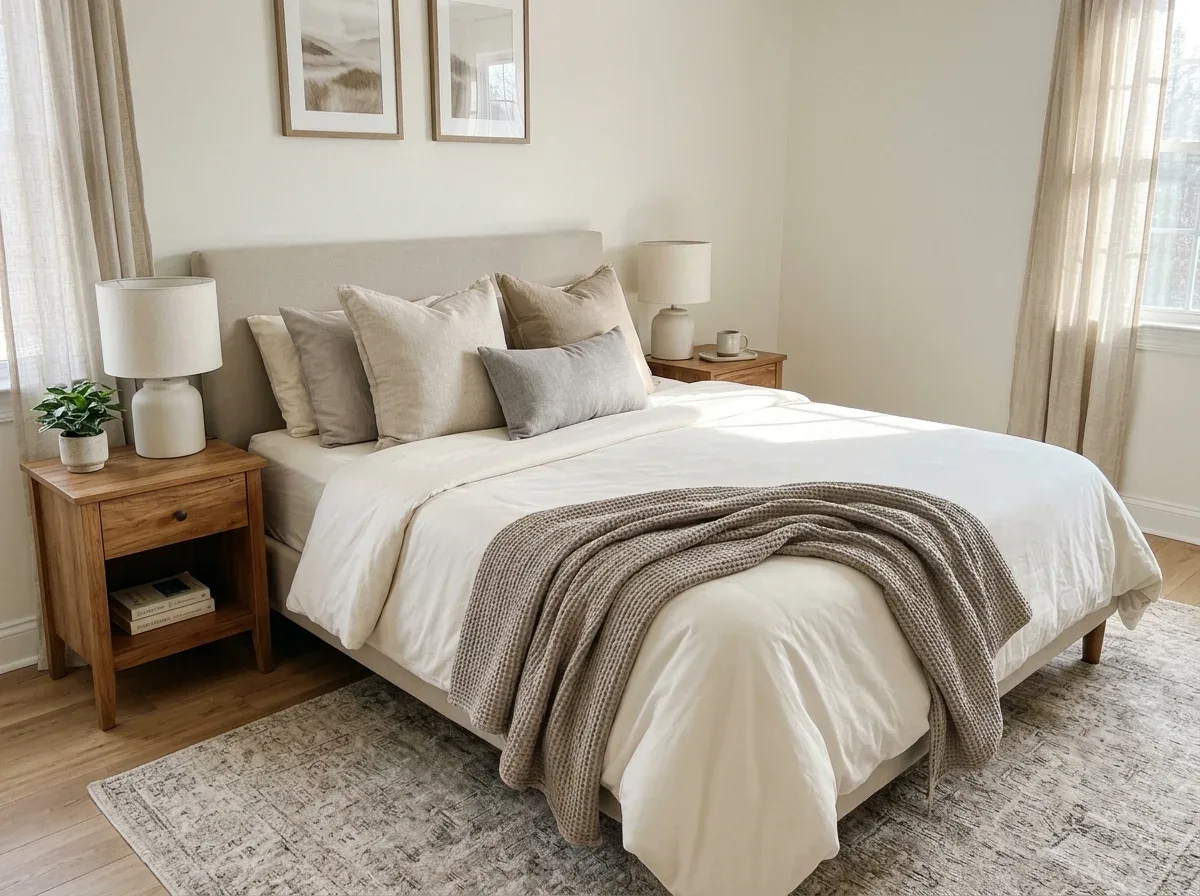
A bedroom can feel unfinished when the bedding is heavily wrinkled, the comforter is poorly sized, or several unrelated patterns compete for attention. Worn pillowcases and thin, misshapen cushions can also detract from the room, regardless of how attractive the bed frame is. Creating a polished bedroom is more about coordination and care than luxury linens.
What to do instead: Choose comfortable bedding in a simple palette and prioritize fabric quality, fit, and easy maintenance. Cotton, linen, and suitable cotton blends can all work well depending on your budget and preferences. Layer a duvet or comforter with coordinating pillowcases and one or two accent cushions rather than an excessive collection of decorative pillows. Smooth the bedding each morning and wash textiles according to their care instructions. A neatly made bed with cohesive colors creates an immediate sense of order and makes the entire bedroom feel more inviting.
16. Furniture That Is Too Large or Too Small
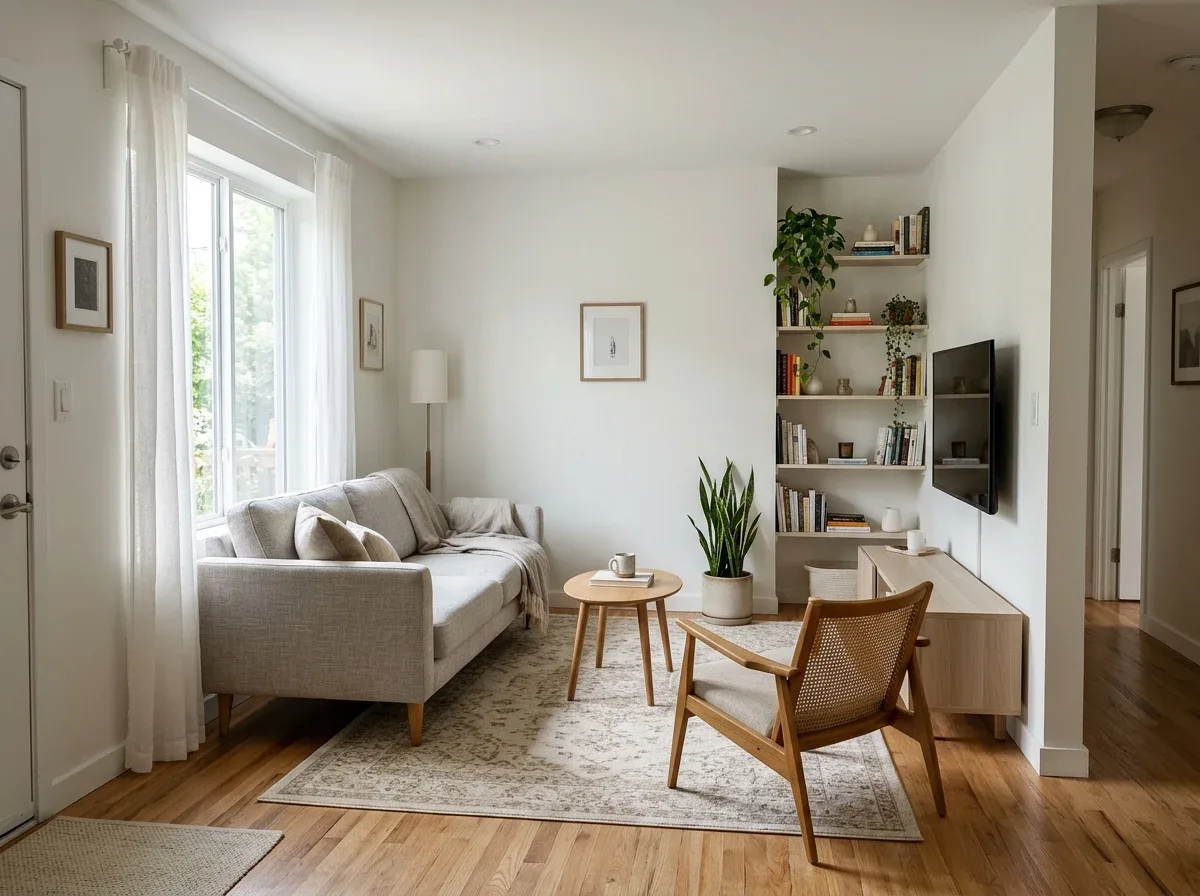
Furniture that doesn’t suit a room’s proportions can make the space feel cramped, empty, or awkward. An oversized sectional may block walking paths in a small living room, while tiny furniture surrounded by vast empty walls can look lost. Even beautiful pieces may appear out of place when their scale is wrong.
What to do instead: Measure the room and map out furniture dimensions before buying anything. Leave comfortable pathways between major pieces and consider how doors, drawers, and cabinets open. In small spaces, furniture with exposed legs or visually lighter profiles can help the room feel more open. Larger rooms often benefit from defined conversation areas, substantial rugs, and appropriately scaled lighting. If replacing furniture isn’t practical, rearrange what you own and remove unnecessary pieces. A balanced layout improves both appearance and everyday usability.
17. Cheap-Looking Wall Decor and Finishes
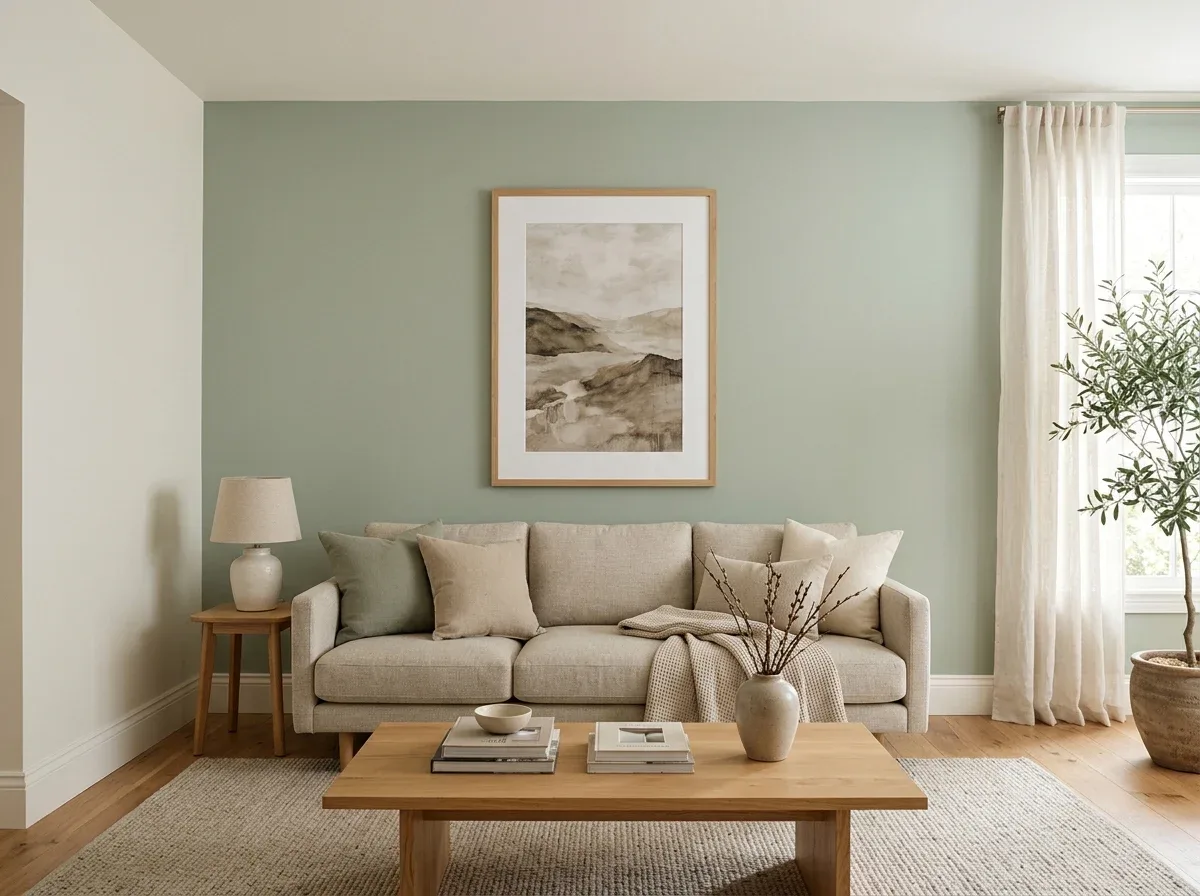
Bare walls aren’t automatically a problem, but random decals, poorly applied wallpaper, tiny generic prints, and damaged paint can make a room feel unfinished. Likewise, wall decor that doesn’t relate to the room’s color palette or furniture can create a disconnected appearance. Filling every empty wall isn’t the solution, either.
What to do instead: Choose wall treatments that suit the home’s architecture and your personal style. A fresh coat of paint in a carefully selected color can transform a room without a major investment. Hang a larger print, create a balanced gallery wall, or use removable wallpaper in a rental-friendly accent area. Make sure wallpaper seams are neat and artwork is securely mounted. Leave some walls relatively simple when the room already contains strong patterns or statement furniture. Thoughtful placement and clean execution matter more than expensive artwork or elaborate finishes.
18. Neglecting Cleanliness and Everyday Organization
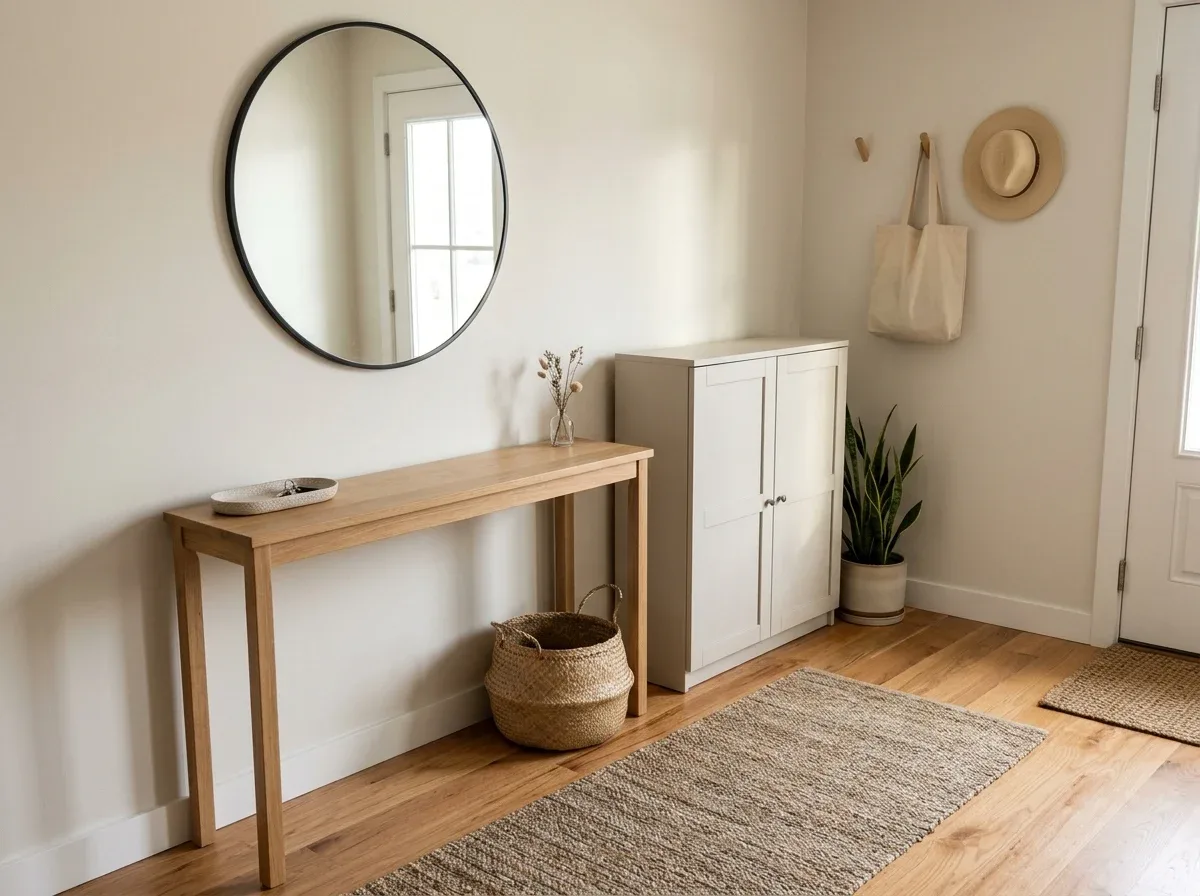
Dusty lampshades, fingerprints on mirrors, streaky windows, overflowing bins, and laundry piled on chairs can undermine an otherwise attractive home. These everyday details are easy to overlook because they accumulate gradually. Yet a clean, orderly space often feels more comfortable and refined than one filled with expensive decor but little routine maintenance.
What to do instead: Create a simple cleaning routine that addresses the areas people notice most. Wipe kitchen and bathroom surfaces, clean mirrors, dust lamps and shelves, and keep entryways clear. Use baskets or closed storage for everyday items that don’t need to remain visible. Put laundry away regularly and give frequently used belongings a designated home. You don’t need a spotless house every minute; focus on manageable habits that prevent clutter and grime from building up. Consistent care helps your furnishings, finishes, and decorative details look their best.
Conclusion
Knowing what makes a home look cheap helps you focus on the details that genuinely improve a space. Clutter, poorly proportioned furnishings, harsh lighting, neglected maintenance, and mismatched finishes can all detract from your home’s appearance, but most are fixable without a major budget. Start with simple improvements such as clearing surfaces, adjusting curtains, layering lighting, organizing cables, and repairing visible damage. Then refine your color palette and choose accessories with intention. You don’t need to follow every trend or buy expensive furniture to create an elegant home. With thoughtful styling, practical organization, and consistent care, you can make your space feel cohesive, comfortable, and polished while keeping your existing furnishings and personal style.