

Whether you are furnishing a temporary home, running a small food business, hosting an event, or waiting for a permanent appliance to arrive, renting a fridge can be a practical alternative to buying one. A rented refrigerator provides access to essential cold storage without requiring a large upfront investment or a long-term commitment. Depending on the rental arrangement, maintenance and repair support may also be included, making the option especially convenient when reliability matters. From flexible budgeting to easier relocation, there are several reasons people choose appliance rental. The key is understanding how a rented fridge can fit your circumstances, household size, storage needs, and expected rental period. Here are 15 practical benefits that can help you decide whether renting a refrigerator makes sense for your situation.
1. Lower Upfront Cost
One of the most immediate benefits of a rented fridge is avoiding the substantial upfront cost of purchasing a new appliance. A quality refrigerator can represent a significant expense, particularly when you need a larger model with features such as frost-free cooling, multiple compartments, or an efficient inverter compressor. Renting spreads the cost over manageable payments instead of requiring you to spend a large amount at once. This can be useful for students, families managing a tight household budget, or businesses preserving cash for other priorities. You can put your available money toward groceries, furniture, moving expenses, or business supplies while still having dependable refrigeration. Before signing a rental agreement, compare the total rental cost with the purchase price and check whether delivery, installation, maintenance, deposits, and other fees are included.

2. No Long-Term Ownership Commitment
Buying a refrigerator makes sense when you expect to use the same appliance for many years, but ownership is less attractive when your circumstances are temporary. Renting allows you to have a fridge without committing to keeping it indefinitely. This can be particularly helpful when living in temporary accommodation, working away from home, renovating a property, or waiting for a permanent move. Instead of worrying about what to do with a large appliance later, you can arrange for the refrigerator to be returned according to the rental agreement. This flexibility makes appliance rental useful for changing lifestyles. However, always check the contract for minimum rental periods, notice requirements, early-return charges, and pickup conditions so that the flexibility you expect is actually provided.
3. Easier Access to a Refrigerator
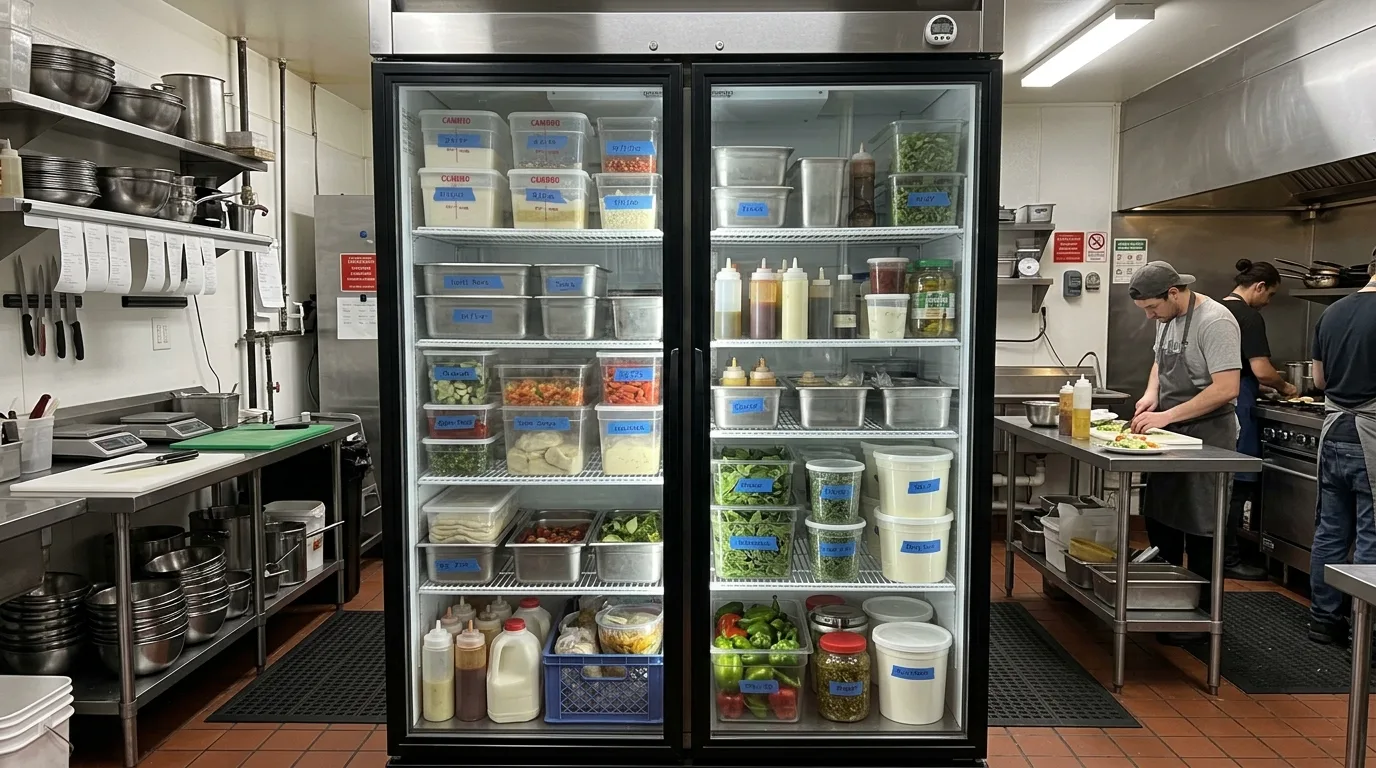
A rented fridge can solve an immediate storage problem without requiring you to wait until you have saved enough money for a purchase. If your existing refrigerator suddenly fails, rental can provide a temporary solution while you decide whether to repair or replace it. This is also useful for people moving into a home that does not include appliances. Rather than delaying your move or relying on coolers and frequent grocery trips, you can arrange refrigeration relatively quickly through a suitable rental provider. Fast access is especially valuable when you need to protect perishable food, medications that require refrigeration, or ingredients for a small food operation. Availability varies by provider and location, so confirm the model, delivery timeframe, electrical requirements, and installation arrangements before agreeing to the rental.
4. Maintenance May Be Included
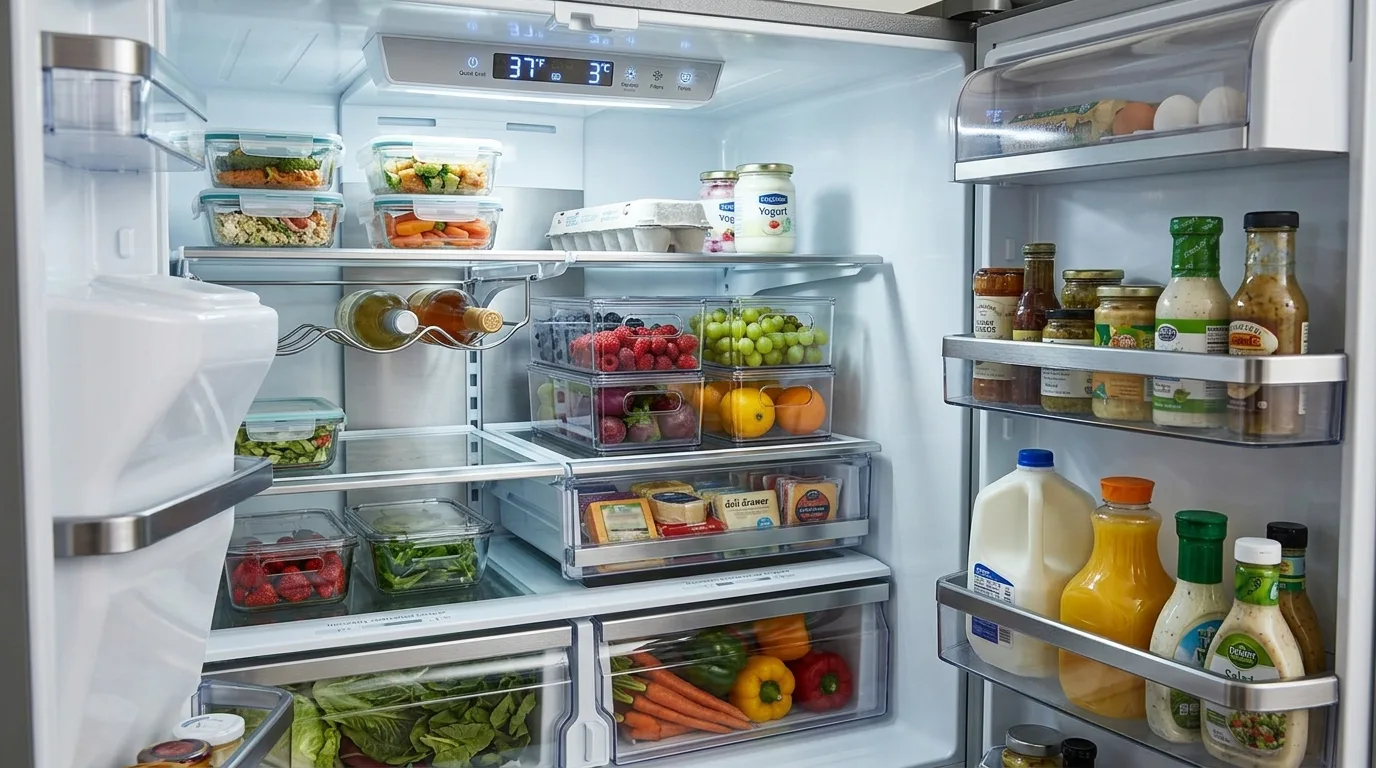
Another potential advantage is that refrigerator rental agreements may include maintenance or repair services. With ownership, you are normally responsible for arranging a technician whenever the appliance develops a problem, as well as paying for repairs outside any warranty coverage. A rental arrangement can shift some of that responsibility to the provider, depending on the contract. This can make unexpected appliance problems easier to manage and reduce the inconvenience of finding a qualified repair service. It is important to read the agreement carefully because coverage differs between rental companies. Check whether routine maintenance, parts, labor, emergency repairs, and service visits are included. Also find out which types of damage are excluded. Understanding these details before renting helps you avoid assuming that every repair will automatically be covered.
5. Convenient for Temporary Housing
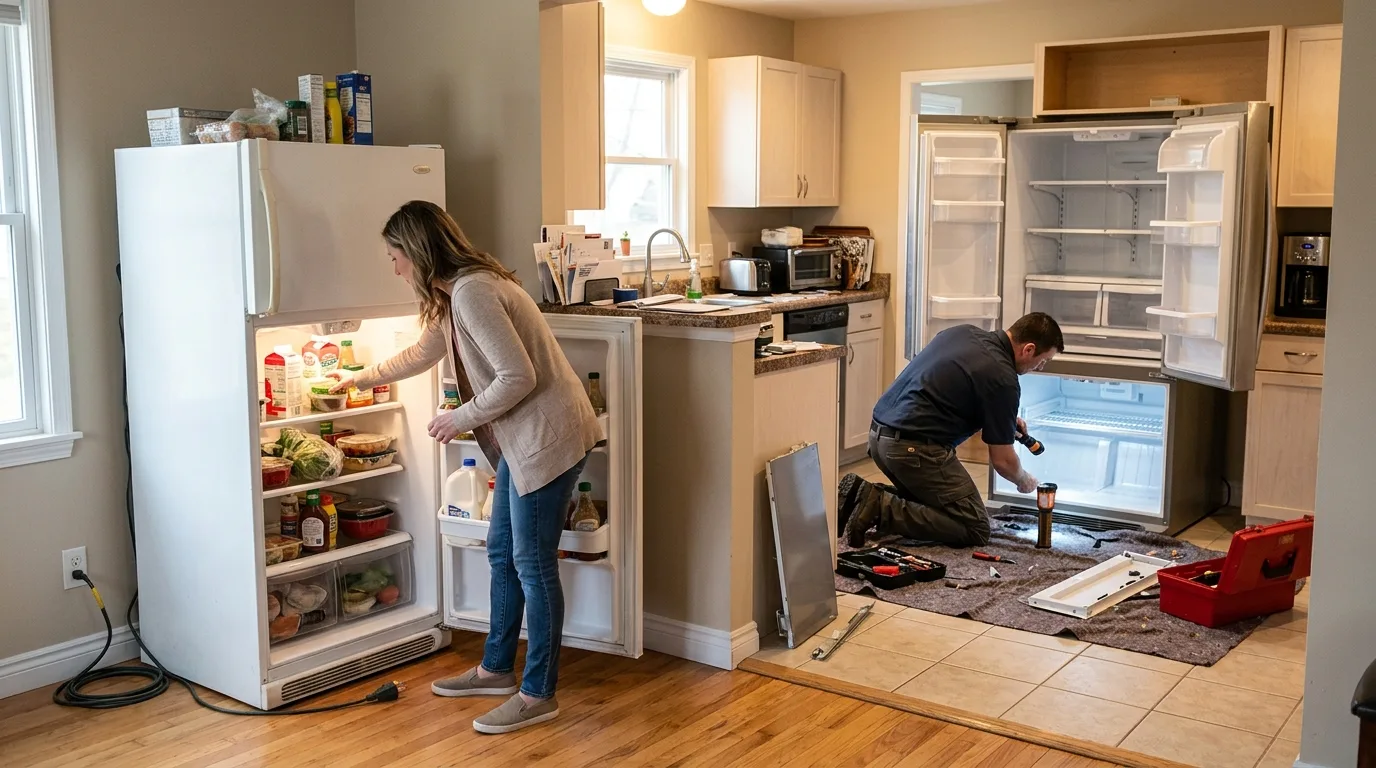
Renting a fridge is particularly convenient for people living in temporary housing. If you are renting a furnished apartment, staying in accommodation for a limited period, or relocating for work, purchasing a large refrigerator may create an unnecessary logistical problem later. A rental can provide the appliance you need for the duration of your stay without adding another bulky item to your future moving plans. This can simplify both the beginning and end of a temporary arrangement. It is also useful when the property owner does not supply appliances but the tenant needs reliable cold storage. Before choosing a rental, measure the available kitchen space and check doorways, elevators, and staircases. A refrigerator that fits the kitchen may still be difficult to deliver if access is restricted.
6. Greater Budget Predictability
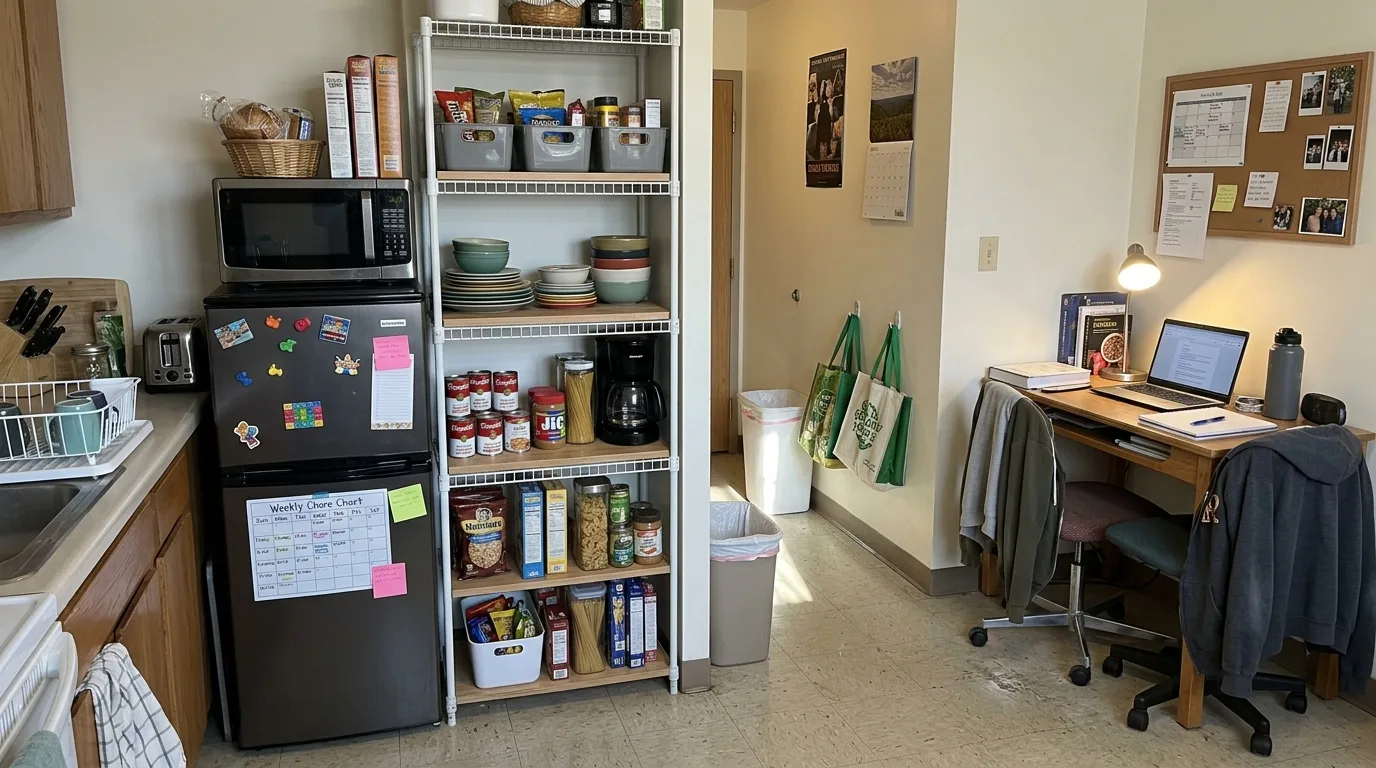
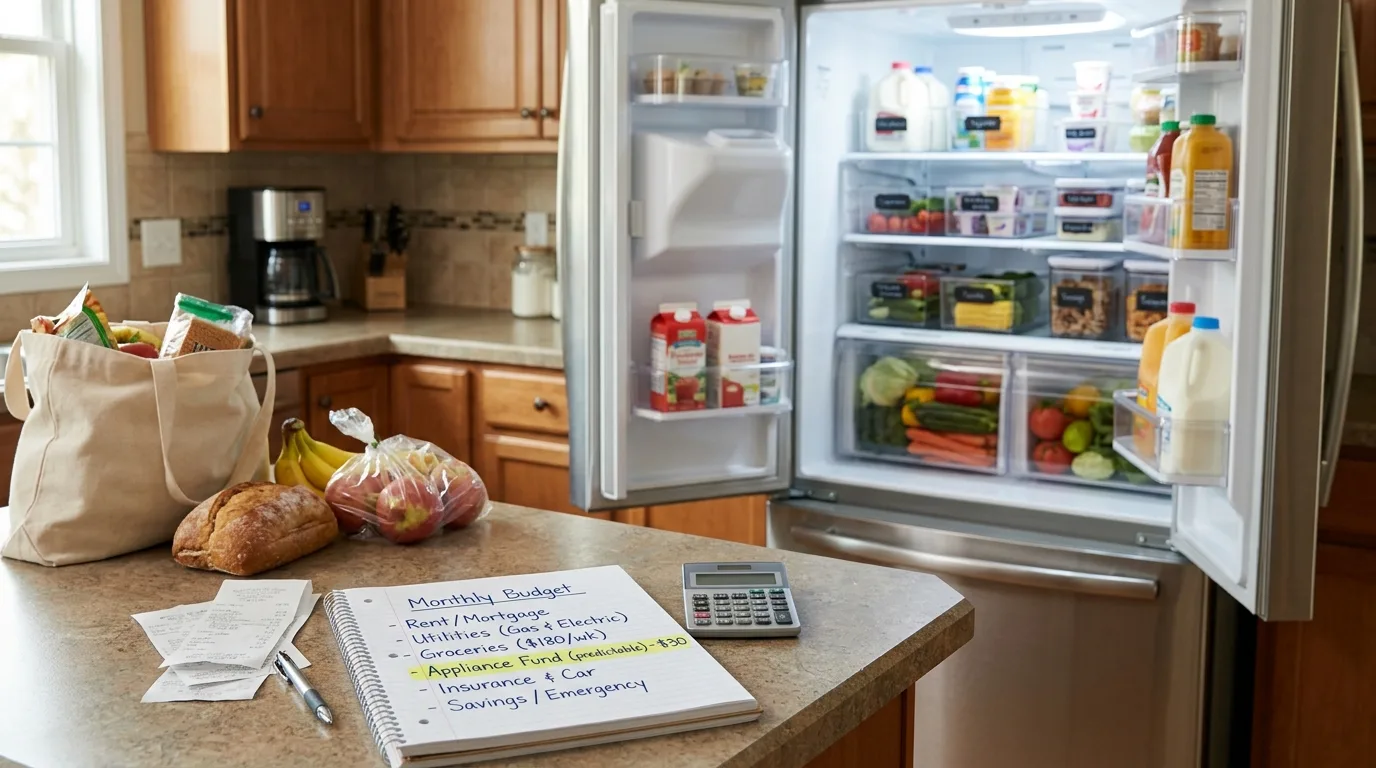
A fixed rental payment can make household budgeting easier because the refrigerator cost is divided into predictable installments. Instead of making a large purchase and potentially facing unexpected repair expenses later, you may have a clearer monthly or weekly appliance cost. This predictability can be valuable for households that carefully manage recurring expenses. It can also help small businesses estimate operating costs more consistently. However, predictable payments only provide a genuine budgeting advantage when you understand the complete contract. Look for deposits, delivery fees, taxes, maintenance charges, late-payment penalties, and other additional costs. Comparing the effective total cost rather than focusing only on the advertised monthly payment gives you a more accurate picture of what the rented fridge will actually cost over the period you plan to use it.

7. Useful for Events and Temporary Food Storage
Special events can create a temporary need for much more refrigeration than a household normally requires. Parties, weddings, catering jobs, community events, markets, and seasonal food businesses may all benefit from additional cold storage. Renting allows you to obtain a suitable refrigerator for a specific period without purchasing equipment that may sit unused afterward. This can be especially practical when storing drinks, desserts, prepared foods, dairy products, or other perishables during a busy event. Choose capacity according to the type and quantity of food being stored, and confirm that the unit can maintain appropriate temperatures in the intended environment. For food-service applications, also check cleaning requirements, electrical capacity, delivery access, and any local food-safety requirements that may apply.

8. Flexibility to Choose Different Sizes
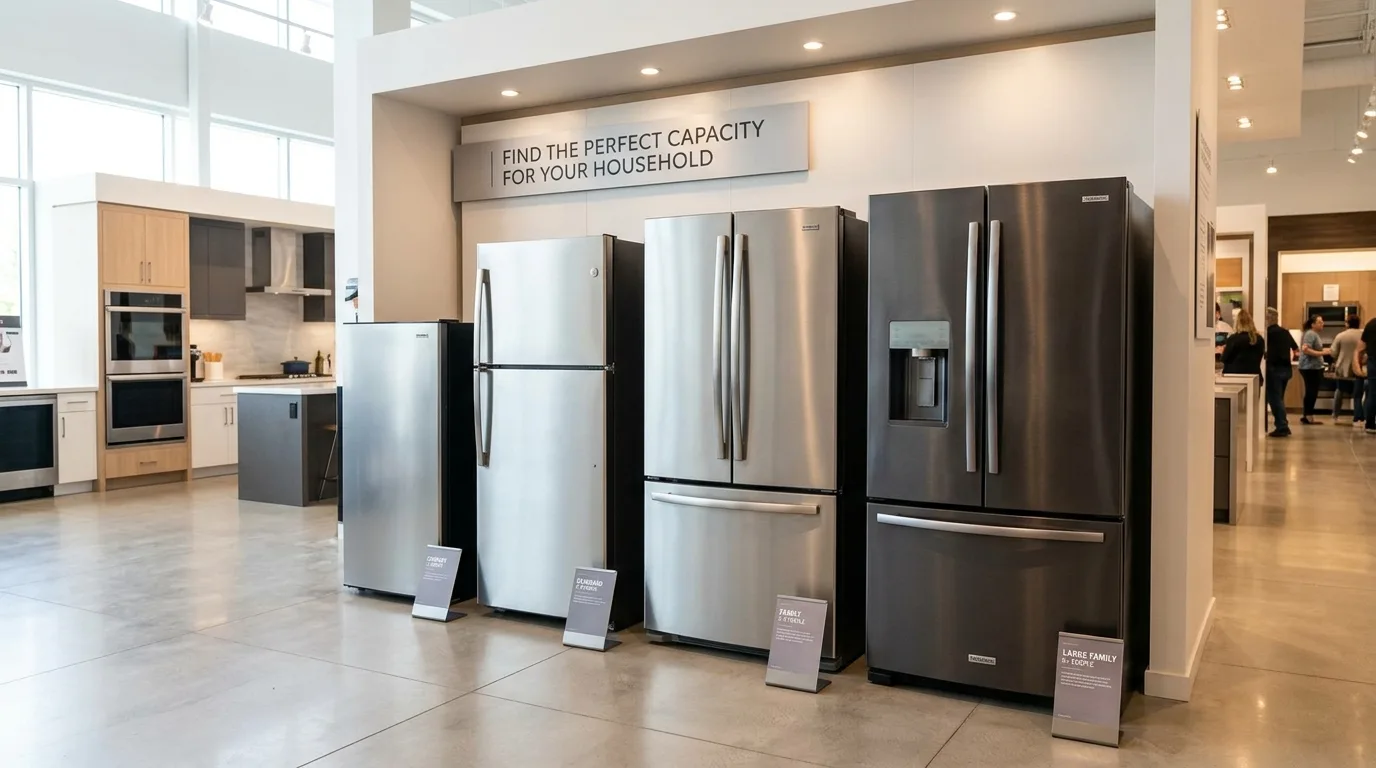
Rental gives you an opportunity to choose a refrigerator based on your current needs rather than committing permanently to one size. A person living alone may only need a compact model, while a growing family may require substantially more storage. Similarly, a small business may need additional capacity during busy seasons but less refrigeration during quieter periods. Renting can make it easier to match appliance capacity to changing requirements. Think about both refrigerator and freezer space when comparing models, because two appliances with similar external dimensions can have very different usable capacities. Measure the location carefully, including clearance around the unit for ventilation and door opening. Choosing the right size prevents you from paying for unnecessary capacity while reducing the risk of overcrowding that can make food organization difficult.
9. Helpful During Home Renovations
Kitchen renovations can temporarily make normal food storage difficult. Cabinets may be removed, electrical work may be underway, or a built-in refrigerator may need to be disconnected before the new kitchen is completed. A rented fridge can provide practical temporary refrigeration during this transition. Instead of repeatedly buying small quantities of food or relying on coolers, you can keep everyday groceries properly organized and chilled. A rental may also be useful if you are waiting for custom cabinetry or a replacement appliance after the renovation. Consider placing the temporary refrigerator somewhere with a stable floor, suitable ventilation, and safe electrical access. Keep the appliance away from construction dust, moisture, and areas where workers could accidentally damage it. Planning the temporary setup can make a disruptive renovation much easier to manage.

10. Useful for Students and Young Professionals
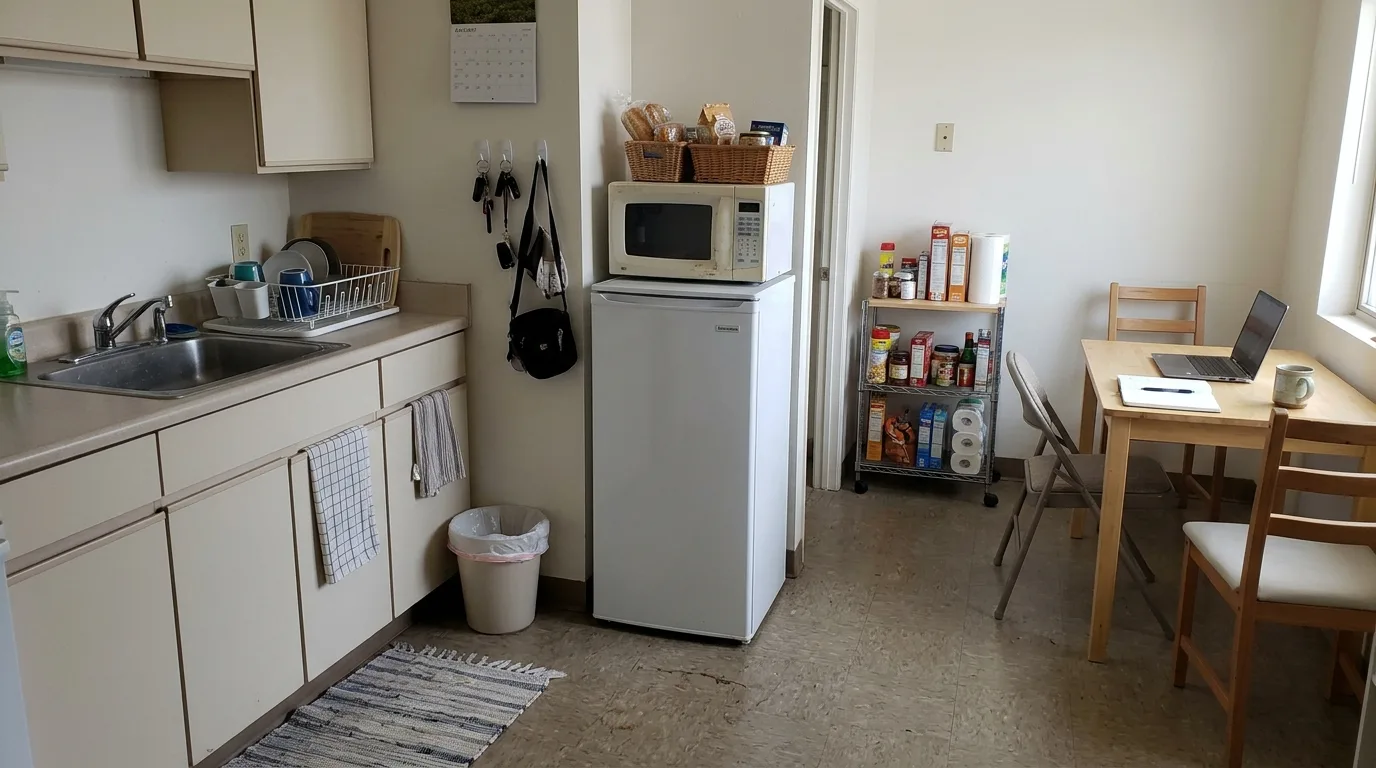
Students and young professionals often move more frequently than established households, which can make large appliance purchases inconvenient. Renting a fridge can provide essential food storage without requiring a permanent investment in an appliance that may not suit the next home. This can be particularly useful for shared accommodation, temporary leases, internships, or work assignments. A renter can select a compact refrigerator that matches limited kitchen space and household needs, then return it when the rental period ends if the agreement allows. This approach can also reduce the hassle of transporting a heavy appliance between properties. When sharing a refrigerator, consider choosing a model with shelves and compartments that make individual food storage easier. Check the rental contract as well as the landlord’s rules before bringing an appliance into the property.
11. An Alternative While Your Fridge Is Being Repaired
Major refrigerator repairs can sometimes take longer than expected, especially when a specialized part needs to be ordered. During that period, a rented fridge can act as a temporary replacement and help prevent disruption to your household. This is more convenient than repeatedly purchasing ice or throwing away perishable groceries because there is nowhere reliable to store them. It can be particularly useful for larger households that cannot easily manage without substantial refrigeration capacity. Before renting, ask how quickly the provider can deliver the unit and whether short-term contracts are available. You should also clarify who is responsible for collecting the appliance when your own refrigerator is repaired. A temporary rental works best when its duration and return arrangements are clearly defined from the beginning.
12. Access to Modern Refrigerator Features
Renting can sometimes give you access to refrigerator features that would otherwise require a larger purchase. Depending on the provider’s inventory, you may find models with frost-free operation, adjustable shelving, spacious freezer sections, digital temperature controls, or energy-saving technology. This can be useful when you want a more convenient appliance but do not want to commit to buying a premium model. Feature availability varies widely, so compare actual specifications rather than assuming every rental unit includes the same technology. Consider which features genuinely improve your daily routine. For example, adjustable shelves may be more valuable than decorative features if you frequently store large containers. Also check the appliance’s age, energy consumption, condition, and included accessories before accepting it.

13. Easier Relocation
Large refrigerators are heavy, awkward to transport, and vulnerable to damage during a move. Renting can reduce the number of bulky appliances you personally need to move when changing homes, especially if the rental company handles collection at the end of the agreement. This can save time and make relocation logistics simpler. The benefit is strongest when your rental period ends before or around the time you move, because you may be able to return the refrigerator rather than transporting it to another property. If you are moving while the rental is still active, check whether the provider permits relocation and whether there is an additional delivery or transfer charge. Never assume that moving the appliance to a new address is permitted without notifying the rental company first.

14. Useful for Small Businesses
Small food businesses can use rented refrigeration to increase storage capacity without making a large equipment investment. Cafes, home-based food sellers, caterers, bakeries, event vendors, and seasonal businesses may need additional refrigerator space when demand increases. Renting can allow a business owner to test a new operation or handle a temporary increase in orders before purchasing commercial equipment. It can also help preserve working capital for ingredients, packaging, marketing, or other operational needs. Businesses should pay close attention to capacity, temperature performance, electrical requirements, sanitation, and local commercial food-safety rules. A domestic refrigerator may not be appropriate for every business application, so select equipment according to the actual storage requirements. The rental agreement should also clearly state who handles maintenance and what happens if the appliance fails during business hours.

15. Less Concern About Long-Term Disposal
When you own a refrigerator, eventually you have to decide how to replace or dispose of the old appliance. Large refrigerators can be difficult to transport, and responsible disposal may involve specific recycling or waste-management procedures. With a rental arrangement, the provider may take responsibility for collecting the appliance when the agreement ends. This can make the end of the appliance’s useful period more convenient for the renter. The exact process depends on the rental company, so confirm whether pickup is included and whether there are collection fees. You should also document the refrigerator’s condition at the start and end of the rental to reduce disputes about damage. For people who value convenience and do not want to manage the entire ownership lifecycle of a bulky appliance, this can be a meaningful practical benefit.

What to Check Before Renting a Fridge
Although renting can offer flexibility and convenience, the agreement deserves careful attention before you commit. Compare several providers and look beyond the headline rental price. The cheapest weekly or monthly payment is not necessarily the lowest overall cost.
- Total cost: Check rental payments, deposits, delivery, installation, taxes, and possible collection charges.
- Contract length: Confirm minimum terms, renewal rules, notice periods, and early-return fees.
- Maintenance: Find out exactly which repairs and replacement parts are covered.
- Condition: Inspect the refrigerator and document existing scratches, dents, or functional issues.
- Capacity: Make sure the refrigerator and freezer space match your actual storage needs.
- Energy use: Ask about the model’s efficiency because electricity remains your responsibility in most arrangements.
- Delivery and pickup: Confirm who handles transportation and whether your property has suitable access.
For many people, the main appeal of a rented fridge is flexibility. You can obtain essential refrigeration without making the same long-term commitment as an outright purchase, while potentially gaining access to maintenance support and convenient delivery or collection. The option can be particularly useful for temporary housing, renovations, events, unexpected appliance failures, and small businesses with changing storage requirements. The right choice depends on the rental price, contract terms, appliance condition, energy consumption, and how long you expect to need the refrigerator. By comparing the full cost and reading the agreement carefully, you can determine whether renting provides the convenience and financial flexibility you need.