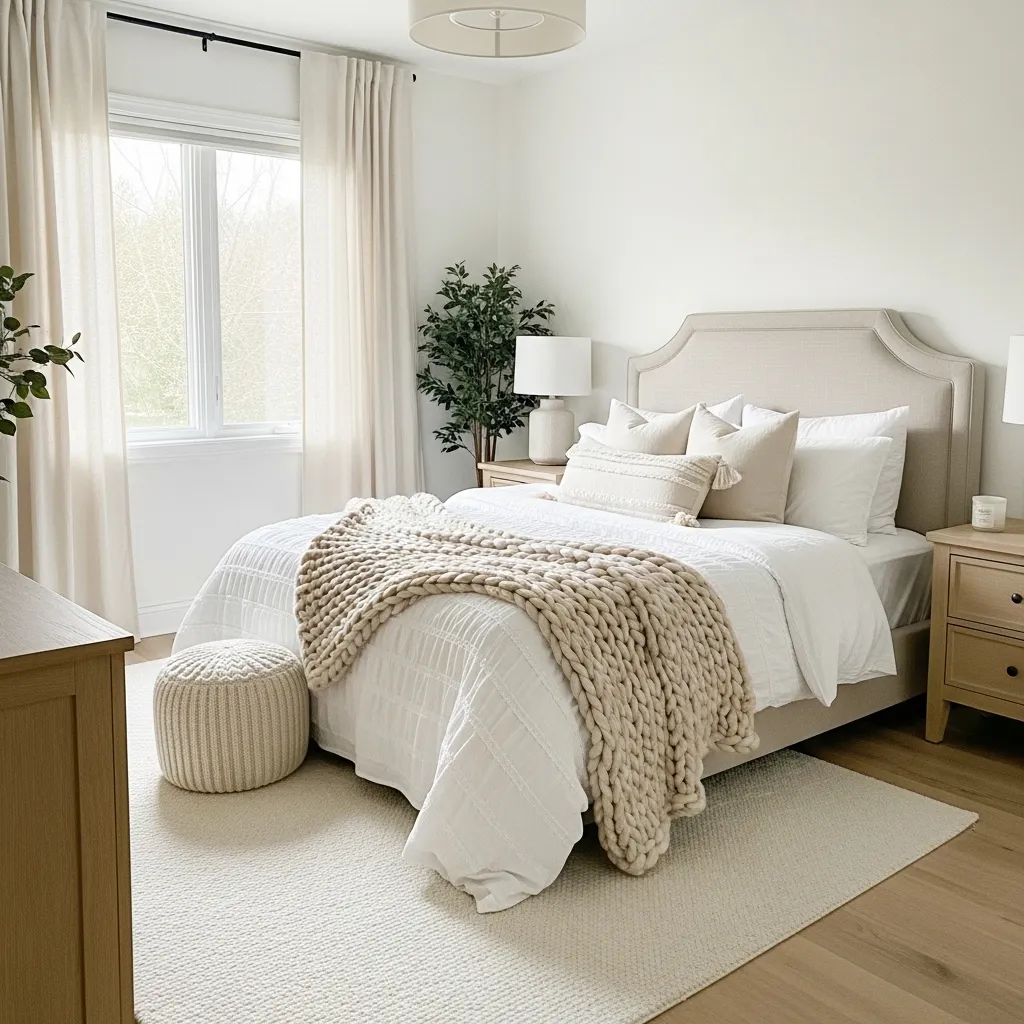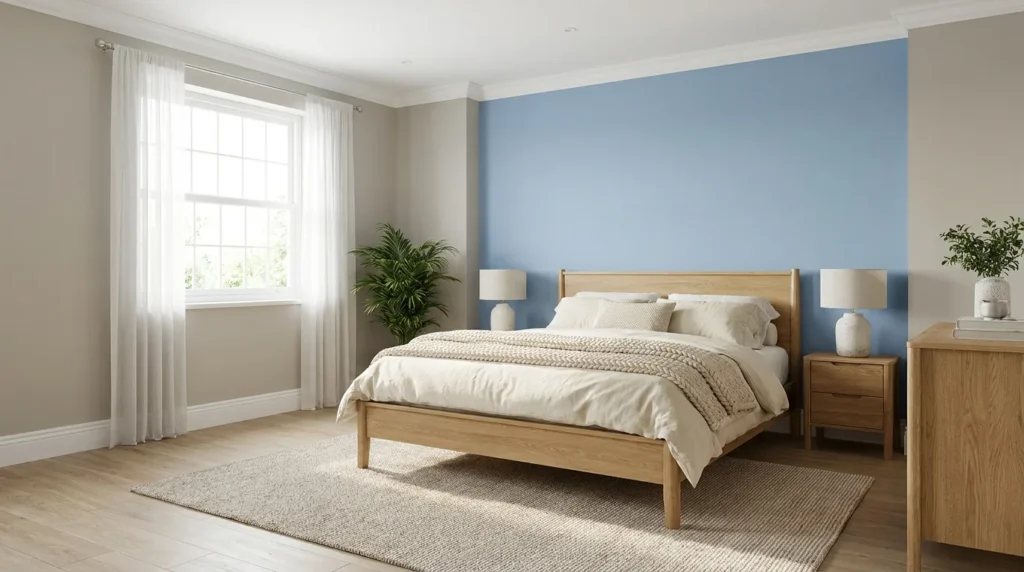
Blue is one of the most versatile bedroom colors, but using two shades or pairing blue with a complementary color can make the room feel far more layered and intentional. Whether you prefer a calm coastal retreat, a modern bedroom, a dramatic space, or a soft and romantic look, the right blue two-colour combination can completely change the atmosphere. The key is choosing shades that work with your natural light, furniture, flooring, and overall decorating style.
From timeless navy and white to earthy blue and beige, these bedroom wall color combinations offer practical inspiration for creating a stylish and comfortable space.
1. Navy Blue and Crisp White
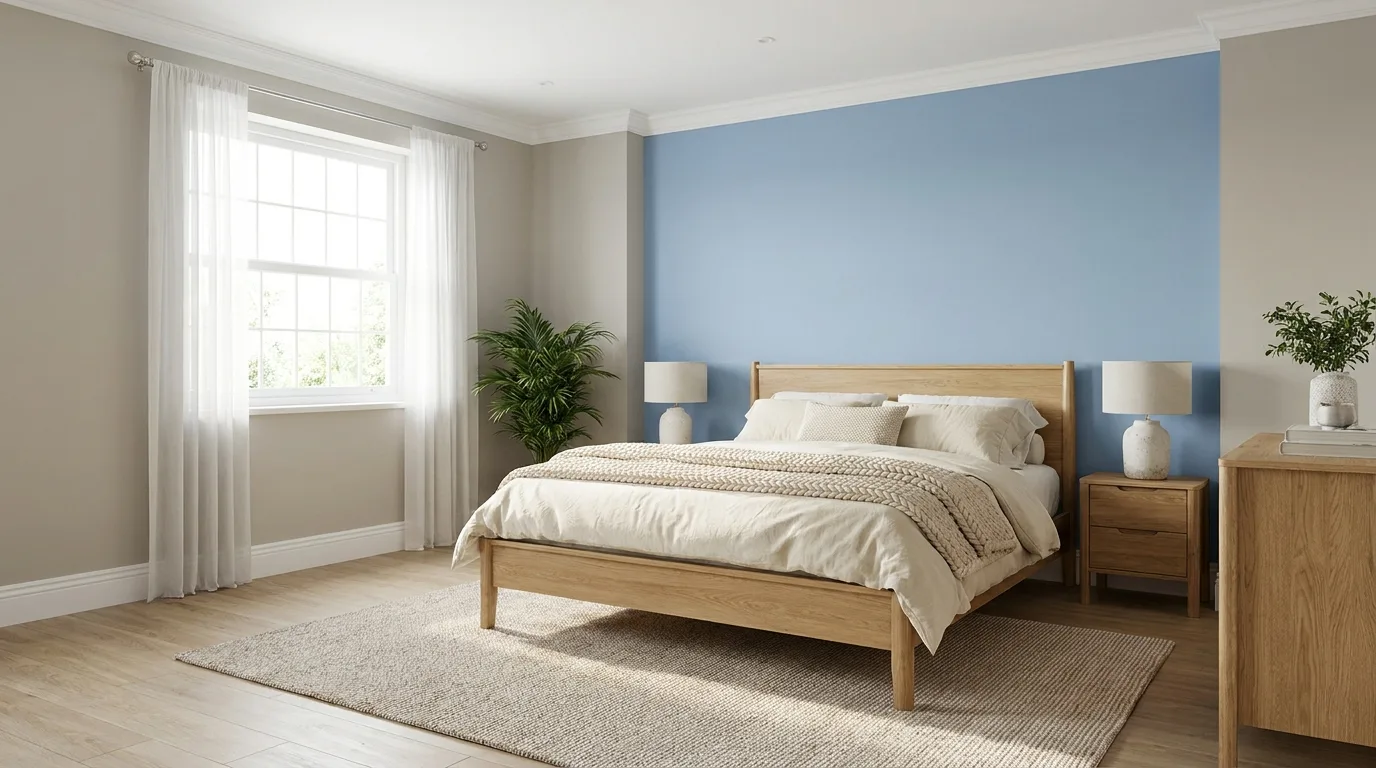
Navy blue and crisp white is a classic bedroom wall combination that works beautifully in both traditional and modern homes. Use navy on the main feature wall behind the bed and keep the remaining walls white to create a strong focal point without making the bedroom feel enclosed. White also reflects natural light, helping balance the visual weight of deep navy. For furniture, light oak, white-painted wood, or upholstered pieces in cream can soften the contrast. Add bedding with subtle navy patterns and a few warm metallic accents for a polished finish. This combination is particularly effective in bedrooms with good natural light, although strategically placed lamps can make it work in darker rooms too. If you want a timeless blue bedroom that will not quickly feel dated, navy and white is an easy foundation.
2. Sky Blue and Soft Beige
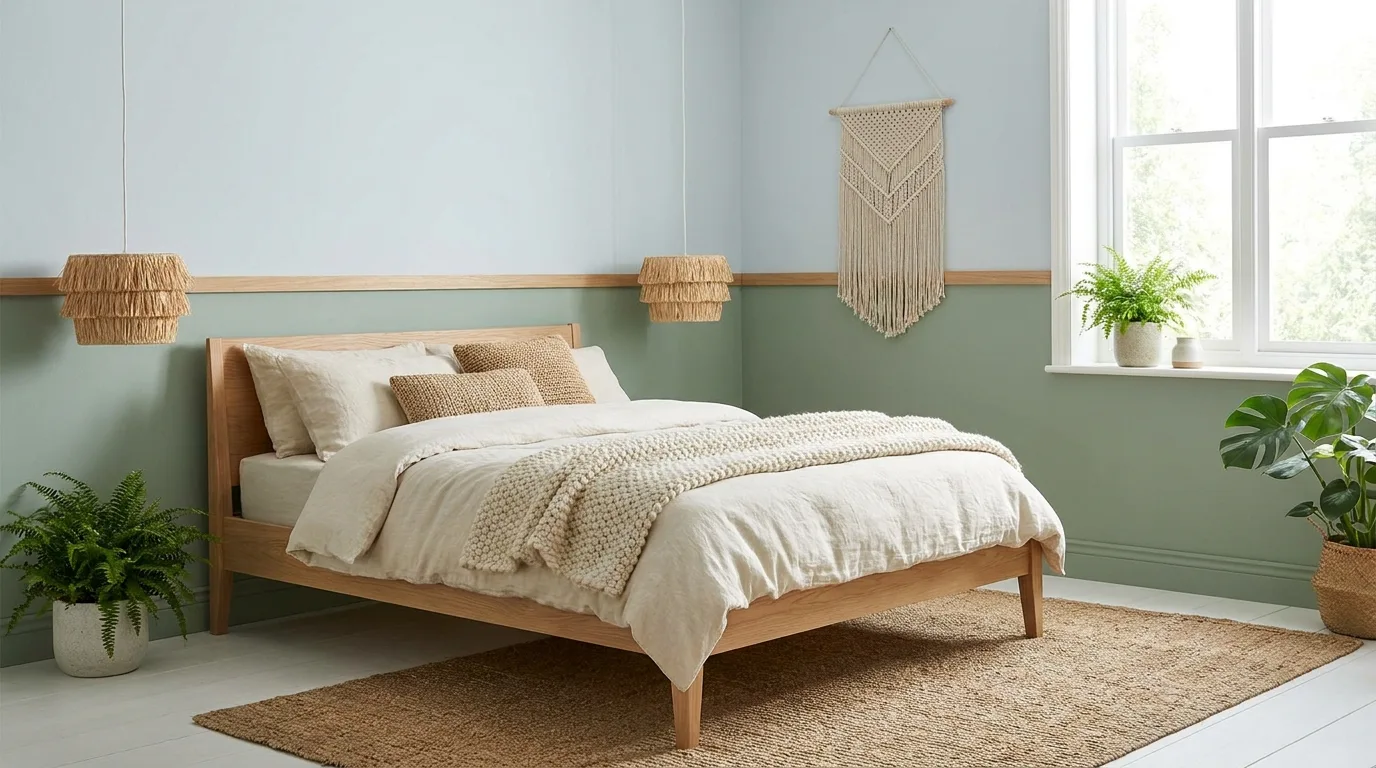
Sky blue paired with soft beige creates a gentle, relaxing bedroom that feels warm rather than overly cool. Paint the upper portion of the walls sky blue and use beige below, or place the two colors on adjacent walls for a subtle two-tone effect. Beige brings warmth to the airy quality of blue and works especially well with natural wood furniture, woven baskets, linen curtains, and neutral bedding. This palette is ideal if you want a bedroom that feels light and comfortable without becoming stark. In rooms with lots of sunlight, choose a slightly muted sky blue so the color does not become too bright. For a more sophisticated appearance, repeat beige through the rug, headboard, or upholstered bench while using blue in artwork and decorative accessories. The result is a balanced color scheme that feels peaceful throughout the day.
3. Dusty Blue and Warm White
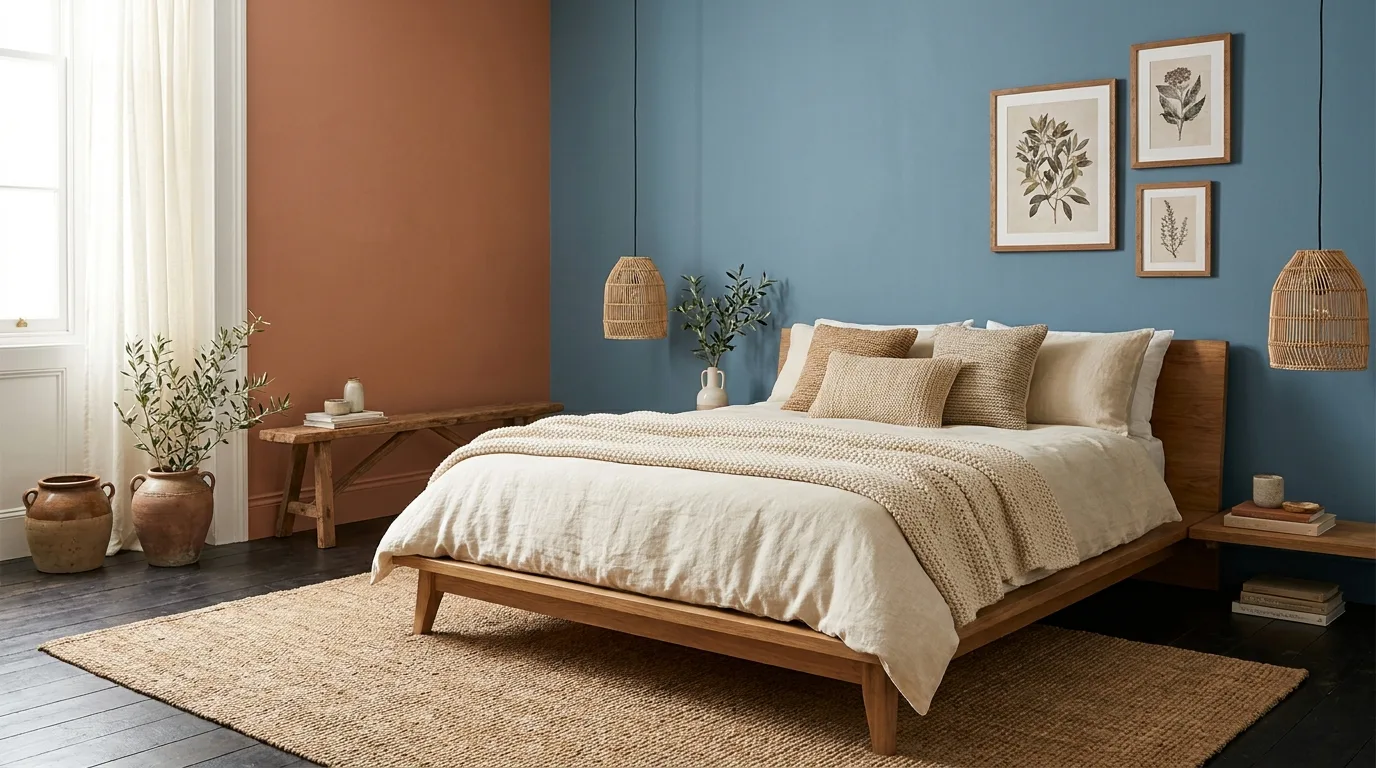
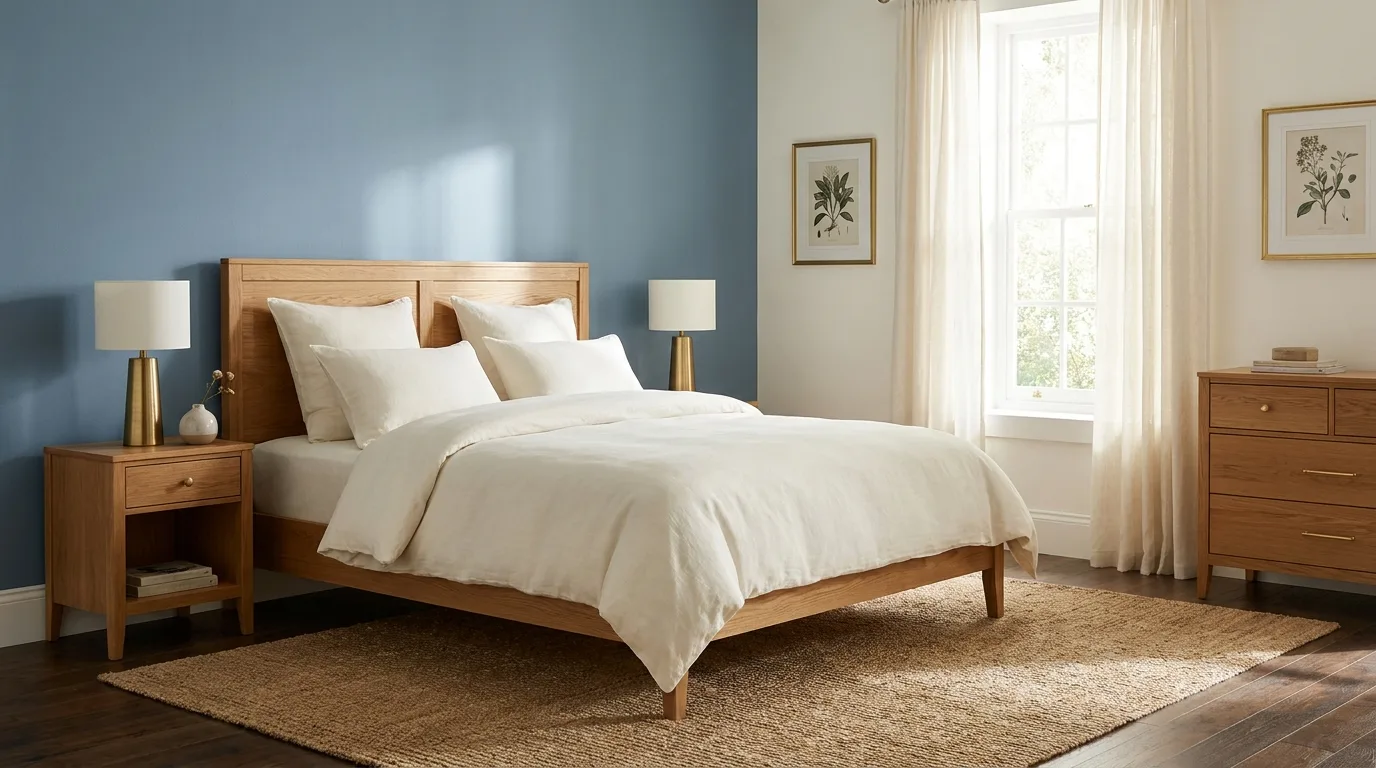
Dusty blue and warm white are excellent choices for a soft, sophisticated bedroom. Unlike bright white, warm white has creamy undertones that prevent the blue from appearing too cold. Use dusty blue behind the bed as an accent wall and warm white throughout the rest of the room. This approach creates definition while maintaining an open feeling. The combination works particularly well with natural oak, walnut, rattan, and brushed brass finishes. For textiles, choose ivory bedding, oatmeal throws, and blue-gray cushions to create gentle layers without introducing too many competing colors. Dusty blue is also forgiving because its muted quality tends to work well in changing natural light. If you want a bedroom that feels elegant but still relaxed and livable, this pairing provides a versatile backdrop for both contemporary and classic decorating styles.
4. Teal Blue and Soft Gray
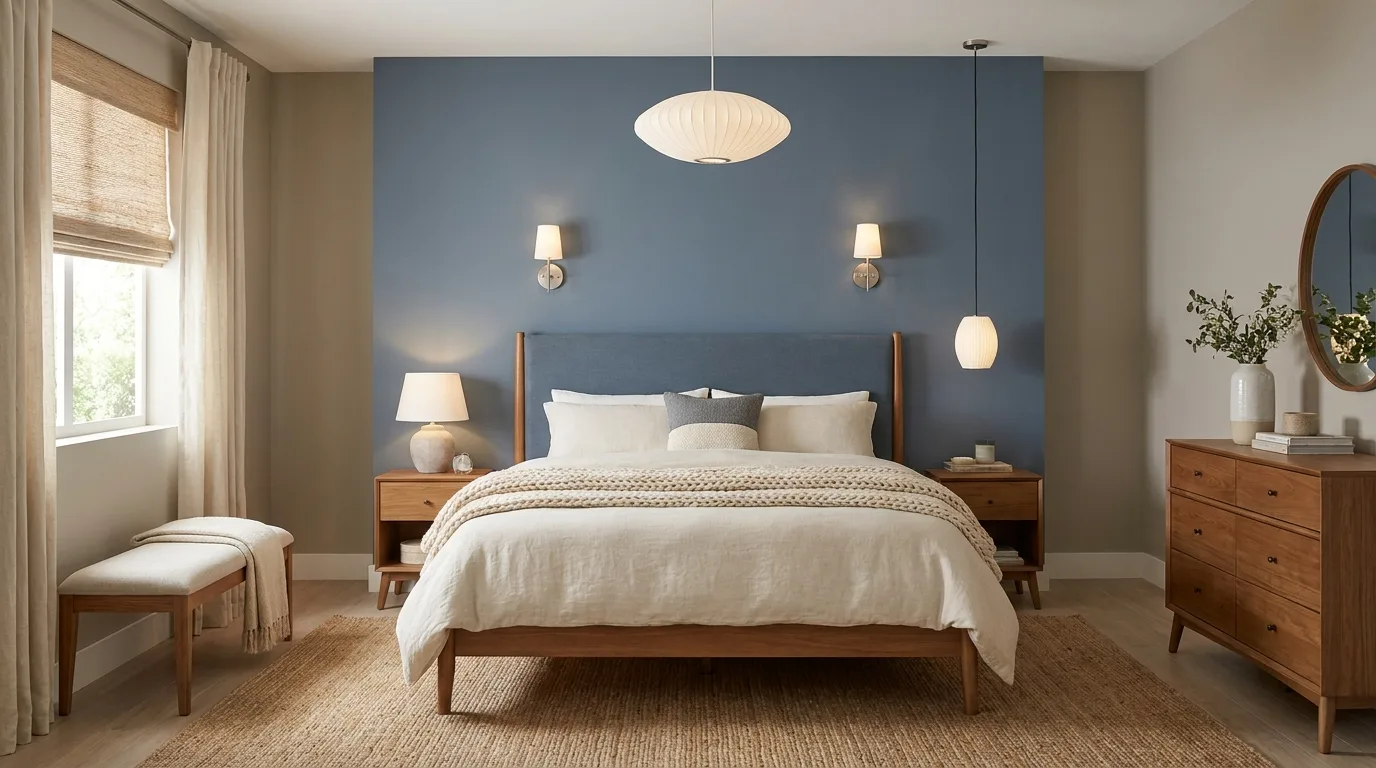
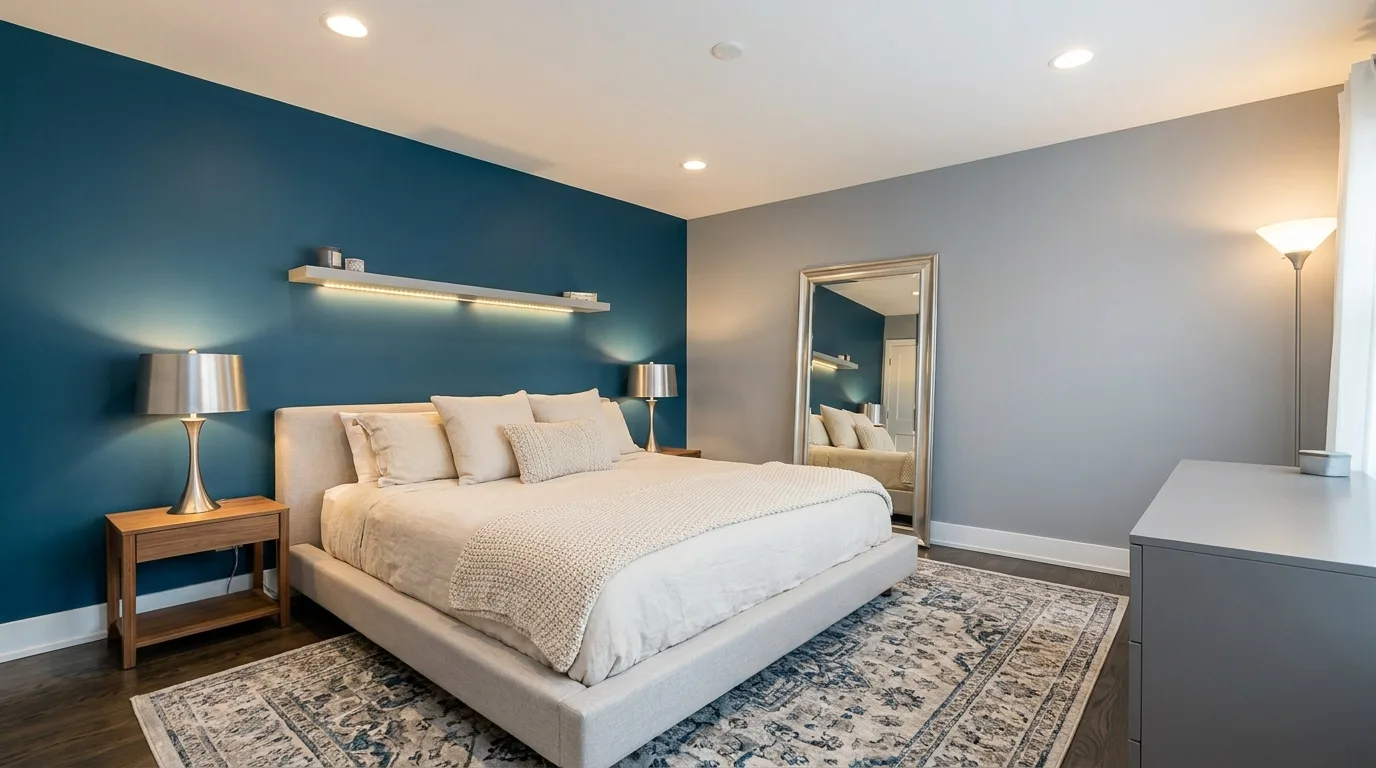
Teal blue and soft gray bring a slightly richer and more contemporary character to bedroom walls. Teal can be used as a statement wall color while soft gray keeps the remaining walls understated. Because teal contains both blue and green undertones, it adds depth without requiring a very dark shade. Soft gray furniture, silver-toned lighting, and charcoal accents can reinforce the modern look, while cream bedding keeps the room from becoming too cool. This combination is especially attractive in bedrooms with white trim because the architectural details stand out against both colors. If your room receives limited daylight, choose a lighter teal and a warm gray rather than extremely cool shades. For a cohesive design, repeat small amounts of teal in cushions, artwork, or a throw rather than covering every surface in the stronger color.
5. Powder Blue and Blush Pink
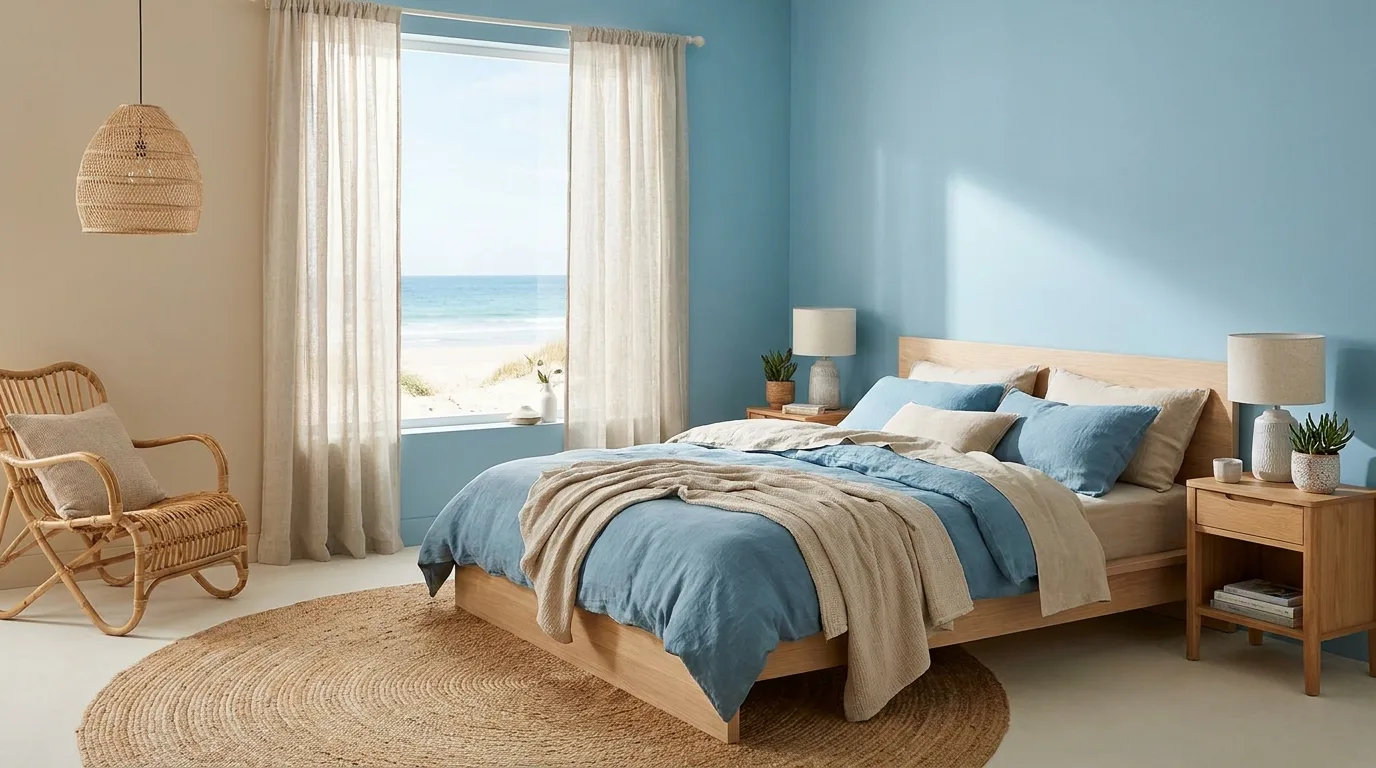
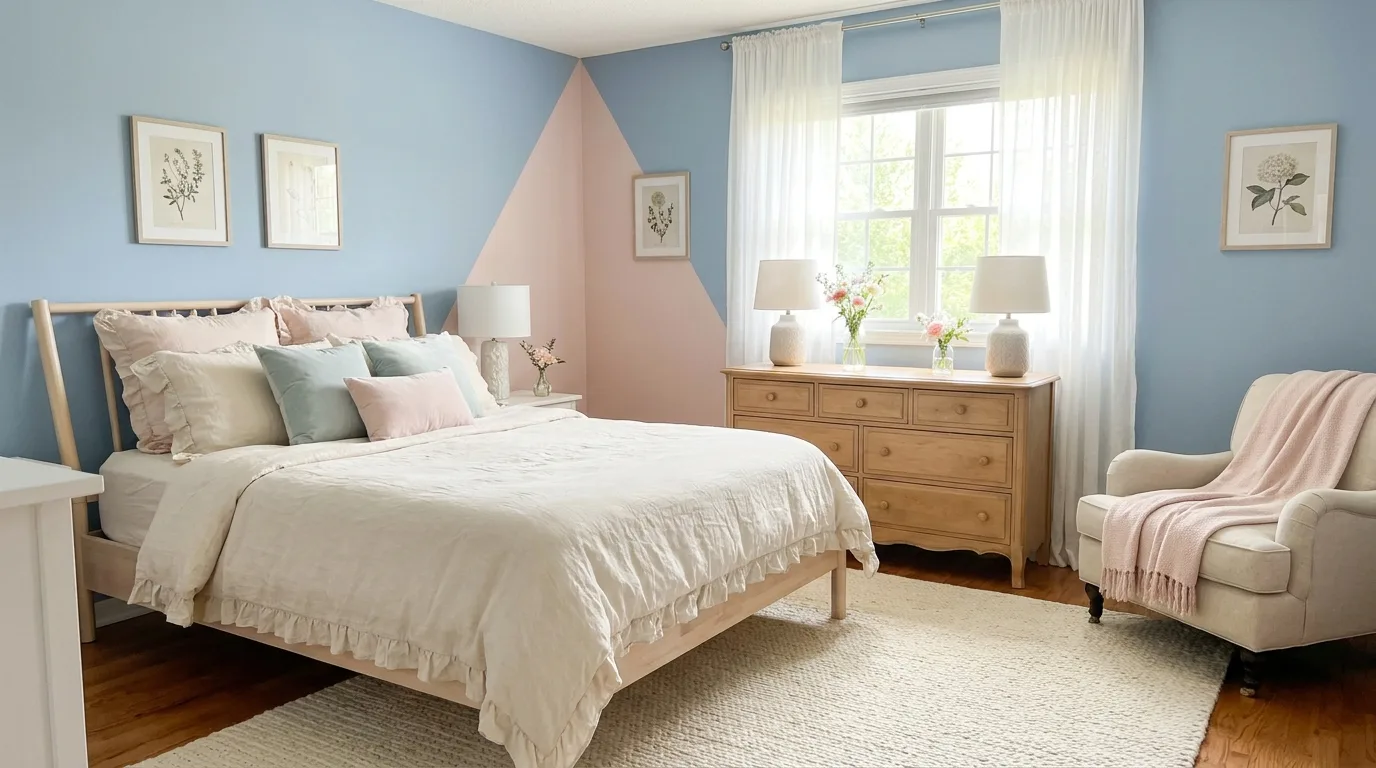
Powder blue and blush pink create a delicate bedroom palette that feels cheerful, soft, and inviting. Instead of using two equally strong colors, let powder blue serve as the dominant wall shade and introduce blush pink on a smaller wall section or through a painted accent. This keeps the combination sophisticated rather than overly sweet. White or cream trim provides a clean transition between the colors, while light wood furniture adds warmth. Blush can also appear through curtains, bedding, cushions, or artwork to connect the wall colors with the rest of the room. This pairing works especially well in bedrooms that receive plenty of daylight because the pastel shades enhance the bright atmosphere. If you prefer a more grown-up appearance, select dusty versions of both colors rather than very saturated pastels.
6. Deep Blue and Taupe
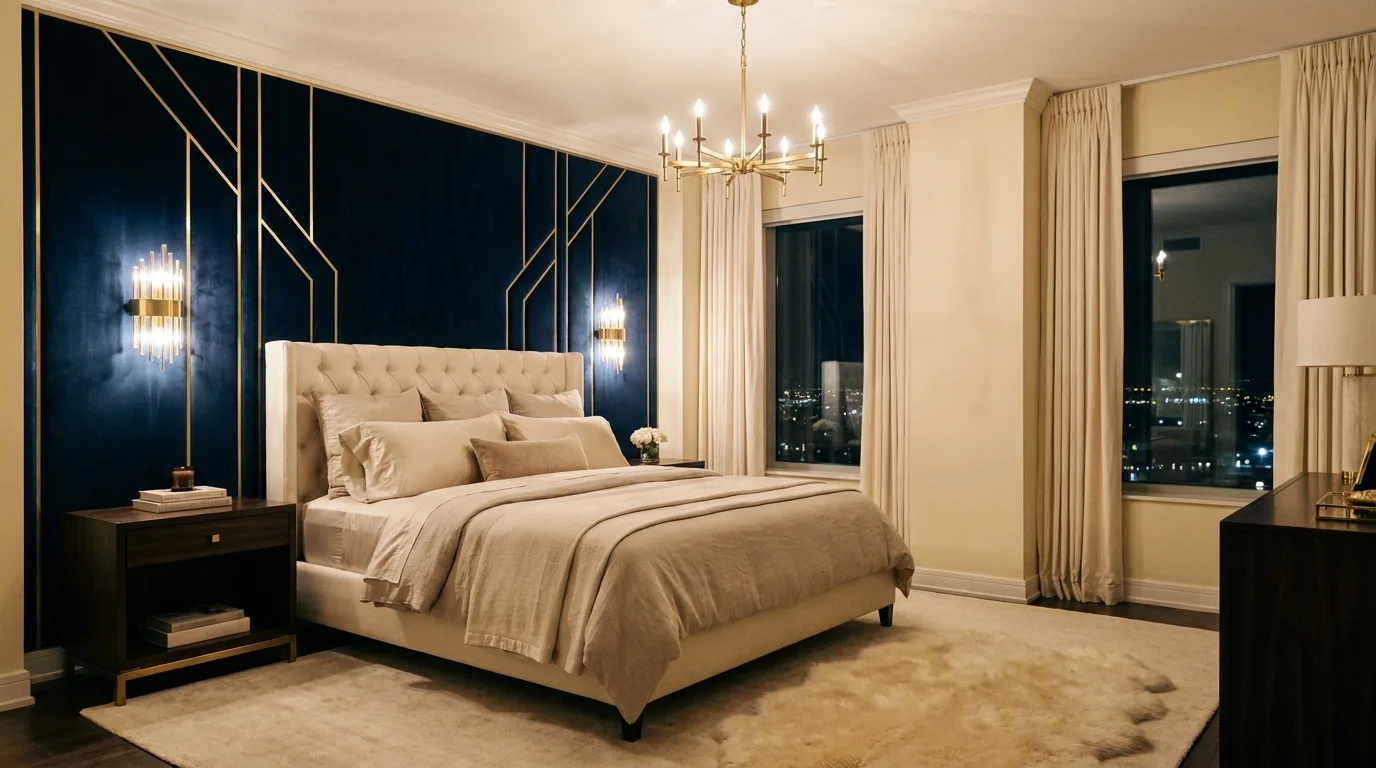
Deep blue and taupe offer a sophisticated alternative to the usual blue-and-white bedroom. Deep blue can create a dramatic backdrop behind the bed, while taupe introduces a warm neutral that keeps the room comfortable and grounded. This combination works particularly well with dark wood furniture, cream upholstery, leather details, and natural woven materials. If you are using deep blue on more than one wall, make sure the room has sufficient lighting so the color does not make the space feel smaller. Taupe walls opposite the blue can help distribute the visual weight. Choose bedding in ivory, oatmeal, or muted gray rather than introducing another strong color. Brass or aged-gold lighting can add warmth and elegance. The overall effect is calm and luxurious without relying on excessive decoration.
7. Blue-Gray and White
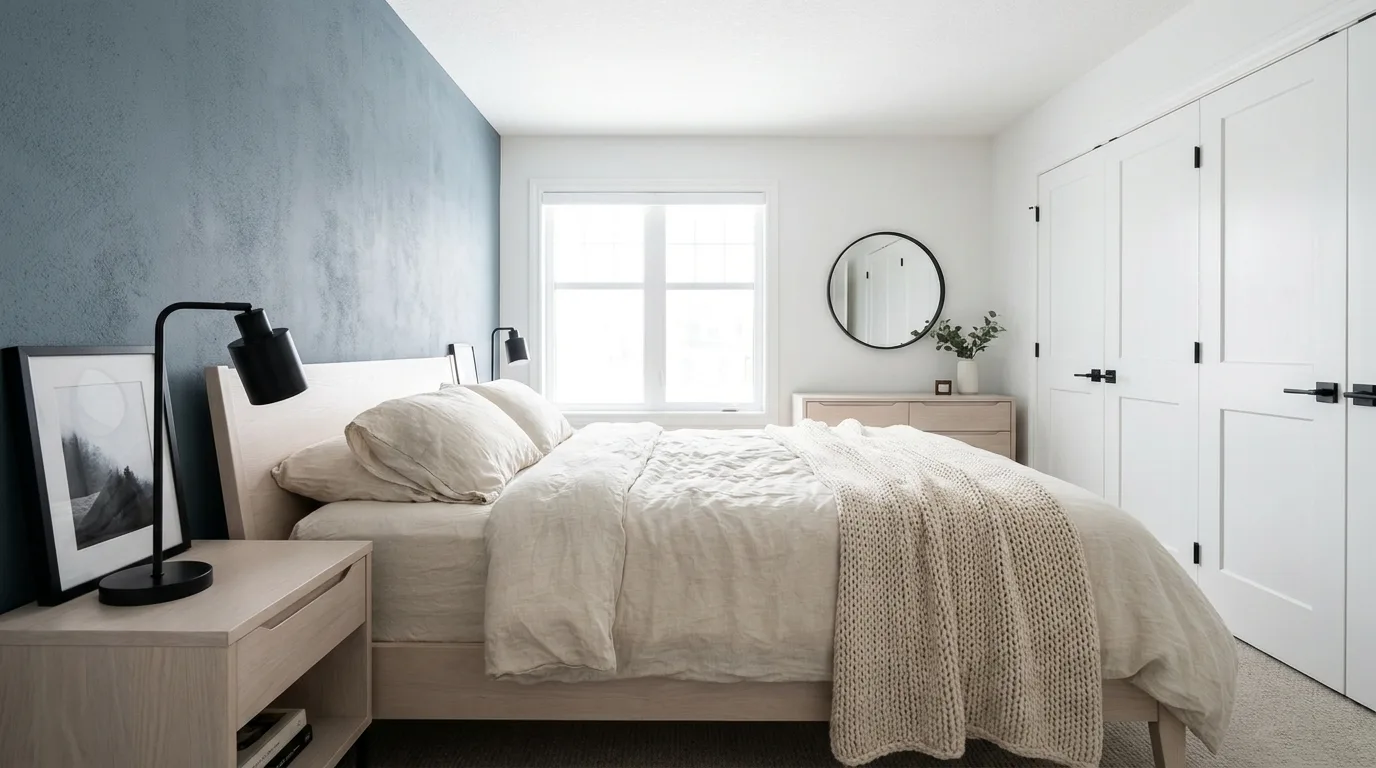
Blue-gray and white are ideal for anyone who wants the calming qualities of blue with a modern neutral undertone. Blue-gray can be used on the headboard wall while white keeps the other surfaces bright and clean. The gray component makes the blue more versatile and easier to coordinate with contemporary furniture. This palette pairs naturally with black accents, pale wood, brushed metal, and soft cream textiles. In a bedroom with cool daylight, consider a blue-gray with slightly warm undertones so the room does not feel icy. In a small bedroom, keeping the ceiling and most trim white can visually increase the sense of height and openness. Add texture through a quilted bedspread, woven rug, or linen curtains rather than introducing multiple colors. The result is understated, restful, and easy to update as your decorating style changes.
8. Cobalt Blue and Light Gray
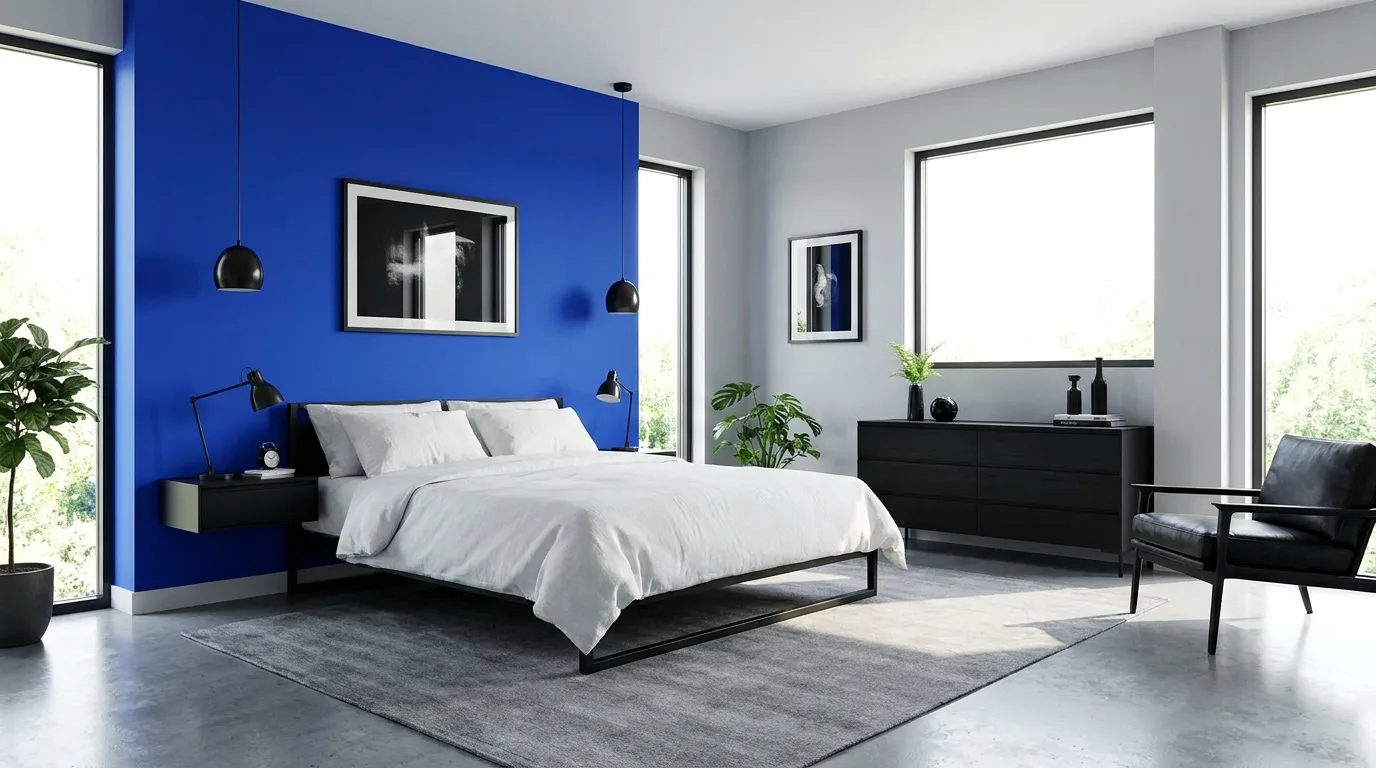
Cobalt blue makes a bold statement, and pairing it with light gray gives the energetic color a sophisticated balance. Rather than painting the entire bedroom cobalt, consider using it on one feature wall or in a geometric color-block design. Light gray on the remaining walls creates a neutral backdrop that allows the blue to stand out without dominating the space. This combination suits modern bedrooms with streamlined furniture and simple accessories. White bedding can brighten the palette, while black details add definition. Because cobalt is highly saturated, test a sample on the wall before committing; artificial and natural lighting can noticeably change how intense it appears. If the bedroom is small, use cobalt strategically and let the lighter gray occupy most of the wall area. A few repeated blue accents can then connect the feature wall to the rest of the room.
9. Denim Blue and Cream
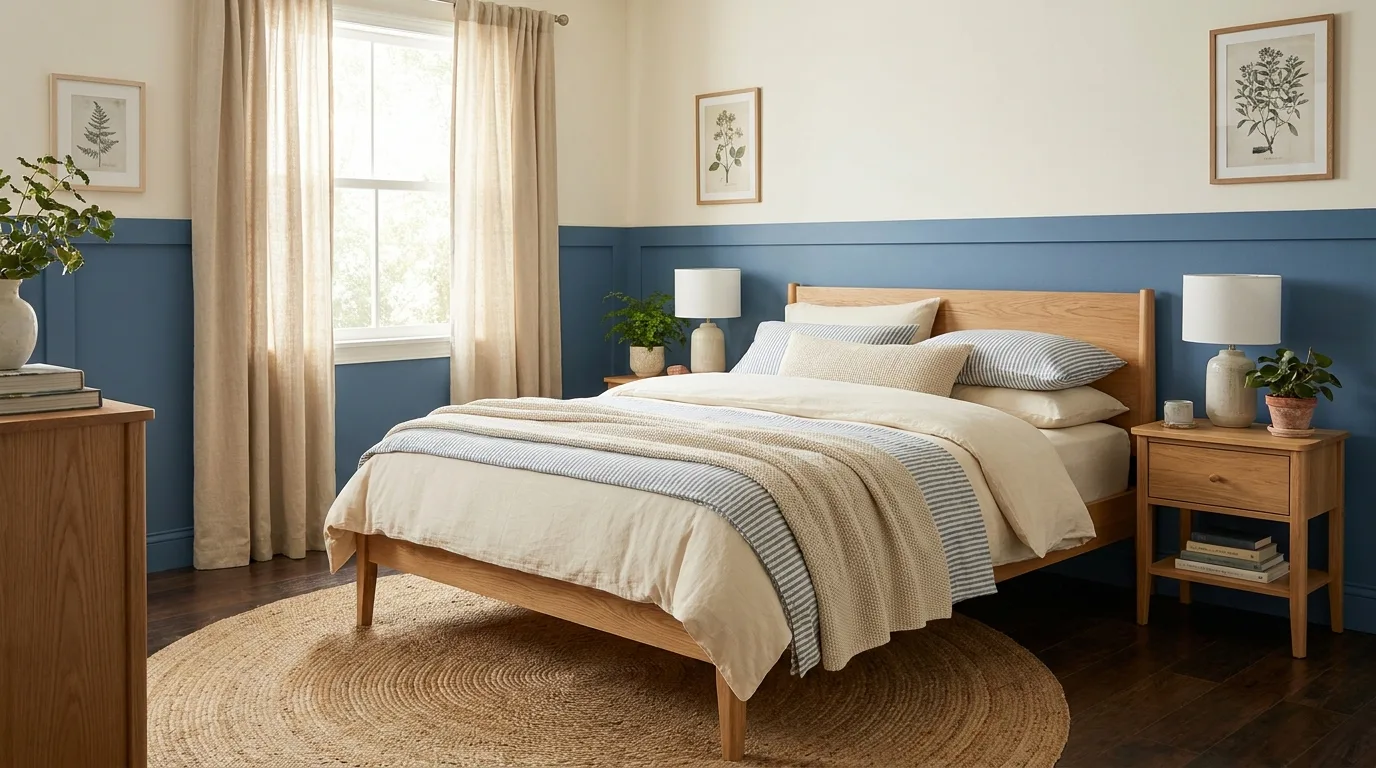
Denim blue and cream create a relaxed bedroom inspired by comfortable fabrics and natural materials. Denim blue has enough depth to define the walls but usually feels less formal than navy. Use it behind the bed or on the lower half of the walls, with creamy white or ivory on the remaining surfaces. Natural oak, woven baskets, cotton bedding, and linen curtains complement the palette particularly well. This combination is useful for bedrooms where you want color without a highly polished appearance. Cream also provides more warmth than bright white, making the room feel cozy in the evening. To keep the scheme cohesive, repeat denim blue through a throw, cushions, or artwork. Avoid adding too many additional accent colors; muted tan, brown, and natural wood tones are enough to create variety while preserving the relaxed character of the room.
10. Midnight Blue and Soft Gold
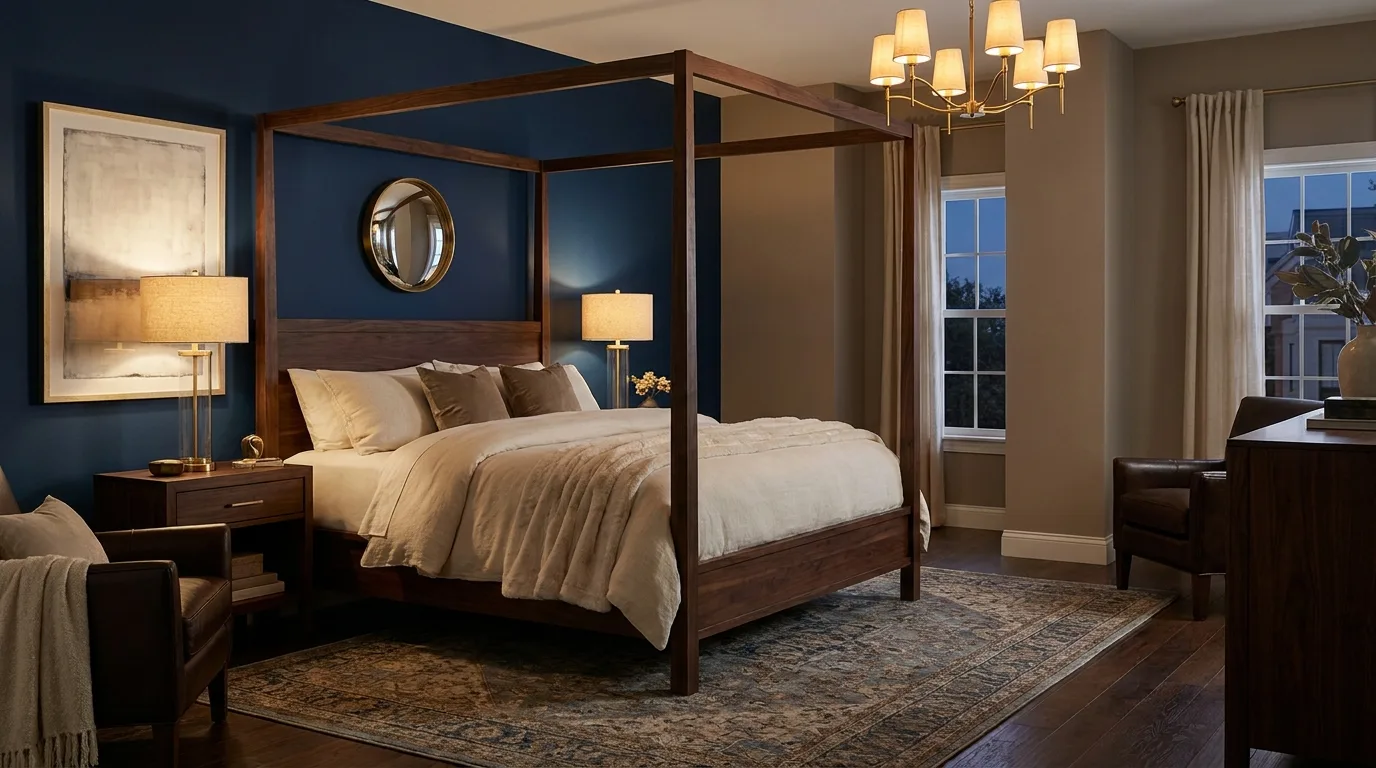
Midnight blue and soft gold create a dramatic bedroom with an elegant, slightly luxurious feel. Midnight blue works best as a feature wall or on the wall behind the bed, while soft gold can appear on an adjacent wall, a subtle color-blocked section, or through decorative finishes. Because both colors have strong visual personalities, keep the rest of the palette restrained. Cream bedding, warm white curtains, and neutral flooring prevent the bedroom from becoming too dark. Gold-framed mirrors, bedside lamps, or hardware can reinforce the color story without requiring large areas of metallic paint. This combination is especially attractive in bedrooms with layered lighting, including bedside lamps and ceiling fixtures. If your space is compact, consider using midnight blue on only one wall and keep the other walls warm white with small gold details.
11. Ocean Blue and Sandy Beige
Ocean blue and sandy beige bring a relaxed coastal feeling into the bedroom without requiring obvious nautical decorations. Use ocean blue on the main wall and sandy beige on surrounding walls, or divide the colors horizontally with blue below and beige above. Beige tones inspired by sand work naturally with light wood, rattan, jute, linen, and woven textures. Keep accessories simple so the color combination remains the main feature. White bedding with subtle blue details can reinforce the airy quality, while natural fiber rugs add warmth underfoot. This palette is particularly useful in bedrooms with large windows because daylight enhances the fresh quality of ocean blue. For a more contemporary interpretation, select a muted ocean blue rather than a bright turquoise and combine it with warm greige or sandy taupe.
12. Slate Blue and Greige
Slate blue and greige are a practical choice for a modern, understated bedroom. Slate blue has a muted, slightly smoky appearance, while greige combines gray and beige undertones to provide warmth and flexibility. Use slate blue behind the bed and greige on the remaining walls to establish a clear focal point. The palette works well with upholstered headboards, medium-toned wood, matte black fixtures, and cream textiles. Because both colors are relatively subdued, you can introduce texture without making the room feel visually busy. Think linen bedding, boucle seating, woven lampshades, and a patterned rug with small amounts of blue and beige. Before painting, test both shades in morning and evening light because gray-based colors can shift noticeably depending on the room’s exposure. This combination is especially suitable when you want a stylish bedroom that feels calm rather than overly decorative.
13. Royal Blue and Soft Cream
Royal blue and soft cream provide a lively yet balanced bedroom wall combination. Royal blue brings richness and personality, while cream softens its intensity and keeps the room welcoming. Use royal blue on a single feature wall, particularly behind the headboard, and reserve cream for the surrounding walls. The contrast is strong enough to define the architecture without requiring elaborate decor. Light or medium wood furniture can prevent the room from feeling too formal, while white and cream bedding provides a visual break from the saturated blue. If you enjoy patterns, incorporate small geometric or botanical prints containing both colors. Royal blue is powerful, so avoid combining it with several other bright accent colors. Instead, let cream, natural wood, and a small amount of brass or black provide the supporting palette.
14. Muted Blue and Terracotta
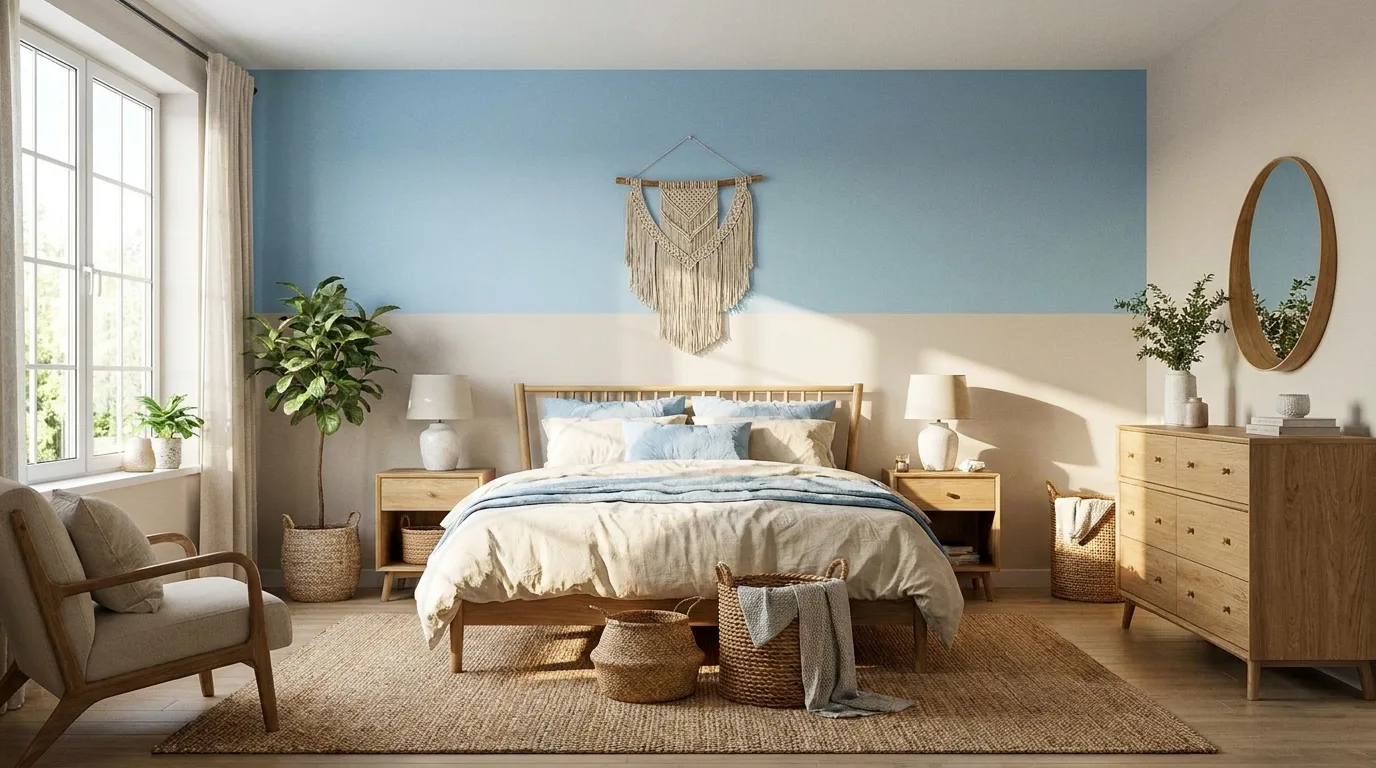
Muted blue and terracotta create an earthy bedroom palette with plenty of warmth. The coolness of blue is balanced by the reddish-orange character of terracotta, producing a more distinctive combination than traditional blue-and-neutral schemes. Use muted blue on the larger wall area and terracotta on an accent wall, lower wall section, or architectural feature. If painting two complete walls, choose a dusty or clay-like terracotta rather than an intense orange. Natural wood, cream bedding, woven accessories, and aged metal finishes work beautifully with these colors. Terracotta can also be repeated through cushions, ceramic lamps, artwork, or a small rug. This palette is particularly effective when you want a bedroom inspired by Mediterranean, earthy, or modern eclectic interiors. Keep the blue slightly desaturated so both colors feel connected rather than competing for attention.
15. Pale Blue and Sage Green
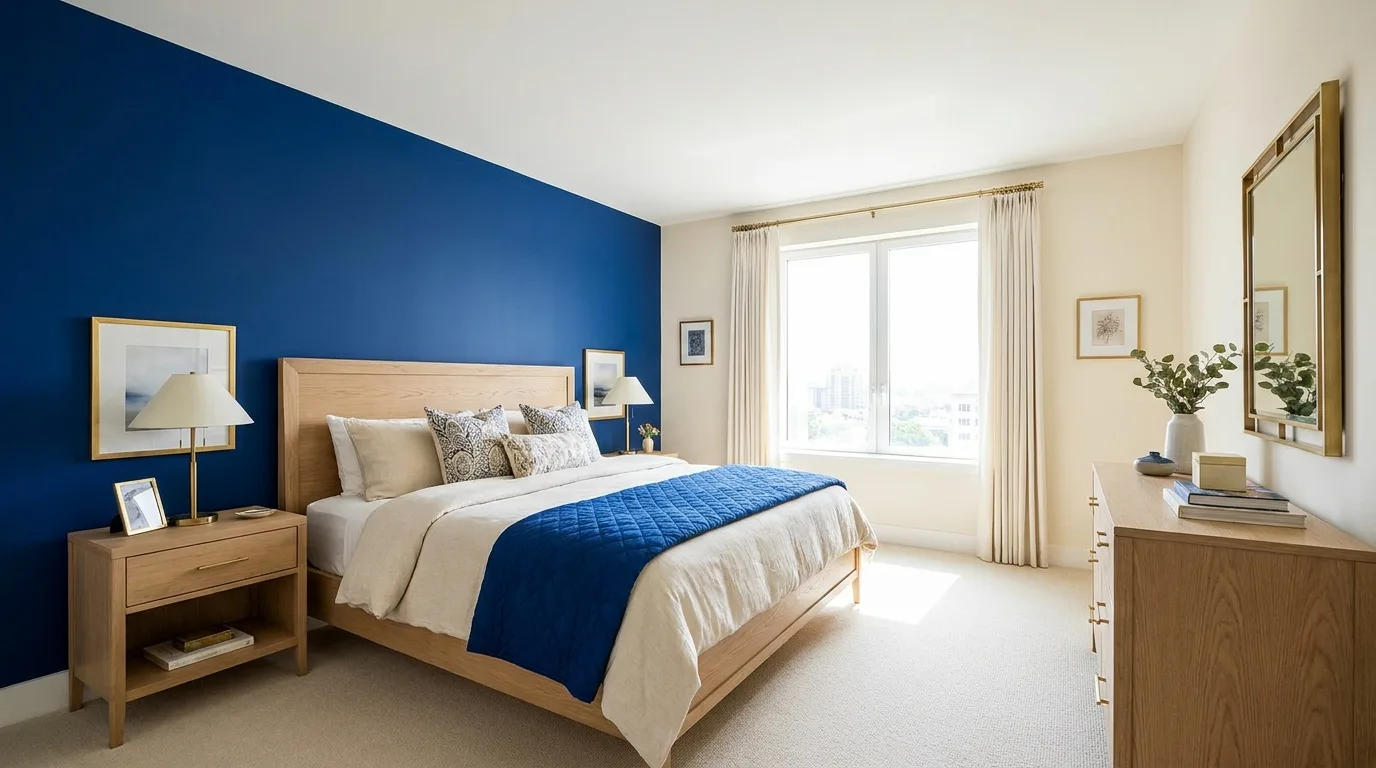
Pale blue and sage green create a nature-inspired bedroom that feels fresh and peaceful. Since both shades are soft and slightly muted, they can be used together without producing a harsh contrast. Try pale blue behind the bed with sage green on the adjacent walls, or use one color above a chair rail and the other below it. Light oak furniture, cream textiles, and natural woven materials reinforce the organic character of the palette. Plants can also work beautifully here, although they are not essential to the design. For a cohesive appearance, select sage and blue shades with similar levels of saturation rather than pairing an intense blue with a very pale green. This combination is especially appealing for bedrooms where you want color while maintaining a restful atmosphere. Warm lighting will bring out the softer undertones in the evening.
16. Powder Blue and Warm Greige
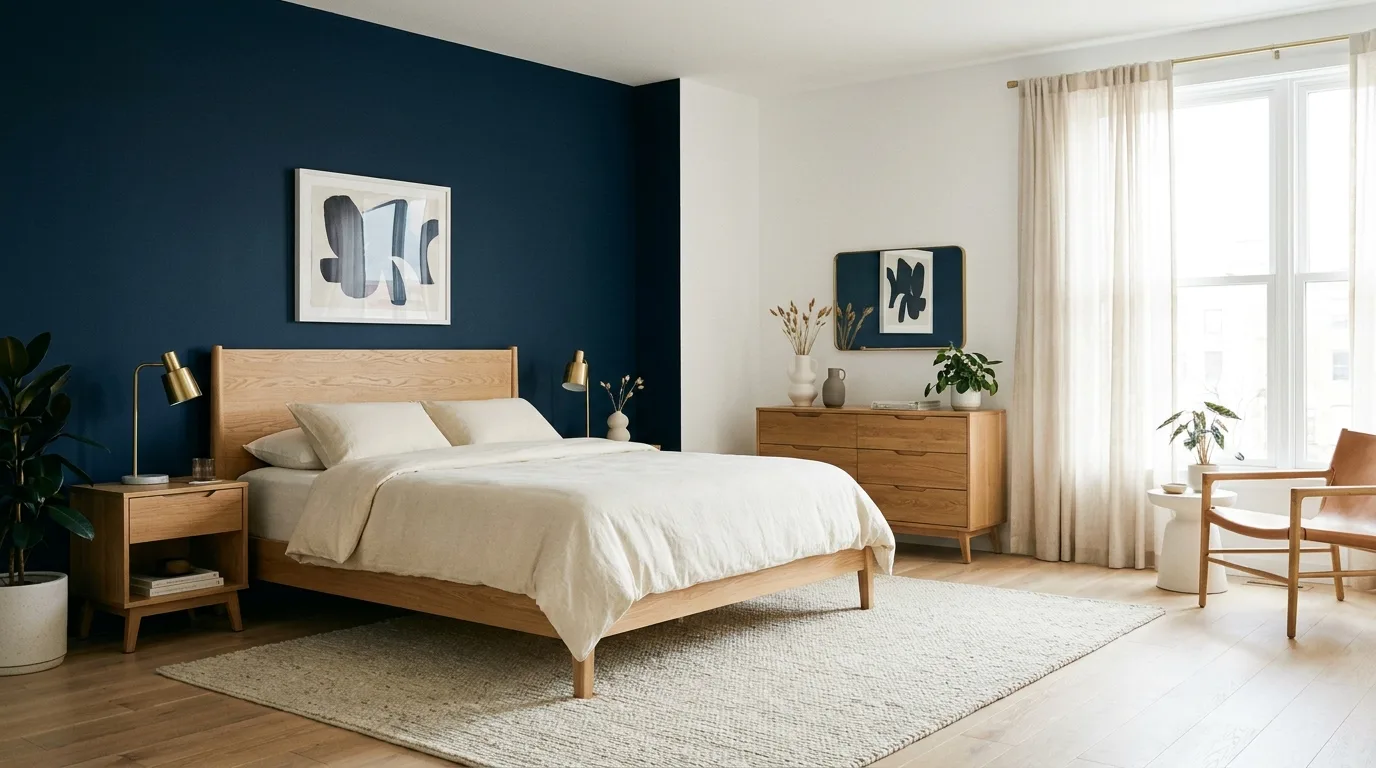
Powder blue and warm greige provide a subtle final option for a bedroom that feels bright, comfortable, and contemporary. Powder blue adds a touch of color without overwhelming the room, while warm greige gives the walls a grounded neutral foundation. Paint the wall behind the bed powder blue and use greige throughout the remaining walls, or create a two-tone effect with powder blue above and greige below. This pairing works especially well with white trim, light oak furniture, cream bedding, and natural textures. Because neither shade is overly saturated, you can easily change accent colors later without repainting. Soft brass, matte black, dusty rose, or muted green accessories can all complement the palette. If your bedroom is small, keep powder blue on the largest visually important wall and use the warmer neutral elsewhere to maintain an open, balanced appearance.
How to Choose the Right Blue Two-Colour Combination
Before choosing your bedroom wall colors, look at the amount and direction of natural light. South-facing rooms can handle deeper or cooler blues, while darker rooms often benefit from softer blues paired with warm neutrals. Always test paint samples directly on the walls and observe them at different times of day. The color of flooring, curtains, furniture, and existing trim also matters because surrounding colors can change how blue appears.
For a small bedroom, using the lighter color across most walls can help preserve an open feeling, while a darker blue feature wall creates depth. In a large bedroom, you have more freedom to use deeper shades across multiple surfaces. Most importantly, choose two colors with compatible undertones. Warm beige generally works better with warm or muted blues, while crisp white and cool gray pair naturally with cleaner blue shades.