

After the excitement of the holidays, January is the perfect time to give your home a fresh start. Decorations, extra guests, festive meals, and busy schedules can leave rooms feeling cluttered and surfaces needing attention. A thoughtful January cleaning checklist helps you restore order without turning the first month of the year into an exhausting cleaning marathon. Instead of tackling everything at once, break your routine into manageable tasks that make your home feel cleaner, calmer, and more comfortable.
From packing away seasonal decorations to deep-cleaning kitchen appliances and refreshing bedrooms, these January cleaning checklist ideas cover the areas that often need extra attention after the holidays. You will also find practical ways to organize everyday essentials, improve indoor comfort, and establish simple habits that keep messes under control. Whether you have an entire weekend or just a few minutes each day, these ideas can help you create a realistic cleaning plan and enjoy a beautifully refreshed home for the new year.
1. Pack Away Holiday Decorations
Begin your January cleaning checklist by carefully removing holiday decorations from every room. Take down ornaments, string lights, wreaths, garlands, and seasonal table accessories, checking each item for damage before storing it. Wrap delicate decorations individually and place them in clearly labeled containers so they are easy to find next year. Use separate boxes for different categories, such as lights, ornaments, and outdoor decorations.
Before putting everything away, dust reusable decorations and make sure they are completely dry. Discard broken items that cannot be repaired, and donate decorations you no longer use. Store containers in a dry, accessible location rather than allowing them to crowd everyday storage spaces. Clearing seasonal items first creates more room for the rest of your cleaning tasks.

2. Declutter the Living Room
The living room often sees extra activity during holiday gatherings, making it an ideal place to tackle next. Start by collecting stray blankets, remote controls, books, toys, gift bags, and other items that have accumulated on tables and sofas. Return belongings to their proper places, then clear decorative surfaces so you can clean them thoroughly.
Sort magazines, unused accessories, and miscellaneous items into keep, donate, recycle, and discard categories. Vacuum beneath sofa cushions and move lightweight furniture to reach hidden dust and crumbs. Finish by arranging cushions, folding throws, and keeping only a few intentional decorations on display. A simplified living room feels more spacious and makes daily tidying much easier throughout the new year.

3. Deep-Clean the Kitchen Counters and Cabinets
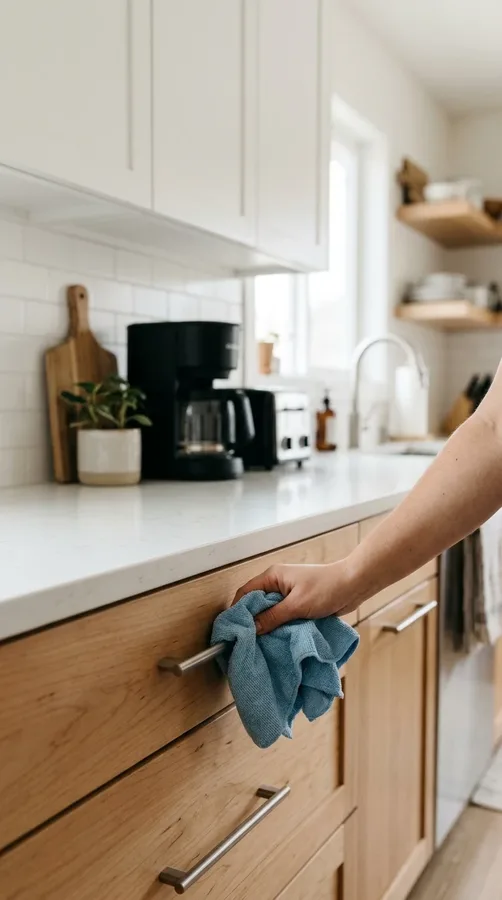
Holiday cooking can leave kitchen surfaces coated with grease, crumbs, and sticky residue. Remove everything from your counters and wipe the surfaces using a cleaner suitable for the material. Pay special attention to corners, backsplash edges, and the areas around frequently used appliances. Dry surfaces thoroughly to prevent streaks and moisture damage.
Next, inspect cabinet fronts, handles, and drawer pulls, where fingerprints and cooking residue often collect. Empty one cabinet or drawer at a time to remove crumbs and check for expired food or unused gadgets. Return essential items neatly, keeping frequently used cookware within easy reach. Avoid soaking wooden cabinets or using abrasive products on delicate finishes. These small steps make the kitchen feel cleaner and more functional without requiring a complete renovation.

4. Clean Out the Refrigerator and Freezer
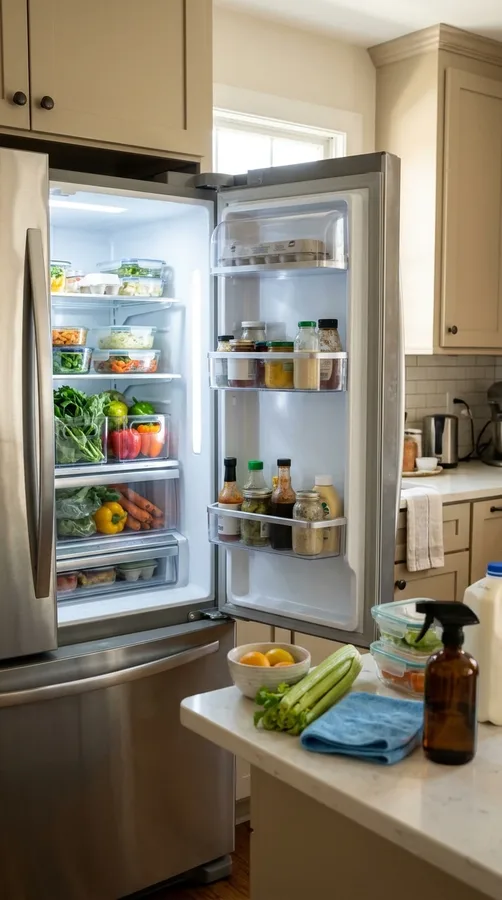
After holiday meals and entertaining, refrigerators often contain leftovers, forgotten ingredients, and expired condiments. Remove items one shelf at a time, checking dates and discarding anything spoiled or no longer safe to eat. Keep perishable food refrigerated while you work, and avoid leaving it at room temperature for extended periods.
Remove shelves and drawers when the manufacturer allows it, then wash them with warm, soapy water. Wipe the interior with a food-safe cleaning solution appropriate for the appliance, and dry everything before replacing it. Organize remaining ingredients by category and move older items toward the front so they are easier to use. Check freezer packages for frost buildup and expired or freezer-burned food. A well-organized refrigerator supports safer food storage and reduces unnecessary grocery spending.
5. Refresh the Pantry
January is an excellent opportunity to organize the pantry after weeks of holiday baking, cooking, and snacking. Remove food packages, inspect expiration dates, and check dry goods for signs of pests or moisture. Wipe shelves and allow them to dry before putting anything back. Dispose of spoiled items and recycle packaging where local rules permit.
Group ingredients into practical categories such as breakfast foods, canned goods, baking supplies, snacks, and grains. Place frequently used products at eye level and store heavier containers on lower shelves. Clear, labeled containers can make ingredients easier to identify, but keep original labels or essential cooking instructions when needed. Arrange products using a first-in, first-out system so older items get used before newer purchases. This simple reset makes meal planning easier and helps prevent duplicate shopping.
6. Wash Bedding and Refresh Bedrooms
Bedrooms deserve attention after a busy holiday season, especially if guests stayed overnight or laundry piled up during celebrations. Strip your bed and wash sheets, pillowcases, and duvet covers according to their care labels. Check pillows, mattress protectors, and blankets for washing instructions before cleaning them. Allow everything to dry completely before making the bed.
While the bedding is in the wash, dust nightstands, lamps, headboards, and window ledges. Clear bedside tables of empty cups, receipts, packaging, and unnecessary clutter. Vacuum around the bed, including accessible areas underneath it, and rotate the mattress if its manufacturer recommends doing so. Finish by arranging pillows and keeping only useful essentials nearby. A freshly cleaned bedroom creates a more peaceful environment and makes it easier to maintain a consistent nighttime routine.

7. Give Bathrooms a Thorough Clean
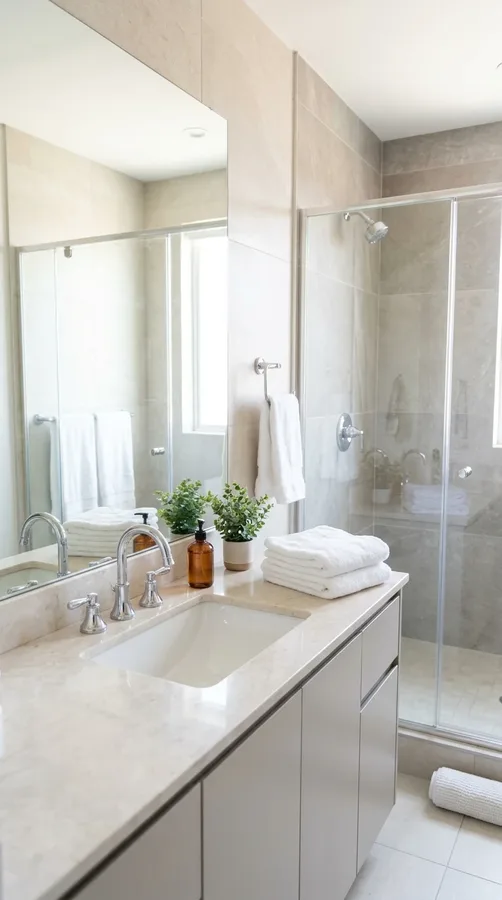
Bathrooms can accumulate soap residue, water spots, and dust even when they are cleaned regularly. Begin by removing toiletries from counters and shelves, then clean sinks, faucets, mirrors, and countertops. Scrub the toilet, paying attention to the base and other areas that are often overlooked. Use appropriate bathroom products according to their labels, and never mix cleaning chemicals, especially bleach with ammonia or acidic cleaners.
Wash bath mats, hand towels, and shower curtains according to their care instructions. Remove mineral deposits from showerheads using a method approved for the fixture, and clean grout with a suitable product. Check cabinets for expired toiletries and dispose of products according to local guidance. Finish by replacing clean towels and arranging daily essentials neatly. A thorough bathroom reset improves comfort and helps you spot maintenance issues such as leaks or damaged sealant.

8. Dust Ceiling Fans, Light Fixtures, and Vents
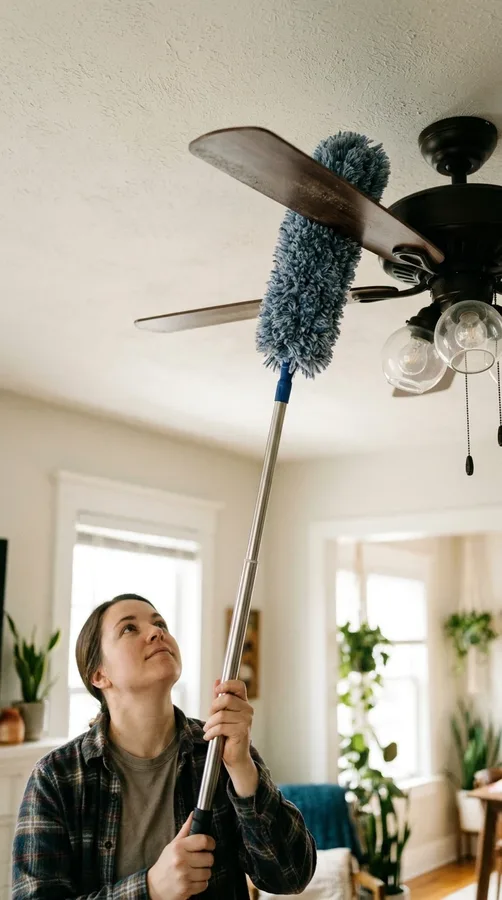
Ceiling fans, light fixtures, and air vents can collect dust that becomes more noticeable when sunlight enters the room. Start at the highest points so falling dust does not settle on surfaces you have already cleaned. Turn off fans and lights before cleaning, and use a stable step stool or an appropriate extension duster to reach elevated areas safely.
Wipe fan blades with a suitable cloth, clean accessible light fixtures according to their material, and vacuum vent covers carefully. If you remove a vent cover, follow the manufacturer’s instructions and avoid disturbing electrical components or inaccessible ductwork. Replace or clean HVAC filters according to the system’s guidance rather than relying on a fixed schedule for every home. Finish by dusting nearby furniture and vacuuming the floor. Removing accumulated dust gives rooms a noticeably fresher appearance.
9. Wash Windows and Clean Window Treatments
Clean windows help brighten your home during the shorter days of winter. Remove dust from window frames, sills, and tracks before washing the glass. Use a suitable glass cleaner or a mild cleaning solution, along with a microfiber cloth or squeegee, to reduce streaks. Work during a time when the glass is not excessively hot or exposed to direct sunlight for best results.
Check curtains, blinds, and shades for dust, stains, and pet hair. Launder curtains only when their care labels permit it, and use a suitable attachment to vacuum fabric blinds or upholstered window treatments. Wipe washable blinds gently without bending their slats. Clean window tracks with a small brush or vacuum attachment to remove debris. This task can make rooms feel brighter and more inviting while helping you identify drafts, condensation, or damaged seals that may need attention.
10. Vacuum Carpets and Mop Hard Floors
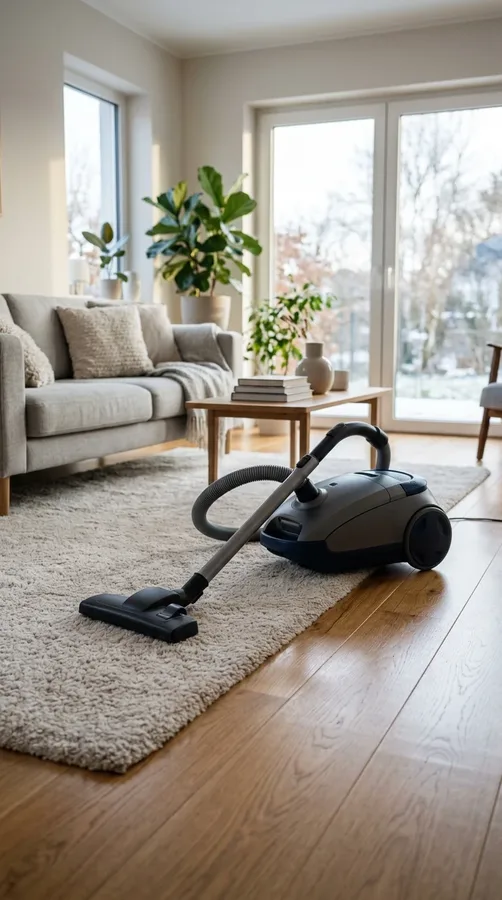
Holiday gatherings can bring extra dirt, crumbs, and grit into your home, particularly near entrances and dining areas. Begin by picking up loose items and vacuuming carpets, rugs, and upholstered surfaces. Move lightweight furniture when practical to reach concealed dust. For rugs, follow the manufacturer’s cleaning instructions and address stains with a compatible product after testing it in an inconspicuous area.
Next, sweep or vacuum hard floors before mopping with a cleaner suitable for the surface. Excess moisture can damage hardwood, laminate, and other sensitive materials, so use only the amount recommended for your flooring. Pay special attention to corners, baseboards, and spaces beneath tables. Wash removable entry mats when their labels permit it, and allow them to dry completely before putting them back. Clean floors make an immediate difference and help prevent dirt from spreading through freshly organized rooms.

11. Organize Entryways and Coat Storage
Your entryway is the first area people see when entering your home, and winter accessories can quickly make it feel crowded. Gather coats, scarves, gloves, hats, umbrellas, shoes, and bags, then return misplaced items to their proper storage areas. Wash or spot-clean accessories according to their care instructions, and allow damp outerwear to dry thoroughly before putting it away.
Sort through footwear and donate pairs that are still usable but no longer needed. Remove mud and salt residue using products suitable for each material, especially leather and suede. Wipe hooks, shelves, benches, and the inside of accessible storage compartments. Place a washable mat near the door and use baskets for frequently used accessories. A tidy entryway reduces clutter throughout the home and makes cold-weather mornings easier to manage.
12. Clean and Sanitize High-Touch Surfaces
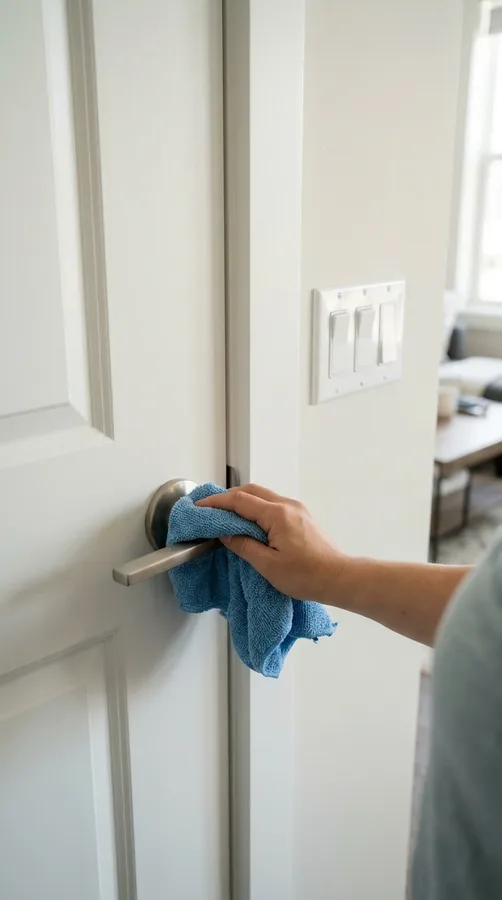
Light switches, door handles, cabinet pulls, remote controls, and frequently used appliance buttons are touched repeatedly throughout the day. Include these surfaces in your January cleaning checklist to remove grime and reduce the spread of germs. First remove visible dirt with a suitable cleaner, then use a disinfectant when appropriate, following the product’s contact-time instructions.
Check whether electronics and specialty finishes require particular cleaning methods. Never spray liquids directly onto electrical devices; apply a compatible product to a cloth instead and follow the manufacturer’s guidance. Clean shared household items such as frequently handled game controllers and refrigerator handles as well. Use separate cloths for bathroom and kitchen areas to avoid transferring dirt between spaces. Regular attention to high-touch surfaces is especially useful after hosting visitors, but it should complement ordinary handwashing and routine cleaning rather than replace them.

13. Declutter Closets and Donate Unused Items
The new year is a practical time to review closets that have become crowded with clothing, accessories, linens, and miscellaneous belongings. Work on one shelf or section at a time so the project remains manageable. Remove items you no longer use, check clothing for damage, and create separate piles for keeping, repairing, donating, and recycling.
Return seasonal essentials to accessible locations and arrange everyday clothing in a way that suits your routine. Store clean, dry linens together and use labeled bins for smaller accessories. Avoid purchasing organizing products until you understand what storage space you actually need; often, removing unnecessary items solves much of the problem. Donate usable belongings through organizations that accept them, checking their current requirements first. A less crowded closet makes getting dressed easier and helps you maintain order without constant rearranging.
14. Clean Small Appliances and Laundry Areas
Small appliances often work overtime during holiday cooking, so January is a good time to clean the toaster, microwave, coffee maker, and other frequently used equipment. Unplug appliances before cleaning when appropriate, follow their manuals, and never immerse electrical components in water. Remove crumbs from accessible toaster trays and wipe microwave interiors after loosening food splatters with a little steam from a microwave-safe bowl of water.
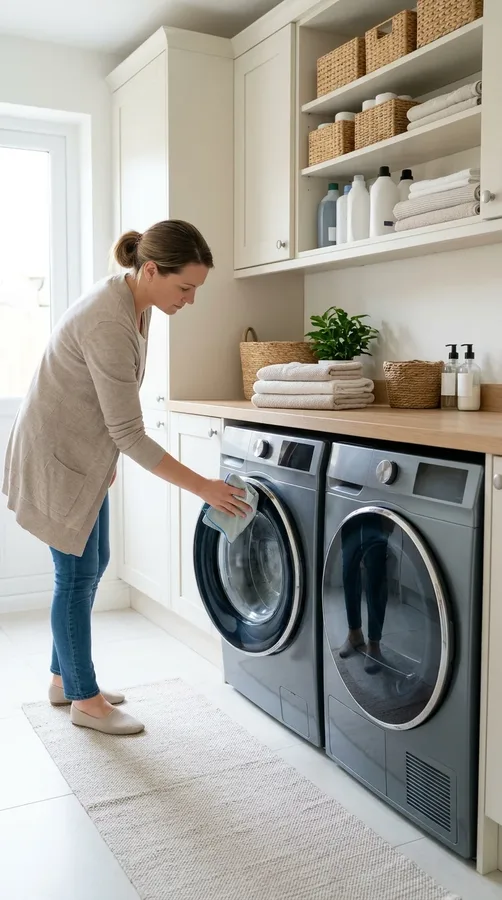
Give the laundry area attention, too. Wipe washer and dryer exteriors, clean accessible detergent residue, and check the manuals for instructions on cleaning drums, filters, and dispensers. Remove lint from the dryer lint screen after every load, and inspect accessible vent areas according to manufacturer recommendations. Keep the surrounding floor clear of dust and stray laundry products. These practical tasks help maintain appliances, reduce unpleasant odors, and create a more efficient space for everyday chores.

15. Refresh Indoor Air and Create a Weekly Cleaning Routine
Finish your January cleaning checklist by focusing on indoor comfort and habits that will help your home stay tidy. When outdoor conditions and air quality permit, open windows briefly to exchange stale indoor air. Check kitchen and bathroom exhaust fans, replace HVAC filters when required, and address sources of moisture that may encourage mold. Avoid relying on fragrance sprays or scented candles to solve persistent odors; identify and clean the source instead.
Then create a realistic weekly cleaning schedule. Assign small tasks to specific days, such as wiping kitchen counters, changing towels, vacuuming high-traffic areas, and emptying bins. Keep essential cleaning supplies together so routine jobs take less time. You might spend ten to fifteen minutes tidying each evening rather than allowing clutter to accumulate. A manageable routine helps preserve the results of your January deep clean without requiring another major reset every few weeks.
Conclusion
A well-planned January cleaning checklist can make your home feel organized, comfortable, and ready for the year ahead. By tackling holiday decorations, kitchen storage, bedrooms, bathrooms, floors, and overlooked surfaces one step at a time, you can achieve meaningful results without becoming overwhelmed. Choose the tasks that matter most first, spread the remaining work across several days, and involve household members whenever possible. Most importantly, focus on maintaining simple habits instead of expecting your home to remain perfectly spotless. A little consistent effort can help you enjoy a fresher living space long after the holiday season has ended.