When winter arrives, a well-organized pantry can make everyday cooking feel much easier. Between warming soups, hearty casseroles, roasted vegetables, and comforting one-pot dinners, cold-weather meals often rely on pantry staples that need to stay accessible. However, a small pantry can quickly become crowded with flour bags, canned goods, spices, pasta boxes, and seasonal baking ingredients. The good news is that you do not need a walk-in pantry or an expensive renovation to create a functional storage space.
With a few clever small pantry organization hacks, you can maximize vertical space, eliminate clutter, keep ingredients visible, and make winter meal prep more efficient. Simple changes, such as grouping ingredients by purpose, using stackable containers, and creating a dedicated soup station, can save valuable time on busy evenings. These practical ideas work for compact kitchen cabinets, narrow pantry closets, and apartment kitchens alike. Explore these 18 small pantry organization ideas to create a tidy, cozy, and practical kitchen that supports effortless winter cooking.
1. Use Clear Containers for Everyday Dry Goods
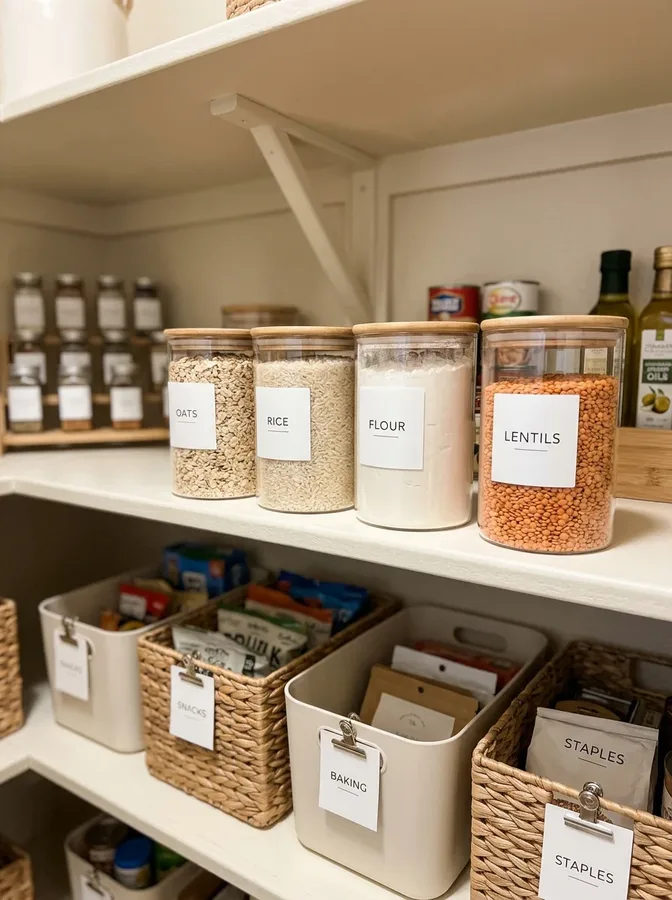
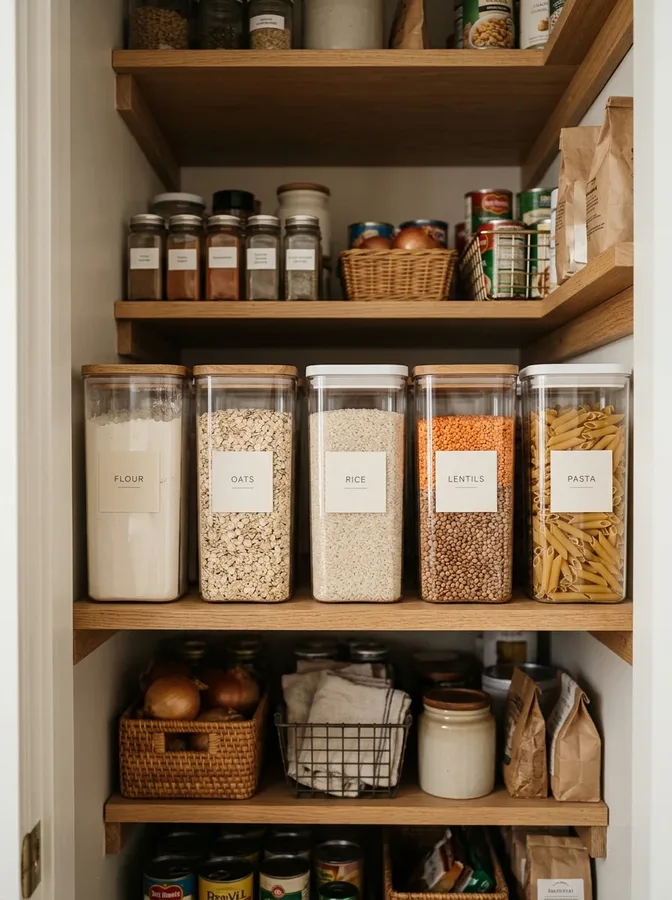
Clear, airtight containers are one of the most effective ways to organize a small pantry. Transfer frequently used ingredients, including rice, oats, pasta, lentils, flour, and sugar, into containers that fit your shelves. Their transparent sides make it easy to see what you have before preparing a grocery list, reducing duplicate purchases and last-minute ingredient shortages. Choose rectangular containers when possible because they usually fit together more efficiently than round ones. Measure your shelves before buying a set, and prioritize uniform shapes that stack safely. Label each container with the ingredient name and, when helpful, its cooking instructions. Keep original packaging information for allergens, expiration dates, and preparation directions whenever needed.
2. Make the Most of Vertical Shelf Space
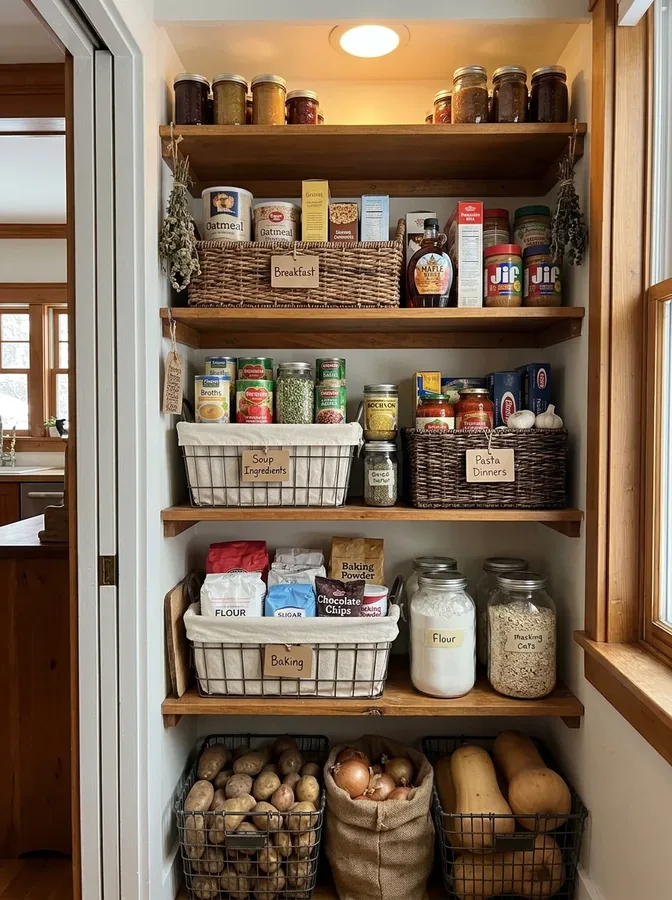
Small pantries often waste valuable space between shelves, especially when short jars sit beneath tall shelves. Shelf risers create additional storage levels without requiring permanent installation. Use them for canned vegetables, spice jars, small baking supplies, or tins of beans. Place taller containers underneath and shorter items above so everything remains visible. For winter meal preparation, a riser can separate soup ingredients from the canned tomatoes and beans used for chili. Choose sturdy risers that support the weight of your products and fit comfortably within the cabinet. Leave enough clearance to remove items without knocking over neighboring containers. This simple adjustment can increase usable storage while making crowded shelves easier to navigate.
3. Group Ingredients by Meal Type
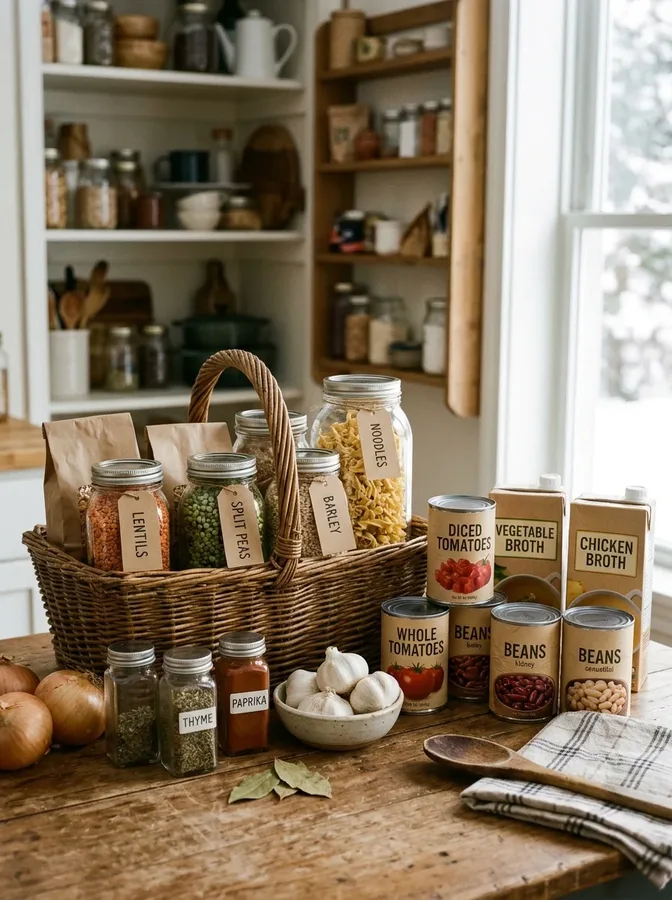
Organizing ingredients according to the meals you prepare helps turn a cluttered pantry into a practical cooking station. Create small zones for soups, pasta dinners, breakfast, baking, and quick lunches. For example, keep broth, canned tomatoes, lentils, and dried herbs together for comforting winter soups. Store pasta, jarred sauces, and Italian seasoning in another section for easy weeknight dinners. You can use open bins or simply designate specific shelves for each category. Grouping ingredients by purpose reduces the time spent searching for individual items and makes it easier to identify missing ingredients before cooking. Adjust the zones to reflect your household’s favorite meals rather than following a rigid organizing system.
4. Add Stackable Bins for Packets and Small Packages
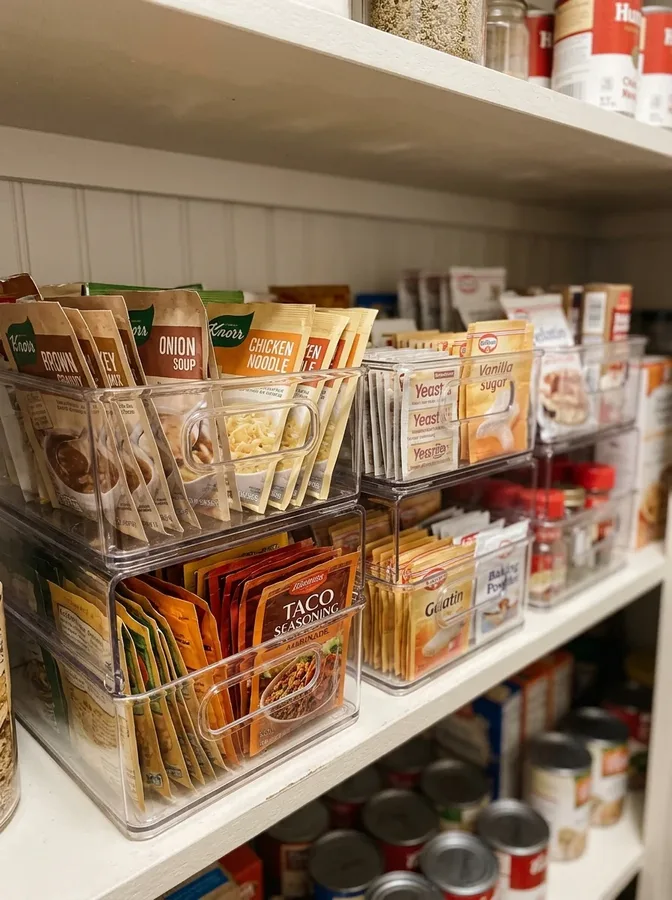
Seasoning packets, instant soup mixes, yeast sachets, gravy envelopes, and small snack packages can disappear behind larger pantry items. Stackable bins keep these lightweight products together and prevent them from spreading across shelves. Choose shallow bins for items you use frequently, and reserve deeper containers for backup supplies. Separate baking packets from savory seasonings so you can find the right ingredients quickly. Clear bins make contents easier to identify, while simple labels help everyone in the household return products to their proper place. Avoid packing containers too tightly, since overfilled bins make it difficult to see what remains. This affordable hack is especially useful for narrow cabinets where loose packages easily become disorganized.
5. Install an Over-the-Door Storage Organizer
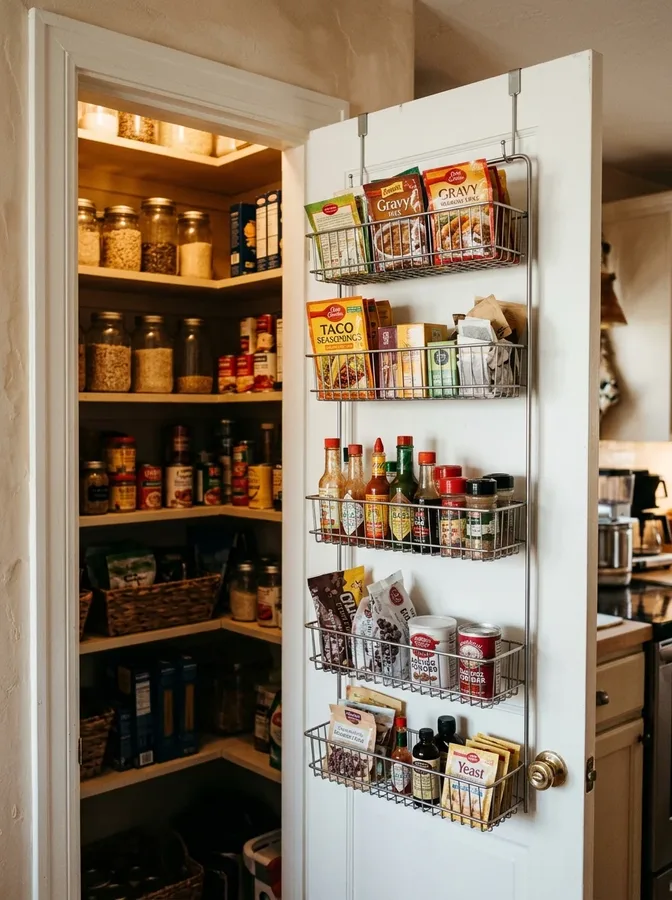
When shelf space is limited, the back of a pantry door can provide valuable extra storage. An over-the-door organizer with several shallow pockets or baskets works well for spice packets, small condiment bottles, tea bags, seasoning blends, and lightweight baking supplies. Before purchasing one, measure the door and check that the organizer will not interfere with closing it or accessing nearby cabinets. Keep heavier items low and avoid overloading the door, particularly if the hinges are not designed for extra weight. Use the upper pockets for less frequently used ingredients and lower pockets for everyday essentials. This solution makes use of an otherwise overlooked area without taking up precious shelf space.
6. Create a Dedicated Winter Soup Station
Cold weather is the perfect time to establish a dedicated soup-making section in your pantry. Use one labeled bin or shelf for dried lentils, split peas, barley, noodles, broth cartons, canned beans, and canned tomatoes. Keep suitable seasonings, such as bay leaves, paprika, cumin, and dried thyme, nearby or in a separate spice container. When dinner plans change, you can quickly check the section and combine available ingredients into a warming meal. Store unopened shelf-stable products according to their labels, and refrigerate opened broth or other perishable ingredients as directed. A soup station also makes grocery planning easier because you can spot missing staples before the next cold evening.
7. Use Lazy Susans for Hard-to-Reach Corners
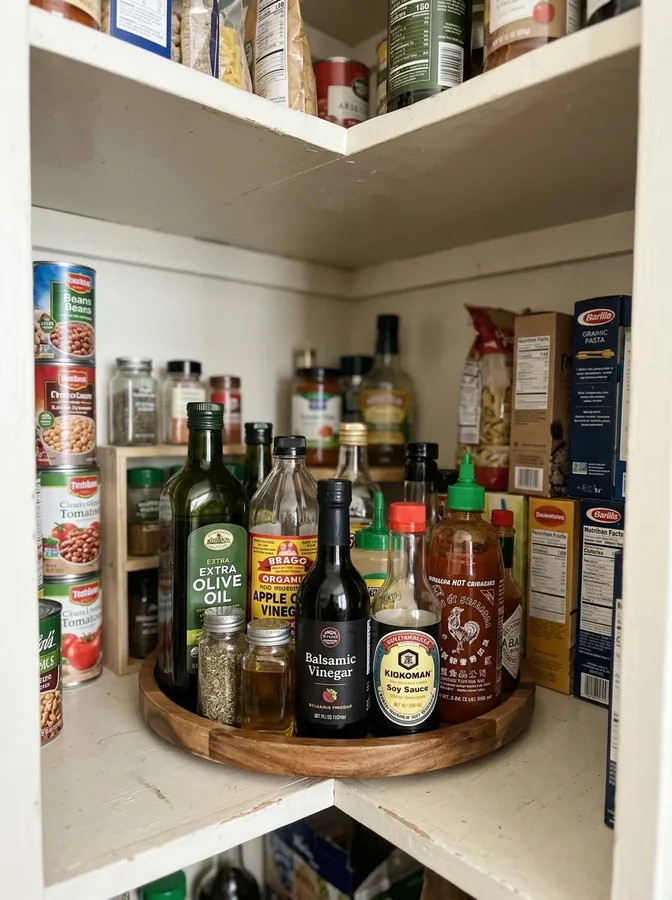
Deep shelves and awkward corners often hide small bottles, jars, and cans that get forgotten until they expire. A compact lazy Susan allows you to rotate ingredients toward the front instead of reaching behind everything. Use one for cooking oils, vinegar, sauces, nut butters, or frequently used condiments, provided the shelf is deep enough and the turntable remains stable. Group similar products together so the surface does not become a random collection of bottles. Choose a model with a raised edge to help prevent items from slipping off during rotation. Measure the available space carefully, especially in narrow cabinets, and avoid placing tall bottles where they could tip into the door or adjacent shelves.
8. Label Shelves and Containers Clearly
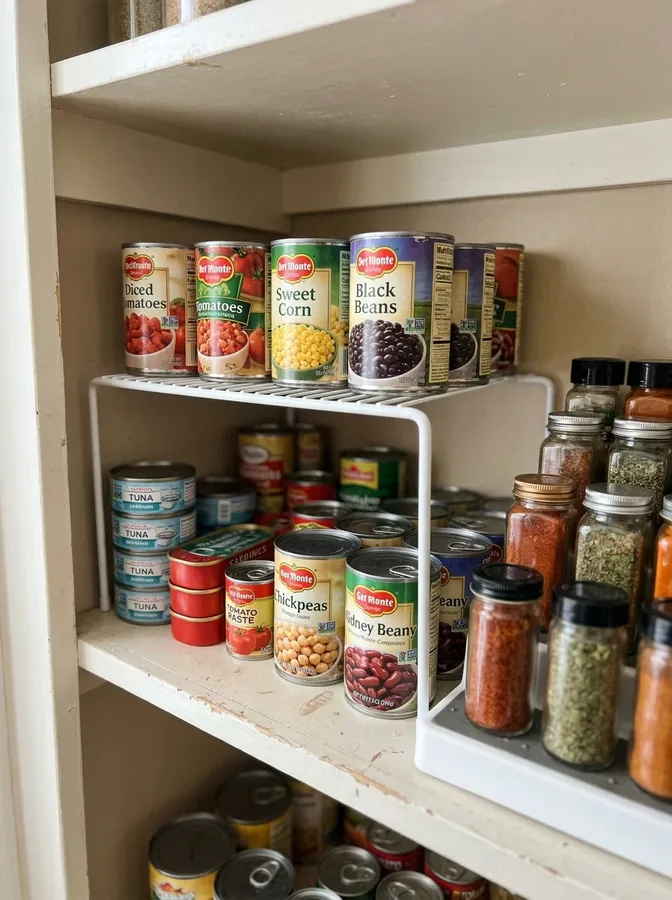
Labels make a small pantry easier to maintain because everyone can quickly identify where ingredients belong. Label containers with simple names such as rice, oats, flour, and lentils, and use shelf labels for broader categories like baking, breakfast, and dinner staples. If you transfer food from its original packaging, retain important allergen details, expiration information, and preparation instructions. Removable labels are particularly useful when your storage needs change seasonally. For a clean, coordinated look, choose one label style and use consistent wording throughout the pantry. Avoid overly decorative labels that obscure important information. Clear labeling is especially helpful during winter meal prep, when several similar bags or containers may otherwise be difficult to distinguish.
9. Store Canned Goods in Organized Rows
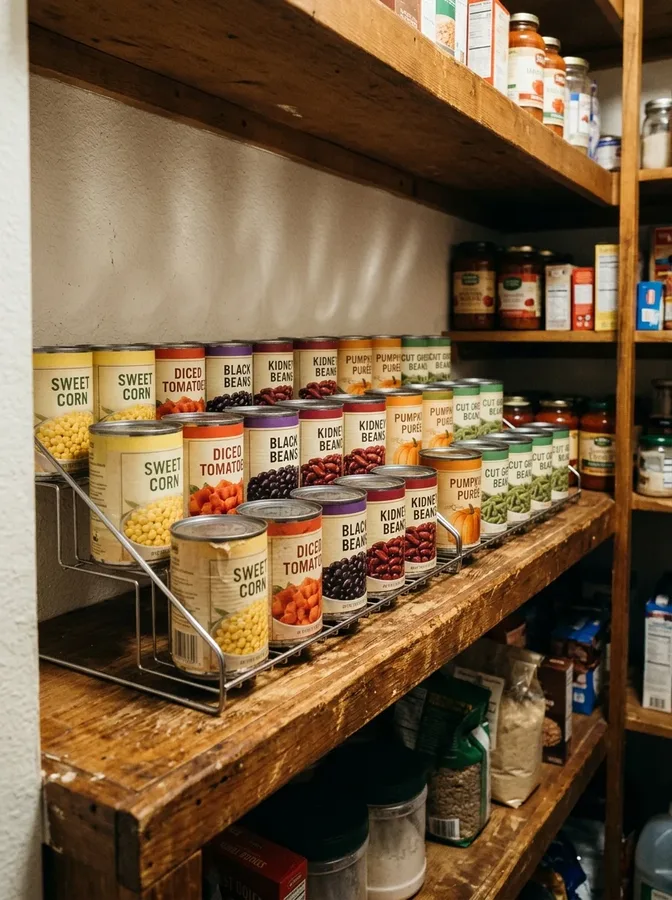
Canned beans, tomatoes, corn, pumpkin, and vegetables are convenient ingredients for winter cooking, but they can quickly overwhelm a small pantry. Arrange cans in straight rows, grouping similar ingredients together and placing older stock toward the front. A tiered can organizer can improve visibility by allowing you to see labels in the back row. If you prefer not to purchase extra organizers, use a shelf riser and arrange cans by category. Keep the heaviest cans on sturdy lower shelves, and avoid stacking them beyond what the packaging or organizer safely supports. During weekly pantry checks, move older products forward and use them first, following food safety guidance and discarding any cans that are swollen, leaking, badly dented, or otherwise damaged.
10. Divide Baking Supplies into One Convenient Zone
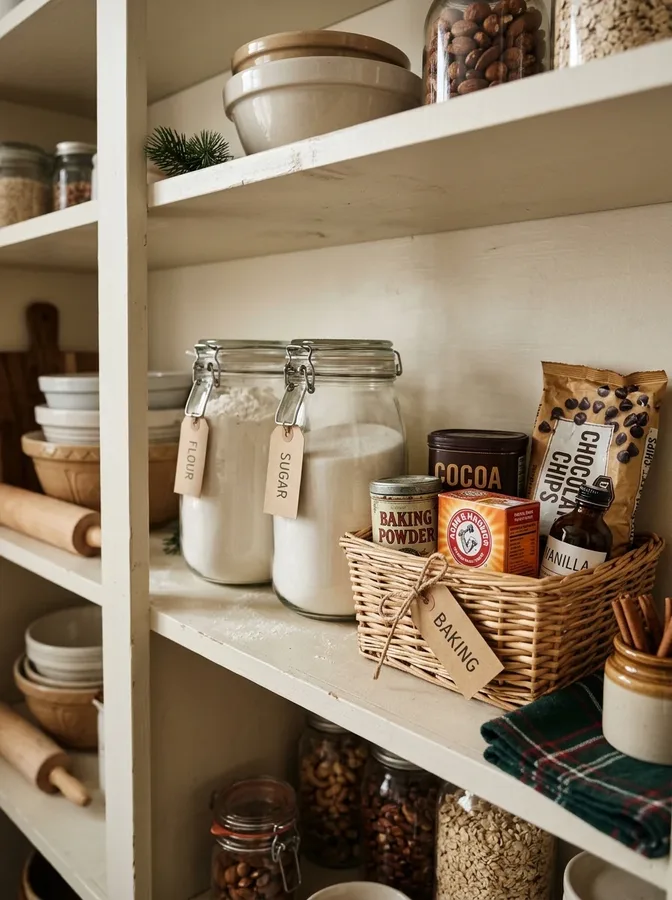
Winter often brings extra baking, from homemade bread and muffins to cookies and seasonal desserts. Keep flour, sugar, baking powder, baking soda, cocoa, chocolate chips, and frequently used extracts together in one dedicated zone. Small labeled bins can separate decorating supplies from everyday baking ingredients, while airtight containers help protect suitable dry goods from moisture and pests. Place heavier flour containers on a lower shelf that is easy to reach, and keep small measuring accessories nearby if you have room. Check package dates and storage instructions before transferring ingredients. Keeping baking supplies together makes it easier to prepare recipes without searching multiple shelves and helps you recognize when essential ingredients need replenishing.
11. Add Narrow Bins for Pasta and Noodles
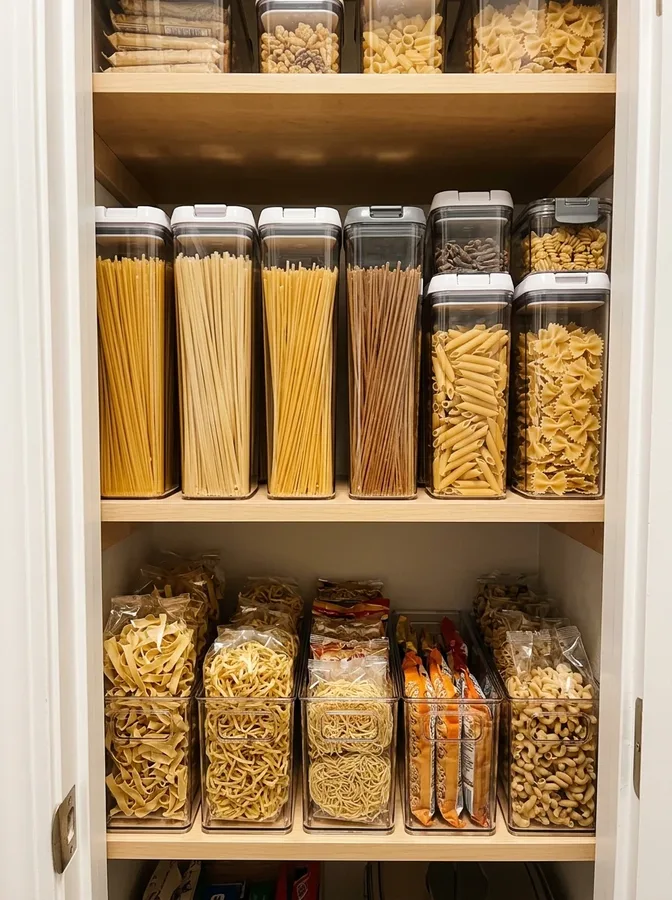
Pasta boxes and noodle packets can occupy more shelf space than expected, particularly when they are stored in uneven piles. Narrow bins help contain these packages and keep different shapes organized. Create separate sections for spaghetti, short pasta, egg noodles, and specialty varieties, depending on what your household uses most. If you transfer pasta into containers, select tall, narrow designs that fit the shelf height and protect the contents from moisture. Keep opened packages in sealed containers or securely closed packaging according to storage guidance. A dedicated pasta section makes it easier to assemble quick winter dinners with canned tomatoes, beans, vegetables, or sauces already stored nearby. Avoid buying extra pasta until you have checked your existing supply.
12. Use the Floor Space for Heavy Pantry Staples
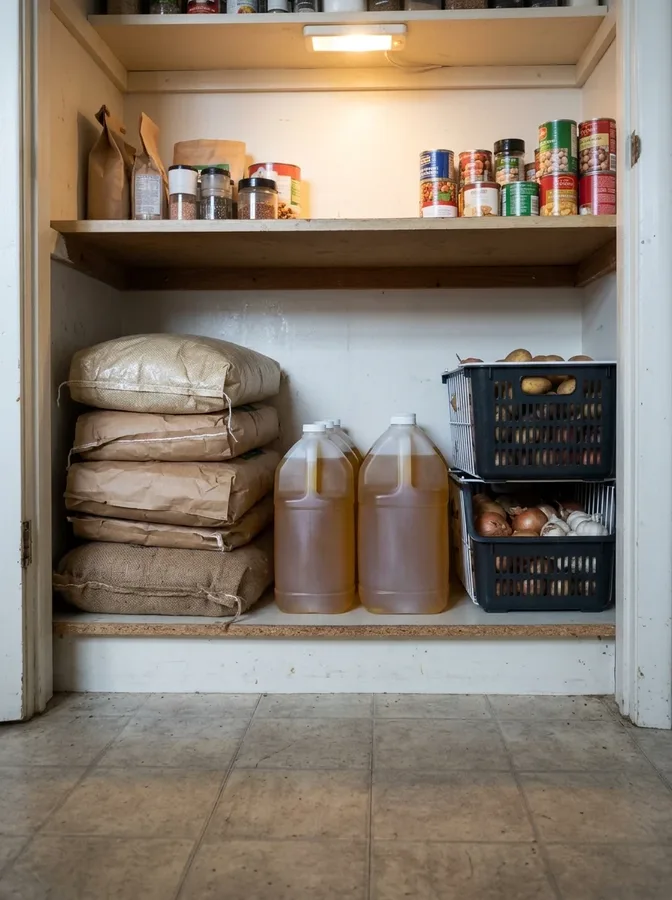
The bottom of a small pantry can become useful storage when it is arranged deliberately. Place heavier items, such as bulk rice bags, large oil containers, beverage bottles, or sturdy baskets of potatoes, in suitable floor-level storage. Keep these products off damp floors by using a stable shelf or washable bin when appropriate, and follow each ingredient’s temperature, ventilation, and light requirements. Not every food belongs in the pantry: some vegetables need cooler, darker, or better-ventilated conditions, while others require refrigeration. Leave enough space to remove containers safely and keep the floor clear of loose packets. A designated lower zone prevents heavy supplies from crowding eye-level shelves and reduces the risk of lifting awkward items overhead.
13. Build a Grab-and-Go Breakfast Bin
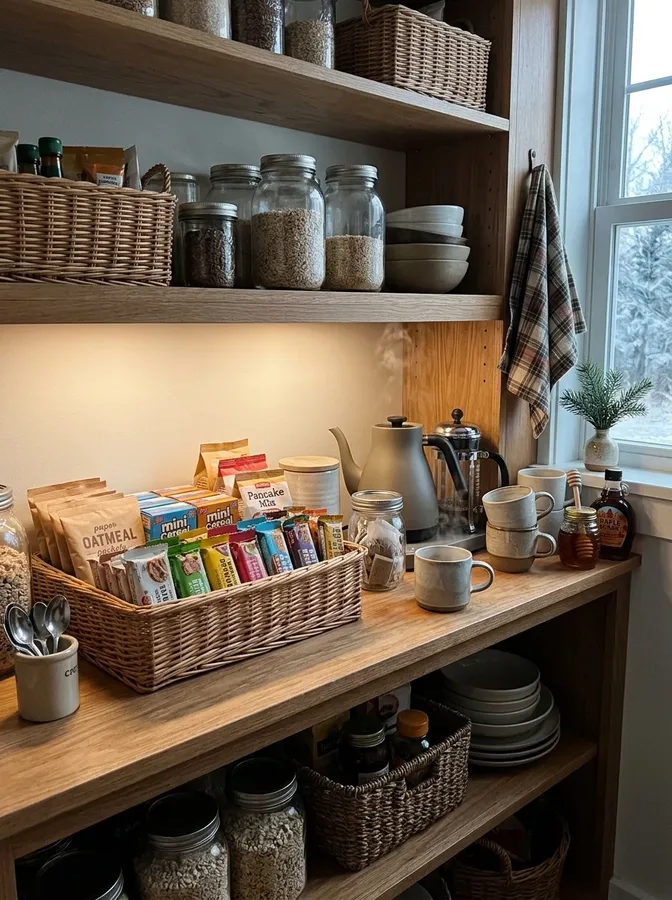
Winter mornings can feel rushed, so grouping breakfast ingredients together can simplify the start of the day. Use a medium-sized bin for oatmeal packets, cereal portions, shelf-stable breakfast bars, pancake mix, or other suitable dry goods your household enjoys. Place the bin on an accessible shelf where family members can reach it without moving several containers. If you keep tea or coffee nearby, designate a separate small section for those supplies to create a convenient morning station. Store products according to their packaging, especially after opening, and avoid mixing refrigerated foods into the pantry bin. Review the contents before shopping so you can replenish popular breakfast staples without buying duplicates or forgetting items you use regularly.
14. Try a First-In, First-Out Pantry System
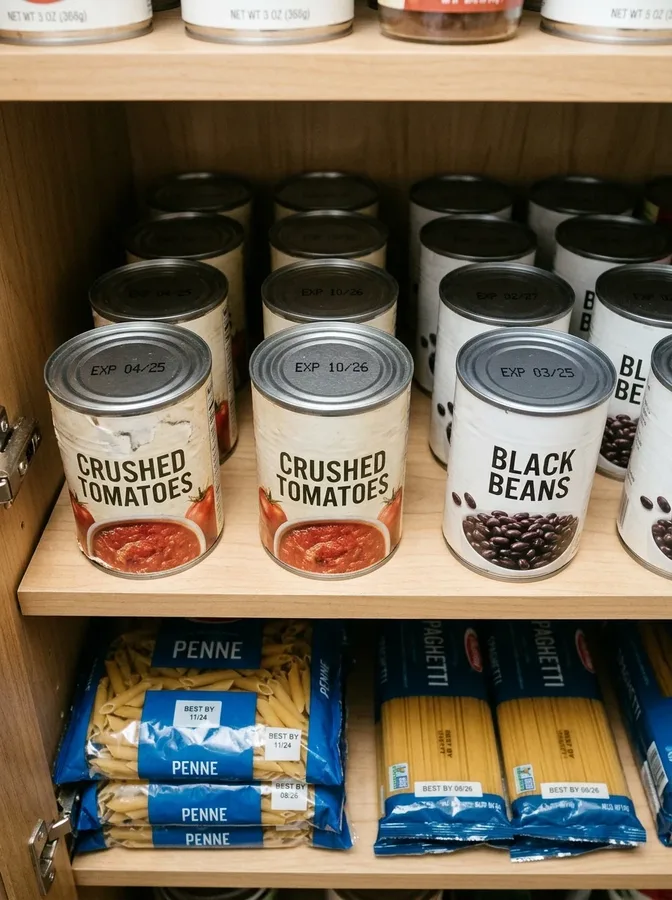
A first-in, first-out system helps prevent food waste by making older products easier to use before newer purchases. Whenever you bring home canned goods, pasta, rice, or other shelf-stable items, place them behind existing stock of the same type. Check package dates and follow storage instructions, since different products have different shelf lives. A small weekly review can reveal opened packages, low supplies, or ingredients that should be used soon. Consider placing soon-to-be-used items in a clearly labeled basket so they are easy to incorporate into winter dinners. This habit works particularly well for ingredients used in soups, stews, and casseroles, where several pantry staples can be combined into one practical meal.
15. Organize Spices in a Compact Rack
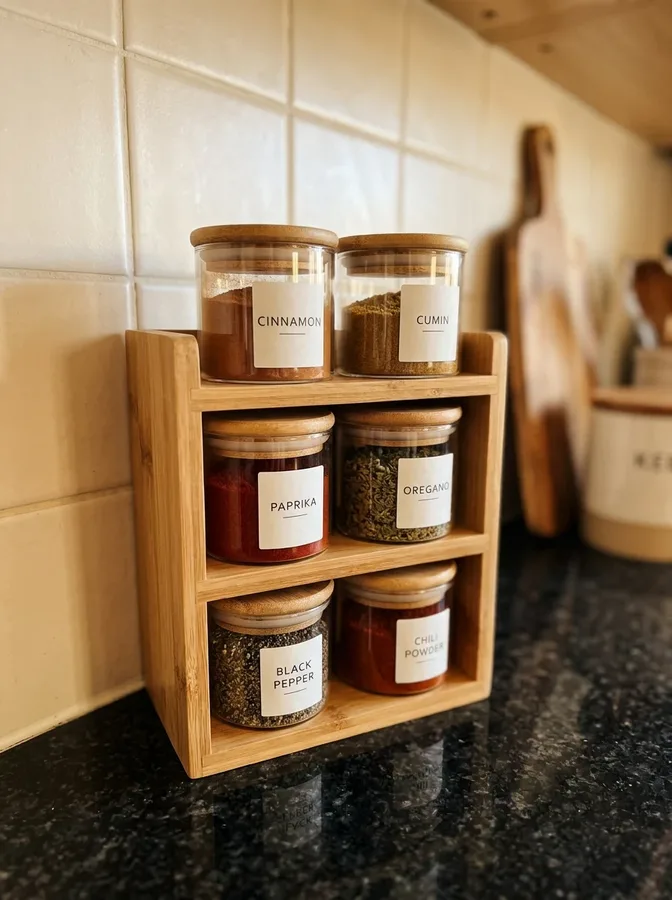
Spices are essential for adding warmth and flavor to winter meals, but crowded spice jars can make cooking slower. Arrange frequently used seasonings, such as black pepper, cinnamon, cumin, paprika, oregano, and chili powder, in a compact rack or shallow drawer organizer. Store labels facing outward so you can identify each jar quickly. If you have limited shelf space, a tiered organizer can make several rows visible at once. Keep spices in tightly closed containers away from heat, direct sunlight, and excess moisture to help preserve their quality. Group baking spices separately from savory seasonings if that suits your cooking routine. Check freshness periodically and avoid buying replacements until you know which spices you actually use.
16. Create a Small Emergency Dinner Basket
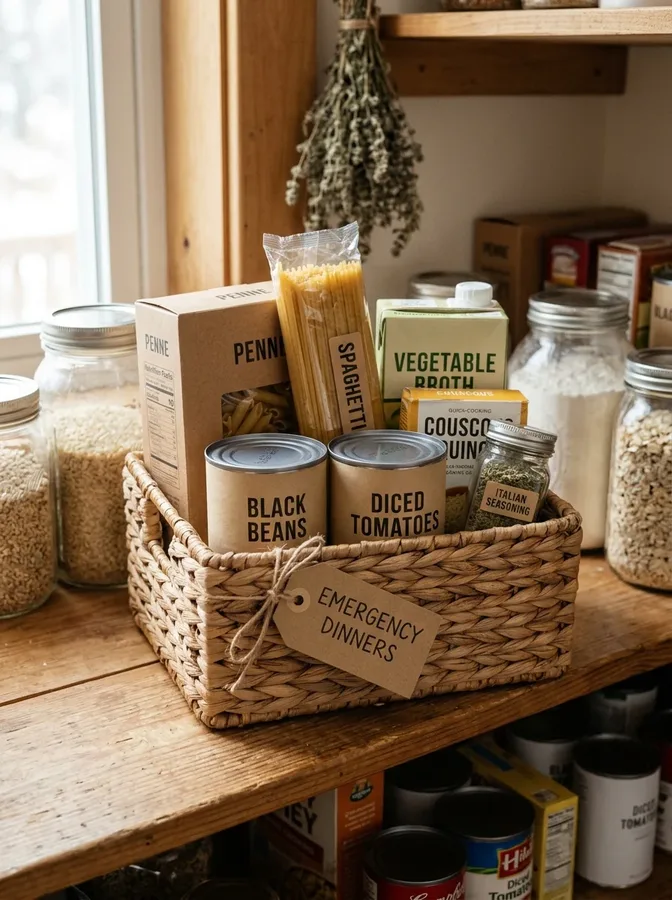
A dedicated emergency dinner basket is useful for evenings when shopping or cooking from scratch is not practical. Fill it with versatile shelf-stable ingredients such as pasta, canned beans, tomatoes, quick-cooking grains, broth, and a favorite seasoning blend. Choose products that can be combined into a few reliable meals rather than collecting ingredients for recipes you rarely prepare. Keep the basket on an easy-to-reach shelf and label it clearly so household members know where to look. After using something, add it to your shopping list and replenish the basket during the next grocery trip. Check package dates and storage instructions regularly, and rotate older items forward to keep the collection useful throughout winter.
17. Keep a Pantry Inventory and Shopping List
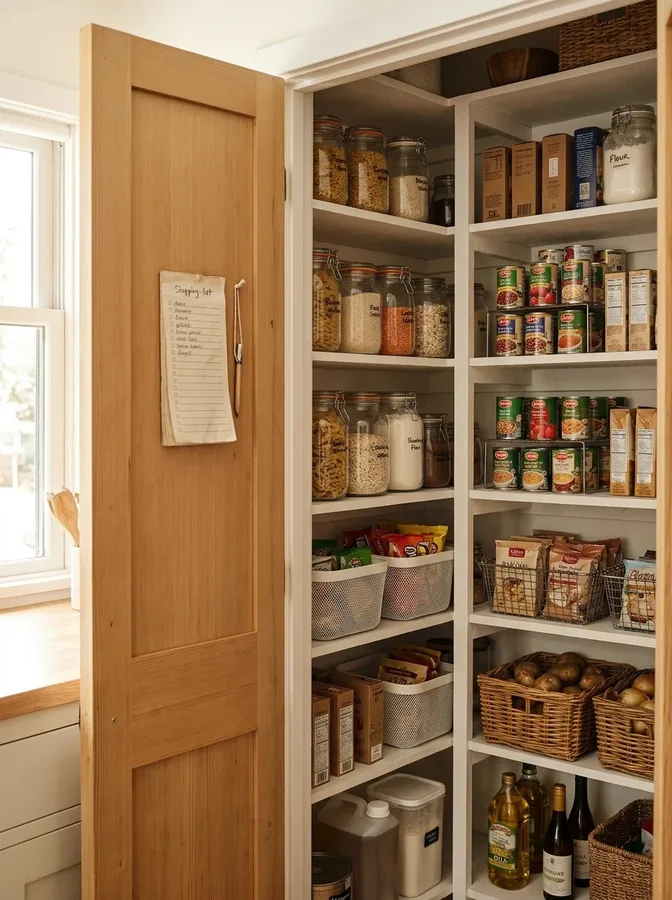
A simple pantry inventory prevents overbuying and makes winter meal planning more predictable. Keep a small notepad on the pantry door, use a magnetic list nearby, or maintain a digital note on your phone. Record staples as they run low, especially ingredients you use frequently for soups, baking, pasta dinners, and hot breakfasts. You do not need to track every item in detail; a short list of essential supplies is often enough. Before shopping, check the pantry and cross-reference your planned meals so you buy what you genuinely need. This habit reduces duplicate purchases, helps you use existing ingredients, and keeps a compact pantry from becoming crowded with unnecessary backup packages.
18. Refresh the Pantry with a Weekly Five-Minute Reset
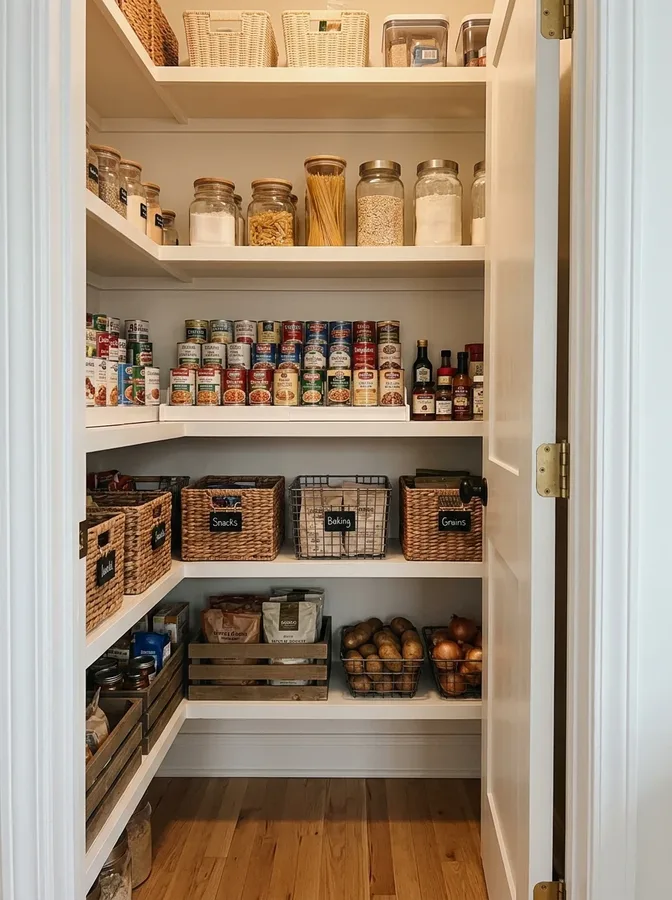
The best small pantry organization system is one that remains easy to maintain. Set aside five minutes each week to return misplaced items, straighten containers, wipe up crumbs, and check which ingredients need replenishing. Move products that should be used soon to the front and remove empty packaging immediately. Check that lids are secure and that dry goods remain protected from moisture and pests. If a storage bin repeatedly becomes cluttered, reconsider its category or location rather than simply rearranging it every week. A short reset is particularly useful during winter, when frequent cooking can leave shelves messy. Consistent small efforts prevent a major reorganizing project and keep your pantry ready for the next meal.
Conclusion
Organizing a small pantry for winter meal prep does not require a complete kitchen makeover. By using clear containers, making better use of vertical space, grouping ingredients by meal type, and maintaining a simple inventory, you can create a pantry that supports faster cooking and less food waste. Start with two or three changes that address your biggest frustrations, then adjust the system as you discover what works best for your household. A tidy, practical pantry makes it easier to prepare warming winter meals, shop thoughtfully, and enjoy a more organized kitchen throughout the season.