Cold winter mornings, busy school days, and packed family schedules can make getting nutritious meals on the table feel overwhelming. Having a collection of kid-friendly winter meal prep recipes makes everyday cooking easier while helping you serve warm, comforting food your children will enjoy. From cheesy pasta bakes and hearty soups to make-ahead breakfasts and freezer-friendly snacks, a little preparation can save valuable time throughout the week.
The best winter meal prep ideas combine familiar flavors, nourishing ingredients, and simple cooking methods. Many can be prepared in batches, portioned into individual containers, and refrigerated or frozen for convenient meals whenever hunger strikes. You can also customize ingredients to suit your child’s preferences, introduce vegetables in appealing ways, and let older kids help with age-appropriate kitchen tasks. These 15 family-friendly recipes offer practical solutions for breakfast, lunch, dinner, and snacks, making winter meal planning less stressful and more enjoyable for the whole family.
1. Cheesy Baked Pasta With Hidden Vegetables
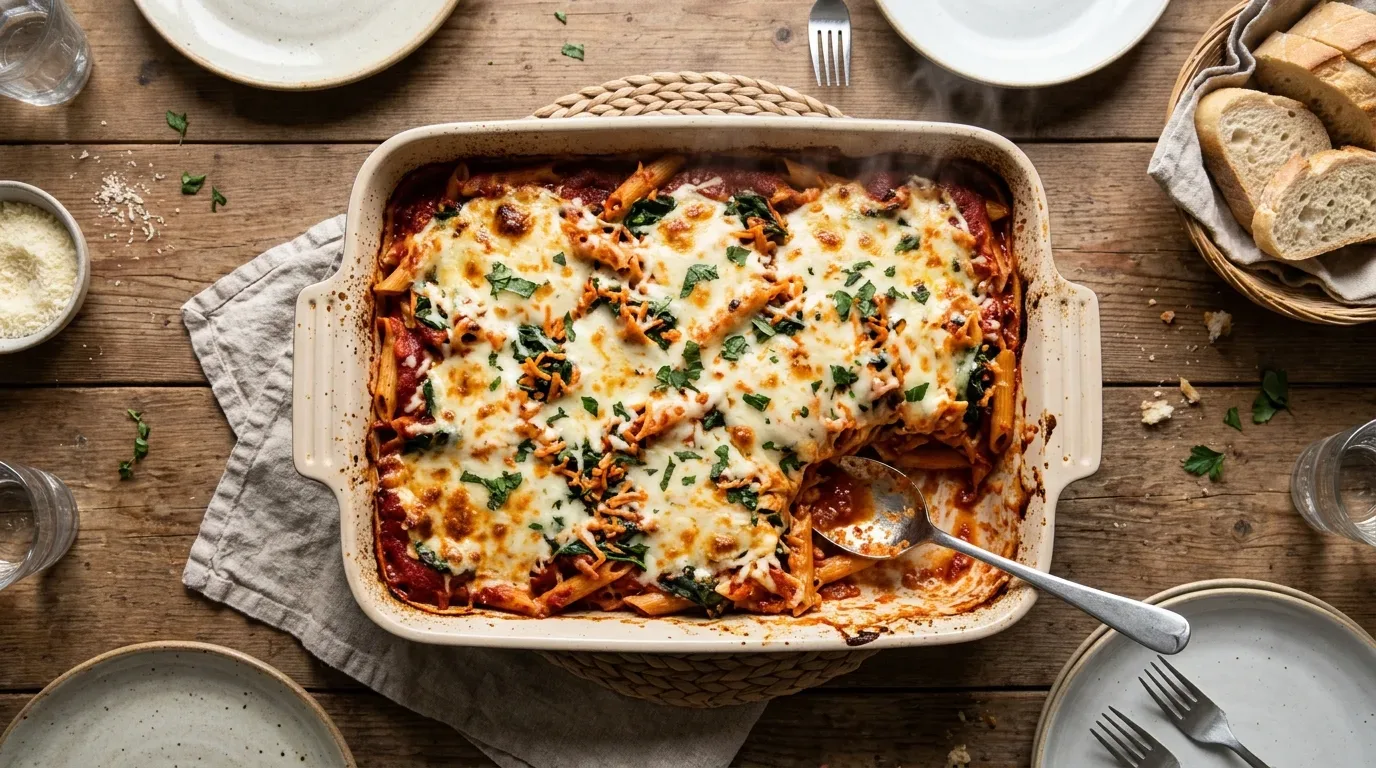
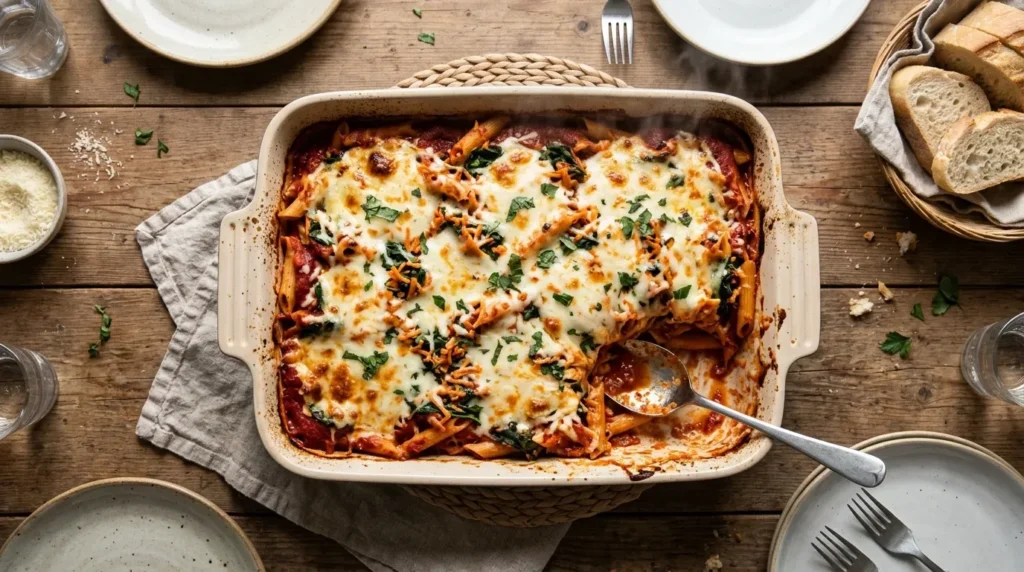
Cheesy baked pasta is a reliable family favorite that reheats beautifully for quick winter lunches and dinners. Cook whole-wheat pasta until just shy of tender, then combine it with tomato sauce, finely grated carrots, chopped spinach, and a little Italian seasoning. Stir in shredded mozzarella and transfer everything to a baking dish. Add another light layer of cheese before baking until bubbly.
Prepare the dish over the weekend, divide it into individual portions, and refrigerate what you’ll eat within three to four days. Freeze extra portions for longer storage. Reheat each serving until steaming hot, adding a spoonful of water or sauce if the pasta seems dry. Children can help sprinkle cheese or stir cooled ingredients under supervision.
2. Make-Ahead Banana Oatmeal Muffins

Banana oatmeal muffins provide a convenient breakfast for mornings when everyone needs to get out the door quickly. Mash ripe bananas and mix them with rolled oats, eggs, milk, a little oil, cinnamon, and baking powder. For extra texture, fold in finely diced apples or a few chocolate chips. Spoon the mixture into a greased muffin tin and bake until set.
Once completely cooled, store the muffins in an airtight container in the refrigerator for several days or freeze them individually. Thaw overnight in the refrigerator or warm one in the microwave before serving. Pair a muffin with yogurt, milk, or nut butter if appropriate for your child’s age and allergy needs. These naturally sweet muffins are also useful for lunchboxes and afternoon snacks.
3. Hearty Chicken and Vegetable Soup
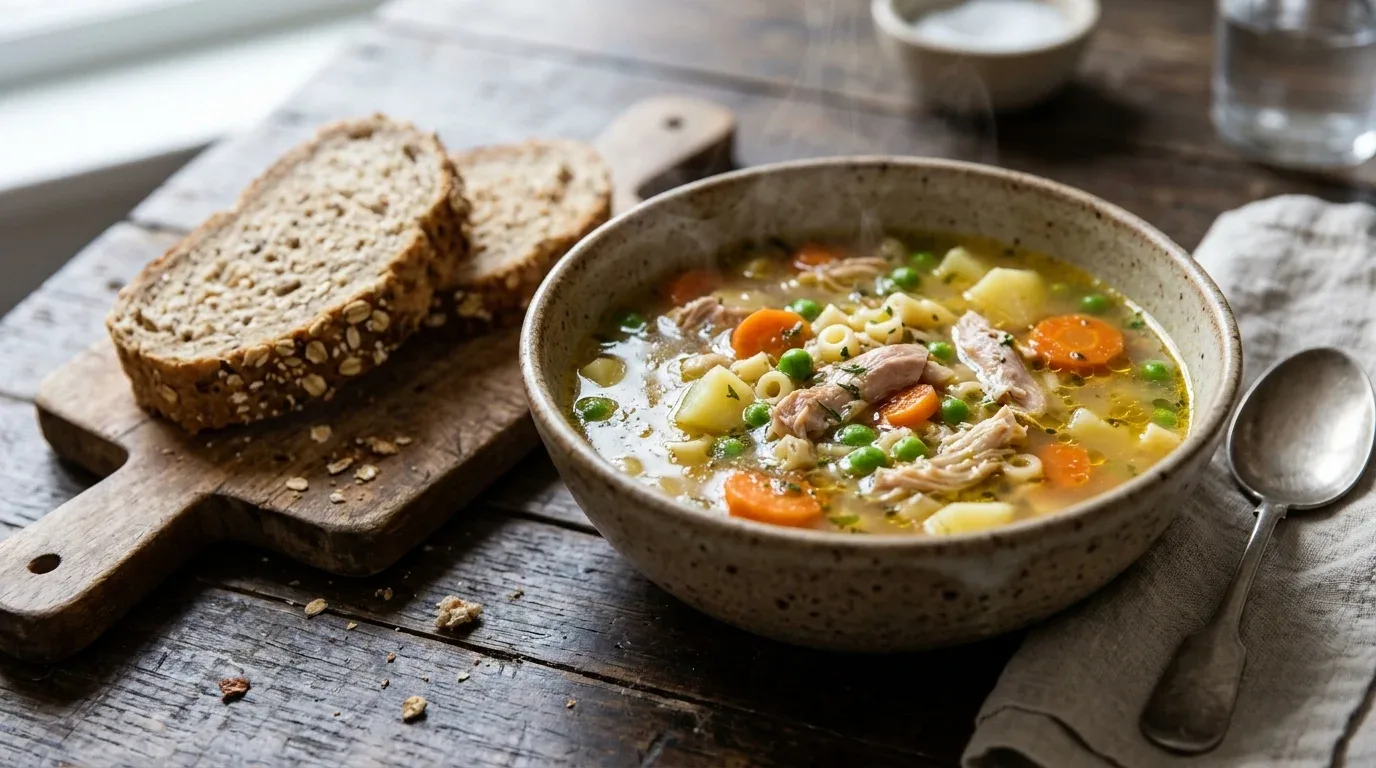
A warm bowl of chicken and vegetable soup is especially comforting on chilly winter evenings. Simmer cooked chicken with carrots, potatoes, peas, celery, and low-sodium broth until the vegetables are tender. Add small pasta shapes or rice to make the soup more filling. Mild herbs such as parsley and thyme provide flavor without making the dish too strong for younger eaters.
Prepare a large pot and divide it into meal-sized containers after cooking. Refrigerate portions promptly and use them within three to four days, or freeze them for future meals. If freezing soup with pasta, consider storing the pasta separately to prevent it from becoming too soft. Serve with whole-grain toast for a simple, balanced family dinner that requires very little effort on busy nights.
4. Mini Turkey and Cheese Meatballs

Mini turkey meatballs are versatile, protein-rich additions to a winter meal prep routine. Combine ground turkey with breadcrumbs, a beaten egg, finely grated zucchini, and mild seasonings. Shape into small meatballs and bake until they reach an internal temperature of 165°F (74°C). Baking several trays at once saves time and avoids the need to cook separate batches throughout the week.
Let the meatballs cool promptly before storing them in shallow containers. Keep refrigerator portions for three to four days and freeze the remainder in a single layer before transferring them to freezer bags. Serve with pasta, rice, mashed potatoes, or tomato sauce. For younger children, cut meatballs into appropriately sized pieces and check their texture before serving to reduce choking risks.
5. Freezer-Friendly Breakfast Burritos

Breakfast burritos make cold mornings easier by bringing several filling ingredients together in one portable meal. Scramble eggs with cooked beans, finely chopped bell peppers, and a little shredded cheese. Spoon the mixture into small whole-wheat tortillas and fold them securely. Allow the filling to cool slightly before wrapping each burrito tightly for freezing.
For the best texture, avoid adding watery vegetables or too much salsa before freezing. Store wrapped burritos in a labeled freezer-safe container, then thaw overnight in the refrigerator or reheat from frozen according to your microwave’s instructions. Ensure the center is thoroughly hot before serving. Offer salsa, avocado, or plain yogurt on the side to suit different preferences. Smaller tortillas are often easier for children to hold and finish.
6. Creamy Pumpkin and Lentil Soup

Pumpkin and lentil soup offers a creamy texture and gentle flavor that works well for children who prefer smooth meals. Simmer red lentils with pumpkin puree, diced onion, carrots, garlic, and vegetable broth until everything is soft. Blend until smooth, adding milk or an unsweetened dairy alternative if desired. Mild spices such as cinnamon or a small pinch of cumin can add warmth without overpowering the soup.
Make a generous batch and portion it into shallow containers for quick lunches or light dinners. The soup can be refrigerated for three to four days or frozen in individual servings. Serve it with cheese toast, crackers, or a small sandwich to make the meal more substantial. If your child is hesitant about lentils, start with a smooth consistency and gradually introduce different textures as their preferences develop.
7. Homemade Chicken and Vegetable Quesadillas
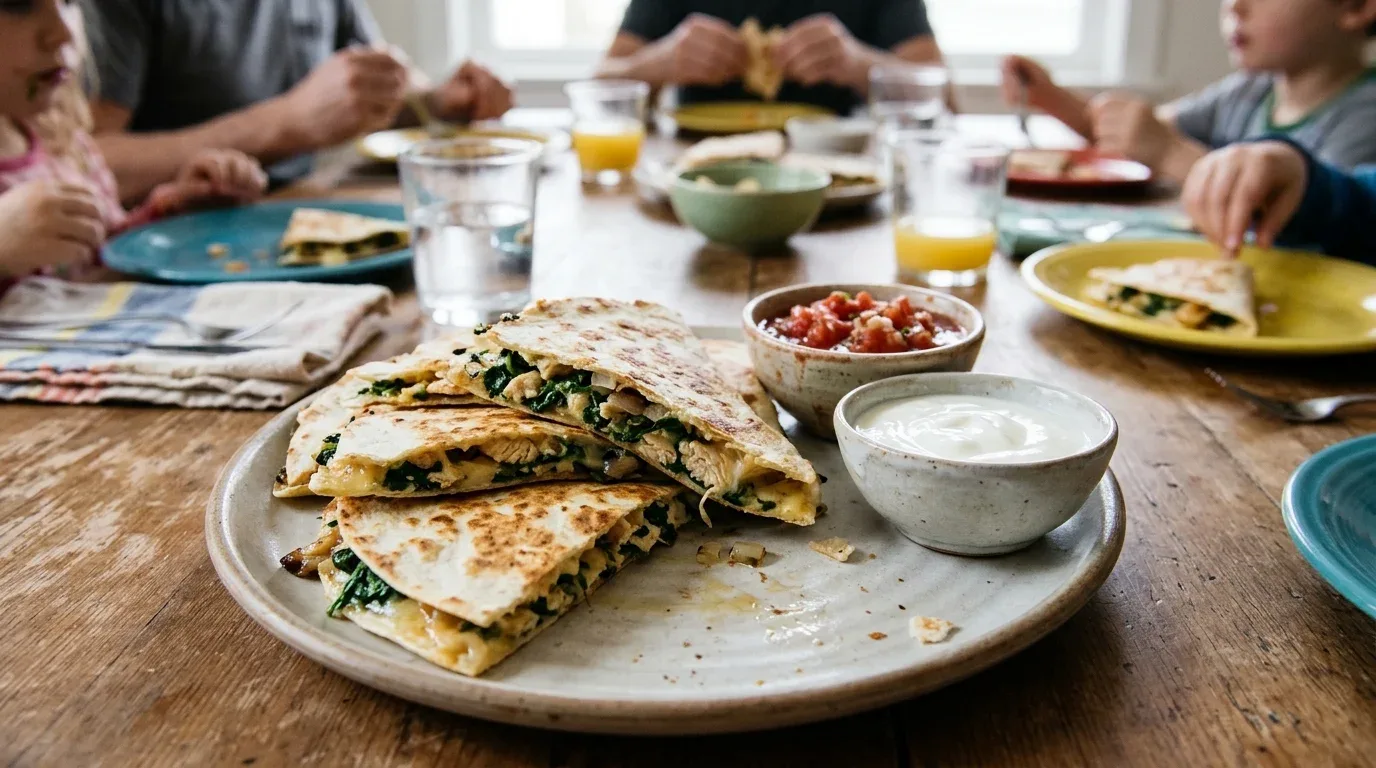
Chicken quesadillas are a convenient way to use leftover cooked chicken while creating a warm, familiar lunch. Combine shredded chicken with grated cheese, finely chopped spinach, and mild seasonings. Spread the filling over half of a whole-wheat tortilla, fold it over, and cook in a skillet until golden and the cheese melts. Cut into manageable wedges after allowing the quesadilla to cool slightly.
For meal prep, prepare the filling in advance and refrigerate it separately, assembling quesadillas when needed for the best texture. Alternatively, cook and freeze fully cooled quesadillas between sheets of baking paper. Reheat in a skillet or oven to help restore their crispness. Serve with mild tomato salsa, mashed avocado, or plain yogurt. Keep sauces separate until serving so the tortillas don’t become soggy.
8. Baked Sweet Potato and Black Bean Bowls
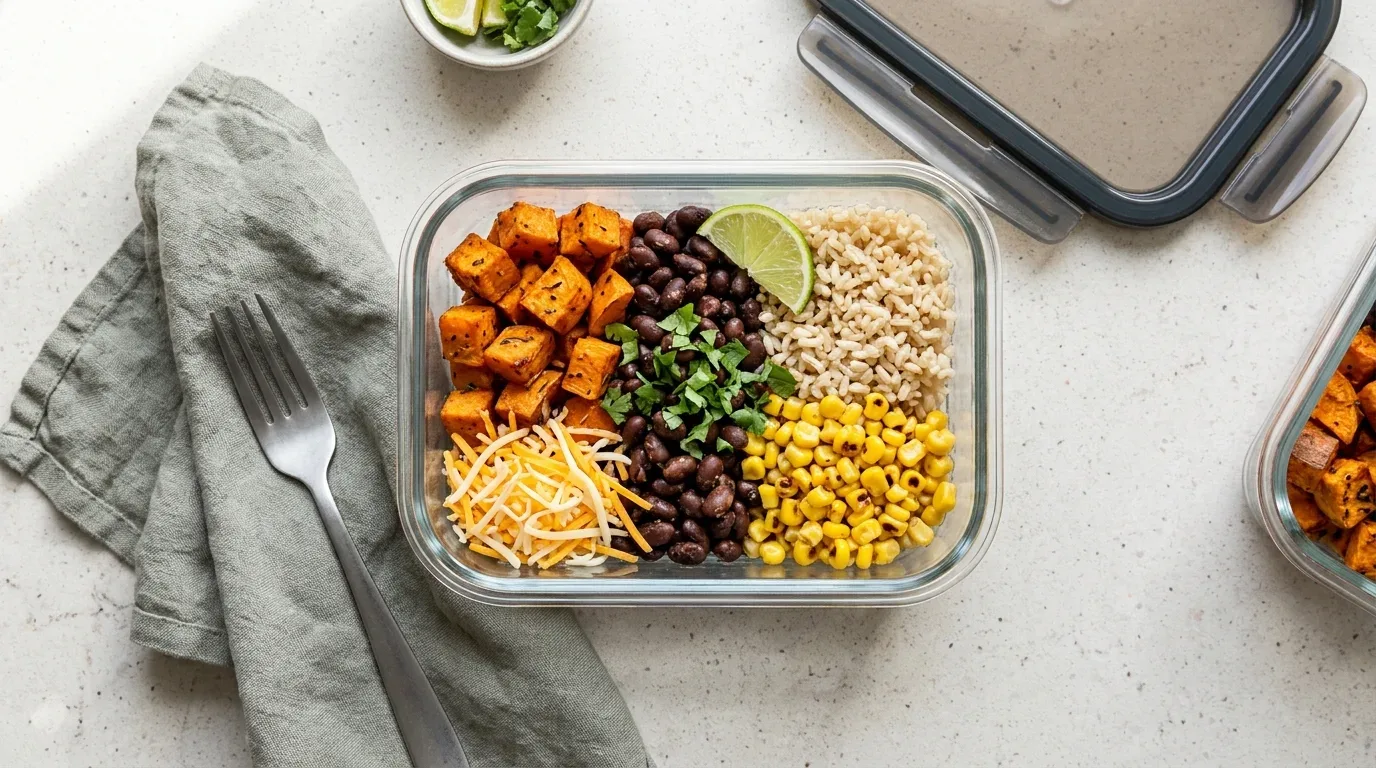
Sweet potato and black bean bowls offer colorful ingredients and plenty of flexibility for family meals. Roast cubed sweet potatoes with a little olive oil until tender, then combine them with rinsed black beans, cooked brown rice, and corn. Season lightly with paprika or cumin, keeping the flavors mild for children. Preparing each ingredient separately allows everyone to build a bowl according to their preferences.
Divide the cooked ingredients into meal prep containers and refrigerate for up to three to four days. Store toppings such as avocado, shredded cheese, and yogurt separately. Warm the rice, beans, and sweet potatoes thoroughly before assembling each bowl. For children who dislike mixed foods, serve the ingredients in separate sections instead. This recipe also works well in tortillas or as a filling for baked potatoes later in the week.
9. Mini Vegetable and Cheese Egg Muffins

Egg muffins are an easy make-ahead breakfast packed with protein and customizable vegetables. Whisk eggs with a splash of milk, then stir in finely chopped broccoli, grated carrots, diced bell peppers, and shredded cheddar. Pour the mixture into a greased muffin tin, filling each cup about two-thirds full. Bake until the centers are fully set, then allow the muffins to cool before removing them.
Store the muffins in the refrigerator for up to three to four days or freeze them individually for later breakfasts. Reheat until steaming hot, checking that the center is warm. Pair them with fruit, toast, or yogurt for a more complete meal. You can prepare different combinations in one batch, making it easier to accommodate picky eaters without cooking several separate breakfasts every morning.
10. Slow Cooker Beef and Vegetable Stew
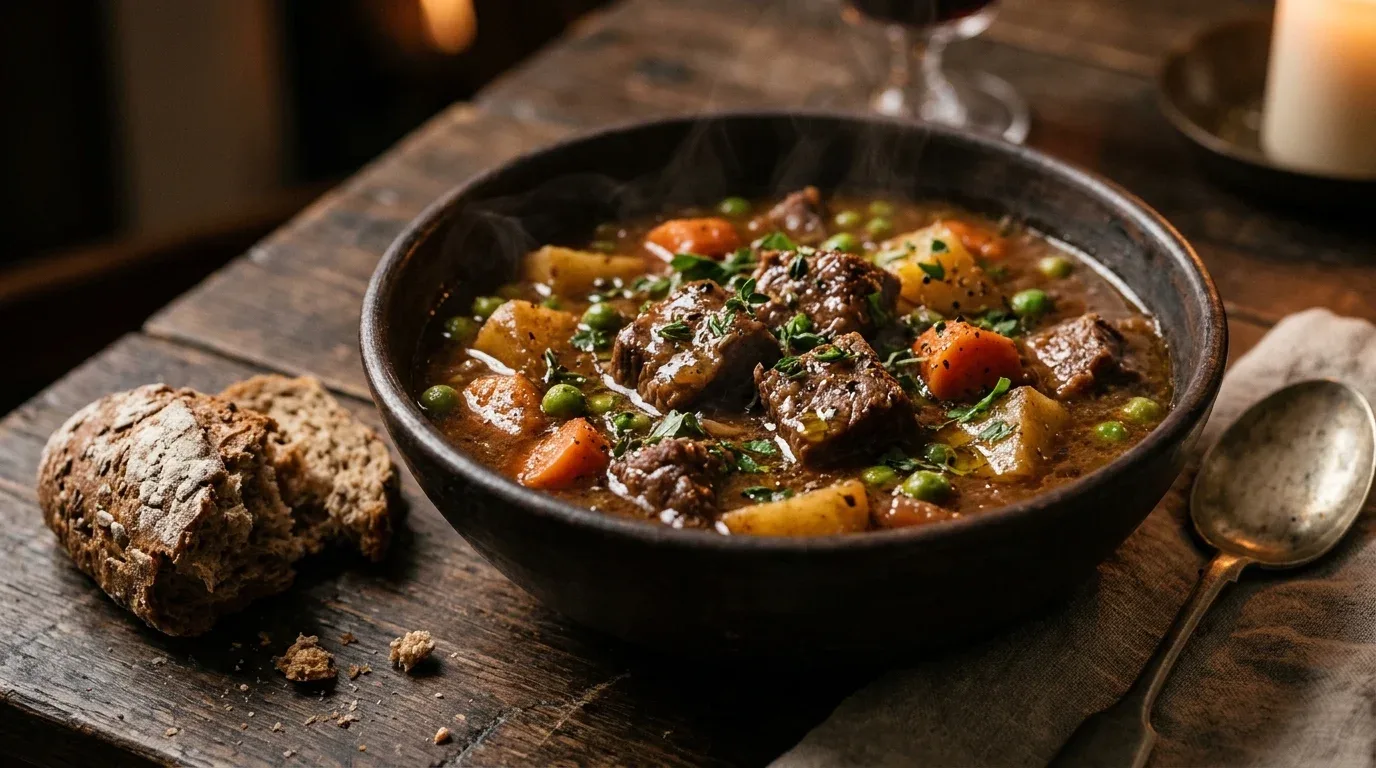
Beef and vegetable stew is a satisfying winter dinner that can cook slowly while you handle other responsibilities. Combine lean beef cubes with potatoes, carrots, peas, onions, broth, and mild herbs in a slow cooker. Follow the appliance’s instructions for cooking time and liquid levels, ensuring the beef becomes tender and the vegetables are fully cooked. Cut ingredients into suitable sizes before cooking.
Prepare enough for several meals, then divide the finished stew into shallow containers so it cools quickly. Refrigerate portions for three to four days and freeze additional servings. Reheat thoroughly on the stove or in the microwave, stirring to distribute heat evenly. Serve with whole-grain bread or rice to stretch the meal. For younger children, check that the meat and vegetables are soft and cut them into safe, manageable pieces.
11. Apple Cinnamon Overnight Oats
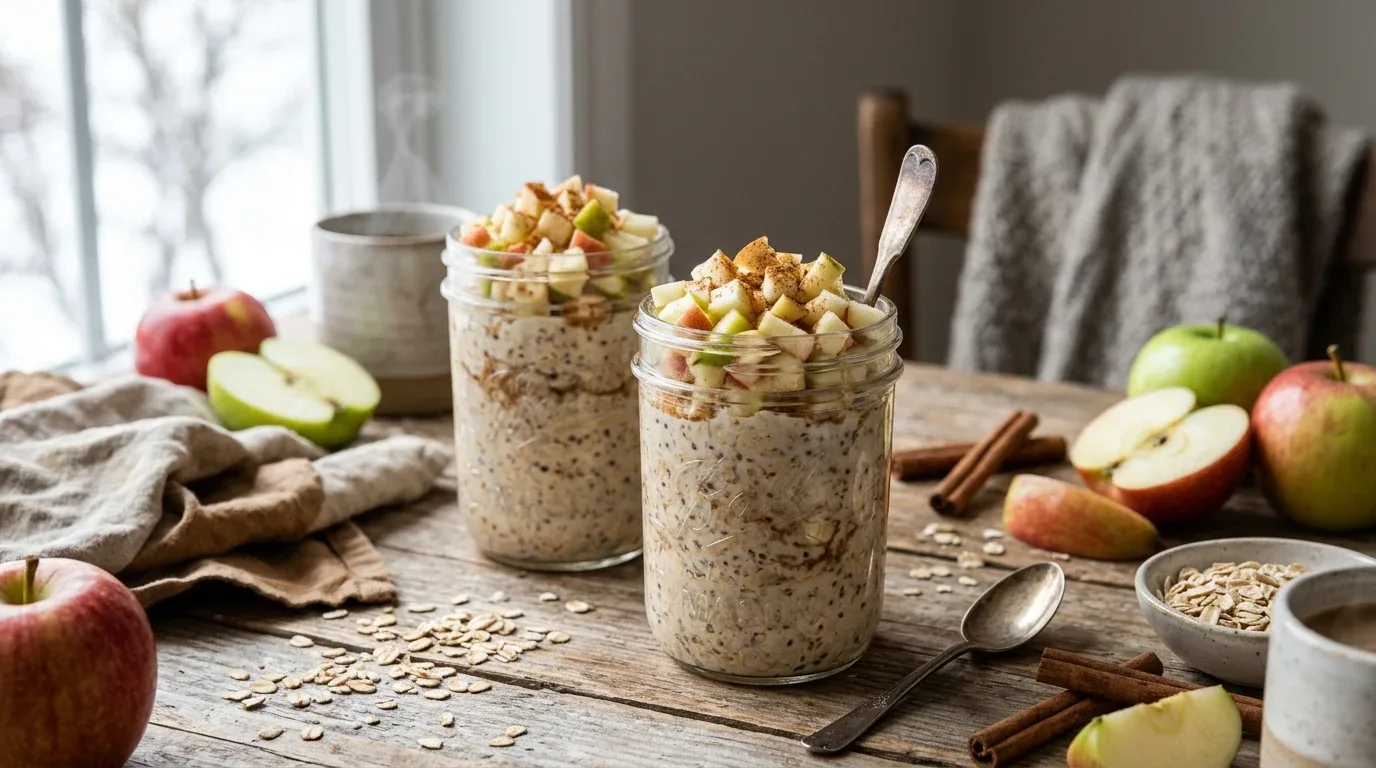
Overnight oats are ideal for winter mornings when cooking breakfast feels like one more task on an already crowded schedule. Combine rolled oats with milk, plain yogurt, finely diced apples, and cinnamon in individual containers. Add chia seeds if your family enjoys them and they are appropriate for your child’s age. Refrigerate overnight so the oats soften and the flavors blend together.
Prepare several jars at once, using a little extra milk if your family prefers a thinner consistency. For the best texture, make a batch for the next few mornings rather than storing it indefinitely. Serve the oats cold or gently warmed in a microwave-safe bowl. Add fresh fruit or a spoonful of seed butter when serving, taking account of allergies and age-related choking precautions. This simple breakfast can also be packed for school or daycare when refrigeration is available.
12. Homemade Macaroni and Cheese With Broccoli
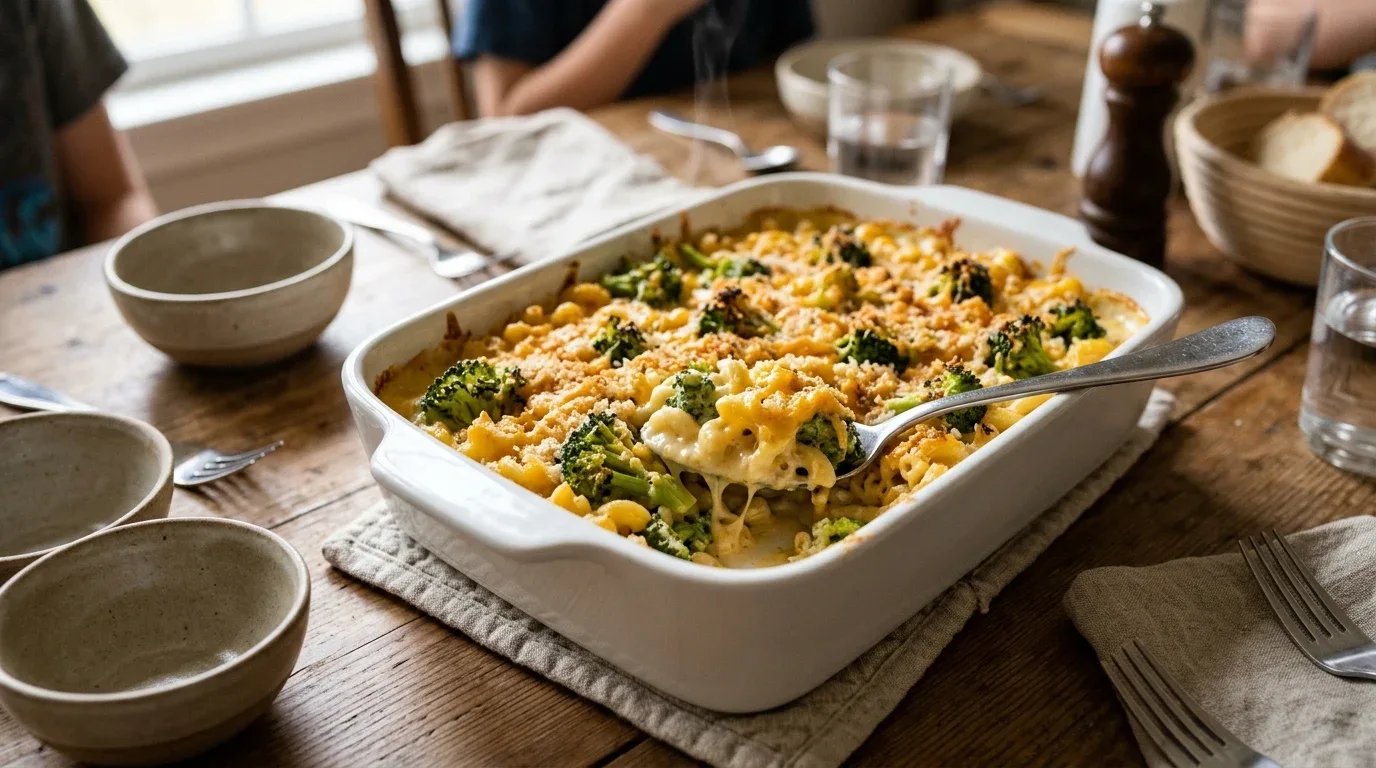
Macaroni and cheese becomes a more balanced family meal when paired with tender broccoli and a creamy homemade sauce. Cook macaroni and small broccoli florets, then prepare a sauce with milk, a little flour, and shredded cheddar. Combine everything and bake briefly if you prefer a golden topping. Whole-wheat pasta adds fiber, while finely chopped broccoli helps distribute vegetables throughout the dish.
Divide the finished macaroni into individual containers for convenient lunches and dinners. Refrigerate portions for three to four days or freeze them for future use. When reheating, add a splash of milk to loosen the sauce and heat until steaming throughout. You can also mix in cooked chicken or white beans for extra protein. If your child is cautious about broccoli, begin with small amounts and offer additional vegetables on the side without pressure.
13. Baked Salmon and Potato Patties

Salmon patties provide a useful way to prepare fish ahead of time for quick family meals. Mix thoroughly cooked, flaked salmon with mashed potatoes, an egg, finely chopped parsley, and breadcrumbs. Carefully check the fish for bones before combining the ingredients. Shape the mixture into small patties and bake on a lined tray, turning once if needed, until golden and heated through.
Cool the patties promptly and refrigerate them for up to three to four days, or freeze them individually for longer storage. Reheat until steaming hot and check the center before serving. Pair with peas, roasted carrots, or a simple yogurt dip. For younger children, break the patties into appropriate pieces and inspect them for any remaining bones. If your family is new to salmon, serve small portions alongside familiar foods.
14. Warm Chicken and Rice Casserole
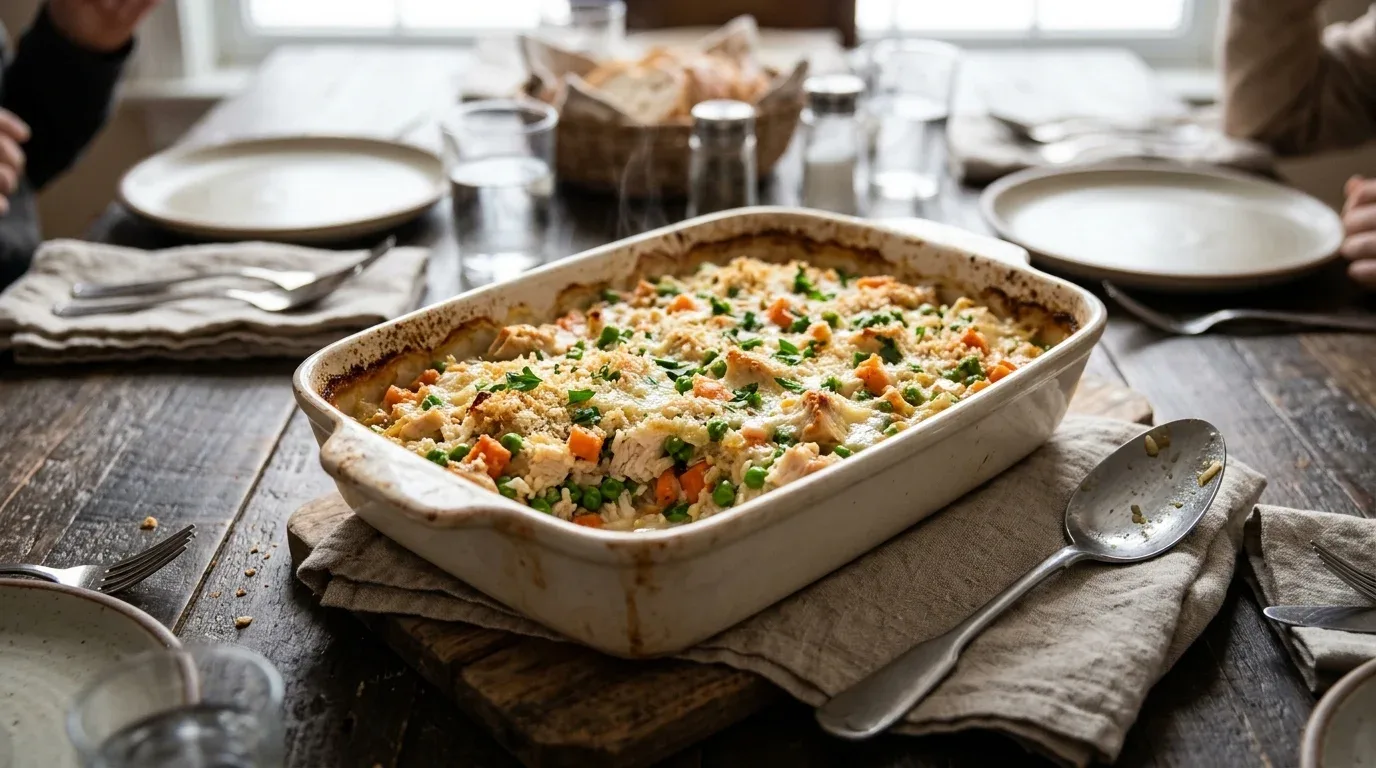
Chicken and rice casserole is a practical one-dish dinner that combines protein, grains, and vegetables with minimal cleanup. Mix cooked chicken with cooked rice, peas, carrots, a little broth, and a light creamy sauce. Transfer everything to a baking dish and bake until bubbling and heated throughout. Use leftover rice only if it has been cooled and refrigerated promptly after cooking.
Prepare the casserole in advance and refrigerate it until you’re ready to bake, or cook it completely before dividing it into individual portions. Refrigerate leftovers for three to four days or freeze them for later meals. Add a small amount of broth before reheating if the rice has dried out. For variety, change the vegetables or seasonings while keeping the basic recipe the same. This flexibility makes it easy to use ingredients already available in your kitchen.
15. Whole-Wheat Pizza Pinwheels

Pizza pinwheels turn familiar pizza flavors into convenient bite-sized snacks or lunchbox additions. Roll out whole-wheat pizza dough, spread a thin layer of tomato sauce over the surface, and sprinkle with mozzarella and finely chopped vegetables. Roll the dough into a log, slice into rounds, and bake until the dough is cooked through and the cheese is melted. Allow the pinwheels to cool before packing them.
Make a double batch so you can serve some fresh and freeze the rest. Place cooled pinwheels in a freezer-safe container with baking paper between layers. Reheat in the oven for a crisp finish, ensuring the center is hot. Serve with fruit, cucumber sticks, or yogurt for a more complete lunch. Choose toppings your children already enjoy, then introduce new vegetables gradually. These pinwheels are also useful for casual winter gatherings and after-school snacks.
Smart Tips for Winter Meal Prep With Kids
A successful meal prep routine doesn’t require spending an entire Sunday in the kitchen. Choose three or four recipes each week, focusing on ingredients that can be used in multiple dishes. For example, roasted vegetables can go into rice bowls, quesadillas, and pasta, while cooked chicken can become soup, burritos, or casserole. Prepare the components you need most rather than making every meal completely from scratch.
Food safety matters just as much as convenience. Refrigerate perishable cooked food within two hours, use shallow containers to cool it quickly, and keep the refrigerator at 40°F (4°C) or below. Most cooked leftovers should be used within three to four days; freeze portions you won’t eat in that period. Reheat leftovers to 165°F (74°C). Label containers with dates, and supervise children around knives, hot trays, and cooking appliances. Involving kids in washing vegetables, stirring cooled mixtures, or choosing toppings can also make them more willing to try new foods.
Conclusion
These kid-friendly winter meal prep recipes make it easier to serve comforting, nourishing food without starting from scratch every day. From freezer-friendly breakfasts to hearty soups and family-style casseroles, each option can be adapted to your household’s tastes and schedule. Start with a few favorites, prepare manageable batches, and keep safe storage practices in mind. With a little planning, busy winter weekdays can feel calmer, and family meals can become easier, warmer, and more enjoyable.