
Watching your hair seem stuck at the same length can be frustrating, especially when you are trying different shampoos, oils, and treatments without seeing results. The truth is that hair usually grows gradually, averaging around half an inch per month, although the rate varies from person to person. Sometimes, hair is growing normally but breaking before it becomes noticeably longer. In other cases, changes in nutrition, hormones, scalp health, or everyday styling habits can interfere with healthy growth.
If you are wondering why your hair isn’t growing, understanding the underlying cause is the first step toward making a difference. From heat damage and tight hairstyles to nutritional deficiencies and medical conditions, several factors may contribute to slow progress. Fortunately, many common issues can be addressed with consistent care and appropriate treatment. Here are 15 possible reasons your hair isn’t growing and practical ways to support healthier, stronger, longer hair.
1. You Are Experiencing Excessive Hair Breakage

One of the most common reasons your hair never seems to get longer is breakage. Your hair may be growing from the roots, but damaged strands snap before they reach your desired length. Breakage often causes uneven ends, short flyaways, and hair that feels rough or brittle. Frequent heat styling, chemical processing, rough brushing, and friction can all weaken the hair shaft.
To reduce breakage, handle wet hair gently, use conditioner after washing, and detangle from the ends upward with a wide-tooth comb. Consider trimming visibly damaged ends when needed. Regular trims do not make hair grow faster at the roots, but removing severely split ends can help prevent splitting from traveling farther up the strand.
2. Your Diet Lacks Essential Nutrients

Hair follicles require adequate energy, protein, vitamins, and minerals to function properly. Restrictive diets, insufficient calorie intake, or deficiencies in nutrients such as iron and zinc can contribute to shedding or changes in hair quality. Protein is especially important because hair is primarily composed of keratin, a structural protein.
Build balanced meals around protein sources such as eggs, fish, beans, lentils, yogurt, or tofu, alongside vegetables, fruit, whole grains, and healthy fats. If you suspect a deficiency, consult a healthcare professional about whether testing is appropriate. Avoid taking high-dose supplements without guidance, because excess amounts of certain nutrients can actually worsen hair loss. A varied diet is a better starting point than relying on products marketed specifically for hair growth.
3. You Are Using Too Much Heat

Flat irons, curling wands, and high-temperature blow-dryers can damage the hair cuticle, leaving strands more vulnerable to dryness, splitting, and breakage. Although heat styling does not usually stop follicles from producing hair, repeated damage can make it difficult to retain length.
Give your hair regular breaks from hot tools and experiment with heat-free styles, such as braids, rollers, or loose twists. When using a blow-dryer, choose a lower heat setting and keep the dryer moving rather than concentrating heat on one area. Apply a heat protectant according to its instructions, remembering that it reduces damage risk but cannot eliminate it. If your ends repeatedly become brittle, simplifying your styling routine may help you preserve more of the length you grow.
4. Your Hairstyle Creates Too Much Tension

Tight ponytails, braids, buns, extensions, and other styles that constantly pull on the roots can cause traction alopecia. Early signs may include tenderness, small bumps, broken hairs around the hairline, or thinning near the temples. Continued tension can eventually cause permanent hair loss in affected areas.
Choose looser hairstyles and alternate where you position ponytails or buns. Avoid extensions that feel heavy or painful, and ask your stylist to reduce tension when braiding. A hairstyle should not cause persistent soreness or headaches. If you notice thinning along your hairline, stop the pulling style and seek medical advice early. Reducing tension can prevent further damage, although established follicle scarring may not be reversible.
5. You Are Washing and Conditioning Incorrectly

Your washing routine can affect the condition of your scalp and the strength of your strands. Shampooing too aggressively, using harsh products that leave your hair dry, or skipping conditioner when your hair needs it can contribute to breakage. On the other hand, inadequate cleansing may allow oil, product residue, and dead skin to accumulate on the scalp.
Choose a shampoo suited to your scalp and hair type, concentrating it on the scalp rather than scrubbing the lengths. Apply conditioner mainly to the mid-lengths and ends if your roots become oily easily. Adjust washing frequency according to your scalp’s needs instead of following a rigid schedule. If a product causes itching, burning, or persistent irritation, discontinue it. Healthy hair care is about maintaining a comfortable scalp and minimizing damage, not following a universal washing routine.
6. You Have an Underlying Hormonal Imbalance
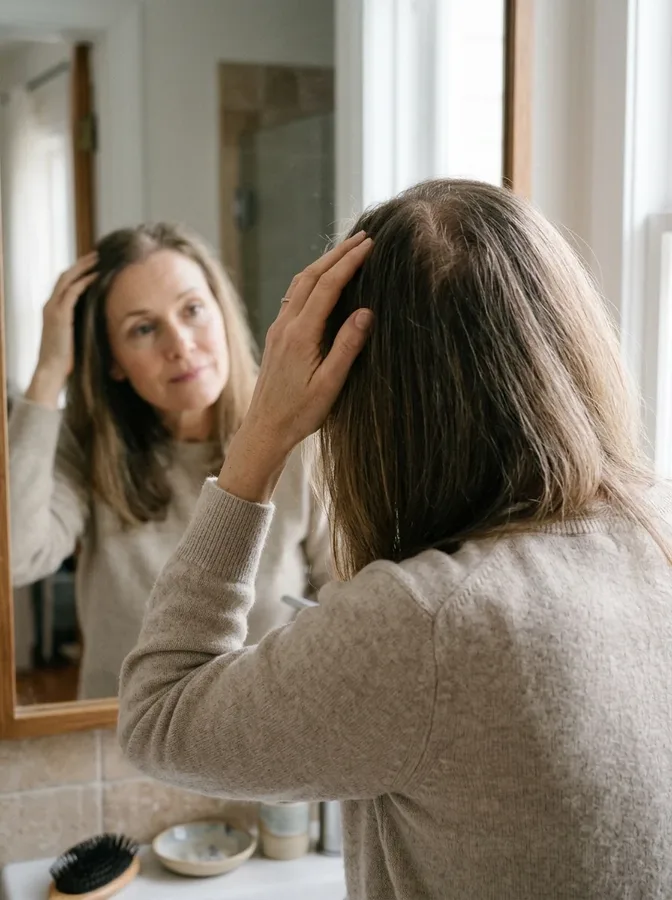
Hormonal changes can influence the hair growth cycle. Conditions such as thyroid disorders and androgen-related hair loss may cause thinning, increased shedding, or changes in hair density. Pregnancy, the postpartum period, and menopause can also be associated with shifts in hair growth patterns. The effects vary, and not every hormonal change leads to noticeable hair loss.
Pay attention to whether your hair changes occur alongside other symptoms, such as unusual fatigue, menstrual changes, unexplained weight changes, or changes in skin texture. These signs do not establish a diagnosis, but they can help your healthcare professional determine whether evaluation is necessary. Treatment depends on the underlying cause, so avoid assuming that a topical oil or supplement can correct a hormonal problem. Appropriate medical care may help improve hair growth when a treatable condition is responsible.
7. Chronic Stress Is Affecting Your Hair Cycle

Significant physical or emotional stress can trigger telogen effluvium, a condition in which more hairs than usual enter the resting phase and subsequently shed. This may happen after major life events, illness, surgery, or prolonged periods of stress. Increased shedding often becomes noticeable several months after the triggering event, which can make the connection difficult to recognize.
Support your recovery with regular meals, adequate sleep, gentle movement, and manageable stress-reduction practices. Breathing exercises, time outdoors, and talking with someone you trust may help you cope. Hair shedding caused by a temporary trigger often improves as the body recovers, but regaining density takes time. If shedding is severe, persistent, or accompanied by bald patches or scalp symptoms, consult a healthcare professional rather than attributing every change to stress alone.
8. You Have an Iron Deficiency

Iron helps your body produce hemoglobin, which carries oxygen in the blood. Low iron levels, particularly when iron-deficiency anemia develops, may be associated with increased hair shedding. People with heavy menstrual bleeding, limited dietary iron intake, or certain digestive conditions may have a higher risk of deficiency.
Include iron-rich foods such as meat, lentils, beans, fortified cereals, and leafy green vegetables. Pair plant-based iron sources with vitamin C-rich foods, such as citrus fruit or bell peppers, to improve absorption. However, food changes alone may not correct a significant deficiency. A clinician can assess your symptoms and determine whether blood tests or iron treatment are appropriate. Do not take iron supplements simply because your hair is thinning; unnecessary iron can be harmful, and the cause of low iron should also be investigated.
9. Your Thyroid May Not Be Functioning Properly

The thyroid gland produces hormones that help regulate metabolism and influence many body functions, including the hair growth cycle. An underactive or overactive thyroid can sometimes lead to diffuse thinning, increased shedding, or changes in hair texture. You might also notice symptoms such as fatigue, temperature sensitivity, weight changes, or changes in heart rate, depending on the condition.
If hair changes occur alongside these symptoms, arrange a medical assessment. A healthcare professional may recommend thyroid blood tests based on your history and examination. If a thyroid disorder is diagnosed, treating it appropriately can help restore healthier hair cycling over time. Improvement is usually gradual rather than immediate. Avoid relying on unverified thyroid supplements or self-prescribed treatments, because correcting the actual hormonal imbalance is more effective and safer than trying to stimulate hair growth without knowing the cause.
10. You Are Not Getting Enough Sleep

Sleep is important for overall health, recovery, and the body’s normal regulatory processes. Although insufficient sleep is not established as a direct cause of slow hair growth in every person, poor sleep can contribute to stress and make it harder to maintain consistent nutrition and self-care habits. These indirect effects may matter when you are already experiencing hair shedding or breakage.
Try to maintain a consistent sleep schedule and create a relaxing routine before bedtime. Many adults benefit from approximately seven to nine hours of sleep each night. Reduce late-evening caffeine if it interferes with rest, and keep your bedroom comfortable and dark. If you regularly struggle to sleep despite making changes, consider discussing it with a healthcare professional. Better sleep supports general well-being, but persistent hair loss still deserves a separate assessment when other symptoms or risk factors are present.
11. Your Scalp Is Inflamed or Irritated
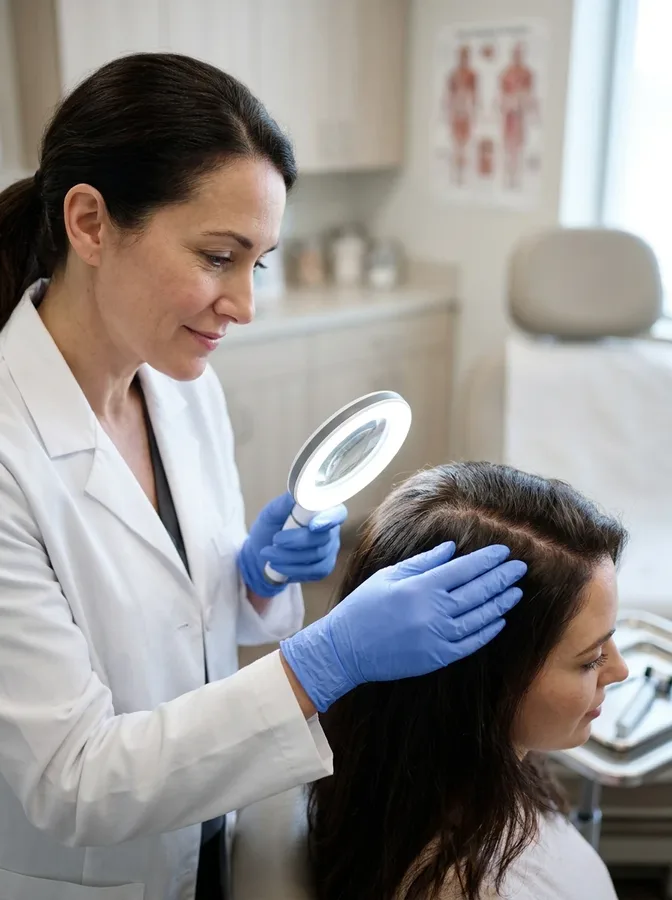
Healthy follicles depend on a scalp environment that is free from persistent inflammation. Dandruff, seborrheic dermatitis, psoriasis, allergic reactions, and certain infections can cause itching, scaling, redness, or discomfort. Some inflammatory conditions can also contribute to shedding or hair loss, particularly when severe or left untreated.
Choose gentle scalp products and avoid scratching, harsh exfoliation, or applying irritating home remedies. If you have persistent flakes, a medicated shampoo may help, depending on the cause. Pain, pus, spreading redness, thick crusting, or areas of hair loss warrant professional assessment. Some scalp conditions require prescription treatment, and certain inflammatory or scarring disorders can permanently damage follicles. Treating the underlying scalp problem is more useful than applying oils indiscriminately, especially when products make itching or irritation worse.
12. You Are Overprocessing Your Hair Chemically
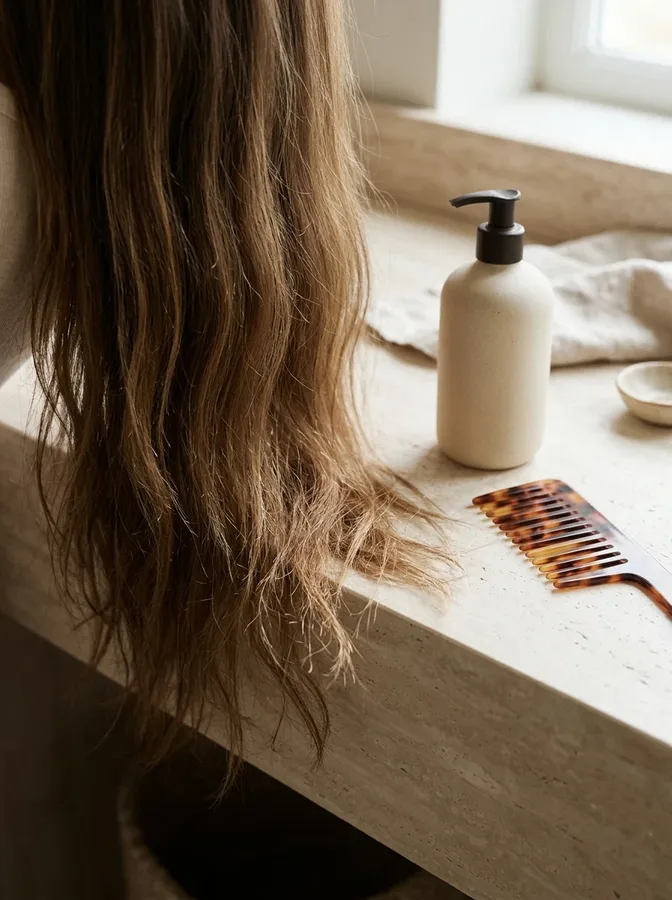
Bleaching, relaxing, perming, and frequent chemical coloring can weaken the hair shaft, especially when treatments overlap or are performed too close together. Overprocessed hair may feel stretchy when wet, become rough, develop split ends, or break off in short sections. This damage can prevent you from retaining length even if your roots are growing normally.
Extend the time between chemical treatments and avoid combining several aggressive processes in one session. Follow product instructions carefully and have complex treatments performed by a qualified professional. Never apply a chemical product to an irritated or injured scalp. Conditioning treatments can improve manageability, but they cannot completely reverse severe structural damage. If your hair has become unusually fragile, focus on gentle handling and new growth while damaged lengths gradually grow out.
13. Your Hair Is Naturally Fine or Has a Different Growth Pattern

Not everyone’s hair grows at the same rate or reaches the same maximum length. Genetics influence the duration of the growth phase, known as anagen, as well as strand thickness, density, texture, and the length your hair can achieve before shedding. Fine strands may also be more vulnerable to breakage than thicker strands, depending on their condition and care.
Compare your hair with its own previous growth patterns rather than someone else’s. Take occasional photographs under similar lighting and measure a small section if you want to track progress. Focus on preserving the length you naturally grow through conditioning, gentle detangling, and low-damage styling. If your hair has always grown slowly but remains stable, genetics may explain some of the difference. Sudden changes in density or growth patterns, however, should not automatically be dismissed as hereditary.
14. You Are Using Supplements Without Addressing the Real Problem

Hair-growth supplements are heavily marketed, but they are not a universal solution. Biotin and other nutrients may help when a genuine deficiency exists, yet supplements generally offer limited benefit when your nutritional intake is already adequate. Excessive amounts of certain vitamins and minerals can even contribute to hair loss or other health problems. Biotin can also interfere with some laboratory tests, potentially producing misleading results.
Before buying multiple supplements, review your diet, symptoms, medications, and possible health conditions with a healthcare professional. Ask whether testing is appropriate and use supplements only when there is a clear reason. Be cautious of products promising dramatic growth in a few weeks. Correcting a deficiency may support recovery, but supplements cannot reliably overcome genetic hair loss, significant scalp disease, or ongoing mechanical damage without addressing the underlying issue.
15. You May Have a Medical Hair Loss Condition
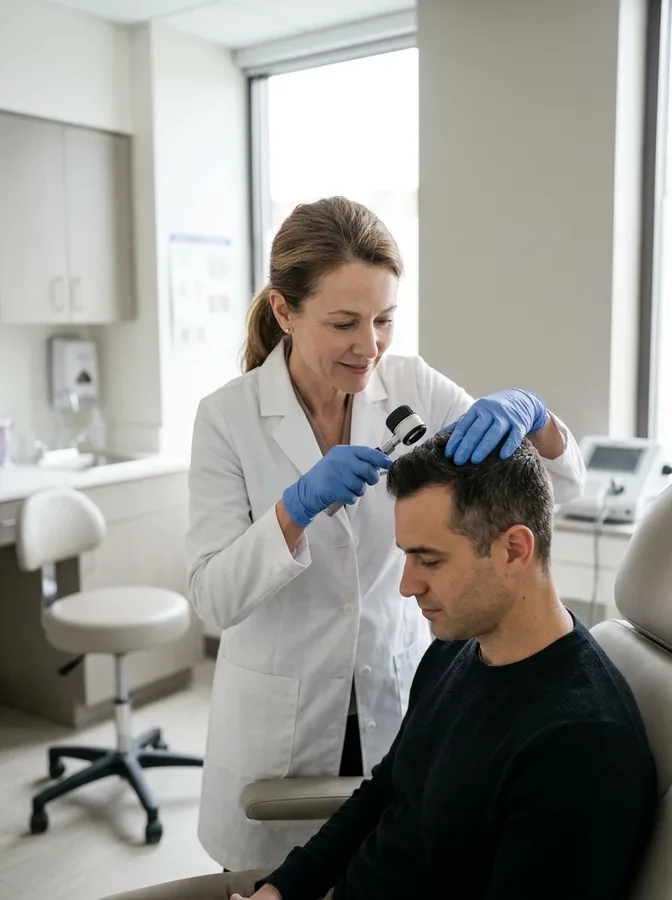
Sometimes, persistent thinning or a lack of visible growth is caused by a condition that requires targeted treatment. Androgenetic alopecia, commonly called pattern hair loss, can gradually reduce hair density. Alopecia areata may cause distinct bald patches, while certain inflammatory conditions can damage follicles and lead to permanent loss. Medication changes and other medical conditions can also affect shedding patterns.
Arrange an appointment with a dermatologist if your hair loss is sudden, progressive, patchy, or unexplained, or if your scalp is painful, inflamed, or scarred. A clinician may examine your scalp, review your medical history, and recommend blood tests or other investigations when appropriate. Treatments vary according to the diagnosis and may include prescription medicines or evidence-based topical treatments. Early evaluation can improve the chance of managing some conditions before additional hair is lost.
How to Support Healthier Hair Growth Every Day
Once you understand the possible causes, focus on habits that help your hair retain length while supporting normal follicle function. A consistent routine is generally more useful than frequently switching between products.
- Eat balanced meals: Include sufficient protein and a variety of nutrient-rich foods.
- Handle hair gently: Reduce tight styles, rough brushing, excessive heat, and chemical damage.
- Care for your scalp: Cleanse appropriately and address persistent itching, flakes, or inflammation.
- Track changes: Take monthly photographs instead of judging progress every day.
- Allow time: Hair grows slowly, and noticeable changes often require several months.
- Seek medical advice when needed: Sudden shedding, bald patches, or persistent thinning deserve professional attention.
Remember that no single oil, shampoo, or supplement can guarantee faster hair growth. The most effective approach is to identify what is interfering with your hair’s normal cycle or preventing you from retaining length.
Conclusion
If your hair isn’t growing, the problem may be breakage, nutritional deficiencies, stress, hormonal changes, scalp irritation, or an underlying hair loss condition. Start by reviewing your daily habits, improving gentle hair care, and eating a balanced diet. Give your routine time to work, but do not ignore sudden or persistent changes. When the cause is unclear, a healthcare professional or dermatologist can help identify the problem and recommend appropriate treatment. With realistic expectations and consistent care, you can give your hair a better chance to grow and maintain healthy length.