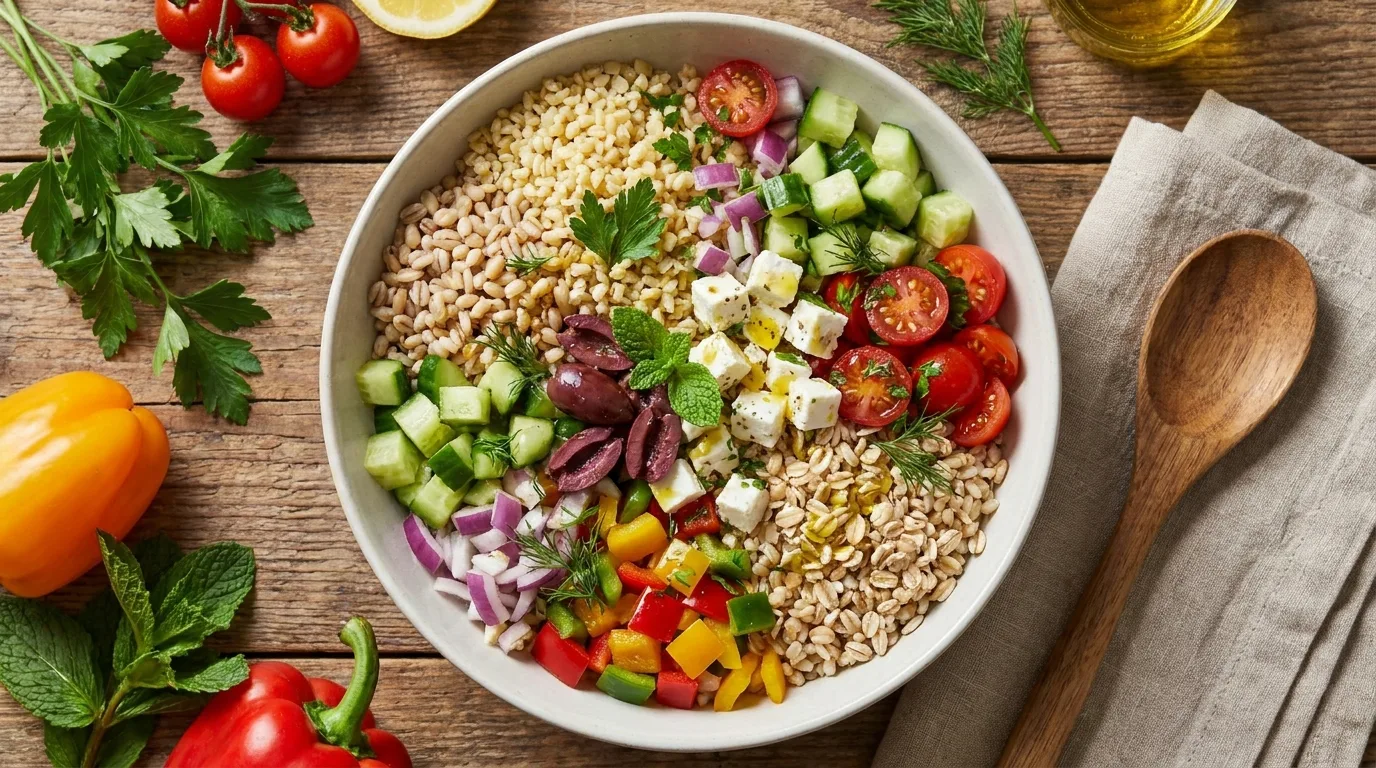
The Mediterranean diet is less about strict rules and more about building everyday meals around vegetables, fruit, beans, whole grains, nuts, seeds, olive oil, and other minimally processed foods. Fish, eggs, poultry, and dairy can fit in moderate amounts, while highly processed foods, refined sweets, and heavily processed meats are generally limited. For weight loss, the approach can be useful because meals tend to be rich in fiber, protein, and satisfying fats, which may make it easier to manage portions without feeling deprived. The key is not simply adding Mediterranean foods to your current diet, but creating balanced meals and paying attention to overall portions and calories. The following practical ideas can help you get started gradually and make the eating pattern realistic for everyday life.
Build Your Mediterranean Weight-Loss Foundation
1. Make Vegetables the Center of Your Plate
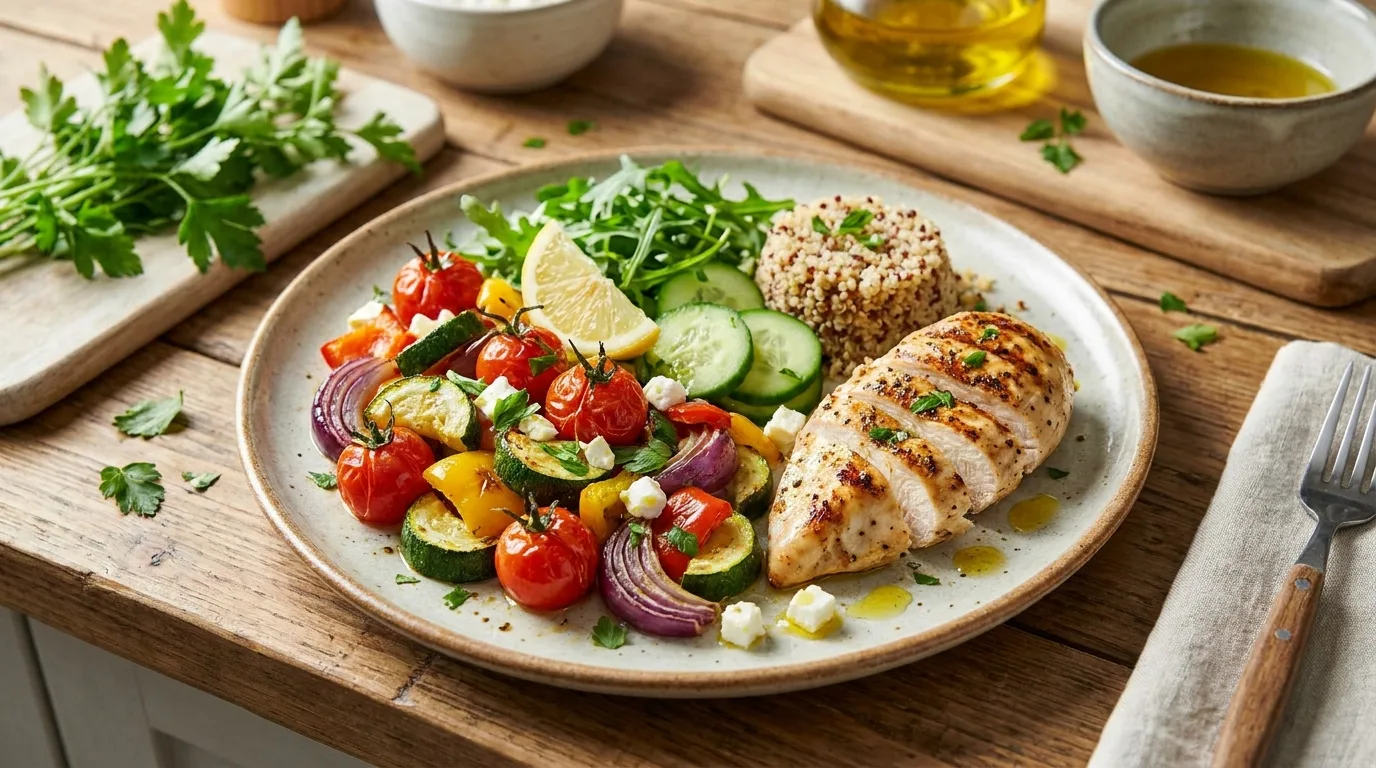
Start by making vegetables one of the largest parts of lunch and dinner instead of treating them as a small side dish. Try roasted zucchini, tomatoes, peppers, eggplant, leafy greens, broccoli, cucumber, or carrots. A large serving adds volume and fiber while helping meals feel substantial. For an easy formula, fill roughly half your plate with vegetables, then add a source of protein and a moderate serving of whole grains or starchy vegetables. Use olive oil, lemon, garlic, herbs, or vinegar for flavor rather than relying on heavy sauces. If you normally eat very few vegetables, increase them gradually and choose preparations you genuinely enjoy. Roasting, grilling, sautéing, and fresh salads can provide enough variety to prevent meals from becoming repetitive.
2. Choose Whole Grains More Often
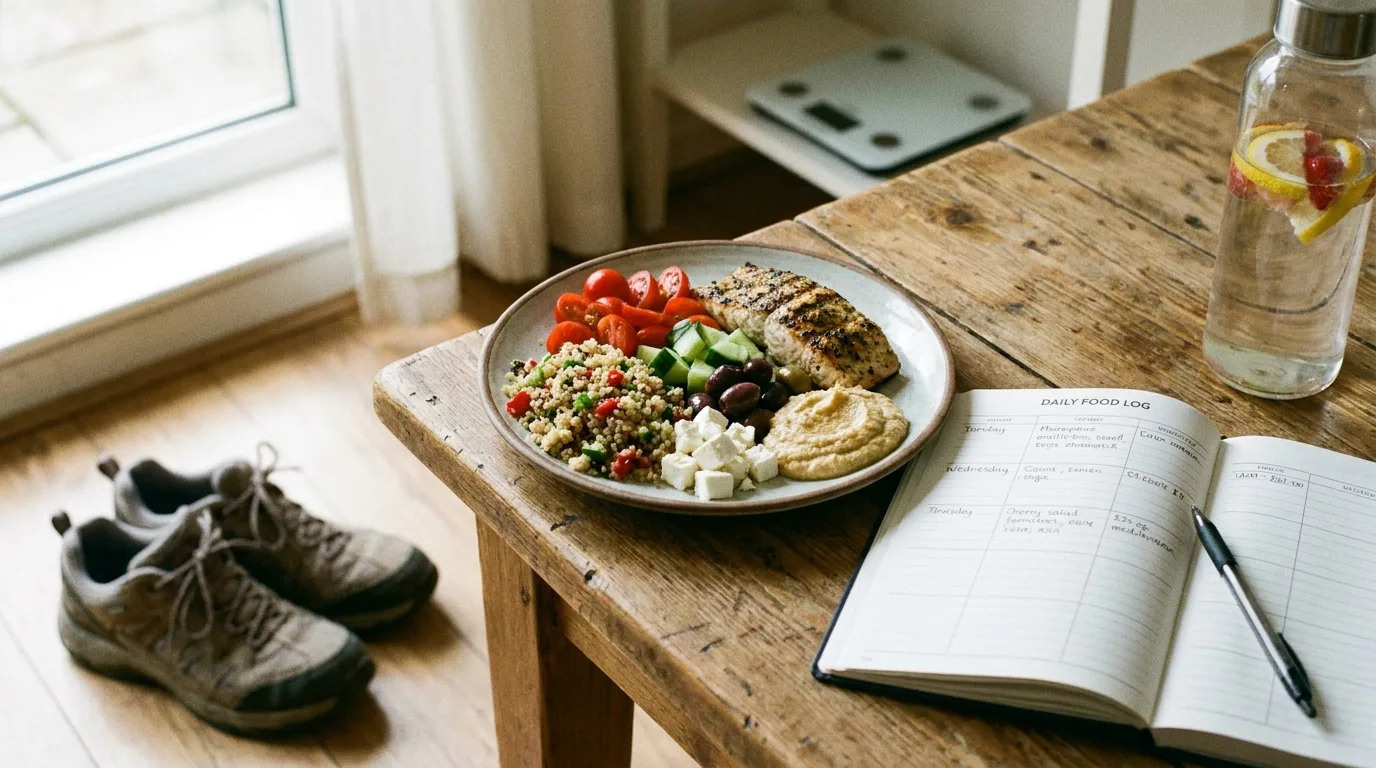
Whole grains can make Mediterranean-style meals more filling while providing fiber and nutrients. Replace refined bread, white rice, or highly processed grain products with options such as oats, barley, bulgur, farro, brown rice, or whole-grain bread when practical. Portion size still matters for weight loss, so switching grains alone does not automatically create a calorie deficit. A useful approach is to combine a moderate grain portion with vegetables, beans, fish, chicken, or another protein source. For breakfast, try oatmeal with berries and nuts. At lunch, use whole-grain bread for a vegetable and tuna sandwich. At dinner, serve a modest portion of bulgur alongside roasted vegetables and grilled chicken. Choose minimally processed whole grains most often, but do not feel that every meal has to be perfectly traditional.
3. Add Beans and Lentils Regularly
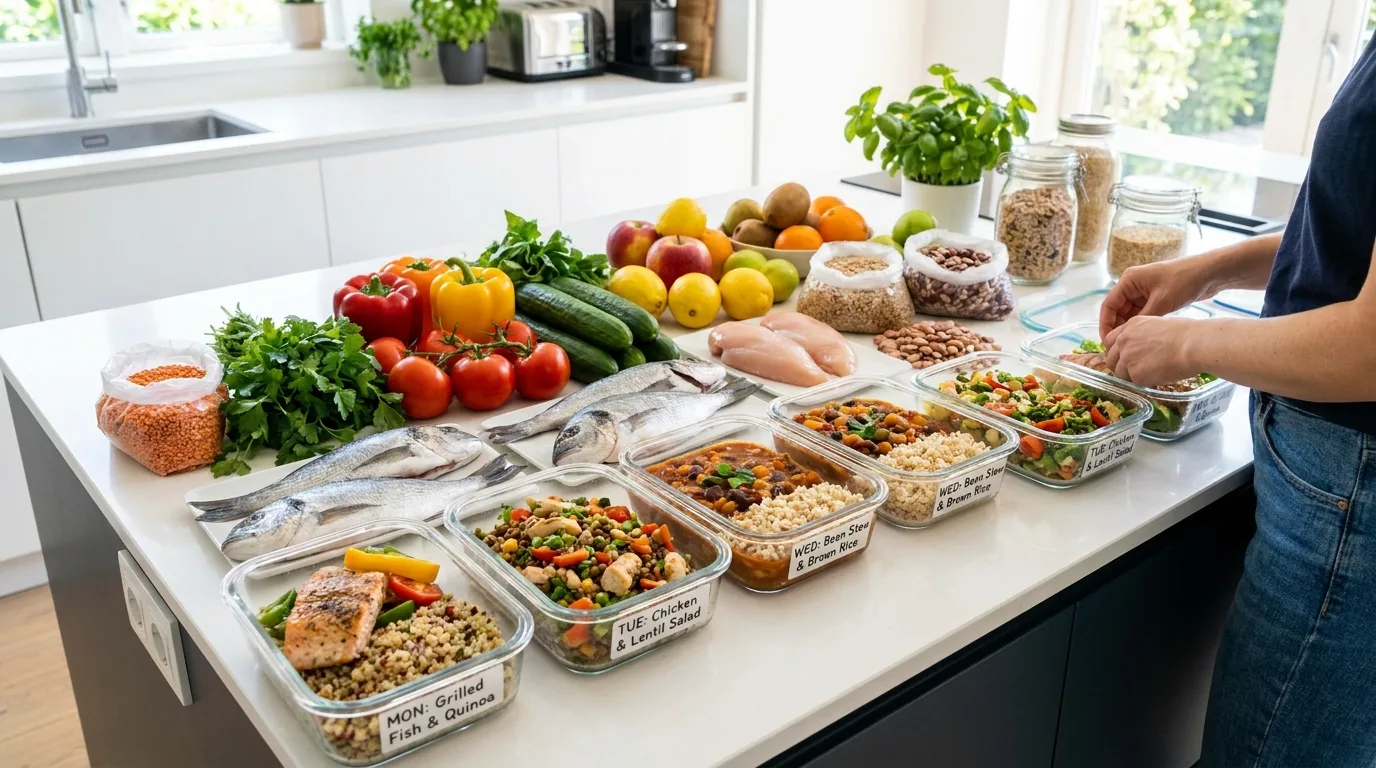
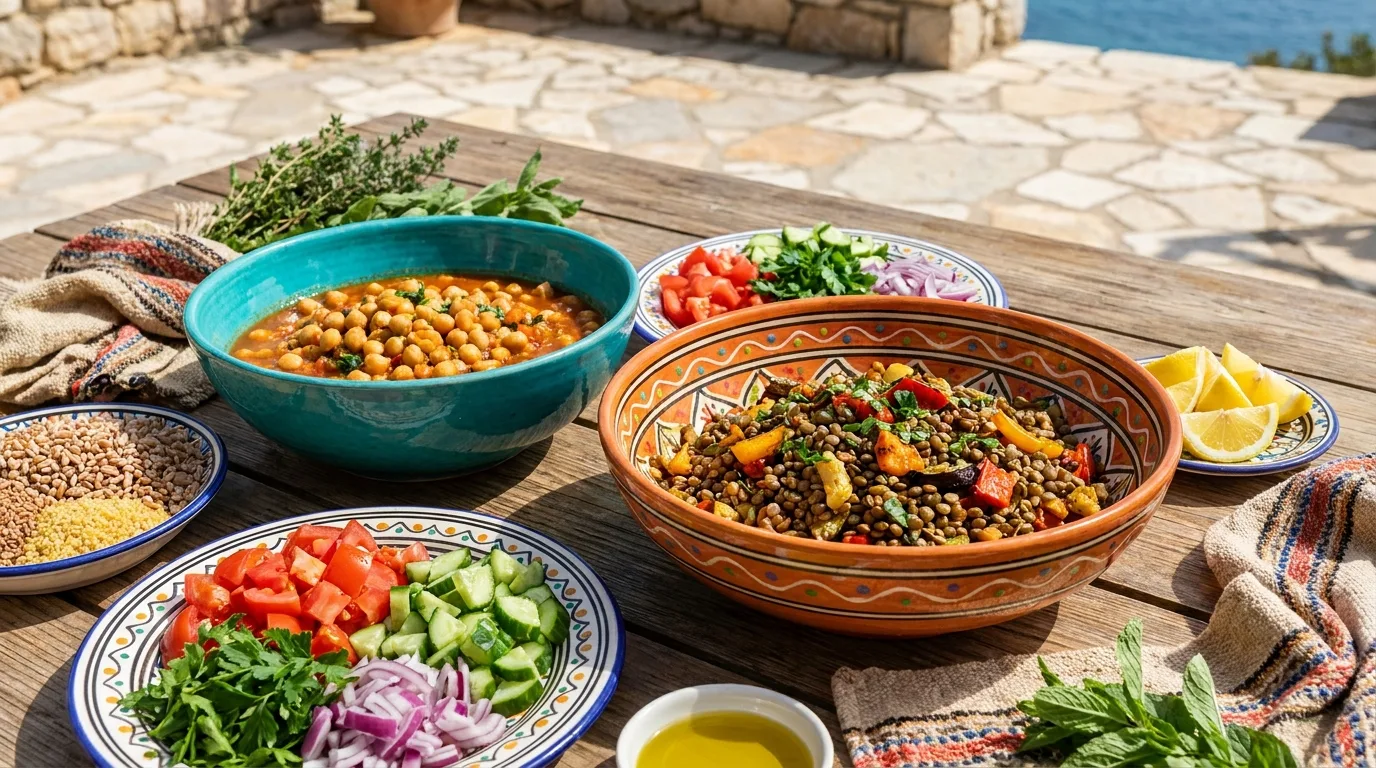
Beans and lentils are among the most practical foods for a Mediterranean-inspired weight-loss plan. They provide plant-based protein and fiber, which can help meals stay satisfying between eating occasions. Chickpeas, lentils, black beans, white beans, and kidney beans can be added to salads, soups, grain bowls, or vegetable dishes. For a quick meal, combine chickpeas with cucumber, tomatoes, parsley, lemon, and a small amount of olive oil. Lentil soup can also become a filling lunch when paired with a simple salad. If canned beans are your main option, rinse them under water to remove much of the added sodium. Start with several servings per week rather than trying to overhaul your entire diet immediately. Their versatility makes them especially useful when you want inexpensive, filling ingredients that require little preparation.
Use Protein and Healthy Fats Strategically
4. Include Protein at Each Main Meal
Protein can help make meals more satisfying and supports the maintenance of muscle while you lose weight. Mediterranean eating provides many options, including fish, eggs, Greek yogurt, beans, lentils, poultry, and modest amounts of cheese. Build meals around a clear protein source instead of relying mainly on bread, pasta, or snacks. For breakfast, Greek yogurt with berries and a few nuts is simple. Lunch could feature lentils and vegetables, while dinner might include grilled fish with a large salad. You do not need unusually large servings; the goal is to distribute protein throughout the day. People with kidney disease or other conditions that affect protein needs should follow individualized medical advice. Otherwise, combining protein with vegetables and high-fiber carbohydrates can create meals that are both satisfying and practical for weight management.
5. Use Olive Oil, but Measure It
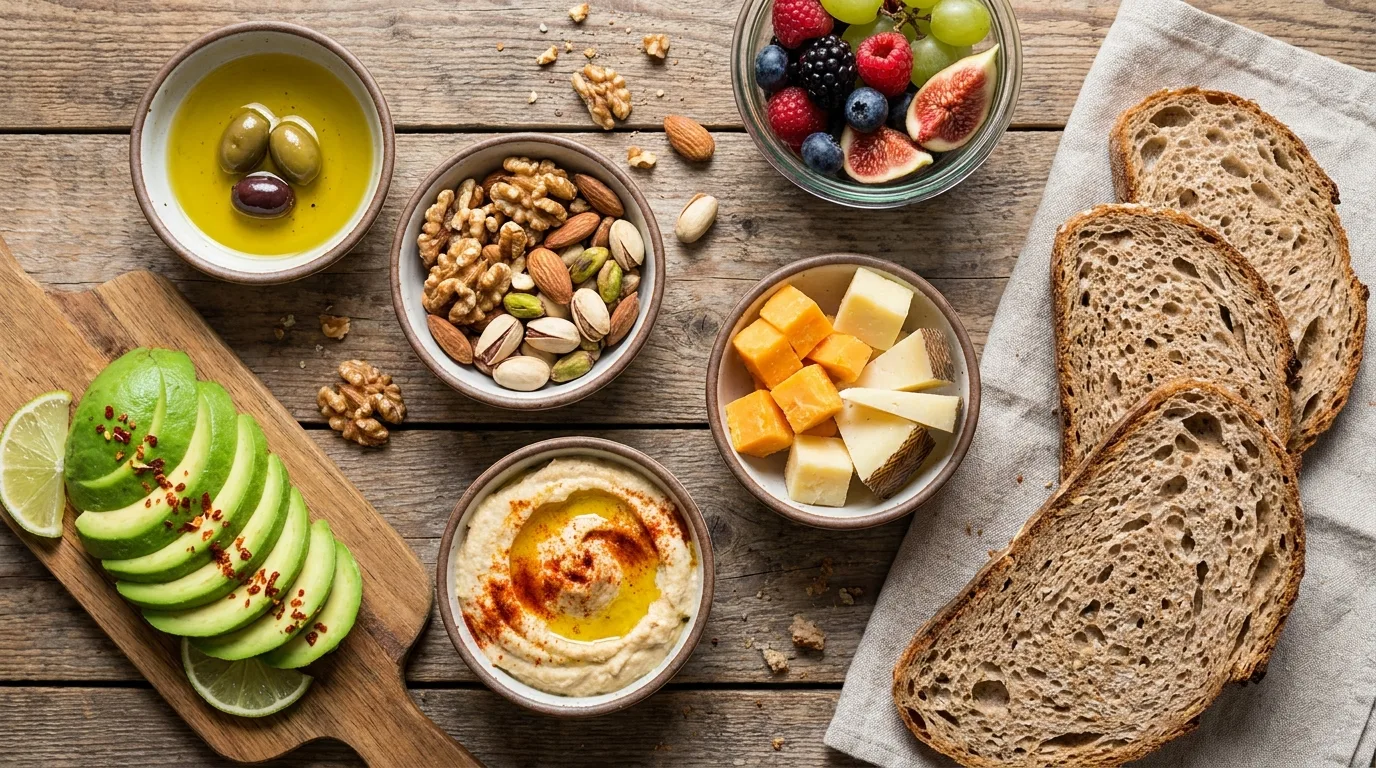
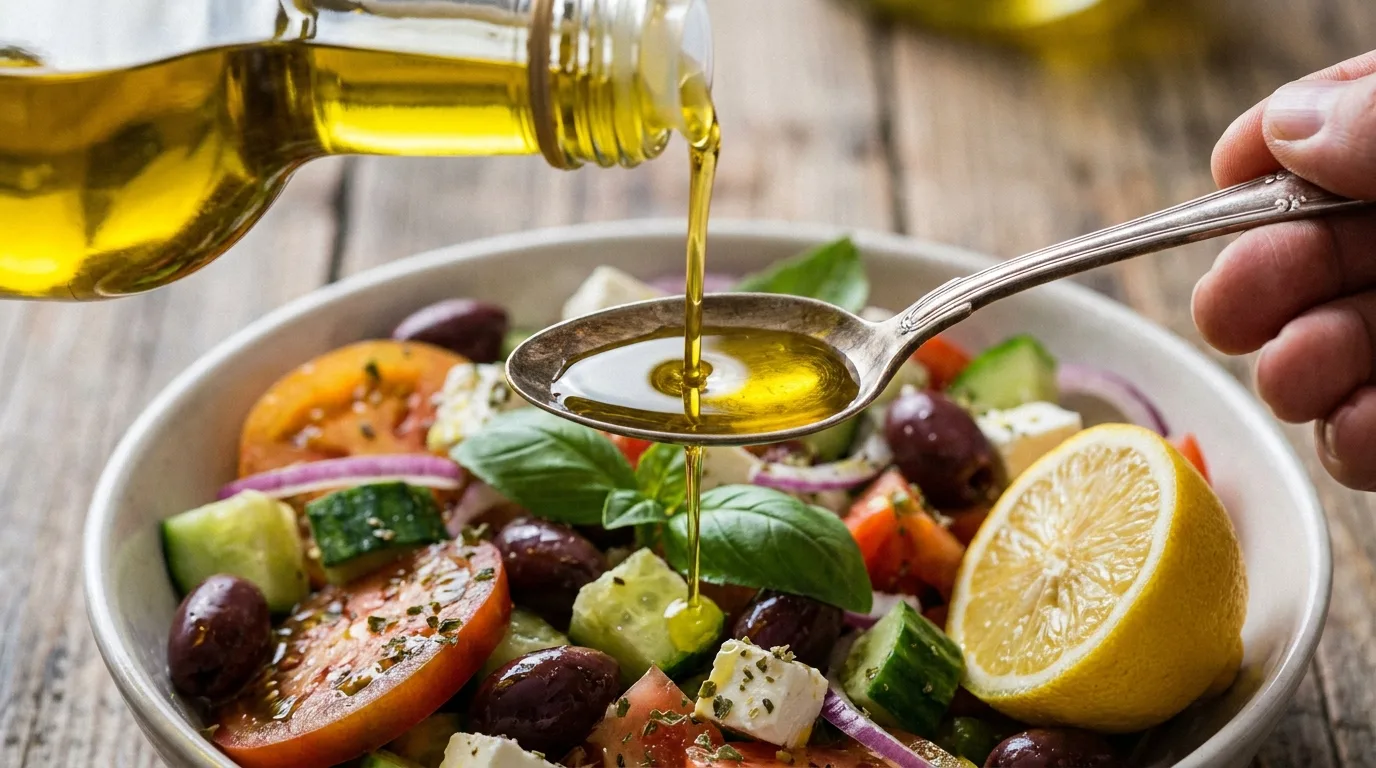
Extra-virgin olive oil is a signature Mediterranean ingredient and can make vegetables, salads, beans, and grains much more enjoyable. However, it is still calorie-dense, so generous pouring can make weight loss harder even when the overall food choices are nutritious. Instead of eliminating olive oil, learn to use it deliberately. Measure a spoonful for salad dressing or cooking, then add lemon juice, vinegar, herbs, garlic, or spices for additional flavor. You can also brush a small amount onto vegetables before roasting rather than pouring freely over the entire dish. This approach preserves the taste and culinary role of olive oil while keeping portions visible. Healthy fats can absolutely be part of a weight-loss diet; the practical lesson is that nutritious does not mean unlimited.
6. Eat Fish Several Times a Week
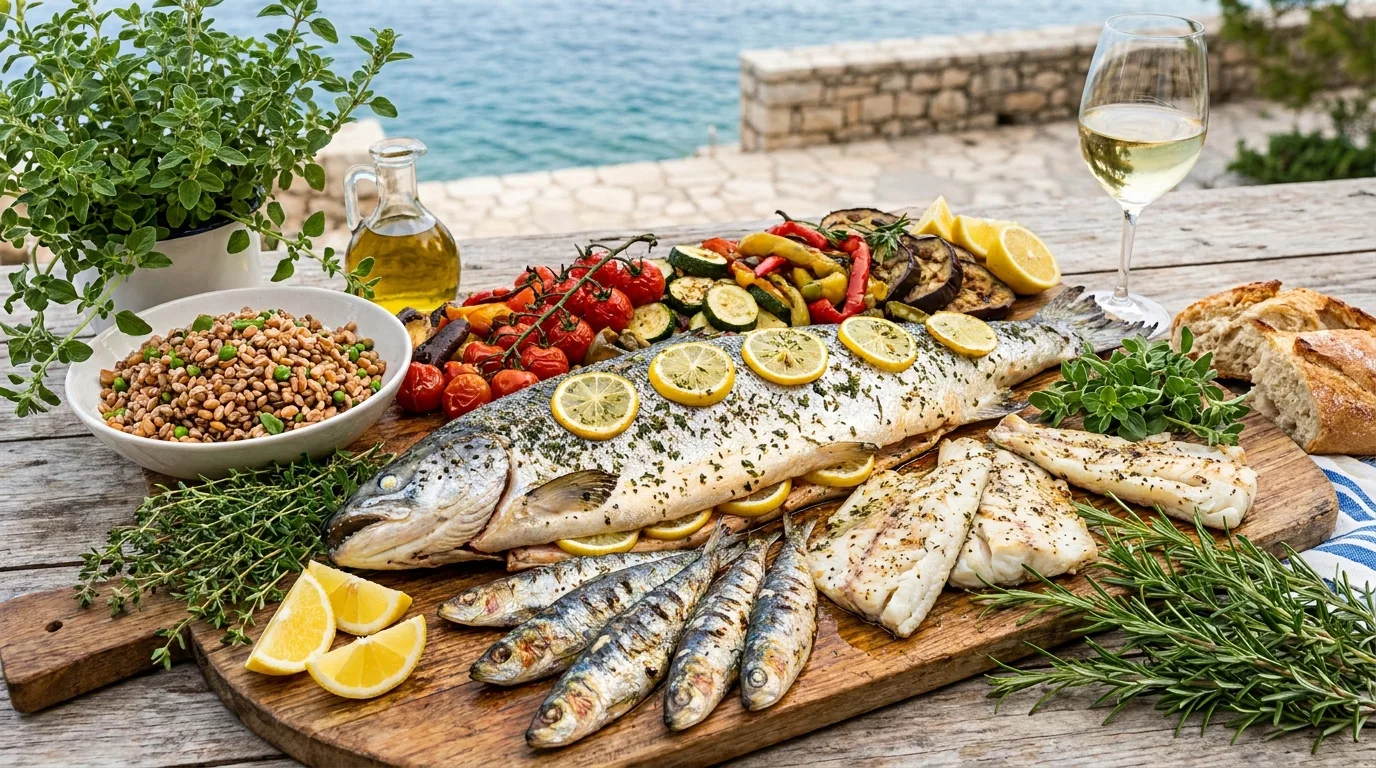
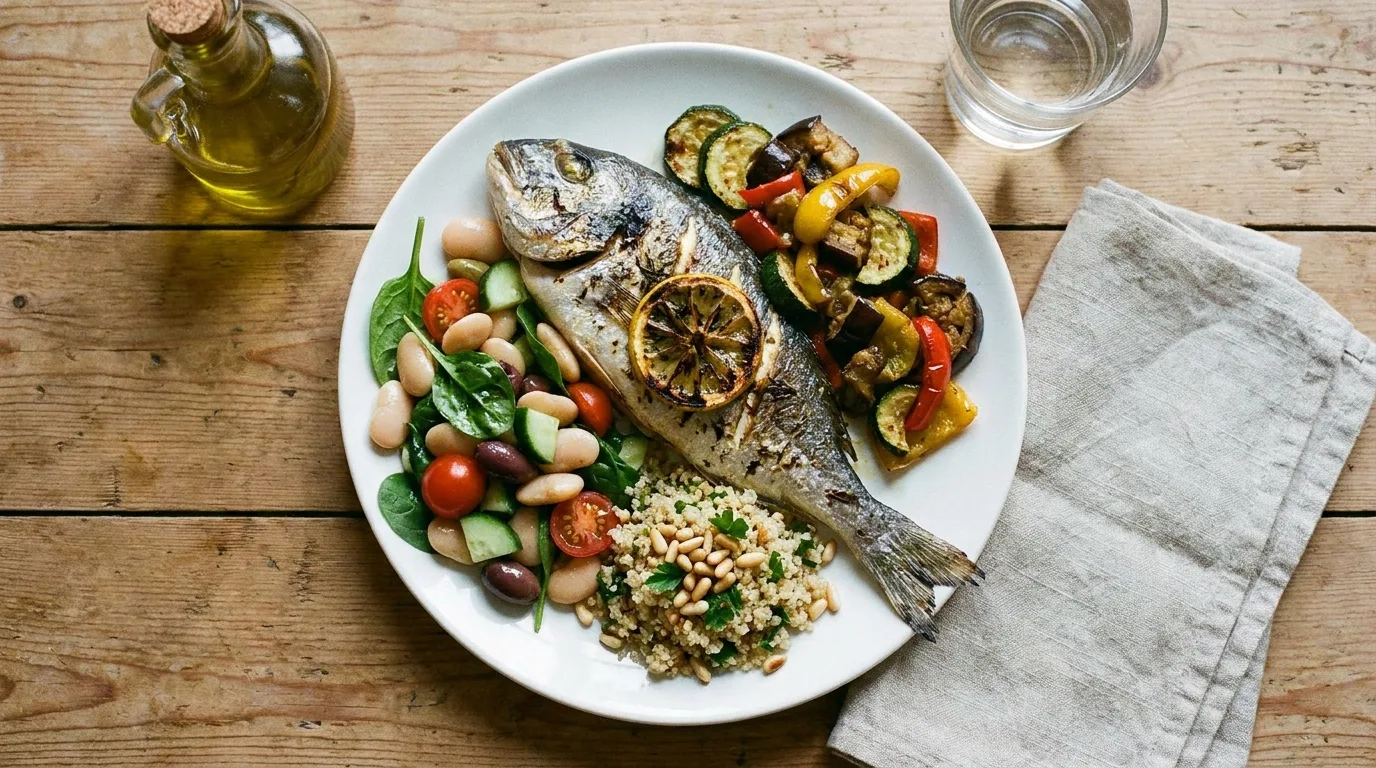
Fish fits naturally into Mediterranean eating and can provide high-quality protein. Fatty fish such as salmon, sardines, trout, and mackerel also provide omega-3 fats. Lean options such as cod, haddock, or other white fish can add variety. Instead of preparing fish with heavy breading or creamy sauces, try grilling, baking, or pan-cooking it with lemon, garlic, herbs, and a modest amount of olive oil. Pair it with vegetables and a small serving of whole grains or beans for a balanced meal. Canned fish can be useful when fresh seafood is expensive or inconvenient. Choose lower-sodium options when available. The goal is not to eat fish at every meal, but to make seafood a regular protein choice while rotating it with legumes, poultry, eggs, and other foods that fit your preferences.
Make Everyday Mediterranean Meals Easier
7. Build Simple Mediterranean Breakfasts
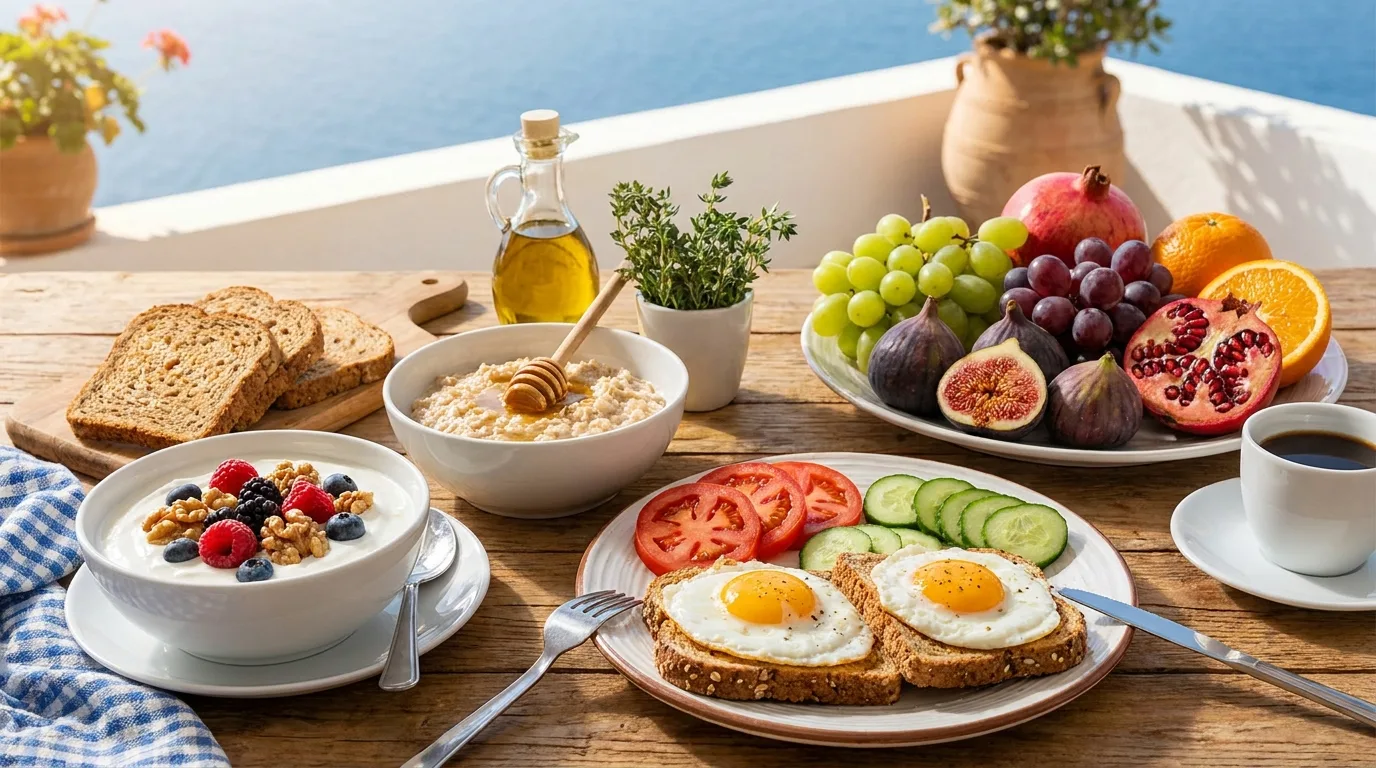
A Mediterranean-style breakfast does not need to be elaborate. Focus on combining protein, fiber-rich carbohydrates, fruit, and a small amount of healthy fat. Oatmeal topped with berries, plain Greek yogurt, walnuts, and cinnamon is one easy option. Another is whole-grain toast with a boiled egg, tomato, cucumber, and a piece of fruit. If you prefer a savory breakfast, try eggs with spinach and tomatoes alongside whole-grain bread. Avoid turning breakfast into a collection of calorie-dense toppings; nuts, nut butter, cheese, and olive oil are nutritious but can add substantial calories in large amounts. Preparing a few ingredients in advance can make better choices easier on busy mornings. A satisfying breakfast may also reduce the temptation to rely on pastries or sugary convenience foods later.
8. Prepare Balanced Lunch Bowls
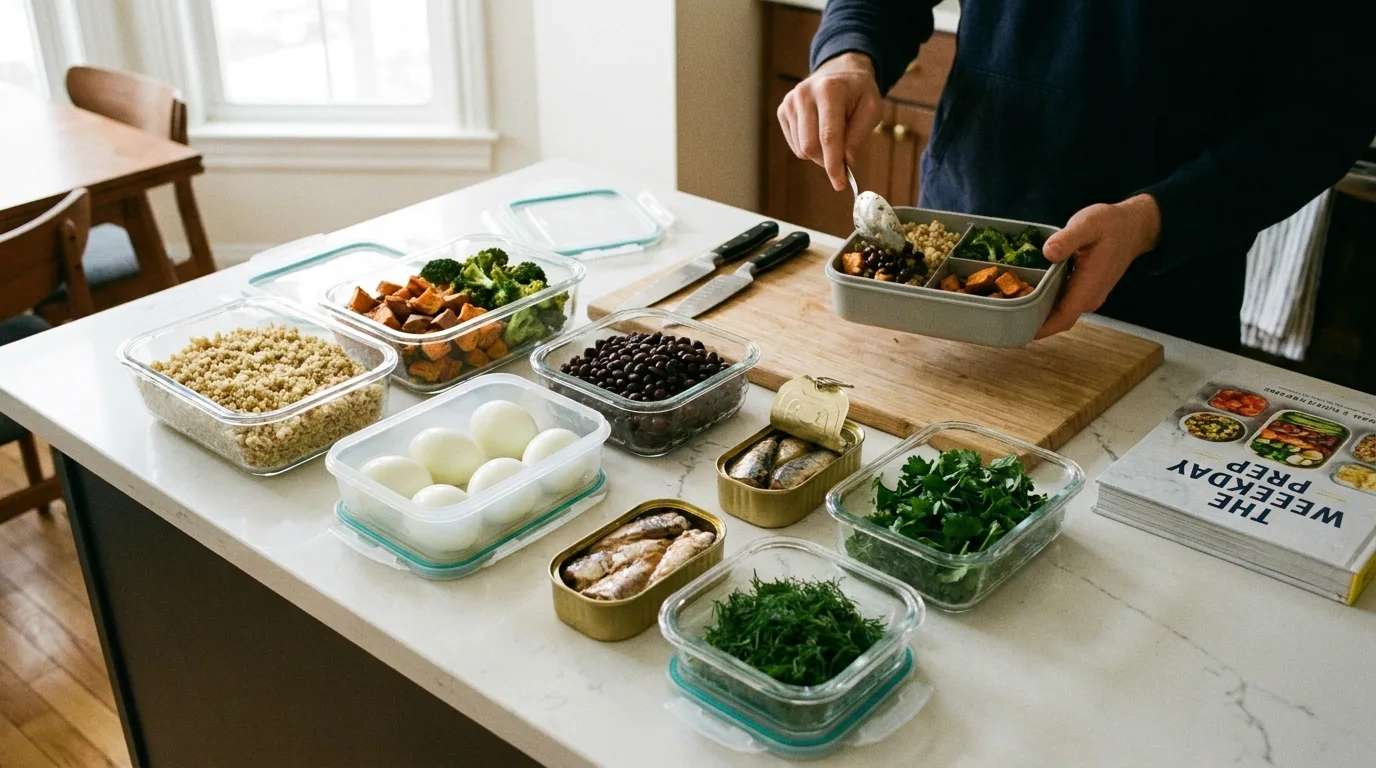
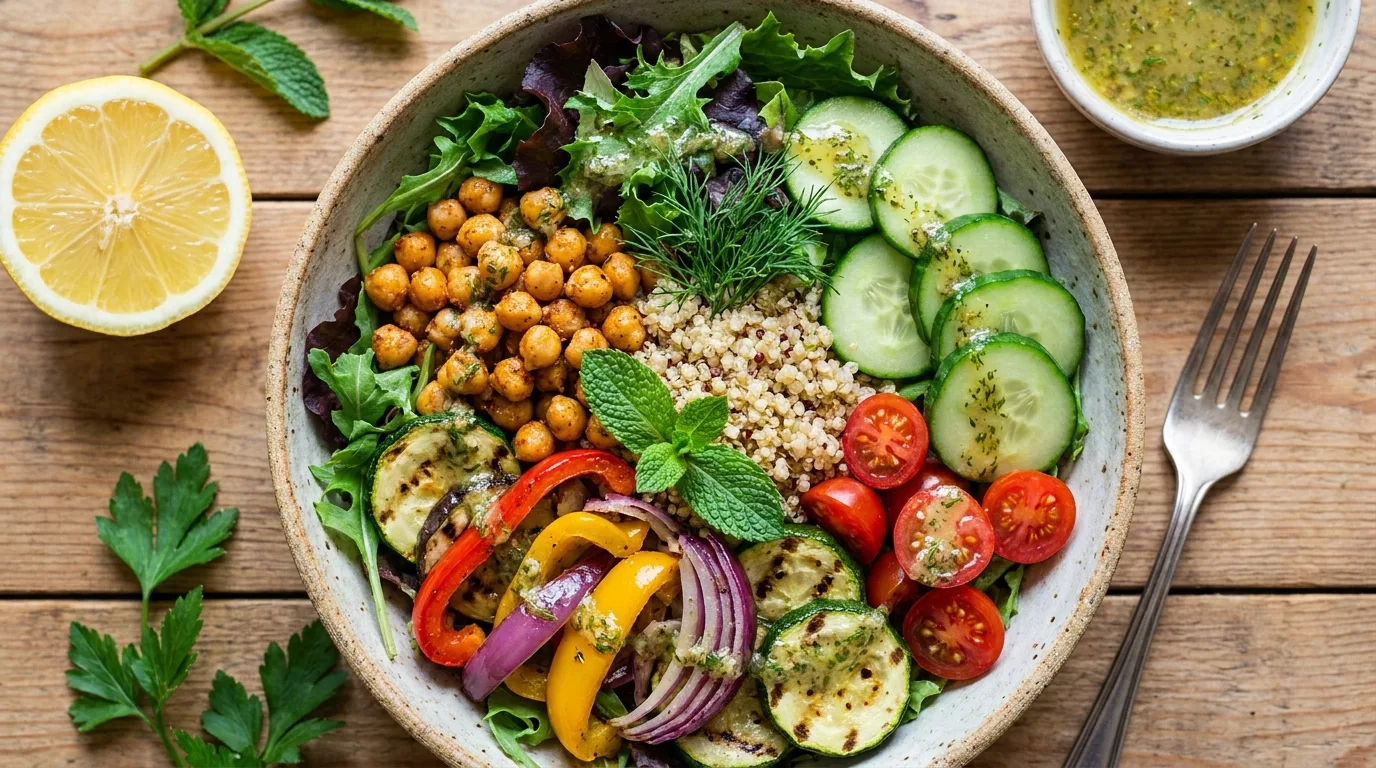
Lunch bowls are an easy way to apply Mediterranean principles without complicated recipes. Start with a base of leafy greens or a modest portion of whole grains. Add protein such as chickpeas, lentils, tuna, grilled chicken, or salmon, followed by several colorful vegetables. Finish with a small amount of olive oil and lemon dressing, hummus, or plain yogurt-based sauce. The combination gives you texture, flavor, fiber, and protein in one meal. To save time, cook a batch of grains and protein at the beginning of the week and keep washed vegetables ready in the refrigerator. Change seasonings throughout the week so the same ingredients taste different. If you are eating a bowl at a restaurant, ask for dressing or oily sauces on the side so you can control how much you use.
9. Plan Satisfying Mediterranean Snacks
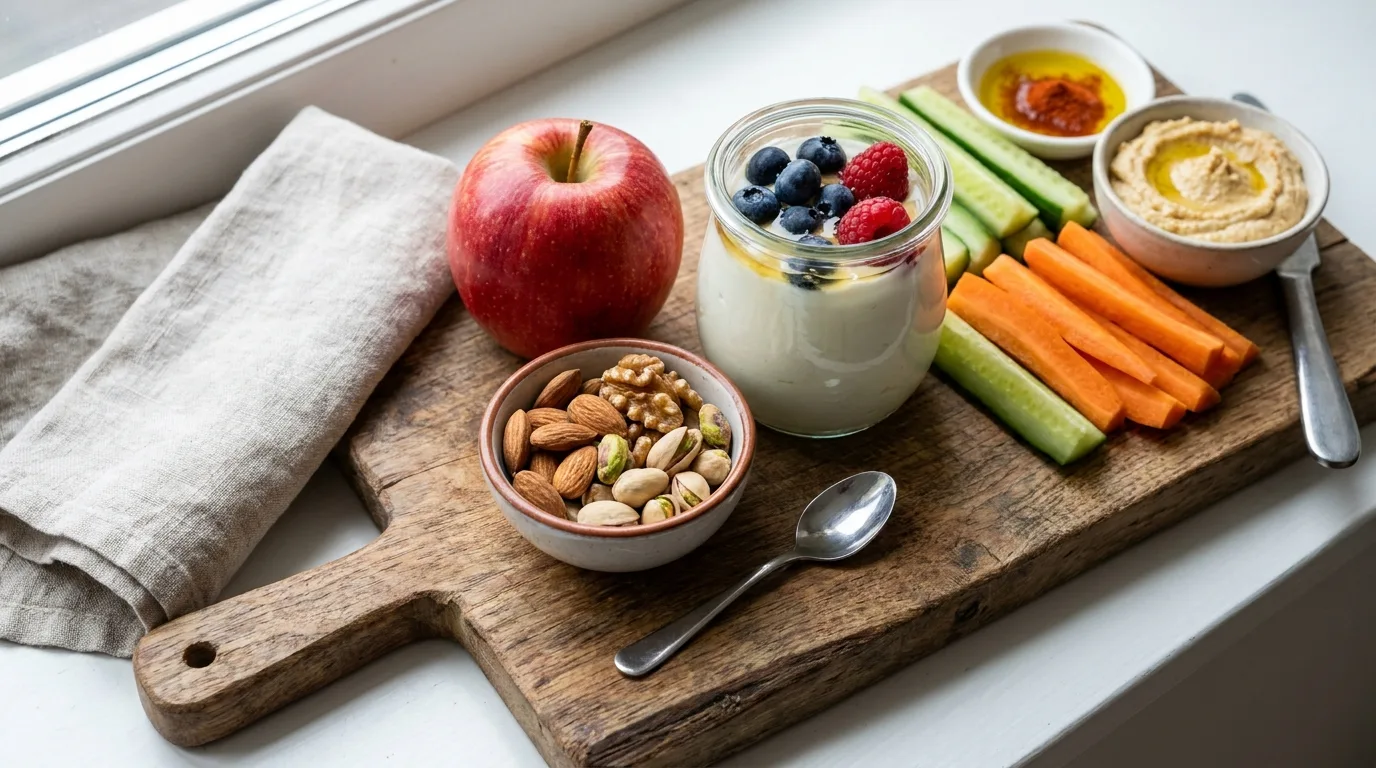
Snacks are optional, but they can be useful when you genuinely feel hungry between meals. Choose foods that provide some combination of protein, fiber, or healthy fat rather than snacks that are mostly added sugar. Examples include an apple with a small serving of nuts, plain Greek yogurt with berries, carrots and cucumber with hummus, or a piece of fruit with a small amount of cheese. Portion snacks before eating rather than repeatedly reaching into a large package. This is especially helpful with nuts, dried fruit, and hummus, which can be nutritious but calorie-dense. You also do not need to snack simply because a diet plan says you should. If your meals are satisfying and you are not hungry, skipping a snack is perfectly reasonable.
10. Cook More Meals at Home
Home cooking gives you greater control over ingredients, portions, sauces, and cooking fats, all of which can matter for weight loss. You do not need to prepare complicated Mediterranean recipes from scratch. Keep a short list of reliable meals such as lentil soup, roasted vegetables with chicken, baked fish with potatoes and salad, or chickpea grain bowls. Batch-cook ingredients rather than complete meals if you prefer more flexibility. For example, prepare quinoa, roasted vegetables, boiled eggs, and a bean salad, then combine them differently during the week. Restaurant meals can still fit, but cooking at home more often makes it easier to manage calorie-dense additions. Keep convenient foods such as frozen vegetables, canned beans, canned fish, and whole grains available so a healthy meal remains possible even when you have limited time.
Reduce Common Obstacles to Weight Loss
11. Limit Ultra-Processed and Sugary Foods
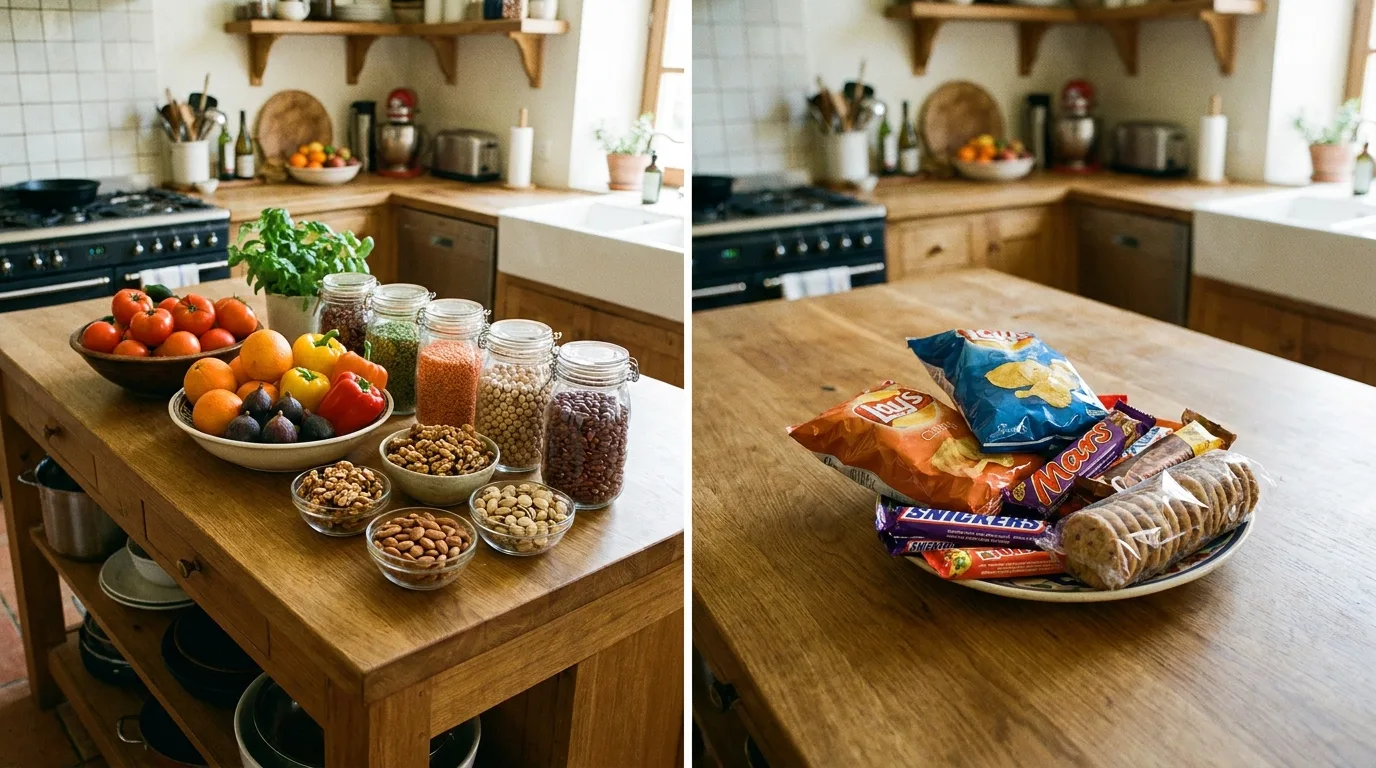
The Mediterranean diet emphasizes minimally processed foods, but it does not require perfection. For weight loss, gradually reduce foods that are easy to overeat and provide relatively little satiety, such as sugary drinks, pastries, candy, chips, and highly processed snack foods. You do not have to ban them permanently. Instead, make them occasional foods while giving everyday meals a stronger foundation of vegetables, fruit, legumes, whole grains, and protein. Pay particular attention to liquid calories because sweetened beverages can add energy without making you feel as full as solid food. Water, sparkling water, unsweetened tea, and coffee without large amounts of added sugar can be easier everyday choices. A flexible approach is more realistic than trying to follow an unnecessarily strict list of forbidden foods.
12. Watch Portions of Calorie-Dense Foods
Some of the healthiest Mediterranean foods are also concentrated sources of calories. Olive oil, nuts, seeds, cheese, hummus, avocado, and dried fruit can all fit into a weight-loss plan, but portions can add up quickly. Rather than avoiding these foods, make serving sizes intentional. Put nuts into a small bowl instead of eating directly from the container, measure olive oil for cooking, and choose fresh fruit more often than large portions of dried fruit. The same principle applies to whole-grain pasta and bread: nutritious carbohydrates can still contribute substantial energy when portions are very large. Weight loss ultimately depends on your overall energy balance, so nutritious food quality and appropriate portions work together. If you are consistently hungry, focus first on increasing vegetables, legumes, and lean protein rather than simply cutting portions smaller.
13. Drink Mostly Water
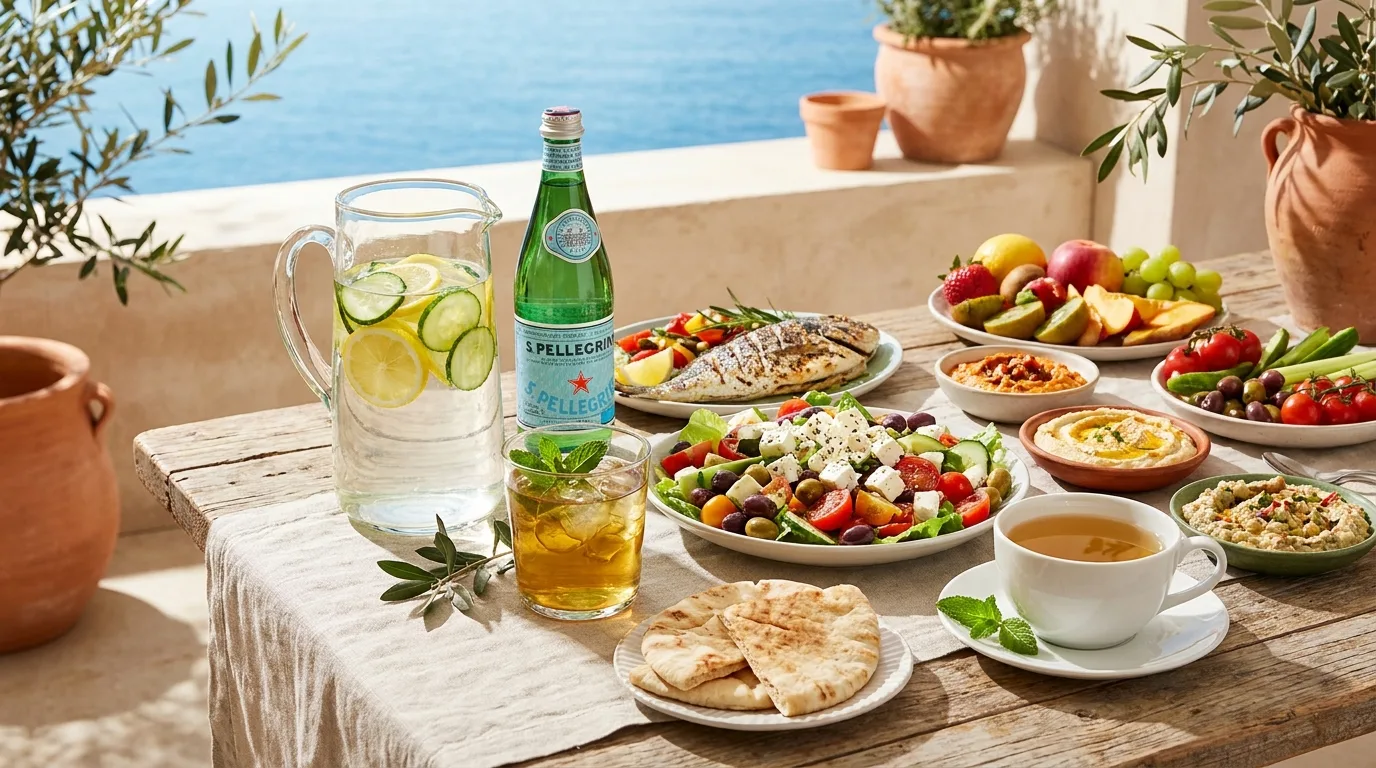
Hydration is a simple part of a Mediterranean-style routine, and water is an easy default beverage. If you regularly drink soda, sweetened tea, energy drinks, or large specialty coffees, replacing some of them with water can reduce calories without changing the amount of food on your plate. Keep a reusable bottle nearby and drink according to thirst rather than forcing excessive amounts. Sparkling water, unsweetened tea, and water flavored with lemon or cucumber can provide variety. Alcohol is traditionally present in some Mediterranean cultures, but it is not necessary to follow the diet, and alcoholic drinks can add calories. If you drink alcohol, consider your overall health, medications, and personal circumstances and follow medical guidance where relevant. The simplest weight-loss beverage strategy is to make water your regular choice and treat calorie-containing drinks as occasional additions.
Turn the Diet Into a Sustainable Routine
14. Follow a Flexible Weekly Meal Pattern
A weekly structure can make Mediterranean eating easier without turning it into a rigid diet. At the start of the week, choose several vegetables, two or three protein sources, a few whole grains, fruit, beans, and healthy fats. Then create meals from those ingredients rather than following a complicated menu every day. For example, you might have oatmeal and fruit for breakfast, a chickpea salad for lunch, and baked fish with vegetables for dinner. The next day could use eggs, lentil soup, and chicken with roasted vegetables. Repeating ingredients is efficient, while changing herbs, spices, and cooking methods keeps meals interesting. Leave room for social meals and favorite foods. A plan that can survive birthdays, travel, busy workdays, and restaurant dinners is more useful for long-term weight management than one that only works under perfect conditions.
15. Track Progress Beyond the Scale
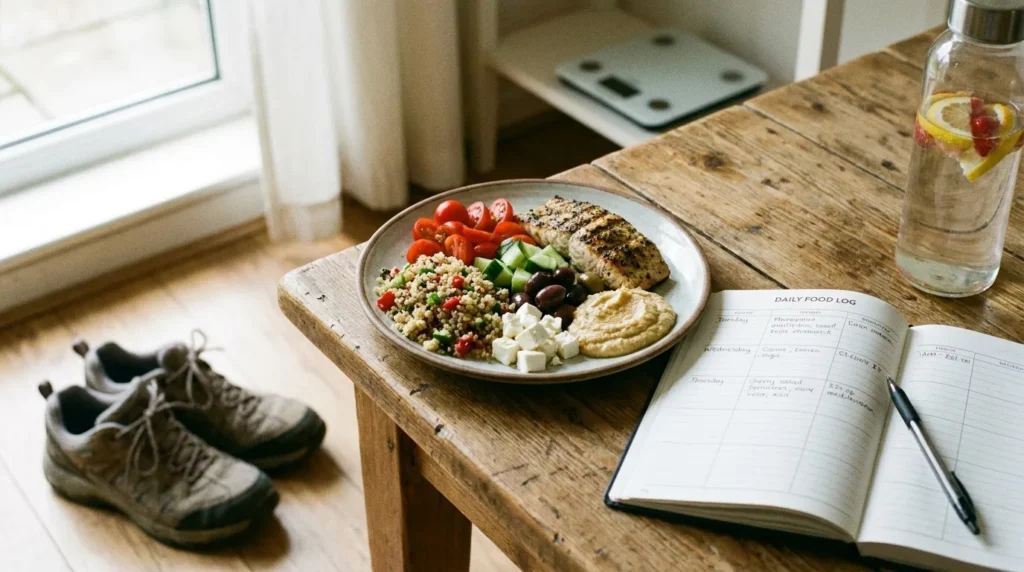
Weight can be one useful measurement, but it is not the only way to assess whether your new eating routine is working. Track habits such as how often you eat vegetables, whether you prepare meals at home, how regularly you include protein, and how frequently you choose sugary drinks or highly processed snacks. You can also notice changes in hunger, energy, meal satisfaction, and consistency. If you are intentionally trying to lose weight, a gradual trend over time is generally more informative than day-to-day fluctuations. Avoid making extreme changes in response to a single weigh-in. If you have a medical condition, take medications affected by diet, are pregnant, or have a history of disordered eating, seek individualized guidance from a qualified healthcare professional before making major dietary changes. The goal is a balanced pattern you can maintain, not a short-term restriction that becomes difficult to sustain.