
Winter is an excellent opportunity to grow your Pinterest audience, attract new visitors to your website, and turn seasonal interest into long-term traffic. As people look for cozy home decor, winter outfits, holiday recipes, gift inspiration, and fresh ideas for the new year, Pinterest becomes a valuable discovery platform for creators and bloggers. However, growing your monthly views takes more than publishing attractive graphics. You need relevant keywords, compelling designs, consistent pinning, and content that matches what people are actively searching for.
Whether you run a lifestyle blog, home decor website, fashion business, or recipe blog, the right Pinterest strategy can help your content reach a larger audience. The following 15 Pinterest strategies focus on practical ways to improve visibility, create engaging seasonal content, and attract more qualified visitors throughout winter. You will also learn how to use Pinterest analytics, optimize your boards, and build a repeatable publishing routine without spending every day creating new pins.
1. Research Winter Keywords Before Creating Pins
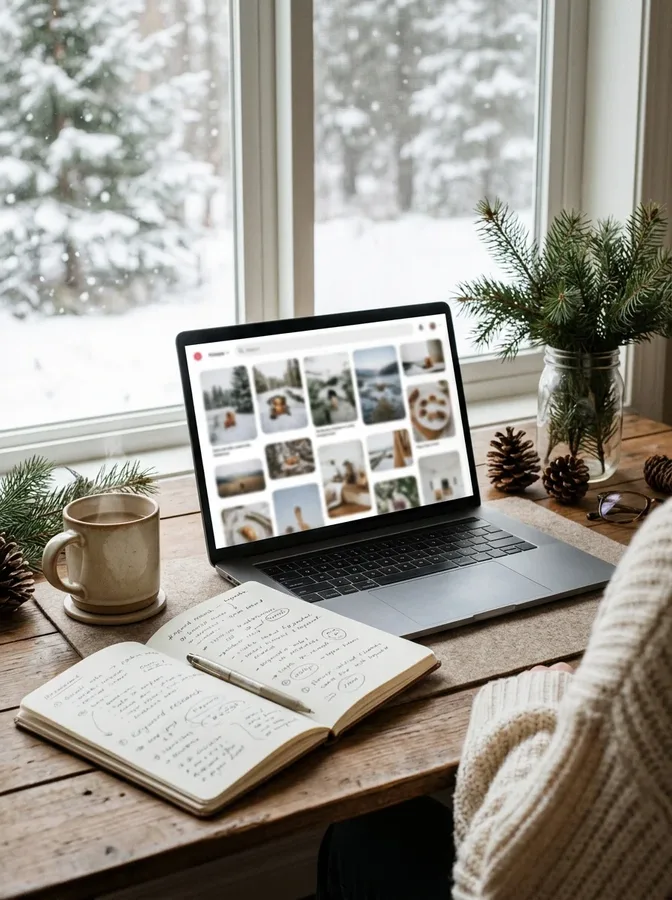
Keyword research helps you understand how Pinterest users describe the content they want to find. Instead of guessing which phrases might attract attention, explore Pinterest’s search bar and observe the suggested terms that appear when you type a broad topic such as winter decor, cozy outfits, or holiday recipes. These suggestions can reveal more specific search intentions, including small winter living room ideas or easy Christmas dinner recipes.
Choose one primary keyword for each pin and incorporate related phrases naturally into its title, description, and relevant board name. For example, a pin about seasonal bedroom styling could target winter bedroom decor rather than a vague phrase such as beautiful room. Prioritize keywords that accurately represent the destination page. Avoid stuffing descriptions with unrelated search terms, because clear, relevant metadata creates a better experience for both users and Pinterest.
2. Create Seasonal Content Before Demand Peaks
Pinterest users often search for seasonal inspiration well before an event or holiday arrives. Publishing winter content early gives your pins more time to be discovered, saved, and distributed before competition intensifies. For Christmas, you might prepare gift guides, festive table settings, and holiday crafts in advance. For the wider winter season, consider cozy bedroom ideas, capsule wardrobes, comfort food, and indoor activities.
Build a simple seasonal calendar that identifies your main publishing dates and the time needed to prepare each article and pin. Start researching and designing holiday content several weeks or months ahead when possible, adjusting your schedule to your niche and audience. Continue publishing useful content after major holidays, too. January organization ideas, winter skincare routines, and warm home styling can remain relevant after Christmas traffic declines.
3. Design Tall, Mobile-Friendly Pinterest Pins

Your pin should communicate its subject quickly, particularly when someone discovers it while scrolling on a phone. A vertical design with a 2:3 aspect ratio, such as 1000 by 1500 pixels, is a dependable starting point. Use a clear focal image, readable typography, and enough contrast to make the main message stand out without overwhelming the design.
For a winter decor article, you could feature a beautiful seasonal room photograph with a concise headline such as Cozy Winter Living Room Ideas. Keep essential text away from the edges, limit decorative elements, and choose fonts that remain legible at smaller sizes. Test your designs on a mobile screen before publishing. Although attractive graphics can encourage clicks, the pin should accurately represent the linked content rather than promise something the article does not deliver.
4. Write Click-Worthy Titles That Match Search Intent

A strong pin title combines a clear benefit with language your audience is likely to search for. Generic headlines such as Winter Inspiration provide little information about what someone will discover. More specific titles, including 15 Cozy Winter Bedroom Ideas or Easy Winter Dinners for Busy Weeknights, communicate both the subject and the value of the content.
Place the most important phrase near the beginning when it reads naturally, and make sure the title accurately reflects the destination article. Numbers, practical benefits, and descriptive words can help a headline stand out, but avoid exaggerated claims that the content cannot support. You can test different headline approaches for comparable articles to learn which ones attract meaningful engagement. Evaluate outbound clicks alongside impressions and saves instead of assuming that a visually impressive title automatically produces website traffic.
5. Optimize Pin Descriptions With Natural Keywords

Pin descriptions provide additional context about what users will find when they open your content. Write a useful, natural description that includes your primary keyword and a few closely related phrases where appropriate. For example, a description for winter fashion could mention comfortable winter outfits, layered clothing, neutral winter wardrobe essentials, and styling inspiration if those topics genuinely appear on the linked page.
Give readers a reason to explore the content by highlighting a specific benefit. A description might explain that an article includes practical outfit combinations for cold mornings and travel days. Keep the wording readable instead of repeating the same keyword several times. Add a relevant call to action when it fits, such as inviting users to explore the complete guide. Accurate descriptions help set expectations and can attract visitors who are genuinely interested in your article.
6. Organize Boards Around Clear Topics

Well-organized boards help visitors understand your content and make it easier to discover related ideas. Instead of placing every pin into a single general board, create focused collections that reflect the topics you regularly publish. A lifestyle blogger might use boards such as Winter Home Decor, Cozy Winter Recipes, Winter Outfit Ideas, and Christmas Decorating Inspiration.
Give each board a descriptive name and write a relevant board description that naturally includes its main subject. Add pins that genuinely belong to the collection, keeping unrelated topics separate. Before creating a new board, consider whether it serves a distinct audience interest and whether you can maintain it with useful content. A smaller collection of focused, relevant boards is generally more manageable than dozens of nearly identical boards with only a few pins each.
7. Publish Fresh Pin Designs for Existing Articles

You do not always need a new blog post to create another opportunity for Pinterest discovery. An established article can often support several fresh pin designs, provided each design offers a meaningfully different presentation. For example, a winter bedroom article could have one pin featuring the overall room, another highlighting warm lighting, and a third emphasizing affordable decorating ideas.
Use different photographs, layouts, headlines, or visual angles to appeal to different preferences. Keep each design relevant to the same destination page and avoid flooding Pinterest with near-identical copies in a short period. Track which creative approaches attract saves and outbound clicks, then use those findings to guide future designs. Fresh creative can extend the useful life of strong evergreen articles while allowing you to spend less time producing entirely new written content.
8. Create Content That Solves Specific Problems

Highly specific content can attract people with a clear reason to click. Broad topics such as winter decor may face substantial competition, while focused subjects can connect with readers seeking a particular solution. Examples include decorating a small apartment for winter, planning inexpensive holiday meals, organizing a compact entryway, or choosing warm outfits for rainy weather.
Think about the questions your target audience asks before creating each article and pin. A useful post should provide actionable ideas, realistic examples, or steps readers can apply in their own lives. If you operate a home decor blog, for instance, a guide to making a rental living room feel warmer without permanent changes could appeal to renters who need practical options. Specificity improves relevance, helps shape stronger headlines, and gives readers a clearer reason to visit your website.
9. Refresh Your Best-Performing Older Pins

Your existing Pinterest analytics can reveal which topics have already attracted attention. Review your strongest pins and identify patterns in their subjects, visual styles, headlines, and destination pages. An older article about neutral home decor might continue to appeal to users during winter if you create a seasonal variation that remains faithful to the original content.
Refresh outdated photographs, improve unclear titles, and check that links still lead to the correct pages. When an article has changed substantially, make sure the pin accurately reflects its current information. You can also create a new design for a useful older post instead of abandoning it simply because it was published months ago. Focus your effort on articles that remain relevant and offer genuine value, rather than spending time refreshing content that no longer fits your audience or website.
10. Use Pinterest Trends to Find Growing Topics

Pinterest Trends can help you explore how interest in different search terms changes over time and identify subjects worth testing. Compare related phrases, examine seasonal patterns, and look for opportunities that fit your niche. For example, winter outfit ideas, Christmas centerpiece inspiration, and cozy soup recipes may attract different levels of interest at different points in the season.
Use trend information alongside your own website analytics and publishing capacity. A rising search term is not automatically a good opportunity if it has little connection to your audience or requires content you cannot produce well. When you find a promising topic, develop a useful article and design pins that match the search intent. Revisit the data regularly rather than relying on a single snapshot, since seasonal interest and audience behavior can change throughout winter.
11. Make Every Pin Lead to a Valuable Destination

More monthly views are useful, but relevant website visits are often more valuable for bloggers who want to grow traffic and earnings. Each pin should lead to a page that fulfills the promise made by its image and headline. If a pin promotes 15 winter organization ideas, the destination should contain those ideas, not a generic homepage where visitors must search for the information themselves.
Check that your links work, the page loads quickly, and the article is easy to read on mobile devices. Use relevant internal links to help visitors explore related content, such as moving from a winter bedroom guide to a seasonal bedding article. Avoid misleading headlines, excessive pop-ups, and confusing navigation that interrupt the reader. A positive landing-page experience gives visitors a reason to stay, explore additional posts, and potentially return to your website later.
12. Maintain a Consistent, Sustainable Pinning Schedule

Consistency helps you build a repeatable Pinterest workflow without turning content creation into an exhausting daily task. Choose a publishing schedule you can maintain alongside writing articles, designing graphics, and managing your website. For example, you could prepare several pins in one session, schedule them using Pinterest’s available scheduling features, and reserve another session for reviewing performance.
There is no universal number of pins that guarantees growth. The right pace depends on your niche, available content, design quality, and audience response. Focus on publishing relevant, useful pins consistently rather than chasing a large daily quota. Use a simple spreadsheet or calendar to track publication dates, keywords, board placement, and destination URLs. Batching similar tasks can reduce distractions and make it easier to sustain your strategy throughout the winter season.
13. Use Pinterest Analytics to Measure Meaningful Growth

Pinterest analytics helps you distinguish between content that receives exposure and content that encourages people to take action. Monitor impressions to understand distribution, saves to assess how often users keep your ideas, and outbound clicks to measure traffic sent to your website. Pin clicks and other engagement metrics can provide additional context, but they do not all represent website visits.
Compare performance across similar periods and content categories instead of judging a strategy from a single day’s results. A pin that earns many impressions but few outbound clicks may need a clearer headline or a stronger connection between its image and article. If a specific topic repeatedly drives engaged visitors, consider publishing related content. Review results regularly, record useful observations, and make one or two deliberate changes at a time so you can better understand what improves performance.
14. Build Seasonal Content Clusters Around Related Articles

Related articles can reinforce one another by giving Pinterest users more ways to discover your website. Instead of publishing isolated winter posts, develop a small collection around a clear audience interest. A cozy home cluster might include winter living room decor, bedroom lighting ideas, warm color palettes, affordable blankets, and simple seasonal centerpieces.
Give every article its own distinct purpose and keyword focus so the pages provide different value rather than repeating the same advice. Create a relevant pin for each article and organize the pins into suitable boards. Add internal links between related posts when they help readers continue exploring. This approach can increase the number of useful Pinterest destinations available on your site and make it easier to turn one successful seasonal topic into a broader content strategy that remains relevant year after year.
15. Test, Learn, and Improve Your Strategy Every Month

Sustainable Pinterest growth comes from learning which approaches work for your particular audience. At the end of each month, review your best-performing pins, the topics attracting outbound clicks, and the designs that consistently earn saves. Look for patterns rather than assuming every successful pin succeeded for the same reason. A strong result might reflect the subject, timing, headline, image, or a combination of factors.
Choose a small number of improvements for the next month. You might test clearer text overlays, publish seasonal articles earlier, refine board descriptions, or create additional designs for a useful evergreen post. Keep notes about what you changed and revisit the results after allowing enough time for distribution. Avoid changing everything simultaneously, because doing so makes it harder to identify useful lessons. Gradual, evidence-based improvements can help you build a more effective Pinterest workflow over time.
Conclusion
Growing your monthly Pinterest views this winter starts with understanding your audience and creating content that matches its interests. Research seasonal keywords, publish useful articles early, design mobile-friendly pins, organize focused boards, and use analytics to understand what attracts attention and drives website visits. Combine these strategies with a sustainable publishing routine instead of relying on quick tricks or unrealistic growth promises.
You do not need to implement all 15 strategies at once. Start with keyword research, improve a few existing pins, and establish a consistent schedule. Then use your results to decide where to invest your next effort. With relevant seasonal content and regular optimization, you can give your pins more opportunities to reach new audiences and support your blog’s long-term growth.