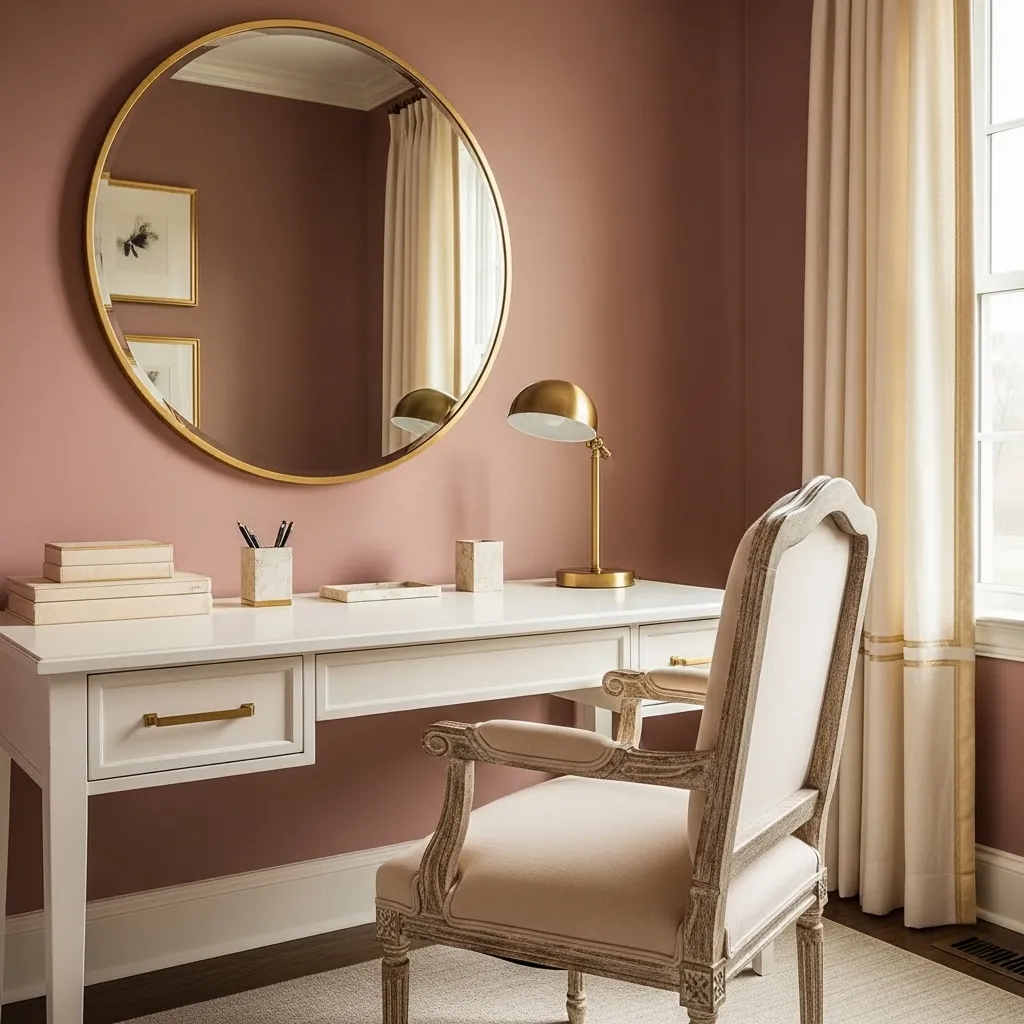
Looking great in photos does not require heavy makeup, expensive outfits, dramatic poses, or a complicated editing routine. Often, the most flattering pictures come from small adjustments that help you feel comfortable and look like yourself. Whether you are taking selfies, posing for family pictures, creating social media content, or preparing for professional portraits, a few simple techniques can make a noticeable difference. The secret is to work with your natural features instead of trying to change everything about your appearance.
From finding soft lighting and choosing comfortable clothing to improving your posture and relaxing your facial expressions, these practical photography tips can help you look polished without appearing overly posed. You will also learn how to use angles, backgrounds, and subtle finishing touches to create pictures that feel authentic and effortless. You do not need to master every technique at once. Start with the adjustments that feel most natural, experiment with different settings, and remember that confidence and personality often make a photograph more memorable than perfection.
1. Find Soft, Natural Lighting
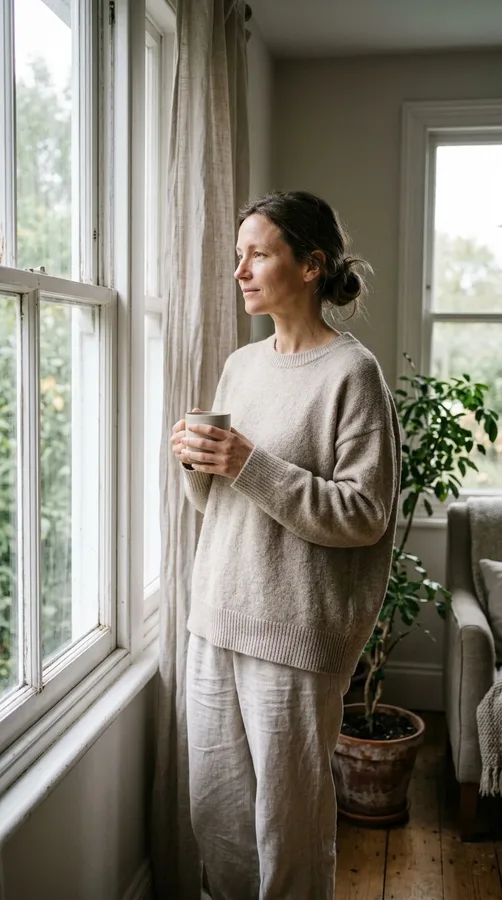
Good lighting can make a bigger difference than almost any other photography adjustment. Natural daylight usually creates a fresh, balanced appearance without requiring heavy filters or extensive editing. Stand near a window or step outside into open shade to avoid harsh shadows across your face. If you are outdoors, look for a shaded area with plenty of reflected daylight rather than standing directly beneath strong midday sunlight. During the early morning or late afternoon, sunlight is often softer and warmer, making it especially flattering for portraits. Avoid placing a bright window directly behind you unless you want a silhouette effect. With even, gentle lighting, your skin tone and natural features can appear clearer while the overall picture remains realistic.
2. Choose an Angle That Feels Natural
You do not need to tilt your head dramatically or twist your body into an uncomfortable position to find a flattering angle. Start by facing the camera naturally, then turn your shoulders slightly to one side while keeping your face directed toward the lens. Take a few pictures with small variations in head position and camera height. A camera positioned around eye level is a reliable starting point for most portraits, although a slightly higher or lower position may suit the composition you want. Instead of copying every pose you see online, pay attention to which angles feel comfortable and look like you in real life. Subtle adjustments usually produce more authentic results than exaggerated positioning.
3. Relax Your Facial Expression
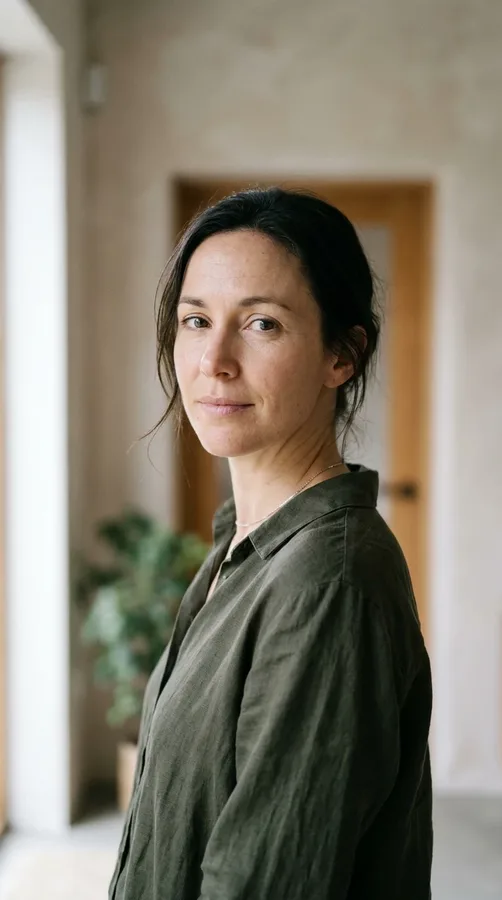
A relaxed expression often looks more appealing than a forced smile or an intense attempt to appear photogenic. Before the picture is taken, take a slow breath, release tension in your forehead, and allow your jaw to soften. Think about something pleasant or share a genuine moment with the person taking the photo. If a wide smile feels unnatural, try a gentle smile with slightly raised cheeks and relaxed eyes. You can also capture a few photographs while talking or laughing naturally instead of holding one expression for too long. The goal is not to eliminate every line or imperfection. It is to look comfortable, approachable, and present in the moment.
4. Wear Clothes That Fit Comfortably
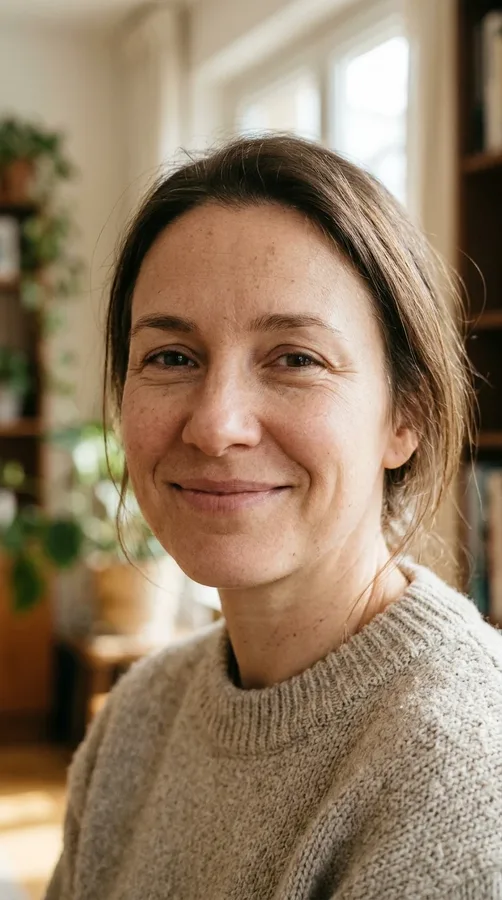
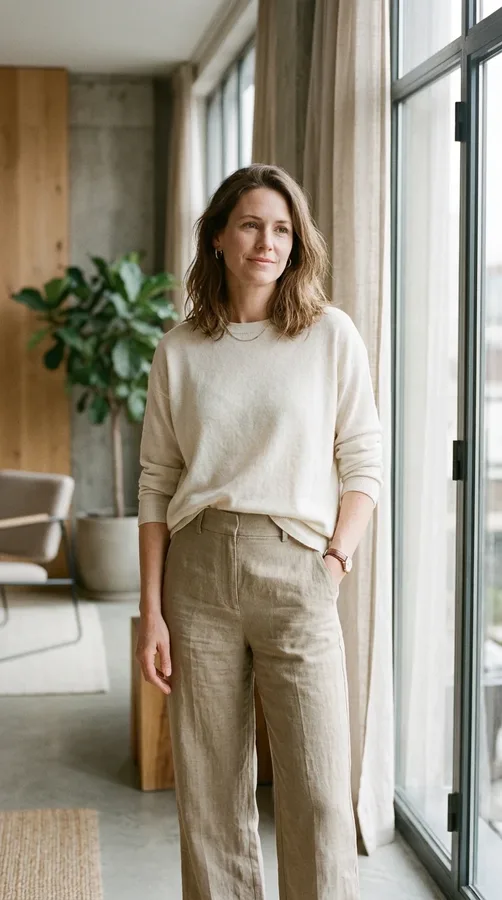
Clothing that fits well can make you look polished without needing an elaborate outfit. Choose pieces that allow you to move naturally and feel confident while standing or sitting. Clothing that pulls, bunches, or requires constant adjustment can make you appear uncomfortable in photographs. Well-fitting jeans, a simple dress, a structured jacket, or a clean shirt can work beautifully depending on the occasion. Consider the shape of the outfit as well as its comfort, and make sure hems and collars sit neatly before taking pictures. You do not need designer labels or a completely new wardrobe. Clothes that suit your personal style and fit your body comfortably are often the most effective choice.
5. Keep Your Makeup Light and Balanced
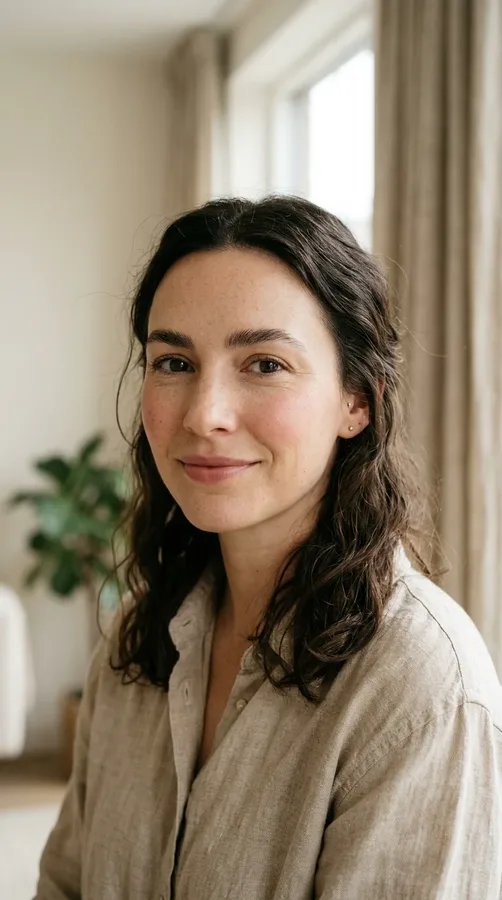
If you wear makeup, focus on enhancing the features you already enjoy rather than trying to create an entirely different look. A little concealer where needed, softly defined brows, a touch of blush, and a comfortable lip color can provide a fresh finish. Apply products in natural light so you can see how they actually look on your skin. Heavy powder, thick layers of foundation, or sharply defined contouring may appear more noticeable than expected in everyday photographs. For pictures taken with a phone, check the result on the screen and adjust only if necessary. Makeup is optional, and clean, moisturized skin can photograph beautifully on its own. Choose whatever makes you feel like yourself.
6. Improve Your Posture Gently
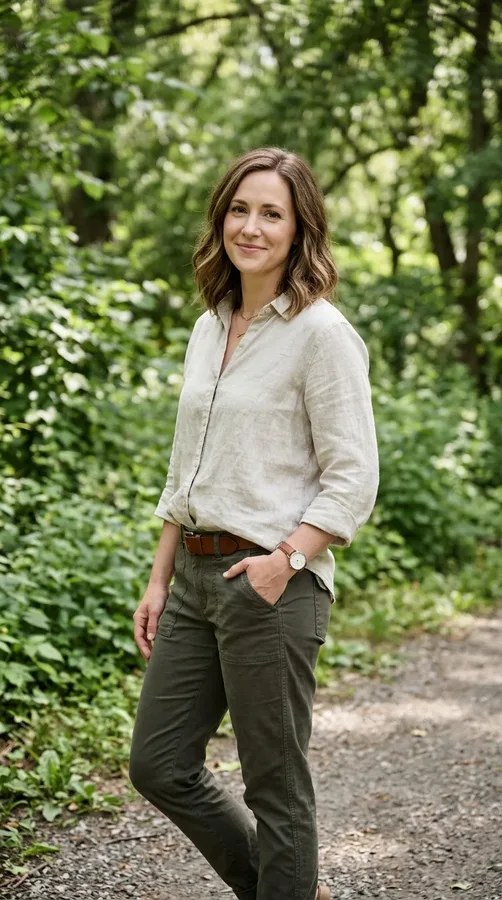
Good posture helps a photograph look more confident and composed, but it should never feel stiff. Stand with your weight balanced, keep your shoulders relaxed, and lengthen your spine without forcing your chest forward. If you are sitting, move slightly toward the front of the chair and settle into a comfortable position rather than collapsing into the backrest. Imagine a gentle upward lift through the crown of your head. This simple adjustment can help your overall silhouette look more balanced. Avoid pulling your shoulders too far back or holding your breath, since visible tension can make a pose look unnatural. A comfortable, upright posture creates a polished appearance while allowing your personality to come through.
7. Turn Your Body Slightly to the Side
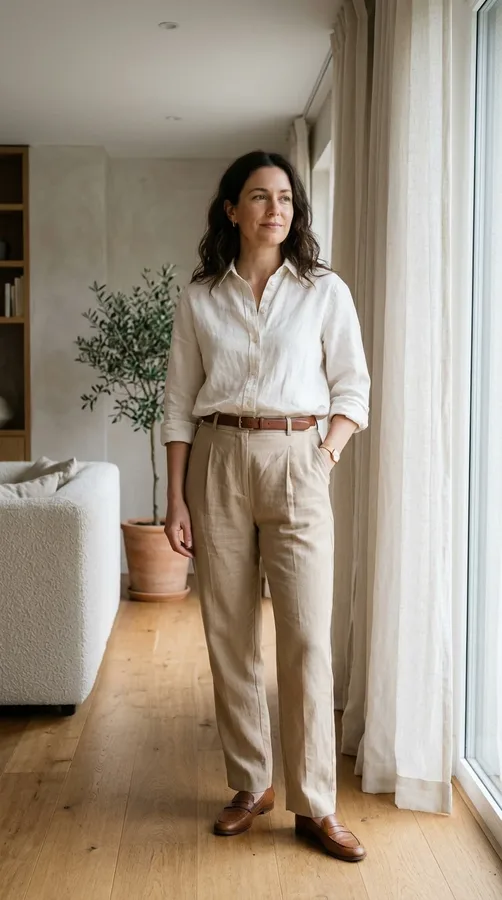
Standing completely square to the camera can sometimes make a portrait feel flat. Turning your torso slightly creates a little more depth and gives the photograph a relaxed, dimensional appearance. Keep your feet comfortable, shift your weight gently onto one leg, and allow your other knee to soften if that feels natural. You can then turn your shoulders a little toward the camera while keeping your stance relaxed. There is no need to force a dramatic curve or hold an uncomfortable position. Experiment with small changes and choose the version that feels balanced. This technique works well for casual portraits, outfit photographs, and pictures taken at gatherings where you want to look put together without appearing overly posed.
8. Use Simple, Neutral Backgrounds
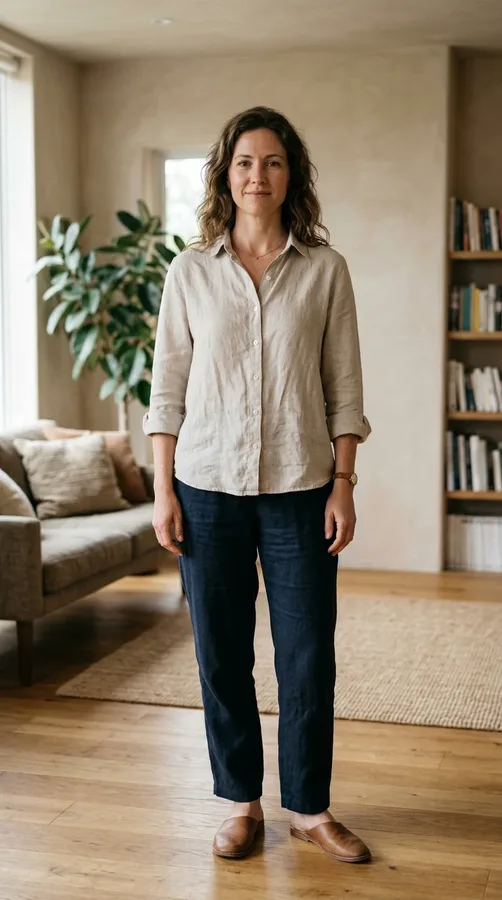
A cluttered background can distract attention from the person in the photograph. Whenever possible, choose a setting with a clean wall, greenery, an uncluttered room, or a softly detailed outdoor scene. Neutral backgrounds in white, beige, gray, or muted natural tones can create a timeless look, especially when your clothing has a noticeable color or pattern. You do not have to remove every object from the scene, though. A bookshelf, flower arrangement, or attractive café setting can add personality when it complements the subject. Before taking the picture, check the edges of the frame for distracting objects or visual lines that appear to come out of your head. A quick change of position may be all you need.
9. Find Colors That Complement You
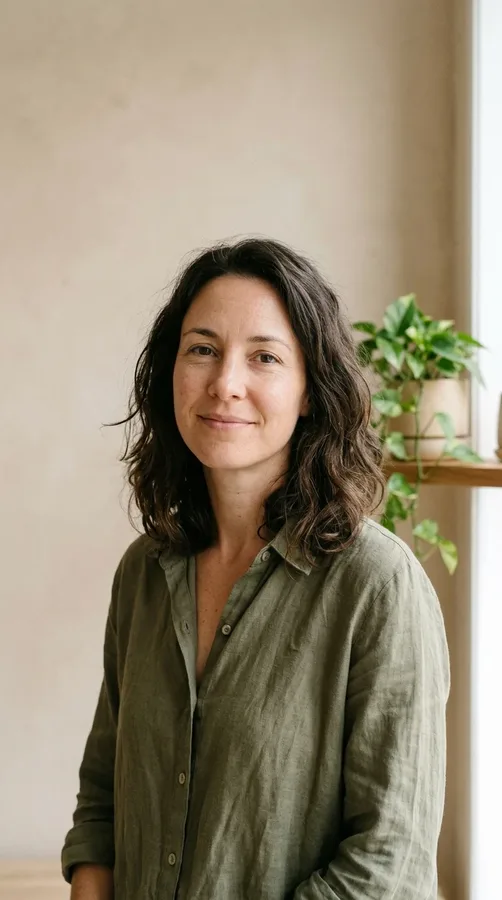
The right clothing colors can help you look harmonious in photographs without relying on bold styling. Start with shades you already enjoy wearing, then notice how they work with the background and the available light. Cream, navy, olive, soft blue, burgundy, and earthy neutrals are versatile choices for many settings, but there is no universal color palette that suits everyone. If you prefer brighter colors, choose one main shade and keep the rest of the outfit relatively simple. For group pictures, coordinating colors can look cohesive without requiring everyone to wear identical clothing. Also consider the lighting: very bright colors may reflect onto nearby skin, while tiny, high-contrast patterns can sometimes create distracting visual effects in photographs.
10. Keep Accessories Minimal
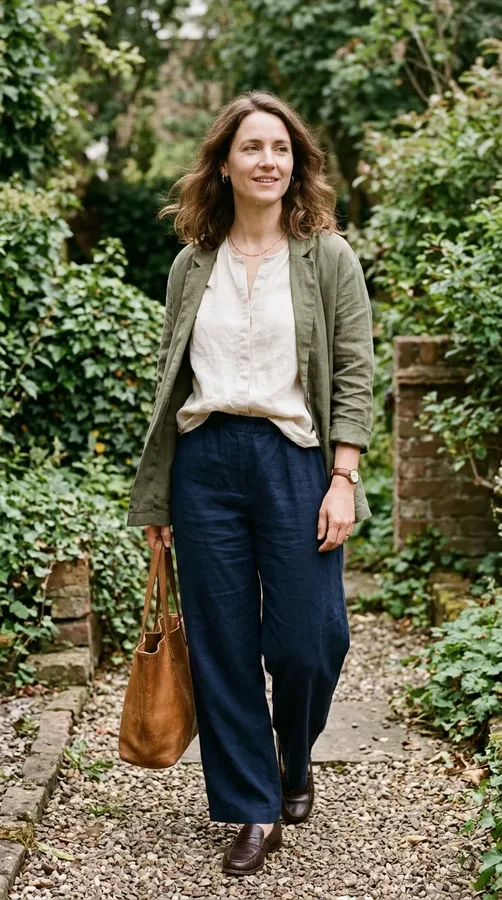
Accessories can add personality, but too many competing details may draw attention away from your face or outfit. Choose one or two pieces that complement your look, such as small earrings, a delicate necklace, a simple watch, or a structured bag. If you are wearing a patterned outfit, understated accessories can help maintain visual balance. For a simple outfit, one distinctive piece can provide just enough interest. Check that necklaces lie flat, collars sit neatly, and glasses are free from visible smudges before taking the photograph. You do not need to remove everything you love wearing. The aim is to make accessories feel intentional, allowing them to enhance your overall appearance instead of dominating the picture.
11. Position Your Hands Naturally
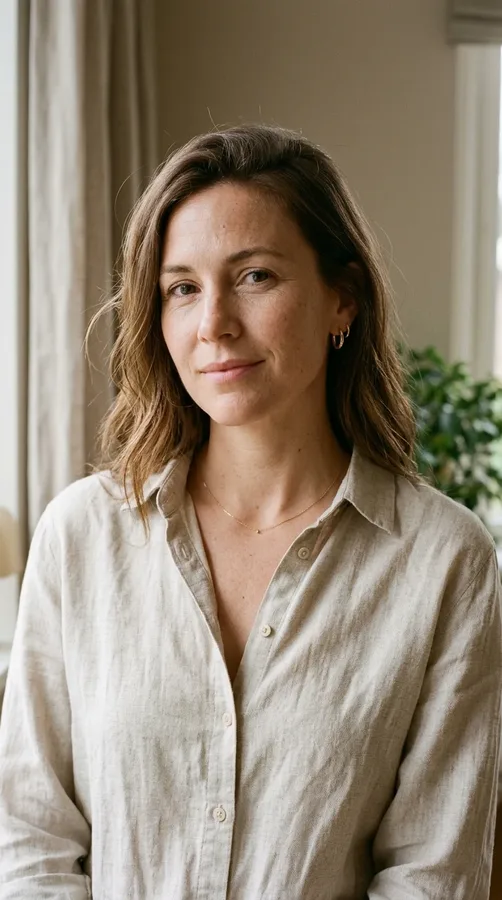
Knowing what to do with your hands can make posing feel less awkward. Instead of holding your arms rigidly at your sides, try resting one hand lightly in a pocket, holding a cup, touching a bag strap, or placing your hands loosely together. When sitting, let your hands rest comfortably on your lap or on a nearby surface. Keep your fingers relaxed rather than spreading them stiffly or gripping an object too tightly. If you are photographing an outfit, a gentle hand placement can help show its shape without looking staged. The best position depends on the setting, so use whatever feels appropriate. A small, natural movement often looks better than trying to maintain a complicated pose.
12. Avoid Overusing Filters and Retouching
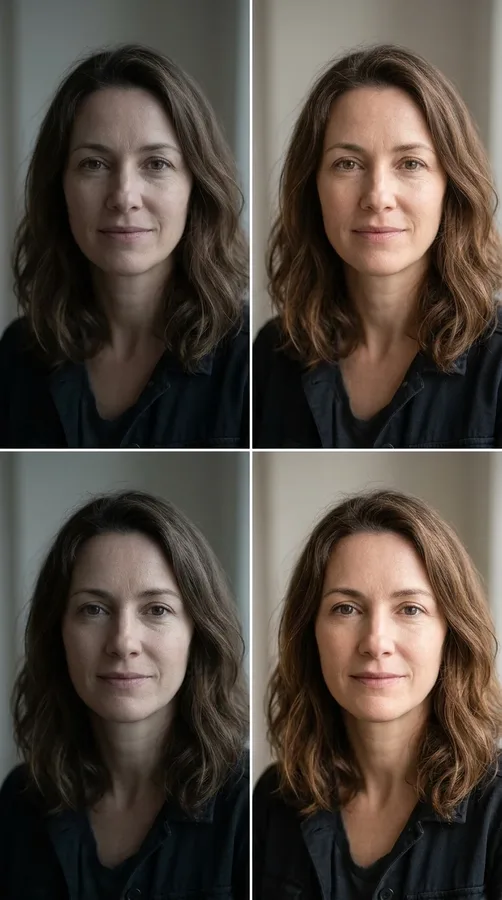
Editing can improve a photograph, but too many adjustments may make it look artificial. Begin with simple corrections to brightness, exposure, and cropping. If the image looks too cool or too warm, make a modest adjustment to the color temperature. Keep skin texture visible, and avoid repeatedly smoothing, reshaping, or sharpening your features. Strong filters can also change clothing colors and make a photograph look inconsistent with real life. Before saving your edits, compare the result with the original image and check whether the changes still look believable. You do not have to remove every blemish or shadow. A natural-looking photograph can be polished while retaining the small details that make your appearance recognizable.
13. Experiment With Camera Distance
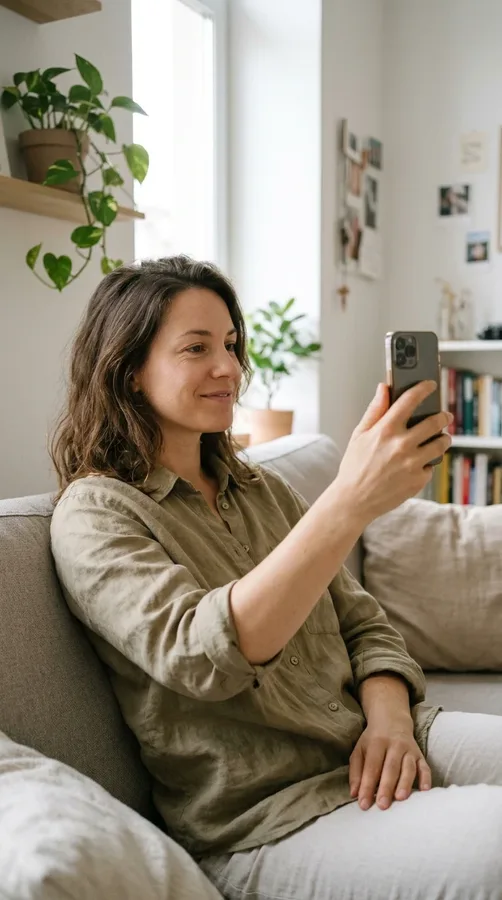
How close you stand to a camera can influence the proportions of a photograph. Very close selfies, especially when taken with a wide-angle phone camera, may exaggerate features nearest to the lens. For a more balanced portrait, move the phone a little farther away and use a suitable timer or remote shutter if needed. You can crop the picture afterward rather than placing the camera extremely close to your face. For full-length photographs, ask the photographer to step back and keep the camera reasonably level instead of tilting it dramatically. Avoid relying on digital zoom if it noticeably reduces image quality. Experiment with a few distances to discover which framing feels natural and suits the photograph you want.
14. Move Instead of Holding Every Pose
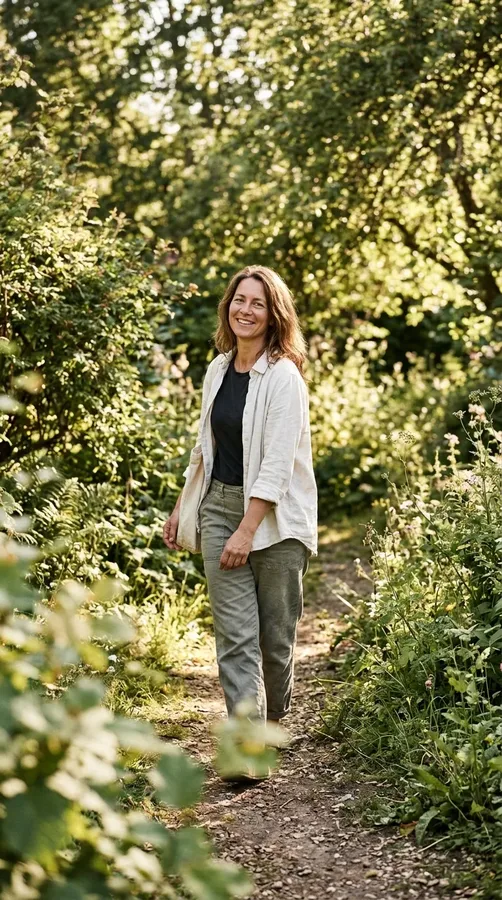
Some of the best photographs happen between formal poses. Rather than freezing in one position, try walking slowly, turning toward the camera, adjusting your jacket, or looking away briefly before returning your gaze. These small movements can help your body relax and create more candid-looking pictures. If someone is taking your photos, ask them to capture several frames while you move naturally. You may find that a spontaneous smile or an unplanned expression looks more appealing than a carefully rehearsed pose. Keep movements gentle and repeat them if necessary, especially in low light where motion can cause blur. The objective is not to perform for the camera but to give yourself permission to move comfortably.
15. Build Confidence Through Practice
Feeling comfortable in photographs often comes with experience rather than a perfect technique. Take occasional pictures in different lighting, outfits, and settings to learn what you enjoy and what feels authentic. You do not need to share every photograph or judge yourself against carefully edited social media images. Instead, look for practical details: Is the lighting soft? Does the background complement the subject? Do you appear relaxed? If a picture does not work, change one element and try again. Over time, you may discover a few reliable poses and settings that make taking photos easier. Remember that a photograph captures one brief moment, not your entire appearance or personality. Confidence grows when you focus on expressing yourself rather than achieving perfection.
Conclusion
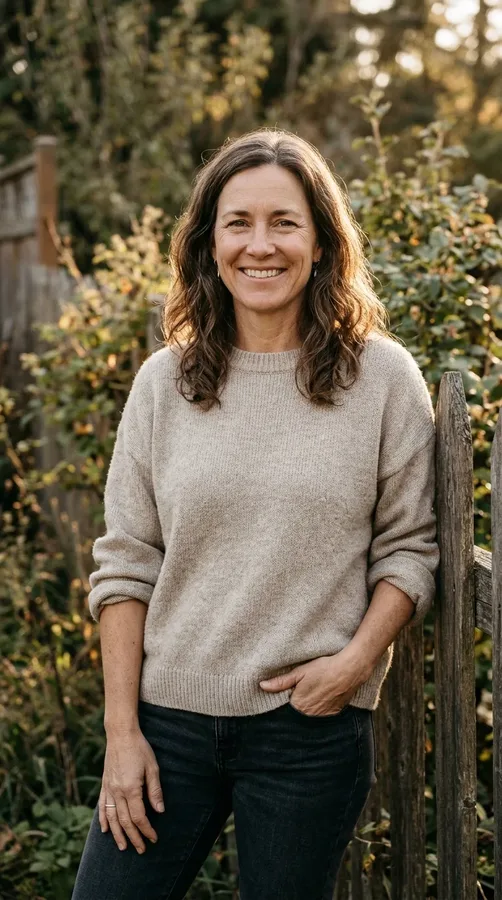
Looking great in photos without overdoing it is all about small, thoughtful choices. Soft lighting, comfortable clothing, natural posture, relaxed expressions, and simple backgrounds can help you create pictures that feel polished and genuine. Keep editing subtle, experiment with camera angles, and give yourself room to move rather than forcing every pose. Most importantly, choose techniques that support your personal style instead of making you feel as though you need to change who you are. With a little practice, you can take more flattering selfies, portraits, and everyday photographs while keeping your appearance natural and your personality at the center.