When winter temperatures drop, keeping your home comfortable without watching your energy bills climb can feel like a challenge. Heating systems often work harder during cold spells, while drafts, poorly insulated windows, and inefficient everyday habits allow valuable warmth to escape. Fortunately, you do not have to choose between a cozy home and lower energy costs. A few practical changes can help you maintain comfortable indoor temperatures while using less energy throughout the season.
Whether you live in a chilly house, a small apartment, or a home with older windows, there are plenty of affordable ways to make winter more manageable. From sealing air leaks and improving insulation to adjusting your thermostat and using warm textiles, these strategies focus on making the most of the heat you already have. Explore these 15 ways to stay warm and save energy during cold winter months, and choose the ideas that best suit your home, climate, and budget.
1. Seal Drafts Around Windows and Doors
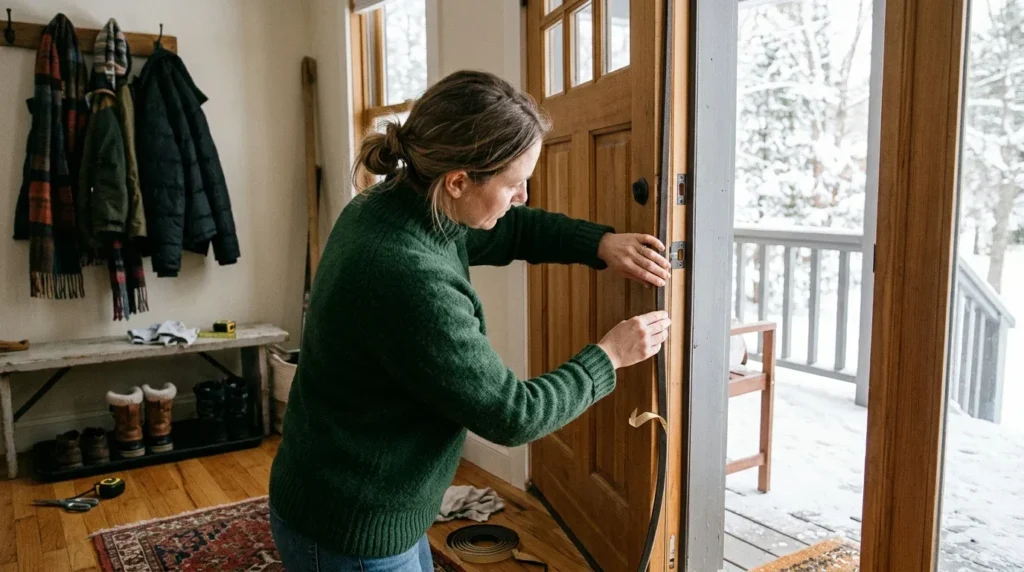
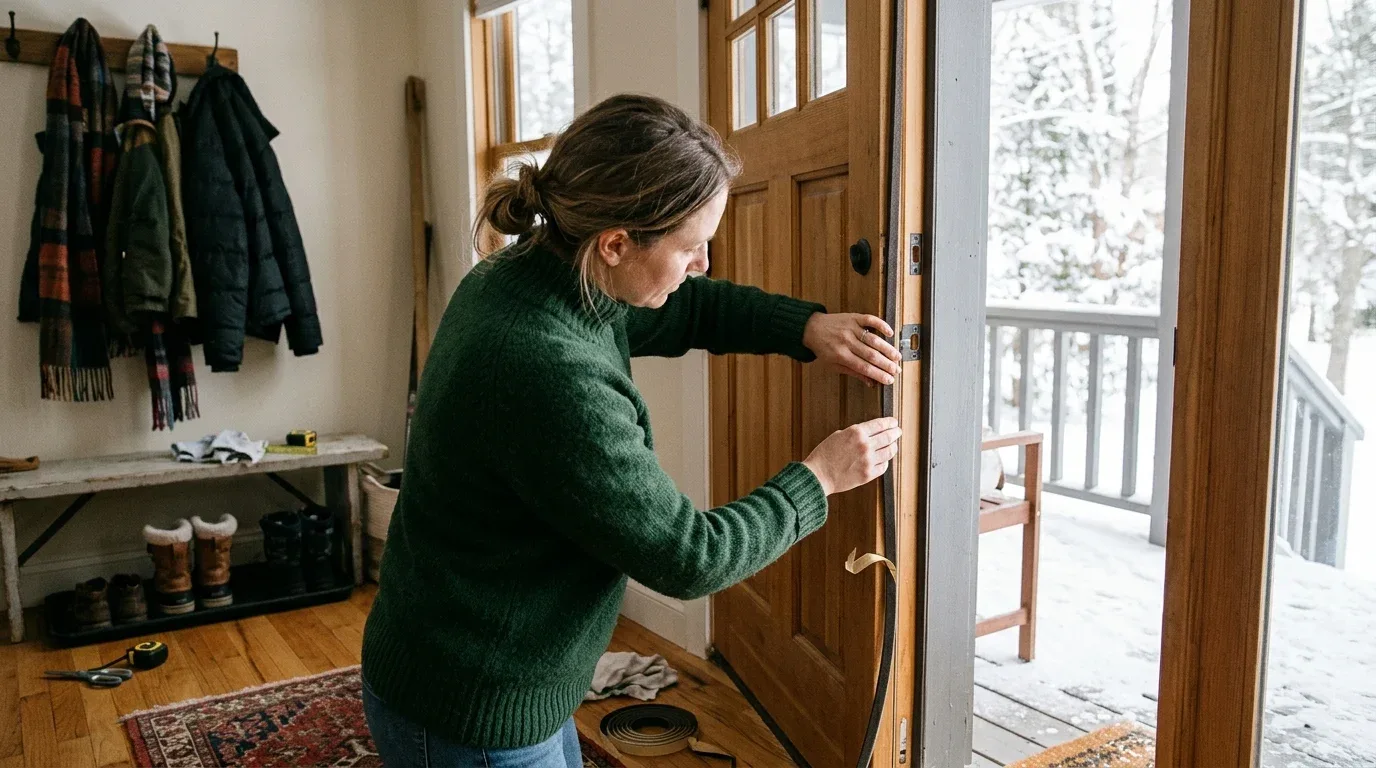
Small gaps around windows and doors can allow cold air to enter and warm air to escape, making rooms uncomfortable even when the heating is running. Check window frames, door edges, and areas where pipes or cables pass through exterior walls. On a breezy day, carefully feel around these spots for noticeable air movement.
Apply suitable weatherstripping around movable window and door frames, and use removable draft seals beneath exterior doors. Caulk can help close stationary gaps around window trim. These inexpensive improvements reduce unwanted air exchange and can make a room feel warmer without increasing the thermostat setting. Follow product instructions and avoid sealing intentional ventilation openings, which are necessary for indoor air quality and safe appliance operation.
2. Set Your Thermostat Strategically
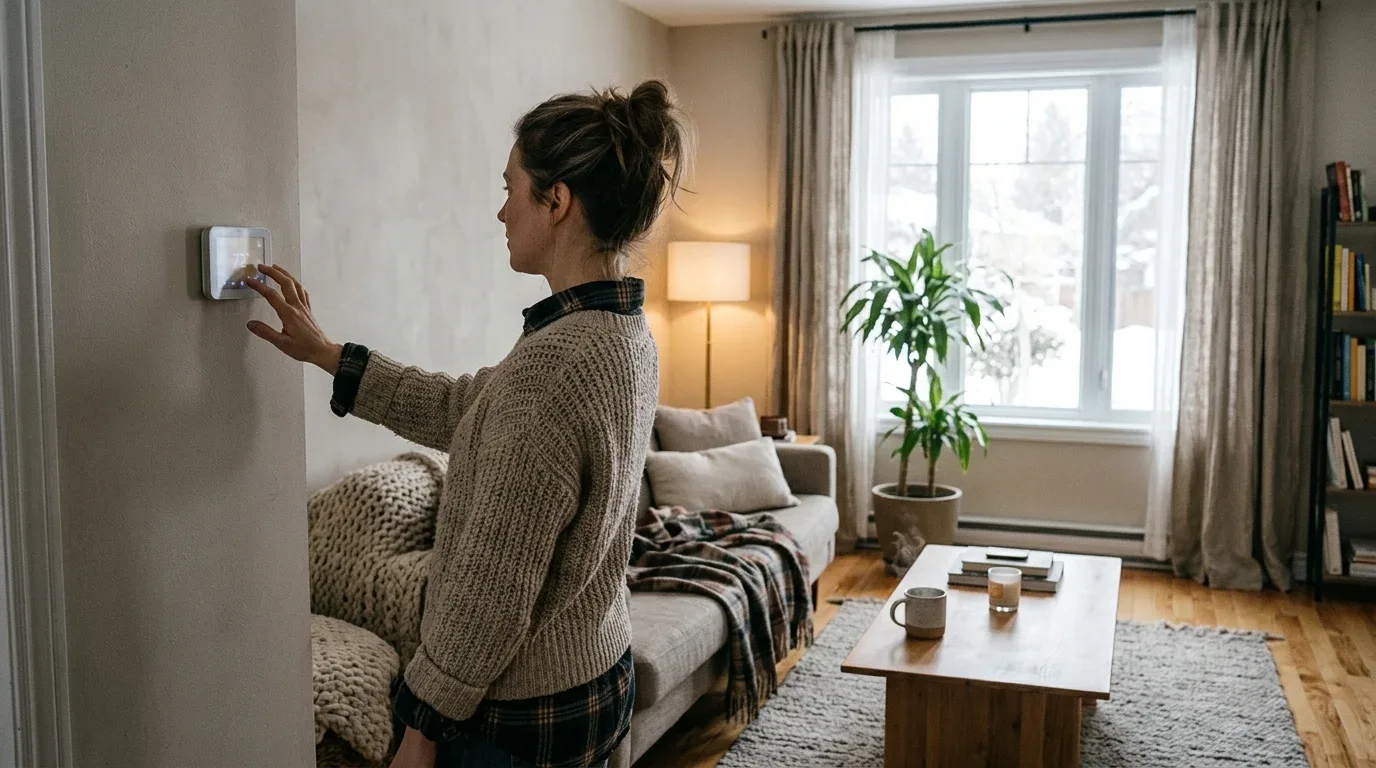
Heating your home to a higher temperature than you need can increase energy consumption. Choose a comfortable setting that works for your household, then lower it when everyone is asleep or away for an extended period. A programmable or smart thermostat can automate these adjustments so you do not have to remember them every day.
For many households, around 68°F (20°C) while awake at home is a useful starting point, although the right setting depends on personal comfort, health, and the outdoor temperature. Lower settings may suit some homes, while infants, older adults, and people with certain health conditions may need warmer conditions. Avoid turning the heat off entirely during freezing weather if doing so could allow pipes to freeze. A steady, sensible schedule can help balance comfort and savings.
3. Make the Most of Natural Sunlight
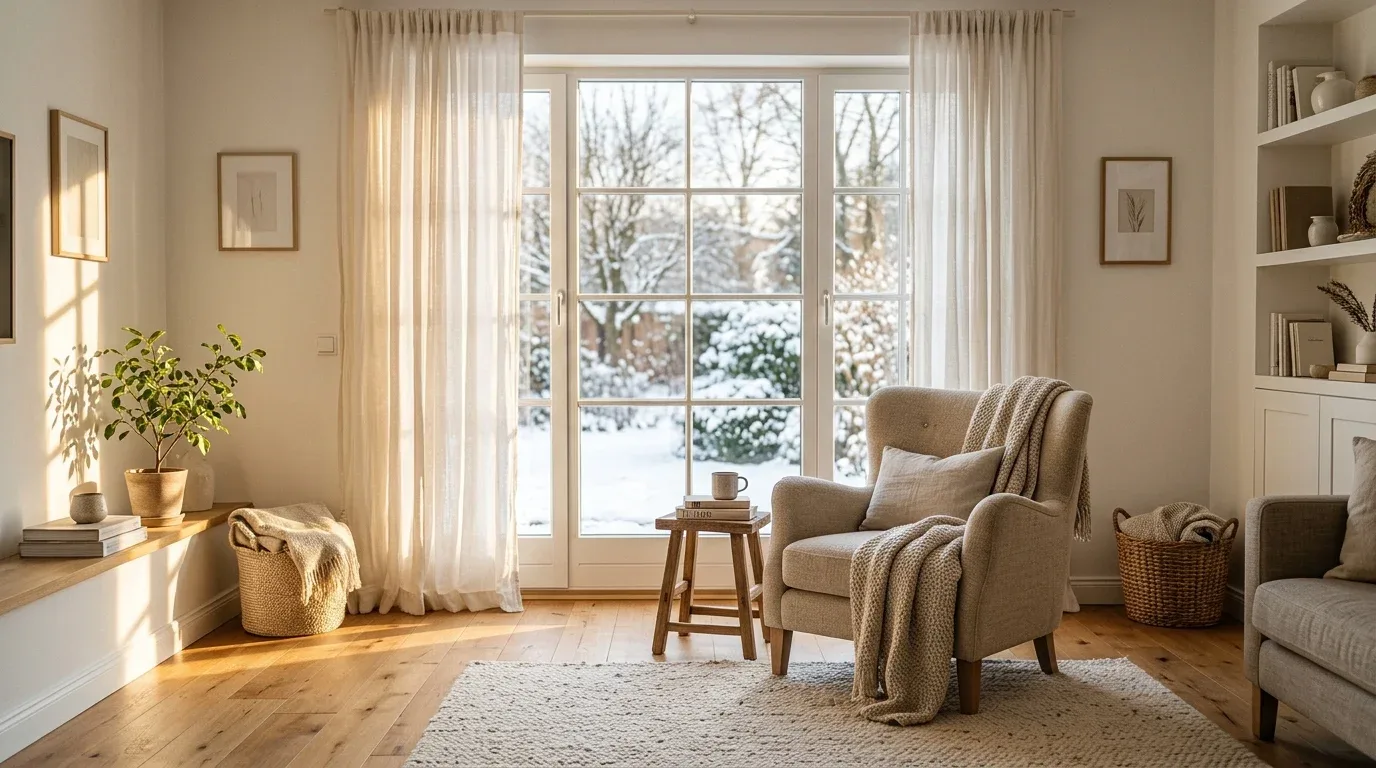
Winter sunshine can provide useful passive warmth, especially through south-facing windows in the Northern Hemisphere. Open curtains and blinds on sunny days to let sunlight reach floors, furniture, and other surfaces that absorb heat. This simple habit can make living areas feel brighter and more comfortable without relying entirely on your heating system.
As the sun sets, close those window coverings to create an extra insulating layer and reduce heat loss through the glass. Keep furniture and heavy decorations from blocking the windows during daylight hours. If direct sunlight is limited, focus on the windows that receive the most light rather than expecting every room to warm up naturally. Remember that sunlight varies with weather, orientation, and season, so combine this approach with draft sealing and other energy-saving measures.
4. Use Thermal Curtains for Better Insulation
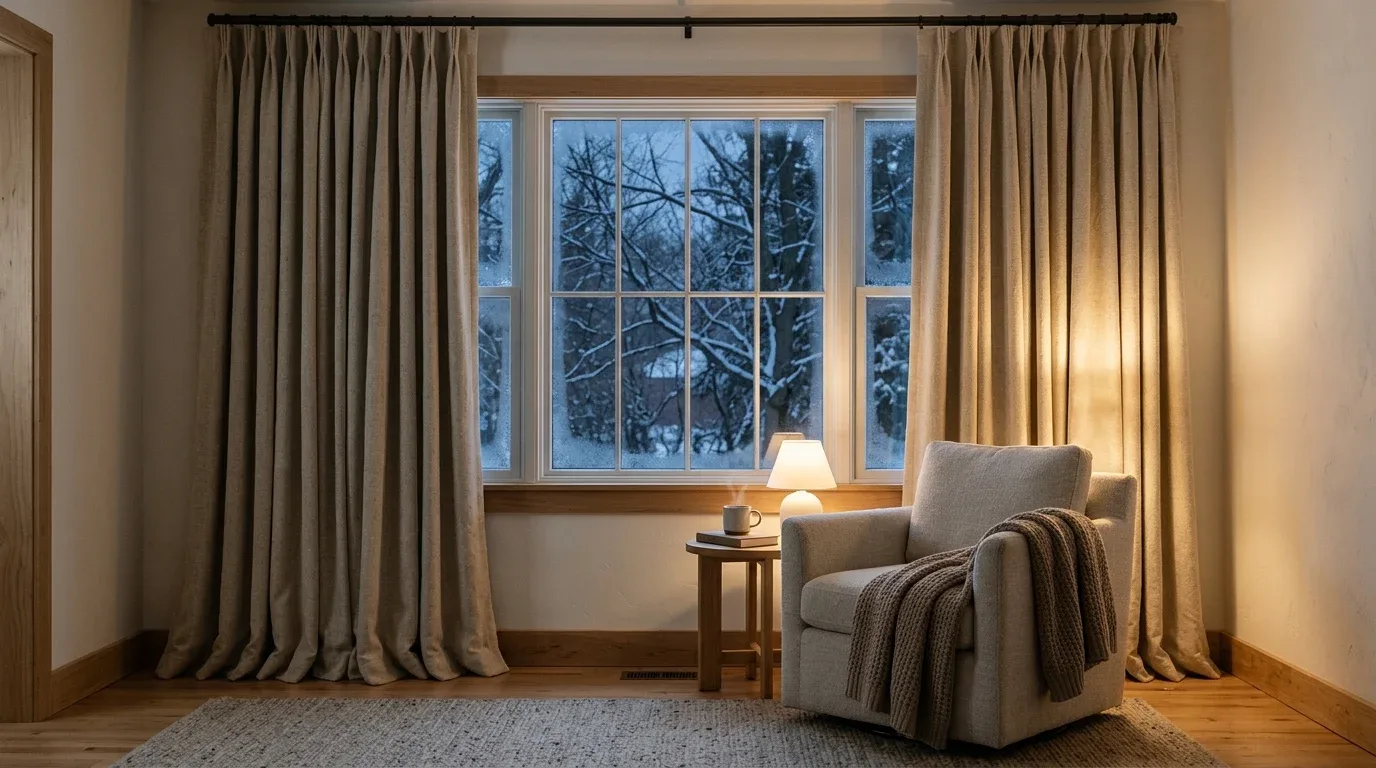
Windows can be a significant source of heat loss, particularly in older homes with single-pane glass. Thermal or insulated curtains add a layer between the room and the cold window surface, helping reduce heat transfer and making nearby seating areas feel more comfortable. Choose curtains that fit the window well and extend sufficiently beyond the frame to limit drafts around the edges.
Keep them open during sunny daylight hours when sunlight can warm the room, then close them before evening temperatures fall. Make sure the fabric does not cover radiators or other heat sources, since blocked airflow can reduce heating efficiency. If buying new curtains is outside your budget, existing lined curtains can still provide some benefit. The goal is to manage window heat loss while maintaining safe, effective circulation throughout the room.
5. Improve Insulation in Key Areas
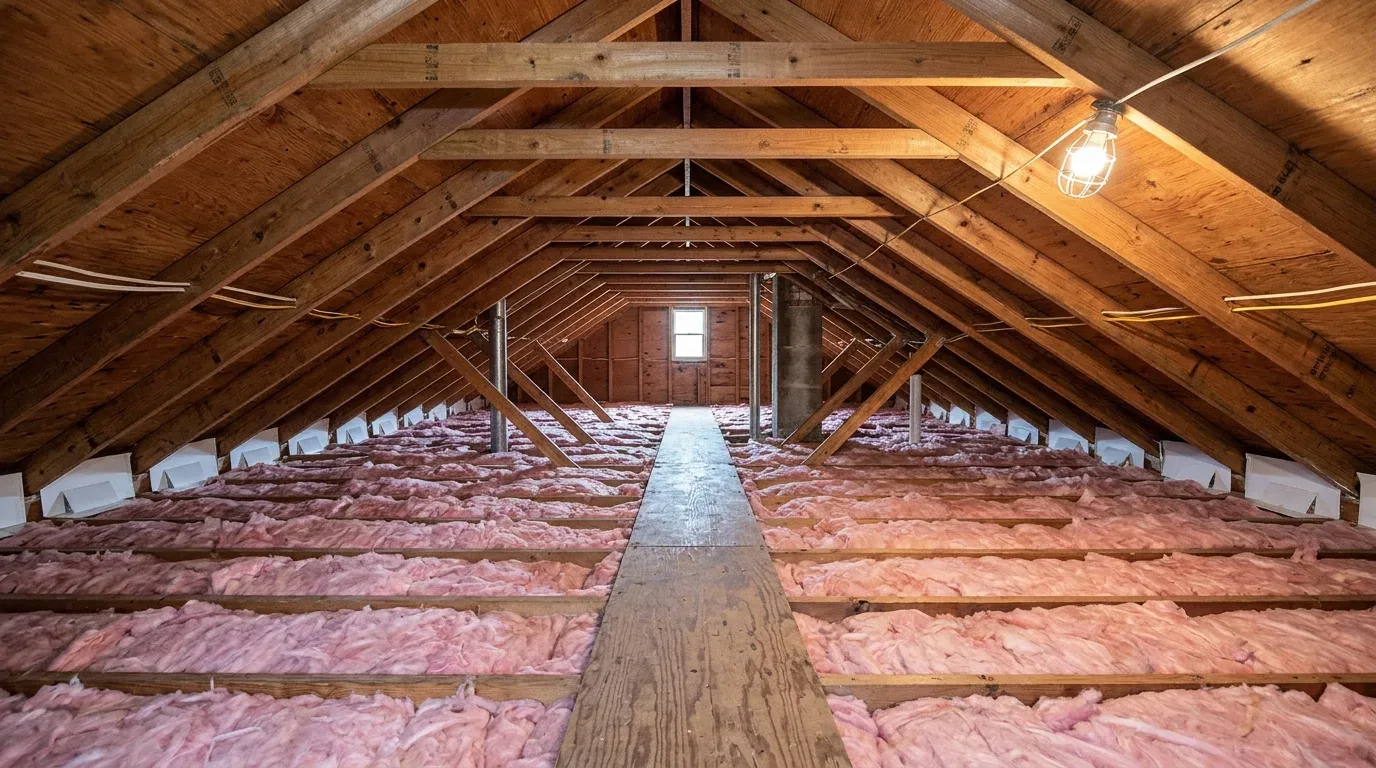
Insulation slows the movement of heat from warmer indoor spaces to colder outdoor areas. If your home loses warmth quickly, check whether the attic, roof space, exterior walls, or floors above unheated areas have adequate insulation. The best improvement depends on your home’s construction, climate, and existing condition.
Start by identifying the areas where heat loss is most likely instead of immediately investing in a whole-house renovation. Attic insulation can be particularly useful in many homes, while insulating exposed pipes and suitable hot-water cylinders can reduce heat loss from domestic hot water. Follow local building requirements and use qualified professionals when necessary, especially around electrical equipment, recessed lighting, or combustion appliances. Proper insulation can improve comfort, reduce heating demand, and make indoor temperatures more consistent throughout the coldest months.
6. Reverse Ceiling Fans to Redistribute Warm Air
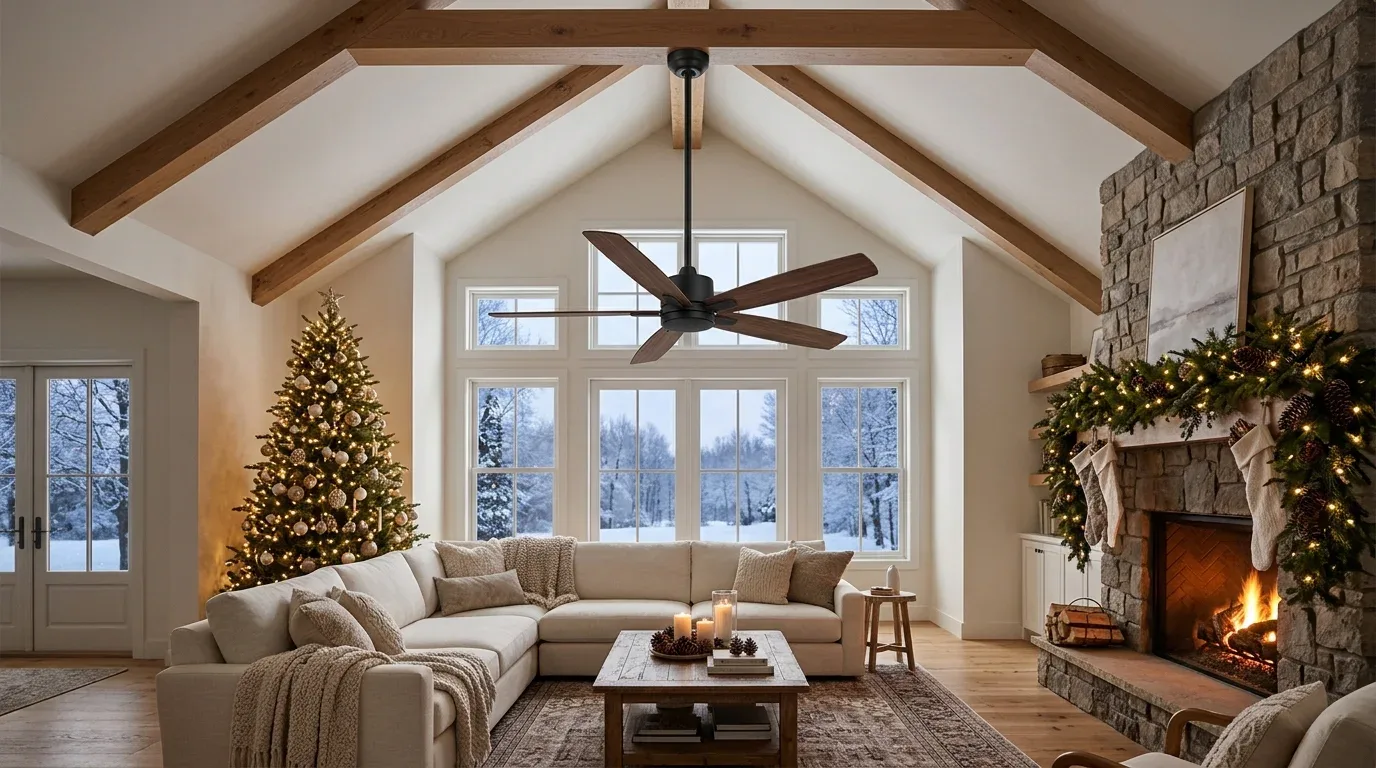
Warm air naturally rises, so rooms with high ceilings can develop a warm layer overhead while the occupied area remains chilly. If your ceiling fan has a winter setting, switch it to rotate clockwise at a low speed when viewed from below, following the manufacturer’s instructions. This can gently move warmer air down along the walls without creating an uncomfortable breeze.
Use the fan only when it helps the room feel more comfortable, because running it unnecessarily consumes electricity. A high speed may create a draft and make occupants feel colder. Fans are particularly useful in rooms with high ceilings or noticeable temperature differences between floor and ceiling. Check the switch or manual before changing the direction, and remember that the fan redistributes existing heat rather than producing additional warmth.
7. Wear Warm Layers Indoors
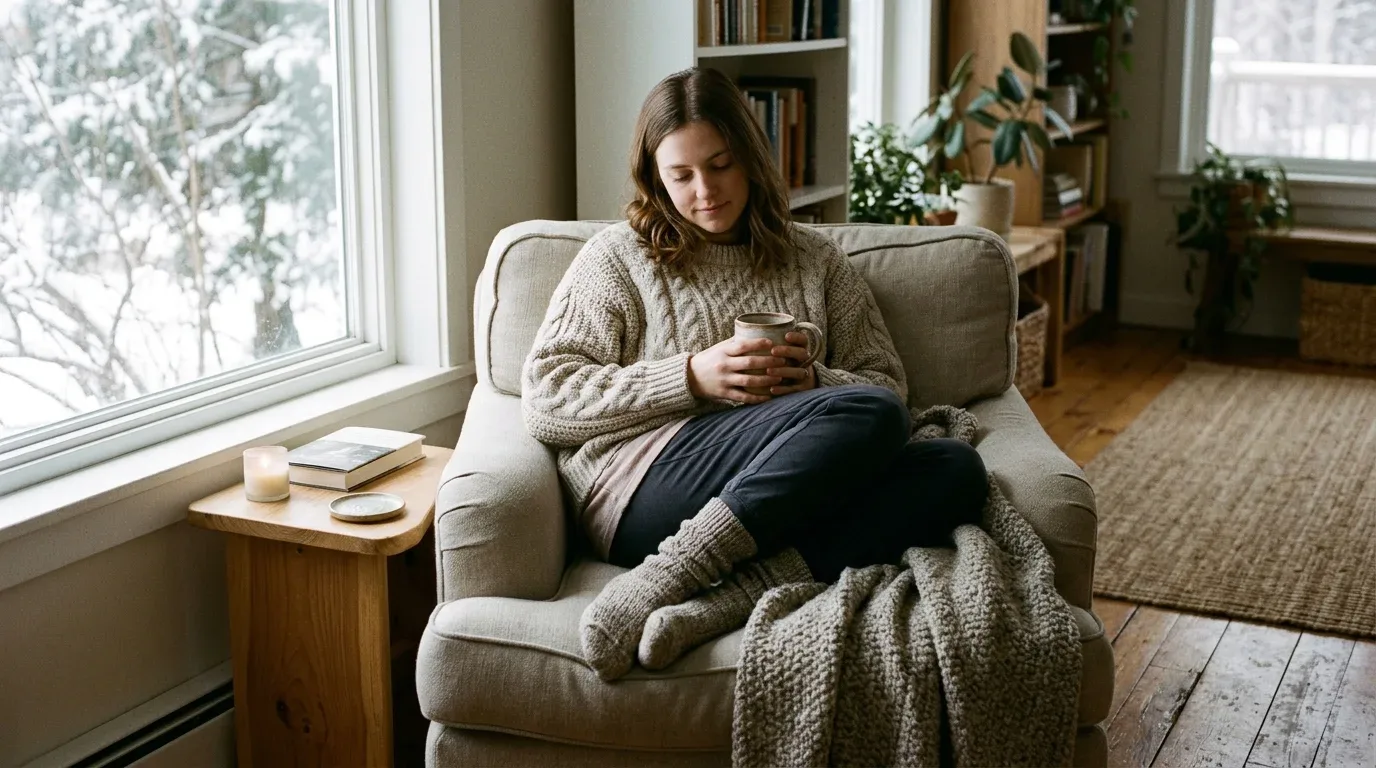
One of the simplest ways to stay warm without raising the thermostat is to dress for the season. Layering traps air close to the body, helping you retain heat while allowing you to adjust your clothing as indoor temperatures change. Start with a comfortable base layer, add a sweater or fleece, and finish with warm socks or slippers.
Choose breathable fabrics that keep you comfortable while working, relaxing, or sleeping. Wool and fleece are useful insulating options, while thermal underwear can be helpful in particularly cold homes. Keep an extra cardigan or blanket near your favorite chair so you can add warmth when sitting still. This approach is especially practical for people who prefer cooler rooms. However, clothing should complement safe indoor heating, not replace adequate warmth for vulnerable household members.
8. Add Rugs to Cold Floors
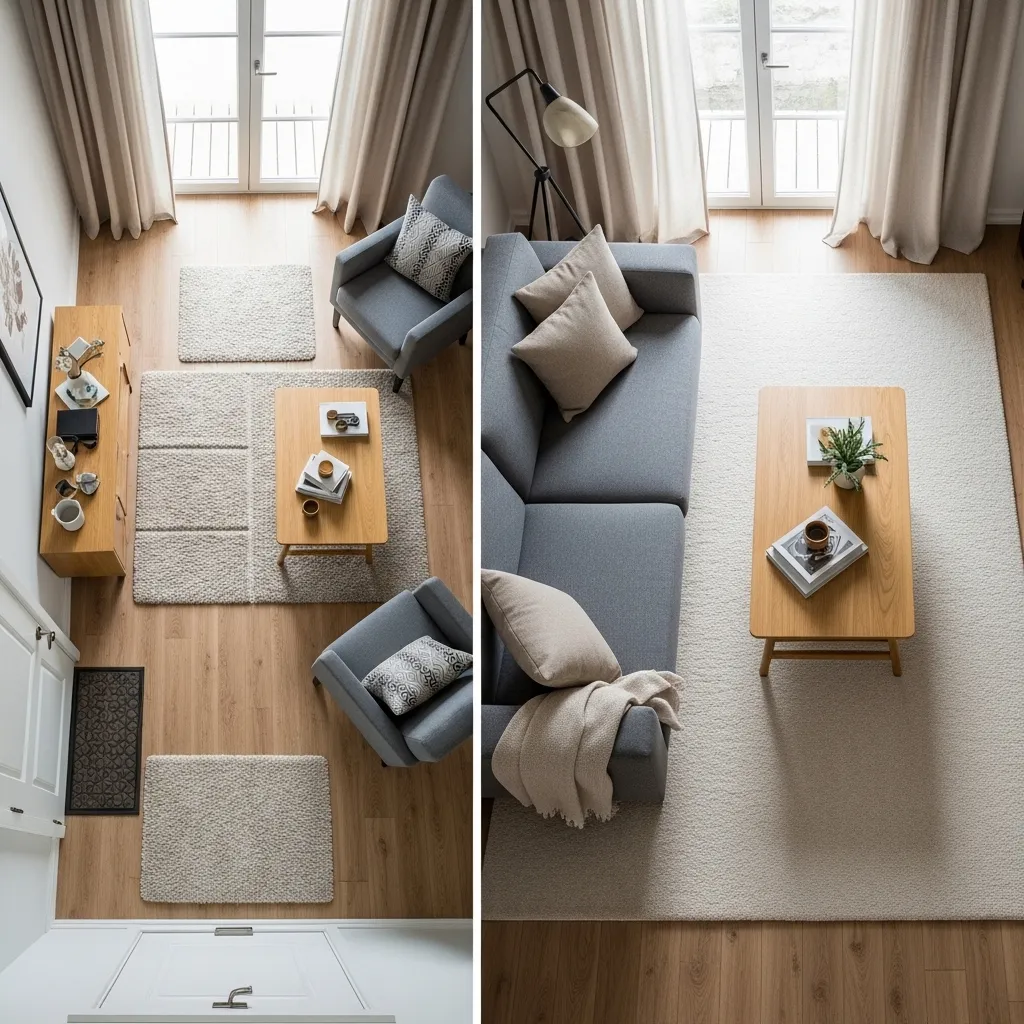
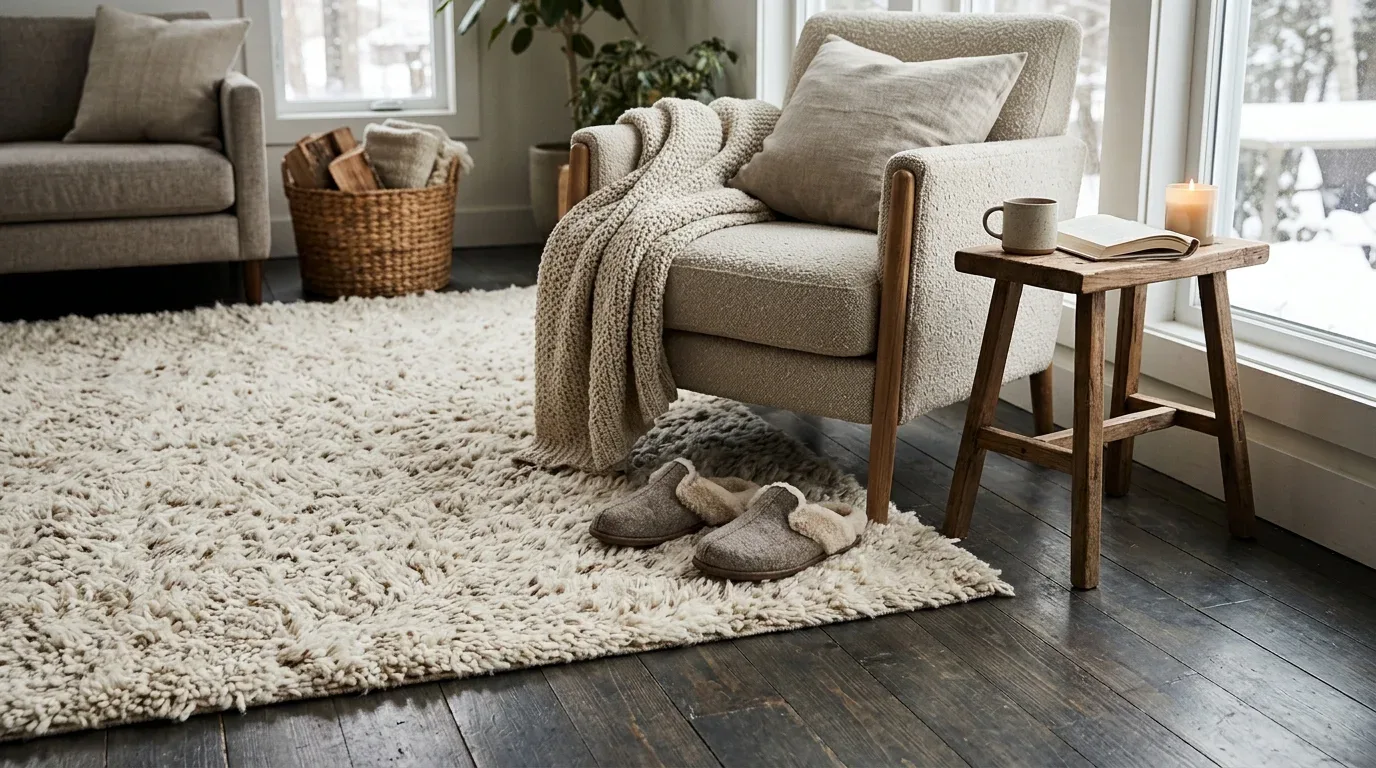
Hard flooring can feel unpleasantly cold during winter, especially when you walk barefoot or spend time sitting near the floor. Area rugs provide a softer, warmer surface underfoot and can reduce the sensation of cold coming from tile, stone, or wood. They are especially helpful in bedrooms, living rooms, and spaces above unheated basements or garages.
Choose a rug that fits the room without obstructing doors or creating tripping hazards. Use an appropriate nonslip pad to keep it securely in place, particularly on smooth flooring. Rugs do not replace proper floor insulation, but they can make a noticeable difference in everyday comfort. If you cannot cover the entire floor, prioritize the places where you stand or sit most often. This small change can help rooms feel cozier without requiring additional heating.
9. Use Blankets and Throws Strategically
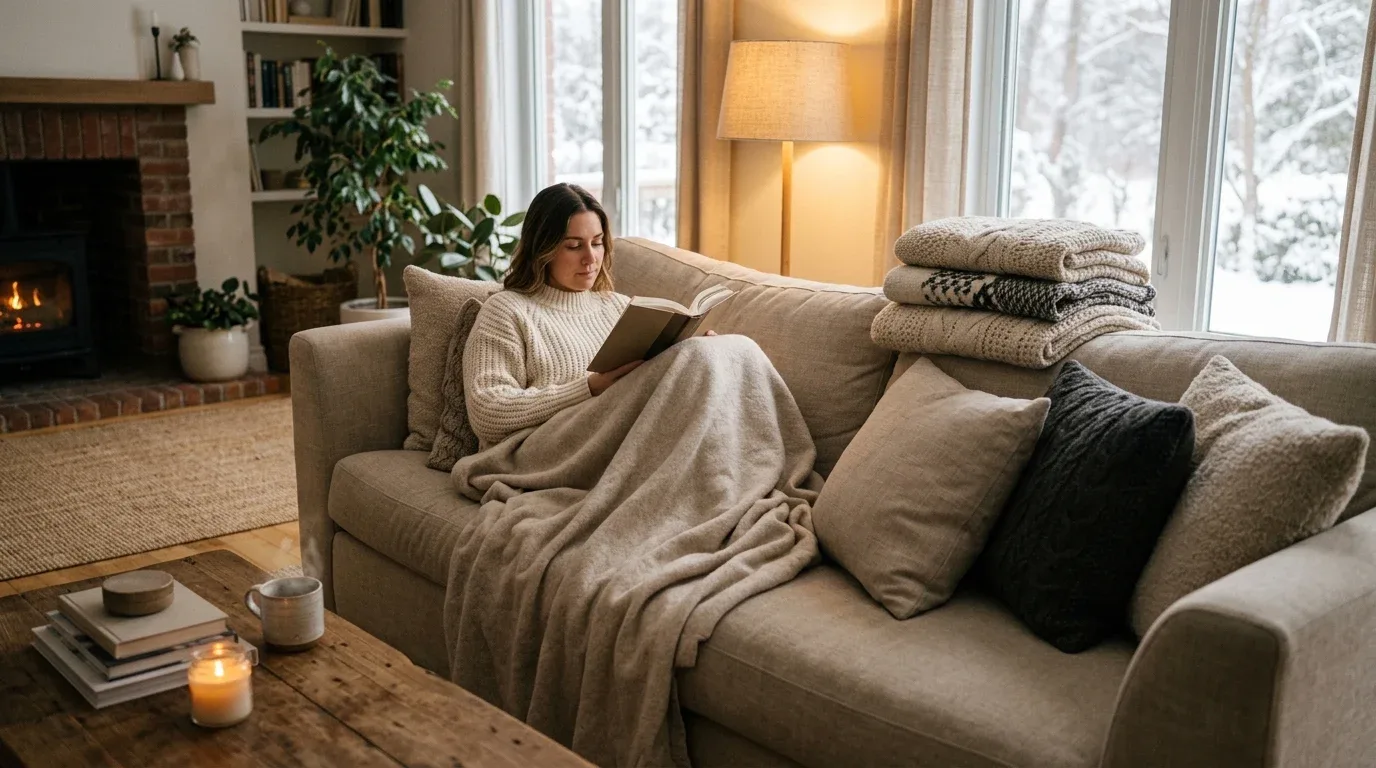
Soft blankets and throws provide targeted warmth without requiring you to heat an entire room to a higher temperature. Keep a fleece, wool, or quilted throw on the sofa, in a reading corner, or beside your bed. When you settle down to watch television or read, covering your lap and shoulders can make a cooler room feel much more comfortable.
Layering blankets on the bed can also help you stay warm overnight while allowing you to keep the bedroom at a comfortable, energy-conscious temperature. Choose breathable bedding and adjust the layers to prevent overheating. Wash and store blankets according to their care labels so they remain fresh throughout the season. Keep textiles away from fireplaces, portable heaters, candles, and other heat sources. Used thoughtfully, blankets offer flexible warmth exactly where you need it.
10. Maintain Your Heating System
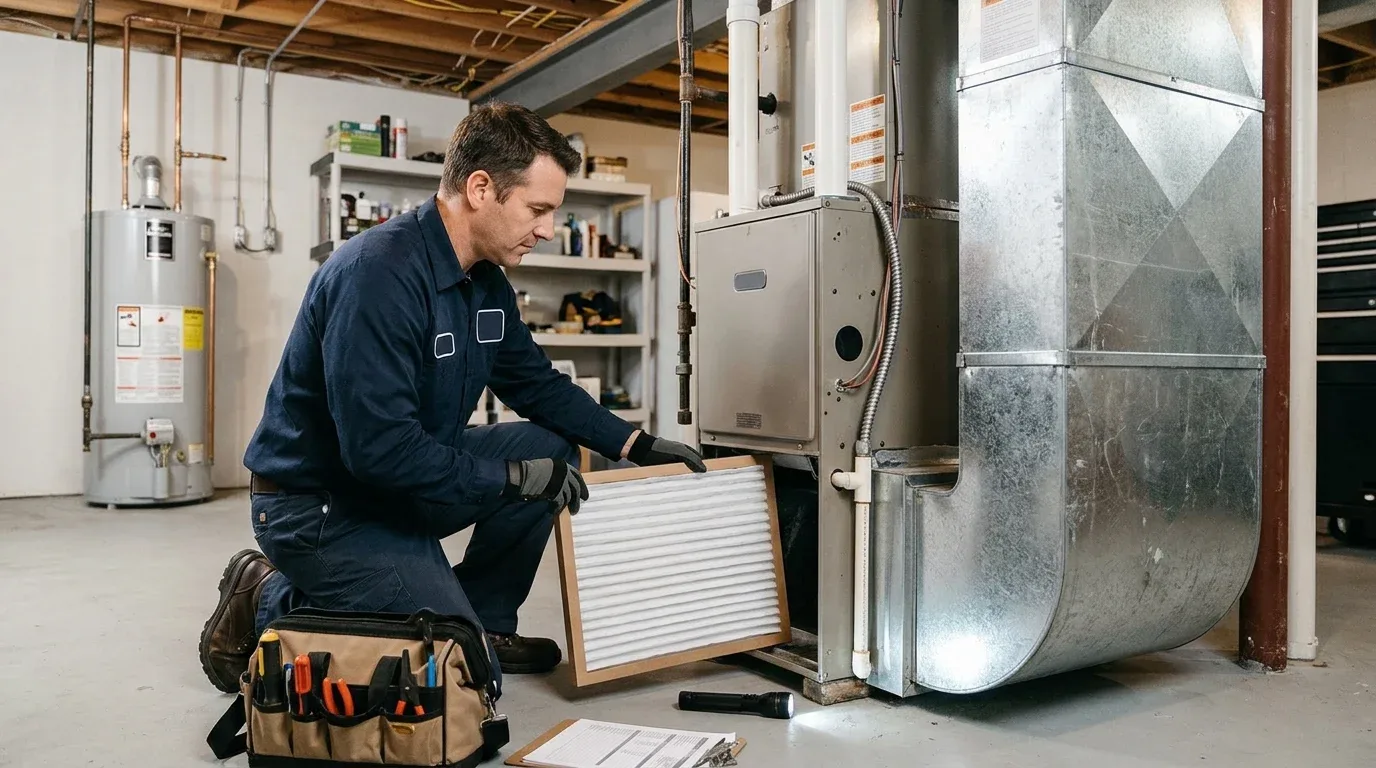
A well-maintained heating system can provide more reliable warmth and help prevent avoidable energy waste. Check your furnace or heat pump filter according to the manufacturer’s schedule, replacing or cleaning it when needed. A dirty filter can restrict airflow and make the equipment work harder. Keep vents and radiators clear of furniture, curtains, dust, and other obstructions so heat can circulate effectively.
Arrange professional maintenance at the recommended intervals, particularly before the coldest weather arrives. A qualified technician can inspect system components, identify developing problems, and check that equipment operates safely. If some rooms remain cold despite adequate heating, the issue may involve airflow, insulation, or system sizing rather than the thermostat alone. Do not attempt repairs involving gas connections or electrical components unless you are qualified. Regular maintenance supports comfort, reliability, and efficient winter heating.
11. Close Off Unused Rooms Carefully
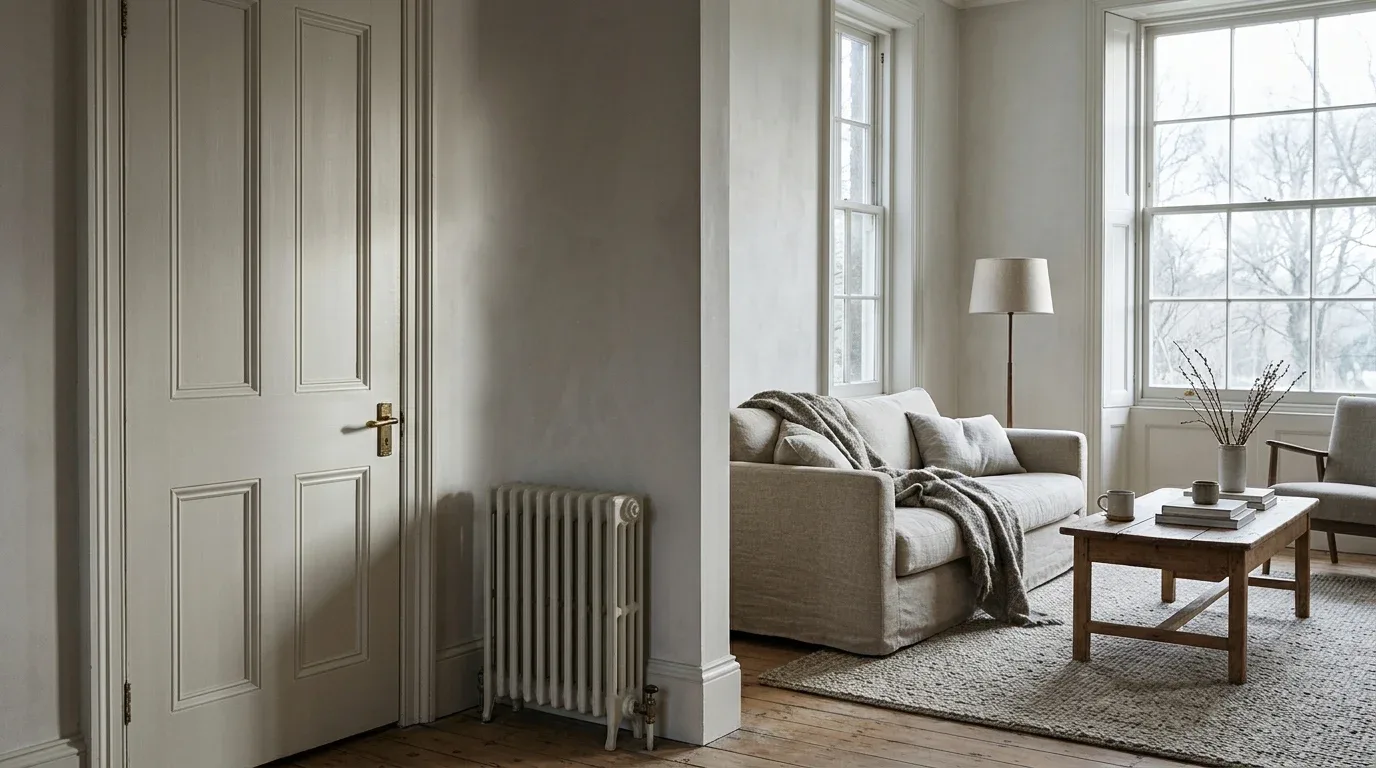
If your home has rooms that are rarely used, you may be able to reduce unnecessary heating in those spaces. Keep doors closed where appropriate and adjust individual room controls if your heating system is designed to support zoning. Concentrating comfort in frequently occupied areas can make daily life more practical without heating every space to the same temperature.
However, do not close vents or shut off radiators indiscriminately. Some heating systems require balanced airflow, and excessive restriction can reduce efficiency or damage equipment. Never leave a room so cold that water pipes could freeze, and be cautious about rooms containing plumbing on exterior walls. Follow the recommendations for your particular system and maintain adequate ventilation. The aim is to manage heat thoughtfully, not to create cold spots that could lead to dampness, condensation, or costly pipe damage.
12. Cook and Bake Efficiently
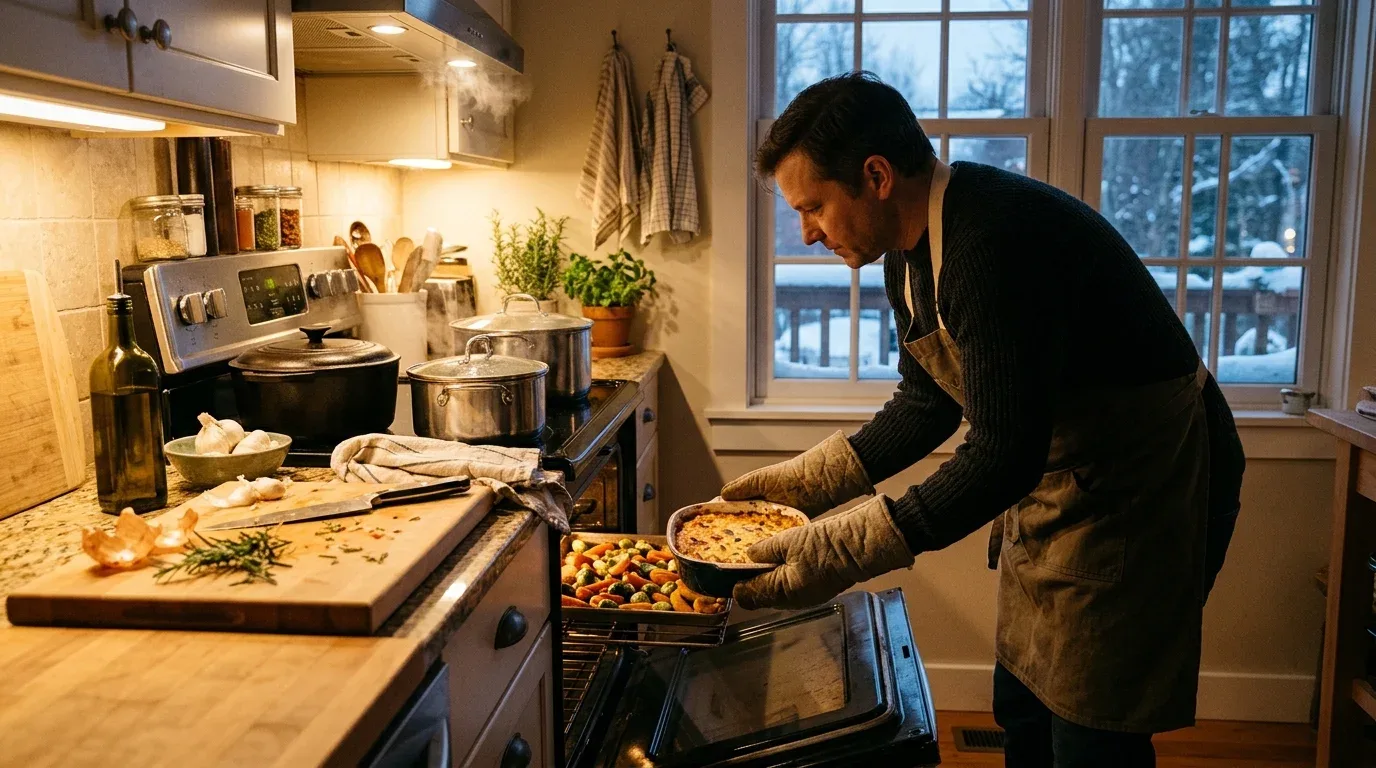
Preparing winter meals at home can make your kitchen feel inviting, and cooking appliances may release some heat into the surrounding space. When practical, plan several dishes together so you can use the oven for multiple items during one heating cycle. Keep the oven door closed while cooking, because opening it repeatedly releases heat and can affect cooking performance.
Use lids on stovetop pots to help food cook efficiently, and choose an appropriately sized burner for the pan. After cooking, let appliances cool naturally rather than using them as space heaters. Never leave an oven, stovetop, or other cooking appliance running solely to warm a room. Gas ovens and burners can create dangerous combustion pollutants and carbon monoxide, while unattended cooking increases fire risk. Enjoy the comfort of a warm kitchen while keeping cooking appliances reserved for their intended purpose.
13. Reduce Heat Loss From Hot Water
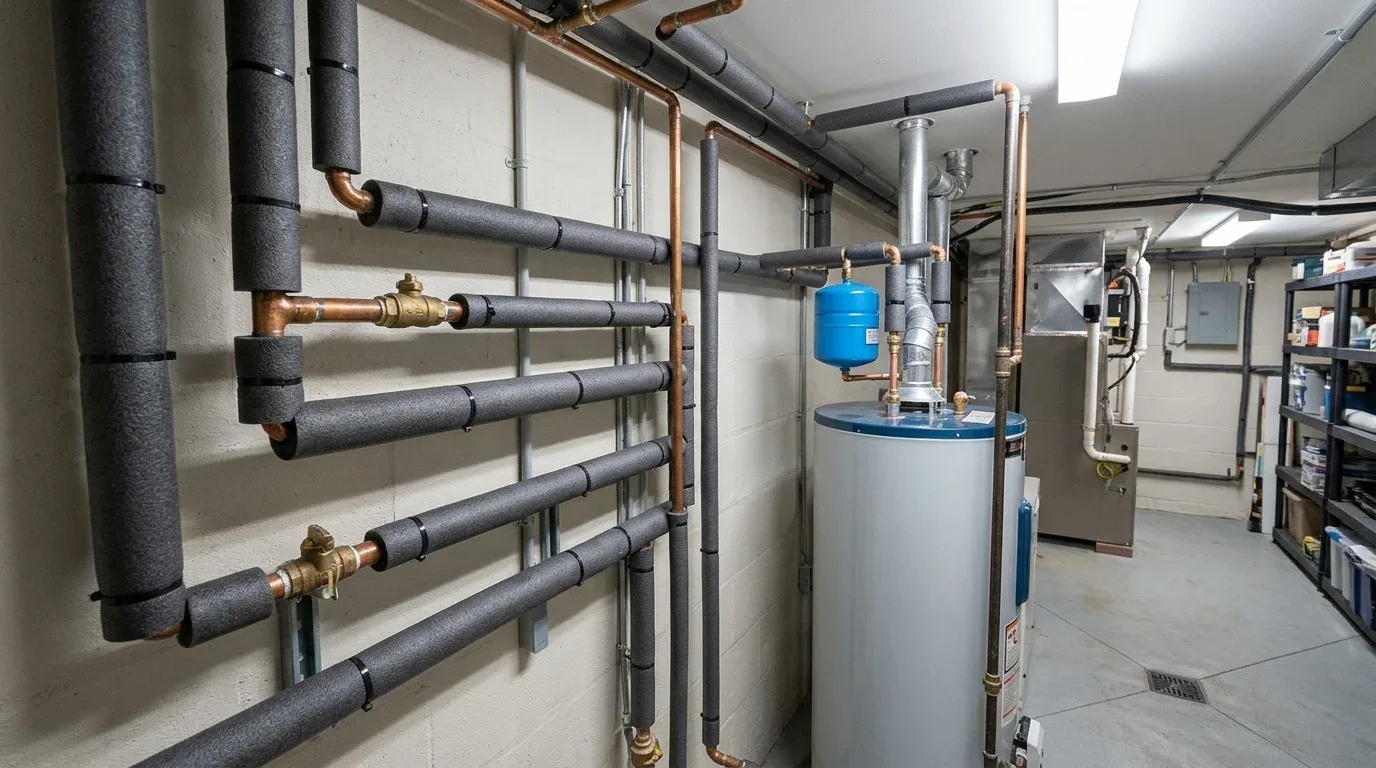
Winter energy use is not limited to space heating. Hot water for showers, dishes, and laundry also requires energy, and insulated plumbing can help retain heat as water travels through your home. Where accessible and appropriate, insulate exposed hot-water pipes using correctly sized pipe insulation, particularly in unheated basements, garages, or utility spaces.
If you have a storage water heater, check the manufacturer’s recommendations to determine whether an insulating jacket is suitable for your model. Modern units may already have sufficient insulation, and some appliances should not be covered. Fix dripping hot-water taps, install efficient showerheads where appropriate, and wash clothes in cooler water when suitable for the fabric and hygiene requirements. These measures reduce hot-water demand without sacrificing everyday comfort. If adjusting water-heater settings, follow manufacturer guidance and local recommendations for safe water temperatures.
14. Choose Energy-Efficient Supplemental Heating Safely
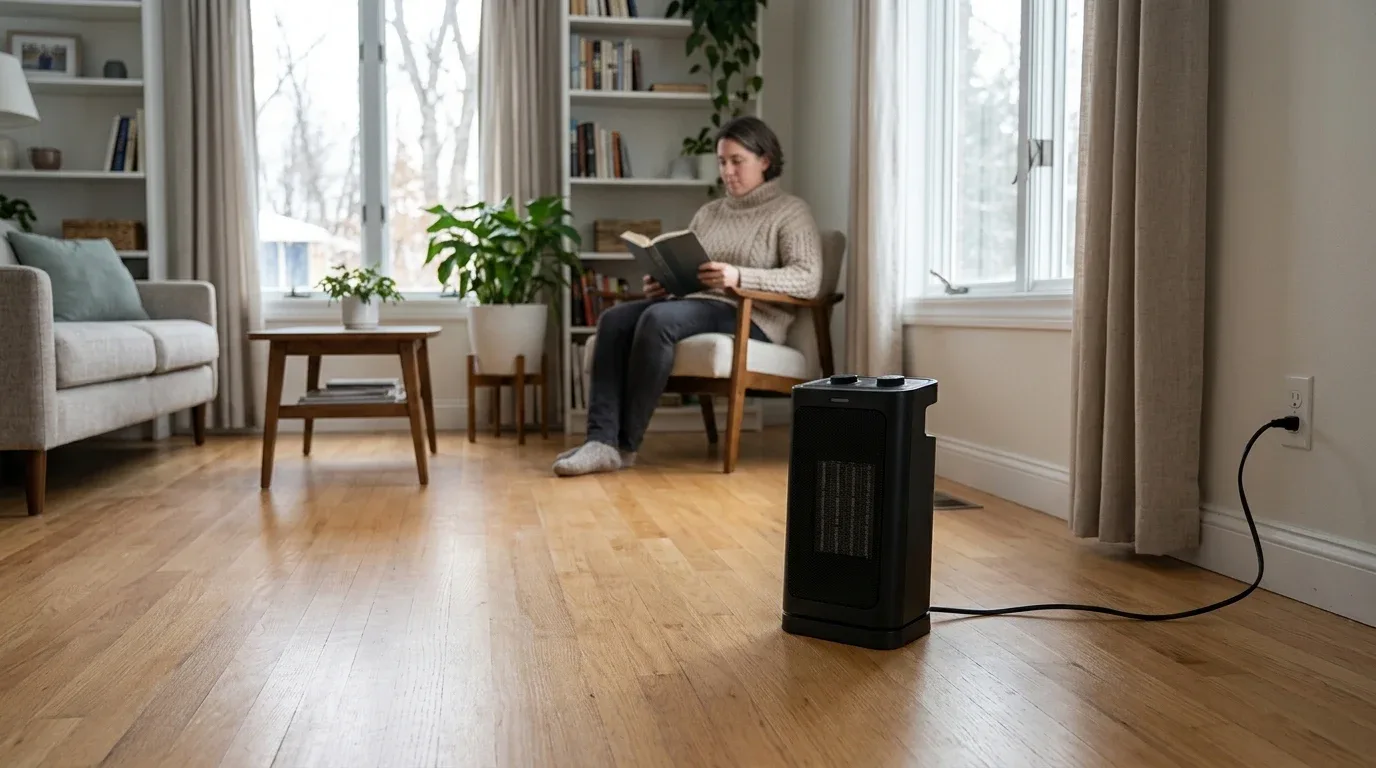
For a chilly room that needs occasional extra warmth, a properly sized electric space heater may provide targeted heat without requiring you to raise the temperature throughout the home. Choose a model with recognized safety certification, tip-over protection, and overheat protection. Use it only according to the manufacturer’s instructions, and consider whether heating the room with your central system would be more efficient.
Place portable heaters on a stable, level surface away from bedding, curtains, furniture, and other combustible materials. Keep them at least three feet (about one metre) from anything that can burn, unless the manufacturer specifies a greater clearance. Plug electric heaters directly into a suitable wall outlet rather than an extension cord or power strip, and never leave them operating unattended or while sleeping. Never use outdoor fuel-burning heaters, grills, or generators indoors. Safe use is essential to making supplemental heat worthwhile.
15. Monitor Energy Use and Tackle Small Improvements
Understanding when and where your home uses energy can help you choose the changes that offer the greatest benefit. Review your utility bills and compare usage across similar billing periods, accounting for changes in weather and household routines. If your utility provides hourly or daily usage data, look for patterns that suggest heating is running more than expected.
Make a short winter checklist that includes replacing filters, checking weatherstripping, closing curtains at night, and adjusting thermostat schedules. A simple indoor thermometer can help you compare temperatures between rooms and identify persistent cold spots. If your energy costs remain unusually high, consider a home energy assessment to uncover insulation gaps, air leaks, or equipment problems. Focus on improvements that suit your budget and climate, and make one change at a time so you can judge what helps. Small, consistent habits can add up over a full winter.

Conclusion
Staying warm during cold winter months does not have to mean accepting unnecessarily high energy bills. By sealing drafts, improving insulation, using sunlight wisely, maintaining heating equipment, and dressing in comfortable layers, you can make your home feel warmer while reducing avoidable energy use. Start with inexpensive changes that address the biggest sources of discomfort, then consider larger improvements as your budget allows. Keep safety in mind, especially when using supplemental heaters or managing indoor temperatures around vulnerable household members and exposed plumbing. With a few thoughtful adjustments and consistent winter habits, you can create a cozy, energy-conscious home throughout the season.