A clean wood fence can instantly make your yard look fresher, brighter, and better cared for. However, outdoor wood collects dirt, pollen, mildew, algae, and weather stains that ordinary rain cannot remove. While pressure washing might seem like the quickest solution, excessive water pressure can strip away soft wood fibers, leave visible marks, and damage an aging fence. Fortunately, there are several effective ways to clean a wood fence without pressure washing, using simple tools and appropriate cleaning solutions.
Whether your fence is cedar, pine, redwood, or another common outdoor wood, the best cleaning method depends on its condition and the type of buildup present. A garden hose, soft-bristled brush, mild soap, and a little patience can often deliver excellent results. The following wood fence cleaning methods cover everything from routine maintenance to stubborn green growth and dark stains. With careful cleaning and proper drying, you can improve your fence’s appearance while helping preserve the wood for years to come.
1. Start with a Gentle Garden Hose Rinse
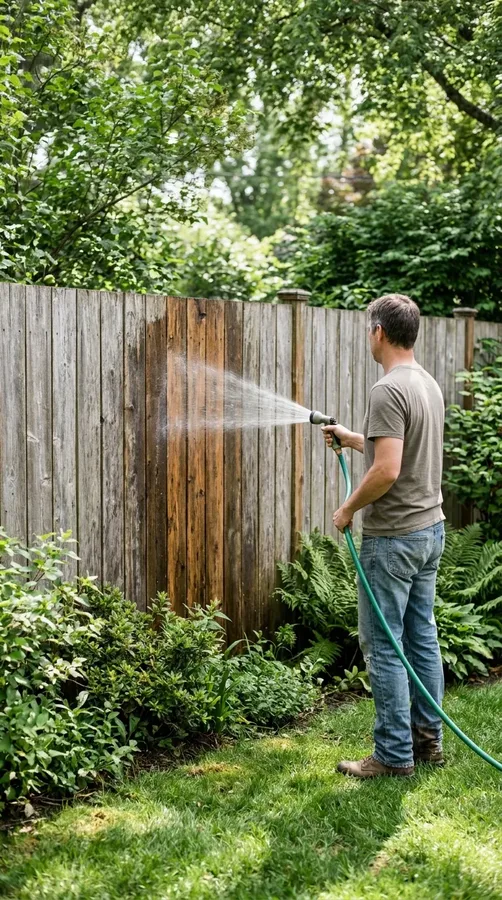
A garden hose is one of the easiest ways to remove loose dirt without putting unnecessary stress on wooden boards. Begin at the top of the fence and work downward, using a gentle, steady stream rather than a concentrated jet. This helps carry away dust, pollen, cobwebs, and loose debris before you begin scrubbing.
Keep the nozzle on a shower or gentle-rinse setting, and avoid directing water into cracks or underneath loose boards. A hose rinse alone may be sufficient for a fence that receives regular maintenance and has only light surface dirt. For heavily soiled areas, treat this as the preparation stage before applying a suitable cleaning solution. Allow the wood to dry enough to assess any remaining stains.
2. Use Mild Dish Soap and Warm Water
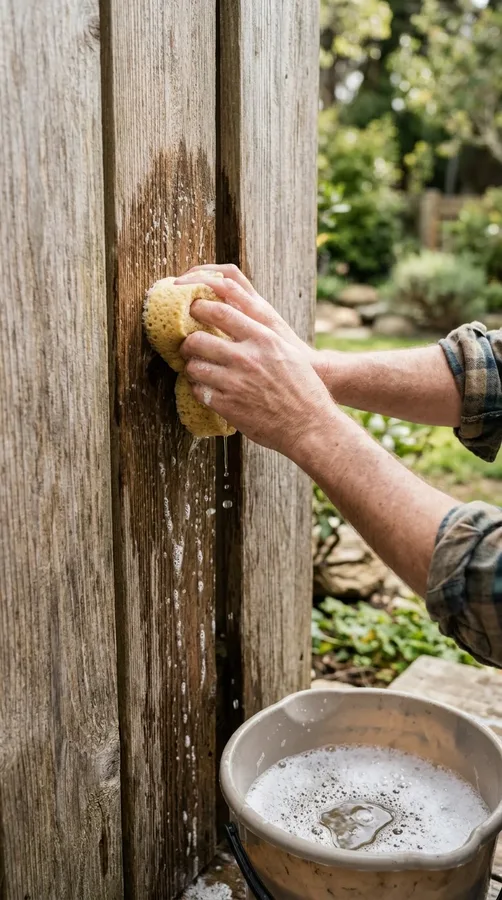
For everyday grime, a mixture of warm water and a small amount of mild dish soap is an affordable wood fence cleaner. Add a few drops of soap to a bucket of water and stir gently to create a light cleaning solution. Avoid excessive detergent, which can leave residue that attracts dirt or requires additional rinsing.
Dip a soft sponge or cloth into the mixture, wring out excess water, and wipe the boards from top to bottom. Work in manageable sections so the solution does not dry on the surface. Rinse each section with clean water before moving on. This method works particularly well on painted, stained, or unfinished wood with ordinary dirt, although delicate finishes should always be tested first.
3. Scrub with a Soft-Bristled Brush
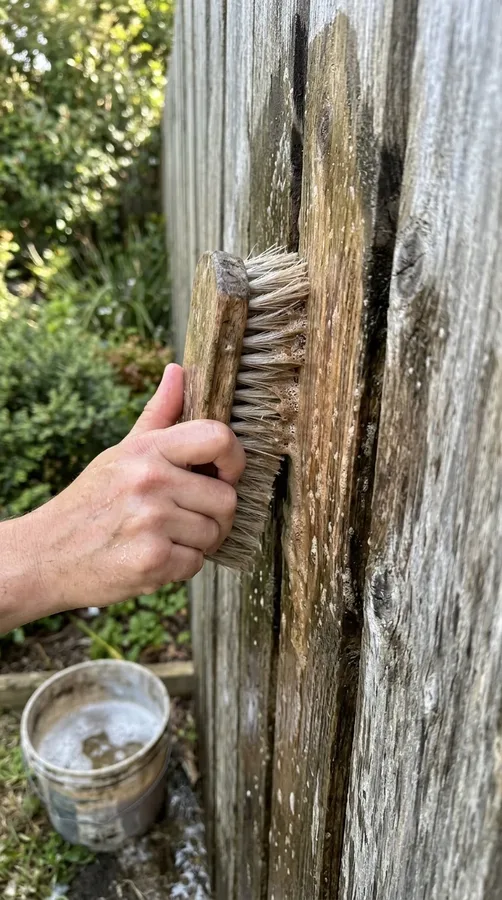
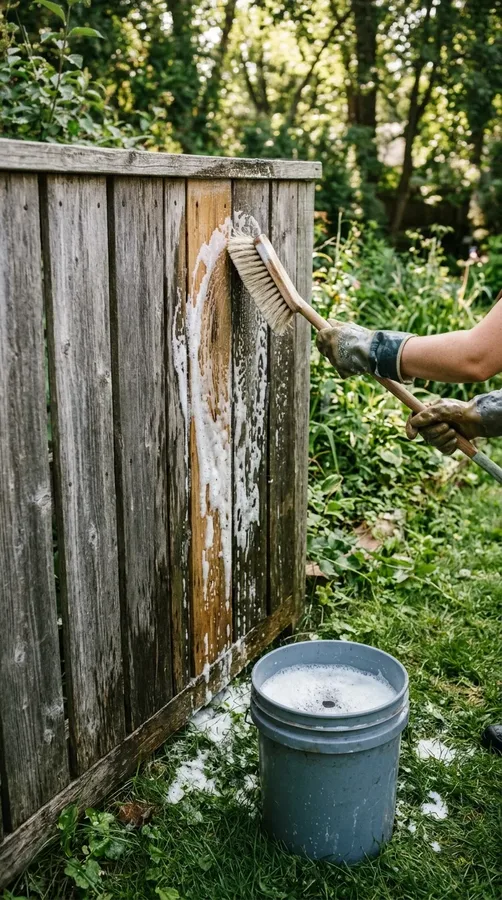
A soft-bristled outdoor cleaning brush provides extra scrubbing power while remaining gentler than abrasive pads or stiff wire brushes. It is especially useful for removing dirt trapped in wood grain, narrow grooves, and the textured surfaces of older fence boards.
Wet the area with water or your chosen mild cleaning solution, then scrub with the grain using controlled, overlapping strokes. Apply only enough pressure to loosen the buildup without scratching the surface or raising the wood fibers. Rinse the brush frequently so collected grit does not rub against the fence. Avoid wire brushes and harsh scouring tools because they can leave scratches, expose fresh wood, and damage protective finishes. A soft brush is a reliable choice for regular fence maintenance.
4. Remove Cobwebs, Dust, and Loose Debris First
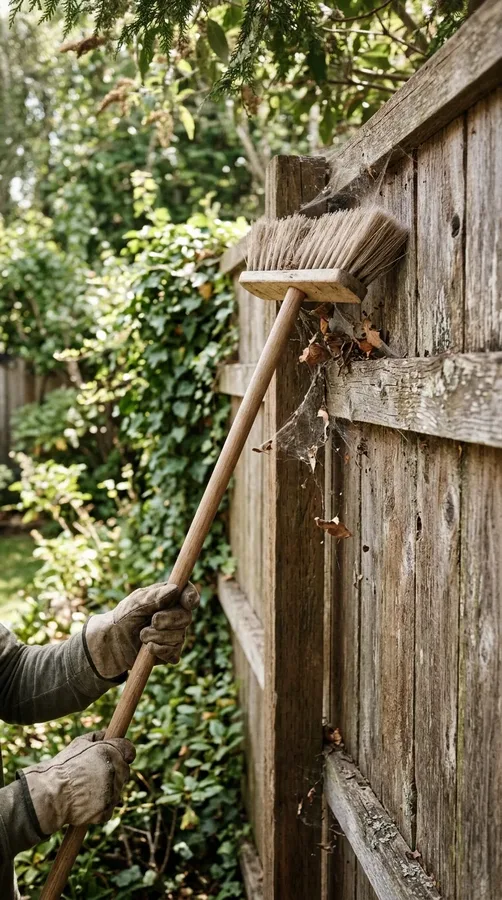
Sometimes, a fence looks dirtier than it really is because cobwebs, dried leaves, and dust have accumulated around posts, rails, and corners. Before introducing water, use a soft broom, hand brush, or microfiber cloth to remove this loose material. A long-handled brush makes it easier to reach upper boards without climbing on unstable objects.
Pay attention to the joints between boards, the tops of posts, and the spaces around hinges or gates. Clearing debris first prevents dry particles from turning into muddy streaks during washing. It also helps you spot peeling paint, loose nails, splintering boards, and areas that need repairs. This simple preparation step reduces the amount of water and scrubbing required later, making the entire cleaning process more efficient.
5. Clean Green Algae with a Suitable Wood Cleaner
Green patches often appear on fence boards that remain damp or receive limited sunlight. These patches may be algae, although similar discoloration can come from other biological growth. Choose an exterior wood cleaner labeled as suitable for your fence material and the type of buildup you are treating. Follow the product’s dilution, application, and contact-time instructions carefully.
Apply the cleaner with a sponge or soft brush, concentrating on affected areas without soaking the wood unnecessarily. Gently scrub, then rinse thoroughly if the label requires rinsing. Keep the solution away from plants and lawn areas unless the manufacturer confirms it is safe for them. Wear appropriate gloves and eye protection. Improving drainage, trimming overhanging vegetation, and allowing more sunlight to reach the fence can help reduce recurring green growth.
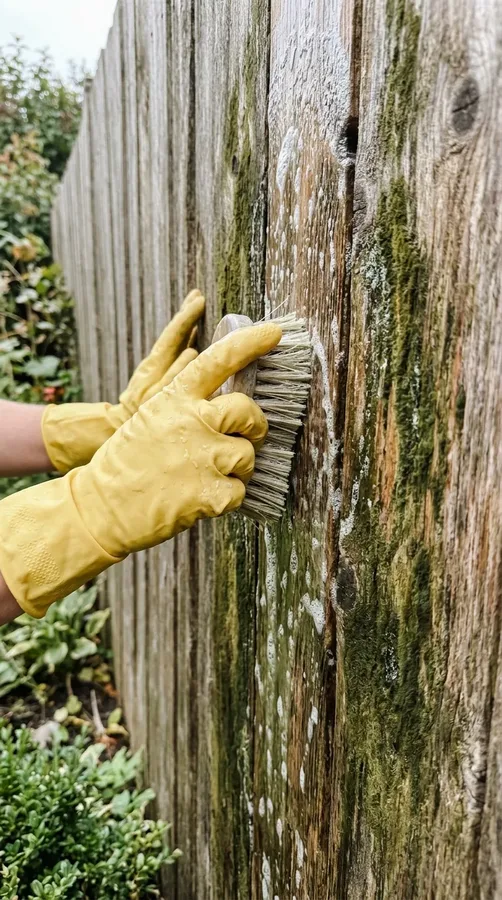
6. Treat Mildew with a Fence-Safe Cleaning Product
Dark or grayish patches on a fence may indicate mildew or other surface growth, particularly in humid, shaded locations. Choose a cleaner specifically labeled for exterior wood and the suspected type of growth. Test it on a discreet spot first to check for color changes, finish damage, or unwanted bleaching.
Apply the product as directed, then use a soft brush to loosen the residue without aggressively sanding the surface. Rinse when instructed and allow the fence to dry completely before deciding whether another treatment is necessary. Never mix cleaning chemicals, especially bleach and ammonia or products containing acids. Some cleaners can harm plants, corrode metal hardware, or discolor wood, so protect nearby landscaping and follow all label precautions. Persistent or widespread growth may require professional assessment.
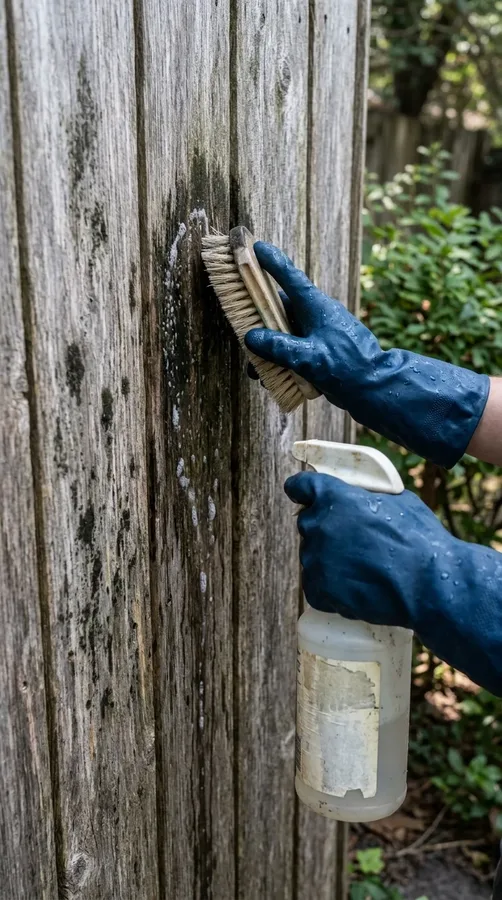
7. Try a Commercial Wood Fence Cleaner
When household soap is not strong enough, a dedicated wood fence cleaner may offer a better balance of cleaning power and material compatibility. These products are designed for outdoor wood and may help remove accumulated grime, weathering residue, or certain types of surface staining. Select a formula appropriate for the wood species and any existing stain or paint.
Read the label before use, including instructions about dilution, dwell time, protective equipment, and rinsing. Apply the solution evenly to a small section and observe the result before treating the entire fence. Use a soft brush where additional agitation is needed. Avoid assuming that every deck cleaner is automatically suitable for every fence finish. The correct product can simplify cleaning, but careful application is just as important as the formula itself.
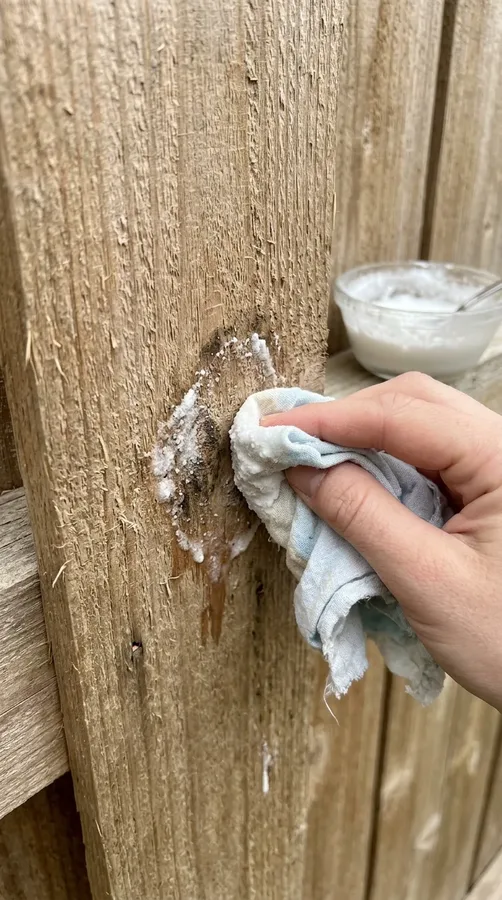
8. Use a Baking Soda Paste for Small Stained Areas
For a small patch of surface grime, a mild baking soda paste may provide gentle mechanical cleaning. Mix baking soda with enough water to create a spreadable paste, then test it on an inconspicuous area. Because baking soda is mildly abrasive, it is best reserved for limited spots on unfinished wood rather than delicate paint or glossy stain.
Apply a small amount with a soft cloth and rub lightly in the direction of the grain. Do not scrub aggressively or allow the paste to dry into the wood texture. Wipe it away with a damp cloth and rinse the area carefully. Check the result after drying, since wet wood can appear darker than dry wood. If the finish changes or the stain remains, stop and choose a cleaner formulated for that specific surface instead.
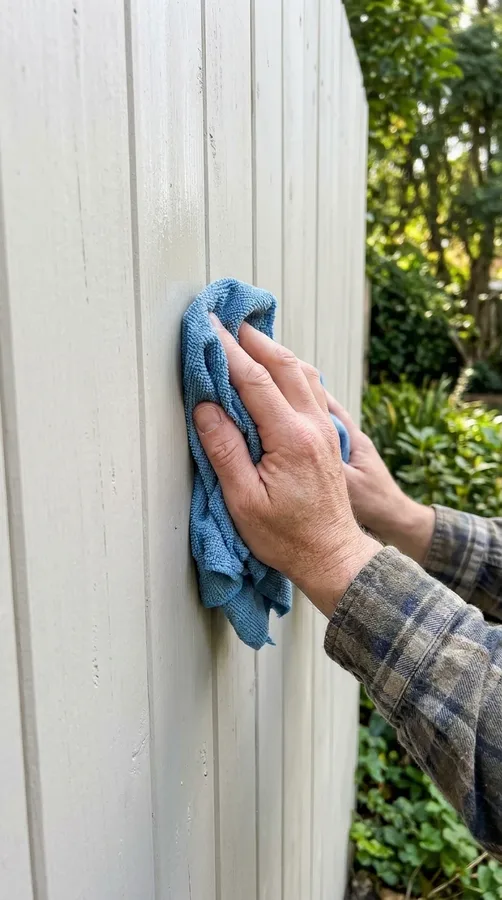
9. Lift Surface Dirt with a Microfiber Cloth
Microfiber cloths are useful for painted fences, smooth boards, and recently cleaned surfaces that need a light refresh. Their fine fibers collect dust and pollen without the rough friction associated with abrasive pads. They are also convenient for cleaning small areas around decorative trim, gates, and fence caps.
Start with a dry cloth to pick up loose dust, then use a second cloth slightly dampened with clean water or diluted mild soap. Wipe in the direction of the wood grain and rinse the cloth regularly to avoid spreading dirt. Use a separate clean cloth to remove remaining moisture. This technique is not ideal for deep grooves or heavily textured boards, where a soft brush works better. For routine touch-ups, however, microfiber cleaning can keep a fence looking tidy between deeper washes.
10. Clean Fence Posts and Caps Separately
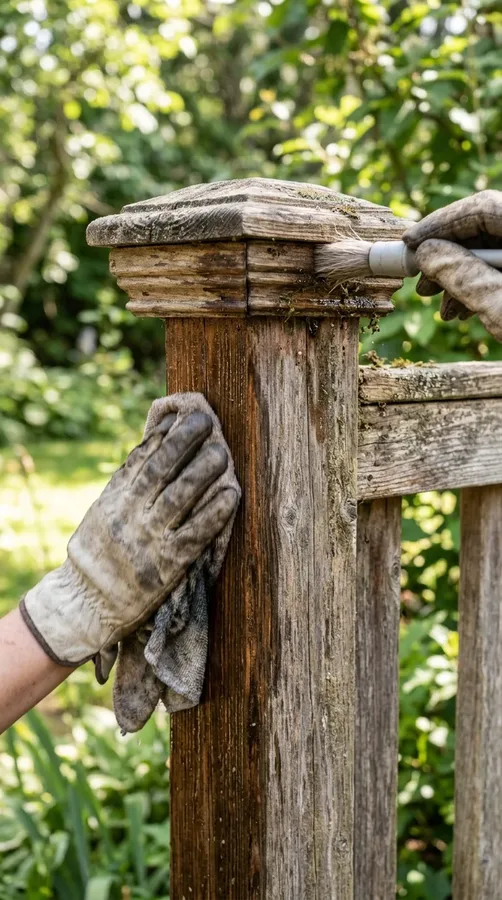
Fence posts and post caps often collect more grime than flat boards because their horizontal surfaces catch rainwater, pollen, bird droppings, and fallen leaves. Cleaning these details separately helps prevent dirty runoff from streaking freshly washed sections. Begin by removing loose debris with a soft brush.
Use a damp cloth and mild soapy water to wipe the tops and sides of each post, paying particular attention to corners and decorative grooves. For stubborn buildup, use a small soft-bristled brush rather than a metal scraper. Rinse sparingly and remove standing water from flat surfaces. Inspect post caps for cracks, loose fasteners, and signs of water entering the wood. Keeping these areas clean and in good repair can help reduce moisture-related deterioration and improve the fence’s overall appearance.
11. Remove Bird Droppings Promptly
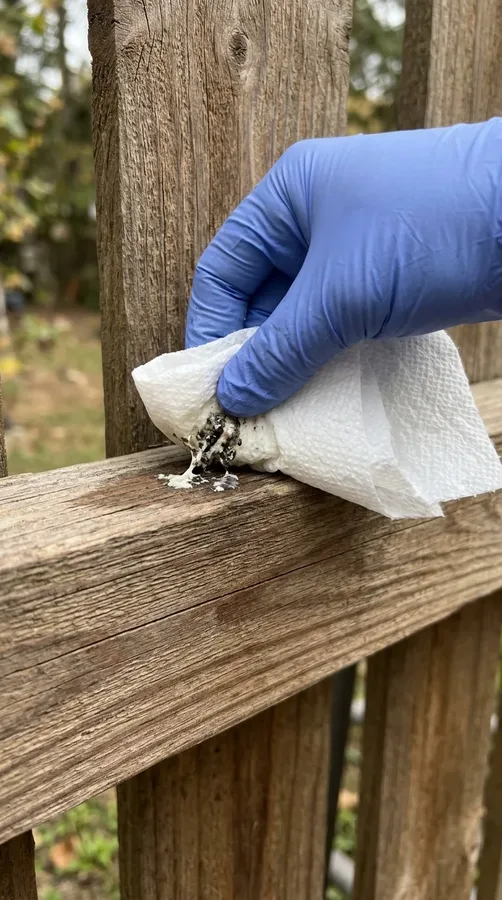
Bird droppings can leave conspicuous marks and may become harder to remove when they dry. For a fresh deposit, put on disposable gloves and gently lift away the material with a damp paper towel or soft cloth. Avoid dry scraping, which can spread contaminated particles or scratch a painted finish.
For dried residue, place a damp cloth over the spot briefly to soften it before wiping. Clean the remaining mark with mild soapy water, then rinse with a clean damp cloth or a gentle hose stream. Dispose of contaminated materials appropriately and wash your hands after finishing. Do not mix cleaning agents or use aggressive scraping tools. If a mark remains after the surface dries, test a wood-safe cleaner before treating the area again, especially on colored stains or painted boards.
12. Tackle Mud and Splash Marks with Targeted Cleaning
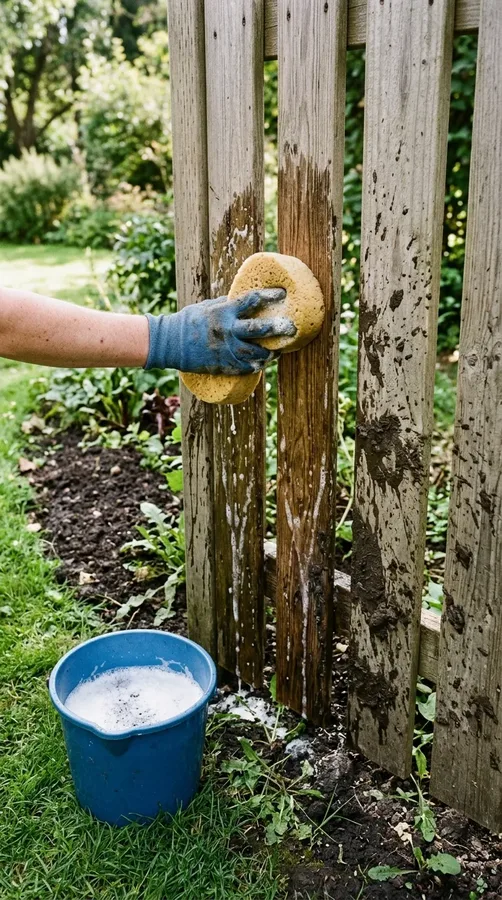
Fence boards near garden beds, pathways, and lawns often develop muddy splash marks after rain or watering. Allow thick mud to dry slightly, then brush away loose soil with a soft brush. This prevents gritty particles from being ground into the wood during wet cleaning.
Mix mild dish soap with warm water and use a sponge to clean the affected boards. Work from the edges of each mark toward the center to reduce spreading, then rinse with clean water. If the soil is especially stubborn, repeat the process instead of increasing pressure or using a harsh abrasive. Check whether sprinklers are spraying directly onto the fence or whether soil is piled against the boards. Adjusting irrigation and maintaining a small gap between soil and the wood can help prevent future staining.
13. Use an Oxygen-Based Cleaner When Appropriate
Some exterior wood cleaners contain oxygen-based ingredients intended to lift weathering stains and organic residue. These products can be useful for older, unfinished fences or surfaces that need more than ordinary soap and water. However, formulas vary, and not every oxygen-based cleaner is compatible with every wood species, paint, or stain.
Choose a product explicitly labeled for your fence, follow the specified dilution, and test a hidden section before proceeding. Apply it with a brush or sponge, allow the recommended contact time, and rinse as directed. Wear the protective equipment listed on the label, and protect nearby plants and metal fittings. Avoid using a stronger mixture in an attempt to speed up cleaning. If the wood becomes unevenly colored or the finish softens, stop and reassess the product’s suitability.
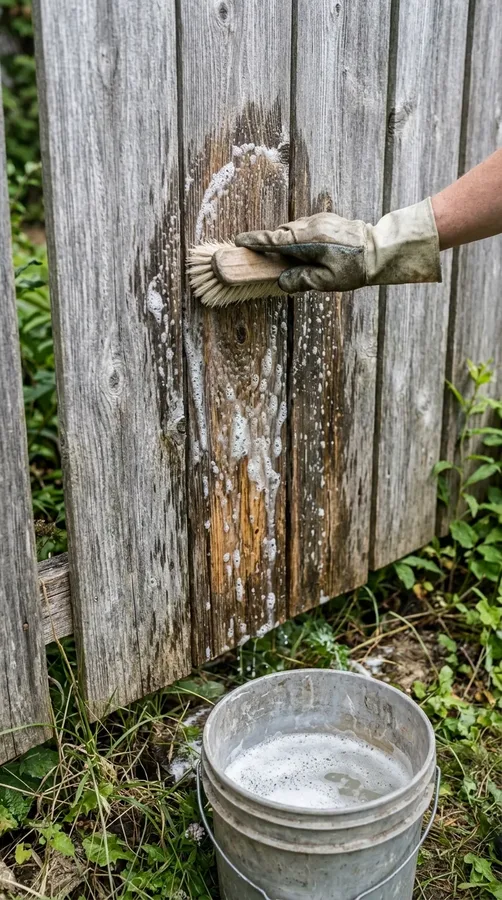
14. Rinse Carefully and Let the Fence Dry
Thorough rinsing is essential after using soap or a commercial cleaner. Residue left behind may attract dirt, leave streaks, or interfere with a future stain or sealant. Use a garden hose with gentle flow, starting at the top and moving downward so dirty water does not run over areas you have already finished.
Avoid flooding the ground around fence posts or directing water into joints and cracks. Once rinsed, allow the fence to air-dry in suitable weather. Drying time depends on temperature, humidity, sunlight, airflow, wood condition, and the amount of water used. Do not apply a new protective finish until the wood meets the product manufacturer’s dryness requirements. Inspect the boards after they dry fully; this gives you a more accurate view of the final color and any remaining discoloration.
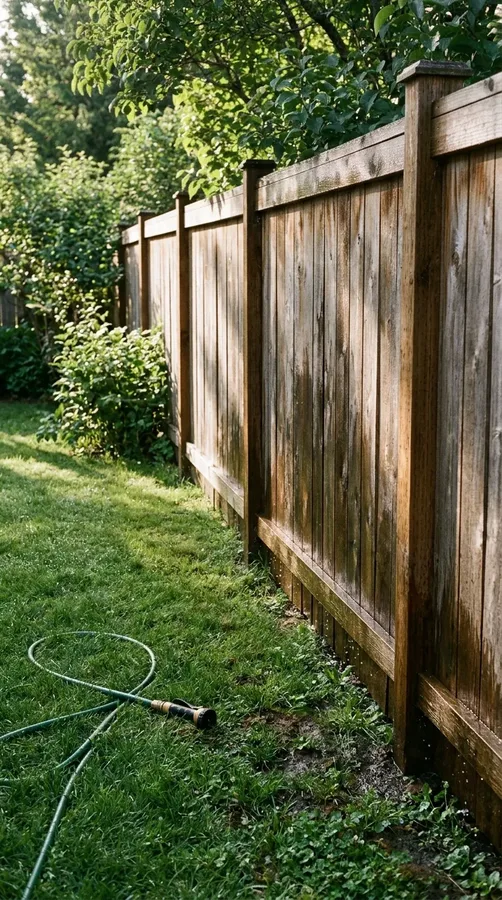
15. Prevent Future Dirt with Regular Maintenance
The easiest way to keep a wood fence clean is to prevent heavy buildup before it becomes difficult to remove. Inspect the fence seasonally and after storms, clearing leaves, cobwebs, and soil splashes as needed. Trim shrubs and branches that hold moisture against the boards, and redirect sprinklers so they do not repeatedly wet the same areas.
Check for loose boards, damaged caps, peeling paint, and failing stain. Repairing these issues promptly helps limit moisture intrusion and keeps the fence easier to maintain. If the wood is unfinished or its protective coating has worn away, consider an exterior stain or sealant specifically suitable for the wood and local conditions. Follow the product’s preparation and drying instructions. Gentle periodic cleaning combined with sound drainage and timely maintenance can reduce the need for intensive restoration.
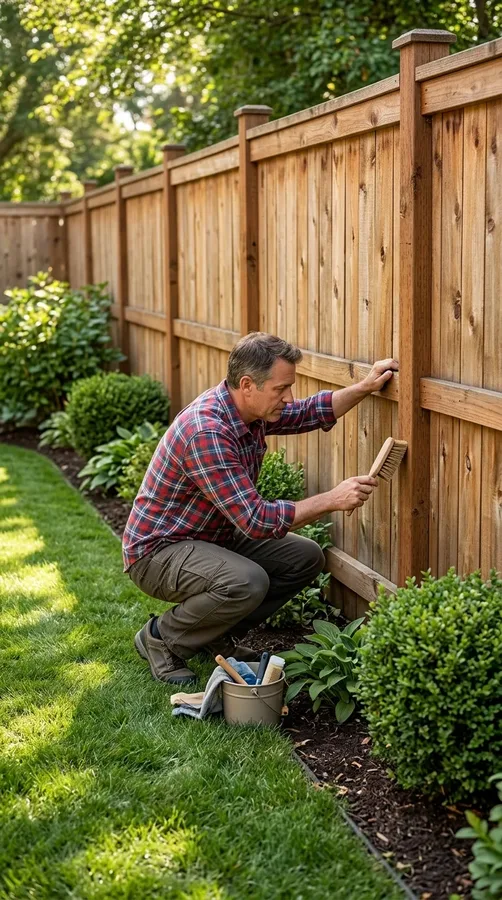
Conclusion
Cleaning a wood fence without pressure washing is entirely possible with the right tools, a suitable cleaning solution, and a gentle approach. Start with a hose rinse or mild soapy water for ordinary dirt, and choose a wood-safe cleaner when algae, mildew, or stubborn stains require additional treatment. Always test unfamiliar products, avoid abrasive scrubbing, and rinse away residue thoroughly. Once the fence has dried, inspect it for damage and consider whether its protective finish needs attention. With regular maintenance and better moisture control, your fence can remain clean, attractive, and durable without the risks associated with high-pressure washing.