
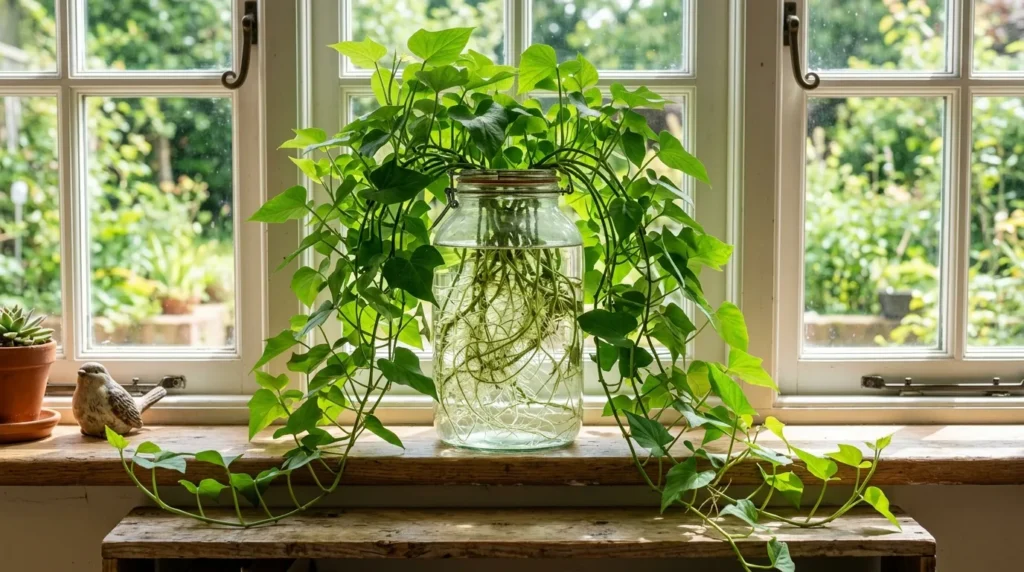
Growing plants in water is an easy way to bring fresh greenery into your home without dealing with potting soil. Whether you want a low-maintenance houseplant for a sunny windowsill, a beautiful centerpiece for a dining table, or an easy propagation project, many popular plants can thrive with their roots submerged in water. Some can remain in water for months or even indefinitely when given suitable light, clean water, and occasional nutrients. Others are especially useful for propagating cuttings before transferring them to soil. These water-growing plants are also perfect for glass jars, bottles, vases, and simple hydroponic displays. From trailing pothos to elegant lucky bamboo, the following plants offer practical, attractive options for creating an indoor water garden.
1. Pothos
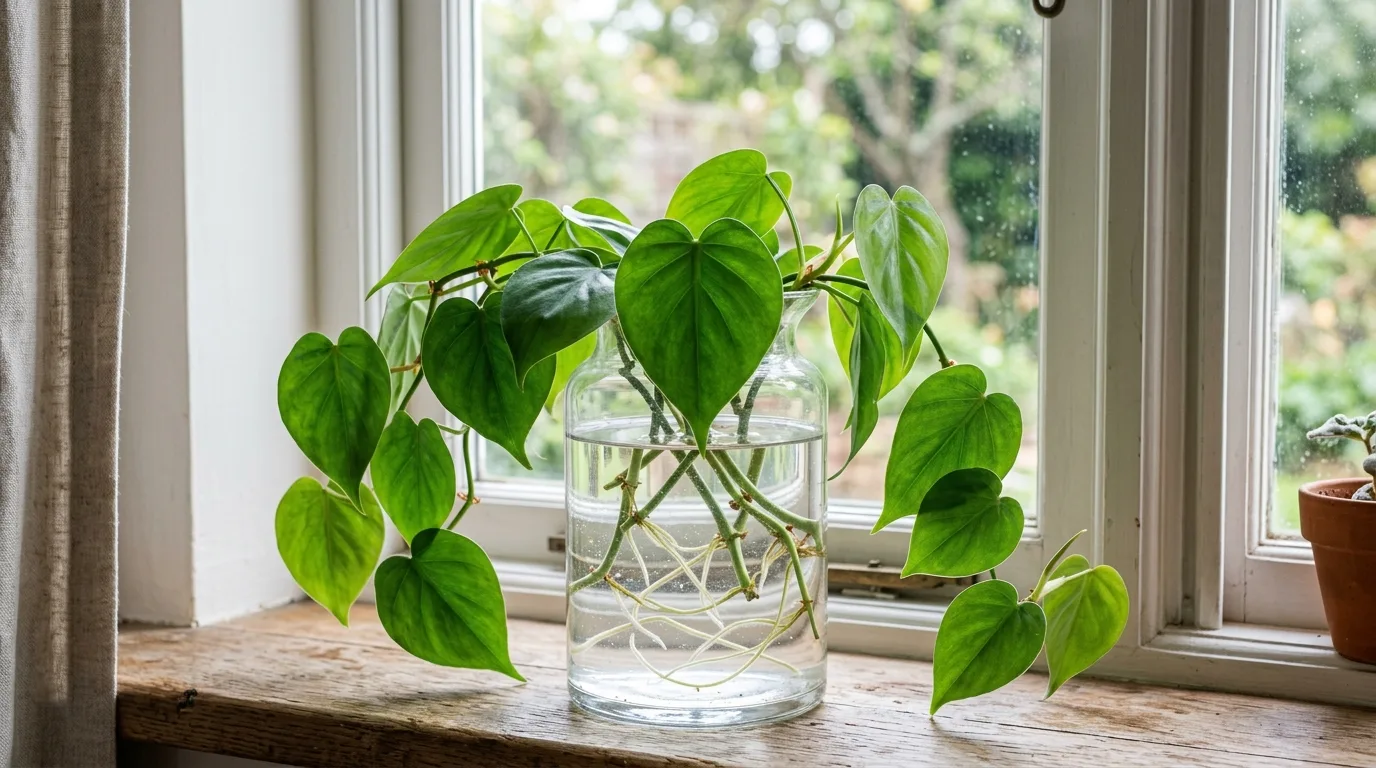
Pothos is one of the easiest plants to grow in water, making it an excellent choice for beginners. Its heart-shaped leaves and trailing stems look especially attractive spilling from a clear glass jar or narrow vase. To grow pothos in water, cut a healthy section of stem just below a node and place the node underwater while keeping the leaves above the surface. Bright, indirect light encourages steady growth without scorching the foliage. Change the water about once a week or whenever it becomes cloudy, and rinse the container if algae begins to form. Pothos can survive in water for a long time, although growth may be slower than in nutrient-rich soil. For fuller displays, place several cuttings in one vessel and allow the vines to trail naturally.
2. Lucky Bamboo
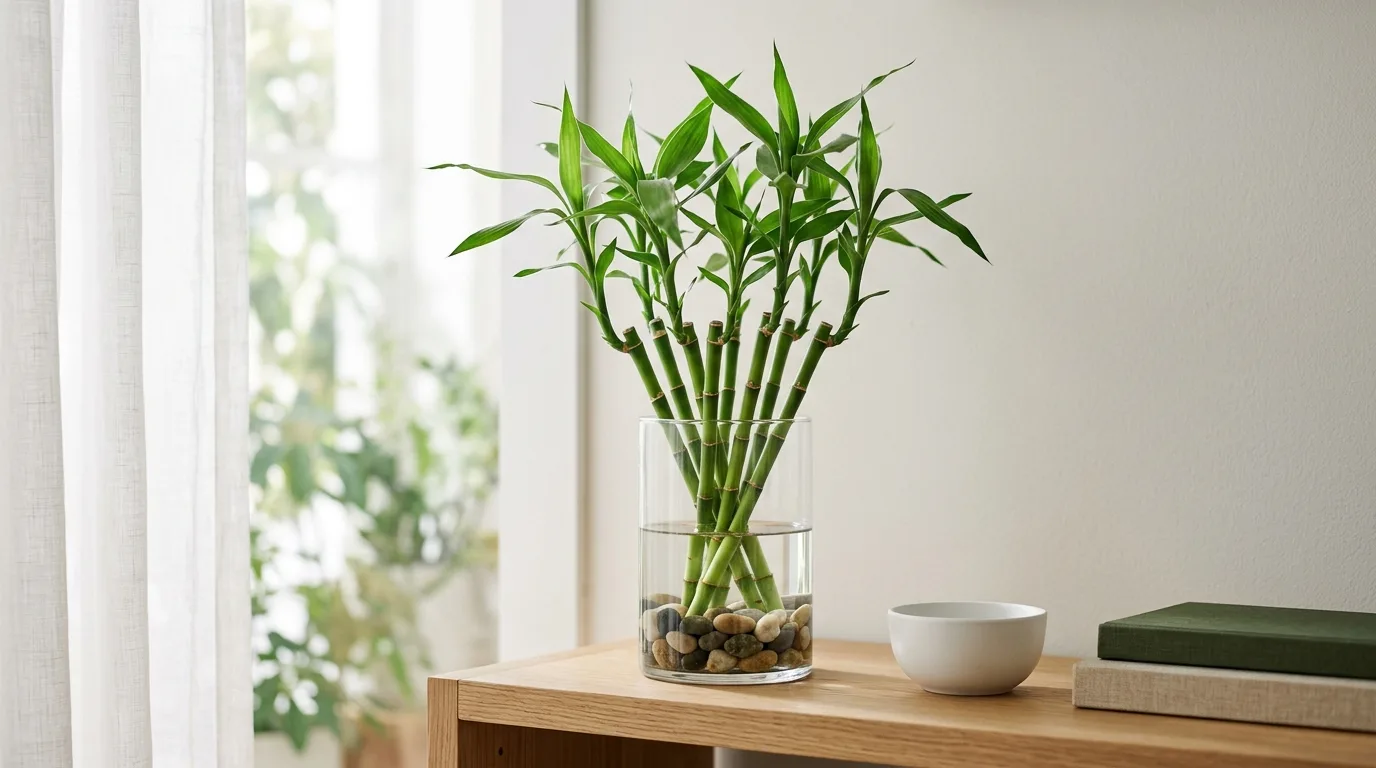
Lucky bamboo is especially well suited to water growing and has long been used as an attractive indoor plant. Despite its common name, it is actually a type of Dracaena rather than true bamboo. Its upright green stalks look elegant in tall glass containers filled with clean water and decorative stones. Keep only the lower roots submerged rather than covering the entire stalk, and position the plant in bright, filtered or indirect light. Refresh the water regularly to prevent unpleasant odors and mineral buildup. Lucky bamboo generally prefers filtered, distilled, or rainwater when tap water contains high levels of chlorine or salts. It can be grown as a simple single-stem display or arranged into groups for a more sculptural look.
3. Spider Plant
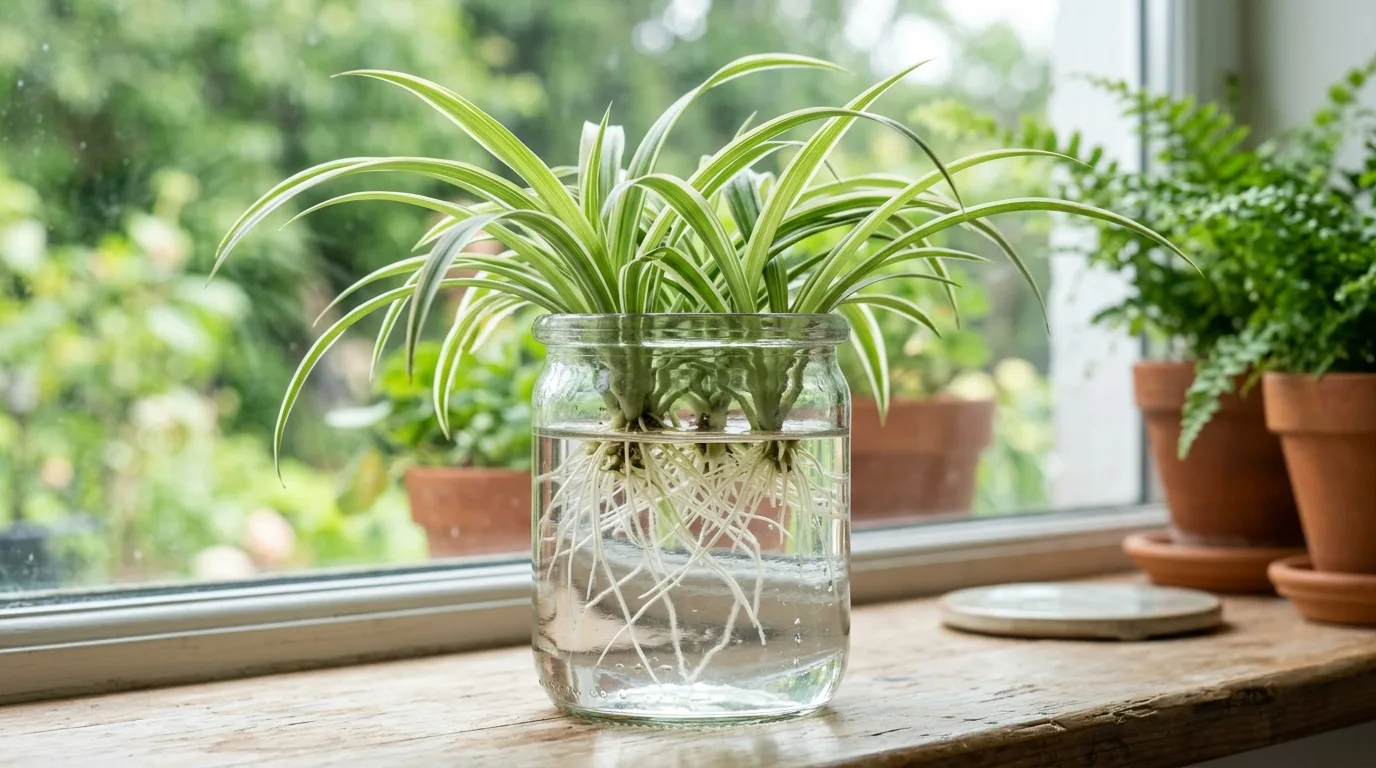
Spider plants are excellent candidates for water propagation because they produce small plantlets on long, arching stems. These baby plants can be placed in a small glass of water until they develop their own roots. Choose a healthy plantlet and position the base so that the developing roots touch the water while the leaves remain dry. Bright, indirect light helps the roots develop quickly and keeps the striped foliage attractive. Once the roots become several centimeters long, you can continue growing the plant in water or transfer it into potting soil. For a decorative display, several rooted spider plantlets can be grouped in a clear container. Water-grown spider plants benefit from occasional diluted houseplant fertilizer because plain water does not provide all the nutrients required for long-term growth.
4. English Ivy
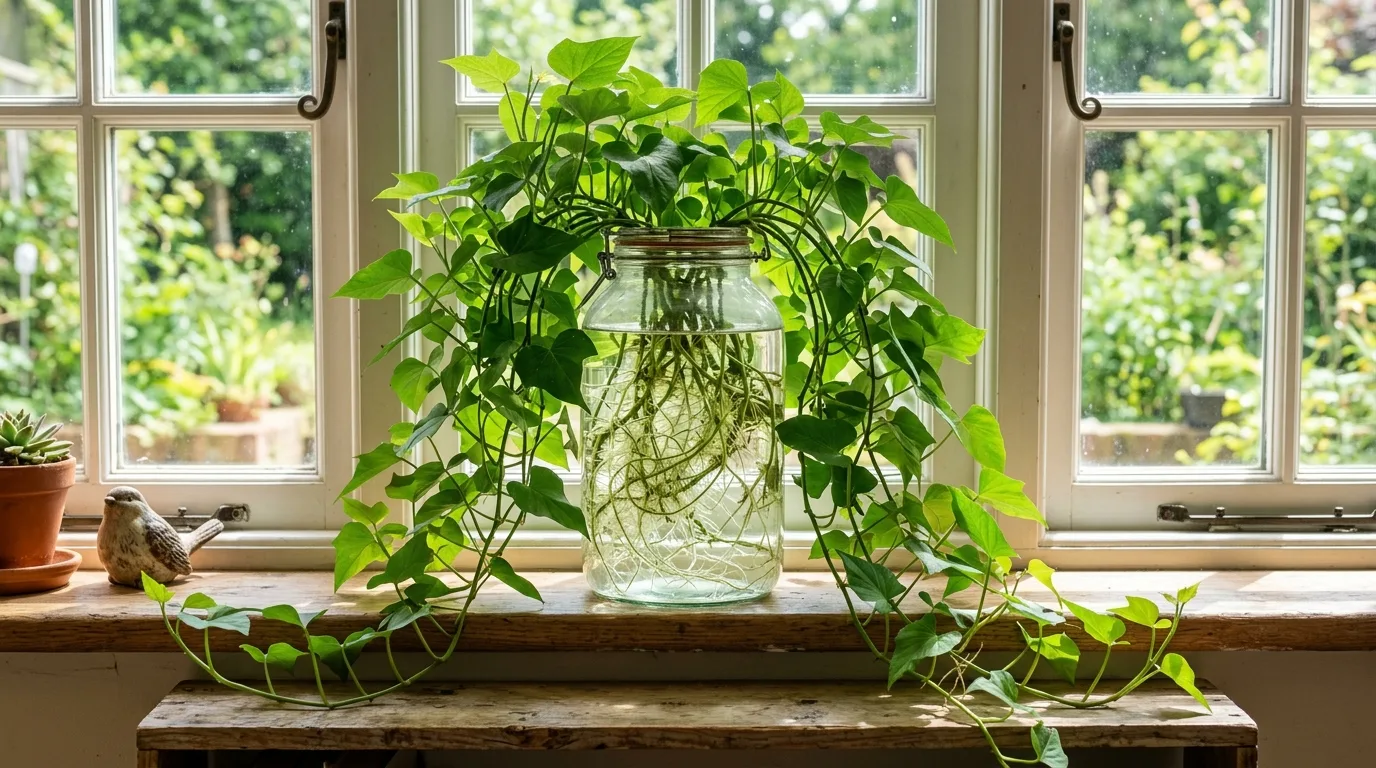
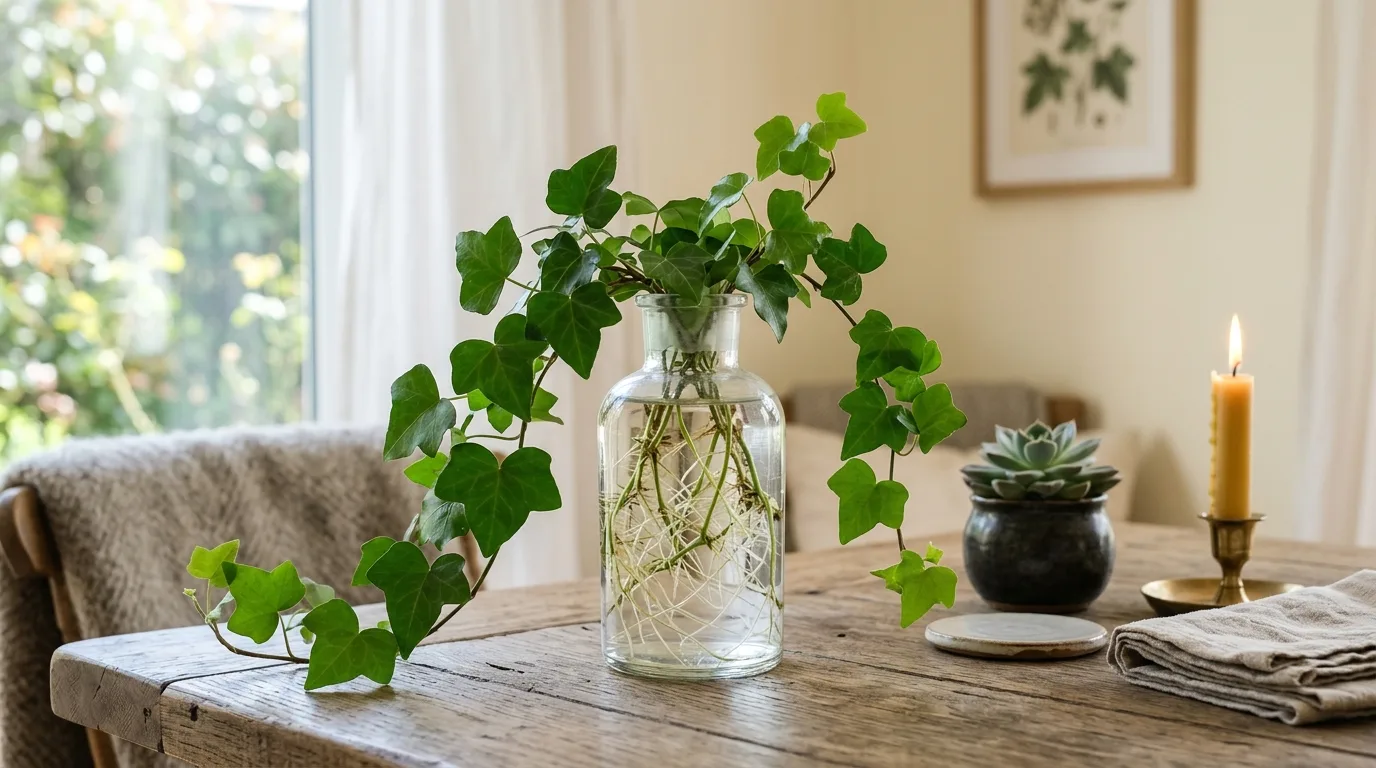
English ivy can be easily propagated in water from stem cuttings, and its cascading growth makes it especially attractive in hanging or elevated containers. Cut a healthy vine just below a leaf node and remove the lower leaves before placing the node underwater. Keep the cutting somewhere with bright, indirect light and replace the water regularly. Roots often begin appearing within a few weeks. Once established, ivy can continue growing in water for a period of time, although long-term healthy growth usually requires appropriate nutrients. Its trailing stems work beautifully in narrow-necked bottles, decorative vases, and wall-mounted displays. Avoid placing the foliage underwater because submerged leaves can decay and contaminate the water.
5. Philodendron
Many philodendrons root readily in water, making them another reliable option for an indoor water garden. Heartleaf philodendron is particularly easy because its flexible vines produce roots from nodes along the stem. Take a cutting with at least one healthy node, remove nearby leaves that would sit underwater, and place the node in a clean glass container. Bright, indirect light supports root and leaf development, while direct afternoon sunlight can overheat the water and damage the foliage. Refresh the water regularly and wipe the container clean when necessary. Water-grown philodendron cuttings can become attractive trailing displays, and established cuttings can eventually be transferred to soil. If you keep them in water long term, provide occasional diluted nutrients to support continued growth.
6. Chinese Evergreen
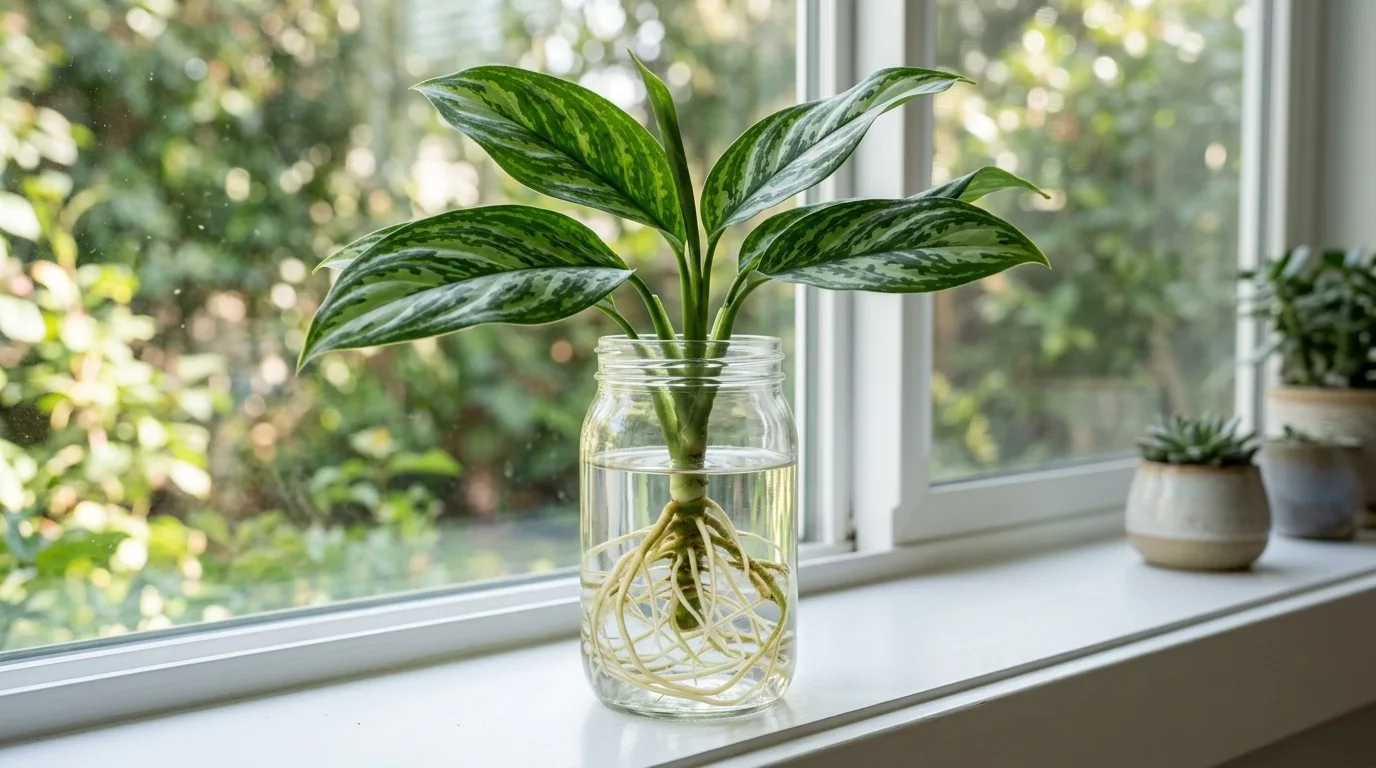
Chinese evergreen, or Aglaonema, is a popular indoor plant known for attractive foliage and good tolerance of lower-light conditions. Healthy stem cuttings can root in water, giving you an easy way to create new plants without immediately using soil. Select a sturdy stem with several leaves and place its lower portion in water, making sure the foliage stays above the surface. Bright, indirect light generally produces stronger growth, although the plant can tolerate moderate indoor light. Change the water regularly and use a clean container to reduce the chance of bacterial growth. Because Chinese evergreen cuttings need nutrients for sustained development, long-term water culture works best with a suitable diluted hydroponic or houseplant fertilizer. Its patterned leaves make a simple glass vessel look surprisingly decorative.
7. Coleus
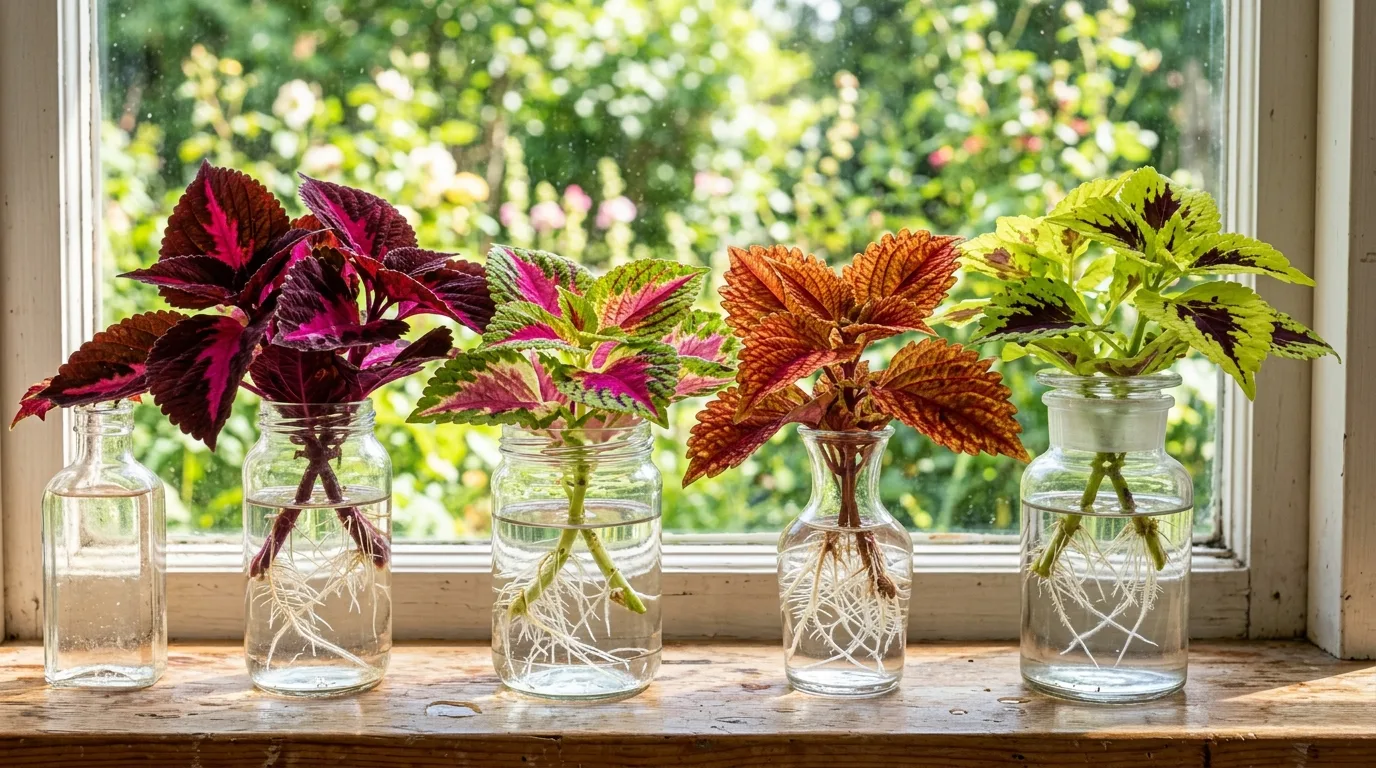
Coleus is one of the most rewarding plants to propagate in water because its colorful foliage quickly creates an eye-catching display. Cut a healthy stem just below a node, remove the lower leaves, and place the stem in a glass of fresh water. Within a short period, roots can begin forming along the submerged section. Keep the cutting in bright, indirect light to encourage vibrant leaf color and sturdy growth. Coleus generally grows quickly, so refresh the water frequently and move the cutting into a larger container as the roots develop. You can maintain rooted cuttings in water for a while or transfer them to soil for continued growth. Combining several varieties in separate transparent bottles can create a colorful windowsill garden without requiring traditional pots.
8. Begonia
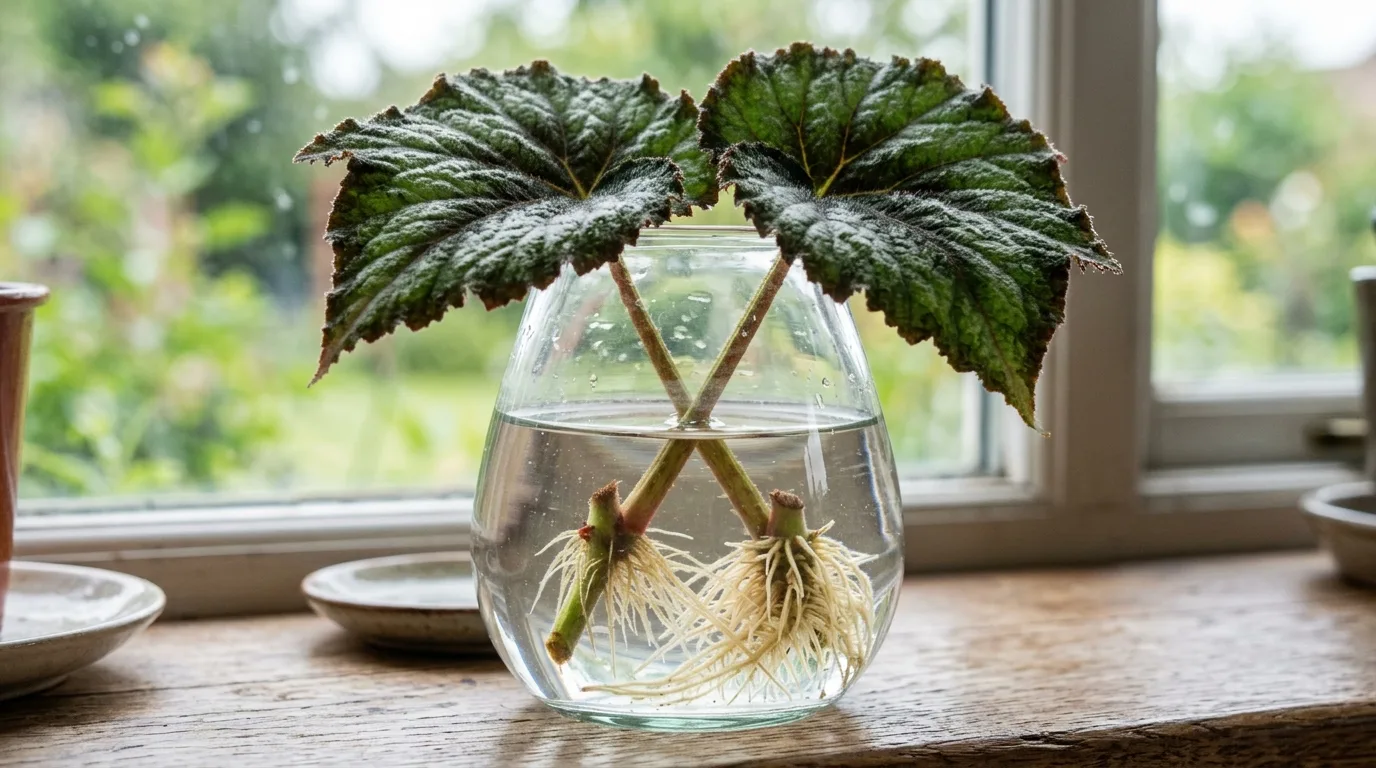
Many begonias can be propagated successfully in water, especially from healthy stem cuttings. Their textured or patterned leaves make them particularly attractive when displayed in transparent containers. Take a cutting from a vigorous stem and place the lower node in clean water while keeping most of the foliage above the surface. Bright, indirect light is ideal because intense direct sun can encourage algae growth and stress the cutting. Replace the water regularly and inspect the submerged stem for signs of rot. Once a strong root system develops, you can transplant the cutting into a lightweight potting mix or continue growing it hydroponically with appropriate nutrients. Water propagation is also a useful way to multiply a favorite begonia without disturbing the parent plant.
9. Wandering Dude
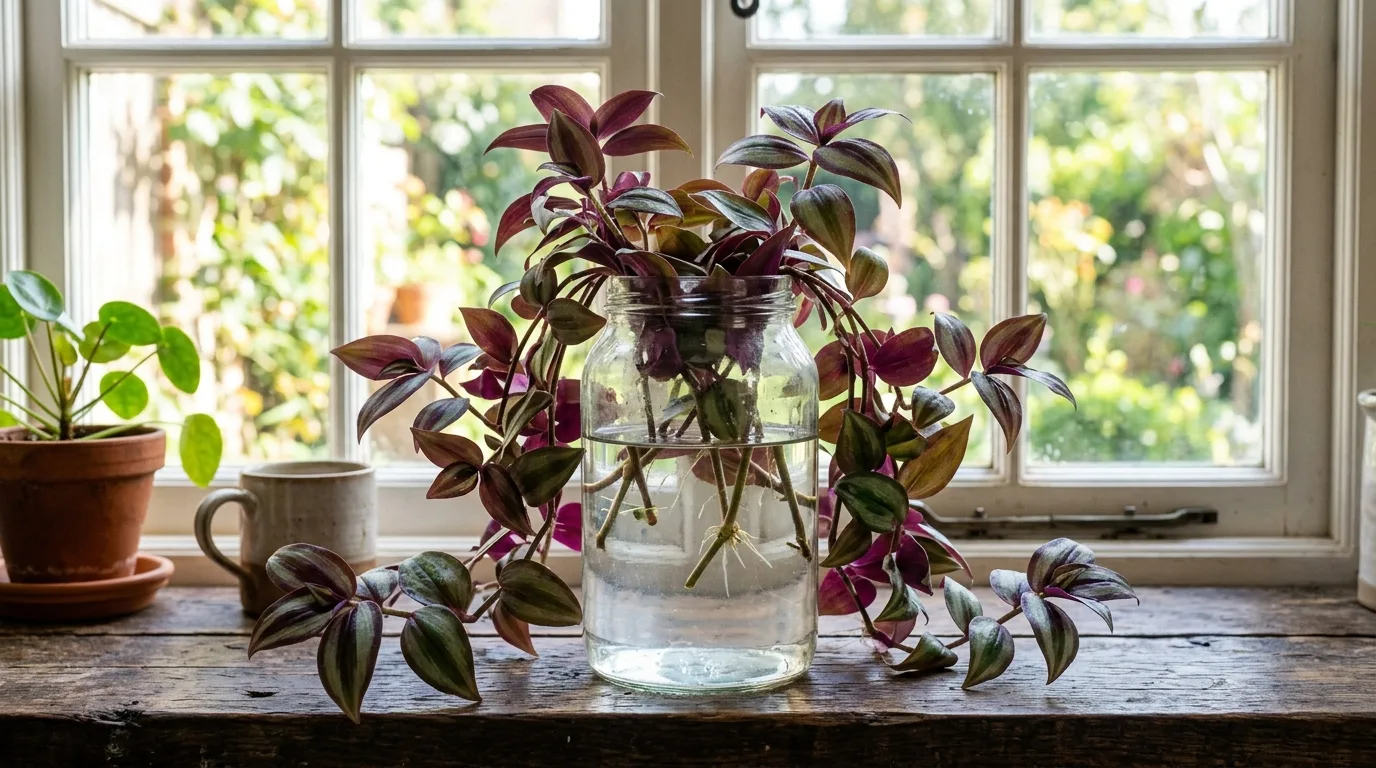
Wandering dude, commonly sold under names such as Tradescantia, is a fast-growing trailing plant that roots readily in water. Its colorful green, purple, silver, or striped foliage provides plenty of visual interest in a simple bottle or glass vase. Take several stem cuttings and remove the leaves from the portion that will sit below the waterline. Keep the container in bright, indirect light, where the cuttings can develop roots while maintaining strong leaf color. Because Tradescantia grows rapidly, you can easily create a fuller display by adding new cuttings as older stems become established. Refresh the water frequently and remove any soft or discolored sections. For a lush tabletop arrangement, group several rooted stems together in one transparent container and allow the vines to drape over the sides.
10. Mint
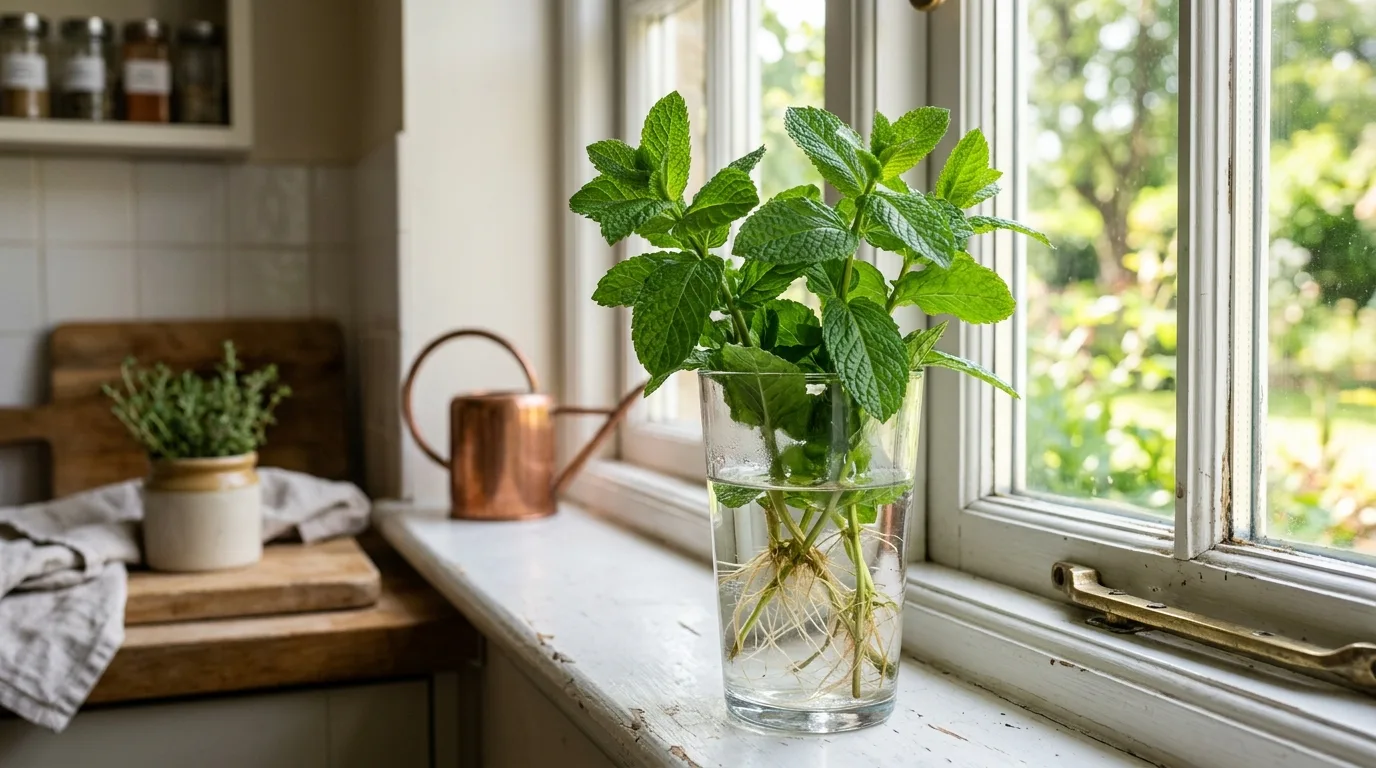
Mint is an excellent edible plant for growing in water from fresh stem cuttings. Choose a healthy, non-flowering stem and remove the lower leaves before placing it in a glass of water. Position the cutting somewhere with plenty of bright light, preferably near a sunny window with protection from intense midday heat. Roots can develop quickly, allowing you to maintain a small supply of fresh mint for drinks, desserts, and cooking. Change the water regularly and keep the container clean. For long-term growth, mint benefits from nutrients, so a mild hydroponic fertilizer can be useful once the cutting has established roots. Keep mint in its own container because its vigorous growth can quickly crowd other plants. A row of water-grown herbs on a kitchen windowsill can be both practical and decorative.
11. Basil
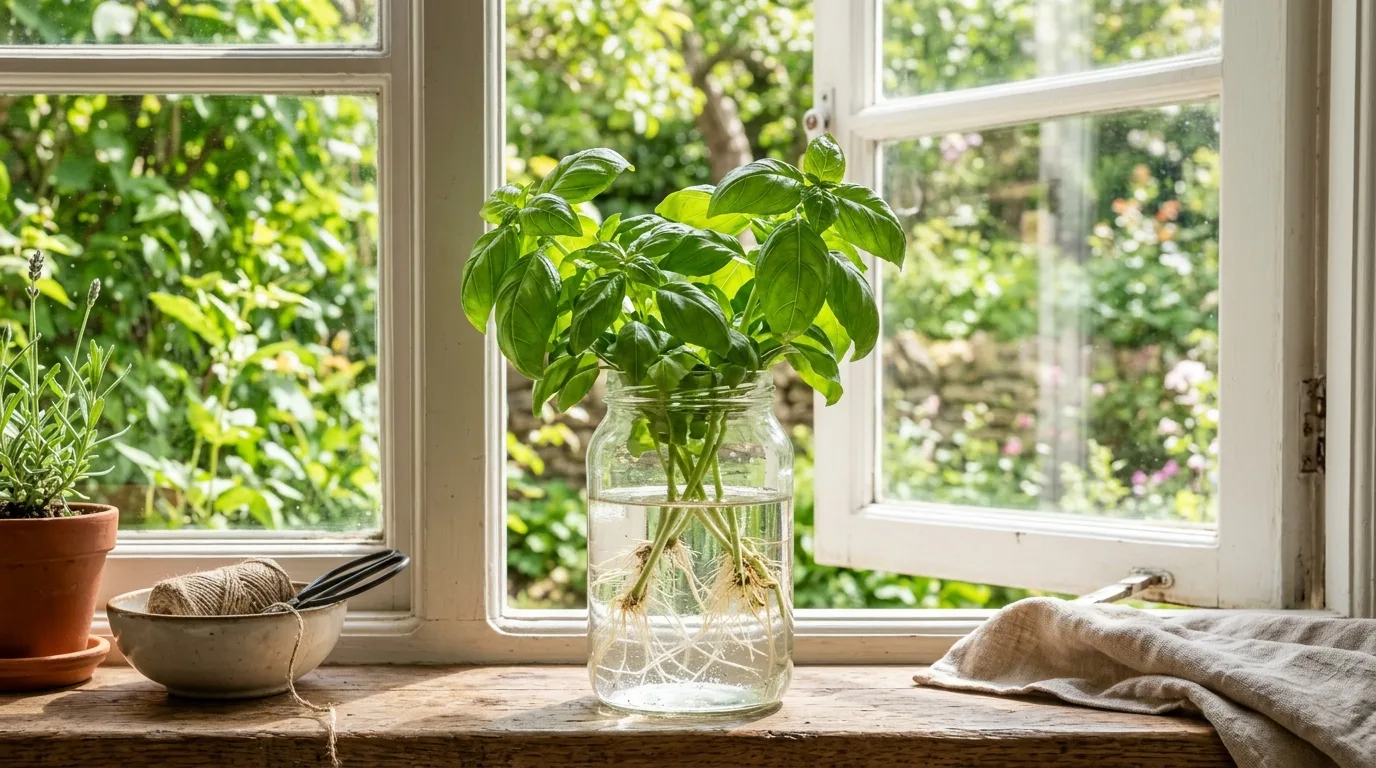
Basil can grow surprisingly well from cuttings placed in water, making it a convenient choice for a kitchen herb display. Select a healthy stem and cut it just below a leaf node. Remove the lower leaves so they do not sit in the water, then place the cutting in a clean glass. Basil needs plenty of light, so a bright windowsill is usually more suitable than a dark corner. Change the water every few days and trim the plant regularly to encourage branching. Once roots are well developed, the basil can remain in water with appropriate nutrients or be moved into soil. Growing basil this way is particularly useful when you want to preserve a supermarket herb plant or multiply a favorite variety from a healthy stem.
12. Oregano
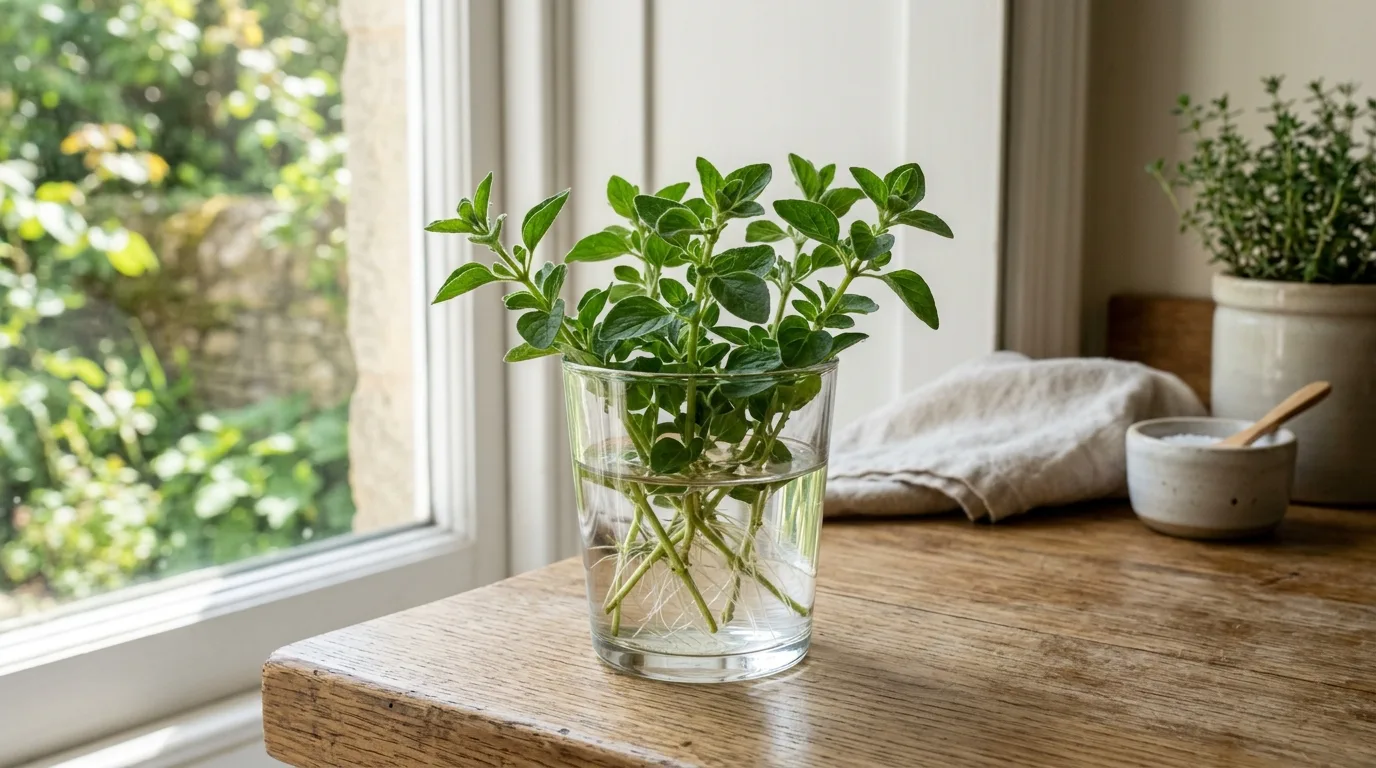
Oregano is another useful culinary herb that can be propagated in water from stem cuttings. Choose fresh, healthy stems and strip away the leaves from the lower portion before placing them in water. Position the cutting where it receives strong light without becoming overheated. Oregano prefers good airflow, so avoid crowding several cuttings into a tiny container. Replace the water regularly and watch for root development. Once established, the plant can provide fresh leaves for cooking while also adding a pleasant green accent to a kitchen windowsill. Long-term water growing requires a source of nutrients because ordinary water contains very little of what a mature plant needs. Regular pruning also helps keep oregano compact and encourages new growth rather than allowing the stems to become excessively long and sparse.
13. Rosemary
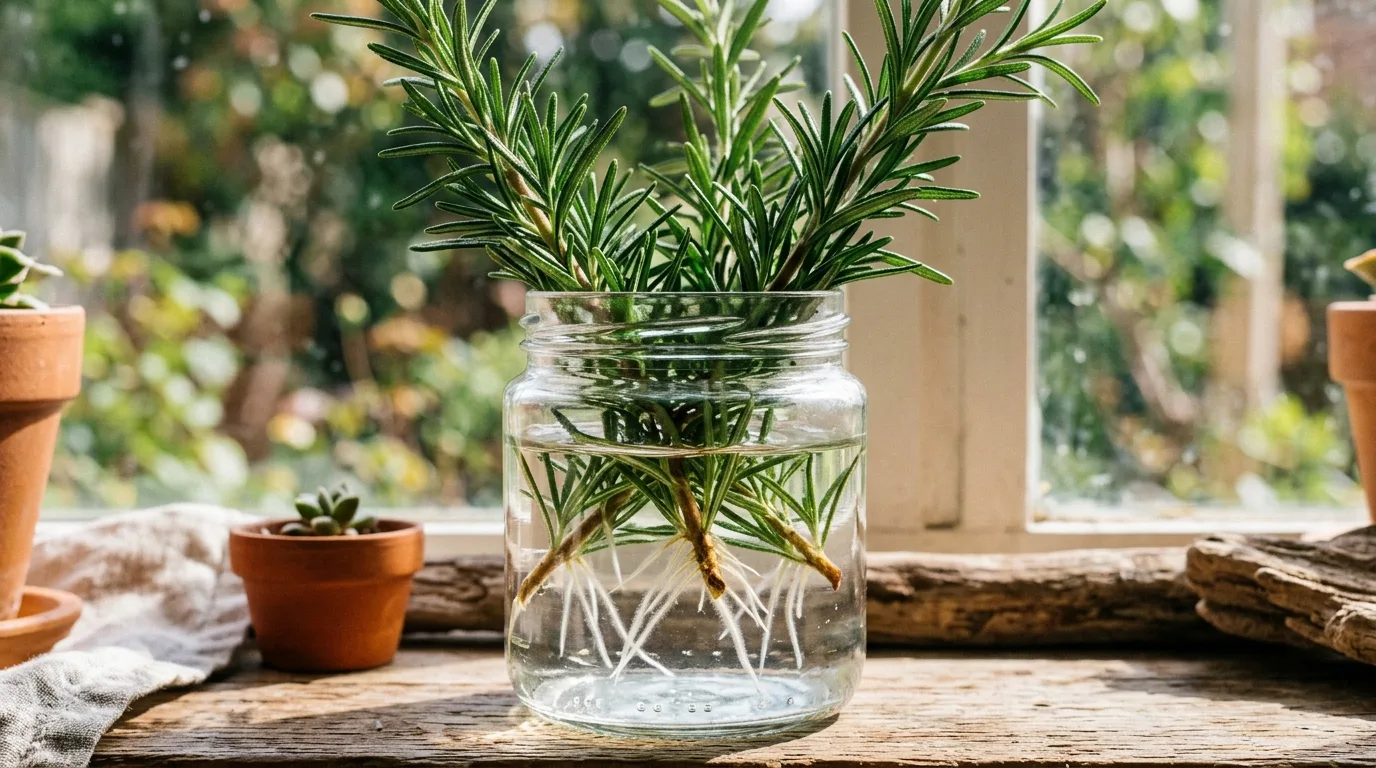
Rosemary can be propagated in water, although it generally takes more patience than fast-rooting plants such as pothos or mint. Choose a young, healthy stem rather than a thick woody branch, remove the lower leaves, and place the bare section in fresh water. Keep the cutting in a bright location with good airflow. Once roots begin to form, allow them to strengthen before moving the plant into soil or maintaining it in a nutrient-supported hydroponic setup. Rosemary strongly prefers excellent light, so a sunny window is usually helpful. Avoid keeping the foliage submerged and replace the water often. Because rosemary is naturally adapted to relatively dry conditions, it should not be treated like a plant that needs constantly saturated roots when eventually transferred to soil.
14. Lemon Balm
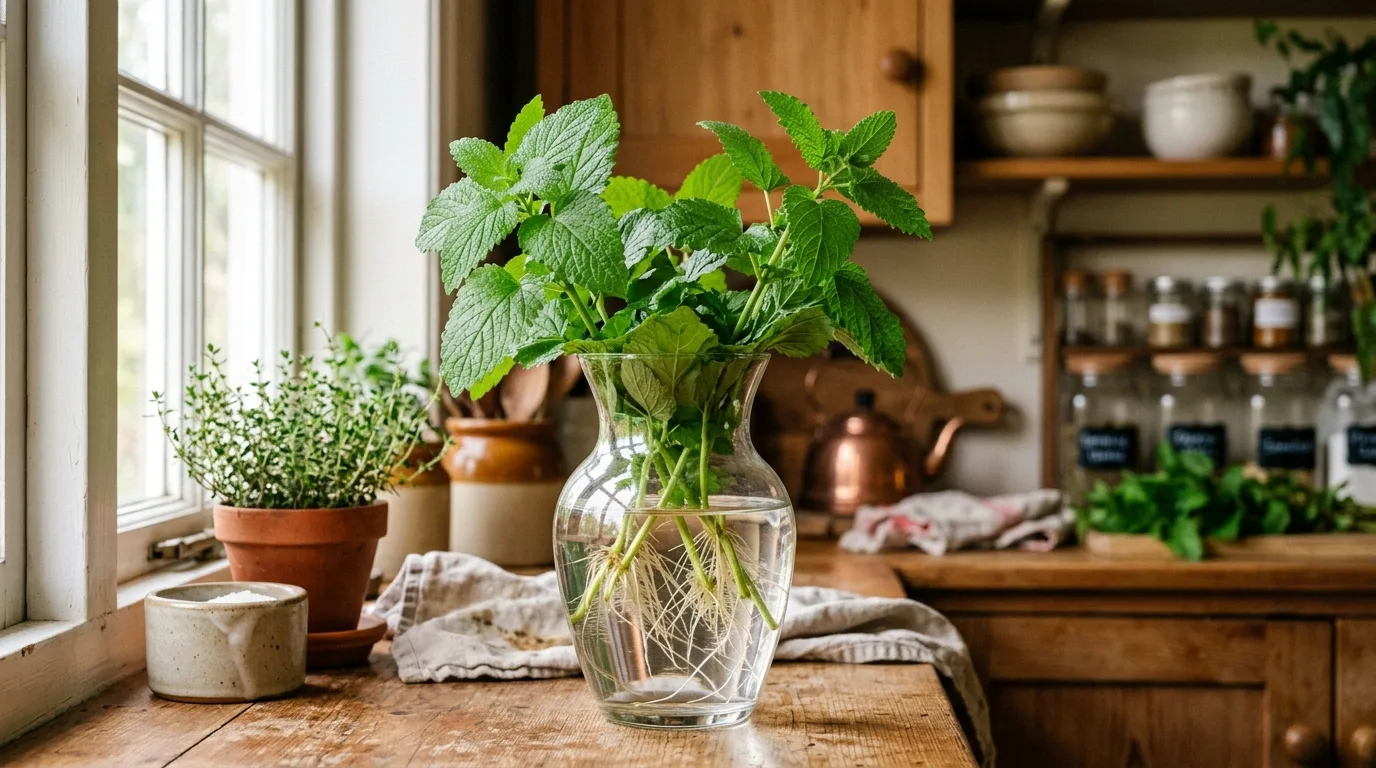
Lemon balm is a vigorous herb that roots easily from fresh cuttings, making it a pleasant addition to a water-growing collection. Its bright green leaves release a light lemony fragrance when touched, so a small container can add both greenery and aroma to a kitchen or sunny indoor space. Cut a healthy stem below a node and remove the lower foliage before placing it in clean water. Keep the container in bright, indirect light and refresh the water regularly. Roots can develop quickly, after which the plant may continue in water with appropriate nutrients or be transferred to soil. Lemon balm spreads readily when conditions are favorable, so trimming the stems helps maintain a compact shape. Harvest young leaves regularly for teas, garnishes, and other kitchen uses.
15. Arrowhead Plant
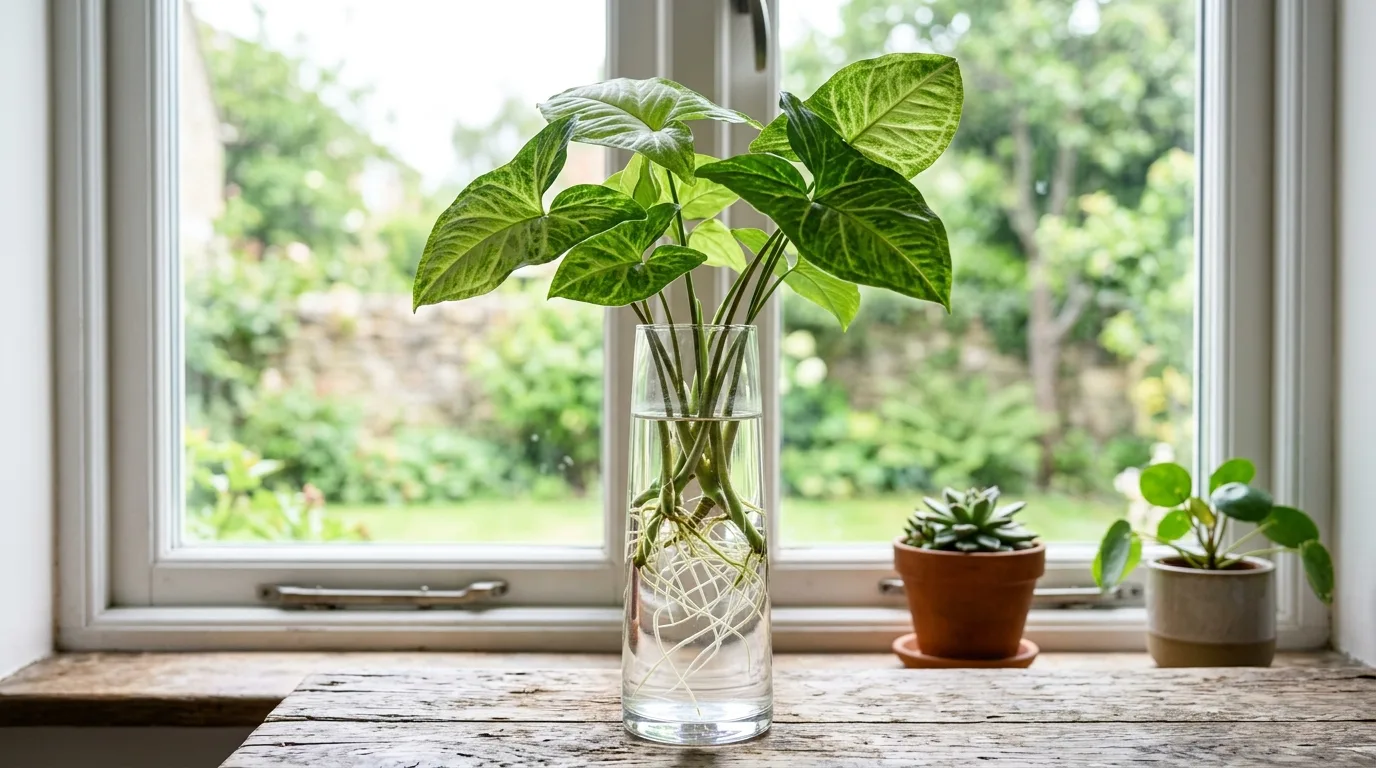
Arrowhead plant, also known as Syngonium, is a versatile tropical houseplant that roots readily in water. Its arrow-shaped leaves become an attractive focal point when several cuttings are displayed in a clear vase. Select a healthy stem with at least one node and place that node below the waterline while keeping the leaves dry. Bright, indirect light encourages healthy root and leaf growth, although harsh direct sun can scorch the foliage. Replace the water regularly and clean the container whenever you notice algae or residue. Once the cutting has developed a substantial root system, you can keep it in water with diluted nutrients or transfer it to a suitable potting mix. Regular pruning can also encourage a bushier, more compact arrangement.
16. Sweet Potato Vine
Sweet potato vine is a fun choice for creating a dramatic trailing water display. You can start with a healthy vine cutting and place its lower nodes in water, where roots can develop along the submerged stem. Its vigorous growth can quickly produce long, cascading shoots that look beautiful in a tall glass jar or hanging container. Give the plant plenty of bright light and change the water regularly to keep the roots healthy. Sweet potato vine can remain in water for decorative purposes, although sustained growth is more successful when the plant receives suitable nutrients. Trim long vines when necessary to maintain the shape you want. Because this plant can grow rapidly, it is especially useful when you want an inexpensive way to create a lush-looking indoor display from a few simple cuttings.
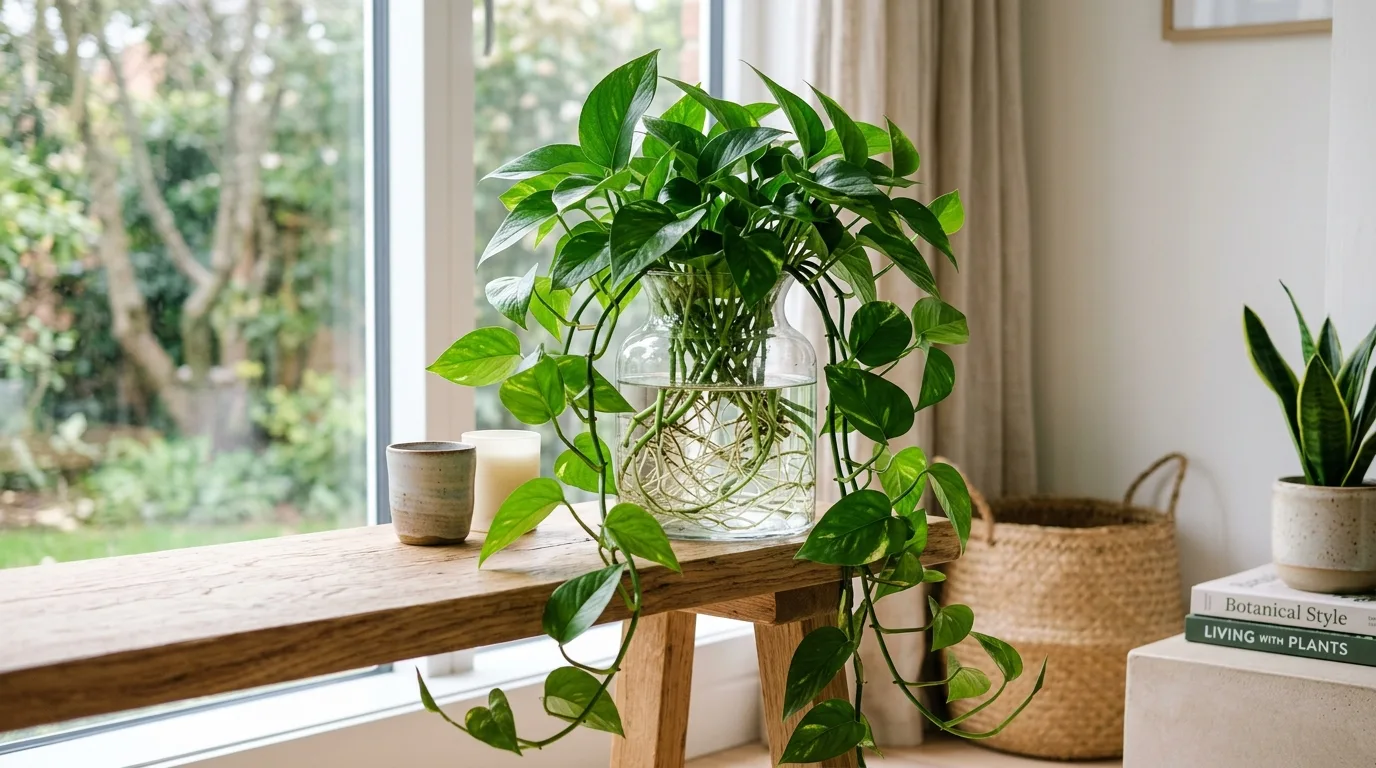
How to Keep Plants Healthy in Water
Growing plants in water is simple, but healthy roots depend on clean conditions and adequate light. Use a container that gives the roots enough room to spread without completely submerging the foliage. Refresh the water regularly rather than simply topping it off, especially when it becomes cloudy or develops an odor. A transparent container makes it easy to monitor root development, but it can also encourage algae when exposed to strong sunlight, so move it away from intense direct rays if necessary.
- Use clean water: Filtered or distilled water can be helpful for plants sensitive to minerals or chlorine.
- Provide suitable light: Most indoor water-grown plants prefer bright, indirect light.
- Keep leaves above water: Submerged foliage can decay and contaminate the container.
- Feed established plants: Use a properly diluted hydroponic or houseplant fertilizer for long-term water culture.
- Watch the roots: Healthy roots should generally look firm rather than slimy, mushy, or foul-smelling.
With the right plant, a clean container, and consistent care, water growing can turn ordinary cuttings into attractive living displays. Start with easy choices such as pothos, lucky bamboo, mint, or Tradescantia, then experiment with more varieties as you become comfortable with the process.