
Pest problems can affect any Bristol home, whether it is a modern flat, a Victorian terrace, or a detached property on the outskirts of the city. Rats, mice, wasps, ants, bed bugs, cockroaches, and other pests can become more than an annoyance when they gain access to food, warmth, water, or shelter. Effective pest control is about identifying the species, finding the reason it has entered your property, and dealing with the problem safely rather than simply treating visible pests. This guide explains the main pest issues Bristol homeowners may encounter, what professional pest control involves, how to reduce the risk of infestation, and what to consider when choosing a local service. With the right approach, many pest problems can be resolved efficiently and prevented from returning.
1. Understand Which Pests Are Common in Bristol
Bristol’s mix of older buildings, busy residential areas, gardens, waterways, commercial premises, and densely populated neighbourhoods can provide suitable conditions for several common household pests. Rodents are particularly important because they can enter through surprisingly small gaps and may nest in wall cavities, lofts, or under floors. Wasps, ants, fleas, flies, and moths can also become troublesome during suitable seasons or when food and shelter are readily available. Bed bugs are another concern because they can spread between people and properties. Correct identification is the first step because treatment varies significantly between species. A solution designed for ants, for example, will not necessarily address a mouse infestation or eliminate a hidden bed bug population.
2. Look for Early Signs of a Pest Infestation
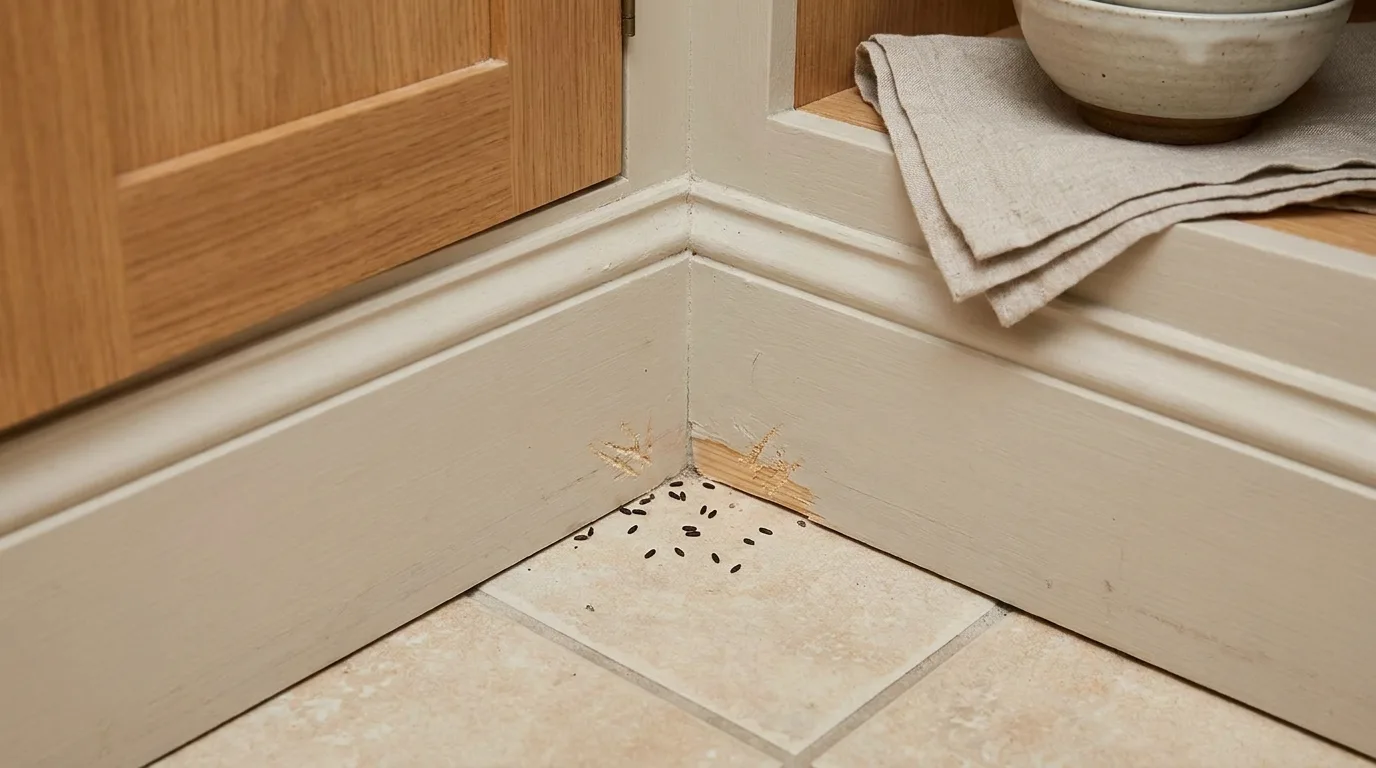
Spotting a pest problem early can make treatment simpler and potentially less disruptive. Signs to watch for include droppings, gnaw marks, damaged food packaging, unusual smells, nesting material, insect skins, dead insects, grease marks along walls, or scratching sounds after dark. Rodents may leave small droppings around cupboards, behind appliances, or near food storage areas. Bed bugs can leave dark spotting around mattress seams, while wasps may reveal an active nest through increased insect activity around a particular opening. Do not assume that seeing one pest means there is only one. Some species remain hidden for much of their lifecycle, so recurring signs deserve investigation rather than being dismissed as an isolated incident.

3. Deal With Rats Before the Problem Escalates
Rats can cause structural damage, contaminate surfaces, and potentially spread disease, making prompt action important. In Bristol properties, rats may enter through damaged drains, gaps around pipes, broken air bricks, poorly sealed doors, or openings in external walls. Outdoor food sources, unsecured rubbish, compost, and accessible pet food can also encourage activity. A professional inspection should consider both the building and its surroundings rather than focusing only on where a rat was seen. Treatment may involve appropriate control measures alongside recommendations for proofing and sanitation. Simply removing one visible animal may not solve the underlying problem. Homeowners should also avoid handling traps or contaminated material without understanding the relevant safety considerations.
4. Prevent Mice From Entering Your Home
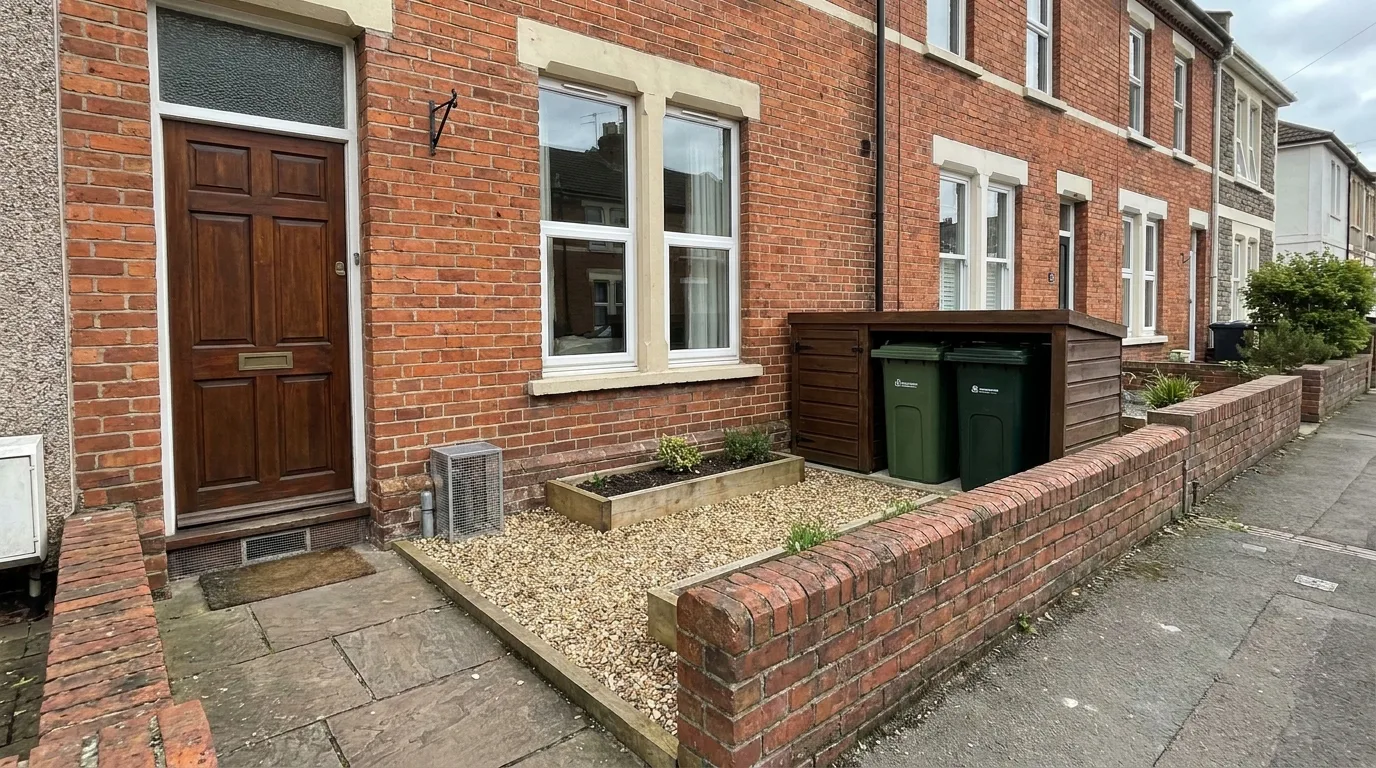
Mice are small enough to exploit narrow gaps, especially around utility penetrations, doors, vents, roof spaces, and damaged masonry. Once indoors, they can find warmth and food in kitchens, cupboards, lofts, garages, and wall cavities. Evidence often includes droppings, gnawing, scratching, nesting material, or a distinctive musky smell. Good mouse control combines population reduction with exclusion. Seal suitable entry points, keep food in secure containers, clean crumbs promptly, and avoid leaving animal feed accessible overnight. Professional pest controllers can inspect likely access routes and identify areas that may otherwise be overlooked. Because mice can reproduce quickly, delaying action after repeated signs can allow a relatively small problem to become a more established infestation.

5. Know When a Wasp Nest Needs Professional Attention
Wasps can become particularly noticeable during warmer months, and nests may be found in roof spaces, wall cavities, sheds, lofts, or sheltered areas around a property. A nest close to a doorway, window, frequently used garden area, or other high-traffic location can create a practical safety concern. Attempting to disturb an active nest can provoke defensive behaviour, so homeowners should avoid blocking an entrance or spraying an inaccessible nest without understanding where it is located. A professional can identify the nest and select an appropriate treatment based on its position and accessibility. Once activity has ceased, any necessary repairs or proofing can help reduce the chance of similar nesting opportunities developing in the future.

6. Control Ants by Finding the Source
Finding a trail of ants in the kitchen does not necessarily mean the visible insects are the whole problem. Ants may travel considerable distances between a food source and a nest, entering through cracks, gaps around windows, doors, or service penetrations. Wiping away the trail may provide temporary relief while leaving the colony undisturbed. Effective ant control therefore involves understanding the species, locating likely nesting areas, and reducing access to food and moisture. Keep worktops clean, store sweet and dry foods securely, and repair leaks where possible. If ant activity persists despite good housekeeping, professional treatment may be appropriate, particularly when nests are concealed inside walls, beneath paving, or in other difficult-to-reach locations.
7. Recognise the Signs of Bed Bugs
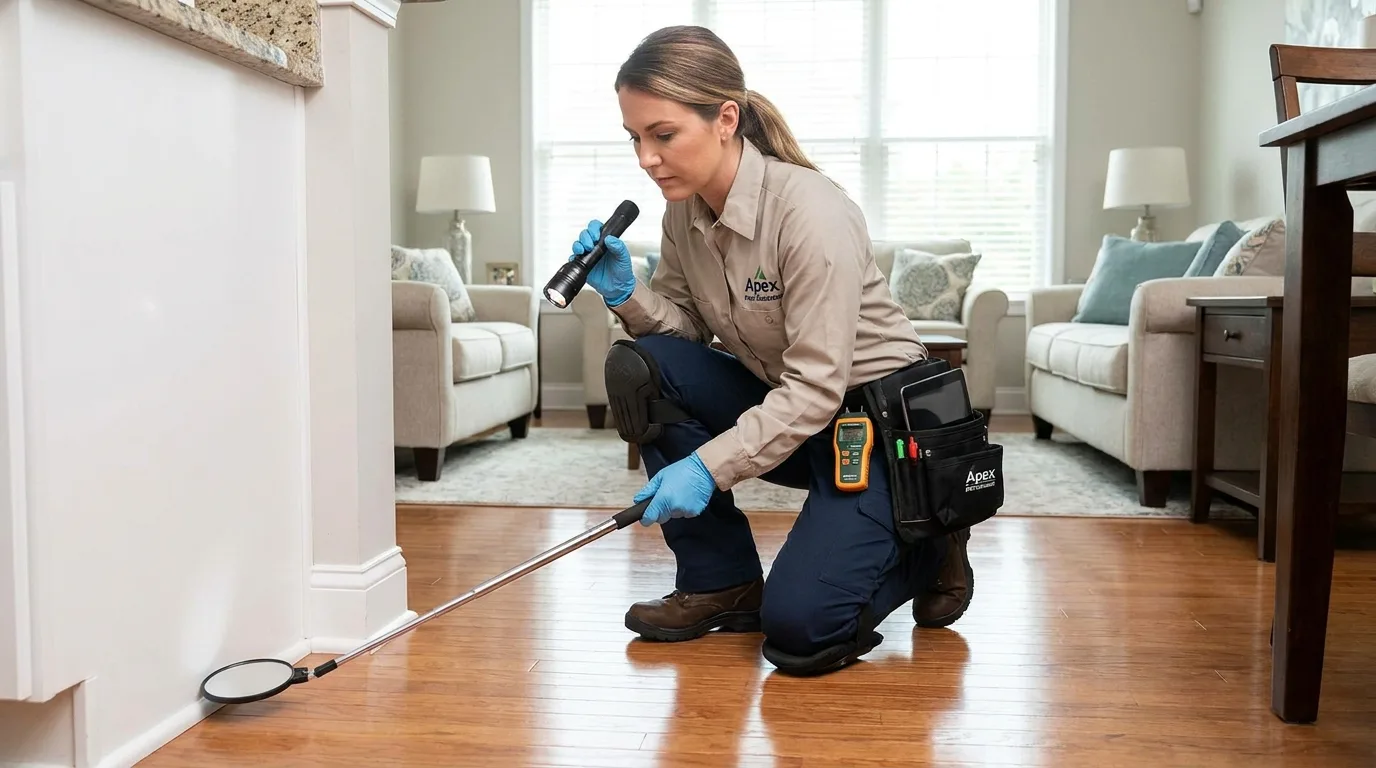
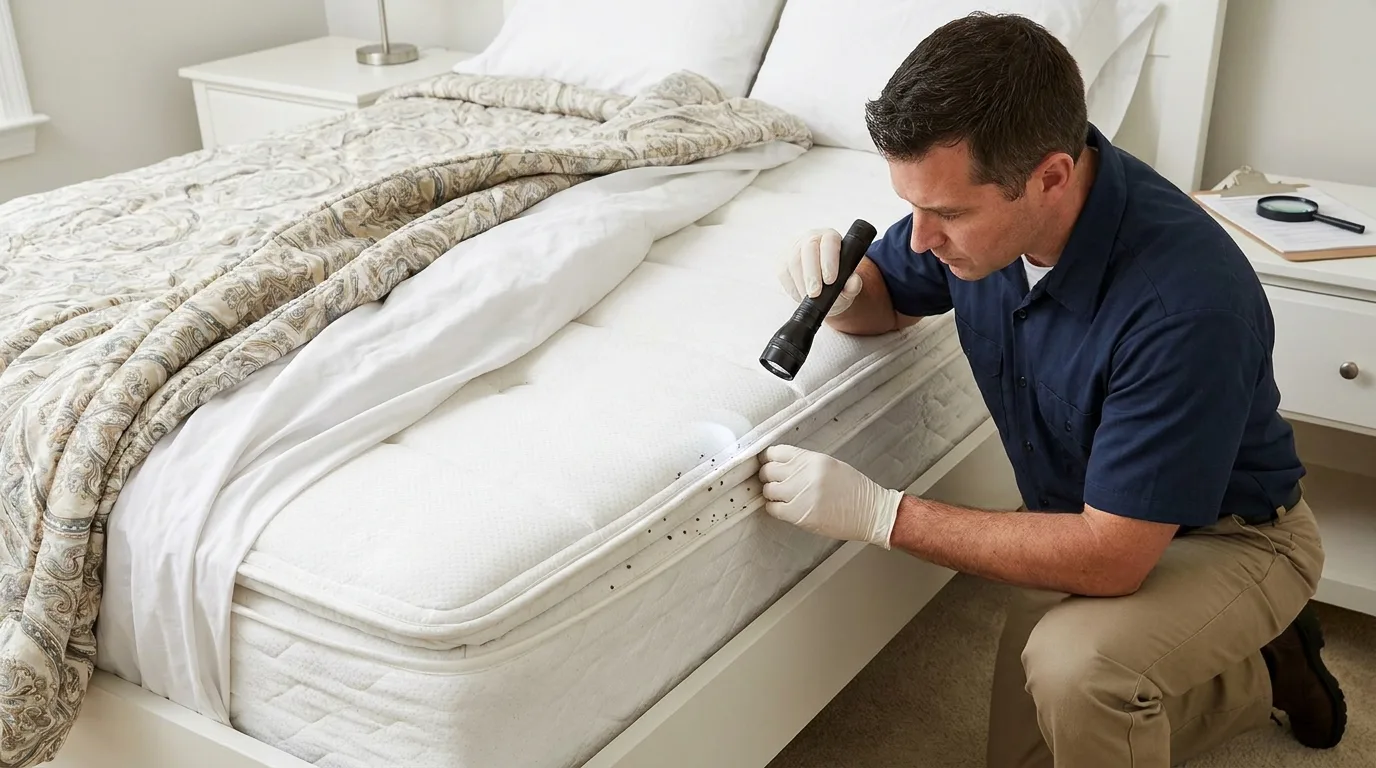
Bed bugs can be difficult to detect because they hide in cracks, mattress seams, bed frames, furniture joints, and other sheltered locations. Possible signs include itchy bites, small dark marks on bedding, pale shed skins, eggs, or live insects around sleeping areas. However, bites alone cannot reliably confirm an infestation because skin reactions vary between individuals and can resemble other conditions. A proper inspection is therefore valuable before deciding on treatment. Avoid moving infested furniture into other rooms, as this can spread the problem. Washing and heat-treating suitable fabrics can support professional treatment, but household cleaning alone may not eliminate an established infestation. Early identification can help limit the number of hiding places that require attention.

8. Treat Cockroaches Quickly
Cockroaches prefer warm, sheltered environments and may hide around kitchens, bathrooms, appliances, pipework, drains, and other protected areas. Seeing a cockroach during daylight can sometimes indicate substantial activity because these insects are generally more active when surroundings are dark and quiet. Food debris, moisture, clutter, and accessible waste can contribute to favourable conditions. Effective treatment usually requires more than killing insects that are visible. A professional assessment can identify harbourage areas and potential routes between rooms or neighbouring properties. Homeowners can help by storing food securely, cleaning spills promptly, reducing clutter, and addressing leaks. Because cockroaches can reproduce rapidly and hide effectively, persistent sightings should be investigated rather than treated as an occasional nuisance.

9. Keep Flies Under Control
Flies can enter homes through open windows, doors, vents, gaps, or contaminated materials and may become especially noticeable around kitchens and waste storage areas. Different fly species have different breeding habits, so identifying the type can help determine the appropriate response. Good hygiene is central to prevention: empty rubbish regularly, clean food residue, keep bins closed, and avoid leaving exposed food on counters. Fly screens can provide an additional physical barrier where practical. If large numbers appear suddenly or continue despite improved sanitation, there may be a hidden breeding source such as decomposing organic material, waste, or a drainage issue. Professional inspection can help locate the source instead of repeatedly treating the adult flies that are easiest to see.
10. Prevent Fleas From Spreading Indoors
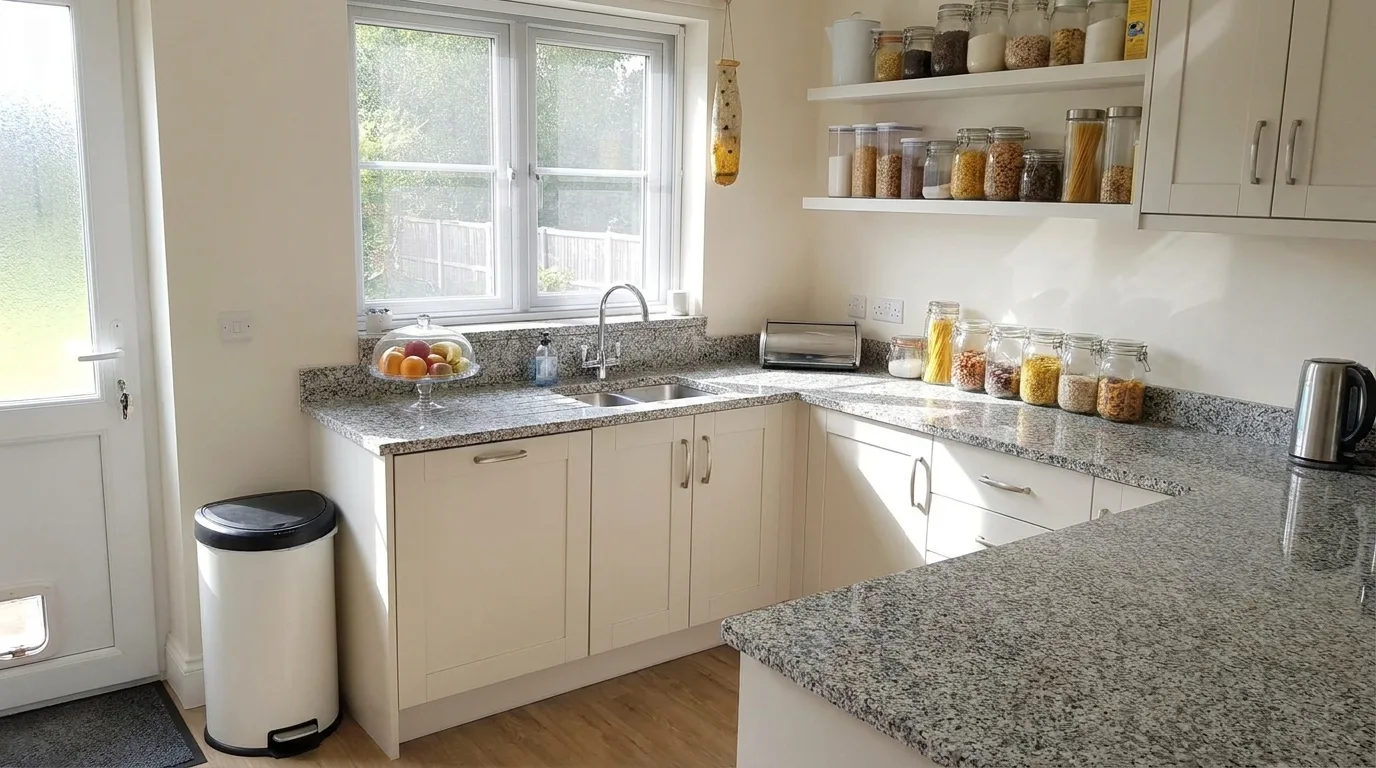
Fleas are often associated with cats and dogs, but an infestation can involve carpets, upholstery, bedding, and other areas of the home. Adult fleas represent only part of the population; eggs and immature stages can remain in the environment and later develop into adults. This is why simply treating a pet may not resolve a household infestation. Pet owners should use veterinary-approved flea control products and follow the product instructions carefully. Regular vacuuming and appropriate laundering can also support environmental management. If flea activity continues, professional pest control may be necessary to treat suitable indoor areas. Coordinating pet treatment and environmental measures is important because otherwise untreated stages can continue the cycle and lead to renewed activity.
11. Protect Your Home From Clothes and Pantry Moths
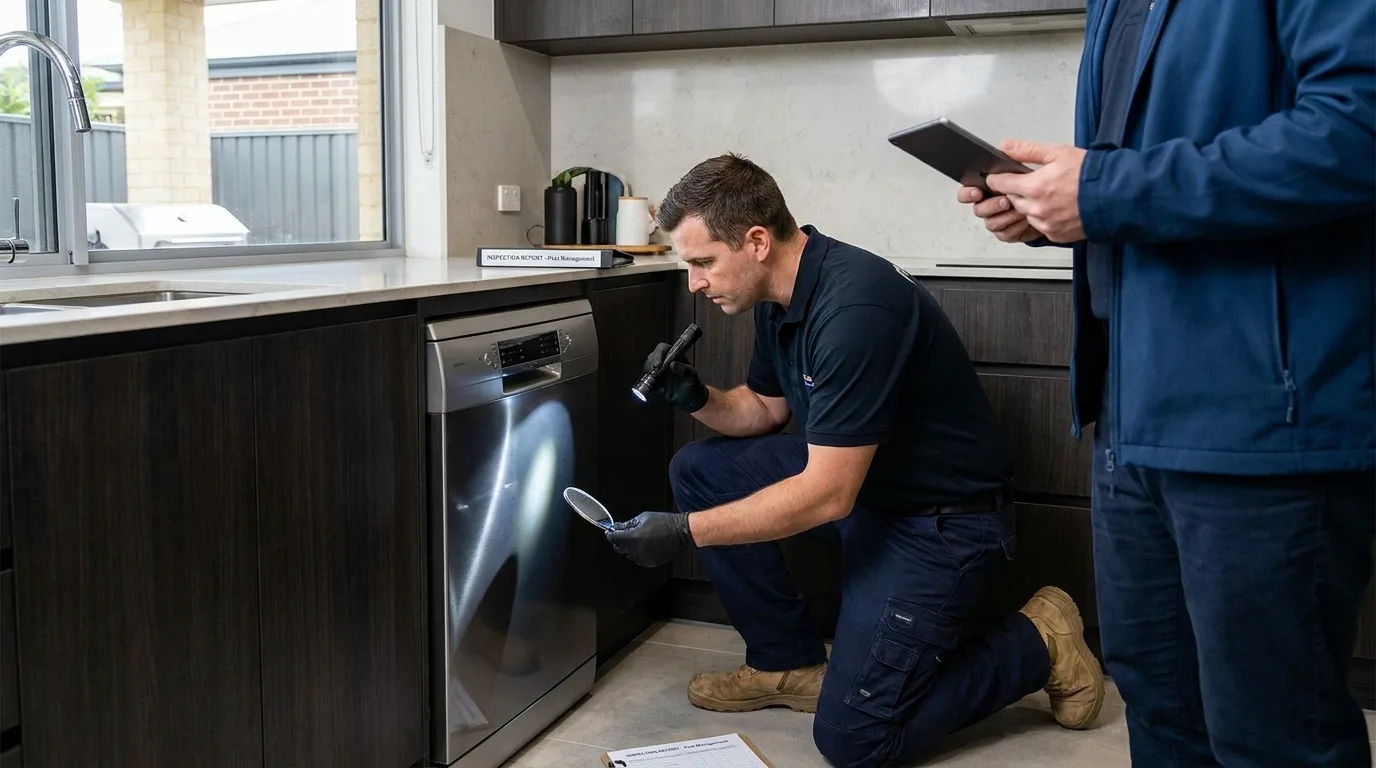
Moths can damage stored textiles or contaminate food, depending on the species involved. Clothes moth larvae may attack natural fibres in carpets, clothing, and other materials, while pantry moths are associated with dry food products such as grains, cereals, nuts, and pet food. Identifying the species helps determine where to search and what to remove. Inspect cupboards and stored goods carefully, dispose of infested food in sealed waste, and clean storage areas thoroughly. For clothes moths, check dark, undisturbed areas and stored natural-fibre items. Traps can help monitor activity but may not be sufficient to eliminate an established infestation. Professional advice can be useful when moth activity persists or the source is difficult to locate.
12. Seal Entry Points Around the Property
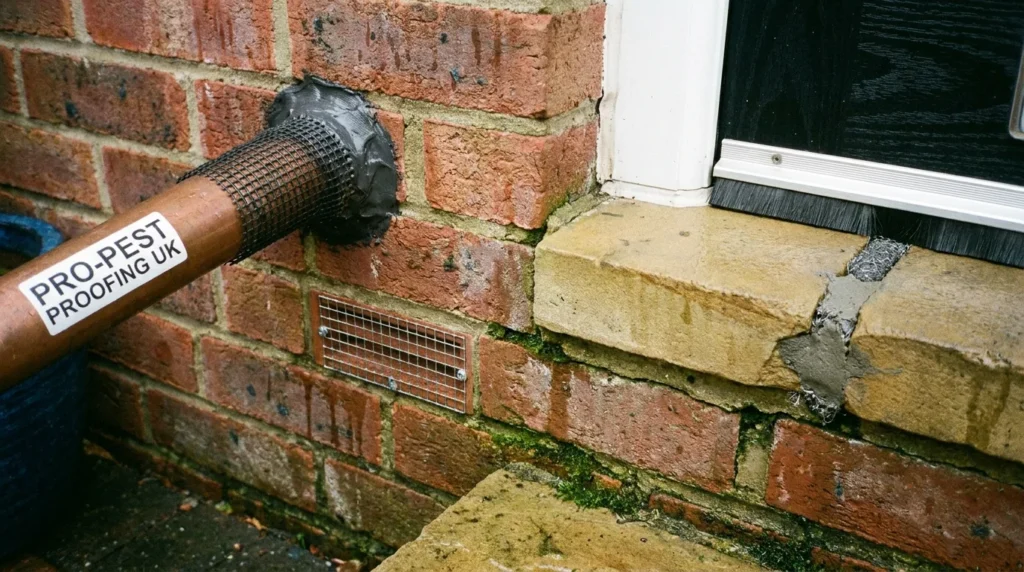
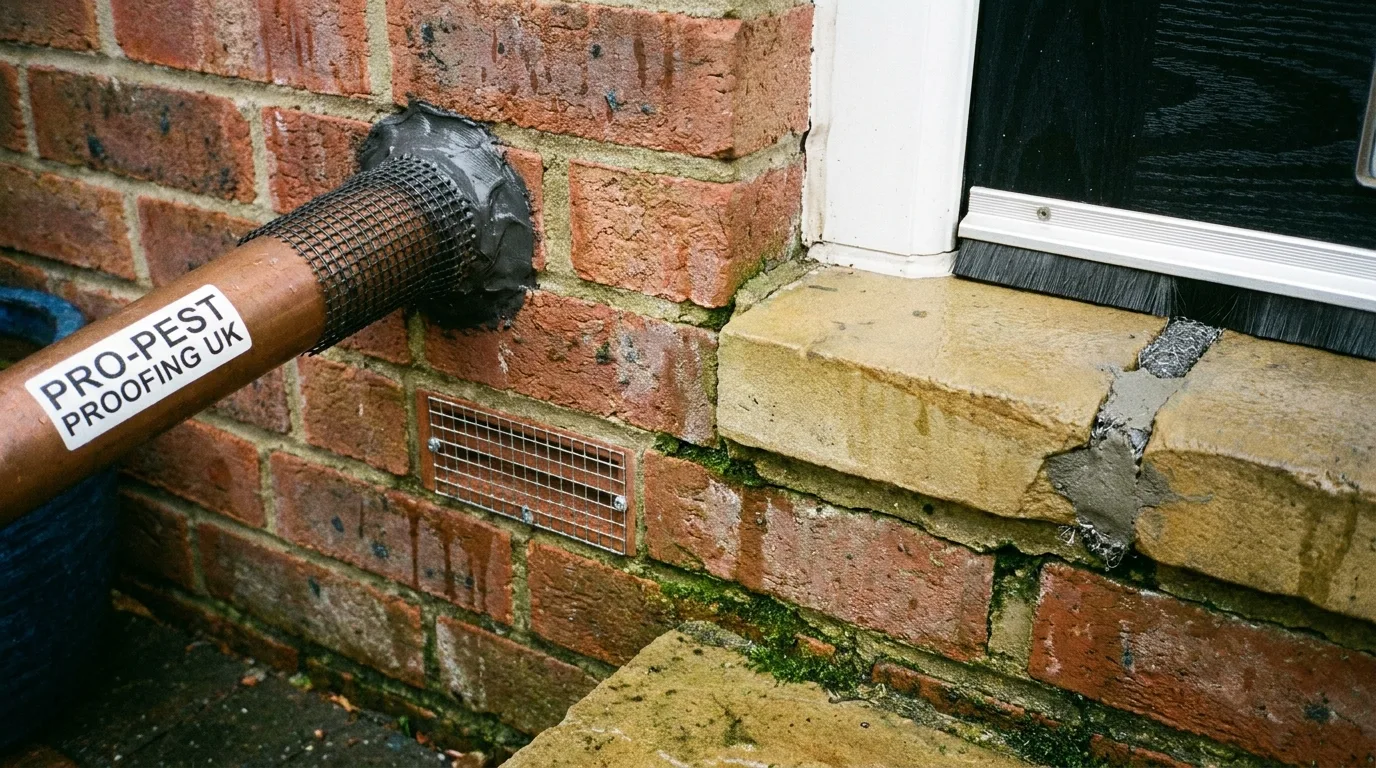
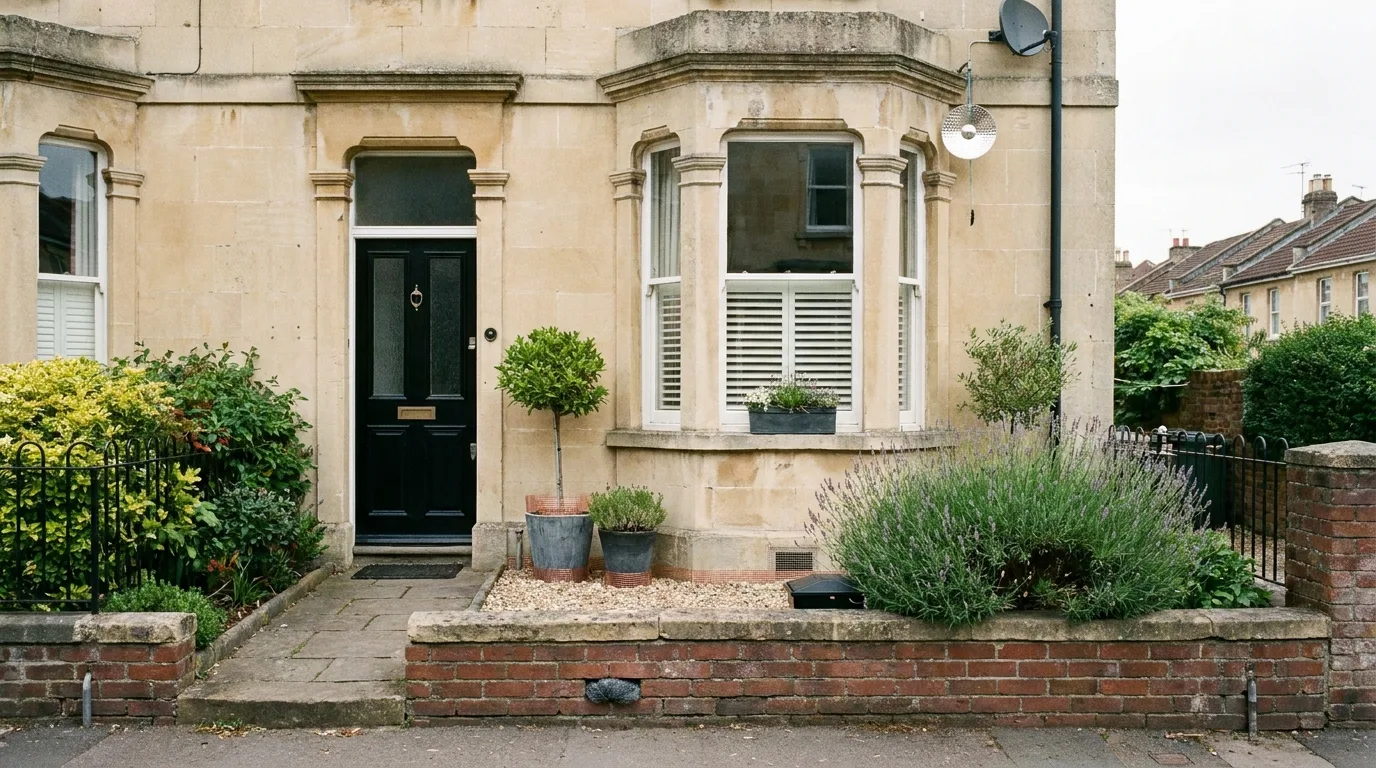
Proofing is one of the most useful long-term elements of pest prevention. Walk around the property and check gaps around pipes, doors, windows, vents, roof edges, drains, air bricks, and damaged brickwork. Small openings can provide access for rodents and insects, while broken seals can make a property more attractive to pests seeking shelter. Repairs should be suitable for the species involved and should not obstruct essential ventilation. For example, simply blocking a ventilation opening can create a different building problem. A pest professional can help identify vulnerable areas that are not obvious from inside the property. Combining appropriate proofing with good housekeeping can reduce the opportunities pests have to enter, nest, and find food.
13. Improve Waste and Food Storage
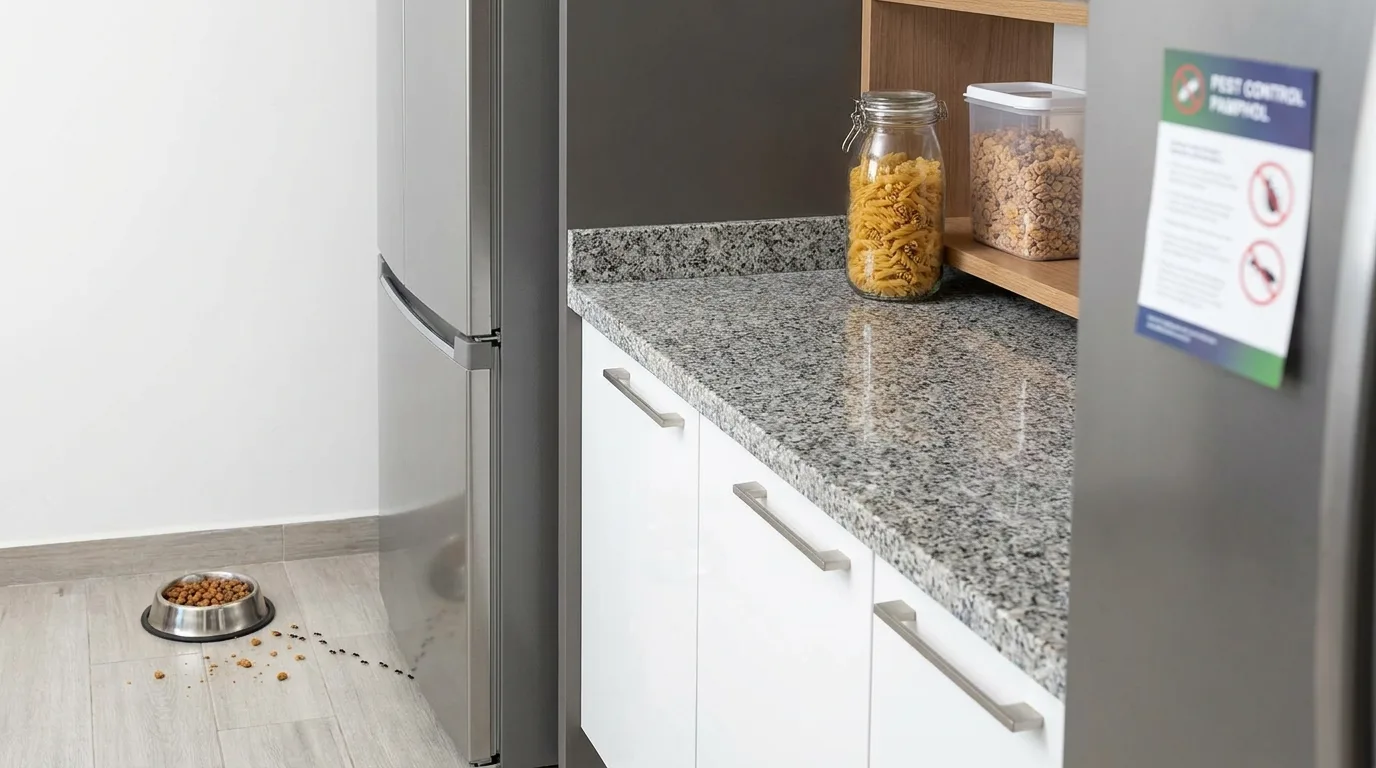
Accessible food and poorly managed waste can make a property more attractive to pests. Store dry goods in sealed containers rather than relying on opened packets, wipe food preparation surfaces after use, and clean crumbs from floors and behind appliances. Outdoor bins should remain closed, and rubbish should not accumulate unnecessarily around sheds, garages, or garden areas. Pet food also deserves attention because rodents and insects can be attracted to bowls left out for long periods. Composting can be useful, but compost systems should be managed correctly and positioned appropriately. These measures will not guarantee a pest-free property, especially where neighbouring properties or infrastructure are involved, but they can remove important food sources and make an infestation less likely to develop.

14. Understand What Professional Pest Control Involves
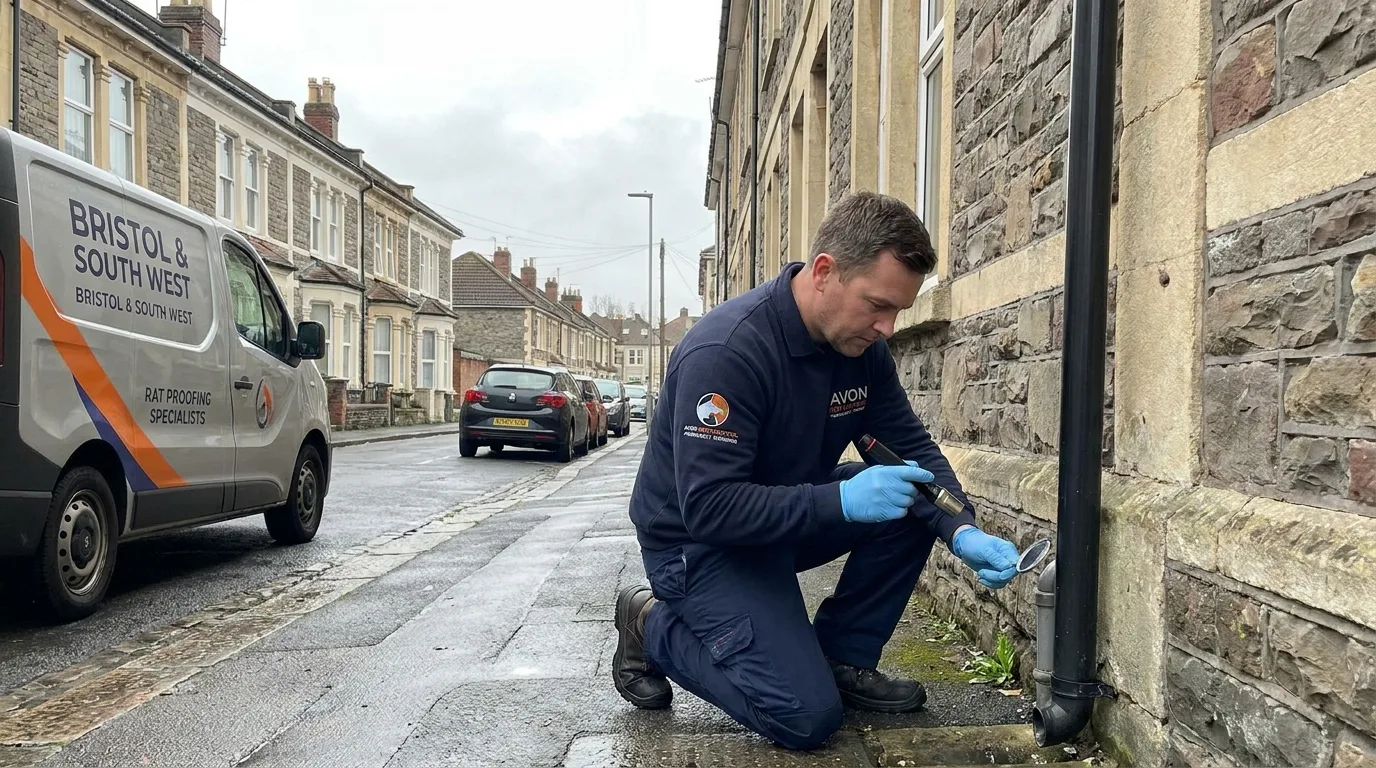
A reputable pest control service should begin with an assessment rather than automatically applying a treatment. The technician may identify the pest, inspect evidence of activity, consider access points, assess environmental conditions, and discuss relevant risks. Depending on the species, treatment could involve traps, targeted products, monitoring devices, physical exclusion, or other appropriate methods. Some infestations require more than one visit because pest lifecycles and hidden harbourage areas can make immediate eradication unrealistic. Homeowners should receive clear information about preparation, safety precautions, follow-up visits, and any work they need to complete. Asking questions before treatment can help you understand what is being done and why, rather than choosing a service based solely on a low headline price.

15. Choose a Reputable Bristol Pest Control Company
When comparing pest control providers in Bristol, look for clear information about the pests they treat, the areas they cover, pricing, treatment methods, follow-up arrangements, and customer responsibilities. It can also be useful to check whether technicians hold relevant industry qualifications or belong to recognised professional organisations. Ask whether the company provides written treatment recommendations and explains any safety precautions before work begins. Be cautious of providers who promise an instant permanent solution without first inspecting the property, particularly for complex infestations. Reviews can provide useful context, but they should be considered alongside the company’s experience, communication, and stated approach. A transparent provider should be willing to explain the proposed treatment rather than relying on pressure or vague guarantees.
16. Consider the Cost of Pest Control
The cost of pest control in Bristol can vary according to the pest species, infestation size, property type, treatment method, accessibility, and number of visits required. A straightforward wasp nest may require a very different service from a persistent rodent or bed bug infestation. Before accepting a quote, ask whether the price includes inspection, treatment, follow-up visits, monitoring, proofing recommendations, and any applicable guarantees. The cheapest initial quote is not necessarily the lowest overall cost if additional visits or work are likely to be required. Conversely, a higher price does not automatically indicate a better service. Comparing like-for-like quotations and understanding exactly what is included gives homeowners a clearer basis for making a practical decision.
17. Prevent Future Pest Problems
The most effective pest strategy combines treatment with prevention. After an infestation has been controlled, keep food and waste secured, maintain clean storage areas, repair leaks, reduce unnecessary clutter, and inspect the building periodically for new gaps or damage. Gardens and outdoor storage areas should also be kept reasonably tidy, with potential food sources managed responsibly. If rodents were involved, pay particular attention to drains, doors, utility penetrations, and other possible access routes. If insects were the issue, monitor previously affected rooms for renewed activity. Prevention is especially valuable in properties with recurring problems because it addresses the conditions that allowed pests to establish themselves. Regular attention can reduce the likelihood of needing urgent treatment later.
Conclusion
Pest control in Bristol is most effective when homeowners identify the pest accurately, respond promptly, and address the conditions that allowed the problem to develop. Whether you are dealing with rodents, wasps, ants, bed bugs, cockroaches, flies, fleas, or moths, professional assessment can help determine the appropriate treatment and prevention strategy. Good hygiene, secure food storage, property maintenance, and sensible proofing can further reduce future risks. When choosing a pest control provider, compare the service offered rather than focusing only on price, and make sure you understand treatment requirements and follow-up arrangements. Acting early can help protect your home, reduce disruption, and prevent a manageable pest issue from becoming a larger infestation.