
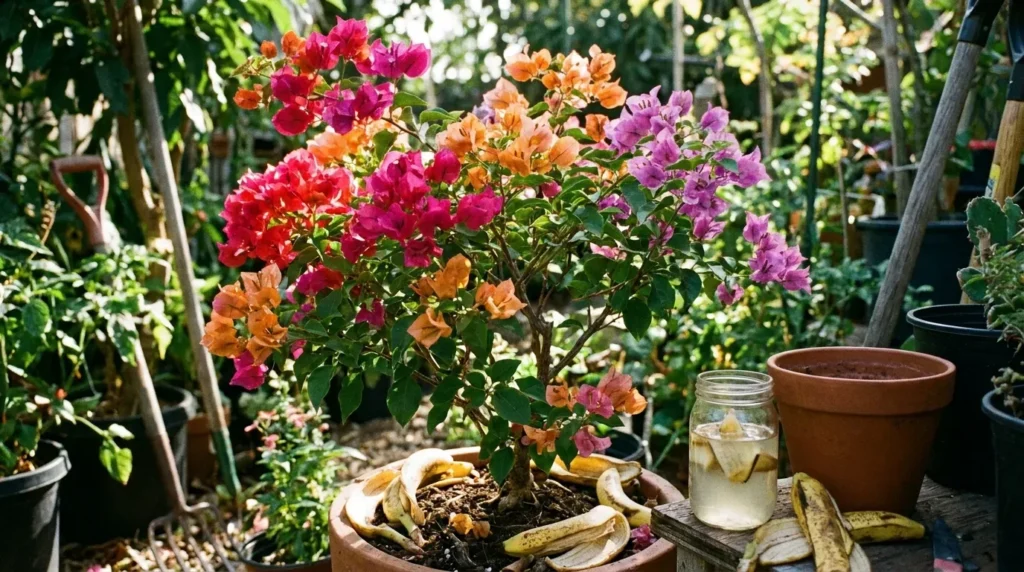
Banana water is a simple homemade plant tonic made by soaking banana peels in water. It has become popular among gardeners because banana peels contain nutrients such as potassium and small amounts of other minerals that plants need. However, banana water is not a complete fertilizer, and its nutrient content can vary considerably depending on how it is prepared. Used thoughtfully, it can be a low-cost addition to a broader plant-care routine.
From supporting flowering plants to making use of kitchen scraps, banana peel water has several potential benefits. The key is to use it correctly, avoid overapplication, and continue providing plants with suitable soil, light, moisture, and balanced nutrition. Here are 19 practical benefits and ways banana water may fit into your plant-care routine.
1. Provides a Source of Potassium
One of the main reasons gardeners use banana water is its potential potassium content. Potassium plays an important role in many plant processes, including water regulation, enzyme activity, and overall plant development. Soaking banana peels can transfer some soluble minerals into the water, although the exact amount depends on the peel, soaking method, temperature, and time.
Banana water should therefore be viewed as a supplementary plant tonic rather than a guaranteed high-potassium fertilizer. For plants showing a genuine nutrient deficiency, a properly formulated fertilizer is more reliable. If you use banana water, apply it occasionally to established plants rather than replacing all other nutrition with it.
2. Supports Flowering Plants
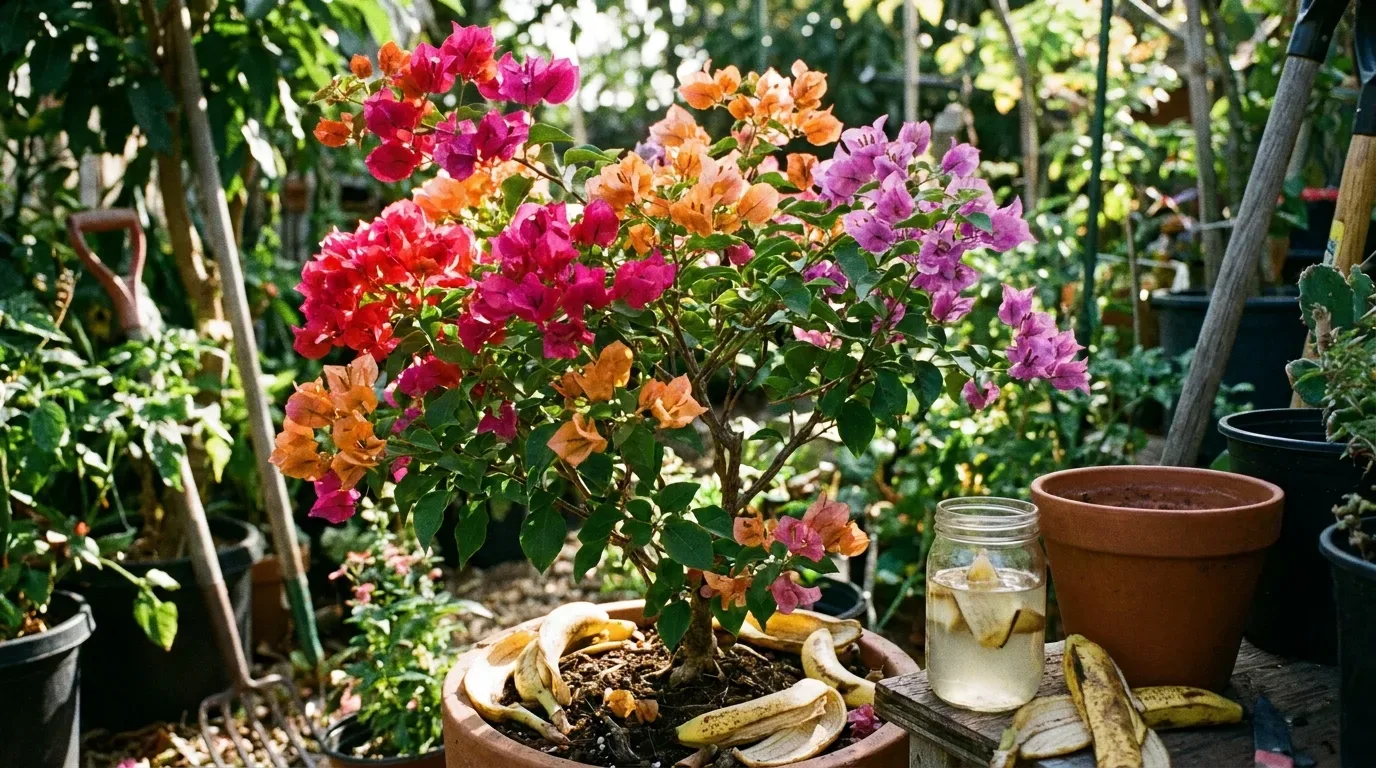
Potassium is associated with reproductive development in plants, making adequate potassium important for many flowering species. Banana water is sometimes used around flowering plants such as roses, geraniums, hibiscus, and flowering houseplants as part of a wider care routine. Its benefit is most reasonable when the plant already receives sufficient nitrogen, phosphorus, and other essential nutrients.
Do not assume that banana water alone will force a plant to bloom. Flower production also depends heavily on genetics, light exposure, temperature, watering, and the plant’s overall nutritional balance. For best results, use banana water as an occasional supplement while maintaining the conditions your particular flowering plant requires.
3. Reuses Kitchen Scraps
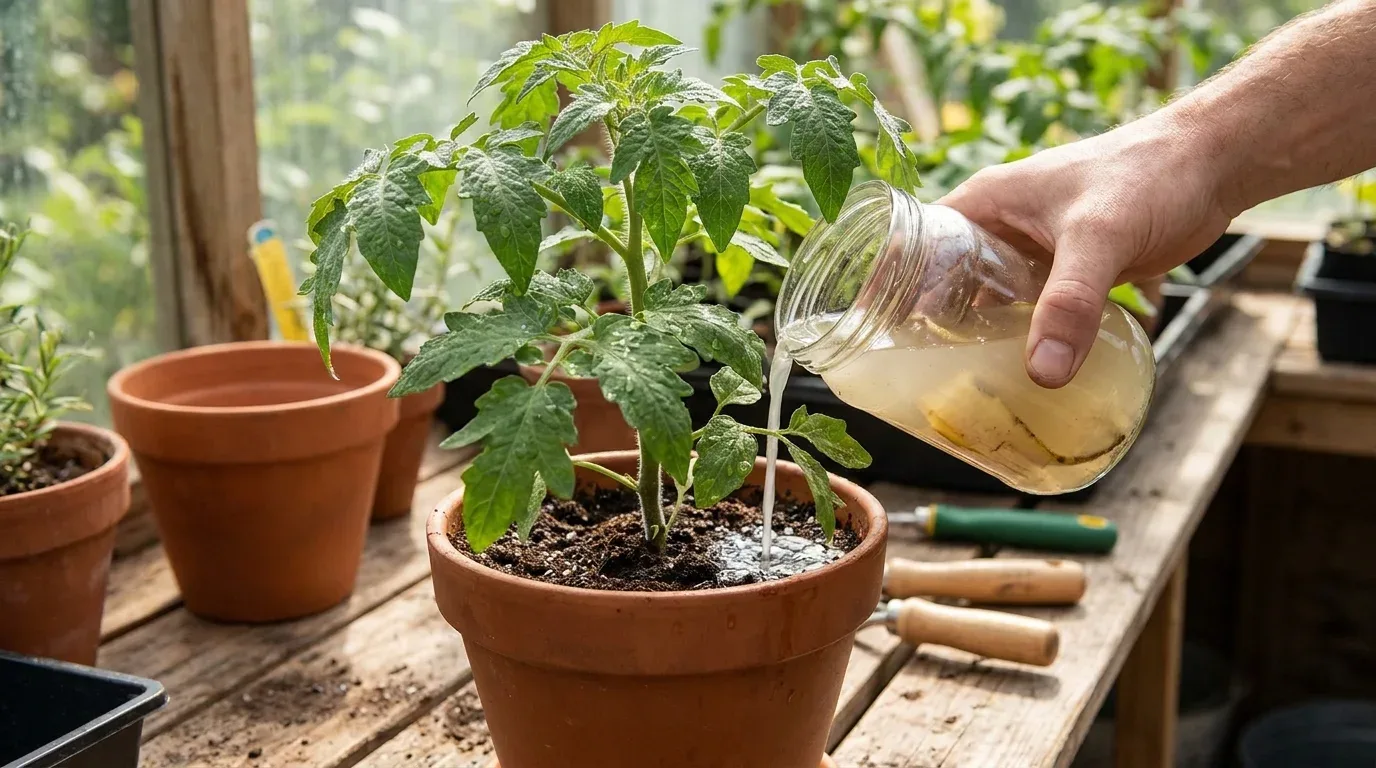
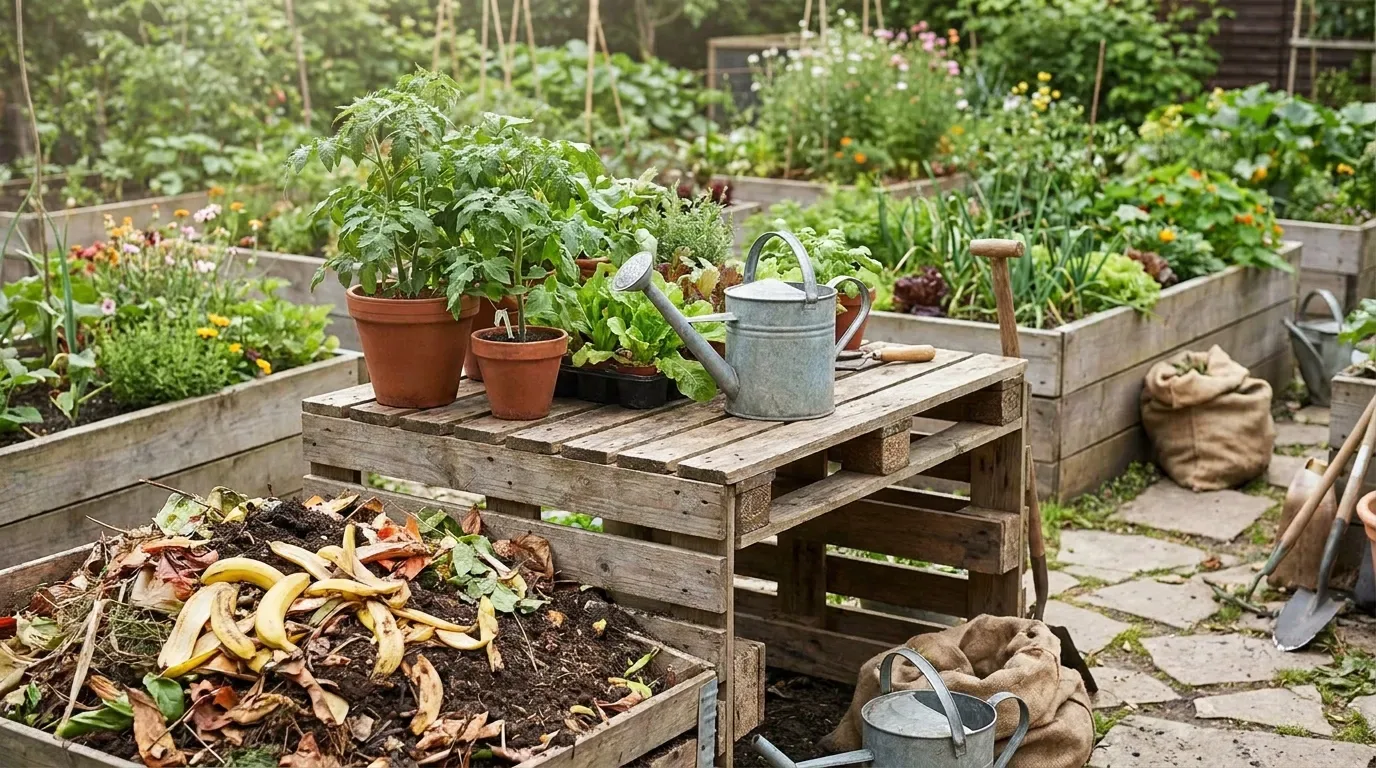
Banana water gives gardeners a useful way to reuse banana peels that might otherwise go straight into the trash. Instead of treating every peel as waste, you can extract some of its soluble compounds through soaking and return them to your garden. This fits naturally into a low-waste gardening routine, especially for households that regularly eat bananas.
The environmental benefit is mainly about reuse rather than creating a complete fertilizer from scraps. After soaking, the remaining peels can also be composted instead of discarded. Keeping the process simple makes it easier to maintain consistently. Wash peels when appropriate, use clean containers, and avoid leaving the mixture around long enough to develop a strong odor or attract pests.
4. Adds a Gentle Nutrient Supplement
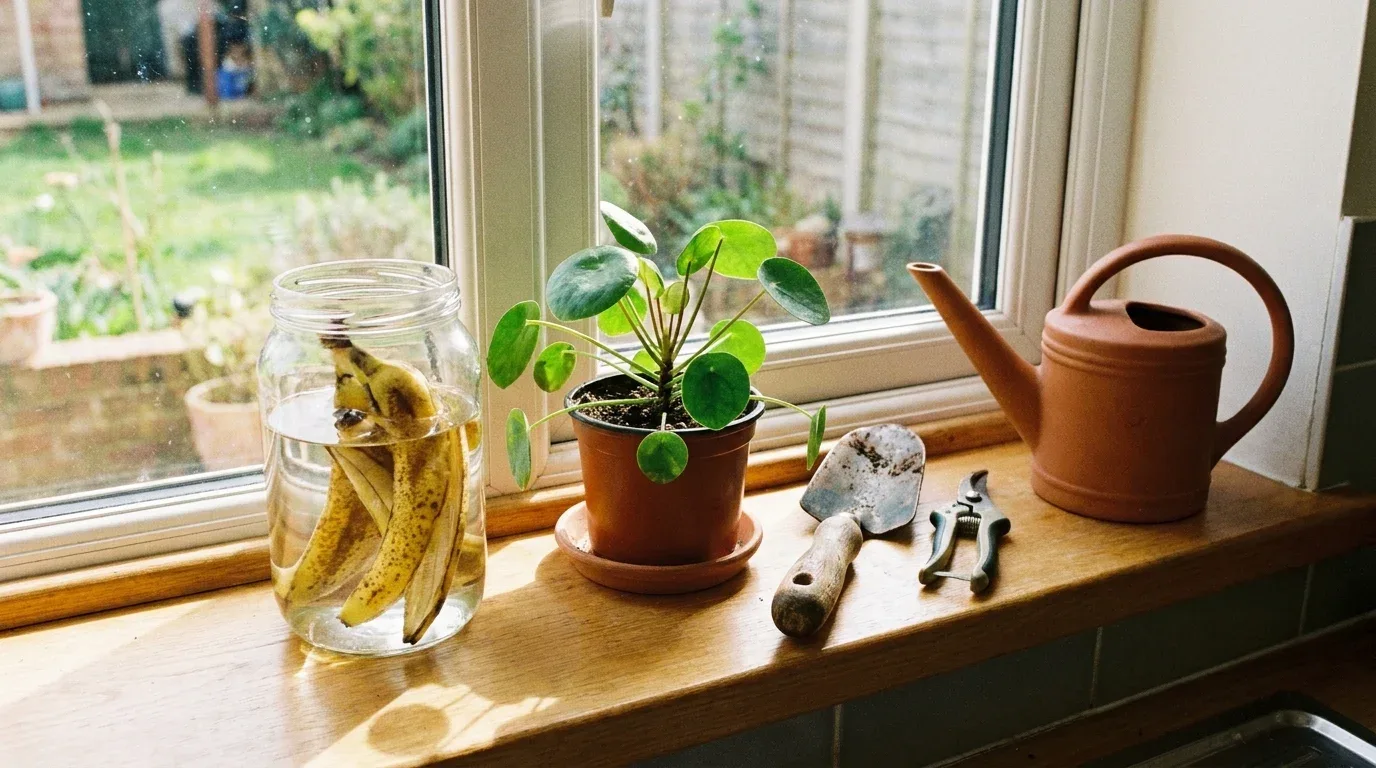
Banana water can provide a relatively gentle addition to a plant-care routine compared with some concentrated commercial fertilizers. This can appeal to gardeners who want to experiment with homemade amendments on established plants. Because the concentration is usually uncertain, however, it should not be treated as a precisely measured fertilizer solution.
A practical approach is to use banana water occasionally and observe how the plant responds. Healthy new growth, normal leaf color, and good flowering are more useful indicators than simply applying more of the mixture. If a plant develops yellowing, poor growth, leaf damage, or other concerning symptoms, investigate the underlying cause instead of repeatedly adding banana water.
5. Can Complement Flower and Fruit Development
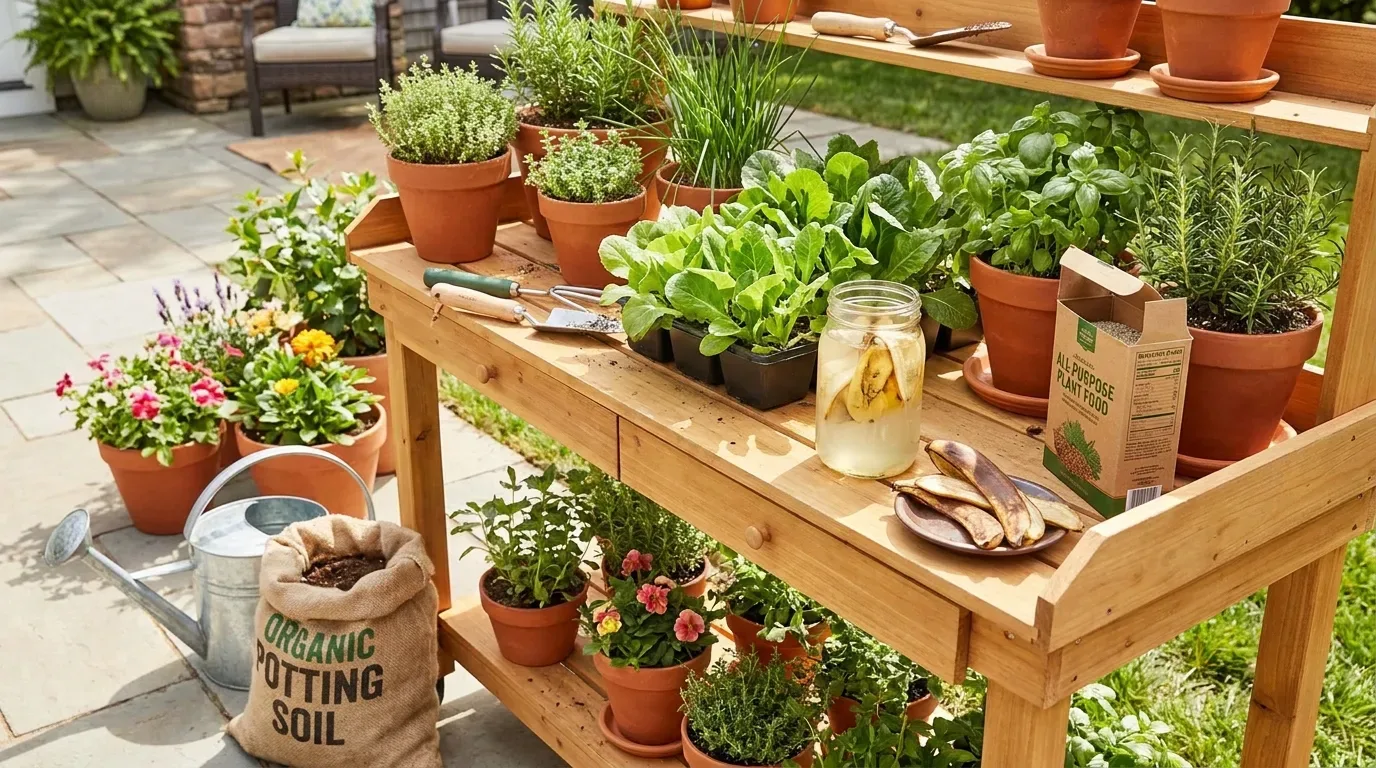
Plants need potassium throughout their life cycle, including periods when they are producing flowers and fruits. Because banana peels contain potassium, banana water may complement a balanced feeding program during these stages. Gardeners commonly experiment with it around flowering vegetables, herbs, ornamental plants, and fruiting plants.
Still, fruit production requires much more than potassium. Plants also need adequate light, water, root space, and a complete supply of essential nutrients. Tomato, pepper, strawberry, and similar plants should not rely on banana water alone. Think of it as one small component of plant care rather than a special treatment that automatically increases fruit production.
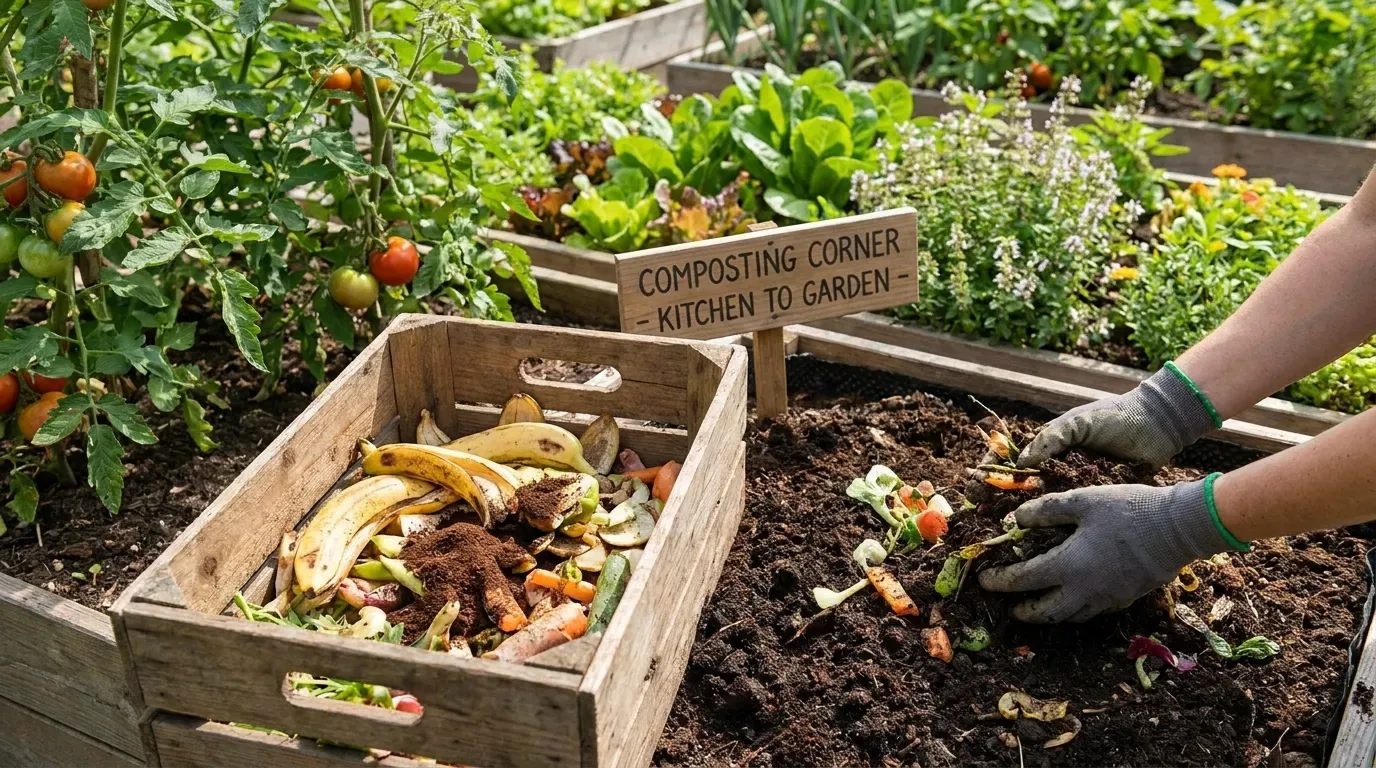
6. Works Well With a Composting Routine
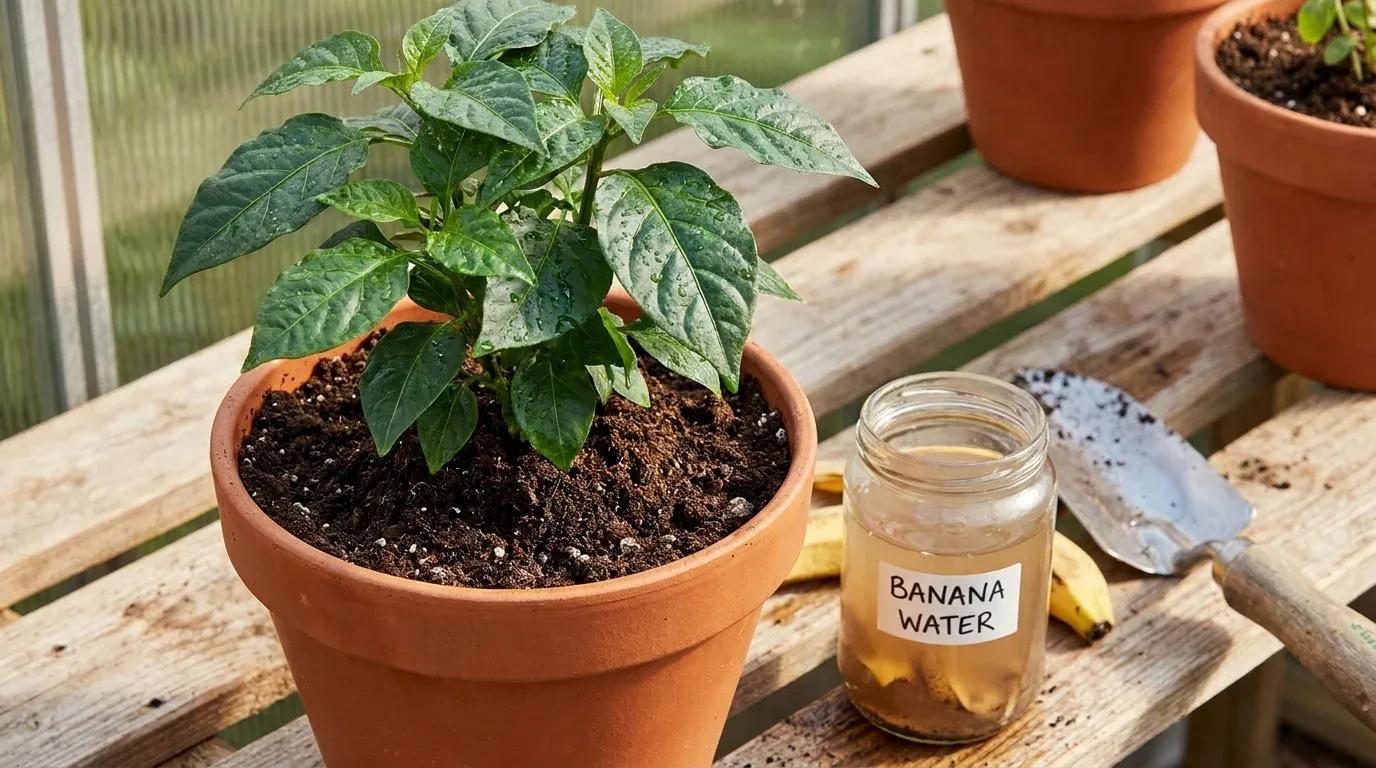
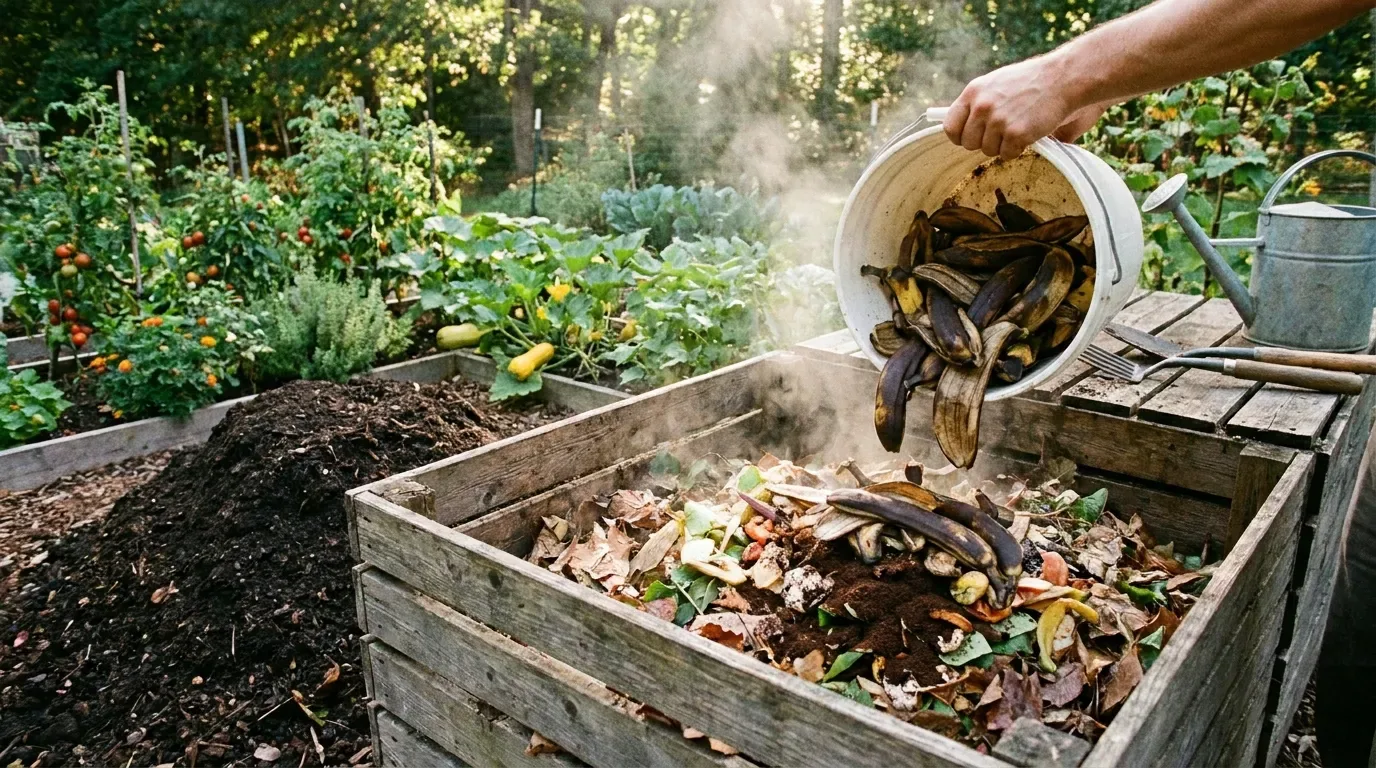
Banana water can complement composting because the same banana peel can have more than one useful destination. After soaking the peel, place the remaining organic material into a suitable compost pile or bin. This keeps biodegradable kitchen material in a productive cycle instead of sending it to landfill.
The combination is especially practical for gardeners who already collect vegetable scraps, coffee grounds, leaves, and other compostable materials. Remember that compost needs a reasonable balance of green and brown materials, moisture, and air. Banana water does not replace finished compost, and compost itself is not necessarily a complete fertilizer. Together, they can form part of a broader strategy for improving soil and reducing household organic waste.
7. May Support Overall Plant Vigor
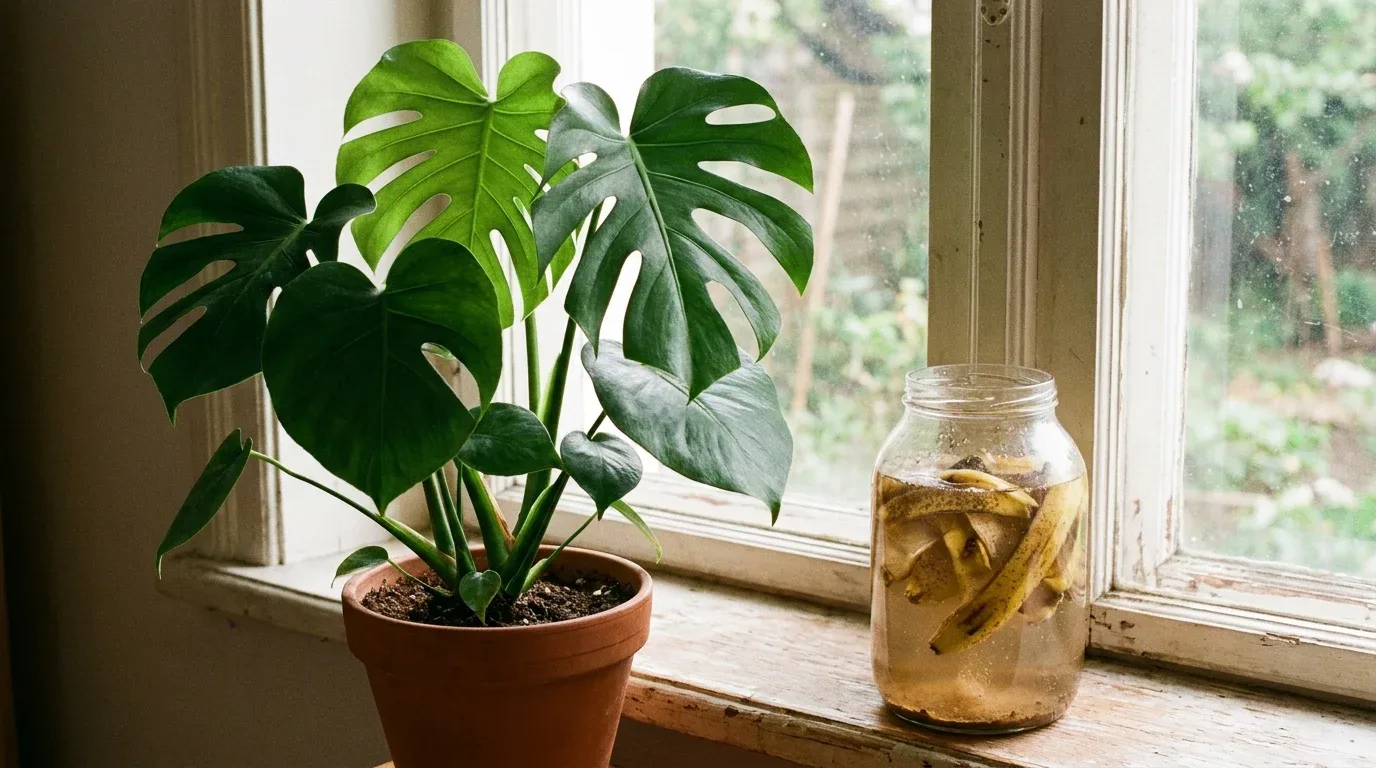
Healthy plants require a steady supply of essential nutrients, and potassium contributes to normal physiological functions. When a plant has access to adequate potassium alongside its other nutritional requirements, it can maintain important processes related to water movement, enzyme function, and growth. Banana water may provide a small supplemental source of potassium and other soluble compounds.
The important distinction is between supporting nutrition and correcting a deficiency. If soil is severely lacking in potassium or another nutrient, homemade banana water is unlikely to provide a predictable correction. For container plants especially, use a quality potting mix and appropriate fertilizer when necessary. Banana water is best considered an optional supplement rather than the foundation of a complete nutrition program.
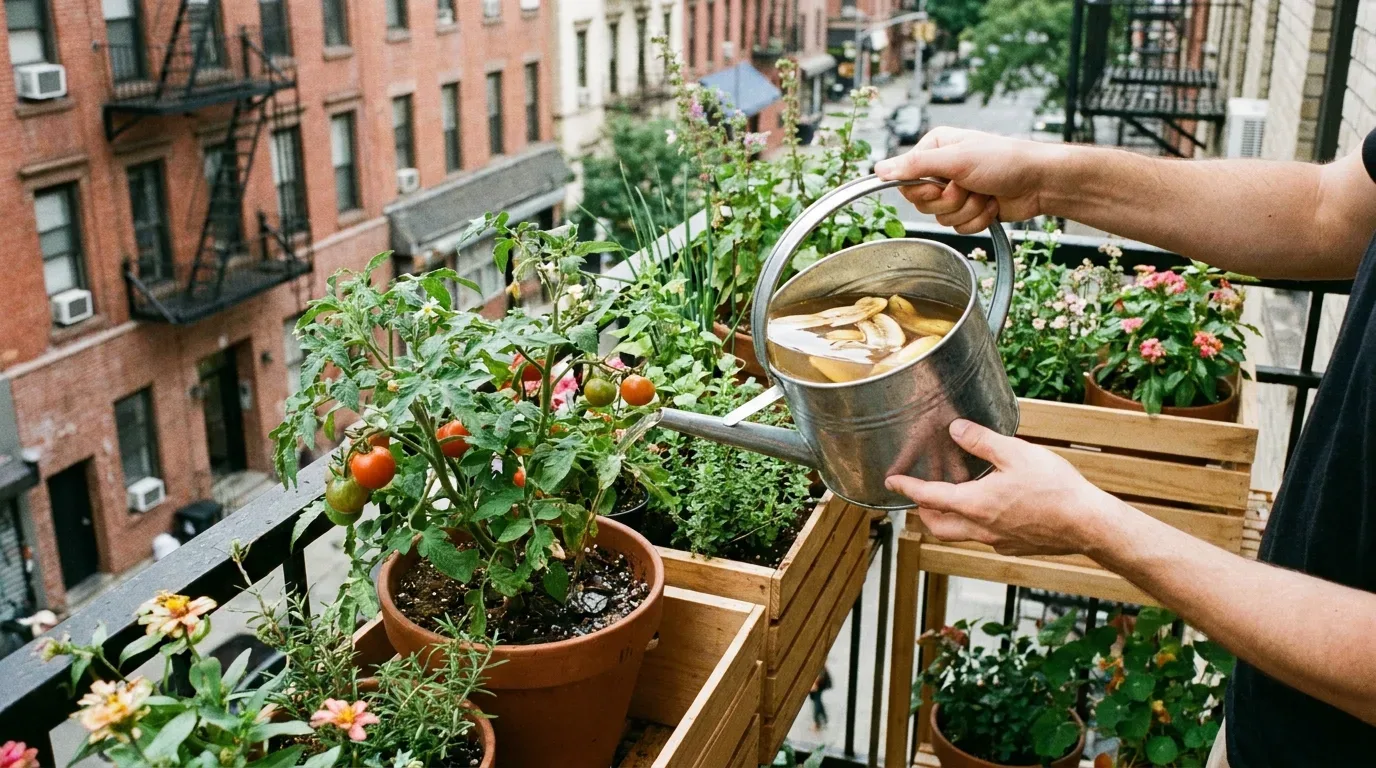
8. Can Be Convenient for Container Plants
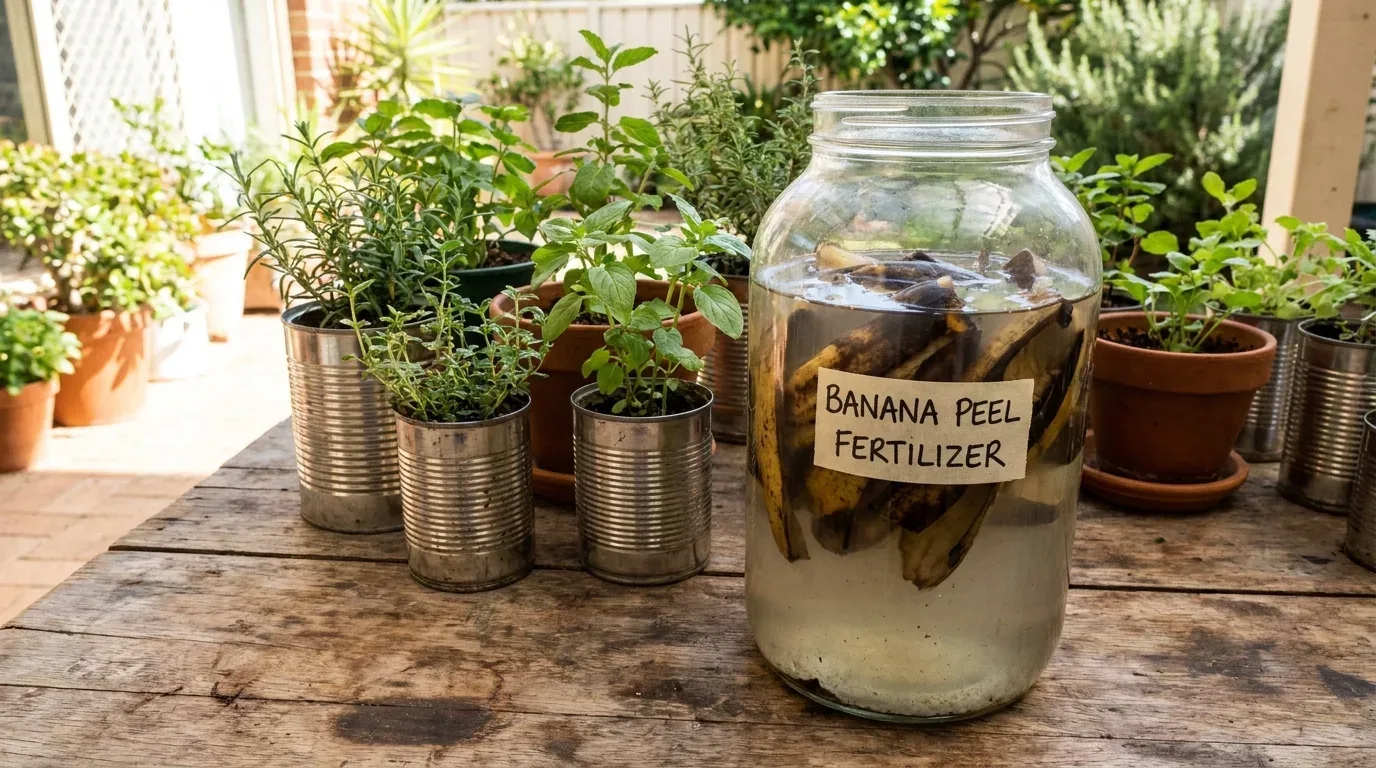
Container gardeners often look for simple ways to supplement plants without making complicated mixtures. Banana water can be convenient because it requires only banana peels, water, and a clean container. This makes it easy to prepare alongside normal household routines.
Because containers have limited soil volume, however, they can also accumulate salts and excess nutrients more quickly than garden beds. Avoid frequent applications simply because the mixture is homemade. Water the plant normally when needed, and use banana water sparingly as an occasional supplement. Good drainage is particularly important. If the pot stays wet for long periods, adding more liquid fertilizer or plant tonic can worsen root problems rather than improve growth.
9. Offers a Low-Cost Gardening Option
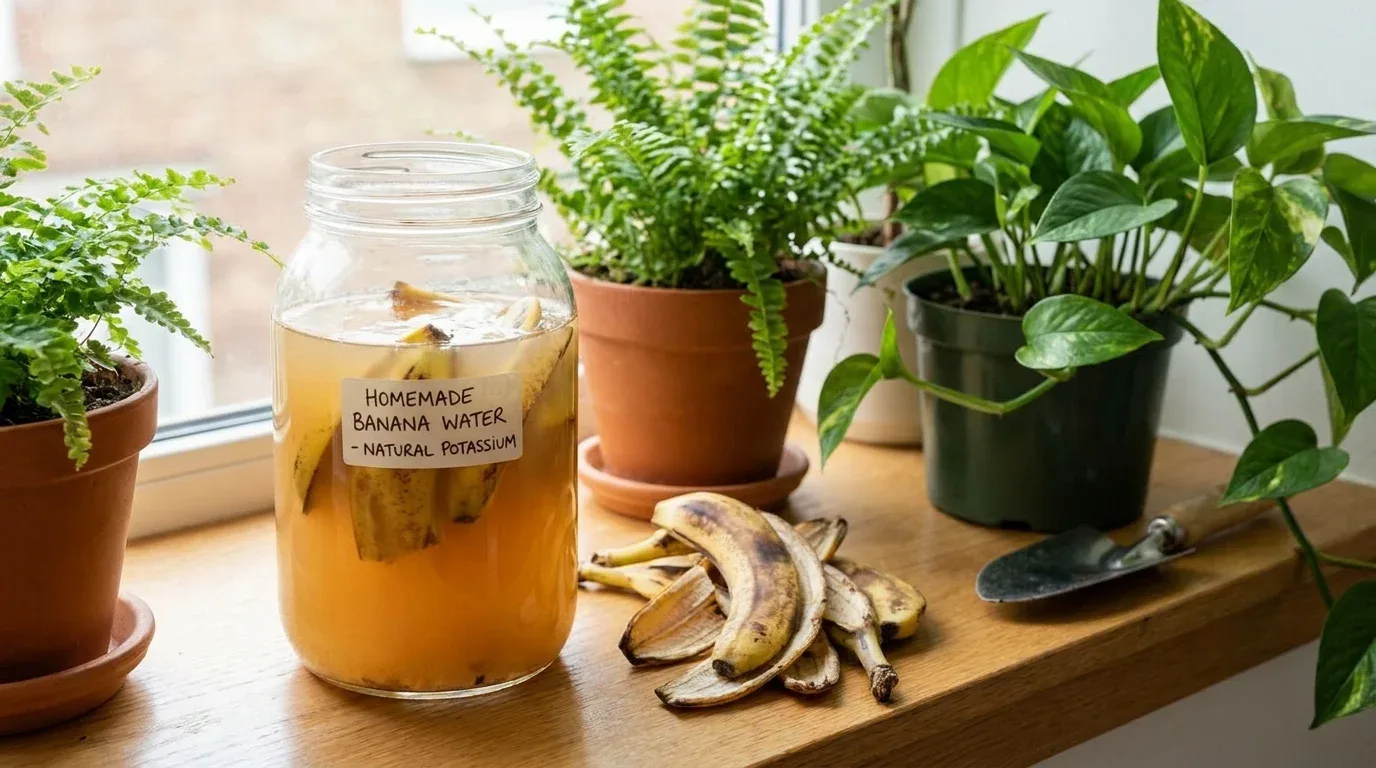
For gardeners on a budget, banana water costs very little when the peels are already available. You do not need specialized equipment or expensive ingredients. A jar, water, and leftover banana peels are enough for a basic preparation. This makes the practice accessible to beginners who want to explore homemade plant care.
Low cost does not necessarily mean high effectiveness, so expectations should remain realistic. Commercial fertilizers provide labeled nutrient concentrations, while banana water does not. Use the homemade mixture because it is convenient and potentially useful, not because it is guaranteed to outperform a formulated fertilizer. For demanding plants, a modest investment in suitable fertilizer may provide more predictable results.
10. Can Encourage More Mindful Plant Care
Preparing banana water can encourage gardeners to pay closer attention to their plants. Rather than applying a product automatically, you may begin noticing soil moisture, leaf color, new growth, flowering, and other signs of plant health. This observation is often more valuable than any single homemade fertilizer technique.
Use banana water as an opportunity to check the entire plant-care routine. Ask whether the plant receives enough light, whether the pot drains properly, and whether watering is appropriate. Look underneath leaves for pests and inspect roots if a container plant is struggling. Good gardening comes from understanding what a plant needs rather than repeatedly adding supplements whenever growth slows.
11. Fits a Simple Homemade Plant Routine
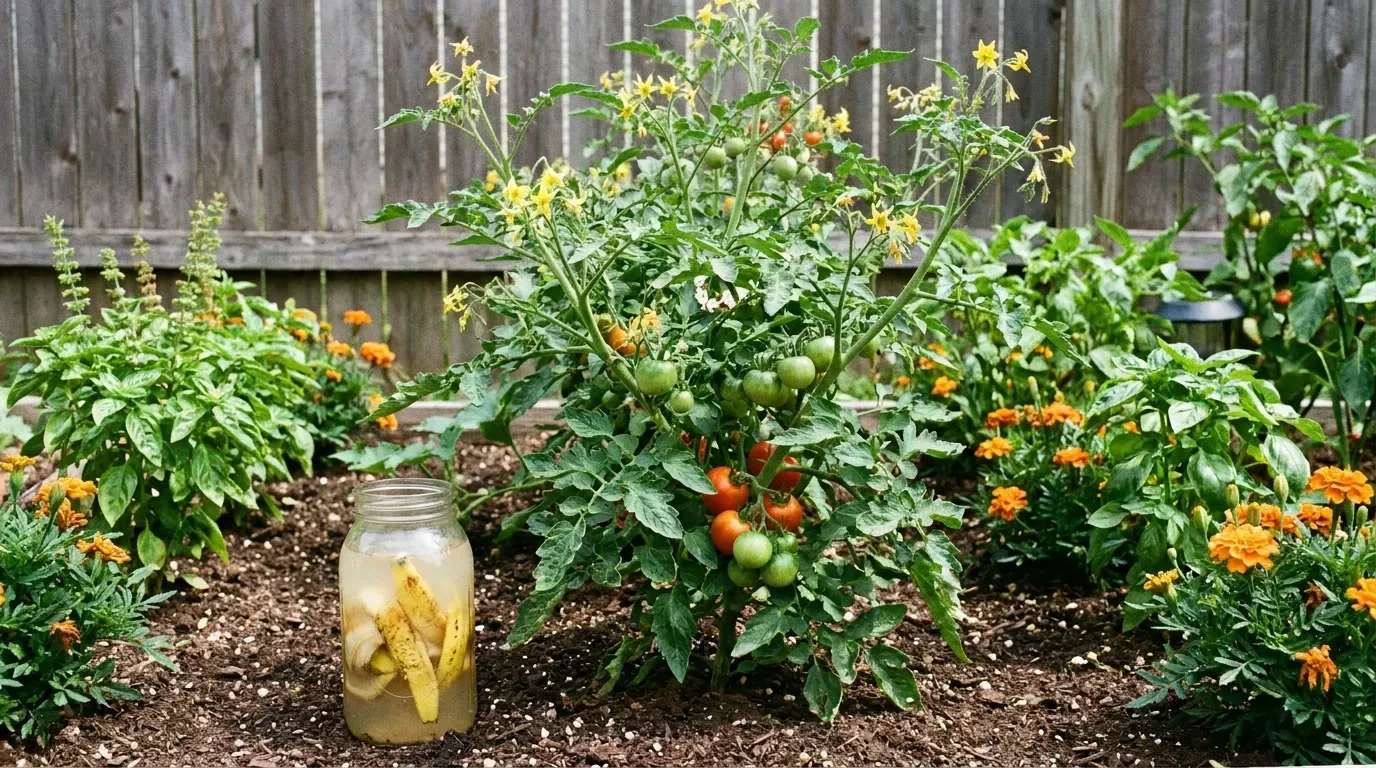
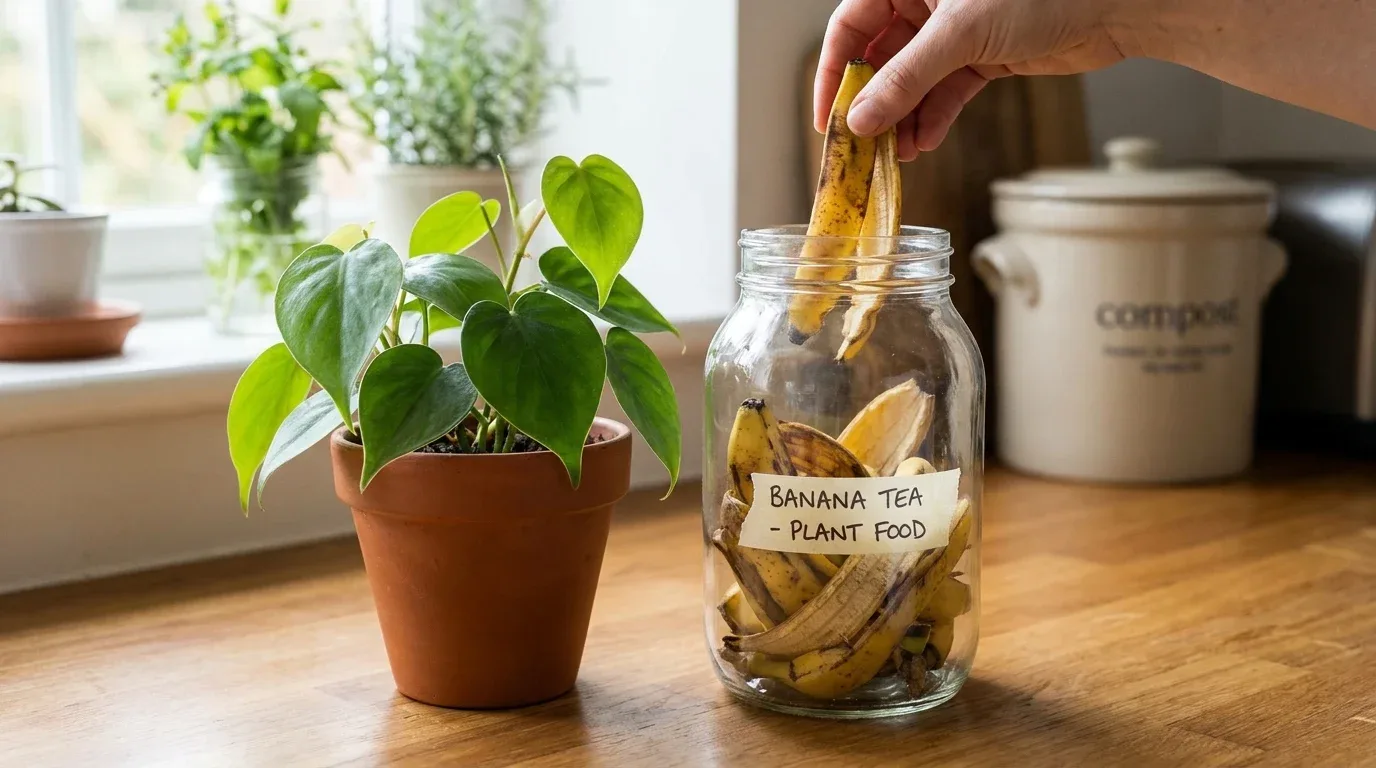
Banana water is easy to include in a basic homemade gardening routine because preparation does not require complicated ingredients. A common approach is to place clean banana peels in water, allow them to soak, strain the liquid, and use the resulting water around suitable plants. Keeping the process simple reduces the temptation to add numerous household ingredients that could harm plants.
Always use a clean container and avoid storing the mixture for long periods. Homemade solutions can ferment or become contaminated, particularly when left at room temperature. If the liquid develops a strong unpleasant odor, visible mold, or unusual appearance, discard it rather than applying it to plants. Fresh preparation is generally a more sensible approach than keeping a homemade mixture indefinitely.
12. May Help Maintain Potassium Availability
Potassium is a mobile nutrient that plants use in processes involving water balance, enzyme activation, and photosynthetic function. Maintaining adequate potassium availability is therefore important for normal plant performance. Banana peels are naturally associated with potassium, which explains their popularity in homemade gardening recipes.
However, the amount transferred into water is unpredictable. Factors such as peel thickness, soaking duration, water temperature, and preparation method all affect the resulting solution. If you suspect a potassium deficiency, soil or tissue testing and a known fertilizer are much more dependable. Banana water can be used as a mild supplement when the plant is otherwise healthy, but it should not be considered a precise source of potassium.
13. Useful for Gardeners Interested in Natural Inputs
Some gardeners prefer incorporating household organic materials into their gardening practices. Banana water can fit this preference because it uses a food byproduct rather than a manufactured additive. It can be particularly appealing to people who enjoy experimenting with compost, mulch, leaf mold, and other organic gardening techniques.
Natural does not automatically mean harmless or nutritionally complete. Plants still require specific essential nutrients in appropriate amounts. Homemade mixtures can also vary considerably from one batch to another. If you choose banana water, combine it with sound horticultural practices rather than assuming that every organic input is beneficial. Healthy soil, correct watering, adequate light, and appropriate fertilization remain the foundation of successful plant growth.
14. Can Be Used Around Ornamental Plants
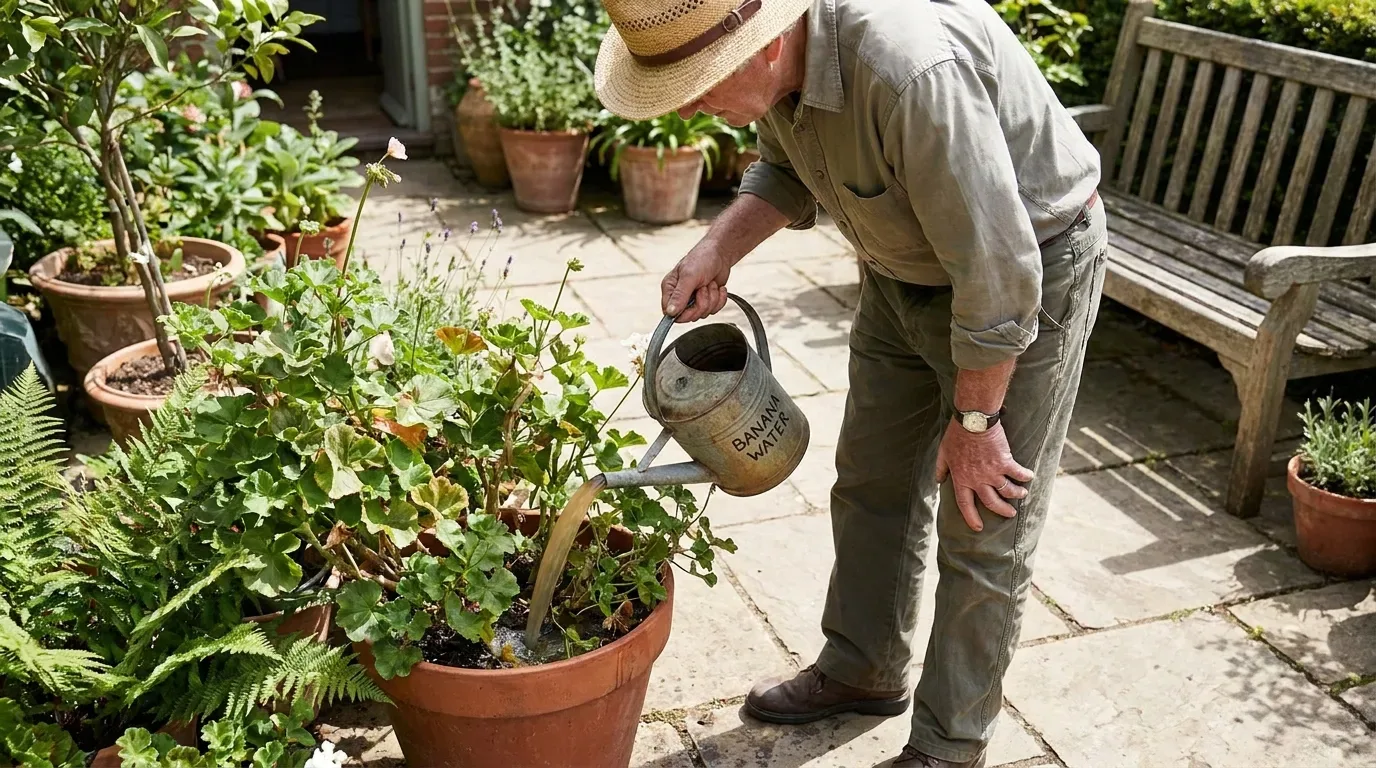
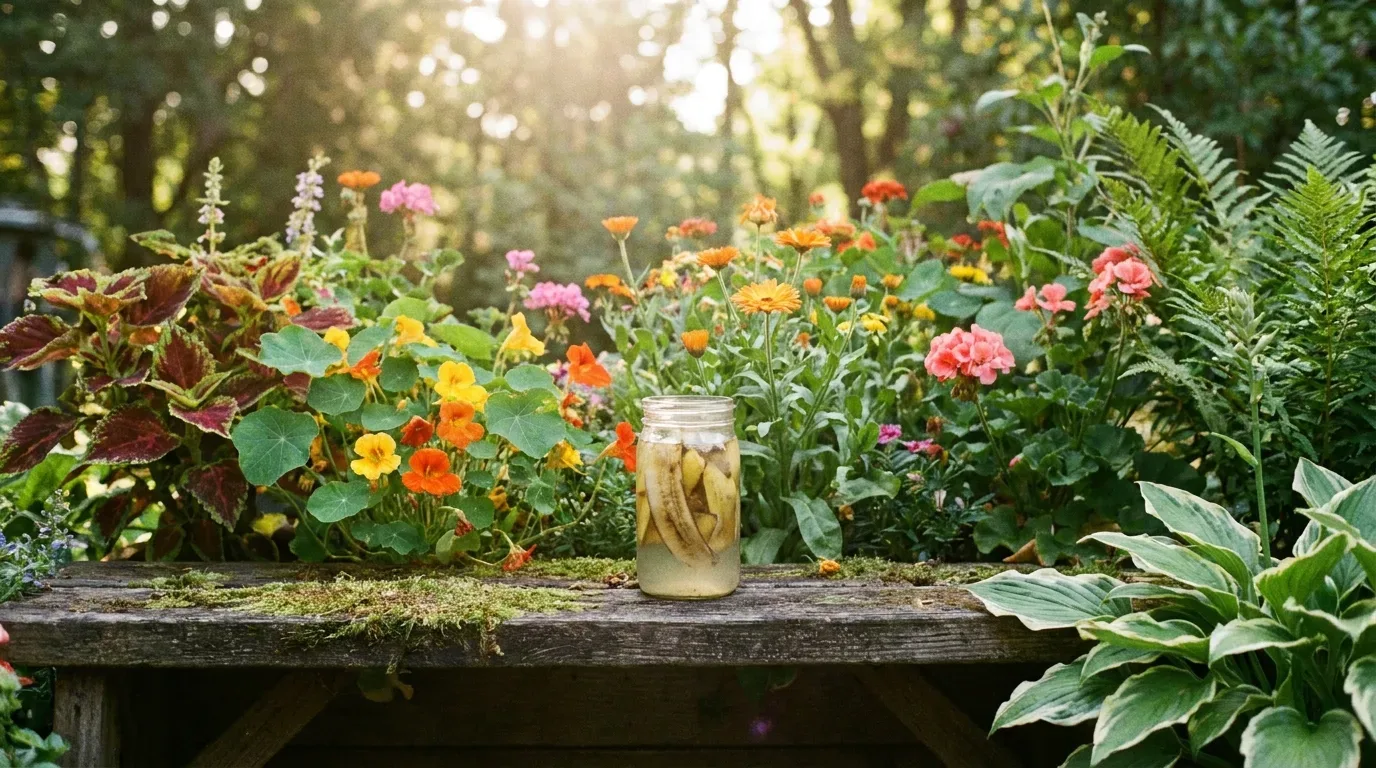
Banana water is often associated with ornamental plants because gardeners want to support attractive foliage, flowering, or general vigor. It can be used occasionally around suitable garden flowers and established ornamental plants when the soil is already healthy and well drained.
Before applying it widely, test the practice on a small number of plants. Different species have different nutritional preferences, and some plants are adapted to lean or highly specialized soils. Avoid using homemade plant tonics as a substitute for species-specific care. Plants such as succulents and drought-tolerant species generally require careful watering, so adding extra liquid simply because it contains nutrients may be counterproductive.
15. May Support Healthy Water Regulation
Potassium has an important role in regulating water movement within plants and controlling the opening and closing of stomata. Adequate potassium therefore contributes to normal water-use processes. Since banana peels contain potassium, banana water may provide a small amount of this nutrient when used as part of a broader feeding routine.
This does not mean banana water prevents drought stress or replaces proper watering. A plant exposed to extreme heat, dry soil, poor roots, or inadequate humidity needs the underlying problem addressed. Water plants according to their species and growing conditions, and make sure containers have drainage holes. Nutritional supplements can support healthy growth, but they cannot compensate for fundamental problems with moisture management.
16. Helps Turn Everyday Waste Into a Garden Resource
One practical benefit of banana water is that it encourages a resource-conscious approach to gardening. Instead of viewing banana peels as disposable waste, gardeners can explore ways to return their organic material to the growing system. The soaked peels can be composted afterward, while the liquid may be used as an occasional plant supplement.
This approach is especially useful for people trying to reduce household food waste. The biggest benefit is the habit of reusing organic materials thoughtfully rather than expecting one kitchen scrap to solve every gardening problem. Composting the remaining peel is still valuable because it returns organic matter to a compost system, where it can eventually contribute to soil improvement.
17. Can Be Convenient During Routine Watering
When used appropriately, banana water can be incorporated into an existing watering schedule without requiring a separate complicated application process. Gardeners can prepare a small batch, strain it, and apply it to the soil around established plants when they would normally water. This convenience can make the practice easy to remember.
Do not water plants more often simply to use banana water. Overwatering is a much more common and serious problem for many container plants than a lack of homemade fertilizer. Check the soil and follow the plant’s normal moisture requirements first. If the plant does not need water, wait until it does. Nutrient application should fit the plant’s needs rather than dictate the watering schedule.
18. Encourages Observation of Nutrient Needs
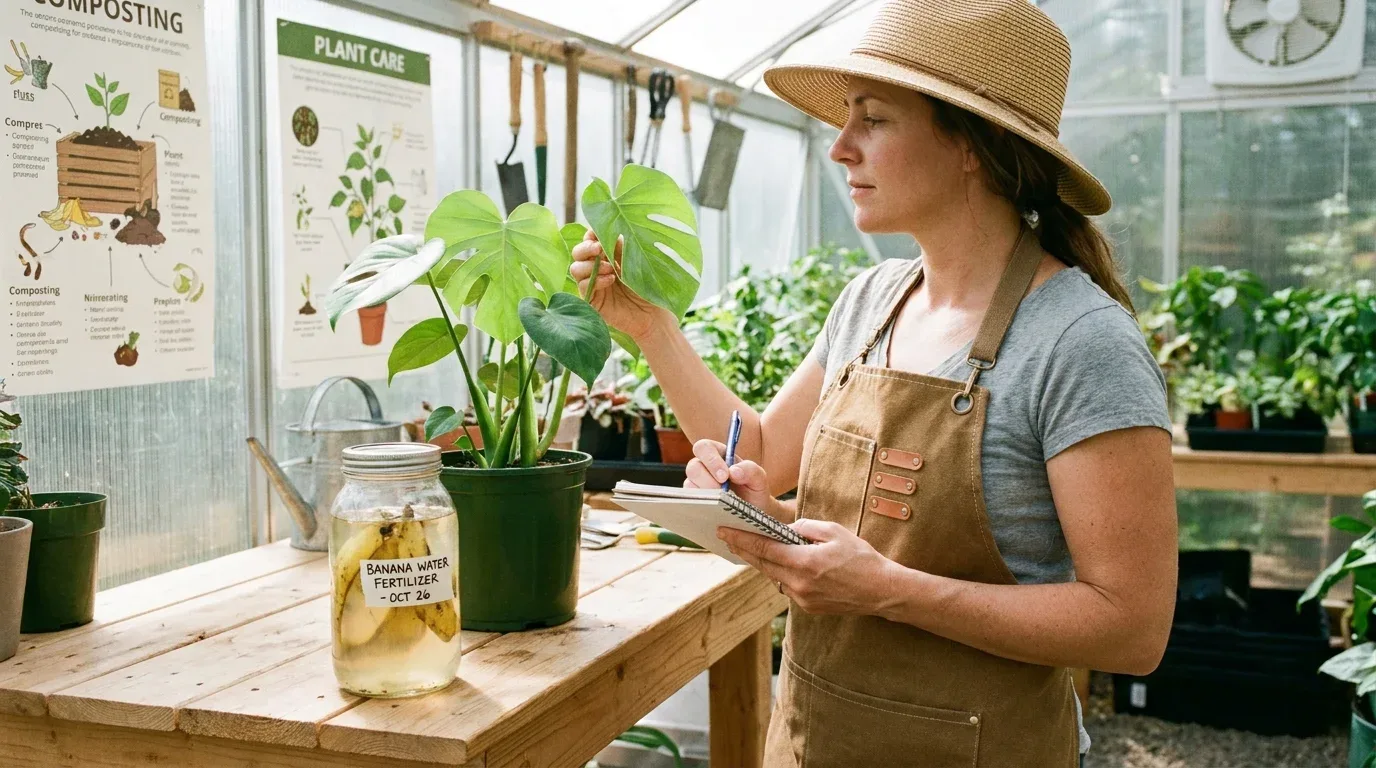
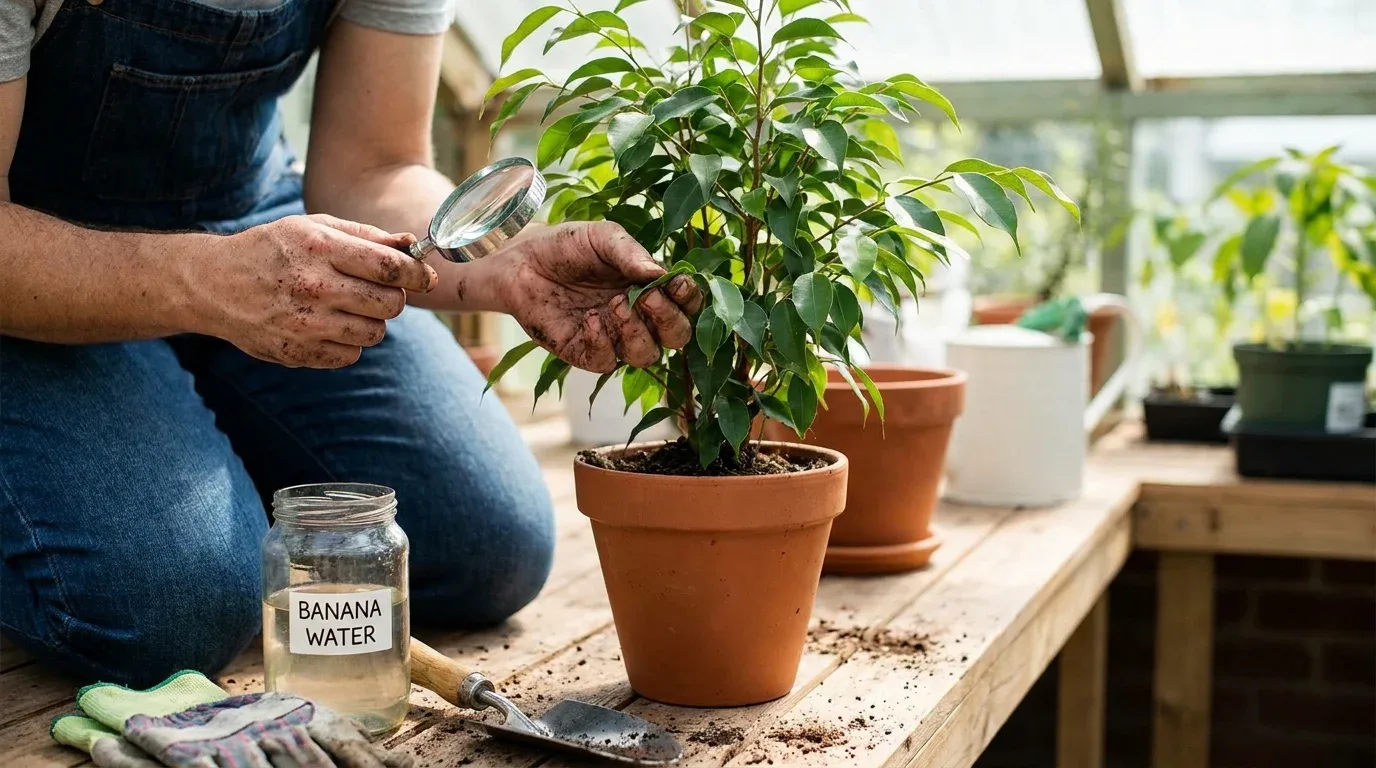
Experimenting with banana water can help gardeners become more attentive to how plants respond to different care practices. Record when you apply it and observe changes in new growth, flowering, leaf color, and overall appearance. This turns a casual gardening experiment into a more useful learning process.
At the same time, avoid interpreting every improvement as proof that banana water caused it. Plants naturally change with season, light, temperature, and watering. If a plant shows persistent symptoms, consider soil testing or consult reliable horticultural guidance. Observation is most valuable when it helps you distinguish between genuine nutritional needs and problems caused by pests, disease, watering, light, or unsuitable growing conditions.
19. Makes a Useful Addition to a Balanced Plant-Care Plan
The biggest practical advantage of banana water may be that it can serve as one small, inexpensive component of a balanced gardening routine. It can reuse banana peels, provide some soluble nutrients, and give gardeners an easy way to experiment with homemade plant care. Its value is greatest when expectations remain realistic.
For healthy plants, combine occasional banana water with quality soil, appropriate light, correct watering, good drainage, and a complete fertilizer when the plant needs one. Avoid excessive applications, strong fermented mixtures, and using banana water as a cure for unexplained plant problems. Used in moderation, it can be a convenient addition to a thoughtful gardening routine while helping turn ordinary kitchen scraps into something potentially useful.
Final Thoughts
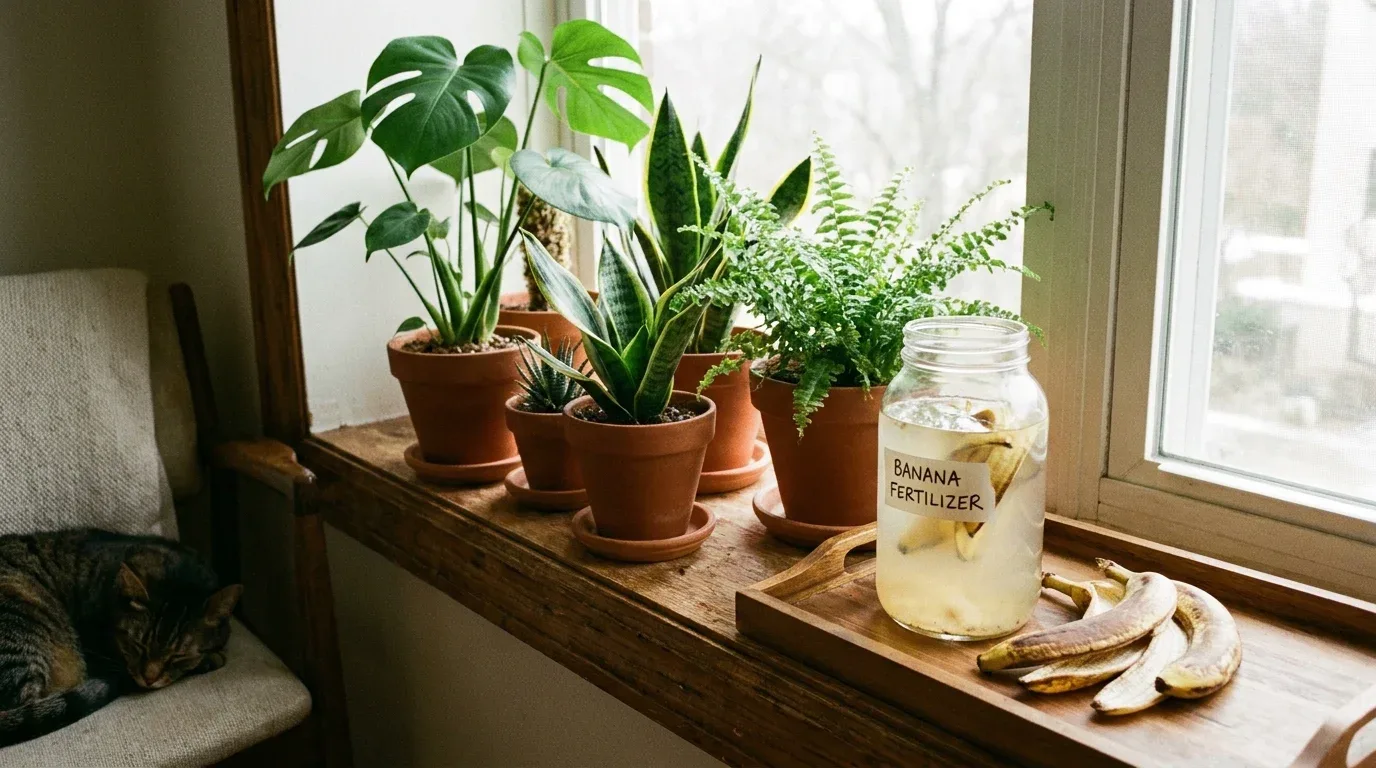
Banana water can be a simple way to reuse banana peels while giving plants a small supplemental source of nutrients, particularly potassium. Its exact nutrient content is unpredictable, so it should not replace a balanced fertilizer or good plant-care practices. Use it occasionally, keep preparations fresh, and pay attention to how your plants respond. When combined with proper soil, light, watering, drainage, and species-specific care, banana water can be a practical experiment for gardeners who enjoy low-cost and waste-conscious plant care.