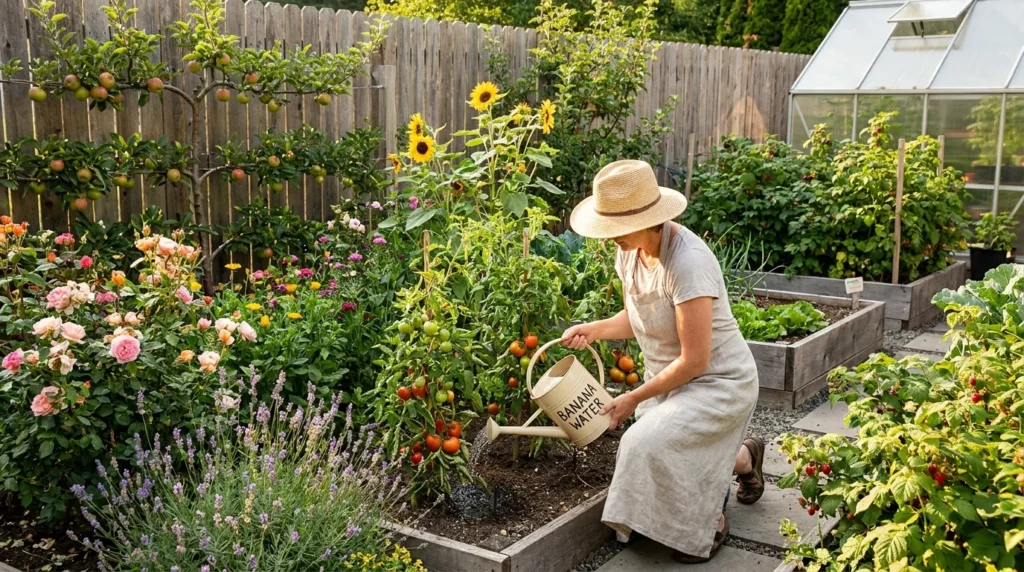
Banana water is a simple homemade plant fertilizer made by soaking banana peels in water and using the resulting liquid around plants. It has become popular among gardeners because it gives kitchen scraps another purpose and can be prepared with very little effort. Banana peels contain nutrients such as potassium and smaller amounts of phosphorus, calcium, magnesium, and other minerals, although the exact nutrient content of homemade banana water can vary considerably.
Used correctly, banana water can be a useful addition to a broader plant-care routine, particularly for flowering and fruiting plants. However, it should not be treated as a complete fertilizer because plants need nitrogen and several other nutrients that banana water may not provide in sufficient quantities. The following benefits explain how banana water may support plants and how to make and use it responsibly without creating problems such as odors, pests, or excessive moisture.
1. Provides a Source of Potassium
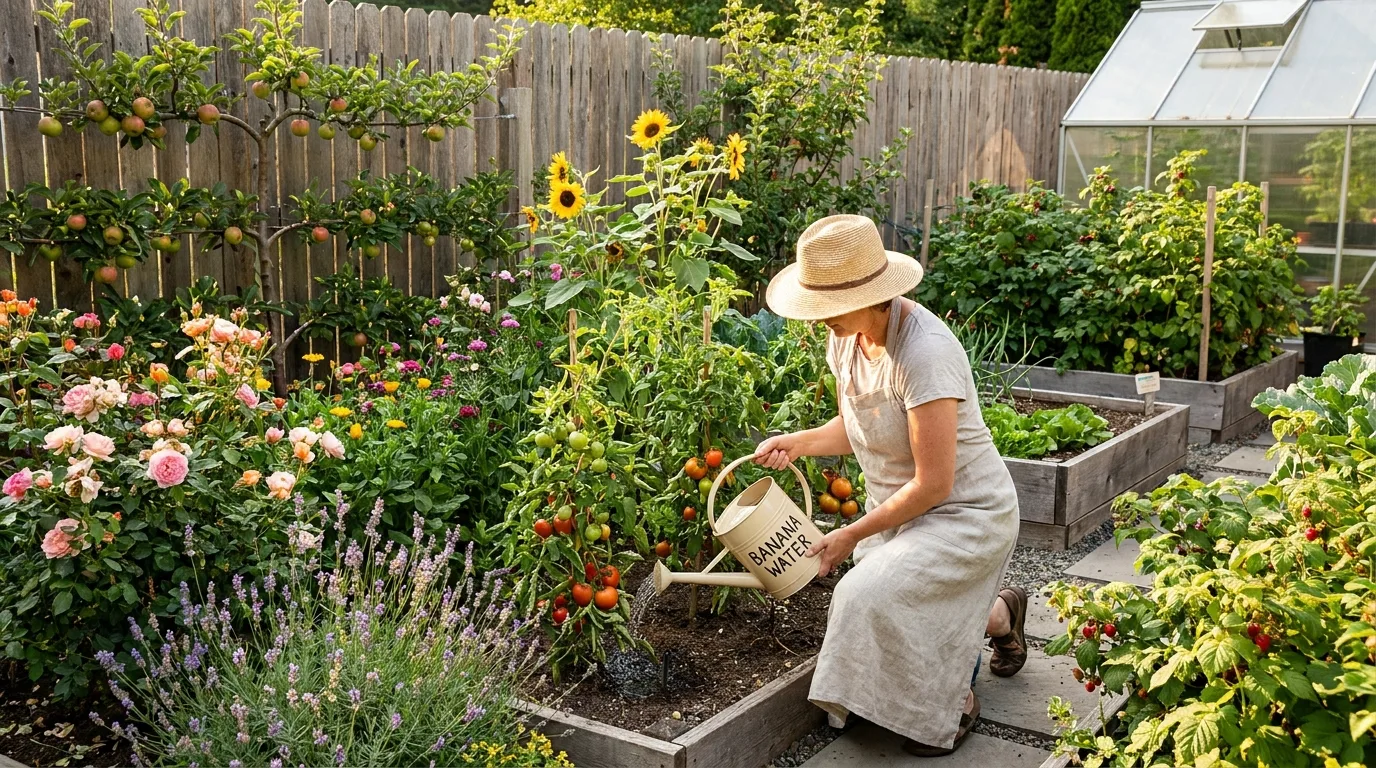
One of the main reasons gardeners use banana water is its potential potassium content. Potassium plays an important role in plant functions, including water regulation, enzyme activity, and overall plant development. It is particularly important during flowering and fruit production. When banana peels are soaked in water, some soluble compounds can move into the liquid, although the amount depends on the preparation method and soaking time. Banana water therefore works best as a mild supplement rather than a guaranteed high-potassium fertilizer. If your soil already contains sufficient potassium, adding more may not improve growth. A soil test can help determine whether additional potassium is actually needed before making homemade fertilizers part of your regular routine.
2. May Support Flowering Plants
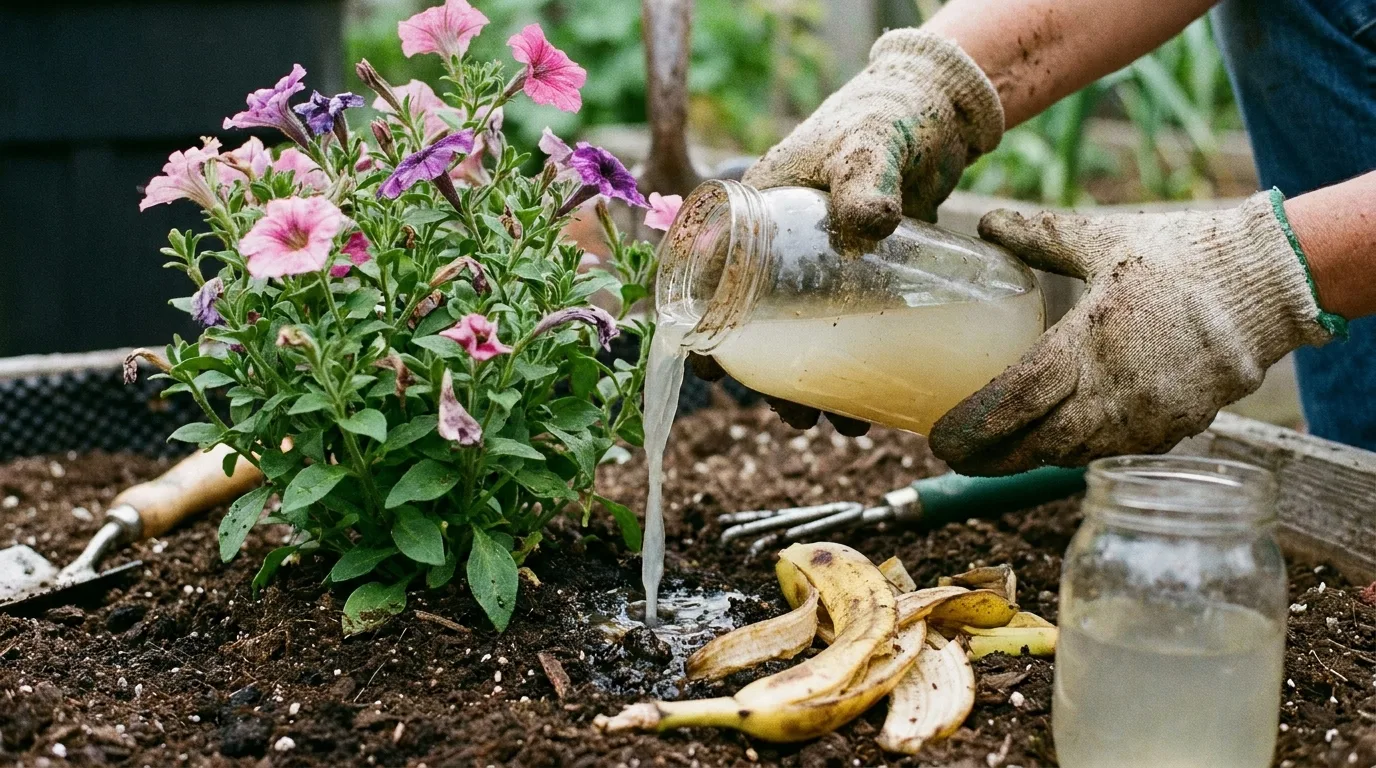
Flowering plants require balanced nutrition to produce healthy buds and maintain vigorous growth. Because banana peels contain potassium, banana water is often used around plants such as roses, marigolds, petunias, and flowering houseplants. Potassium supports several physiological processes associated with plant development, but it does not independently cause abundant flowers. Light, temperature, watering, pruning, soil quality, and overall nutrition remain important factors. Banana water can be incorporated as a supplementary practice when plants are otherwise healthy. Apply it to moist soil rather than repeatedly soaking dry or poorly draining containers. This approach gives gardeners a simple way to recycle banana peels while providing a modest nutrient supplement without replacing a balanced fertilizer program.
3. Can Complement Fruit Production
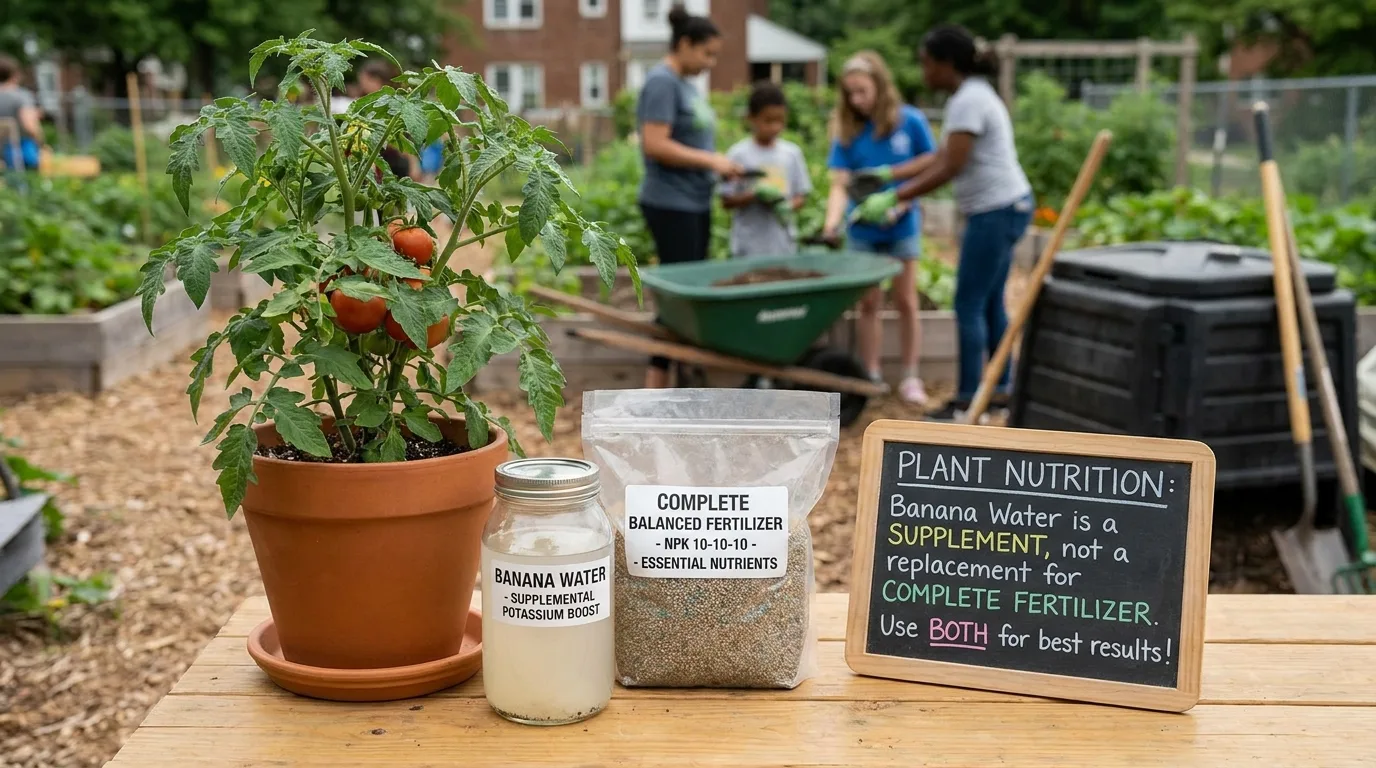
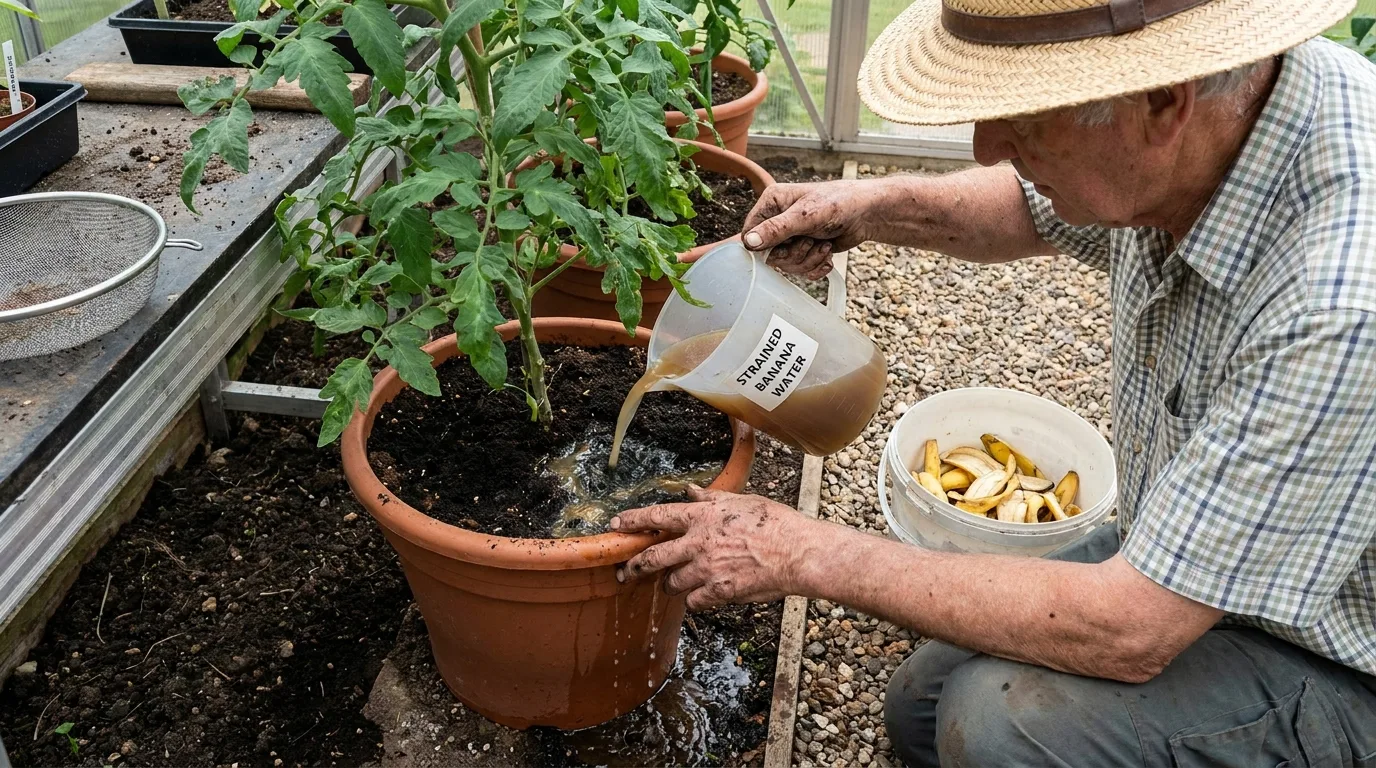
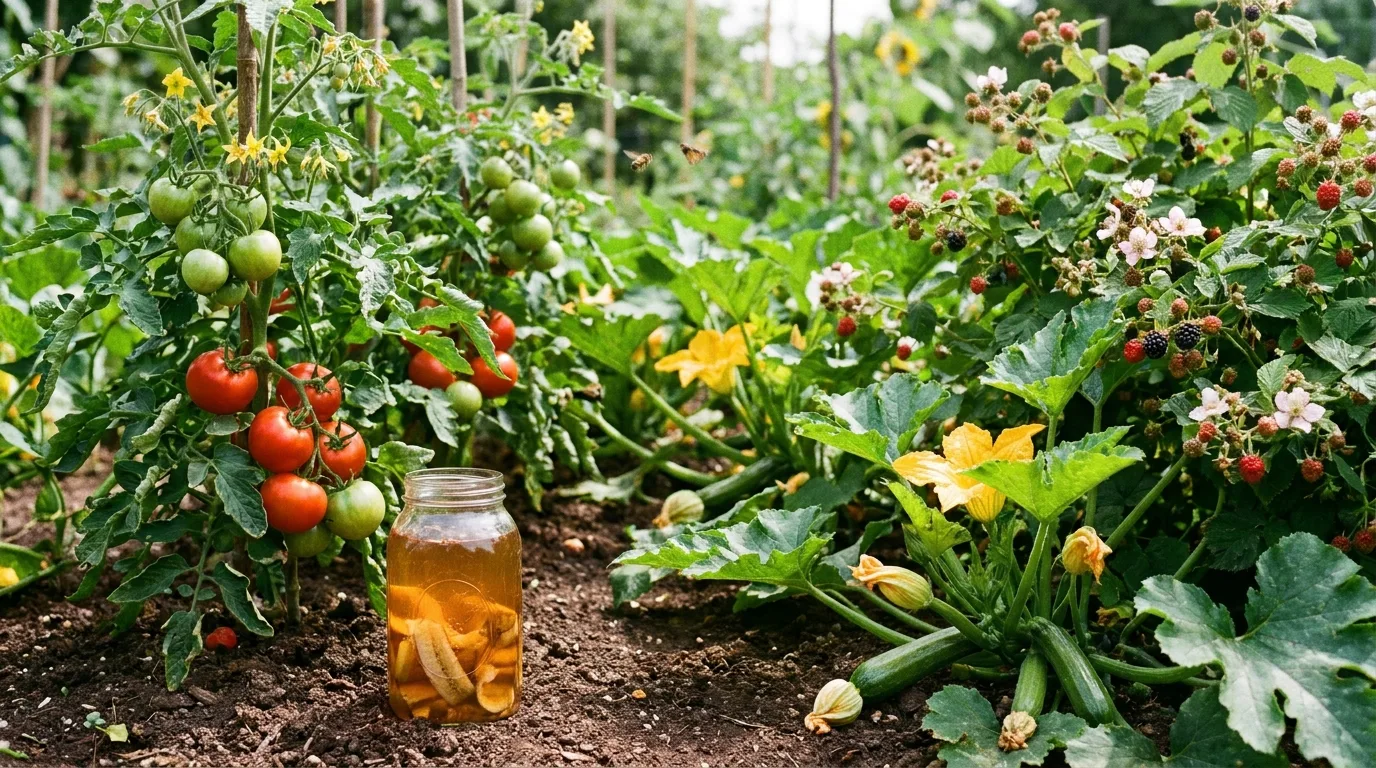
Fruit-producing plants have substantial nutritional demands, especially as they move from vegetative growth into flowering and fruit development. Potassium is involved in water movement and several processes associated with fruit quality and plant metabolism. For this reason, some gardeners use diluted banana water around tomatoes, peppers, strawberries, cucumbers, and other productive plants. The important point is that banana water should complement, not replace, a complete feeding plan. Fruit production also depends on sunlight, pollination, appropriate watering, temperature, and adequate nitrogen, phosphorus, and micronutrients. If plants show poor growth or leaf discoloration, relying solely on banana water can delay correction of a genuine nutrient deficiency.
4. Recycles Kitchen Waste
Making banana water gives banana peels a second use before they enter the trash. This can be especially appealing to gardeners who want to reduce household food waste. Instead of immediately discarding peels, you can use them to prepare a mild garden supplement and then compost the remaining material. This does not mean banana water is a complete sustainability solution, but it can become one small part of a lower-waste gardening routine. Other kitchen scraps can also be composted when appropriate, creating a richer long-term soil amendment. Recycling organic material works best when combined with sensible watering, composting, mulching, and responsible fertilizer use rather than relying on one homemade recipe for every plant.
5. Easy to Make at Home
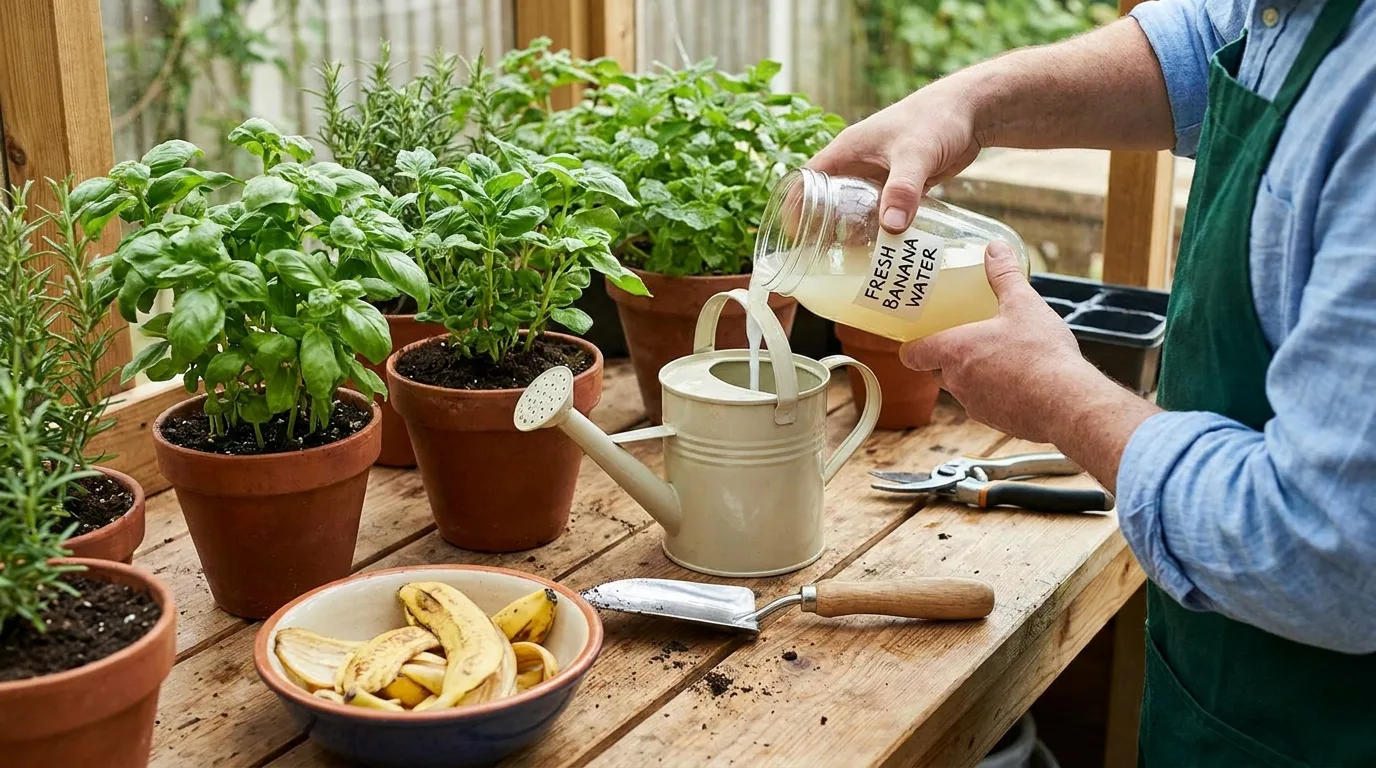
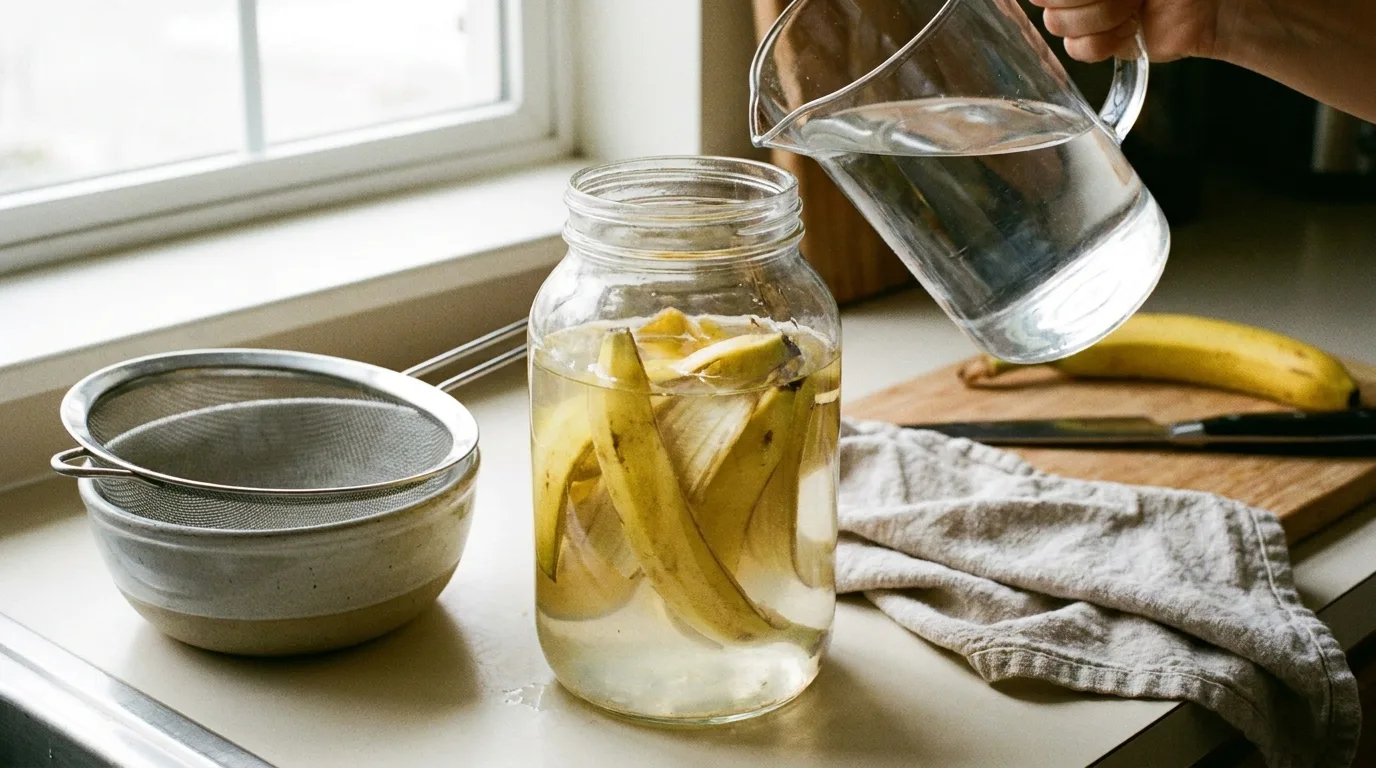
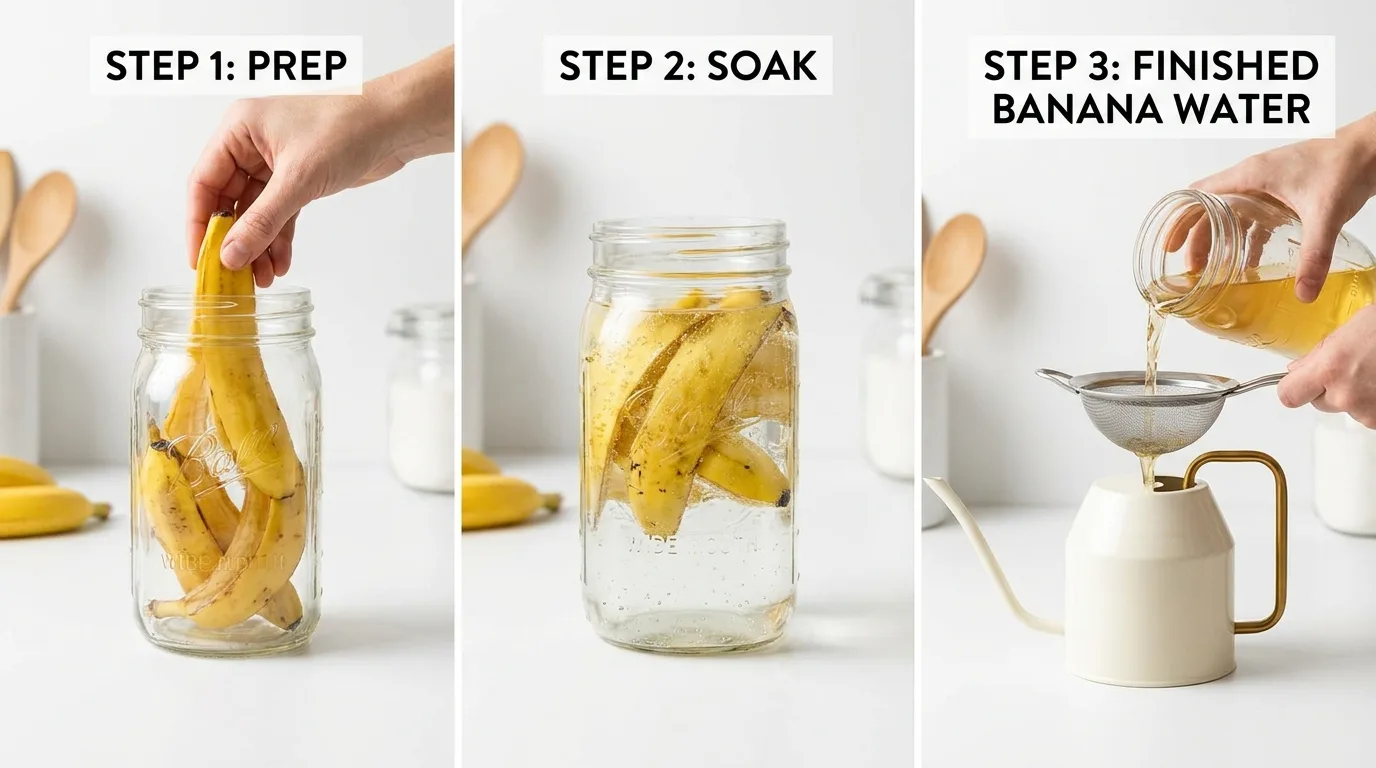
Banana water requires only banana peels, clean water, and a container. A simple method is to place clean banana peels in a jar or bucket, cover them with water, and allow them to soak for a limited period. Afterward, strain the liquid and use it promptly. There is no need for complicated equipment or expensive ingredients. Avoid sealing a container tightly for extended periods because organic material can ferment and produce pressure or unpleasant odors. Clean the container between batches and discard any preparation that develops mold or an unusually foul smell. Keeping the process simple makes banana water an accessible experiment for beginner gardeners.
6. May Help Replenish Some Minerals
Banana peels contain several minerals, including small amounts of calcium and magnesium in addition to potassium. Some of these compounds may become available in the soaking water, although homemade banana water is not standardized and should not be compared directly with a labeled commercial fertilizer. Plants use calcium and magnesium for important structural and physiological functions, but the quantities supplied by banana water may be too small to correct a deficiency. This is why visible nutrient problems should be diagnosed rather than treated with increasingly concentrated homemade fertilizer. Used occasionally, banana water can contribute to a diverse plant-care routine while compost and balanced fertilizers provide more predictable nutrition.
7. Can Be Useful for Container Plants
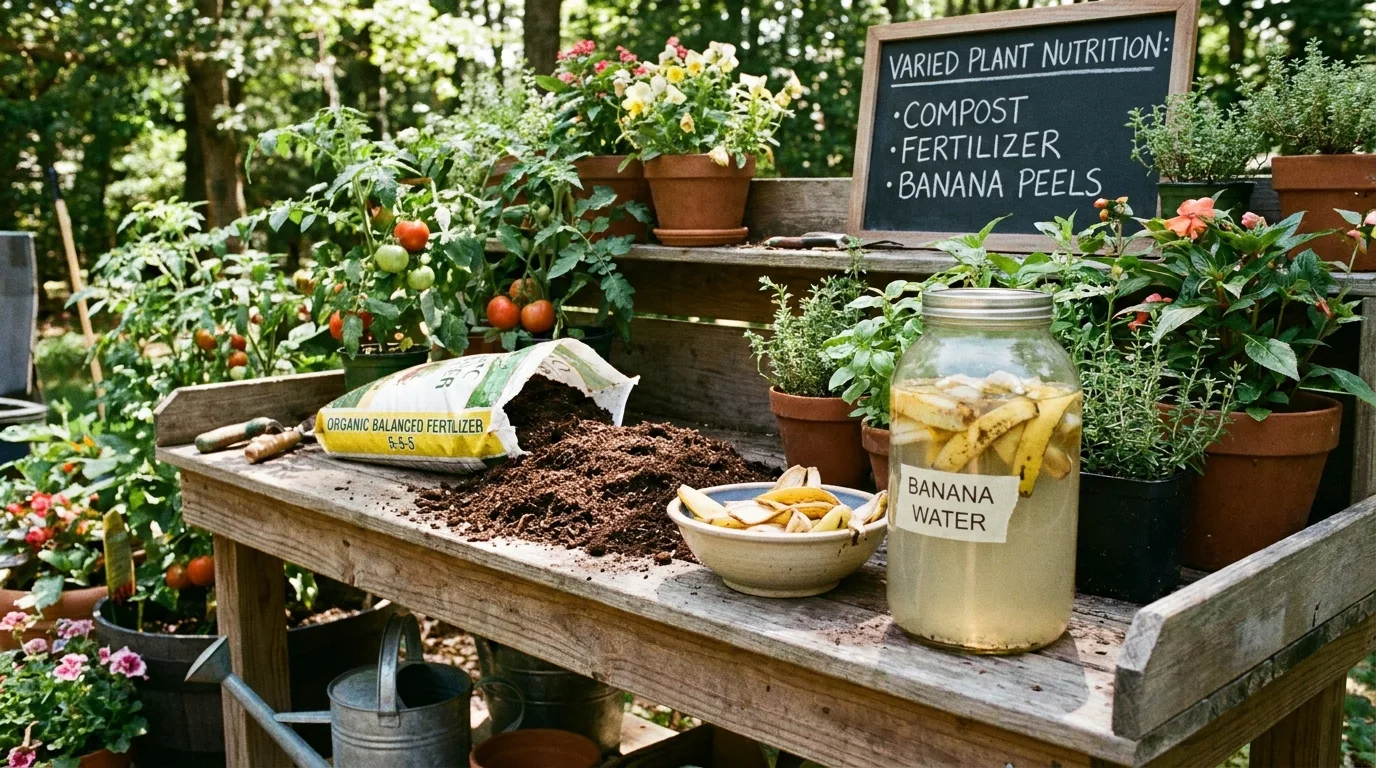
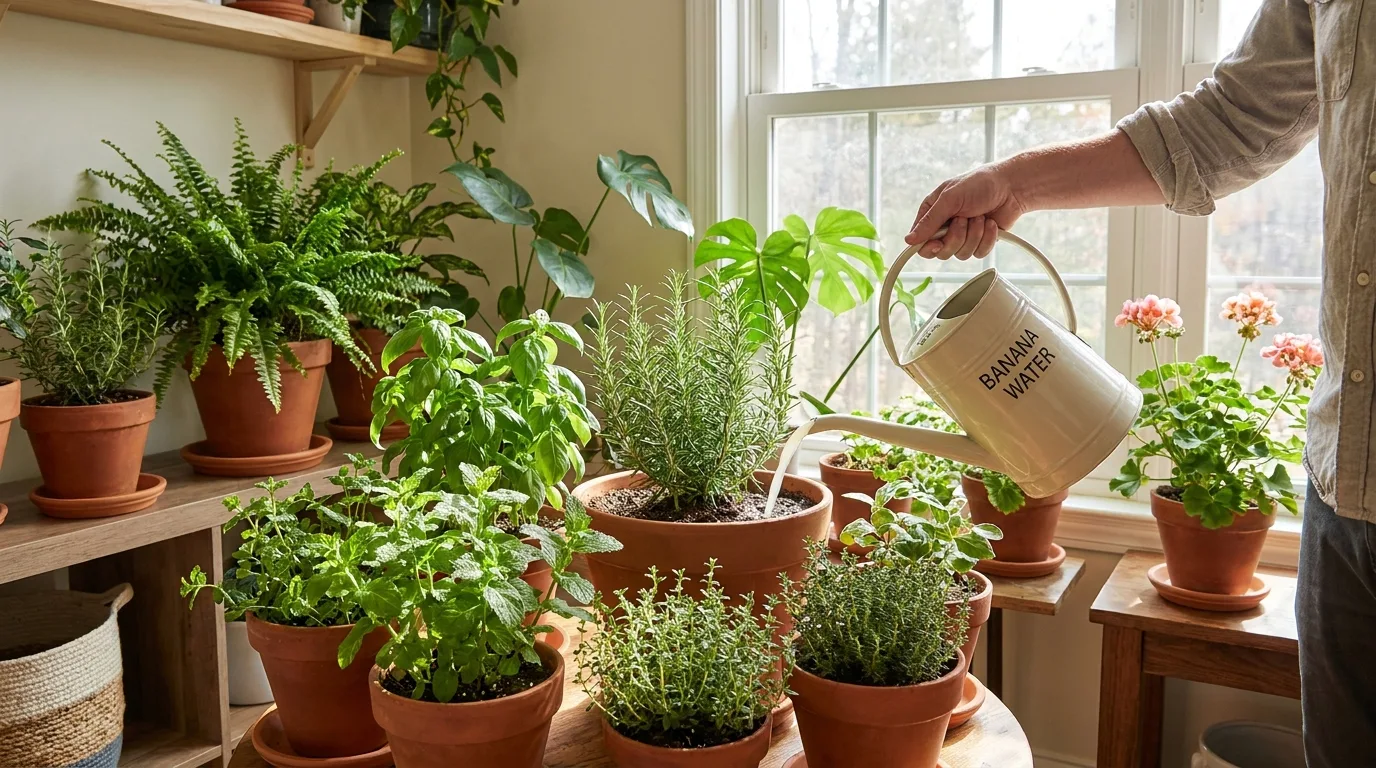
Container plants have limited access to nutrients because their roots cannot explore a large volume of soil. Nutrients can also leave containers through repeated watering. A mild homemade supplement may therefore be useful as part of container care, provided the pot has good drainage. Plants such as herbs, ornamental flowers, and some patio vegetables can receive banana water occasionally. However, containers are also more vulnerable to fertilizer buildup because their soil volume is small. Avoid frequent applications and do not assume that stronger banana water is better. If the potting mix becomes crusty, plants develop unusual leaf edges, or growth declines, pause supplemental feeding and evaluate the soil and watering routine.
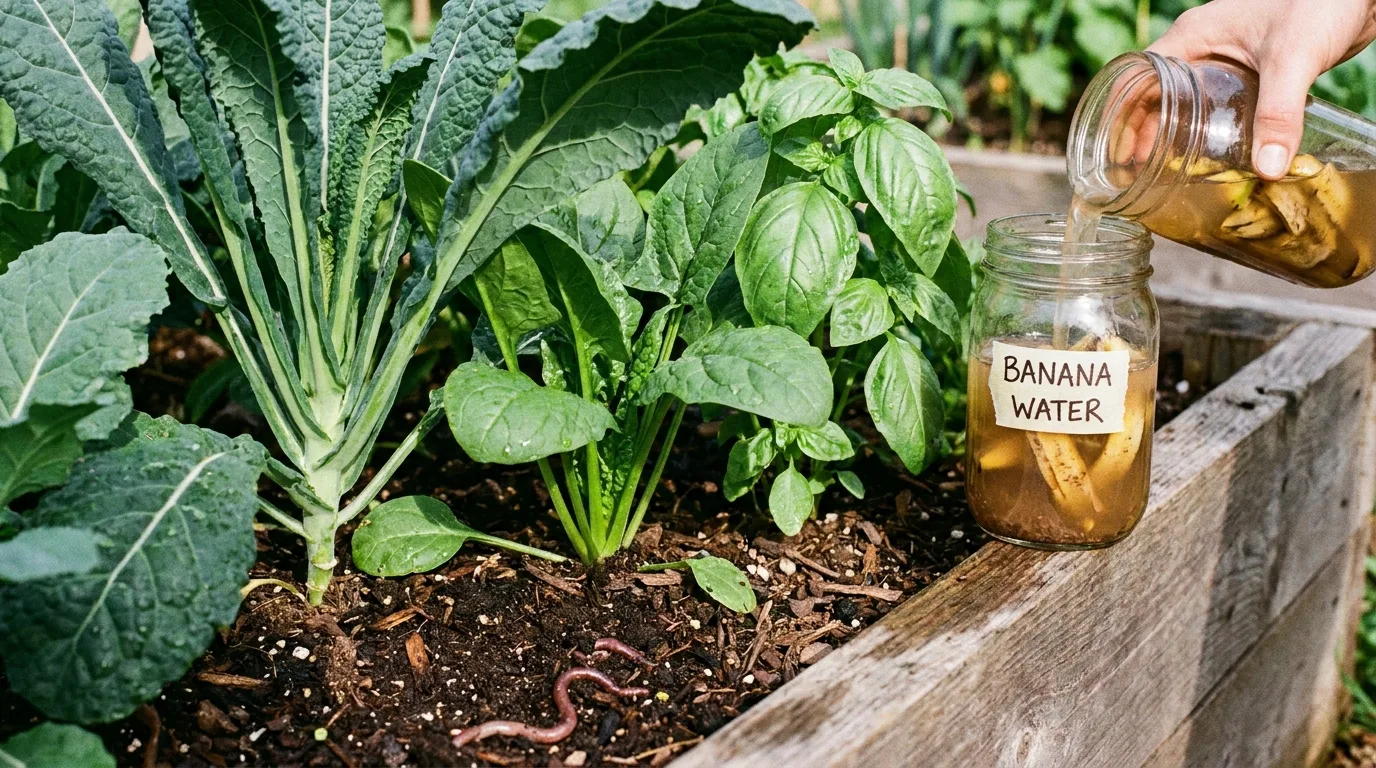
8. Supports a Broader Organic Gardening Routine
For gardeners interested in using household organic materials, banana water can fit alongside compost, leaf mold, mulch, and other soil-building practices. Its greatest value is often as one small component of a larger routine rather than a miracle treatment. Healthy organic gardening focuses on maintaining soil structure, supplying balanced nutrients, encouraging beneficial organisms, and matching care to individual plants. Banana water can make use of a material that would otherwise be discarded while giving gardeners another gentle way to experiment with plant nutrition. Keeping expectations realistic is important. Organic does not automatically mean risk-free or nutritionally complete, so plants should still be monitored for signs of deficiencies, excess moisture, pests, and other problems.
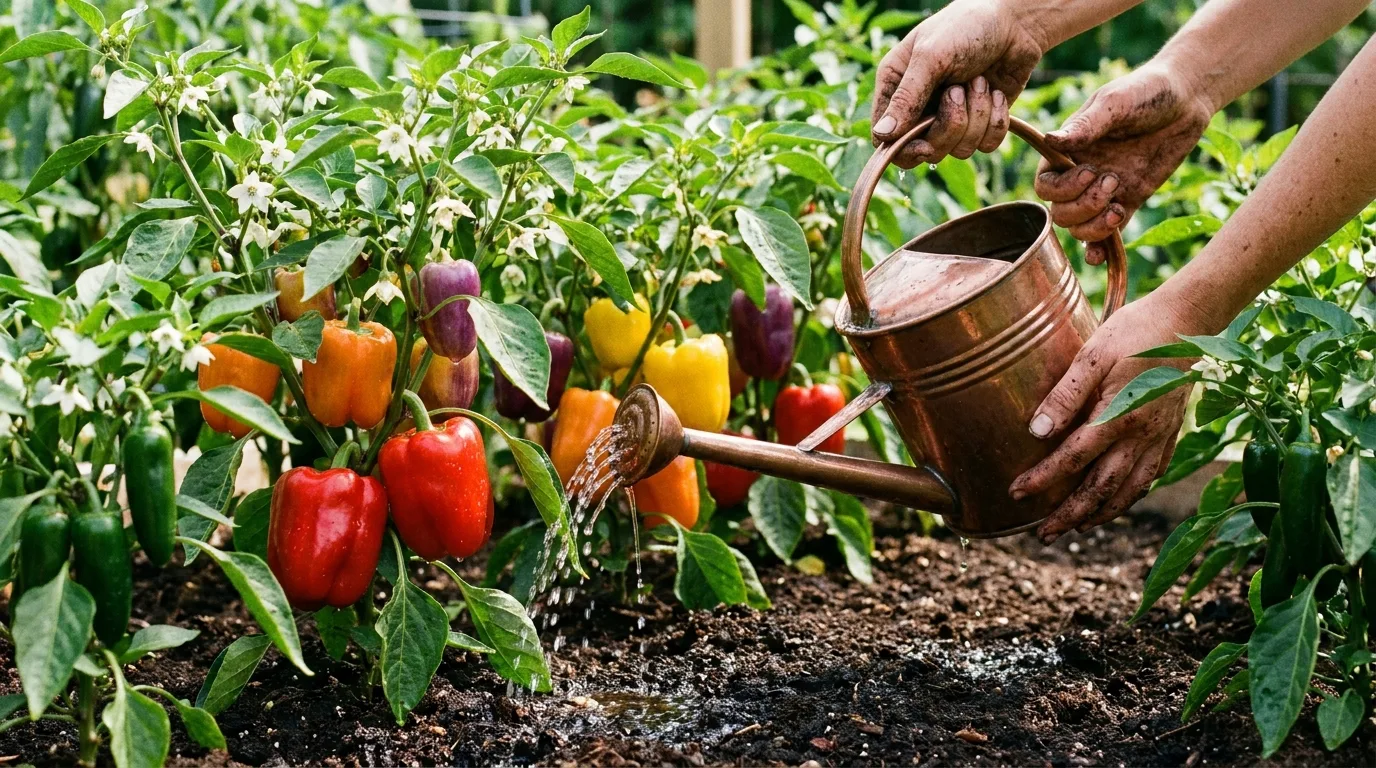
9. May Encourage More Mindful Plant Care
Preparing banana water encourages gardeners to pay attention to when and why they fertilize. Rather than automatically applying fertilizer, you can observe new growth, flowering, soil moisture, and plant condition before deciding whether supplemental nutrition is appropriate. This habit can improve gardening results because plants respond better to consistent care than to repeated emergency treatments. Keeping a simple record of when banana water was applied can also help identify whether it seems beneficial. If there is no visible improvement after several applications, continuing indefinitely may not be useful. Gardening experiments are most valuable when they involve observation, moderation, and a willingness to adjust the routine based on the plant’s actual needs.
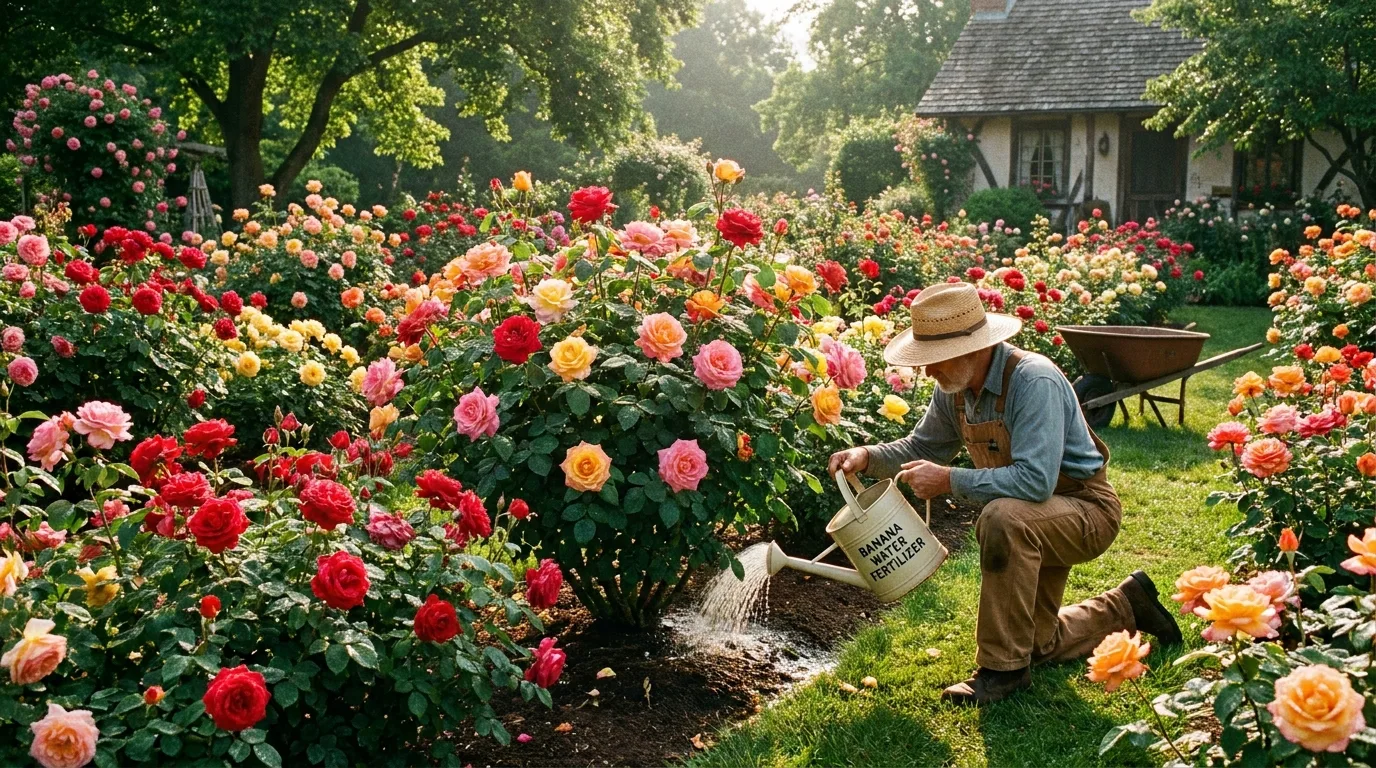
10. Can Be Used Around Roses
Roses need adequate nutrition, sunlight, moisture, and airflow to produce healthy foliage and flowers. Because banana peels contain potassium, banana water is sometimes included in rose-care routines during active growth. It can be applied to the soil around the root zone rather than poured directly over leaves or flowers. The key is moderation. Roses still require a balanced nutrient supply, and homemade banana water does not provide all essential nutrients in reliable proportions. Mulching, proper pruning, disease monitoring, and adequate sunlight are equally important. If roses are already receiving a complete fertilizer, additional banana water may offer little benefit. Consider it an optional supplement rather than a replacement for established rose-care practices.
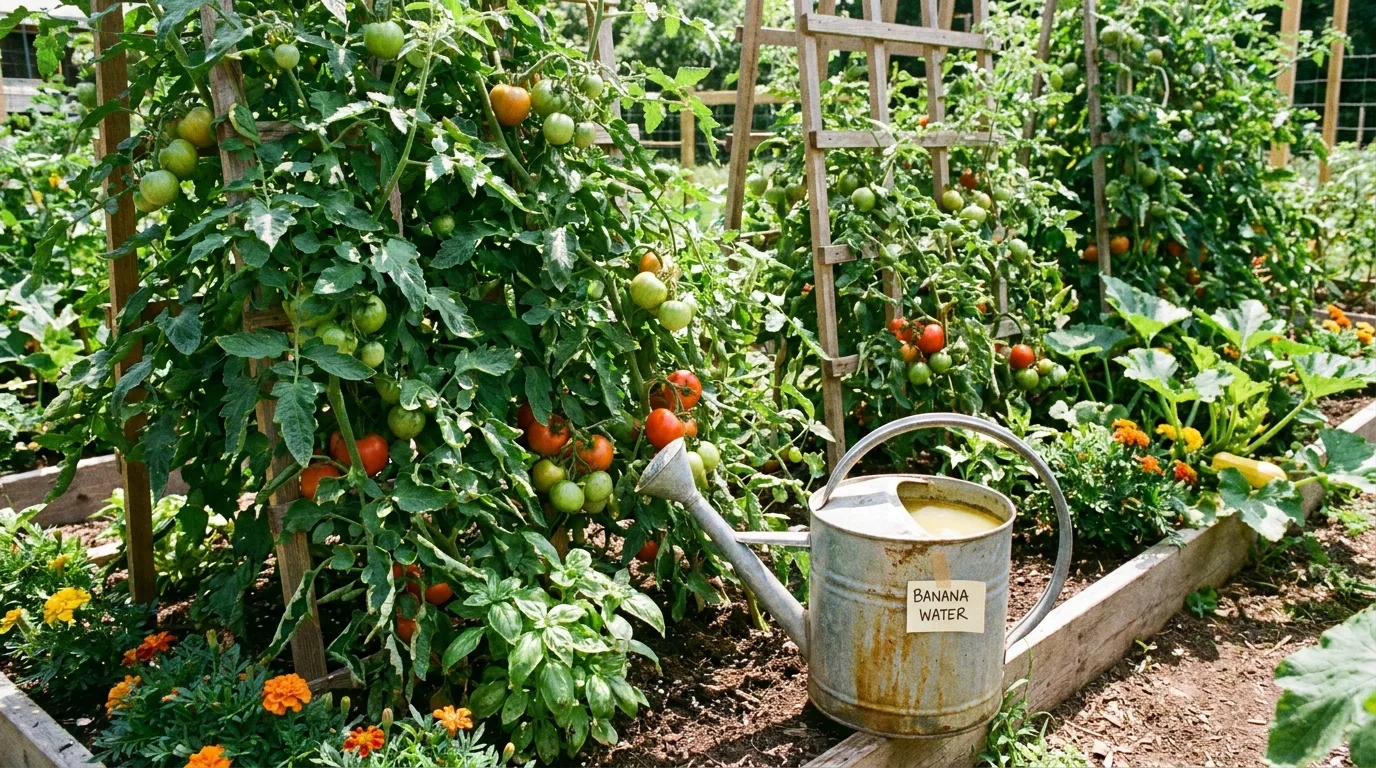
11. May Complement Tomato Plant Care
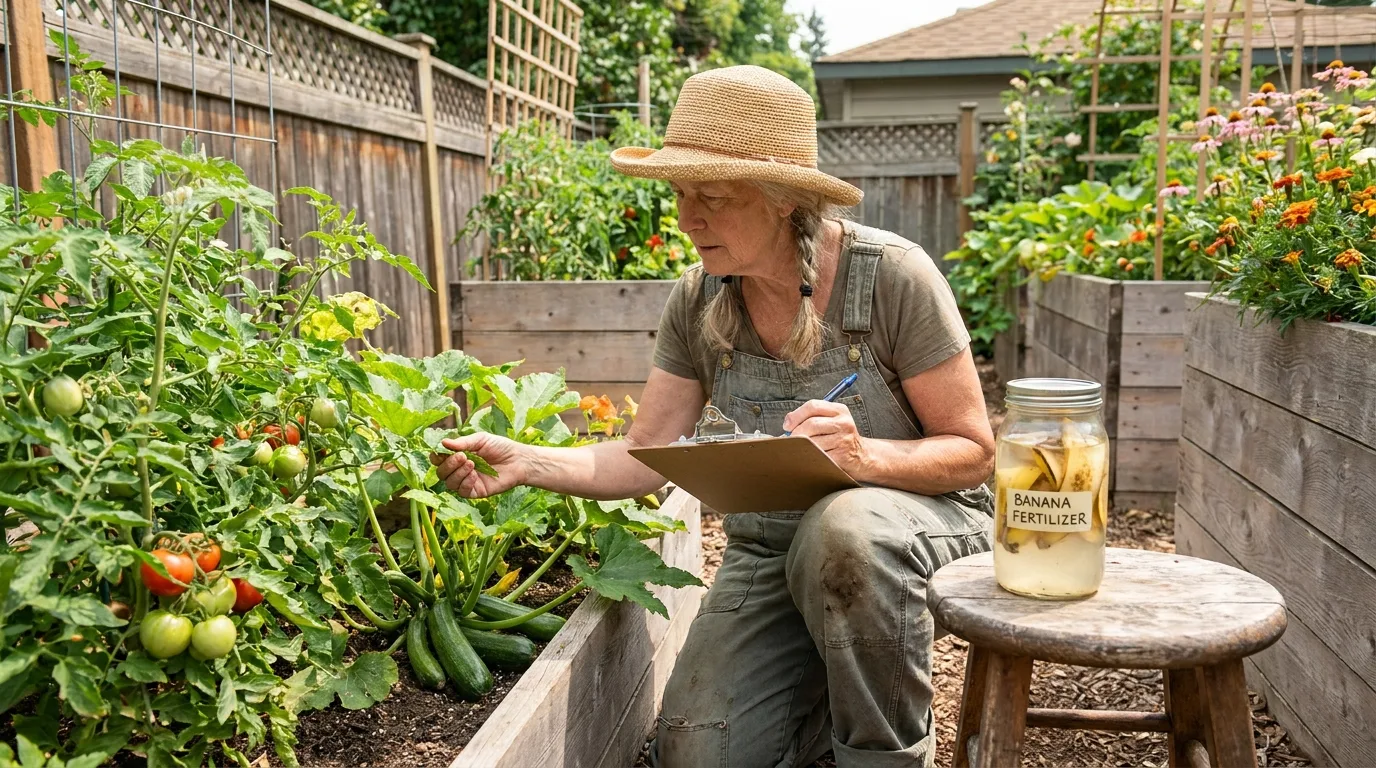
Tomatoes are heavy-feeding plants that require consistent nutrition throughout the growing season. Potassium becomes particularly relevant as plants flower and produce fruit, which explains why banana water is frequently recommended in homemade gardening recipes. A diluted application around the soil can be used occasionally if it fits the plant’s overall feeding plan. However, tomato plants also need adequate nitrogen during vegetative growth and balanced amounts of phosphorus and micronutrients. Excessive homemade fertilizer can create nutritional imbalance or encourage unnecessary feeding. For the best results, combine sensible fertilization with full sunlight, even watering, support for the stems, and regular inspection for pests and disease.
12. May Support Pepper Plants During Fruiting
Pepper plants benefit from steady growing conditions and balanced nutrition, especially once they begin flowering and producing peppers. Since potassium participates in plant water regulation and metabolic processes, some gardeners use banana water as an occasional supplement during this stage. Apply it to the soil rather than directly onto foliage, and avoid using highly concentrated mixtures. Banana water should not be expected to solve blossom drop or poor fruiting when the actual problem is insufficient light, temperature stress, inconsistent watering, or inadequate pollination. Treating the cause is more important than adding more fertilizer. Used conservatively, banana water can be part of a broader pepper-growing routine without becoming the primary source of plant nutrition.
13. Can Add Variety to Fertilizing Practices
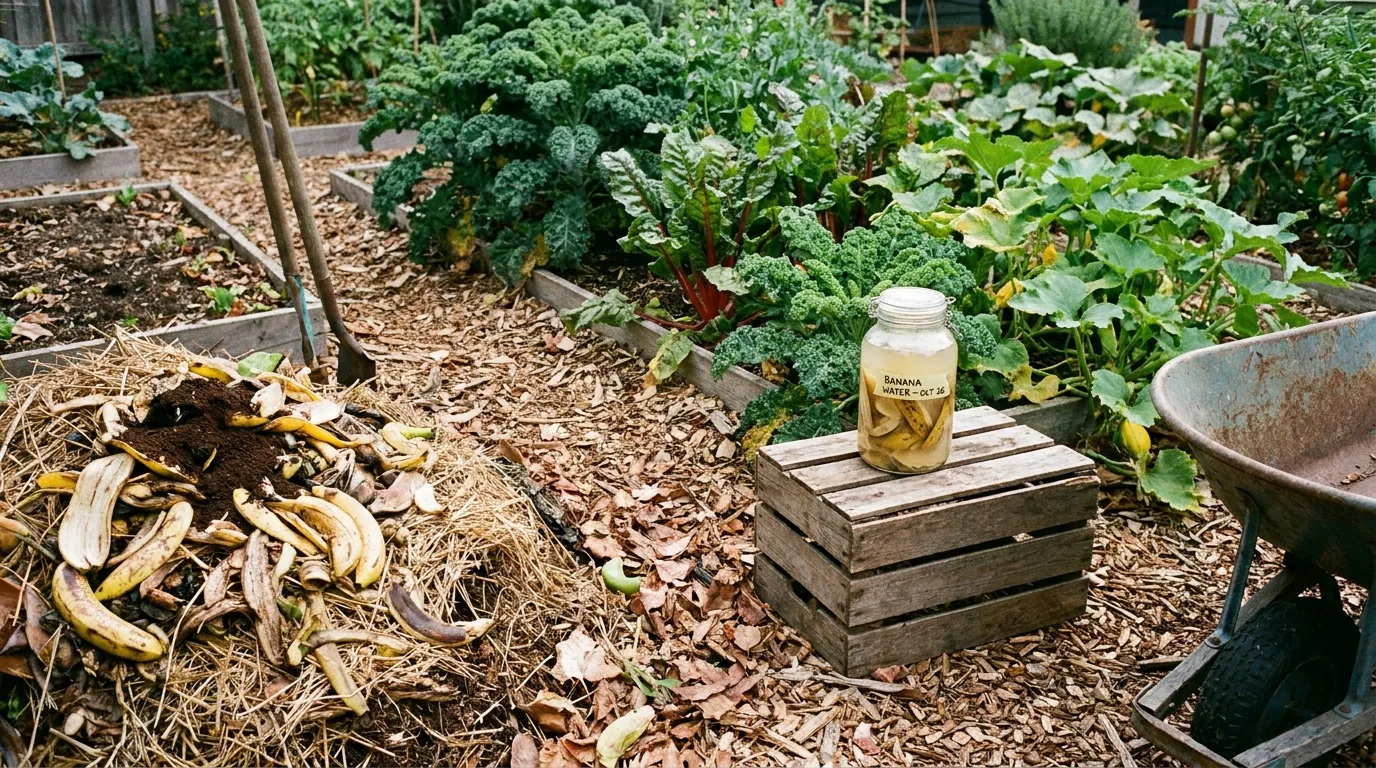
Using different organic materials can add variety to a home garden’s nutrient-management approach. Banana water is particularly easy to prepare, while finished compost can improve soil structure and commercial fertilizers can provide precise nutrient ratios. Combining these approaches allows gardeners to choose the most appropriate tool for each situation. Banana water is best viewed as a supplementary liquid amendment with uncertain nutrient concentration. This makes it less predictable than a formulated fertilizer, but also simple to prepare from a common kitchen by-product. The goal should be balanced plant nutrition rather than using as many homemade remedies as possible. A simple routine with clear purposes is usually easier to manage than a collection of untested recipes.
14. Can Be Used for Outdoor Flower Beds
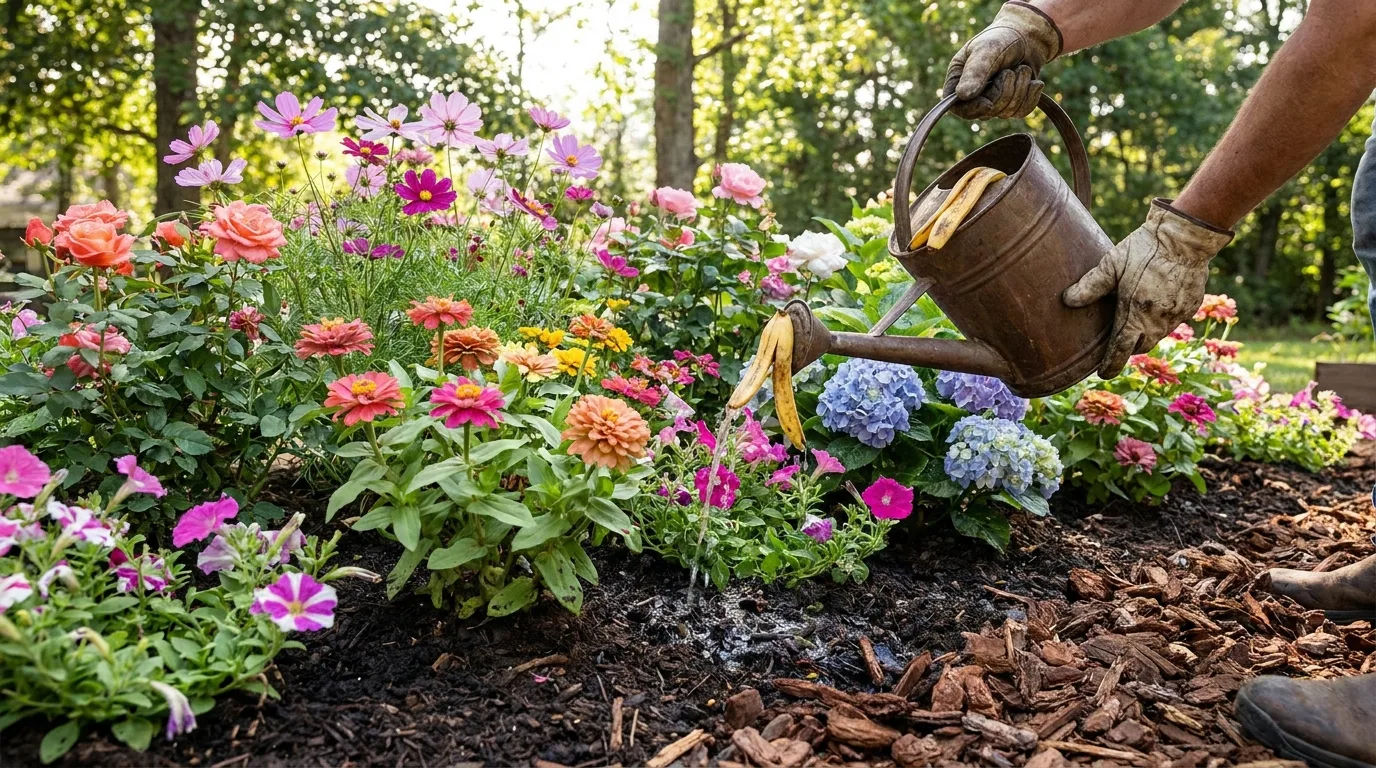
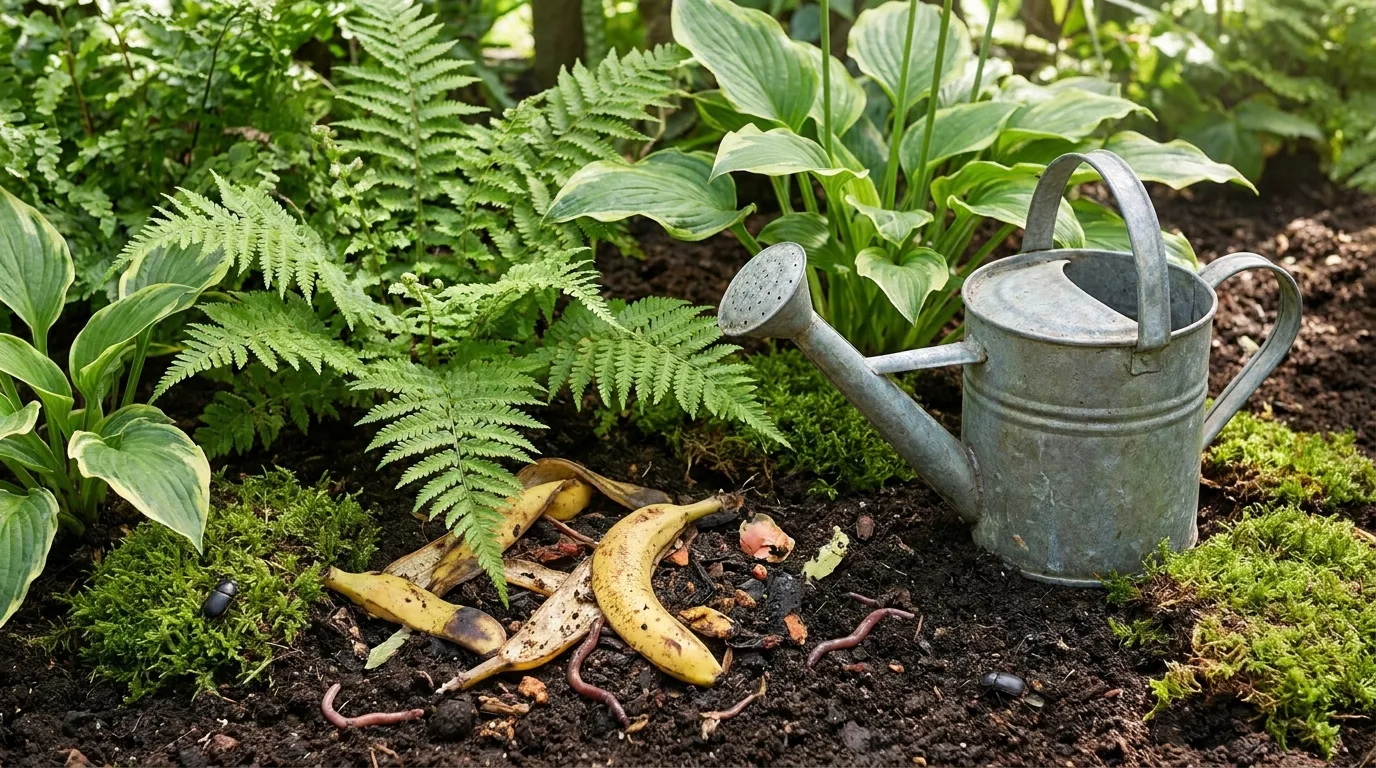
Outdoor flower beds can sometimes accommodate mild homemade plant supplements because plants have more soil volume and root space than typical houseplants. Banana water can be applied around the base of established flowering plants when the soil is already reasonably moist and well drained. Avoid creating constantly wet conditions, particularly around plants that prefer drier soil. It is also wise to rotate where organic liquid amendments are applied rather than repeatedly concentrating them in one small area. Flower beds benefit most from healthy soil, appropriate mulch, sufficient sunlight, and plant-specific fertilization. Banana water can add a small nutritional component, but it should never replace these fundamentals or be used as a treatment for pests and diseases.
15. May Help Maintain Plant Vigor When Nutrition Is Balanced
Healthy plants need a steady supply of essential nutrients, and potassium is one of the major nutrients required for normal development. By providing some soluble material from banana peels, banana water may contribute to nutrient availability when used appropriately. The benefit is most meaningful when the rest of the growing environment is already suitable. A plant struggling because of root damage, poor drainage, inadequate light, or a serious nutrient deficiency will not necessarily recover after receiving banana water. Before adding any fertilizer, check the basics: Is the plant receiving enough light? Is the soil draining correctly? Are roots crowded or damaged? Is watering consistent? Good plant care makes any nutritional supplement more useful.
16. How to Make Banana Water Safely
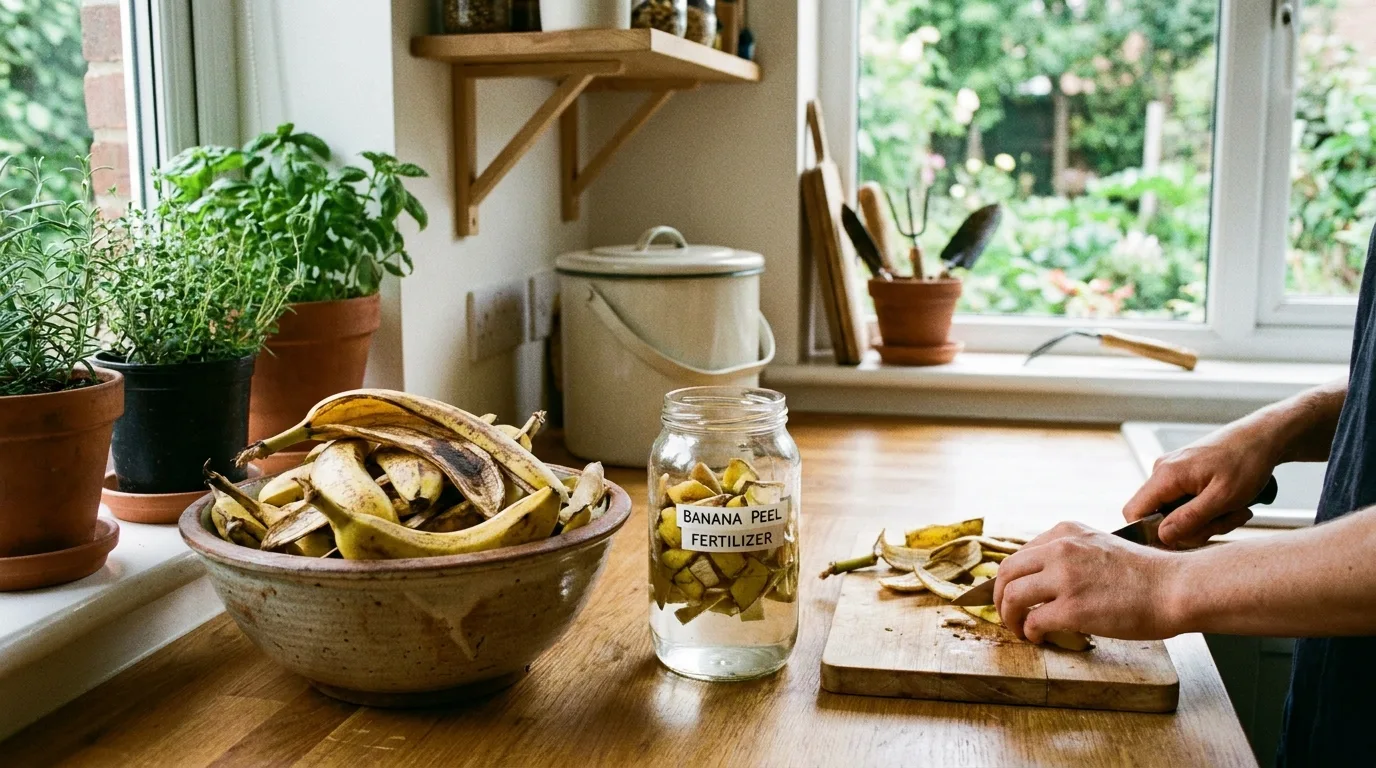
To make a simple batch, rinse one or two banana peels to remove surface residue and cut them into smaller pieces. Place the peels in a clean container, add water, and let them soak for roughly 24 to 48 hours. Strain the liquid before use and discard or compost the softened peels. Avoid leaving the mixture at room temperature for many days, particularly in warm conditions, because microbial activity can cause fermentation, odor, or mold. There is no strong reason to make an extremely concentrated solution. If you are uncertain, dilute the strained liquid with additional water and use it as a mild soil application. Fresh preparation is generally preferable to storing homemade banana water for long periods.
17. How to Apply Banana Water to Plants
Apply banana water directly to the soil around the plant’s root zone rather than routinely spraying it over leaves. Water the soil evenly without creating standing water. For potted plants, make sure excess liquid can drain freely through the container. Start with an occasional application rather than using it every time you water. A practical approach is to observe the plant for several weeks and consider whether there is any noticeable change in growth or flowering. Banana water should be used alongside, not instead of, a balanced fertilizer when the plant requires complete nutrition. If you notice unpleasant odors, insects, mold, or signs of nutrient imbalance, stop using the mixture and reassess the routine.
18. Avoid Using Banana Water as a Complete Fertilizer
One of the most important limitations of banana water is that its nutrient composition is unpredictable. Plants require nitrogen, phosphorus, potassium, calcium, magnesium, sulfur, and several micronutrients in different amounts. Banana peels cannot reliably supply all of these in the proportions plants need. For that reason, banana water should not replace a complete fertilizer, especially for vegetables, fruiting plants, or container plants that depend heavily on regular feeding. If a plant develops pale leaves, weak growth, distorted new leaves, or poor flowering, identify the underlying cause instead of simply increasing banana water. A soil test can provide more useful information when nutrient availability is uncertain.
19. Common Mistakes to Avoid
Several mistakes can reduce the usefulness of banana water. One is making an overly concentrated mixture and applying it too frequently. Another is storing it for long periods, which can result in fermentation and unpleasant smells. Applying it to already waterlogged soil can also contribute to root problems. Some gardeners expect banana water to cure yellow leaves, pests, blossom drop, or fungal disease, but it is not designed to solve these issues. Avoid pouring it directly onto plant crowns or repeatedly wetting foliage. Finally, do not assume that more fertilizer means faster growth. Plants perform best when nutrition, light, water, temperature, soil structure, and root health are kept in balance.
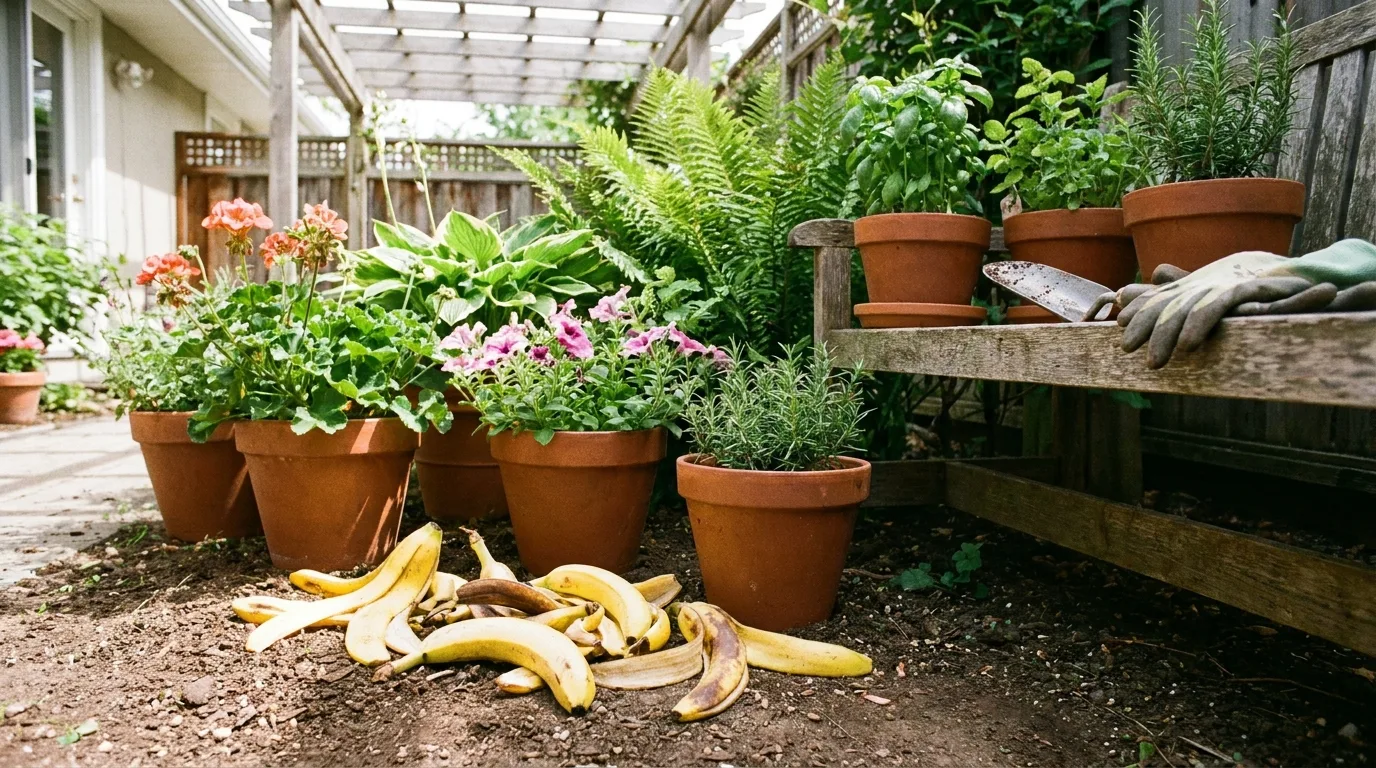
20. Choose the Right Plants and Use It in Moderation
Banana water is most useful when treated as an optional supplement rather than a universal plant treatment. Flowering and fruiting plants are commonly chosen because potassium is important during these stages, but every plant has different nutritional requirements. Before applying it, consider the species, soil type, container size, existing fertilizer, and watering schedule. Start with a small amount of diluted banana water and monitor the plant rather than establishing an aggressive routine. If the plant is already thriving with a balanced fertilizer, there may be little reason to add another nutrient source. Thoughtful, occasional use makes banana water a practical kitchen-waste recycling idea while reducing the risk of overfertilization.
Conclusion
Banana water can be an easy and inexpensive way to reuse banana peels while providing plants with small amounts of soluble nutrients. Its potential potassium contribution makes it particularly interesting for flowering and fruiting plants, but homemade banana water is not a standardized or complete fertilizer. The best results come from using it moderately, preparing it fresh, applying it to the soil, and continuing to provide plants with balanced nutrition, appropriate light, proper watering, and healthy growing conditions. Think of banana water as one small tool in your gardening routine rather than a miracle solution. With realistic expectations and careful observation, it can be a simple addition to a low-waste home garden.