
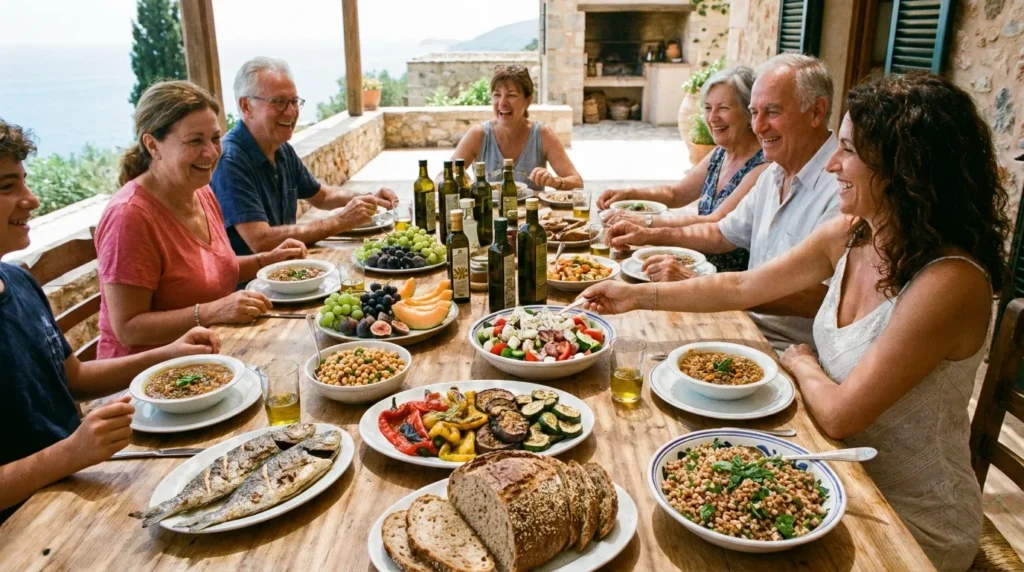
The Mediterranean diet is less about strict rules and more about building meals around vegetables, fruits, whole grains, beans, nuts, seeds, olive oil, fish, and other minimally processed foods. Because these foods can provide plenty of fiber, protein, healthy fats, and satisfying flavors, the eating pattern can be a practical starting point for people who want to manage their weight without relying on extreme restriction. This beginner-friendly approach focuses on what to add to your plate rather than simply what to eliminate. Weight loss still depends on overall energy balance, but meal quality, portion awareness, regular movement, sleep, and consistency all matter. The ideas below show how to adapt Mediterranean-style eating into simple everyday habits while keeping meals enjoyable and flexible.
1. Build Meals Around Vegetables
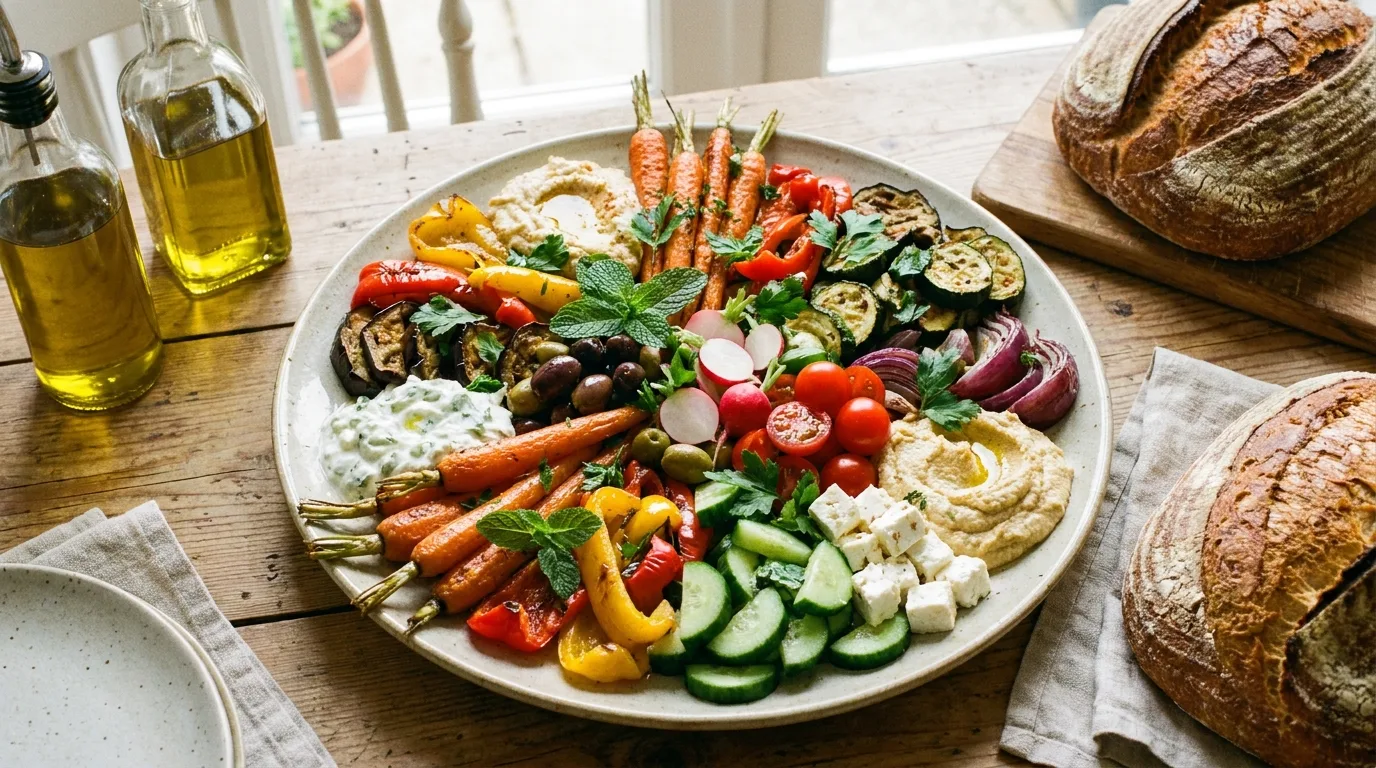
Vegetables are one of the easiest ways to make Mediterranean-style meals more filling without making them overly calorie-dense. Try making vegetables the largest component of lunch and dinner, then add a source of protein and a moderate portion of whole grains or starchy vegetables. Roasted zucchini, peppers, eggplant, tomatoes, leafy greens, carrots, broccoli, and cucumbers all work well. Variety also helps provide different vitamins, minerals, and plant compounds. Instead of treating vegetables as a small side dish, use them as the foundation of the meal. A large salad with chickpeas and grilled fish, for example, can be much more satisfying than a small salad served beside a large refined-grain portion.
2. Choose Extra-Virgin Olive Oil Wisely
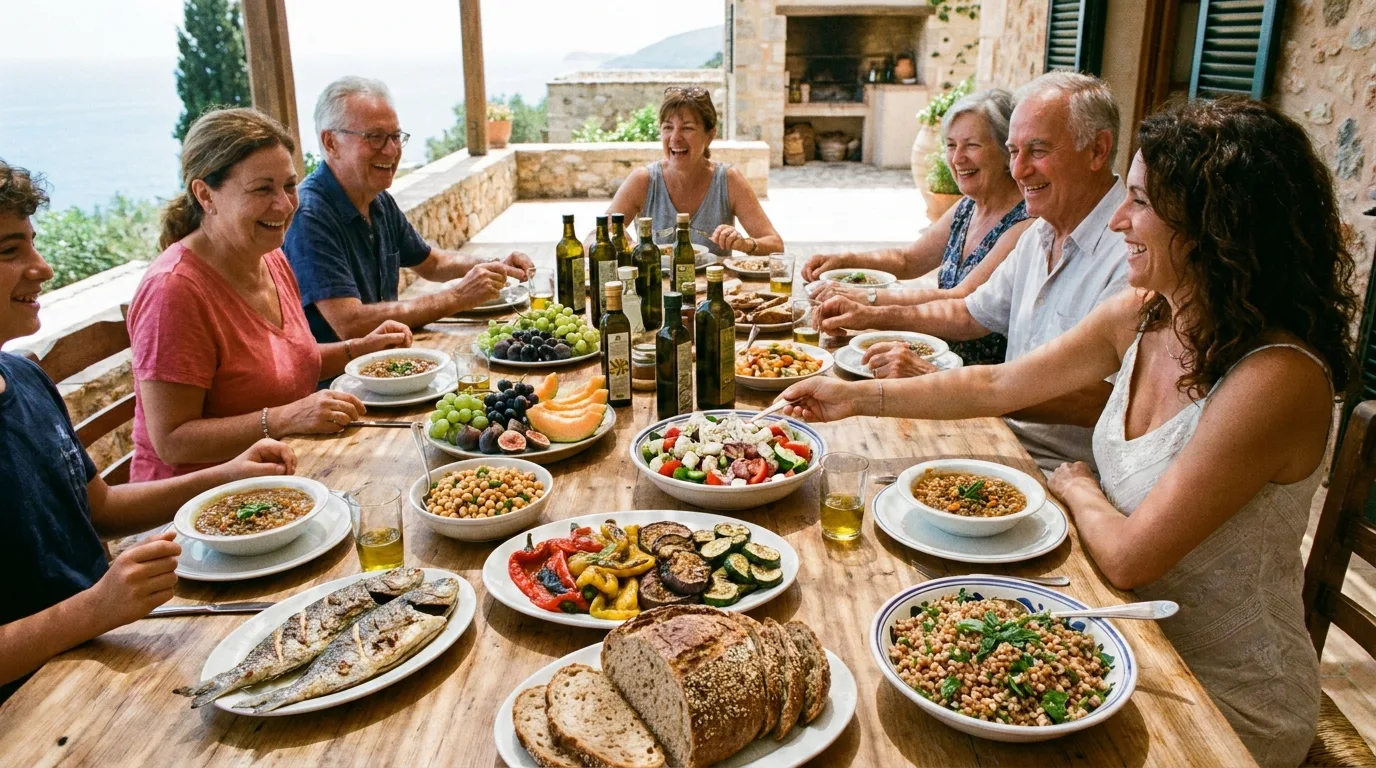
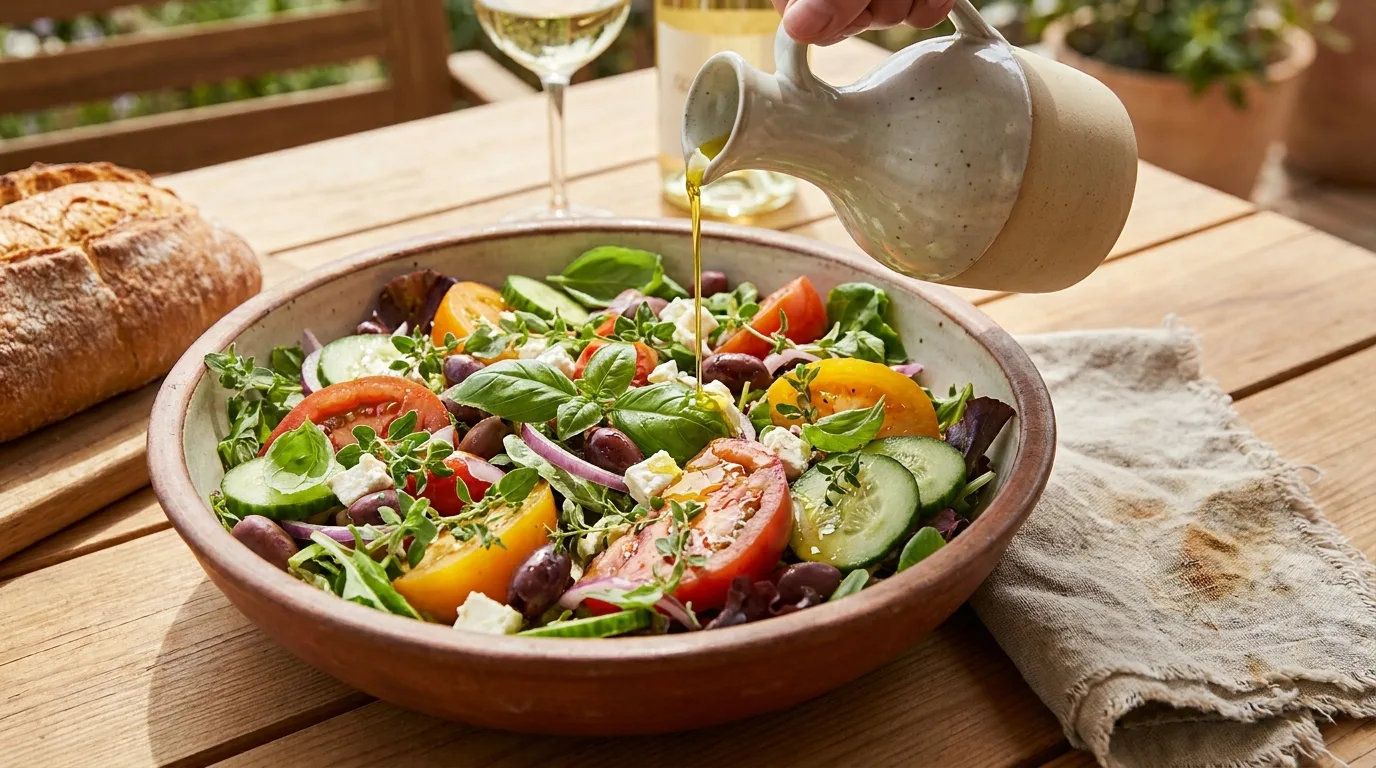
Extra-virgin olive oil is a signature ingredient in Mediterranean cooking and can make vegetables, beans, salads, and grains more appealing. It contains predominantly monounsaturated fat and can be part of a heart-conscious eating pattern. However, olive oil is still energy-dense, so generous pours can add substantial calories. For weight management, measure portions when you are getting started rather than automatically pouring straight from the bottle. Use a small amount to dress salads, roast vegetables, or sauté ingredients. The goal is not to eliminate fats but to choose nutritious sources and use them intentionally. Combining olive oil with vinegar, lemon juice, garlic, or herbs can create flavorful dressings without needing large quantities of oil.

3. Make Protein a Regular Part of Meals
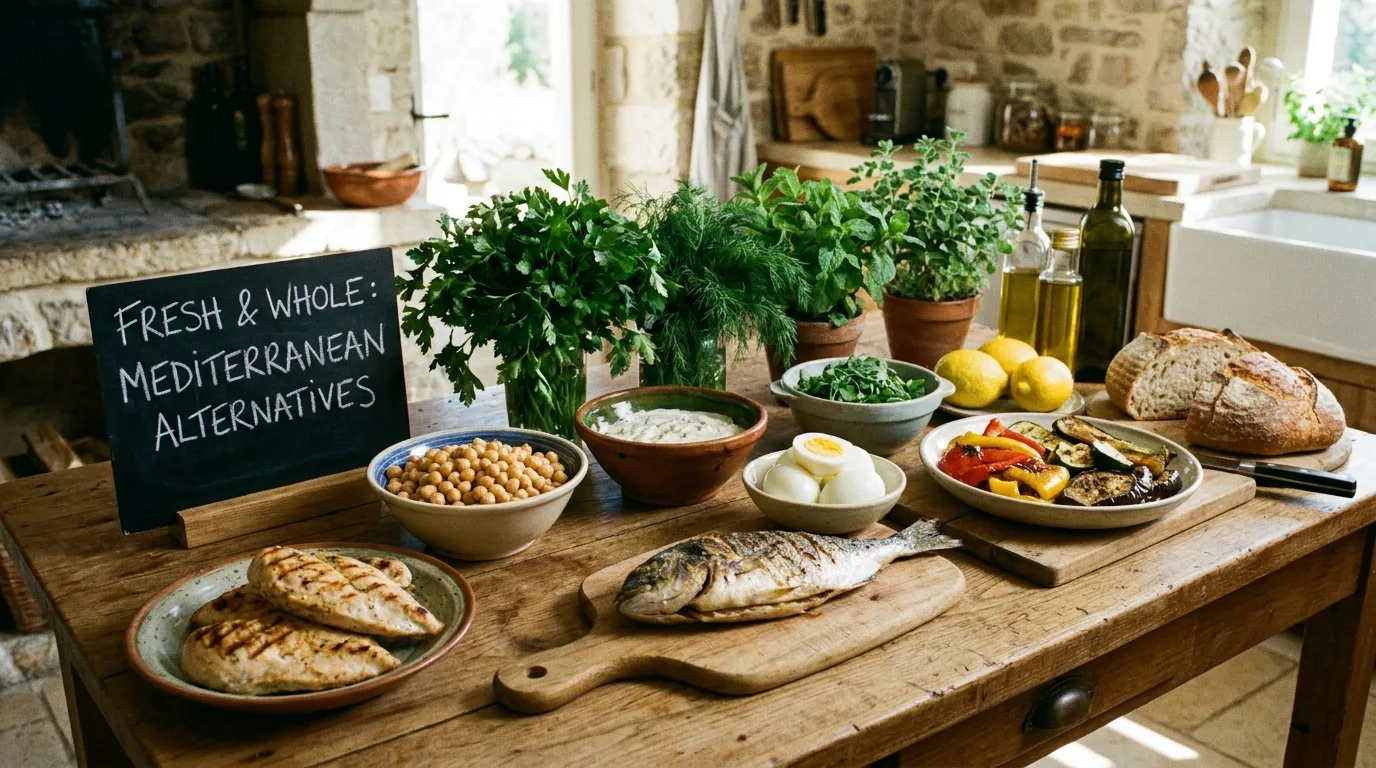
Protein can help meals feel satisfying and is important for maintaining muscle while losing weight. Mediterranean eating provides many options, including fish, seafood, eggs, yogurt, beans, lentils, chickpeas, and poultry. You do not need to eat meat at every meal. A lentil soup, Greek-style yogurt with fruit, or chickpea salad can provide substantial nutrition without relying on processed meats. When planning a plate, consider adding a clear protein source alongside vegetables and a high-fiber carbohydrate. This simple structure can reduce the temptation to keep snacking soon after meals. Individual protein needs vary based on body size, activity, age, and health circumstances, so people with specific dietary requirements should seek personalized guidance from a qualified professional.
4. Eat More Beans and Lentils
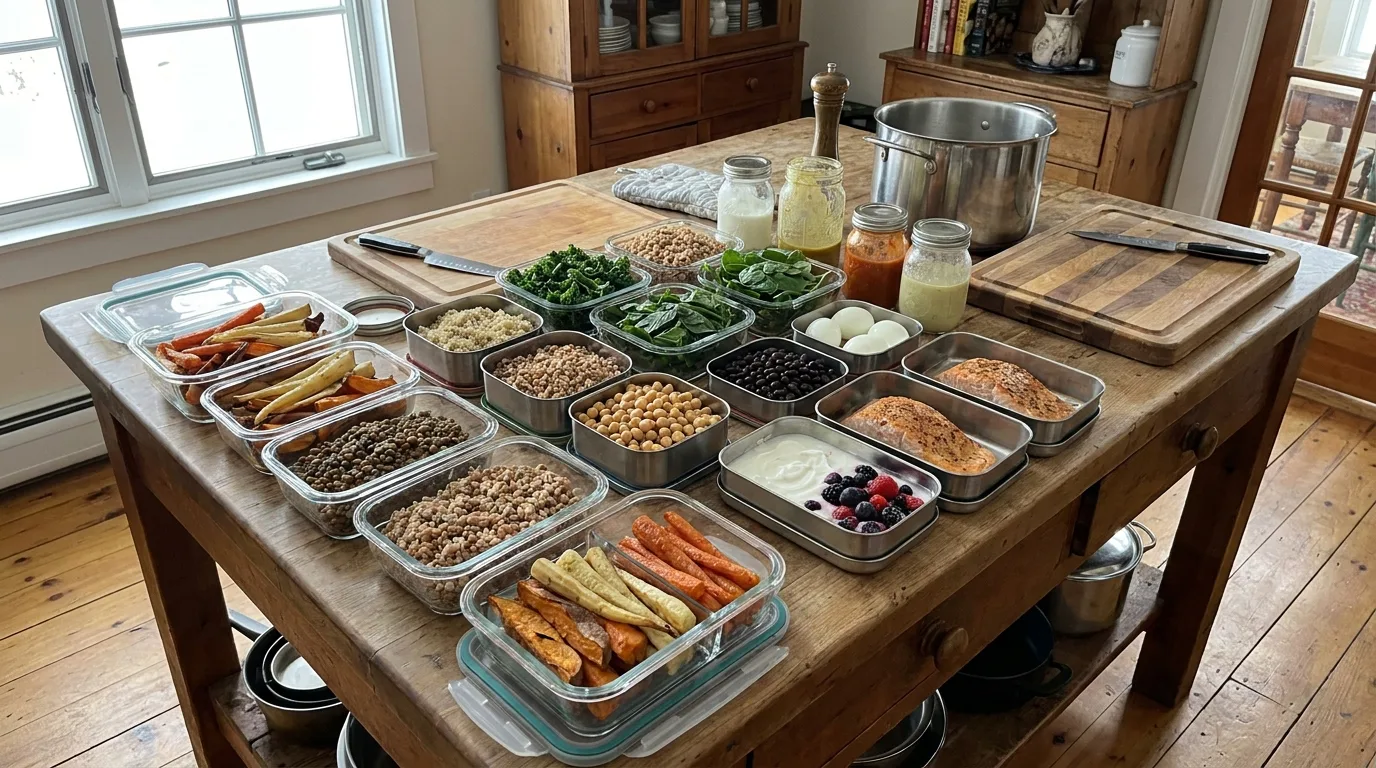
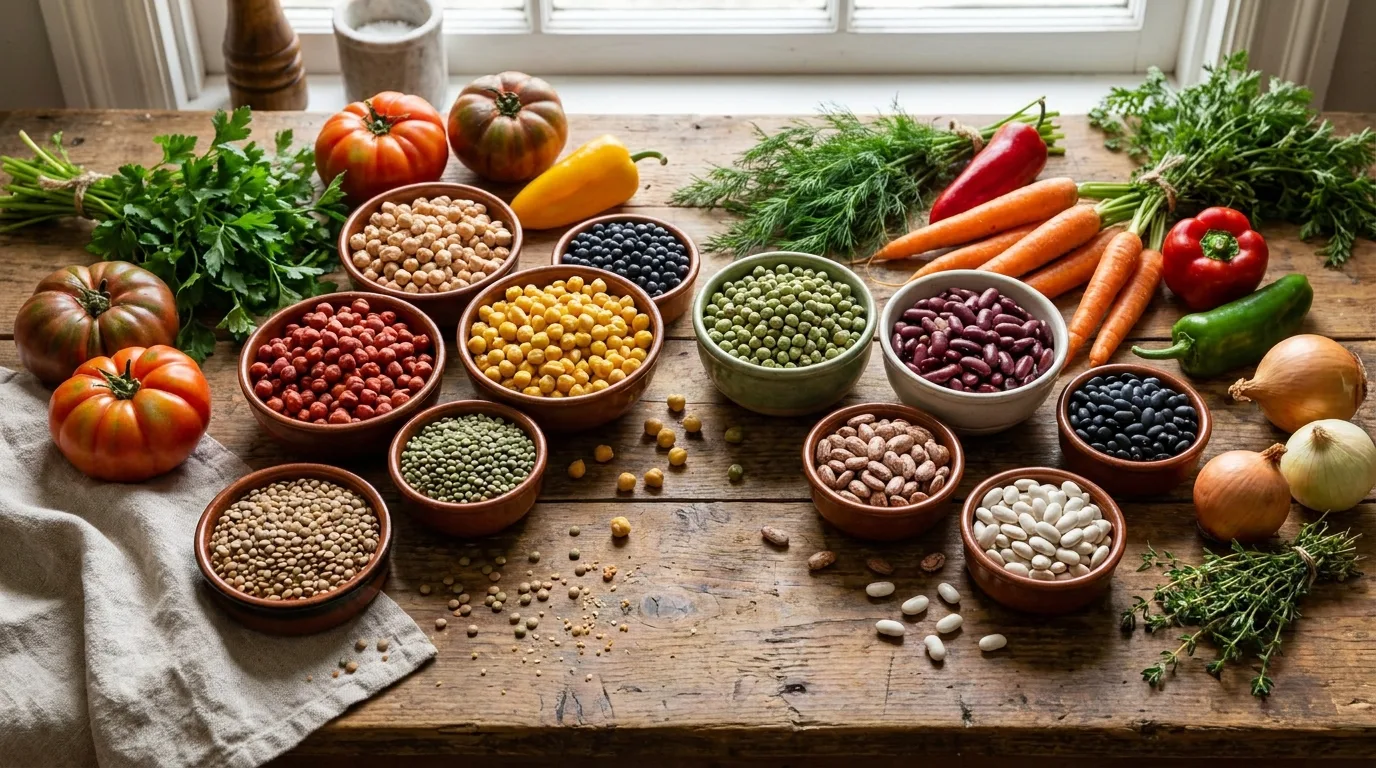
Beans, chickpeas, and lentils are inexpensive Mediterranean-style staples that combine plant protein and fiber. Their slow-digesting carbohydrates can contribute to satisfying meals, while their versatility makes them easy to use several times a week. Add chickpeas to salads, lentils to soups, white beans to vegetable stews, or mashed beans to whole-grain toast. If canned beans are convenient, choose lower-sodium varieties when available and rinse them before use. Because legumes are filling, they can replace some higher-calorie ingredients while still creating substantial portions. Start gradually if you are not accustomed to eating much fiber, since a sudden increase may cause digestive discomfort. Drinking enough fluids and increasing fiber steadily can make the transition easier.
5. Pick Whole Grains More Often
Whole grains fit naturally into Mediterranean-style meals and can be more filling than refined grain products because they retain more of the grain’s original structure and nutrients. Consider oats, barley, bulgur, brown rice, whole-grain bread, and whole-wheat pasta. Portion size still matters, particularly when your goal is weight loss. Rather than building an entire meal around a large bowl of pasta or rice, combine a moderate serving with vegetables, beans, fish, or another protein source. For example, whole-wheat pasta tossed with tomatoes, spinach, white beans, and a little olive oil creates a more balanced meal than pasta alone. Choose minimally processed whole grains when practical and let vegetables remain a major part of the plate.
6. Include Fruit as a Satisfying Sweet Option
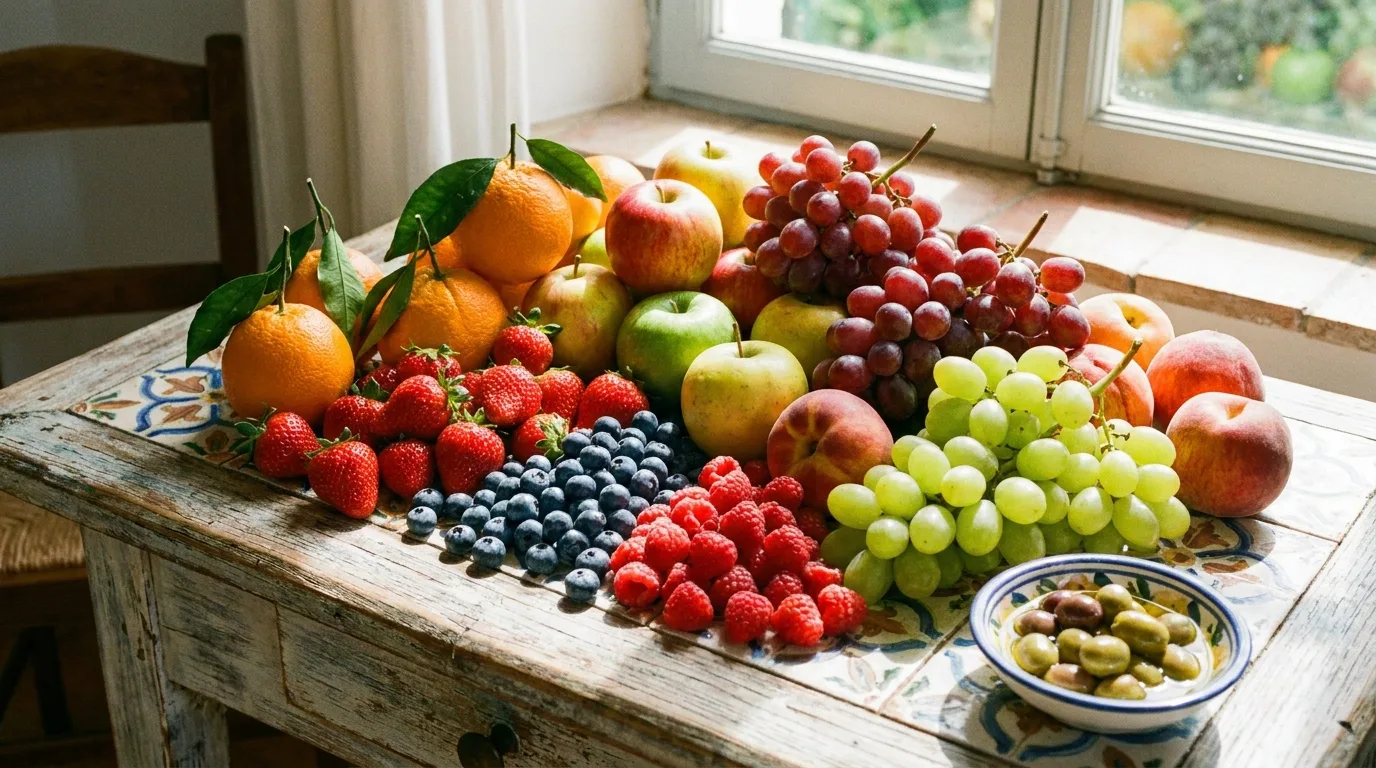
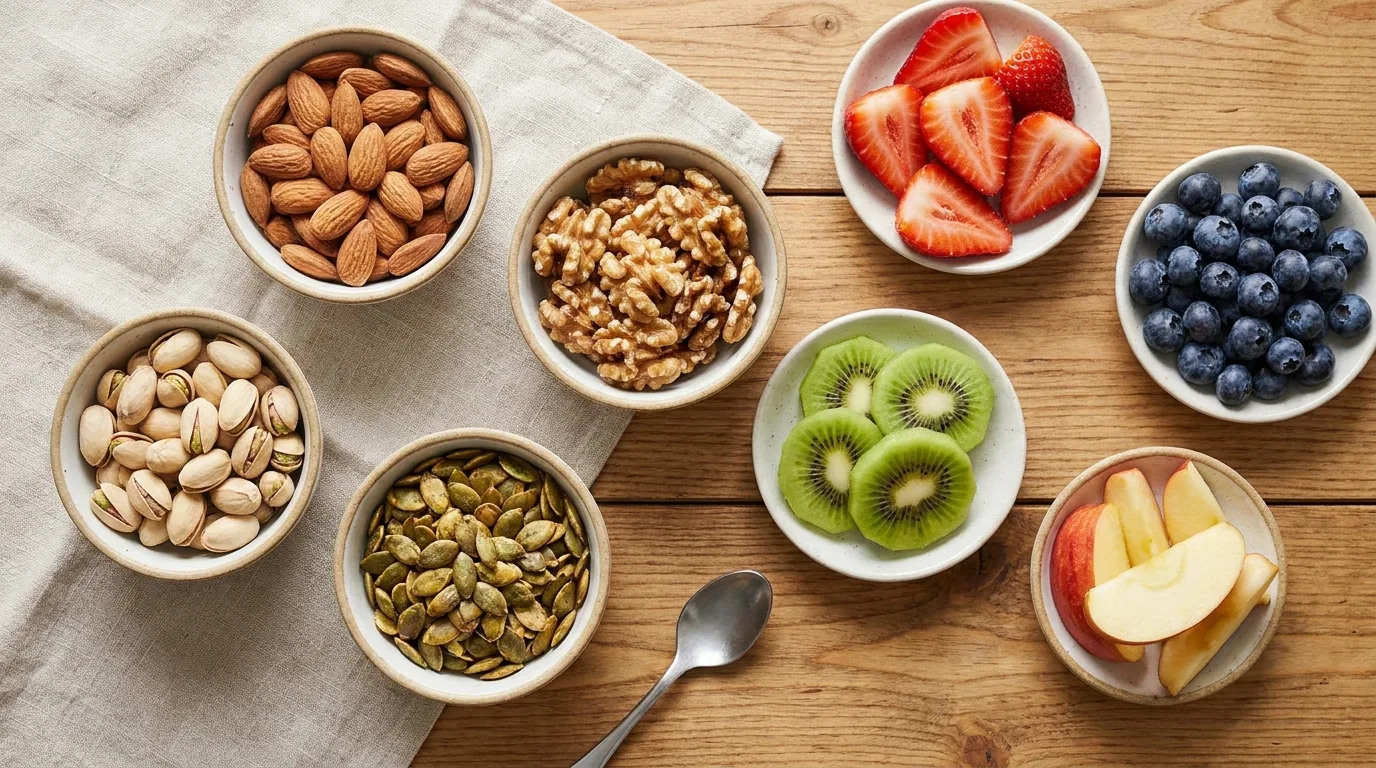
Whole fruit can provide natural sweetness along with fiber, water, vitamins, minerals, and plant compounds. Apples, oranges, berries, grapes, peaches, pears, melon, and seasonal fruit can all fit into a Mediterranean-style weight-loss plan. Instead of viewing fruit as something to avoid because it contains natural sugar, consider how it is eaten. Whole fruit is generally more filling than juice because it retains its fiber and requires more chewing. Pairing fruit with plain yogurt or a small serving of nuts can create a balanced snack. Dried fruit can also be nutritious, but it is much more concentrated, so smaller portions are usually appropriate. Let fruit satisfy cravings for sweetness without turning every snack into a highly processed dessert.
7. Snack on Nuts and Seeds in Small Portions
Almonds, walnuts, pistachios, pumpkin seeds, and other nuts and seeds provide unsaturated fats, protein, fiber, and minerals. They are particularly useful when you want a convenient snack that does not depend on highly processed ingredients. The main consideration for weight loss is portion size because nuts and seeds are energy-dense. Instead of eating directly from a large package, place a modest serving into a bowl or container. Add chopped walnuts to oatmeal, sprinkle seeds over salads, or combine a small handful of nuts with fruit. Choose mostly unsalted varieties when possible. Their role in the Mediterranean pattern is to add nutrition and texture, not to become an unlimited snack food simply because they are considered healthy.
8. Eat Fish and Seafood Regularly
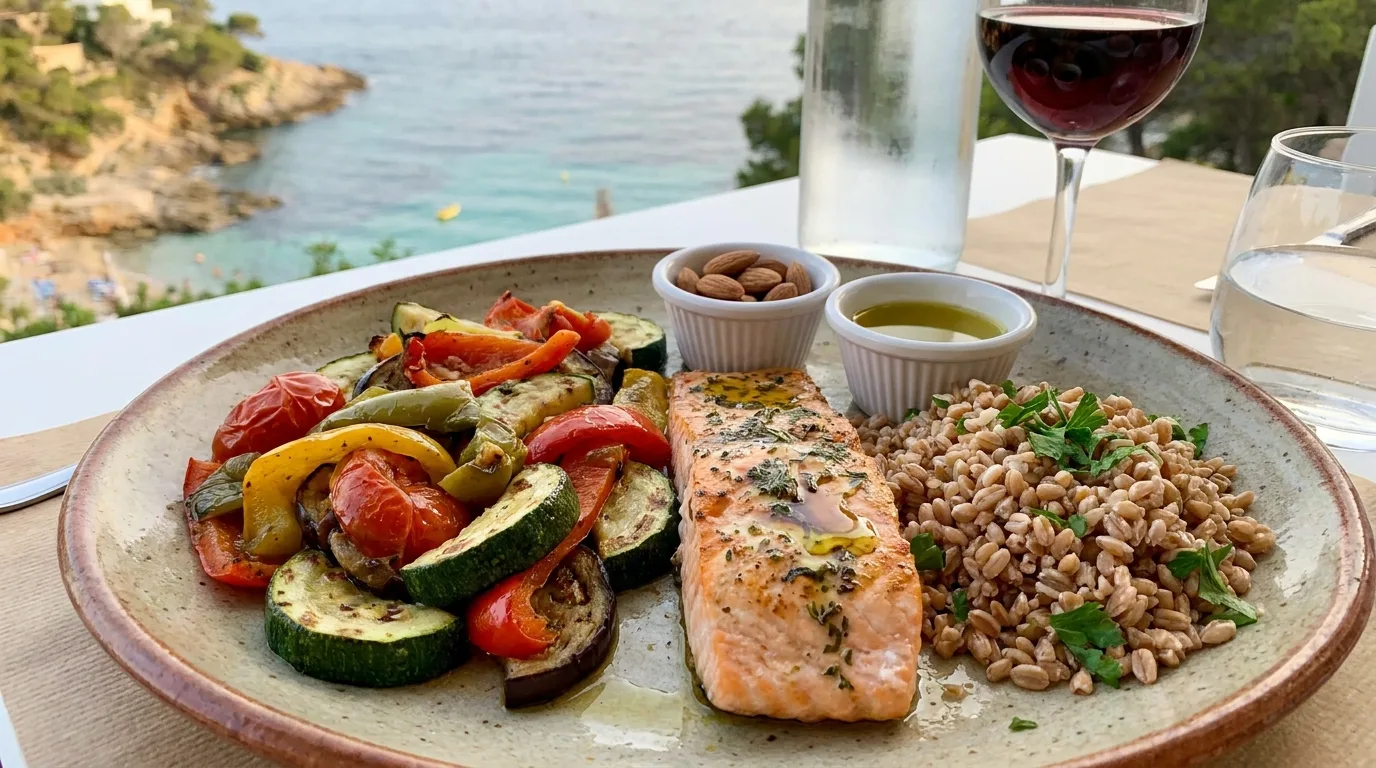
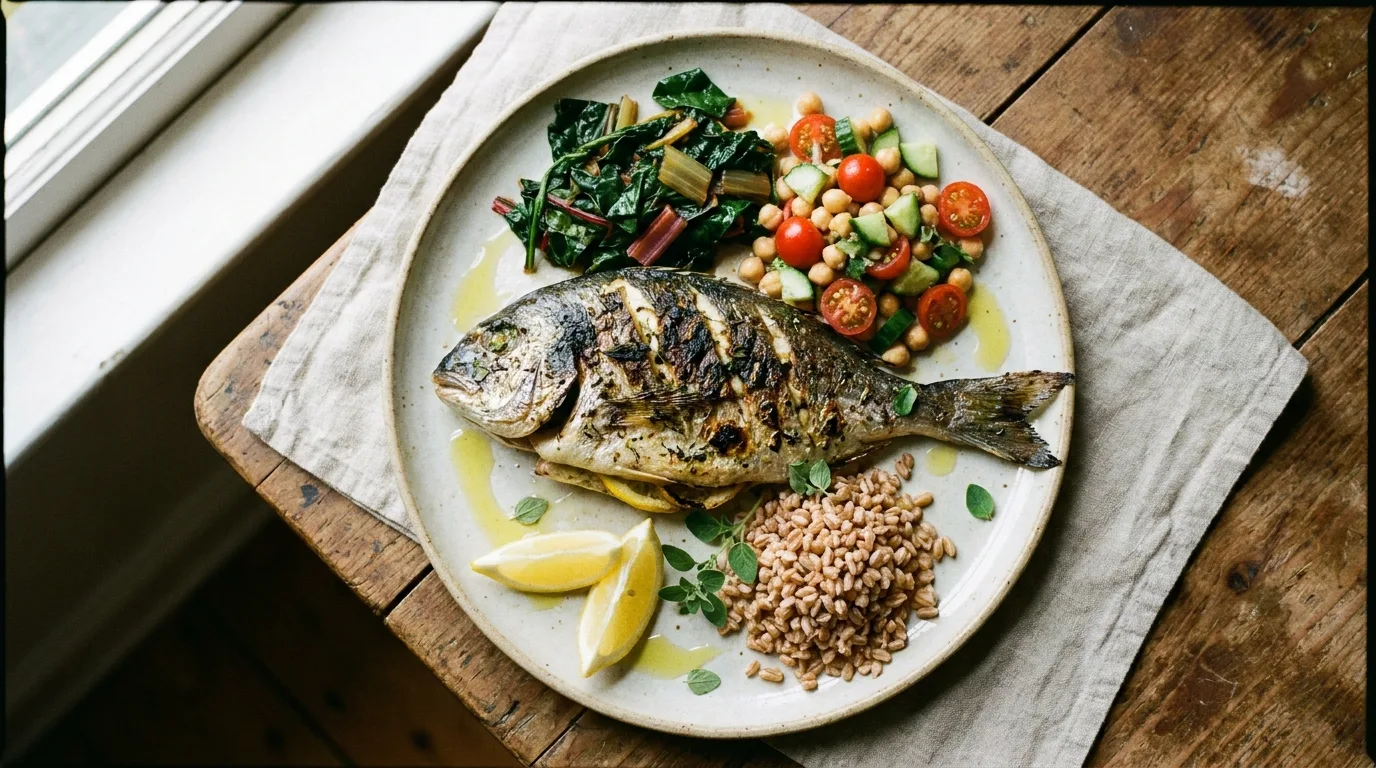
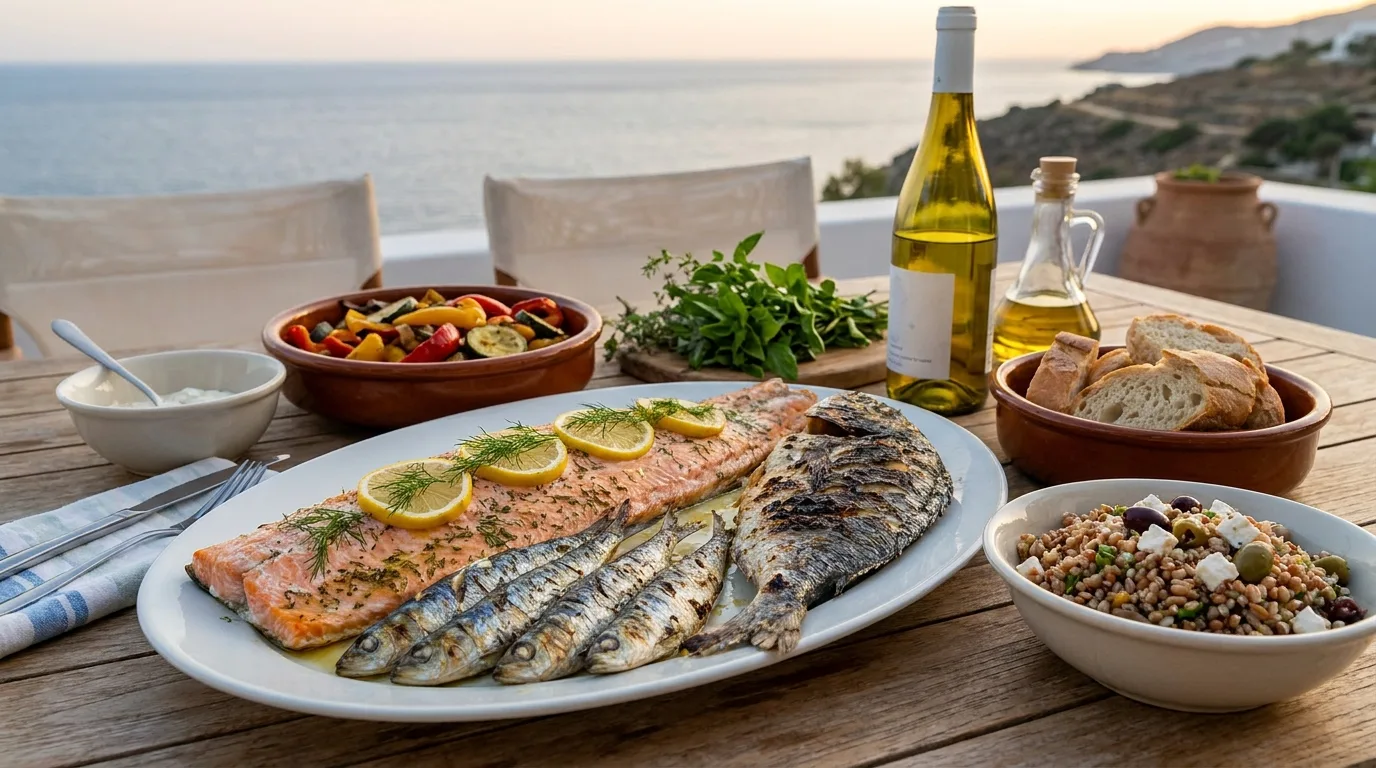
Fish and seafood are important sources of protein in Mediterranean-style eating, and fatty fish such as salmon, sardines, trout, and mackerel also provide omega-3 fatty acids. Aim to include fish as part of a varied diet rather than relying on fried preparations. Grilling, baking, steaming, or pan-cooking with a modest amount of olive oil keeps the meal simple. Pair fish with roasted vegetables, beans, leafy greens, or a moderate serving of whole grains. If you do not eat seafood, you can still follow the broader Mediterranean pattern by emphasizing legumes, eggs, poultry, yogurt, nuts, and seeds. For people concerned about mercury exposure, choosing a variety of lower-mercury fish is a sensible approach, particularly during pregnancy or for young children.
9. Prefer Plain Yogurt Over Sugary Versions
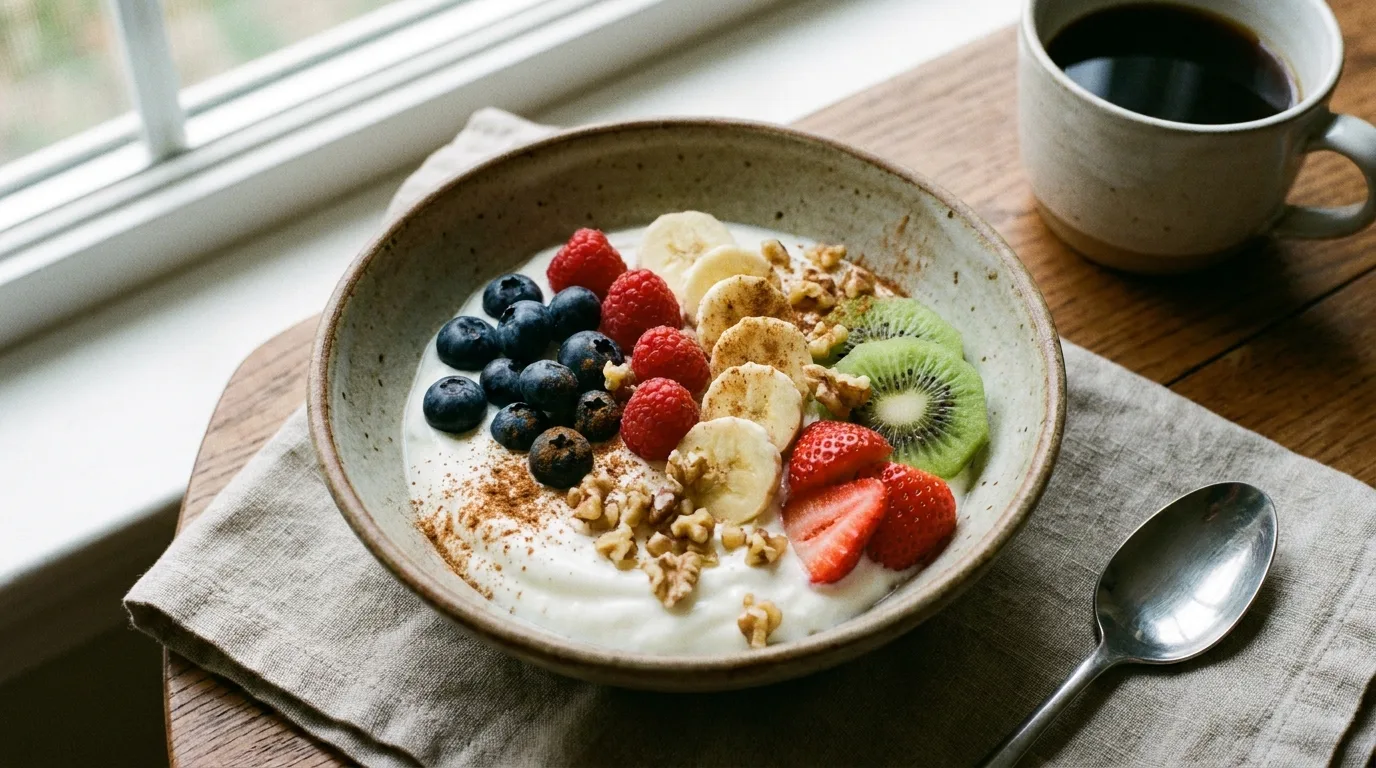
Plain Greek or natural yogurt can be a convenient Mediterranean-style food because it provides protein and can serve as the base for breakfast, snacks, sauces, and desserts. Flavored yogurts can contain significant amounts of added sugar, depending on the product, so reading the nutrition label is useful. Try plain yogurt topped with berries, sliced fruit, cinnamon, or a small amount of chopped nuts. You can also use yogurt with cucumber, lemon, garlic, and herbs as a creamy sauce. For weight management, compare serving sizes and choose a yogurt that fits your nutritional needs. Dairy is not mandatory, either; unsweetened fortified alternatives can be used when appropriate.
10. Replace Processed Meats With Simpler Proteins
Bacon, sausages, salami, and other processed meats are not central to the Mediterranean pattern. Instead, build meals around less processed protein sources such as beans, lentils, fish, eggs, poultry, or plain yogurt. This does not require an all-or-nothing approach. If you enjoy processed meats occasionally, keep them as a smaller part of the overall diet rather than making them a daily centerpiece. Sandwiches can use grilled chicken, tuna, hummus, or sliced vegetables instead. Pasta dishes can rely on lentils or beans for substance. This shift can also make meals more compatible with the broader Mediterranean emphasis on vegetables, legumes, whole grains, and minimally processed foods.
11. Use Herbs and Spices for Big Flavor
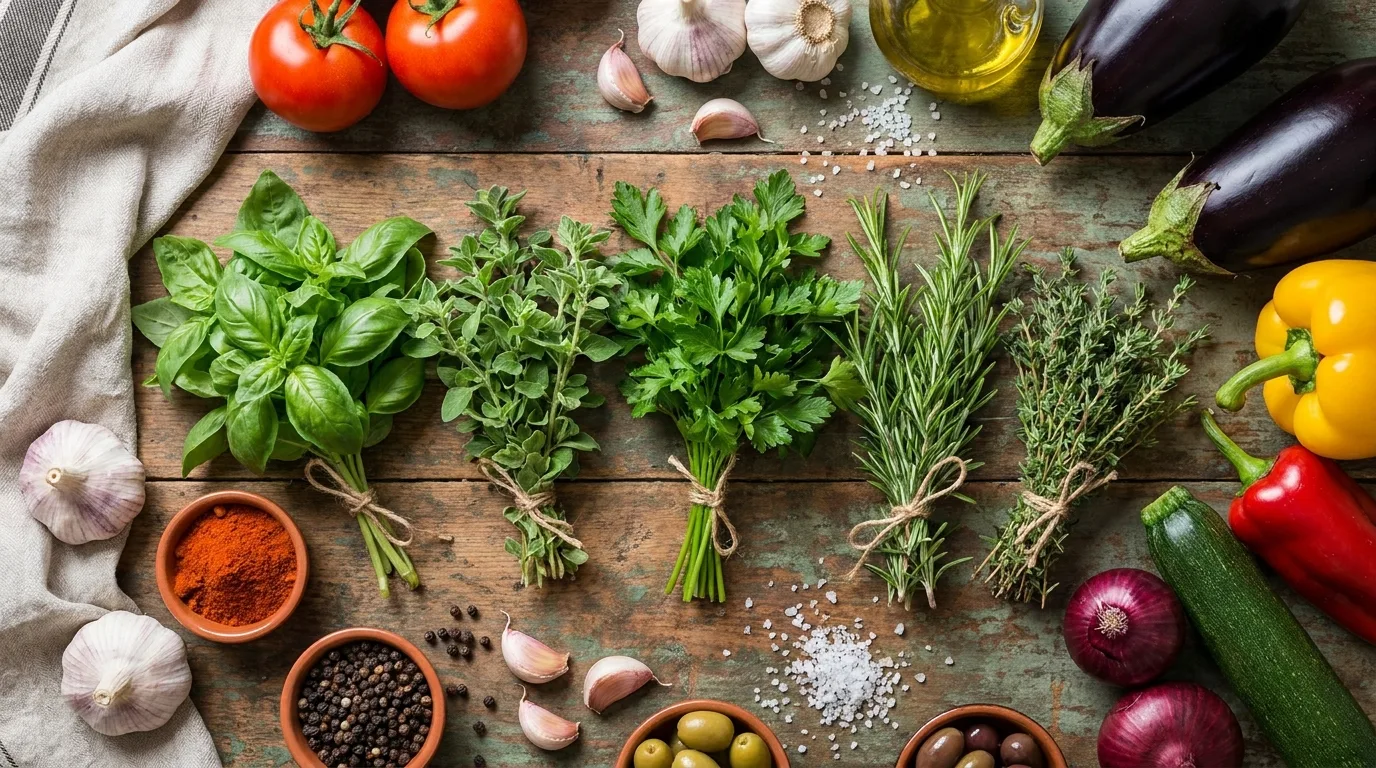
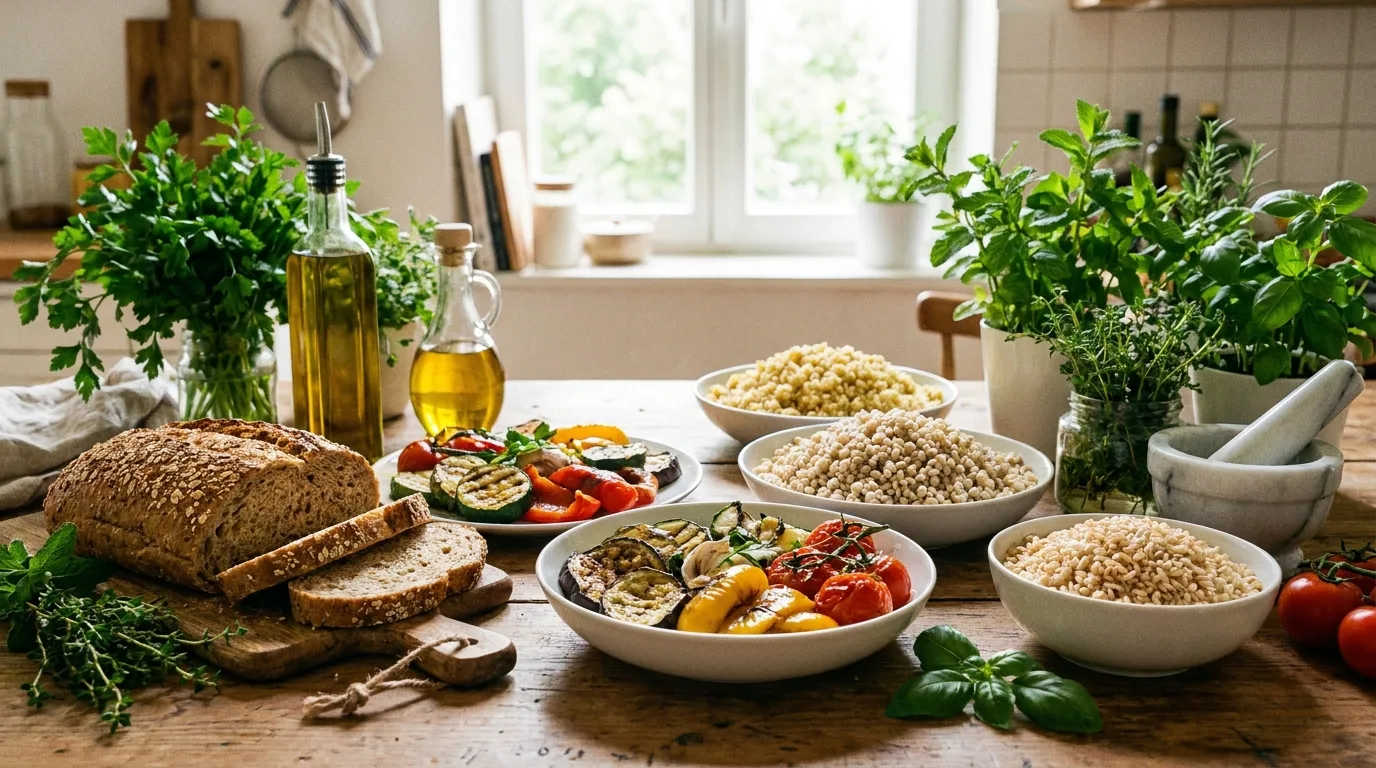
One reason Mediterranean-style food can be sustainable is that it does not depend on bland meals. Garlic, basil, oregano, parsley, rosemary, thyme, cumin, paprika, black pepper, and chili can transform simple ingredients. Lemon juice and vinegar can also brighten vegetables, beans, fish, and salads. Experimenting with herbs and spices may help you rely less on heavy sauces, excessive cheese, or large amounts of added fat for flavor. Try roasting vegetables with garlic and oregano, seasoning chickpeas with cumin and paprika, or finishing grilled fish with lemon and parsley. Flavor variety can make nutritious meals feel more satisfying, which matters when building habits that you want to maintain for months rather than following a short-term restrictive diet.
12. Make Breakfast Fiber-Rich
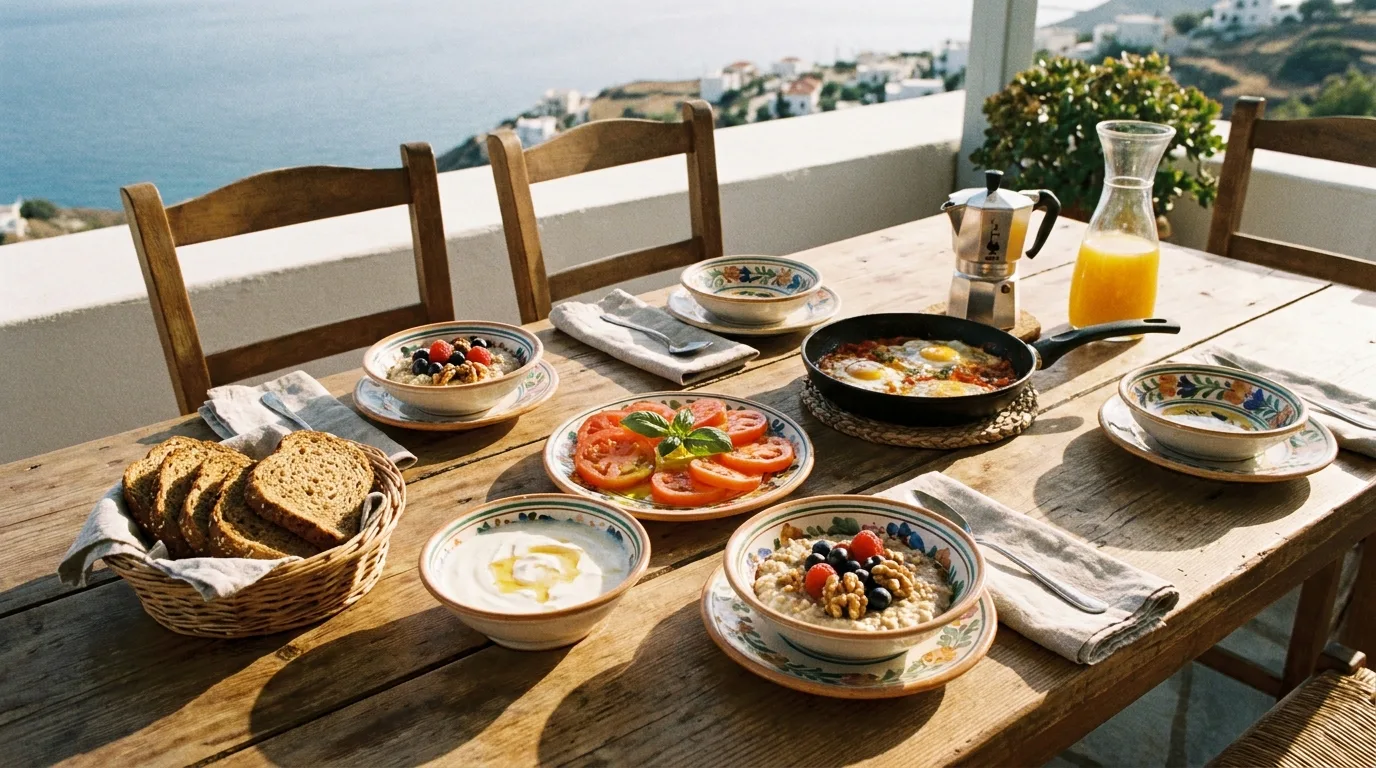
A Mediterranean-inspired breakfast can be simple while still providing fiber and protein. Oatmeal topped with berries and walnuts, plain yogurt with fruit and seeds, or whole-grain toast with tomato and eggs are practical choices. The goal is not to copy a specific traditional breakfast every day but to use the same basic principles throughout the morning: minimally processed foods, plenty of plant foods, and enough protein to make the meal satisfying. If you usually become hungry shortly after breakfast, examine the balance of the meal rather than simply eating less. Adding fruit, oats, seeds, eggs, or yogurt may create a more substantial breakfast. Coffee or tea can fit too, especially when added sugars and high-calorie extras are kept moderate.
13. Create Balanced Mediterranean Lunch Bowls
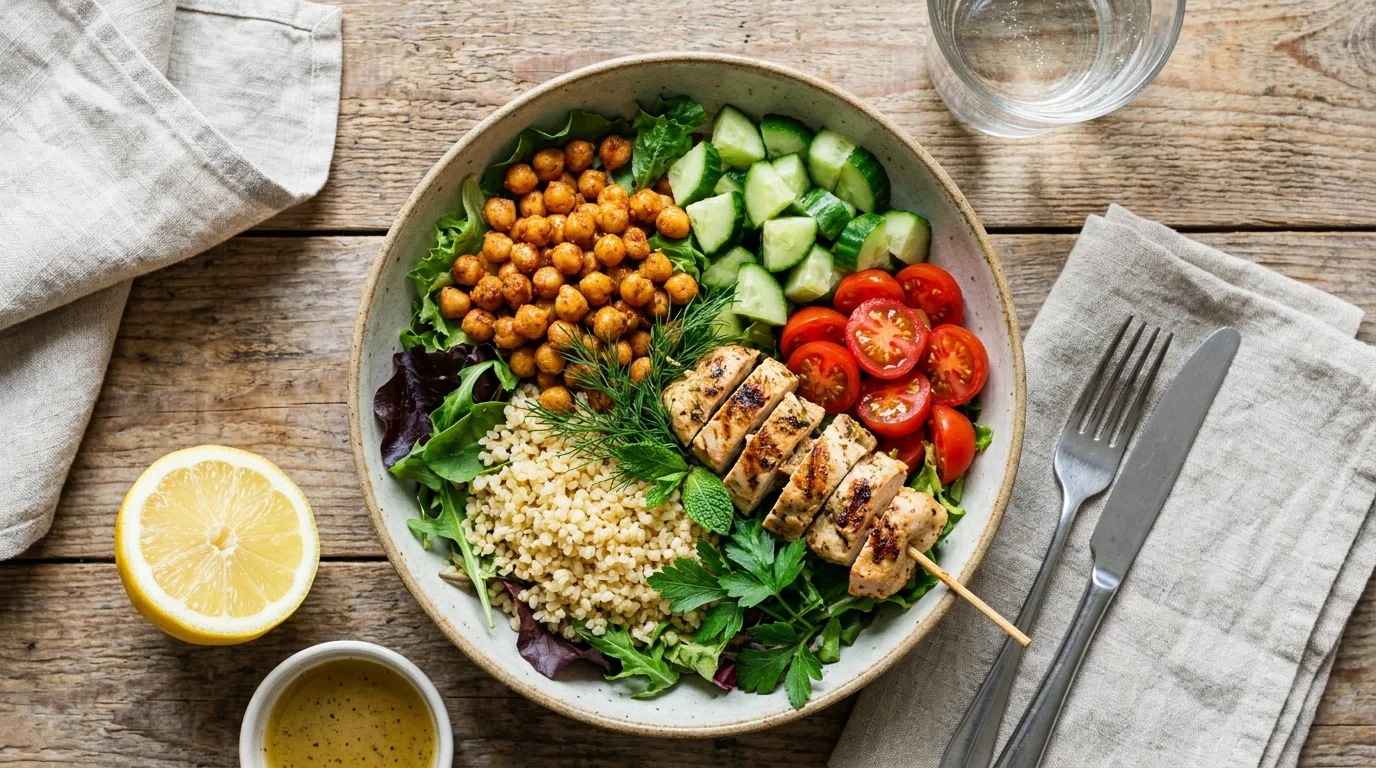
Lunch bowls make Mediterranean-style eating easy because you can combine several food groups in one container. Start with leafy greens or other vegetables, then add beans, grilled chicken, fish, or another protein. Include a moderate portion of bulgur, quinoa, brown rice, or whole-grain pita, then finish with olives, herbs, lemon, or a small amount of olive oil. This approach allows you to use leftovers instead of preparing a completely new meal. Keep calorie-dense toppings such as cheese, nuts, dressings, and oils measured if weight loss is your goal. A balanced bowl should contain enough food to feel like a real meal, not a tiny collection of ingredients designed to minimize calories at all costs.
14. Practice Portion Awareness Without Strict Counting
The Mediterranean diet does not require calorie counting, but portion awareness can still matter for weight loss. Healthy foods can contribute substantial calories when portions become very large, especially oils, nuts, cheese, grains, and calorie-rich sauces. A practical strategy is to give vegetables plenty of space on the plate, include a reasonable protein serving, and use smaller portions of concentrated ingredients. Eat slowly enough to notice fullness and avoid automatically going back for seconds. You can also serve meals on individual plates instead of eating from large shared containers. These habits create structure without requiring every bite to be weighed or logged. If calorie tracking works well for you, it is an optional tool rather than a requirement of Mediterranean-style eating.
15. Limit Sugary Drinks and Liquid Calories
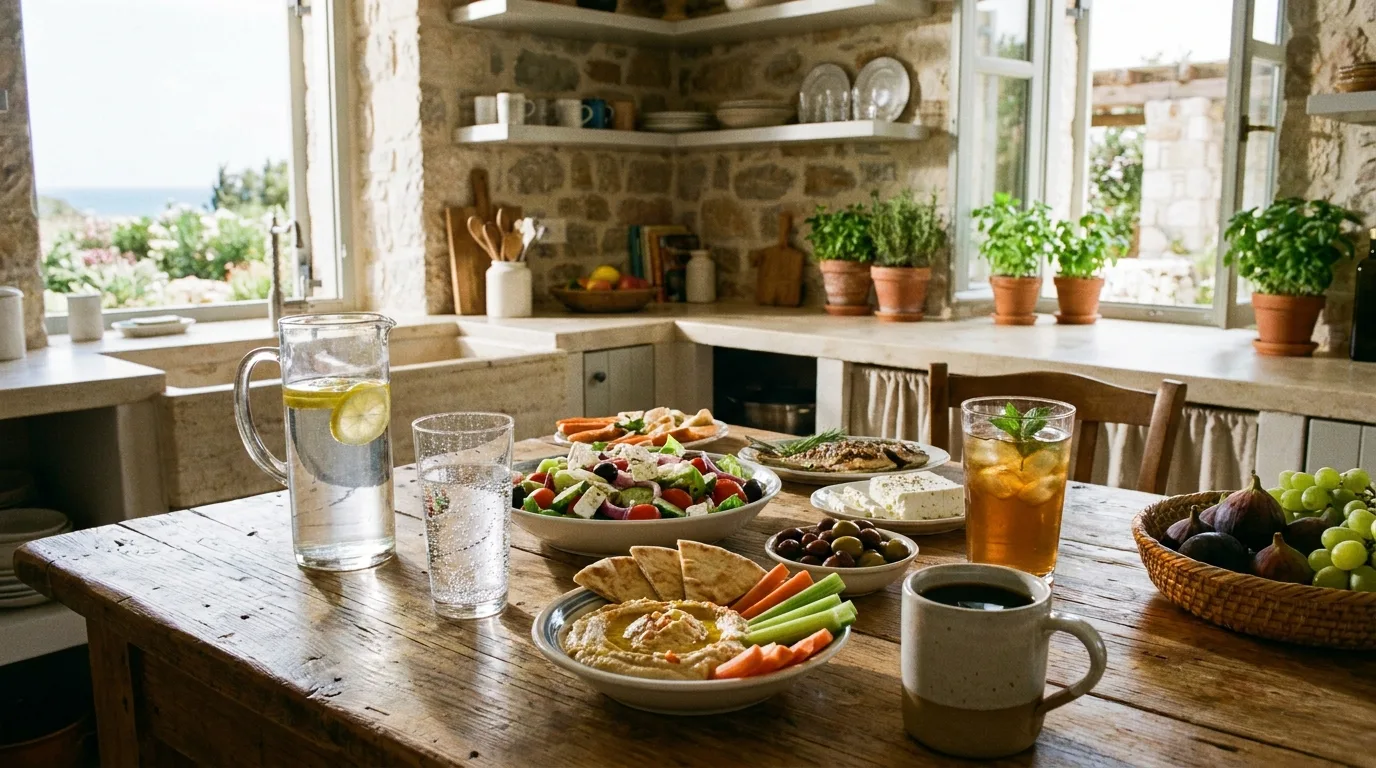
Sugary sodas, sweetened coffees, energy drinks, and frequent fruit juices can add calories without providing the same fullness as whole foods. For weight management, water is an easy default, while sparkling water, unsweetened tea, and plain coffee can provide variety. Add lemon, lime, cucumber, or fresh herbs to water if you want more flavor. The Mediterranean pattern traditionally includes wine in some cultures, but alcohol is not required to follow the diet, and it can add calories and carry health risks. People who do not drink should not start for potential health benefits. If you drink alcohol, moderation and individual medical guidance are important, especially when medications or health conditions are involved.
16. Prepare Simple Meals at Home
Home cooking gives you greater control over ingredients, portions, cooking methods, and added sugars or sodium. Mediterranean-style meals do not need complicated recipes. Roast a tray of vegetables, cook a pot of lentils, prepare a grain, and keep washed greens available for quick combinations during the week. A simple dinner might include baked salmon, roasted vegetables, and a small serving of whole grains. Another could combine chickpeas, tomatoes, cucumber, herbs, and whole-grain pita. Batch preparation can reduce dependence on takeout when you are tired or busy. Keep convenient ingredients such as canned beans, frozen vegetables, canned fish, eggs, plain yogurt, and whole grains available so a balanced meal can come together quickly.
17. Combine the Diet With Sustainable Activity
Food is important for weight management, but regular physical activity can support overall health, fitness, and the ability to maintain a healthy weight. You do not need an extreme exercise program to complement Mediterranean-style eating. Walking, cycling, swimming, dancing, resistance training, or other activities you enjoy can be useful. Strength training is particularly valuable for supporting muscle and physical function, while aerobic activity benefits cardiovascular fitness. Start with an amount that fits your current routine and increase gradually. The most useful activity is often the kind you can perform consistently. Pairing nutritious meals with adequate sleep, stress management, and regular movement creates a broader lifestyle approach rather than expecting one diet to produce every desired result.
18. Focus on Consistency Instead of Perfection
A Mediterranean-style eating pattern can include flexibility. One restaurant meal, celebration, dessert, or less nutritious snack does not erase your progress. Instead of compensating by skipping meals or severely restricting food the next day, return to your usual habits at the following meal. Think in terms of patterns across weeks rather than judging individual foods as completely good or bad. Keep vegetables, legumes, whole grains, fruit, fish, and other minimally processed foods readily available, while treating highly processed foods and calorie-dense extras as occasional or smaller components. Sustainable weight loss generally takes time, and individual results vary. If you have a medical condition, take medications affected by diet, are pregnant, or have a history of disordered eating, personalized advice from a healthcare professional or registered dietitian is appropriate.
Conclusion
The Mediterranean diet can be a practical framework for weight loss because it emphasizes satisfying, nutrient-rich foods rather than severe restriction. Start with a few manageable changes: increase vegetables, choose whole grains, eat more beans and fish, use olive oil thoughtfully, enjoy whole fruit, and reduce sugary drinks and highly processed foods. Pay attention to portions of energy-dense ingredients and build meals you genuinely enjoy. Most importantly, treat the pattern as a long-term way of eating rather than a short crash diet. Consistency, adequate nutrition, physical activity, sleep, and realistic expectations all contribute to sustainable progress.