
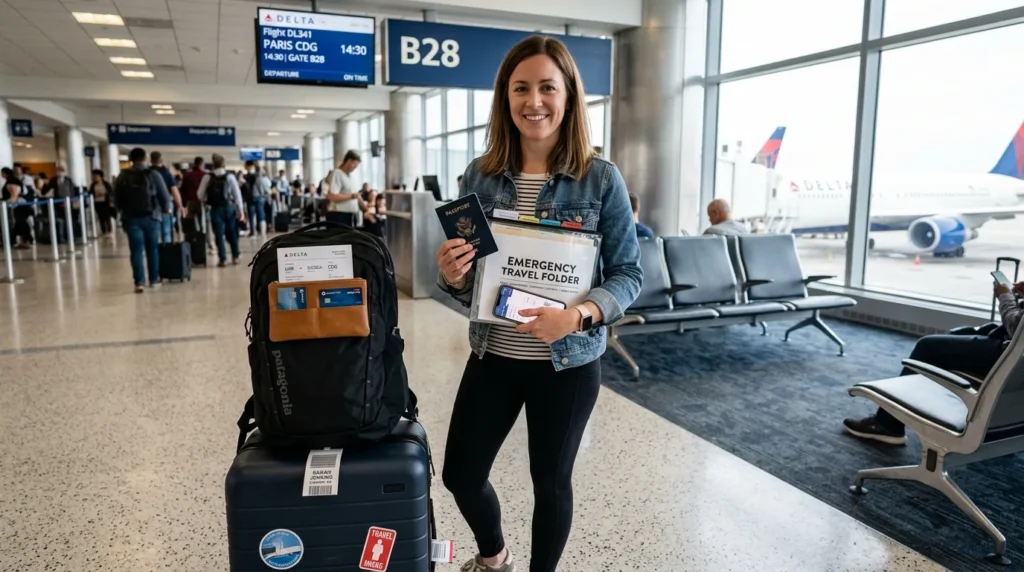
Traveling to a country that requires a visa takes more preparation than simply booking a flight and packing a suitcase. From checking passport validity to organizing financial documents, every detail can affect whether your trip goes smoothly. Visa requirements also vary by destination, nationality, travel purpose, and length of stay, so preparation should begin well before your departure date. A good system is to create a travel folder containing both physical and digital copies of your important documents. You should also confirm entry rules directly with the destination country’s official immigration or embassy resources because requirements can change. The following checklist covers 20 practical things to prepare before a visa-required trip, helping you stay organized and reduce avoidable problems at the airport or border.
1. A Valid Passport
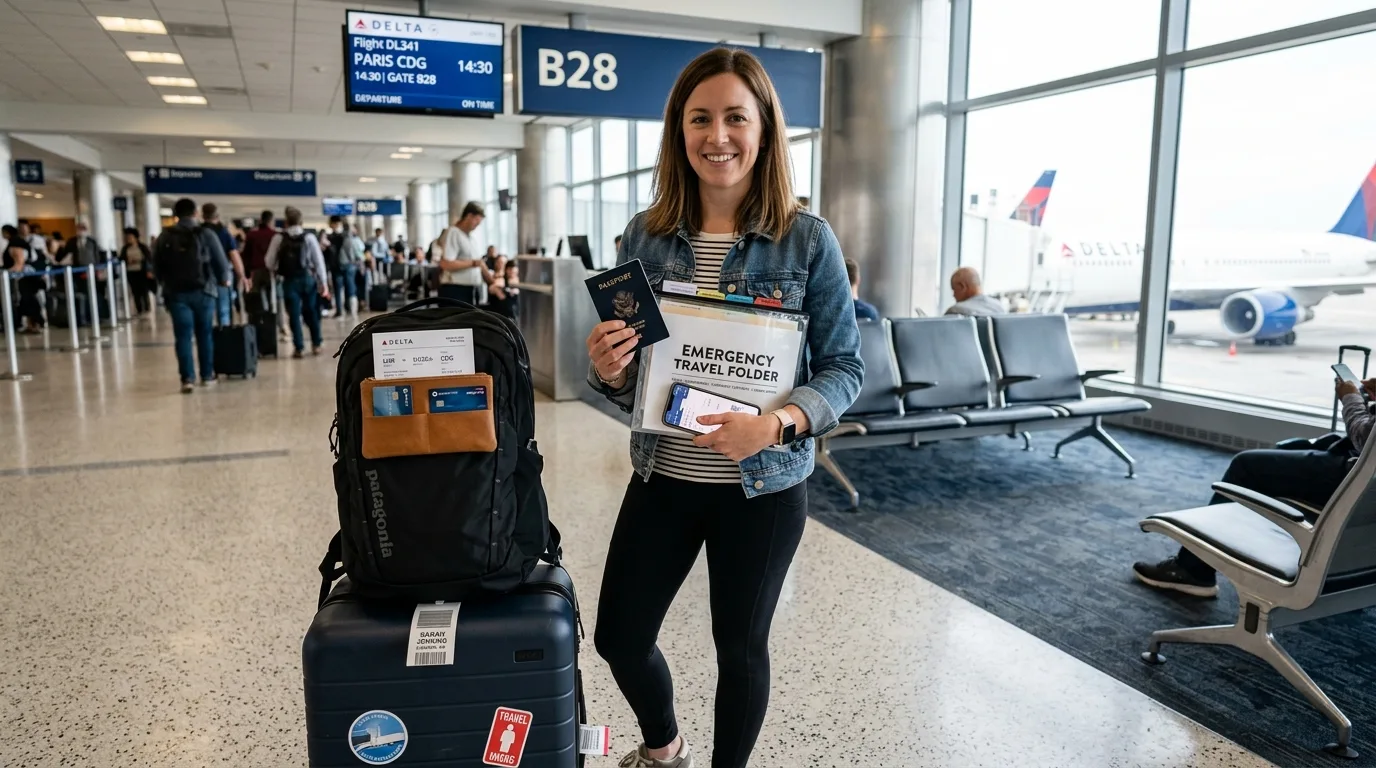
Your passport is the most important document for international travel, so check it carefully before applying for a visa or booking your trip. Many countries require your passport to remain valid for several months beyond your planned arrival or departure date. Some destinations also require a minimum number of blank visa or entry-stamp pages. Check that your name, date of birth, photograph, and other details are accurate and that the document is not damaged. If your passport is close to expiring, renew it before making major travel arrangements. Keep your original passport in a secure place while traveling and carry a separate copy of its identification page. A secure digital copy stored offline can also be useful if the original is lost.
2. The Correct Visa

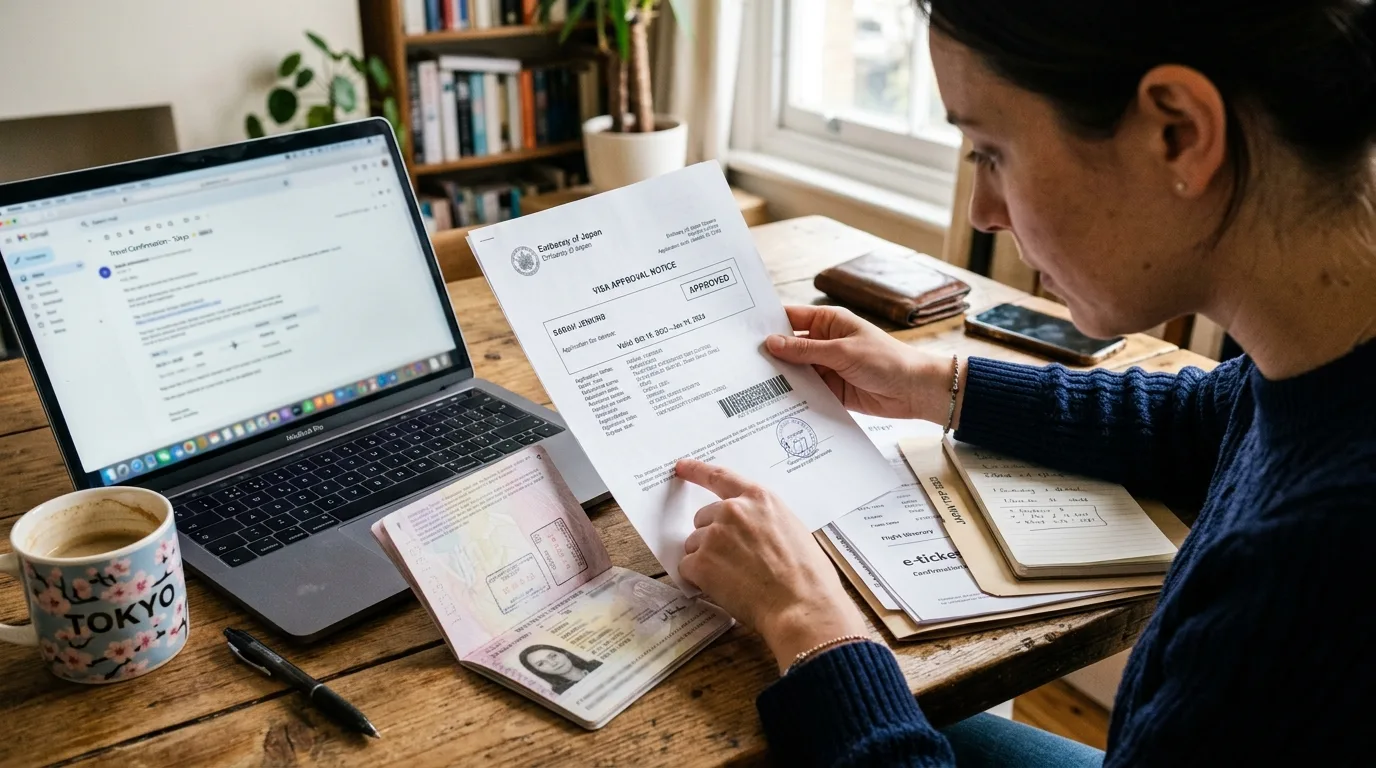
Determine exactly which visa category applies to your trip. Tourist, business, student, work, transit, family, and other visas can have different requirements and restrictions. Applying for the wrong category can create problems even if the visa itself is approved. Review the destination’s official visa information and confirm whether you need a visa before traveling. Pay attention to the permitted length of stay, number of entries, validity period, and any restrictions attached to the visa. Do not assume that a visa allows unlimited travel or automatically guarantees entry at the border. Immigration officials may still check your documents and eligibility when you arrive. Print your visa approval or keep an accessible digital copy if your destination uses an electronic visa.
3. A Visa Application Timeline
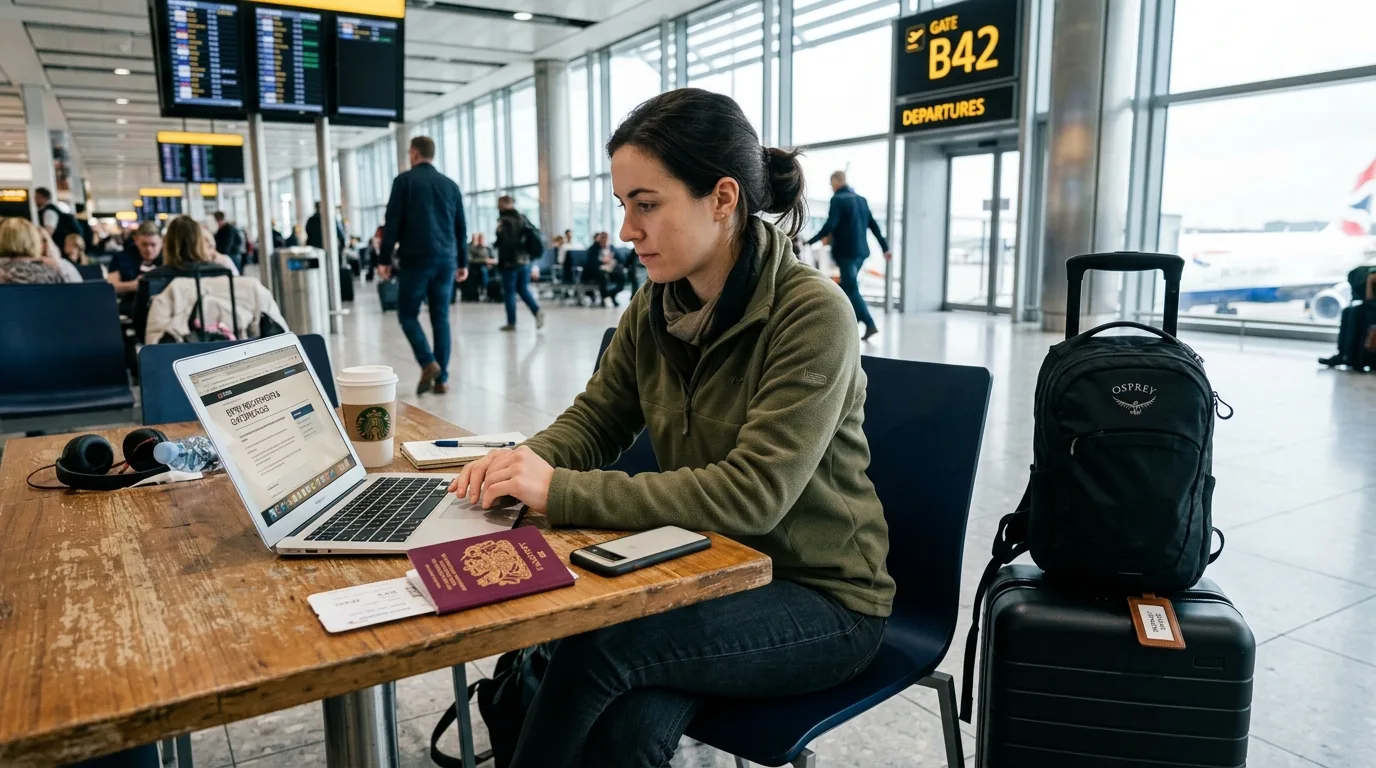
Start your visa preparation early enough to allow time for document collection, appointments, processing, and possible delays. Processing times differ significantly between countries and visa categories, and some applications require interviews or additional verification. Make a simple timeline that includes your intended travel date, application deadline, appointment date, expected processing period, and a buffer for unexpected delays. Avoid planning your entire trip around the fastest advertised processing time. If the destination allows applications several months before travel, using that window can give you more flexibility. Keep track of every deadline, including passport submission, biometric appointments, medical requirements, or requests for additional documents. Early preparation is particularly important during holidays and peak travel seasons when visa services can become busier.
4. Visa Appointment Details
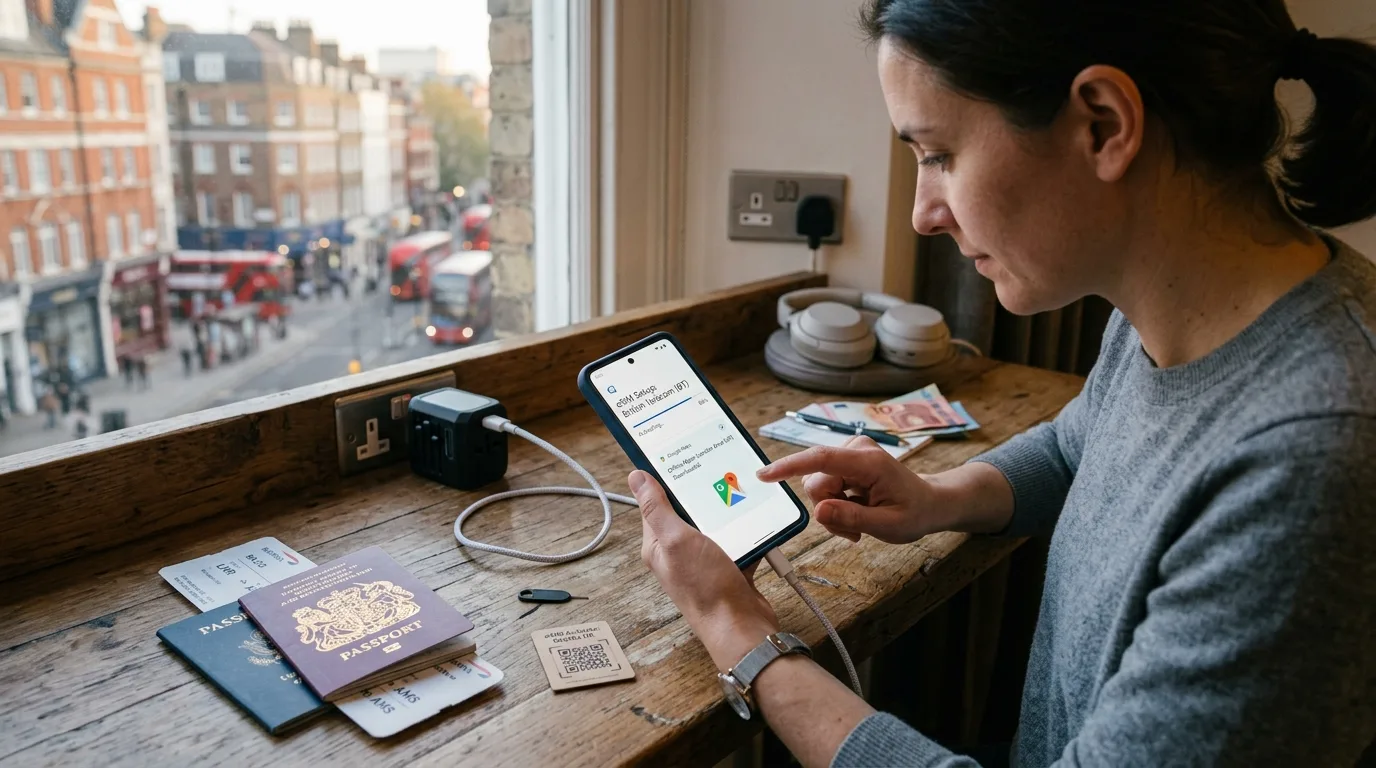
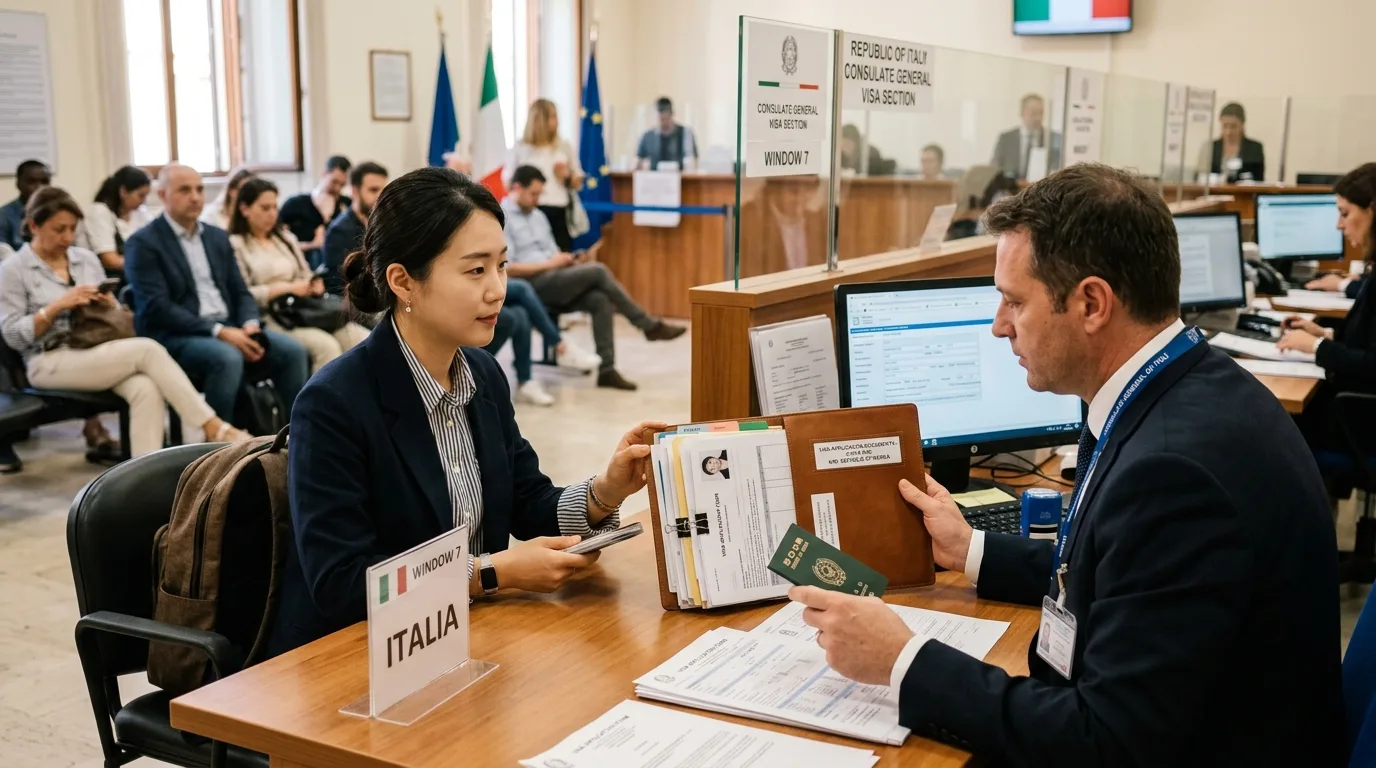
If your visa application requires an appointment at an embassy, consulate, visa center, or another authorized location, organize the appointment information carefully. Save the date, time, address, confirmation number, and list of required documents. Some centers have strict rules about arrival times, security, photography, bags, or electronic devices. Read the appointment instructions before leaving home so you do not discover an important requirement at the entrance. Bring every requested original document along with the required copies. If an appointment confirmation must be printed, prepare it in advance rather than relying only on your phone. Keep a record of any fees you paid and receipts you received. This small amount of organization can prevent unnecessary stress on an important application day.
5. Passport-Size Photographs
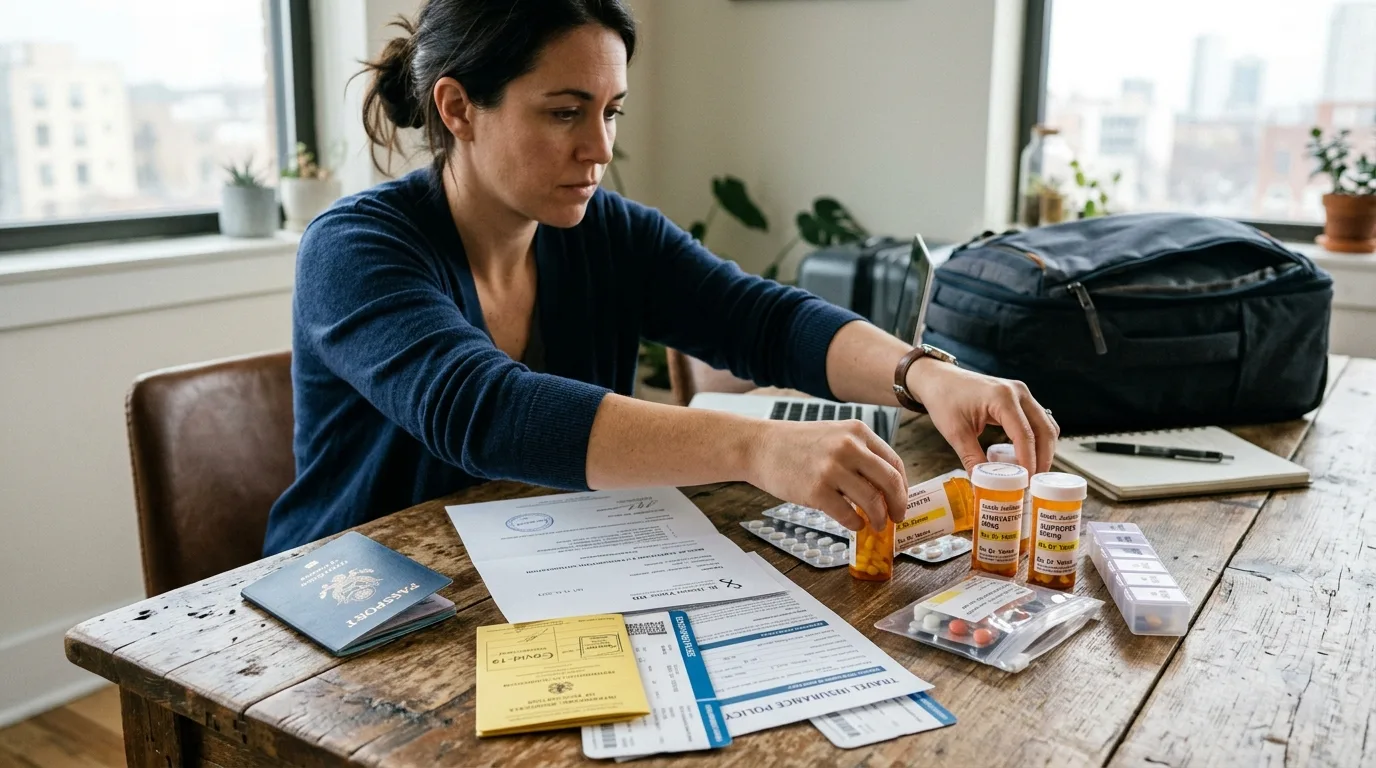
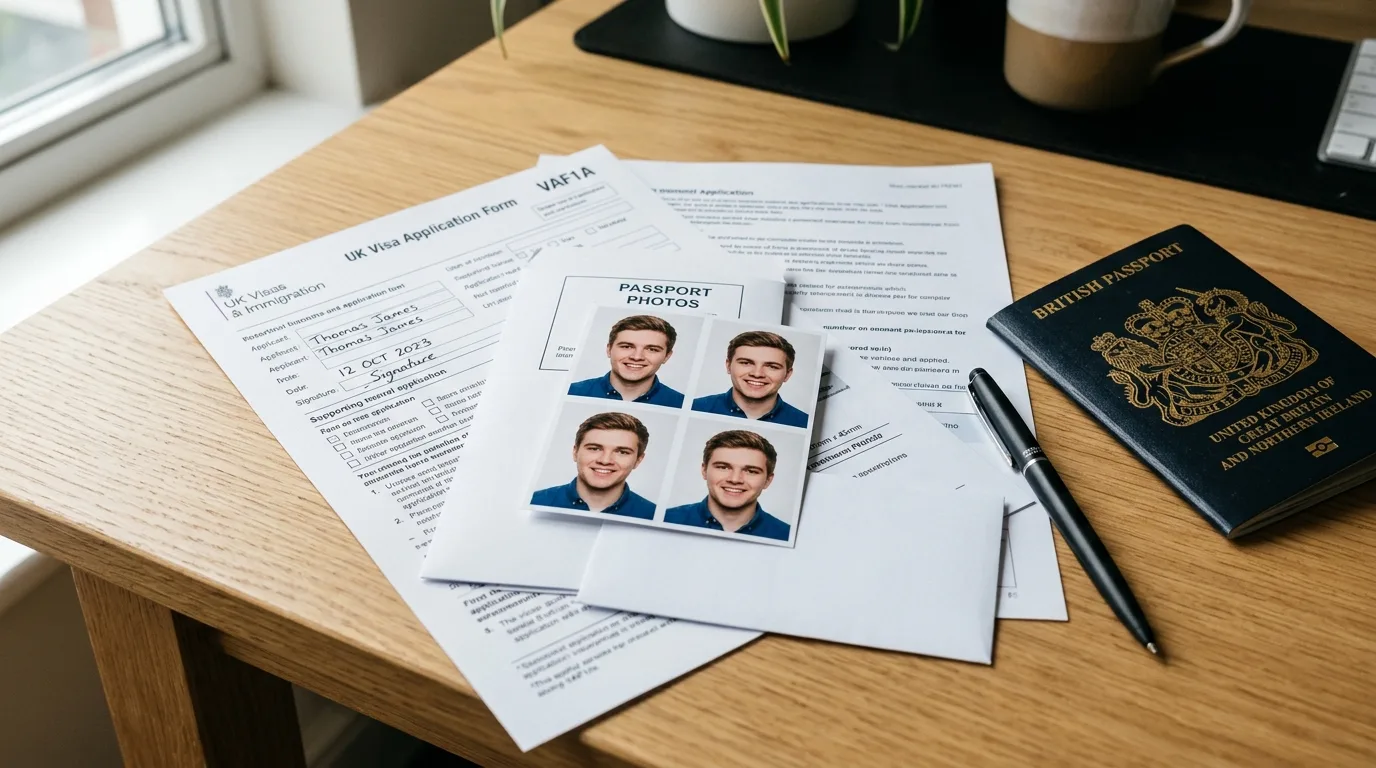
Visa applications often require photographs that follow specific dimensions and technical standards. Do not assume that any recent passport photo will automatically be accepted. Requirements may specify background color, facial position, expression, clothing, lighting, image size, or whether glasses are permitted. Check the official instructions for your particular visa and destination before taking the photographs. If both printed and digital photographs are required, prepare both versions in the correct format. It is sensible to keep a few extra copies with your travel documents in case another form or permit requires a photograph. Avoid editing your photo excessively or using an image that does not accurately represent your current appearance. Following the stated specifications is more important than simply choosing a visually attractive photograph.
6. Proof of Accommodation
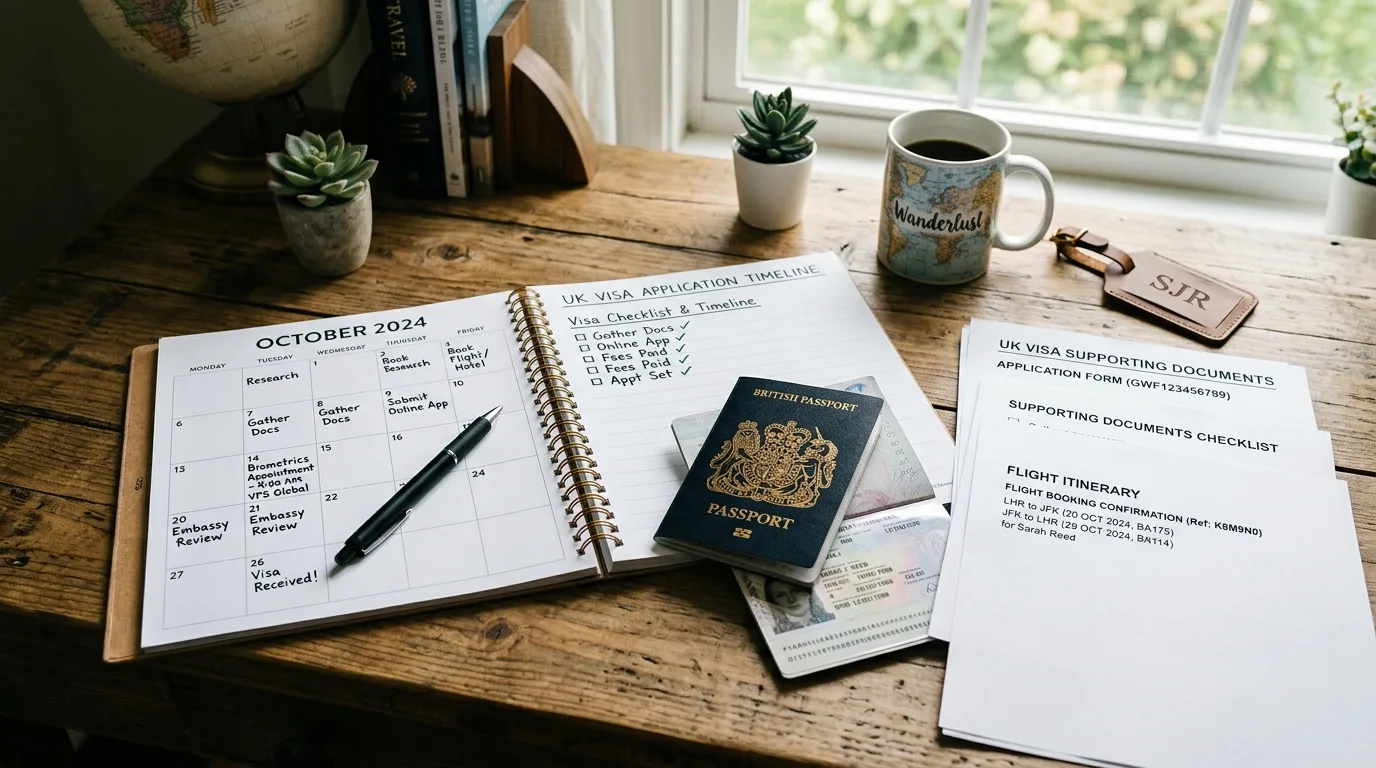
Many visa applications ask for evidence of where you plan to stay. Depending on the destination, this may be a hotel reservation, rental confirmation, invitation from a host, or another accepted document. Make sure the accommodation information matches your travel dates and the information provided elsewhere in your application. Keep the address, booking reference, contact details, and cancellation terms accessible. If you change hotels after receiving your visa, check whether you need to update an authority or simply carry the new booking information. For travelers staying with friends or relatives, additional invitation or host documents may be required. Never create false reservations or misleading documents. Use genuine accommodation arrangements that accurately reflect your intended trip.
7. Proof of Return or Onward Travel
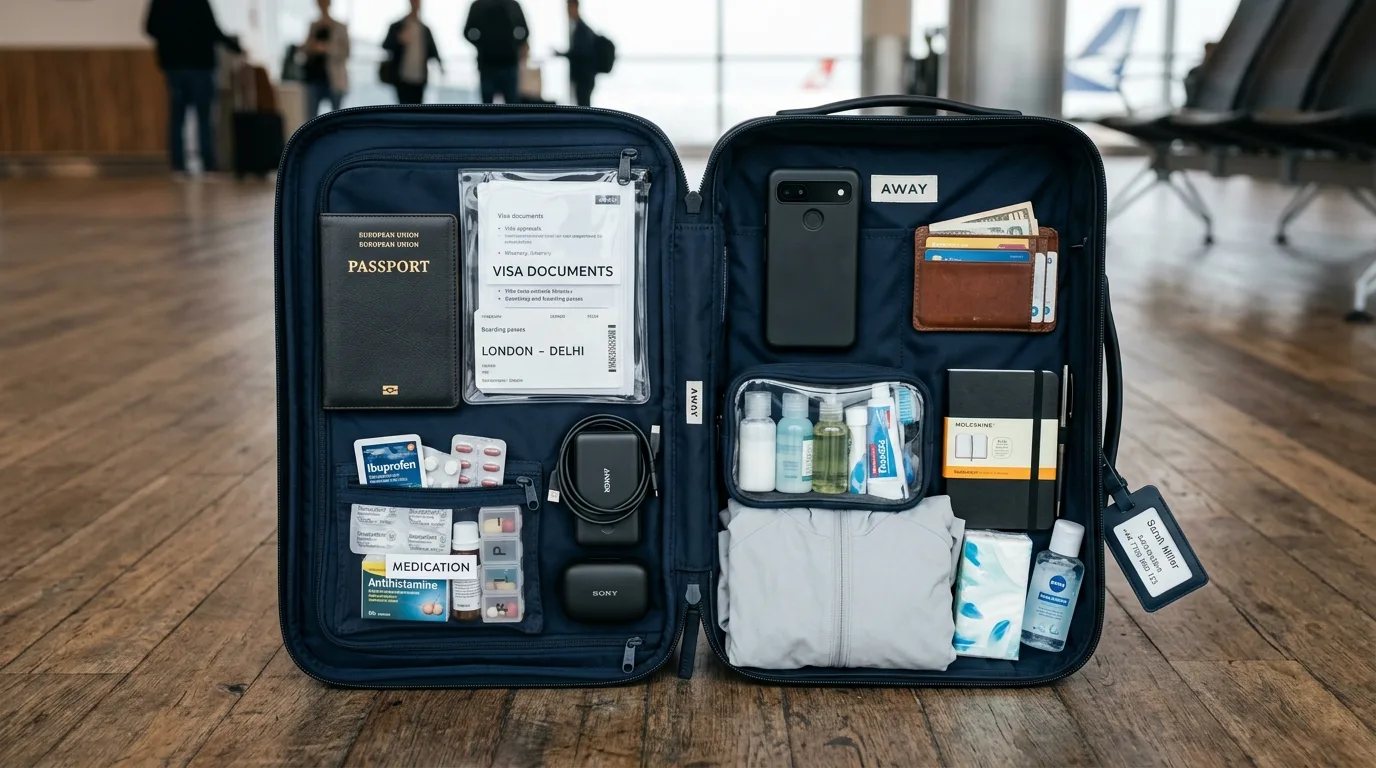
Some destinations may ask travelers to demonstrate that they intend to leave before their authorized stay ends. Your return or onward ticket can help document your travel plans when such evidence is requested. Review the destination’s entry rules before purchasing a nonrefundable ticket solely for this purpose. In some situations, an onward itinerary, confirmed transportation reservation, or other evidence may be accepted. Keep the relevant booking confirmation available both digitally and offline. Your travel dates should also be consistent with the dates stated in your visa application. If your plans are flexible, understand the conditions of your ticket before making changes. Having clear evidence of your intended departure can make questions at check-in or border control easier to handle.
8. Proof of Sufficient Funds
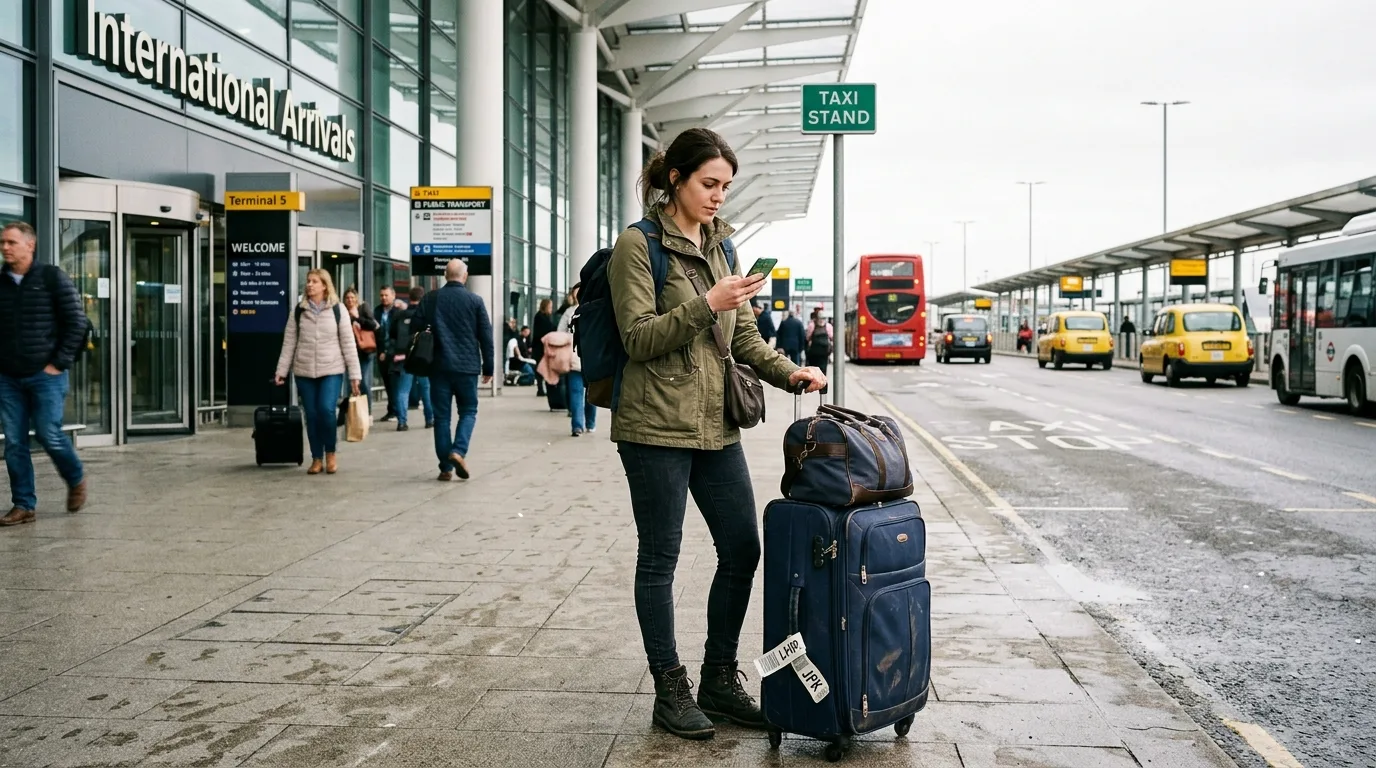
Visa authorities or border officials may require evidence that you can financially support yourself during your stay. Depending on the destination, acceptable evidence might include recent bank statements, employment income, sponsorship documents, credit facilities, or other financial records. Check the specific requirements rather than assuming that one type of document will work everywhere. Your financial documents should be genuine, current, and consistent with the information in your application. If someone else is sponsoring your trip, prepare the required sponsorship and relationship documents as well. Keep copies of important financial records, but avoid carrying unnecessary amounts of cash. Organizing this information before departure also helps you create a realistic budget for accommodation, food, transportation, activities, and emergencies.
9. Travel Insurance
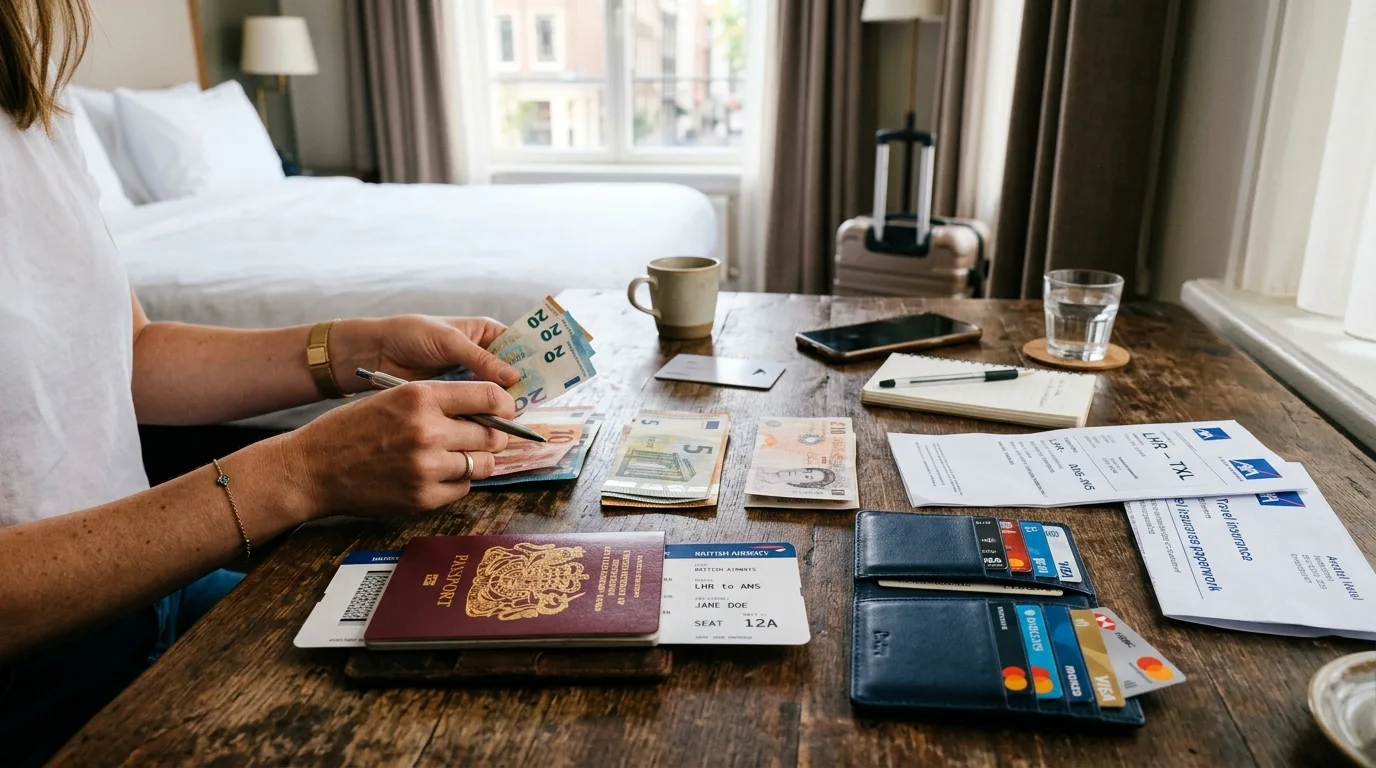
Travel insurance can protect you against certain unexpected costs, and some visa categories or destinations may require specific insurance coverage. Before purchasing a policy, check whether it meets the destination’s stated requirements, including minimum coverage amounts or medical provisions. Read the policy carefully instead of choosing it based only on price. Look for details about emergency medical treatment, hospitalization, trip interruption, baggage problems, and exclusions that may apply to your circumstances. Save the policy certificate and emergency assistance number where you can access them without an internet connection. If your visa application requires proof of insurance, make sure the dates and coverage correspond to the trip. Insurance does not prevent travel problems, but suitable coverage can make unexpected situations easier to manage.
10. A Complete Travel Itinerary
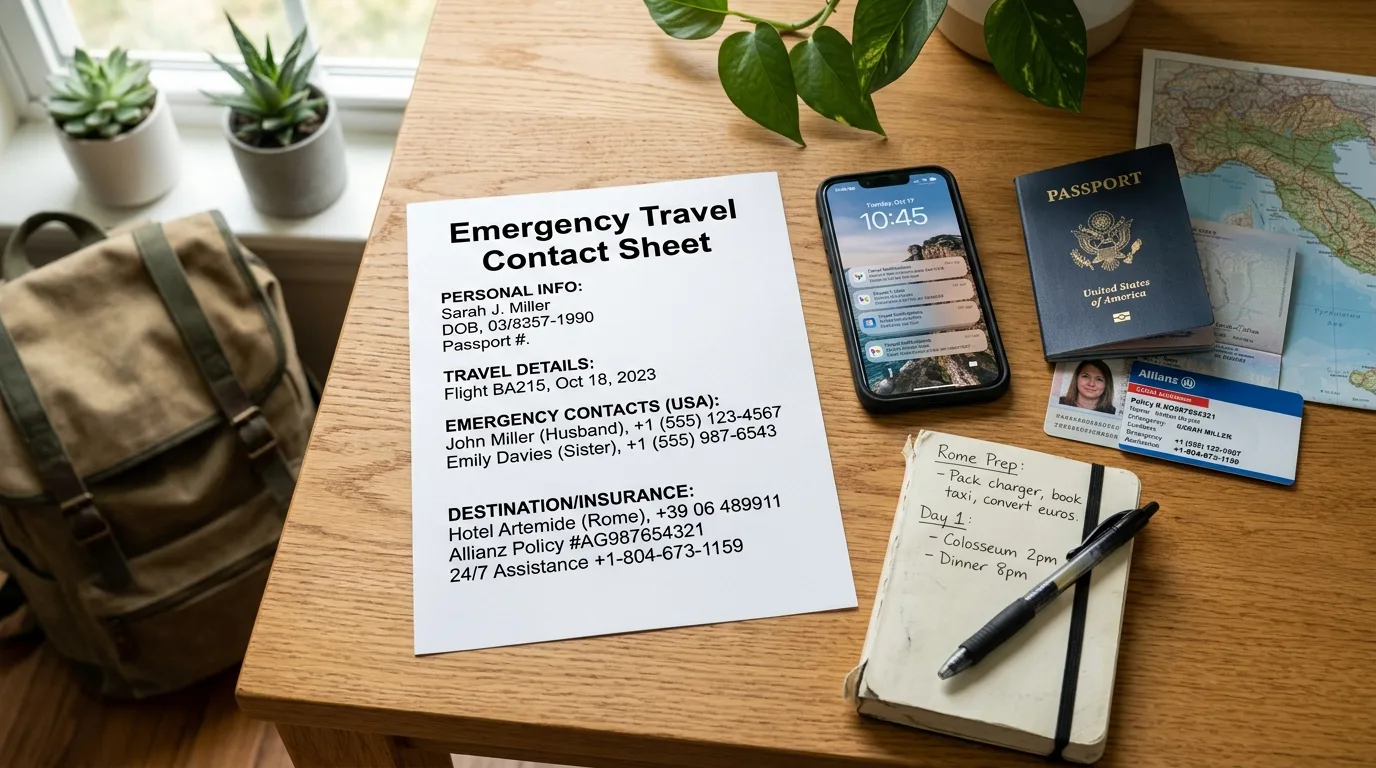
Prepare a simple itinerary showing where you expect to be and what your major travel plans are. It does not need to include every restaurant or sightseeing stop, but it should provide a clear picture of your trip. Include arrival and departure dates, cities, accommodation, major transportation arrangements, and any important reservations. Make sure the itinerary does not contradict your visa application. If you are visiting several cities or countries, organize the information chronologically. Keep both a printed copy and an offline digital version. A well-organized itinerary can also help family members or trusted contacts understand your plans. If your schedule changes during the trip, retain your updated reservations so you have accurate information available when needed.
11. Copies of Important Documents
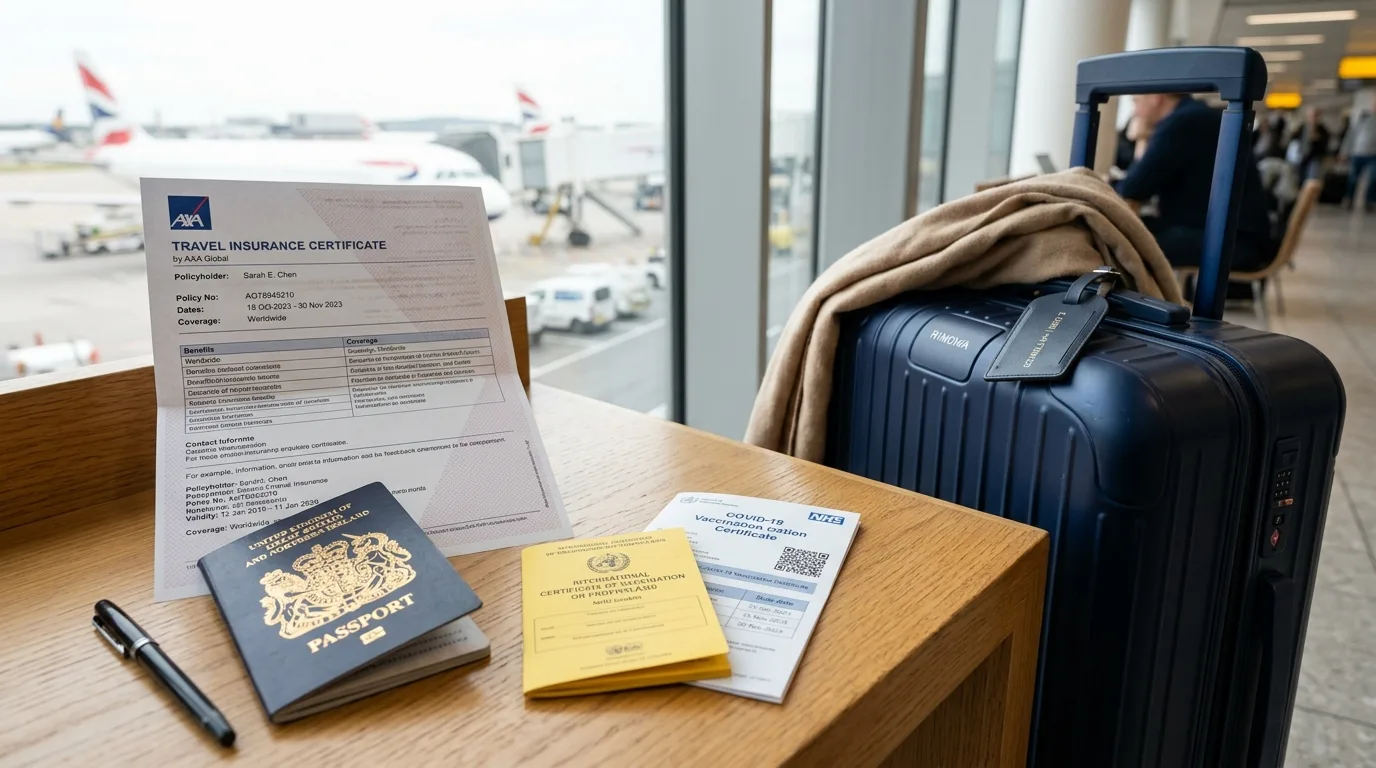
Make copies of your passport, visa, travel insurance, accommodation confirmations, transportation bookings, and other essential documents. Store one set separately from the originals so losing one bag does not mean losing everything. Digital copies can also be useful, but make sure you can access them without relying entirely on an internet connection. Consider storing encrypted copies in a secure cloud account and keeping offline files on your phone or another protected device. Do not share sensitive documents unnecessarily or leave them visible in public places. If your passport is lost or stolen, copies can help establish your identity and may make communication with your embassy or consulate easier. Check the copies before leaving to ensure all pages and important details are readable.
12. Emergency Contact Information
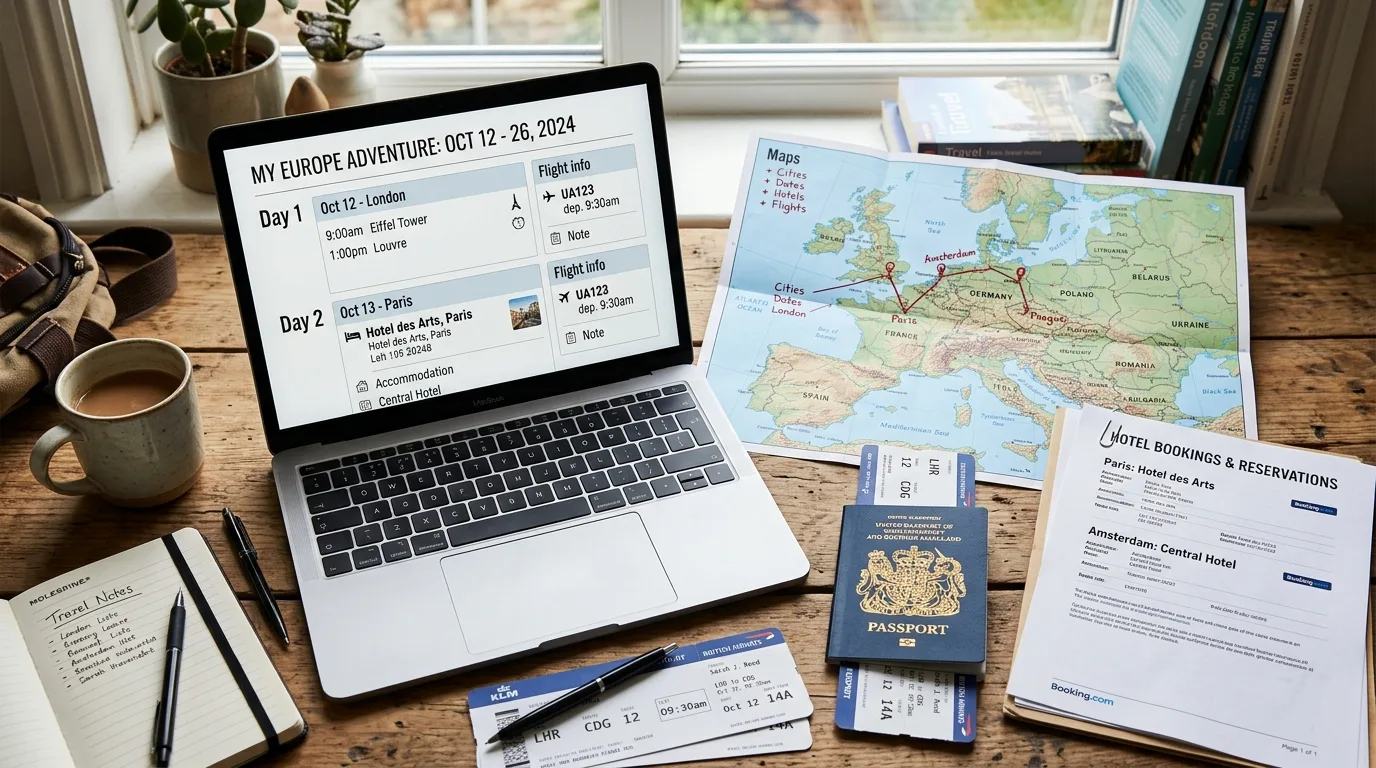
Prepare an emergency contact sheet before your journey. Include the phone numbers and addresses of your accommodation, airline, travel insurance provider, local emergency services, and the relevant embassy or consular office. Add contact information for someone at home who should be notified if a serious problem occurs. Save these details in your phone, but also keep a written copy because your phone may be lost, damaged, or out of battery. If you take prescription medication, you may also want to record relevant medical information and emergency contacts. Keep the list concise and easy to find. Knowing whom to contact during an emergency is much easier when the information has already been organized rather than searched for during a stressful situation.
13. Health and Medication Documents
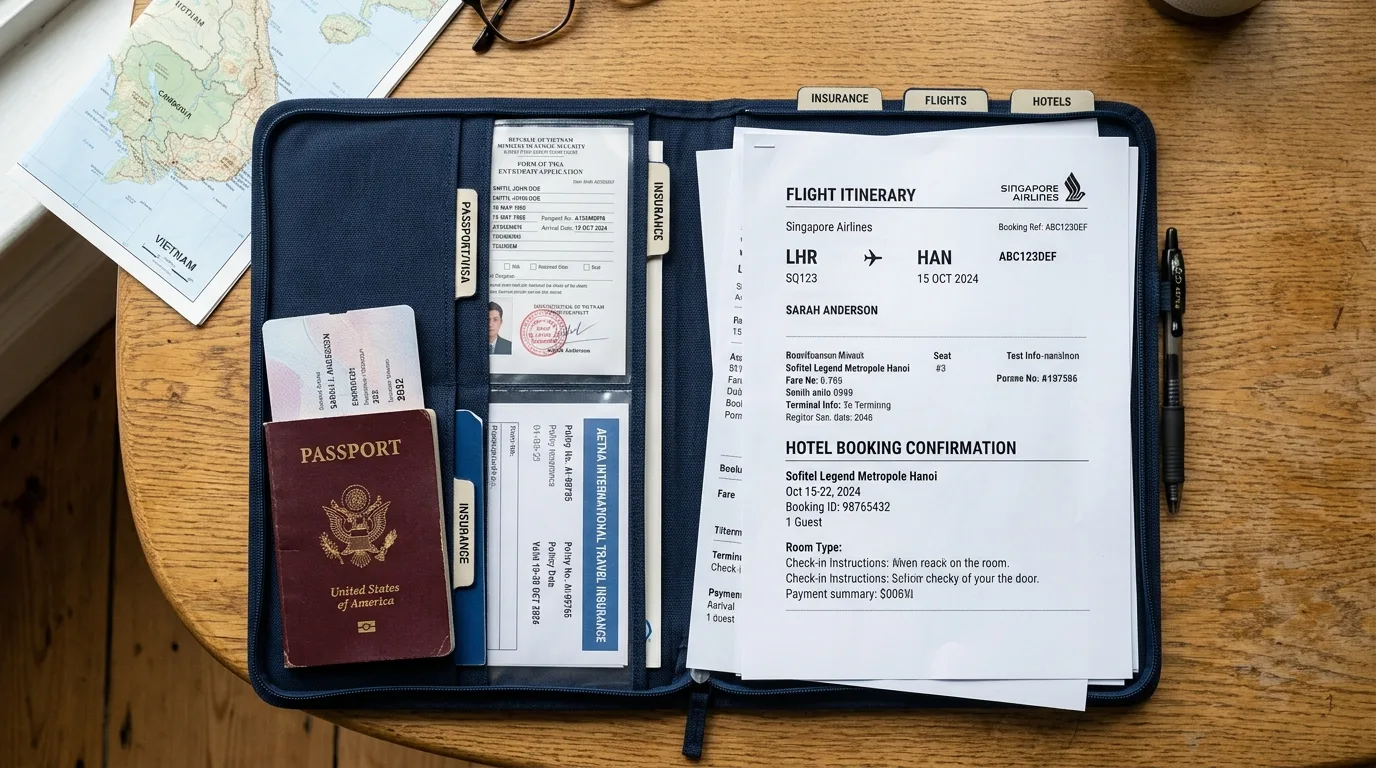
Before traveling, review whether your destination has health-related entry requirements, vaccination rules, or documentation requirements that apply to your nationality and travel history. If you take medication, keep it in its original packaging and carry enough for the trip plus a reasonable backup when appropriate. Some medicines that are common in one country may be controlled or restricted elsewhere, so check the destination’s rules before departure. A copy of your prescription or a doctor’s letter can be useful, especially when traveling with medication that requires explanation. Keep essential medication in your carry-on rather than checked baggage when practical. Health requirements can change, so verify current information through official sources before leaving instead of relying on an old travel checklist.
14. Local Currency and Payment Options
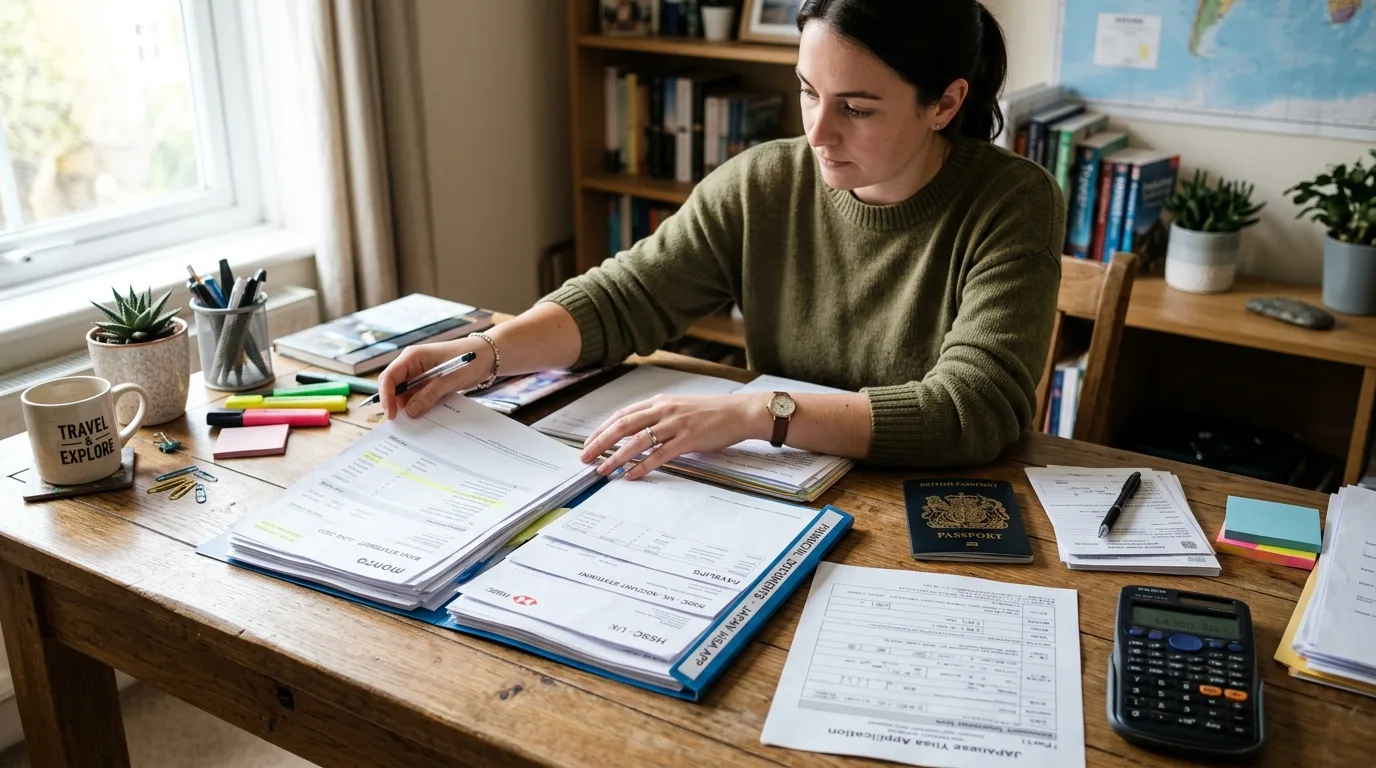
Prepare more than one way to pay for essential expenses. International debit or credit cards may work widely, but you should understand foreign transaction fees, withdrawal charges, and travel notifications before leaving. Carrying a modest amount of local currency can help with transportation, small purchases, or situations where cards are temporarily unavailable. Avoid keeping all your cash and cards in one location. If your bank requires travel notifications, complete that process before departure. Check whether your destination commonly uses cash, cards, mobile payments, or a combination. It is also useful to keep emergency funds separate from your everyday wallet. A little financial preparation can prevent an inconvenient situation immediately after landing, particularly if you arrive late or need transportation before reaching your accommodation.
15. Phone, Internet, and Communication Plans
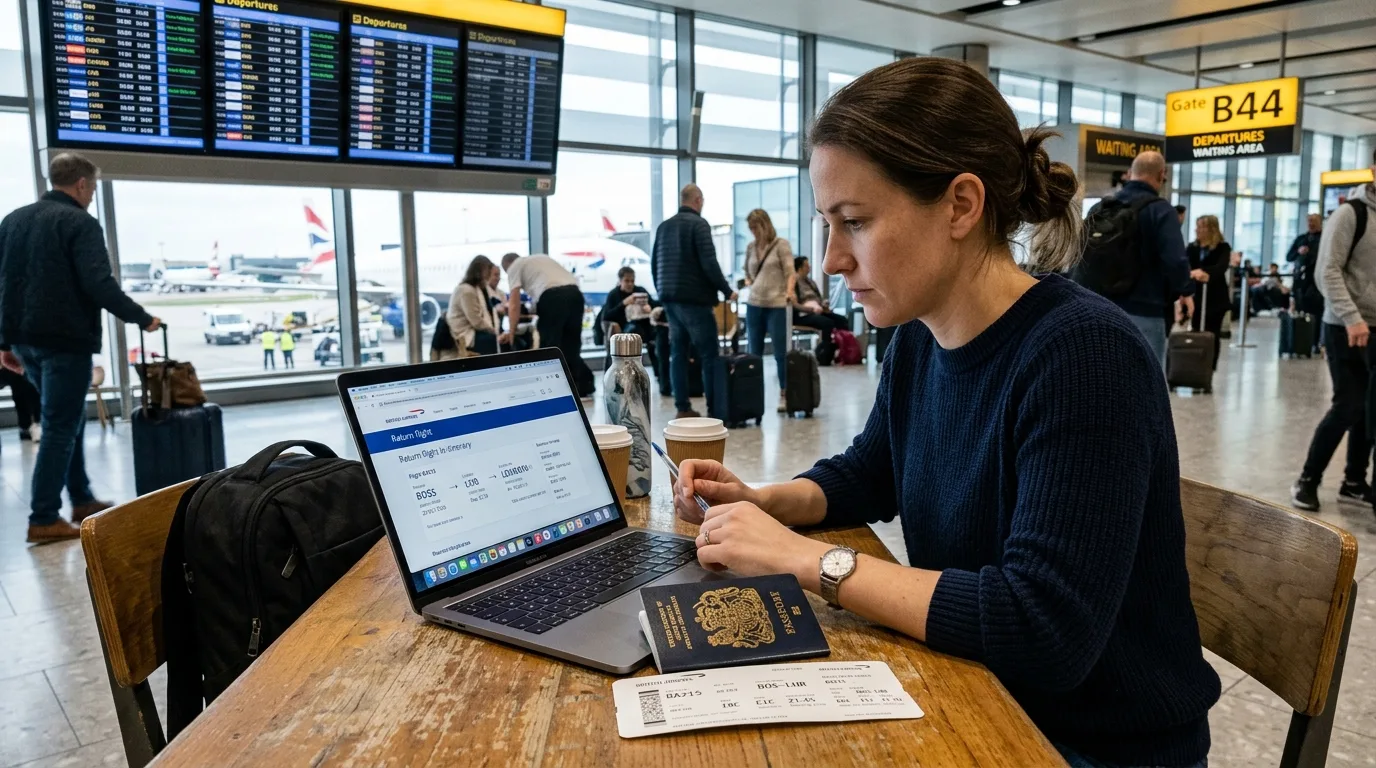
Make sure your phone will work at your destination and that you understand the cost of international roaming. Depending on your device and destination, an international plan, local SIM card, or eSIM may be practical. Save important addresses, booking details, translation resources, and contact numbers for offline access before departure. Download maps for the areas you expect to visit if your mapping service supports offline use. Check that your phone is unlocked if you plan to use a local SIM. Bring the appropriate charging cable and consider a reliable power adapter for the destination’s electrical outlets. Communication preparation is especially valuable when arriving in an unfamiliar country, because access to maps, transportation information, and emergency contacts can make the first few hours much easier.
16. Knowledge of Entry and Customs Rules
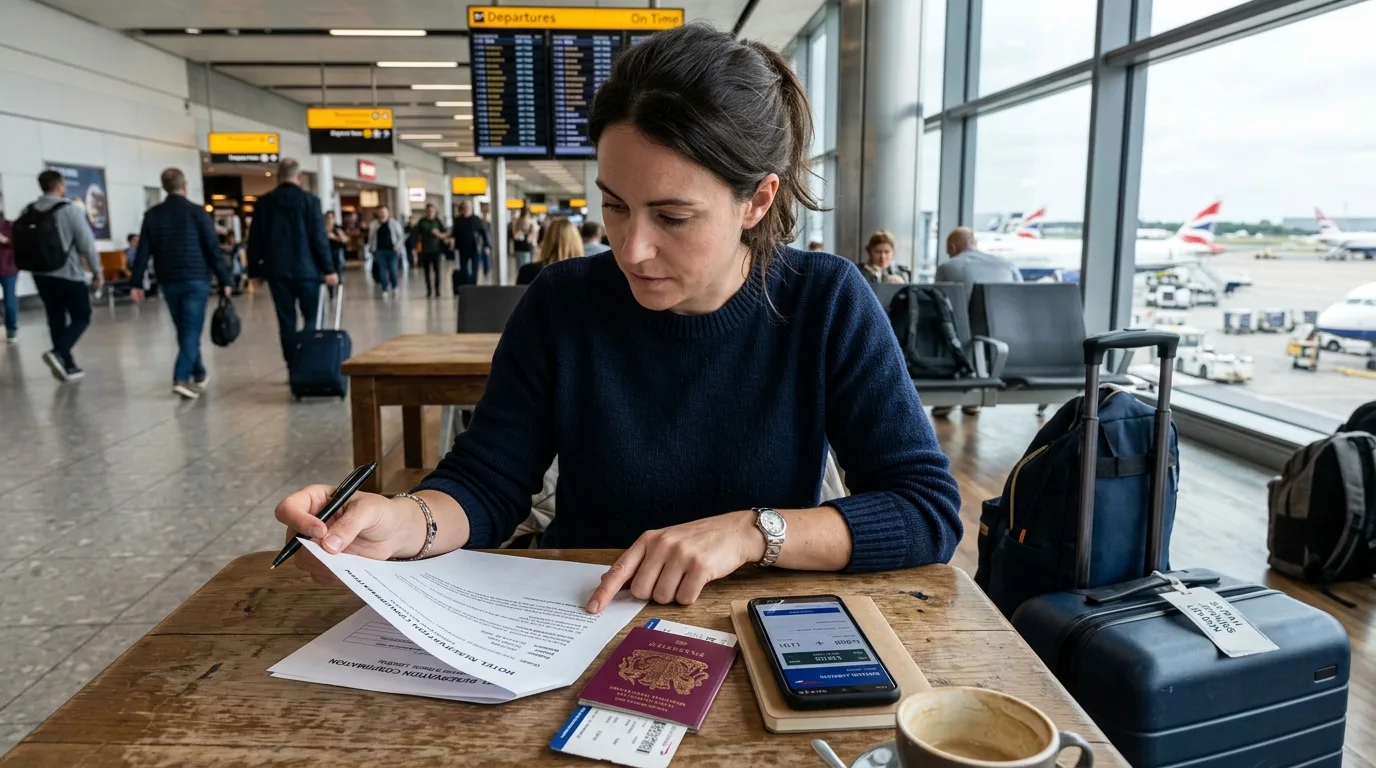
A visa is only one part of international entry requirements. Before departure, learn about customs declarations, restricted goods, food rules, agricultural products, medication restrictions, and currency declaration requirements that apply to your destination. Items that are legal to possess at home may be regulated or prohibited elsewhere. If you are unsure about an item, check the destination’s official customs information rather than guessing. Understand whether you need to declare food, commercial goods, large amounts of currency, or other restricted items. Keep receipts or supporting documents for valuable goods when appropriate. Being familiar with customs procedures can help you complete arrival forms accurately and avoid accidentally carrying something that creates a problem at the border.
17. Transportation From the Airport
Research how you will travel from the airport, train station, or border crossing to your accommodation before leaving home. Identify official taxis, airport buses, trains, rideshare services, or prearranged transfers that are available at your destination. Save the accommodation address in the local language if possible, especially if you may need to show it to a driver. Check operating hours if you arrive late at night or very early in the morning. Avoid relying on an unfamiliar service simply because someone approaches you inside or outside an airport. Having a transportation plan reduces confusion after a long journey and gives you a safer starting point in an unfamiliar place. Keep your first destination and backup transportation option accessible offline.
18. Appropriate Clothing and Cultural Preparation
Research the weather, local customs, and practical clothing expectations before packing. Temperature and weather conditions can vary considerably from what you are accustomed to at home. Some destinations may also have cultural or religious sites with specific expectations regarding clothing. Pack practical layers when the weather can change during the day, and choose comfortable footwear if you expect to walk frequently. If visiting places with dress requirements, bring suitable clothing rather than assuming you can purchase it immediately. Cultural preparation goes beyond clothing: learn a few basic local phrases, understand common etiquette, and research customs involving photography, public behavior, or religious sites. Respectful preparation can make everyday interactions more comfortable while helping you avoid accidental misunderstandings.
19. A Secure Packing and Document System
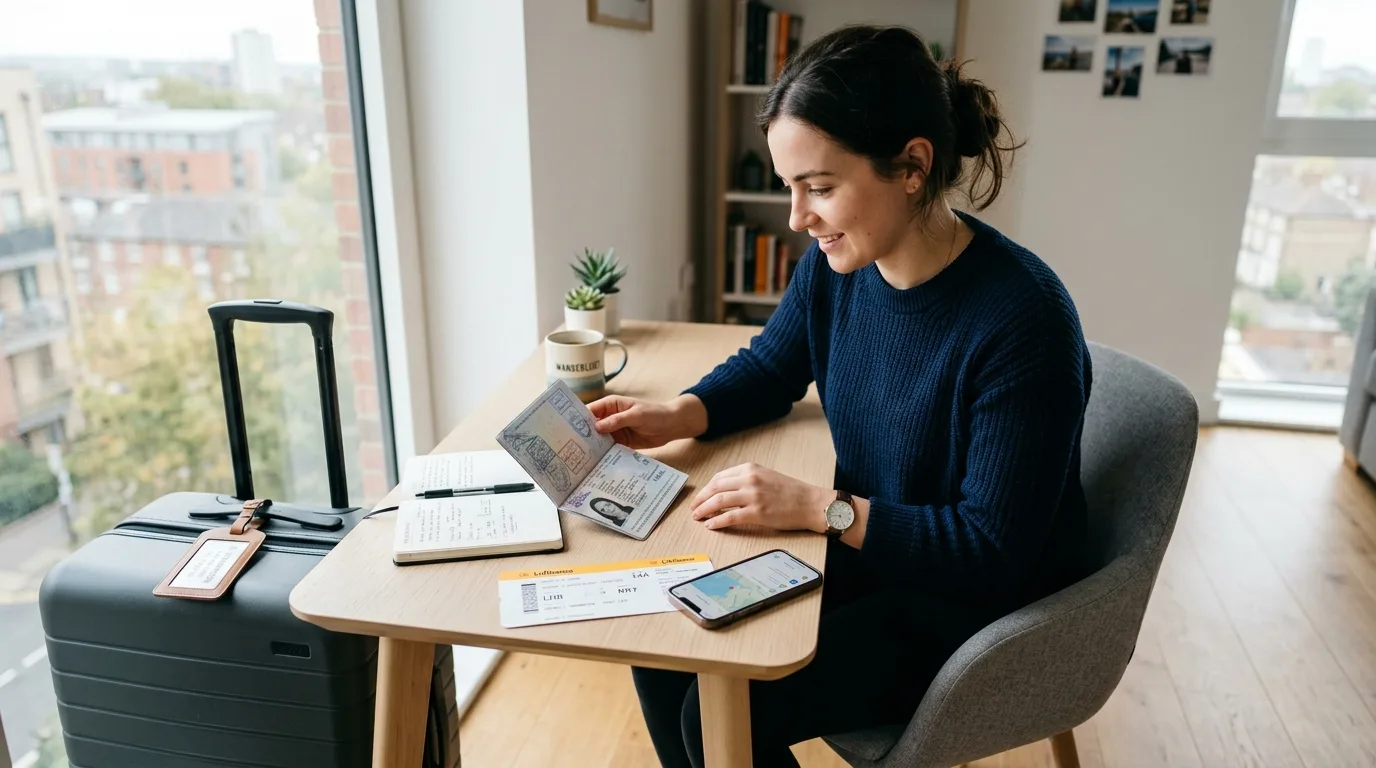
Organize your luggage so the things you need during transit are easy to reach. Keep your passport, visa, boarding documents, wallet, phone, medication, and essential paperwork in your personal carry-on rather than placing them in checked baggage. Use separate compartments or document holders to reduce the chance of losing small but important items. Avoid packing your original documents in checked luggage. For longer trips, make a simple packing checklist covering clothing, toiletries, electronics, adapters, medication, and travel documents. Before leaving home, check the list again and confirm that your passport and visa are physically with you. A consistent organization system also makes it easier to locate documents during airline check-in, security screening, immigration, and hotel arrival.
20. A Backup Plan for Unexpected Problems
Even careful travelers can encounter flight delays, lost luggage, canceled reservations, document problems, or unexpected changes. Prepare a basic backup plan before departure. Know what you will do if your luggage does not arrive, your phone stops working, your card is declined, or your accommodation becomes unavailable. Keep emergency funds separate, save important contacts offline, and understand how to reach your embassy or consulate if your passport is lost. If your visa has specific conditions, know the consequences of overstaying or changing your travel purpose and seek official guidance when necessary. Share your basic itinerary with someone you trust at home. You cannot predict every travel problem, but having alternatives ready can prevent a small disruption from becoming a major crisis.
Final Thoughts
Preparing for a visa-required trip is mainly about organization and checking the rules that apply specifically to your destination and situation. Start with your passport and visa, then work through accommodation, finances, insurance, health documents, transportation, communication, and emergency planning. Keep important documents accessible and maintain both physical and digital backups. Most importantly, verify current visa and entry requirements through official sources because rules can change between the time you begin planning and the day you travel. A thoughtful checklist gives you a clear way to prepare without overlooking small details that can matter at the border. With your documents, finances, itinerary, and practical travel arrangements organized in advance, you can begin your international journey with a much clearer plan.