
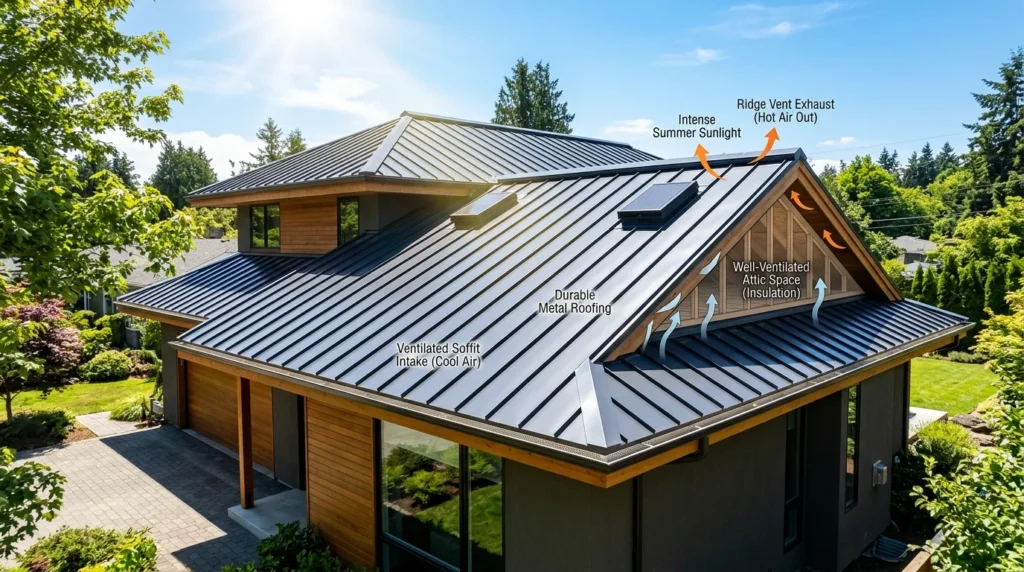
Your roof is your home’s first line of defense against rain, wind, heat, snow, hail, and seasonal temperature changes. Preparing it before severe weather arrives can help prevent leaks, reduce repair costs, and extend the life of roofing materials. A few simple maintenance habits, such as cleaning gutters and checking flashing, can make a meaningful difference, while professional inspections may be necessary for older or damaged roofs. Whether you live in an area with heavy rainfall, hot summers, winter storms, or strong winds, a weather-ready roof starts with regular attention. The following practical roof preparation ideas can help homeowners identify vulnerabilities, improve drainage, protect roofing components, and stay ahead of seasonal problems.
1. Schedule a Professional Roof Inspection
A professional roof inspection is one of the most useful ways to prepare your roof for changing weather conditions. A qualified roofer can identify problems that may not be obvious from the ground, including cracked shingles, loose flashing, damaged underlayment, deteriorated sealants, and areas where water could enter. Consider scheduling an inspection before a season known for severe weather, particularly if your roof is older or has recently experienced strong winds or hail. An inspection can also help you prioritize repairs instead of waiting for a small defect to become a major leak. Never climb onto a steep or damaged roof yourself simply to inspect it. Professional evaluation is especially valuable when structural or safety concerns may be involved.
2. Clean and Maintain Your Gutters
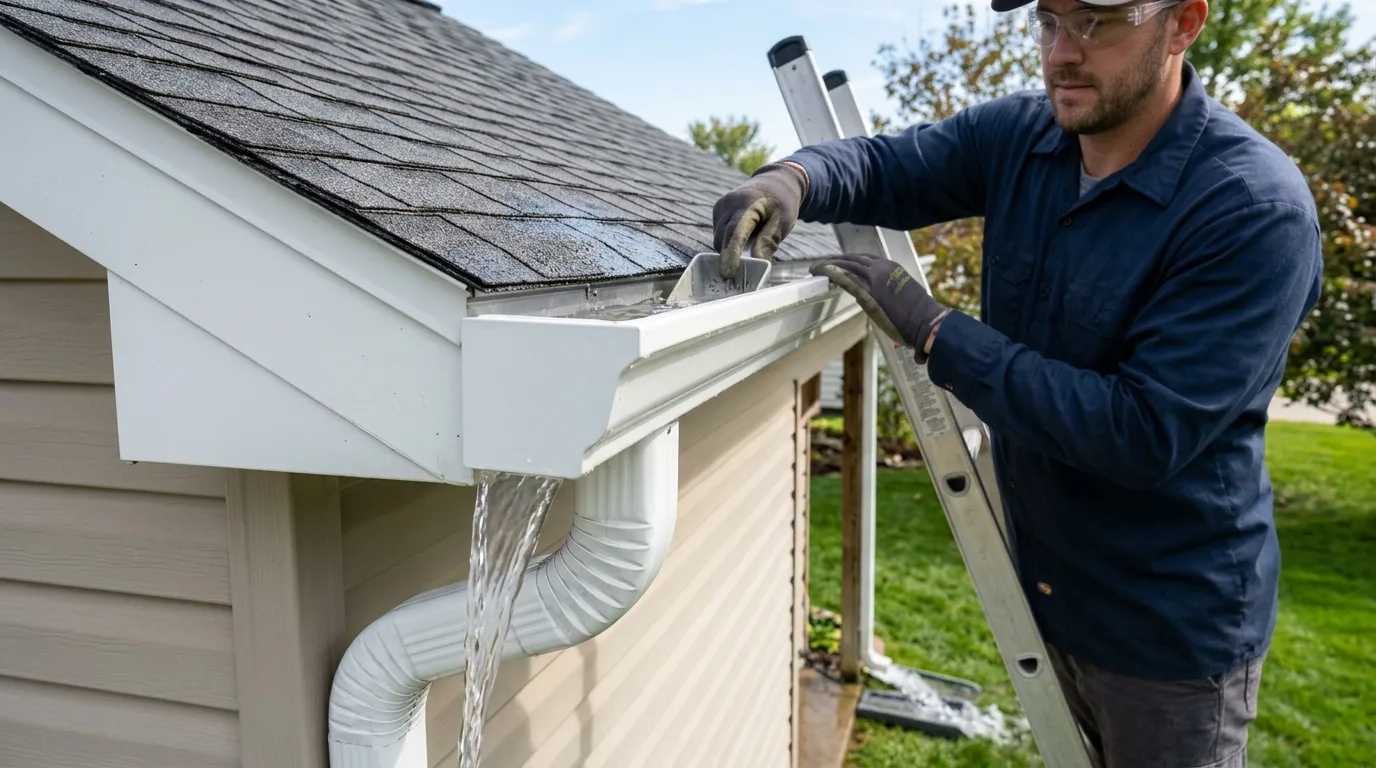
Clean gutters are essential for directing rainwater safely away from your roof and foundation. Leaves, twigs, dirt, and other debris can block water flow, causing water to back up beneath roofing materials or spill over the sides of the house. Before periods of heavy rain, inspect gutters and downspouts and remove accumulated debris. Check that gutters remain securely attached and maintain the appropriate slope toward the downspouts. During cleaning, look for rust, holes, separated joints, or sagging sections that could affect drainage. If your home is surrounded by trees, you may need to clean gutters more frequently. Properly maintained gutters reduce standing water and help protect fascia, soffits, siding, and the foundation from moisture damage.
3. Check Roof Shingles for Damage
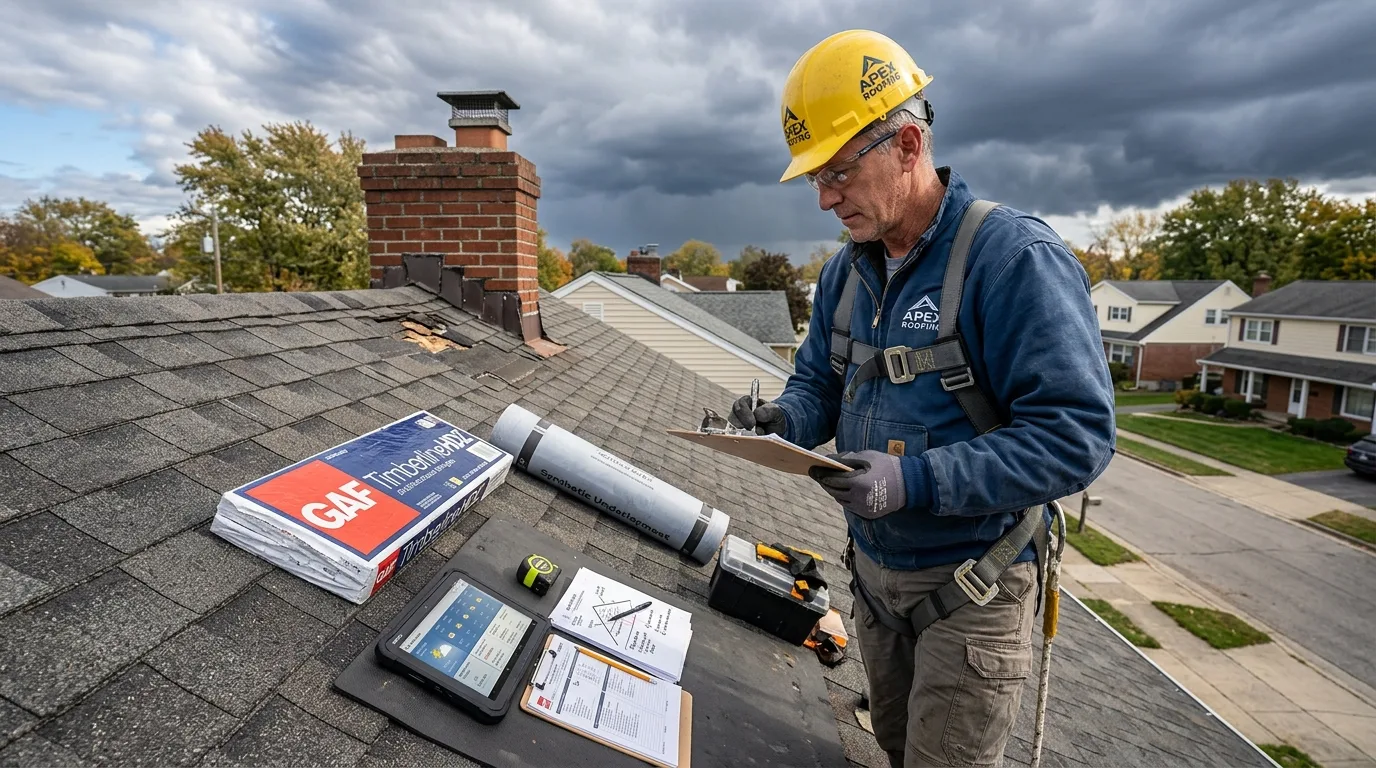
Shingles can deteriorate gradually from exposure to sunlight, wind, rain, ice, and temperature changes. Before severe weather seasons, look for missing, cracked, curled, blistered, or visibly damaged shingles. Granules collecting heavily in gutters can also indicate that asphalt shingles are aging. Damaged shingles should not simply be ignored because an exposed or weakened area can allow moisture to reach the layers underneath. If you notice widespread deterioration, have a roofing professional assess the condition of the roof and determine whether repairs or replacement are appropriate. Avoid walking directly on fragile shingles because unnecessary foot traffic can cause additional damage. Regular visual checks from a safe location can help you spot problems early.

4. Inspect Flashing Around Roof Openings
Roof flashing helps keep water away from vulnerable areas such as chimneys, skylights, vents, valleys, and roof-to-wall intersections. Because these locations experience concentrated water flow, damaged or improperly sealed flashing can become a common source of leaks. Look for visibly loose metal, corrosion, gaps, lifted edges, or deteriorated sealant around flashing. Some flashing problems require more than adding a layer of caulk, particularly when the underlying installation is damaged. A roofing professional can determine whether flashing needs resealing, repair, or replacement. Paying special attention to these transition points before rainy or snowy weather can help prevent water from reaching insulation, ceilings, walls, and structural components inside the home.
5. Keep Roof Valleys Clear of Debris
Roof valleys are channels where two roof slopes meet, making them important paths for rainwater and melting snow. Leaves, branches, moss, and other debris can collect in these areas and interfere with drainage. During roof maintenance, check valleys for buildup and signs of standing water or damaged roofing materials. Do not use sharp tools that could puncture membranes or damage shingles while removing debris. Valleys that show cracking, separation, corrosion, or persistent moisture problems should be examined by a professional. Keeping these channels clear allows water to move efficiently toward the gutters and reduces the chance of moisture finding its way underneath roofing materials. Valley maintenance is particularly important before extended periods of heavy precipitation.
6. Trim Tree Branches Near the Roof
Overhanging tree branches can become a significant roof hazard during storms. Strong winds may break branches and send them onto shingles, flashing, skylights, or other roof components. Trees close to the house can also drop leaves and needles onto the roof and into gutters, increasing maintenance needs. Before storm season, inspect nearby trees for dead, damaged, or unstable branches. Hire a qualified tree professional when branches are large, high, or close to power lines. Avoid attempting risky pruning from a ladder near the roof. Strategic trimming can reduce the amount of debris reaching your roof while lowering the chance of impact damage during high winds. It can also allow more sunlight and airflow around damp areas.
7. Improve Attic Ventilation
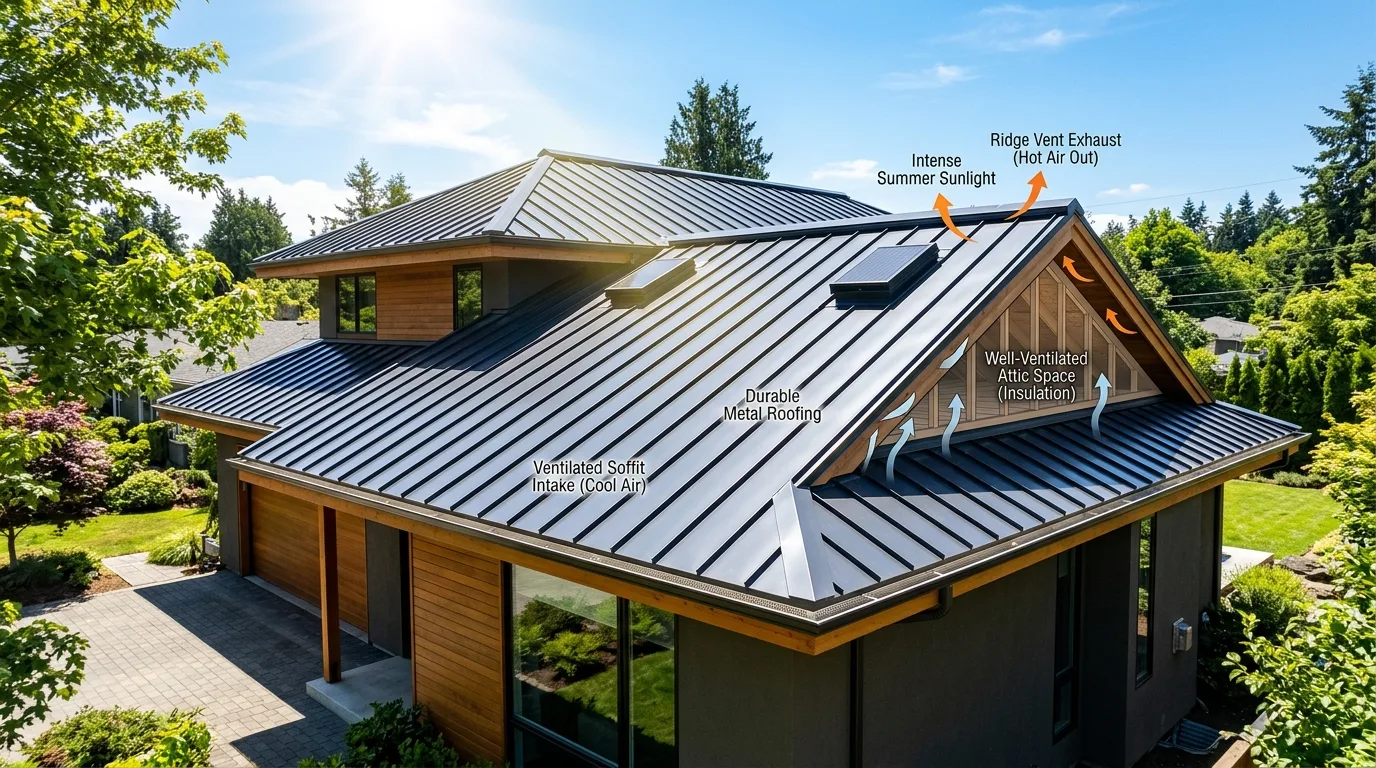
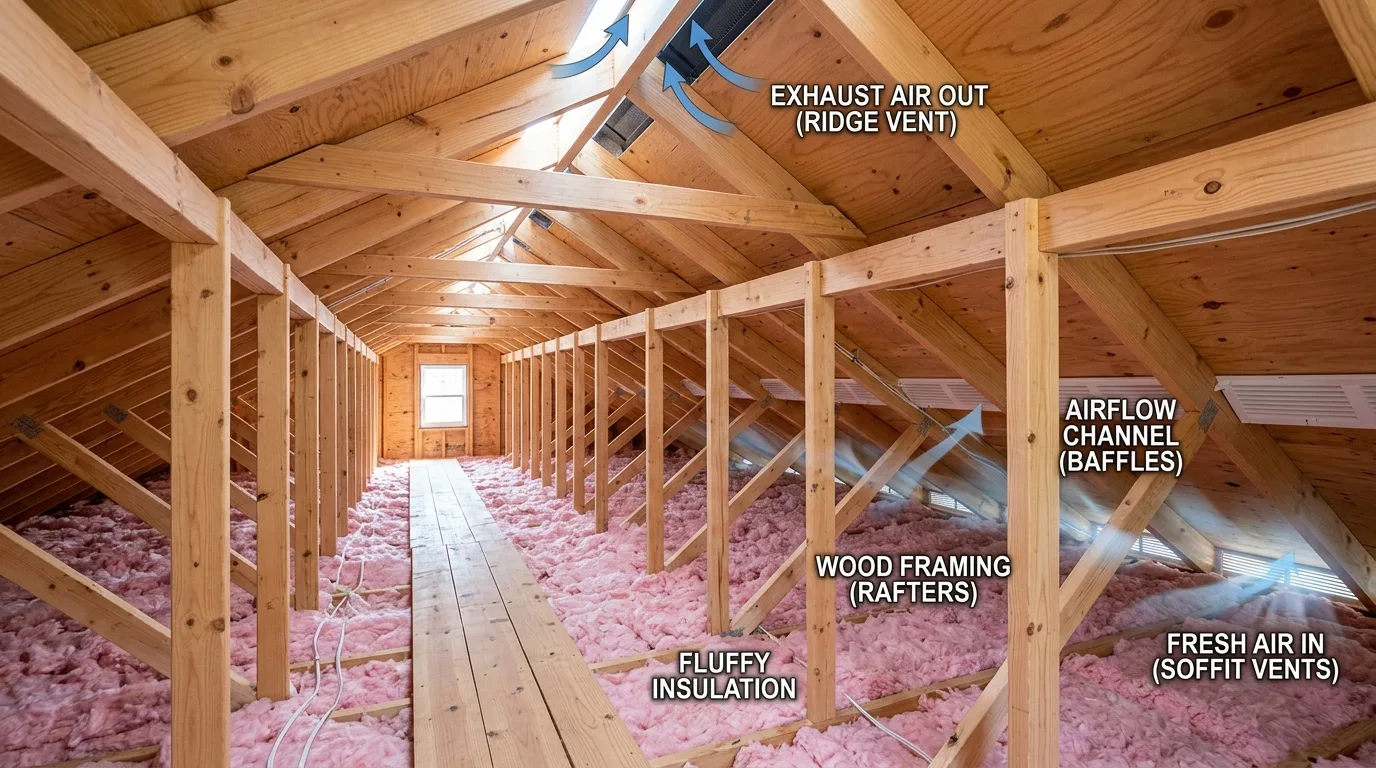
Proper attic ventilation helps regulate temperature and moisture beneath the roof. In hot climates, excessive attic heat can contribute to higher cooling loads and may accelerate the aging of some roofing materials. In cold or humid conditions, inadequate ventilation can allow moisture to accumulate, potentially contributing to condensation, mold growth, or deterioration of wood components. A balanced ventilation system generally works with intake and exhaust openings to encourage controlled airflow. Do not simply add vents without considering the entire system, because poorly planned ventilation may not solve the underlying problem. A roofing or building professional can evaluate existing soffit, ridge, gable, or other ventilation arrangements and recommend improvements appropriate for the home’s design and climate.
8. Check the Attic for Signs of Moisture
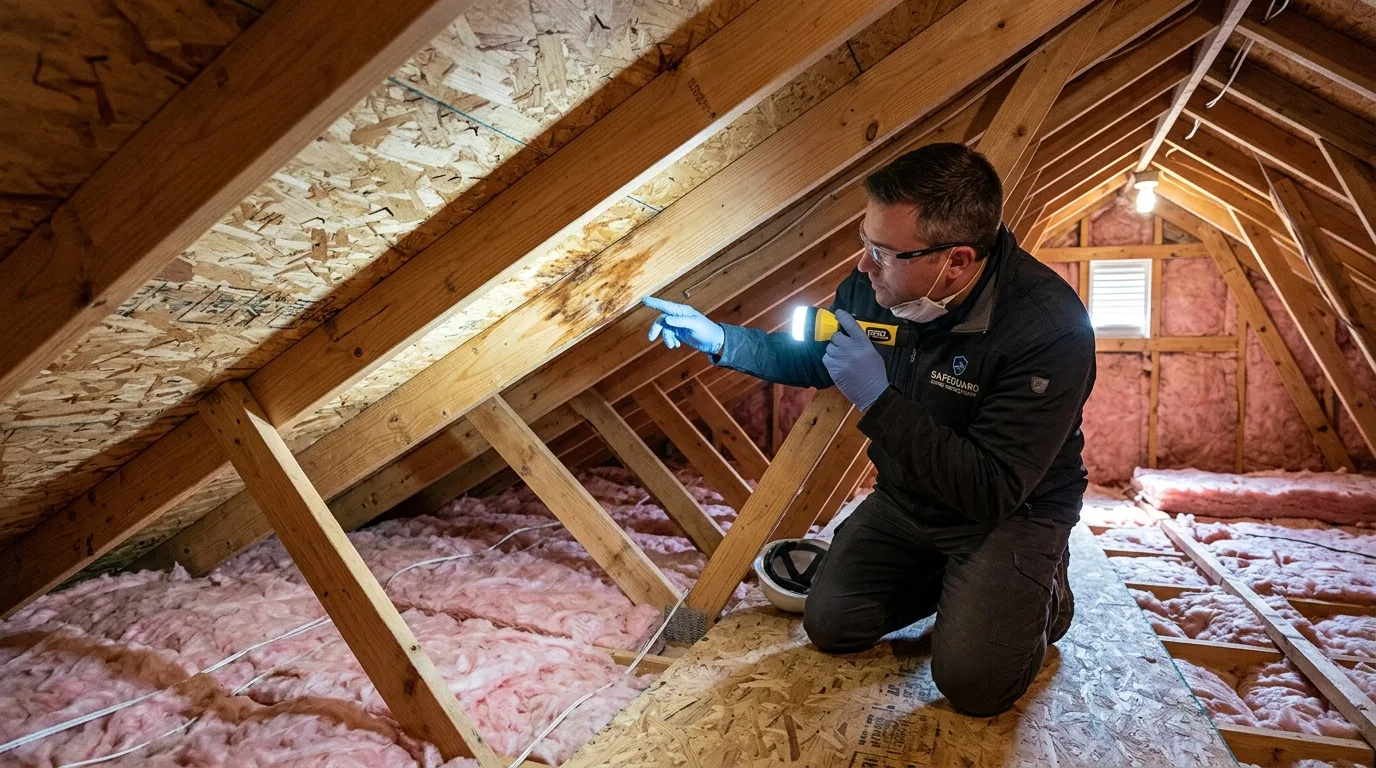
The condition of the attic can reveal roof problems before they become obvious inside living areas. During a safe inspection, look for damp insulation, water stains, mold-like growth, musty odors, rusted fasteners, or darkened wood. Moisture does not always mean the roof itself is leaking; condensation, plumbing problems, and ventilation issues can also contribute. If you notice fresh water after rainfall, try to document the location without entering unsafe areas or touching electrical components. A professional can trace the source because water may travel along rafters before appearing as a ceiling stain. Finding moisture early can help prevent damage to insulation, framing, drywall, and interior finishes while making roof repairs easier to manage.
9. Secure Loose Roofing Components
Loose roofing components can become more vulnerable when strong winds arrive. During routine maintenance, have a professional check for loose shingles, exposed fasteners, unsecured flashing, poorly attached ridge caps, and other components that could lift during a storm. Wind resistance depends on proper installation as well as the condition of the roofing material, so simply applying adhesive to a visibly loose section may not always be an adequate repair. Pay particular attention to roof edges and corners, where wind forces can be significant. Addressing loose components before a storm gives repairs time to be completed properly rather than relying on emergency service after damage occurs. Keep records of completed repairs for future maintenance planning.
10. Prepare for Heavy Rainfall
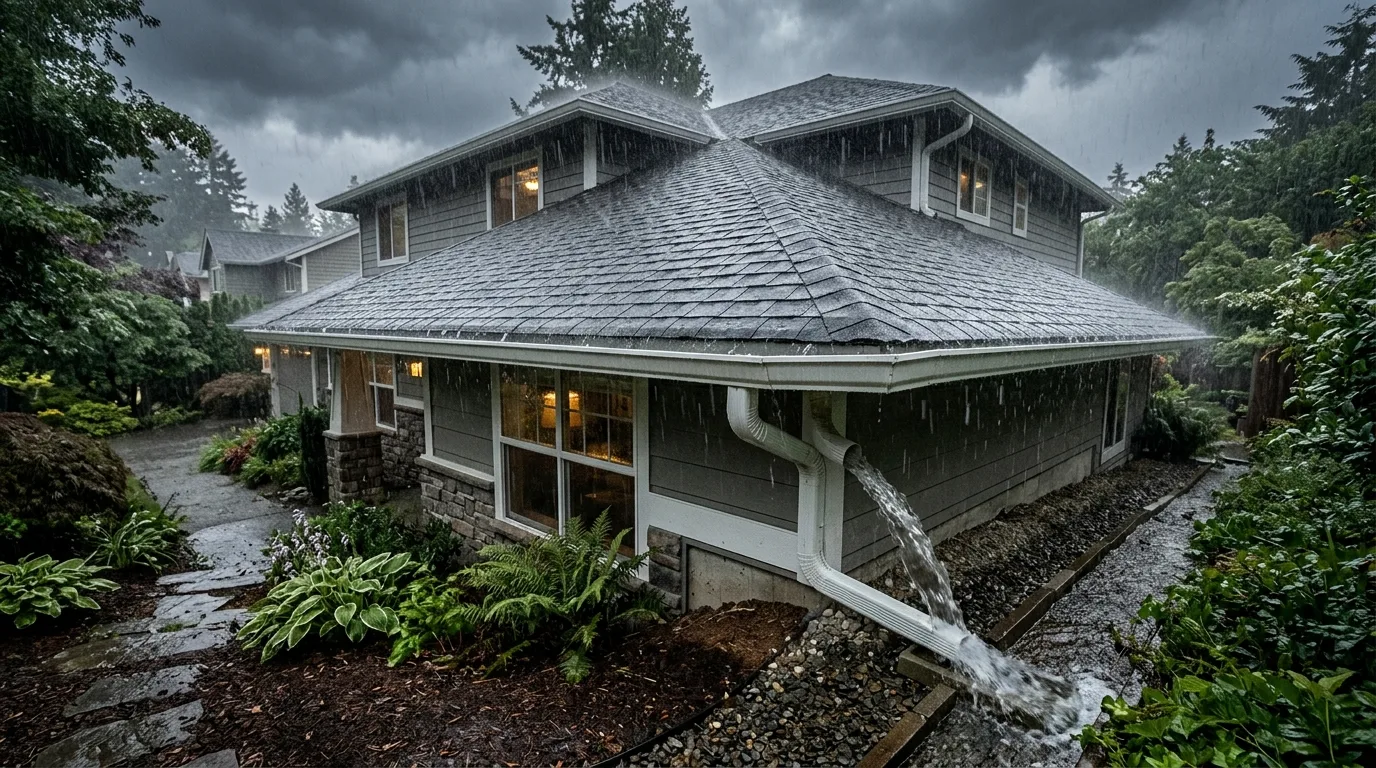
Heavy rain can expose weaknesses in drainage systems and roof details. Before a rainy season, make sure gutters and downspouts are clear and that water is directed away from the home’s foundation. Check visible roof areas for damaged shingles, blocked valleys, deteriorated flashing, and places where water may collect. Downspout extensions can help move runoff farther from the foundation when appropriate for the property. If your roof has a history of leaks, do not wait for the next major storm to investigate them. A small stain or occasional drip can indicate a larger issue above the ceiling. Prompt repairs and effective drainage work together to reduce the risk of water entering the building envelope during prolonged rainfall.
11. Protect the Roof From Extreme Heat
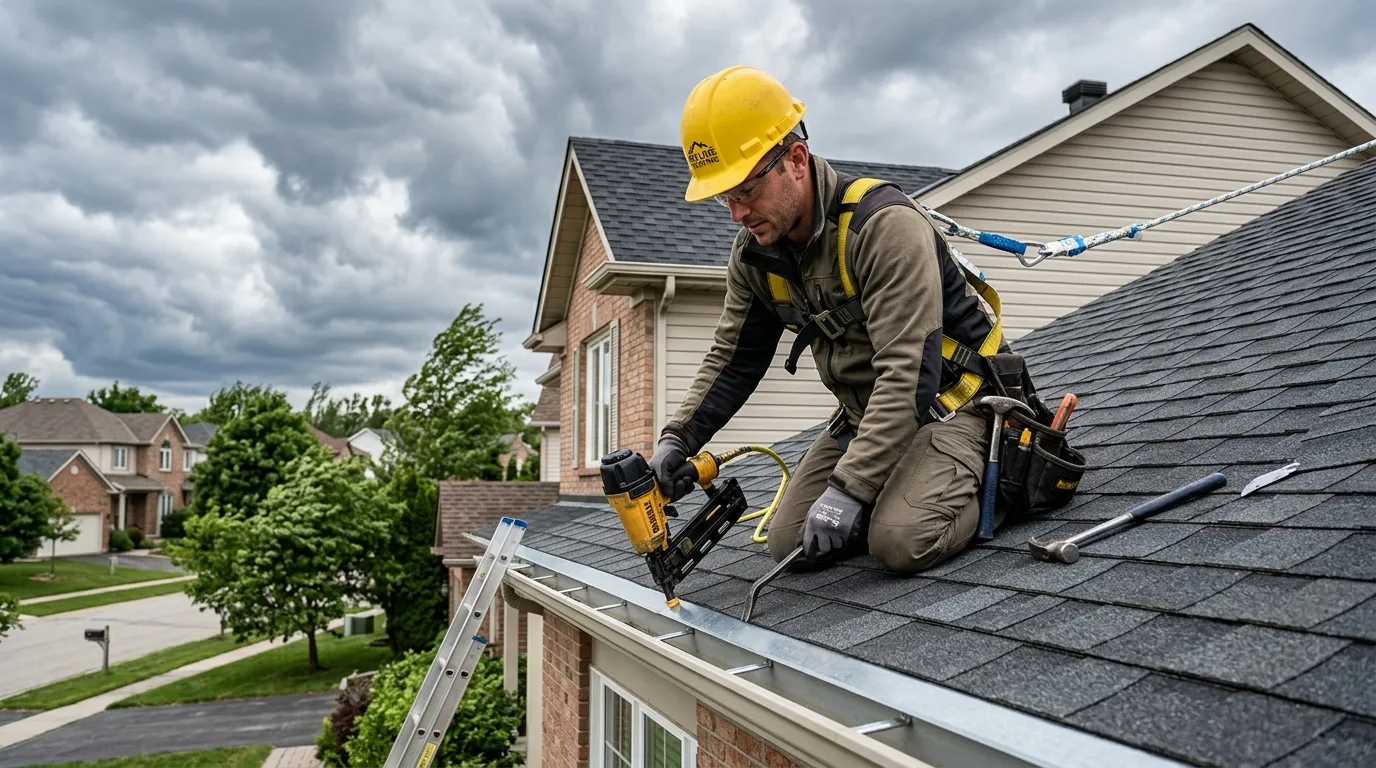
Strong sunlight and high temperatures can place long-term stress on roofing materials. Dark surfaces can become extremely hot, while repeated cycles of heating and cooling may contribute to aging, cracking, or deterioration of certain materials. To prepare for hot weather, inspect the roof for brittle or damaged shingles and ensure the attic has appropriate ventilation. Reflective or energy-efficient roofing options may be worth considering when a roof is due for replacement, particularly in consistently hot climates. Keep in mind that the best roofing material depends on local weather, roof design, installation quality, and building requirements. Addressing small signs of heat-related deterioration early can help prevent more extensive damage later.
12. Prepare for Snow and Ice
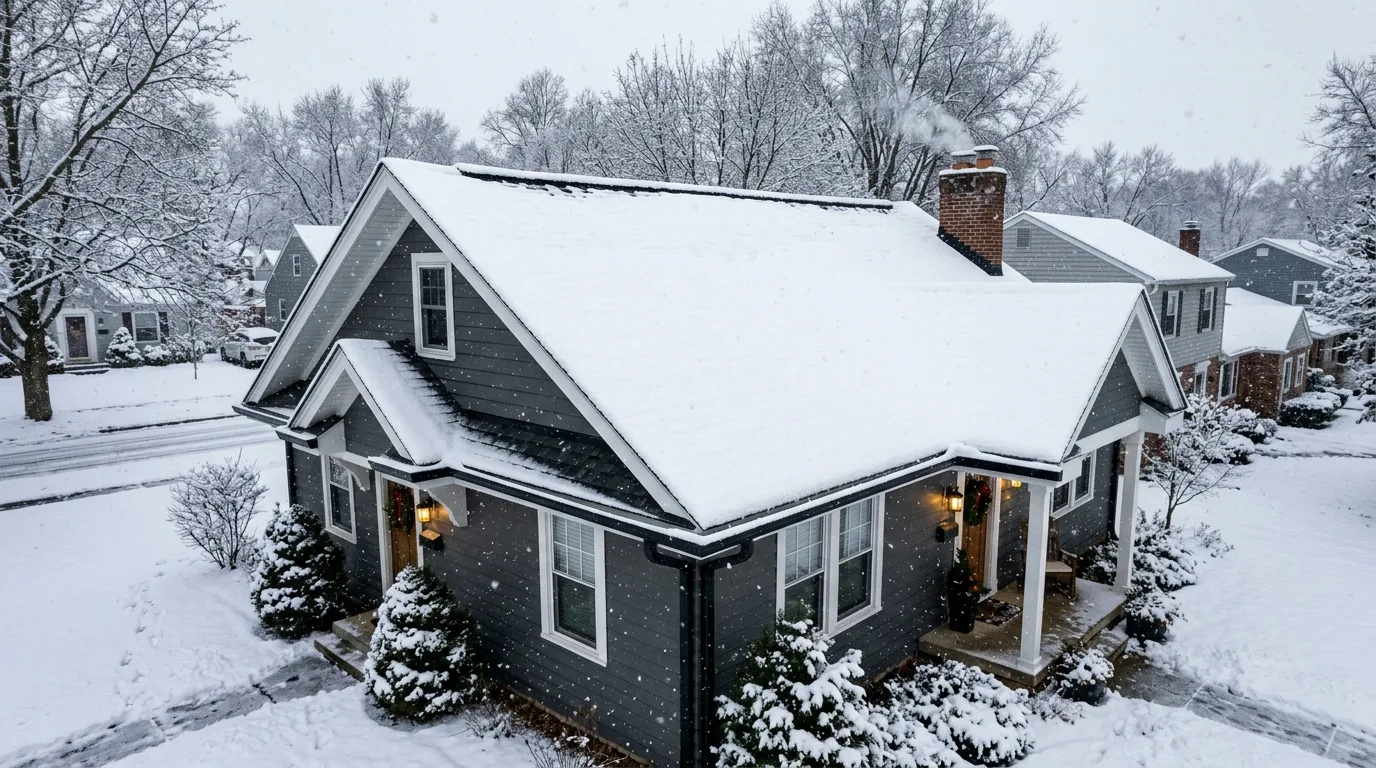
Homes in snowy climates need additional preparation because accumulated snow and ice can add weight and create drainage problems. Before winter, have the roof inspected if it is older, has known structural concerns, or has experienced previous problems with snow accumulation. Keep gutters and roof drainage paths clear so melting snow can move away efficiently. Ice dams can form when roof temperatures cause snow to melt and refreeze near colder roof edges. Proper attic insulation and ventilation can help manage uneven roof temperatures, although solutions depend on the home’s construction. Avoid climbing onto a snow-covered roof or using improvised tools to remove ice. Professional snow and ice management is safer when substantial accumulation occurs.
13. Inspect Roof Edges and Eaves
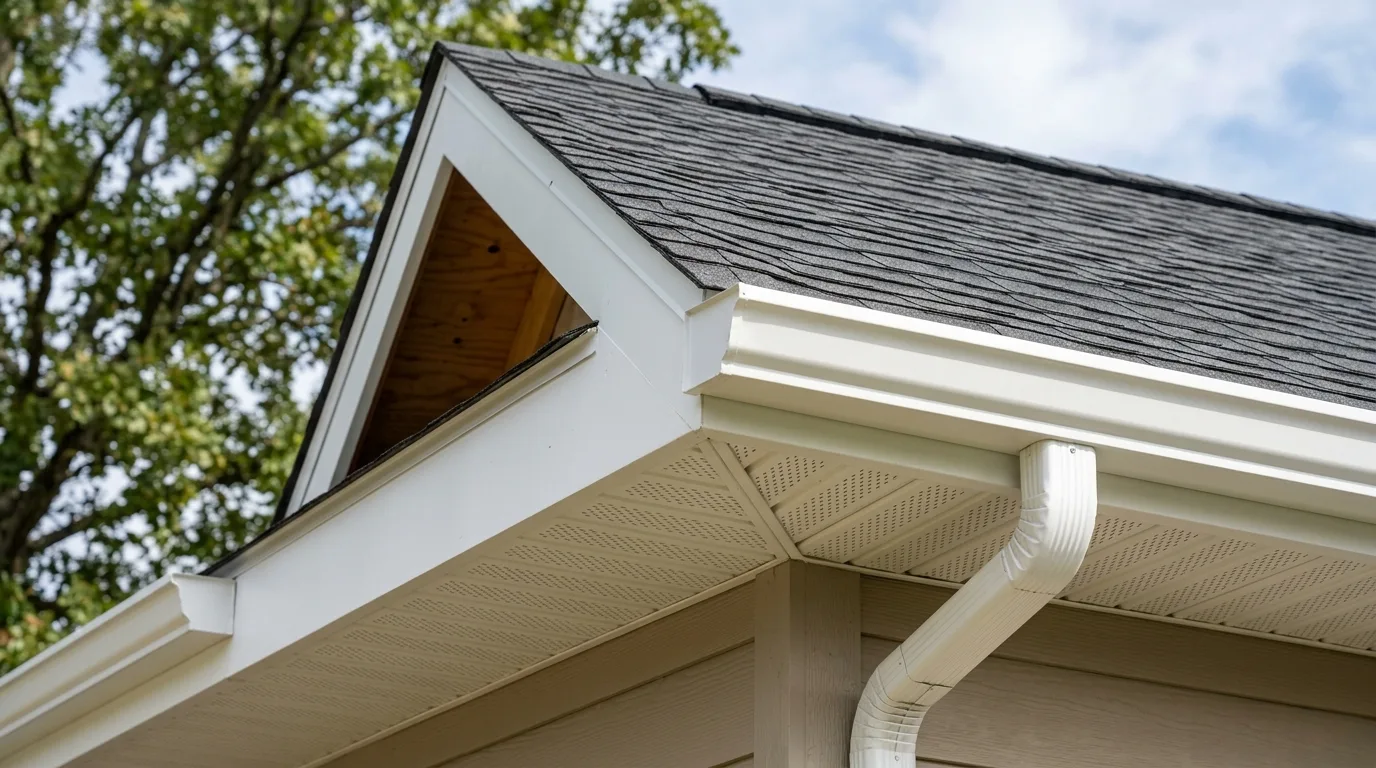
Roof edges and eaves deserve special attention because they are exposed to wind, rain, and runoff. During maintenance, check visible fascia, soffits, drip edges, and nearby roofing materials for signs of rot, staining, separation, or damage. Damaged wood around the eaves can allow moisture and pests to enter areas that are difficult to see. Drip edges also help guide water away from vulnerable roof and wall components, so missing or damaged sections should be evaluated. If you see sagging, widespread discoloration, or soft wood, professional inspection is advisable. Maintaining these perimeter areas can improve drainage and reduce opportunities for wind-driven rain to reach the roof deck and other parts of the home’s exterior.

14. Examine Roof Seals Around Vents and Skylights
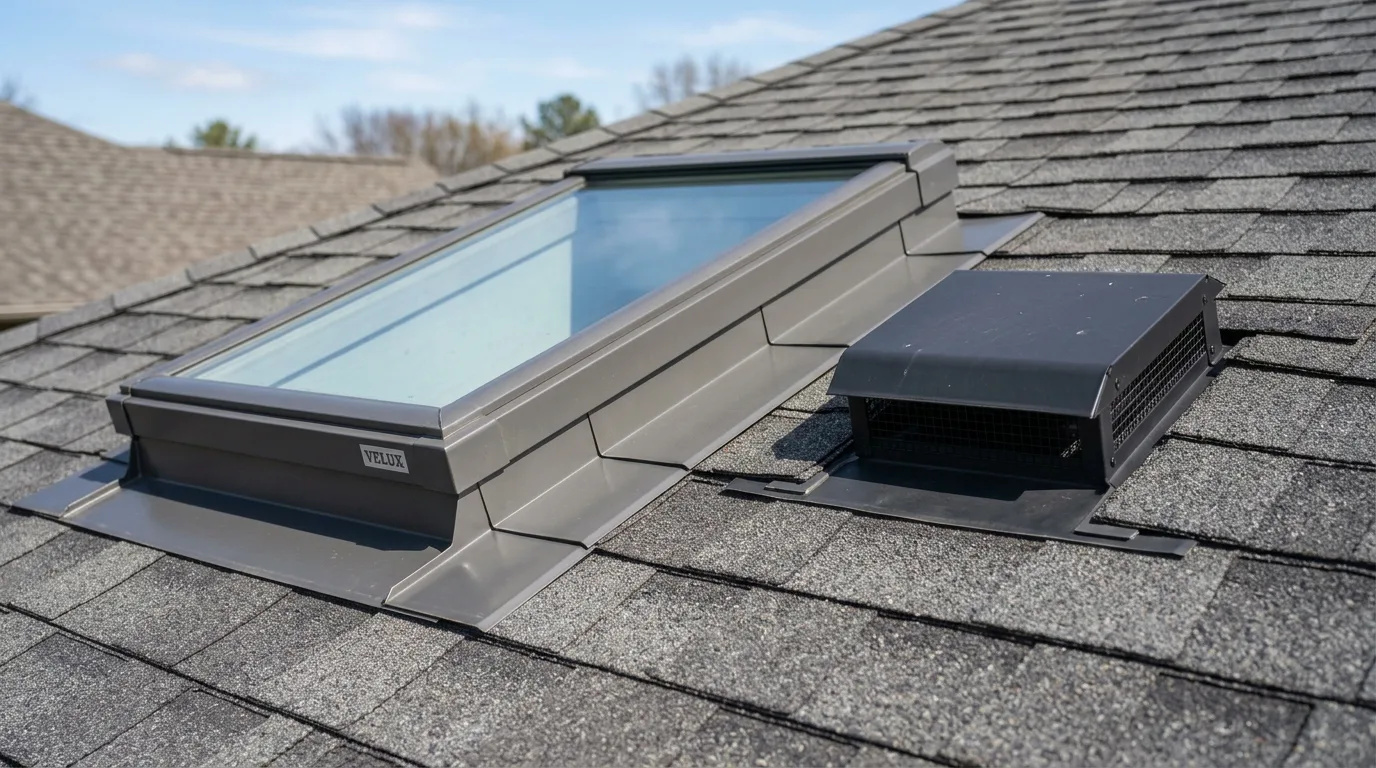
Plumbing vents, exhaust vents, skylights, and similar roof penetrations create openings that must remain properly sealed and flashed. Over time, sealants can deteriorate from ultraviolet exposure, temperature changes, and moisture. Inspect visible areas for cracked seals, gaps, damaged flashing, or signs of water staining inside the home. Do not cover a suspected leak with temporary sealant without identifying the underlying cause, because water can continue entering beneath the surface. Skylights may require specialized attention because their frames and flashing systems vary. A qualified roofer can check these penetrations as part of a seasonal inspection and replace deteriorated components when necessary. Keeping roof penetrations watertight is essential for reliable performance during heavy rain and storms.
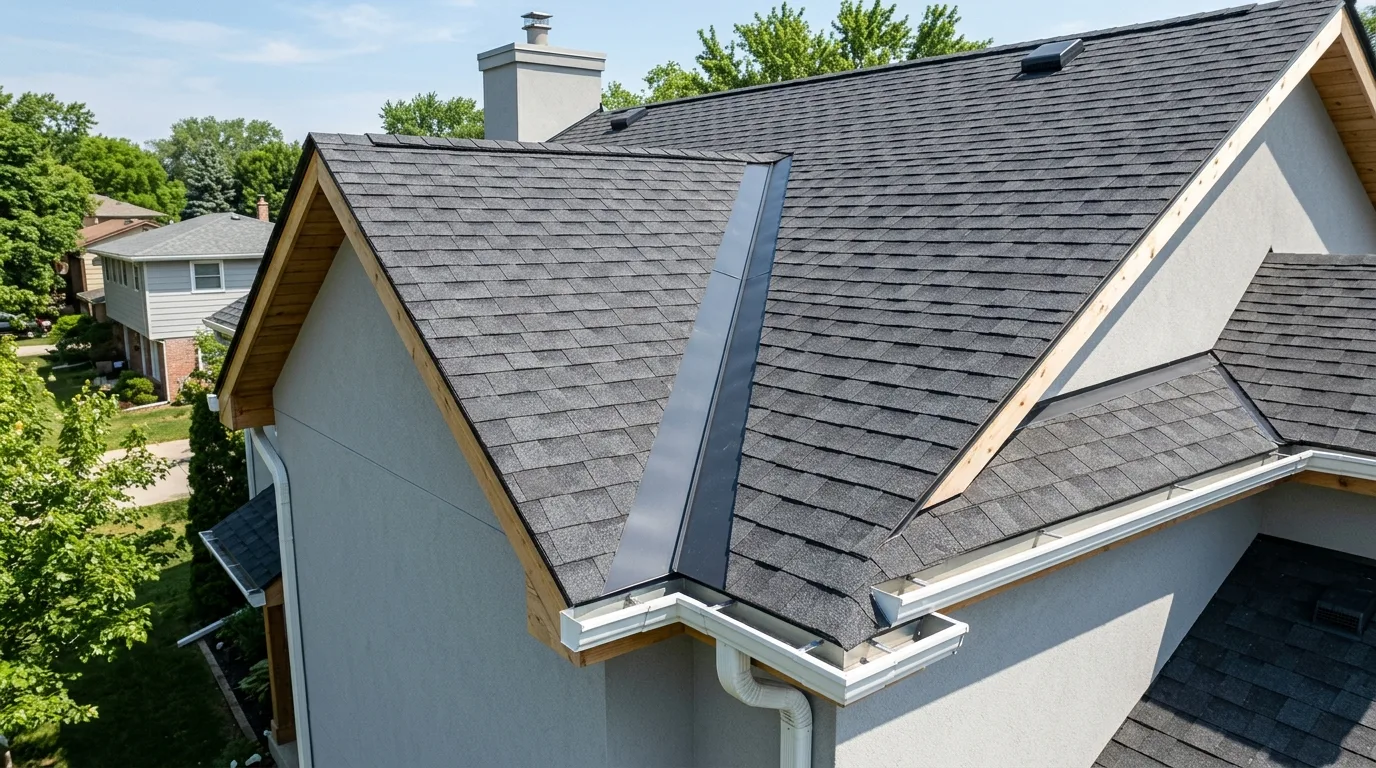
15. Remove Moss, Algae, and Excess Debris
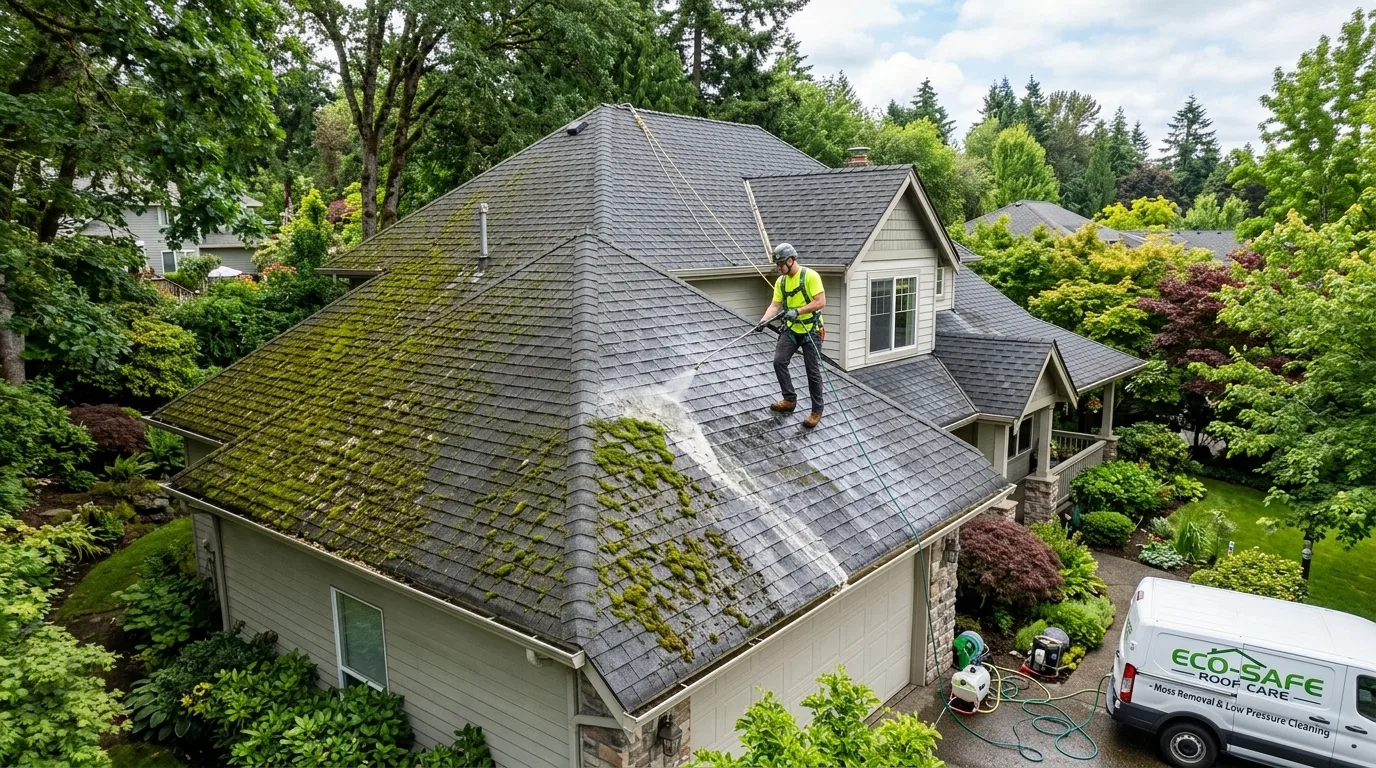
Moss, algae, leaves, and other organic debris can retain moisture against roofing materials and contribute to premature deterioration in some roofing systems. Moss can also grow around shingle edges and interfere with proper drainage. If growth is present, use a cleaning approach recommended for your specific roofing material rather than aggressive pressure washing, which can damage shingles and remove protective granules. Nearby trees should also be considered because excessive shade and falling debris can encourage recurring growth. For extensive moss or algae, professional cleaning may be safer and more effective. Keeping the roof reasonably clean allows you to inspect its condition more easily and reduces moisture retention before periods of rain, snow, or prolonged humidity.
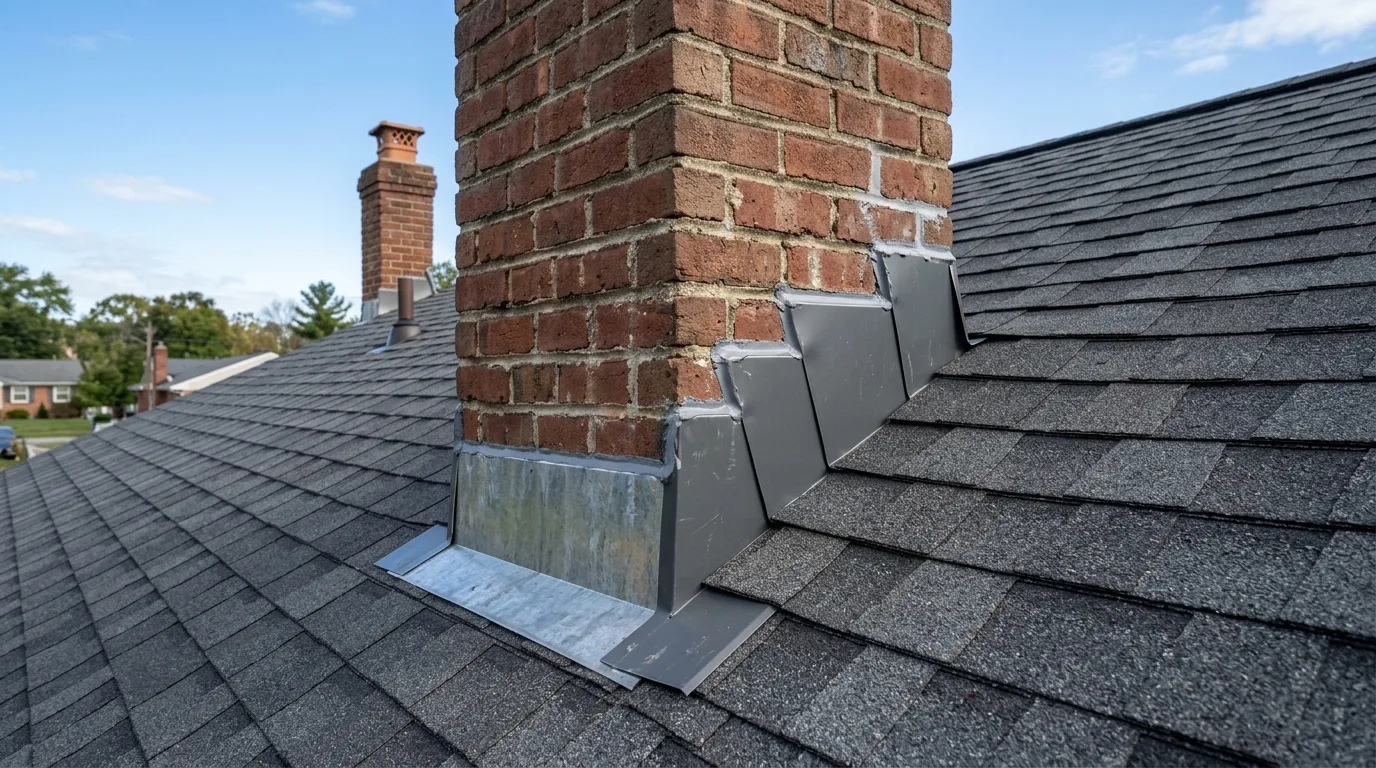
16. Check the Roof After Severe Storms
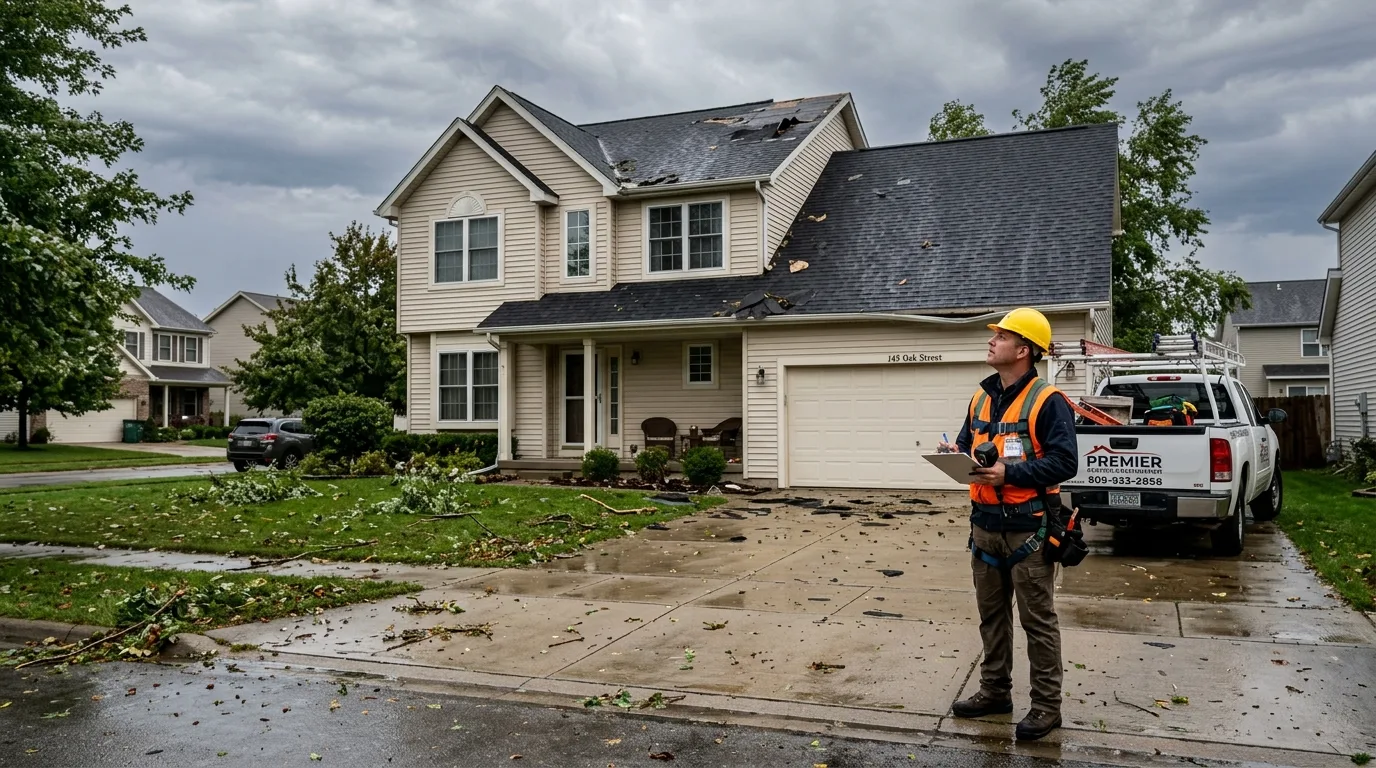
Roof preparation should continue after bad weather, not end when a storm passes. Strong winds, hail, heavy rain, and falling branches can cause damage that is difficult to see from the ground. After severe weather, inspect the property from a safe location for missing shingles, debris, damaged gutters, broken skylights, exposed areas, or new water stains. If you suspect damage, document what you can safely see and arrange a professional inspection. Avoid climbing onto the roof immediately after a storm because surfaces may be wet, unstable, or covered with debris. Prompt evaluation can help prevent secondary water damage and can clarify which repairs should be handled first.
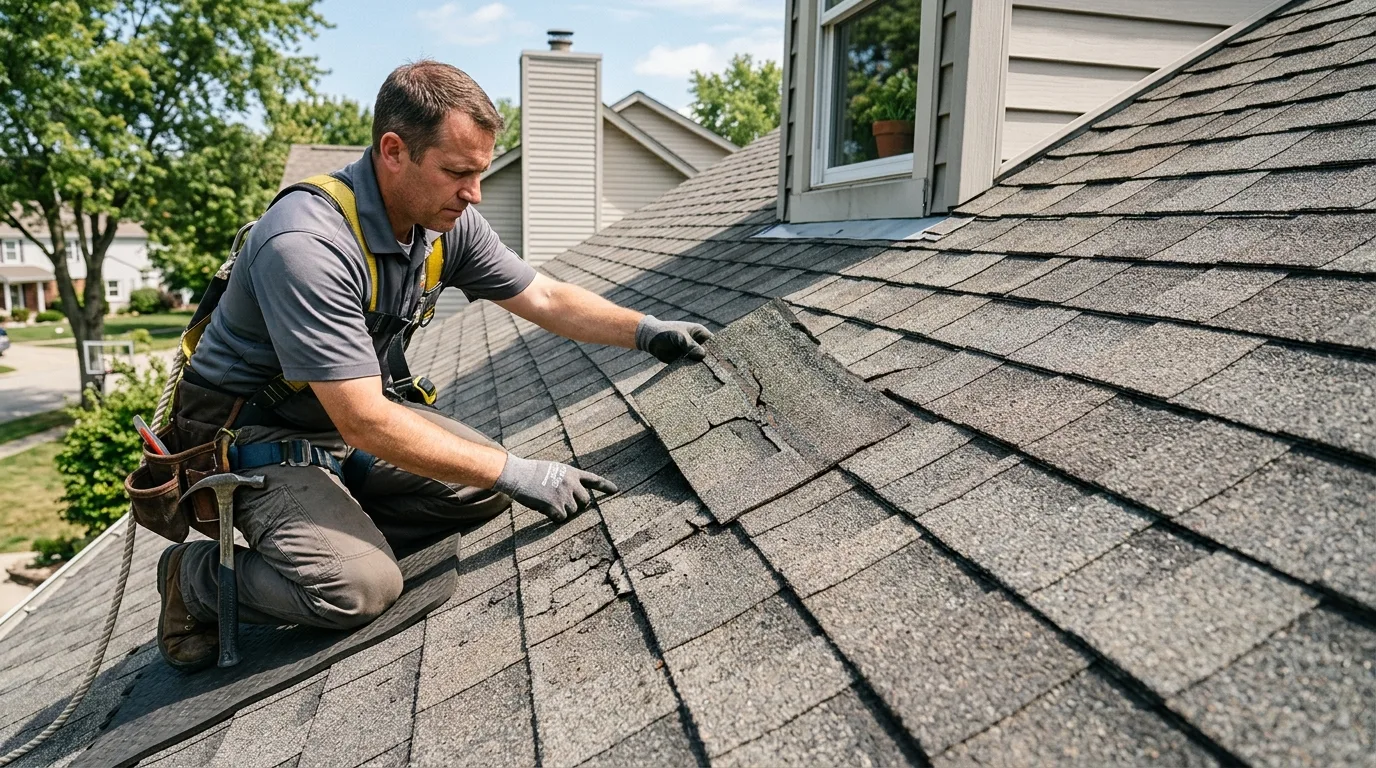
17. Keep a Seasonal Roof Maintenance Checklist
A simple seasonal checklist makes roof maintenance easier to remember and can help you identify changes over time. Record when inspections were completed, what repairs were made, when gutters were cleaned, and any areas that require future attention. Before rainy seasons, focus on drainage, flashing, valleys, and visible leaks. Before winter, pay attention to attic moisture, ventilation, and snow-related risks. Before hot weather, check for deteriorated roofing materials and ventilation concerns. After severe storms, document visible damage and arrange an inspection when necessary. Keeping photographs and repair records can also help you communicate clearly with contractors. Consistent maintenance is usually easier and less expensive to manage than dealing with several neglected problems at once.
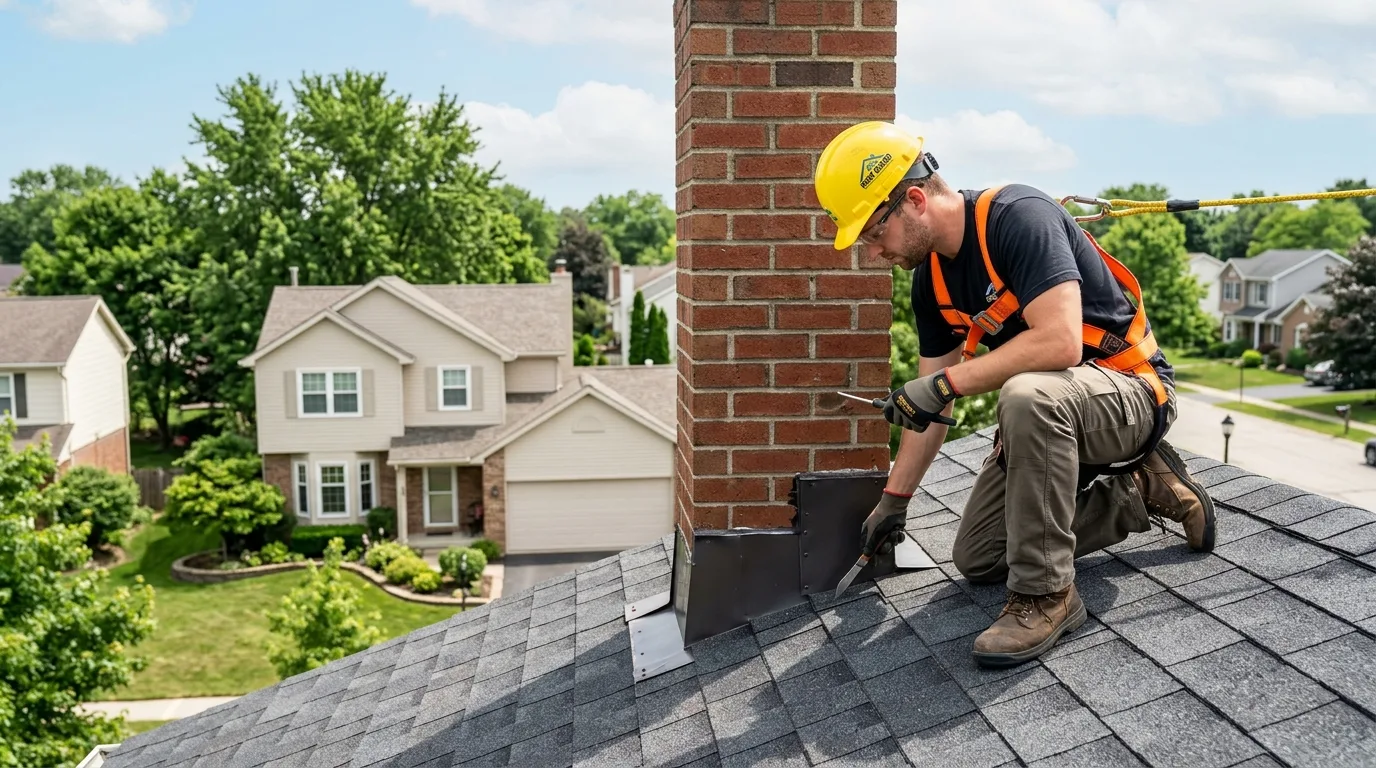
18. Plan Roof Repairs Before Severe Weather Arrives
Waiting until a major storm is approaching can make roof repairs more difficult to arrange. Contractors may become busy, materials may be harder to obtain, and temporary fixes may be necessary when damage is discovered at the last minute. If an inspection identifies cracked flashing, missing shingles, deteriorated sealants, drainage problems, or aging roofing materials, create a repair plan based on urgency. Safety-related and active leak issues generally deserve prompt attention, while cosmetic improvements can often be scheduled later. If a roof is nearing the end of its expected service life, discuss replacement options before an emergency occurs. Planning ahead gives you more time to compare suitable materials, understand installation requirements, and prepare your home for the weather conditions common in your region.
Conclusion
Preparing your roof for all weather conditions is less about one major project and more about consistent inspection, drainage, ventilation, cleaning, and timely repairs. By maintaining gutters, monitoring shingles and flashing, checking attic conditions, managing nearby trees, and responding quickly after severe weather, you can reduce the likelihood of preventable roof problems. Climate-specific preparation is also important, since a roof facing intense heat requires different considerations from one exposed to heavy snow or frequent storms. When a problem involves structural damage, steep roofing, significant leaks, or unsafe access, use a qualified roofing professional rather than attempting a risky repair yourself. A proactive maintenance routine can help your roof perform reliably through changing seasons while protecting the rest of your home.