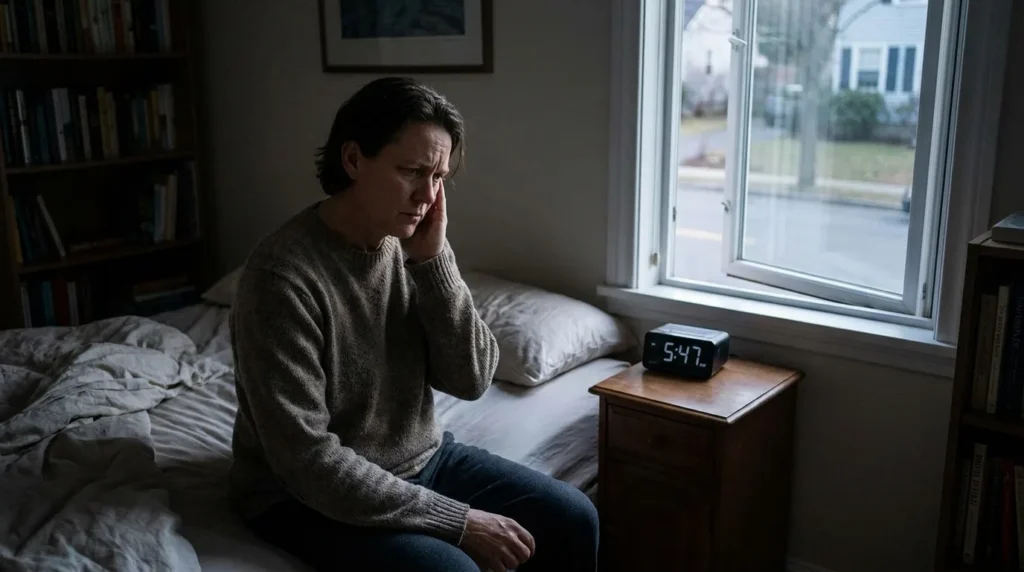
Hearing loss can develop gradually, making early changes surprisingly easy to overlook. You may notice that conversations seem less clear, ask people to repeat themselves more often, or turn up the television without realizing how much the volume has increased. These changes are not always caused by permanent hearing loss; earwax buildup, infections, certain medications, noise exposure, and other conditions can also affect hearing. Recognizing potential warning signs can help you decide when it is worth having your hearing checked. Early evaluation is especially useful when symptoms persist, interfere with communication, affect one ear more than the other, or appear suddenly. The following signs can help you identify possible hearing difficulties and understand when professional assessment may be appropriate.
1. Frequently Asking People to Repeat Themselves
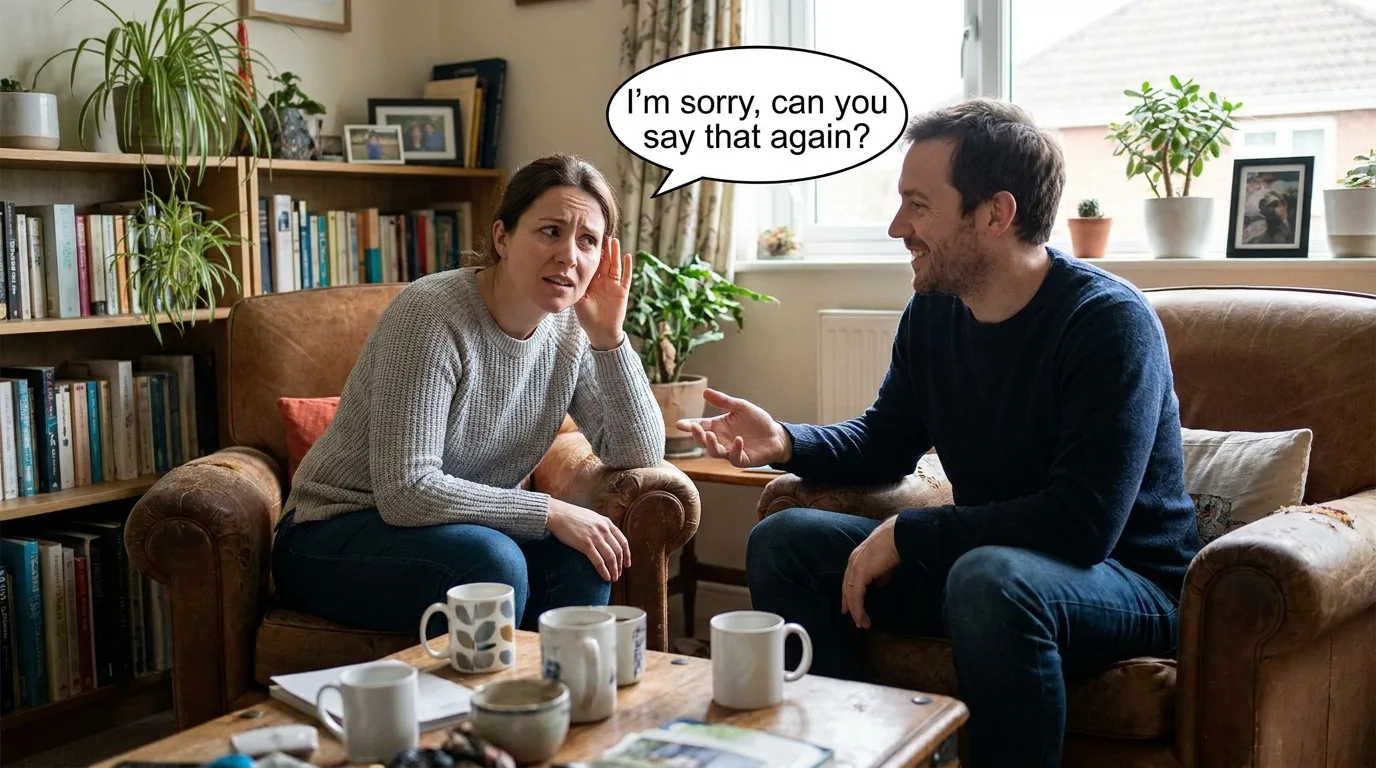
One of the most common early signs of hearing difficulty is repeatedly asking others to say something again. You may hear that someone is speaking but miss individual words, particularly when they speak quickly or from another room. At first, this can seem like a concentration problem or simply an issue with someone mumbling. However, if it happens regularly with different people, it may indicate reduced hearing clarity. Pay attention to whether you find yourself saying “What?” or “Can you repeat that?” more often than before. Occasional repetition is normal, but a noticeable change in how easily you understand everyday conversations is worth discussing with a hearing professional.
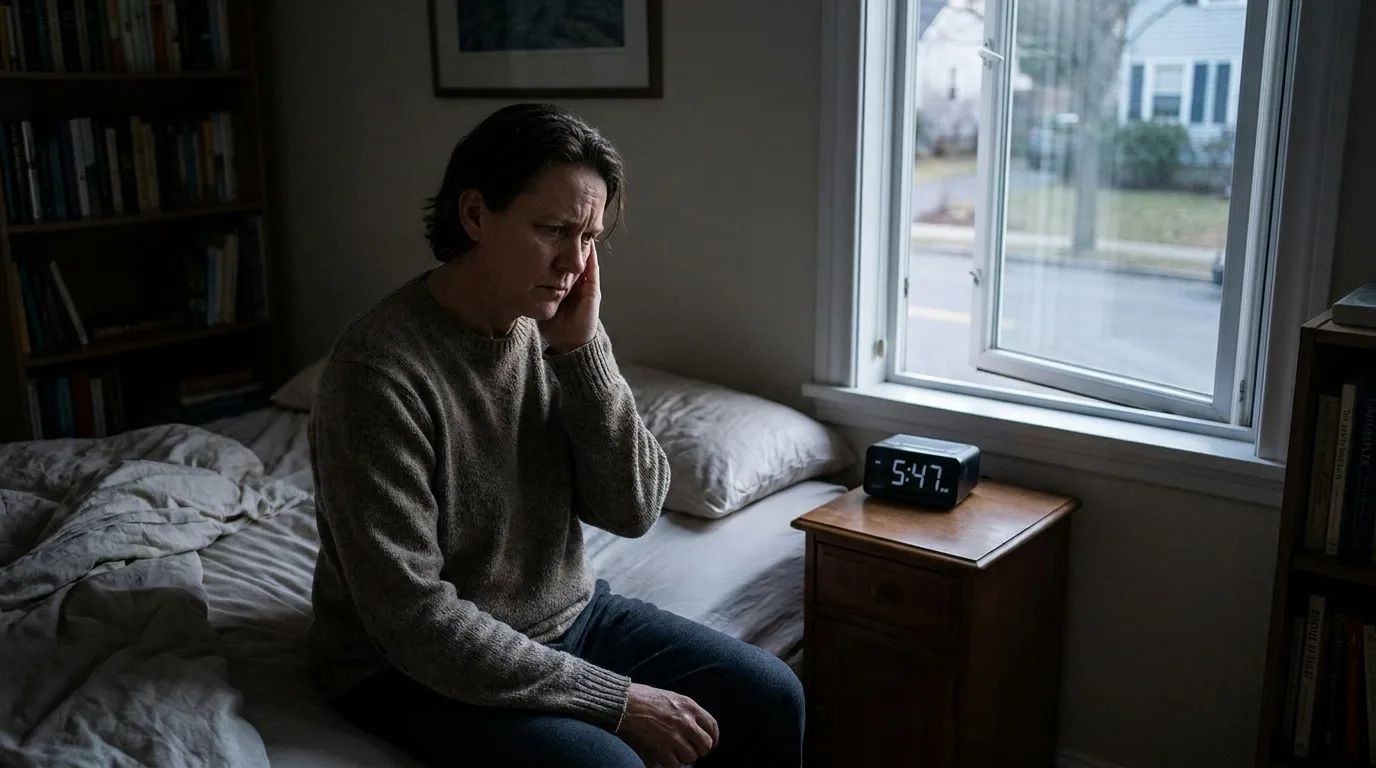
2. Difficulty Understanding Speech in Noisy Places
Restaurants, family gatherings, busy offices, and other noisy environments can reveal hearing difficulties before quiet conversations become challenging. Background sounds compete with speech, making it harder to separate a person’s voice from surrounding noise. You may find yourself focusing intensely on someone’s face, moving closer to them, or losing track of conversations when several people are talking. Although even people with normal hearing can struggle in loud environments, consistently having much more difficulty than others may be a warning sign. If noisy settings have become noticeably exhausting or frustrating because you cannot follow conversations, consider scheduling a hearing evaluation rather than simply avoiding social situations.

3. Turning Up the Television or Radio
Another subtle change is gradually increasing the volume of the television, radio, computer, or phone. Because the adjustment happens slowly, you may not realize that your preferred volume has become louder than it used to be. Family members may notice the change before you do, especially if they can comfortably hear the television from another room. Try paying attention to whether others regularly comment that the volume is too high. Increased volume alone does not prove hearing loss, but when it occurs alongside other communication difficulties, it can be an important clue. A hearing assessment can help determine whether reduced hearing sensitivity is contributing to the problem.

4. Trouble Hearing High-Pitched Sounds
Some forms of hearing loss affect higher-frequency sounds first. This can make certain speech sounds, such as consonants, less distinct even when voices still seem loud enough. You might hear someone talking but have trouble distinguishing words that contain sounds such as “s,” “f,” or “th.” High-pitched environmental sounds, including birdsong, electronic alerts, or some household beeps, may also become less noticeable. Because low-pitched sounds can remain relatively easy to hear, the change may not initially feel like hearing loss. If speech seems muffled or unclear despite adequate volume, a hearing test can identify whether particular frequency ranges are affected.

5. Feeling That People Are Mumbling
When hearing becomes less clear, other people’s speech may seem muffled, indistinct, or as though everyone is mumbling. This can be particularly noticeable when people speak softly, have an unfamiliar accent, or turn their head away while talking. It is easy to assume that the speaker is the problem, but consistently experiencing this with multiple people can point toward a hearing issue. You may understand isolated words while missing the overall sentence, especially when you cannot rely on visual cues. If conversations increasingly sound unclear even when the speaker is close by and speaking normally, consider having your hearing evaluated rather than assuming everyone has become harder to understand.

6. Relying More on Lip Reading or Facial Cues
Watching a person’s lips, facial expressions, or body language can naturally support communication, but relying on these cues more heavily than before may indicate that your ears are not providing enough information. You might notice that conversations are easier when you can see someone’s face and considerably harder when the person is behind you or wearing a mask. This dependence can develop gradually, so you may simply think that you are becoming better at reading expressions. If understanding speech becomes significantly more difficult without visual cues, especially in groups or dim lighting, it is sensible to mention this pattern during a hearing assessment.

7. Difficulty Following Group Conversations
Following a discussion among several people requires your hearing system to separate different voices and quickly identify who is speaking. Early hearing loss can make this surprisingly difficult. You may lose the thread of a conversation when people interrupt one another, speak from different parts of a room, or change topics quickly. You might laugh along with a group even when you have not fully understood what was said. Over time, this can lead to avoiding gatherings because keeping up requires too much effort. If one-on-one conversations are manageable but group discussions have become consistently difficult, mention that specific situation when seeking a hearing evaluation.

8. Missing Everyday Sounds and Alerts
Changes in hearing can affect your awareness of ordinary sounds around the home. You might fail to notice a doorbell, telephone ringing from another room, kitchen timer, alarm, or someone calling your name. Missing an occasional sound is completely normal, particularly when you are distracted or far away. The concern is a recurring pattern that represents a change from your previous ability to notice these sounds. Ask yourself whether household members are increasingly telling you that an alarm or notification has been sounding. Repeatedly missing important auditory cues can be a practical reason to arrange a hearing check and consider whether environmental alerts need additional visual or vibrating options.

9. Frequently Misunderstanding Words
Hearing loss does not always make speech completely inaudible. Instead, you may hear the speaker clearly enough to respond while occasionally substituting the wrong word for what was actually said. This can happen when certain speech sounds are difficult to distinguish. You might answer a question incorrectly, misunderstand a name, or interpret one word as another that sounds similar. Everyone mishears things occasionally, but a noticeable increase in these mistakes can be meaningful when it occurs across different conversations. If you regularly need to confirm what people have said or find yourself giving inappropriate responses because you misunderstood the words, a hearing evaluation can help clarify whether hearing changes are involved.

10. Increasing Listening Fatigue
Concentrating intensely to understand speech can become tiring when hearing information is incomplete or unclear. You may notice that a normal conversation leaves you unusually drained, especially when background noise is present. Instead of hearing effortlessly, your brain may need to work harder to fill in missing pieces using context, facial expressions, and memory. Listening fatigue can have many causes, including stress and lack of sleep, so it does not automatically mean hearing loss. However, persistent exhaustion after ordinary conversations deserves attention when it accompanies other hearing-related changes. If communication increasingly feels like hard work, discussing your symptoms with an audiologist or other qualified hearing professional can be useful.

11. Avoiding Social Situations Because of Communication Difficulties
People sometimes begin withdrawing from social activities when conversations become difficult to follow. You might decline dinners, meetings, family gatherings, or events because you expect to struggle with background noise or multiple speakers. This response can happen gradually and may be mistaken for simply becoming less interested in socializing. If the main reason you avoid these situations is the effort required to hear and understand people, the underlying communication difficulty deserves attention. Hearing problems can affect participation and confidence even when the hearing change itself is mild. Identifying the cause early may help you find appropriate ways to communicate more comfortably and stay connected with the people around you.

12. Difficulty Hearing on the Telephone
Telephone conversations can expose hearing difficulties because you cannot use facial expressions, lip movements, or other visual cues to supplement what you hear. You may repeatedly ask callers to speak louder, move the phone closer, or switch to speaker mode. Conversations can become especially challenging when the connection is less than perfect or when the speaker talks quickly. Difficulty with phone calls alone does not necessarily indicate hearing loss because phones, connections, and audio settings can all affect clarity. However, if telephone conversations have become noticeably harder while in-person communication is also changing, this combination is worth mentioning during a professional hearing assessment.

13. Hearing Better With One Ear Than the Other
Hearing differences between the ears can be easy to overlook because the stronger ear may compensate during everyday conversations. You may notice that you naturally position yourself so that one ear faces the speaker or that you have trouble understanding someone when they stand on one particular side. Unequal hearing can have several possible causes, including earwax, infections, noise exposure, age-related changes, or other ear conditions. Because one-sided or noticeably asymmetric hearing deserves proper evaluation, do not rely solely on informal comparisons at home. If one ear consistently seems weaker, arrange a hearing assessment so the cause and degree of the difference can be evaluated.
14. New or Persistent Ringing in the Ears
Ringing, buzzing, humming, or other sounds that seem to come from inside the ear are commonly described as tinnitus. Tinnitus can occur for many reasons, and it does not always mean that hearing loss is present. However, it can occur alongside hearing changes, particularly after significant noise exposure. Pay attention to whether the sound is persistent, recurring, or accompanied by reduced hearing, dizziness, ear fullness, or other symptoms. Sudden hearing loss, especially when it develops in one ear, requires prompt medical attention rather than waiting for it to resolve on its own. New or bothersome tinnitus should also be discussed with a healthcare professional to determine whether further evaluation is appropriate.
When to Get Your Hearing Checked
If several of these signs are becoming familiar, a professional hearing evaluation can help determine whether hearing loss is present and whether it may have a treatable cause. Hearing changes can sometimes result from temporary problems such as earwax buildup or infection, while other causes may require longer-term management. Seek prompt medical attention for sudden hearing loss, particularly if it develops over hours or a few days. It is also important to seek care when hearing changes are accompanied by significant dizziness, severe ear symptoms, or other concerning neurological symptoms. A qualified healthcare professional or hearing specialist can assess your symptoms and recommend appropriate next steps.
Conclusion
Early hearing loss can be subtle, but repeated communication difficulties, increased listening effort, changes in preferred volume, and reduced awareness of everyday sounds can provide useful clues. Not every sign means permanent hearing loss, so professional assessment is the best way to understand what is happening. Paying attention to gradual changes can help you address problems earlier and find practical strategies for clearer, easier communication.