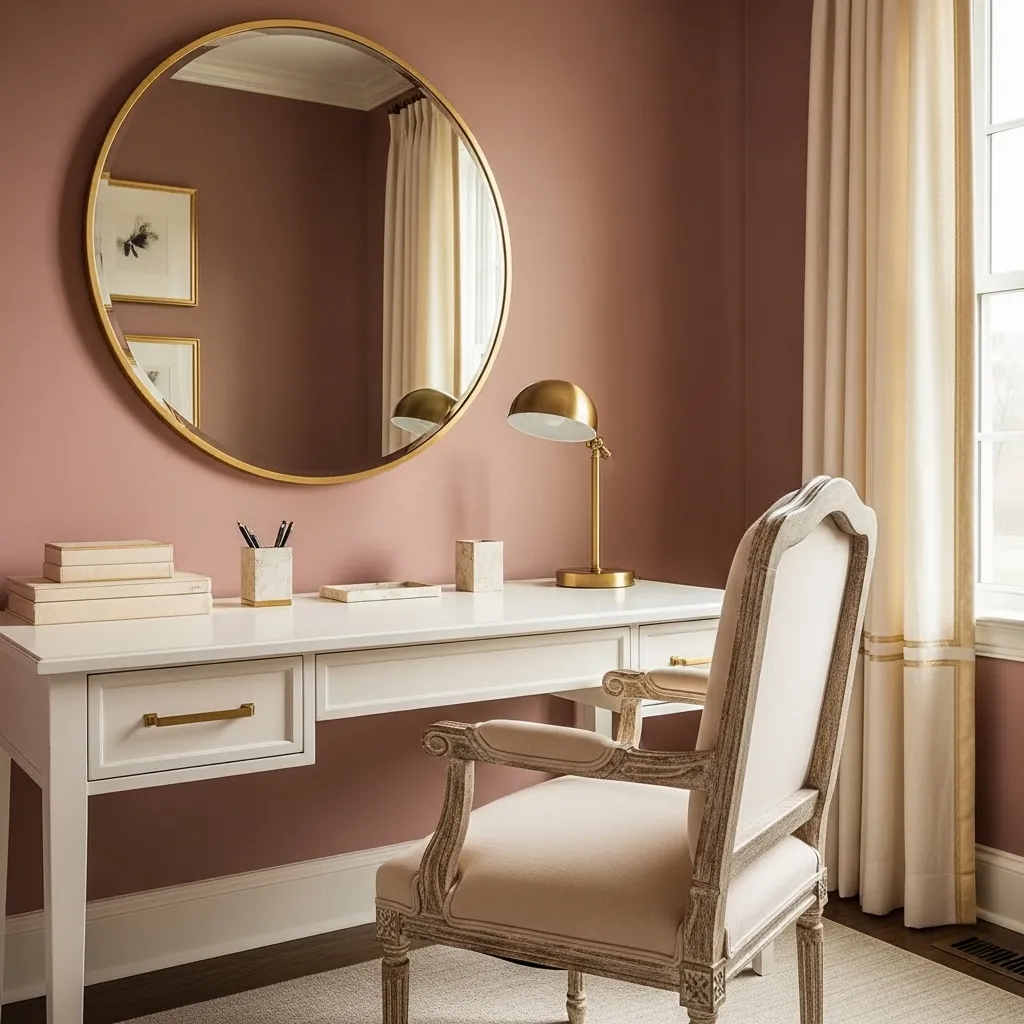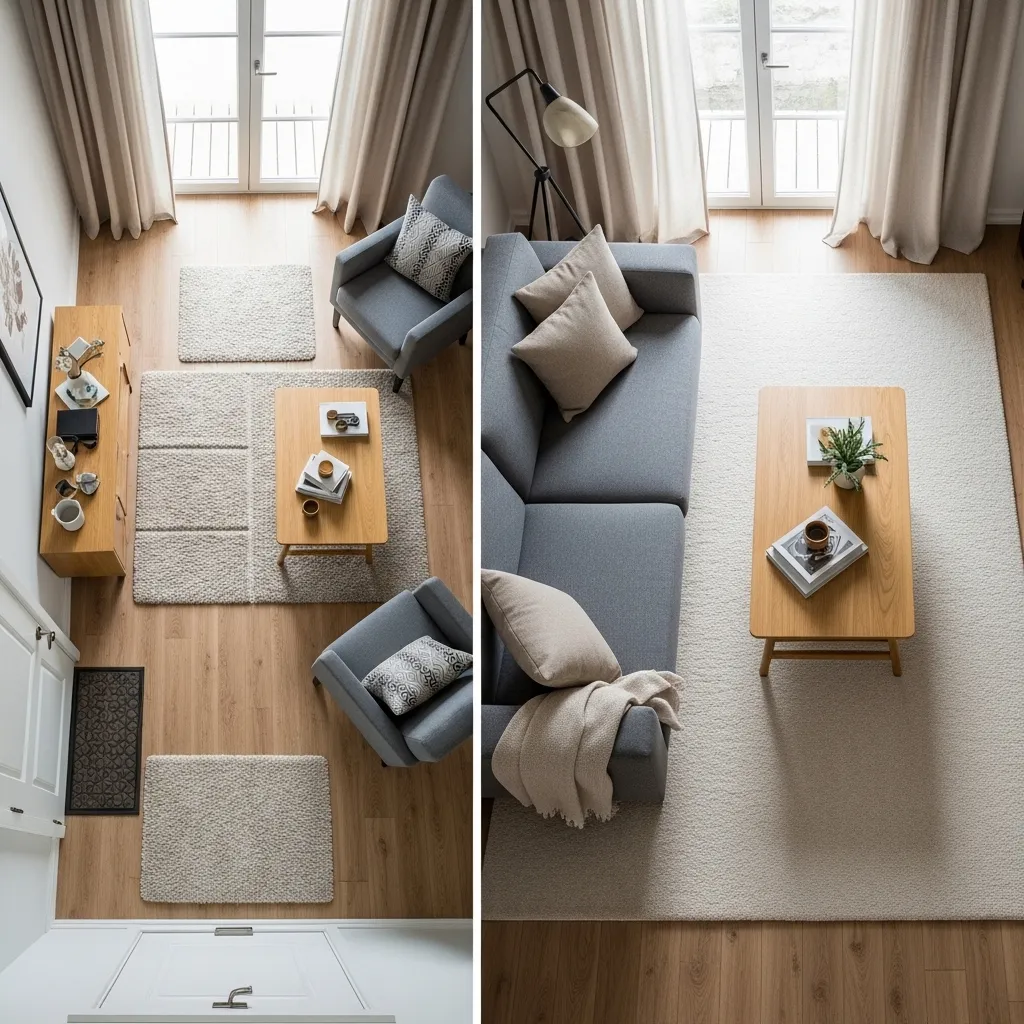
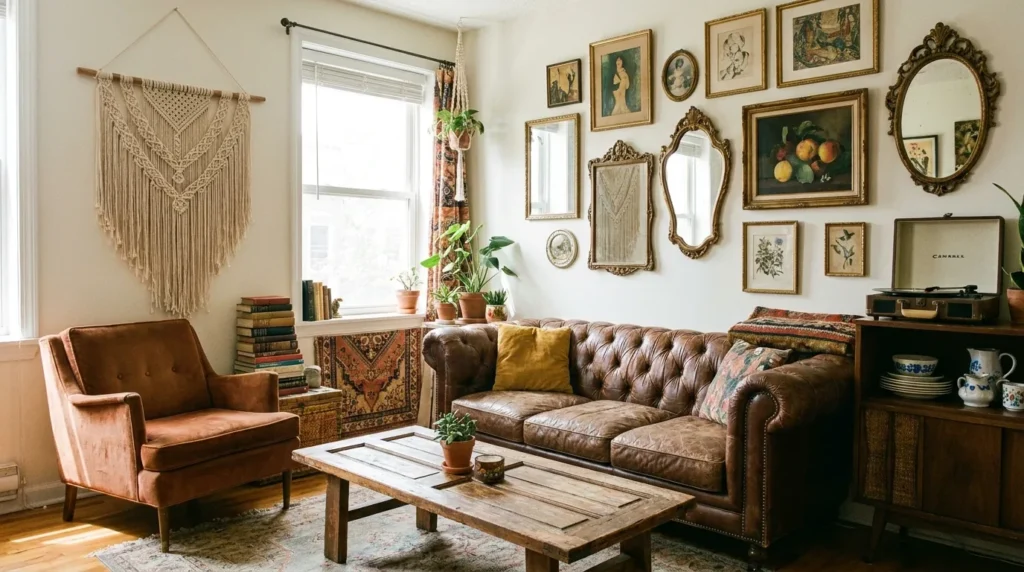
Creating a more sustainable home starts with thoughtful choices, and furniture is one of the most impactful areas to consider. Eco-friendly furniture reduces waste, conserves natural resources, and often brings timeless style into living spaces. Instead of focusing only on appearance, sustainable furniture emphasizes responsibly sourced materials, durable construction, low-impact production, and the ability to reuse or recycle pieces over time.
Whether you are furnishing a new home or updating a single room, choosing environmentally conscious designs can lower your carbon footprint while creating warm, inviting interiors. Reclaimed wood, bamboo, recycled materials, and handcrafted pieces are just a few options that combine beauty with sustainability. The best eco-friendly furniture is not only better for the planet but also built to last, saving money in the long run. These inspiring ideas show how sustainable furniture can transform every room while supporting a greener lifestyle.
1. Reclaimed Wood Dining Tables
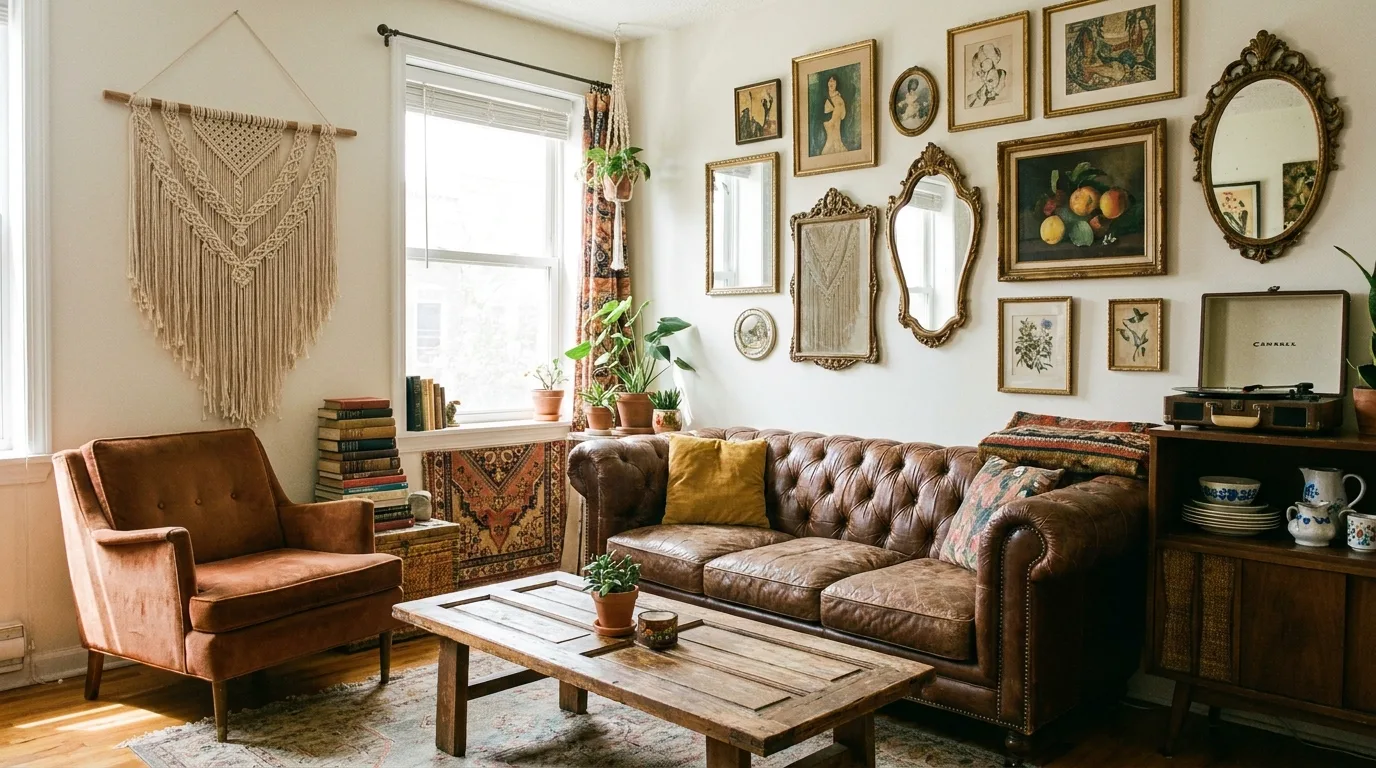
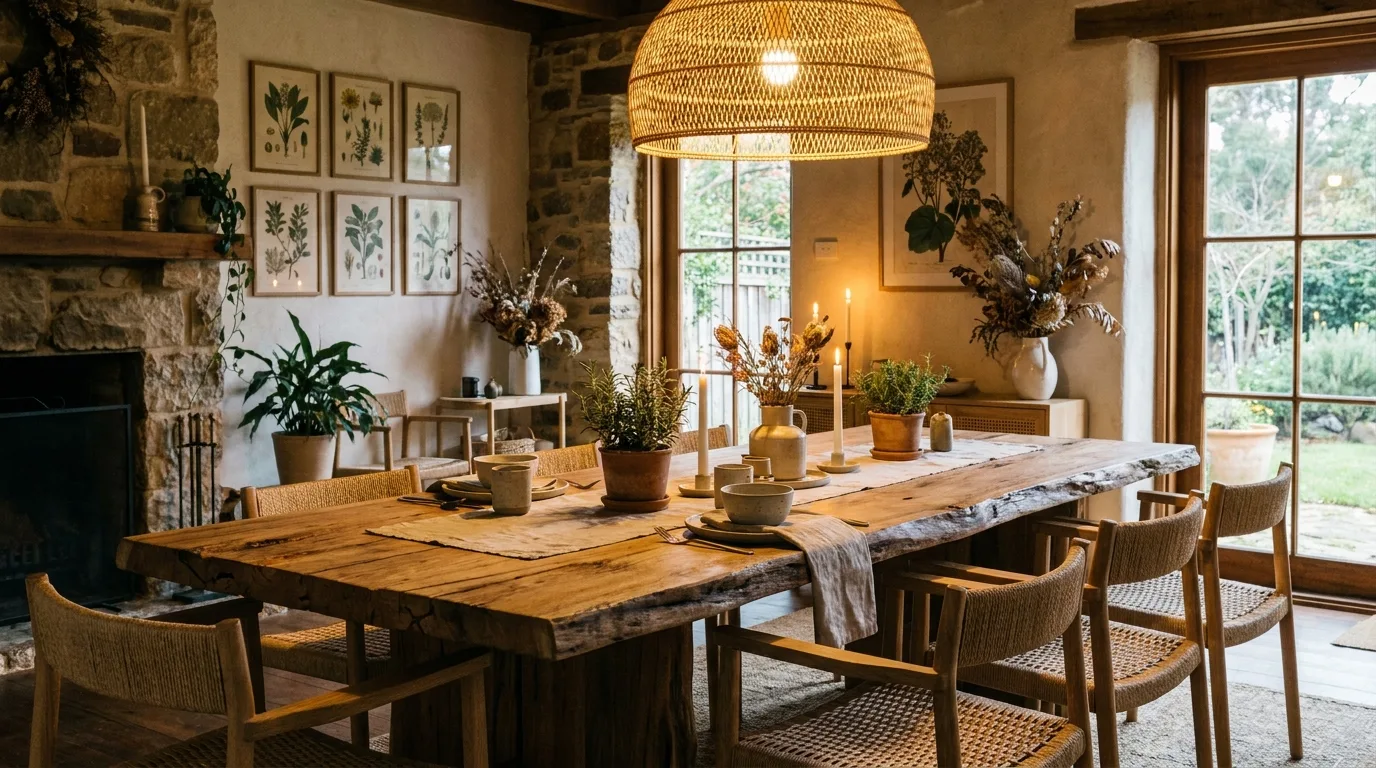
Reclaimed wood dining tables are among the most popular choices for sustainable interiors. These tables are crafted from salvaged timber sourced from old barns, warehouses, factories, or demolished buildings, giving valuable materials a second life. Every piece carries unique textures, knots, and grain patterns that add character to your dining room.
Choosing reclaimed wood helps reduce deforestation and minimizes waste that would otherwise end up in landfills. Durable hardwoods such as oak, pine, and teak often become beautiful centerpieces that last for decades. Pair a reclaimed wood table with modern chairs or rustic decor for a balanced look. This furniture choice combines environmental responsibility with timeless design, making it perfect for homeowners who value both style and sustainability.
2. Bamboo Living Room Furniture
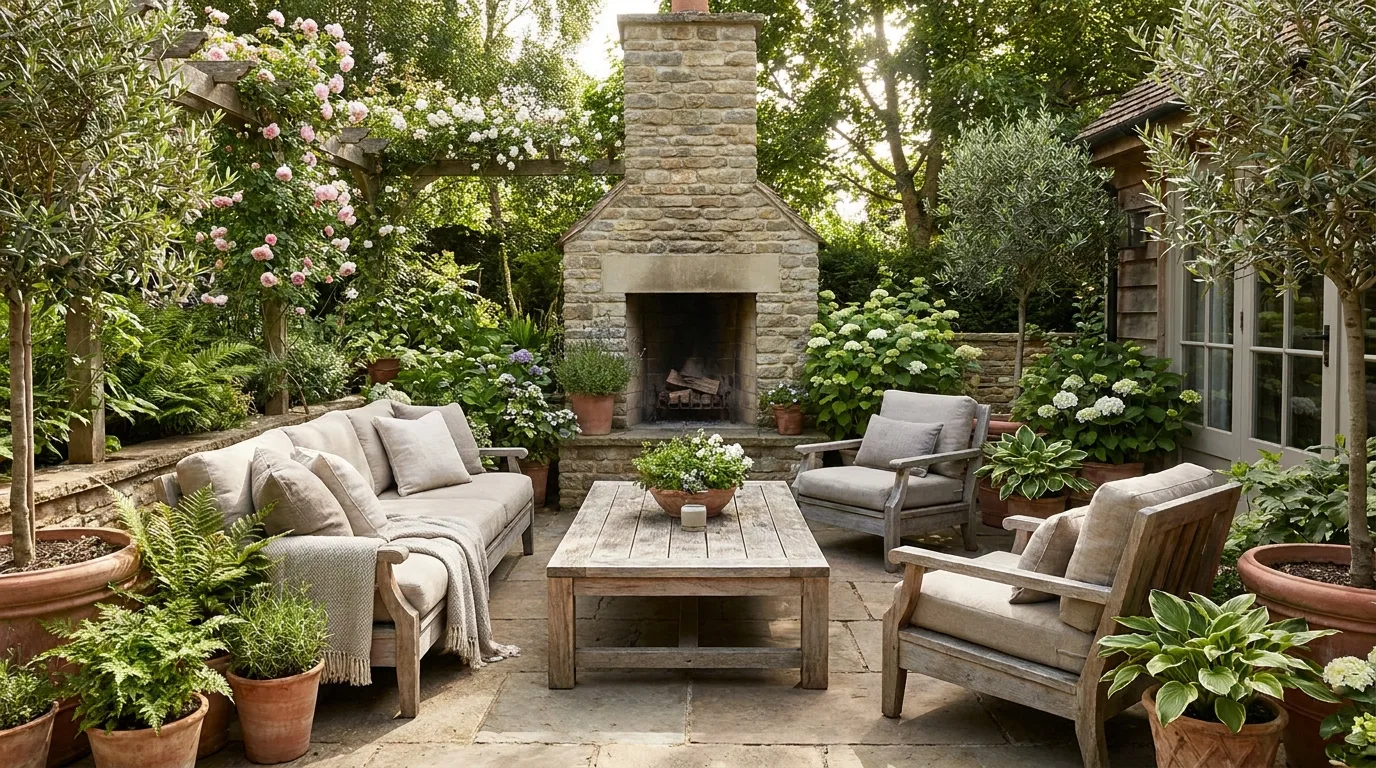
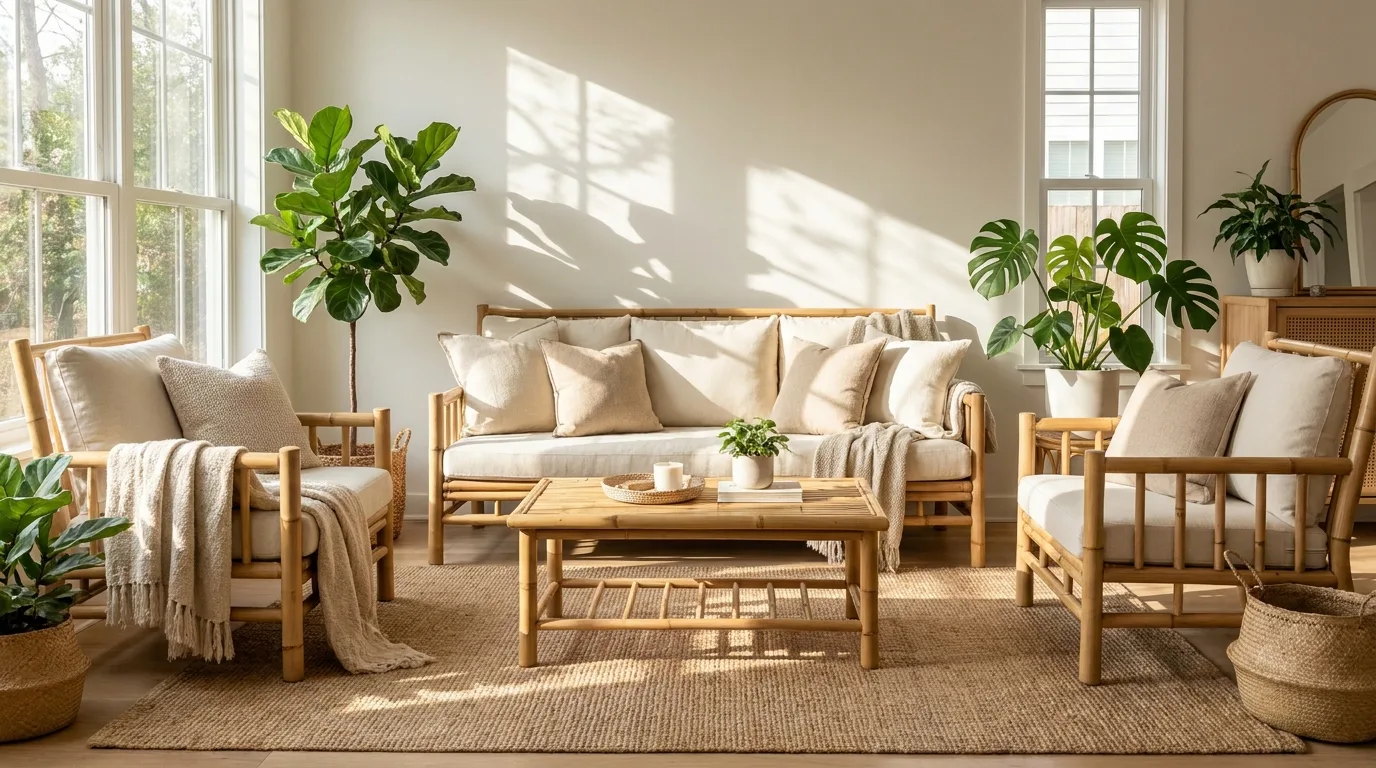
Bamboo is one of the fastest-growing renewable resources, making it an excellent material for eco-friendly furniture. Sofas, coffee tables, shelving units, and accent chairs made from bamboo bring a natural, airy appearance to living rooms while reducing environmental impact.
Unlike slow-growing hardwood trees, bamboo regenerates quickly and requires fewer resources to cultivate. It is also strong, lightweight, and highly versatile. Modern bamboo furniture designs range from sleek contemporary pieces to relaxed coastal styles. Light bamboo tones can brighten spaces and pair beautifully with neutral textiles, greenery, and natural fibers. Investing in bamboo furniture supports renewable materials while adding warmth and elegance to your home.
3. Recycled Metal Furniture
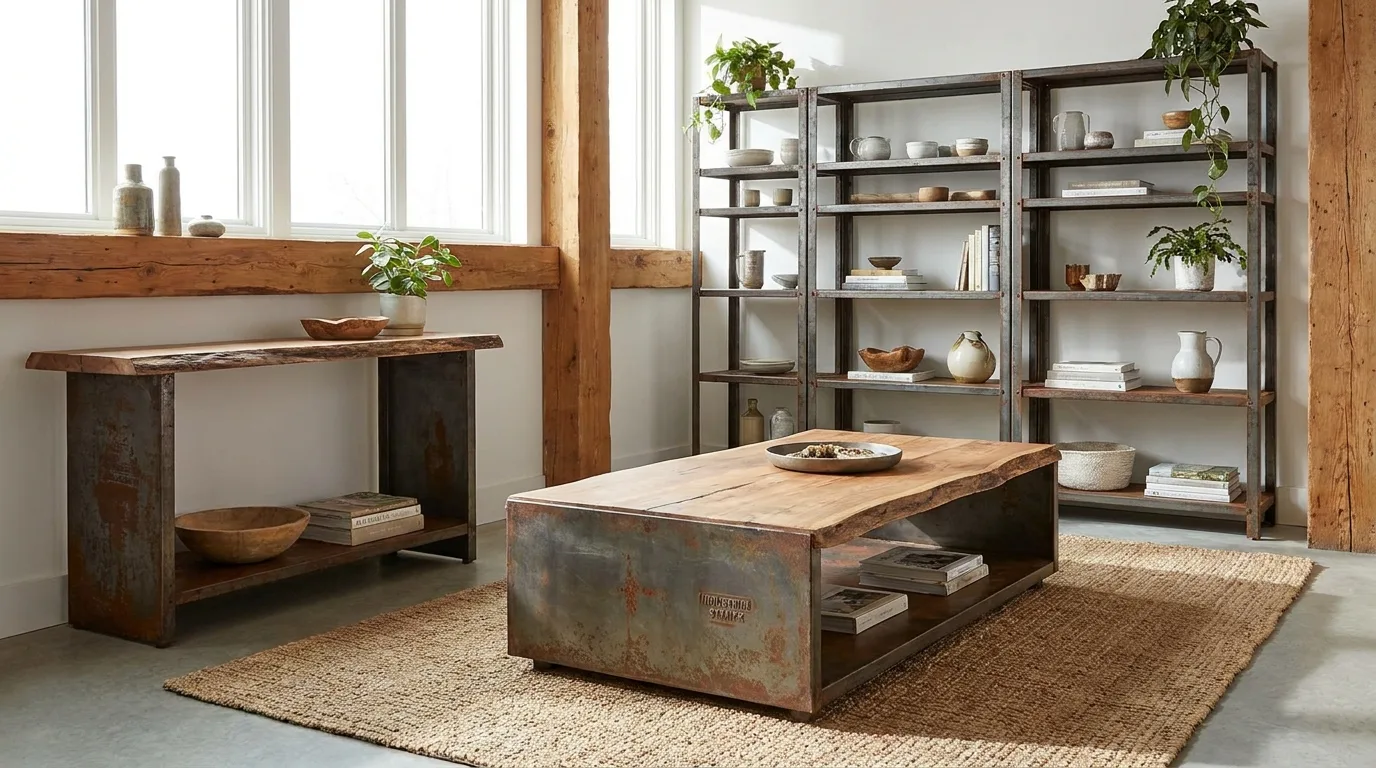
Furniture made from recycled metal is a durable and stylish option for sustainable homes. Reclaimed steel, aluminum, and iron can be transformed into tables, chairs, bed frames, and shelving without requiring large amounts of newly mined resources.
Recycled metal furniture works especially well in industrial, modern, and minimalist interiors. Black steel dining chairs, metal coffee tables, or sleek storage units provide strength and longevity while reducing waste. Because metal can be recycled repeatedly without losing quality, it is one of the most sustainable materials available. Pair recycled metal pieces with wood, linen, or natural textures to create balanced interiors that feel inviting rather than overly industrial.
4. Organic Cotton Upholstered Sofas
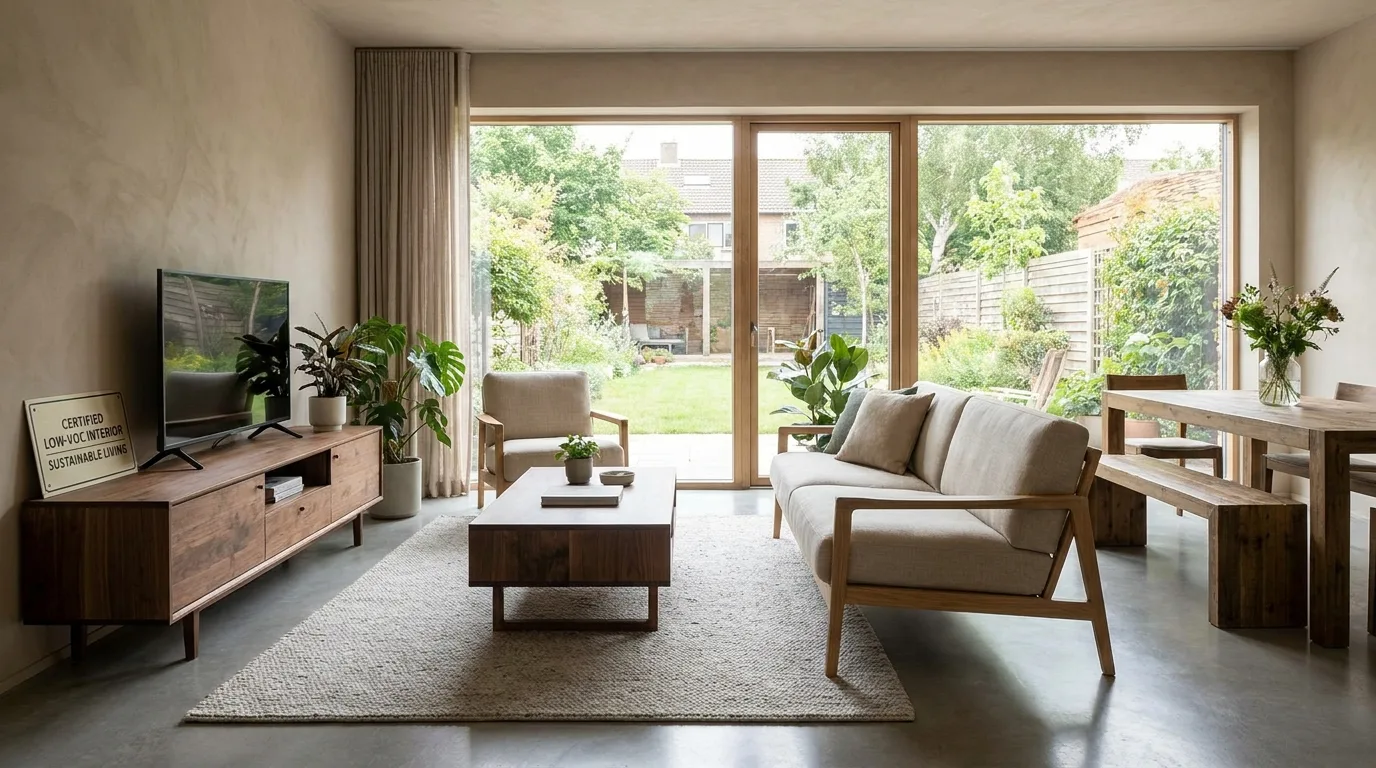
Traditional upholstery fabrics can involve harmful chemicals and resource-intensive production methods, but organic cotton offers a more environmentally friendly alternative. Sofas and chairs covered with certified organic cotton reduce exposure to pesticides and support healthier farming practices.
Organic cotton fabrics are soft, breathable, and available in many colors and textures. Neutral shades create timeless interiors, while textured weaves add depth and comfort. Choosing durable upholstery also means furniture lasts longer and requires fewer replacements over time. Combine organic cotton seating with natural wood accents and eco-friendly rugs to create cozy spaces that align with sustainable living principles.
5. FSC-Certified Wooden Furniture
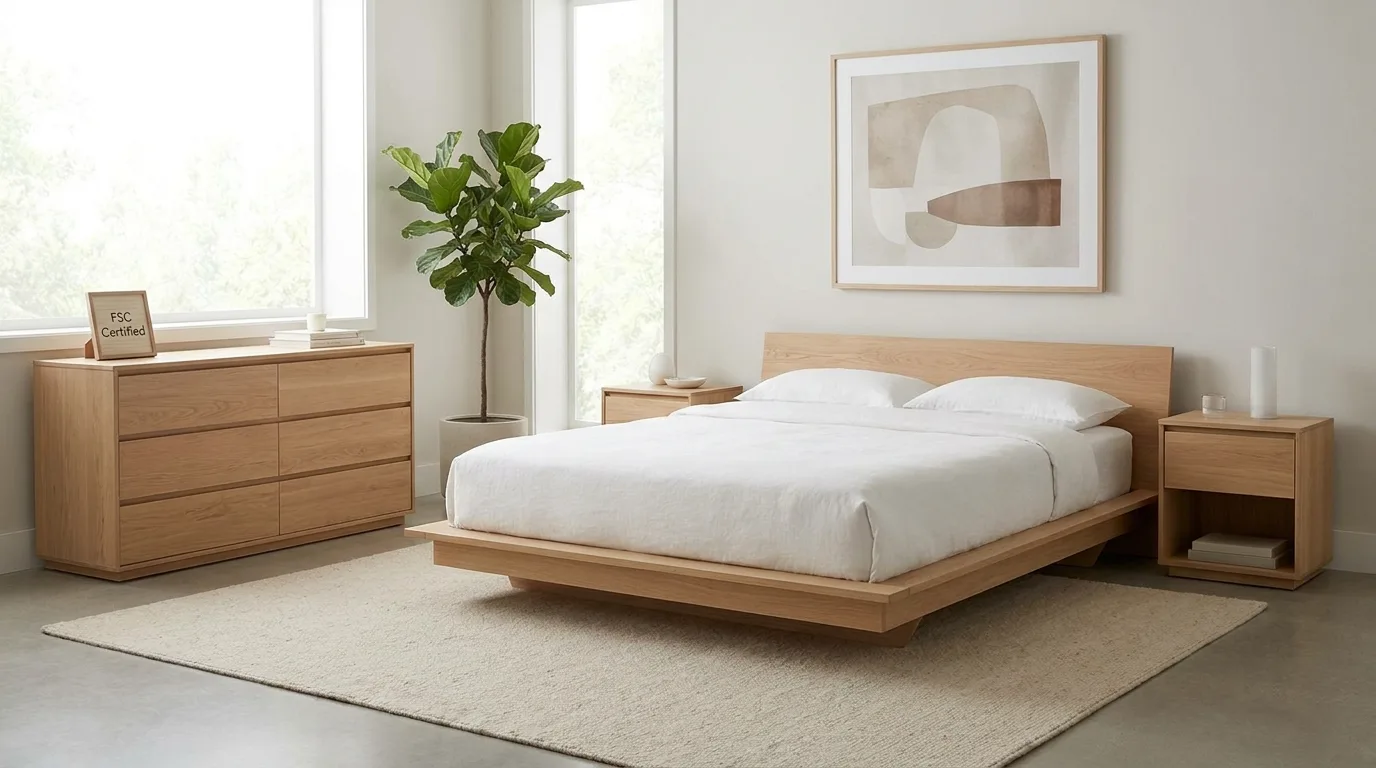
Furniture made with FSC-certified wood comes from responsibly managed forests that prioritize environmental protection and ethical practices. The Forest Stewardship Council certification ensures that trees are harvested in a sustainable way while preserving biodiversity and supporting local communities.
From bed frames and dining tables to bookshelves and desks, FSC-certified furniture provides a responsible alternative to products made from unsustainable timber sources. These pieces offer the same beauty and durability as traditional wood furniture while giving homeowners greater confidence about their environmental impact. Choosing certified furniture is a simple step that supports healthy forests for future generations.
6. Upcycled Vintage Furniture
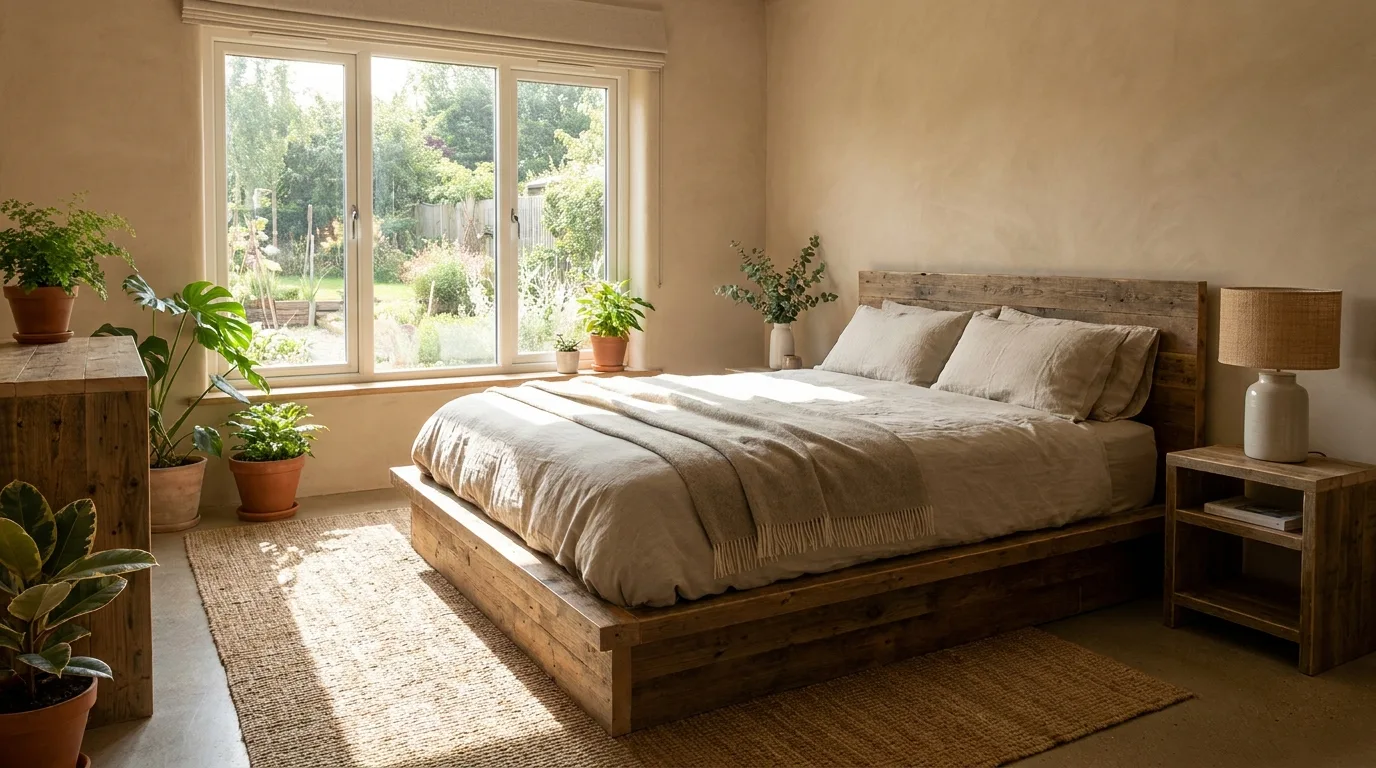
One of the most sustainable furniture choices is giving old pieces a new purpose. Upcycled vintage furniture reduces waste while adding charm and individuality to your home. An old dresser can become a bathroom vanity, or a vintage cabinet can transform into stylish storage.
Refinishing, repainting, or reupholstering furniture extends its life and prevents unnecessary disposal. Vintage pieces are often made from high-quality materials that stand the test of time. Mixing antique furniture with modern decor creates unique interiors filled with personality. Upcycling is also a creative way to personalize your home while supporting a circular economy.
7. Cork Furniture Pieces
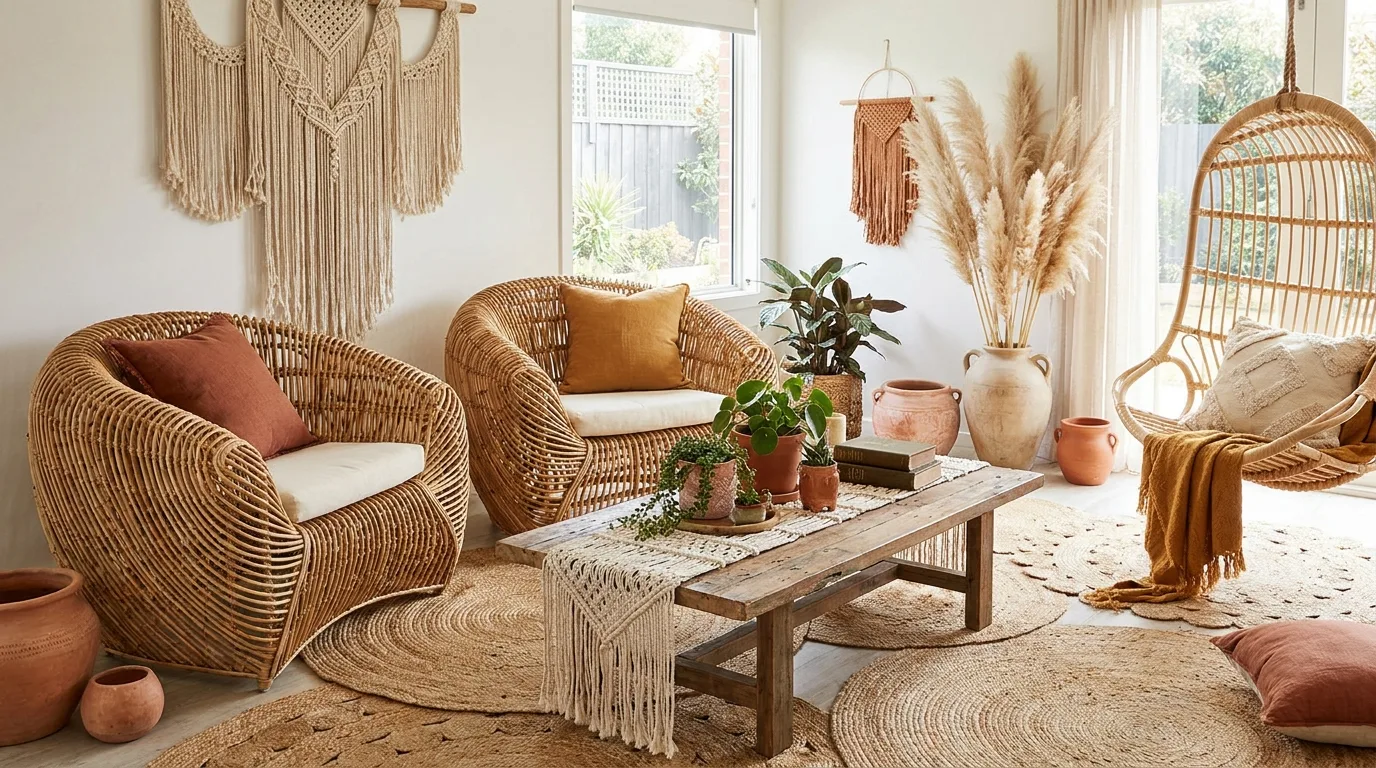
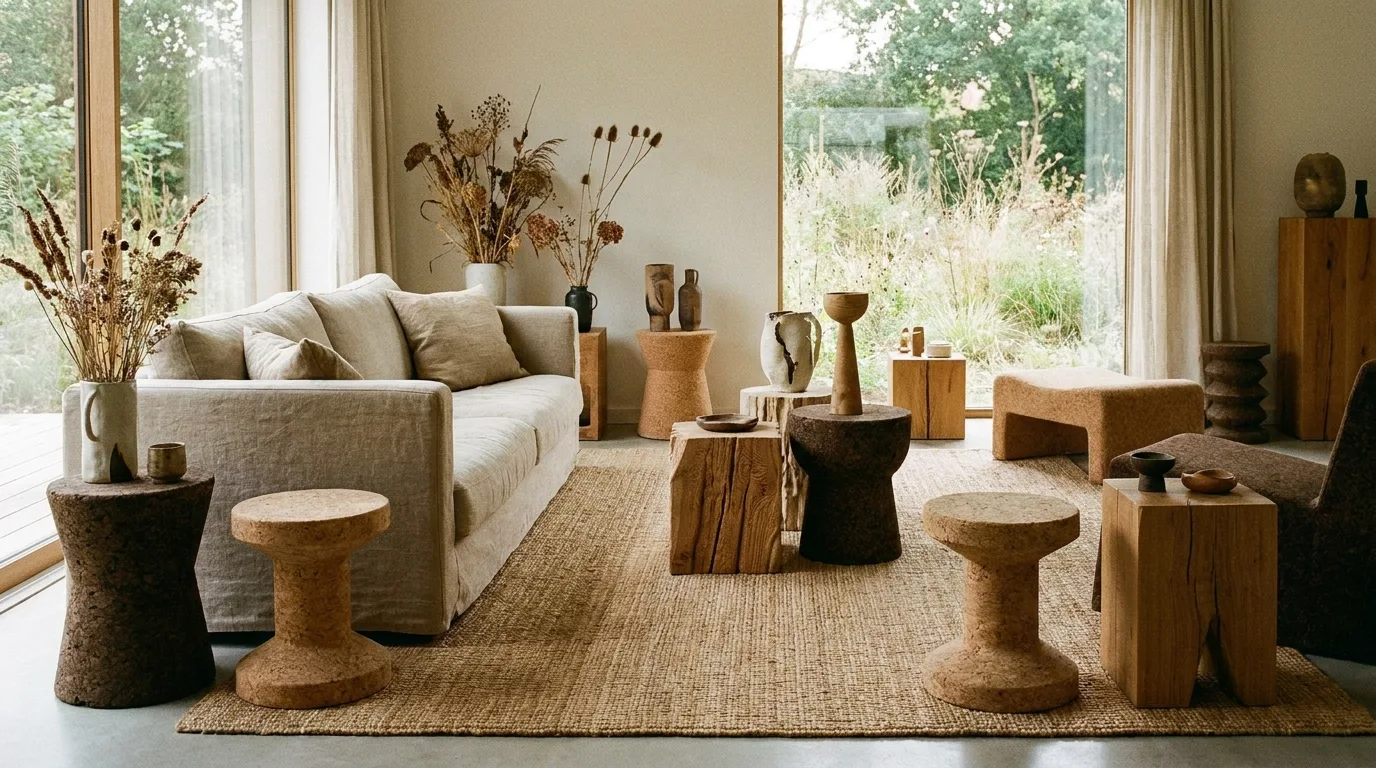
Cork is an innovative and renewable material that is increasingly used in eco-friendly furniture design. Harvested from the bark of cork oak trees without harming the tree itself, cork is lightweight, durable, and naturally textured.
Cork side tables, stools, benches, and decorative furniture add warmth and modern appeal to interiors. The material is resistant to moisture and naturally renewable, making it a practical choice for sustainable homes. Its soft, earthy appearance complements Scandinavian, minimalist, and contemporary styles. Cork furniture introduces organic textures while supporting environmentally responsible production.
8. Furniture Made from Recycled Plastic
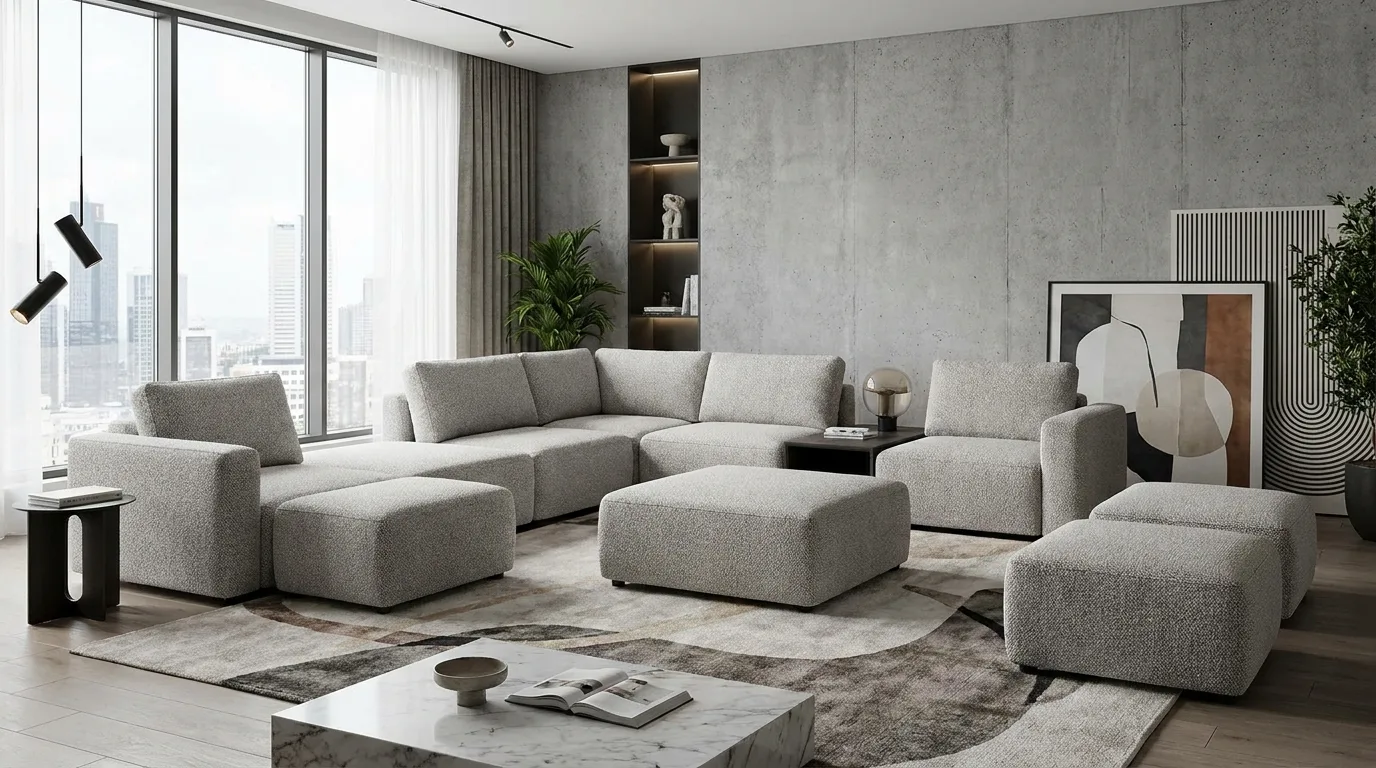
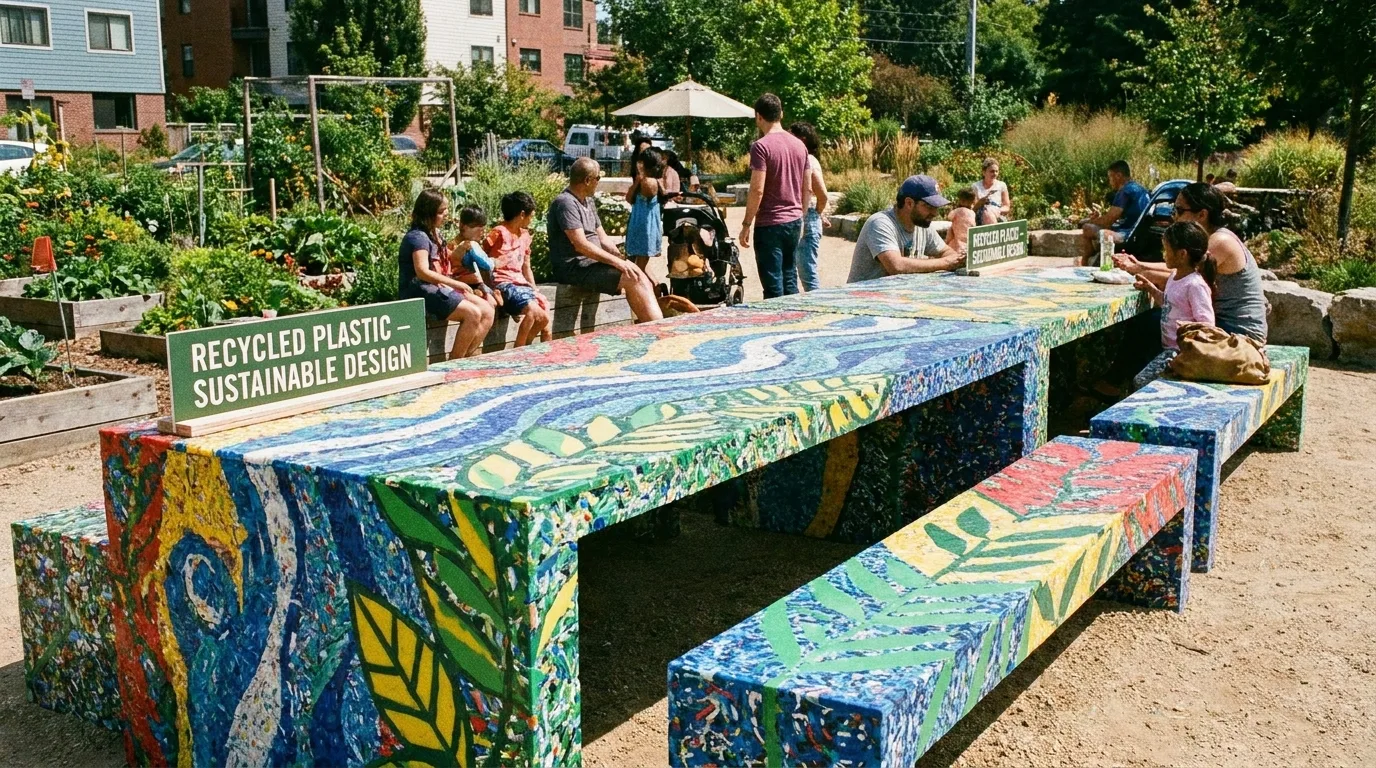
Innovative designers are turning recycled plastic waste into attractive furniture pieces for indoor and outdoor use. Chairs, tables, and storage items made from recycled plastics help divert materials from landfills and oceans while creating durable products.
Many recycled plastic furniture designs feature modern colors and sleek shapes, making them suitable for contemporary homes. Outdoor furniture made from recycled materials is especially practical because it resists weather, moisture, and fading. Supporting these products encourages creative recycling solutions while reducing demand for new raw materials.
9. Modular Furniture for Flexible Living
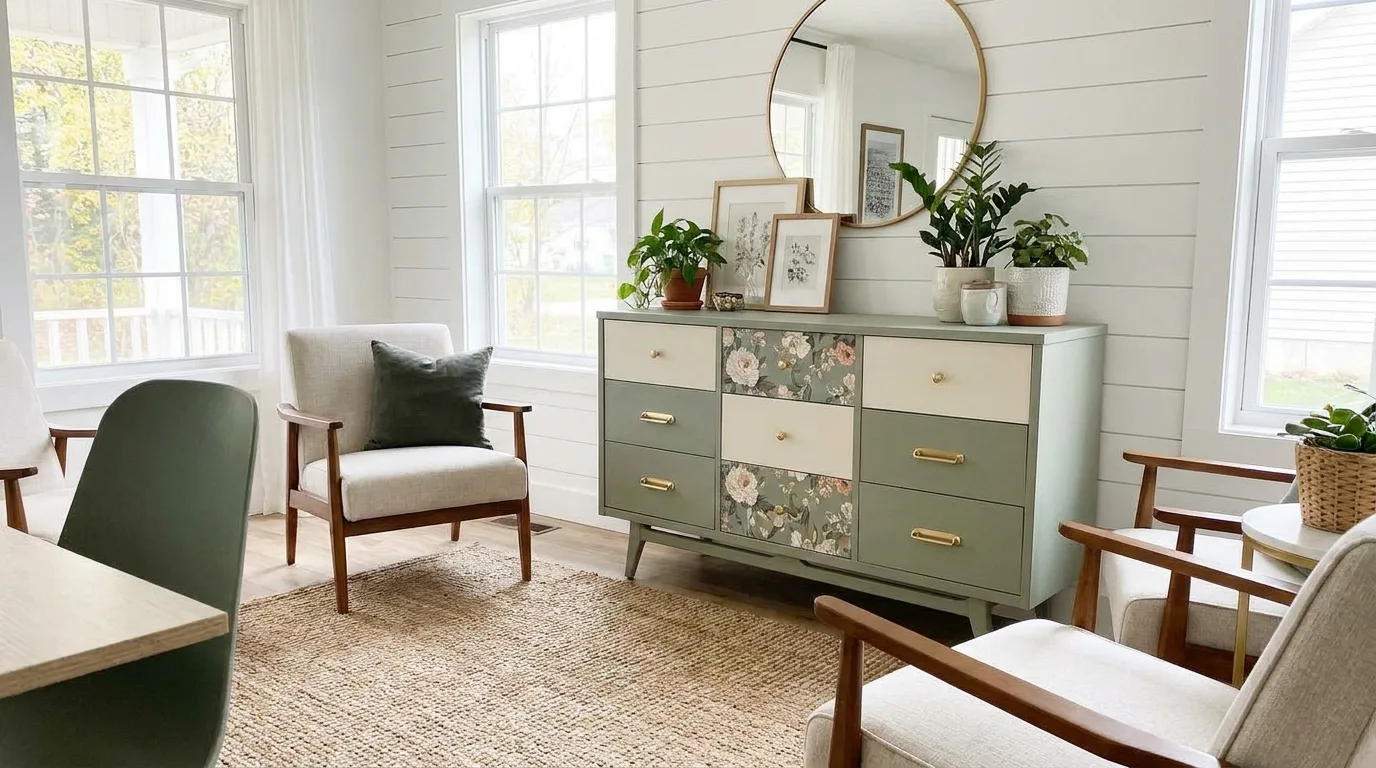
Modular furniture is a sustainable choice because it adapts to changing needs instead of being replaced. Sectional sofas, expandable shelving, and configurable storage systems allow homeowners to modify layouts as families grow or spaces evolve.
This flexibility extends the useful life of furniture and reduces unnecessary consumption. Modular designs are especially useful in apartments, small homes, and multifunctional spaces. Investing in adaptable furniture helps minimize waste while maximizing practicality. Simple, timeless modular pieces can remain useful for many years, supporting both sustainability and efficient living.
10. Natural Rattan Furniture
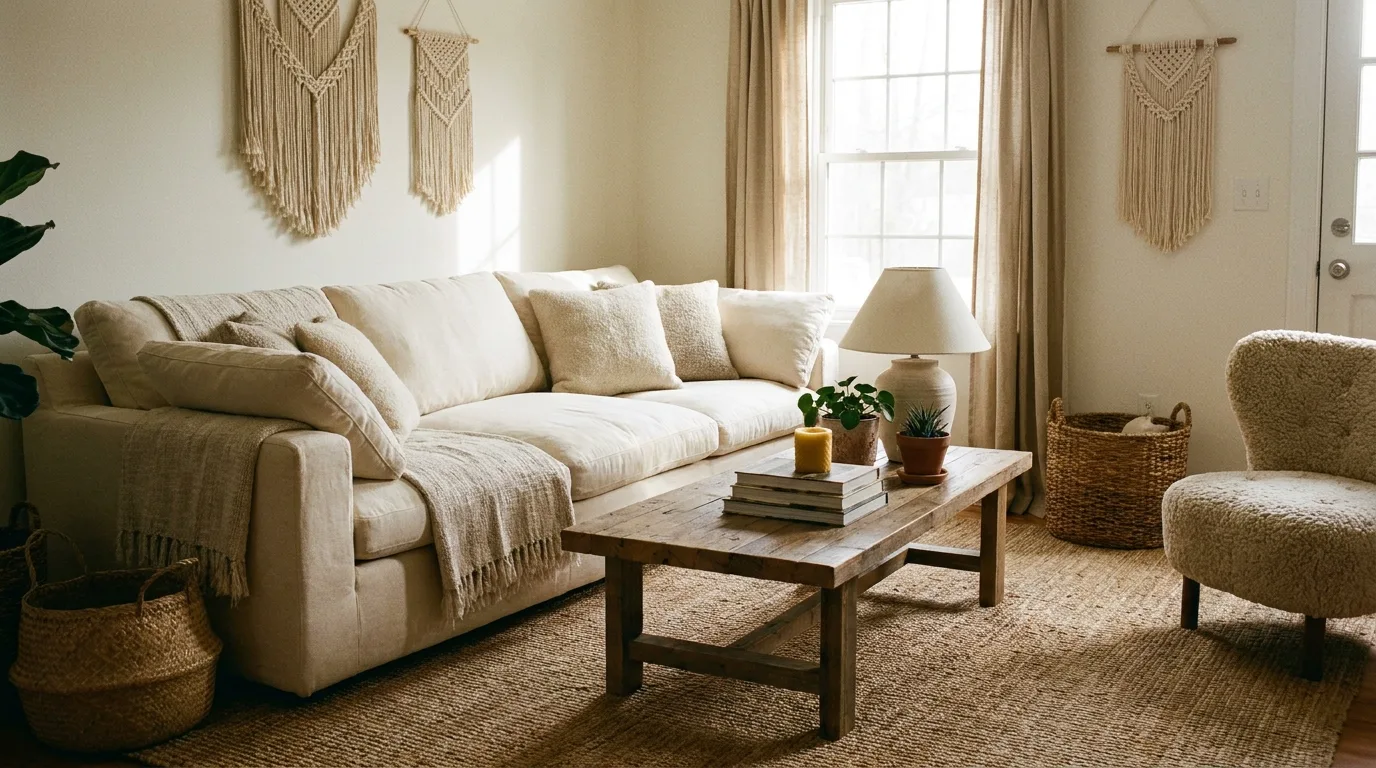
Rattan is a rapidly renewable material that brings texture and warmth into sustainable interiors. Used for chairs, headboards, storage baskets, and accent tables, rattan creates a relaxed and inviting atmosphere.
Because rattan grows quickly, it can be harvested more sustainably than many hardwoods. Handwoven designs often support skilled artisans and traditional craftsmanship. Rattan works beautifully in bohemian, coastal, and modern homes, adding visual interest without overwhelming a room. Pair it with linen fabrics, greenery, and neutral tones for a naturally stylish look.
11. Sustainably Made Bedroom Furniture
Eco-friendly bedroom furniture can include bed frames, nightstands, and dressers made from responsibly sourced wood or recycled materials. Choosing durable furniture reduces replacement frequency and supports long-term sustainability.
Look for pieces with low-VOC finishes to improve indoor air quality and create healthier sleeping environments. Simple designs with quality craftsmanship offer timeless appeal and adapt easily to changing decor styles. Sustainable bedroom furniture combines comfort, beauty, and environmental awareness, helping create restful spaces that align with green living goals.
12. Handmade Artisan Furniture
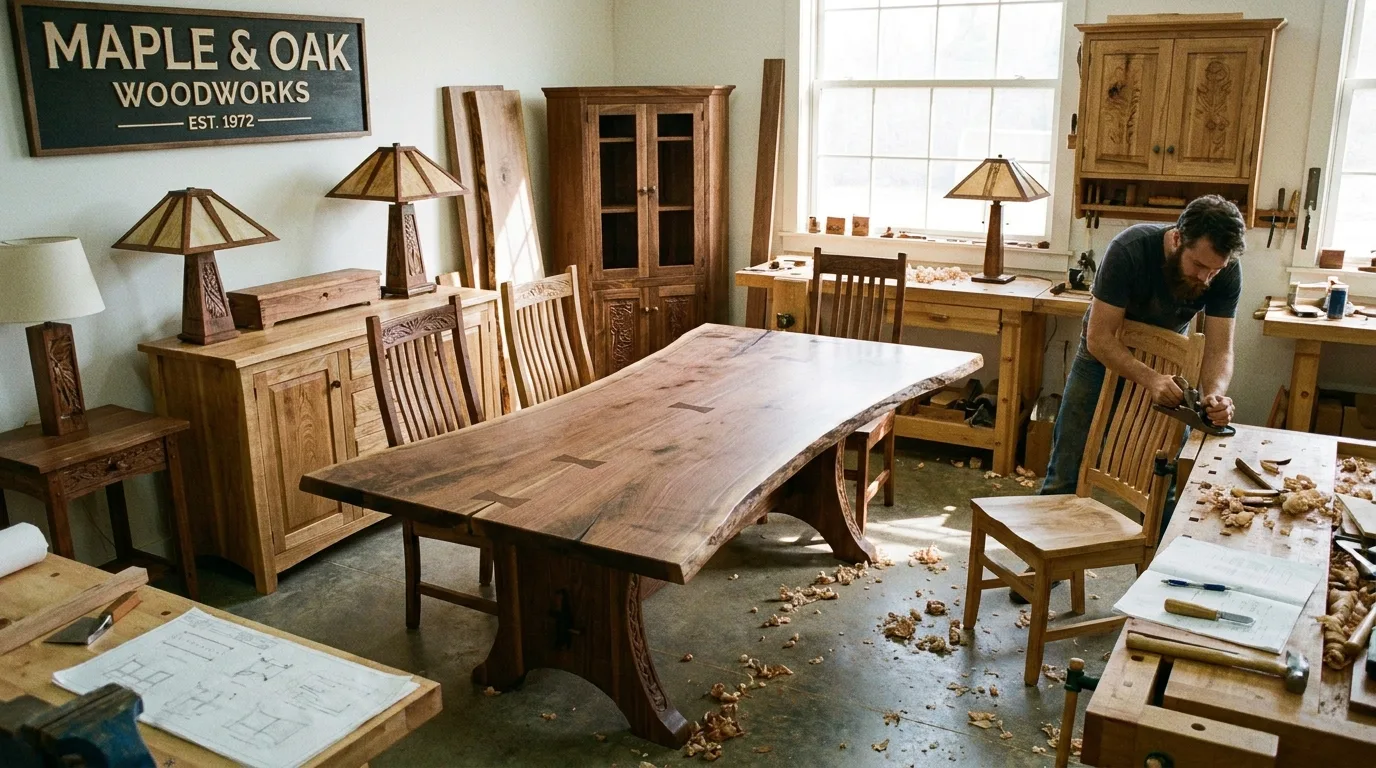
Handcrafted furniture often has a lower environmental impact than mass-produced alternatives because it is made in smaller quantities with careful attention to materials and quality. Supporting local artisans also reduces transportation emissions and strengthens communities.
Handmade tables, benches, cabinets, and chairs frequently feature traditional woodworking techniques and unique details. Because these pieces are built to last, they become long-term investments rather than disposable products. Artisan furniture adds character and authenticity while supporting ethical and sustainable practices.
13. Furniture with Low-VOC Finishes
Many conventional furniture products contain finishes that release volatile organic compounds, or VOCs, into the air. Choosing furniture with low-VOC paints, stains, and sealants creates healthier indoor environments while reducing harmful emissions.
This is particularly important for bedrooms, nurseries, and living spaces where families spend significant time. Many sustainable furniture brands now offer products with natural oils, water-based finishes, and environmentally conscious coatings. Low-VOC furniture combines style, safety, and sustainability for a healthier home.
14. Multipurpose Furniture Designs
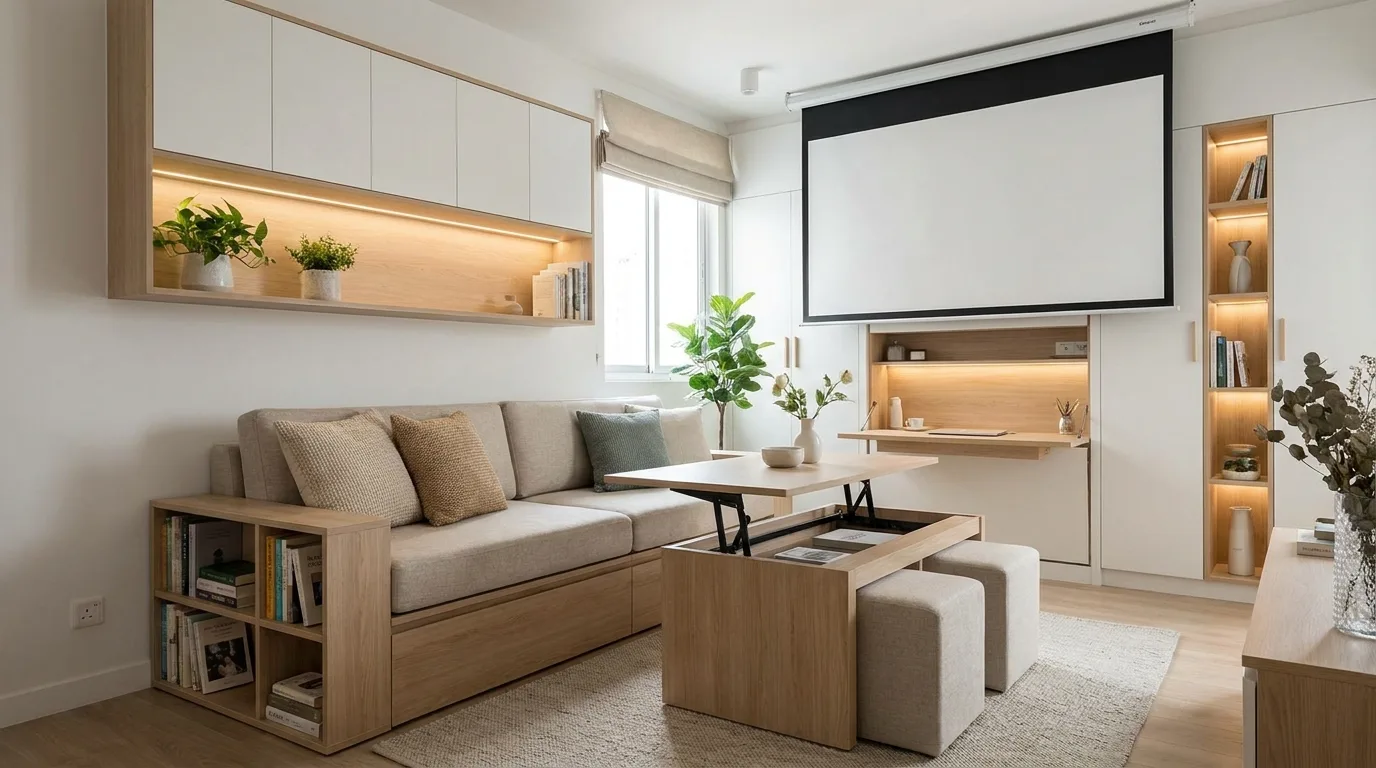
Furniture that serves more than one function reduces the number of items needed in a home. Storage ottomans, sofa beds, lift-top coffee tables, and benches with hidden compartments maximize efficiency while reducing consumption.
Multipurpose furniture is especially valuable in smaller spaces where every piece must work harder. Choosing practical designs reduces clutter and extends the usefulness of furniture over time. Functional pieces with timeless aesthetics offer a sustainable approach to decorating while making daily life easier.
15. Reclaimed Teak Outdoor Furniture
Outdoor furniture made from reclaimed teak combines durability with environmental responsibility. Teak is naturally resistant to moisture and weather, making it ideal for patios, decks, and gardens.
Using reclaimed teak reduces demand for newly harvested wood and gives old materials a second life. Weathered textures and natural tones create beautiful outdoor settings that feel both elegant and relaxed. Pair reclaimed teak furniture with potted plants, outdoor rugs, and solar lighting to create sustainable outdoor retreats.
16. Secondhand and Thrifted Furniture
Buying secondhand furniture is one of the simplest and most effective ways to create a sustainable home. Thrift stores, antique shops, flea markets, and online marketplaces often offer high-quality furniture at affordable prices.
Choosing pre-owned items reduces waste, conserves resources, and extends the life cycle of existing products. Older furniture is frequently crafted from solid materials that outperform many modern alternatives. Mixing thrifted finds with new pieces creates unique interiors filled with personality. A carefully selected secondhand item can become a treasured focal point while supporting environmentally responsible living.
Eco-friendly furniture proves that sustainable choices do not require sacrificing style, comfort, or functionality. By selecting responsibly sourced materials, investing in durable designs, and giving existing pieces new life, homeowners can create beautiful spaces with a smaller environmental footprint. Every thoughtful furniture decision contributes to a healthier home and a more sustainable future.