

Buying a refrigerator is a major household expense, and it is not always the most practical choice for every family. Renting a refrigerator can provide a flexible alternative, especially for people who are moving, living temporarily in a home, managing a limited budget, or simply want to avoid the responsibilities that come with ownership. Instead of paying a large amount upfront, renters can use a suitable refrigerator for a predictable monthly cost and potentially replace or return it when their circumstances change. Refrigerator rental services may also include maintenance or repair support, depending on the provider and agreement. From easier budgeting to greater flexibility, there are several reasons why this option can make sense. The following benefits explain what to consider before choosing a refrigerator rental for your home and how renting can fit different household needs.
1. Lower Upfront Cost
One of the biggest benefits of renting a refrigerator is avoiding the large upfront payment associated with buying a new appliance. A quality refrigerator can represent a significant household expense, particularly when you need a larger model with features such as frost-free cooling, multiple compartments, inverter technology, or smart controls. With a rental arrangement, you generally pay a smaller initial amount followed by regular monthly payments. This can make it easier to manage your household budget while still getting access to a reliable appliance. The money you do not spend on a refrigerator immediately can remain available for groceries, moving expenses, furniture, utilities, or unexpected household costs. For families trying to spread expenses over time, renting can provide useful financial flexibility.

2. Predictable Monthly Expenses
Renting can make appliance costs easier to plan because the payment is usually structured around a regular rental fee. Instead of making a large one-time purchase, you can incorporate the refrigerator payment into your monthly household budget. Predictable expenses can be particularly helpful for renters, students, young families, and people who prefer keeping larger purchases off their immediate expense list. Before signing an agreement, carefully check what the monthly fee includes and whether there are delivery charges, deposits, maintenance costs, late fees, or other additional expenses. A clear understanding of the complete rental cost helps you compare providers accurately. When the terms are transparent, a fixed monthly payment can make household financial planning more straightforward.

3. Access to a Better Refrigerator
Renting may allow a household to use a refrigerator that would be difficult to purchase outright within its current budget. For example, someone who needs a large-capacity refrigerator for a growing family might prefer renting a higher-capacity model rather than buying a smaller appliance simply because it costs less. Rental providers may offer different sizes, brands, configurations, and feature levels. This gives you an opportunity to choose an appliance based on your actual household requirements instead of only focusing on the purchase price. Features such as adjustable shelves, separate vegetable compartments, frost-free operation, efficient cooling, and flexible storage can make everyday food organization much easier. Always compare the exact model and specifications before deciding.

4. Greater Flexibility for Temporary Homes
A refrigerator rental can be especially practical when you are living somewhere temporarily. People who are renting a home for a limited period, staying in accommodation between moves, or working away from their permanent residence may not want to purchase and transport a large appliance. Renting allows you to have a refrigerator during the period when you actually need one without making a long-term ownership commitment. This flexibility can simplify temporary living arrangements and reduce the number of large household items you need to move later. Before renting, check the minimum contract period and return conditions. A short-term rental only provides a meaningful advantage if the agreement matches the length and flexibility of your housing situation.

5. Easier Moving and Relocation
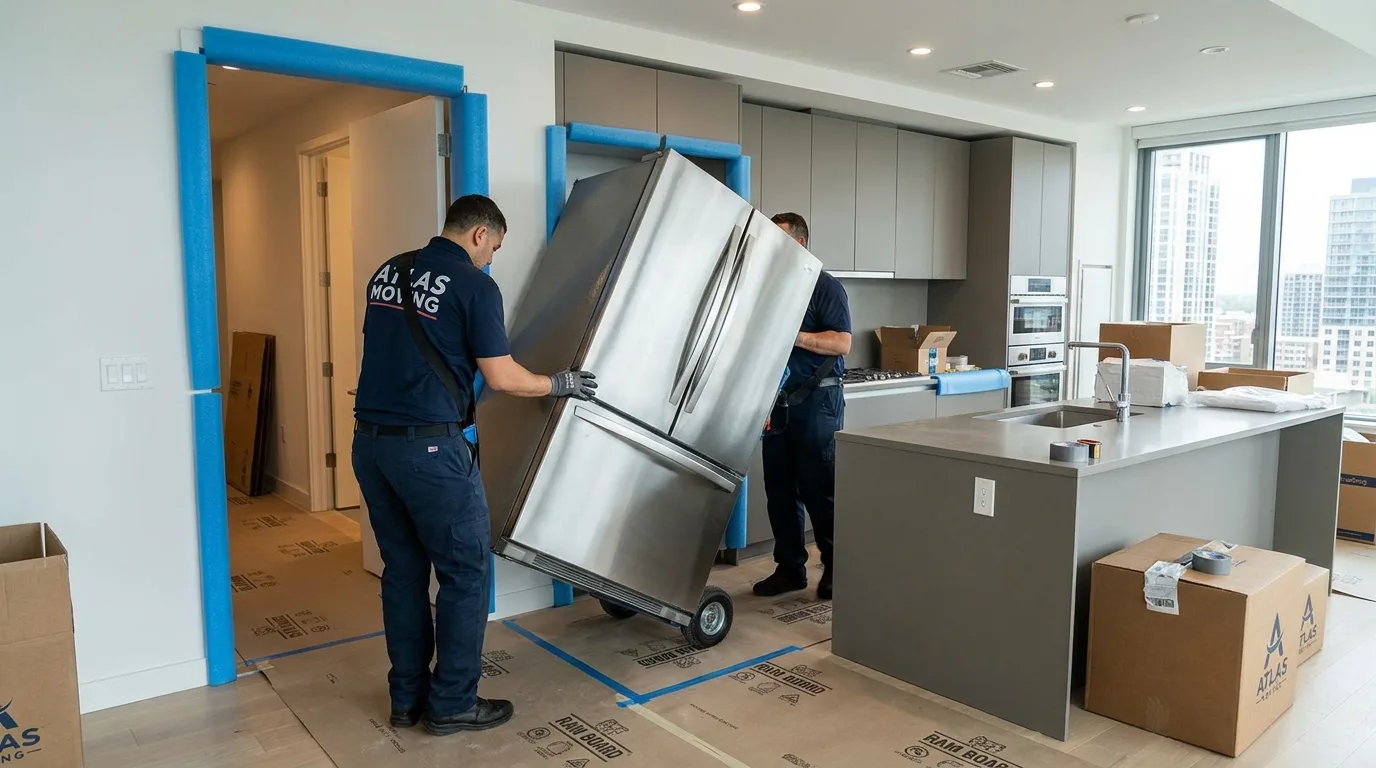
Moving a refrigerator can be difficult because the appliance is heavy, bulky, and requires careful transportation. When you own one, relocating may involve arranging suitable transport, protecting the appliance, coordinating lifting, and ensuring it is installed correctly at the new property. Depending on the rental company, renting can reduce some of these logistical responsibilities. You may be able to return the refrigerator when your rental period ends and arrange another appliance at a new location. This can be useful for people who relocate frequently for work, education, or family circumstances. However, always confirm whether the provider serves your new area and whether relocation involves additional delivery or collection charges.

6. Maintenance Support May Be Included
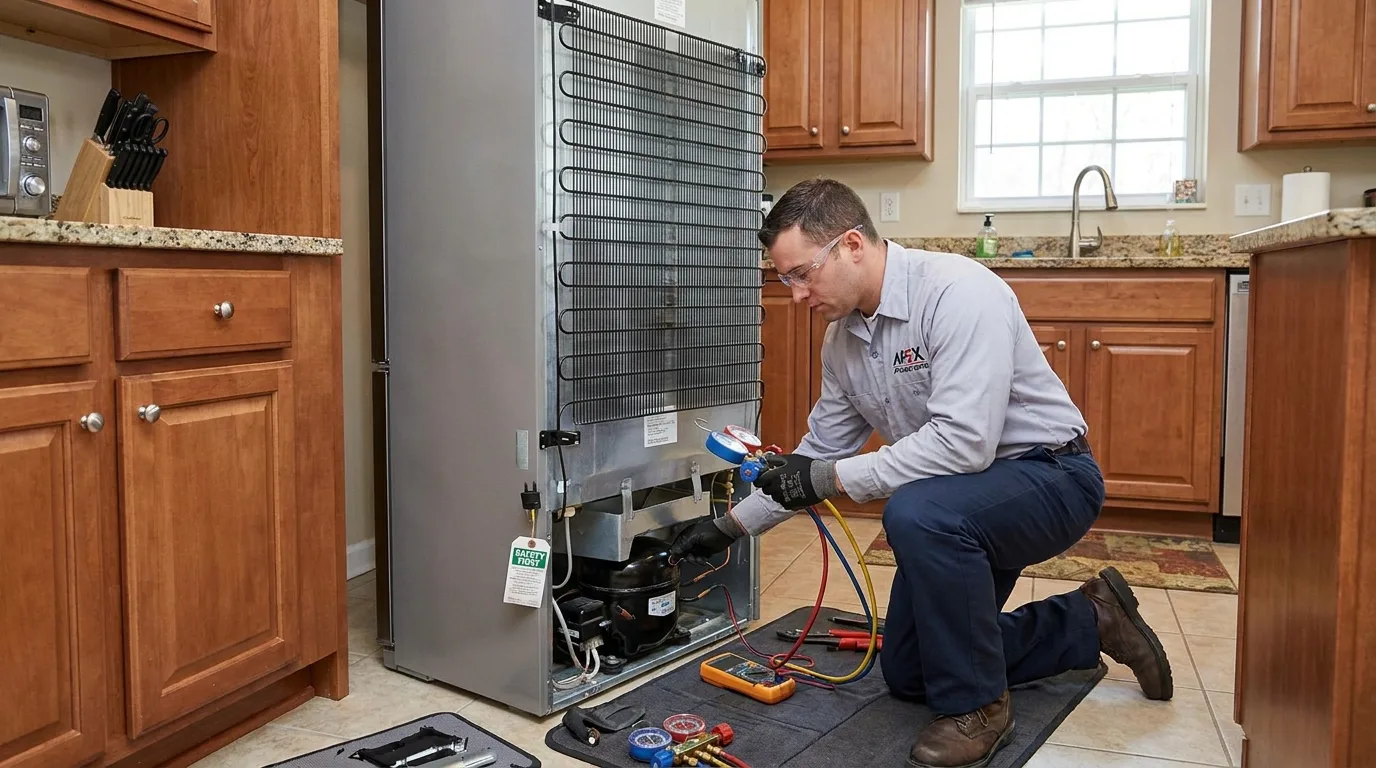
Another potential advantage is access to maintenance or repair support. Some refrigerator rental agreements include servicing for covered mechanical or electrical problems, although the exact coverage varies by provider. This can reduce the inconvenience of finding an appliance technician when something goes wrong. A refrigerator is an essential household appliance, so prolonged downtime can quickly become frustrating and potentially lead to food spoilage. Before signing a contract, read the maintenance terms carefully. Find out which parts and problems are covered, how service requests are submitted, whether there is a response-time commitment, and which types of damage are excluded. A rental with dependable support can provide more convenience than an agreement with limited after-sales assistance.
7. Less Concern About Major Repair Bills
Unexpected refrigerator repairs can be expensive, particularly when a major component such as a compressor, control board, fan, or cooling system develops a fault. Depending on the rental agreement, covered repairs may be handled by the provider rather than paid directly by the household. This can make appliance ownership costs easier to anticipate because you are less exposed to certain unexpected repair expenses. However, renters should never assume that every problem is automatically covered. Damage caused by misuse, accidents, voltage issues, unauthorized repairs, or other exclusions may still be the renter’s responsibility. Carefully reviewing the service and damage clauses will help you understand exactly what financial protection the rental arrangement provides.

8. Convenient Appliance Replacement
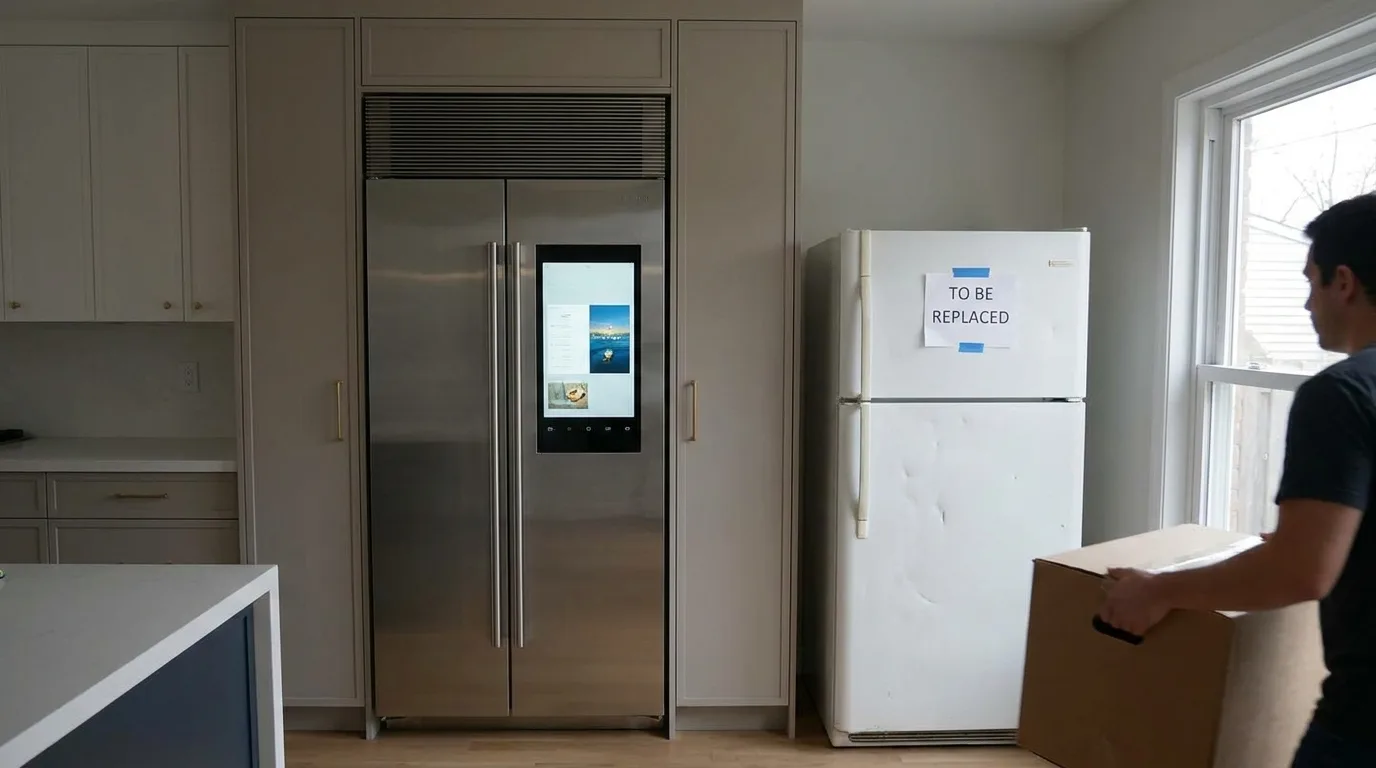
Refrigerators eventually become outdated or develop problems that make continued use inconvenient. A rental arrangement can make replacement simpler if the provider offers upgrade or exchange options. Instead of selling an old refrigerator, arranging transportation, and searching for another appliance yourself, you may be able to return the current unit and select another eligible model. This can be particularly useful for households whose needs change over time. For example, a couple may initially need a compact refrigerator but later require substantially more storage after their family grows. Check whether replacement is included in the contract, available only after a certain period, or subject to additional fees. The flexibility depends heavily on the rental company’s terms.

9. Useful for Students and Young Professionals
Students and young professionals often live in apartments, shared homes, hostels, or other temporary accommodations where long-term appliance ownership may not be convenient. Renting a refrigerator can provide access to essential cold storage without requiring a large purchase shortly after moving. This can be especially helpful when someone expects to change homes within a year or two. A rental can also reduce the amount of furniture and appliances that need to be purchased at the beginning of a new living arrangement. Smaller households may not need a premium refrigerator either, making a basic rental model sufficient. Before committing, compare the total rental cost with the expected length of your stay and check whether the provider allows early returns.

10. Helpful During Home Renovations
Renovating a kitchen can temporarily make your normal refrigerator setup difficult or impossible. Cabinets may be removed, electrical work may be underway, or the existing appliance may need to be stored elsewhere while construction takes place. Renting a refrigerator can provide a temporary solution during this transition. A compact or standard model can be positioned in another suitable room, garage, utility area, or temporary kitchen, provided the location has appropriate ventilation and electrical access. This can help a household continue storing fresh food while the main kitchen is being remodeled. Once the renovation is complete, the rented appliance can be returned. Always ensure that the temporary placement follows the manufacturer’s ventilation and electrical requirements.
11. A Practical Option for Growing Families
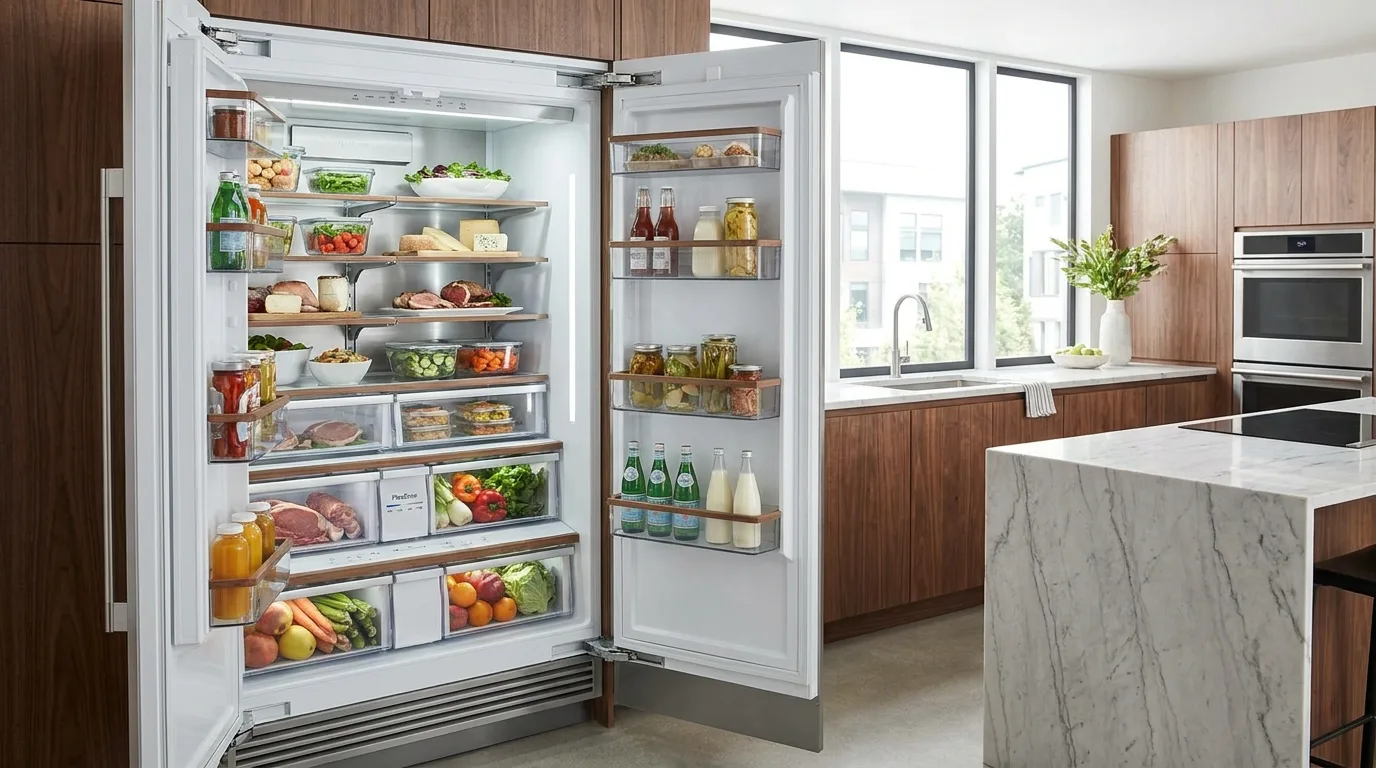
Household storage needs can change quickly when a family grows. More children often means more milk, vegetables, fruit, prepared meals, drinks, snacks, and other refrigerated foods. Renting can allow a family to increase refrigerator capacity without immediately committing to an expensive long-term purchase. If storage needs later change again, the household may have the opportunity to move to a different rental model, depending on the provider’s options. This makes renting worth considering when your current needs are likely to change. Look beyond advertised capacity and examine the internal layout, because two refrigerators with similar external dimensions can provide very different usable storage. Adjustable shelves and well-designed compartments can make a meaningful difference.
12. More Freedom to Change Models
Technology and refrigerator designs continue to evolve, with newer models offering different approaches to storage, energy management, cooling, and convenience. Renting can provide more freedom to change appliances when your preferences or household requirements change. Rather than remaining committed to one refrigerator for many years, you may have a contractual path toward changing models at an appropriate point. This can be useful for people who prefer flexibility over long-term ownership. However, frequent upgrades may increase the overall amount you spend, so it is important to evaluate the financial side rather than treating every new model as necessary. Compare the rental agreement’s upgrade conditions, fees, and minimum term before making a decision.

13. No Need to Sell an Old Appliance
When you own a refrigerator and decide to replace it, getting rid of the old appliance can become a project of its own. You may need to advertise it, negotiate with buyers, arrange transportation, or find an appropriate recycling or disposal service. Renting can reduce this responsibility because the provider typically retains ownership of the appliance and establishes the return process. This can be particularly convenient when you live in an apartment or have limited space for storing an unwanted refrigerator. Before signing the contract, understand the collection process and your responsibilities at the end of the rental period. Ask whether pickup is included and whether the appliance must be returned in a specific condition.
14. Suitable for Testing Before Buying
Some people know what type of refrigerator they want but are uncertain about the size, layout, or features that will work best in their kitchen. Renting can potentially provide an opportunity to experience a particular type of appliance before making a permanent purchase, although this depends on the rental provider and agreement. Living with a refrigerator every day can reveal practical details that are easy to overlook in a showroom, such as shelf height, door clearance, freezer organization, noise level, and usable storage. If you are considering renting for this reason, check whether the contract permits a reasonable trial period or later purchase option. Avoid assuming that a rental automatically converts into ownership unless the agreement explicitly states so.

15. Convenient for Different Household Situations
Perhaps the broadest benefit of refrigerator rental is that it can adapt to different stages of life. A rental may suit someone furnishing a first apartment, a family waiting for a kitchen renovation, a tenant living in a temporary property, or a household that wants to avoid a large immediate purchase. The important factor is matching the rental agreement to your circumstances. Consider the refrigerator’s capacity, energy use, condition, monthly price, contract duration, maintenance coverage, deposit, delivery arrangements, and return policy. Renting is not automatically cheaper than buying over the long term, particularly if you keep the appliance for many years. Its value often comes from flexibility, convenience, and reduced upfront commitment.

What to Check Before Renting a Refrigerator
Before signing a refrigerator rental agreement, compare more than the advertised monthly price. Confirm the total cost over the full contract period and identify any deposit, delivery, installation, service, replacement, early-termination, or collection fees. Check the refrigerator’s exact model, capacity, condition, energy requirements, warranty or service coverage, and expected maintenance process. Make sure the appliance fits through your doors and into the intended kitchen space, including enough clearance for ventilation and door movement. It is also worth asking what happens if the refrigerator develops a serious fault and how quickly a replacement can be provided. Reading the agreement carefully can prevent misunderstandings and help you decide whether renting fits your household needs.
Conclusion
Renting a refrigerator can offer practical advantages for households that value lower upfront costs, predictable payments, flexibility, maintenance support, and easier appliance changes. It can be particularly useful during temporary living arrangements, relocations, renovations, or periods when household needs are changing. At the same time, renting is a financial commitment, so the total cost and contract conditions deserve careful attention. Compare several options, understand what is included, and choose a refrigerator that matches your available space and actual storage requirements. When the agreement is transparent and suited to your circumstances, refrigerator rental can provide a convenient way to keep essential food storage available without immediately taking on full appliance ownership.