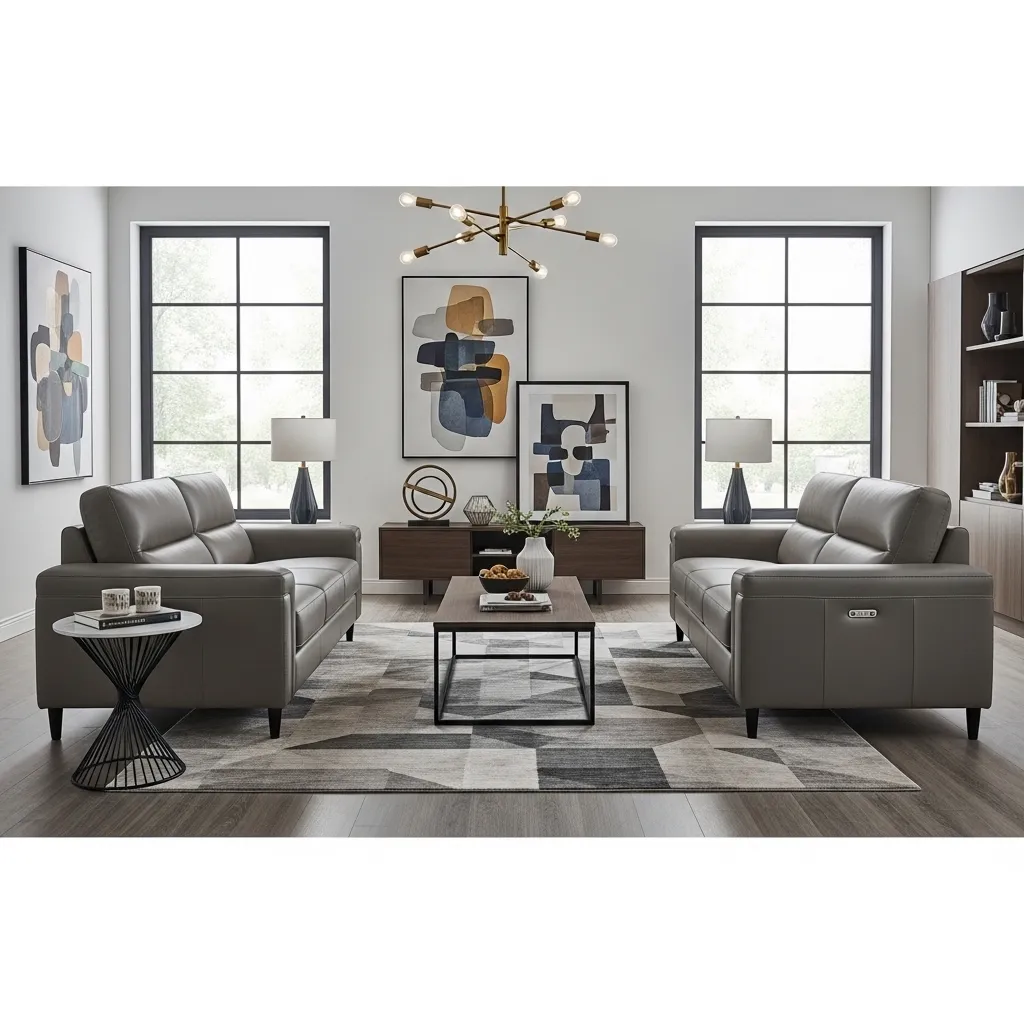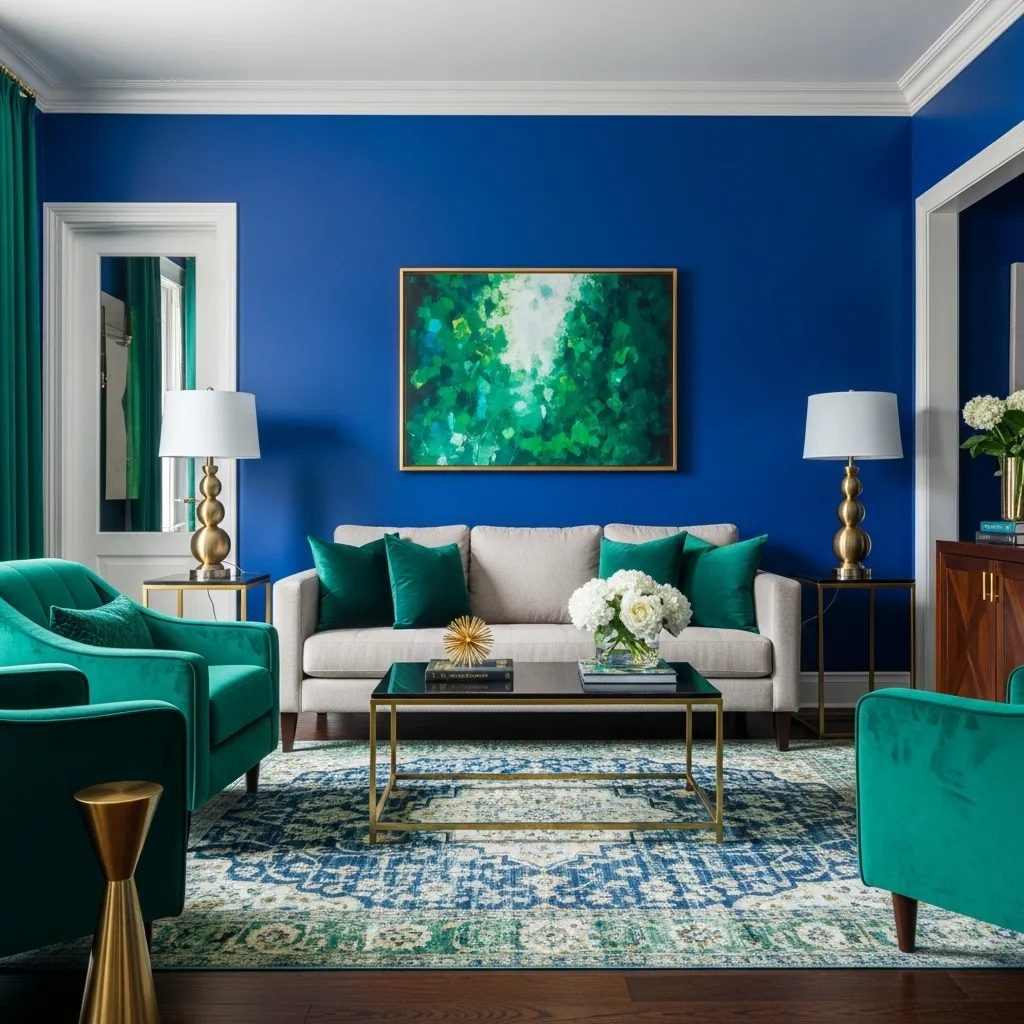
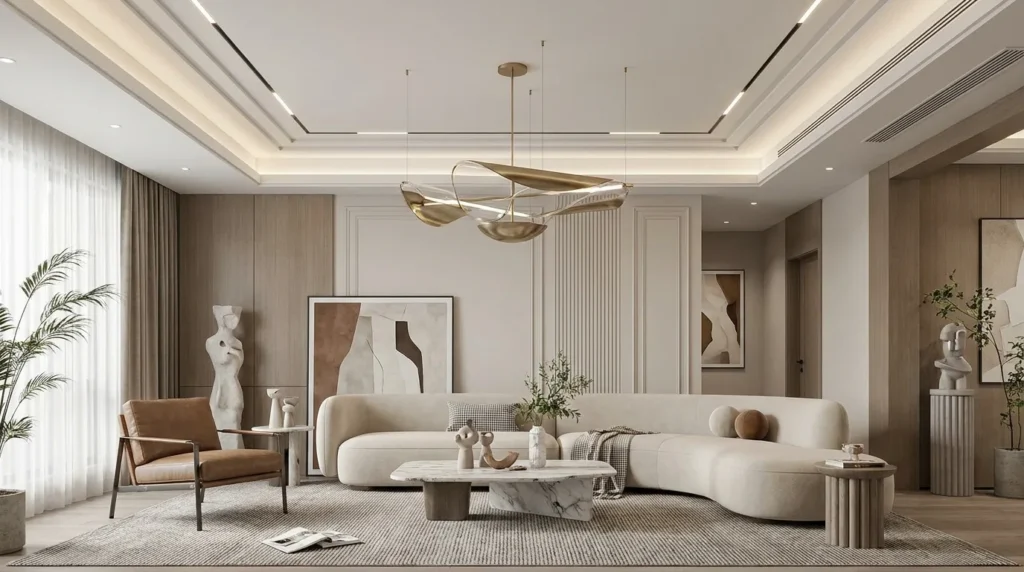
A well-designed false ceiling can completely transform a living room by adding architectural interest, improving lighting, and creating a more polished atmosphere. Whether your space is compact and modern or spacious and traditional, the right ceiling design can make the room feel more balanced and intentional. From simple gypsum borders to layered geometric ceilings with concealed LED strips, there are plenty of options to suit different styles and budgets. The key is choosing a design that works with your room’s height, furniture arrangement, natural light, and overall decor. If you are planning a renovation or simply looking for living room ceiling inspiration, these 15 false ceiling designs offer practical ideas you can adapt to your own space.
1. Simple Gypsum Border False Ceiling
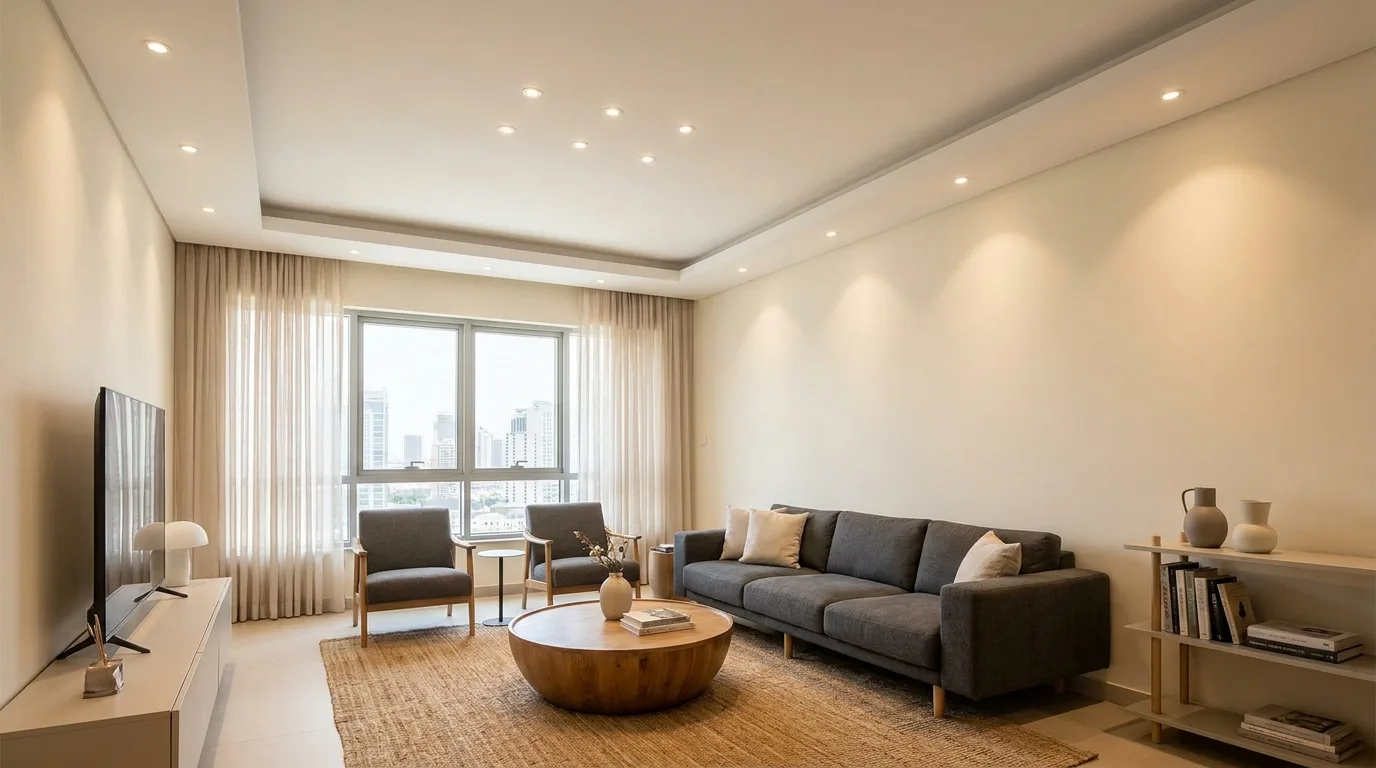
A simple gypsum border is one of the most versatile false ceiling designs for a living room. Instead of covering the entire ceiling, a narrow dropped border is installed around the perimeter, leaving the central portion open. This creates a clean architectural frame without making the room feel visually heavy. Recessed spotlights can be placed inside the border, while concealed LED lighting can add a soft glow around its inner edge. This design works particularly well in contemporary apartments where you want a sophisticated ceiling without sacrificing too much height. Keep the profile relatively slim and choose a ceiling color that complements the walls. The result is understated, elegant, and easy to coordinate with modern sofas, wooden furniture, neutral rugs, and minimalist decor.
2. Modern Tray Ceiling With LED Lighting
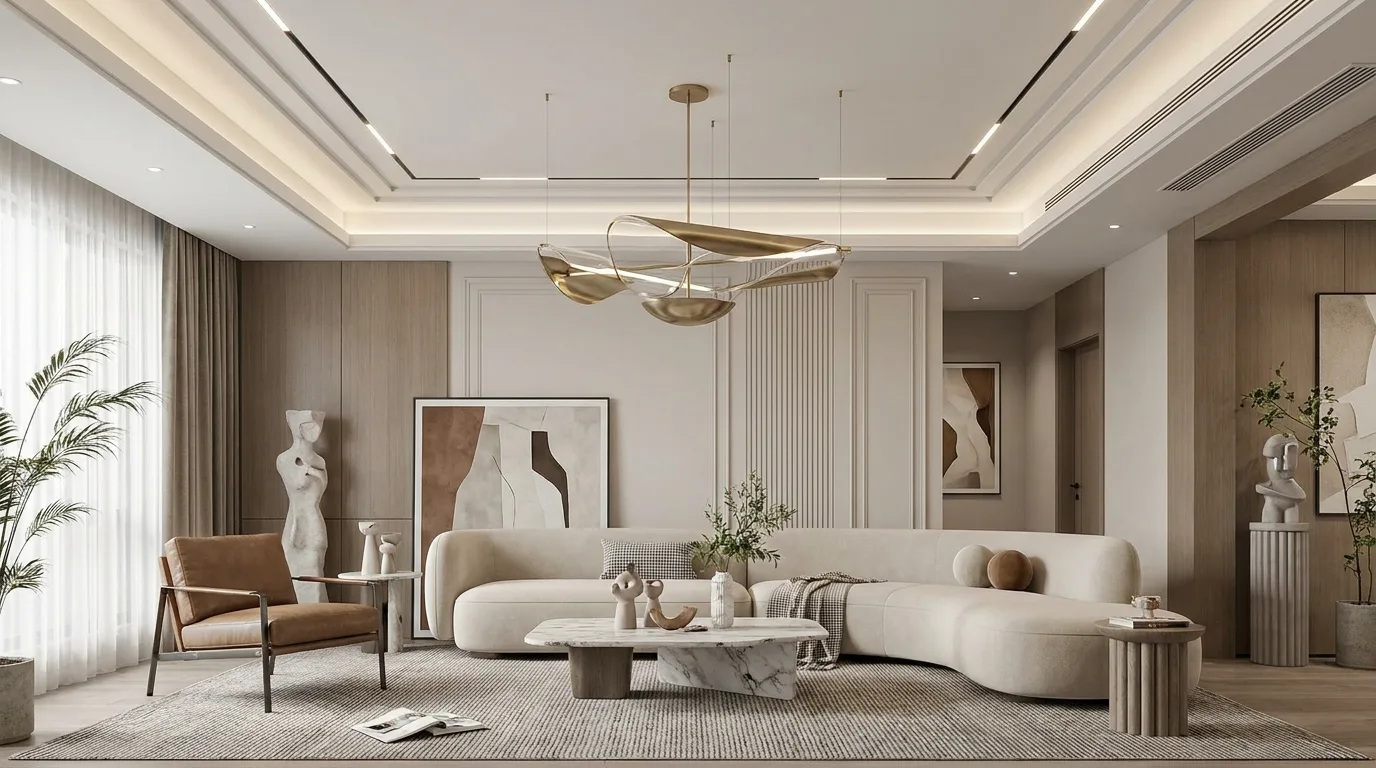
A tray ceiling creates a recessed center surrounded by a raised or dropped perimeter, giving the living room a sense of depth. It is especially effective in medium-to-large rooms where there is enough ceiling area for the layered effect to be visible. Add warm LED strip lighting around the recessed section to create indirect illumination that feels comfortable in the evening. You can keep the center plain white or introduce a subtle contrasting shade for additional definition. When planning this design, make sure the tray is proportionate to the room rather than excessively deep. A carefully scaled tray ceiling can make a standard living room look more architectural while still maintaining a relaxed, contemporary appearance.
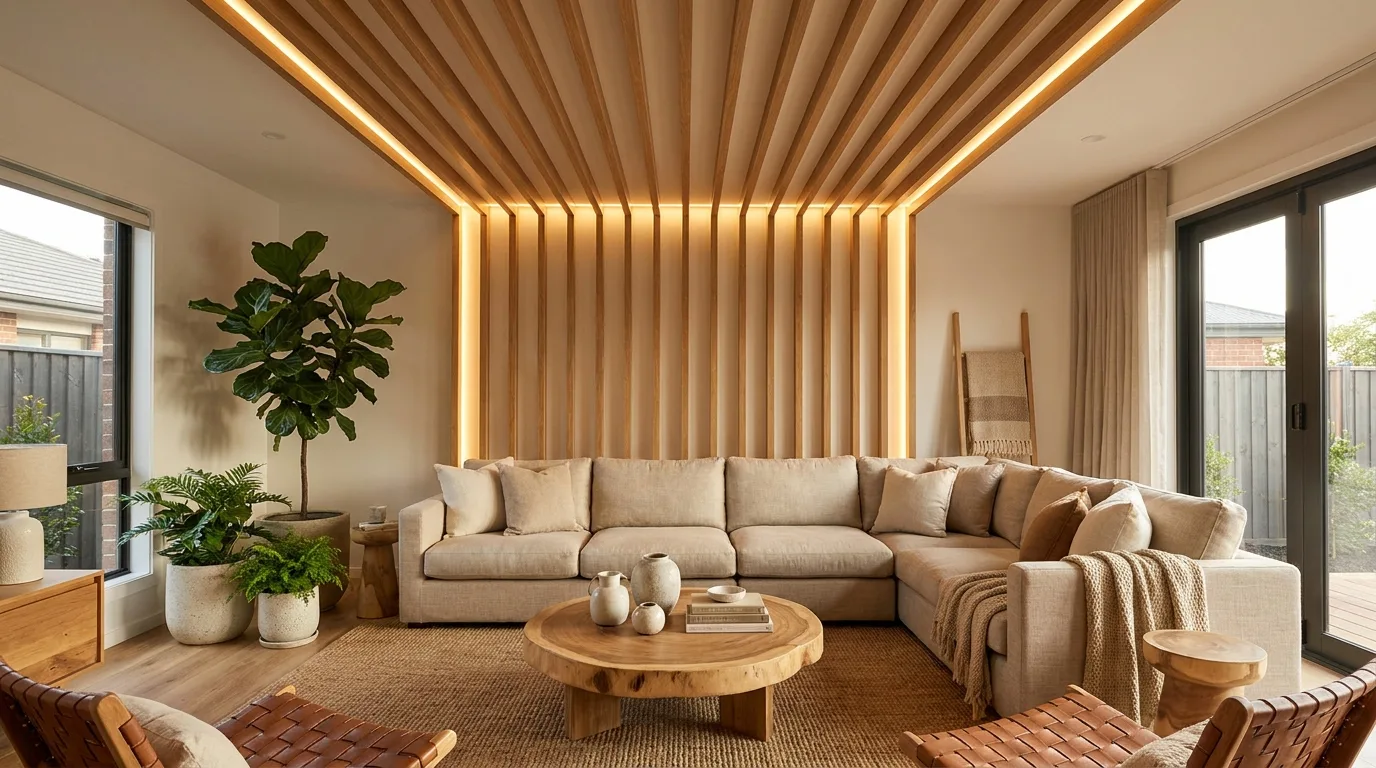
3. Wooden Accent False Ceiling
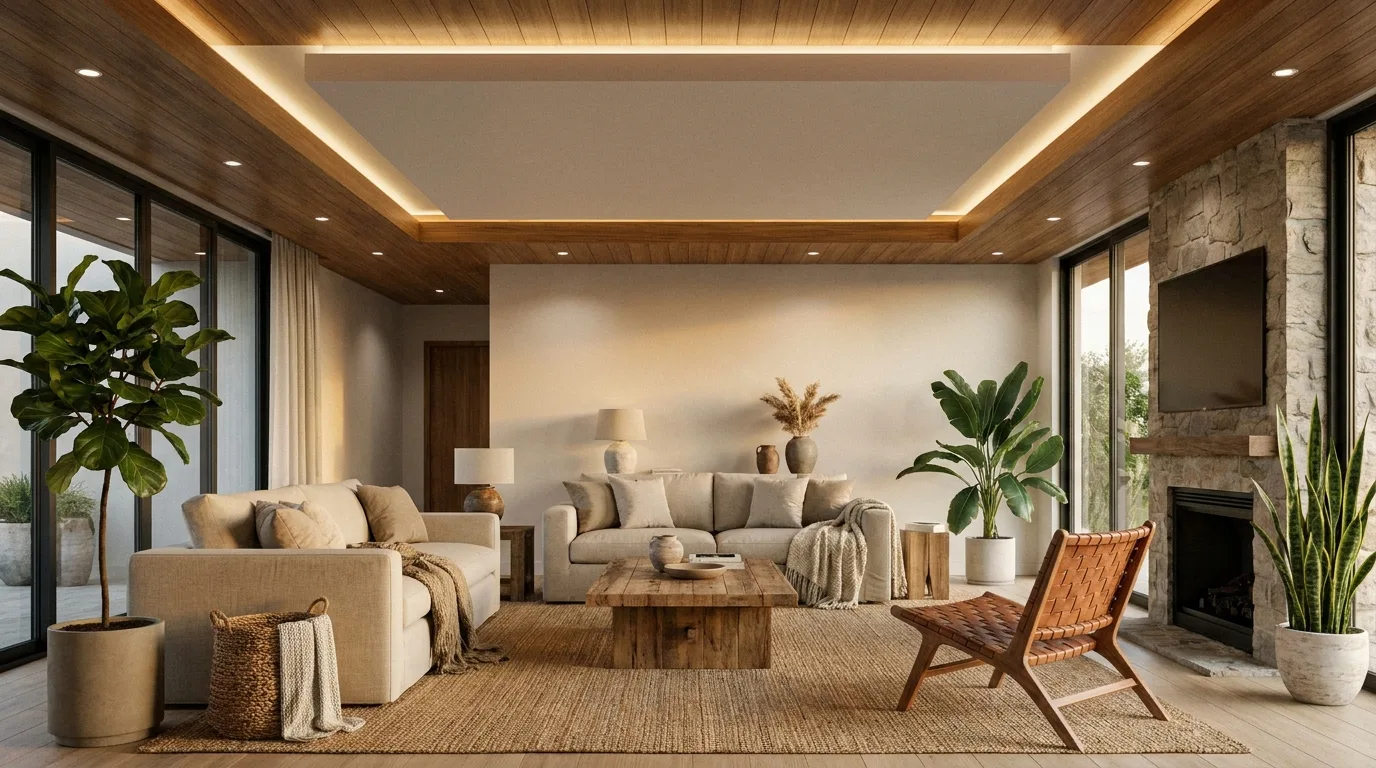
Combining gypsum with wood-look panels is a great way to bring warmth into a modern living room. Wooden slats or rectangular panels can be incorporated into the center or used as an accent within a simple false ceiling frame. This approach works beautifully with natural textures, neutral upholstery, indoor plants, and contemporary furniture. If genuine wood is outside your budget, wood-finish laminate or other lightweight decorative panels can create a similar visual effect. Avoid covering too much of the ceiling with a dark finish, particularly in a smaller room, because it can make the space feel lower. Instead, use wood as a focused accent and surround it with a light-colored ceiling. Integrated spotlights between the slats can make the feature even more striking.
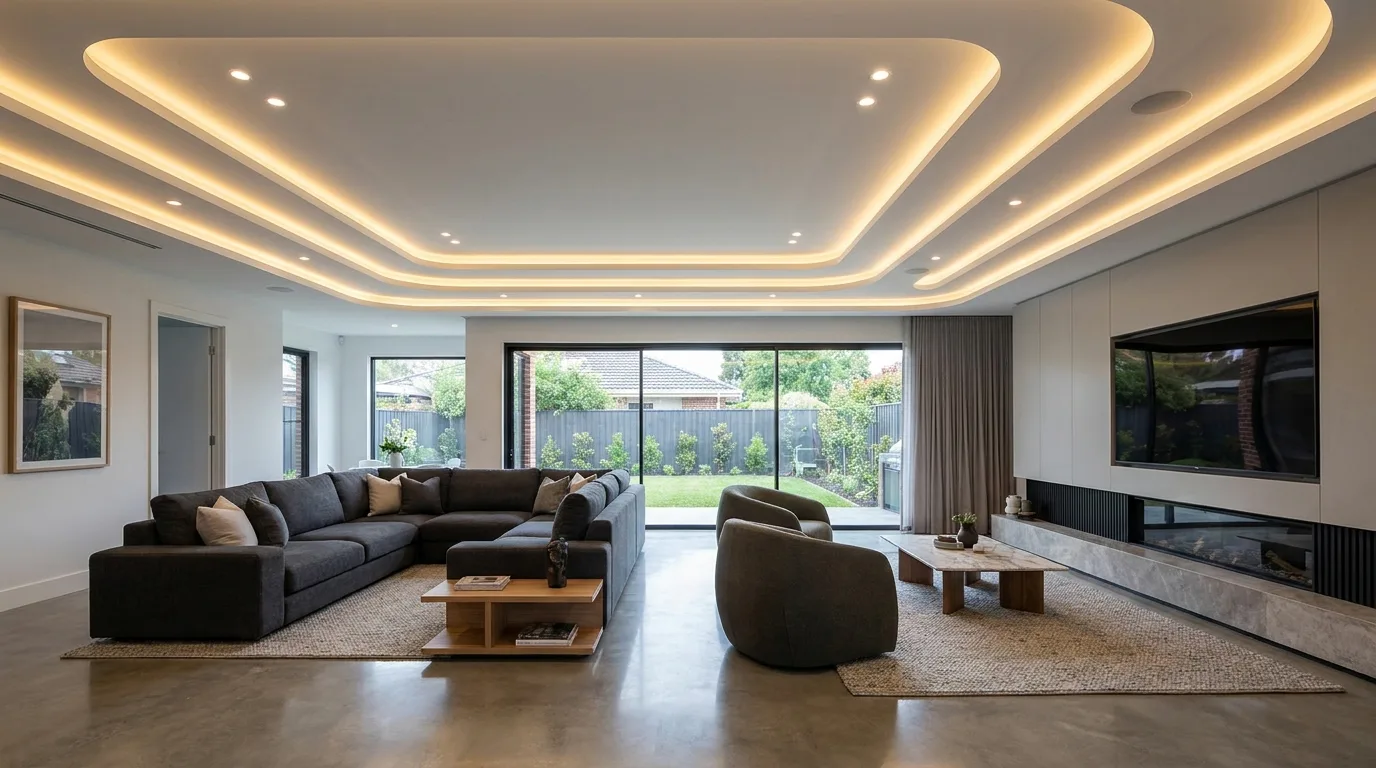
4. Minimalist Floating Ceiling Design
A floating false ceiling creates the illusion that a section of the ceiling is suspended slightly below the main surface. Concealed LED strips around its edges reinforce this floating effect and provide gentle ambient lighting. The design is ideal for homeowners who prefer clean lines and uncluttered interiors. A rectangular floating panel positioned above the seating area can visually define the main conversation zone without requiring a bulky decorative feature. Keep the panel simple, with smooth gypsum surfaces and minimal detailing. Warm white lighting generally produces a softer living-room atmosphere than overly bright cool lighting. This design is also useful when you want a contemporary ceiling feature that feels sophisticated rather than decorative or ornate.
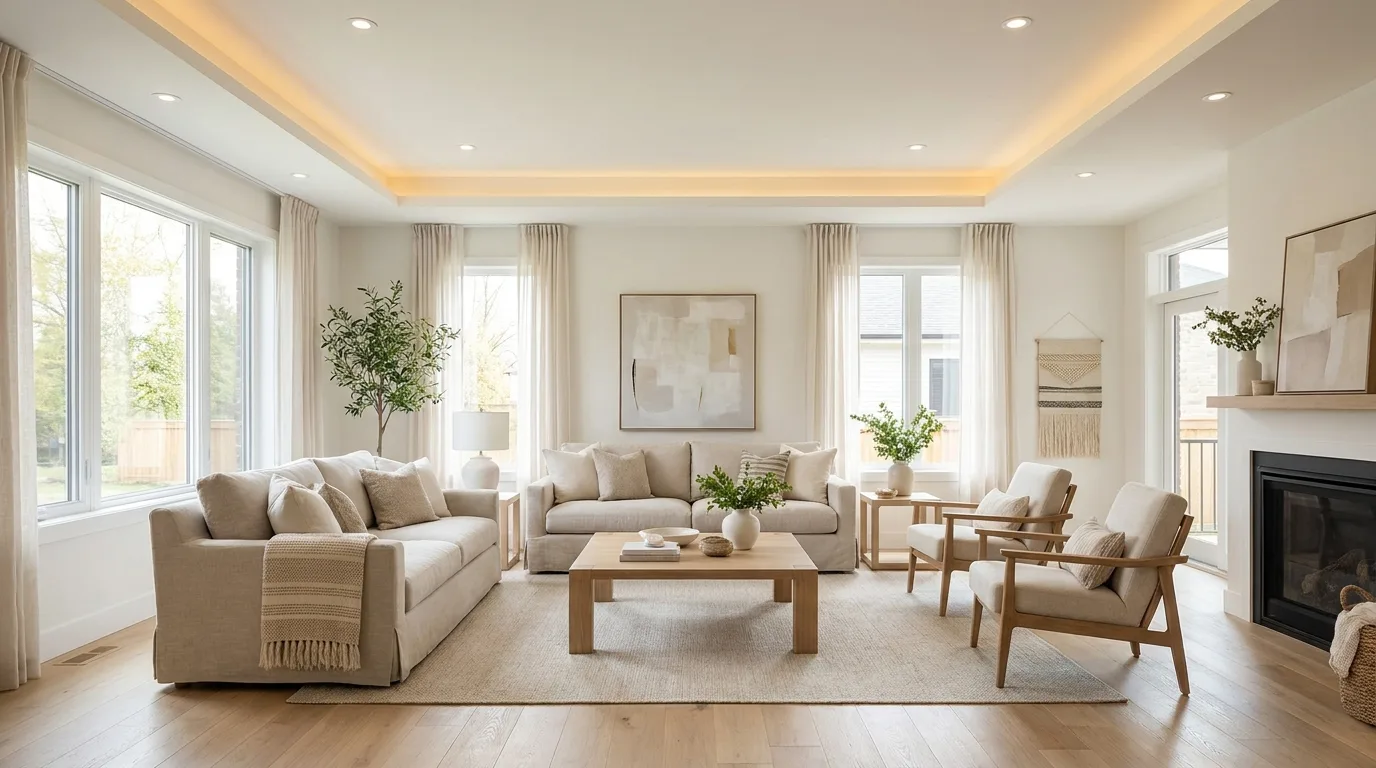
5. Geometric False Ceiling Design
Geometric ceiling patterns can give a living room a strong modern identity. Squares, rectangles, linear grooves, or overlapping shapes can be arranged to create a structured feature overhead. For the best result, repeat shapes or lines that already appear elsewhere in the room, such as rectangular furniture, wall panels, shelving, or floor patterns. This creates visual continuity instead of making the ceiling look disconnected from the interior. Avoid using too many competing shapes in a small room because the ceiling can quickly become busy. A restrained geometric pattern with integrated spotlights is usually more timeless. You can also combine one large central shape with smaller recessed details around it for a layered look that adds depth without overwhelming the room.
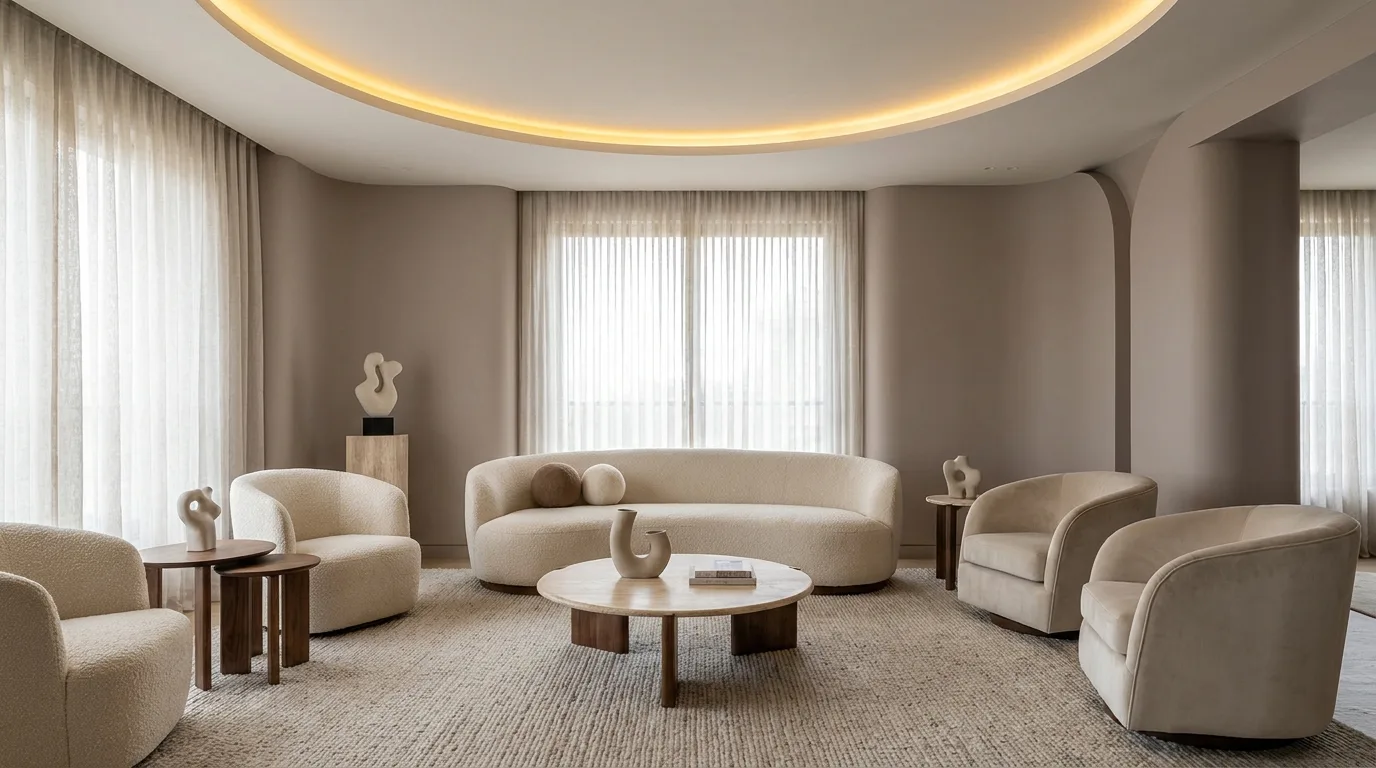
6. Cove Lighting False Ceiling
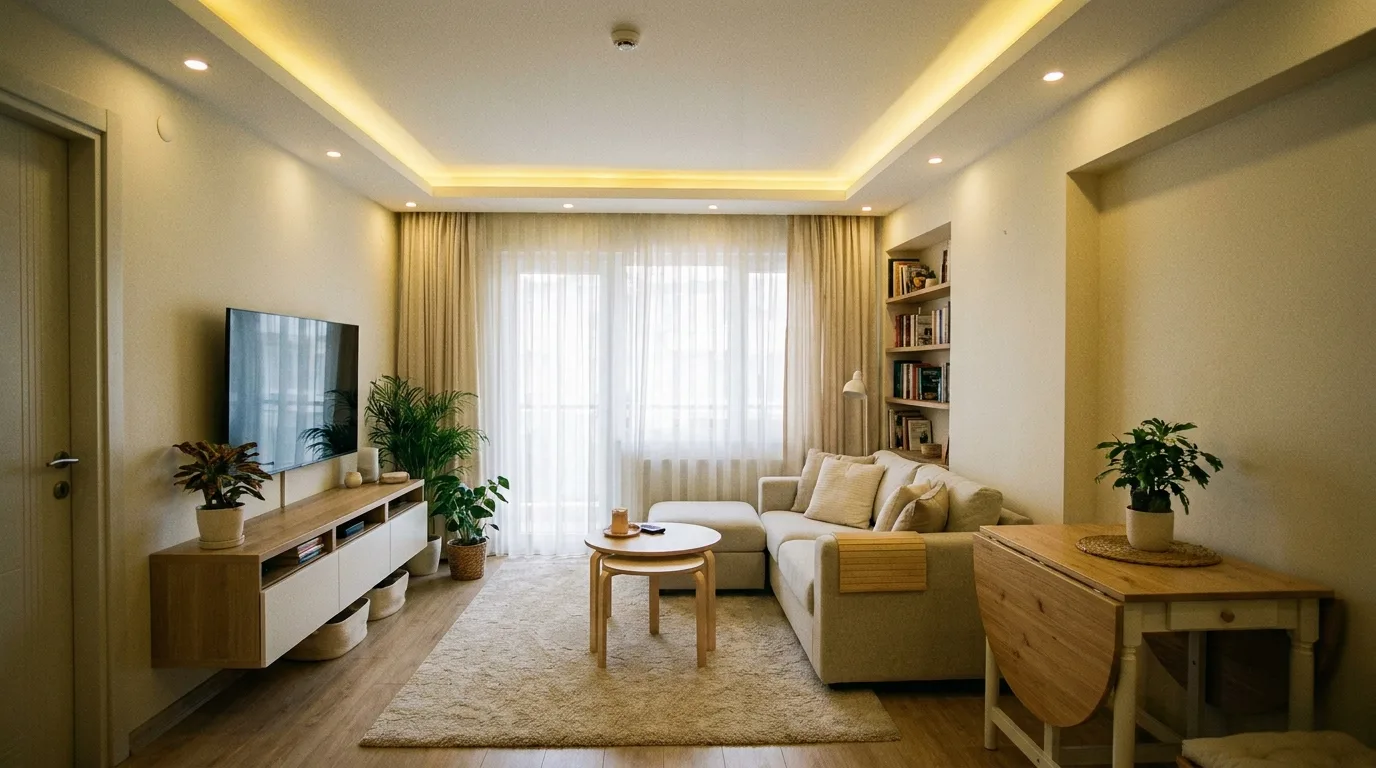
Cove lighting is a popular choice when the goal is to create a warm, relaxing living room. The lighting is concealed within a recessed ceiling edge so that the light bounces off the ceiling rather than shining directly into the room. This produces soft, indirect illumination that works particularly well for evenings, movie nights, or entertaining guests. Pair the cove with a simple gypsum ceiling and a few recessed downlights to provide different lighting levels for different activities. When choosing LED strips, consider the color temperature carefully; warmer light usually feels more inviting in living spaces. A cove ceiling does not need elaborate shapes to look impressive. Clean rectangular lines and carefully concealed lighting can provide a luxurious appearance while maintaining a minimalist aesthetic.
7. Coffered False Ceiling
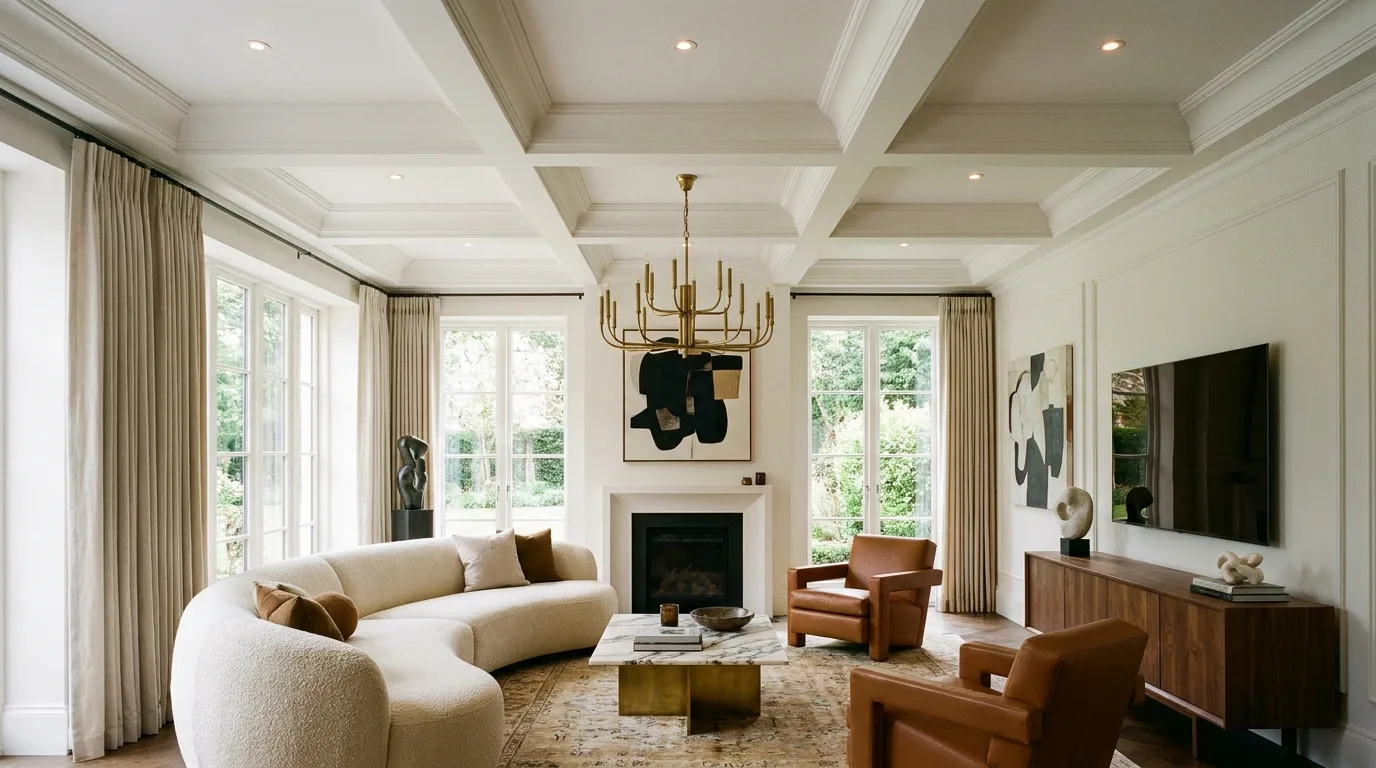
A coffered false ceiling uses recessed panels arranged in a grid-like pattern to create a refined architectural effect. It can suit both contemporary and classic living rooms depending on the panel proportions, trim, and lighting. For a modern interior, use simple square or rectangular coffers with narrow borders and discreet recessed lights. Traditional spaces can use more pronounced molding and decorative detailing. Because the pattern adds visual structure, keep the rest of the ceiling decor relatively restrained. A light-painted coffered ceiling can make the room feel elegant without becoming excessively formal. This design is particularly effective in larger living rooms where a simple flat ceiling may otherwise appear empty.
8. Two-Level False Ceiling
A two-level false ceiling introduces two distinct layers to create dimension and separation. The lower section can frame a seating area, television wall, or central portion of the room, while the upper level maintains a lighter visual appearance. LED strips between the levels can emphasize the difference in height and provide indirect lighting. This design is useful when you want a statement ceiling but still prefer a relatively clean aesthetic. Plan the levels carefully around existing ceiling height because excessive drops can make a room feel compressed. Neutral finishes such as white, beige, or soft gray help maintain an airy appearance. A two-level design is especially attractive in open-plan homes because the ceiling can subtly define the living zone without using physical partitions.
9. Wooden Slat False Ceiling
Wooden slat ceilings bring texture and rhythm to a living room while offering a contemporary alternative to traditional decorative ceilings. Vertical or horizontal slats can be arranged across a central ceiling section, with small gaps creating visual depth. Concealed lighting behind or between the slats can highlight the texture after dark. This style pairs naturally with wood furniture, neutral fabrics, stone surfaces, and greenery. In smaller rooms, consider using slats only over the seating or coffee-table area rather than across the entire ceiling. Choose a finish that works with the existing wood tones in your interior so the room feels coordinated. The strongest designs use the slats as one intentional architectural feature rather than combining them with several unrelated ceiling patterns.
10. Circular False Ceiling Design
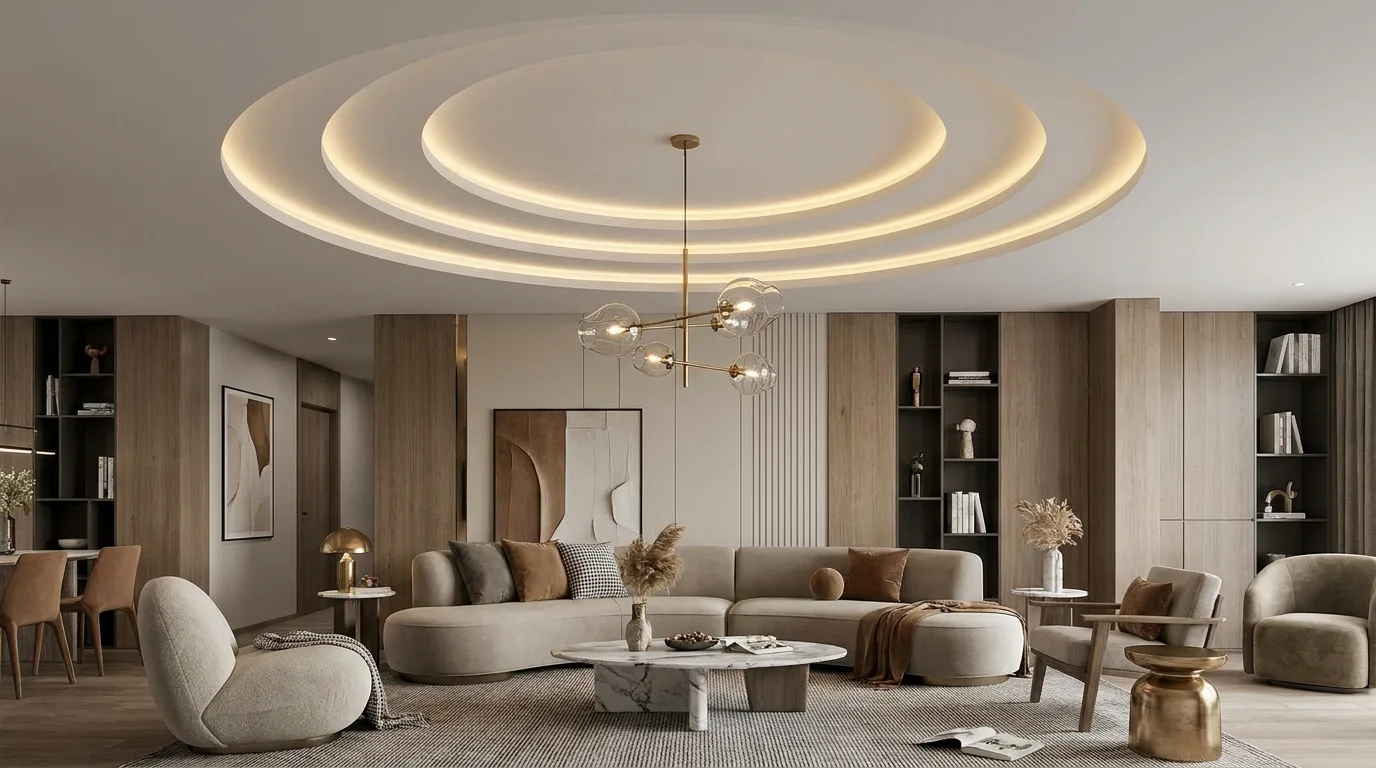
A circular ceiling feature can soften a living room dominated by straight furniture lines and rectangular architectural elements. A round gypsum panel placed above a central seating arrangement can become a natural focal point, especially when paired with a pendant light or concealed LED ring. The circular shape works best when it relates to the furniture below, such as a round coffee table or curved sofa. Keep the surrounding ceiling relatively plain so the feature remains visually clear. A simple white circular recess is enough for a minimalist interior, while layered rings can create a more dramatic appearance in a larger room. Proportion is important: an oversized circle can dominate the entire space, while a very small one may look disconnected from the furniture arrangement.
11. L-Shaped False Ceiling for Small Living Rooms
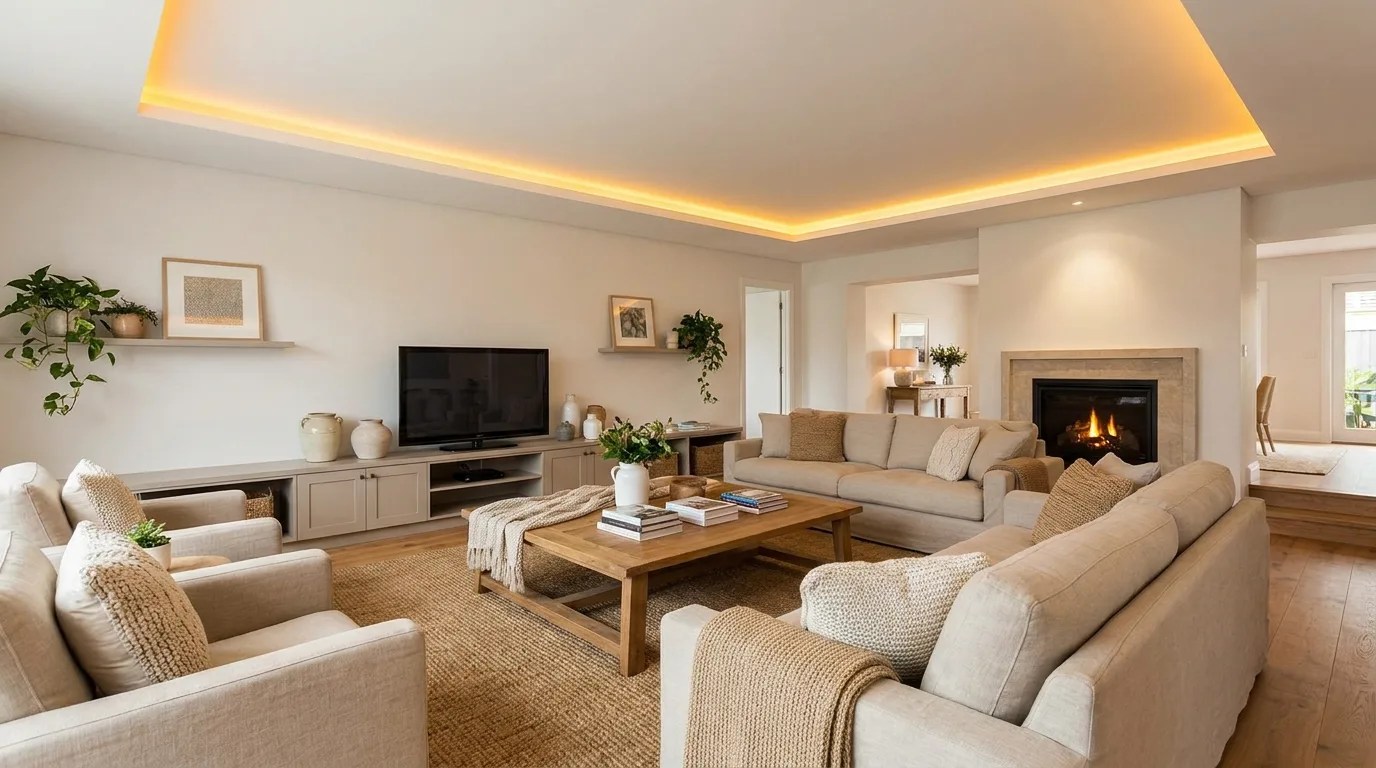
An L-shaped false ceiling is a practical option when you want a decorative feature without dropping the ceiling across the entire room. The design can follow two adjoining walls, leaving the central ceiling area open and visually higher. This makes it particularly useful for compact apartments and narrow living rooms. Recessed lights can be installed along the dropped portion, while a concealed LED strip can emphasize the L-shaped outline. Use a light finish and avoid excessive ornamentation to preserve the sense of openness. The shape can also help visually connect the living room with an adjacent hallway or dining area. Because it uses less material than a full false ceiling, it can be an economical choice when you want architectural detailing while keeping the project relatively simple.
12. False Ceiling With a Statement Pendant
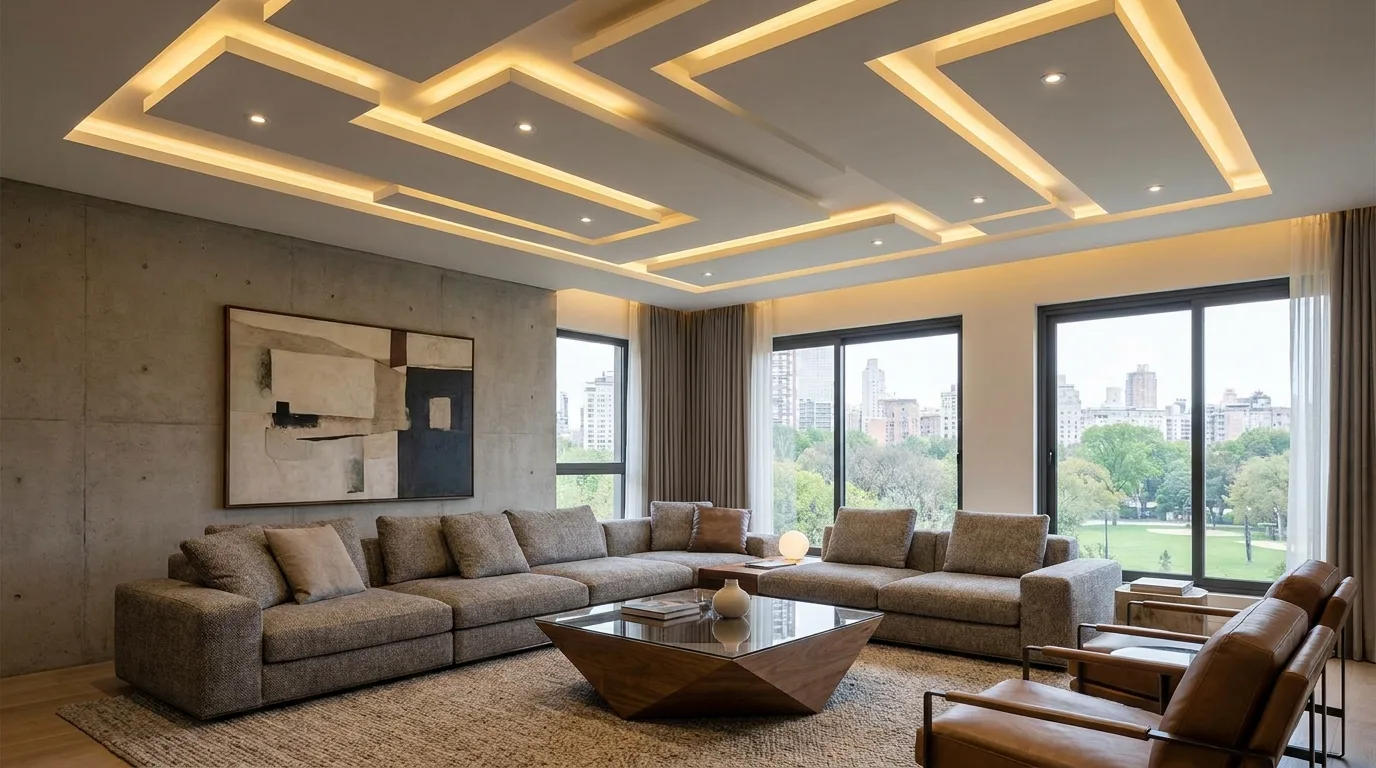
Sometimes the best ceiling design is one that creates a quiet backdrop for a striking light fixture. A recessed or layered gypsum ceiling can frame a statement pendant above the center of the seating area, drawing attention upward without requiring an elaborate pattern. This approach works well with sculptural chandeliers, oversized contemporary pendants, or elegant linear fixtures. Keep the ceiling itself relatively simple so the lighting remains the star. The electrical position should be planned around the furniture layout rather than simply centered within the room, especially when the sofa and coffee table are not positioned symmetrically. Add a few discreet recessed lights around the perimeter for general illumination, allowing the statement fixture to provide visual interest and a stronger focal point.
13. False Ceiling With Recessed Spotlights
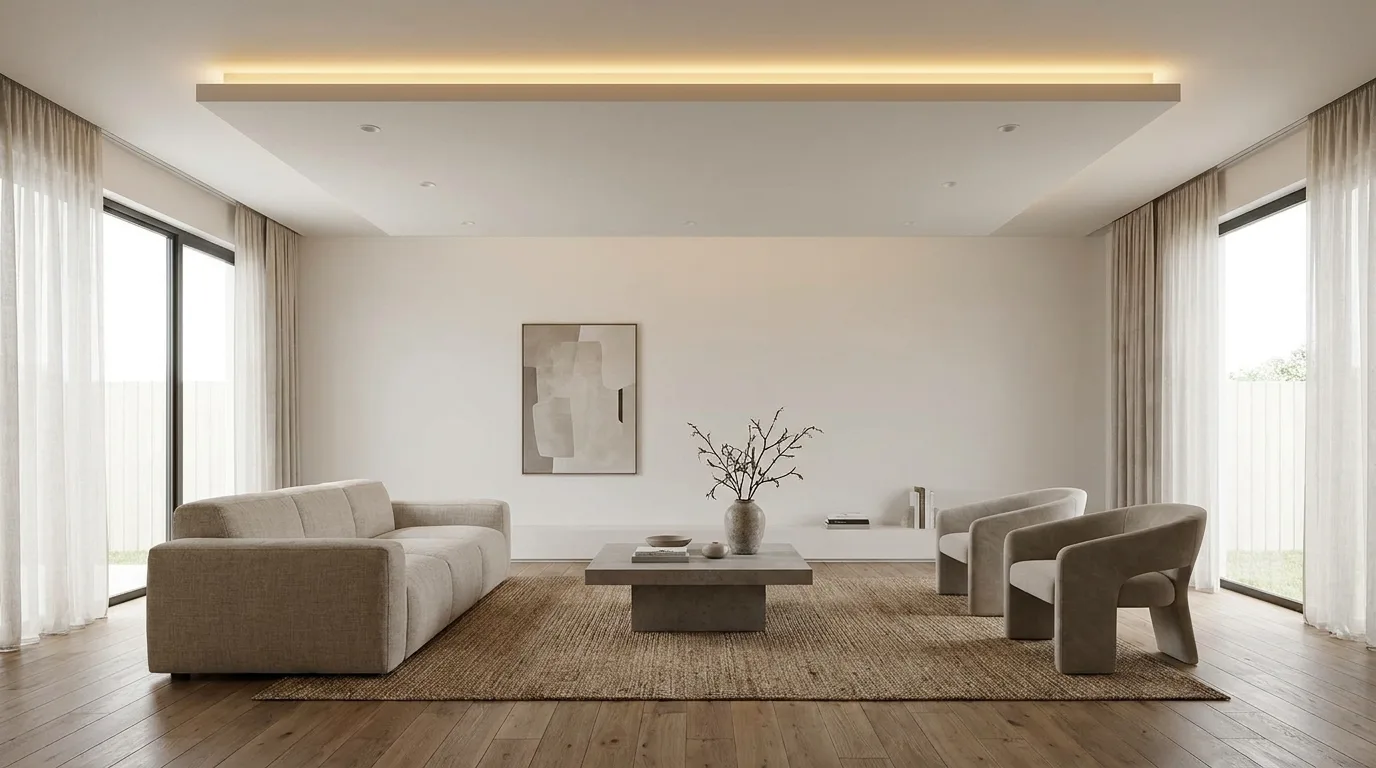
For homeowners who prioritize practical lighting, a streamlined false ceiling with recessed spotlights can be an excellent solution. Small downlights can be arranged around the seating area, circulation paths, artwork, or television wall to provide targeted illumination. Rather than placing every light in a rigid grid, plan the positions according to how the living room is actually used. A dimmer system can make the arrangement more flexible, allowing brighter lighting for cleaning or reading and softer illumination when relaxing. The ceiling design itself can remain simple, using a narrow perimeter frame or a shallow central recess. This creates a polished appearance while ensuring that the false ceiling contributes genuine functionality rather than being purely decorative.
14. Curved False Ceiling Design
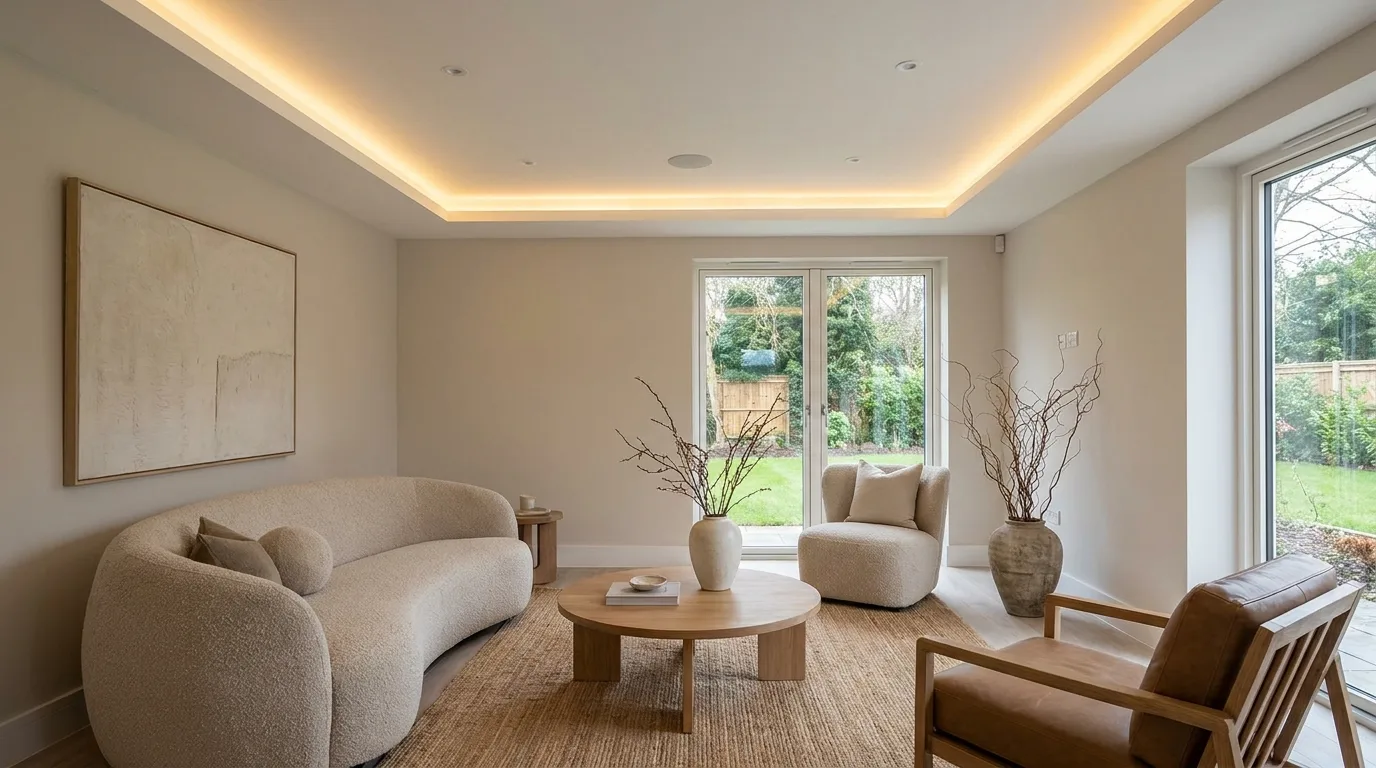
Curved false ceilings introduce a softer architectural character and can make a contemporary living room feel more distinctive. A sweeping curved edge can visually separate the seating area from another part of an open-plan space without creating a hard boundary. Curves are particularly effective when repeated in other details, such as rounded furniture, circular lighting, or curved shelving. Because curved gypsum work requires careful planning and installation, keep the shape intentional and avoid adding unnecessary layers. Soft concealed lighting along the curve can emphasize its form beautifully at night. This design is best suited to rooms with enough visual breathing space for the curve to be appreciated. When used thoughtfully, it provides a custom-designed appearance that feels more fluid than conventional rectangular ceiling layouts.
15. Simple White False Ceiling With Layered Lighting
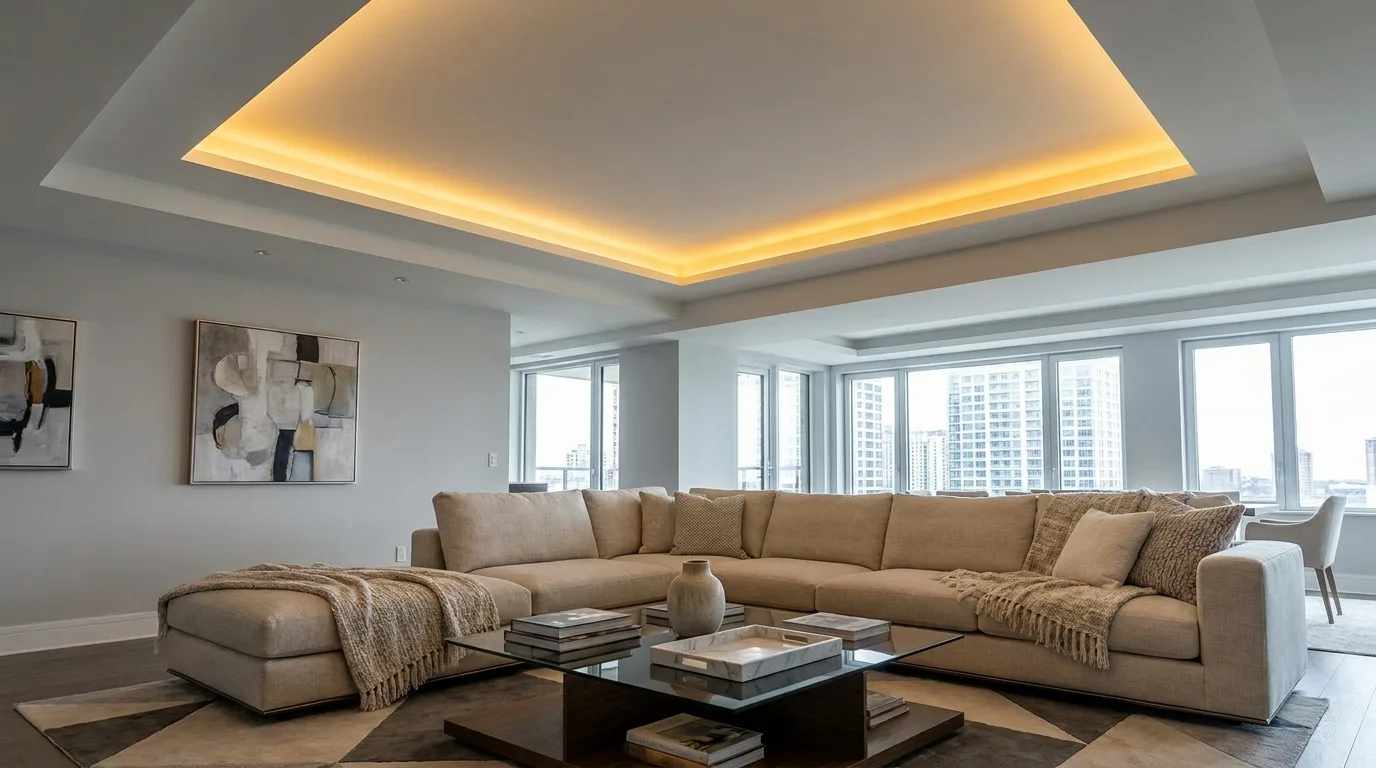
A simple white false ceiling with multiple lighting layers is a timeless choice for homeowners who want flexibility and a bright, spacious appearance. The ceiling can combine a shallow central recess, perimeter cove lighting, and a few recessed spotlights without relying on complicated decorative patterns. White reflects light effectively and helps maintain an airy feeling, making this approach especially suitable for rooms with limited natural light or modest dimensions. Use separate lighting circuits where possible so ambient, accent, and task lighting can be controlled independently. This gives the living room different moods throughout the day. The simplicity also makes future decor changes easier because the ceiling will work with changing furniture, wall colors, artwork, and accessories rather than competing with them.
How to Choose the Right False Ceiling for Your Living Room
Before selecting a design, consider the room’s ceiling height, size, natural lighting, furniture arrangement, and interior style. A shallow perimeter border or L-shaped design is usually more suitable for a compact room, while larger spaces can accommodate layered, coffered, or geometric ceilings. Think about lighting at the same time as the ceiling structure rather than treating it as a separate decision. Concealed LEDs create ambiance, recessed lights provide practical illumination, and statement fixtures can establish a focal point. It is also worth discussing maintenance access, electrical wiring, ventilation, and the appropriate moisture-resistant materials with your contractor. Most importantly, choose a design that complements the architecture instead of selecting the most elaborate option simply because it looks impressive in photographs. A well-proportioned ceiling will remain attractive and functional for years.