Simple POP designs can transform an ordinary room without requiring an expensive renovation. Whether you want a modern false ceiling, a decorative wall feature, or a subtle architectural detail, Plaster of Paris (POP) offers plenty of ways to add character while keeping the budget under control. The key to a low-cost POP design is choosing uncomplicated shapes, limiting decorative layers, and focusing on one feature that makes a noticeable difference.
These low cost simple POP design ideas work especially well in living rooms, bedrooms, hallways, dining areas, and compact homes. From slim ceiling borders to geometric panels, each option can be adapted to your room size and existing décor. Use the ideas below as inspiration, then discuss measurements, material thickness, lighting, and installation requirements with a qualified POP professional.
1. Simple POP Ceiling Border
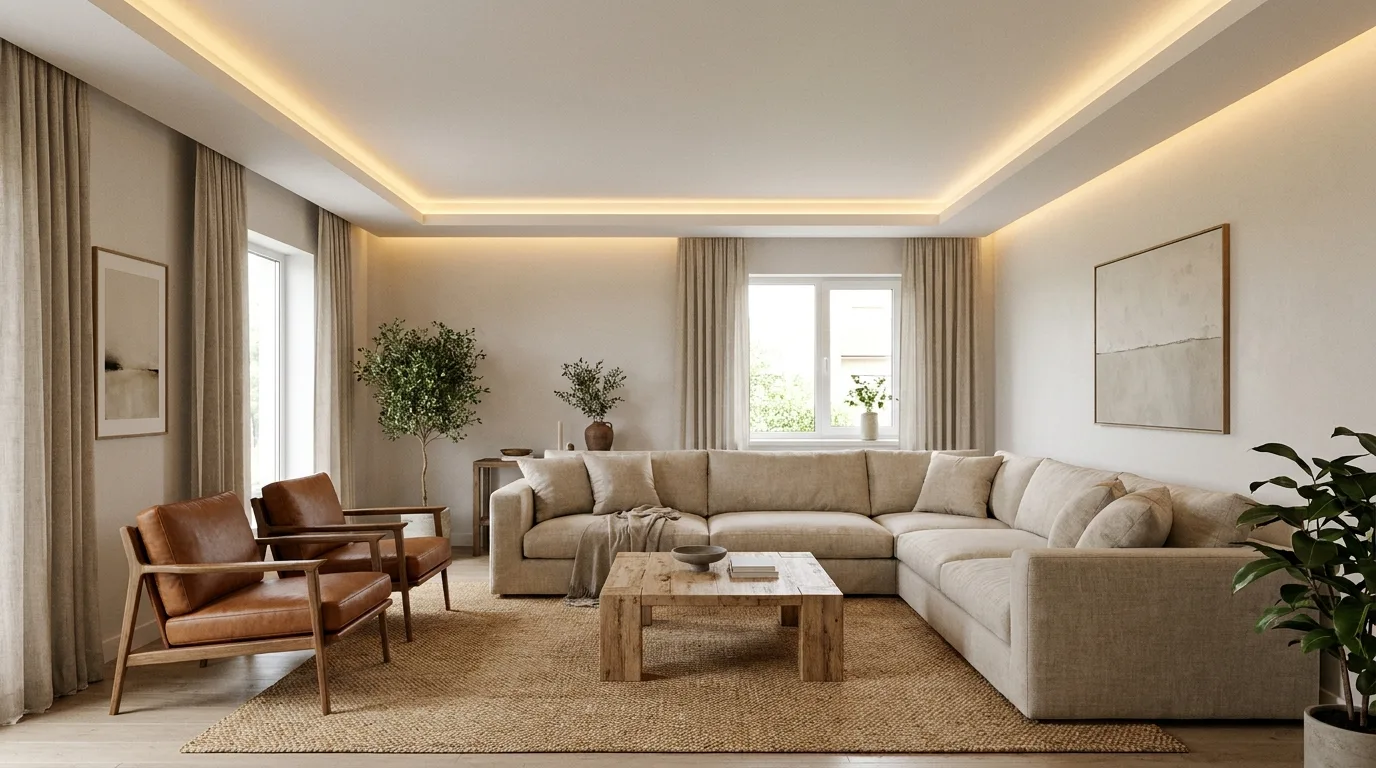
A narrow POP border around the ceiling perimeter is one of the easiest ways to create a finished, polished look without covering the entire ceiling. Instead of building multiple levels, use a slim rectangular or gently curved frame around the room. This approach requires less material and can be paired with a simple painted ceiling for an affordable result. You can leave the border plain for a minimalist appearance or add a concealed LED strip inside a shallow recess for soft ambient lighting. In small rooms, keep the border narrow so it does not visually reduce the ceiling height. White POP against a slightly contrasting wall color can also make the room feel more structured without introducing another expensive decorative element.
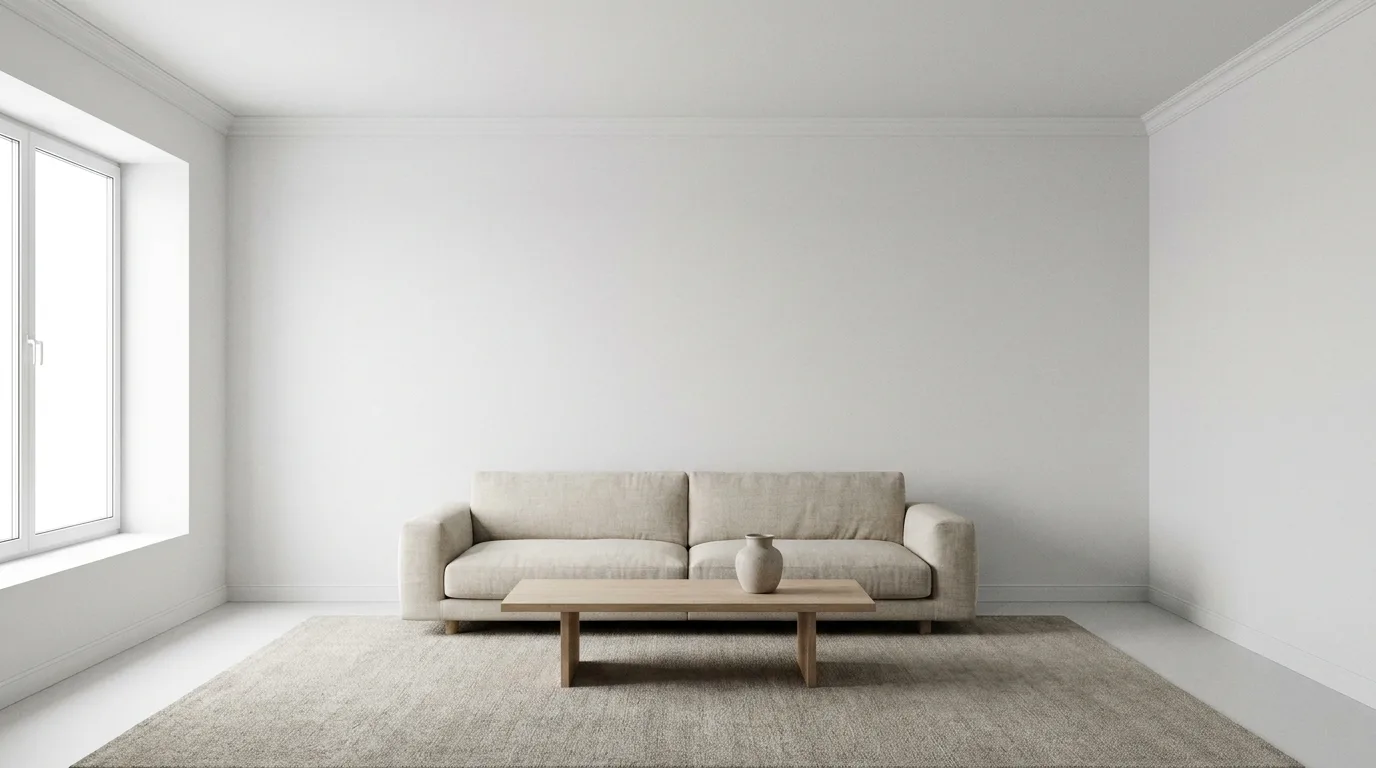
2. Minimalist POP Tray Ceiling
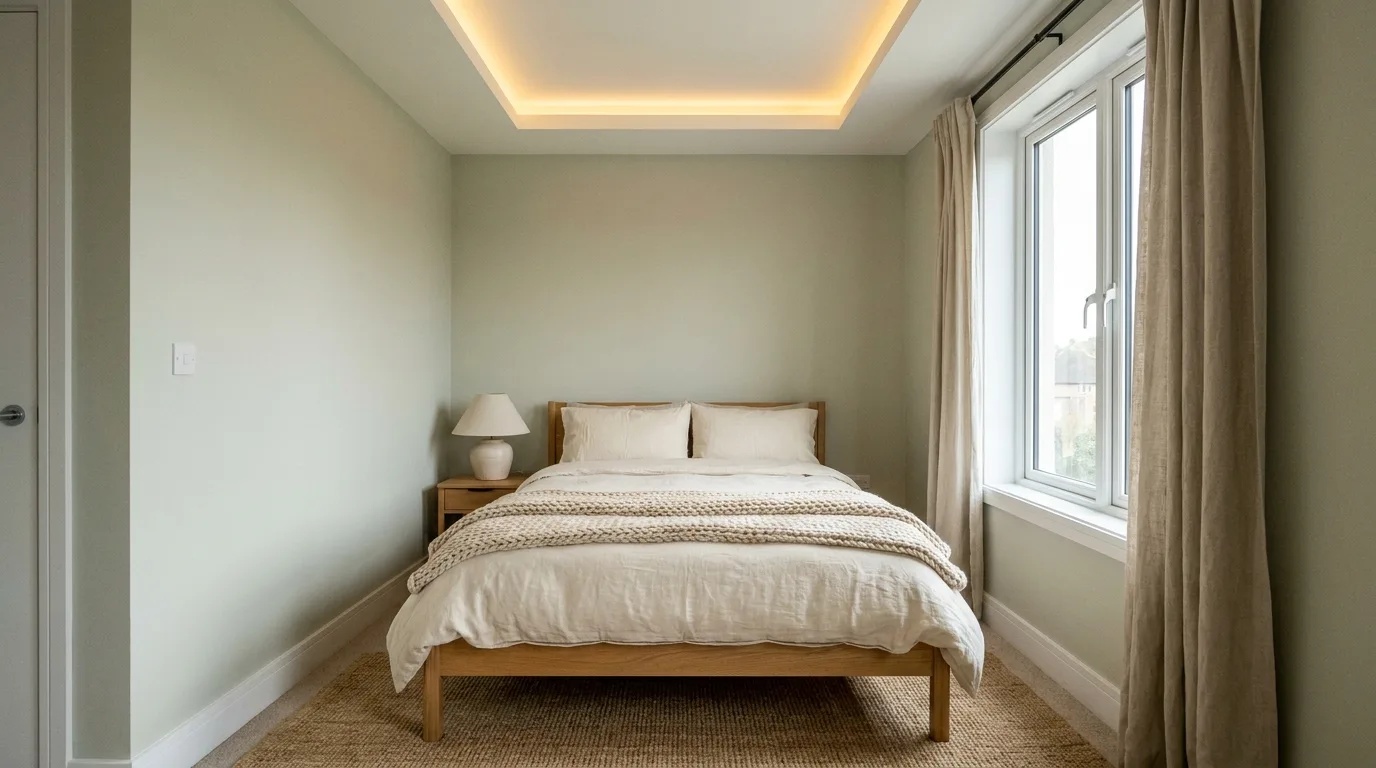
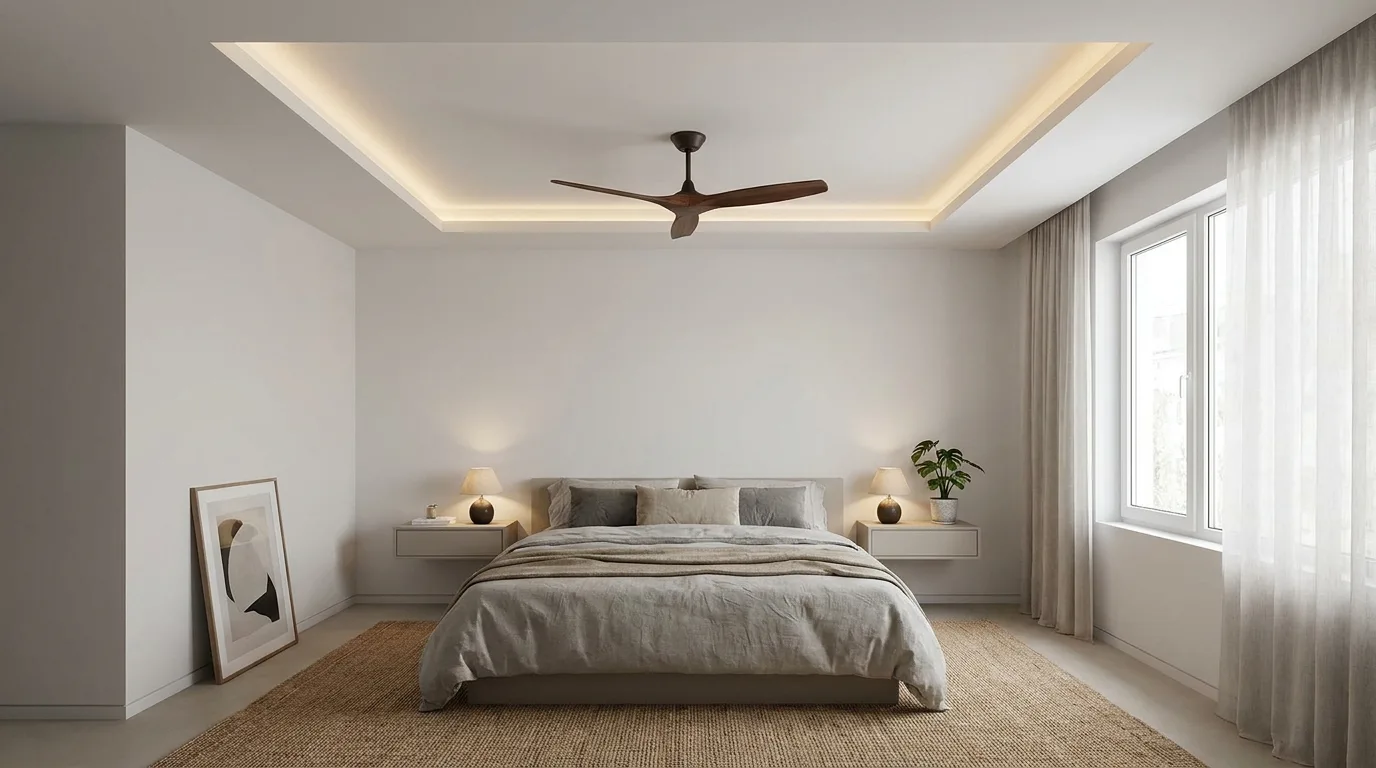
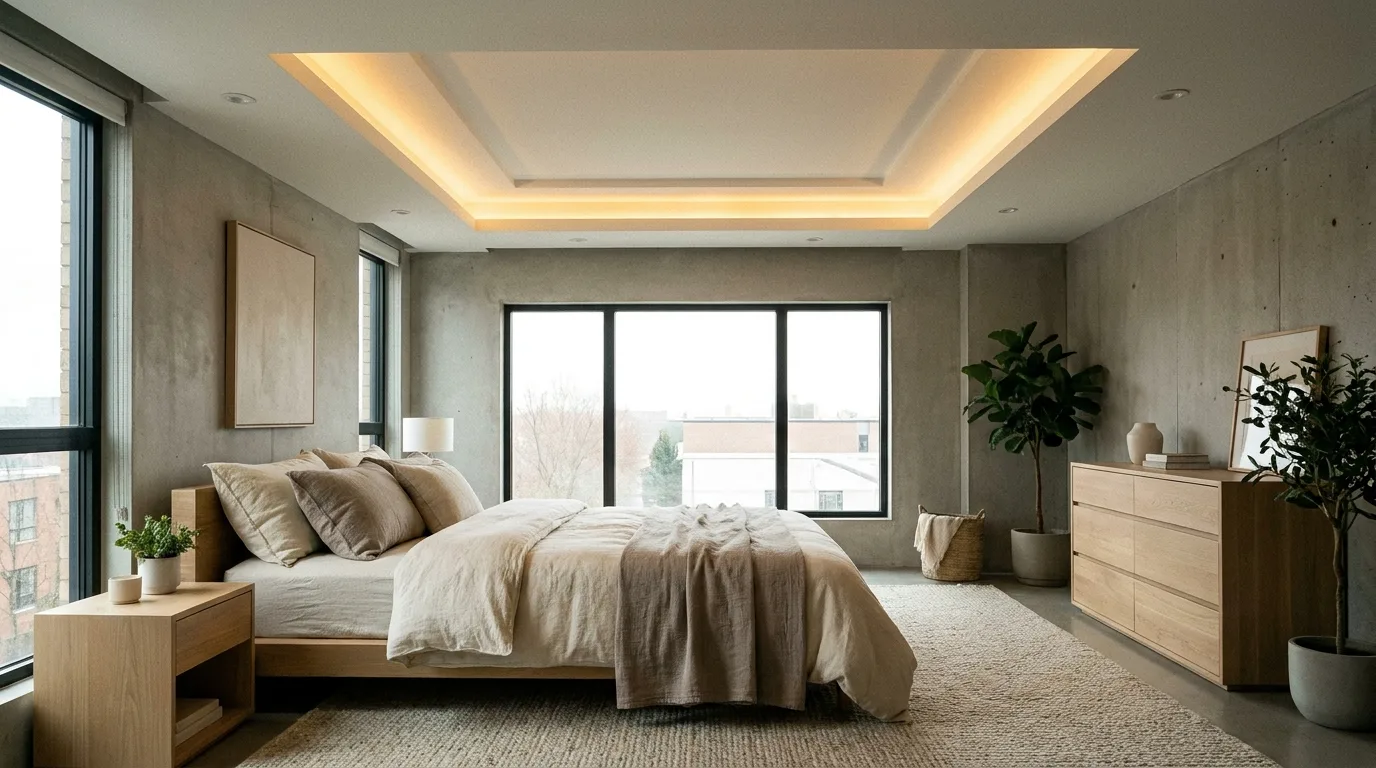
A shallow tray ceiling gives a room architectural depth while remaining relatively simple to construct. Rather than using several decorative layers, create one clean recessed rectangle or square in the center of the ceiling. The outer section can remain plain while the recessed portion receives a slightly different paint shade or subtle lighting. This design works particularly well in bedrooms and living rooms because it provides a focal point without becoming visually heavy. To keep costs low, avoid complicated curves, multiple cutouts, and excessive molding. The proportions should follow the room dimensions; a large room can handle a broader tray, while a compact bedroom benefits from a smaller central recess. A basic tray paired with warm lighting can look considerably more expensive than its construction suggests.
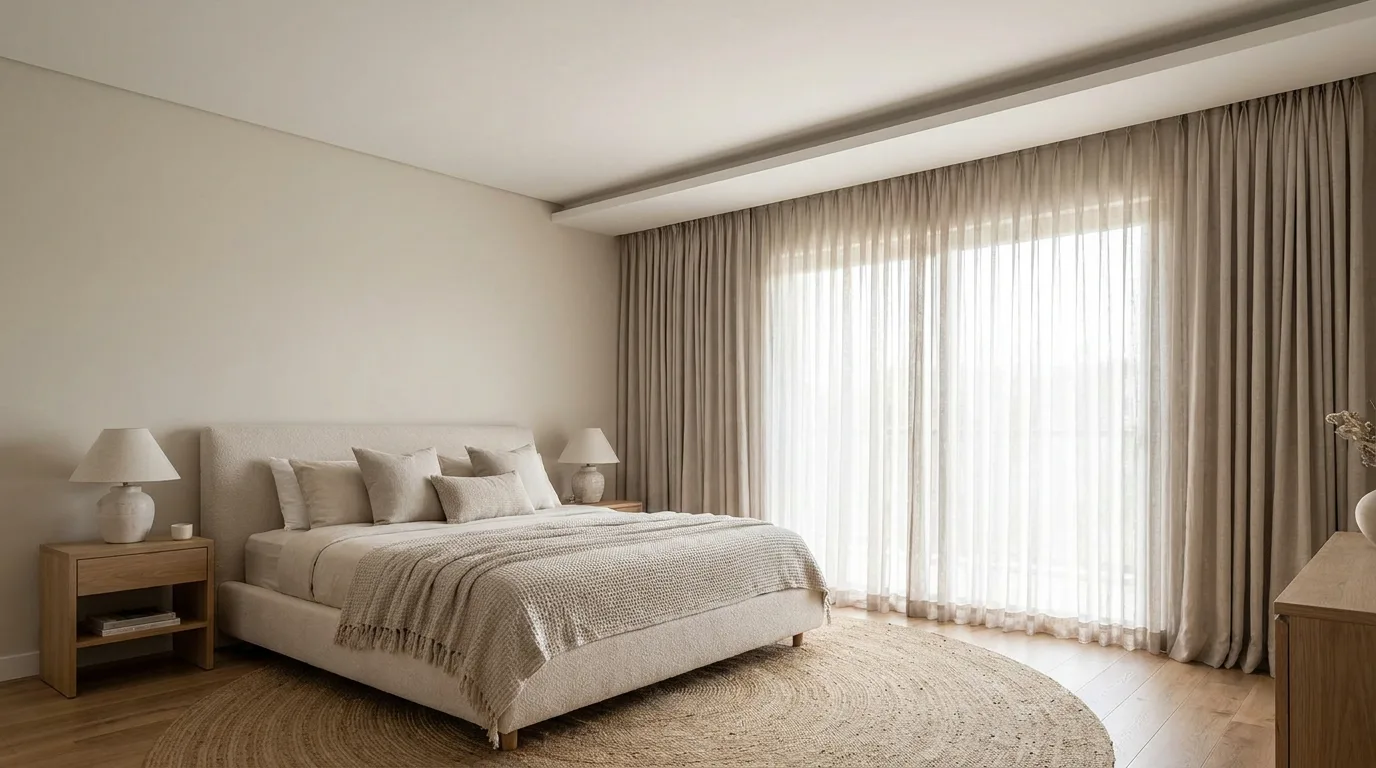
3. POP Ceiling With a Single LED Strip
If you want a modern ceiling but have a limited budget, concentrate your spending on one strong lighting feature. A simple POP recess along one edge or around a central shape can conceal an LED strip and create a soft glow across the ceiling. This eliminates the need for numerous decorative fixtures while still giving the room a contemporary appearance. Keep the POP structure straight and uncomplicated to reduce labor. Warm white lighting generally creates a comfortable atmosphere in bedrooms and living rooms, while neutral white can suit workspaces and modern interiors. Make sure the recess is designed to provide enough space for the selected LED system and future maintenance. The result is a clean ceiling that combines decoration and practical lighting instead of treating them as separate expenses.
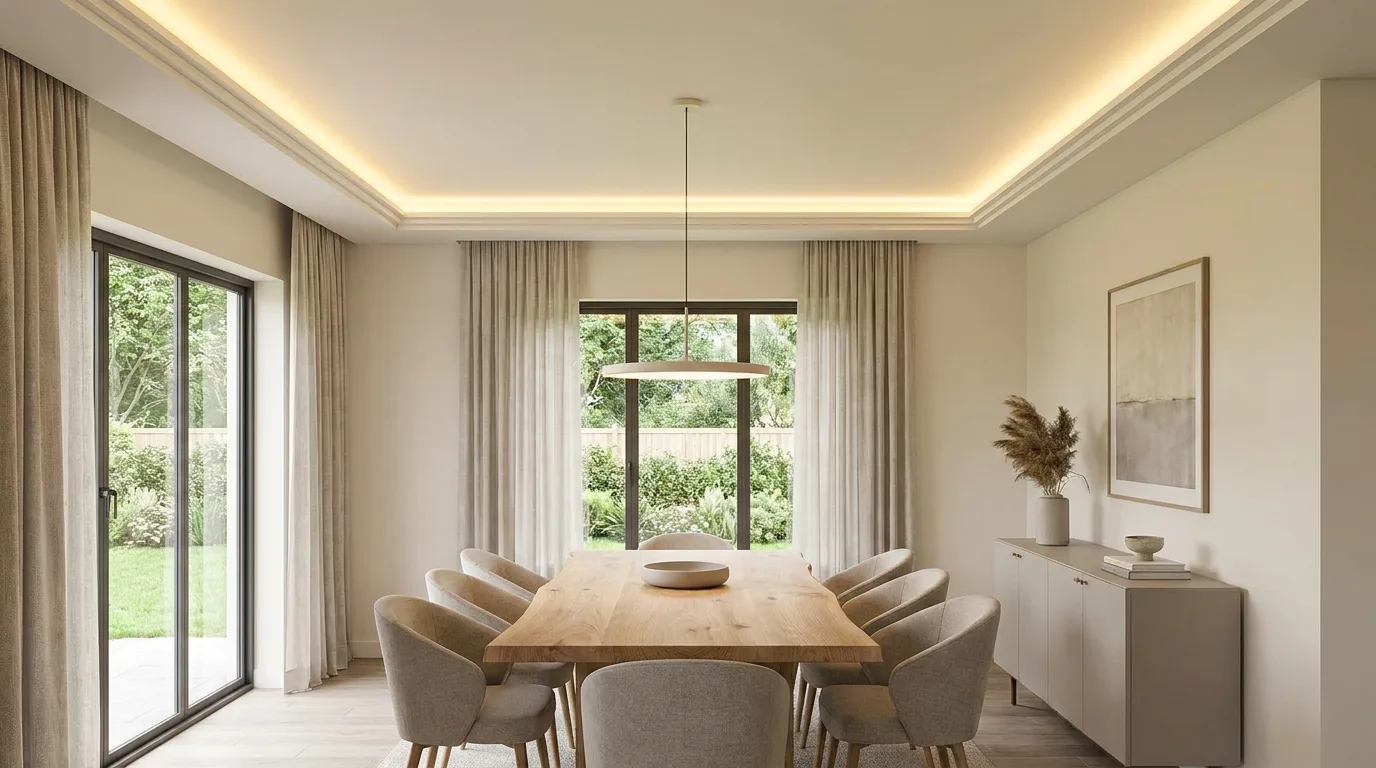
4. Small Geometric POP Ceiling Design
Geometric shapes are a practical way to add personality without requiring elaborate ornamentation. Consider a simple square, rectangle, circle, or combination of straight lines positioned at the center of the ceiling. The design can frame a pendant light or chandelier, making the fixture feel more intentional. For a low-cost version, use one dominant shape rather than several overlapping forms. Sharp, symmetrical lines are particularly suitable for contemporary homes because they provide visual interest without looking overly decorative. Before installation, check that the shape is properly centered in relation to the room and furniture below. A modest geometric feature can also be painted in the same color as the ceiling for a subtle effect, or given a slightly darker tone if you want the pattern to stand out.
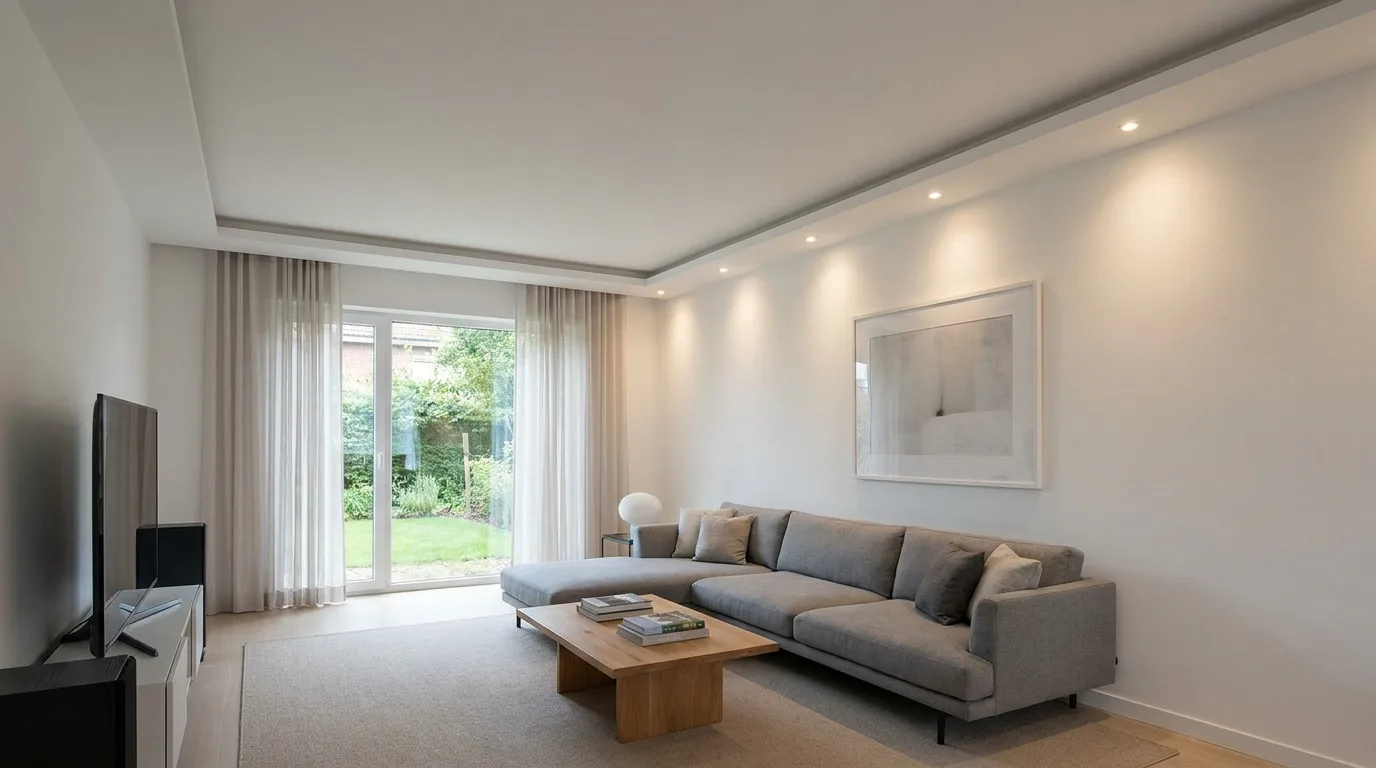
5. Plain POP Cove for Ambient Lighting
A simple cove is an excellent option when your priority is atmosphere rather than ornate decoration. A narrow POP ledge can hide LED lighting so the light bounces indirectly onto the ceiling. Because the structure itself can remain plain, you do not need additional moldings or decorative patterns. This makes the idea suitable for bedrooms, TV rooms, and cozy living spaces where harsh overhead lighting is undesirable. Keep the cove proportionate to the room and avoid making the recess unnecessarily deep or complicated. Choose lighting with an appropriate color temperature for the mood you want. It is also worth planning access for electrical maintenance before the POP work is completed. When carefully proportioned, a basic cove can provide a soft designer-style effect while using fewer materials than a highly detailed false ceiling.
6. POP Fan Frame Design
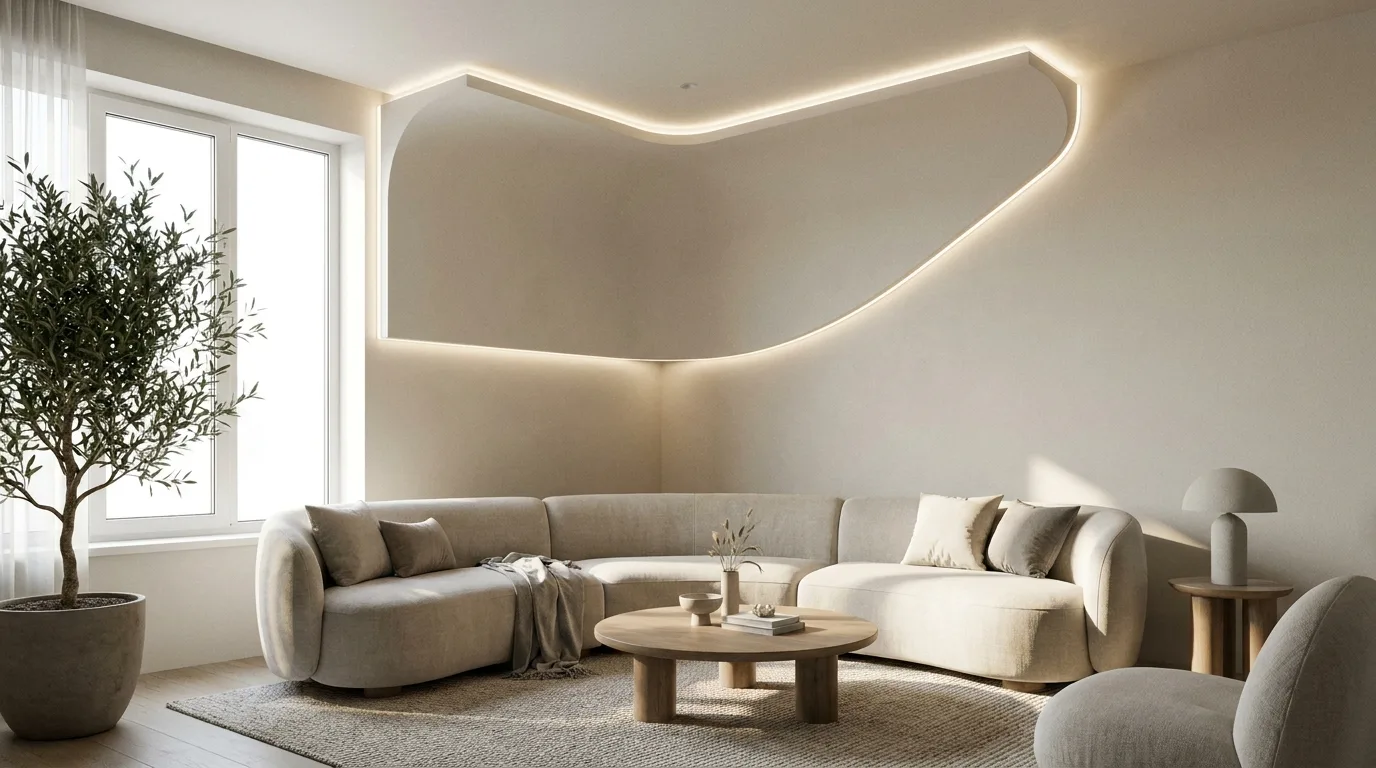
A decorative frame around a ceiling fan can create a focal point without requiring a complete false ceiling. One simple square, rectangle, or circular POP frame can visually define the fan area and make the ceiling appear more finished. This is especially useful when the rest of the ceiling is plain. Keep the frame thin and avoid excessive layers if your goal is affordability. The fan should remain centered and have sufficient clearance for safe operation. You can add a discreet LED strip around the frame, although a plain painted finish is the most economical choice. For rooms with modern furniture, straight-edged frames generally work well; rounded frames can soften bedrooms or more traditional interiors. The design should enhance the fan rather than compete with it, so restrained proportions are important.
7. Simple POP Wall Panel
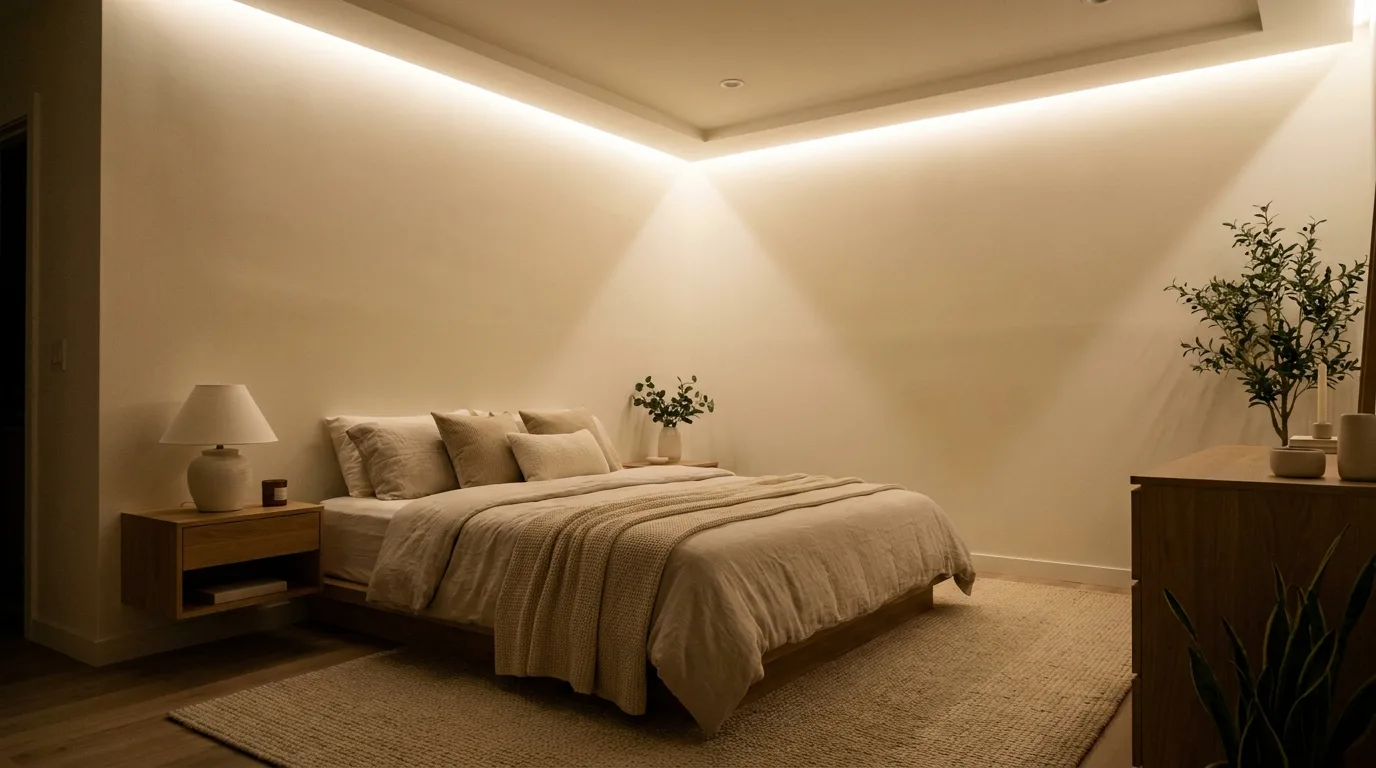
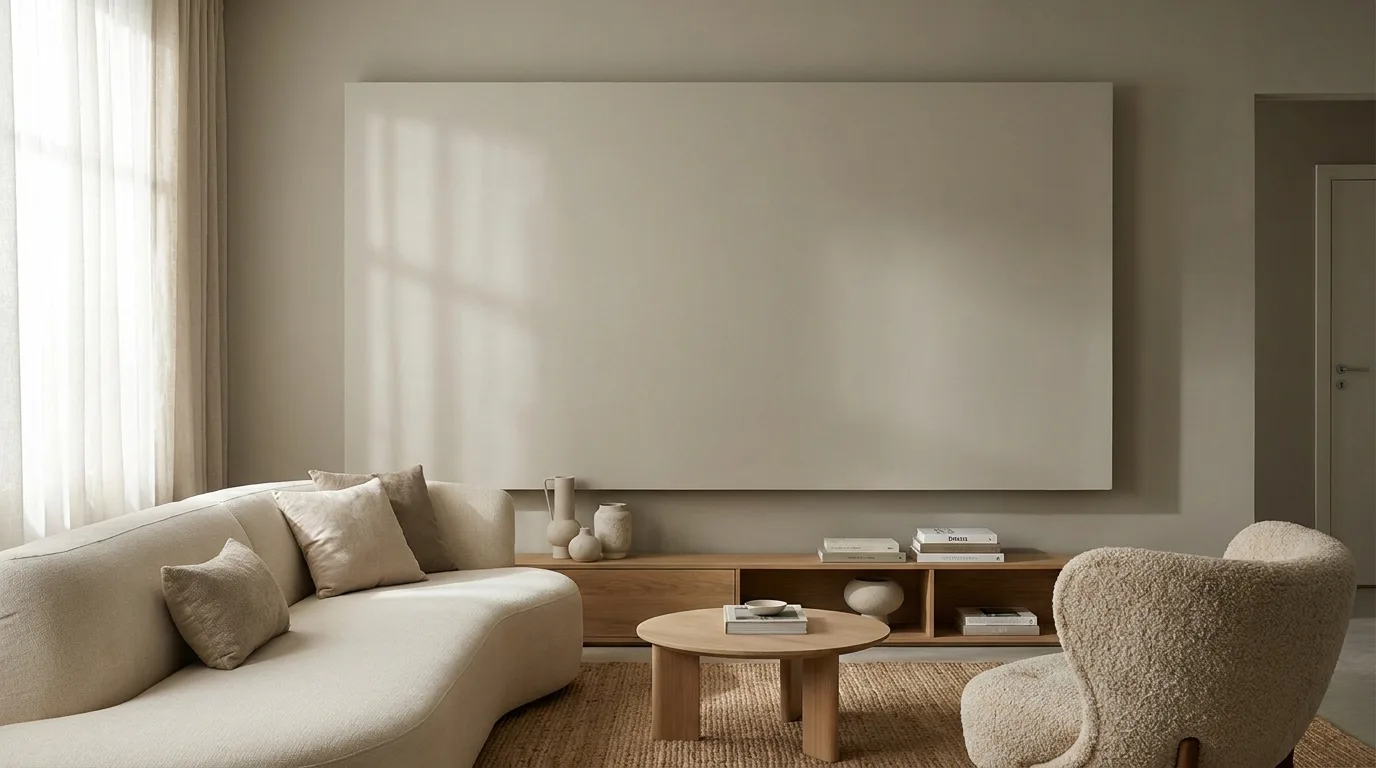
POP does not have to be limited to ceilings. A simple wall panel can create depth behind a sofa, bed, console, or television without the expense of full-wall decorative treatment. Use one large rectangular panel or a small arrangement of evenly spaced frames. Painting the POP the same shade as the wall produces a subtle textured effect, while a contrasting shade makes the panel more noticeable. For a low-cost installation, choose straight lines and regular proportions instead of elaborate curves or ornamental patterns. Wall panels can also help visually organize large blank surfaces, particularly in open-plan rooms. Before installation, consider furniture placement so the design remains visible and balanced. If you intend to mount a television, shelves, or heavy décor, plan the supporting structure separately rather than relying on decorative POP alone.
8. POP TV Wall Border
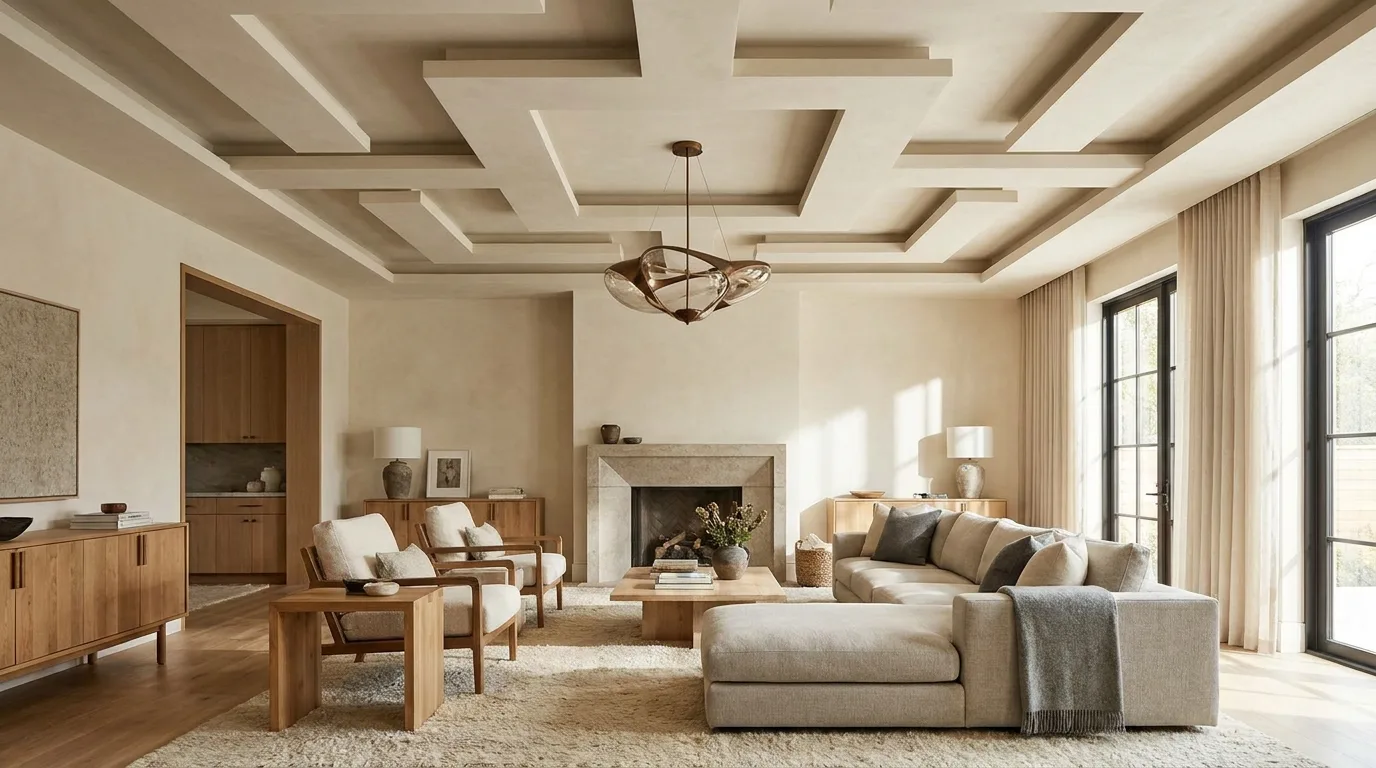
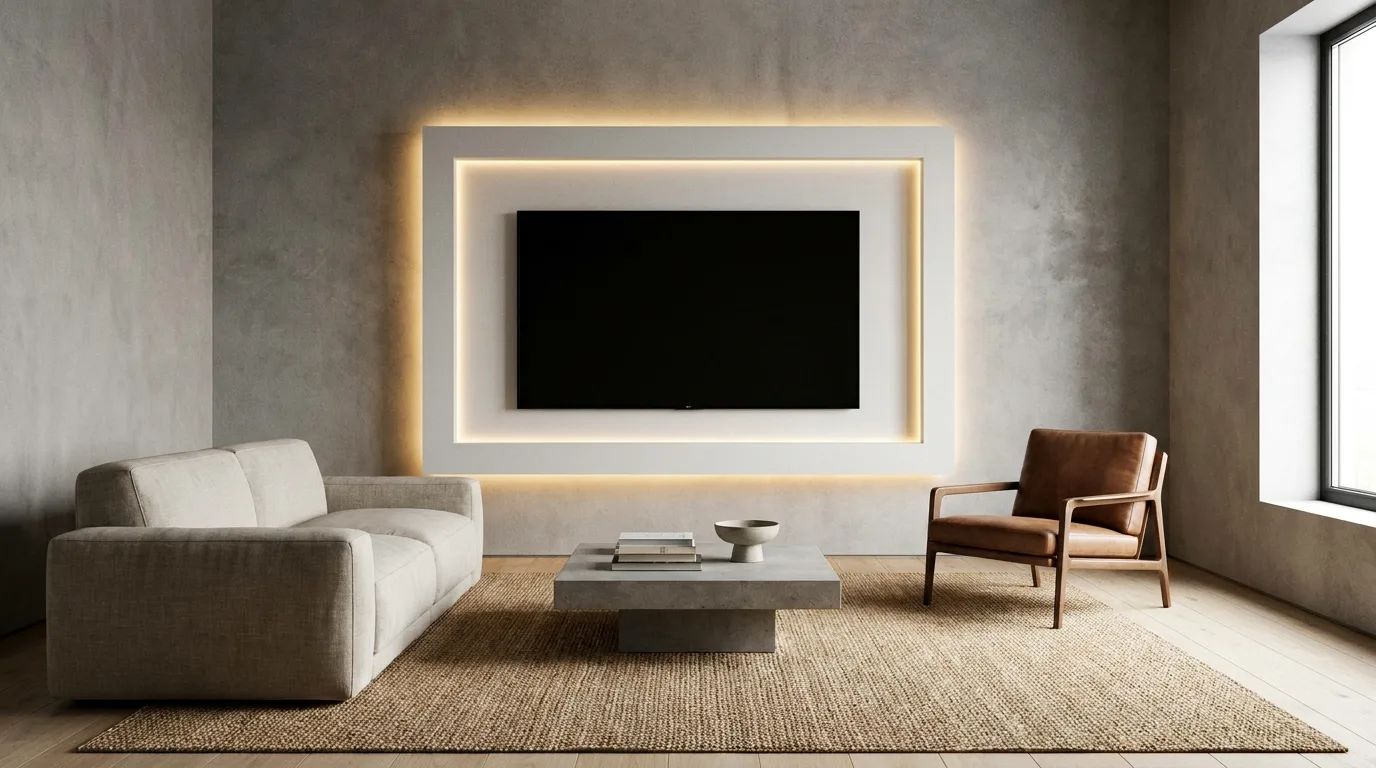
A simple POP border can give a television wall a built-in appearance without constructing an expensive entertainment unit. Create a clean rectangular frame around the TV area, leaving enough space for ventilation, cables, and future equipment changes. The surrounding wall can remain painted in a neutral color so the television stays visually prominent. For additional impact, install a narrow LED strip inside a recessed section, but keep the lighting subtle to avoid reflections on the screen. This idea is especially useful for apartments and compact homes where bulky furniture can make the room feel crowded. Use POP primarily as a decorative finish and provide proper support for the television separately. A restrained frame with carefully planned proportions can deliver the appearance of a custom media wall while keeping both material use and visual clutter under control.
9. Compact POP Bedroom Ceiling
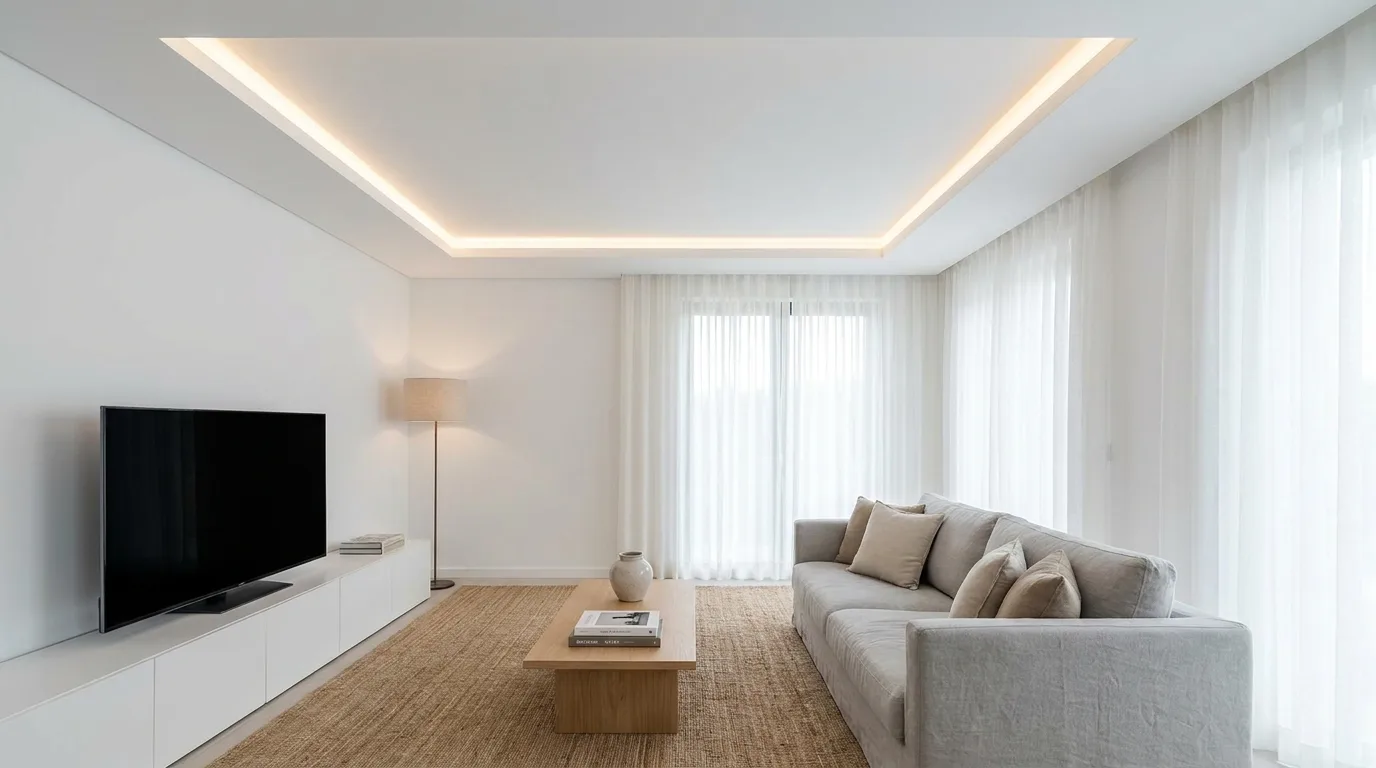
Bedrooms generally benefit from calm, uncomplicated ceiling designs. A compact POP feature centered over the bed can define the sleeping zone without making the ceiling feel busy. Try a shallow rectangular recess, a simple border, or a small geometric panel with concealed lighting. The design should follow the bed’s position rather than simply being centered in the entire room, especially when furniture is arranged asymmetrically. Soft warm lighting works well for a relaxing atmosphere, while a plain white finish keeps the space visually open. Avoid very deep drops in rooms with low ceilings because they can make the bedroom feel smaller. For a genuinely budget-friendly result, select one decorative feature and let the remainder of the ceiling stay plain. This creates a deliberate design statement while reducing both material consumption and installation complexity.
10. POP Corner Accent
A corner accent is an economical alternative to decorating an entire ceiling or wall. A small POP shape can be installed where two surfaces meet, around a ceiling edge, or in a neglected corner of a living room. Simple curved lines or stepped rectangular forms can add architectural interest without overwhelming the space. This approach is particularly helpful when you want to refresh an existing room rather than undertake a full renovation. Keep the accent connected visually to another feature, such as a light fixture, curtain wall, or furniture arrangement, so it looks intentional. Using the same paint color as the surrounding surface can make the detail subtle and sophisticated. If you prefer a stronger statement, use a restrained contrasting shade. Because the decorated area is small, you can experiment with shape while keeping overall material costs relatively modest.
11. POP Ceiling With Recessed Spotlights
A straightforward POP ceiling can become highly functional when designed around recessed spotlights. Instead of adding complicated decorative layers, create a shallow ceiling frame with evenly spaced openings for lighting. This provides a clean, modern appearance and can improve illumination throughout the room. Plan the light positions according to the furniture layout rather than placing them randomly. In a living room, for example, separate lighting zones may work better than a single row of fixtures. Keep the POP profile simple to reduce construction costs, and select energy-efficient lights that suit the room’s purpose. Electrical wiring and fixture dimensions should be determined before the POP installation begins. The final design can remain almost entirely white and understated, allowing the lighting arrangement to provide the visual interest without requiring expensive decorative detailing.
12. Two-Level POP Ceiling With a Narrow Step
If you like the layered appearance of a two-level ceiling but have a modest budget, use just one narrow step. A basic outer frame with a slightly lowered inner or outer section can create depth without the complexity of elaborate multi-level designs. This works particularly well in medium-sized living rooms and dining areas. The step can be left plain or highlighted with concealed LED lighting. Keep both levels visually balanced and avoid adding unnecessary patterns inside the recessed area. A monochromatic paint scheme is often enough to make the different heights visible through shadows and lighting. Because every additional layer can increase labor and material requirements, limiting the design to two clear levels helps preserve the dimensional effect while controlling cost. Proper measurement is essential so the step follows the room’s walls evenly and does not look uneven or improvised.
13. Simple POP Curtain Box
A POP curtain box is a practical decorative detail that can conceal curtain tracks and give windows a cleaner appearance. The design can be as simple as a straight rectangular box running across the top of the window. It creates a neat transition between the wall and ceiling while helping curtains look more integrated into the room. For a low-cost design, avoid decorative moldings and complicated shapes. The box should be sized according to the curtain track, fabric thickness, and desired curtain fullness, with enough clearance for the curtains to move freely. Concealed LED lighting can be added if the budget allows, but it is not necessary for an attractive result. This idea works especially well in bedrooms and living rooms where simple, full-length curtains already create a strong visual feature. Good proportions matter more than ornamentation.
14. POP Wall Strips for a Modern Look
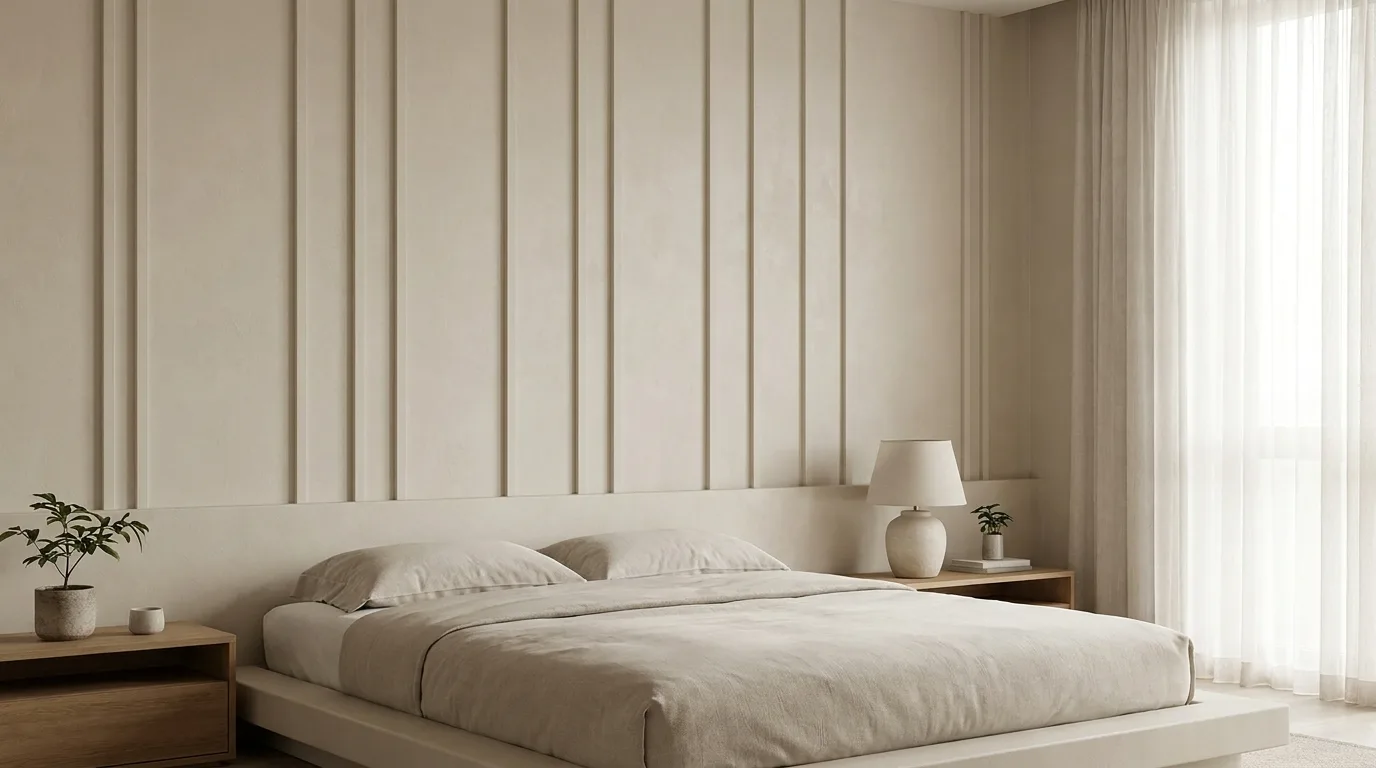
Vertical or horizontal POP strips can turn a plain wall into a modern feature with relatively little material. Use a small number of evenly spaced strips rather than covering the entire surface with complex patterns. Vertical strips can visually emphasize ceiling height, while horizontal arrangements can make a wall feel broader. The technique is particularly effective behind a bed, sofa, or dining table where one accent wall is enough to change the character of the room. For an understated finish, paint the strips the same color as the wall so shadows create the pattern. A contrasting shade creates a bolder effect but may require more careful finishing. Before installation, mark the spacing precisely and consider sockets, switches, doors, and furniture so the pattern does not become awkwardly interrupted. Symmetry and clean finishing are the main ingredients of an inexpensive but polished result.
15. Minimal POP Circle Design
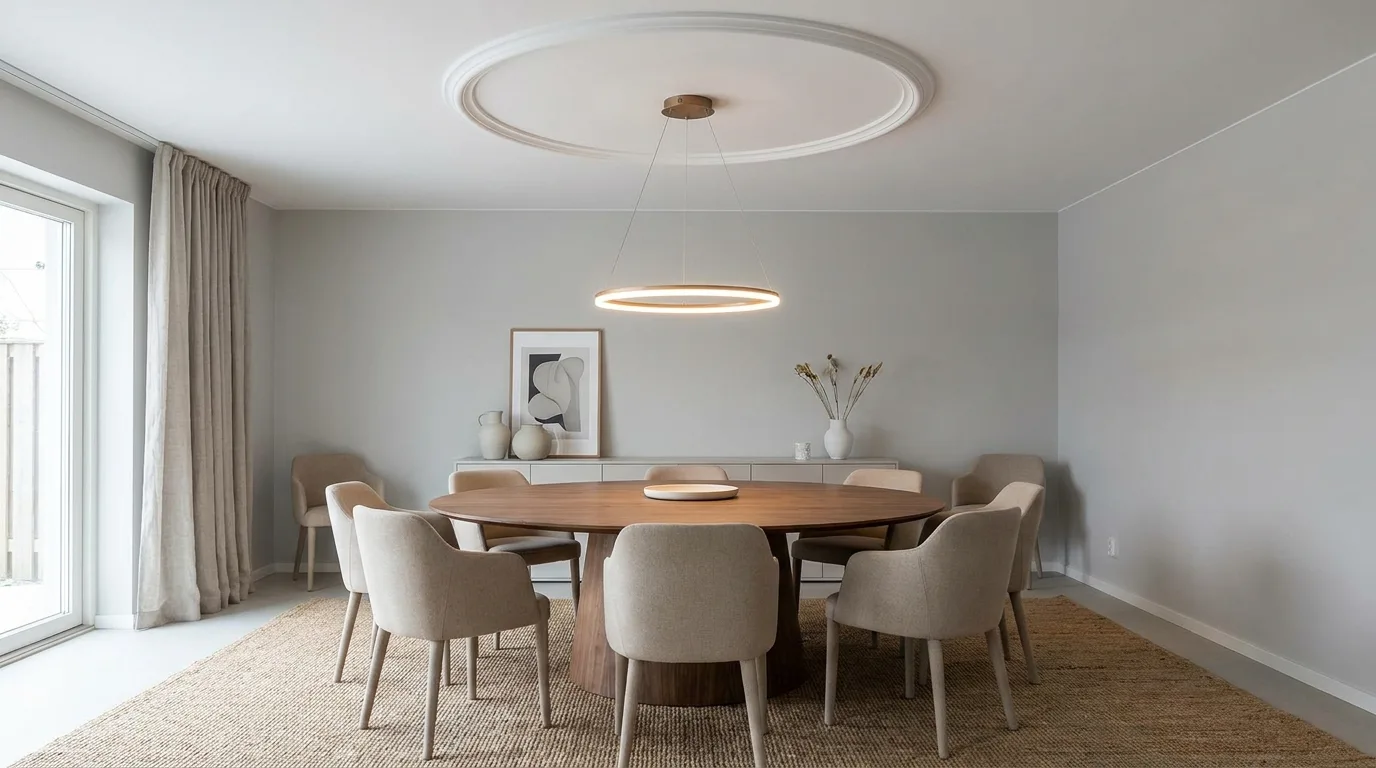
A single circular POP feature can soften a room dominated by straight furniture and architectural lines. It can be placed around a ceiling light, fan, or pendant fixture, or used as a simple decorative element above a dining table. The circle does not need multiple layers or ornamental detailing to look effective. A shallow raised ring or recessed circular frame is often enough. For a budget-conscious design, keep the diameter appropriate to the room and avoid combining it with several additional shapes. A white circle on a white ceiling gives a refined, understated effect, while a subtle contrast can make it more prominent. In dining areas, centering the circle above the table can visually anchor the furniture arrangement. Accurate marking is particularly important because imperfections are easier to notice in a simple circular design.
16. Plain POP Cornice for a Finished Look
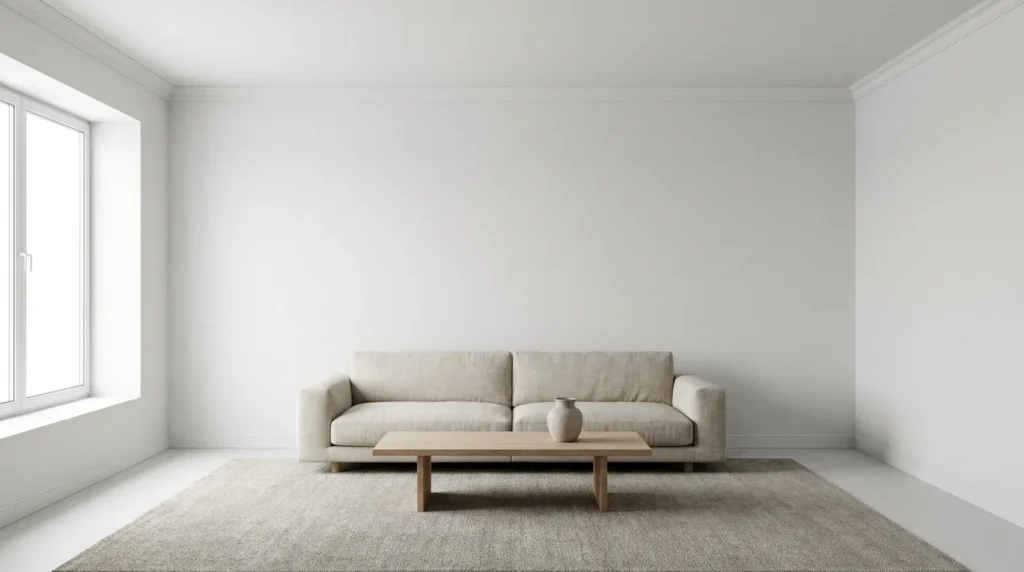
A simple POP cornice along the junction between the wall and ceiling is one of the most traditional and affordable ways to add architectural definition. Instead of selecting heavily ornamented molding, choose a narrow profile with a clean edge or understated curve. It can hide minor transitions between surfaces while giving the room a more complete appearance. This design suits bedrooms, living rooms, dining spaces, and hallways, especially when the rest of the décor is minimalist. Keeping the cornice consistent around the room generally produces a more cohesive result than mixing several profiles. You can paint it the same color as the ceiling for a seamless appearance or use a gentle tonal contrast to emphasize the shape. Because the design is continuous but simple, careful installation and smooth finishing will have a greater impact on the final look than elaborate decoration.