
Your roof is your home’s first line of defense against rain, wind, heat, snow, and changing temperatures. Small weaknesses that seem harmless during mild weather can become expensive problems when severe conditions arrive. Preparing your roof throughout the year helps protect the structure, reduce the risk of leaks, improve energy efficiency, and extend the life of roofing materials. The key is to combine routine inspections with practical maintenance before seasonal weather becomes a problem. From cleaning gutters and checking flashing to trimming nearby trees and improving attic ventilation, these steps can make your roof more resilient in changing conditions.
1. Schedule a Thorough Roof Inspection

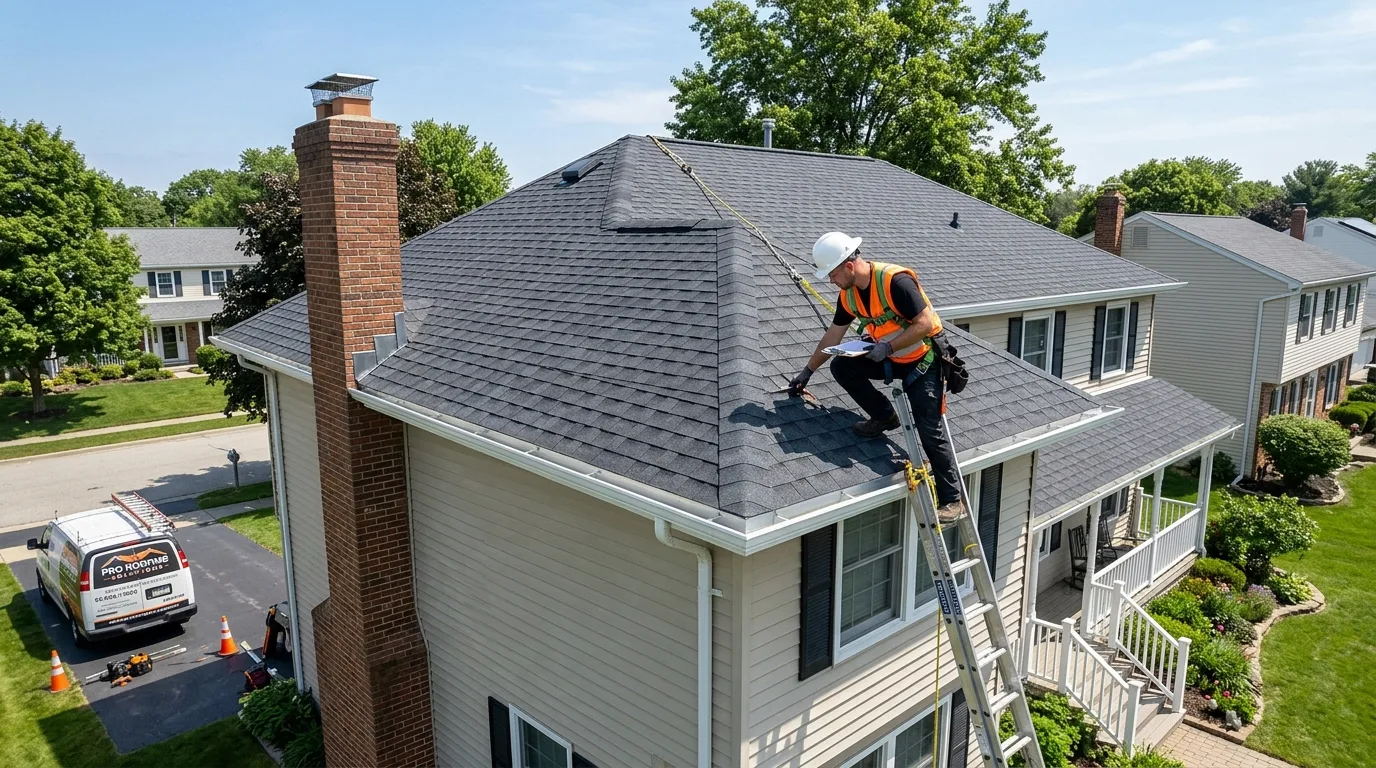
Start your weather-preparation routine with a careful roof inspection. Look for cracked, curled, loose, or missing shingles, damaged tiles, exposed underlayment, rusted metal components, and areas where roofing materials appear uneven. Pay particular attention to valleys, roof edges, penetrations, and places where different materials meet because these areas can be vulnerable to water intrusion.
Do not rely solely on what you can see from the ground. A professional roofer can identify problems that are difficult or unsafe to inspect yourself. If your roof is steep, high, or visibly damaged, avoid climbing onto it. Inspect the attic as well for damp insulation, water stains, mold-like growth, daylight through the roof deck, or unusual odors. Finding minor defects before a major storm gives you time to repair them rather than dealing with an emergency leak afterward.
2. Replace Damaged or Missing Shingles

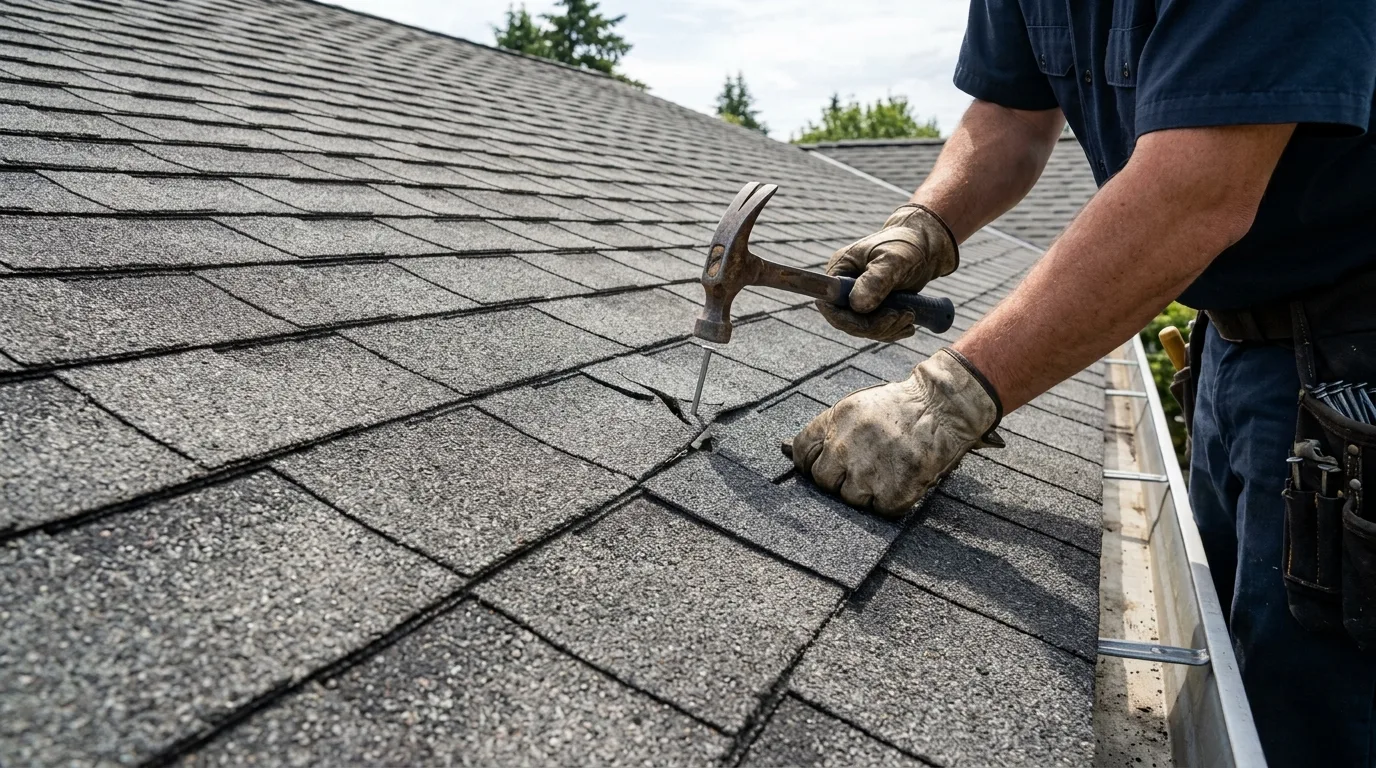
Shingles form a protective layer against precipitation and wind, so damaged or missing pieces should be addressed promptly. Look for shingles that are cracked, lifted, blistered, curled, or missing granules. Strong winds can loosen aging shingles, while repeated exposure to sunlight and temperature changes can make roofing materials brittle over time.
Replacing a damaged shingle is generally much easier than repairing the interior damage caused by a persistent roof leak. However, repairs should match the existing roofing material and be installed correctly so water can continue to flow over the roof rather than underneath it. If damage covers a large section or the roof is approaching the end of its expected service life, have a qualified roofing professional assess the overall condition. A patch may solve an isolated problem, but widespread deterioration can require a more comprehensive solution.
3. Clean and Maintain the Gutters
Clean gutters are essential for directing rainwater away from the roof and foundation. Leaves, twigs, dirt, and other debris can block water flow, causing gutters to overflow during heavy rainfall. Water may then collect along roof edges or run down exterior walls, increasing the risk of moisture damage.
Inspect gutters and downspouts at least seasonally and after periods of heavy storms or falling leaves. Remove accumulated debris only when it is safe to do so, and check whether gutters are sagging or pulling away from the fascia. Downspouts should discharge water far enough away from the home’s foundation to prevent pooling. Gutter guards can reduce debris buildup in some homes, but they still require inspection and cleaning. Keeping the entire drainage system clear is one of the simplest ways to help your roof handle intense rainfall.
4. Check Roof Flashing and Seals
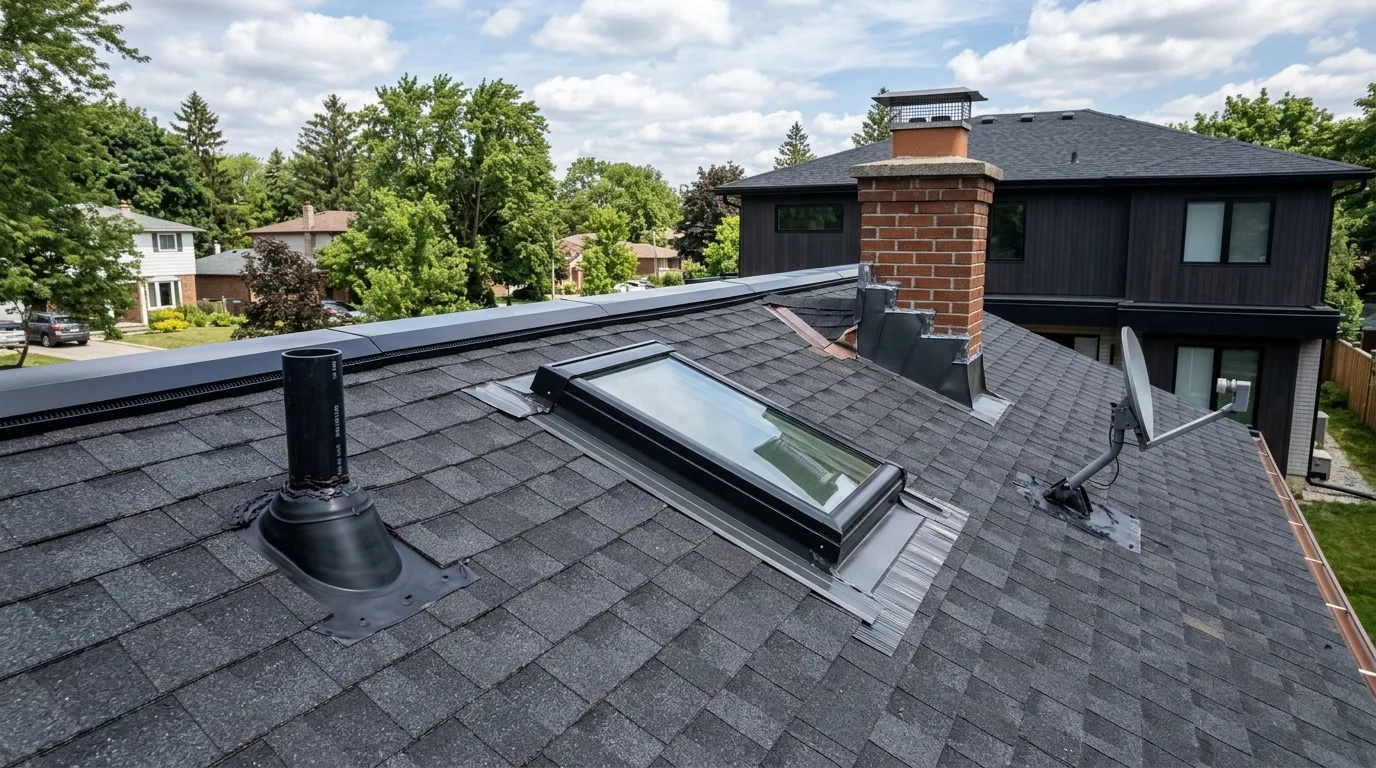
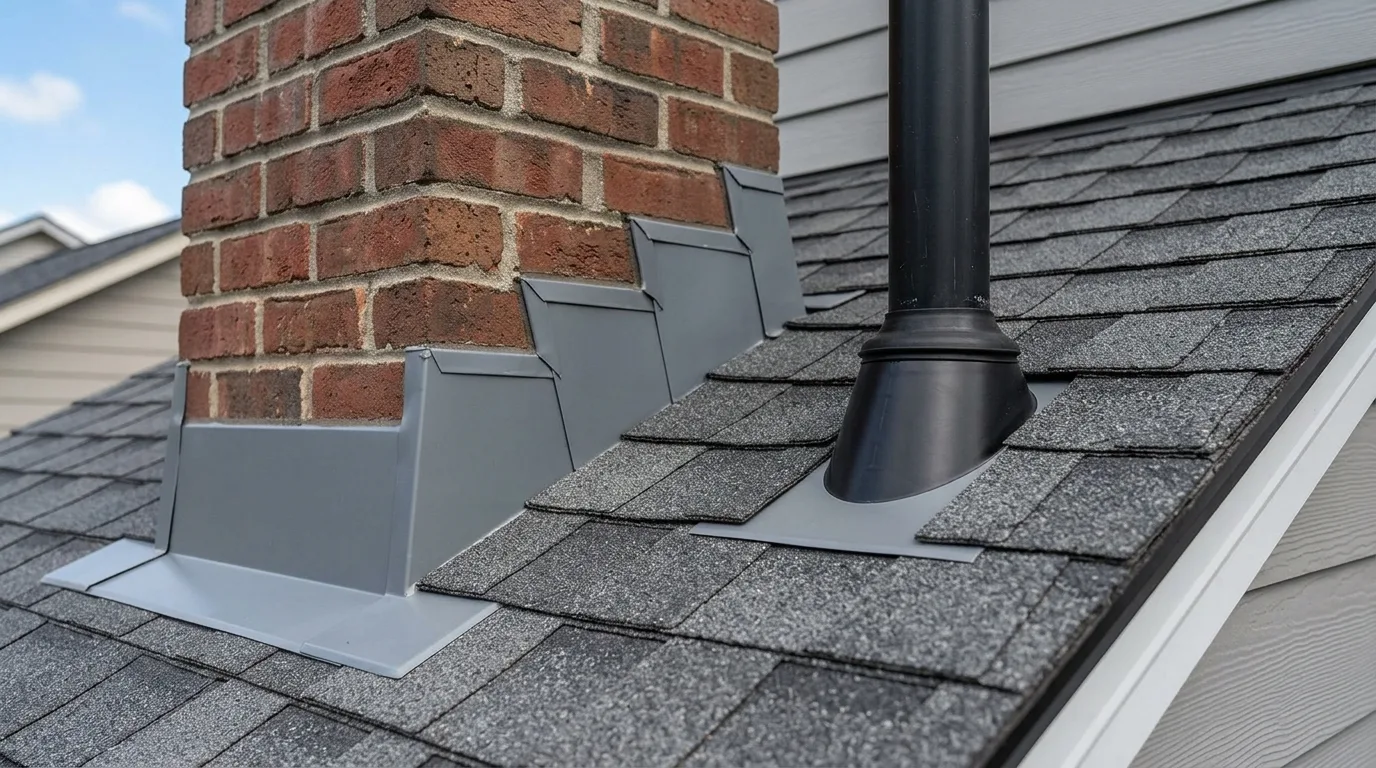
Flashing is used around vulnerable roof areas such as chimneys, skylights, vents, dormers, and roof-wall intersections. Because these locations involve joints or openings, they can become common entry points for water if flashing is loose, corroded, cracked, or improperly sealed.
Inspect visible flashing for gaps, lifted sections, rust, deterioration, or signs that water has been getting underneath it. Pay attention to interior areas around skylights and chimneys as well, since staining may indicate a problem that is not obvious from outside. Avoid simply covering every suspected leak with a large amount of caulk. Sealants can deteriorate and may not correct an underlying installation problem. If flashing is damaged or a leak keeps returning after a basic repair, a roofing professional should determine whether the flashing needs replacement or proper reinstallation.
5. Keep Roof Valleys Clear of Debris
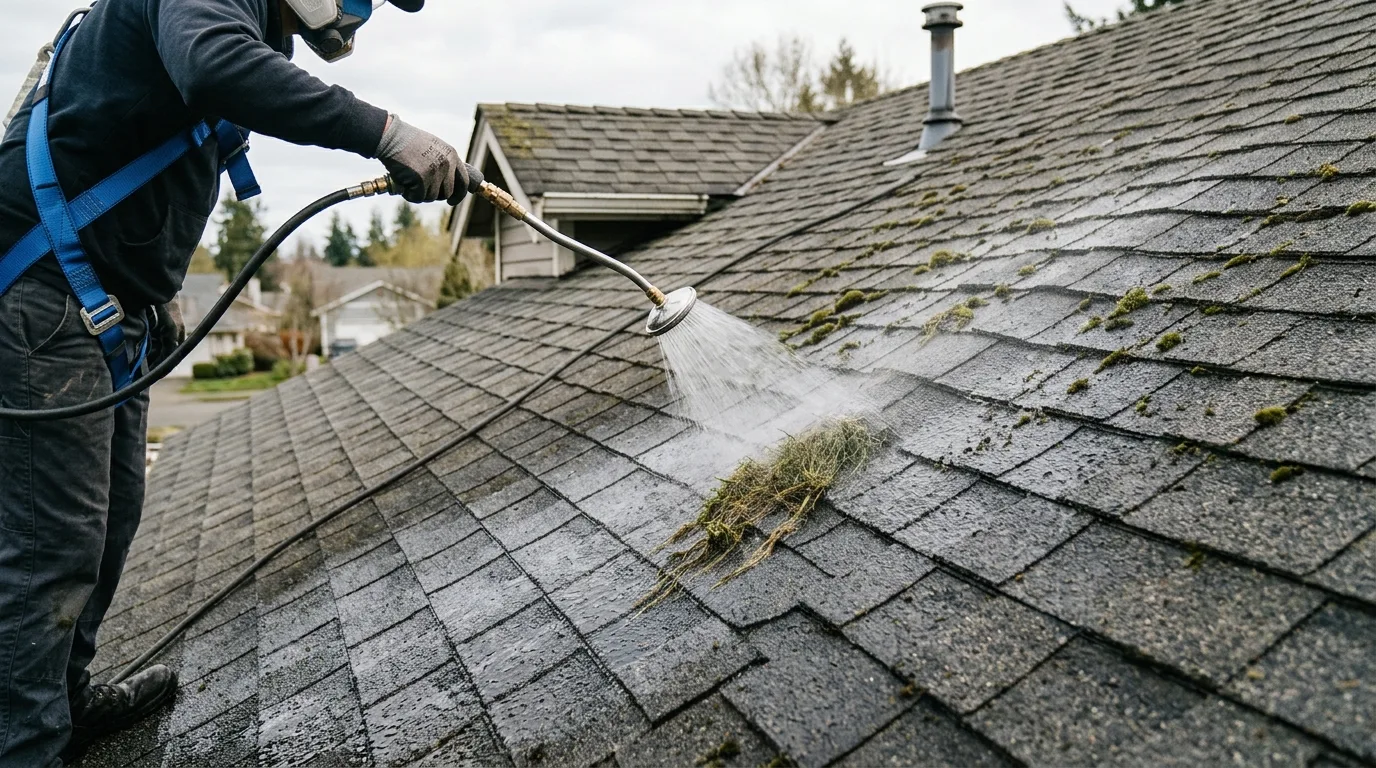
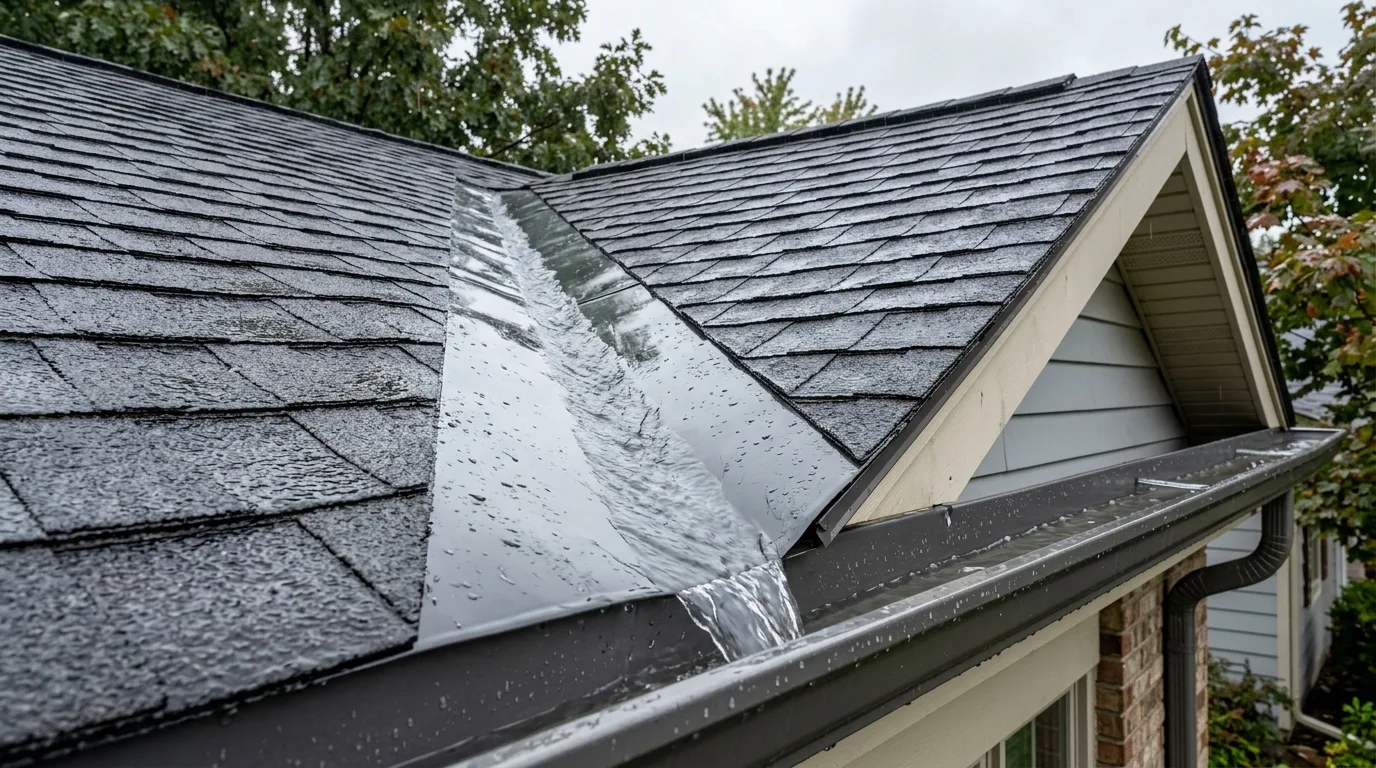
Roof valleys are the channels where two sloping roof sections meet, so they carry significant amounts of rainwater. Leaves, branches, moss, and other debris can accumulate in these areas and interfere with drainage. During heavy rainfall, blocked valleys can increase the chance of water backing up beneath roofing materials.
Check valleys regularly, especially after autumn leaf fall or storms. Debris should be removed carefully without damaging shingles, tiles, membranes, or flashing underneath. Never scrape aggressively across delicate roofing surfaces. If moss or algae is widespread, use an appropriate cleaning method rather than harsh pressure washing that can damage some roofing materials. Valleys should remain open and able to direct water toward the gutters. Because they are critical drainage areas, recurring pooling or leakage in a valley deserves professional attention rather than repeated surface-level cleaning.
6. Trim Trees Near the Roof

Nearby trees can provide shade and beauty, but branches that hang directly over a roof can create several weather-related risks. During strong winds, dead or weak branches may break and fall onto shingles, tiles, gutters, or flashing. Branches that repeatedly scrape against the roof can also wear down roofing materials.
Trim branches that pose a clear risk while keeping tree health and local regulations in mind. Dead limbs and branches that touch or heavily overhang the roof deserve particular attention. Avoid attempting to remove large or high branches yourself if specialized equipment is required. A qualified tree professional can assess hazardous limbs safely. Keeping trees appropriately separated from the roof also reduces the amount of leaves and small debris entering gutters. After severe weather, inspect the roof from a safe location for fallen branches or visible damage and arrange repairs before the next storm.
7. Improve Attic Ventilation

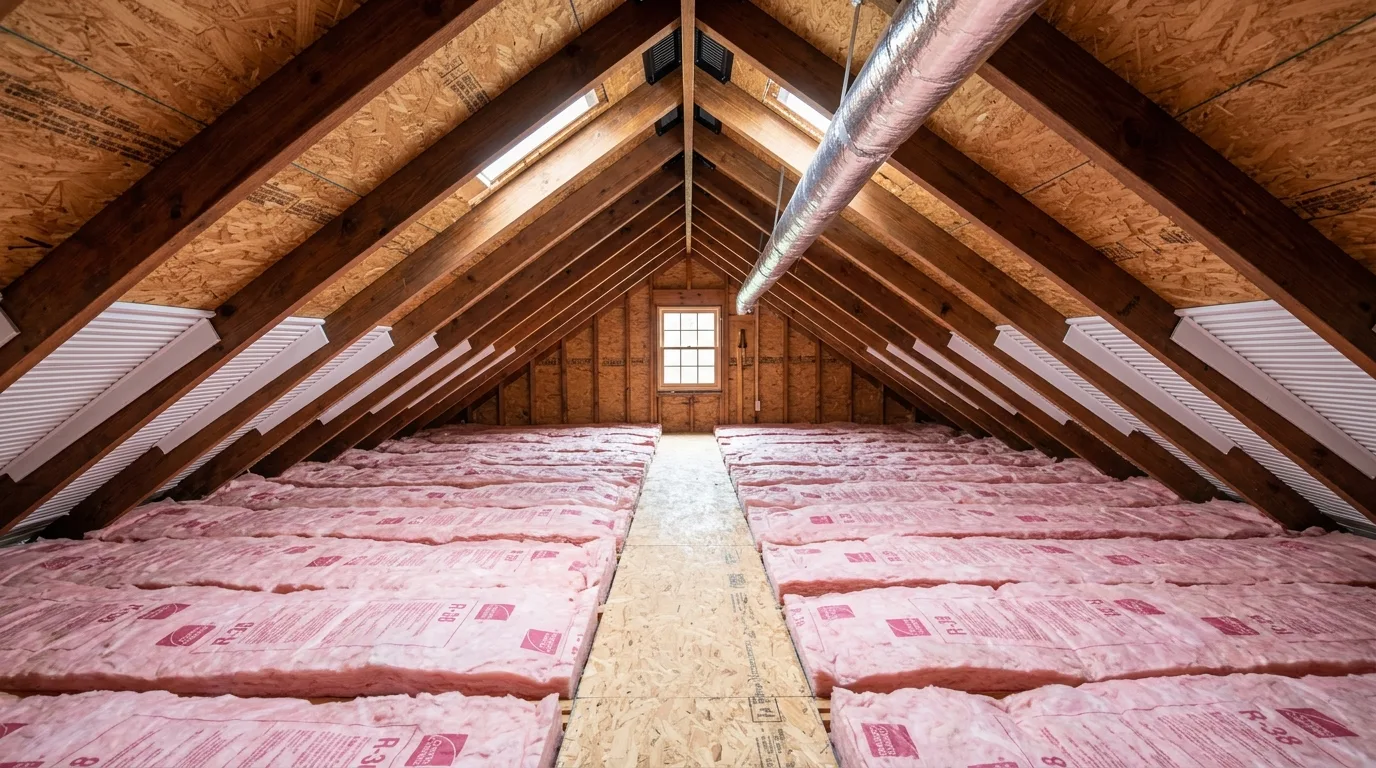
Roof preparation is not limited to the exterior. Proper attic ventilation helps manage heat and moisture beneath the roof. In hot weather, excessive attic heat can increase the thermal stress experienced by roofing materials and can make the home harder to cool. During colder conditions, inadequate ventilation can allow moisture to accumulate and contribute to condensation.
A balanced ventilation system may include intake vents near the roof’s lower edge and exhaust ventilation near the ridge or another appropriate high point. Insulation should also be installed correctly so it does not unintentionally block designed airflow paths. The ideal ventilation arrangement depends on the roof design, climate, insulation, and building construction. If your attic feels unusually hot, damp, or musty, have a qualified professional evaluate the ventilation and insulation together. Simply adding a vent without considering the entire airflow system may not solve the underlying problem.
8. Inspect the Roof Before Heavy Rain
Before a period of heavy rain, take a few minutes to inspect the roof and drainage system from a safe location. Look for obvious loose shingles, blocked gutters, damaged downspouts, exposed seams, and debris that could obstruct water flow. Check interior ceilings and attic spaces for existing stains because a small moisture problem can become much more noticeable during a major storm.
Make sure gutters are securely attached and downspouts are open. If your area frequently experiences intense rainfall, pay extra attention to low-slope roof sections and locations where water tends to collect. Do not wait until rain begins to attempt repairs. Working on a wet roof is dangerous, and temporary fixes made during a storm may fail. Addressing known issues while conditions are dry gives roofing materials and sealants the best chance to perform properly when the next heavy rainfall arrives.
9. Prepare for Strong Winds and Storms

Wind can place significant stress on roofing materials, particularly along edges, corners, ridges, and exposed sections. Before storm season, inspect for loose shingles, deteriorated fasteners, damaged flashing, and unsecured roof-mounted equipment. Even a small weakness can become a larger problem when strong gusts get underneath roofing materials.
Check items such as satellite equipment, vents, solar components, and other roof penetrations according to their installation requirements. Do not alter or remove equipment yourself if doing so could compromise the roof or create a safety hazard. After a major windstorm, inspect the property from the ground for missing materials, fallen debris, or exposed areas. If you notice damage, arrange a professional inspection promptly. Avoid walking across a roof immediately after a storm because hidden structural damage, wet surfaces, or loose materials can create serious hazards.
10. Protect the Roof From Extreme Heat
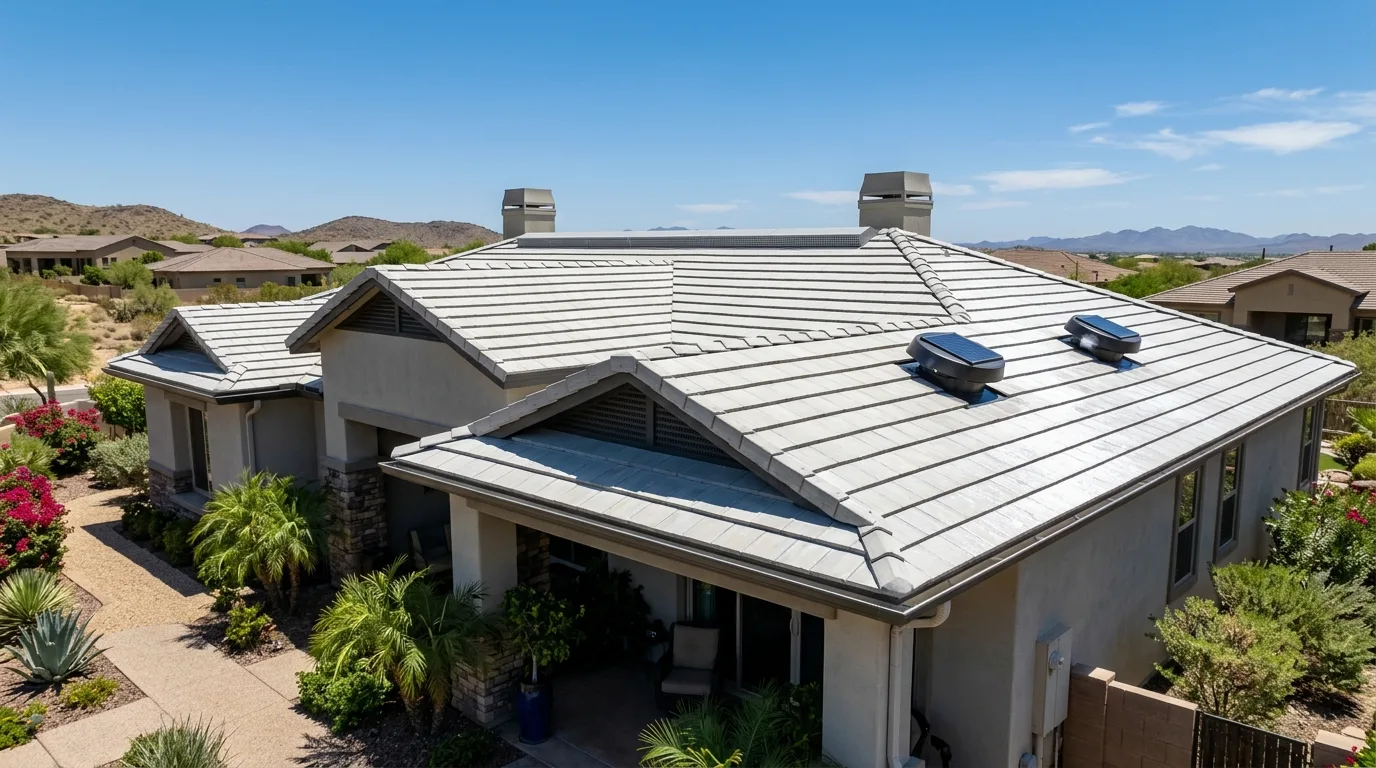
Long periods of intense sunlight and high temperatures can gradually age roofing materials. Heat can accelerate deterioration in some shingles, sealants, membranes, and flashing components, particularly when the roof is already old or poorly ventilated. Although you cannot control outdoor temperatures, you can reduce unnecessary heat and moisture stress inside the roof system.
Proper attic insulation and ventilation are important components of hot-weather roof care. Light-colored or reflective roofing materials may also be appropriate in some climates because they can reduce solar heat absorption. Keep gutters and drainage areas clean so hot-weather storms can still move water efficiently. Look for signs of aging such as excessive granule loss, cracking, blistering, or brittle materials. If these symptoms are widespread, have the roof evaluated instead of assuming they are normal cosmetic changes. Regular inspections help distinguish routine aging from deterioration that could affect weather resistance.
11. Prepare for Snow, Ice, and Freezing Weather
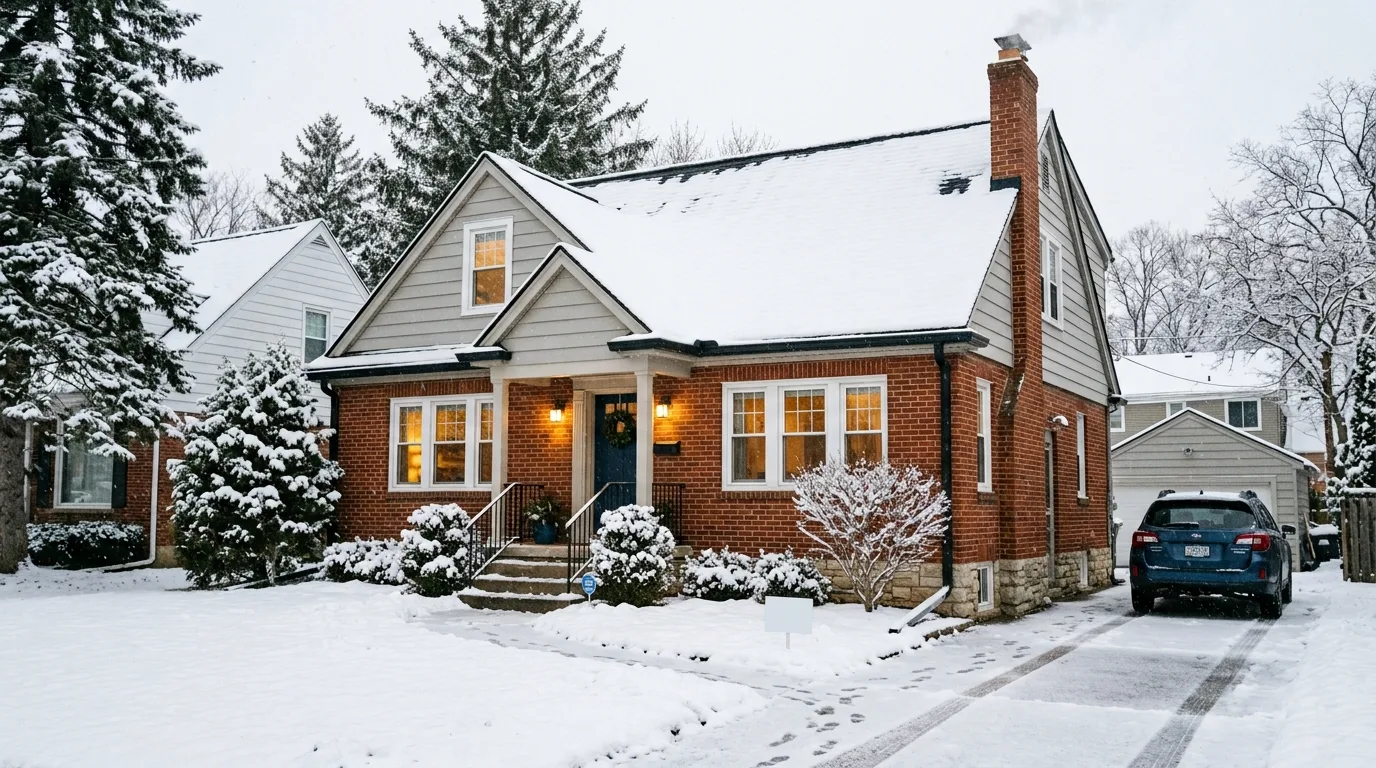
In climates that experience snow and freezing temperatures, roofs need additional attention. Heavy snow can add substantial weight, while repeated freeze-thaw cycles can worsen small cracks and openings. Ice buildup near roof edges can also interfere with normal drainage and contribute to moisture intrusion in vulnerable areas.
Before winter, clean gutters and make sure downspouts are open. Inspect flashing, shingles, and roof penetrations for damage before temperatures fall. Attic insulation and ventilation should be checked to help reduce unwanted heat transfer and moisture problems. After major snowfall, avoid climbing onto the roof simply to remove snow unless the work is performed by someone properly equipped and trained. Roof snow removal can be hazardous and can damage roofing materials when done incorrectly. If you live in an area with significant snowfall, ask a qualified professional about the appropriate snow-load considerations for your particular roof structure.
12. Prevent Moss, Algae, and Organic Growth
Moss and algae are more than cosmetic concerns when they become widespread. Moss can retain moisture against some roofing materials, while heavy organic growth can interfere with drainage and contribute to premature deterioration. Shaded, damp areas are particularly susceptible.
Inspect areas that receive limited sunlight and remain damp after rainfall. Remove leaves and organic debris before they accumulate, and use cleaning products specifically recommended for your roofing material if treatment becomes necessary. Avoid aggressive pressure washing on shingles because it can strip protective granules or damage surfaces. Copper or zinc-based solutions and specialized preventative products may be used on some roofs, but the appropriate approach depends on the roofing material and local conditions. If growth is extensive, professional cleaning can reduce the risk of accidental damage while addressing the underlying moisture and shade conditions that encourage it.
13. Check Roof-Mounted Equipment and Penetrations
Anything that passes through or sits on a roof creates a potential location for water intrusion. Plumbing vents, skylights, exhaust vents, solar equipment, satellite installations, and other fixtures should be inspected periodically. Look for cracked seals, loose components, damaged boots, rust, or visible gaps around penetrations.
Do not make structural changes around roof-mounted equipment without understanding how the roofing system is sealed. A seemingly small installation mistake can redirect water beneath shingles or membranes. If you have solar panels or other professionally installed equipment, check the installation documentation before arranging roof repairs so the appropriate specialist can be involved. During an attic inspection, look directly below penetrations for water stains or damp insulation. Keeping these transition points properly sealed is especially important before seasons that bring heavy rain, snow, or high winds.
14. Maintain the Roof’s Drainage and Surrounding Areas
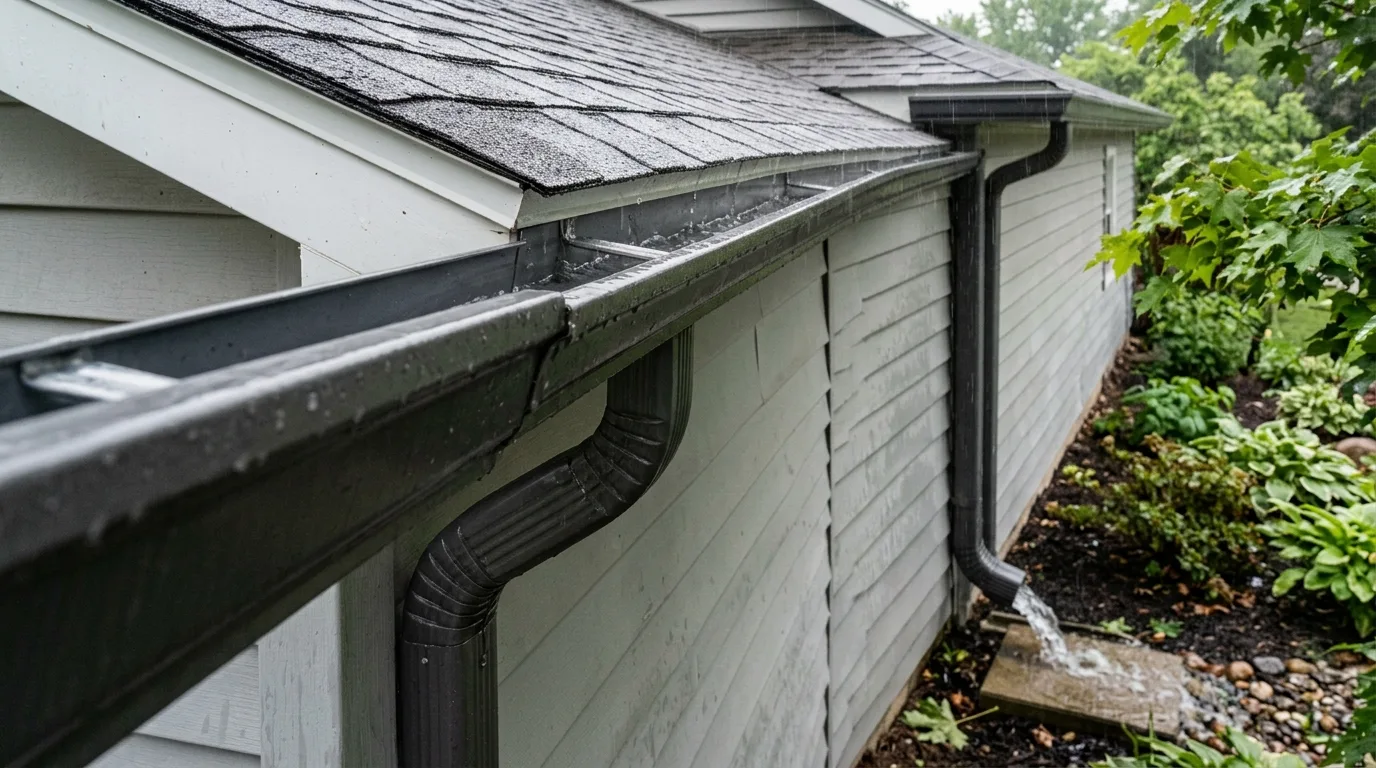
Effective roof drainage depends on more than clean gutters. Water needs a clear path from the roof surface through valleys and gutters, down the downspouts, and away from the building. Check for standing water, clogged outlets, disconnected downspouts, and areas where water repeatedly pools near the foundation.
Flat and low-slope roofs deserve particular attention because they may depend on internal drains, scuppers, or carefully designed slopes to move water. Keep drainage openings clear and never cover them with debris or stored materials. Make sure downspout extensions discharge water safely away from the foundation where appropriate. If you repeatedly notice standing water after rainfall, have the drainage system evaluated rather than simply removing the water manually. Persistent ponding can indicate a drainage or structural issue that requires a more lasting repair.
15. Create a Year-Round Roof Maintenance Schedule
The most effective way to prepare your roof for all weather conditions is to make maintenance routine rather than waiting for a storm warning. Schedule visual inspections at least periodically and consider professional inspections when the roof is aging, after significant storms, or whenever you notice signs of damage. Keep gutters, valleys, and drainage outlets clear throughout the year.
Use the seasons as reminders: inspect for storm damage before periods of heavy rain, check ventilation and shading before hot weather, clear drainage systems before autumn leaves accumulate, and address insulation or roof concerns before freezing conditions arrive. Keep records of repairs, inspections, and the approximate age of roofing materials. This makes it easier to recognize gradual deterioration and plan maintenance before an emergency occurs. Most importantly, treat roof work as a safety issue. Avoid climbing onto steep, wet, icy, or damaged roofs and use qualified professionals when inspection or repairs require specialized equipment or expertise.