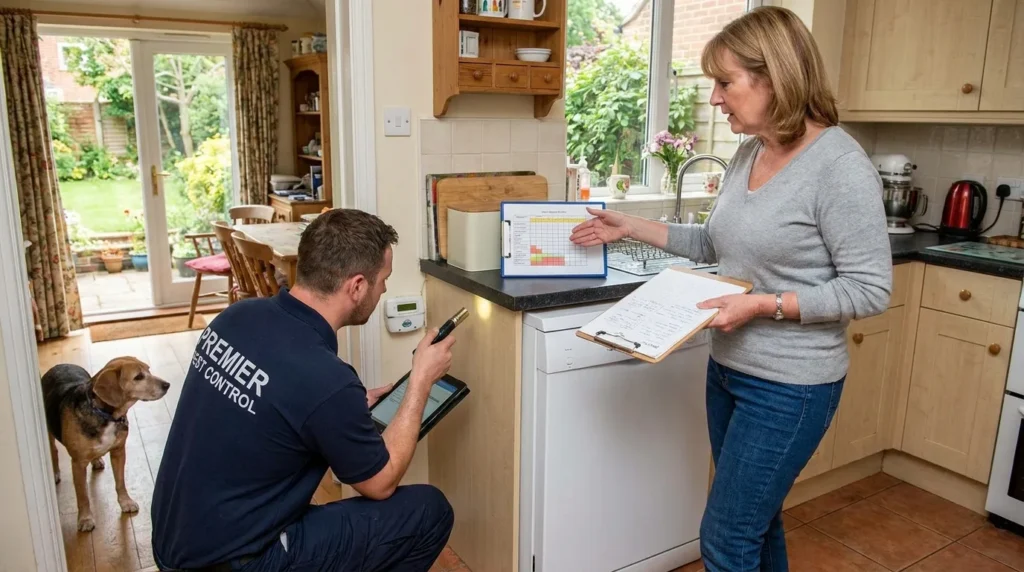
Pest problems can appear in any Bristol property, from terraced homes and flats to restaurants, offices, warehouses, and rental properties. Rodents, wasps, ants, cockroaches, bed bugs, and other pests can quickly become more than an inconvenience when they gain access to food, warmth, water, or shelter. Understanding how pest control works makes it easier to respond promptly and choose an appropriate treatment rather than relying on ineffective DIY solutions. This guide covers 15 essential insights into pest control in Bristol, UK, including common pests, warning signs, prevention, treatment choices, landlord and tenant considerations, and ways to prepare for professional pest control. The aim is to help property owners and occupants make practical, informed decisions when dealing with unwanted visitors.
1. Know Which Pests Are Common in Bristol
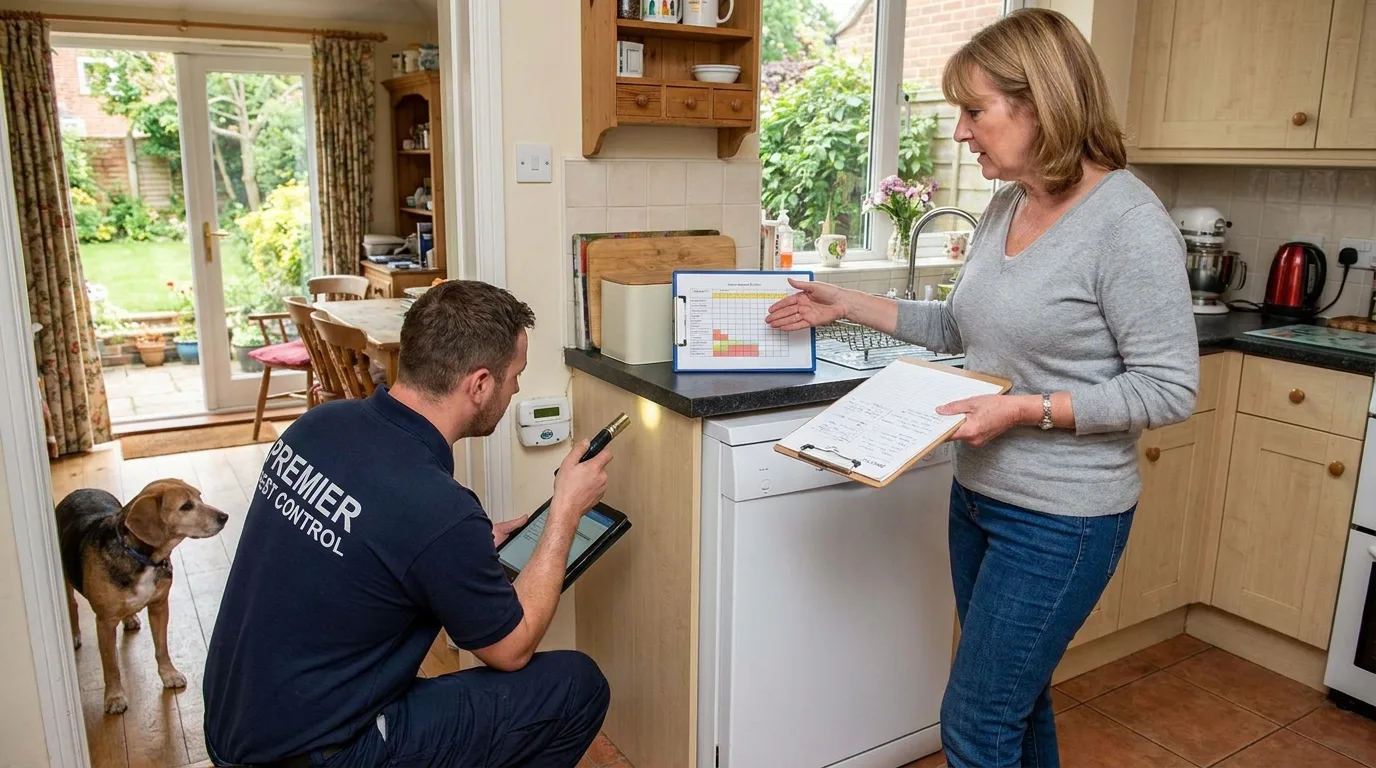
Bristol’s mix of historic buildings, modern developments, busy commercial areas, gardens, waterways, and densely populated neighbourhoods creates plenty of opportunities for pests to thrive. Common household and commercial pests include mice, rats, wasps, ants, cockroaches, fleas, bed bugs, clothes moths, and occasional invaders such as silverfish. Rodents are particularly attracted to accessible food waste and sheltered nesting areas, while insects may enter through gaps, windows, vents, or cracks around a property. Identifying the pest correctly is important because different species require different treatment methods. A mouse infestation, for example, may need proofing and trapping alongside sanitation, whereas a wasp nest requires a completely different approach. If you are unsure what you are dealing with, photographs, droppings, damage patterns, or the location where activity was noticed can help a professional identify the problem.
2. Learn the Early Warning Signs of an Infestation
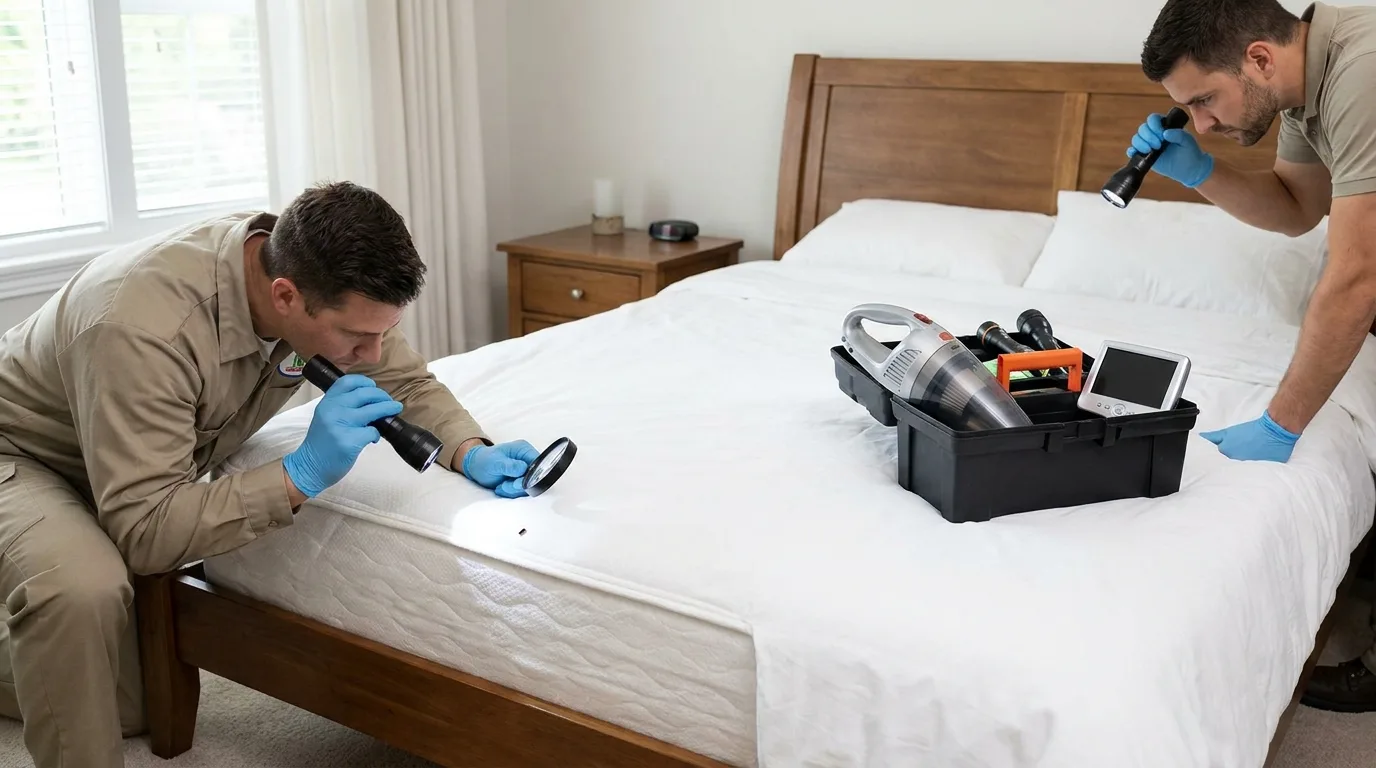
Spotting pest activity early can make treatment simpler and potentially reduce damage and expense. Signs vary according to the species, but droppings, gnaw marks, unusual smells, scratching noises, nests, shed skins, dead insects, grease marks, and damaged food packaging are common clues. Bed bugs can leave small dark marks around mattress seams, while rodents may leave droppings near cupboards, appliances, or food storage areas. A sudden increase in flies or wasps may also indicate a nearby breeding site or nest. Do not assume that seeing only one pest means there is no wider problem. Some pests are nocturnal or remain hidden for much of their life cycle. Investigating repeated signs rather than waiting for the infestation to become obvious can help prevent it from spreading to additional rooms or neighbouring properties.
3. Understand Why Professional Pest Control Can Matter
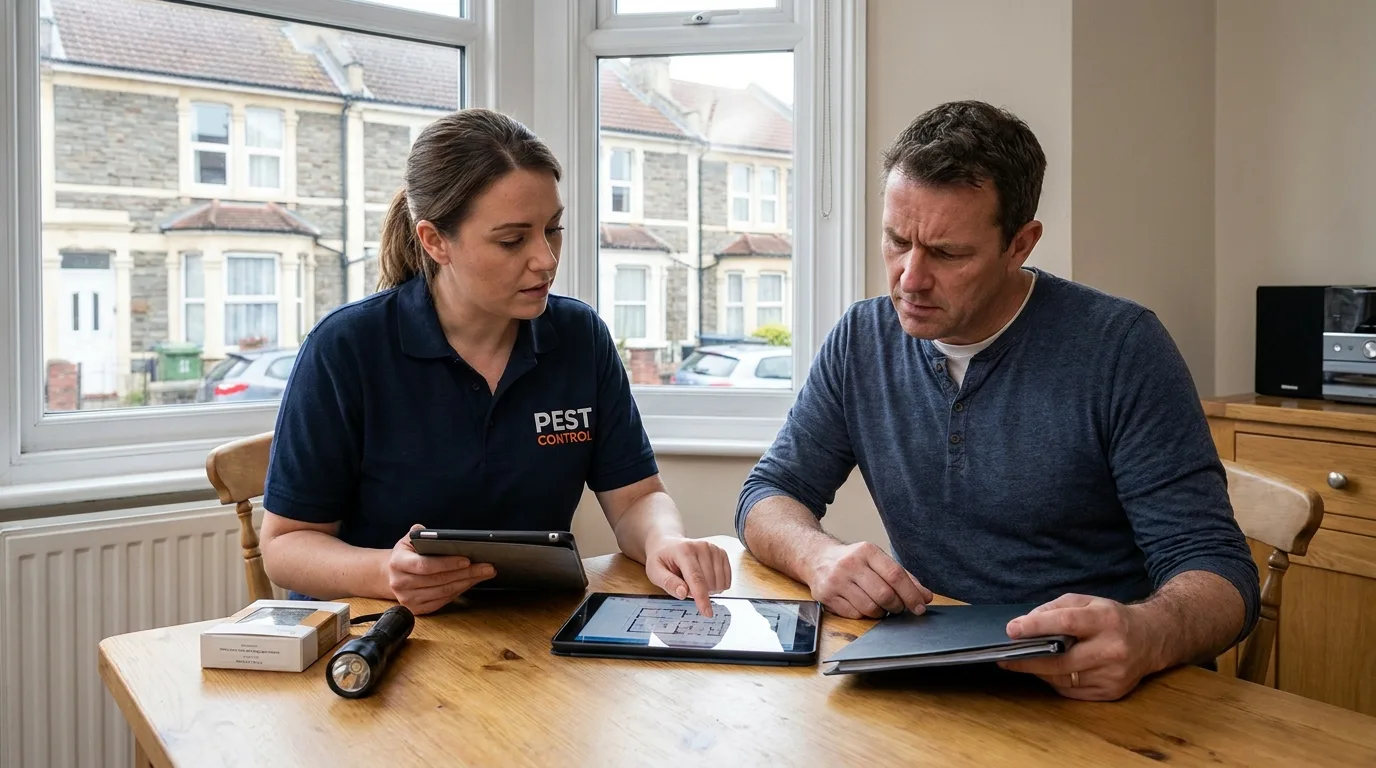
Professional pest control is not simply about applying a chemical treatment. Effective work usually begins with inspection, identification, assessment of the infestation, and consideration of how pests are entering or finding resources. A technician can look for harbourage areas, access points, food sources, moisture, nesting locations, and conditions that encourage repeat activity. Treatment can then be selected according to the pest, property, occupants, and level of infestation. This approach is especially useful for persistent problems such as rats, mice, cockroaches, or bed bugs, where treating visible pests without addressing their hiding places can lead to recurrence. Professionals can also explain preparation requirements, safety precautions, follow-up visits, and prevention measures. For larger or recurring infestations, a structured treatment plan is generally more useful than repeatedly trying unrelated household products.
4. Make Your Bristol Property Less Attractive to Rodents
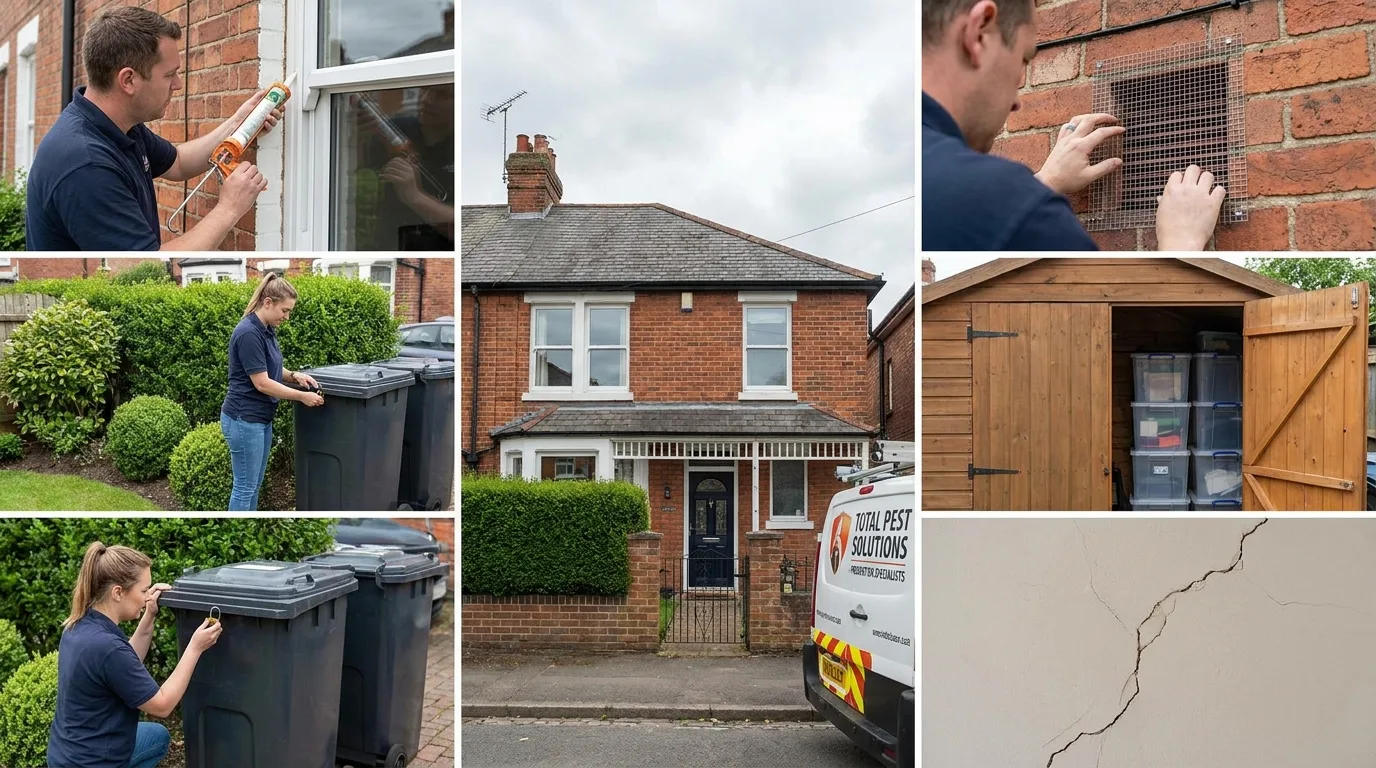
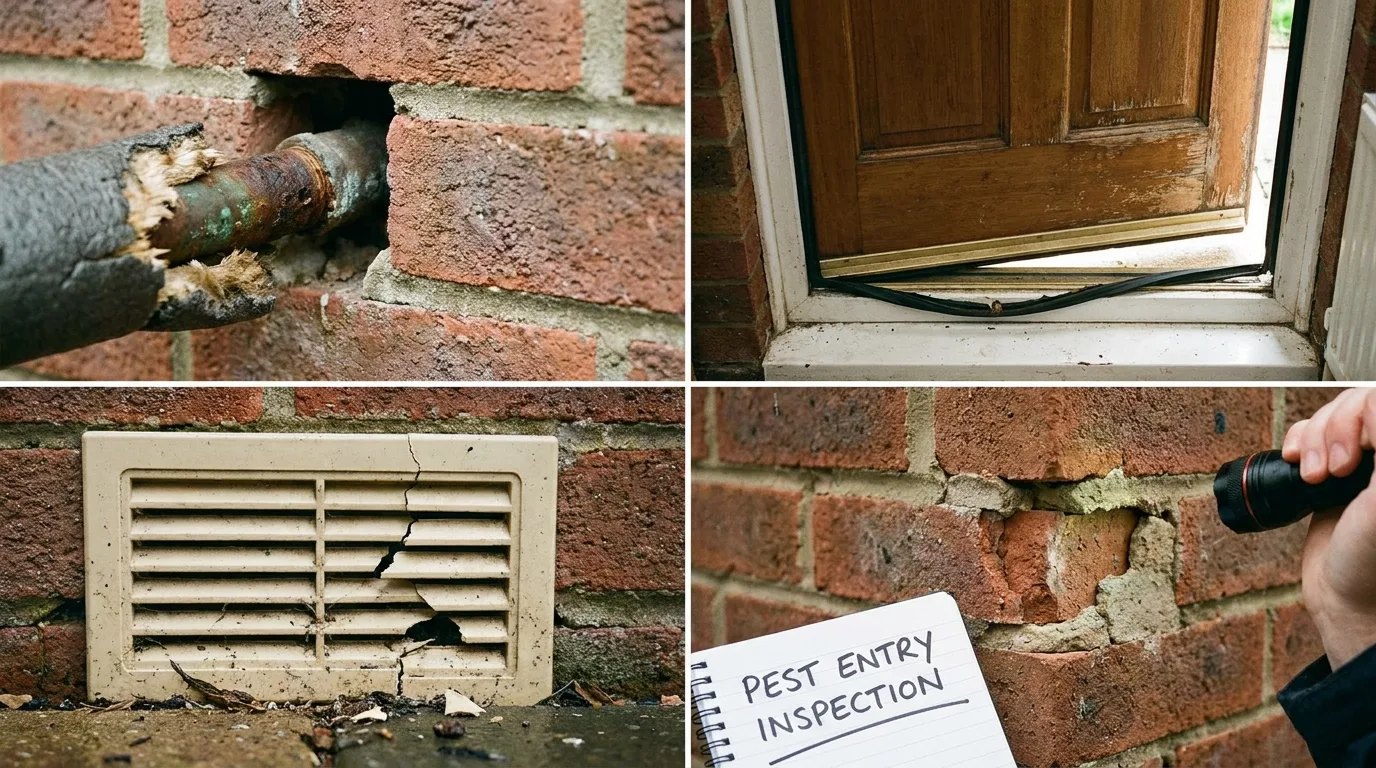
Mice and rats need food, water, and shelter, so reducing these resources is an important part of pest prevention. Store dry food in sealed containers, clean spills promptly, keep rubbish securely contained, and avoid leaving pet food accessible overnight. Check areas around doors, pipes, vents, utility penetrations, and damaged brickwork for gaps that could provide access. Mice can enter through surprisingly small openings, while rats can exploit damaged drains, gaps beneath doors, and weaknesses around external structures. Garden waste, overgrown vegetation, and clutter against walls can also create sheltered areas. Good housekeeping alone will not eliminate an established infestation, but it can make the property less attractive and support professional treatment. If you notice fresh droppings, gnawing, scratching, or nesting material, investigate promptly rather than waiting for signs to become more widespread.
5. Treat Wasps Carefully During the Warmer Months

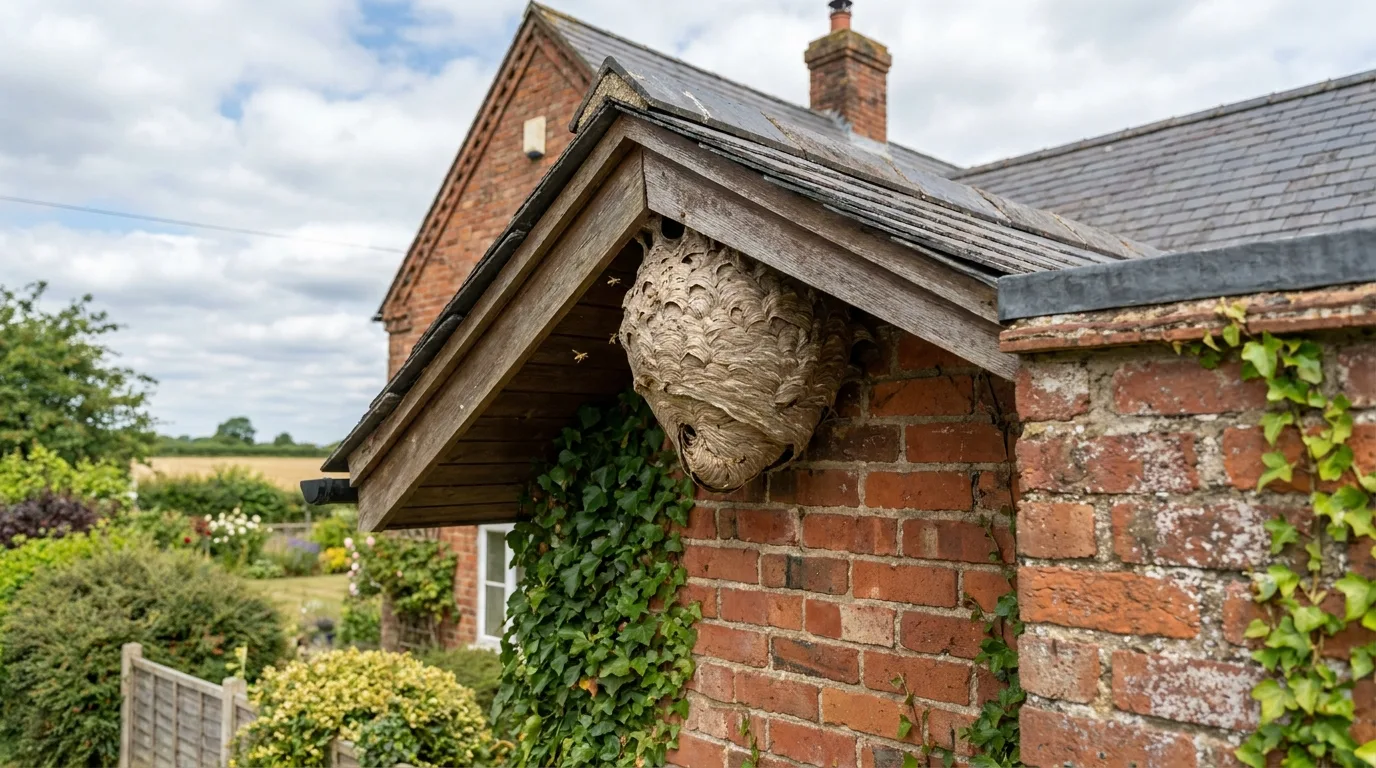
Wasps can become particularly noticeable during warmer months, when nests may develop around roof spaces, wall cavities, lofts, sheds, and other sheltered locations. A few wasps around a garden do not necessarily indicate a nest on your property, but repeated activity entering and leaving one location can be a useful warning sign. Avoid blocking an active nest entrance or attempting to disturb a nest from a ladder, as this can provoke defensive behaviour. Professional assessment is sensible when a nest is close to doors, windows, frequently used outdoor areas, or vulnerable occupants. The safest treatment depends on the nest’s position and accessibility. After treatment, it is also useful to consider why wasps were able to establish the nest there and whether gaps or damaged building materials should be repaired once the site is inactive.
6. Take Cockroach Sightings Seriously
Seeing a cockroach in a kitchen, bathroom, utility area, or commercial food-preparation space should not automatically be dismissed as an isolated event. Cockroaches are good at hiding in warm, dark, humid locations and can move through cracks, service voids, and shared building spaces. Signs may include droppings resembling small dark specks, unusual odours, shed skins, egg cases, or repeated sightings after dark. Good sanitation is important, but an established infestation often requires a targeted professional treatment plan. Remove accessible food sources, clean grease and crumbs, repair leaks, and reduce clutter around appliances and cupboards while arranging an inspection. In flats or connected buildings, pest activity can sometimes involve neighbouring units or shared areas, making communication with the property manager or landlord particularly important.
7. Know When Bed Bug Treatment Requires Persistence
Bed bugs can be challenging because they hide in mattress seams, bed frames, furniture joints, cracks, and other protected locations. Their presence is not a reliable indication of poor hygiene, and they can spread through luggage, furniture, clothing, and other belongings. Common clues include bites, small dark spotting, shed skins, or live insects around sleeping areas, although bites alone cannot confirm an infestation. Avoid moving heavily infested furniture from room to room because this can spread the problem. Professional treatment may require careful preparation and more than one visit because eggs can survive initial treatment. Follow the technician’s instructions about laundering, vacuuming, bagging belongings, and reducing clutter. Do not rely on household sprays without understanding the product and infestation, as inappropriate treatment can make professional control more difficult.
8. Use Integrated Pest Management for Longer-Term Results
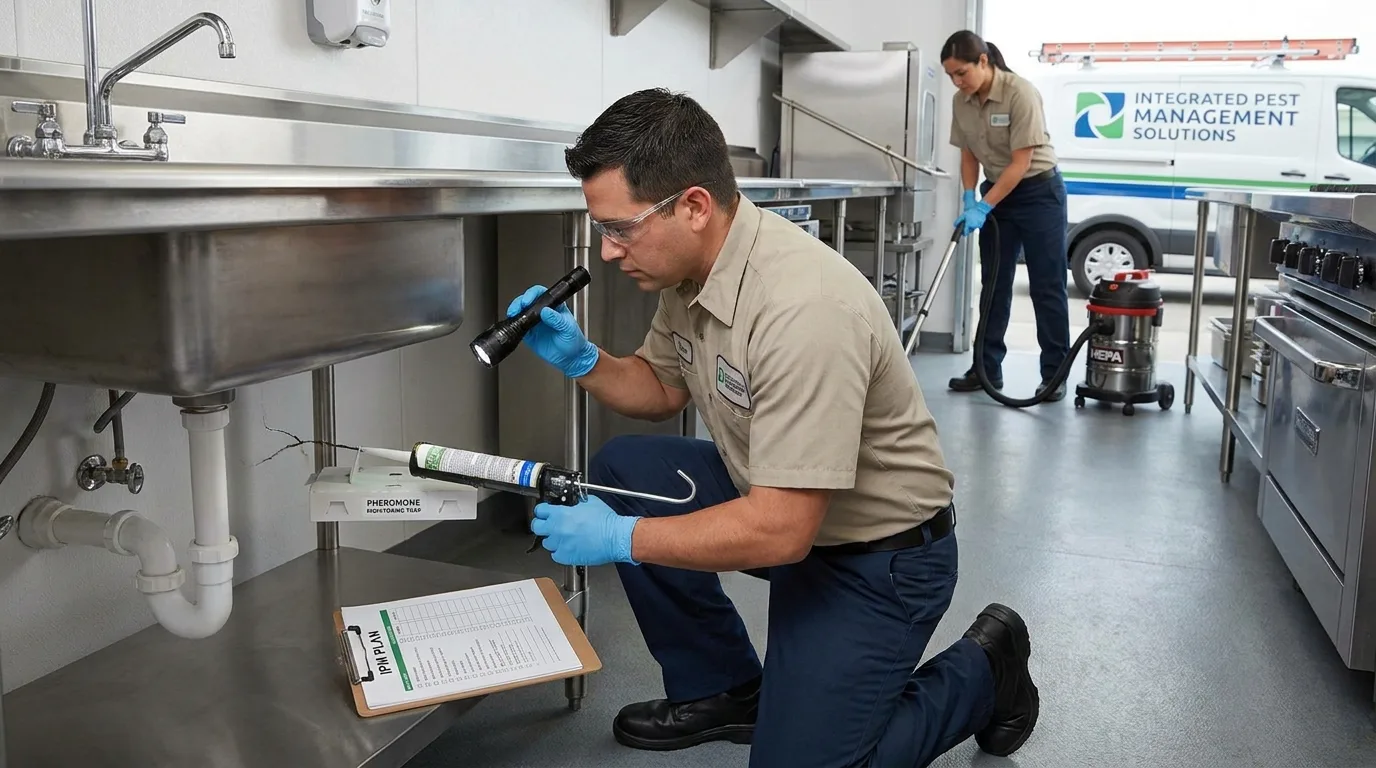
Integrated Pest Management, often abbreviated to IPM, focuses on controlling pests through a combination of inspection, prevention, monitoring, physical measures, and carefully selected treatments. Instead of depending entirely on pesticides, an IPM approach asks why the infestation developed and how future access can be reduced. For a rodent problem, this could involve identifying entry points, improving waste storage, using appropriate control measures, and monitoring activity after treatment. For insects, moisture control, sanitation, sealing cracks, and reducing harbourage can complement targeted treatment. This approach is valuable for homes as well as businesses because it concentrates on sustainable control rather than repeatedly responding to the same symptoms. When discussing pest control with a provider, ask what prevention measures should accompany the treatment and whether follow-up monitoring is recommended.
9. Check Entry Points Before Pests Become a Problem
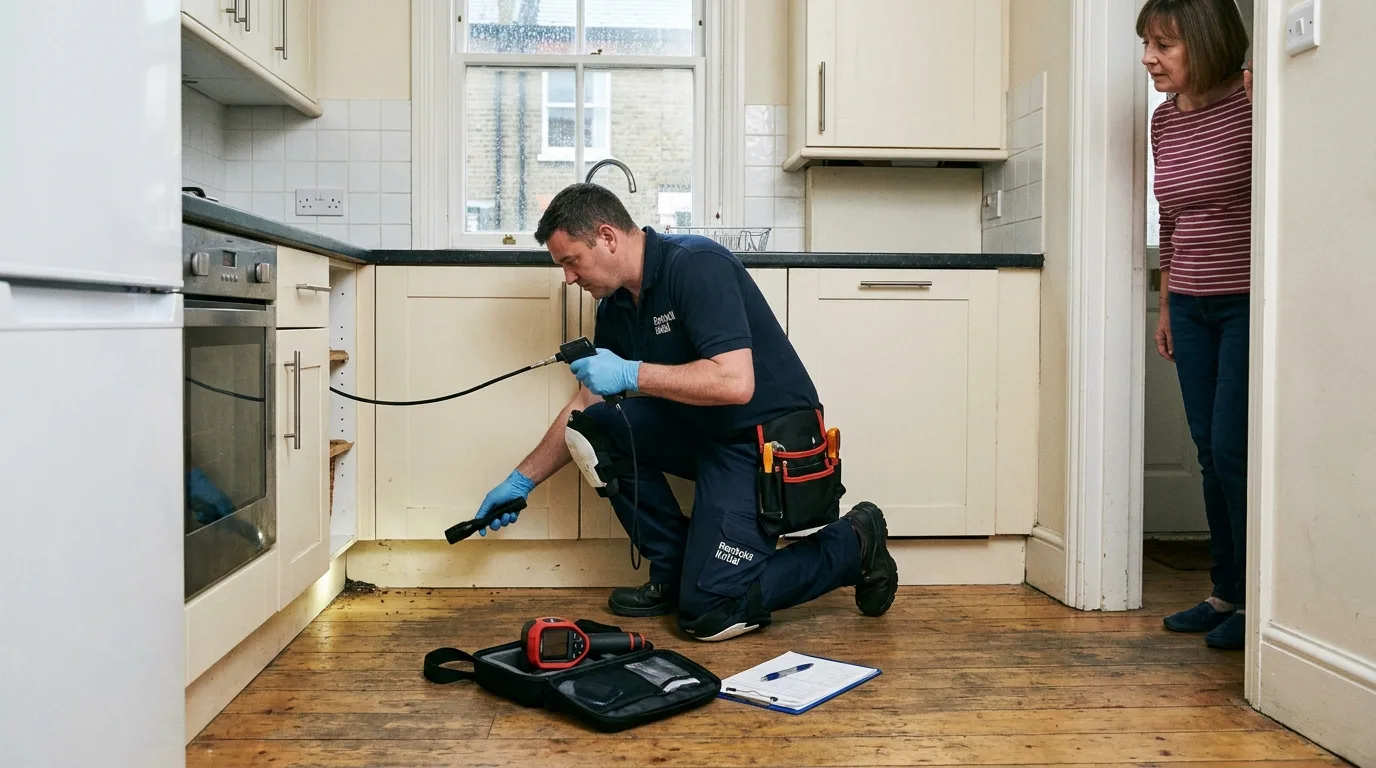
Many infestations begin because pests find a convenient route into a building. Inspect external doors, window frames, roofline areas, vents, pipe penetrations, air bricks, drains, and gaps around utility services. Damaged seals and holes behind kitchen units can be particularly useful access points for small pests. In older Bristol properties, irregular masonry, extensions, shared walls, and aging building materials may create additional places for pests to enter or travel. Repairs should be appropriate for the pest and building rather than simply filling every opening indiscriminately; ventilation and drainage systems still need to function correctly. Where rodents are involved, professional proofing advice can be particularly useful because poorly placed materials may fail to withstand persistent gnawing. Combining treatment with suitable exclusion measures is often a key part of preventing repeat infestations.
10. Keep Kitchens and Food Areas Pest-Resistant
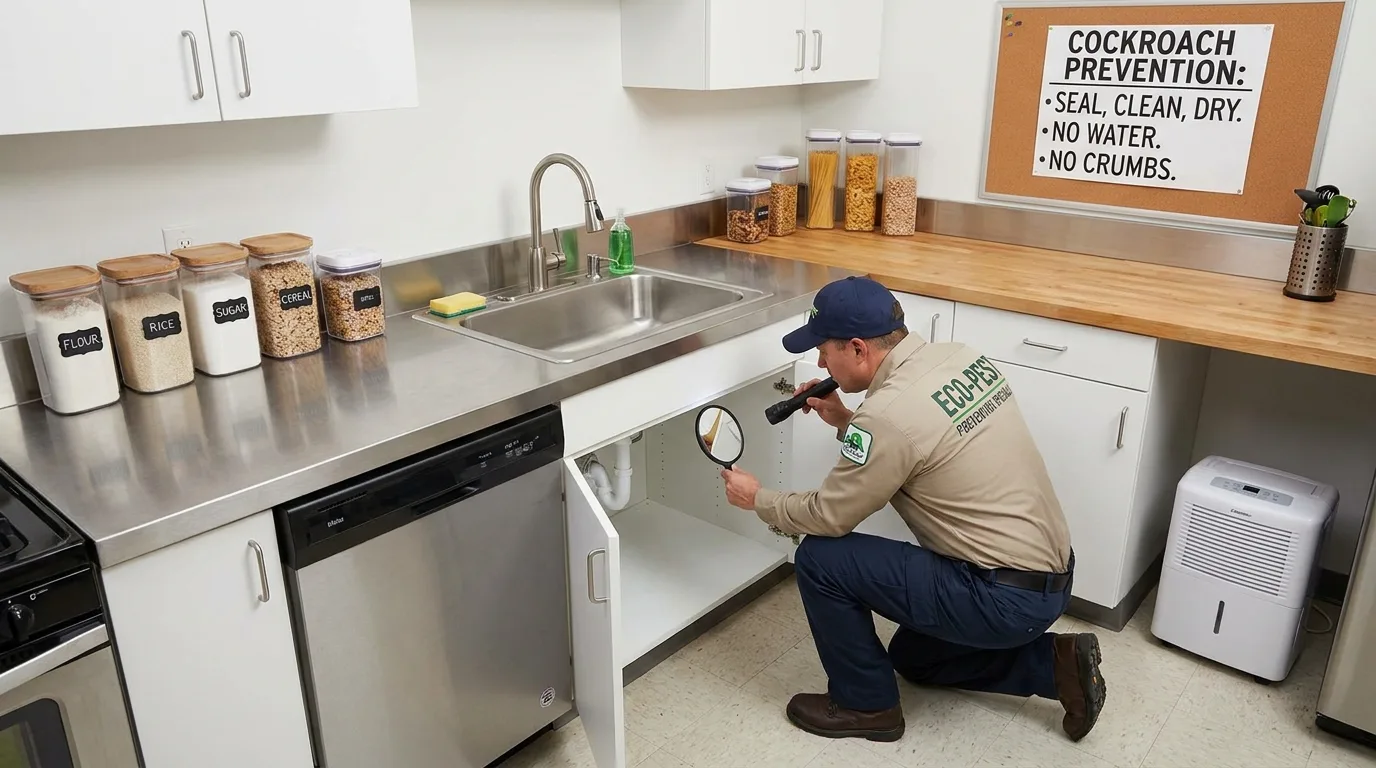
Kitchens provide several things pests need, including food, moisture, warmth, and hiding places. Keep worktops and floors free from crumbs, wipe spills promptly, empty food waste regularly, and store ingredients in secure containers. Pay attention to less visible areas such as beneath appliances, behind bins, inside cupboards, and around plumbing. Leaking taps and pipes should be repaired because persistent moisture can encourage insect activity. Businesses handling food need especially strong hygiene and monitoring procedures because pest activity can create serious operational and reputational consequences. A clean kitchen cannot guarantee that pests will never appear, particularly in flats or connected buildings, but it can reduce available resources and make signs easier to spot. Regular inspections of food storage areas can also reveal damaged packaging, droppings, or other evidence before a problem becomes extensive.
11. Understand the Landlord and Tenant Responsibilities
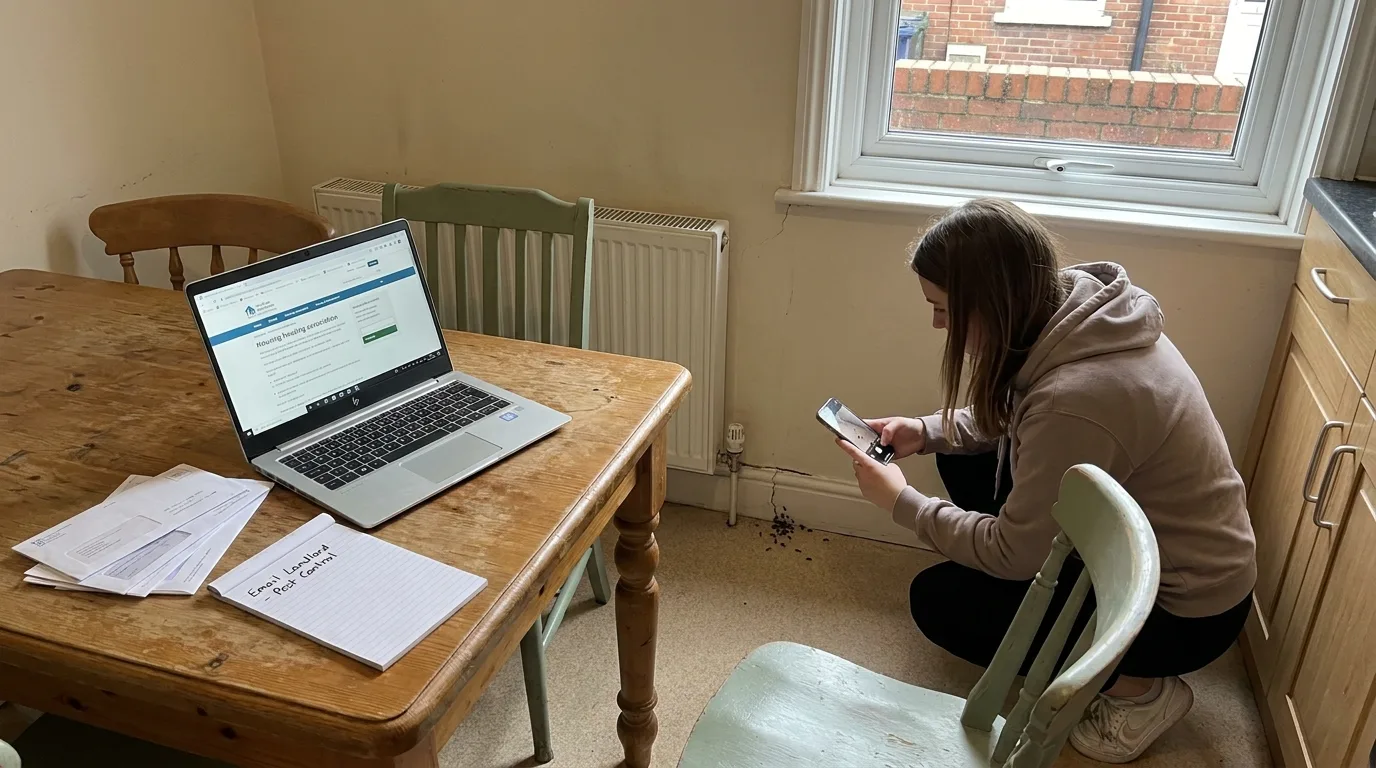
Responsibility for pest control in rented accommodation can depend on the cause of the infestation, the tenancy agreement, the type of property, and applicable housing obligations. Landlords generally have responsibilities relating to the condition and repair of a property, while tenants are expected to use the home responsibly and report problems promptly. If pests are entering because of structural defects, defective drains, holes, or problems affecting the building, the landlord or managing agent may need to investigate. If an infestation is linked to avoidable tenant behaviour, the circumstances may be different. Do not assume who must pay before checking the tenancy agreement and reporting the issue. Tenants should notify the landlord or agent in writing as soon as possible and keep records of sightings, communications, and any relevant photographs. Landlords should respond promptly because infestations can become more difficult to control when action is delayed.
12. Choose a Pest Control Provider Carefully
When comparing pest control companies in Bristol, look beyond the headline price. Ask what pest is covered, what the inspection includes, how many visits may be required, whether follow-up monitoring is included, and what preparation is expected from you. It is also sensible to check the provider’s experience with the specific pest and property type. A reputable professional should be willing to explain the proposed approach rather than promising an instant solution without inspecting the situation. Ask about treatment precautions, especially if children, pets, vulnerable occupants, or food-handling areas are present. Written information about the treatment and any aftercare instructions can also be useful. Comparing several providers can help you understand what is included in the quoted price and avoid choosing a service based solely on the lowest initial figure.
13. Prepare Properly Before a Pest Treatment
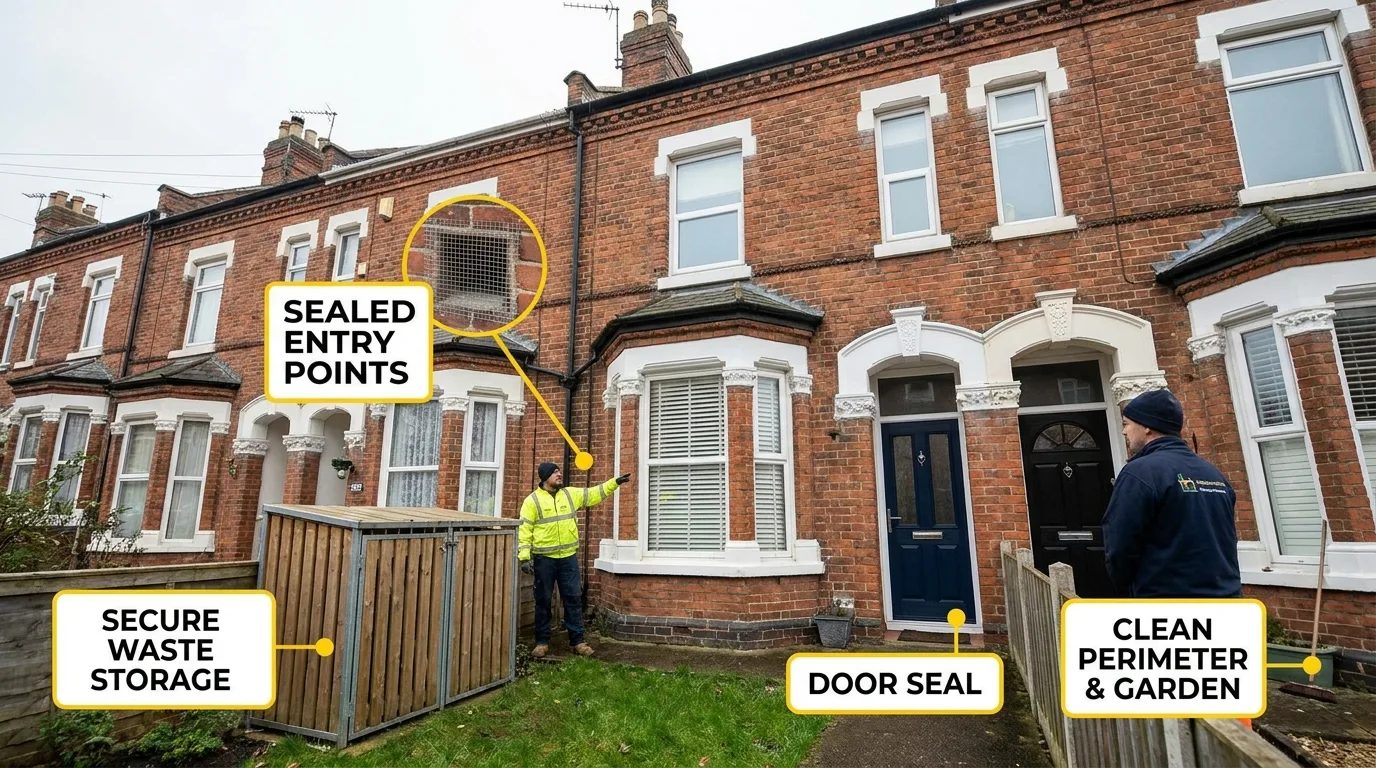
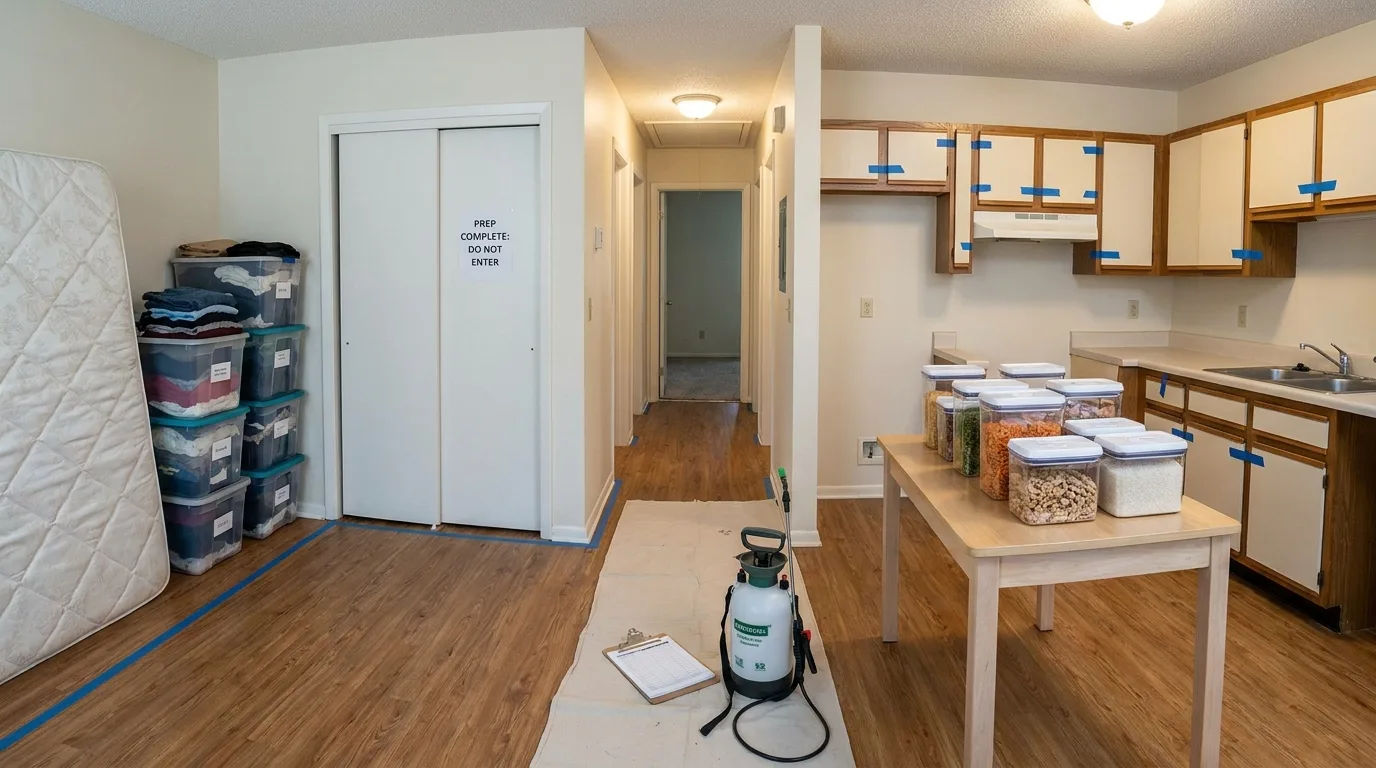
Preparation can have a major effect on how effective and practical a pest treatment is. The exact requirements depend on the pest and treatment method, so always follow the provider’s instructions rather than applying a generic checklist. You may need to clear access around skirting boards, cupboards, appliances, loft spaces, or furniture. Food may need to be sealed or removed, and heavily cluttered areas may need to be organised so technicians can inspect hiding places. For bed bug treatments, preparation can be considerably more detailed and may involve laundering or bagging textiles. Pets may need to be removed from treatment areas for a specified period, depending on the products used. Ask the technician what must be done before arrival and what restrictions apply afterward. Good preparation allows the treatment to reach relevant areas and reduces the chance that important harbourage sites remain inaccessible.
14. Prevention Matters After the Infestation Is Controlled
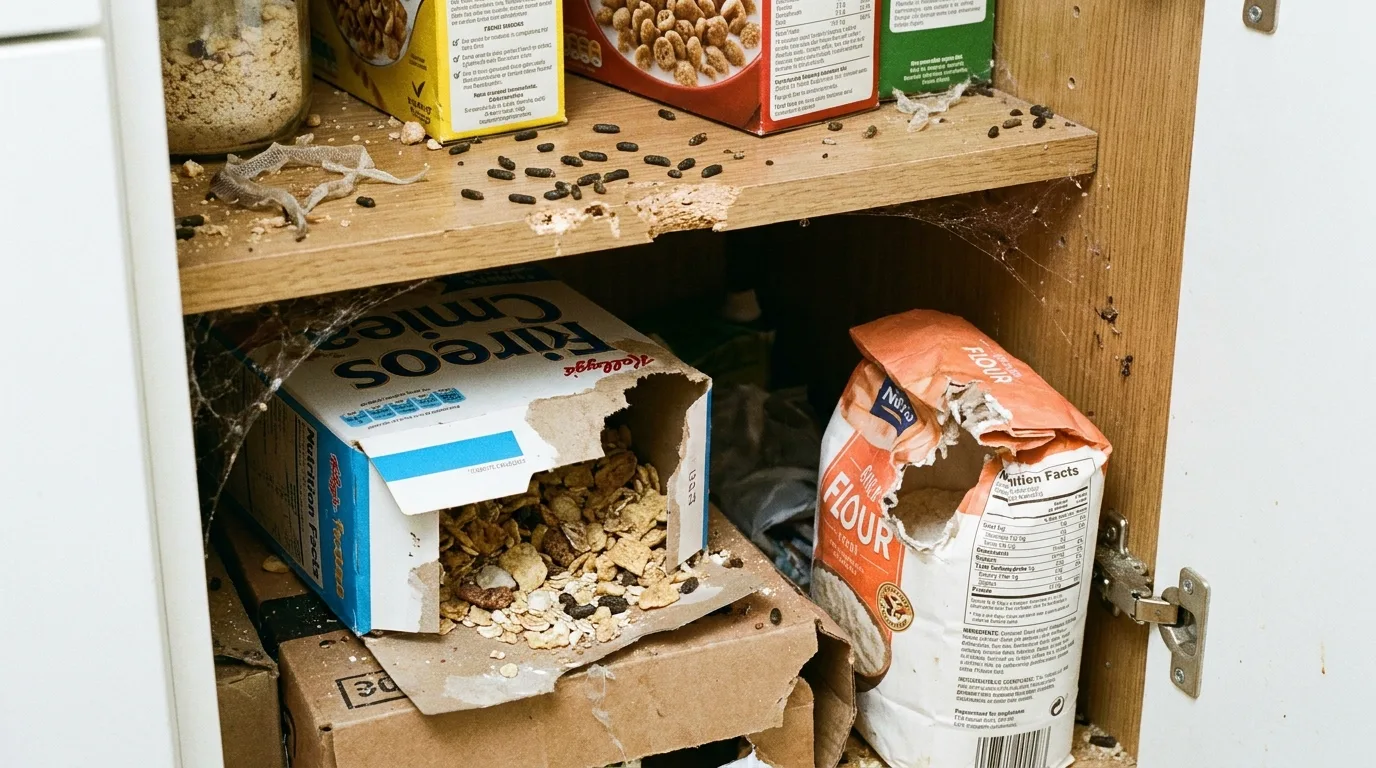
Successful pest control should not end with the disappearance of visible pests. Once an infestation has been treated, identify the conditions that allowed it to develop in the first place. Keep rubbish securely stored, maintain food hygiene, repair leaks, remove unnecessary clutter, and seal suitable entry points. Trim vegetation where it creates direct access to the building, while avoiding unnecessary disturbance to wildlife. Continue checking areas where pest activity was previously found and report any returning signs quickly. For businesses, scheduled inspections and documented monitoring can provide a more reliable long-term strategy than waiting for staff or customers to notice pests. Prevention is particularly valuable for rodents and insects because small environmental changes can make a property substantially less attractive. A few minutes spent on routine checks can help identify developing problems before they require a larger intervention.
15. Act Quickly When Pest Activity Returns
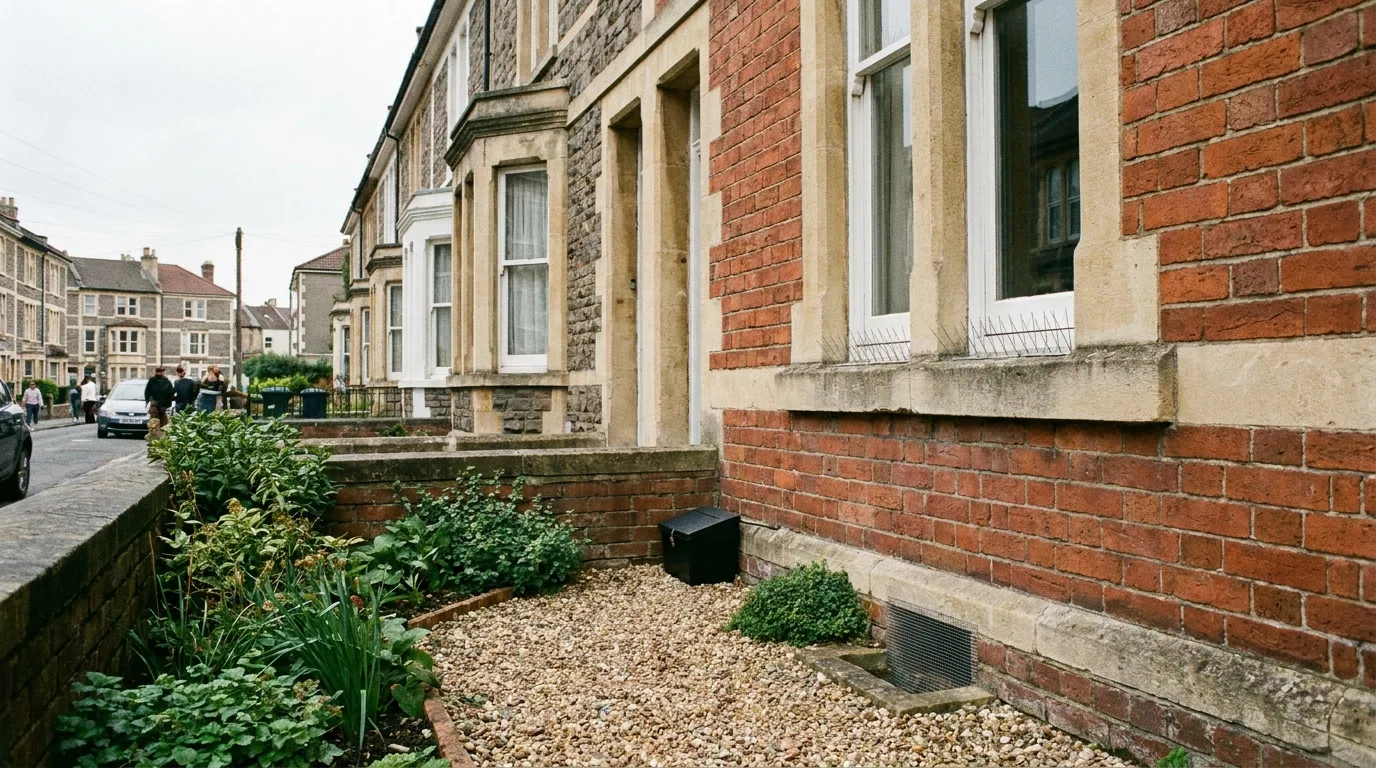
Even after professional treatment, occasional pest activity does not always mean the original treatment has failed. Some infestations require follow-up visits, monitoring, environmental changes, or additional proofing before they are fully resolved. Contact the pest control provider if you notice new signs within the period covered by the treatment plan and describe exactly what you have observed. Avoid introducing multiple unrelated chemicals or moving potentially infested furniture while waiting for advice. Keep a simple record of dates, locations, and types of activity because this information can help identify whether the problem is reducing or returning. For rented properties, notify the landlord or managing agent promptly when appropriate. The key lesson is not to ignore renewed evidence. Early action can prevent a small recurrence from developing into a larger infestation and helps ensure that the underlying access, sanitation, or structural issue is addressed.