15 Quick and Easy Chocolate Chip Cookie Tips for First-Time Bakers
Baking chocolate chip cookies for the first time can feel a little intimidating, especially when you want them to turn out soft, chewy, and full of delicious chocolate in every bite. You might wonder why some cookies spread too much, why others become hard, or how to get that beautiful golden-brown edge with a soft center. The good news is that you do not need professional baking skills to make amazing homemade cookies.
The secret is understanding a few simple baking basics. Choosing the right ingredients, measuring carefully, mixing the dough properly, and knowing when to take the cookies out of the oven can make a huge difference. Even small changes can help you avoid common mistakes and get more consistent results.
If you are a beginner, these 15 quick and easy chocolate chip cookie tips will help you bake with confidence and enjoy delicious homemade cookies without unnecessary stress.
1. Measure Your Ingredients Carefully
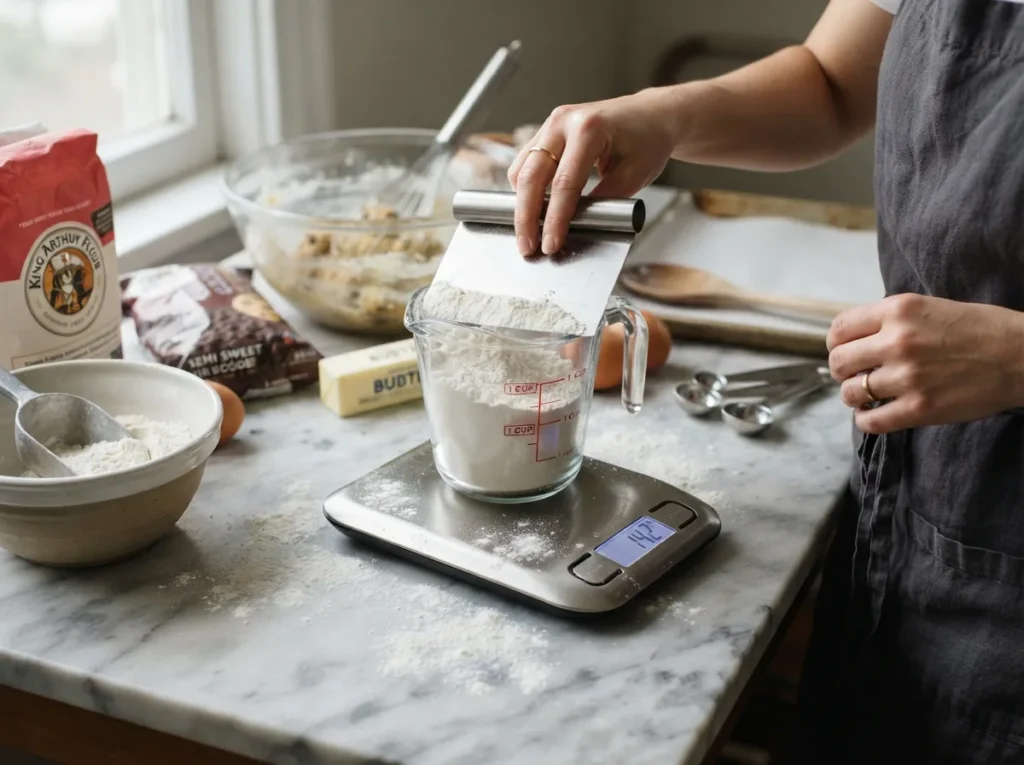
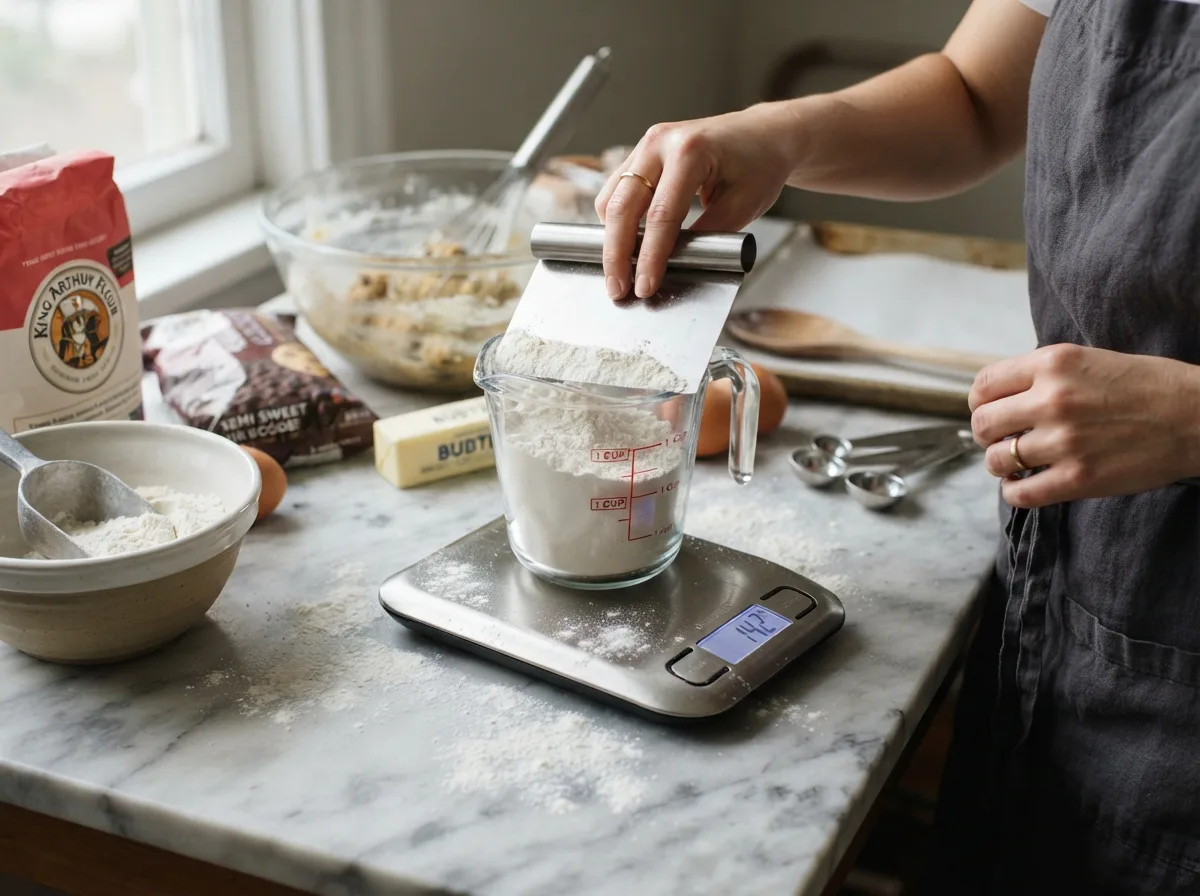
Accurate measurements are one of the most important parts of baking. Adding too much flour can make cookies dry and cakey, while using too little can cause the dough to spread excessively. For the best results, use a kitchen scale to weigh your ingredients whenever possible.
If you use measuring cups, spoon flour loosely into the cup and level the top with a straight edge instead of packing it down. Measure brown sugar according to your recipe, as many recipes call for it to be firmly packed. Following the quantities carefully will help your cookies turn out more consistently.
2. Use Softened Butter, Not Melted Butter
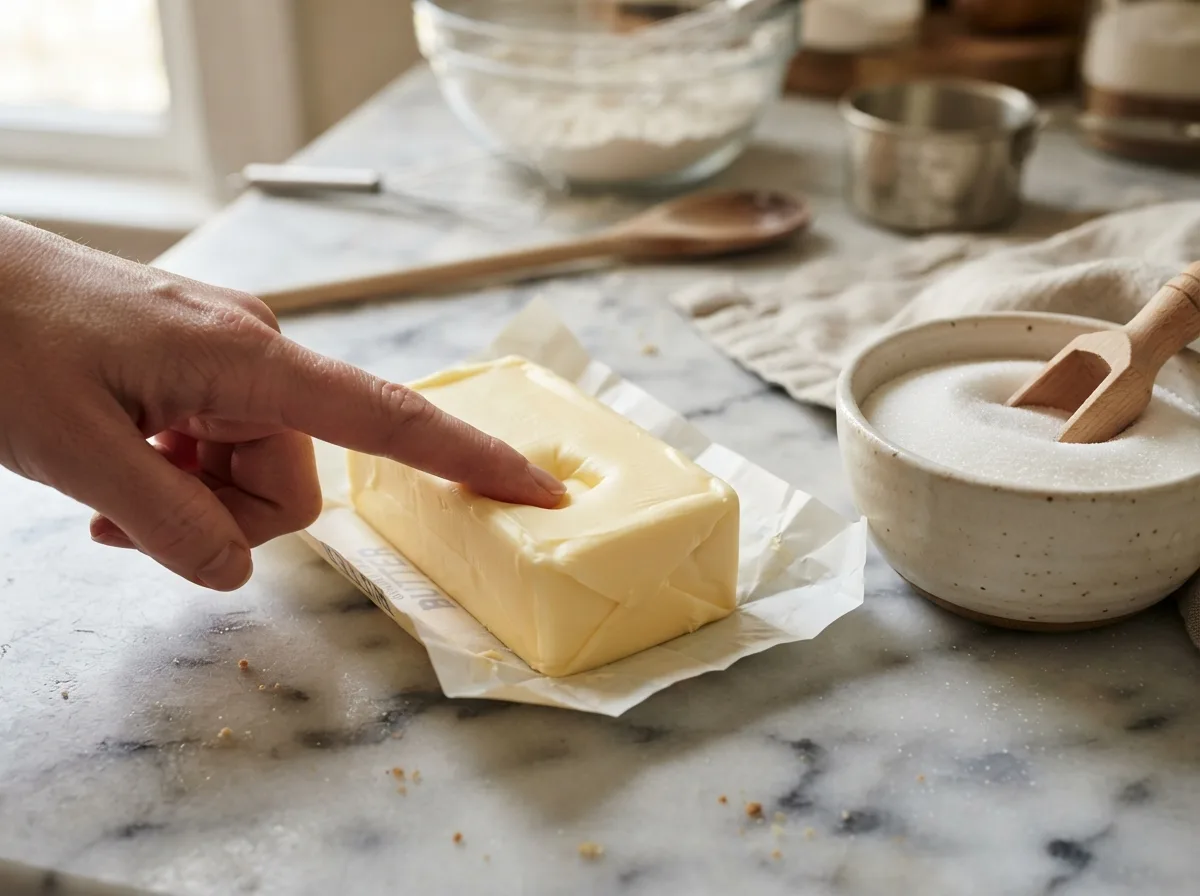
Many classic chocolate chip cookie recipes call for softened butter. It should feel slightly cool and give gently when pressed with a finger, without looking oily or melted. Softened butter helps combine smoothly with sugar and creates a dough with a good texture.
If the recipe specifically calls for melted butter, follow those instructions instead. Different butter temperatures produce different cookie textures, so avoid changing the butter preparation method without adjusting the rest of the recipe. When you are just starting, following one reliable recipe from beginning to end is the easiest approach.
3. Choose the Right Chocolate Chips
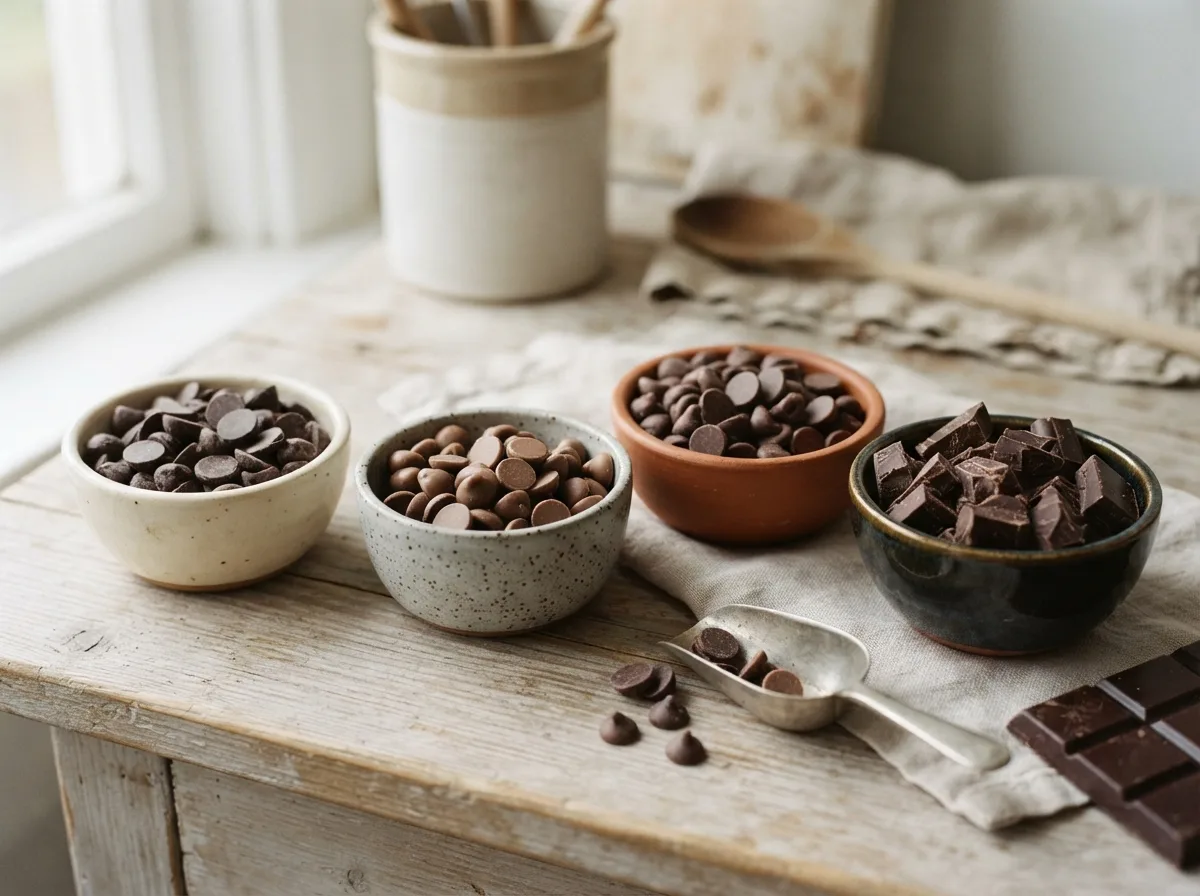
Chocolate is the star of chocolate chip cookies, so choosing a type you enjoy makes a difference. Semi-sweet chocolate chips offer a balanced flavor, while milk chocolate creates a sweeter cookie. Dark chocolate chips are ideal if you prefer a richer taste with less sweetness.
You can also use chopped chocolate bars for a bakery-style appearance. Chopped chocolate often creates uneven pools of melted chocolate throughout the cookie, making each bite slightly different. For a simple beginner-friendly option, start with semi-sweet chocolate chips and experiment with other varieties once you are comfortable with the basic recipe.
4. Cream Butter and Sugar Properly
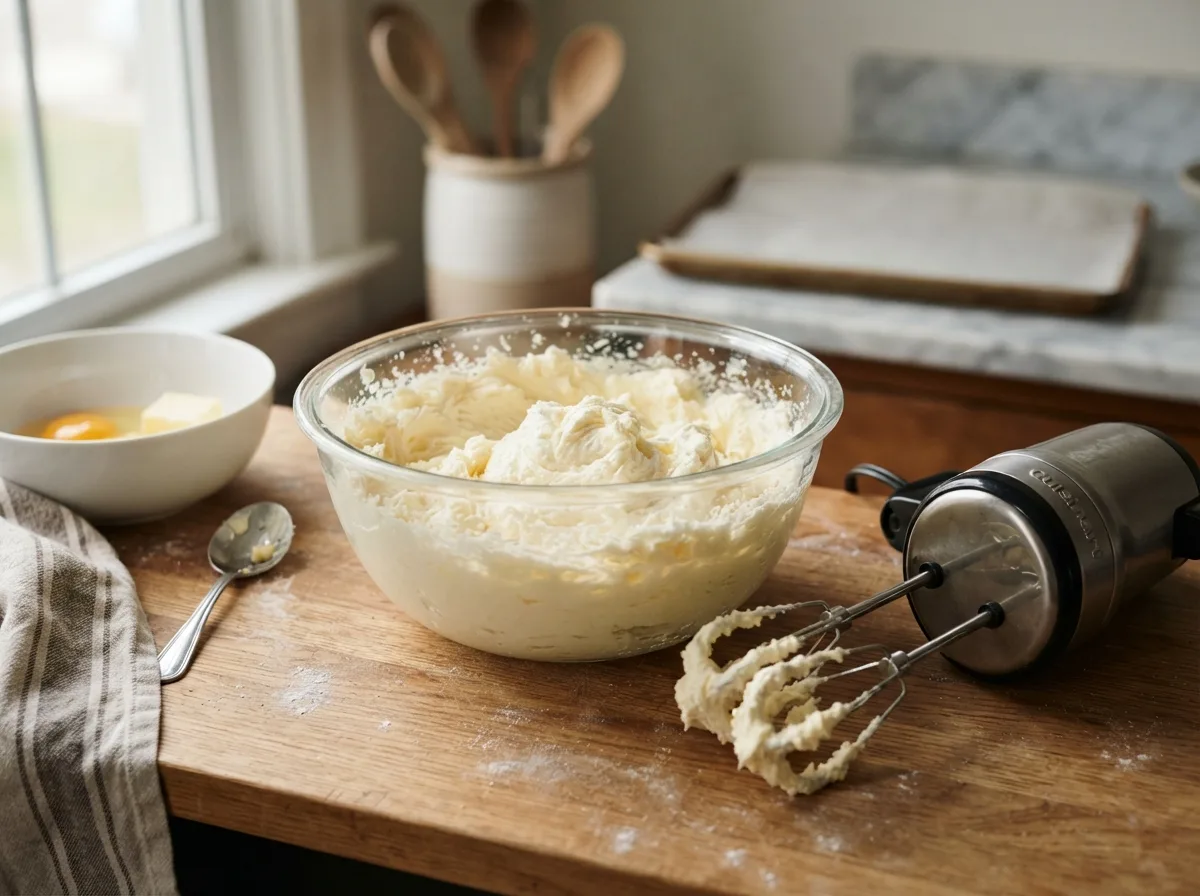
If your recipe calls for softened butter, creaming it with sugar helps incorporate air into the mixture. Beat the ingredients until they look lighter and fluffy, usually for a couple of minutes with an electric mixer, depending on the quantity and equipment.
Avoid rushing this step, but do not keep mixing indefinitely. The goal is a smooth, well-combined mixture rather than a greasy or overly warm one. Proper creaming can improve the texture of your cookies and help create a more even result.
5. Avoid Overmixing the Dough
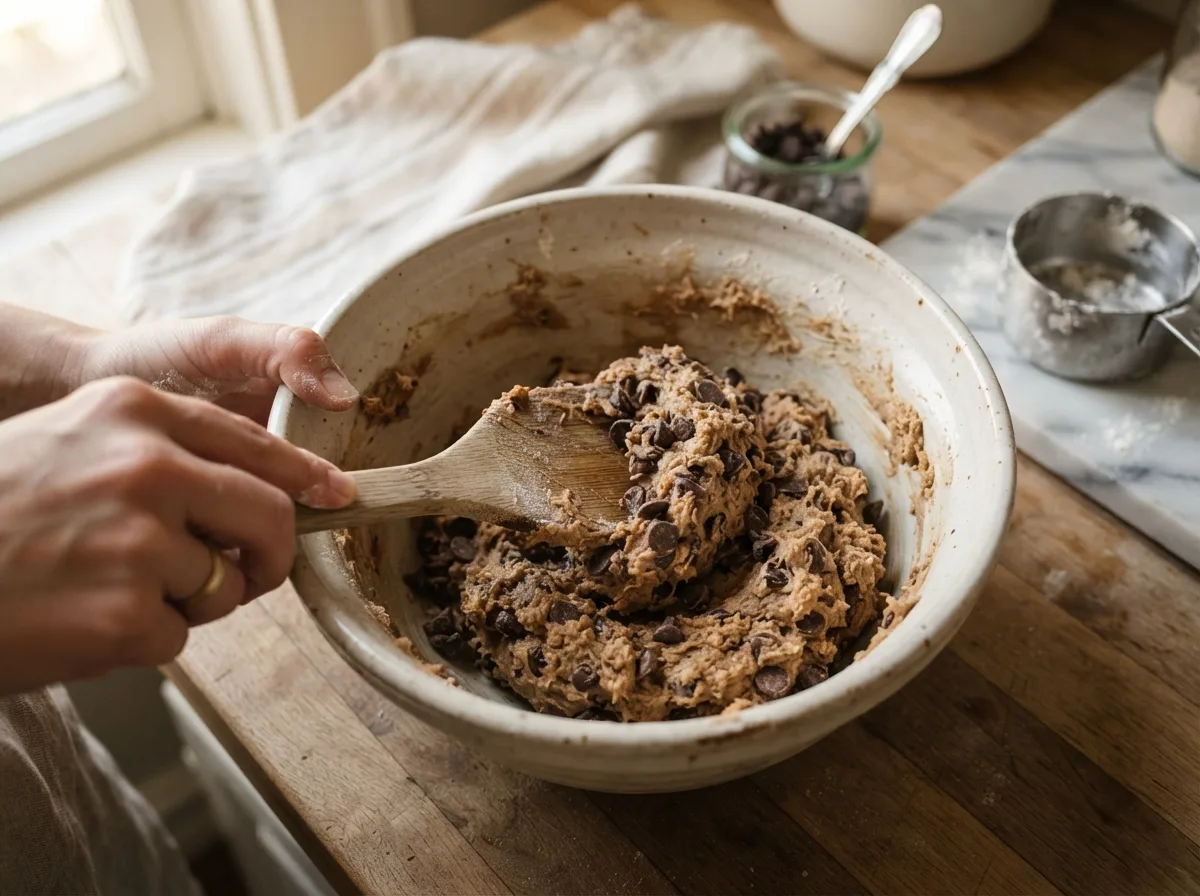
Once you add the flour, mix only until the dry ingredients are incorporated. Overmixing can develop more gluten, which may make cookies tougher rather than tender.
If you are using an electric mixer, switch to a low speed when adding flour. You can also finish mixing gently with a sturdy spoon or spatula. When the dough is almost combined, add the chocolate chips and fold them in evenly. A few moments of careful mixing are better than beating the dough until it looks perfectly smooth.
6. Chill the Dough When Needed
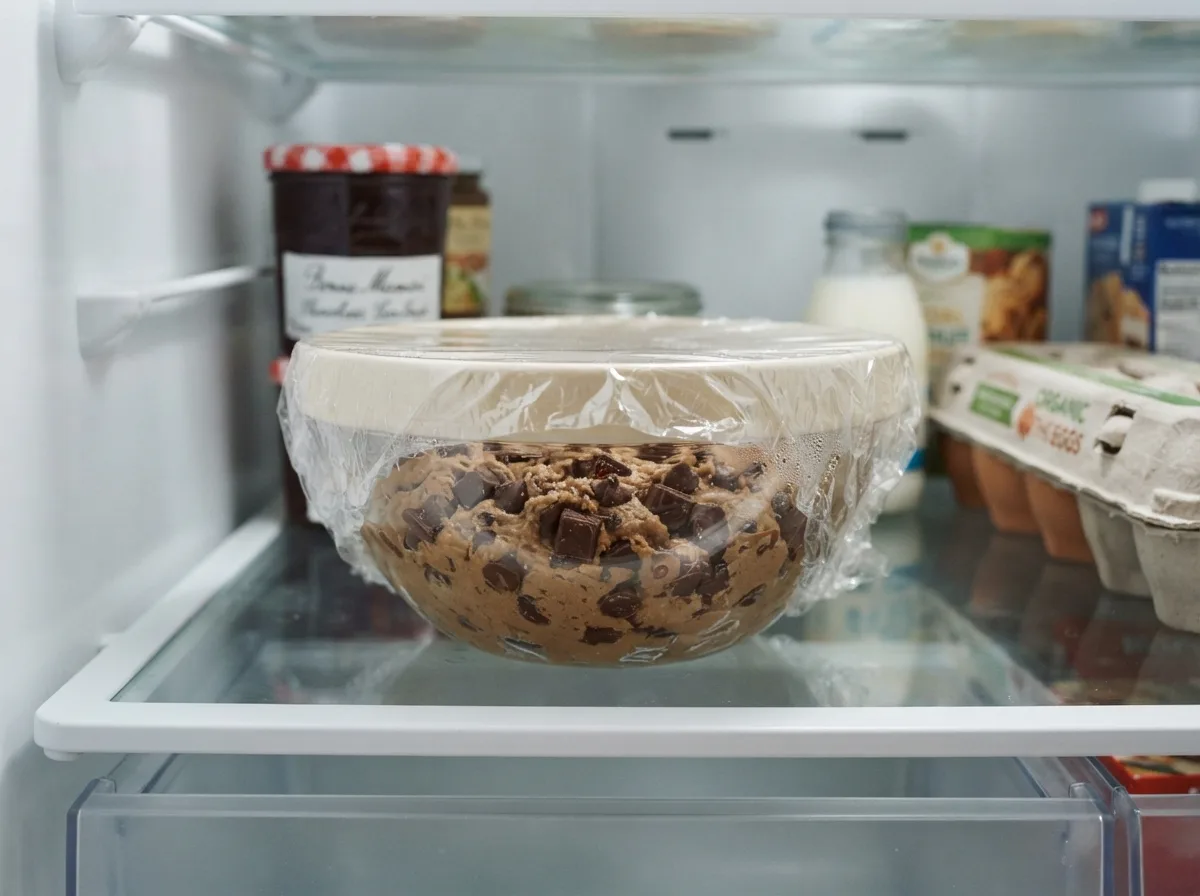
Chilling cookie dough can help control spreading and improve flavor. When the dough rests in the refrigerator, the butter firms up, making it less likely to melt too quickly in the oven. A short chilling period can be especially useful if your kitchen is warm or the dough feels very soft.
Follow your recipe's recommended chilling time. If you are short on time, even 20–30 minutes may help some doughs, although the results depend on the recipe. For extra convenience, you can prepare the dough ahead and bake it later.
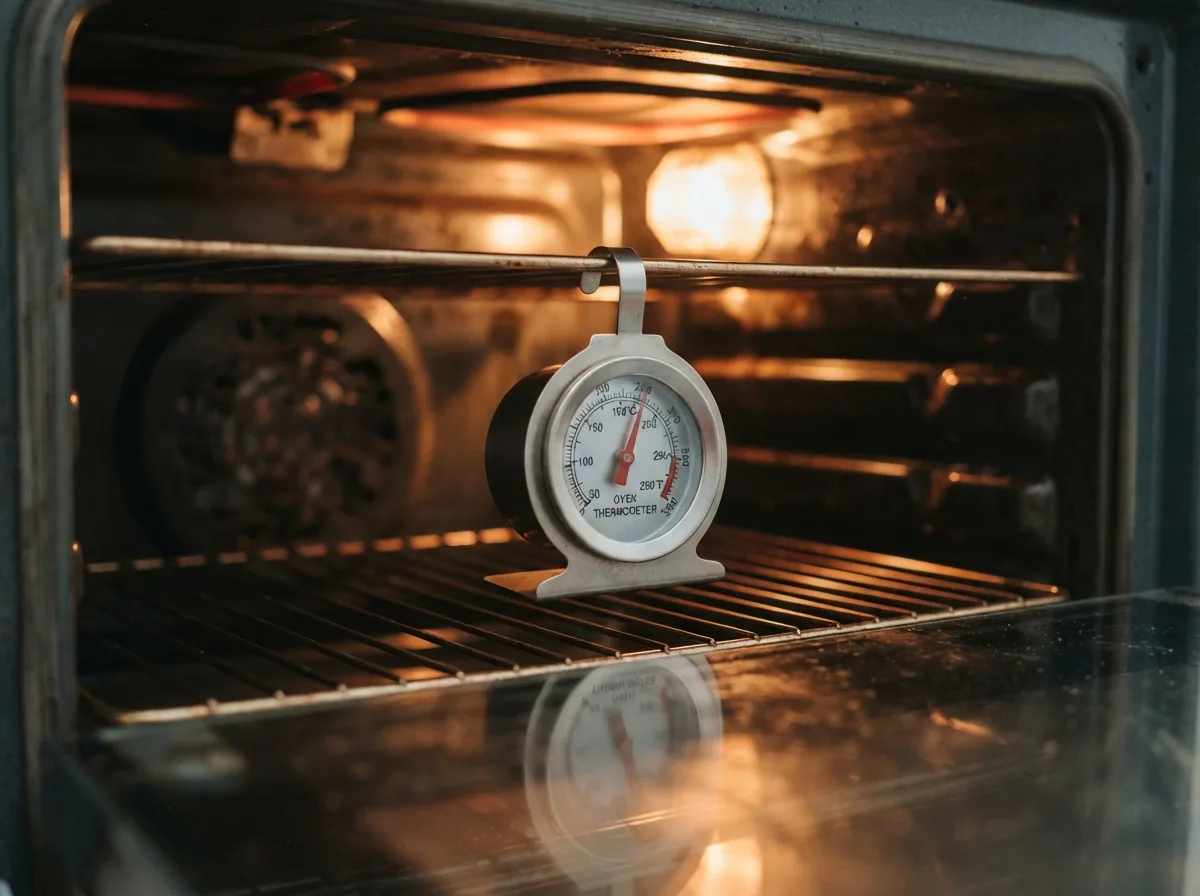
7. Preheat Your Oven Completely
Putting cookie dough into an oven that has not reached the correct temperature can affect how the cookies spread and bake. Always preheat your oven according to the recipe before placing the baking tray inside.
An oven thermometer can be useful because some ovens run hotter or cooler than their displayed settings. If your cookies consistently burn on the bottom while remaining pale on top, or take much longer than expected, checking the oven temperature may help you identify the problem.
8. Use Baking Paper for Easier Cleanup
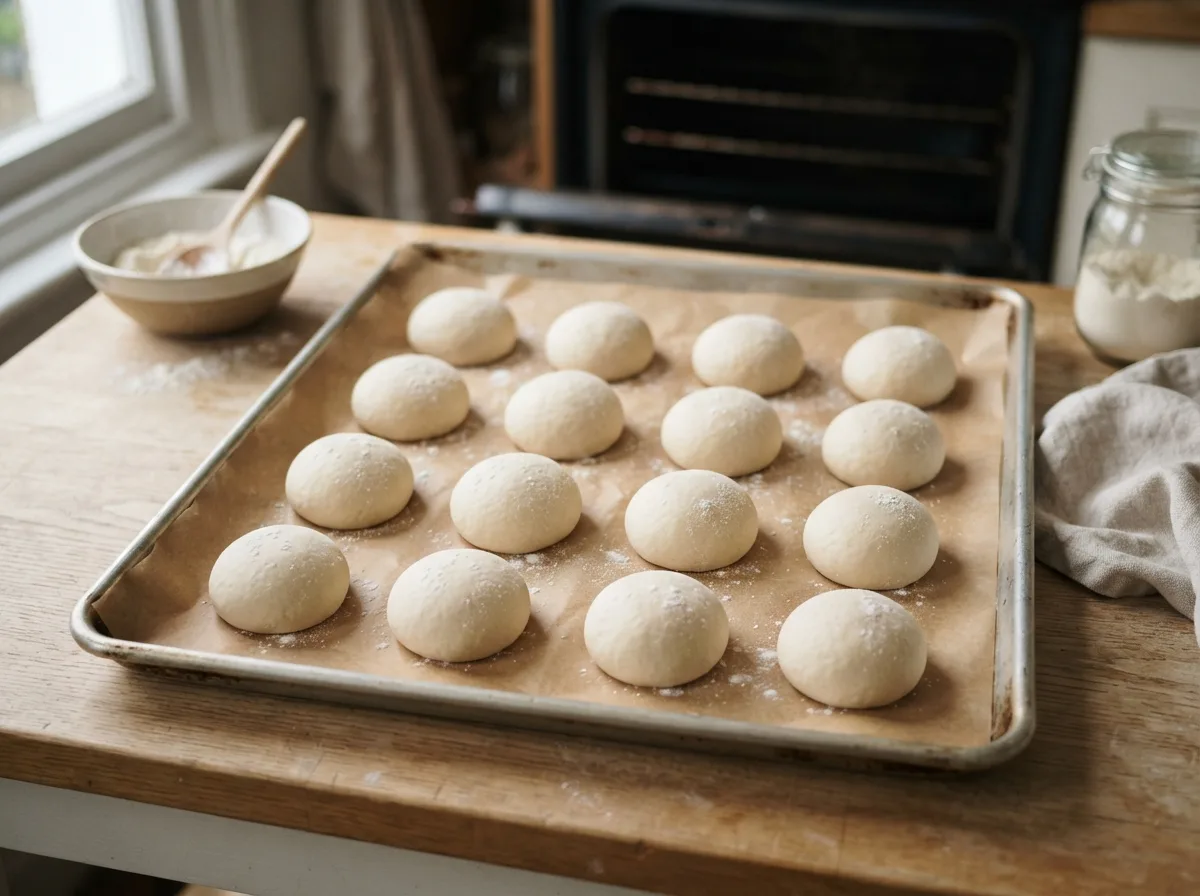
Parchment baking paper helps prevent cookies from sticking to the tray and makes cleanup easier. It can also make it simpler to transfer cookies without damaging their bottoms.
Place the paper flat on a suitable baking tray and arrange the dough portions on top. Avoid using wax paper in the oven, as it is not designed for ordinary baking temperatures. If you prefer a reusable option, use a silicone baking mat according to its manufacturer's instructions.
9. Leave Enough Space Between Cookies
Chocolate chip cookies usually spread as they bake. If the dough portions are placed too close together, the cookies may merge into one another and lose their shape.
Leave approximately 5–7 cm (2–3 inches) between dough portions as a useful starting point, adjusting the spacing to suit your recipe and cookie size. Bake in batches if necessary rather than crowding the tray. Giving each cookie room to spread helps them bake more evenly and makes the finished batch look neater.
10. Make Your Cookie Sizes Consistent
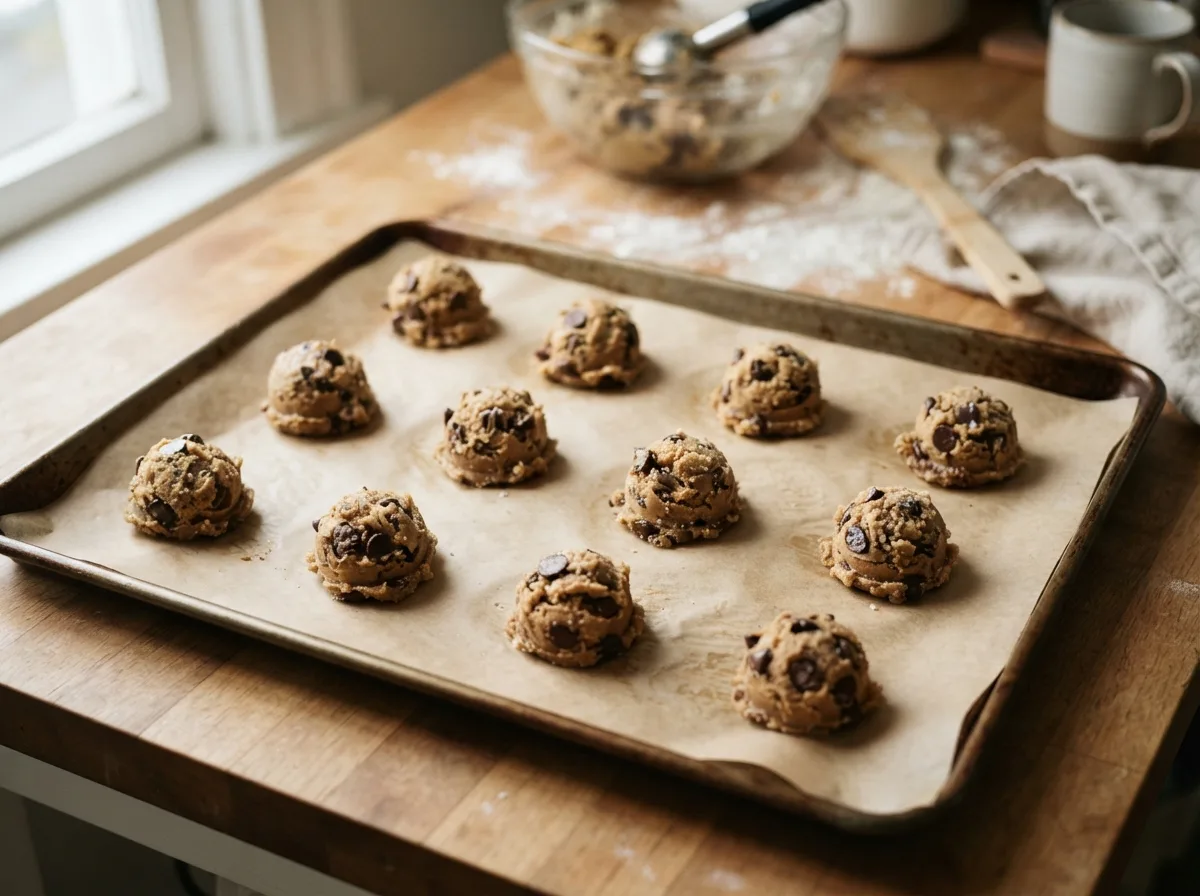
Try to use the same amount of dough for each cookie. A cookie scoop is an easy way to create evenly sized portions, but a tablespoon and a little care can work just as well.
Consistent sizes help the cookies finish baking at roughly the same time. If some cookies are tiny and others are much larger, the smaller ones may become overbaked before the larger ones are ready. For your first batch, make medium-sized cookies because they are generally easier to manage than very large bakery-style cookies.

11. Do Not Overbake the Cookies
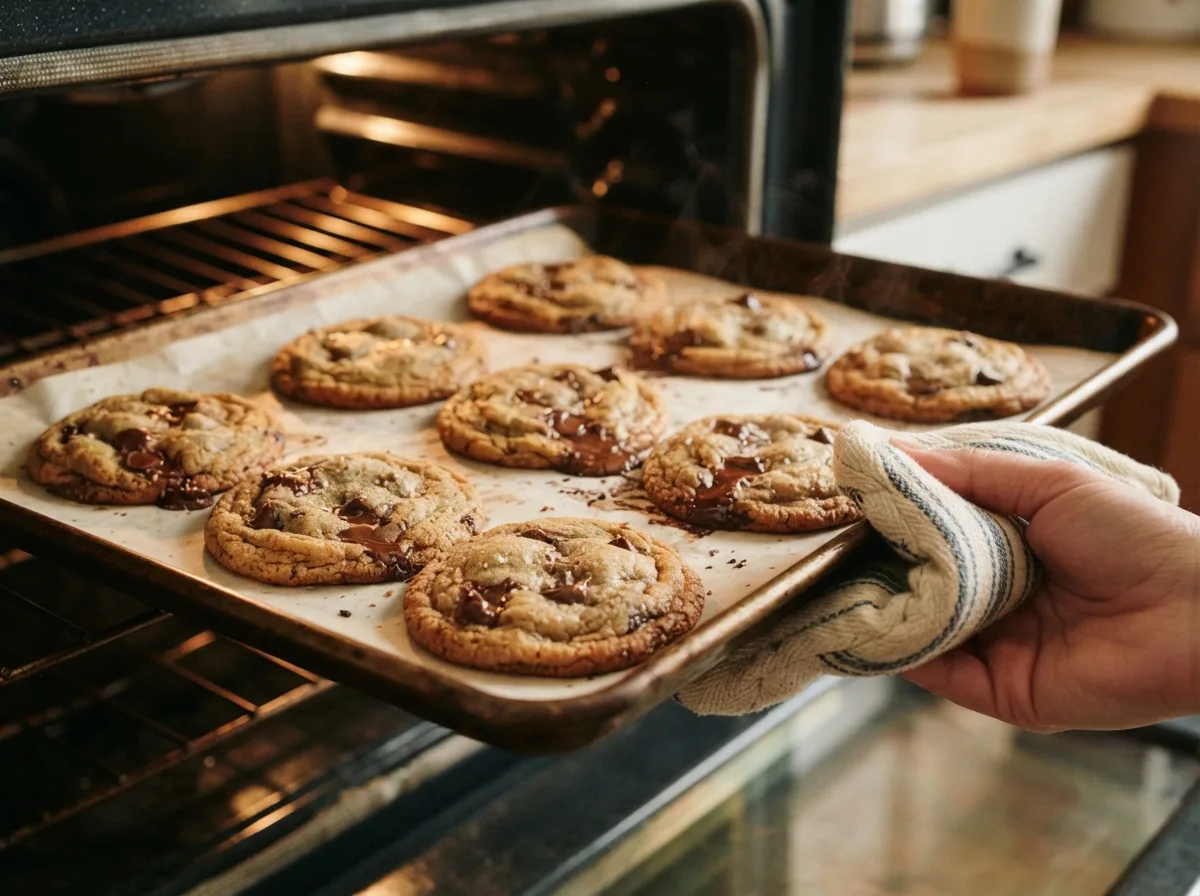
One of the most common beginner mistakes is leaving cookies in the oven until they look completely firm. Chocolate chip cookies often continue setting as they cool, so they may be ready when the edges are golden and the centers still look slightly soft.
Use the baking time in your recipe as a guide, then check the cookies near the end. Depending on the recipe, size, and oven, this may be around 8–12 minutes for many medium-sized cookies, but some require longer. Remove them when they are baked to the recipe's intended texture rather than waiting for the centers to become dark and hard.
12. Let the Cookies Rest Before Moving Them
Freshly baked cookies can be fragile, especially when their centers are still soft. Let them rest on the baking tray for approximately 5 minutes before transferring them to a cooling rack, unless your recipe recommends a different method.
This short resting period allows the structure to firm up without making the cookies dry. Use a thin spatula to lift them gently. Moving them immediately can cause them to break, while leaving them on a hot tray for too long may continue cooking their bottoms.
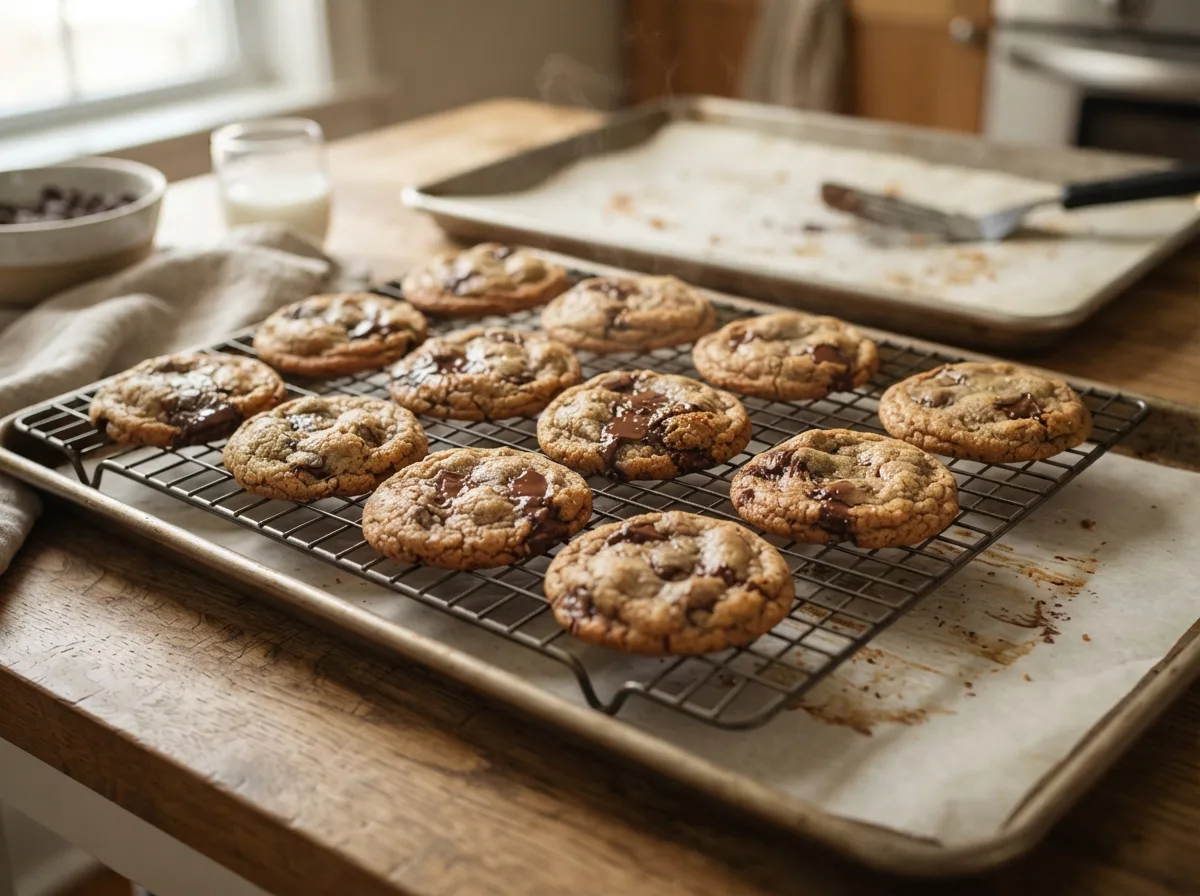
13. Add a Little Extra Chocolate on Top
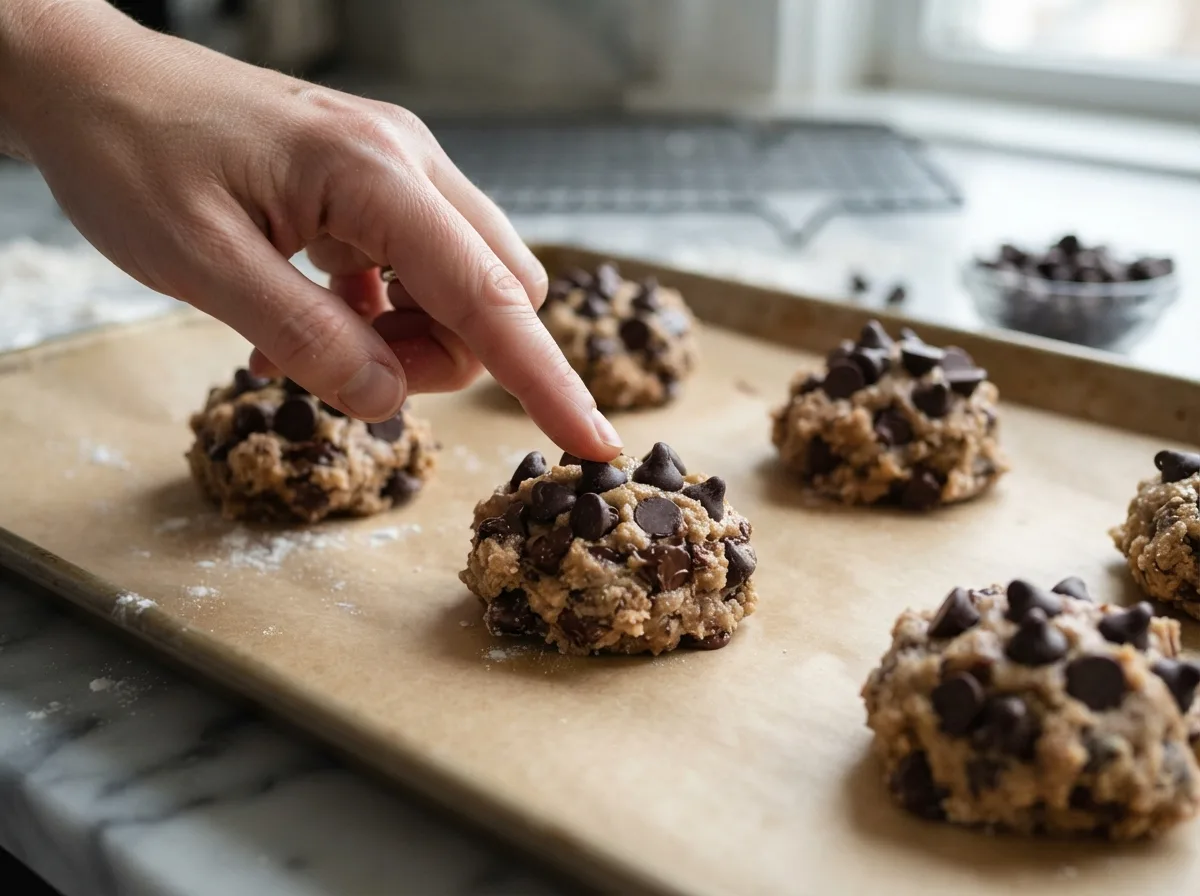
For cookies that look like they came from a bakery, reserve a few chocolate chips before mixing the dough. Press several chips into the tops of the dough portions just before baking.
This simple trick makes the chocolate more visible and gives the cookies a more attractive finish. You can also press a few extra chocolate pieces into the tops immediately after baking while the cookies are still warm. Be gentle so you do not flatten them or damage their shape.
14. Store Your Cookies Properly
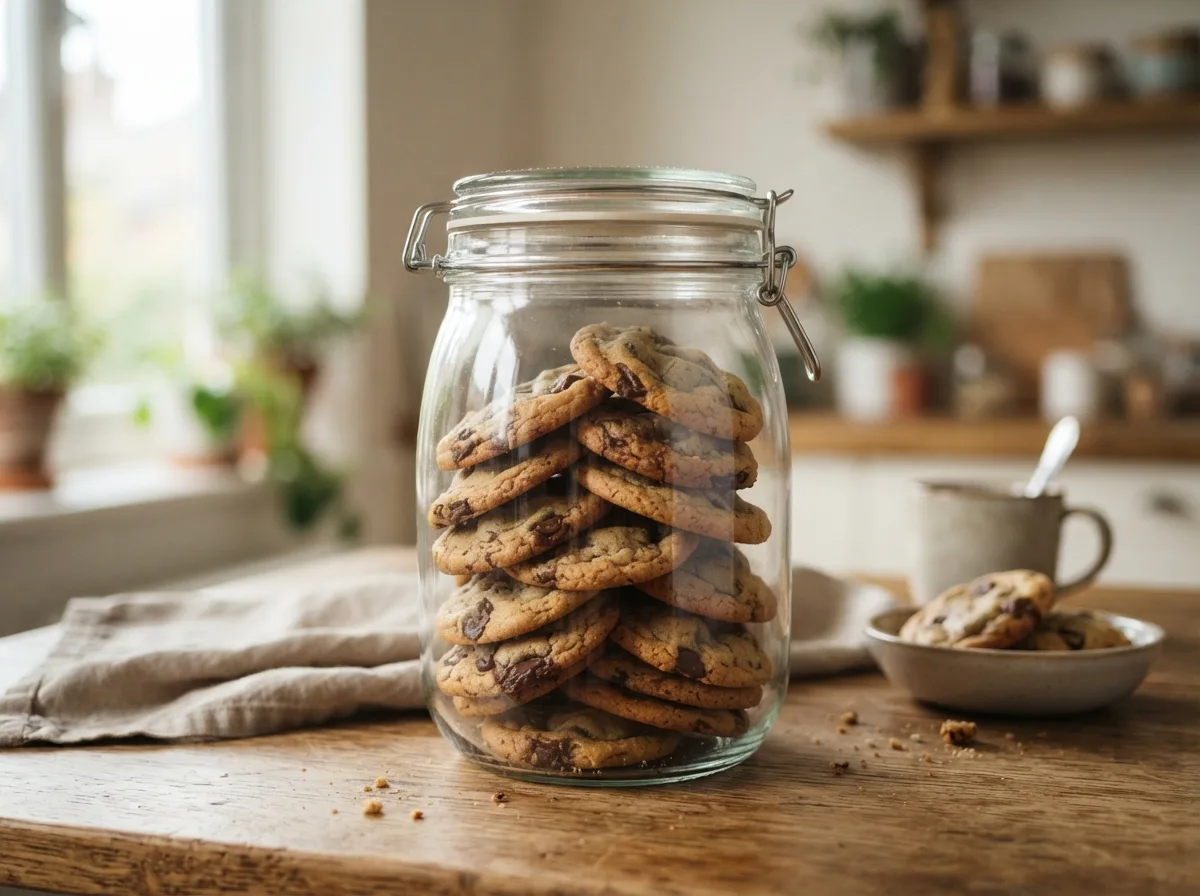
Once your cookies have cooled completely, store them in an airtight container at room temperature. This helps prevent them from drying out and keeps them tasting fresh for longer.
If you enjoy soft cookies, you may prefer to keep them in a container with a good seal and avoid leaving them exposed to air. For longer storage, freeze the baked cookies in a freezer-safe container or bag. You can also freeze portioned cookie dough and bake it later, following the recipe's guidance for baking from frozen.
15. Keep Your First Recipe Simple
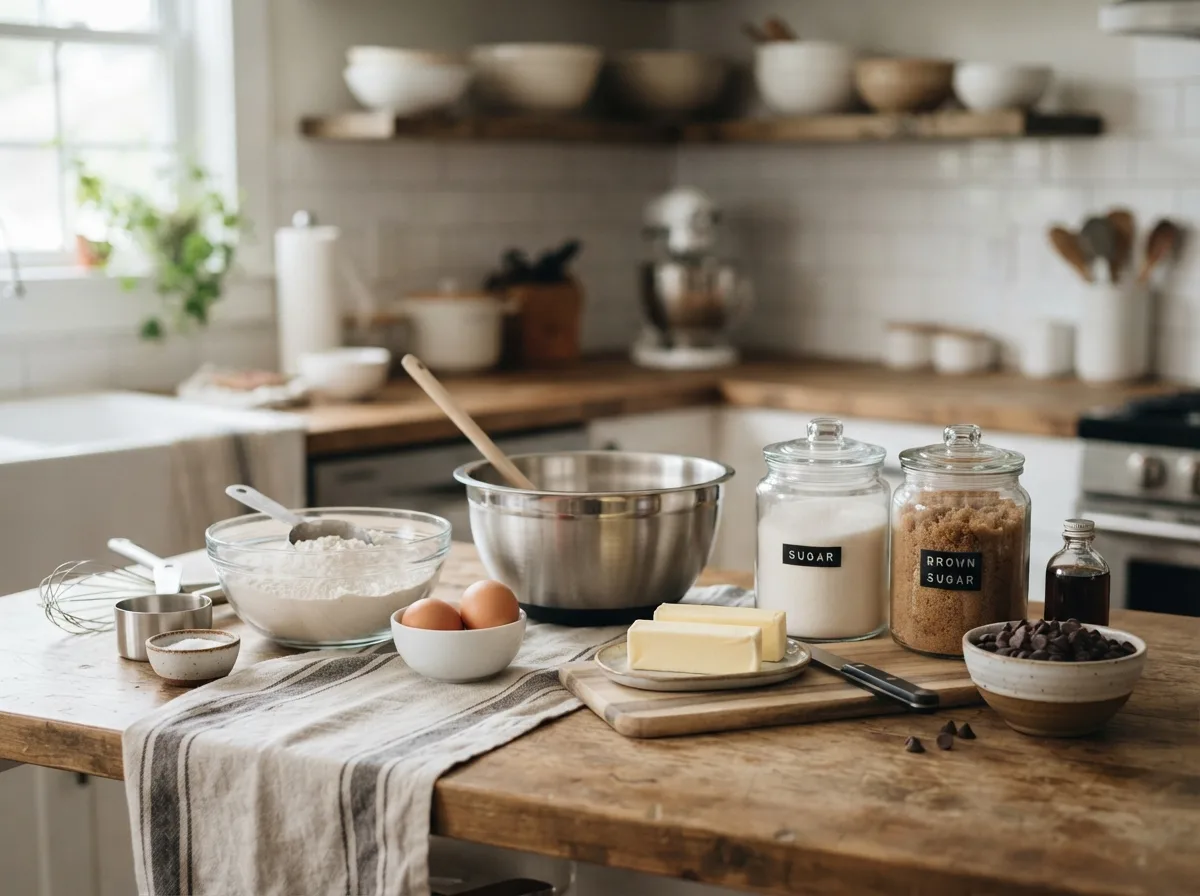
It can be tempting to experiment with several ingredients at once, but a straightforward recipe is the best place to begin. Start with butter, sugar, flour, eggs, vanilla, baking soda or baking powder as specified, salt, and chocolate chips in the quantities your chosen recipe requires.
After you have made the recipe successfully, change one thing at a time. You might try a different type of chocolate, a slightly longer chilling period, or a small amount of chopped nuts. Keeping notes about your measurements, oven temperature, and baking time will help you understand what works best in your kitchen.
Quick Troubleshooting Guide for Chocolate Chip Cookies
Even when you follow a recipe carefully, your first batch may not turn out exactly as expected. Here are a few common problems and what you can try next time.
- **Cookies spread too much:** Check your measurements, make sure the butter is at the temperature specified by the recipe, and chill the dough if recommended.
- **Cookies turn out dry:** Avoid adding excess flour and take care not to overbake them.
- **Cookies become too hard:** Check the baking time and let them cool before deciding whether the texture is right. Some cookies firm up considerably as they cool.
- **Cookies remain too pale:** Check that the oven is fully preheated and that the baking time matches your recipe.
- **Cookies bake unevenly:** Use similarly sized dough portions, leave enough space between them, and check whether your oven has hot spots.
- **Chocolate chips disappear into the dough:** Reserve a few chips for the tops before baking so the finished cookies have visible chocolate pieces.
Frequently Asked Questions
What is the easiest way to make chocolate chip cookies for beginners?
Choose a simple, tested recipe and measure every ingredient carefully. Follow the recommended butter preparation, mixing instructions, oven temperature, and baking time. Avoid making substitutions until you have successfully baked the original recipe.
Should I chill chocolate chip cookie dough?
Chilling is useful for many recipes because it firms the butter and can reduce excessive spreading. However, some recipes are designed to be baked immediately. Follow the instructions for your particular dough.
Why are my chocolate chip cookies flat?
Flat cookies can result from butter that is too warm, too little flour, excess sugar, or dough that needs chilling. The type of baking tray and oven temperature can also affect spreading. Check your measurements before changing the recipe.
How do I know when chocolate chip cookies are done?
Look for edges that are set and lightly golden, with centers that may still appear a little soft. Baking times vary, so use the recipe's timing as a guide and remember that the cookies continue to set as they cool.
Can I prepare chocolate chip cookie dough in advance?
Yes. Many cookie doughs can be refrigerated or frozen for later baking. Store the dough in a covered container or portion it into individual cookies before freezing. Follow the recipe's storage instructions and allow for any necessary adjustment to baking time.
Conclusion
Baking chocolate chip cookies for the first time should be fun, not stressful. With careful measurements, the right butter temperature, gentle mixing, adequate spacing, and attention to baking time, you can avoid many common mistakes and enjoy a delicious homemade batch.
Start with a simple recipe, give yourself time to learn, and do not worry if your first cookies are not perfect. Every batch teaches you something about your ingredients and oven. Soon, you will be baking golden-edged, soft-centered chocolate chip cookies that are perfect for sharing with family and friends.