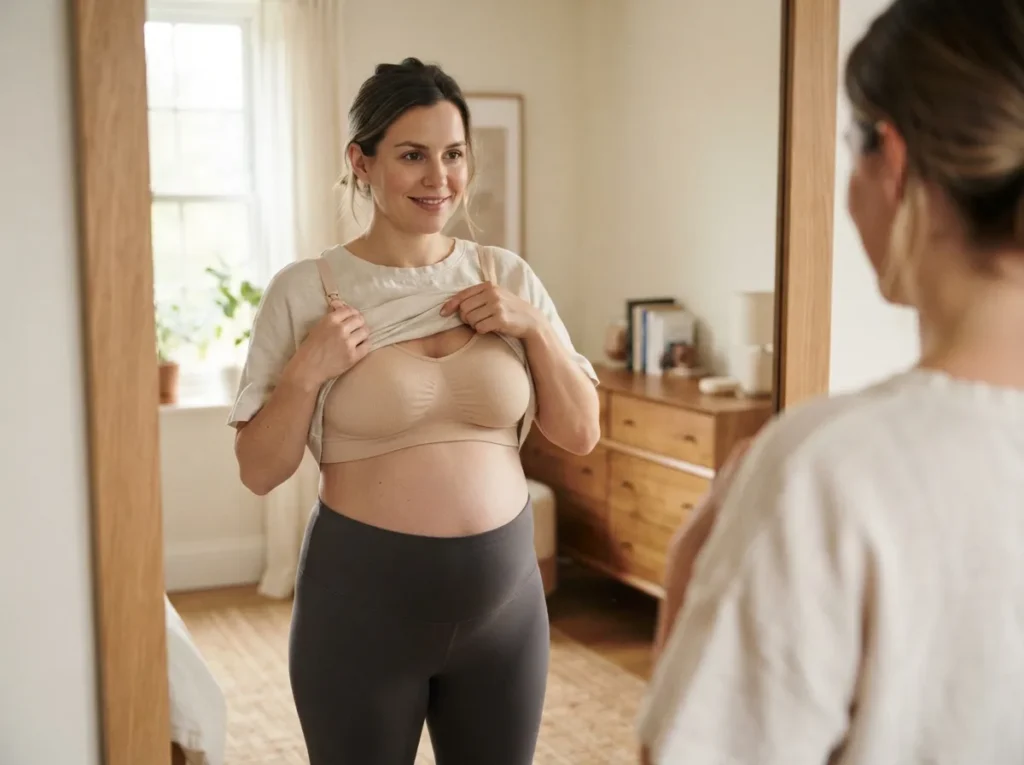
15 Tips for Using a Nursing Bra Comfortably and Correctly
Finding the right nursing bra can make everyday life much more comfortable during breastfeeding. Whether you are preparing for your baby's arrival or already navigating feeding sessions, a well-fitting nursing bra can provide gentle support, make breastfeeding easier, and help you feel more confident throughout the day.
Unlike regular bras, nursing bras are designed with convenient clips, drop-down cups, flexible fabrics, and features that make feeding more accessible. However, choosing the right style is only part of the process. Knowing how to fit, wear, adjust, and care for your nursing bra can make a real difference in your comfort.
The good news is that you do not need an expensive wardrobe of specialized bras. With a few practical tips, you can find a comfortable option that suits your body, lifestyle, and feeding routine. Here are 15 tips for using a nursing bra comfortably and correctly.
1. Choose the Right Size for Your Changing Body
Your breast size can change throughout pregnancy and breastfeeding, so the bra that fitted you a few months ago may no longer feel comfortable. Choose a nursing bra that provides support without squeezing your breasts or leaving deep marks on your skin.
The band should sit securely around your rib cage without riding up, while the cups should accommodate your breasts without overflow or excessive empty space. If possible, try the bra on while standing and sitting to see how it feels in different positions.
Remember that sizing can vary between brands. Focus on the actual fit rather than relying only on the size printed on the label.
2. Look for Soft and Breathable Fabrics
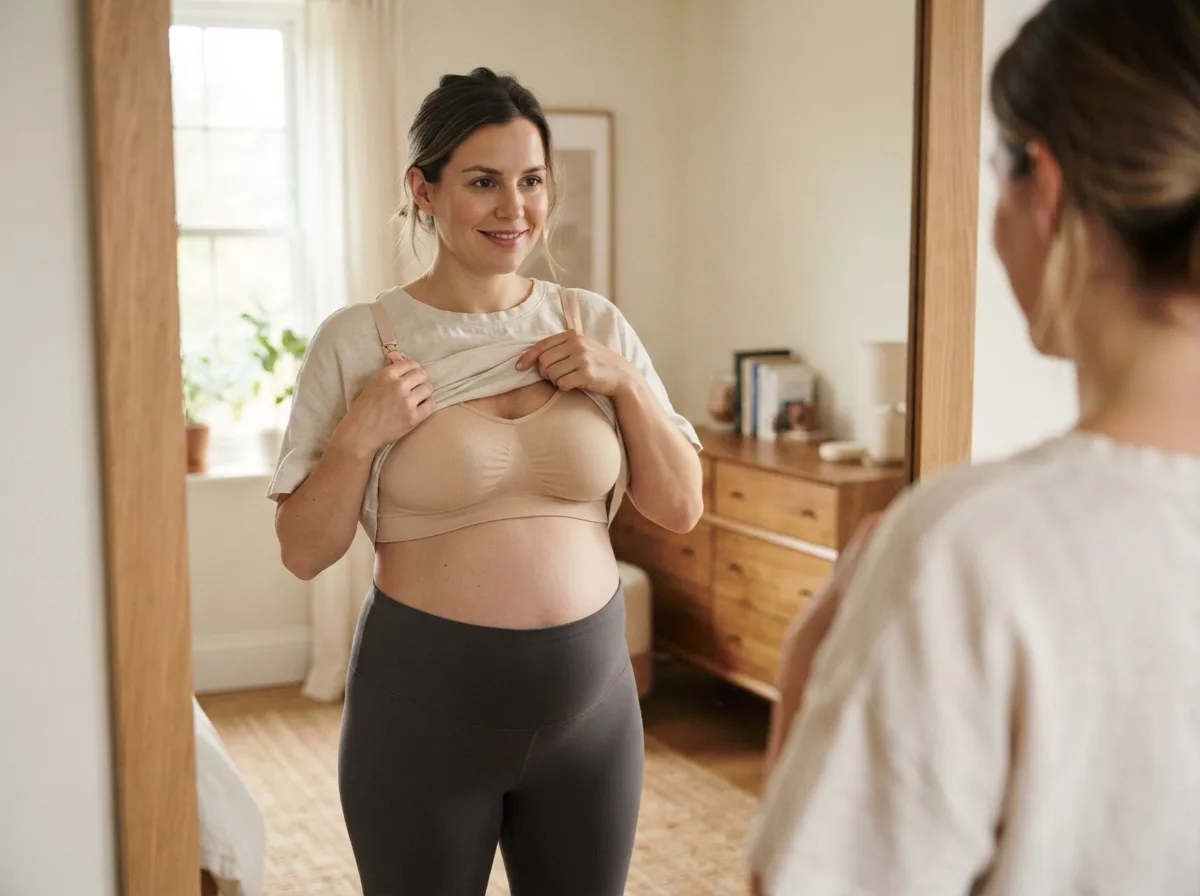
Breastfeeding can involve frequent feeding sessions, skin contact, and occasional milk leakage. Soft, breathable materials can help you feel more comfortable throughout the day.
Cotton blends, modal, and other soft fabrics are popular options because they can feel gentle against sensitive skin. Some nursing bras also include moisture-wicking materials that help manage perspiration.
Check the inside seams, labels, and edges before purchasing. If your skin is easily irritated, choose a design with minimal scratchy stitching and avoid fabrics that feel rough or restrictive.
3. Make Sure the Band Fits Properly
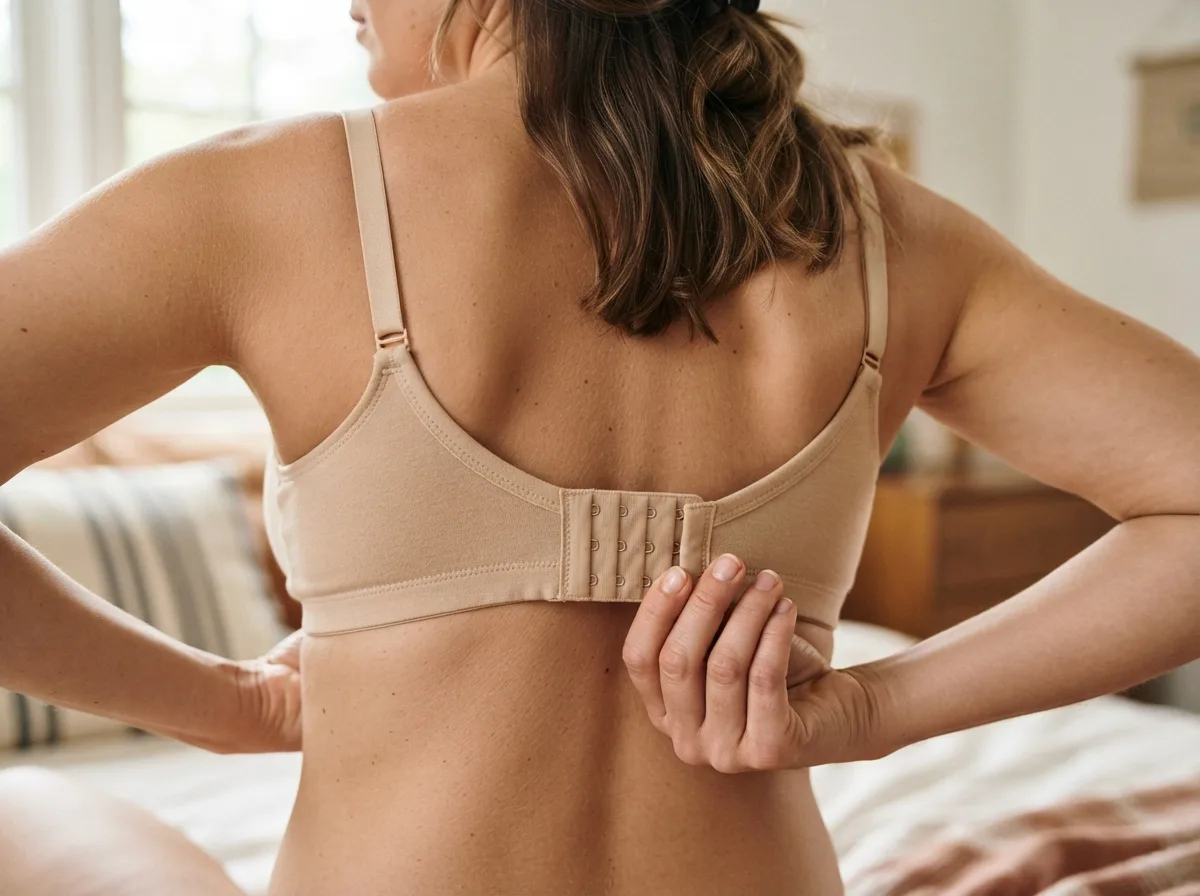
The band provides much of a bra's support, so it should fit securely without feeling painfully tight. It should remain approximately level around your body instead of riding up your back or digging into your ribs.
Many nursing bras include several rows of hook-and-eye fasteners so you can adjust the fit as your body changes. A comfortable band should allow you to breathe normally, move freely, and sit without discomfort.
Avoid tightening the band excessively to compensate for cups that do not fit. If the bra feels restrictive even on its loosest setting, you may need a different size or style.
4. Use the Nursing Clips Correctly
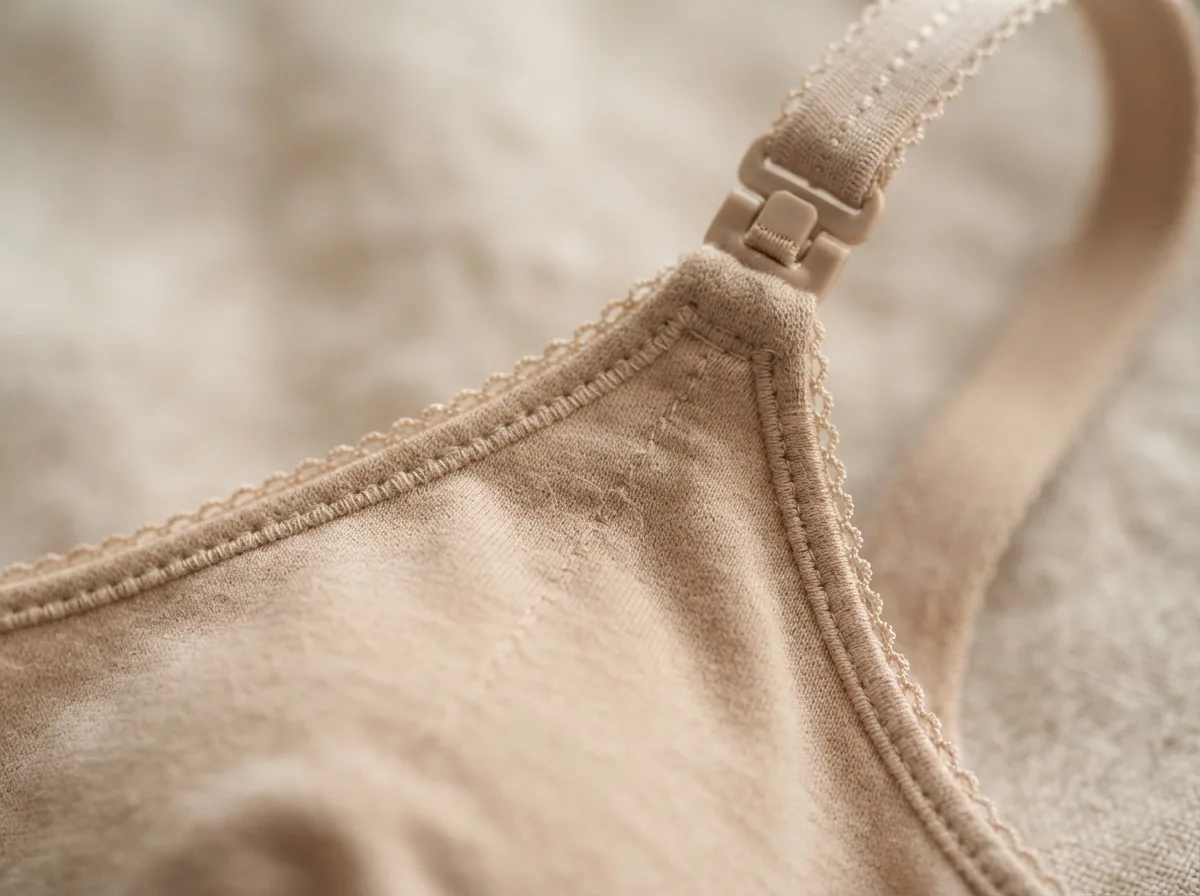
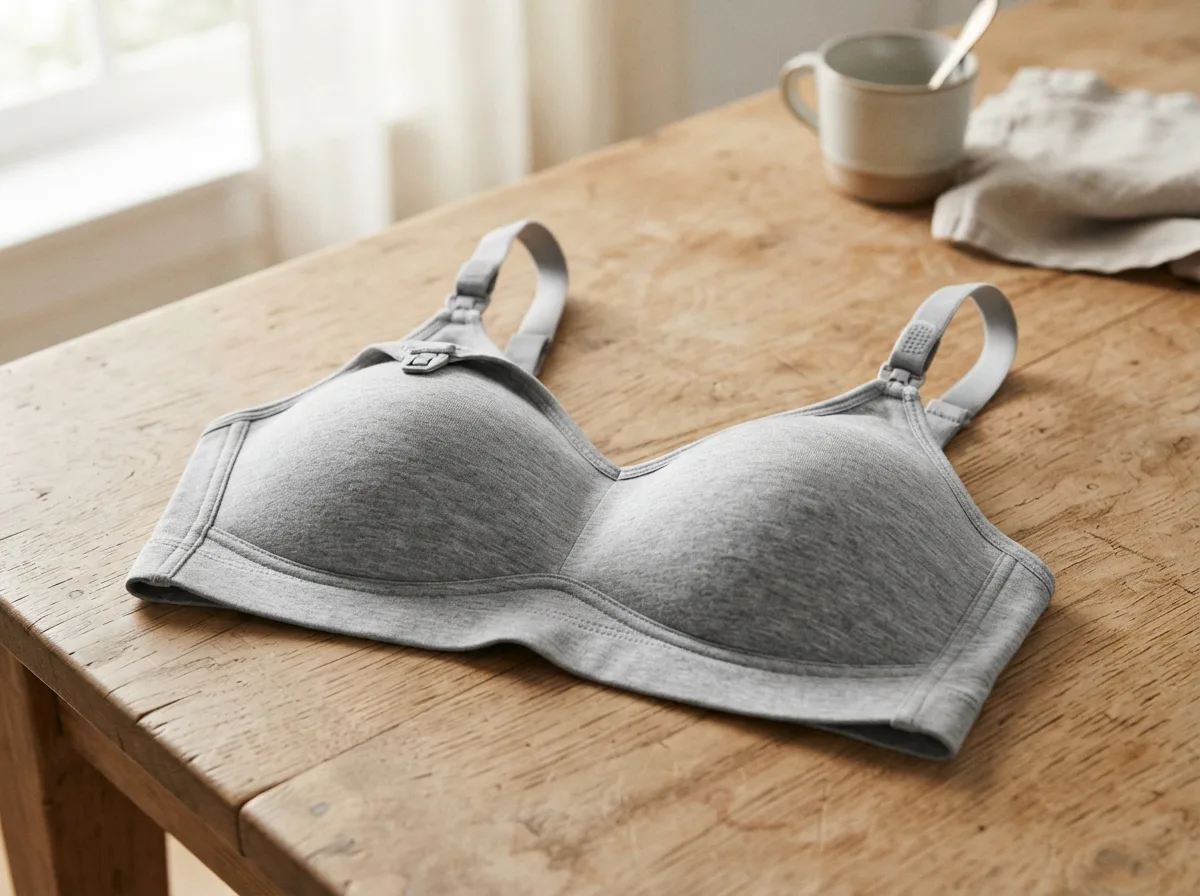
One of the most useful features of a nursing bra is its drop-down cup. Most designs have a small clip near the shoulder strap that releases the cup for feeding.
Practice opening and closing the clip before you need to use it during a feeding session. Many clips can be operated with one hand, which can be particularly helpful when you are holding your baby with the other.
Make sure the cup reconnects securely after feeding. If the clip feels difficult to open, catches your skin, or repeatedly comes undone, consider a different design that is easier to operate.

5. Avoid Bras That Compress Your Breasts
A nursing bra should support your breasts without pressing firmly against them. Excessive compression may contribute to discomfort and, in some circumstances, worsen problems associated with restricted milk flow.
Look for cups that fully accommodate your breasts without squeezing them at the sides, underneath, or near the armpits. Be especially careful with tight sports bras or shaping bras if you plan to wear them for long periods.
If a bra leaves painful indentations or makes one area of your breast feel sore, loosen it or switch to a more comfortable fit.
6. Choose Easy-Access Designs for Frequent Feeding
If you breastfeed frequently, convenience matters. A nursing bra with simple clips, flexible cups, or a pull-aside design can make feeding easier throughout the day and night.
Consider your routine when selecting a style. A structured bra may suit daytime activities, while a soft, wireless nursing bra may be more comfortable for resting or overnight use.
Choose a design that allows you to expose the breast easily without pulling the band or straps into uncomfortable positions. The best option is one that makes feeding straightforward rather than adding another challenge to your routine.

7. Adjust the Straps for Gentle Support
Bra straps should stay in place without digging into your shoulders. If they slide down repeatedly, they may need adjusting, although the issue can also be caused by the wrong size or style.
Shorten or lengthen the straps until they sit comfortably on your shoulders. Avoid pulling them too tightly in an attempt to lift the breasts, because the band and cup should also contribute to the overall support.
Check the straps periodically, especially after washing the bra, as elastic can stretch over time.

8. Consider Wireless Options for Everyday Comfort
Wireless nursing bras are popular because they often provide flexible support without rigid underwires. Soft cups can be especially comfortable when your breasts feel fuller or more sensitive.
If you prefer an underwire style, choose one designed for nursing and make sure the wire rests against the rib cage rather than pressing into breast tissue. The fit may change as your body changes, so reassess comfort regularly.
There is no single style that works for everyone. Choose the design that provides suitable support without causing pressure, pain, or restriction.

9. Use Nursing Pads When Needed
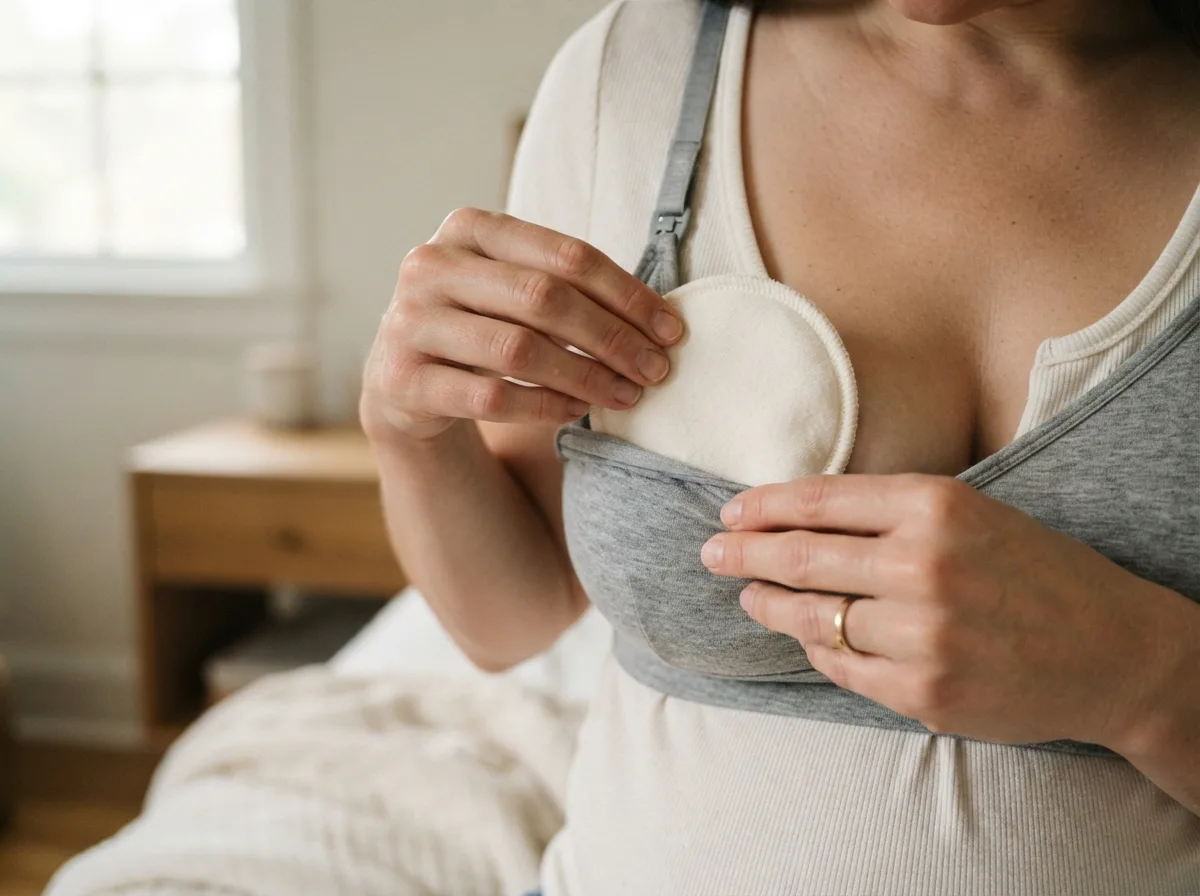
Breast milk leakage can happen unexpectedly, particularly during the early months of breastfeeding. Nursing pads can absorb small amounts of leaking milk and help keep your clothing dry.
Reusable fabric pads are washable and can be used repeatedly, while disposable pads are convenient when you are away from home. Place the pad smoothly inside the cup so it does not bunch up or create uncomfortable pressure.
Change damp pads promptly and keep the skin as dry as possible. Persistent moisture can irritate sensitive skin, so avoid leaving wet pads against your breasts for extended periods.
10. Keep More Than One Nursing Bra Available
Having a small rotation of nursing bras can make daily life easier. Milk leakage, perspiration, and frequent feeding can mean that you need to change bras more often than you did before pregnancy.
Two or three comfortable bras may be a practical starting point, depending on how often you do laundry and whether you experience leakage. You do not need to buy a large collection immediately, especially while your size is changing.
Choose a few versatile styles that work with your everyday clothing, then add more only if you discover that you need them.

11. Wash Your Nursing Bras Gently
Regular washing helps remove sweat, milk residue, and everyday dirt. Follow the care label because fabric blends and nursing clips can require different washing methods.
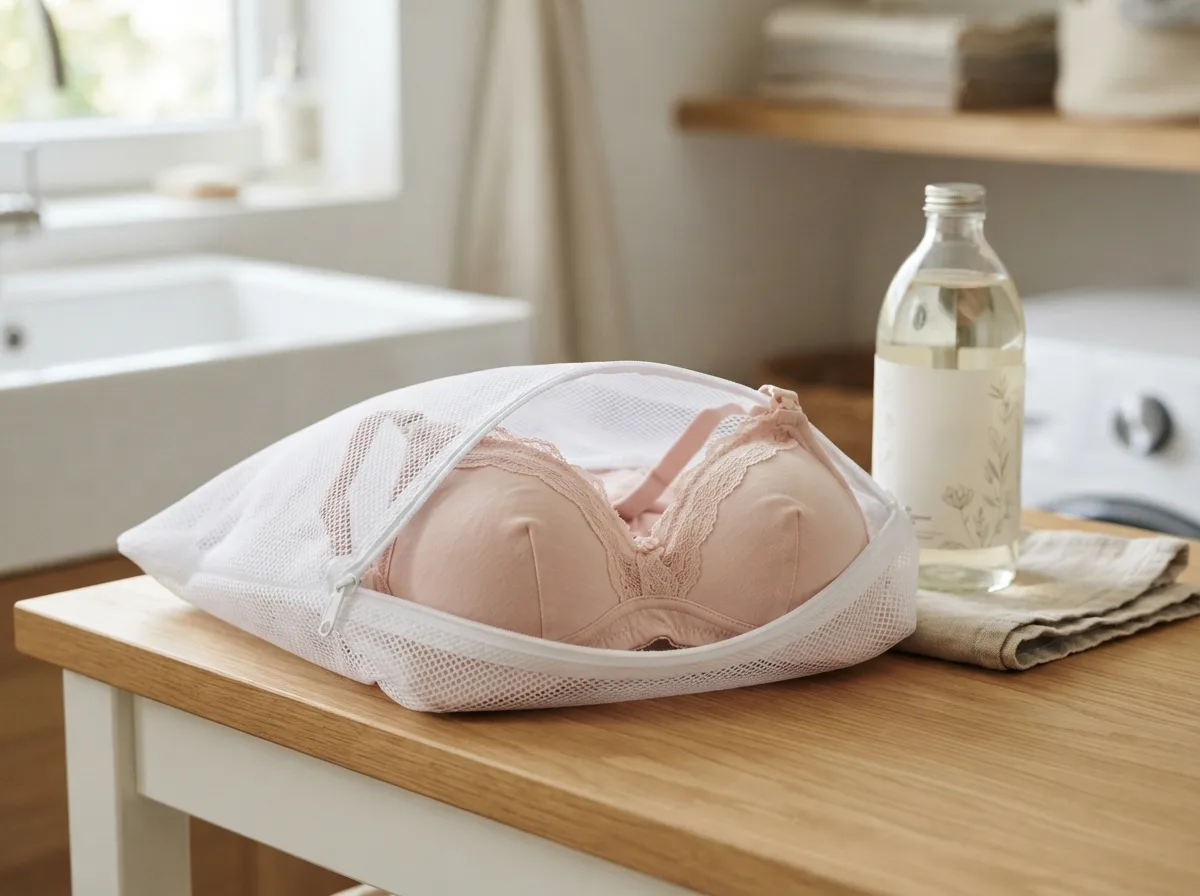
When possible, fasten the hooks and place the bra in a mesh laundry bag to protect the straps and clips. Use a gentle detergent if your skin is sensitive, and avoid harsh products that leave a strong fragrance or irritate your skin.
Air-drying is often a good option because high heat can damage elastic and shorten the life of the bra. Avoid wringing the cups aggressively, as this can distort their shape.
12. Check the Fit as Breastfeeding Changes
Your body may continue to change after delivery, especially as milk production adjusts to your baby's feeding routine. A bra that felt comfortable in the first weeks may eventually become too loose or too tight.
Check the band, cups, and straps regularly. Look for signs such as breast tissue spilling over the cups, gaps that were not there before, or a band that no longer feels secure.
You may find that you need different styles or sizes at different stages. Rather than forcing yourself into an old size, choose the fit that feels comfortable now.

13. Choose a Comfortable Bra for Sleeping
Some breastfeeding parents prefer to wear a soft nursing bra overnight, especially if they experience leaking or want gentle support. Others find sleeping without a bra more comfortable.
If you choose to wear one to bed, look for a lightweight, wireless design with soft fabric and no tight elastic. It should not press firmly into your breasts or leave painful marks.
You do not need to wear a nursing bra overnight unless it makes you more comfortable. If you notice discomfort, pressure, or soreness, remove it or switch to a looser style.

14. Know When to Replace Your Nursing Bra
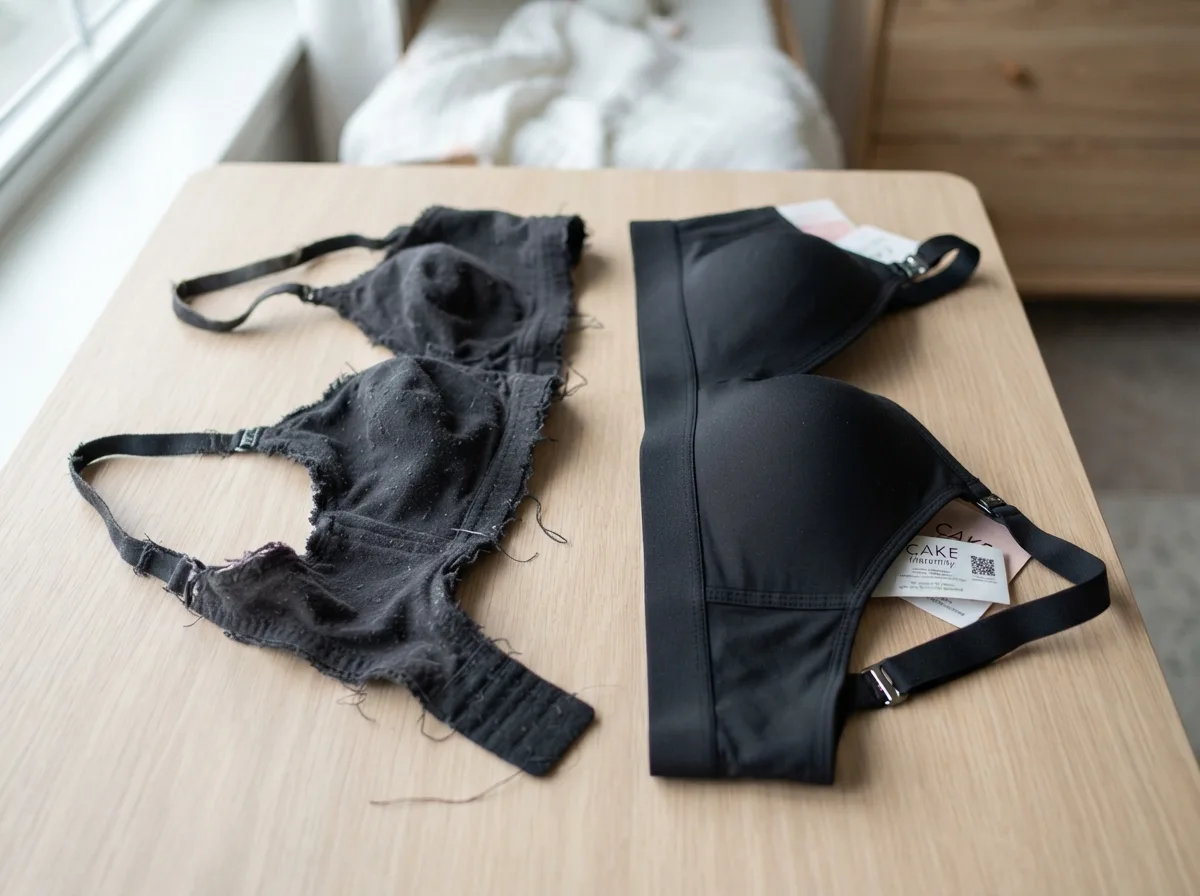
A nursing bra should be replaced when it no longer offers a comfortable fit or its features stop working properly. Stretched bands, loose straps, damaged clips, and fabric that has lost its shape can make daily use less convenient.
Inspect your bras occasionally, particularly if you wear and wash them frequently. If the band rides up despite adjustments or the cups no longer accommodate your breasts, consider trying a different size.
Replacing an uncomfortable bra can be more useful than continually adjusting one that no longer fits your body.
15. Pay Attention to Pain and Persistent Breast Changes
A nursing bra should never cause ongoing pain. If you notice pressure, tender areas, deep marks, or discomfort, remove the bra and check whether the fit is contributing to the problem.
Breastfeeding can sometimes involve engorgement, blocked milk ducts, or inflammation, and these problems are not always caused by a bra. Seek medical advice if you develop persistent breast pain, a hot or red area, a lump that does not improve, or symptoms that concern you.
If you have a fever or feel generally unwell along with breast redness or pain, contact a healthcare professional promptly. A correctly fitting bra can improve comfort, but it is not a substitute for medical assessment when symptoms persist.
Quick Tips for Getting the Most From Your Nursing Bra
- Try on a new bra when you have time to check the fit carefully.
- Make sure you can open and close the nursing clips easily.
- Avoid tight bands, restrictive cups, and excessive compression.
- Keep the skin dry by changing damp nursing pads and bras.
- Follow the garment's washing instructions to protect the fabric and elastic.
- Reassess the fit as your body and breastfeeding routine change.
- Prioritize comfort over brand, appearance, or a particular size label.
Frequently Asked Questions
When should I start wearing a nursing bra?
You can start wearing one during pregnancy if your regular bras become uncomfortable or you want to prepare for breastfeeding. Some people prefer to wait until after delivery because breast size can change considerably. Choose a flexible design that accommodates changes in fit.
How tight should a nursing bra be?
It should feel secure but not restrictive. The band should stay in place, the cups should comfortably contain your breasts, and the straps should not dig into your shoulders. You should be able to breathe and move normally without pain or excessive pressure.
Can I wear a nursing bra all day?
Yes, if it fits comfortably and does not create pressure or irritation. Change out of a damp bra when necessary, and remove or adjust it if you experience discomfort. You do not need to wear a bra continuously if you prefer not to.
Is an underwire nursing bra safe?
An underwire nursing bra can be comfortable for some people if it fits correctly and does not press into breast tissue. If it causes pressure, pain, or soreness, choose a wireless alternative. The important factor is a comfortable, nonrestrictive fit.
How many nursing bras do I need?
Two or three bras can be a useful starting point, although your needs depend on how often you wash laundry, how much milk leakage you experience, and your preferred styles. You can always add more once you understand your routine.
Should I wear a nursing bra at night?
It is a personal choice. A soft, wireless nursing bra may help you feel comfortable or manage leaking, but it is not essential. Choose a loose, nonrestrictive option if you prefer to wear one while sleeping.
Conclusion
Using a nursing bra comfortably and correctly comes down to choosing the right fit, understanding its features, and paying attention to how your body feels. From adjusting the straps and using nursing clips to choosing breathable fabrics and washing your bras gently, small habits can make breastfeeding more convenient.
Remember that your needs may change throughout pregnancy and breastfeeding, so give yourself permission to reassess what works for you. The best nursing bra is not necessarily the most expensive or fashionable one; it is the one that provides gentle support, allows easy feeding, and helps you feel comfortable throughout your day.