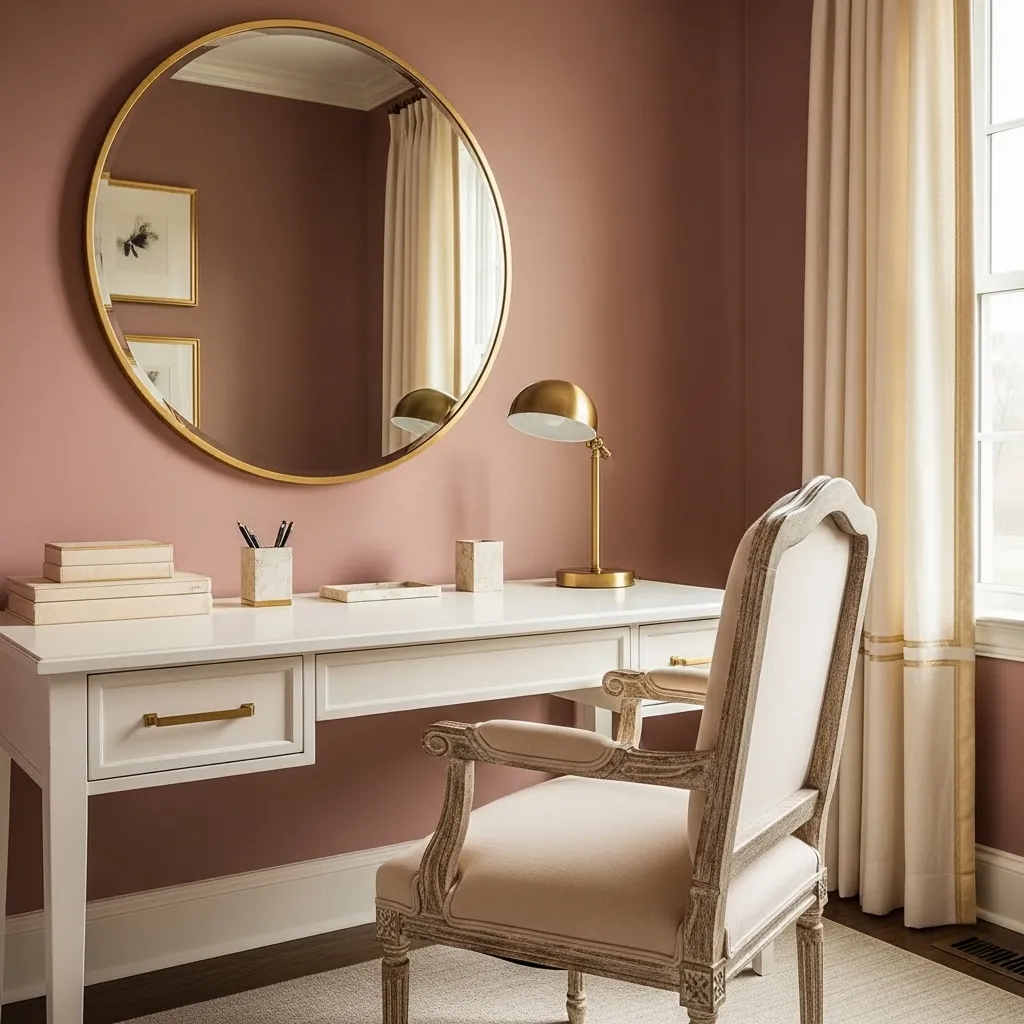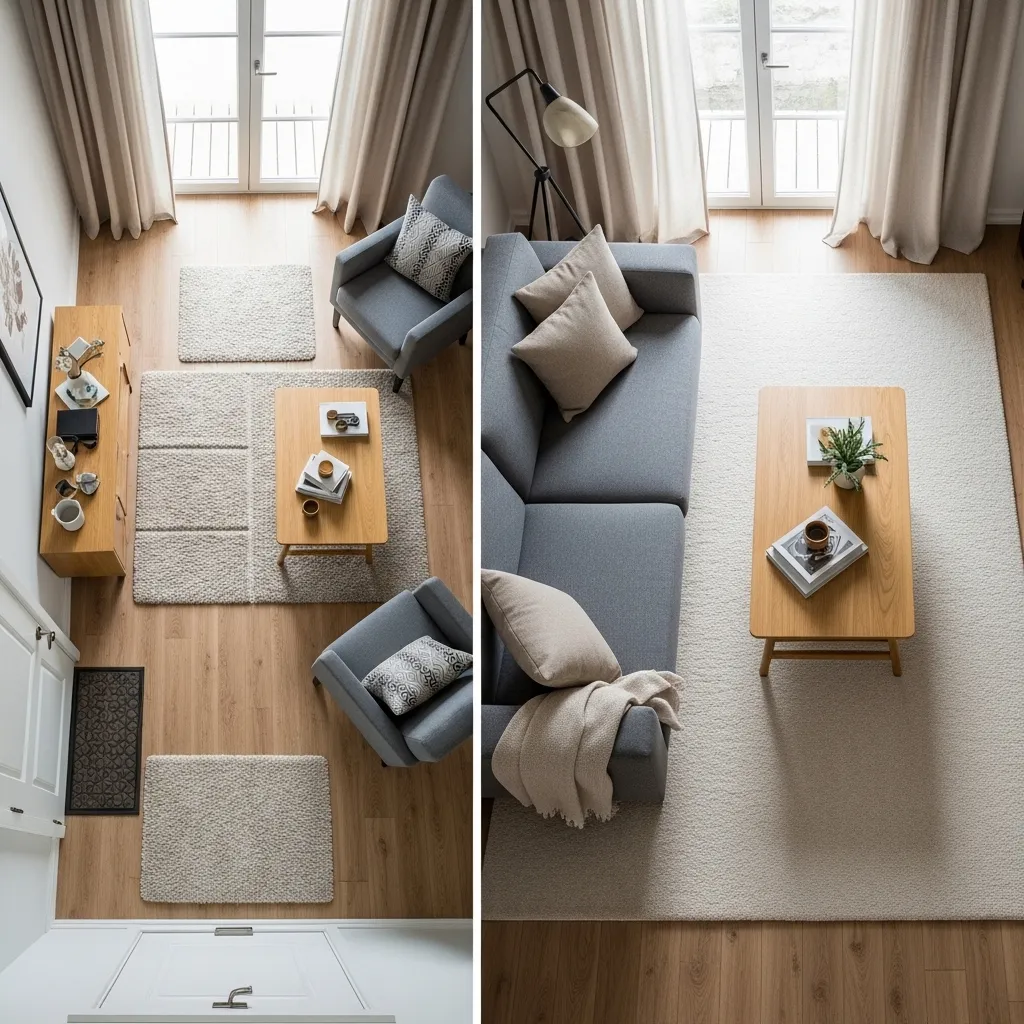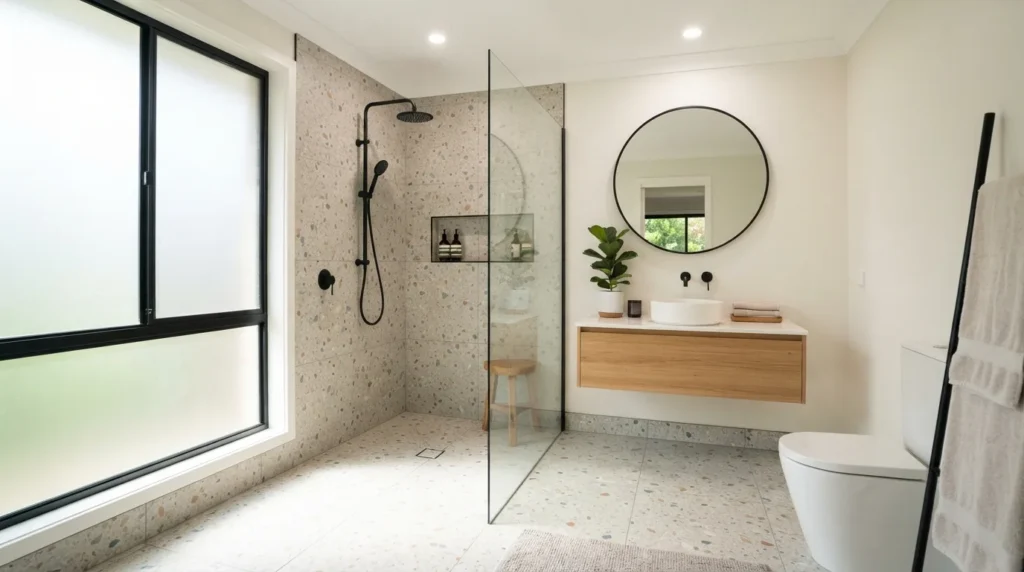
Cladding tiles can completely change the character of a room, exterior wall, floor, kitchen, bathroom, or feature area without requiring a full structural renovation. With options ranging from natural stone and porcelain to terracotta, glass, and wood-look finishes, the right tile can add texture, durability, color, and architectural interest. However, choosing the best material depends on where it will be installed, how much moisture and traffic it will face, and the appearance you want to create. These 15 types of cladding tiles offer practical options for both floors and walls, along with ideas for choosing the right finish for your renovation.
1. Porcelain Cladding Tiles
Porcelain tiles are one of the most versatile choices for renovating floors and walls because they combine durability with a wide range of visual styles. Made from dense, finely ground clay fired at high temperatures, porcelain is generally less porous than many conventional ceramic tiles. This makes it suitable for bathrooms, kitchens, entryways, living areas, and many outdoor applications when the product is specifically rated for exterior use.
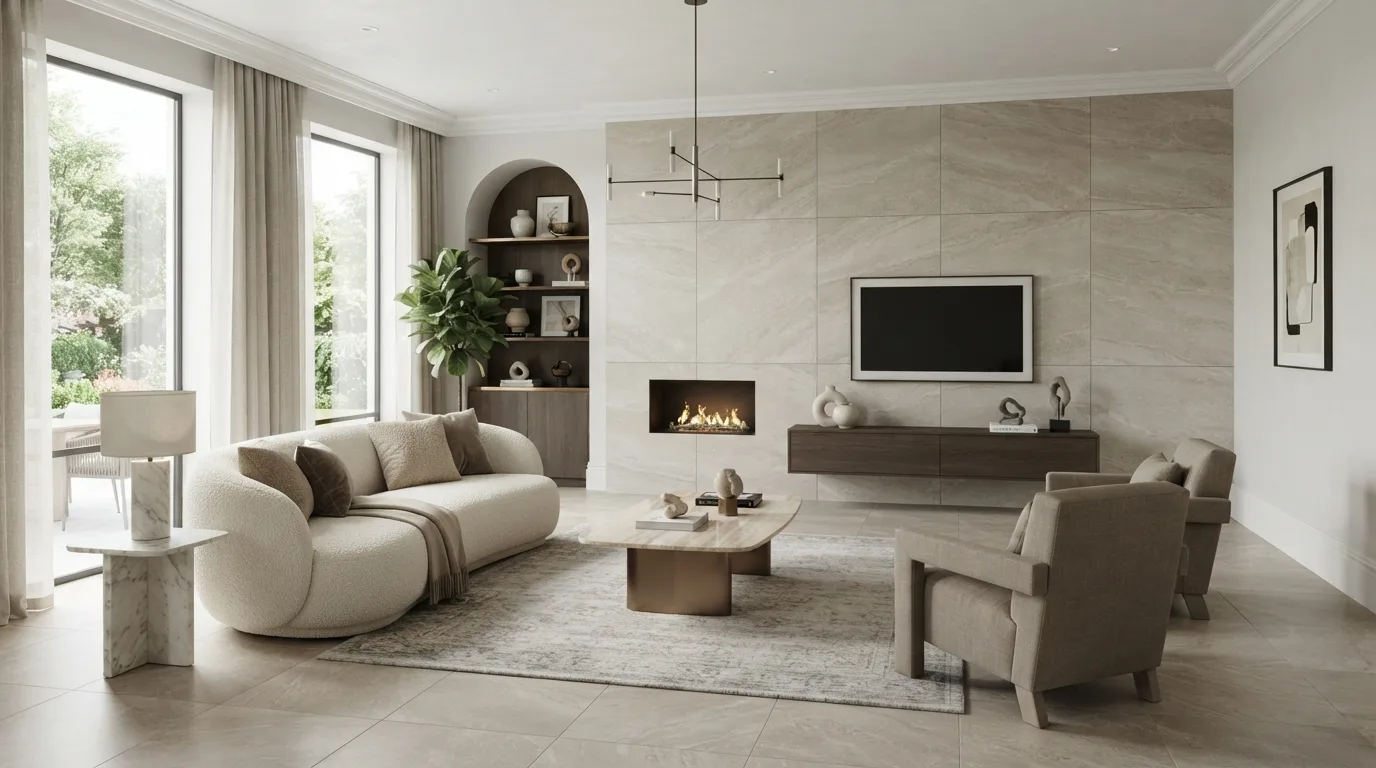
Modern porcelain can imitate marble, limestone, concrete, wood, or natural stone with remarkably detailed patterns. Large-format porcelain slabs can also create a seamless contemporary appearance with fewer grout lines. For floors, choose a surface with an appropriate slip-resistance rating, especially in wet areas. For walls, polished or textured options can create a striking feature without the maintenance associated with some natural materials.
2. Ceramic Cladding Tiles
Ceramic tiles are a practical option for homeowners who want attractive finishes at a generally accessible price point. They are available in countless colors, patterns, shapes, and surface finishes, making them particularly useful for decorative walls, kitchen backsplashes, bathroom walls, and low-to-moderate traffic floors. Their lighter weight can also make certain ceramic products easier to handle during installation.
For floor applications, check that the specific tile is rated for flooring and suitable for the expected level of traffic. Wall tiles should not automatically be assumed to work on floors because surface strength and slip resistance can differ. Ceramic tiles are also relatively easy to clean, which makes them useful in kitchens and bathrooms. Consider grout color carefully: matching grout can create a continuous appearance, while contrasting grout emphasizes individual tile shapes and patterns.
3. Natural Stone Cladding Tiles
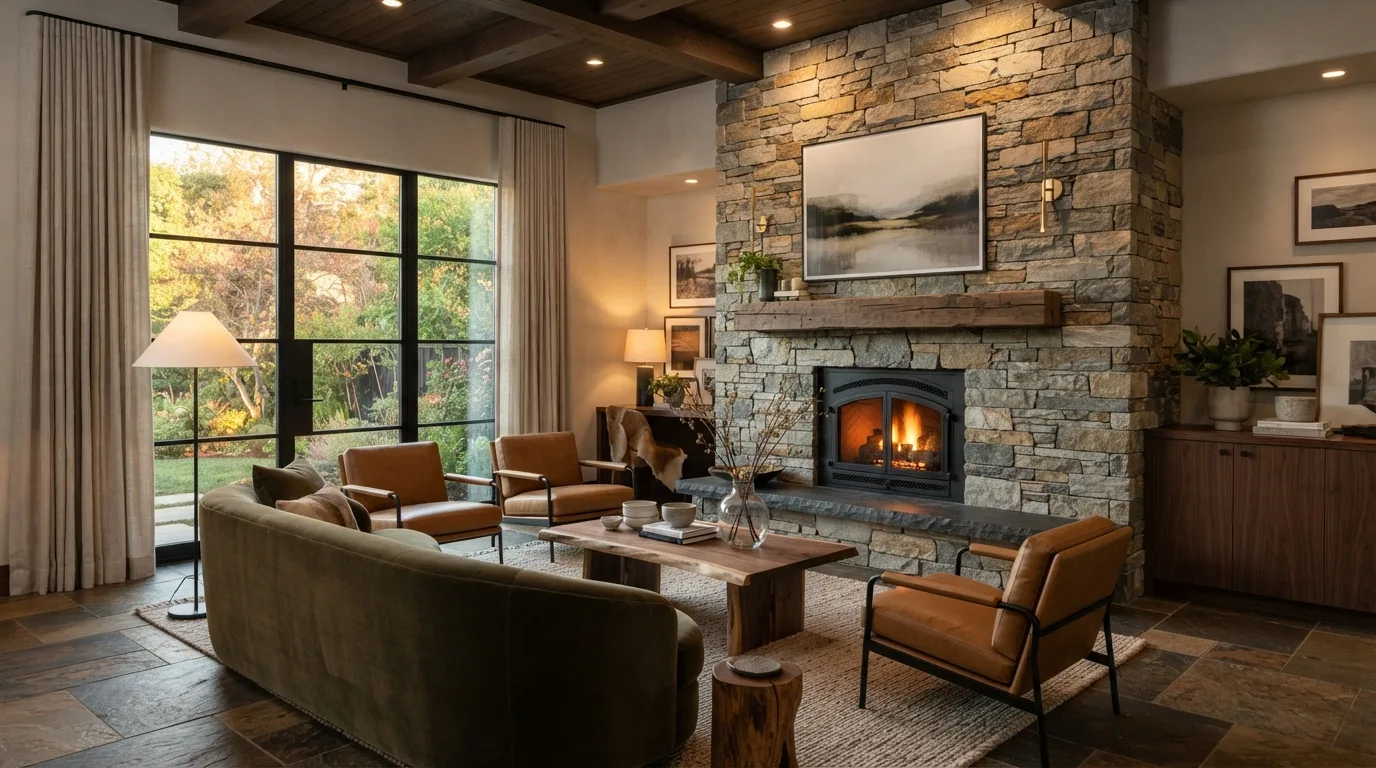
Natural stone tiles bring authentic texture and variation to a renovation. Marble, granite, limestone, slate, and travertine each have different colors, patterns, hardness levels, and maintenance requirements. Because every natural stone tile can vary slightly, the finished surface often has a depth and character that manufactured materials intentionally try to reproduce.
Natural stone works particularly well for feature walls, fireplaces, entryways, bathrooms, patios, and sophisticated living spaces. However, stone is not a maintenance-free material. Some varieties are porous and may require sealing to help protect against staining and moisture. Acidic cleaners can damage certain stones, while polished surfaces may become slippery when wet. Before purchasing, confirm the stone’s suitability for the intended location, understand its sealing requirements, and order enough material from the same batch or lot when visual consistency matters.
4. Marble Cladding Tiles
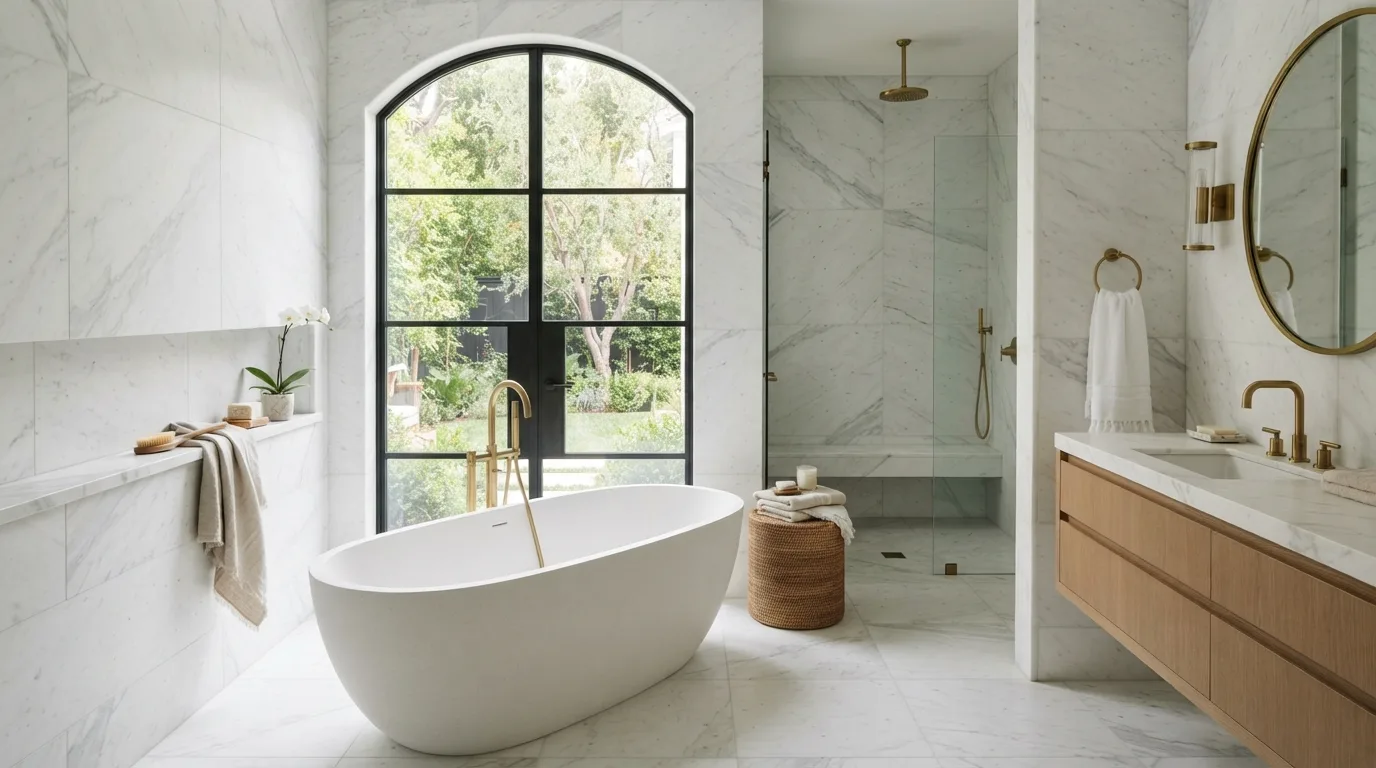
Marble is known for its elegant veining and naturally luxurious appearance. It can make a bathroom, entryway, kitchen backsplash, or feature wall feel more refined, while large-format marble tiles can create a dramatic architectural effect. White marble with soft gray veining is especially popular for bright interiors, but green, beige, brown, and darker varieties provide very different design directions.
Despite its beauty, marble requires thoughtful care. It is softer and more susceptible to scratching and staining than some harder flooring materials. Many marble surfaces benefit from appropriate sealing, and acidic substances can etch the stone. For high-use floors, select a finish and thickness suitable for the expected traffic and use mats or protective pads where practical. If you love the marble appearance but want simpler maintenance, porcelain marble-look tiles provide an alternative while retaining the visual character of natural veining.
5. Slate Cladding Tiles
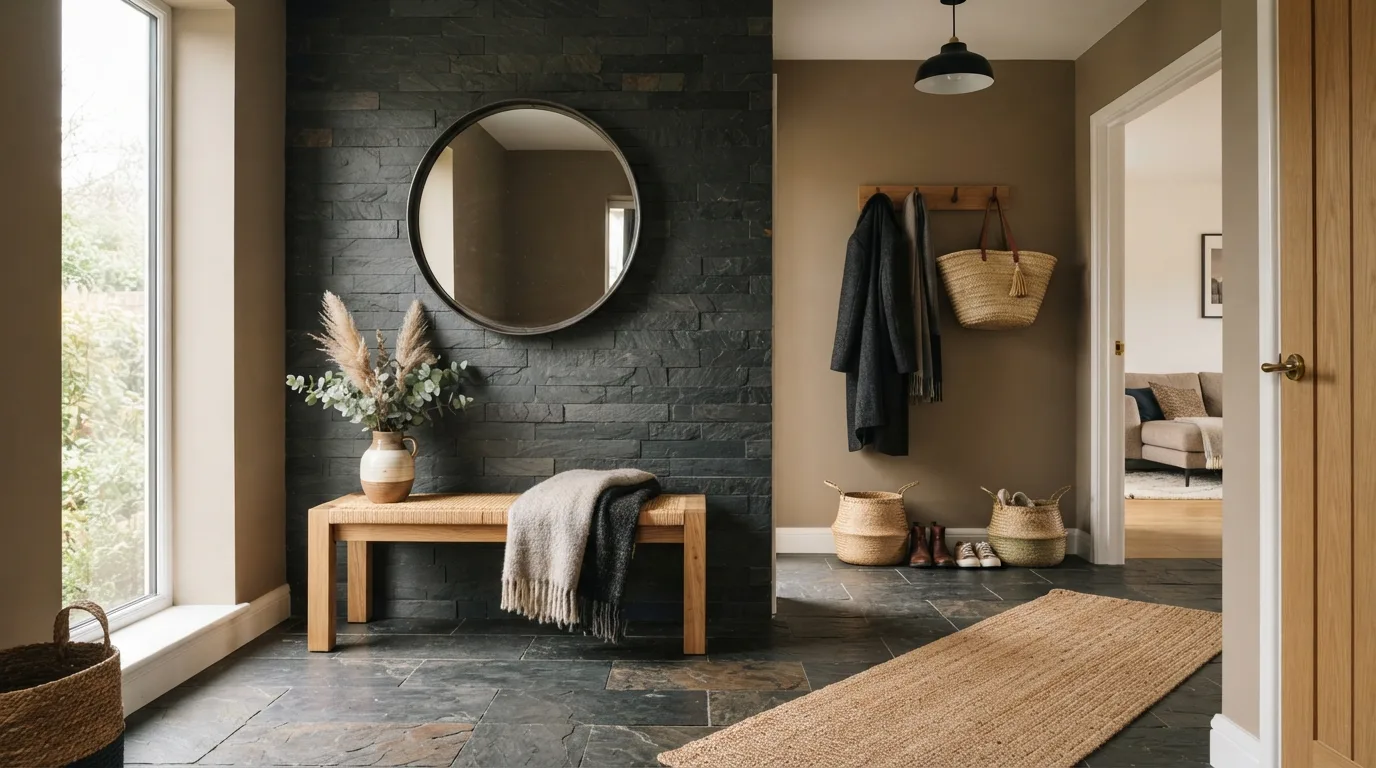
Slate is an excellent choice when you want a natural surface with strong texture and an earthy appearance. Its layered structure creates subtle variations in gray, charcoal, brown, green, and other natural tones. Slate can work beautifully in rustic, modern, industrial, and transitional interiors, making it more versatile than its rugged appearance might suggest.
Use slate for mudrooms, entry floors, fireplaces, bathroom accents, patios, and feature walls when the particular product is rated for the application. Cleavage and uneven surfaces can add character but may also make cleaning more demanding. Honed or smoother slate can provide a more contemporary appearance, while naturally textured varieties emphasize its organic quality. As with other porous stones, check whether sealing is recommended and follow the manufacturer’s maintenance guidance. Proper substrate preparation is especially important because uneven tile surfaces can highlight imperfections underneath.
6. Travertine Cladding Tiles
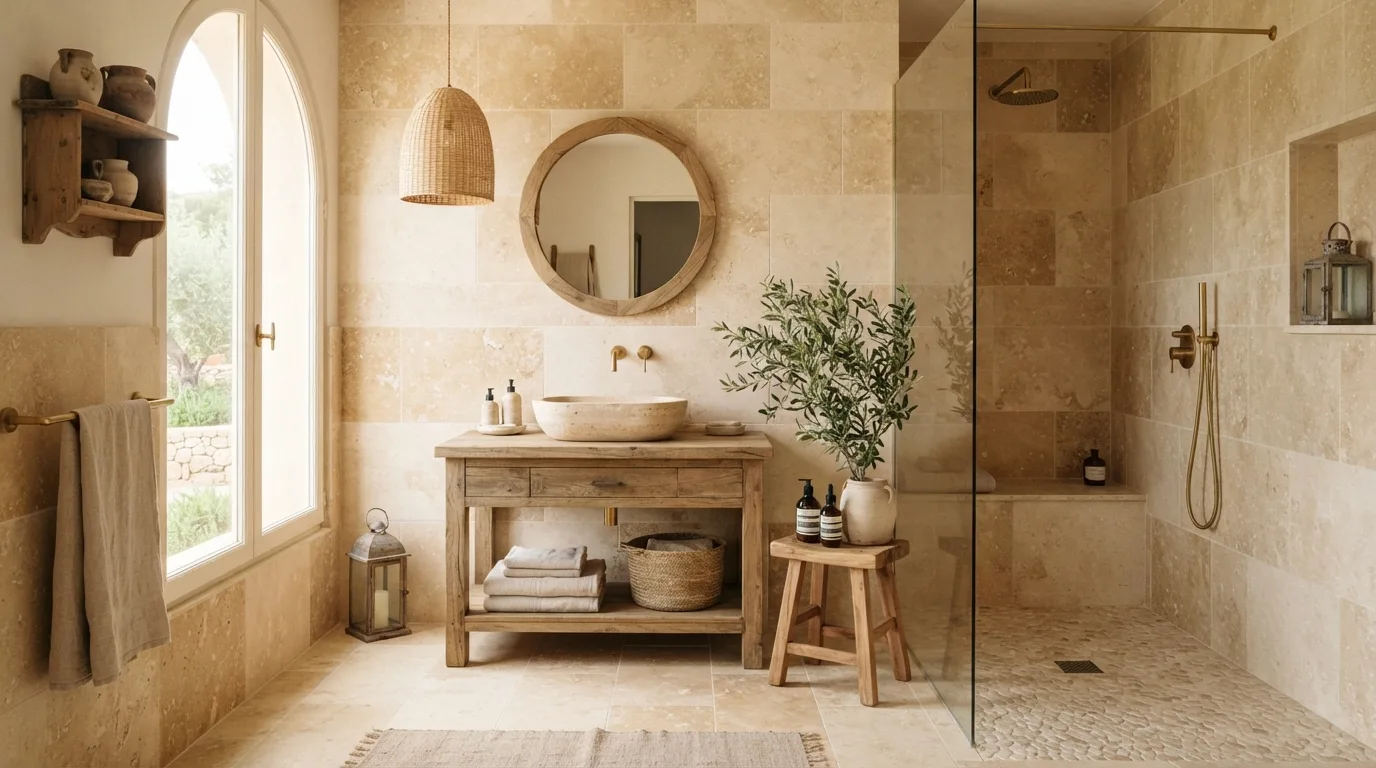
Travertine offers a warm, natural appearance with distinctive pores, soft movement, and earthy shades ranging from ivory and cream to tan and brown. It works especially well in Mediterranean, rustic, farmhouse, and traditional interiors, but carefully selected large-format travertine can also look contemporary. Floors, shower walls, backsplashes, patios, and feature walls are common applications.
Because travertine is porous, it typically requires more care than nonporous manufactured tile. The surface may have filled or unfilled pores, and the choice affects both appearance and maintenance. A suitable sealer can help protect against stains, but sealing does not make the material completely impervious. Use cleaning products designed for natural stone and avoid harsh acidic cleaners. When planning a travertine installation, order samples first because natural variation can be substantial and may look different under your home’s lighting.
7. Glass Cladding Tiles
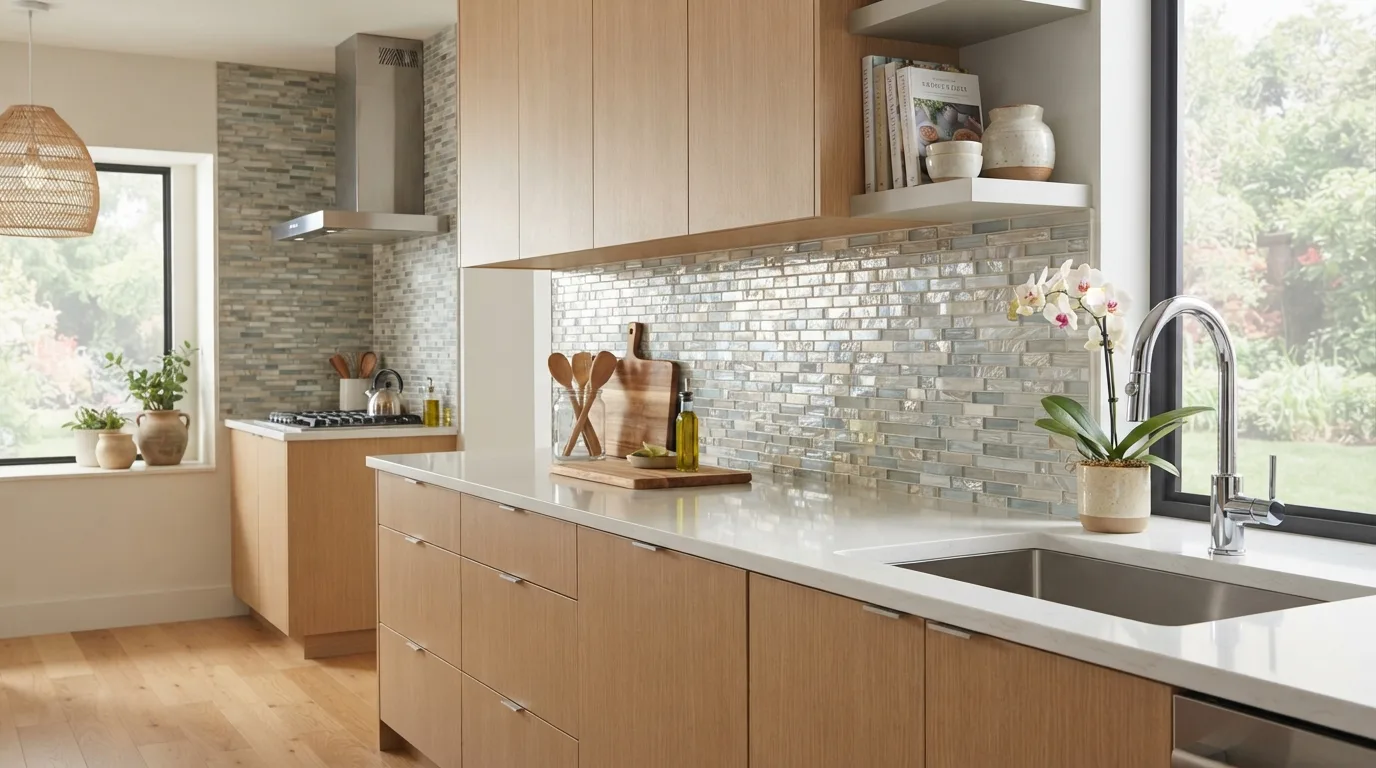
Glass tiles are particularly effective when you want to add brightness, color, or reflective depth to a wall. They are commonly used for kitchen backsplashes, shower walls, bathroom accents, and decorative feature areas. Light passing through or reflecting from the surface can make a small space feel brighter and visually more open.
Glass is available in transparent, translucent, opaque, frosted, textured, and metallic-looking finishes. Mosaic sheets make intricate patterns easier to install, while larger glass tiles create a cleaner contemporary appearance. Because installation techniques can differ from those used for ceramic or porcelain, use an adhesive and grout system recommended specifically for the product. Glass tiles can also highlight substrate imperfections, so the wall should be properly prepared before installation. For floors, only use glass tile specifically manufactured and rated for flooring and slip resistance.
8. Terracotta Cladding Tiles
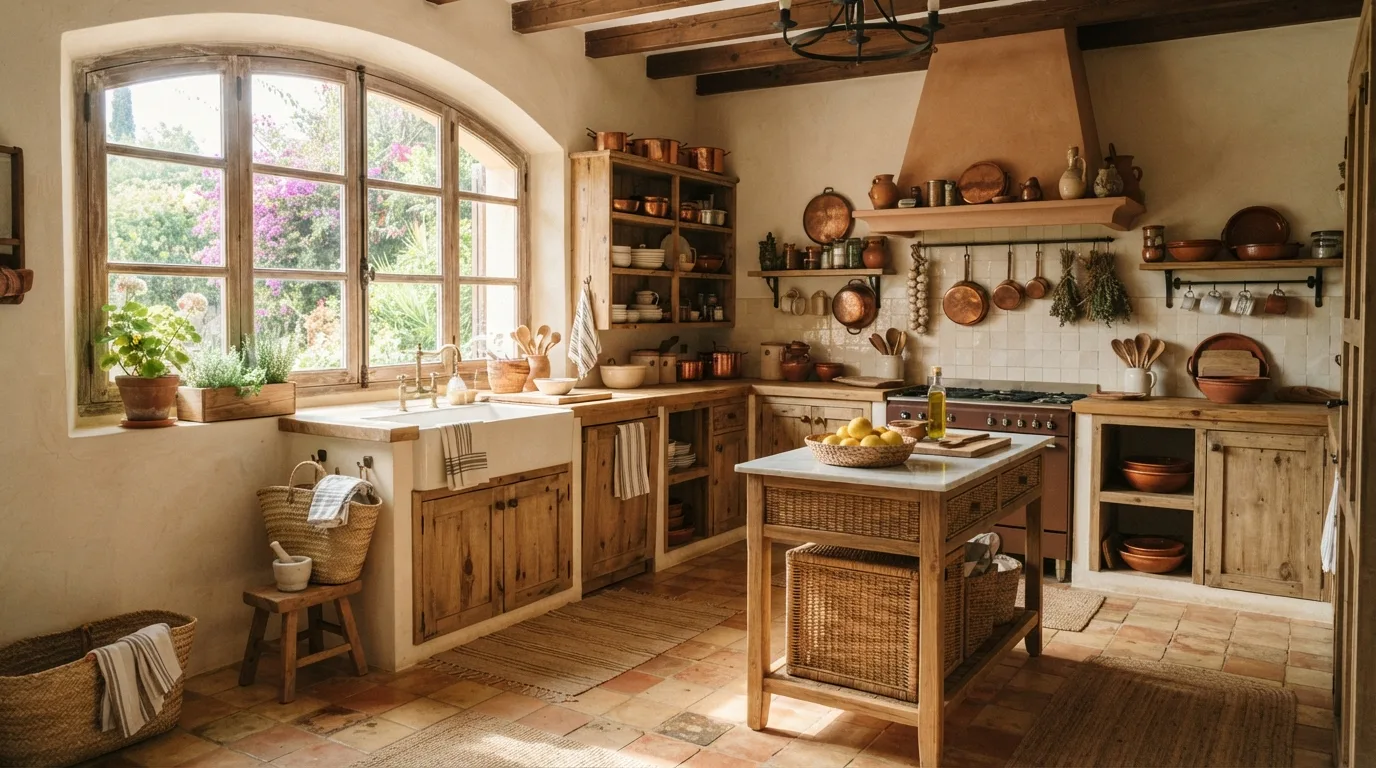
Terracotta tiles bring warmth and handmade character through their natural orange, rust, red, and earthy tones. They are a strong choice for interiors inspired by Mediterranean, Spanish, farmhouse, rustic, or old-world design. Their slightly irregular appearance can make a space feel relaxed and authentic rather than perfectly uniform.
Terracotta is porous, so it requires more attention than many modern porcelain products. Depending on the tile and installation environment, sealing can help protect the surface from moisture and staining. Regular cleaning should be gentle and appropriate for sealed terracotta. These tiles can look particularly attractive across kitchen floors, sunrooms, entryways, and covered outdoor spaces when the product is rated for the conditions. Pair them with light walls, natural wood, woven textures, or simple cabinetry to keep the warm flooring from overwhelming the room.
9. Cement and Encaustic-Style Tiles
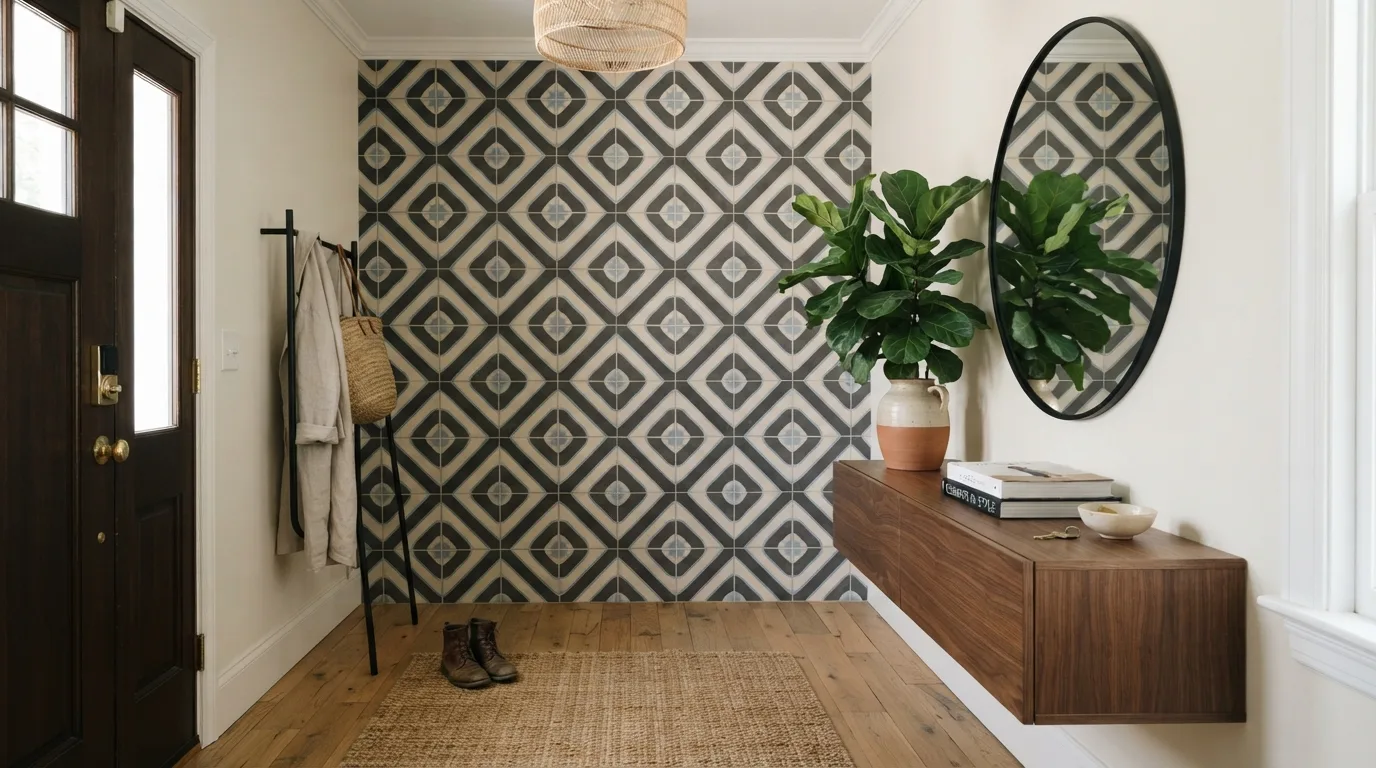
Cement and encaustic-style tiles are popular for homeowners who want bold patterns and handcrafted character. Their decorative designs can introduce geometric motifs, floral details, Mediterranean influences, or vintage-inspired patterns to kitchens, bathrooms, hallways, and entryways. Even a relatively small tiled area can become a major visual feature when the pattern is distinctive.
Authentic cement tiles can be porous and may require sealing and careful maintenance. Encaustic-look porcelain or ceramic tiles offer a similar decorative effect with different performance characteristics and often simpler maintenance. When using patterned tiles, plan the layout before installation so motifs align properly and borders do not end awkwardly around cabinets or doorways. If the pattern is visually busy, balance it with simpler walls and furniture. Alternatively, use decorative tiles only on one wall or floor zone to create a focal point without covering the entire room.
10. Mosaic Cladding Tiles
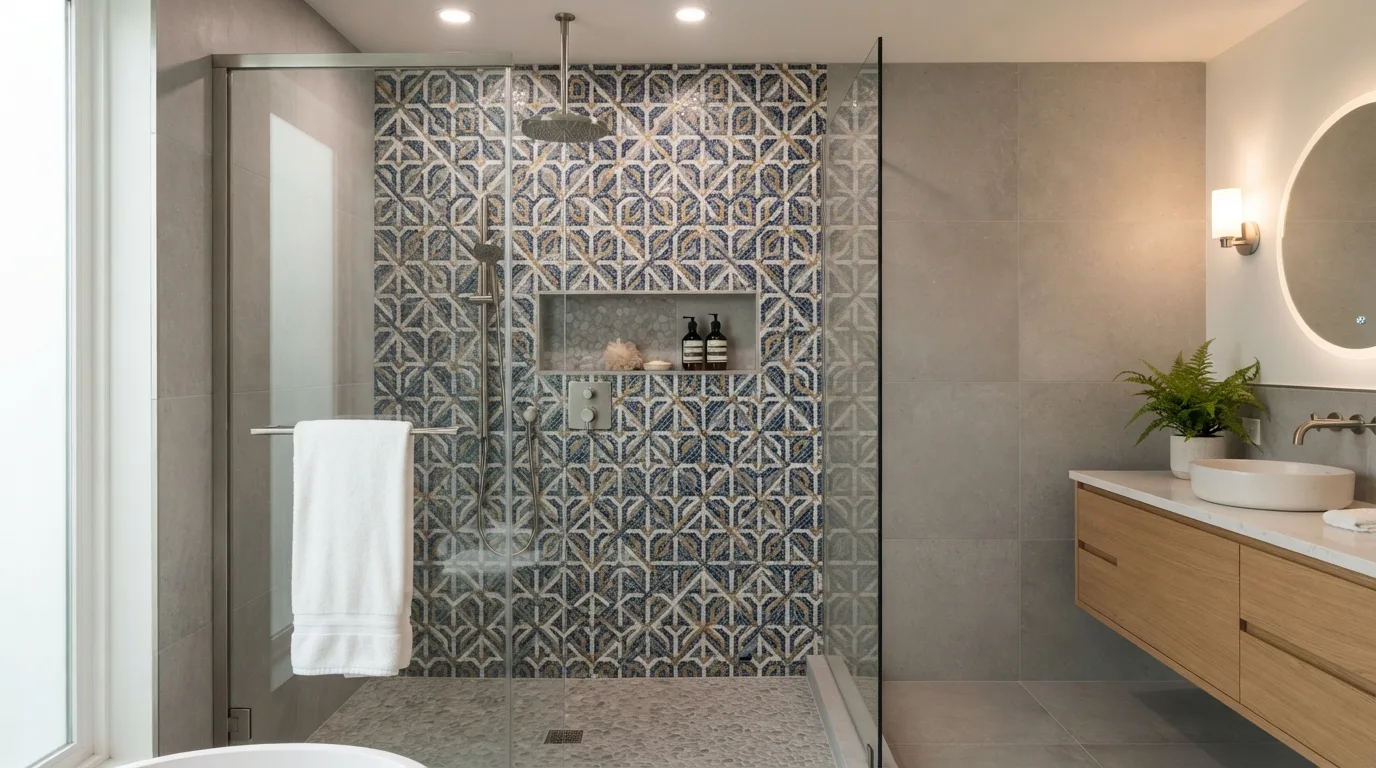
Mosaic tiles consist of small individual pieces arranged into patterns or mounted on mesh sheets for easier installation. They are useful when you want to introduce detail around shower niches, backsplashes, borders, bathroom floors, or feature walls. Mosaics can be made from porcelain, ceramic, glass, stone, or combinations of materials, giving homeowners considerable flexibility.
The many grout lines can provide useful traction on some properly rated bathroom floors, but they also increase the amount of grout that needs cleaning. For walls, mosaics can create intricate patterns without requiring each small piece to be positioned individually. Choose grout carefully because its color can dramatically affect the finished appearance. Before installation, dry-fit several sheets and inspect how the pattern repeats. This helps prevent visible alignment problems and allows you to plan cuts around corners, fixtures, outlets, and plumbing.
11. Wood-Look Cladding Tiles
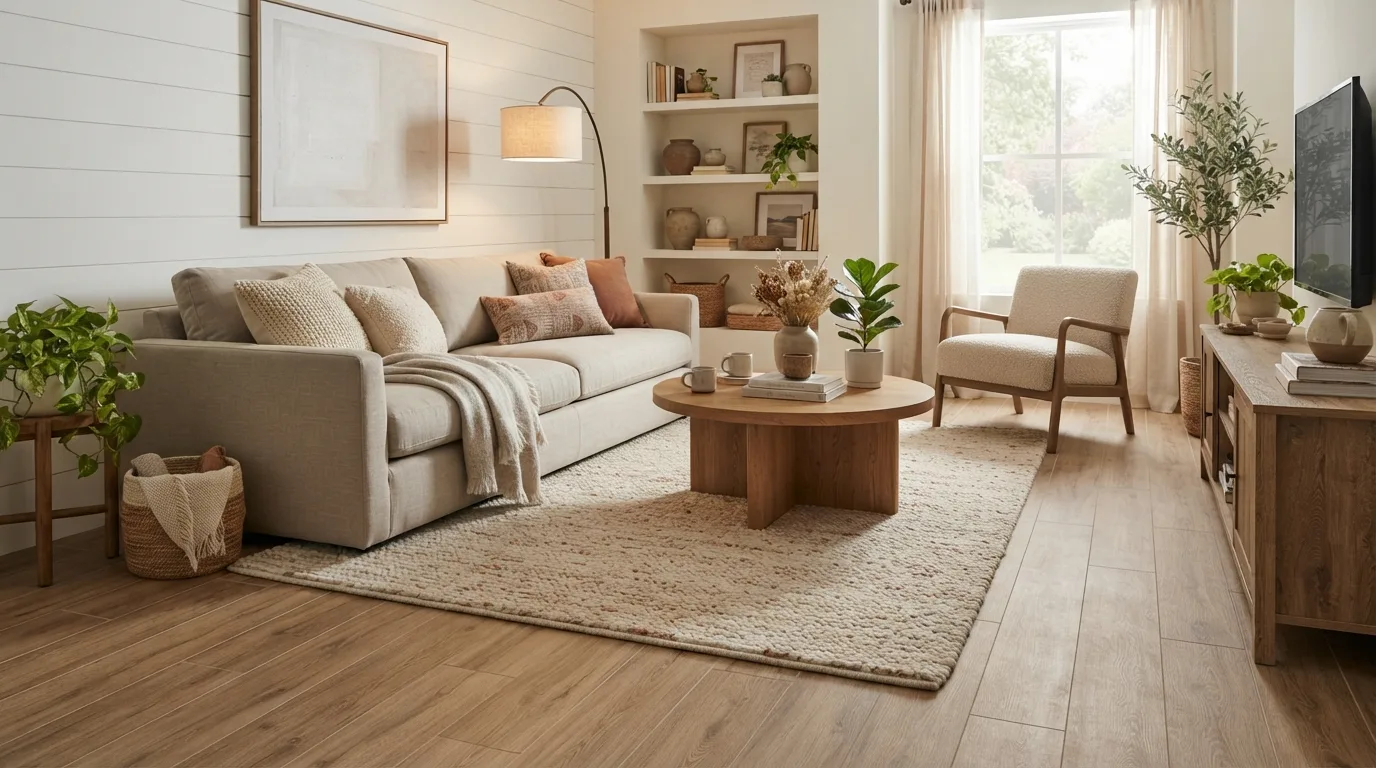
Wood-look tiles offer the visual warmth of timber while providing the practical characteristics of tile. Porcelain and ceramic versions are available in plank shapes that imitate oak, walnut, ash, weathered wood, and other finishes. They can be used in living rooms, bedrooms, kitchens, bathrooms, and other areas where homeowners want a wood-inspired appearance.
The biggest advantage is design flexibility. You can create a consistent wood-look surface across rooms while avoiding some of the moisture concerns associated with natural hardwood. Installation patterns such as staggered planks, herringbone, or chevron can further change the character of the floor. For the most convincing result, select tiles with varied printed grain patterns and avoid excessive repetition. Grout color should complement the dominant wood tone rather than creating strong lines unless that contrast is intentional. Always confirm the product’s suitability for wet areas before installing it in bathrooms.
12. Concrete-Look Cladding Tiles
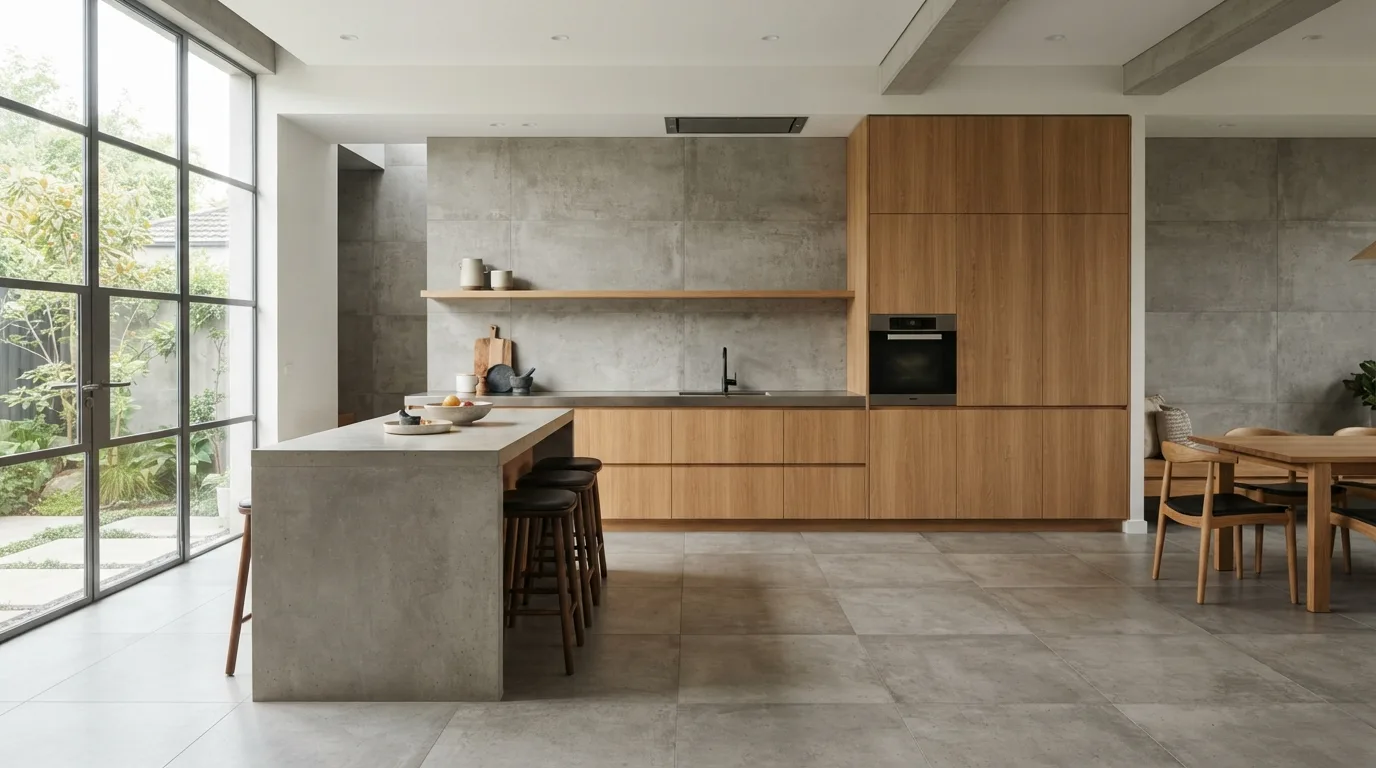
Concrete-look tiles are ideal for modern, minimalist, industrial, and contemporary interiors. They reproduce the subtle variations, cloudy tones, and understated texture associated with poured concrete while offering the installation and maintenance characteristics of tile. Common colors include soft gray, charcoal, beige, greige, and warm off-white.
Large-format concrete-look porcelain can be particularly effective because fewer grout lines reinforce the appearance of a continuous architectural surface. Use it on floors, bathroom walls, kitchen backsplashes, or feature walls depending on the product specifications. To prevent a gray room from feeling cold, combine the tile with warm wood, natural fabrics, textured rugs, brass or black accents, and layered lighting. If the room receives little natural light, a lighter concrete-inspired finish may maintain a brighter atmosphere. Always check the surface texture and slip rating when selecting a floor product.
13. Brick-Look Cladding Tiles
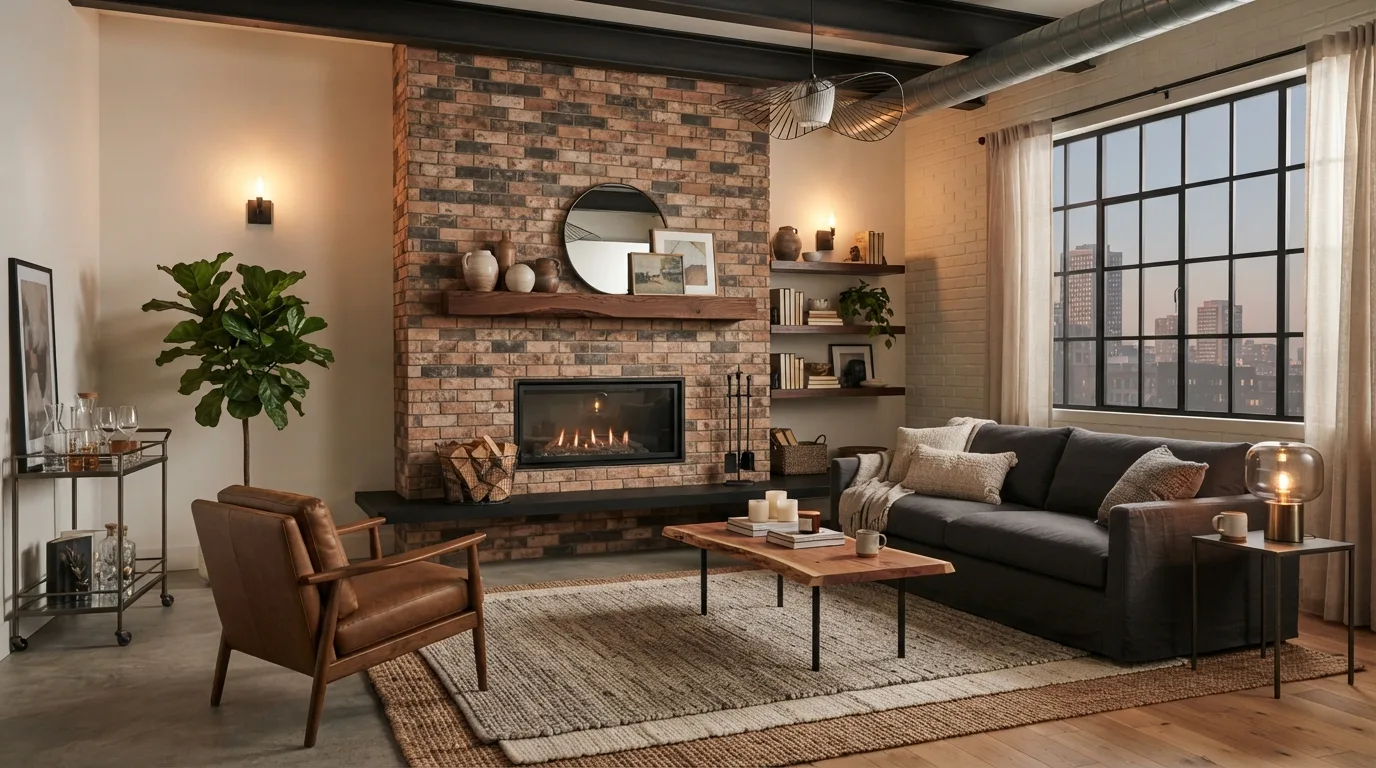
Brick-look tiles and thin brick cladding can introduce architectural texture without requiring a full traditional brick wall. They are useful for kitchen backsplashes, fireplace surrounds, accent walls, home offices, dining areas, and rustic-inspired interiors. Depending on the finish, they can create farmhouse, industrial, vintage, or contemporary character.
Choose between clean, uniform brick patterns and distressed versions with varied edges and tones. White or light brick can brighten a room, while red, brown, charcoal, and weathered finishes create stronger visual depth. Grout color is particularly important because it can either emphasize each brick or make the surface appear more continuous. Before installation, confirm whether the product is intended for interior or exterior use and whether additional heat resistance is required around a fireplace. For exterior projects, use a system designed for outdoor exposure rather than assuming an indoor decorative product will perform adequately outside.
14. Metal-Look and Metallic Tiles
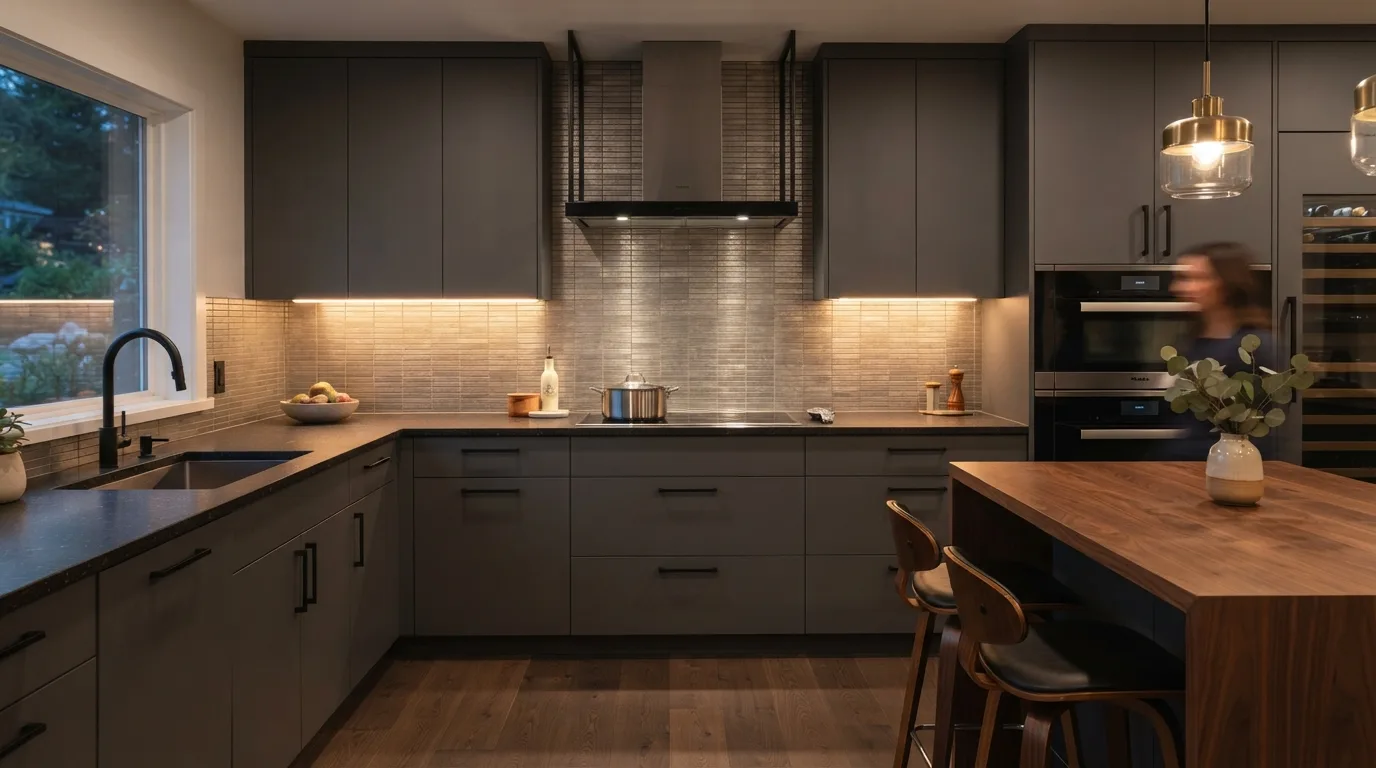
Metal-look tiles add a distinctive contemporary accent through finishes inspired by stainless steel, copper, bronze, iron, or brushed metal. They work especially well in kitchens, bars, utility spaces, modern bathrooms, and feature walls where a small amount of reflective texture can make the design more dynamic.
Because metallic surfaces can become a focal point quickly, they are often most effective when used selectively. A backsplash behind a range or sink can provide visual interest without dominating the entire kitchen. Pair metallic finishes with matte cabinetry and natural materials for contrast, or use them alongside glass and polished surfaces for a more dramatic modern look. Maintenance depends on the actual tile material and finish, so follow the manufacturer’s cleaning instructions and avoid abrasive products when they could damage the surface. Check heat and moisture ratings carefully for applications near cooking areas or showers.
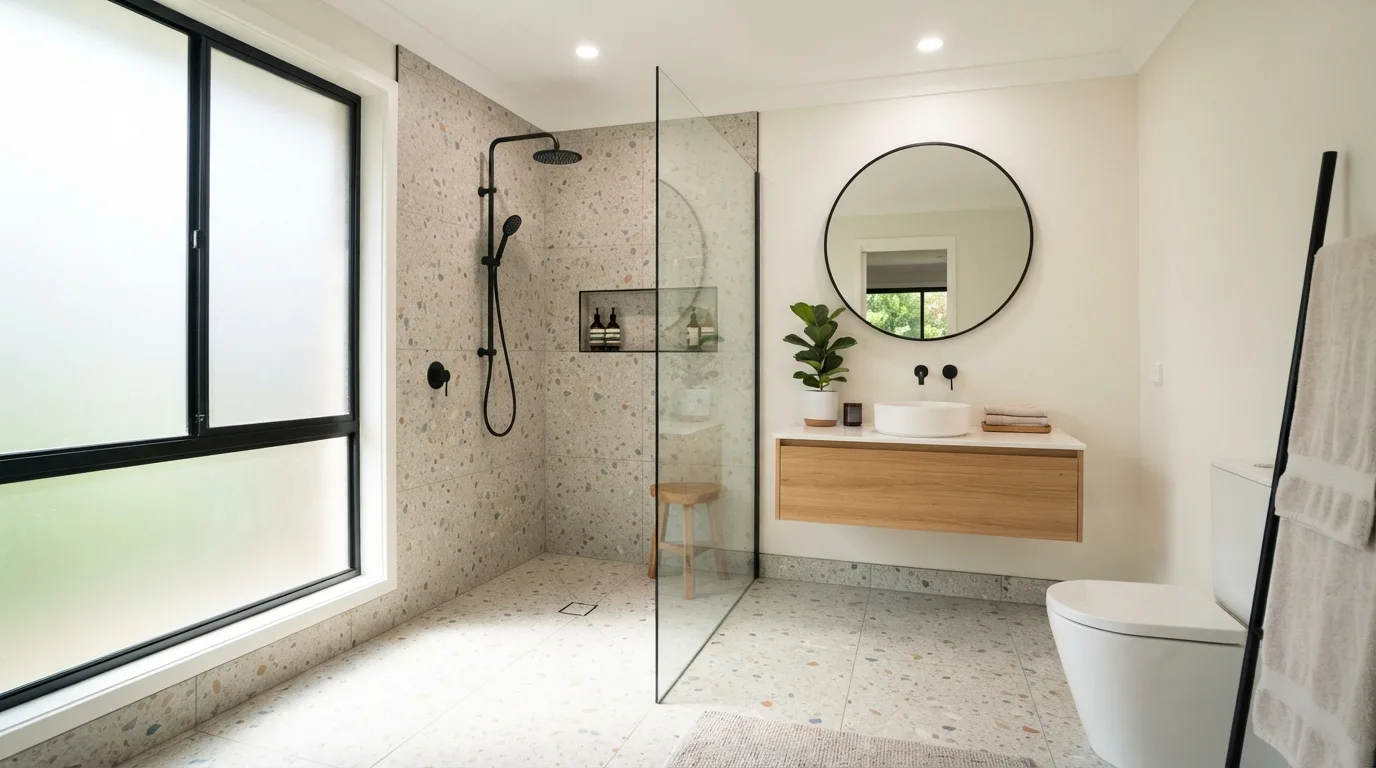
15. Terrazzo-Style Cladding Tiles
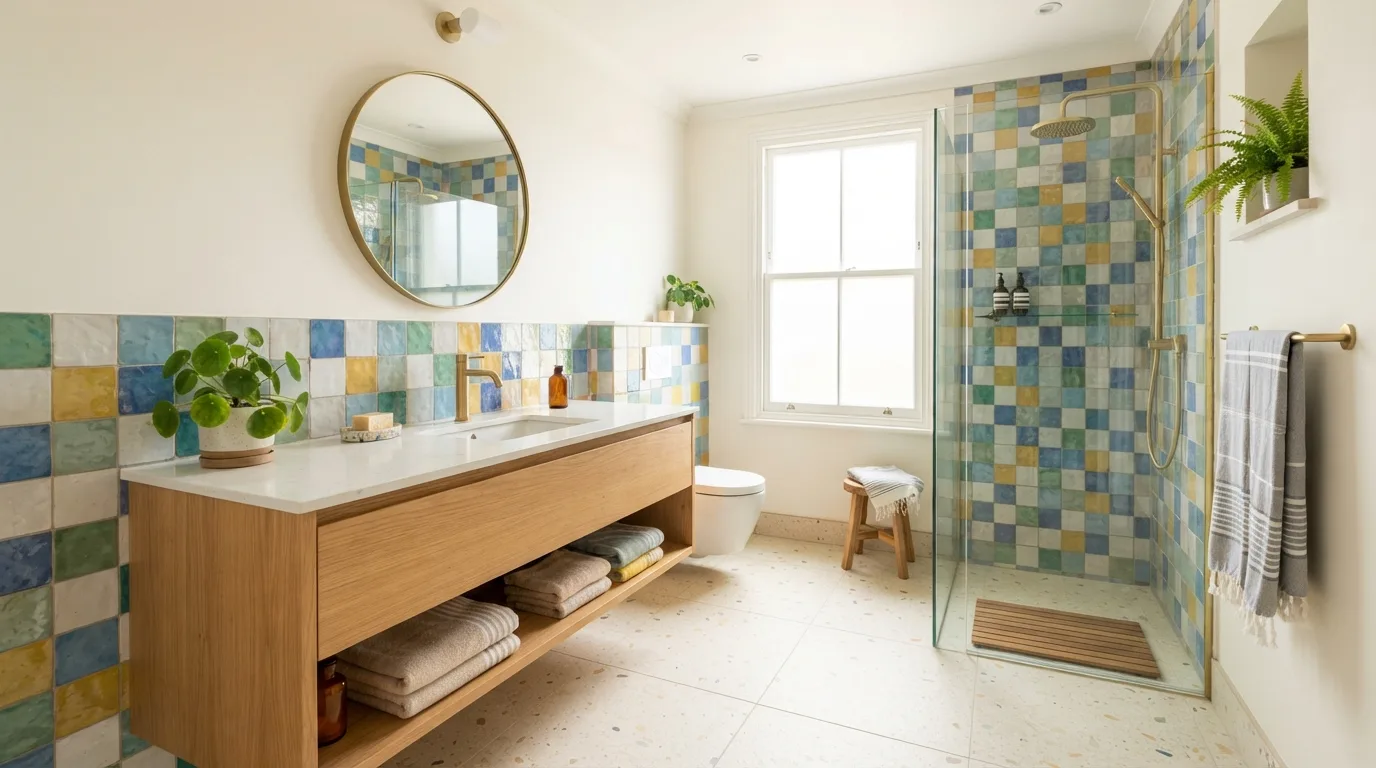
Terrazzo-style tiles are recognizable by their scattered chips and speckled appearance. Traditional terrazzo is a composite material, while modern porcelain and ceramic versions reproduce the look with different manufacturing methods. The pattern can range from subtle neutral flecks to dramatic combinations of large colorful chips, making terrazzo suitable for both understated and expressive interiors.
Terrazzo-look porcelain is particularly useful when you want the visual interest of the pattern with the practical characteristics of a manufactured tile. It can work across bathroom floors, kitchen floors, entryways, shower walls, backsplashes, and feature areas when the specific product is appropriately rated. Because the pattern already contains multiple tones, it can also help connect several colors within a room. Pull one of the tile’s secondary colors into cabinetry, textiles, paint, or accessories to create a coordinated design rather than introducing too many unrelated finishes.
How to Choose the Right Cladding Tile
The best tile for a renovation depends on the conditions of the installation as much as its appearance. Start by deciding whether the tile will be installed on a floor, interior wall, wet wall, backsplash, fireplace area, or exterior surface. Then check the manufacturer’s specifications for water absorption, slip resistance, durability, recommended installation method, and indoor or outdoor suitability.
Consider the practical demands of the room. High-traffic floors need a product appropriate for heavy use, while a decorative wall may give you more freedom to prioritize appearance. Bathrooms require careful attention to moisture, drainage, grout, and slip resistance. Natural stone may require sealing, whereas some porcelain products offer comparatively simple maintenance. Finally, order physical samples whenever possible. Lighting can change how color and texture appear, and a small showroom sample may look very different when repeated across a large floor or wall.
Final Thoughts
Cladding tiles can do far more than protect a surface. They can introduce natural texture, imitate expensive materials, create architectural contrast, brighten a small room, or establish a strong focal point. Porcelain, ceramic, stone, glass, terracotta, mosaics, wood-look finishes, concrete-inspired designs, brick effects, metallic surfaces, and terrazzo styles each offer different combinations of appearance and performance. By matching the tile to the location, maintenance requirements, traffic level, moisture exposure, and overall design scheme, you can create a renovation that looks beautiful and remains practical for years.