

When pests appear in a rental home, one of the first questions is simple: who pays for pest control, the landlord or the tenant? The answer depends on several factors, including the type of pest, the condition of the property, the cause of the infestation, the rental agreement, and local landlord-tenant laws. In many situations, landlords are responsible for keeping a rental property reasonably habitable and addressing pest problems caused by structural or maintenance issues. Tenants may be responsible when their actions create or worsen an infestation, such as leaving food exposed or failing to dispose of rubbish properly.
Understanding the difference can help both parties avoid unnecessary disputes. The following 15 practical situations explain who is generally responsible, what evidence matters, and what steps to take before deciding who should arrange or pay for pest control.
1. The Landlord Is Usually Responsible for Pre-Existing Infestations

If pests were already present when a tenant moved into the property, the landlord will often have responsibility for arranging appropriate treatment. A pre-existing infestation can indicate that the property was not adequately prepared before the tenancy began. This may include cockroaches, bed bugs, termites, rodents, or other pests that were established before the tenant took possession.
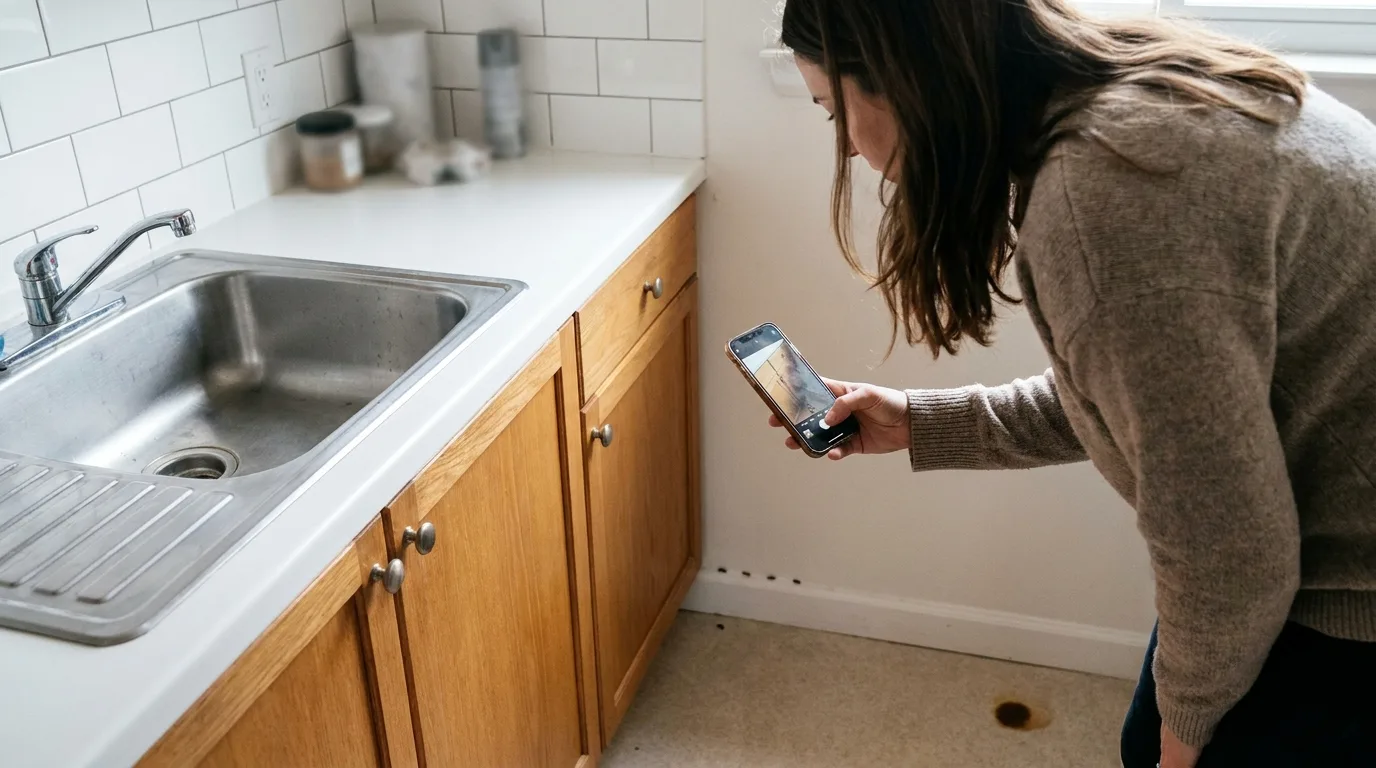
Tenants should document the problem as soon as they discover it. Photographs, videos, messages to the landlord, and the date the issue was reported can all be useful. However, the precise legal responsibility varies by location, so tenants should check their lease and applicable housing rules. A landlord may also need to address the underlying source rather than simply paying for one treatment.
2. Tenants May Be Responsible When Their Actions Cause an Infestation
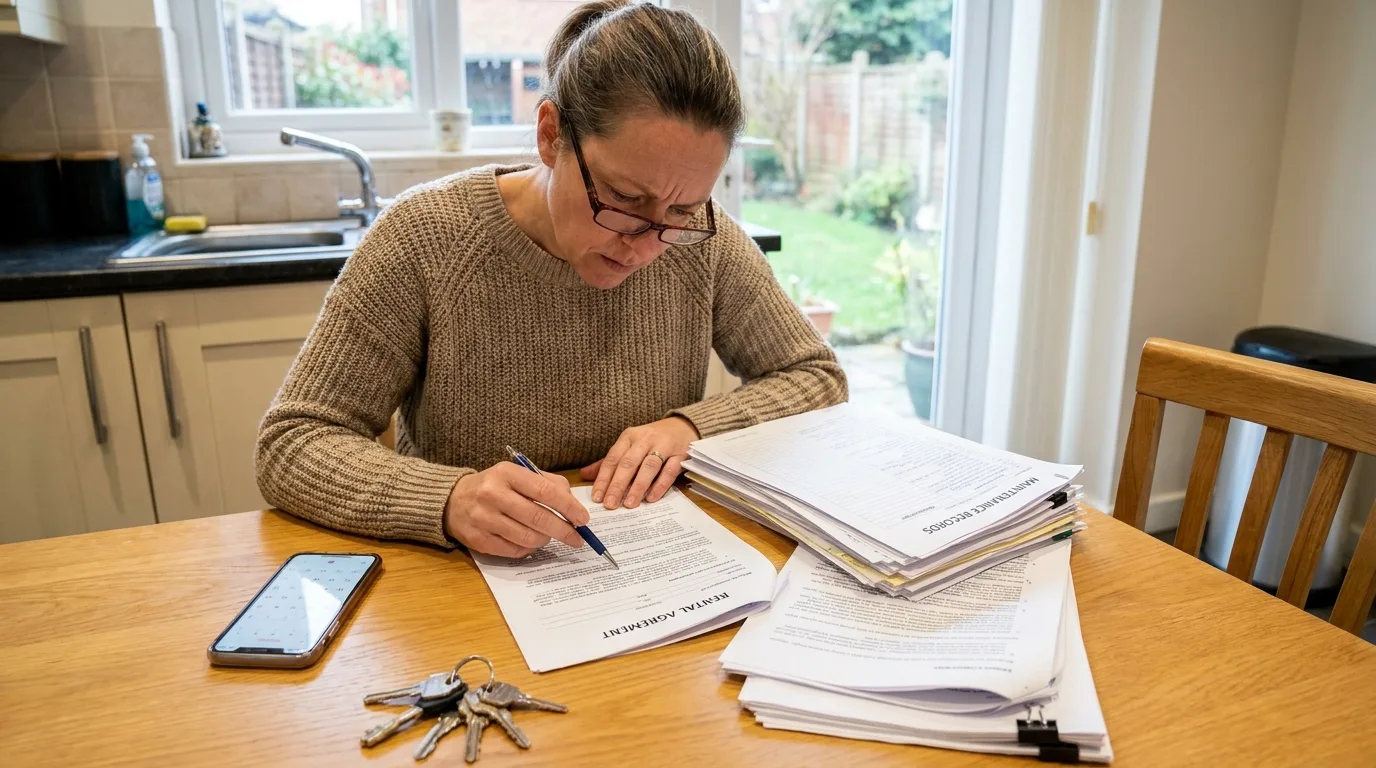
A tenant can sometimes be responsible for pest control when their behavior directly contributes to the problem. Leaving food uncovered, allowing rubbish to accumulate, ignoring leaks, or keeping unsanitary conditions can attract insects and rodents. If a pest professional determines that the infestation resulted from tenant-caused conditions, the tenant may have to arrange treatment or reimburse the landlord, depending on the lease and local law.
This does not mean every pest problem is automatically the tenant’s fault. Pests can enter through cracks, plumbing openings, damaged doors, roofs, drains, or neighboring units. Responsibility should be based on the actual cause rather than assumptions. Maintaining reasonable cleanliness and promptly reporting maintenance problems can help tenants avoid both infestations and disputes.
3. The Rental Agreement Can Explain Who Handles Pest Control
The lease should be one of the first documents checked when a pest problem develops. Some rental agreements contain specific clauses explaining who handles routine pest control, emergency treatment, recurring inspections, or infestations caused by particular circumstances. The wording matters because a general statement about maintenance may not answer every pest-control question.
Tenants should read the sections covering maintenance, repairs, cleanliness, property damage, and pest treatment. Landlords should also make sure their requirements are consistent with applicable housing laws. A lease cannot necessarily transfer every legal obligation to a tenant simply because it contains a clause saying so. If the lease appears unclear or conflicts with local requirements, obtaining advice from a qualified housing authority or legal professional can prevent an expensive misunderstanding.
4. Structural Problems Usually Point Toward Landlord Responsibility

When pests are entering because of a property defect, the landlord will often need to address the underlying maintenance problem. Examples include holes in exterior walls, broken screens, damaged doors, roof gaps, plumbing leaks, deteriorating foundations, or openings around pipes. Treating the pests without repairing the entry point may only provide a temporary solution.
Tenants should report these defects in writing and provide clear photographs when possible. For example, a picture of a large gap beneath a door or evidence of rodents entering through a damaged wall can make the issue easier to understand. Landlords should investigate rather than automatically blaming the tenant. Effective pest control often requires both treatment and maintenance, especially when the infestation is connected to the physical condition of the building.
5. Apartment Buildings Can Make Responsibility More Complicated
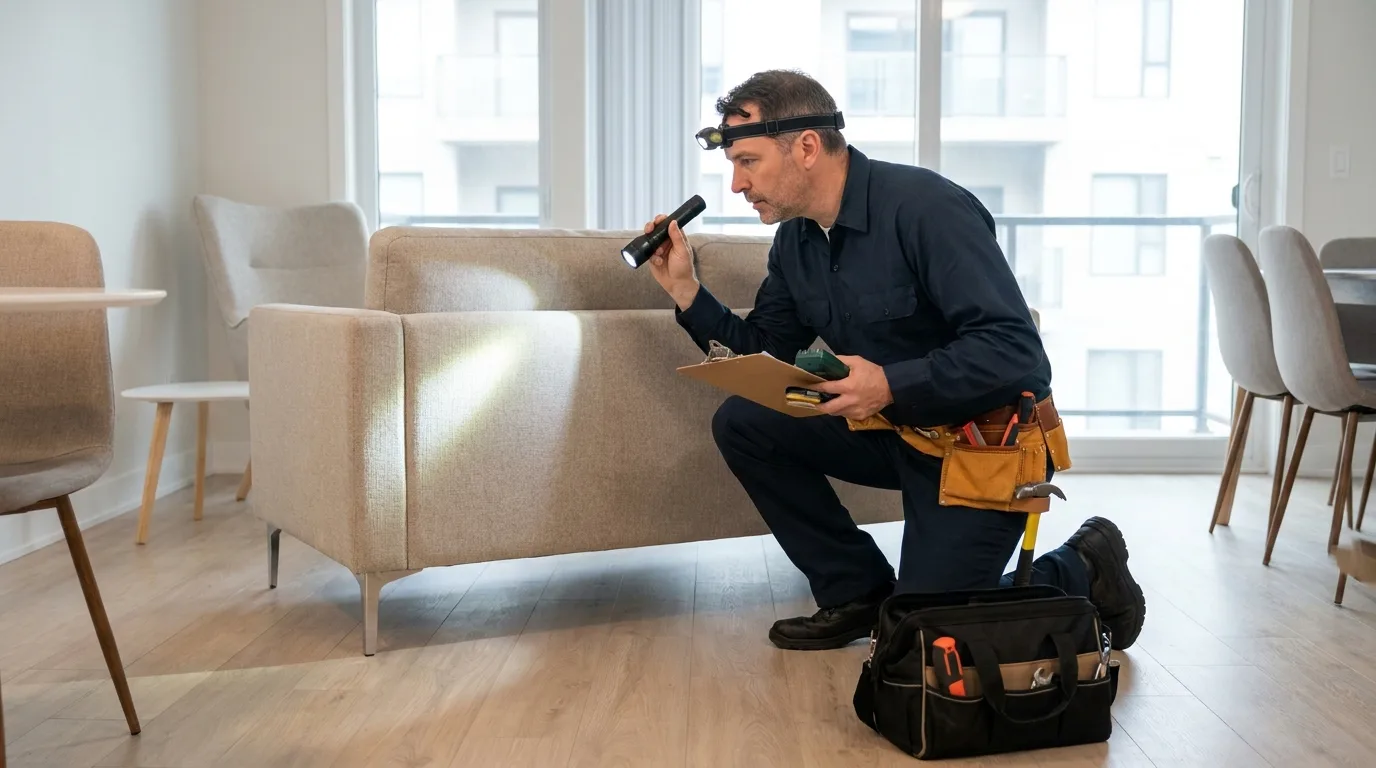
In multi-unit buildings, pests can travel between apartments through walls, pipes, ventilation spaces, ceilings, and shared areas. A tenant may maintain excellent hygiene and still experience cockroaches, mice, or bed bugs because another unit has an infestation. In these circumstances, treating only one apartment may not solve the problem.
Landlords and property managers should investigate whether the infestation extends beyond the tenant’s unit. Coordinated inspections and treatment may be necessary in shared buildings. Tenants should report recurring pests promptly and mention if they suspect the problem is coming from another area. Avoid confronting neighboring tenants directly about blame. The building manager or landlord is generally in a better position to investigate shared structural or sanitation concerns.
6. Bed Bugs Require Special Attention

Bed bug disputes can become especially complicated because these insects can arrive through luggage, clothing, furniture, visitors, or neighboring units. Finding bed bugs does not automatically prove that a tenant caused the infestation. Likewise, a landlord should not automatically be assumed responsible without investigating when and how the insects entered.
Prompt reporting is essential. Tenants should avoid moving infested furniture into other rooms or discarding belongings without professional guidance because these actions can spread the insects. Photograph visible evidence and notify the landlord or property manager quickly. A professional inspection can help determine the extent of the problem and recommend treatment. Because bed bug laws differ substantially by jurisdiction, both landlords and tenants should check local requirements before assigning costs or refusing treatment.
7. Rodents May Be Linked to Building Maintenance
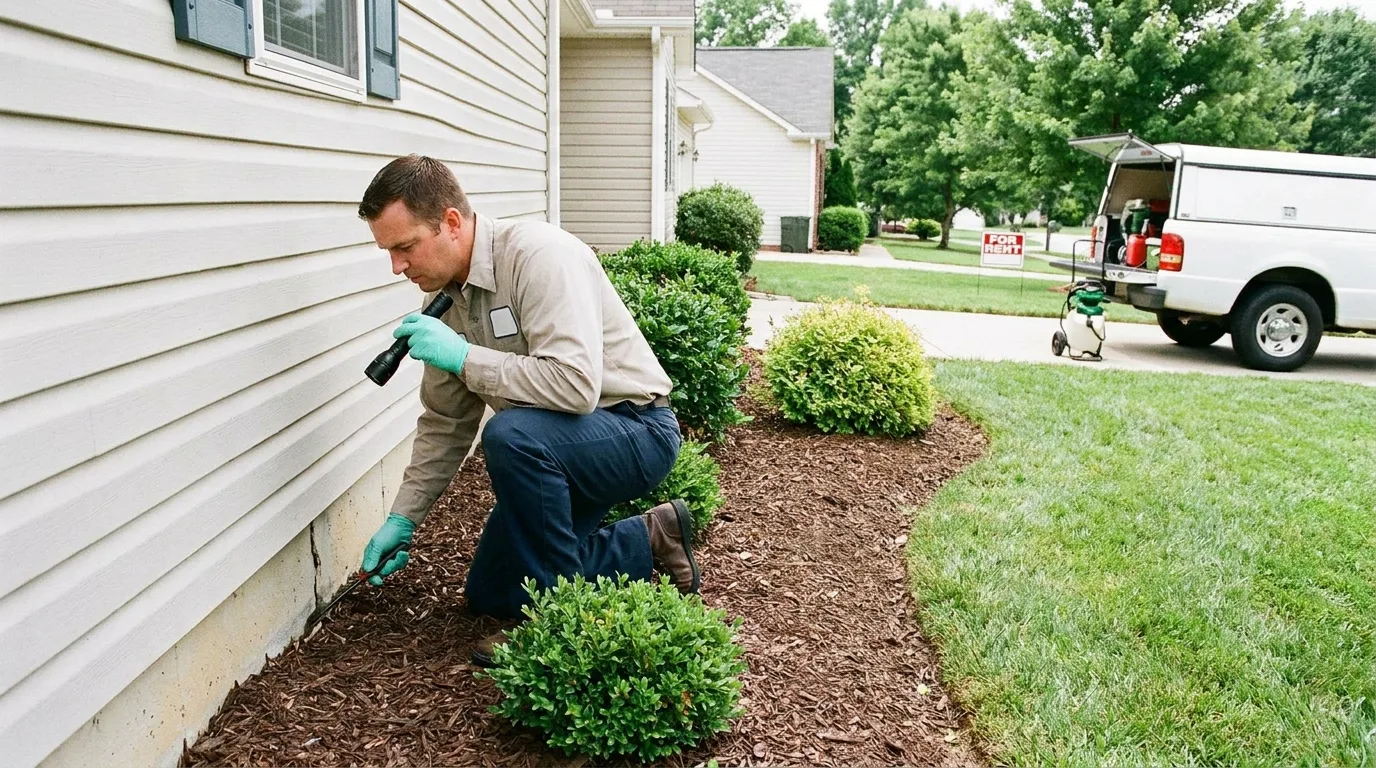
Mice and rats can enter through surprisingly small openings, making the source of an infestation important when determining responsibility. Broken vents, gaps around pipes, damaged foundations, holes in walls, and poorly sealed doors can provide access. If these conditions are part of the building, the landlord may be expected to repair them and arrange appropriate pest control.
Tenants also have responsibilities. Food should be stored securely, rubbish should be removed regularly, and spills should be cleaned promptly. If a tenant leaves food waste accessible and this attracts rodents, responsibility may shift depending on the facts and local rules. The best approach is to address both sanitation and building defects rather than treating either factor in isolation.
8. Termites and Other Property-Damaging Pests Often Involve the Landlord
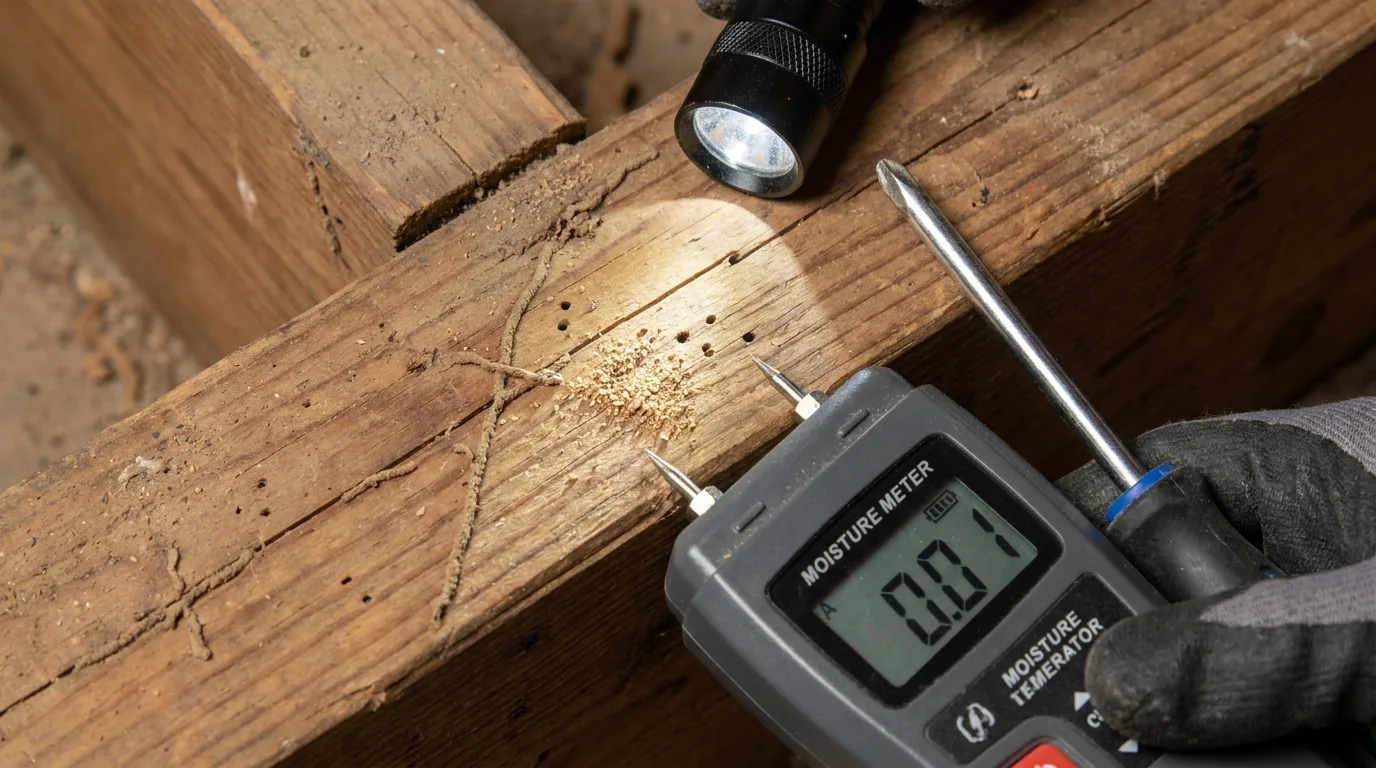
Termites, carpenter ants, and other wood-damaging pests can threaten the structure of a rental property. Because these infestations may develop over a long period and involve building materials, moisture, soil conditions, or structural defects, landlords commonly need to investigate them. The tenant should report signs such as hollow-sounding wood, discarded wings, mud tubes, damaged timber, or recurring insect activity.
Tenants should not attempt major chemical treatment themselves, particularly when structural damage may be involved. A qualified pest professional can identify the species, determine the extent of the infestation, and recommend treatment. The lease and local law will still determine who ultimately pays, but a tenant generally should not be held responsible merely because the pests were discovered during their tenancy.
9. Routine Preventive Pest Control May Be Different
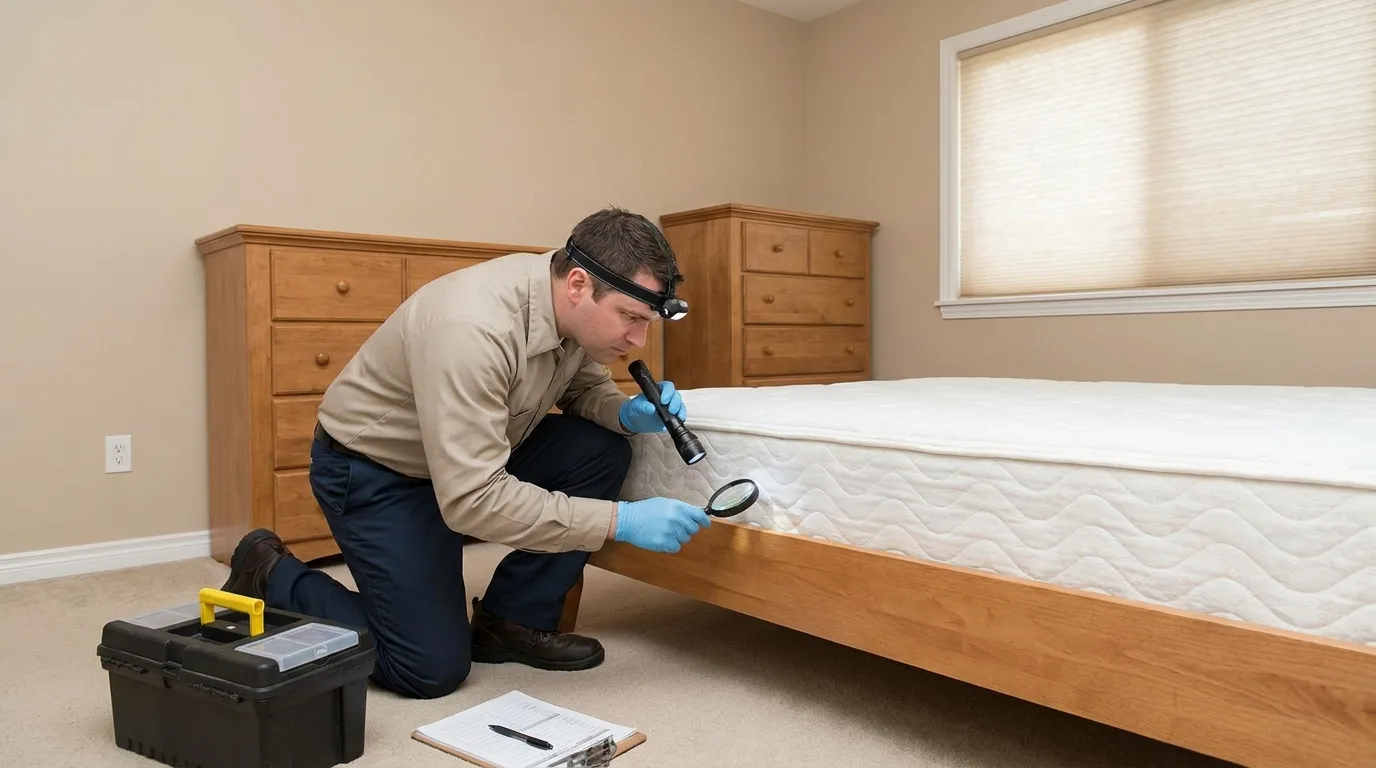
Not every pest-control service is triggered by an active infestation. Some properties use scheduled preventative treatments, such as periodic inspections or exterior applications. Responsibility for these routine services can depend on the property type, lease terms, local regulations, and established management practices.
Landlords may choose preventative pest control to protect the building and reduce future complaints. In some rental arrangements, tenants may be expected to cooperate with scheduled inspections or treatments even when they are not responsible for the cost. Tenants should follow preparation instructions carefully, especially if food, pets, children, or personal belongings need to be protected. If a lease specifically assigns routine pest-control costs to a tenant, the tenant should verify that the provision is permitted under applicable law.
10. Poor Housekeeping Can Affect the Tenant’s Responsibility
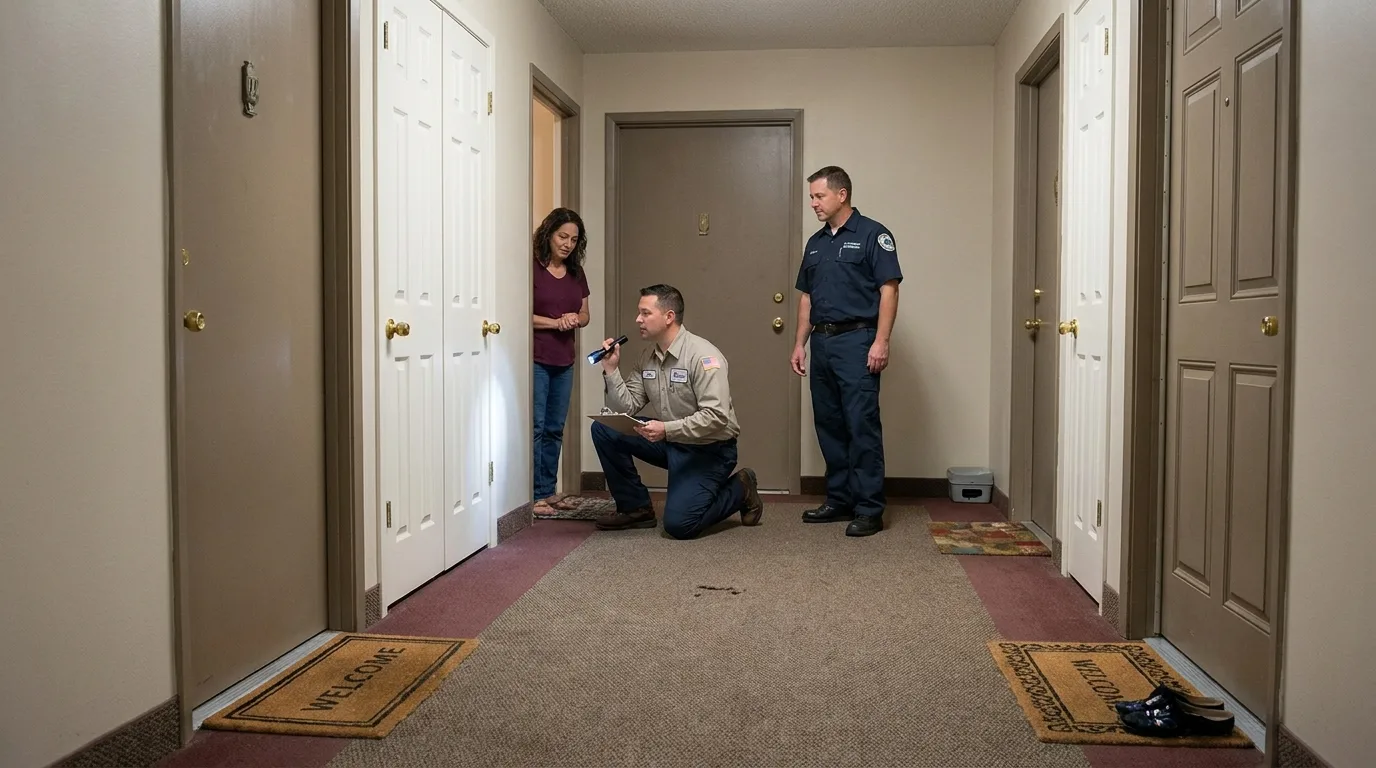
Reasonable housekeeping is an important part of preventing many common pest problems. Open food containers, overflowing bins, standing water, dirty dishes, and excessive clutter can provide pests with food, moisture, and hiding places. If professional evidence shows that these conditions caused or significantly worsened an infestation, the tenant may be responsible for related costs.
This does not require a home to be perfectly spotless. Normal living conditions do not automatically create tenant liability. The key issue is whether the tenant’s actions or failure to take reasonable care materially contributed to the infestation. Keeping food sealed, cleaning spills, removing rubbish, and reporting leaks can reduce risk. Tenants should also keep records showing that they maintained the property reasonably if a dispute later develops.
11. Delayed Reporting Can Make a Pest Problem More Expensive
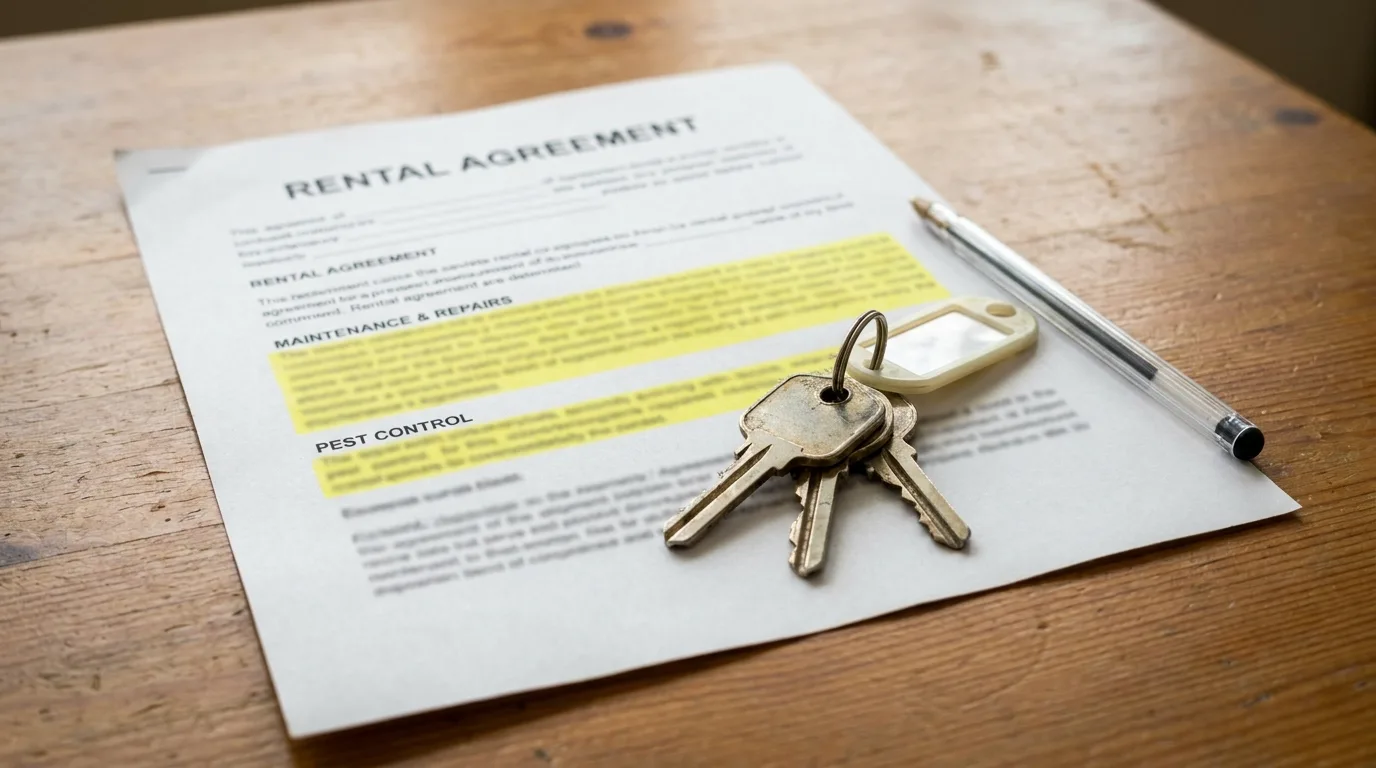
Even when the landlord is responsible for treatment, tenants should report pest problems as soon as they notice them. Waiting weeks or months can allow a small issue to become a significant infestation. In some circumstances, a delay can make it harder to determine the original cause and may increase the cost of treatment.
A good maintenance report should briefly describe what was found, where it was found, when it started, and whether there are signs of an ongoing problem. Photos and videos can provide useful supporting evidence. Keep copies of emails, messages, work orders, and professional reports. Prompt communication protects both parties because the landlord receives an opportunity to investigate while the tenant creates a clear record that the problem was reported.
12. Professional Pest Inspections Can Help Settle Disputes
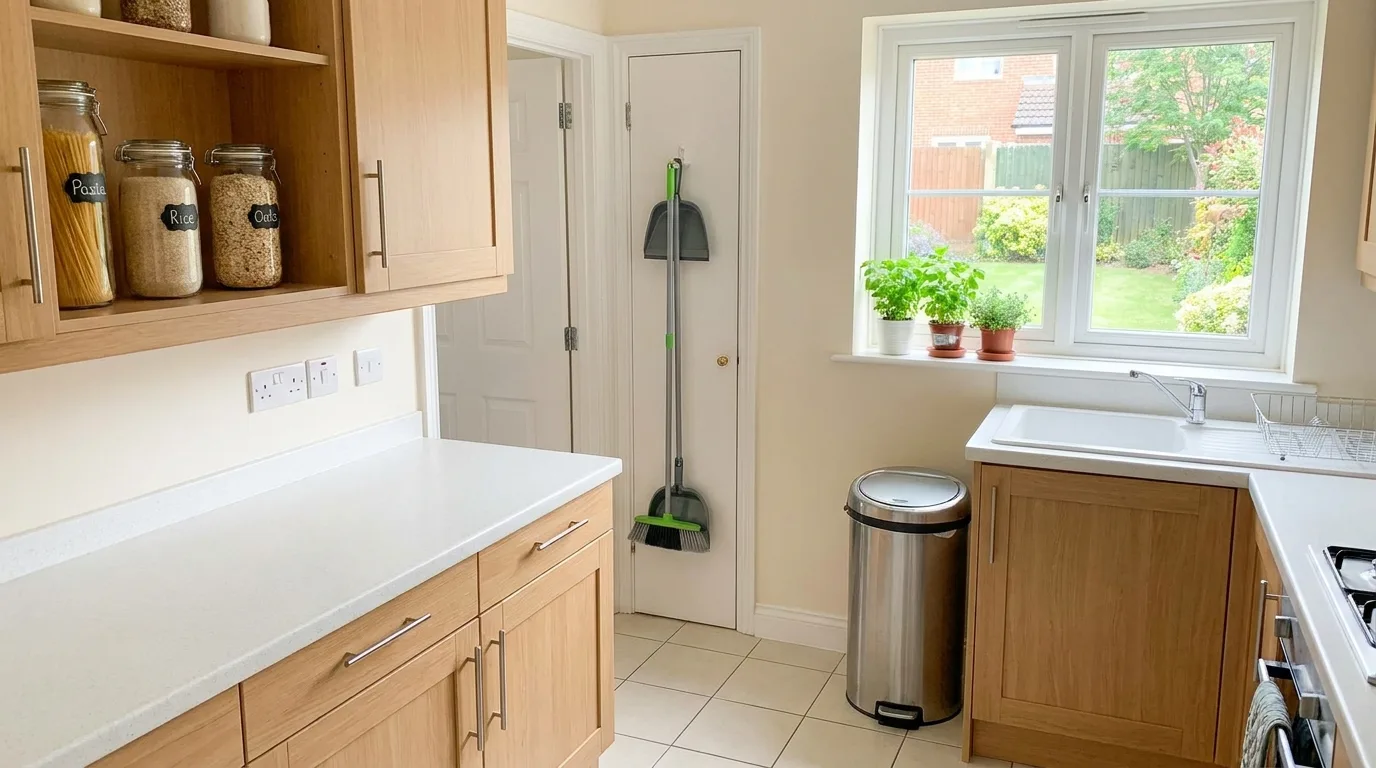
When the cause is unclear, a professional inspection may be more useful than arguing about responsibility. A qualified pest-control company can identify the pest, locate likely entry points, assess the extent of an infestation, and recommend appropriate treatment. Written findings may also help clarify whether the issue appears related to building conditions or tenant behavior.
Before hiring someone, check whether the lease or local rules specify who may authorize pest-control work. Tenants should not assume they will automatically be reimbursed for an independently ordered service. Likewise, landlords should not rely solely on a tenant’s description when the source of the problem is disputed. A neutral professional assessment can provide practical evidence and help both sides agree on the next step.
13. Landlords Should Not Simply Blame Tenants Without Evidence
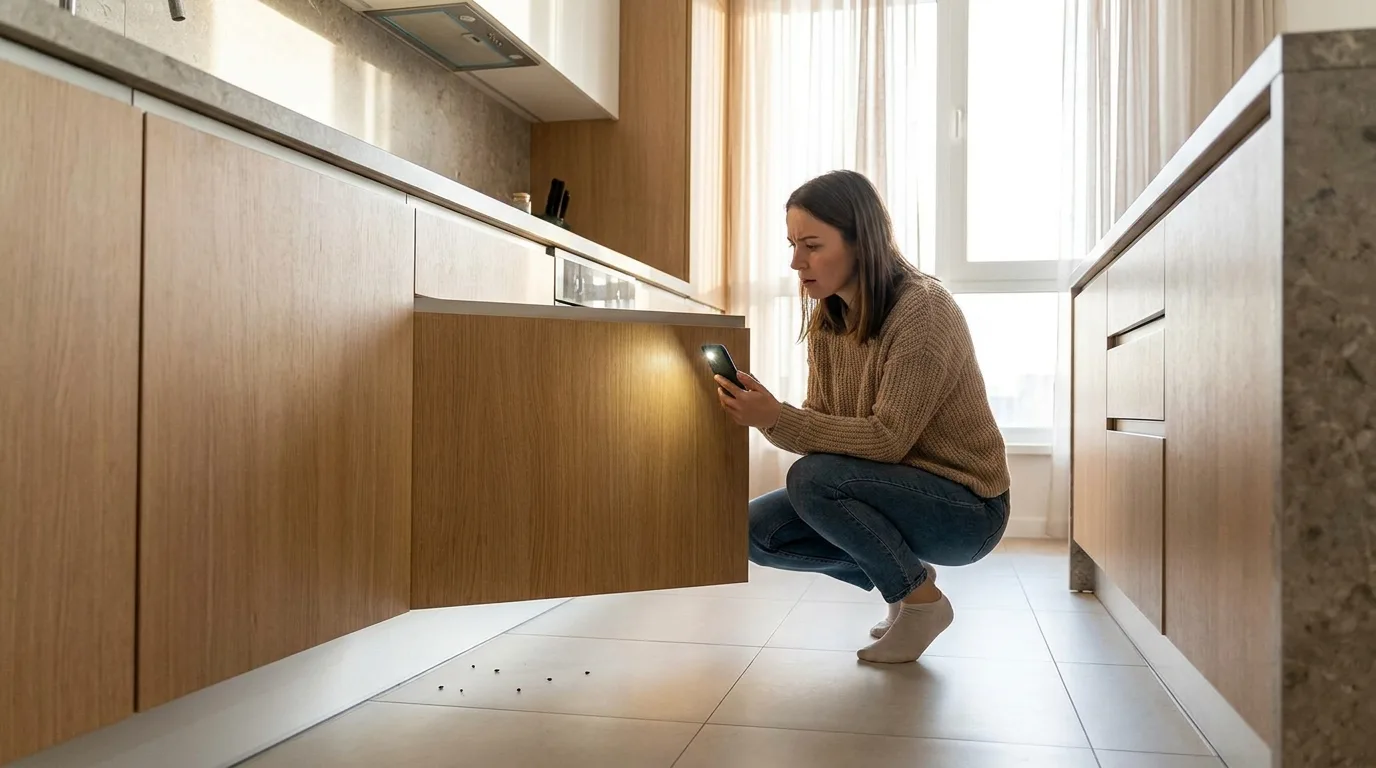
Seeing pests inside a rental property does not by itself establish that the tenant caused them. Landlords should consider the property’s age, construction, neighboring units, previous pest history, maintenance records, and possible entry points. Automatically charging a tenant can create an unnecessary conflict, especially when the infestation is actually related to a building defect or another unit.
A fair process begins with inspection and documentation. The landlord can ask reasonable questions about when the pests were first noticed and whether there have been sanitation or maintenance issues. The tenant should cooperate honestly without accepting responsibility for something they did not cause. If the evidence remains disputed, the parties can consult the relevant tenancy authority, housing department, lease dispute process, or legal professional for guidance.
14. Tenants Should Know What to Do Before Paying for Treatment
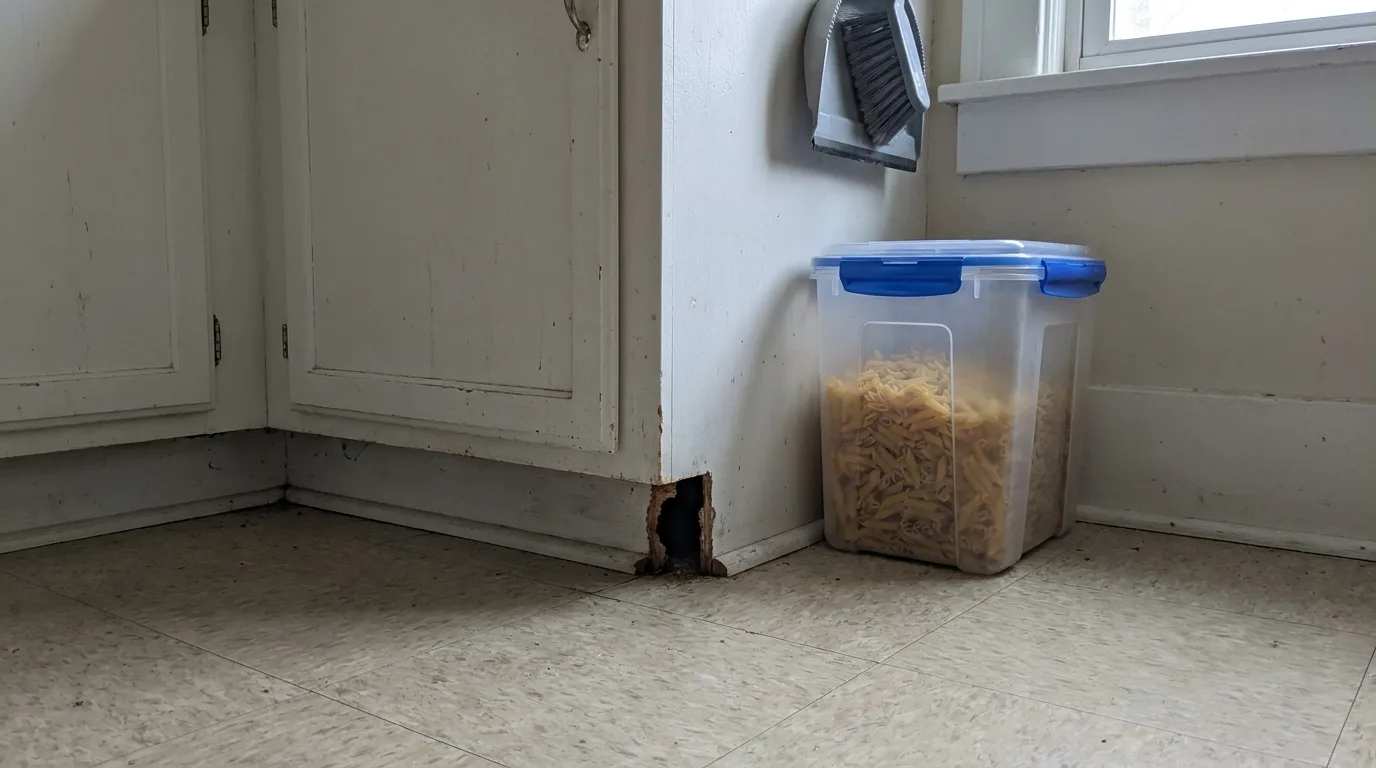
Tenants who discover pests should generally avoid immediately paying for major treatment unless there is a genuine emergency or they have confirmed that they are responsible. First, check the lease, document the problem, and notify the landlord or property manager in writing. Ask who will arrange the inspection and whether any preparation is required.
If the landlord fails to respond, the tenant’s options depend heavily on local law. Some jurisdictions provide specific procedures for repairs, reimbursement, rent remedies, or complaints to housing authorities, while others have different rules. Do not withhold rent, hire expensive contractors, or deduct treatment costs from rent unless the applicable law clearly permits that action and the required procedure has been followed. Written records are especially important if the dispute escalates.
15. The Best Answer Depends on the Cause, Lease, and Local Law
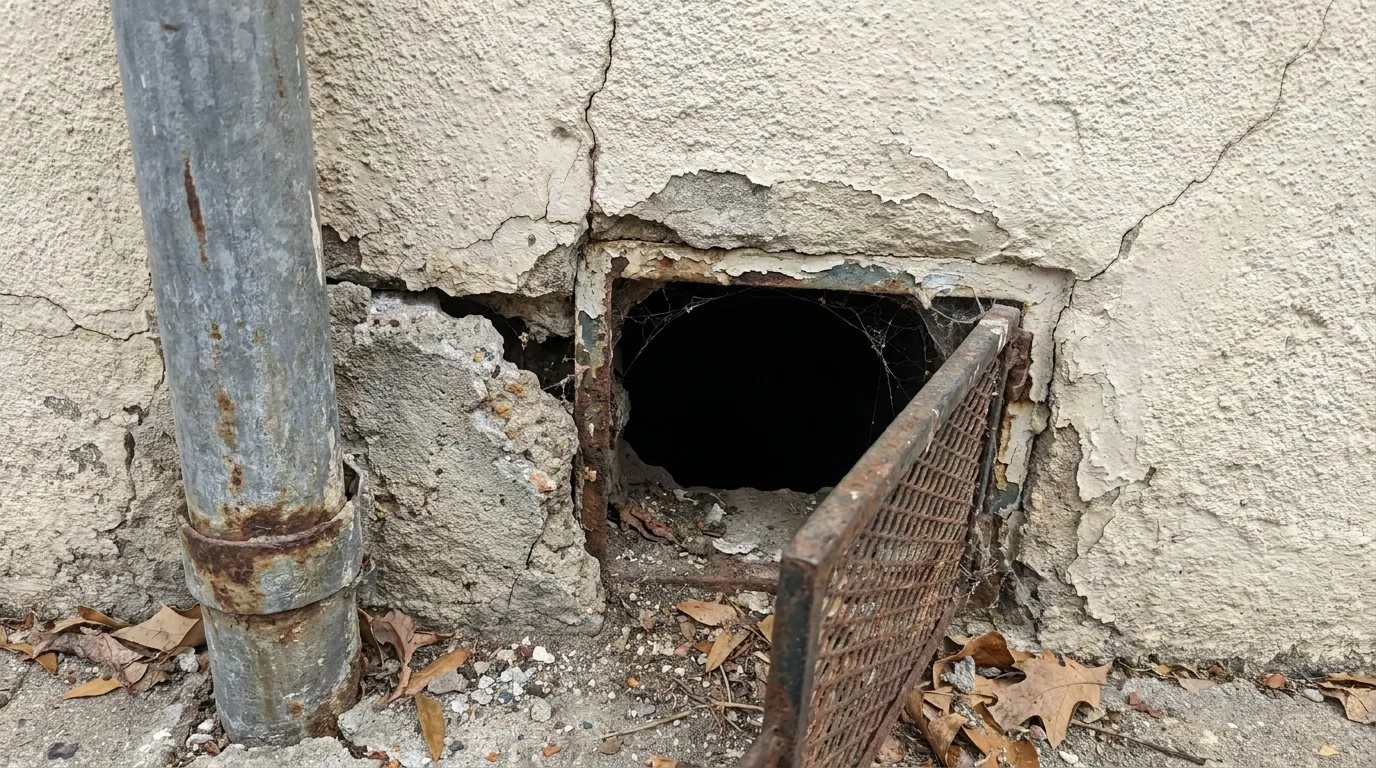
So, who is responsible for pest control: the landlord or the tenant? There is no universal answer. A landlord will often be responsible when pests were present before the tenancy, arise from structural or maintenance problems, or affect shared parts of a building. A tenant may be responsible when their actions or unreasonable failure to maintain sanitary conditions caused the infestation. Routine pest-control arrangements can also be governed by the rental agreement.
The safest approach is to focus on evidence rather than assumptions. Check the lease, report the problem promptly, document the conditions, and determine the likely source through an appropriate inspection. Because landlord-tenant laws differ between countries, states, provinces, and cities, local housing rules should be consulted before either party assumes financial responsibility. Clear communication and early treatment can often prevent a small pest issue from becoming a costly dispute.