A backyard deck can turn an ordinary outdoor area into a comfortable place for morning coffee, family meals, entertaining, or simply relaxing in the fresh air. The good news is that creating a stylish deck does not always require a large renovation budget. With thoughtful material choices, simple layouts, and a few creative finishing touches, you can make a small or modest deck feel inviting without overspending. From using affordable decking materials to building a simple platform, these budget-friendly backyard deck ideas focus on practical ways to save money while still creating an outdoor space you will enjoy. Whether you are working with a compact yard, an existing patio, or a completely blank space, these ideas can help you plan a deck that looks polished, functions well, and fits your budget.
1. Build a Simple Ground-Level Deck
A ground-level deck is one of the most budget-friendly options because it usually requires less structural work than an elevated design. Since the deck sits close to the ground, you may need fewer stairs, railings, and complicated support elements. A straightforward rectangular or square shape also reduces cutting and installation waste. Keep the design intentionally simple, using straight boards and a clean perimeter rather than expensive built-in features. Before building, make sure the site is properly prepared, level, and suitable for the type of foundation your local building requirements call for. A simple deck can still look sophisticated when the boards are installed carefully and the surrounding area is finished with gravel, planters, or low-maintenance landscaping.
2. Choose Pressure-Treated Wood
Pressure-treated lumber is often a practical choice when your priority is keeping initial decking costs under control. It is widely available, can be painted or stained, and works with many traditional deck designs. Rather than spending heavily on premium composite or exotic hardwood, you can use pressure-treated boards and invest some of the savings in good construction, comfortable seating, and attractive lighting. The key to getting a polished appearance is consistent spacing, properly fastened boards, and regular maintenance. A quality exterior stain can also change the character of the deck while helping protect the wood from weather exposure. Compare local lumber prices and calculate the complete material list before purchasing, because framing lumber, fasteners, supports, and finishing products can make a significant difference to the final budget.
3. Use a Small Deck for a Cozy Seating Area
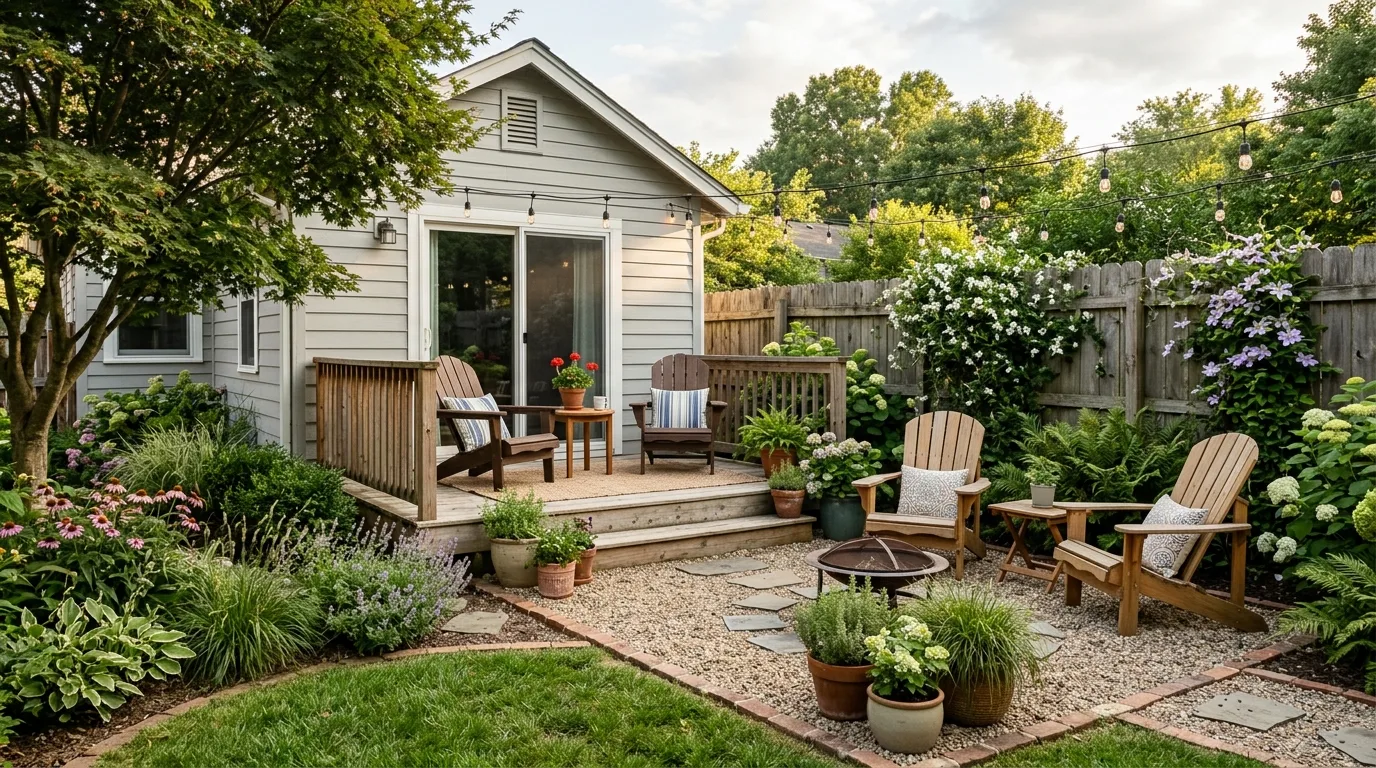
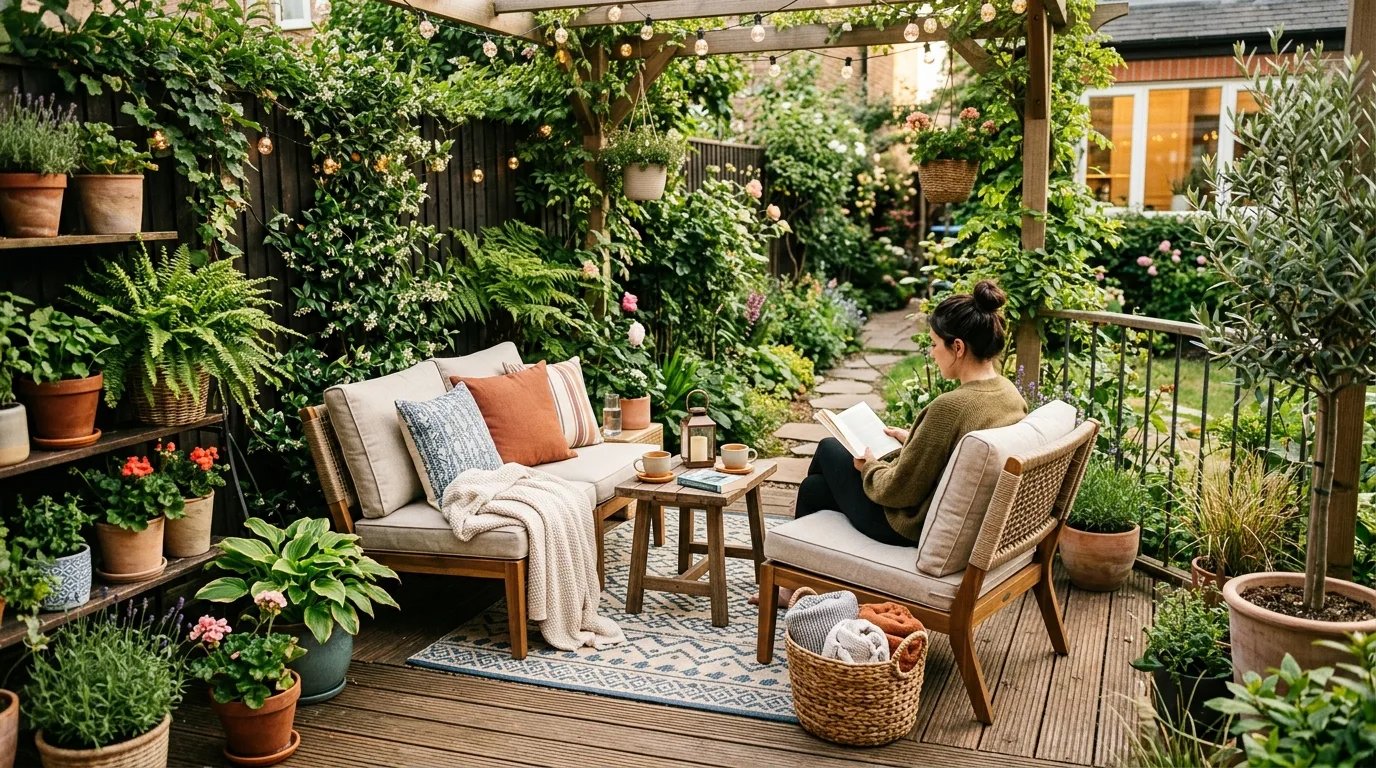
You do not need a huge deck to make your backyard more useful. A compact deck designed around a specific purpose can often provide better value than building a large platform that leaves part of the space unused. Consider creating enough room for two lounge chairs, a small outdoor sofa, or a café table and a couple of chairs. Keep the furniture proportional to the deck so the area remains comfortable rather than crowded. A small outdoor rug, several potted plants, and cushions can make the space feel complete without requiring expensive construction. This approach works especially well in narrow yards, townhouse gardens, and smaller outdoor areas where every square foot matters. By designing around how you actually use the backyard, you can reduce both material costs and unnecessary maintenance.
4. Create a Budget-Friendly Deck with a Pergola
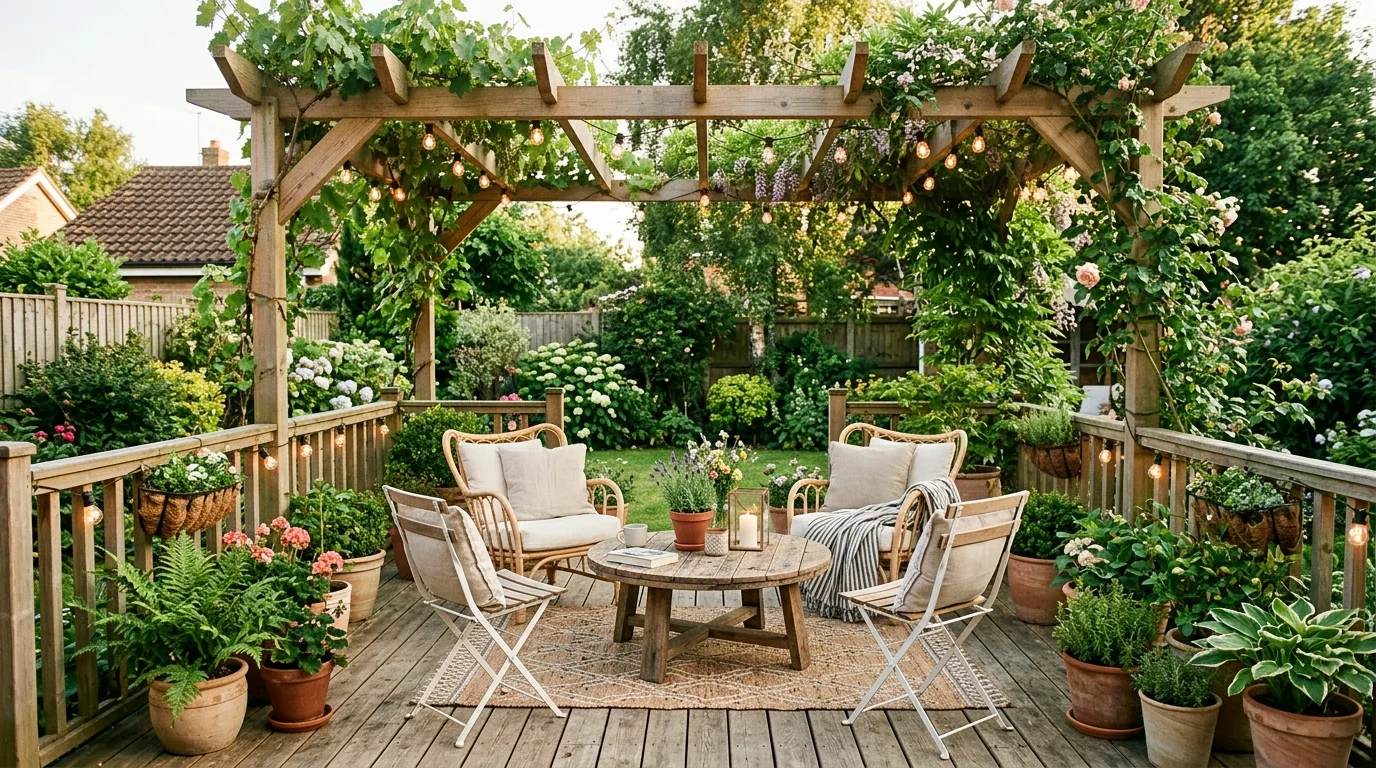
A pergola can give a basic deck more architectural character while providing a framework for shade and climbing plants. To keep costs reasonable, use a simple post-and-beam design rather than an elaborate structure with decorative details. A pergola does not have to cover the entire deck; placing it over the main seating area can create a defined outdoor room while reducing the amount of material required. Depending on the climate and design, you can add inexpensive shade fabric, outdoor curtains, or climbing vines later. Make sure the posts and connections are appropriately designed for outdoor conditions and local requirements, particularly where wind loads are significant. Even a minimalist pergola can make a simple wood deck look intentionally designed and provide a natural focal point for the backyard.
5. Mix Decking with Affordable Gravel
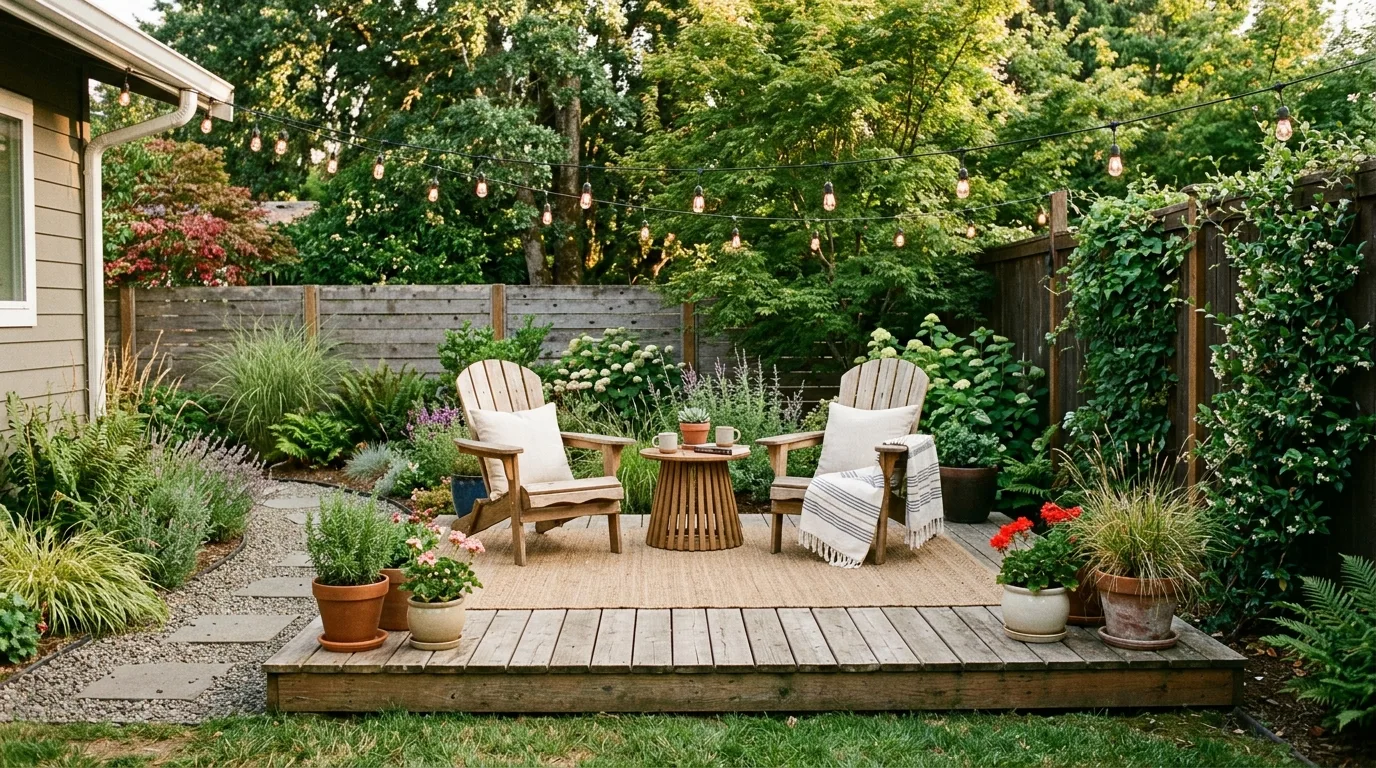
Instead of covering the entire backyard with decking, combine a smaller deck with a gravel area. This can dramatically reduce the amount of decking material needed while creating useful zones for different activities. For example, place the deck directly outside the back door for dining or lounging, then surround it with a compact gravel patio containing a fire bowl, additional chairs, or planters. Gravel is available in many textures and colors, allowing you to create a finished look without the cost of installing a second hard surface. Use a suitable landscape fabric and edging where appropriate to help keep the gravel contained and reduce weed growth. The combination of warm wood and natural stone or gravel can also create an attractive modern, rustic, or cottage-inspired backyard.
6. Give an Old Deck a Budget Makeover
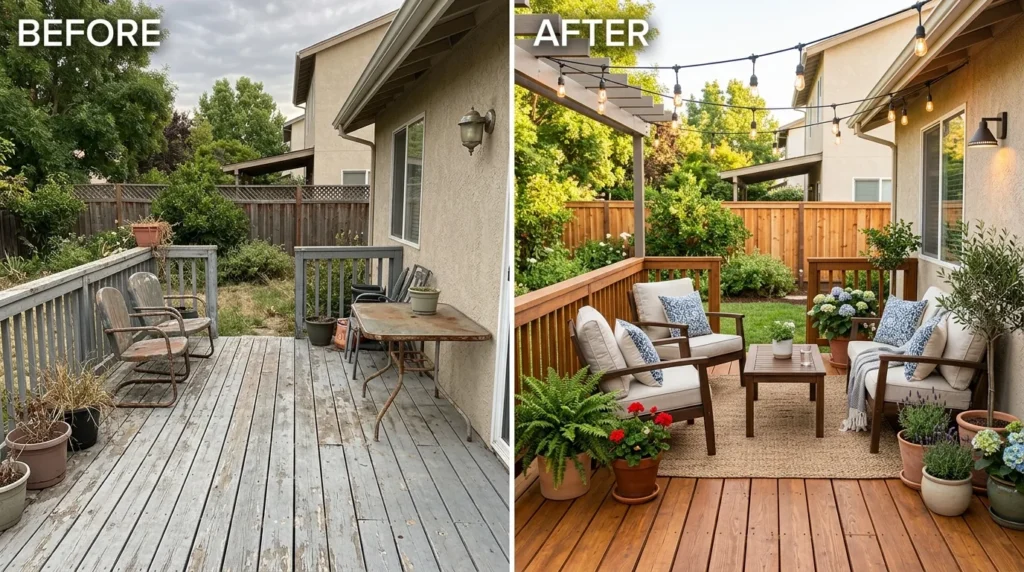
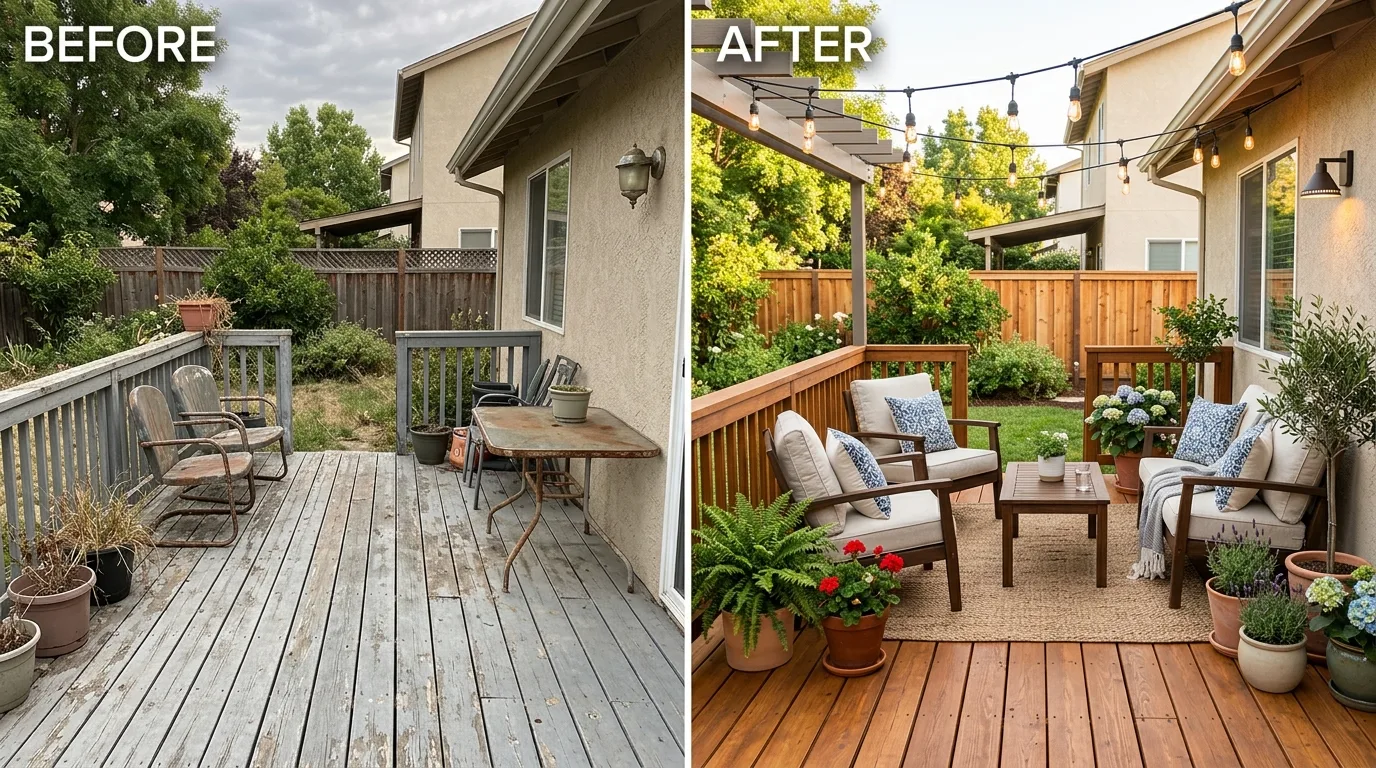
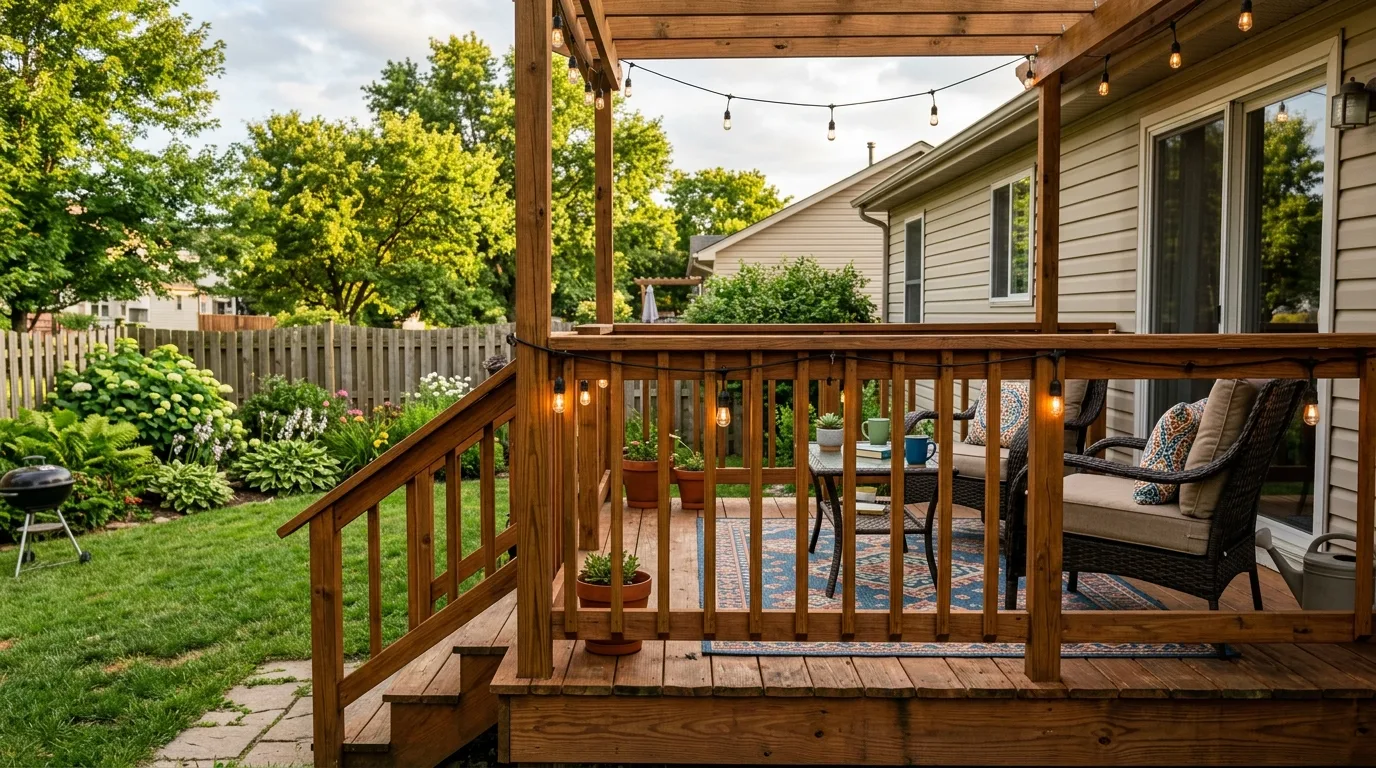
If you already have a structurally sound deck, remodeling it can be much less expensive than starting from scratch. Begin with an inspection for damaged boards, loose fasteners, rot, or other issues that require attention. Once the structure is safe, thoroughly clean the surface and replace only the boards that genuinely need replacement. A fresh exterior stain or paint can completely change the appearance of weathered wood. You can then update the space with inexpensive furniture, cushions, planters, and outdoor lighting. Consider adding a privacy screen or a simple railing treatment if those features improve the way you use the deck. Concentrating your budget on visible improvements rather than rebuilding usable components is an effective way to achieve a refreshed look while avoiding unnecessary demolition and material costs.
7. Build a Multi-Level Deck with Simple Shapes
Multi-level decks can look expensive, but the concept can be adapted to a modest budget when the layout remains uncomplicated. Instead of creating several elaborate platforms, use two straightforward levels to define separate functions. The upper section might hold a dining table while the lower area becomes a relaxed lounge or grilling zone. Keeping both platforms rectangular can simplify framing and reduce complicated cuts. Before choosing this approach, carefully consider drainage, transitions, stairs, and local structural requirements. The goal is to create visual separation without adding unnecessary construction complexity. You can emphasize the different levels through furniture placement, outdoor rugs, or planters rather than expensive built-in features. This strategy can make a relatively simple deck feel more spacious and purposeful.
8. Add Built-In Planter Boxes
Built-in planter boxes can make a basic deck feel customized without requiring a major renovation. If you are comfortable with basic woodworking, leftover decking or appropriately rated exterior lumber can sometimes be used to create simple planter structures that coordinate with the deck. Place them along an edge rather than in the middle of the walking area so they do not reduce usable space. Fill them with hardy plants suited to your climate, such as ornamental grasses, herbs, flowering annuals, or compact shrubs. Plan for drainage so excess water does not remain against the deck structure, and use appropriate liners or containers where needed. A row of planters can also soften straight deck edges and provide a natural transition between the wooden platform and the rest of the backyard.
9. Install Affordable String Lights
Lighting is one of the easiest ways to make a budget deck feel more inviting after sunset. String lights can provide a warm atmosphere without the expense of installing a complex landscape lighting system. Hang them around a pergola, between properly supported posts, or along a suitable nearby structure, following the manufacturer’s installation requirements. Keep electrical connections protected from weather and use outdoor-rated products designed for the conditions. You can also combine string lights with a few solar-powered pathway lights around the deck perimeter. Instead of trying to illuminate every part of the backyard, concentrate light where people sit, eat, and walk. This creates a cozy evening environment while keeping the lighting plan simple and affordable.
10. Use a Simple Privacy Screen
A privacy screen can make a deck feel more comfortable, particularly when neighboring homes are close by. You do not necessarily need to build a full wall around the deck. A single screen positioned beside the main seating area may be enough to create a sense of separation. Simple vertical boards, horizontal slats, lattice, or outdoor fabric can provide different looks at different price points. Leave intentional gaps between wood slats if you want airflow and filtered views rather than complete enclosure. Before installation, check local rules and make sure the screen is securely supported for your conditions. Adding climbing plants to a suitable trellis can provide another layer of privacy over time. A carefully positioned screen can therefore serve both a practical purpose and a decorative one.
11. Make a Pallet-Inspired Outdoor Lounge
A casual lounge can be created on or beside a deck using simple outdoor furniture rather than expensive built-in seating. Pallet-style designs can inspire the look, but use only materials that are appropriate for furniture and outdoor exposure rather than assuming every reclaimed pallet is safe for seating. Low wooden platforms topped with weather-resistant cushions can create a relaxed atmosphere, especially around a small coffee table. Keep cushions off the ground and protect them from prolonged moisture to extend their lifespan. Neutral textiles can create a clean foundation, while a few patterned pillows add personality. This idea is particularly useful if you want your deck to feel informal and comfortable without committing to a large outdoor sectional. Choose furniture that can be moved easily so the deck can adapt to dining, entertaining, or quiet relaxation.
12. Add a DIY Outdoor Dining Nook
A small dining nook can turn a basic deck into a practical extension of the home. Rather than buying a complete outdoor dining set, look for a simple table and separate chairs that fit the available dimensions. A narrow rectangular table can work particularly well on compact decks because it leaves more room for movement. If you enjoy DIY projects, a straightforward exterior-rated tabletop can sometimes be paired with sturdy legs or a simple base. Finish wood appropriately for outdoor use and avoid placing furniture where it blocks stairs or important access points. Add washable cushions or a small outdoor centerpiece to make the area welcoming. Designing the dining zone around the number of people you actually host helps avoid spending money on oversized furniture that occupies valuable deck space most of the year.
13. Use a Two-Tone Deck Design
You can give an affordable deck a more custom appearance by using two complementary finishes. For example, keep the main decking in a natural wood tone while using a darker stain on the border boards. Another option is to paint a simple geometric detail around the perimeter. A two-tone approach works best when the pattern remains restrained; complicated designs can increase labor and material waste without adding much practical value. Test stains or finishes on spare boards before applying them across the deck because color can look different depending on the wood species and lighting. This is a useful budget trick because the visual impact comes primarily from the design rather than expensive materials. A simple border can also make an ordinary rectangular deck look more finished and intentional.
14. Create a Deck Around an Existing Tree
If your backyard already has a healthy mature tree, incorporating it into the deck design can create a distinctive feature without buying a decorative focal point. A deck can sometimes be planned around the tree trunk, leaving an appropriately sized opening rather than removing the tree. The opening must allow for the tree’s natural growth and movement, and the deck structure should be designed so it does not damage the trunk or restrict the root system. Professional advice may be worthwhile for complex situations. Once the design is complete, the tree can provide shade and visual interest while making the deck feel integrated with the landscape. Keep fallen leaves and moisture from accumulating in ways that could damage the deck, and maintain sufficient clearance for routine cleaning and inspection.
15. Use Outdoor Rugs to Define Deck Zones
An outdoor rug is an inexpensive way to make a deck feel like a finished room. Rather than installing permanent dividers, use a rug beneath a seating arrangement to visually separate the lounge area from a dining or grilling zone. Choose a rug designed for exterior use and select a size that leaves enough exposed decking around the edges for practical movement. Patterns can help hide everyday dirt, while neutral designs create a calmer appearance. Because rugs are relatively easy to replace, they also offer a low-cost way to change the look of the deck seasonally. Pair the rug with weather-resistant cushions and a small side table for a cohesive seating area. This decorating strategy is especially helpful when the deck itself is basic because textiles can add color, texture, and personality without construction work.
16. Finish the Deck with Budget-Friendly Landscaping
The area surrounding a deck has a major effect on how expensive the finished project appears. You can enhance an affordable deck with simple landscaping instead of investing heavily in elaborate hardscaping. Use containers at different heights, mulch beds, ornamental grasses, or climate-appropriate low-maintenance plants to soften the deck edges. A narrow planting border can make the platform feel connected to the rest of the yard, while gravel or stepping stones can create an inexpensive transition from the deck to the lawn. Focus first on the areas visible from the house and the main seating positions rather than trying to landscape every corner at once. Adding plants gradually also makes it easier to spread the cost over time. With thoughtful placement, even a simple deck can become the centerpiece of a backyard that feels comfortable, layered, and complete.