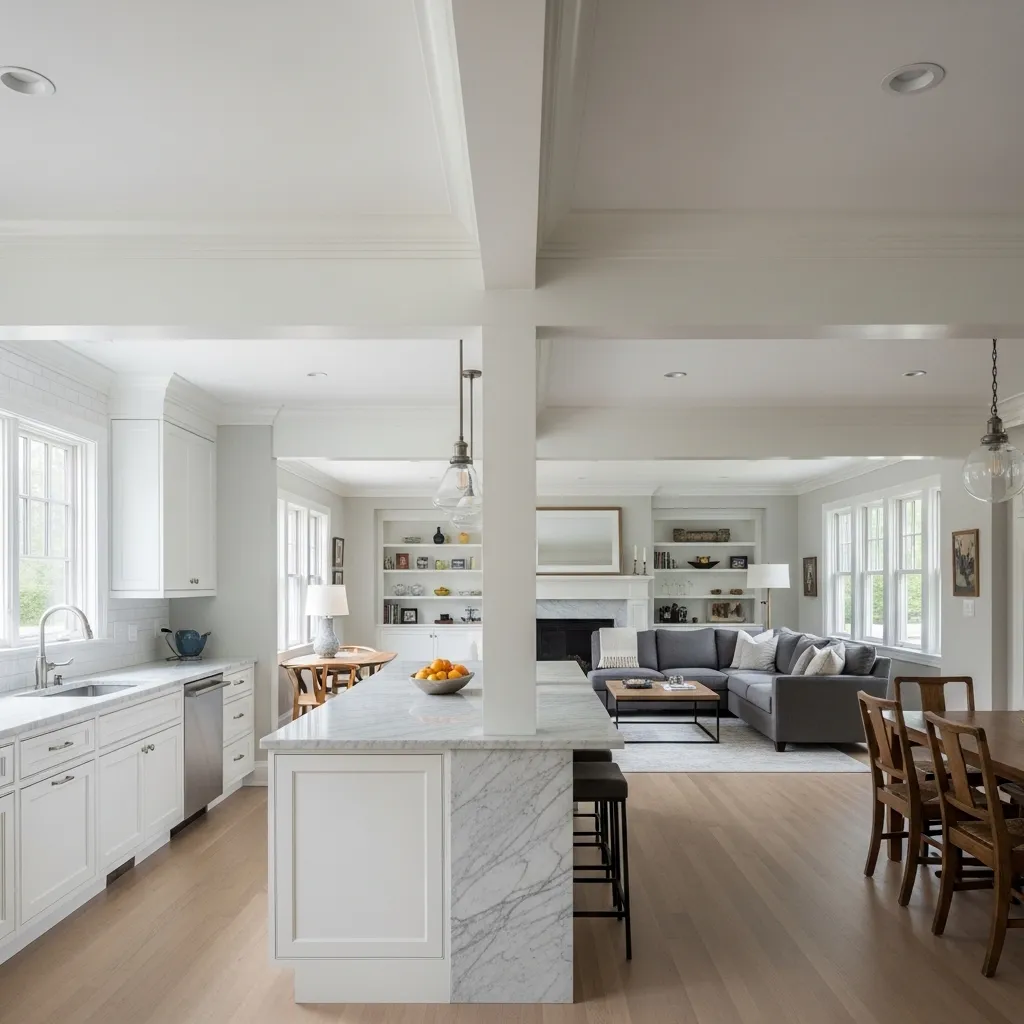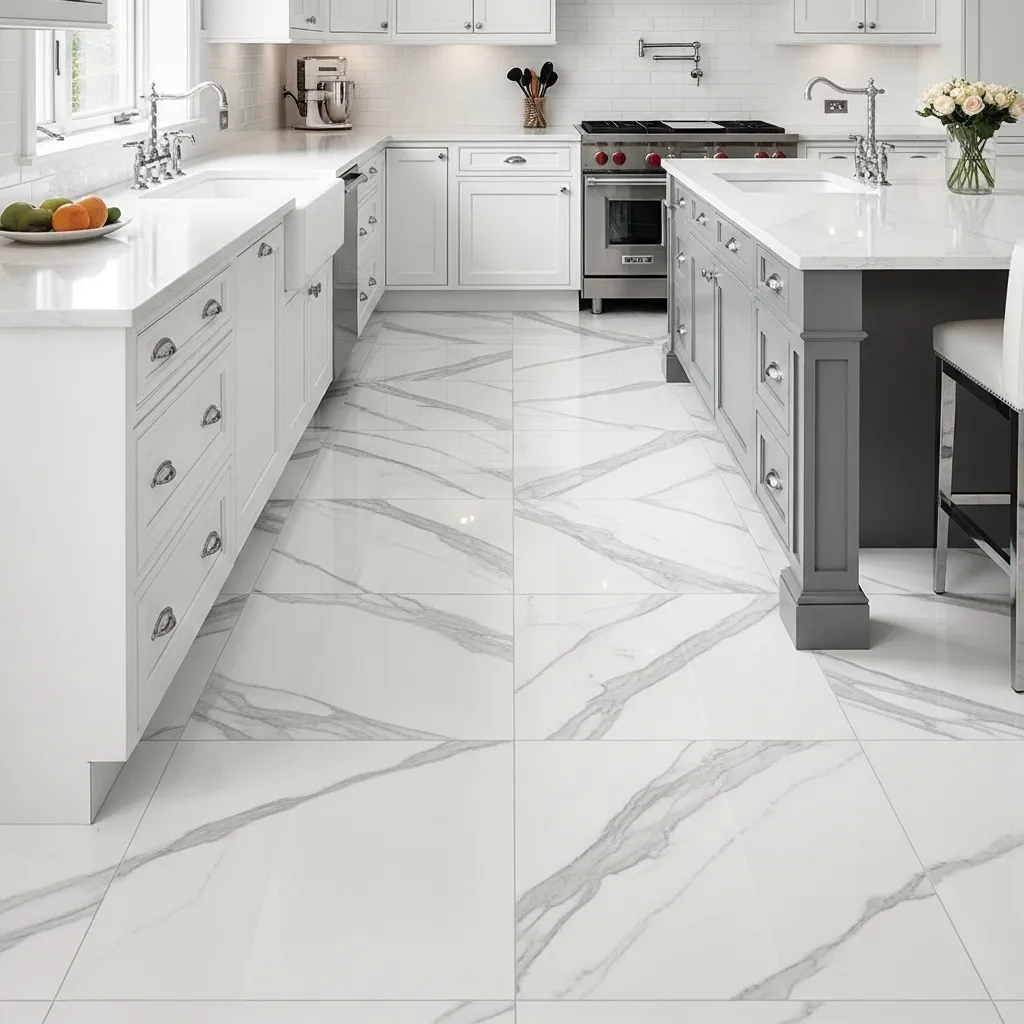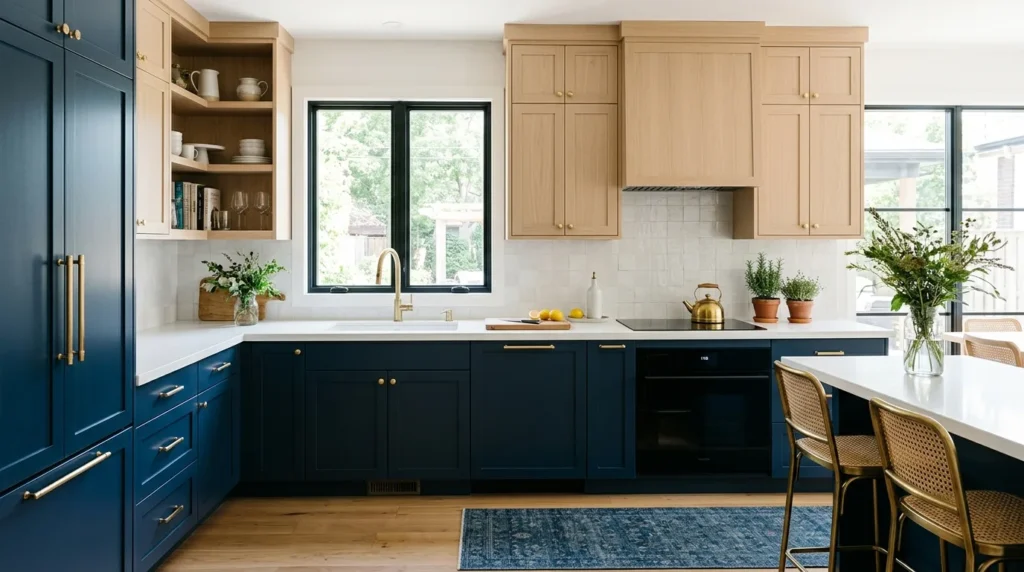
Choosing the right laminate colors can completely change the look and feel of a kitchen. A two-color combination adds depth, contrast, and visual interest while allowing cabinets, drawers, and storage units to feel coordinated rather than monotonous. Whether you prefer a modern kitchen with clean lines, a warm space inspired by natural materials, or a sophisticated design with darker cabinetry, combining two laminate shades gives you plenty of flexibility. The key is to balance the colors according to the size of the kitchen, amount of natural light, flooring, countertops, and overall decorating style. From timeless white and wood tones to dramatic navy and gray, these two-color kitchen laminate ideas can help you create a stylish, practical space that feels thoughtfully designed.
1. White and Natural Wood Laminate
White and natural wood is one of the most versatile two-color combinations for kitchen laminates. Use crisp white laminate on upper cabinets to keep the room feeling open, while warm oak, walnut, or light wood laminate can anchor the lower cabinets. The contrast creates a balanced appearance without making the kitchen feel overly busy. This combination works especially well in modern, Scandinavian, contemporary, and transitional interiors. If your kitchen receives limited daylight, choose a pale wood finish with a warm undertone rather than a very dark grain. A simple white countertop can connect both cabinet colors, while black or brushed-metal handles can add definition. The result is a welcoming kitchen with enough warmth to avoid looking sterile.
2. Matte Black and Warm Beige
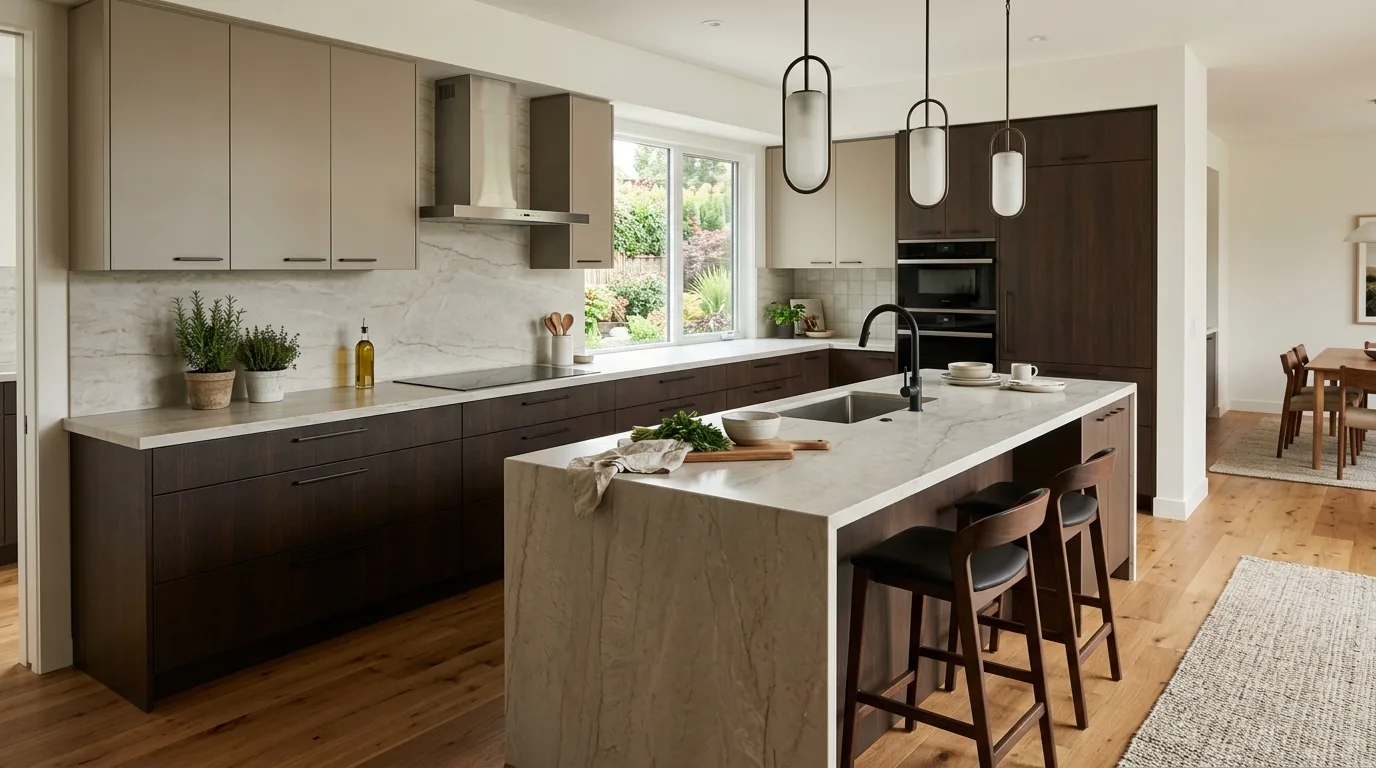
Matte black paired with warm beige creates a sophisticated kitchen laminate combination that feels modern without becoming excessively dramatic. Black works beautifully on base cabinets or a kitchen island, while beige can be used on upper cabinets to soften the overall appearance. This pairing is particularly effective in kitchens with good natural or layered artificial lighting. Choose matte finishes when you want a refined, understated look with minimal visual reflection. Beige laminate with subtle stone or linen-inspired texture can make the palette feel richer. Light countertops, warm flooring, and brass or brushed-gold hardware can further balance the darker cabinetry. For a small kitchen, consider using black selectively rather than covering every cabinet, allowing beige to preserve a sense of spaciousness.
3. Navy Blue and White
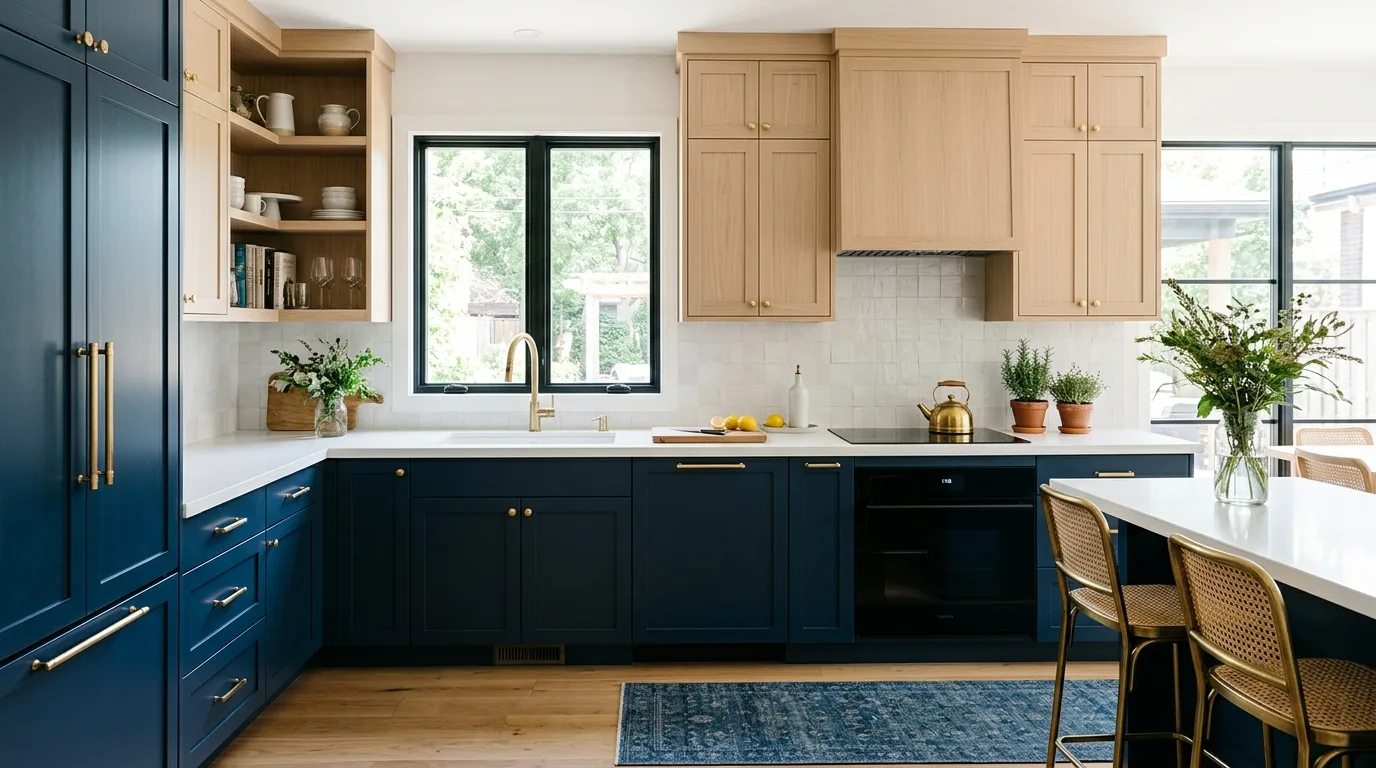
Navy blue and white bring a fresh yet elegant character to kitchen cabinetry. Navy laminate works particularly well on lower cabinets, islands, or a feature wall, while white upper cabinets help keep the kitchen visually light. The strong contrast gives the room a tailored appearance and suits both contemporary and classic kitchen designs. Because navy is a deep color, it can make a compact kitchen feel heavier if used excessively, so balance it with bright walls, countertops, backsplashes, and good lighting. Brass handles can introduce warmth, while stainless-steel appliances provide a crisp modern contrast. For a more relaxed appearance, choose a slightly muted navy rather than an extremely saturated blue. This combination is especially attractive when you want color without sacrificing a polished aesthetic.
4. Sage Green and Cream
Sage green and cream create a calm, nature-inspired kitchen palette that feels softer than high-contrast combinations. Sage laminate can be used for base cabinets, while cream laminate on upper cabinets creates a gentle transition between cabinetry and surrounding walls. The muted green works well with wood accents, natural stone surfaces, ceramic accessories, and warm metallic hardware. This combination is suitable for farmhouse, cottage, transitional, and contemporary kitchens. In smaller rooms, lighter sage shades help maintain an airy appearance, while deeper sage can provide more character in larger kitchens. Pair the cabinets with a cream, ivory, or lightly veined countertop rather than a stark white surface if you want the entire design to feel cohesive. The result is inviting, sophisticated, and easy to accessorize.
5. Charcoal Gray and Light Gray
Using two shades of gray creates a subtle layered effect that is ideal for contemporary kitchens. A charcoal laminate on lower cabinets or the island can provide visual weight, while light gray on upper cabinets keeps the room from feeling too dark. Because both colors belong to the same family, the combination feels coordinated rather than sharply contrasting. This approach works particularly well with minimalist kitchens where clean surfaces and simple hardware are important. Add a white or pale quartz-style countertop to introduce brightness, or use a concrete-inspired backsplash for an urban appearance. Warm wood flooring can prevent the gray palette from feeling cold. If the kitchen has limited natural light, choose a soft warm gray instead of a blue-toned gray to create a more comfortable atmosphere.
6. Cream and Walnut Brown
Cream and walnut brown offer a timeless combination for homeowners who want a kitchen with warmth and visual depth. Walnut laminate can make lower cabinets or a central island feel substantial, while cream cabinetry above creates balance. This pairing works especially well in transitional and classic kitchens, but it can also look contemporary when paired with flat-panel doors and streamlined hardware. The rich brown grain adds natural character, so keep surrounding finishes relatively simple. Cream countertops, beige backsplashes, and warm flooring can reinforce the cozy palette without competing with the cabinetry. If genuine wood textures are important to your design, choose laminate with a realistic grain pattern and restrained variation. This combination is particularly effective in larger kitchens where deeper cabinetry can be used generously without overwhelming the room.
7. Soft Blue and Light Oak
Soft blue and light oak create a relaxed kitchen that feels bright, natural, and approachable. Pale blue laminate can be used on cabinet doors, while light oak introduces warmth through base units, an island, or selected storage sections. The two colors work together because the wood tones soften the coolness of blue. This palette is a good choice for coastal, Scandinavian, cottage, and contemporary interiors. Keep the blue muted rather than highly saturated if you want a sophisticated appearance that remains easy to live with. White countertops and simple backsplash tiles can reinforce the airy effect. Black hardware adds contrast, while brushed brass provides a warmer accent. This combination also works well in kitchens where you want a touch of color without committing to a bold or intense cabinet shade.
8. Olive Green and Natural Beige
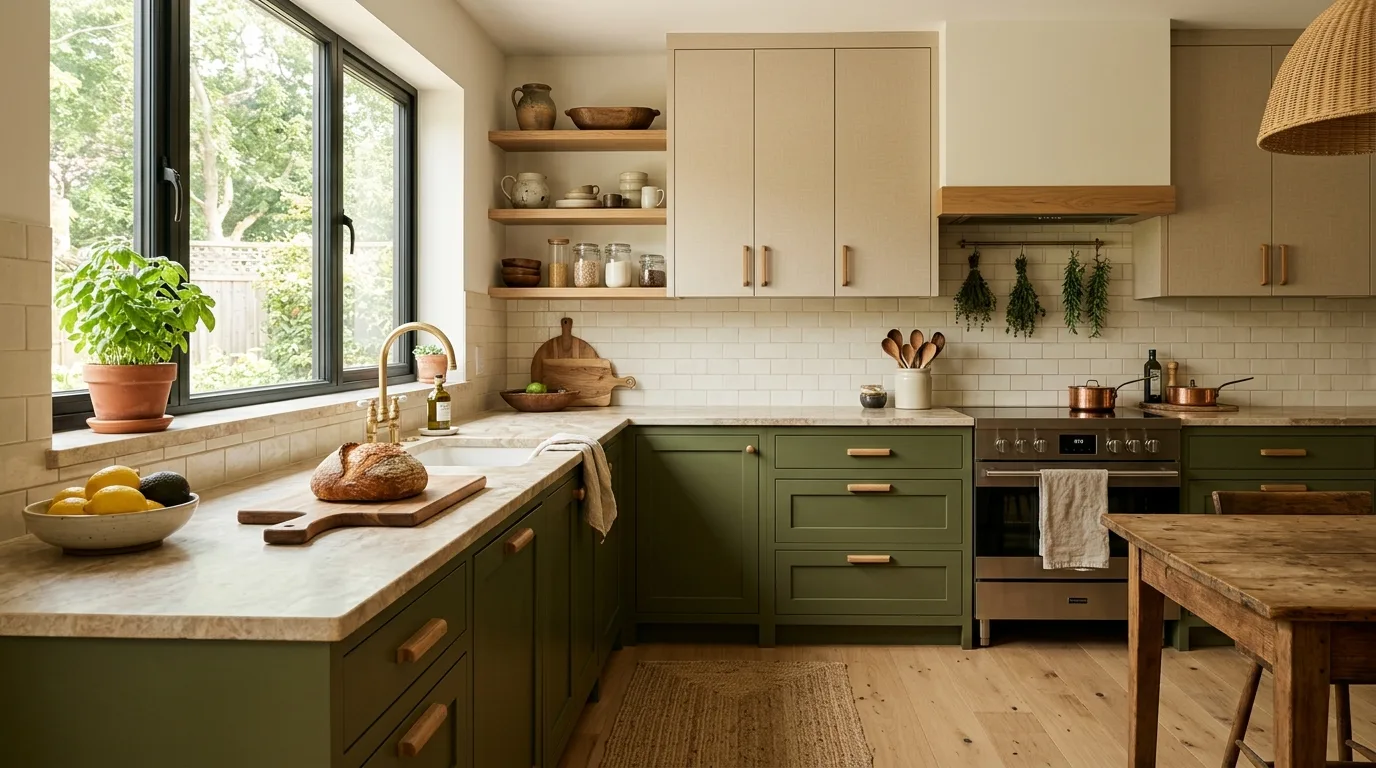
Olive green and natural beige create an earthy two-color combination with plenty of personality. Olive laminate can give base cabinets a grounded appearance, while beige laminate on upper cabinets or tall storage units keeps the palette balanced. Because both shades have warm, natural qualities, they pair beautifully with wood flooring, stone-inspired countertops, woven textures, and muted metallic hardware. This combination is particularly useful when designing a kitchen inspired by nature or organic modern interiors. Avoid overly yellow beige if the olive has a cool undertone; instead, select complementary warm neutrals that make both colors appear intentional. Matte laminate finishes usually suit this palette better than high-gloss surfaces. A simple backsplash in ivory, cream, or natural stone tones can complete the design without competing with the cabinetry.
9. Black and Natural Oak
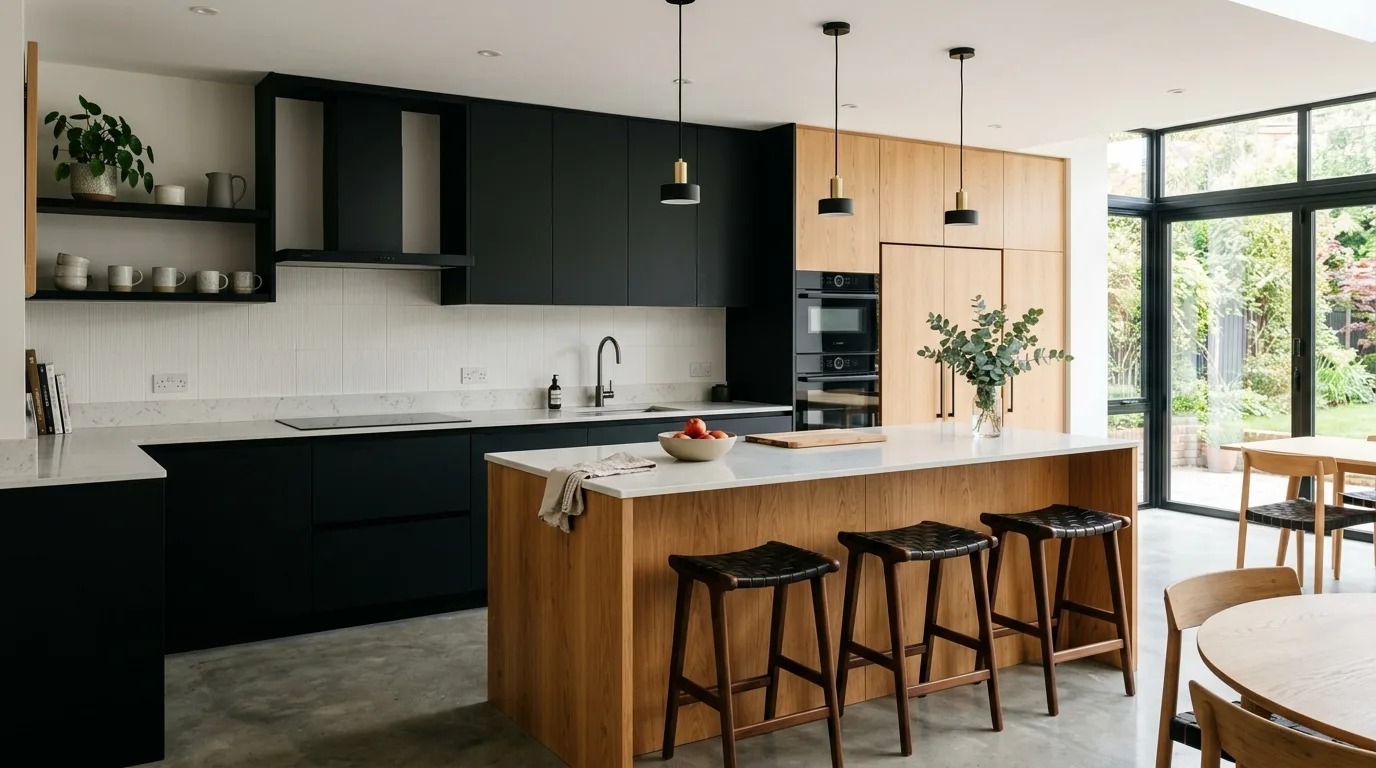
Black and natural oak provide a striking contrast that suits modern kitchens with a strong architectural character. Black laminate can be used on lower cabinets, tall units, or an island, while oak laminate introduces warmth and breaks up the darker surfaces. This combination works particularly well with minimalist cabinet profiles, integrated appliances, and simple lighting. The oak does not need to dominate; even a limited wood section can soften a predominantly black kitchen. Light countertops are useful for reflecting light and maintaining balance, especially in compact spaces. If you prefer a softer appearance, choose charcoal-black rather than an extremely deep black. Black hardware can create a seamless look, while stainless steel or brass details can provide subtle contrast. The finished kitchen feels contemporary, warm, and visually defined.
10. Taupe and White Laminate
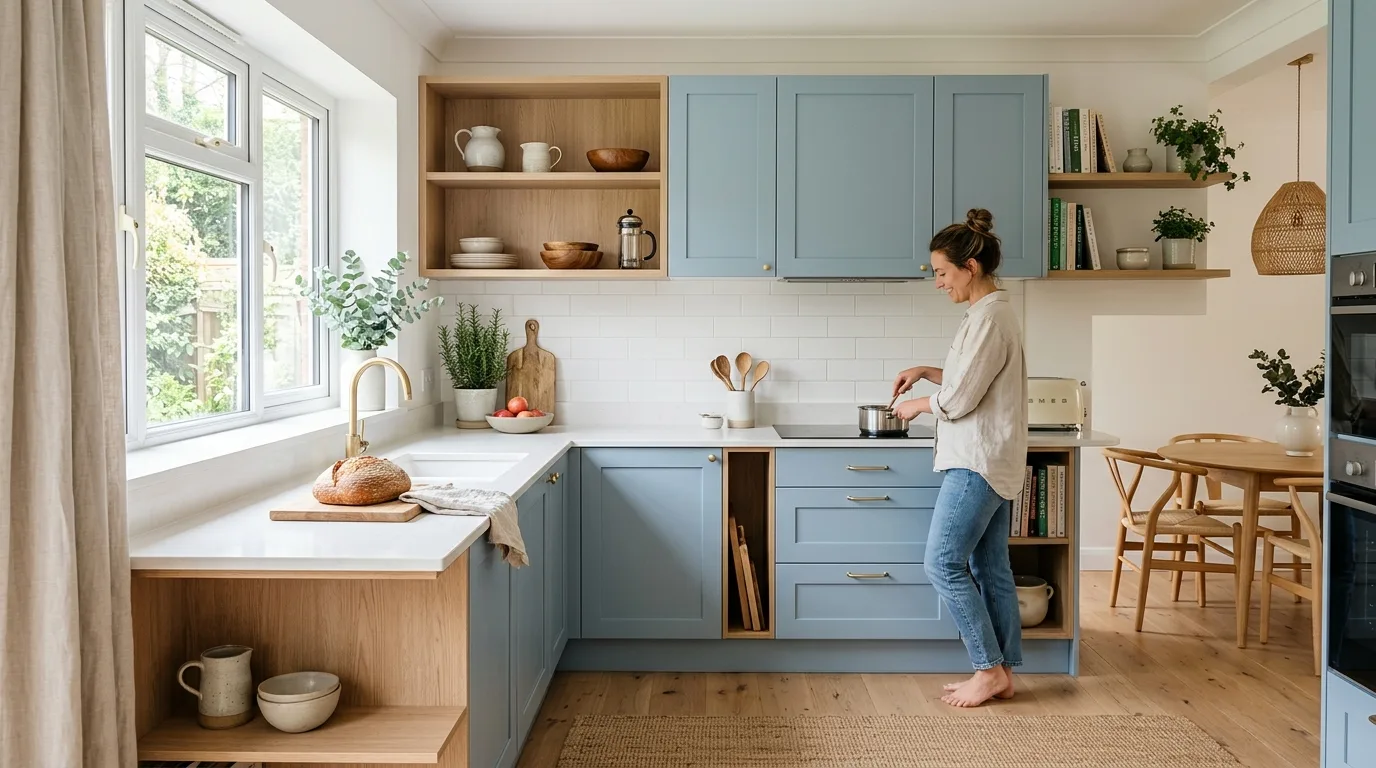
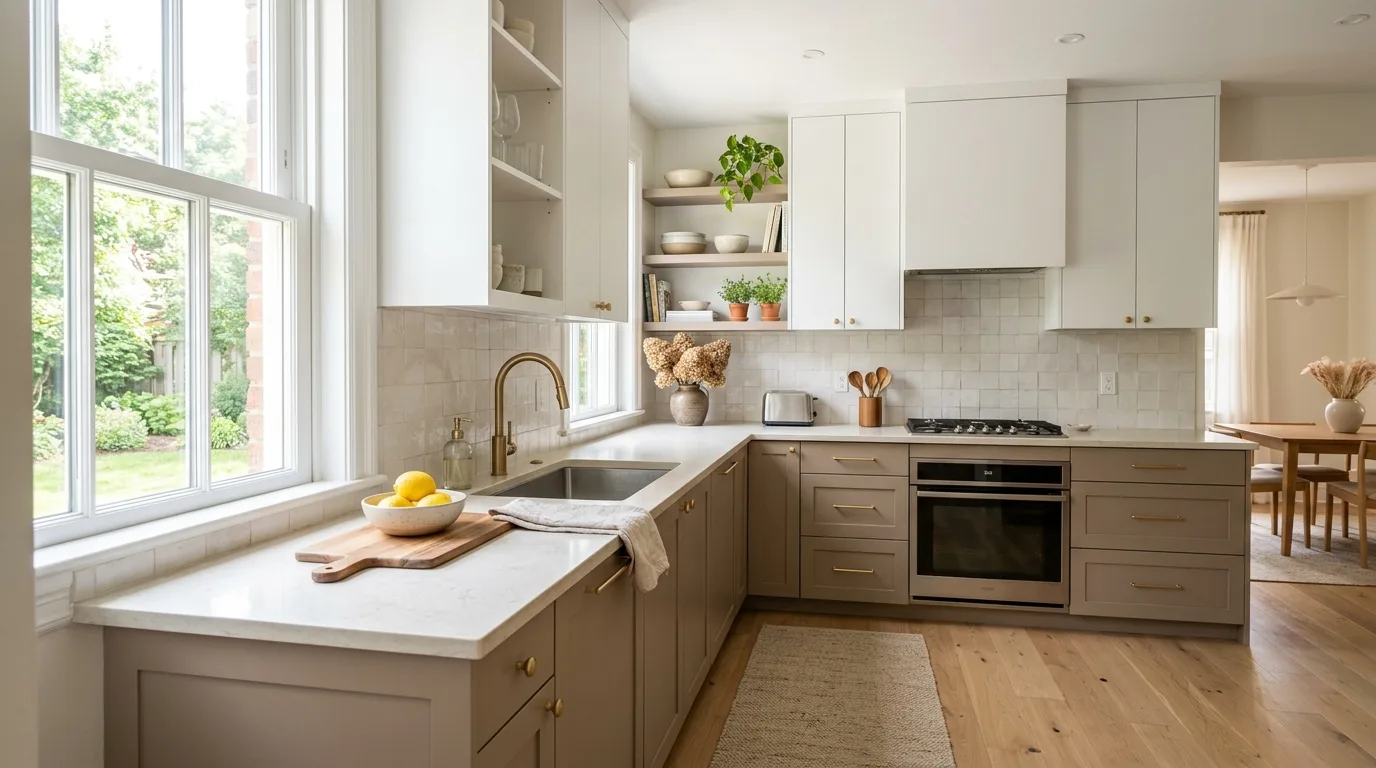
Taupe and white are an excellent choice for a kitchen that needs warmth without strong color contrast. Taupe laminate can be applied to base cabinets, while white upper cabinets make the kitchen appear brighter and more spacious. Unlike cooler gray, taupe contains warmer undertones that work naturally with beige flooring, wood accents, and warm lighting. This makes it especially useful for open-plan kitchens that connect to living or dining areas. Choose a matte or soft-touch taupe finish for a contemporary look, and use simple white surfaces to prevent the palette from becoming too heavy. Black handles can sharpen the design, while brushed brass creates a softer luxury feel. Because both shades are neutral, you can easily update the kitchen later with colorful stools, textiles, artwork, or accessories.
11. Terracotta and Off-White
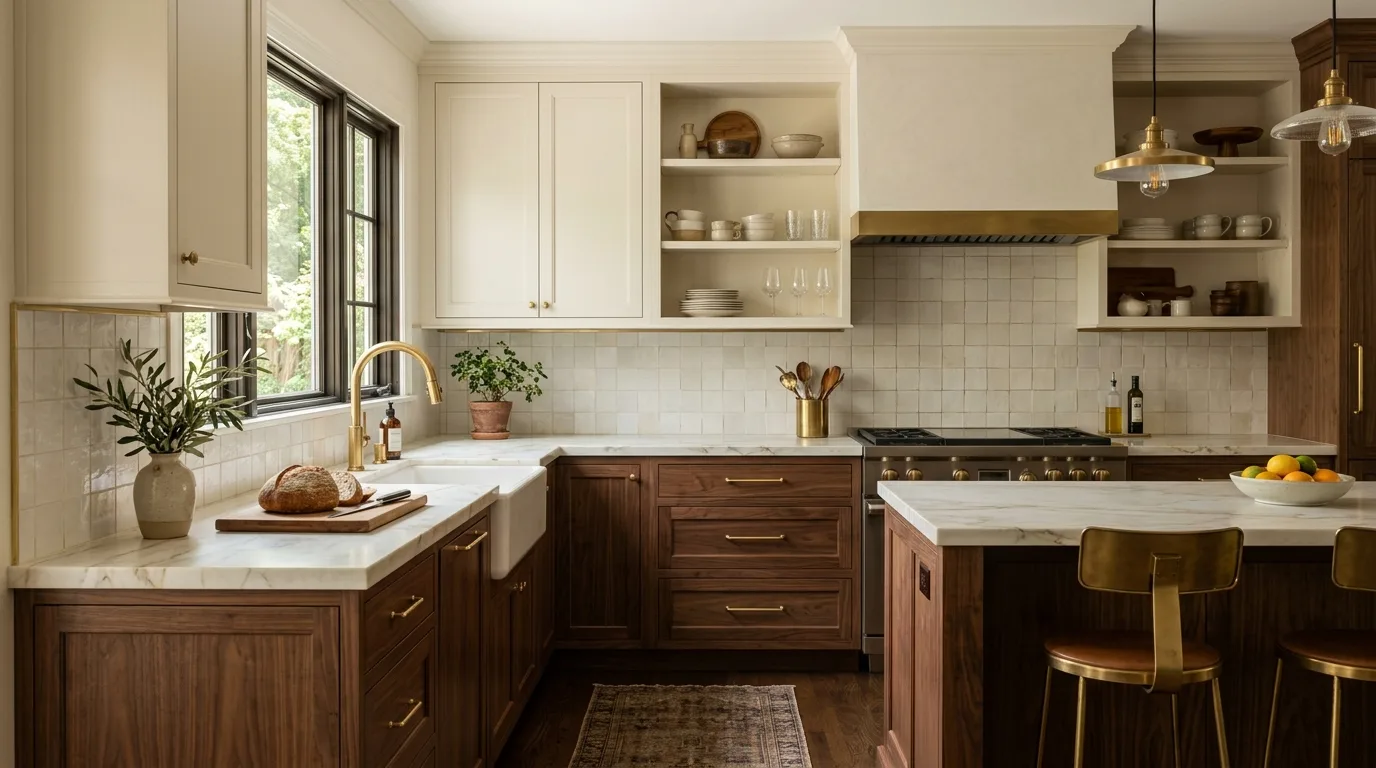
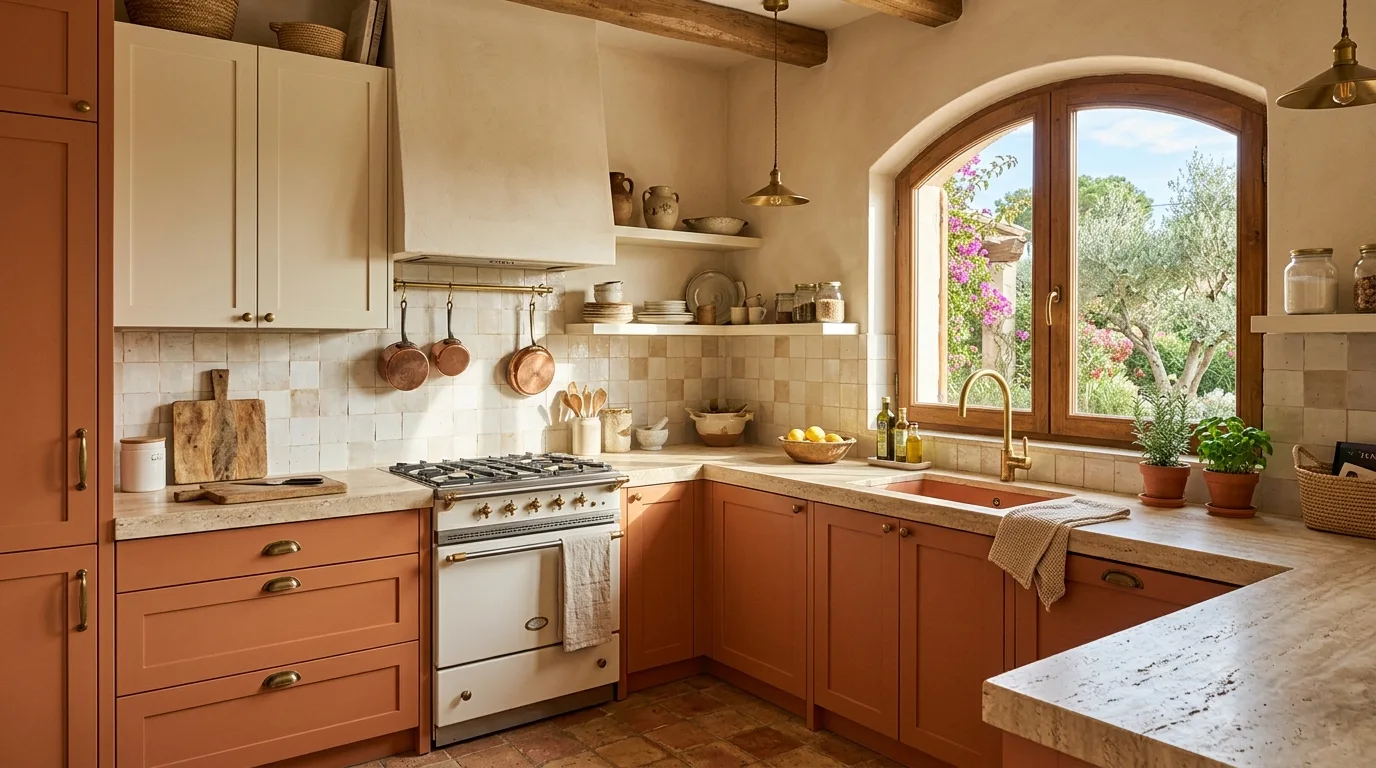
Terracotta and off-white bring warmth and personality to kitchen cabinetry without requiring a complicated color scheme. A muted terracotta laminate can serve as the statement color on lower cabinets or an island, while off-white cabinetry keeps the upper half of the kitchen light. This combination is especially attractive in Mediterranean, eclectic, contemporary, and earthy interiors. Since terracotta is visually strong, choose a softened clay or dusty version rather than an intensely orange finish if you want a more timeless result. Natural wood, cream-colored countertops, handmade-look backsplash tiles, and aged brass hardware complement the palette beautifully. Good lighting is important because warm colors can become more intense under yellow-toned bulbs. Used thoughtfully, this pairing creates a welcoming kitchen with a distinctive handcrafted character.
12. Forest Green and Warm White
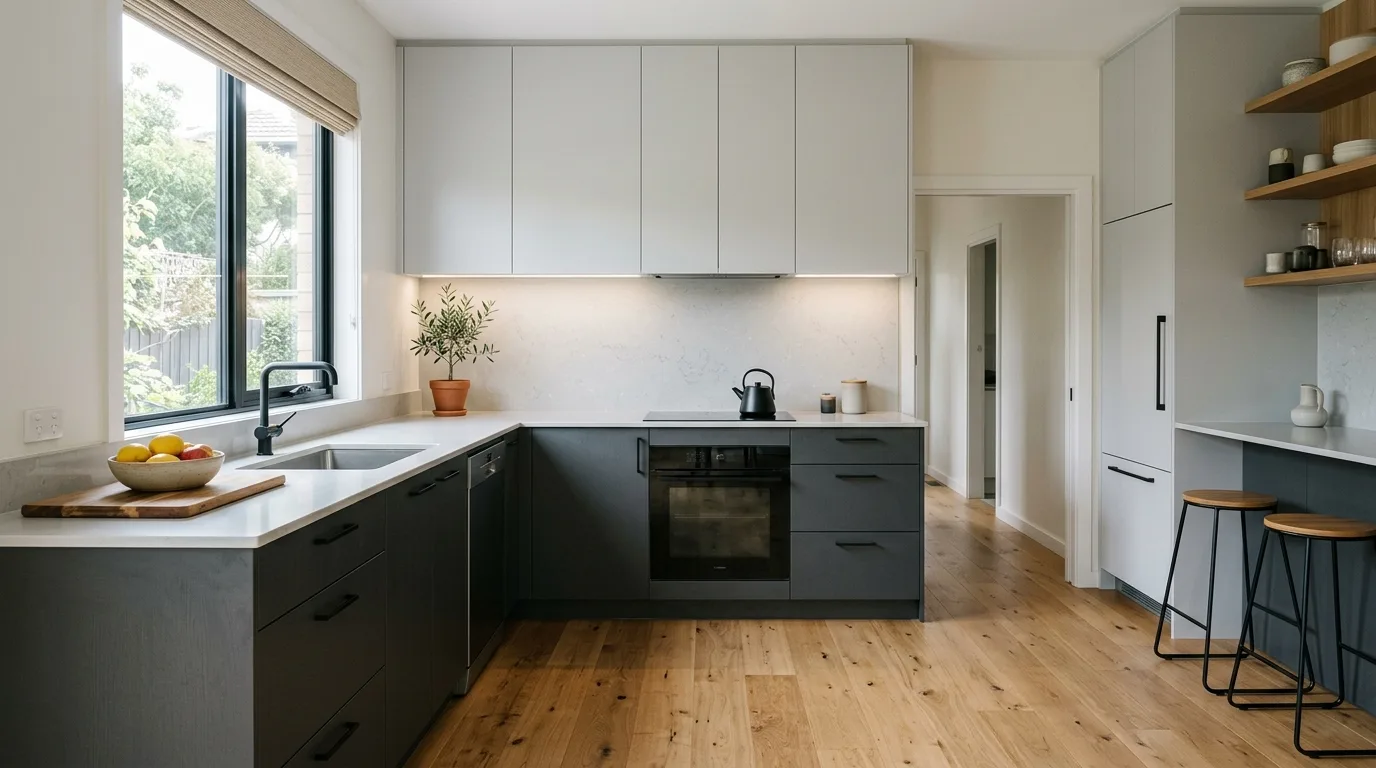
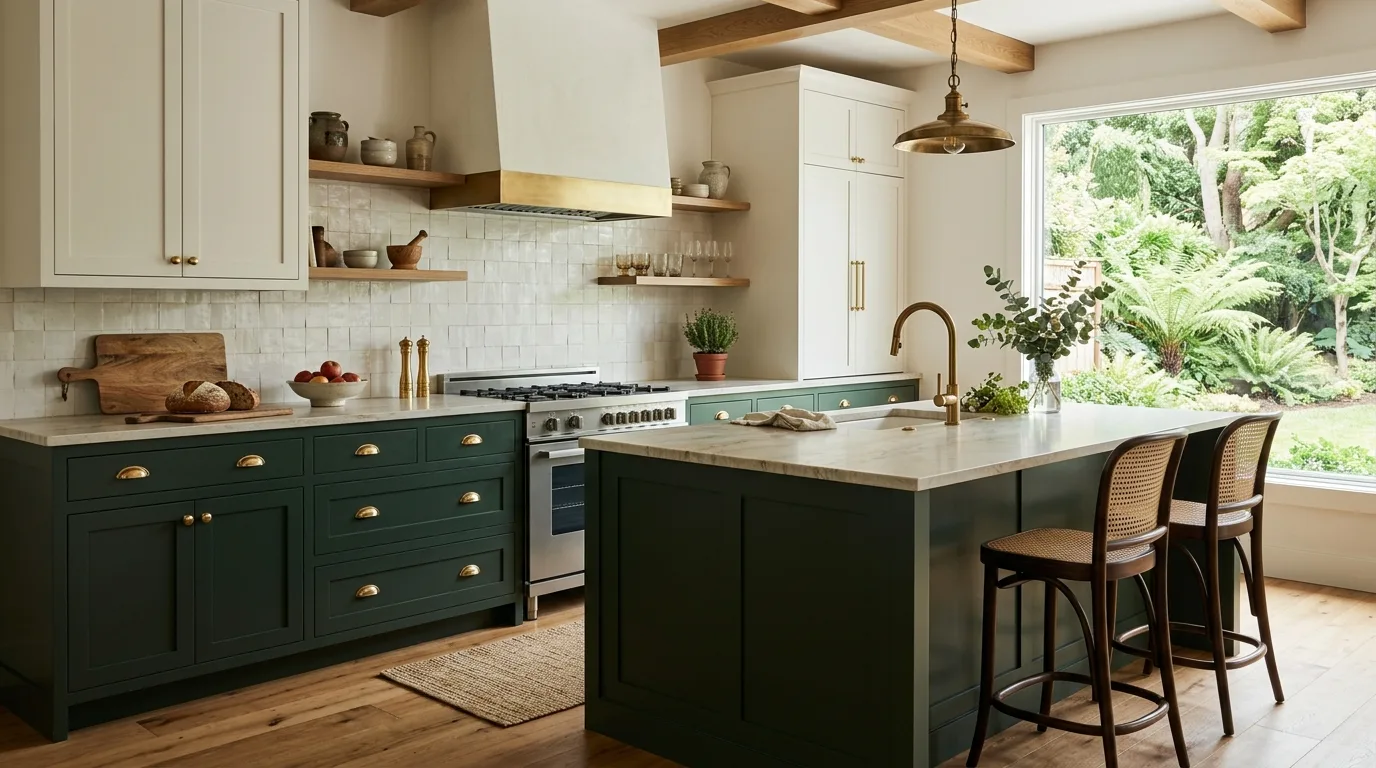
Forest green and warm white create an elegant kitchen combination with a strong connection to natural colors. Deep green laminate can be used on lower cabinets or a large island, while warm white cabinets above prevent the room from appearing overly dark. The contrast feels sophisticated and works particularly well with brass hardware, wood flooring, and stone-effect countertops. In a spacious kitchen, forest green can become a dominant cabinet color; in a smaller room, use it selectively to create a feature zone. Warm white is generally more harmonious with deep green than an icy white, especially when the kitchen uses warm lighting. Flat-panel doors make the pairing feel modern, while shaker-style cabinetry can give it a more traditional appearance.
13. Dusty Pink and Light Gray
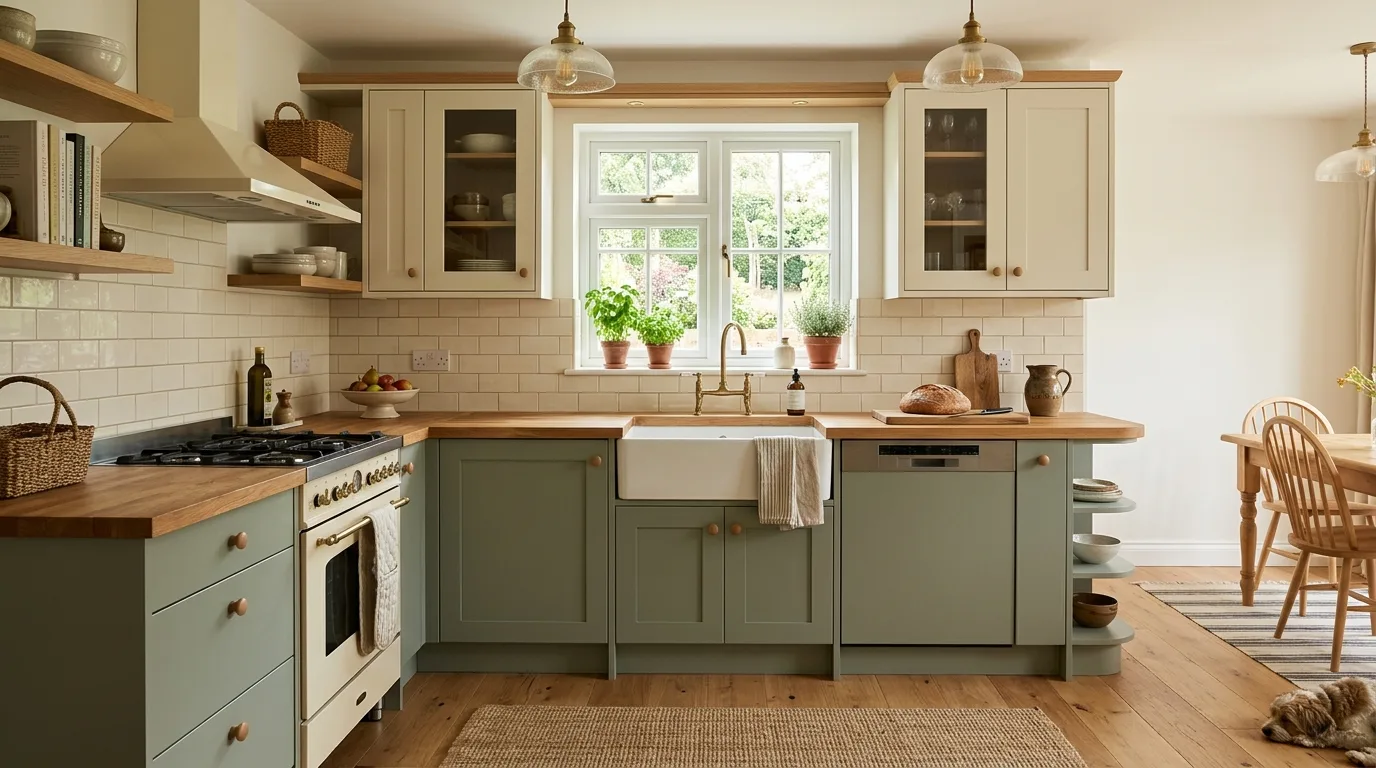
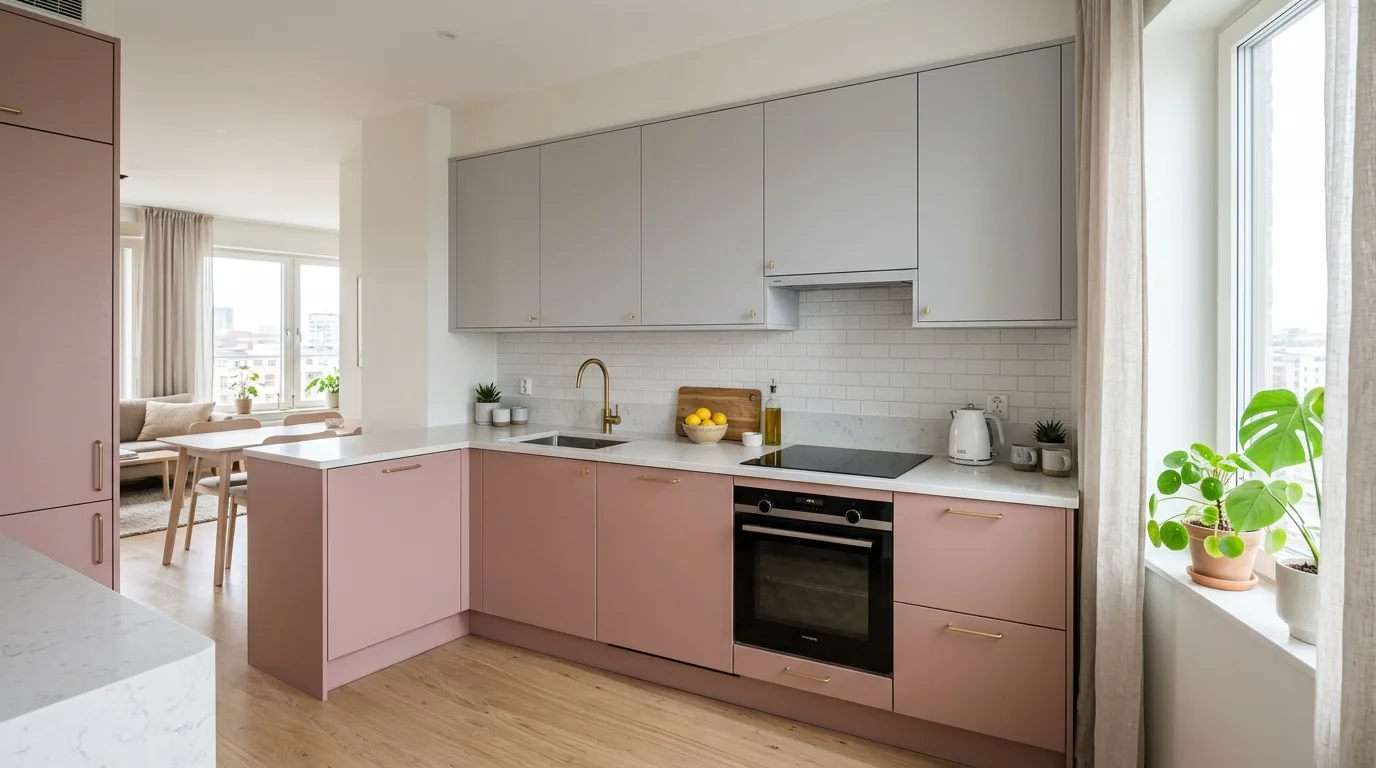
Dusty pink and light gray offer a soft, contemporary alternative to conventional neutral kitchens. The muted pink adds personality without becoming overly bright, while light gray provides a calm, sophisticated counterbalance. Use dusty pink on selected lower cabinets, an island, or a pantry wall, and reserve gray for the remaining cabinetry. This combination works particularly well in modern apartments and kitchens where you want an elegant color statement without a highly saturated palette. White countertops and simple backsplash tiles can keep the design fresh. Brass or brushed-gold hardware adds warmth, while black accents create a more graphic appearance. Choose a subdued pink with gray or beige undertones for greater versatility. The result is distinctive but still restrained enough for everyday living.
14. Teal and White
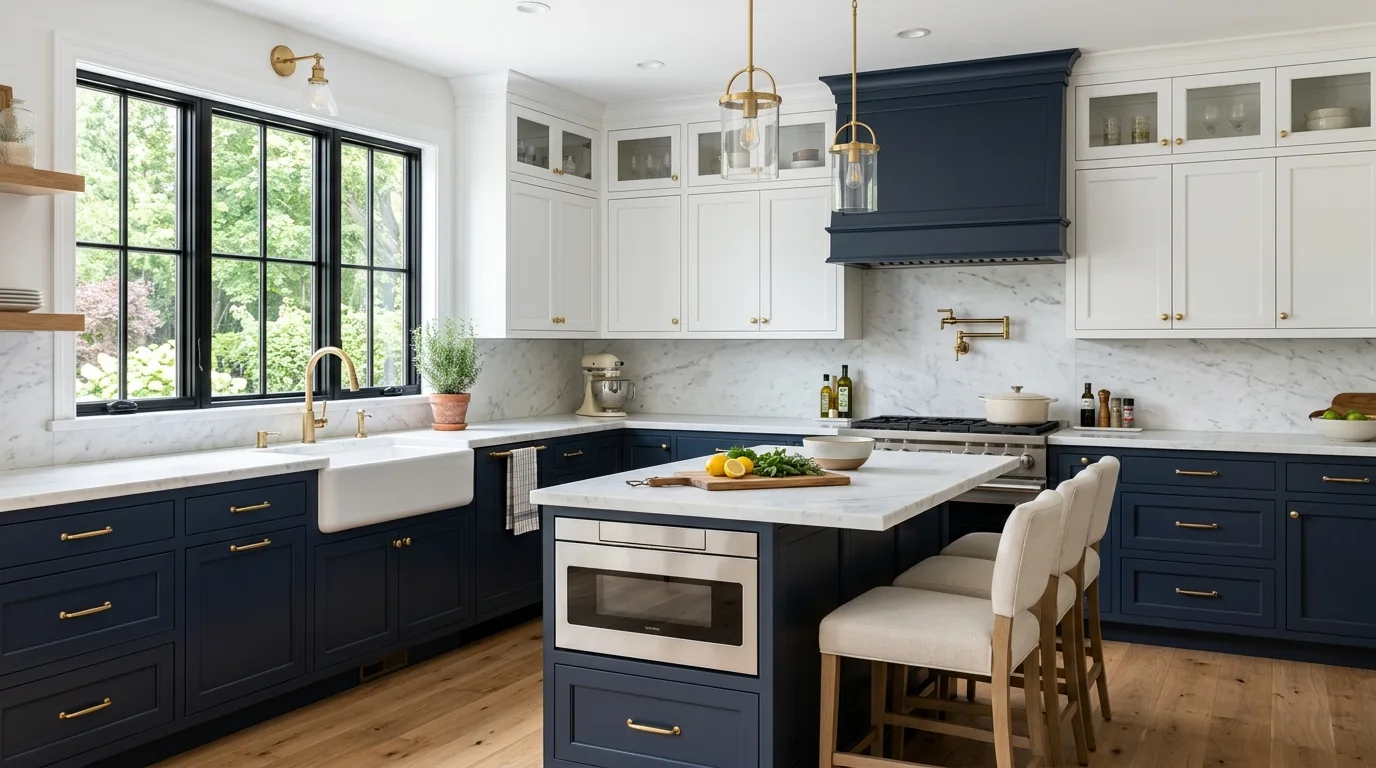
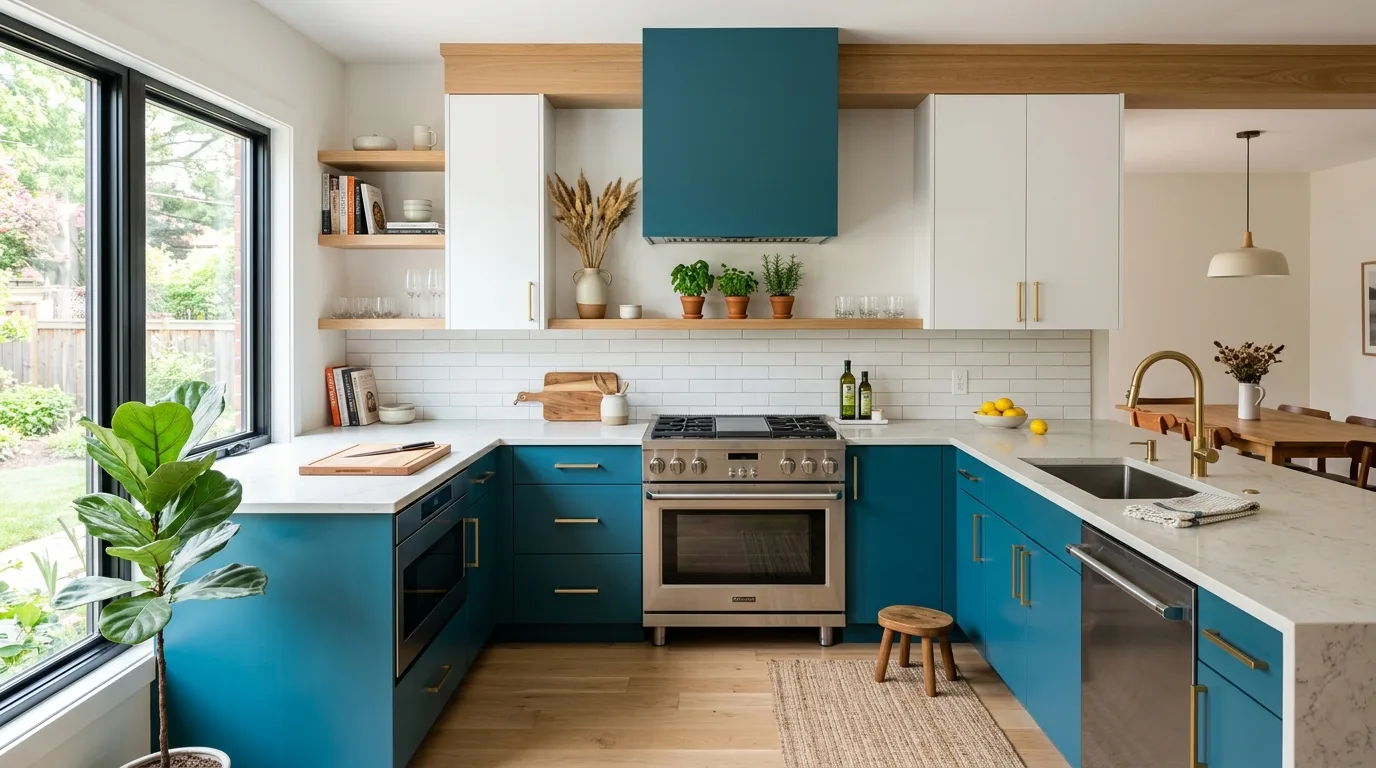
Teal and white create a lively two-color laminate combination that can make the kitchen feel fresh and energetic. Teal works especially well on lower cabinets or a kitchen island, while white upper cabinets provide visual breathing room. Because teal combines blue and green, it can work with both cool and warm decorative elements depending on the chosen undertone. Pair it with pale countertops and simple backsplash materials to keep the cabinetry as the focal point. Natural wood stools or shelves can introduce warmth, while black hardware gives the design a contemporary edge. In a smaller kitchen, using teal on a single cabinet run rather than throughout the room can provide color without making the space feel enclosed. This palette is ideal for homeowners who want a more expressive kitchen.
15. Greige and Dark Brown
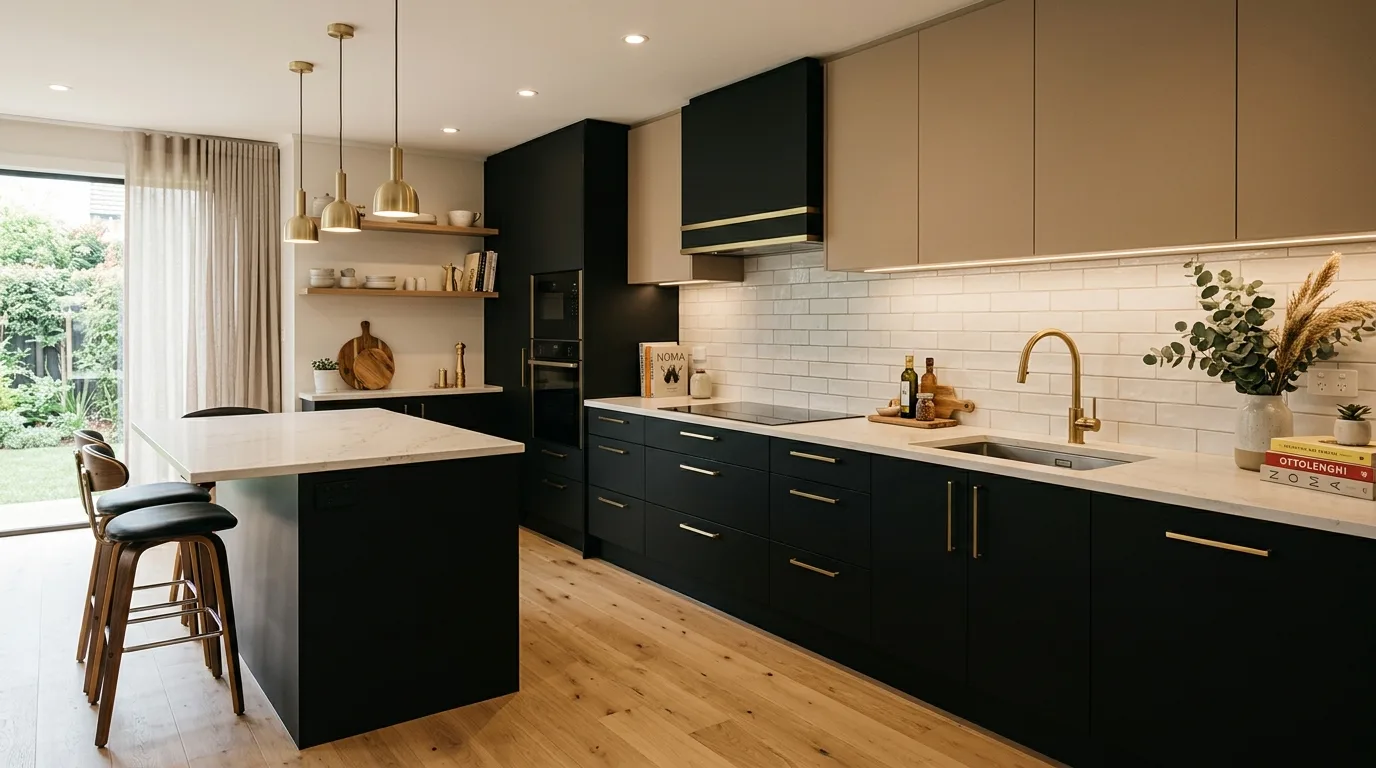
Greige, a blend of gray and beige, pairs naturally with dark brown laminate for a sophisticated neutral kitchen. Use greige on upper cabinets to maintain brightness and dark brown on lower cabinets or an island for contrast. The combination feels warmer than a gray-and-black palette while still looking contemporary. It works especially well with stone-effect countertops, wood flooring, and understated hardware. If the brown laminate has a wood grain, keep the greige finish relatively simple so the surfaces do not compete visually. Warm white lighting can enhance the richness of both shades, while large windows help maintain brightness during the day. This is a practical choice for homeowners who want a neutral kitchen with more depth than a single-color cabinet scheme.
16. Deep Blue and Light Wood
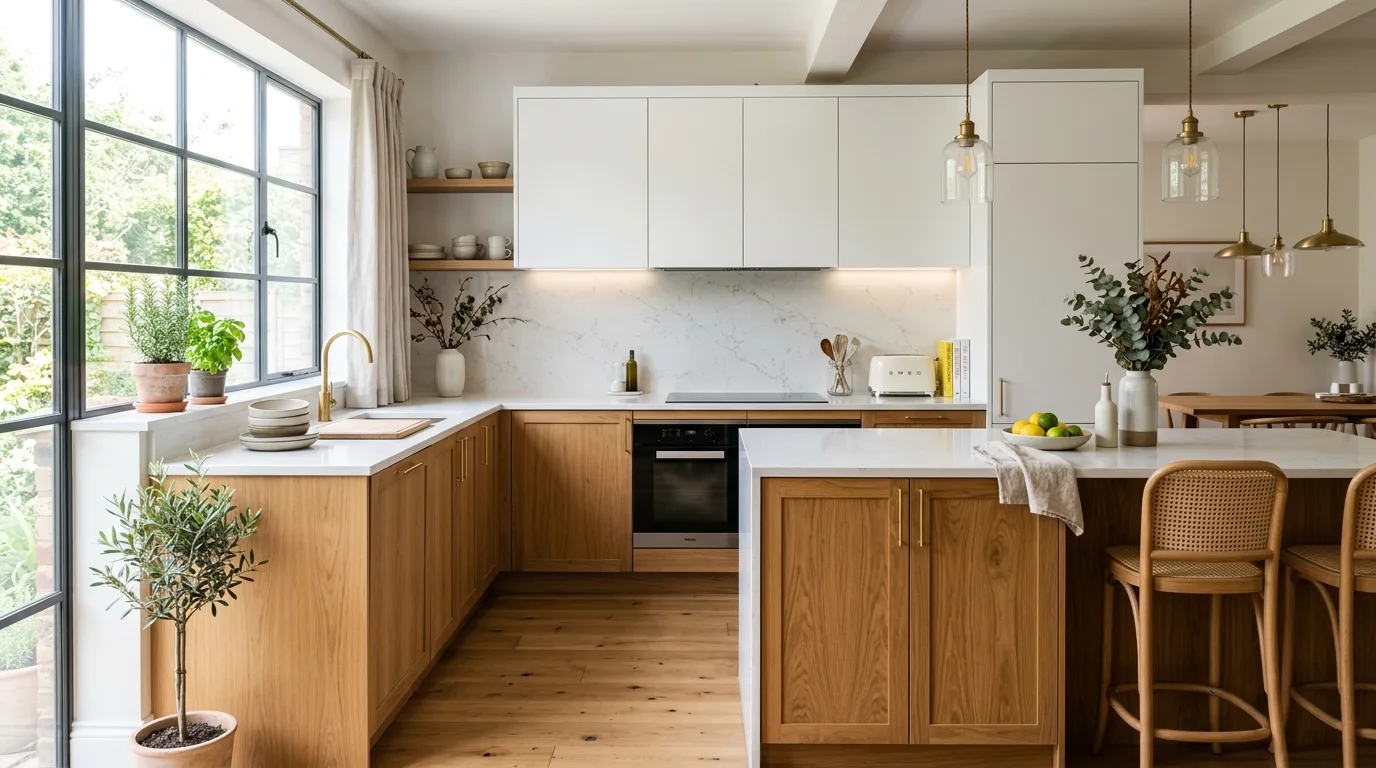
Deep blue and light wood create a balanced combination that feels both sophisticated and welcoming. A deep blue laminate can define lower cabinets or a central island, while pale oak or ash-inspired laminate brings brightness and natural texture. The lighter wood prevents the blue from dominating the kitchen and adds an organic element to the design. This palette works well in modern, coastal, transitional, and contemporary interiors. Pair it with white countertops and a restrained backsplash for a clean finish. Brass hardware can make the design feel more refined, while matte black handles give it a more modern edge. For smaller kitchens, keep the deep blue to one cabinet zone and use light wood more extensively. This allows you to enjoy the drama of a dark color while preserving an open visual feel.
How to Choose the Right Two-Color Laminate Combination
Before selecting your kitchen laminates, consider how the colors will interact with the room’s size, lighting, flooring, countertop, and appliances. A useful approach is to choose one dominant cabinet color and one supporting color rather than giving both shades equal visual weight. Light colors generally help compact kitchens feel more open, while darker colors can define islands, lower cabinets, or feature sections. Also check laminate samples in both daylight and artificial light because undertones can change significantly. If the countertop already has strong veining or pattern, simpler cabinet colors usually create a more balanced result. Think about hardware as well: brass warms earthy combinations, black emphasizes contrast, and stainless steel supports cooler contemporary palettes. Finally, choose a finish that suits your lifestyle, since matte surfaces and textured laminates can have different maintenance requirements from glossy finishes.
Conclusion
Two-color kitchen laminate combinations make it easier to create cabinetry with depth, personality, and visual balance. From classic white and wood to expressive teal, terracotta, or deep blue, the right pairing depends on your kitchen’s lighting, proportions, existing finishes, and personal style. For the most cohesive result, let one color dominate and use the second to create contrast or warmth. With thoughtful choices in laminate finish, countertops, backsplash, flooring, and hardware, even a simple two-color scheme can give your kitchen a polished and inviting appearance.