
When pests appear in a rental home, one of the first questions is often: who is responsible for pest control, the landlord or the tenant? The answer is not always straightforward because responsibility can depend on local rental laws, the lease agreement, the type of pest, and what caused the infestation. In many situations, landlords are responsible for maintaining a habitable property and addressing pest problems connected to the building or existing conditions. Tenants, however, may be responsible when their actions contribute to an infestation or when the lease clearly assigns certain routine tasks to them. Understanding the difference can help renters and property owners respond quickly without unnecessary conflict. The following guide explains common situations, practical responsibilities, documentation tips, and questions to consider when deciding who should arrange and pay for pest control.
1. Start With the Lease Agreement

The lease is one of the first places to look when determining pest control responsibility. Rental agreements may specify who handles routine pest treatments, emergency infestations, preventative services, or infestations caused by a tenant’s actions. Some leases require landlords to arrange professional treatment, while others assign limited maintenance duties to tenants. However, a lease does not necessarily override applicable housing or landlord-tenant laws. If a clause appears to conflict with mandatory local requirements, those requirements may take priority. Read the pest control, maintenance, repairs, sanitation, and habitability sections carefully. Keep a copy of the signed agreement for reference. If the lease is unclear, avoid assuming that one party automatically has responsibility; instead, check the relevant local rules or seek qualified legal guidance.
2. Landlords Often Handle Building-Related Infestations
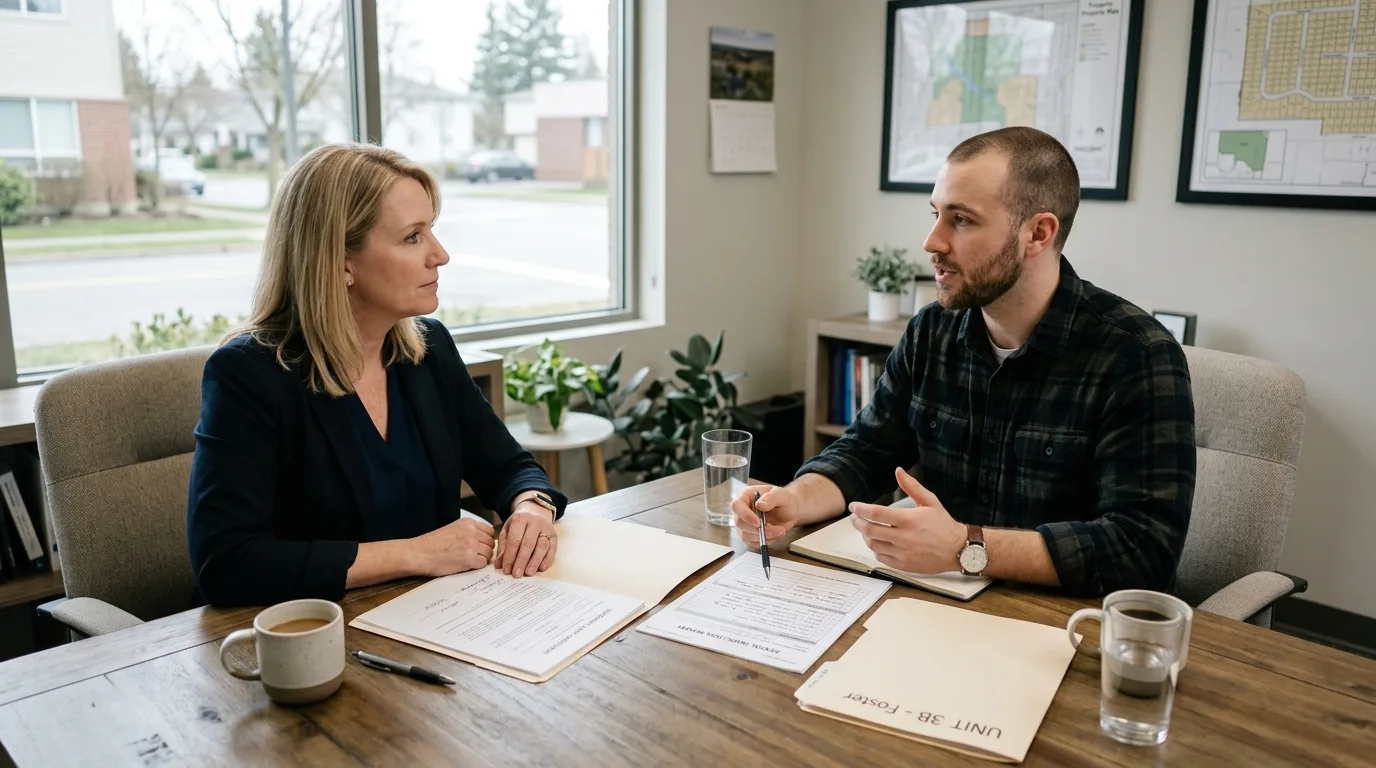
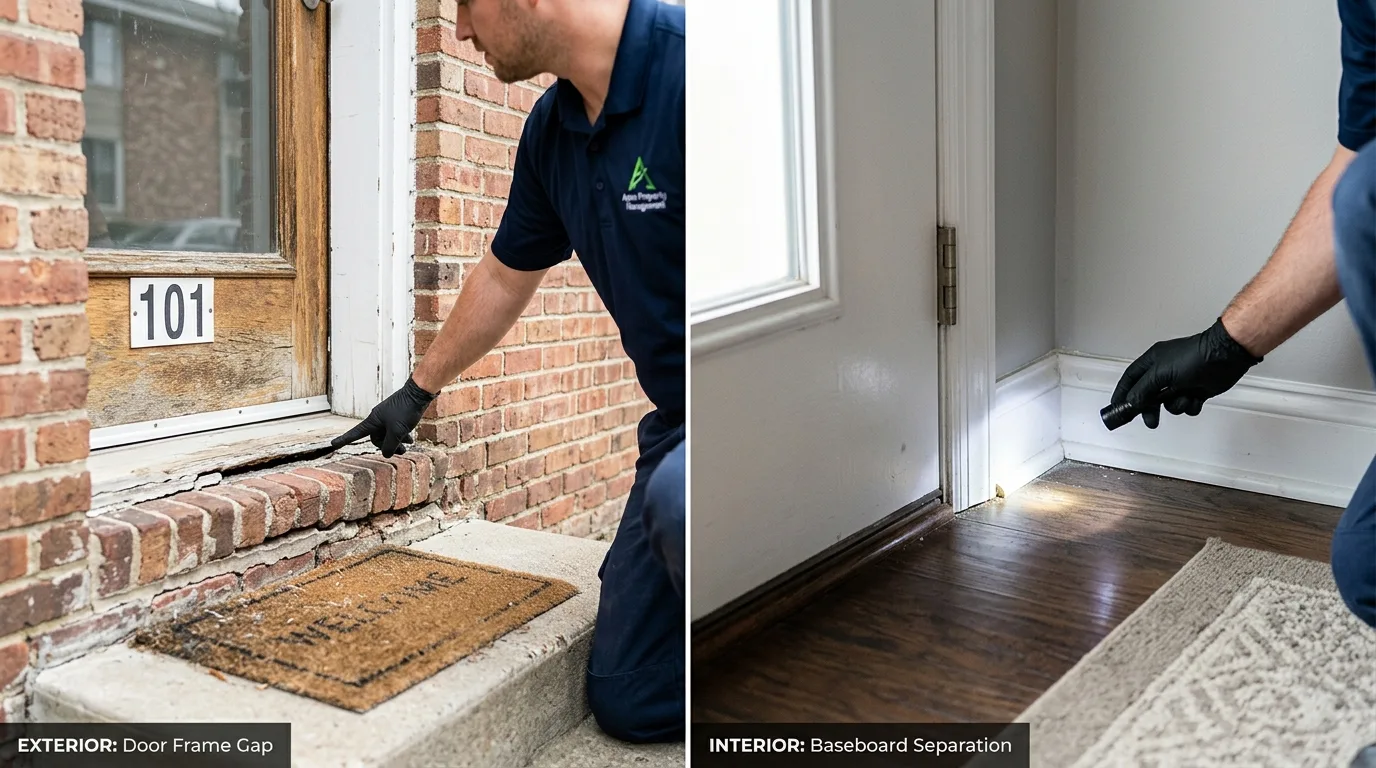
When pests enter because of problems with the building itself, responsibility often falls on the landlord or property manager, subject to local law. Examples can include gaps around doors, damaged screens, structural cracks, leaking pipes, deteriorated walls, or openings around utility lines. These conditions can create easy entry points for insects and rodents even when a tenant keeps the home clean. A landlord may need to address both the infestation and the underlying building defect to prevent the problem from returning. Simply spraying for pests without repairing an entry point may provide only a temporary solution. Tenants should report structural problems promptly and provide photographs when possible. Property owners should investigate the source rather than assuming that every infestation is caused by tenant behavior.
3. Tenants May Be Responsible for Poor Sanitation
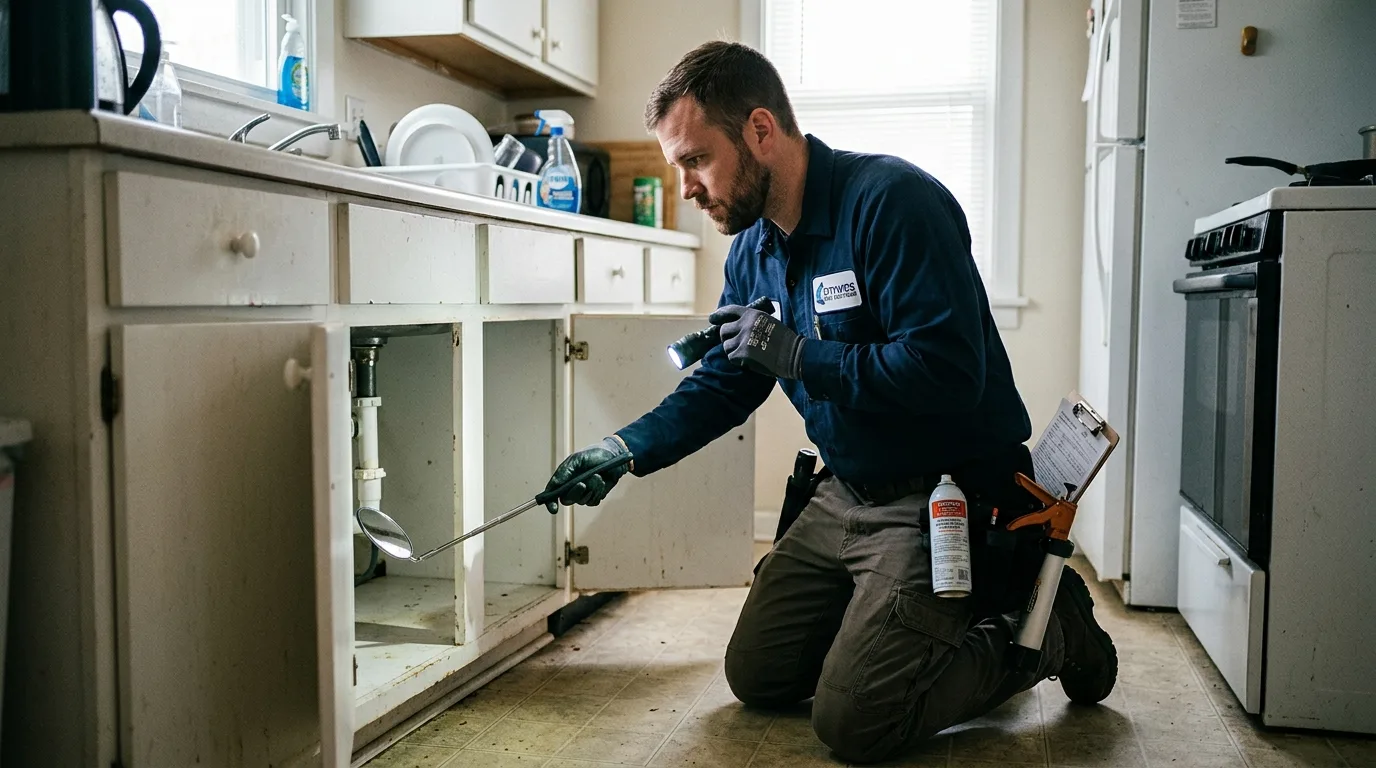
Tenants generally have a responsibility to use the rental property reasonably and maintain ordinary cleanliness, although the exact standard varies by location and lease. Food left uncovered, overflowing trash, persistent moisture, dirty dishes, or accumulated clutter can sometimes attract cockroaches, ants, flies, mice, and other pests. If an infestation can be reasonably linked to these conditions, the tenant may be required to correct the conditions and, depending on applicable rules, potentially pay for treatment. This does not mean every pest problem is automatically a tenant’s fault. Pests can occur in clean homes because of neighboring units, weather, construction, landscaping, or building defects. A fair assessment should consider evidence about how the infestation began rather than assigning blame based solely on the presence of pests.
4. Existing Infestations Before Move-In

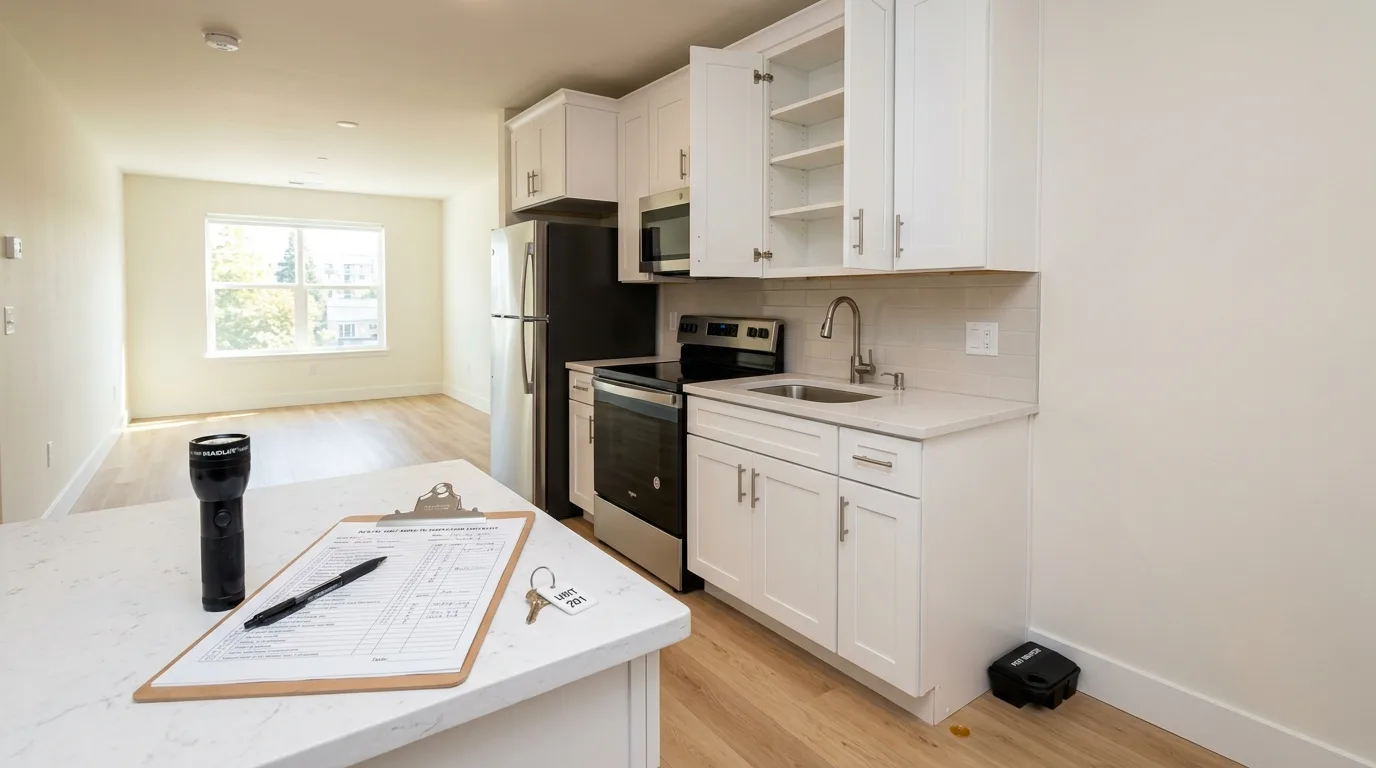
If pests were already present when a tenant moved into the property, the landlord may commonly be expected to address the problem, depending on local law. A rental home should generally meet applicable habitability and health standards when it is provided to a tenant. Bedbugs, cockroaches, rodents, or other significant infestations that existed before occupancy can therefore raise responsibilities for the property owner. Tenants should inspect the home as soon as possible after moving in and report evidence of pests in writing. Photographs, videos, inspection reports, and dated messages can help establish when the issue was discovered. If the landlord claims the tenant caused the infestation, documentation from move-in can become particularly useful. Prompt reporting also gives the landlord an opportunity to arrange treatment before the problem spreads.
5. Bedbugs Can Require Special Attention
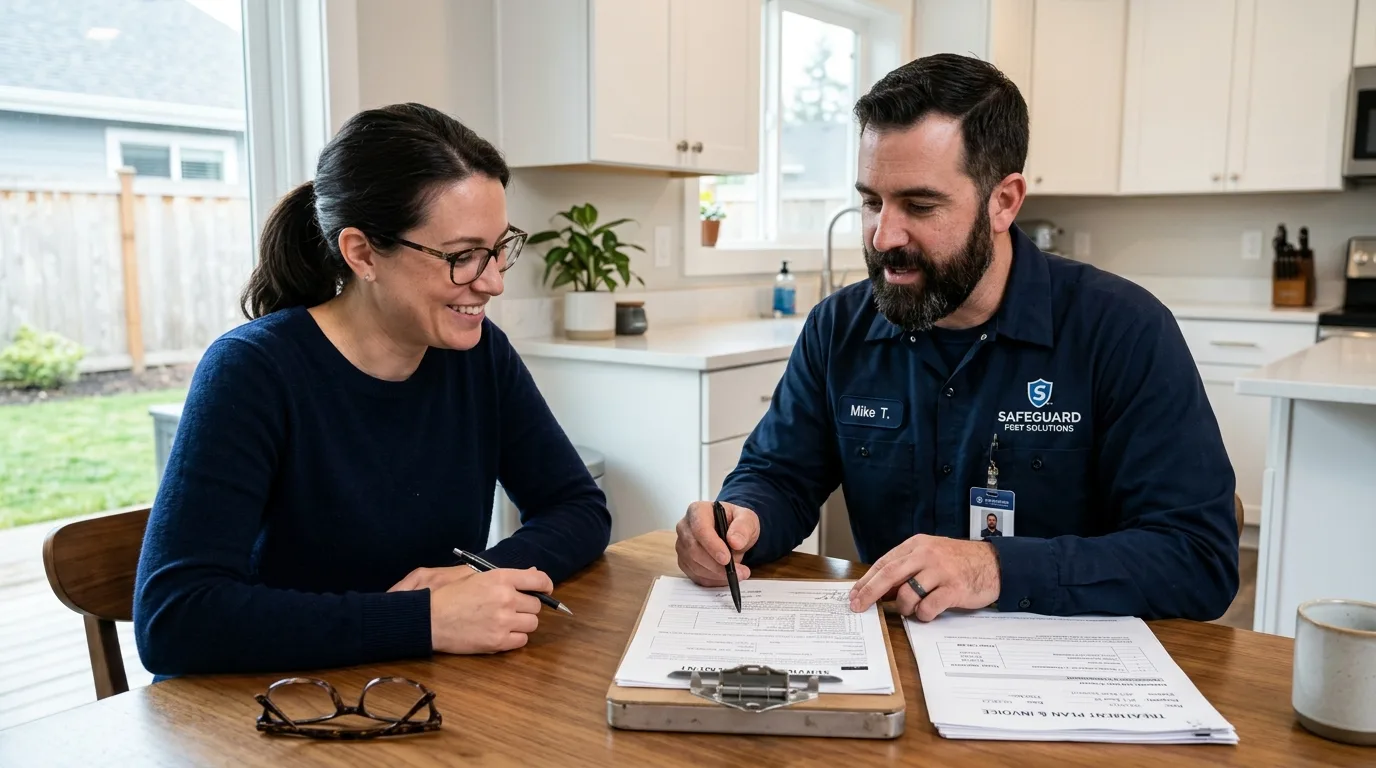
Bedbug infestations can be especially complicated because these insects can travel between rooms, apartments, furniture, luggage, and belongings. Their presence does not necessarily prove that a tenant caused the problem. In multi-unit buildings, an infestation may spread from another apartment or common area. Responsibility for professional inspection and treatment depends heavily on local law, lease terms, building circumstances, and evidence about the source. Tenants should notify the landlord promptly rather than attempting to hide the problem. Property owners may need to coordinate inspections and treatment across multiple units when appropriate. Both parties should follow professional preparation instructions carefully because incomplete preparation can interfere with treatment. Avoid throwing away furniture or belongings without understanding the treatment plan, since doing so can create additional expense without necessarily eliminating the infestation.
6. Rodent Problems May Point to Structural Issues
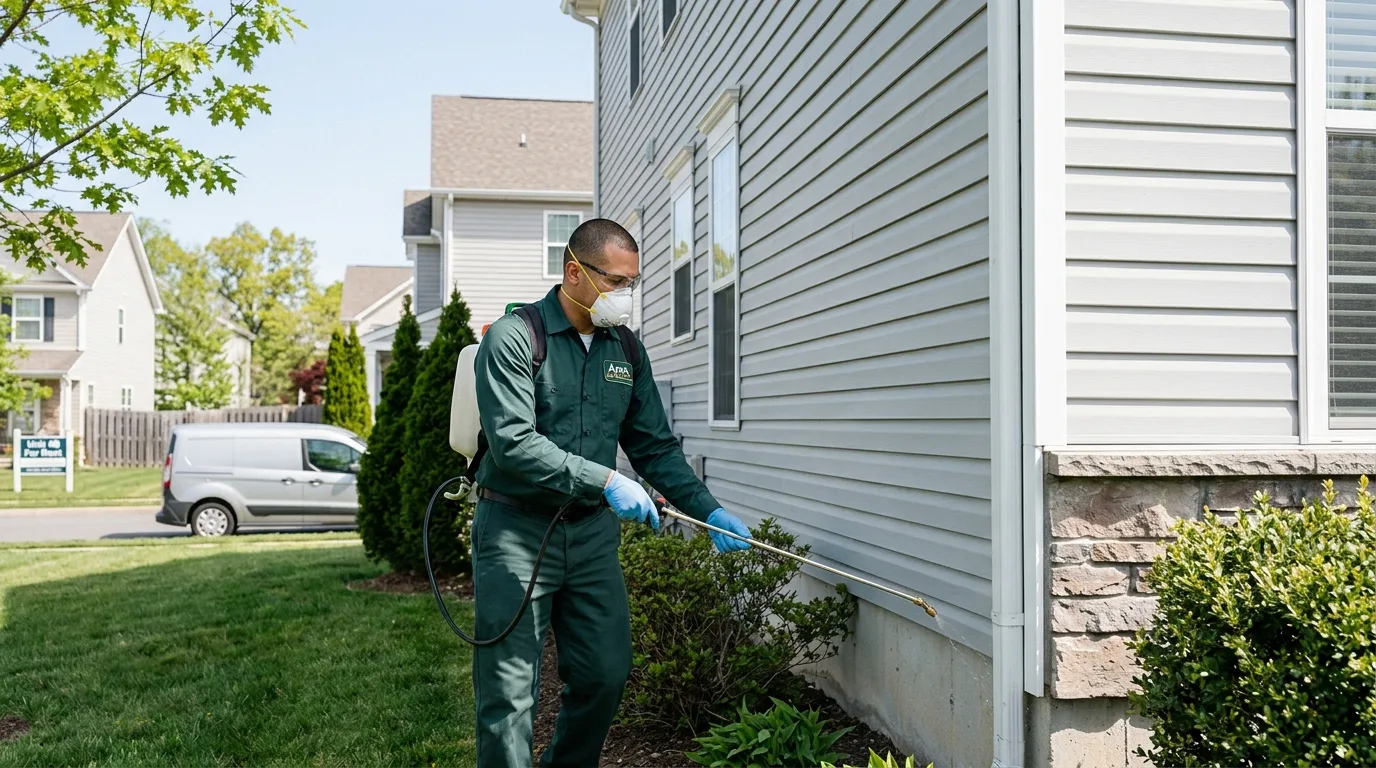
Mice and rats can enter through surprisingly small openings, making the source of a rodent infestation important when assigning responsibility. Holes around pipes, damaged foundations, gaps beneath doors, broken vents, and openings in walls can create pathways into a rental property. If the building needs repairs to prevent entry, the landlord may have a responsibility to address those conditions under applicable law. Tenants can help by storing food securely, keeping trash contained, and reporting signs such as droppings, gnaw marks, or scratching sounds. If the tenant’s behavior is contributing to the problem, corrective action may also be required. Effective rodent control usually involves both sanitation and exclusion, so identifying and sealing entry points is often just as important as using traps or other treatment methods.
7. Ant Infestations Can Be a Gray Area
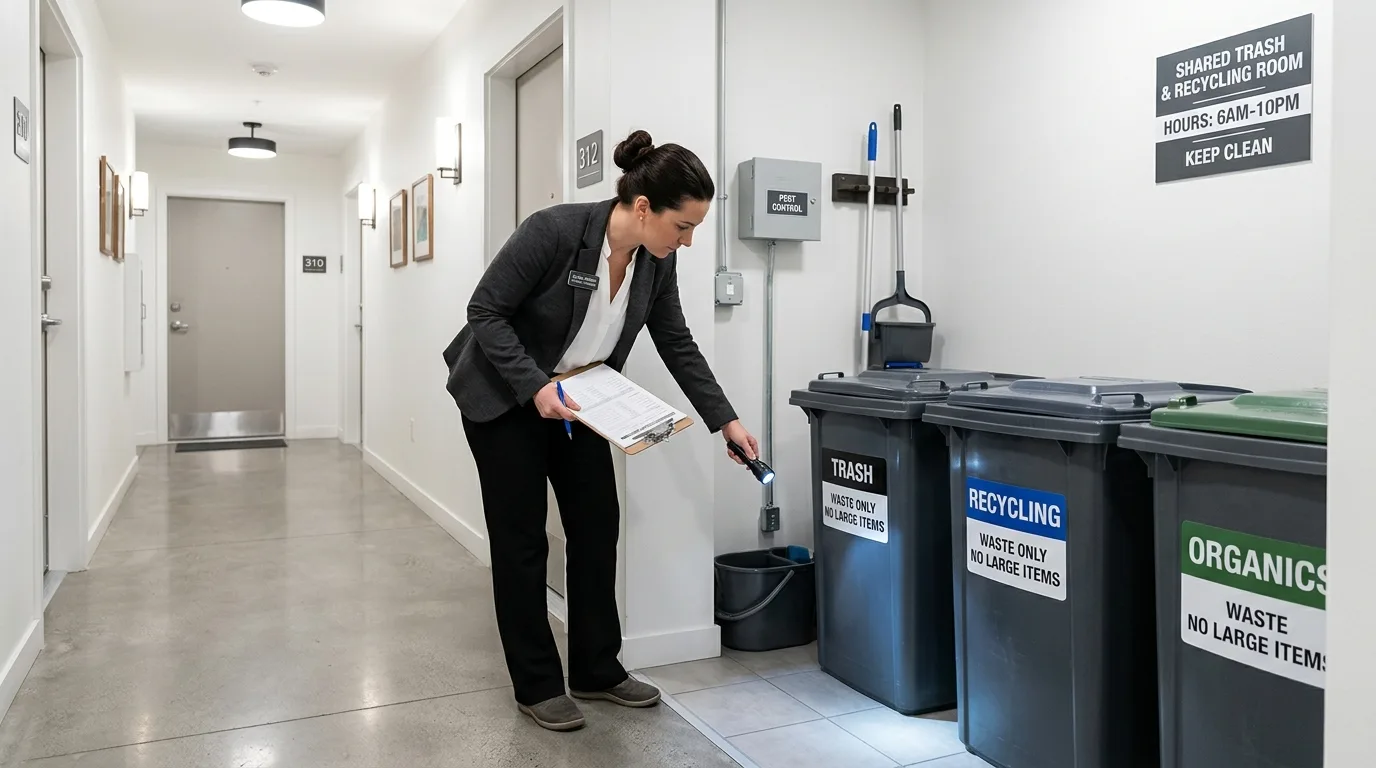
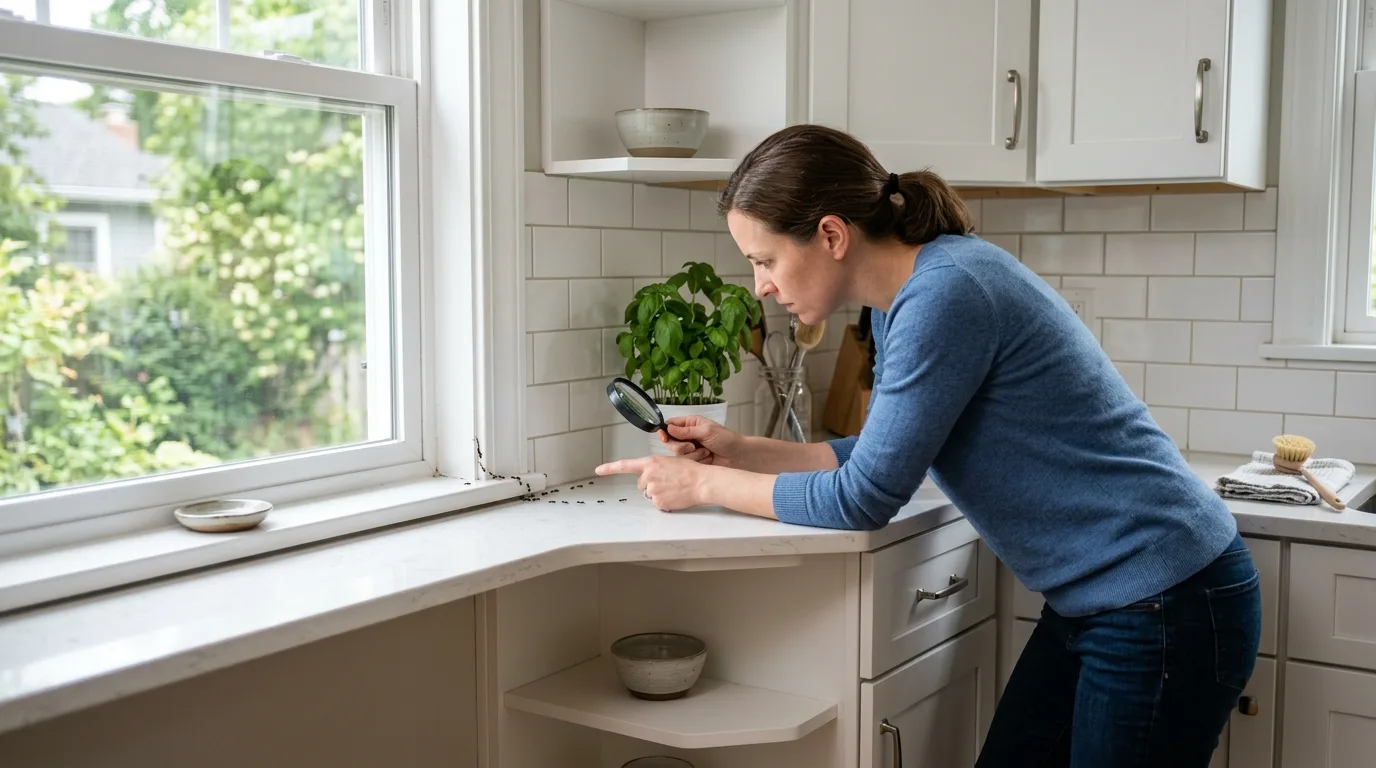
Ants are common household pests, and responsibility for treatment can depend on the circumstances. A small seasonal appearance of ants may be treated differently from a persistent infestation caused by moisture, structural openings, or a colony established inside the building. Tenants should report recurring ant activity and identify where the insects are entering if possible. Property owners can inspect plumbing areas, windows, foundations, walls, and exterior landscaping to determine whether building conditions are contributing to the problem. Tenants should also keep food sealed and clean spills promptly. Because ants can enter through tiny cracks, simply removing visible insects may not solve the underlying issue. Clear communication is helpful: instead of arguing about who is at fault, both parties should first establish where the ants are coming from and what conditions are allowing them to remain.
8. Termites Usually Require Professional Assessment
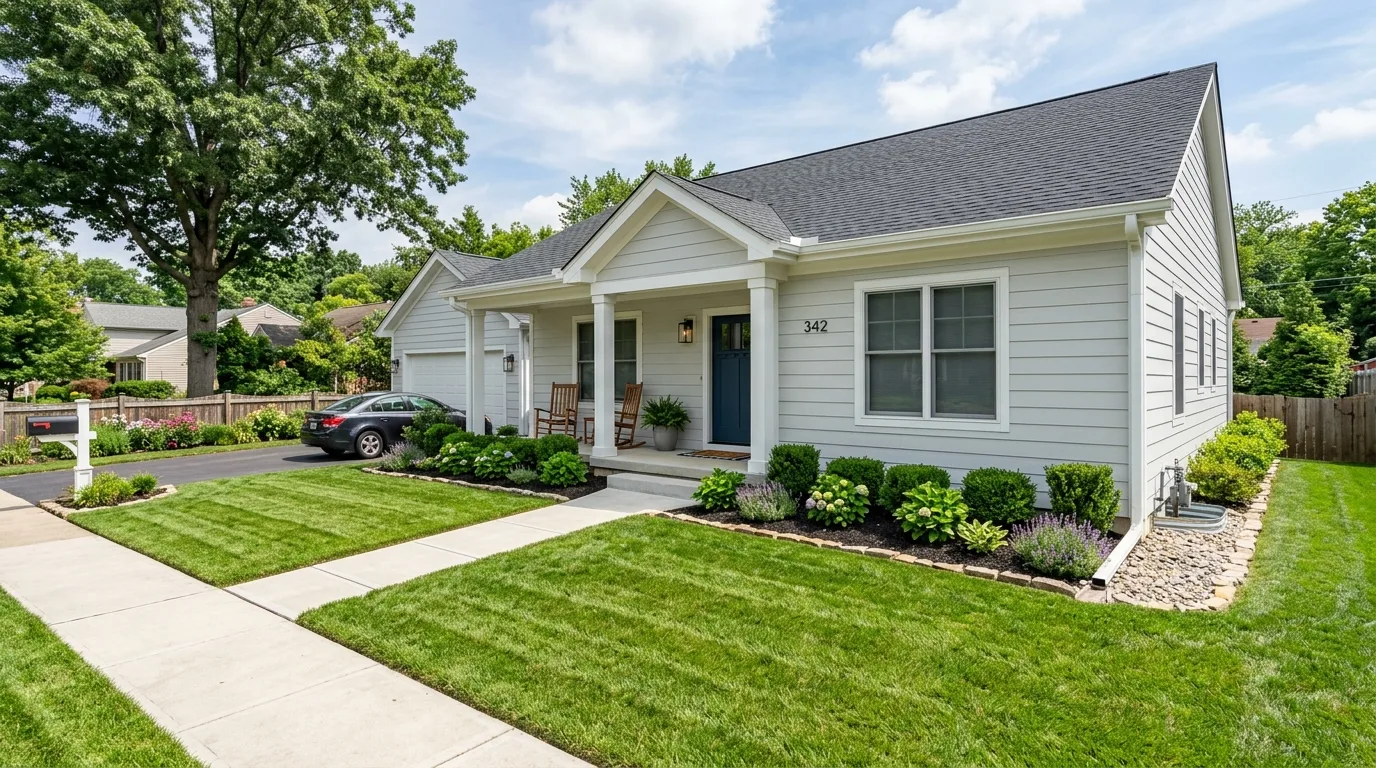
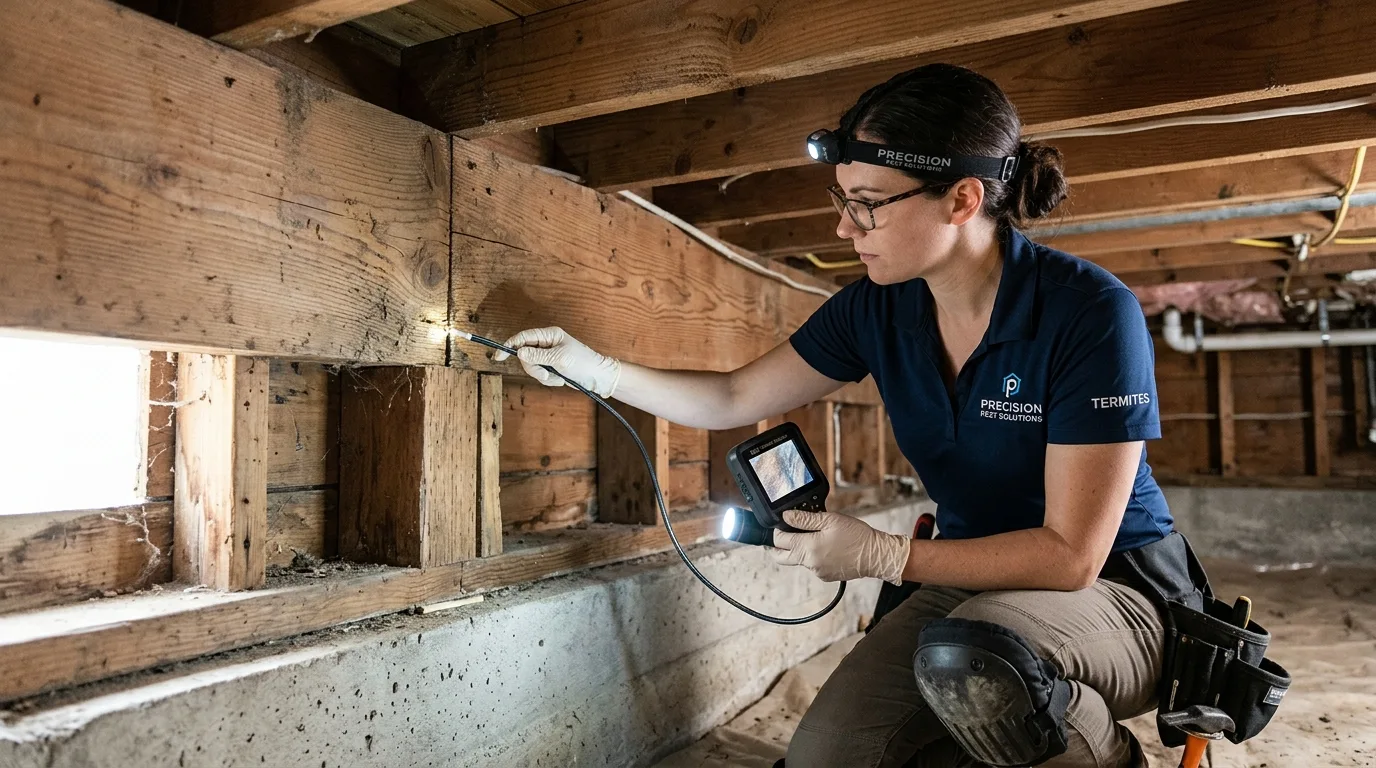
Termites are different from many ordinary household pests because they can cause substantial structural damage if left untreated. A termite problem may involve the building’s structure, surrounding soil, moisture conditions, or previous treatment history. Property owners should generally take suspected termite activity seriously and arrange an appropriate inspection when required or appropriate. Tenants who notice discarded wings, mud tubes, damaged wood, or unusual insect activity should notify the landlord promptly rather than attempting to manage a suspected termite infestation themselves. Responsibility for treatment costs depends on the lease and applicable law, but tenants should not ignore the issue simply because they are unsure who will pay. Early professional assessment can help determine whether termites are active, whether damage exists, and what treatment or structural work may be necessary.
9. Cockroach Infestations in Multi-Unit Buildings
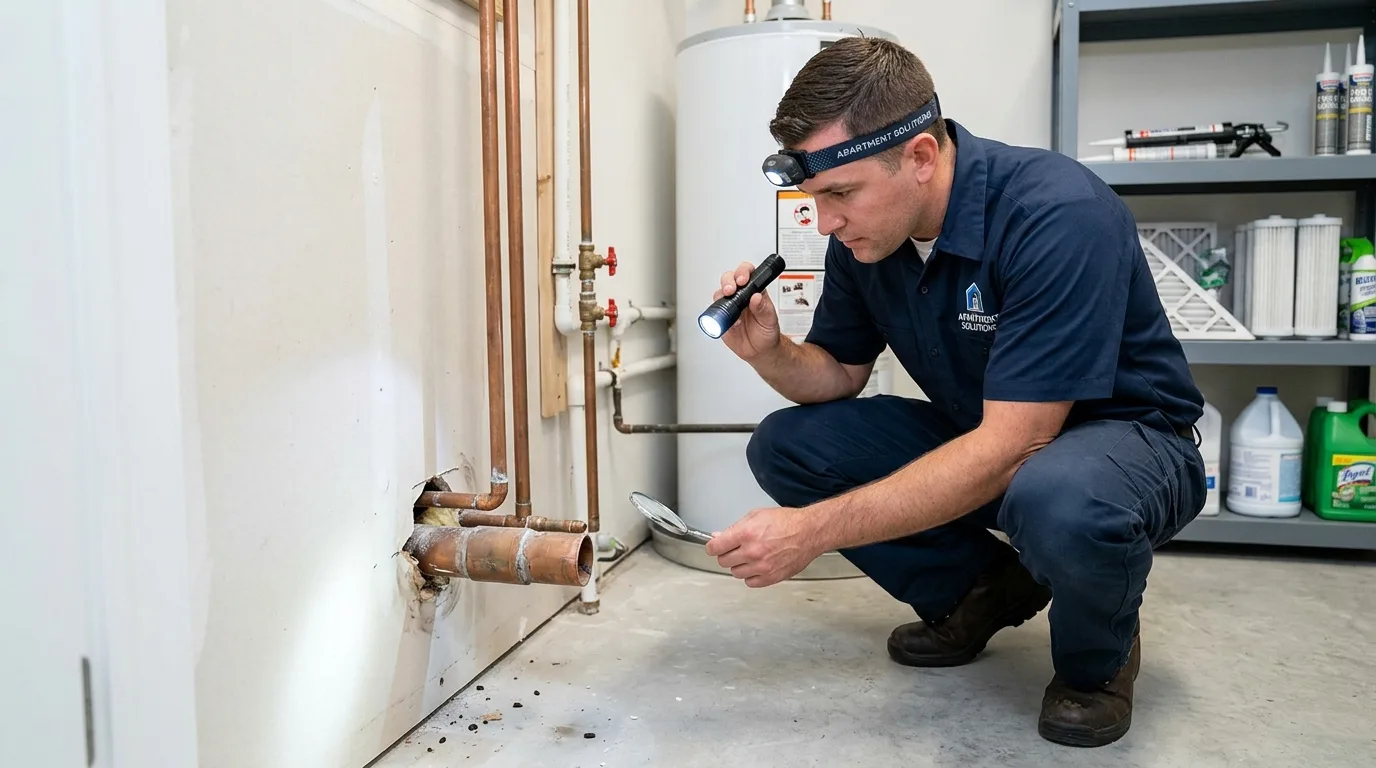
Cockroach problems can be particularly difficult in apartments because insects may move between units through walls, plumbing openings, vents, and shared spaces. Even a tenant who maintains excellent housekeeping may experience an infestation originating elsewhere in the building. When multiple units have pest activity, treating only one apartment may not solve the problem. Property managers may need to inspect surrounding units and common areas and coordinate treatment where appropriate. Tenants should report sightings, droppings, egg cases, or repeated activity as soon as possible. Keeping food sealed and reducing clutter can support treatment, but those steps do not necessarily eliminate a building-wide source. Responsibility should therefore be evaluated using the circumstances and applicable rules rather than assuming that a cockroach infestation automatically demonstrates poor housekeeping by the occupant.
10. Moisture and Plumbing Problems Matter
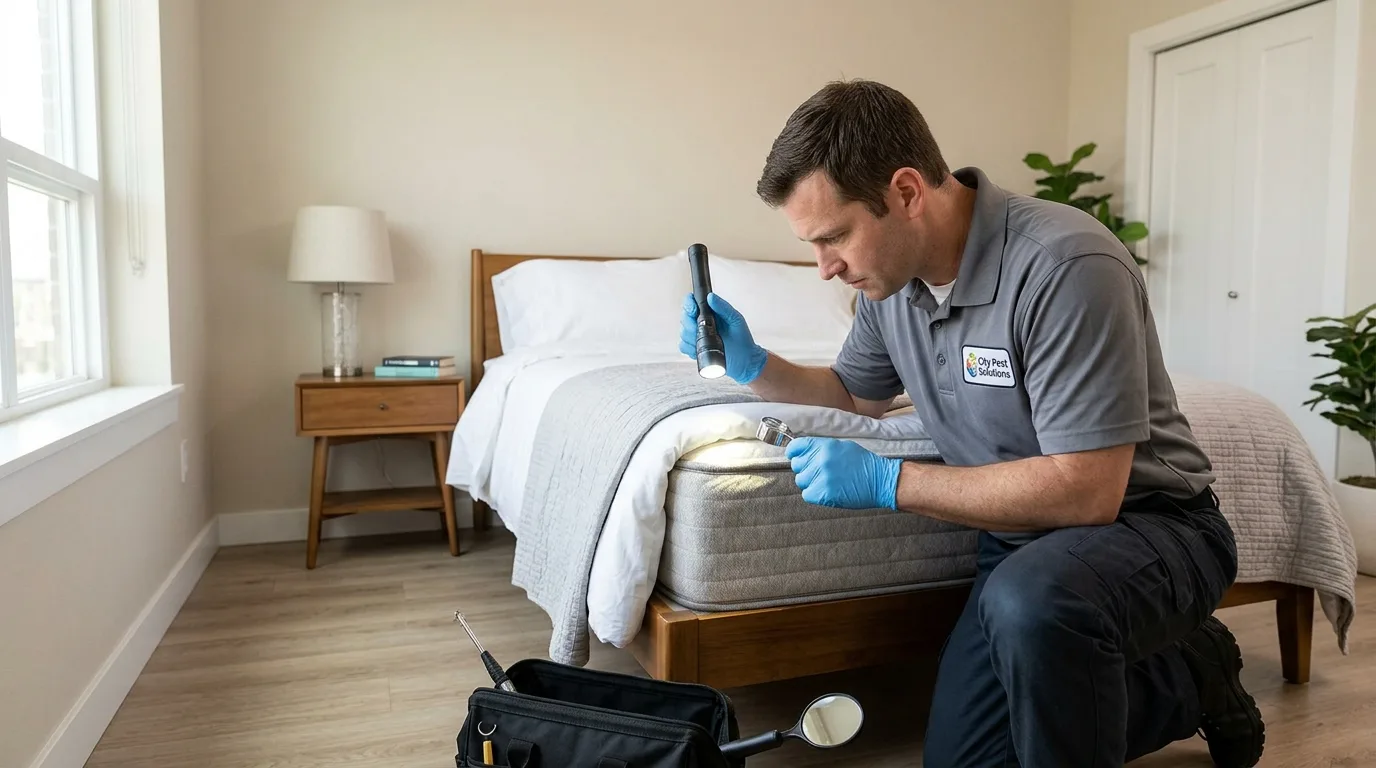
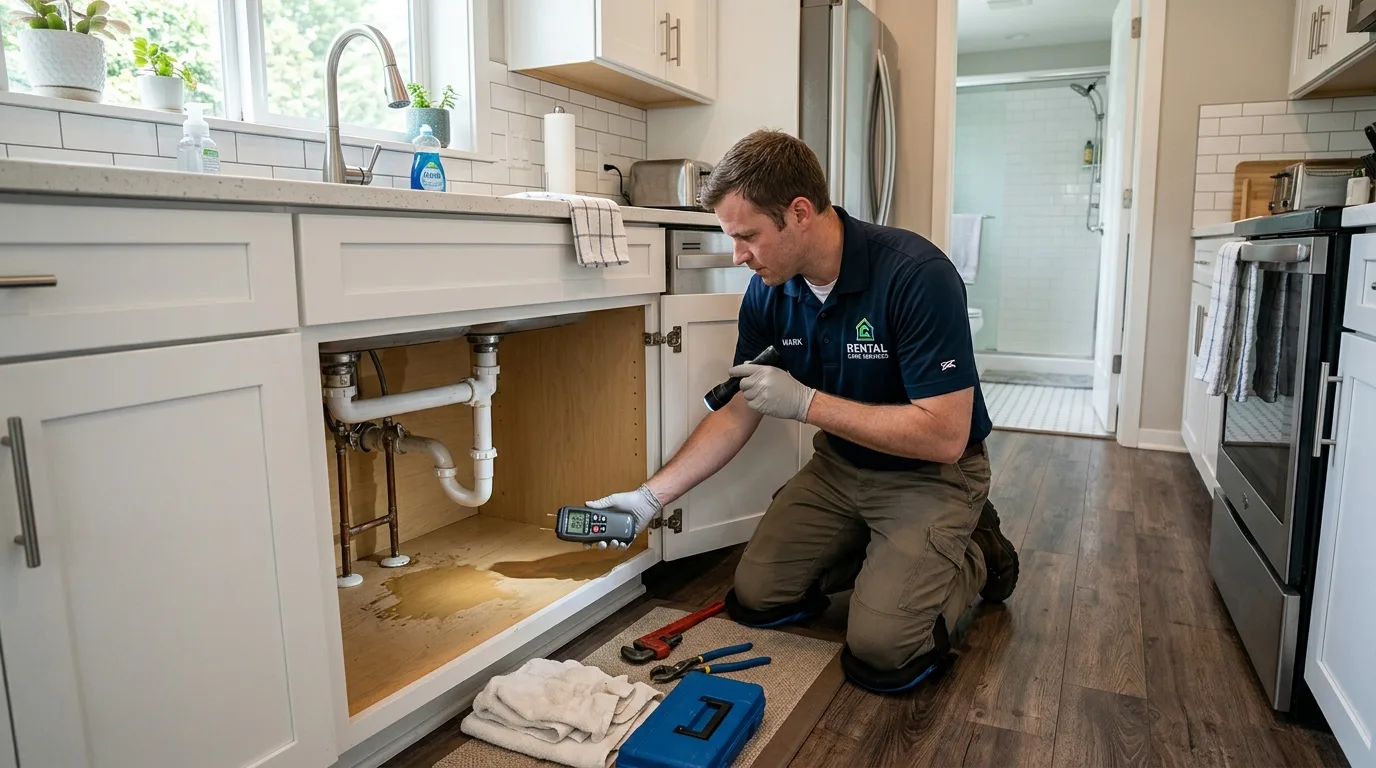
Moisture can create conditions that attract or support several types of pests. Leaking faucets, damaged pipes, roof leaks, damp walls, standing water, and poorly ventilated areas may contribute to insects such as cockroaches, drain flies, mosquitoes, or silverfish. If the moisture comes from a maintenance problem outside the tenant’s control, the landlord may have an obligation to repair the underlying condition. Tenants should report leaks and dampness promptly rather than waiting for pests to appear. They can also use normal ventilation and avoid leaving unnecessary standing water where practical. When pest control is requested, explain any moisture problem at the same time. Treating insects without repairing a persistent leak may only address the symptom. A successful solution often requires both pest treatment and correction of the moisture source.
11. Landscaping Can Influence Pest Activity
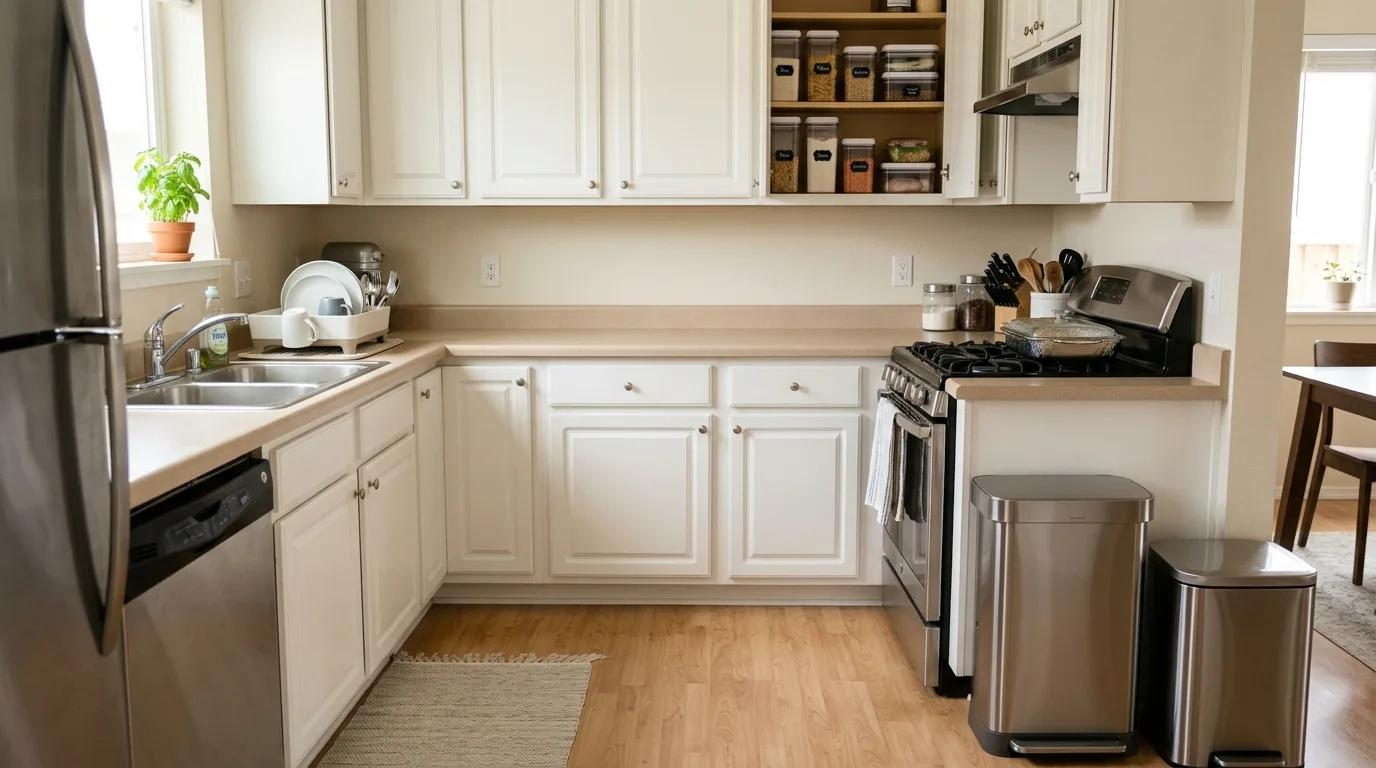
Outdoor landscaping can affect the number of pests that reach a rental property. Overgrown vegetation touching walls, standing water, piles of leaves, poorly maintained drainage, or branches close to roofs can provide shelter or access routes for insects and rodents. Responsibility for landscaping varies considerably between rental agreements and local rules. A tenant may be expected to handle ordinary yard maintenance, while the landlord or property manager may remain responsible for larger property-wide landscaping or structural issues. The important question is whether the condition falls within the tenant’s agreed duties and whether it is contributing to the infestation. Tenants should document significant outdoor conditions and report problems that appear beyond ordinary maintenance. Property owners should consider the entire property rather than treating indoor pests without examining obvious exterior sources.
12. Common Areas Are Usually a Property Management Concern
In apartment buildings, pest problems in hallways, basements, laundry rooms, trash areas, storage spaces, or other shared facilities can affect individual units. Because tenants generally do not control these common areas, pest management there is often handled by the landlord, property manager, homeowners’ association, or another responsible party, depending on the property arrangement and local requirements. Tenants should report pests seen in shared spaces rather than attempting to treat those areas themselves. Property managers should investigate recurring complaints and determine whether garbage storage, leaks, construction gaps, or neighboring units are contributing to the issue. A coordinated response can be more effective than treating individual apartments independently. Written records of repeated sightings can also help establish that a problem extends beyond one tenant’s private living space.
13. Routine Preventative Pest Control
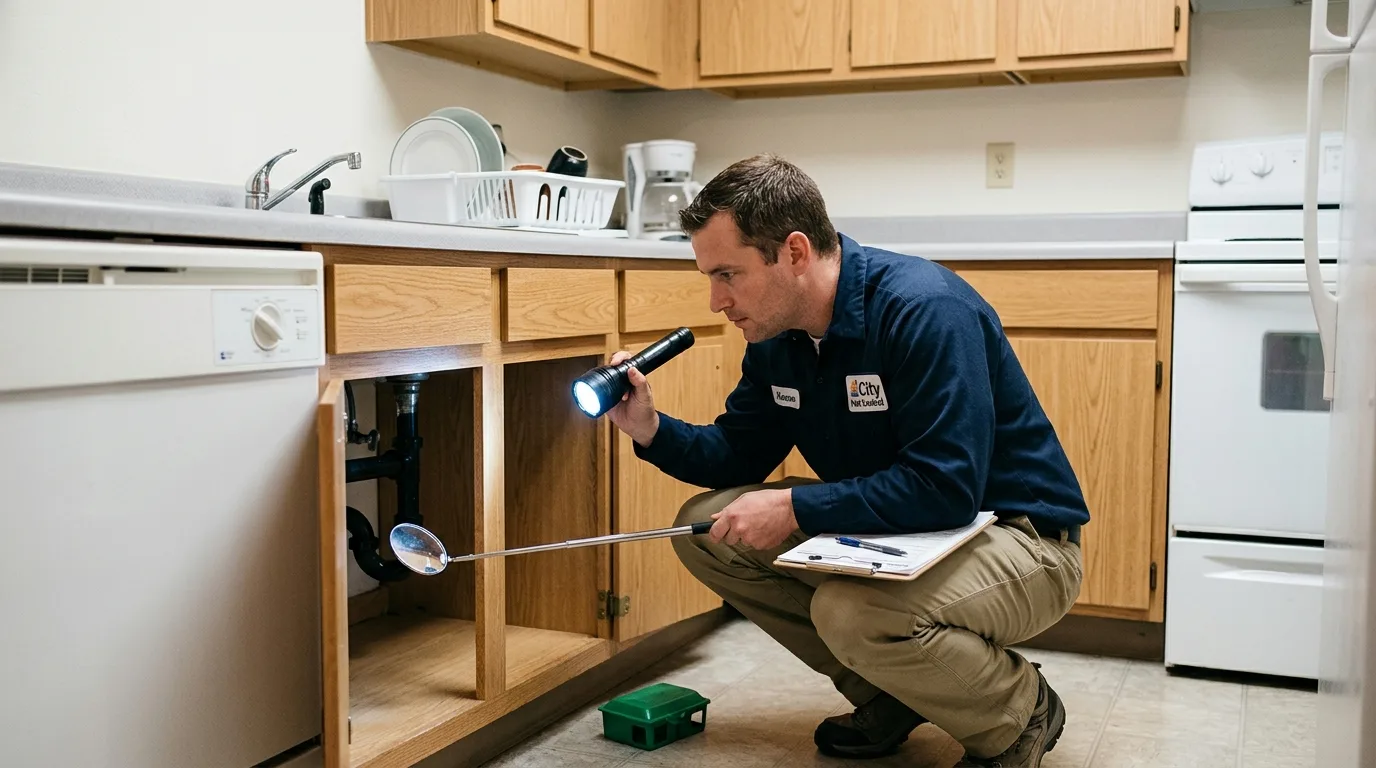
Some rental properties receive routine preventative pest control even when there is no active infestation. Examples can include scheduled exterior treatments, inspections, bait stations, or periodic service for common pests. Whether the landlord provides this service may depend on the lease, property type, local requirements, and management practices. A tenant should not assume that a property is automatically covered by routine pest control unless the agreement or property manager confirms it. Similarly, a landlord should clearly communicate any scheduled treatments and tenant preparation requirements. Preventative maintenance can be useful in areas where particular pests are common, but it does not eliminate the need to respond to active infestations. If recurring pest activity continues despite preventative treatment, the underlying cause should be investigated rather than relying solely on repeated applications.
14. Who Pays for Professional Pest Control?
Payment responsibility is separate from the question of who should arrange the treatment. A landlord may hire a pest control company and later seek reimbursement if applicable law and the lease permit it, particularly when there is evidence that tenant conduct caused the infestation. In other circumstances, the property owner may be responsible for the expense because the problem relates to building conditions or an existing infestation. Tenants should ask for an explanation before paying an unexpected pest control bill. Property owners should retain invoices, inspection findings, photographs, and communications supporting any charge. Because landlord-tenant rules differ by jurisdiction, there is no universal rule that makes one party responsible for every pest treatment. The safest approach is to review the lease alongside the applicable local requirements before assigning costs.
15. Report Pest Problems in Writing
Written communication can make pest disputes much easier to resolve. Instead of relying only on a phone call or casual conversation, tenants should report infestations through the communication method required by the lease when possible. Include the type of pest, where it was observed, how frequently it appears, and any related conditions such as leaks or damaged screens. Photos and videos can provide useful evidence, particularly when the pest is difficult to find during an inspection. Property owners should acknowledge complaints and document inspections, treatments, repairs, and follow-up visits. A written record creates a timeline showing when the issue was reported and what actions were taken. It can also prevent misunderstandings about whether treatment was requested, scheduled, completed, or still needed.
16. Avoid Delaying Treatment
Delaying pest control can allow a manageable problem to become a much larger infestation. Some pests reproduce quickly, while others can spread through neighboring rooms or units. Tenants should report significant pest activity as soon as they notice it, especially when there are signs of rodents, bedbugs, termites, or widespread insects. Landlords and property managers should respond according to their legal duties and established maintenance procedures. Waiting can also make it harder to determine where an infestation began, which may complicate questions about responsibility. Prompt communication benefits everyone because it allows inspections, repairs, and professional treatment to happen earlier. If a tenant is asked to prepare the property for treatment, following those instructions carefully can also improve the effectiveness of the service and reduce the chance that the infestation returns.
17. What If Landlord and Tenant Disagree?
Disagreements about pest control are best approached by separating the facts from assumptions. First, review the lease and document the condition of the property. Next, identify when the pests were first noticed, whether other units are affected, whether structural problems exist, and whether there is evidence of sanitation or maintenance issues. Ask the landlord or tenant to explain the basis for their position in writing. If the disagreement remains unresolved, local housing agencies, tenant assistance organizations, landlord associations, mediation services, or qualified legal professionals may provide information about the applicable rules. Avoid retaliating, withholding required payments, entering another person’s unit without authorization, or using unsafe pest treatments. The exact legal remedies available to either party vary significantly by jurisdiction, so local guidance is important when a pest dispute becomes serious.
18. Preventing Future Pest Problems

Preventing recurring infestations usually requires cooperation between landlords and tenants. Property owners can maintain plumbing, repair cracks and screens, seal appropriate exterior openings, manage waste areas, address moisture, and maintain shared spaces. Tenants can store food properly, remove trash regularly, clean spills, avoid unnecessary clutter, report leaks quickly, and follow reasonable pest prevention instructions. Neither side should assume that prevention is solely the other person’s responsibility. In multi-unit properties, communication is especially important because pests can move between apartments. When professional treatment is performed, both parties should follow the recommended preparation and follow-up steps. Keeping records of completed repairs and treatments can also help if the issue returns. A proactive approach generally makes it easier to identify the source, reduce recurring problems, and maintain a healthier rental environment.
Conclusion
Whether the landlord or tenant is responsible for pest control depends on the cause of the infestation, the condition of the property, the lease agreement, and the laws that apply where the rental is located. Building defects, pre-existing infestations, and common-area problems may involve the property owner, while tenant-created conditions may shift responsibility toward the occupant. Because there is no universal rule for every rental situation, documenting the problem and reviewing the applicable requirements are essential. Prompt reporting, professional treatment, and attention to the underlying cause can help prevent a small pest problem from becoming a larger dispute. When significant costs or legal rights are involved, obtaining local professional advice can help both landlords and tenants understand their specific responsibilities.