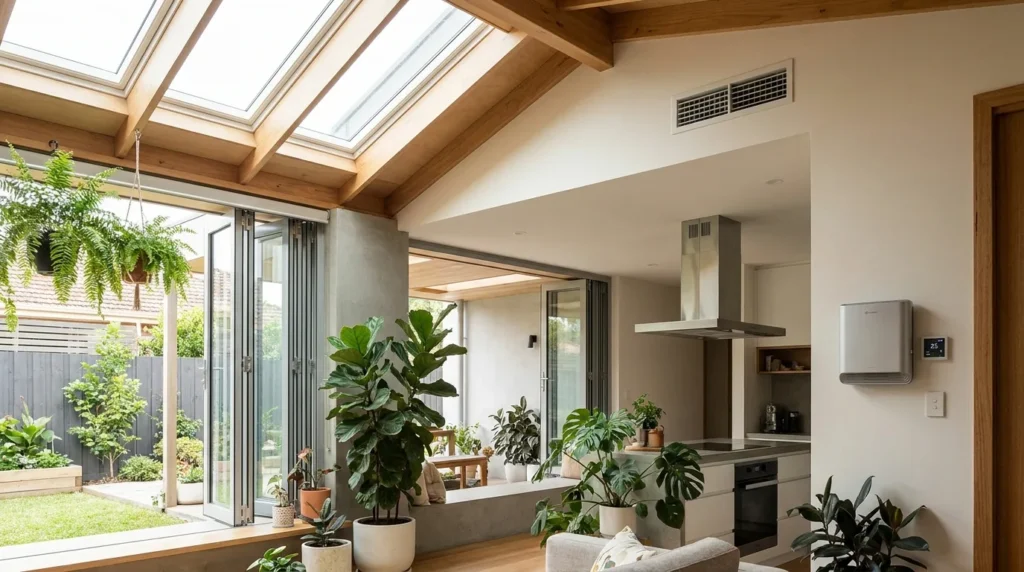
Good indoor air quality depends on more than keeping surfaces clean. Ventilation, moisture control, temperature, filtration, and the way air moves through a home all affect how comfortable and healthy the indoor environment feels. Skylights can contribute to a better indoor atmosphere, particularly when they are designed to open and work as part of a deliberate ventilation strategy. An operable skylight can release warm, humid, or stale air while helping fresh outdoor air enter through lower openings. Even fixed skylights can support better indoor conditions indirectly by bringing in natural light, which may reduce reliance on artificial lighting and make rooms feel brighter and more comfortable. The key is understanding what a skylight can and cannot do. These 17 ideas explain practical ways skylights can support ventilation, moisture management, comfort, and overall indoor air quality.
1. Create Natural Airflow Through an Open Skylight
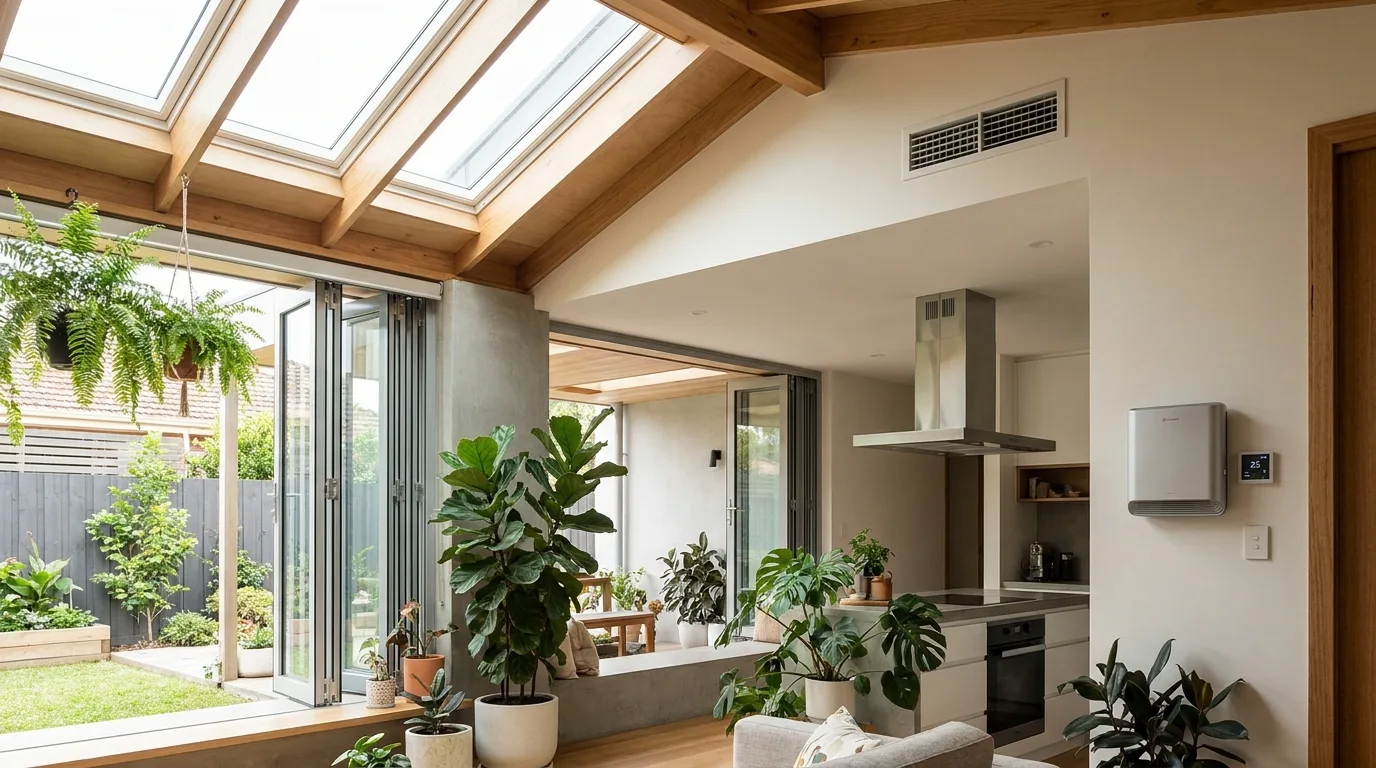
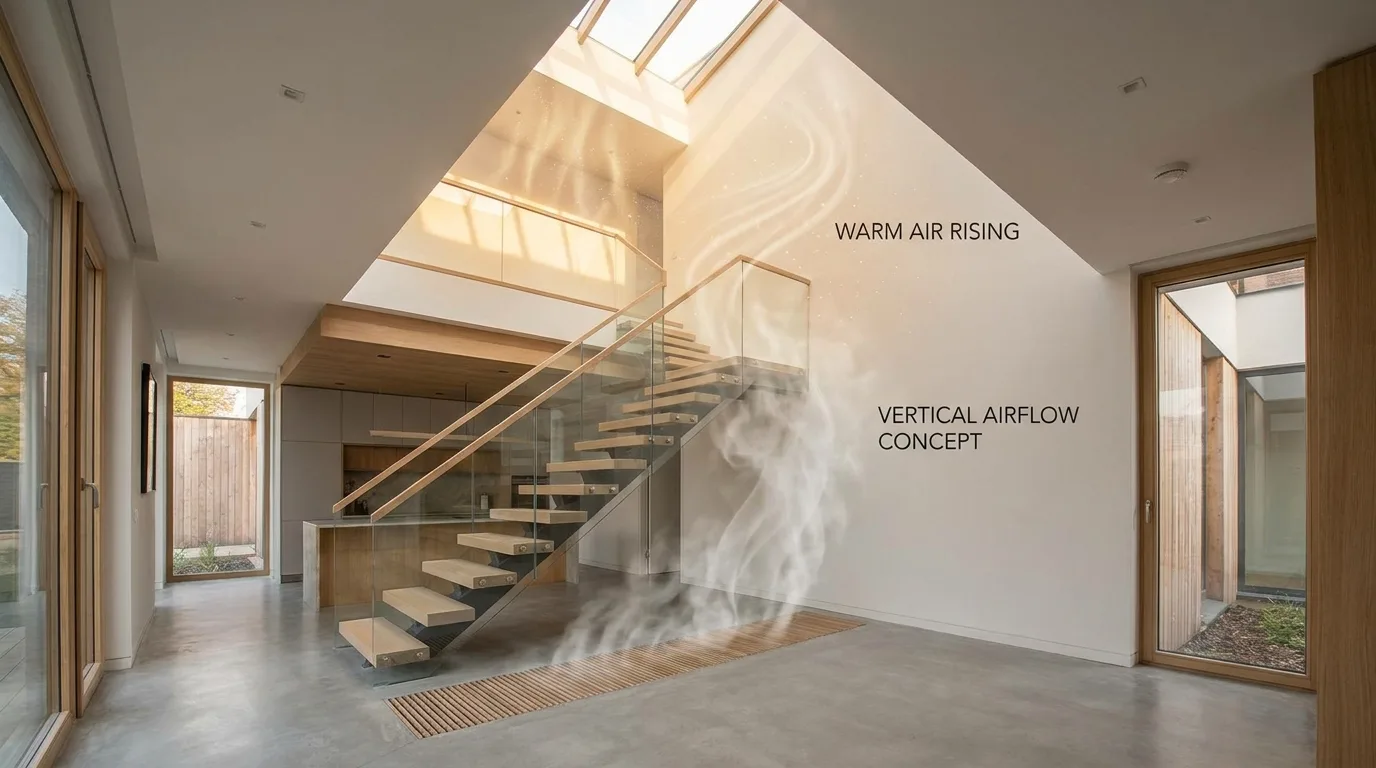
An operable skylight can become a useful part of a home’s natural ventilation system. Because warm air naturally rises, opening a skylight near the ceiling can provide an escape route for heated or stale indoor air. When lower windows, doors, or vents are also opened, cooler outdoor air can enter while warmer air moves upward and out. This stack-effect ventilation can be particularly useful in rooms that otherwise feel stuffy. For the best results, use the skylight when outdoor conditions are suitable and avoid opening it during periods of heavy pollution, smoke, or extreme humidity. A skylight is most effective when it works with the home’s overall airflow rather than being treated as a standalone air-quality solution.
2. Help Remove Stale Air From Upper Levels
Upper floors, lofts, and rooms with high ceilings can sometimes accumulate warm, stagnant air. A strategically positioned operable skylight can help release that trapped air directly outdoors. This is especially helpful when bedrooms, home offices, or attic-style living spaces become uncomfortable after several hours of occupancy. Opening the skylight creates a high-level outlet, while another opening lower in the room can provide an inlet for fresh air. The resulting airflow can make the room feel less stuffy without depending entirely on mechanical cooling. For homes with multiple floors, skylights can therefore play a useful supporting role in moving air vertically and improving natural ventilation patterns.
3. Reduce Excess Indoor Humidity
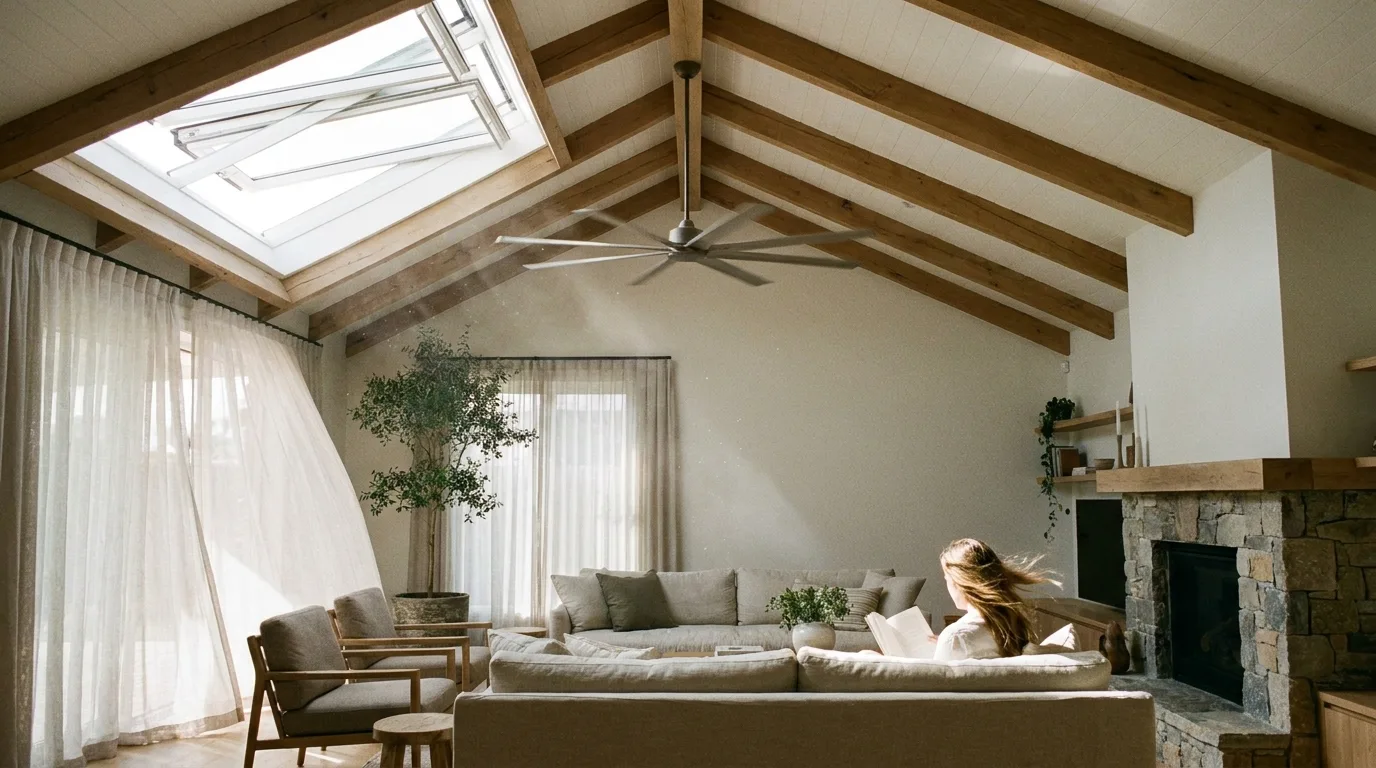
High indoor humidity can contribute to condensation, musty odors, and conditions that encourage mold growth. Everyday activities such as showering, cooking, drying clothes, and even breathing add moisture to indoor air. An operable skylight can help release humid air when used alongside bathroom fans, kitchen ventilation, or open windows. This is particularly useful when warm, moist air collects near the ceiling. However, opening a skylight is not always appropriate; bringing in already-humid outdoor air can make conditions worse. Use a hygrometer to monitor indoor humidity and combine natural ventilation with exhaust fans or dehumidification when needed.
4. Support Bathroom Ventilation
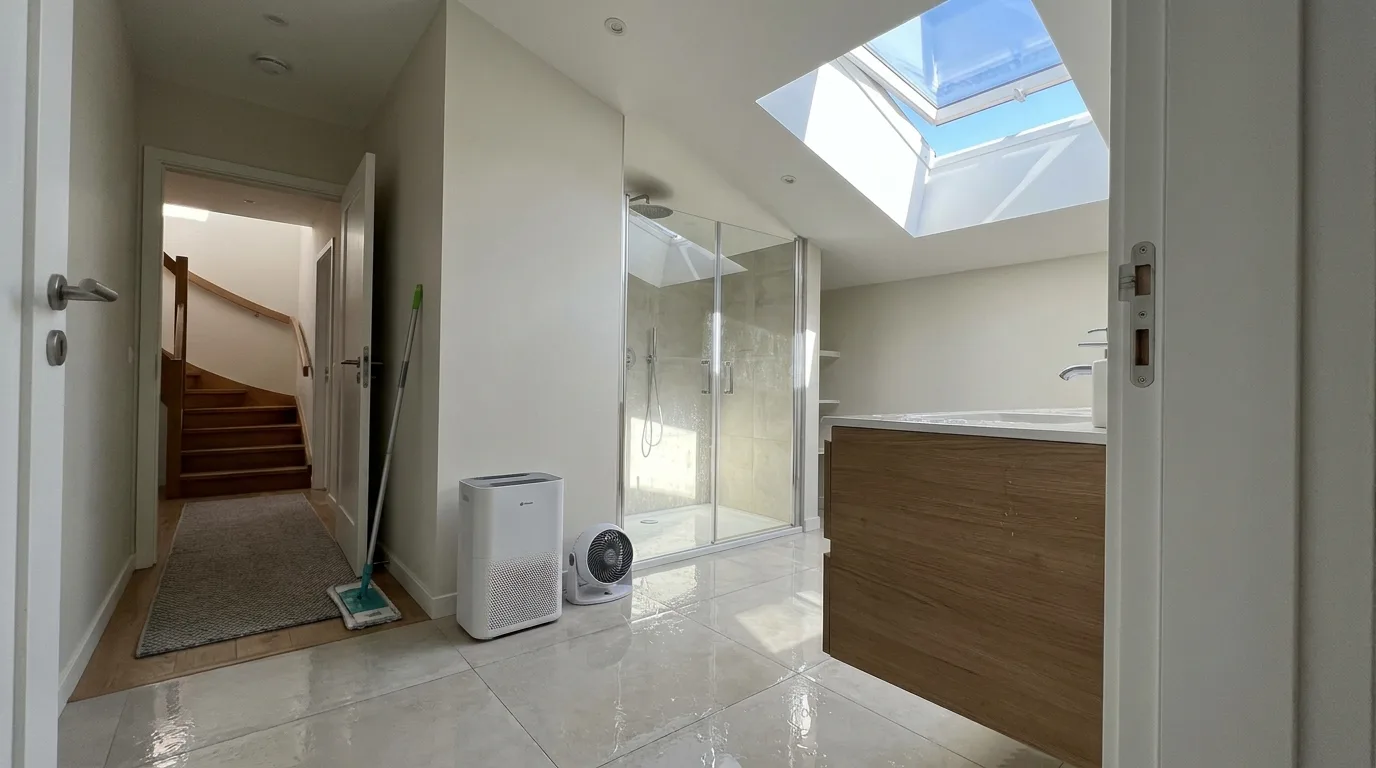
A skylight positioned in or near a bathroom can provide an additional route for warm, moist air to leave the space. When the skylight is operable, opening it after a shower can help disperse humidity, especially when paired with a properly sized exhaust fan. Natural daylight can also make a bathroom feel fresher and more open during the day. The skylight should not replace mechanical exhaust, however, because bathroom fans are specifically designed to remove moisture at the source. A practical approach is to run the exhaust fan during and after showers while using the skylight when outdoor temperature and humidity make natural ventilation beneficial.
5. Improve Kitchen Air Movement
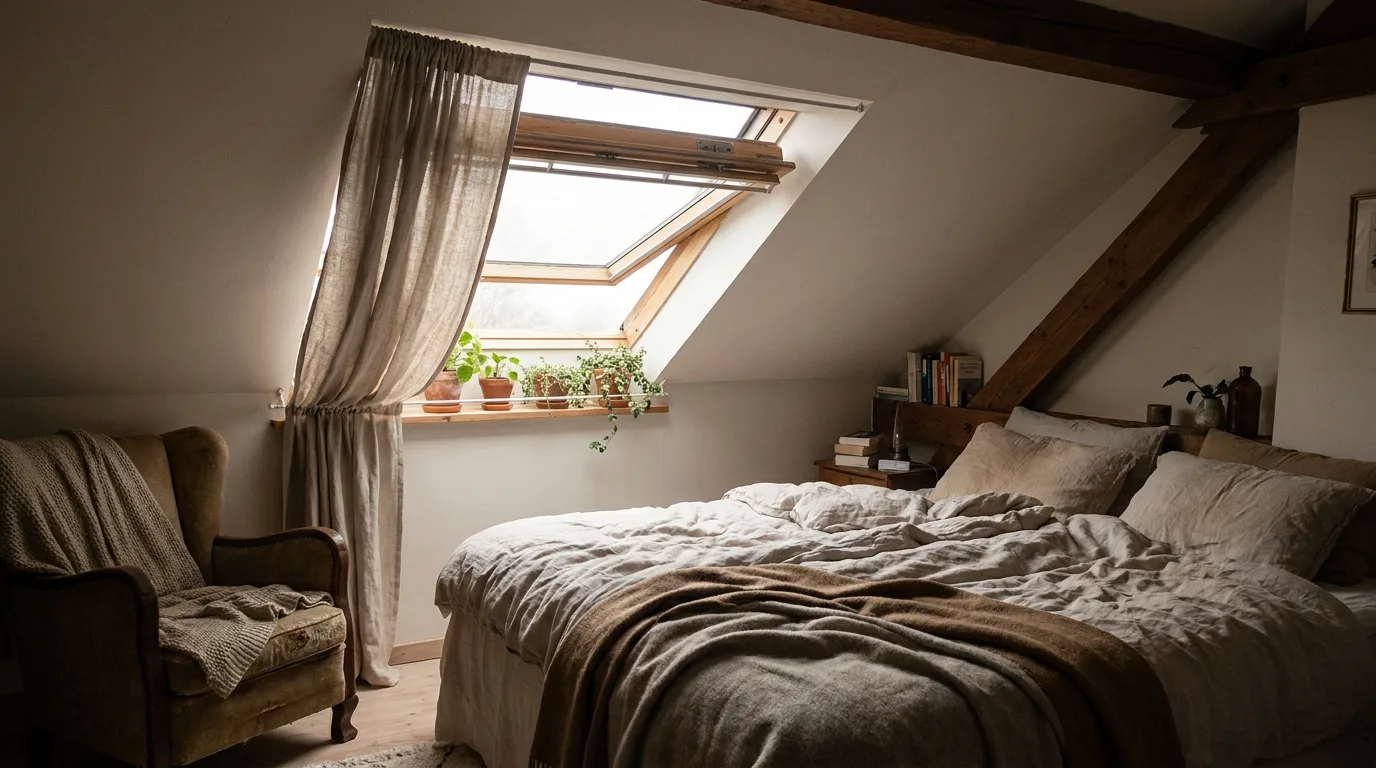
Cooking produces moisture as well as airborne particles and odors. A skylight can help with general air movement in a kitchen, particularly when it is located above or near the cooking area and can be safely opened. When paired with a range hood that vents outdoors, it can support a broader ventilation strategy by helping warm air move upward and away from occupied areas. The skylight should not be considered a substitute for source control because cooking pollutants are best captured close to the stove. Using the range hood consistently, keeping filters clean, and opening a skylight when conditions permit can work together to create a more comfortable kitchen environment.
6. Help Prevent Condensation in Poorly Ventilated Spaces
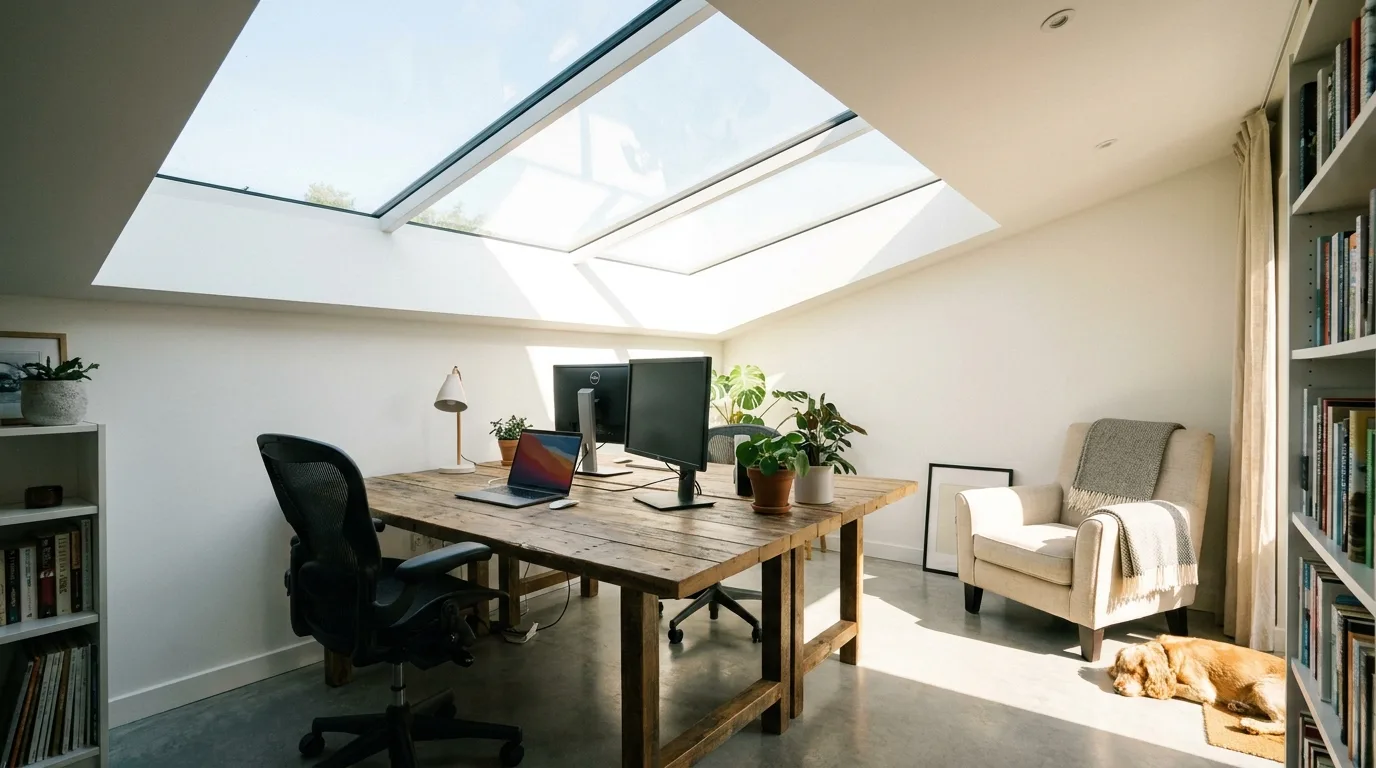
Condensation occurs when moist indoor air meets a sufficiently cool surface. Repeated condensation around windows, ceilings, or exterior walls can contribute to dampness and eventually create conditions favorable to mold. An operable skylight may help by allowing humid air to escape before moisture accumulates. This is most useful when combined with adequate heating, insulation, and source ventilation. A skylight alone cannot solve condensation caused by major building-envelope problems, leaks, or persistent excessive humidity. If condensation remains frequent even when ventilation is improved, investigate insulation, air sealing, roof conditions, and indoor humidity rather than simply leaving the skylight open.
7. Make Attic Spaces More Ventilated
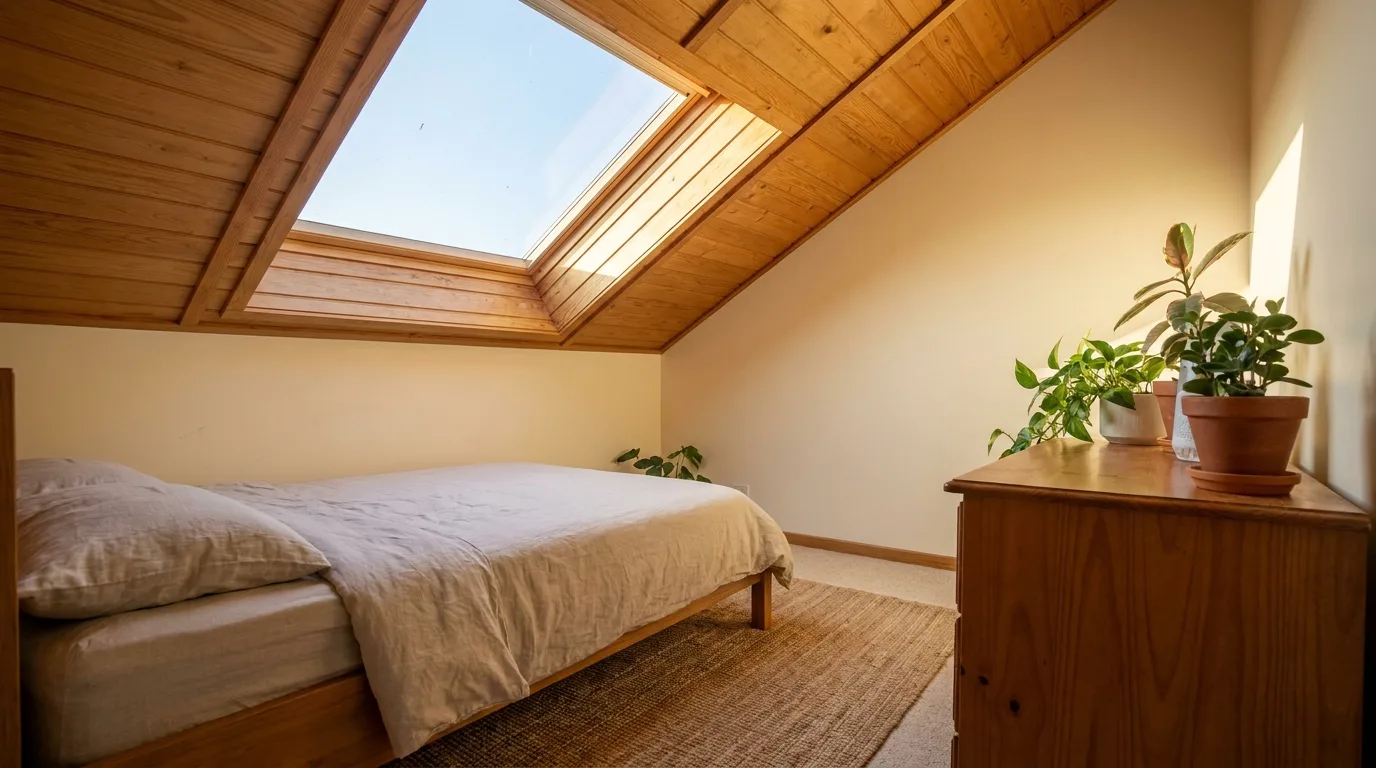
Finished attic rooms can become hot and poorly ventilated because they are directly exposed to roof heat. Operable skylights can provide a high-level opening through which warm air escapes. When paired with lower-level openings, they may improve cross-ventilation and reduce the sensation of stagnant air. This can make an attic bedroom, studio, or office more comfortable during mild weather. Attic ventilation should still be designed correctly, particularly where roof assemblies and insulation are concerned. A skylight is not a replacement for properly designed roof ventilation. If the space is prone to excessive heat or moisture, consider the entire ventilation and insulation system rather than relying on the skylight alone.
8. Reduce the Need for Artificial Lighting During the Day
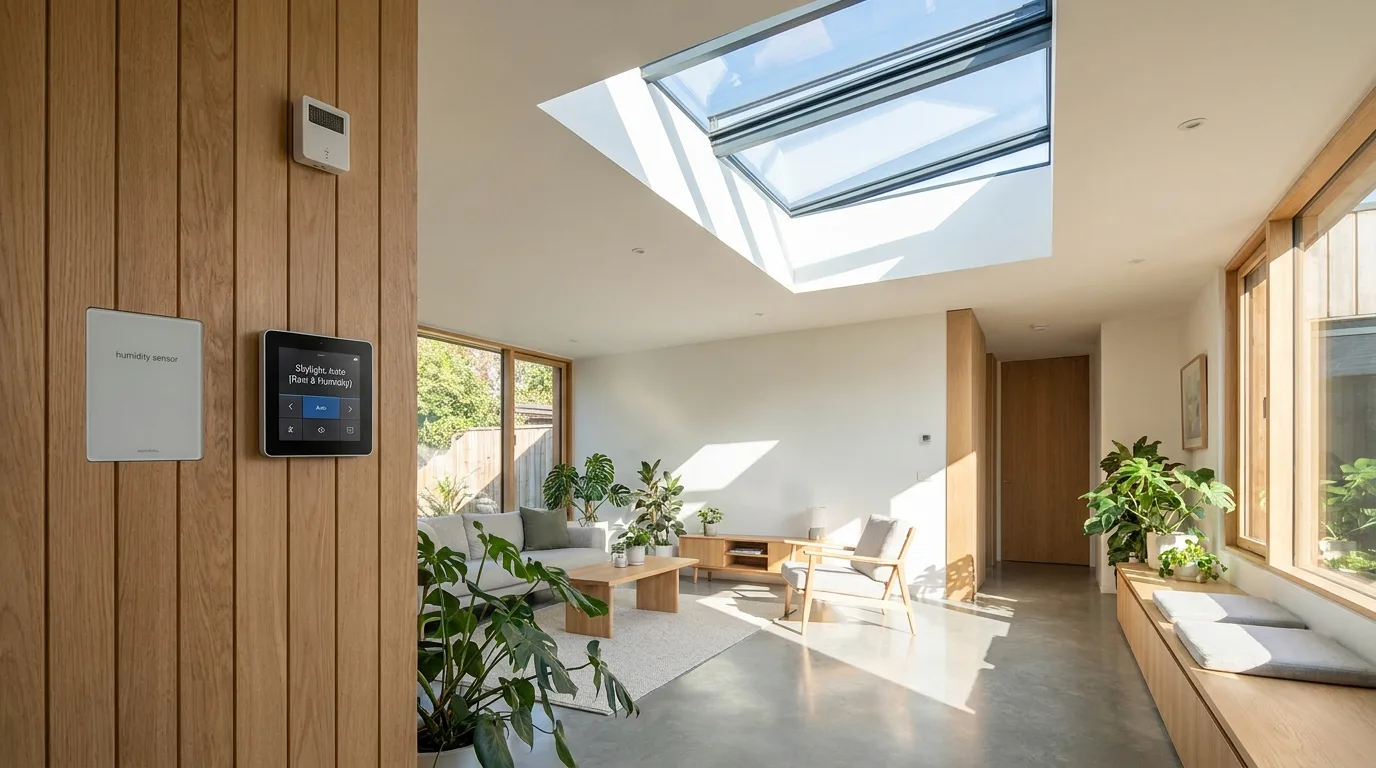
Fixed skylights do not directly remove indoor pollutants, but they can improve the indoor environment by bringing daylight deep into rooms. Better daylight can reduce the need to use electric lighting during daytime hours, particularly in kitchens, hallways, bathrooms, and interior living areas. Less dependence on artificial lighting can also reduce heat produced by some lighting systems, although the effect depends on the type and amount of lighting used. More importantly, a brighter room can feel more open and comfortable. Daylight should be viewed as a complementary benefit rather than an air-purification method. The strongest air-quality advantages come when daylighting is combined with ventilation and moisture control.
9. Improve Comfort in Stuffy Bedrooms
Bedrooms can feel stuffy overnight because people continuously add heat, moisture, and carbon dioxide to the air while sleeping. An operable skylight can provide an additional high-level ventilation opening, allowing warm air to escape when outdoor conditions are appropriate. This can be especially useful in bedrooms located on upper floors. For safety and comfort, use secure, purpose-designed skylights and consider insect screens where available. If outdoor air quality is poor, keep the skylight closed and use mechanical ventilation or filtration instead. A balanced approach allows homeowners to take advantage of natural airflow without treating outdoor air as automatically cleaner than indoor air.
10. Encourage Cross-Ventilation in Open-Plan Homes
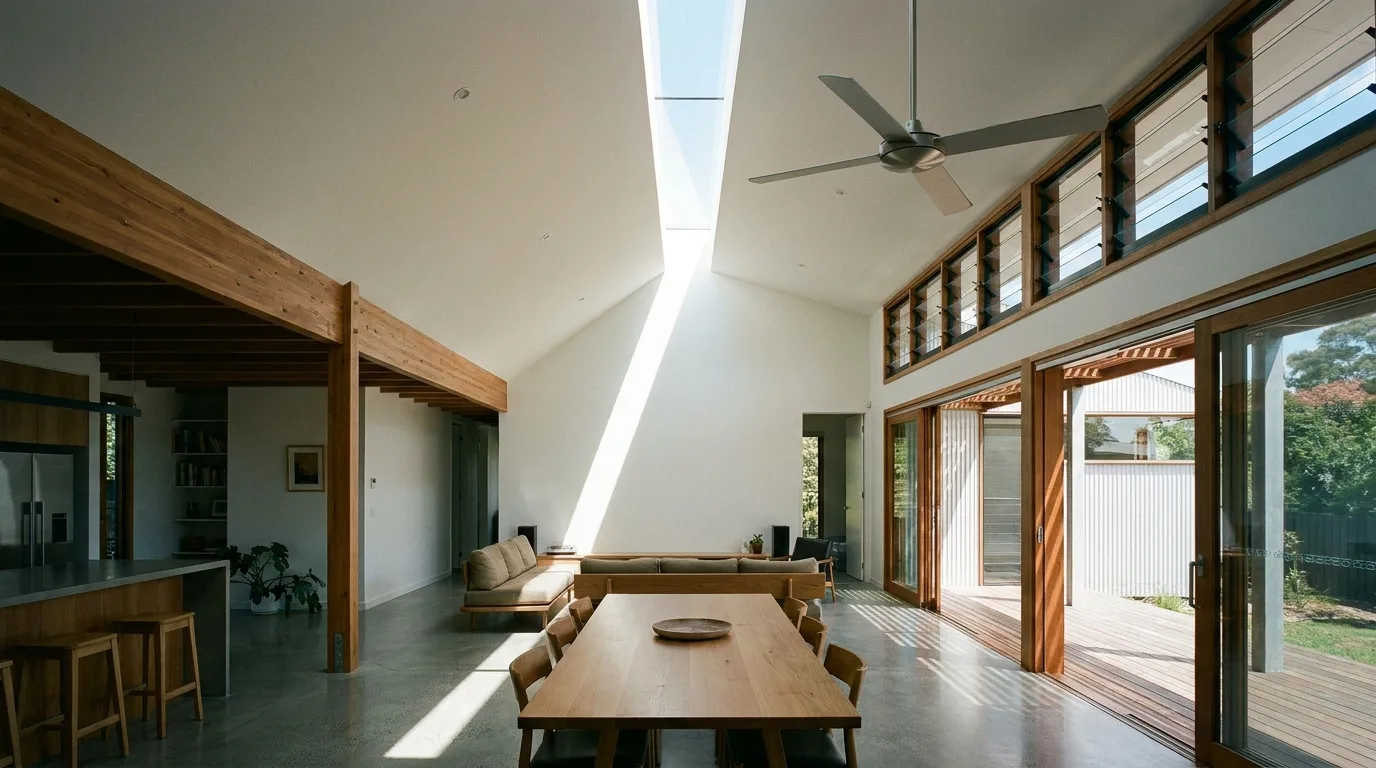
Open-plan homes can benefit from carefully planned airflow because air can move between several connected areas. A skylight placed toward the highest point of the space can act as an exhaust opening when paired with lower windows or doors. This arrangement can encourage a gentle movement of air through the living area instead of allowing warm air to remain trapped near the ceiling. Furniture placement also matters because large objects can restrict airflow pathways. For natural ventilation to work effectively, openings should be positioned to create a clear route for air to enter, move through the room, and exit. The skylight becomes one part of that larger airflow pattern.
11. Help Control Musty Odors
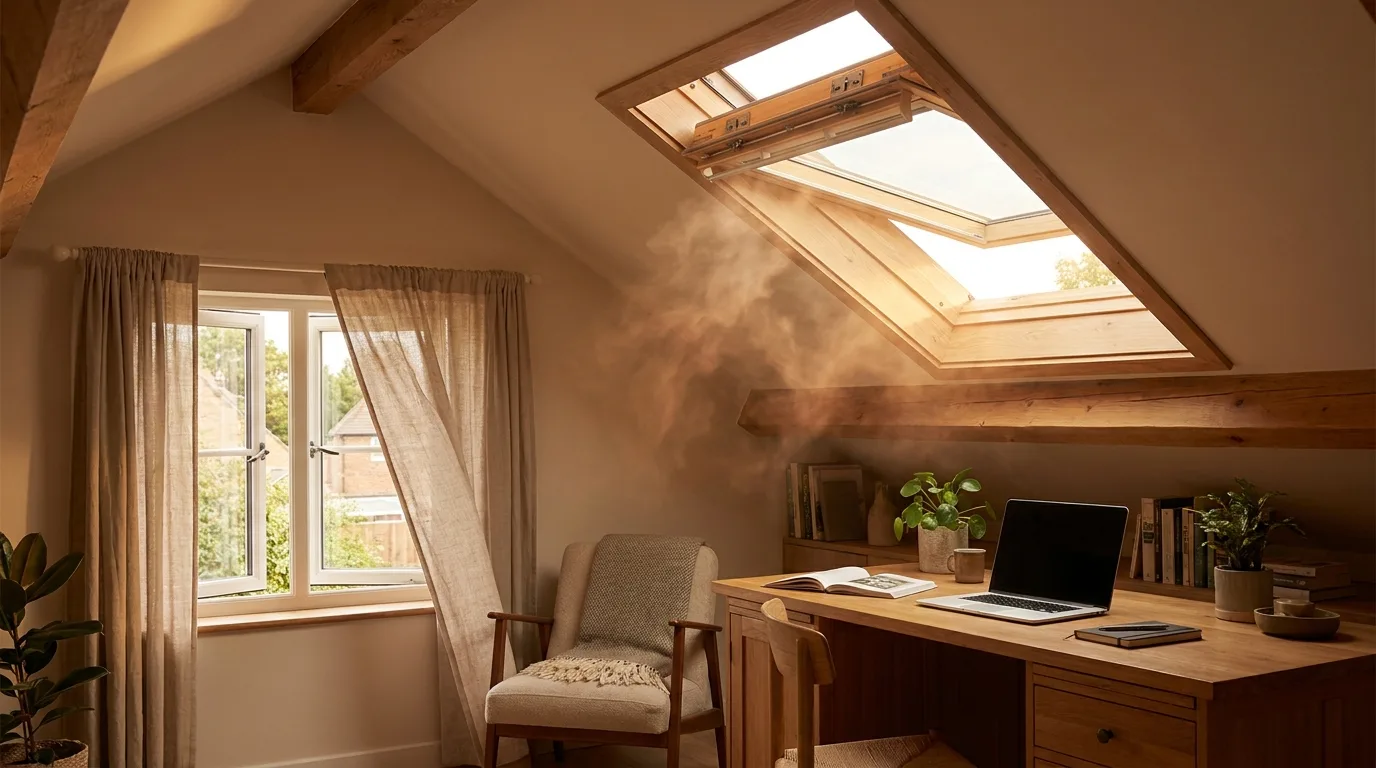
Musty smells often indicate stagnant air, excessive moisture, or hidden damp materials rather than simply a lack of fragrance. An operable skylight can help increase air exchange and disperse odors when outdoor conditions are favorable. This may be useful in rooms that remain closed for long periods, such as guest rooms, storage areas, or loft spaces. However, ventilation should be combined with identifying the source of the odor. Persistent mustiness may point to a plumbing leak, roof leak, wet insulation, mold growth, or inadequate exhaust ventilation. Improving airflow can reduce the immediate stuffiness, but correcting the underlying moisture problem is essential for lasting indoor-air improvements.
12. Support Moisture Control After Cleaning
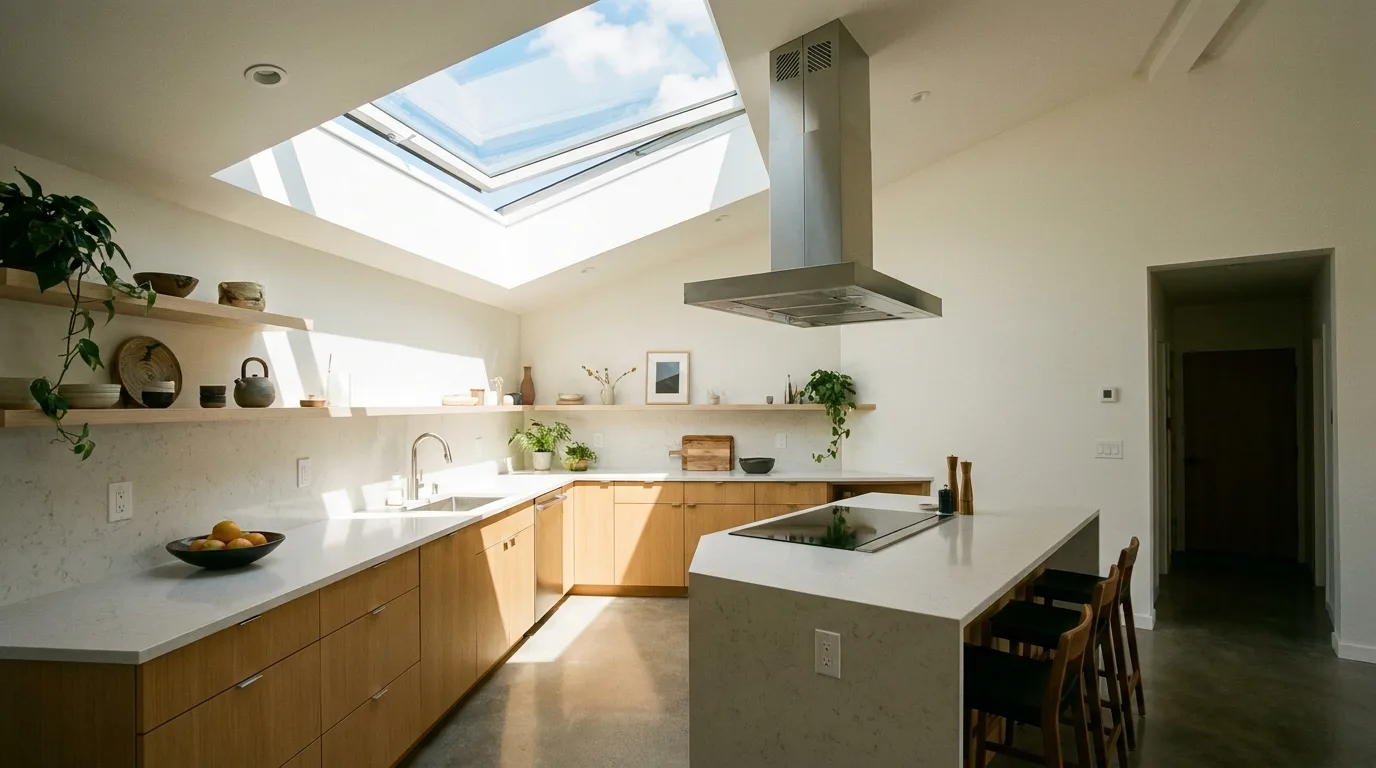
Wet cleaning can temporarily increase humidity, especially when floors, walls, bathrooms, or large surfaces are washed. Opening an operable skylight can help move moist air outdoors and speed drying when the outdoor air is suitable. This is particularly helpful in rooms where windows are limited or where warm air naturally gathers near the ceiling. Use fans to increase circulation and avoid creating excessive humidity by leaving wet materials to dry slowly. If outdoor air is already very humid, a dehumidifier may be more effective than natural ventilation. The goal is not simply to open the skylight but to choose the ventilation method that actually lowers indoor moisture.
13. Improve Air Movement in High-Ceiling Rooms
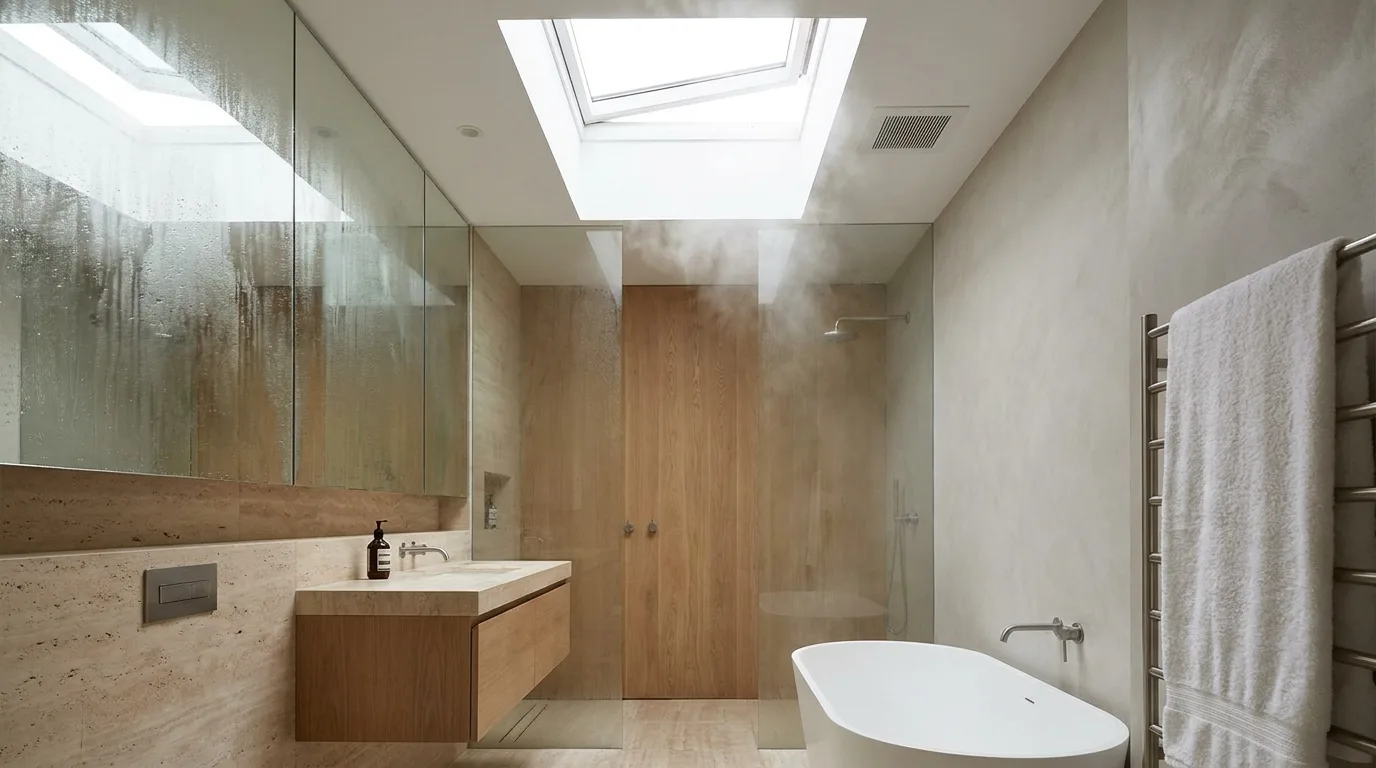
Rooms with vaulted or cathedral ceilings can have significant temperature differences between the lower and upper portions of the space. Warm air tends to collect higher up, sometimes leaving occupied areas feeling unevenly heated or cooled. A strategically placed operable skylight can release some of this accumulated warm air. Ceiling fans can further improve circulation by mixing air throughout the room. During suitable weather, combining a high skylight opening with lower openings can create a natural ventilation pathway. Because high ceilings can also increase heating and cooling demands, the skylight should be properly specified and shaded to balance ventilation, daylight, and energy performance.
14. Pair Skylights With Mechanical Ventilation
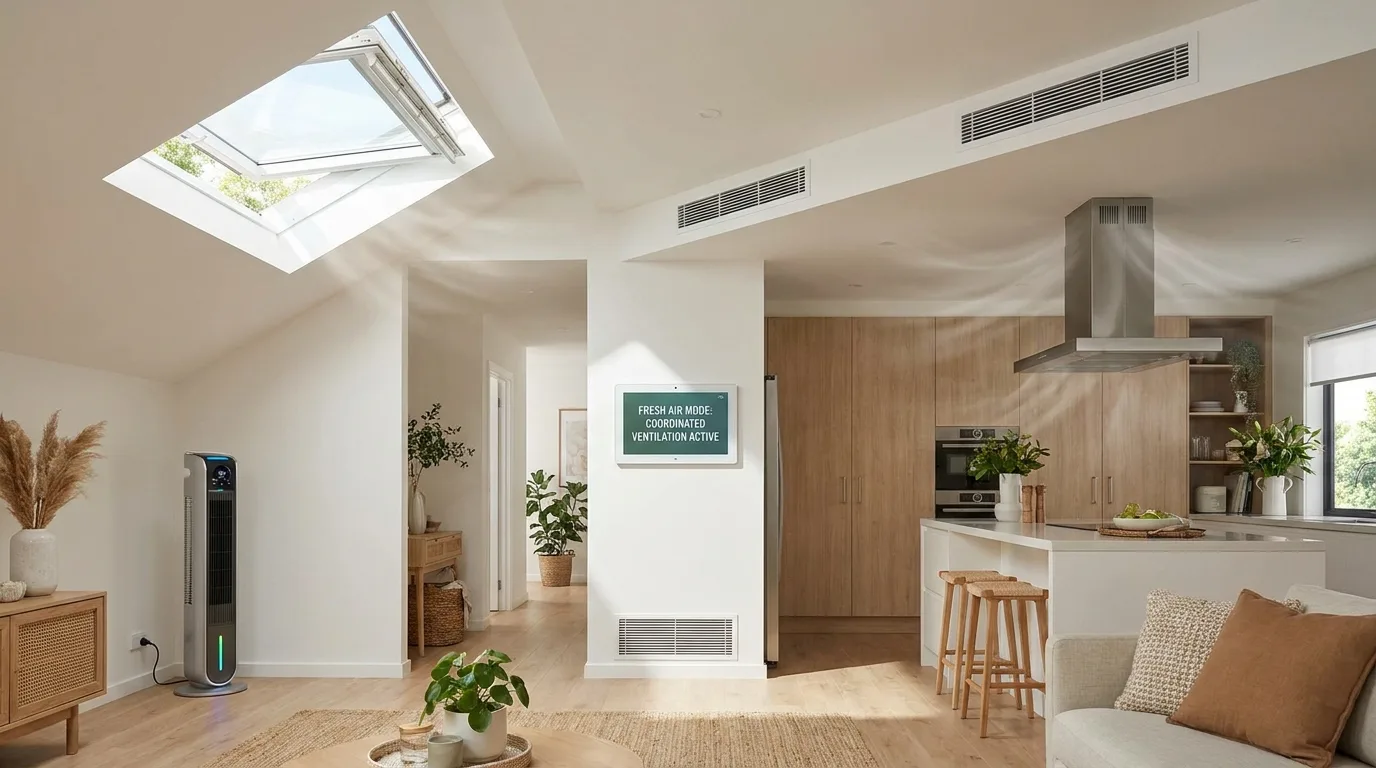
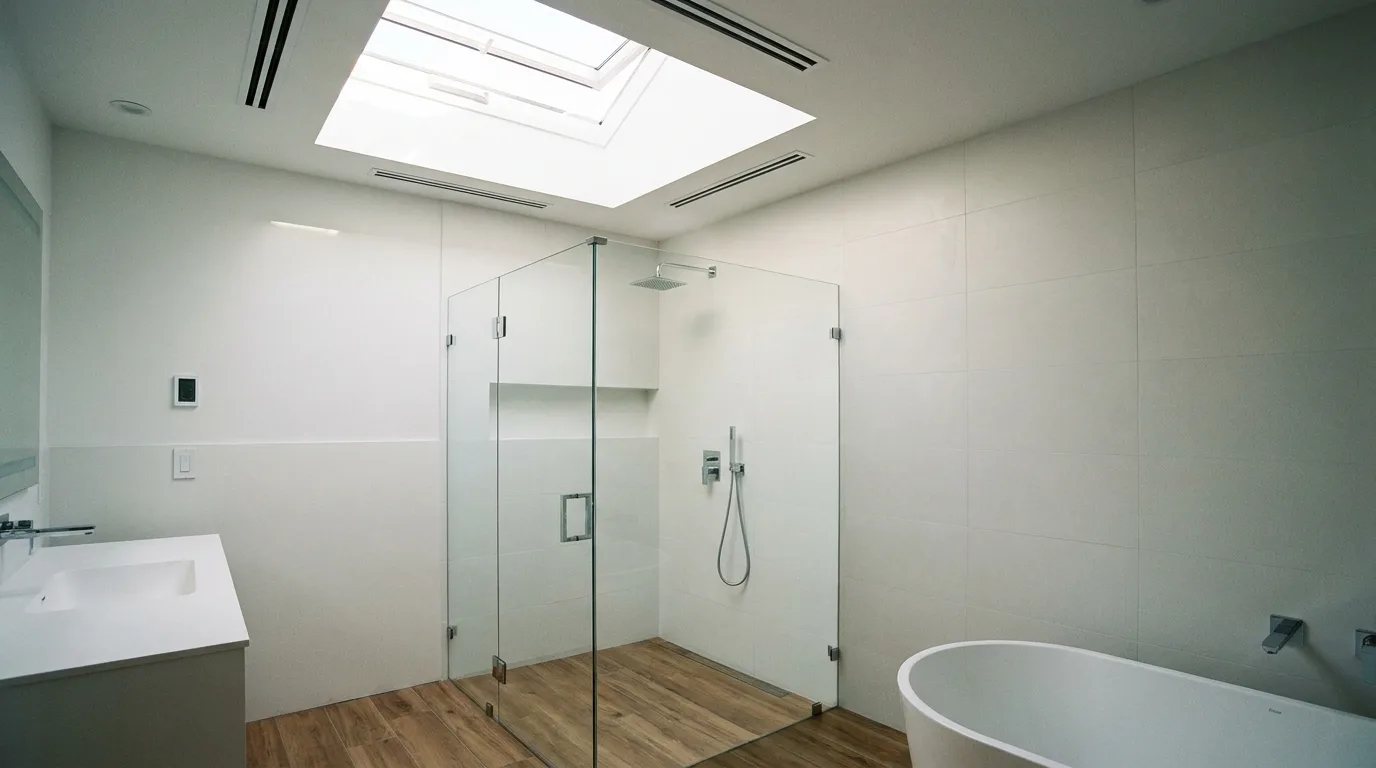
The most reliable indoor-air strategy often combines natural ventilation with mechanical systems. Skylights can provide passive airflow during favorable weather, while exhaust fans, heat-recovery ventilation systems, air cleaners, and filtration can continue working when outdoor conditions are unsuitable. This matters because outdoor air is not always clean or dry enough to bring indoors. A coordinated approach allows homeowners to open skylights when they provide a benefit and close them when outdoor pollution, pollen, humidity, heat, or cold makes that undesirable. Think of an operable skylight as one ventilation option within a larger system rather than a replacement for properly designed mechanical ventilation.
15. Use Skylight Sensors for Smarter Ventilation
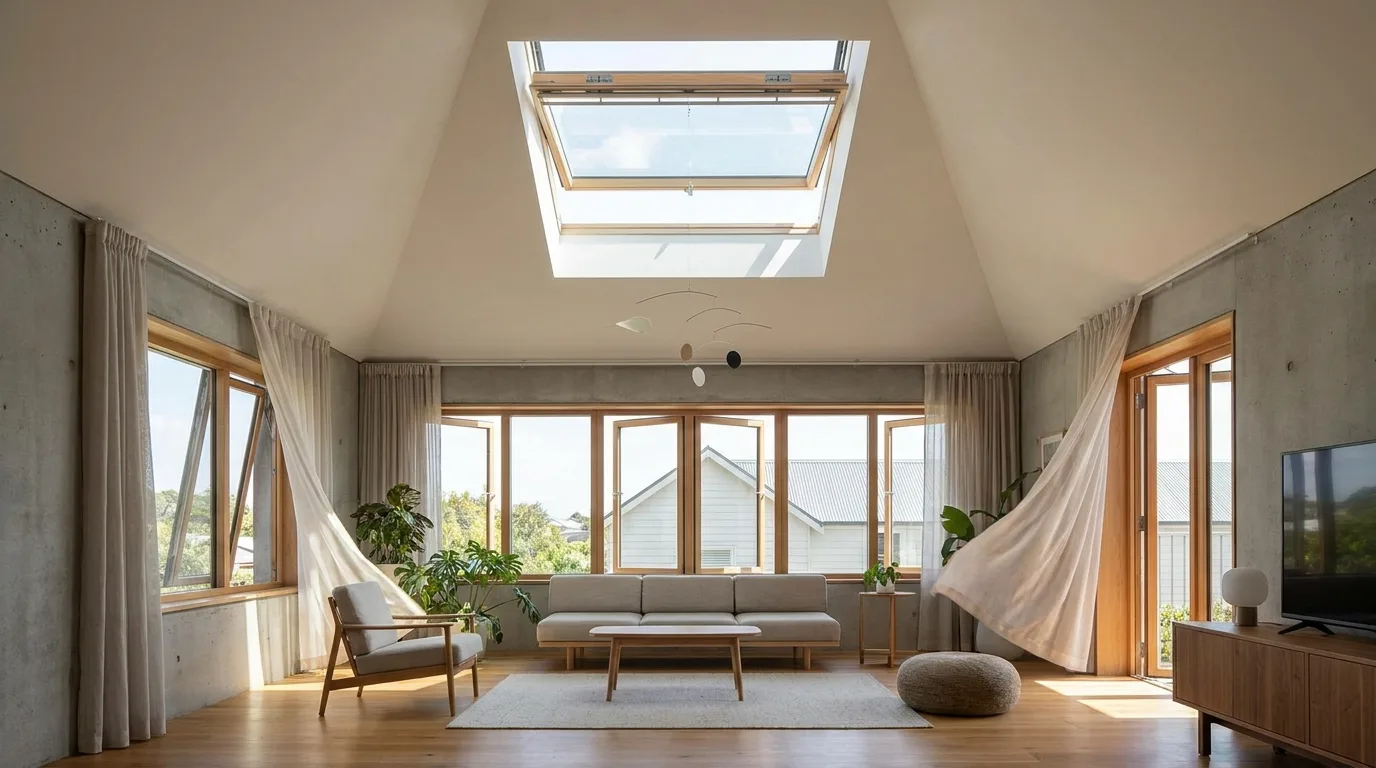
Modern automated skylights can sometimes be paired with rain sensors, temperature controls, humidity sensors, or home-automation systems. These features can make natural ventilation more practical because the skylight can respond to changing indoor or outdoor conditions. For example, humidity-based controls may help open a skylight when moisture rises, while rain sensors can trigger closing when precipitation begins. Automation should still be configured carefully because opening a skylight during outdoor pollution events or high humidity can reduce indoor comfort. When selecting controls, consider indoor humidity, outdoor temperature, weather, security, and the home’s existing ventilation equipment so the system supports rather than conflicts with other air-quality measures.
16. Keep Skylights Clean and Properly Sealed
A skylight contributes to a healthy indoor environment only when the surrounding assembly remains in good condition. Dirt on glazing primarily affects daylight, while damaged seals, flashing, or roofing materials can create a much more serious concern by allowing water intrusion. Moisture entering around a skylight can damage drywall, insulation, framing, and finishes and may eventually contribute to mold growth. Inspect skylights periodically for signs of leaks, condensation between glazing layers, damaged seals, or deterioration around the roof opening. Clean the glazing according to the manufacturer’s recommendations and keep operable mechanisms unobstructed. Preventing moisture intrusion is an important part of maintaining good indoor air quality.
17. Combine Skylights With a Whole-Home Air-Quality Strategy
The greatest benefit comes from treating skylights as one component of a broader indoor-air plan. Use operable skylights for natural ventilation when outdoor conditions are favorable, exhaust moisture at the source, maintain HVAC filters, control indoor humidity, address leaks promptly, and use effective filtration when outdoor air quality is poor. Consider indoor air monitors if you want to track variables such as carbon dioxide, particulate matter, temperature, or humidity. A skylight cannot remove every indoor pollutant, and a fixed skylight does not ventilate a room. Its value depends on design, placement, operation, and the rest of the home’s systems. Combining these measures creates a more consistent approach to fresh, comfortable indoor air.
Conclusion
Skylights can support better indoor air quality when they are thoughtfully designed and used as part of a complete ventilation and moisture-control strategy. Operable models can help release warm, humid, or stagnant air, while fixed skylights provide valuable daylight and can improve the feel of interior spaces. The most important distinction is that skylights do not automatically purify indoor air. Their benefits depend on airflow design, outdoor conditions, moisture levels, and the home’s mechanical ventilation. By combining appropriate skylight use with exhaust fans, filtration, humidity control, regular maintenance, and attention to leaks, homeowners can create indoor spaces that feel fresher, brighter, and more comfortable throughout the year.