Decorating a small bedroom can feel challenging when you want it to look beautiful, comfortable, and organized without making it feel cramped. The good news is that you do not need a large room or an expensive makeover to create a stylish retreat. With thoughtful furniture choices, a balanced color palette, clever storage, and carefully selected accessories, even the smallest bedroom can feel welcoming and spacious. The secret is to make every design decision work for your room rather than filling every available corner.
Whether you live in a small apartment, decorate a guest bedroom, or want to refresh a compact primary bedroom, the right details can make a noticeable difference. Light colors can brighten the space, mirrors can reflect natural light, and multifunctional furniture can help keep clutter under control. Small decorative touches, including layered bedding, wall art, and soft lighting, can also give your room personality without overwhelming it. Explore these 17 small bedroom decor ideas for practical inspiration that combines everyday functionality with a polished, Pinterest-worthy look.
1. Choose a Light and Airy Color Palette
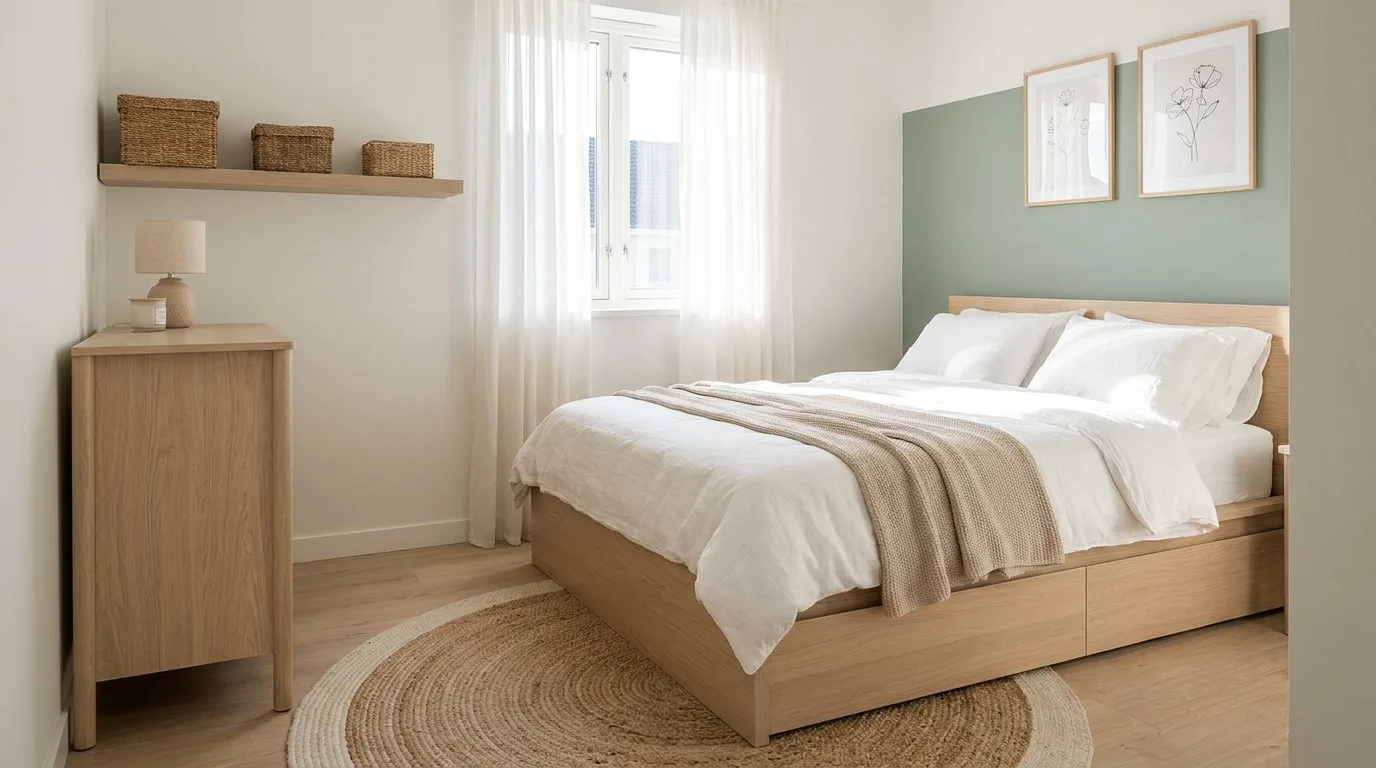
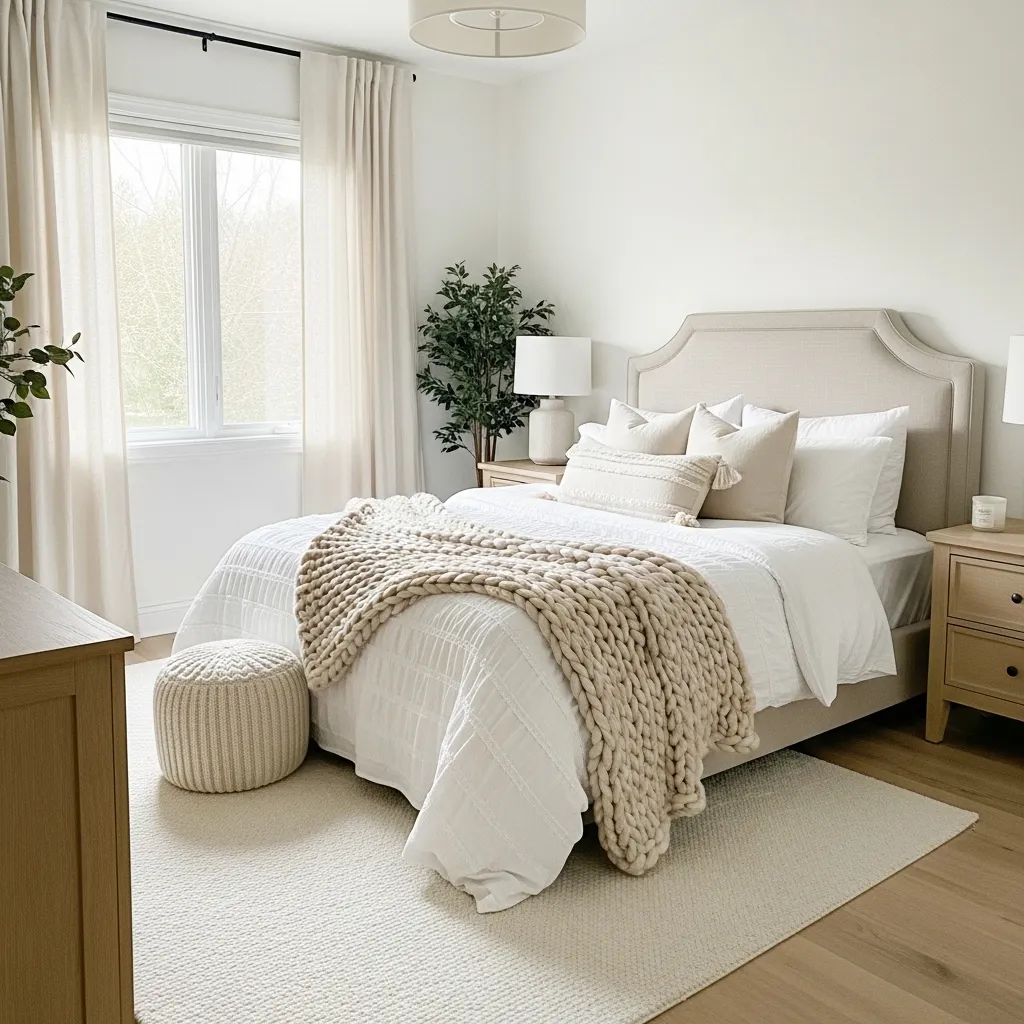
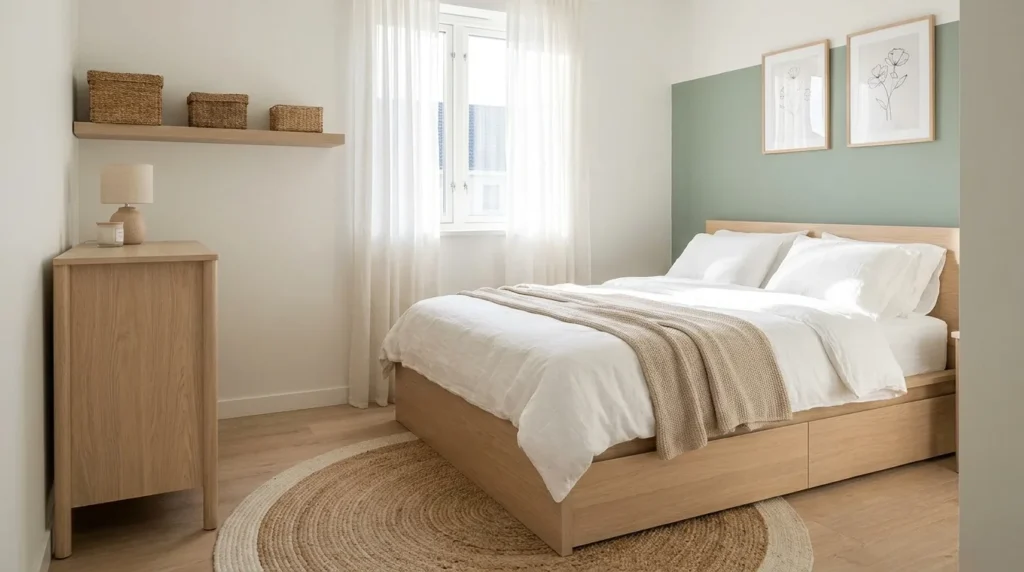
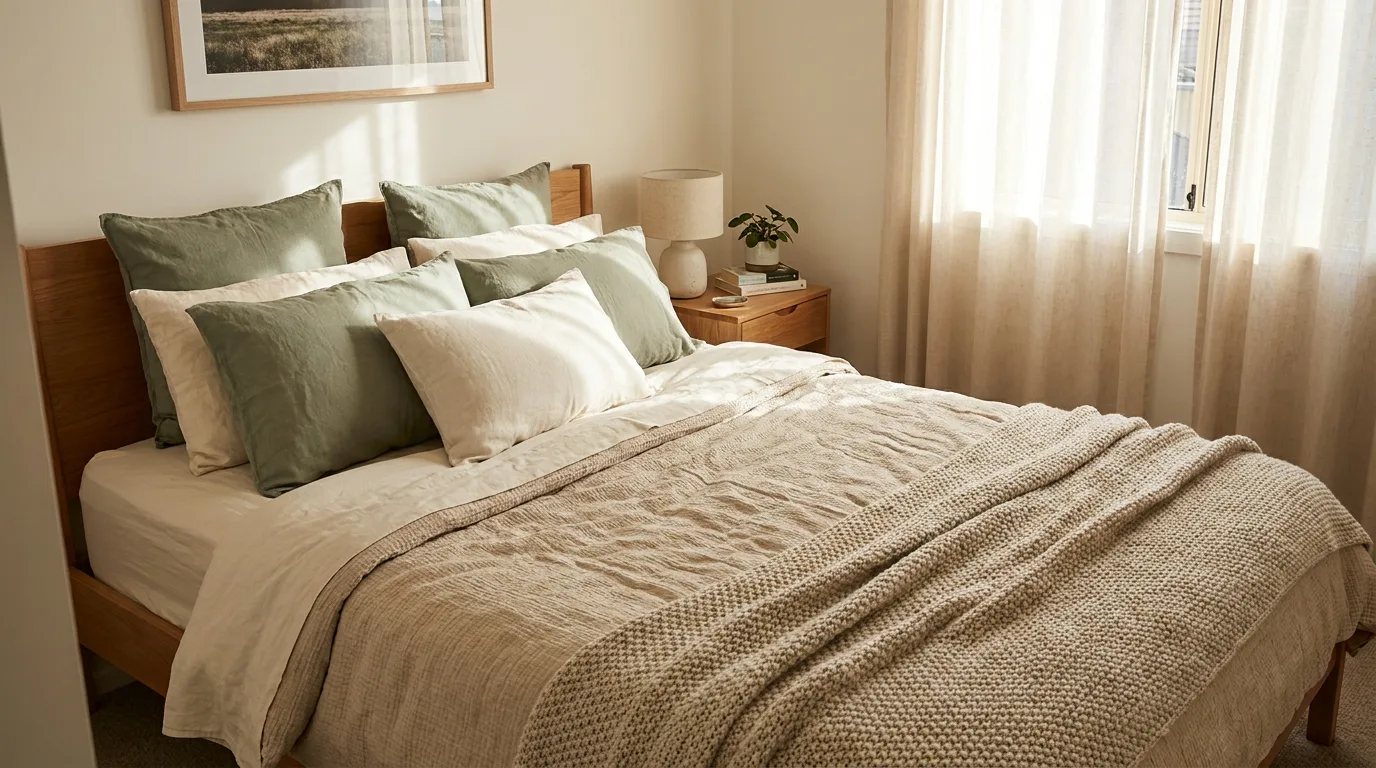
One of the easiest ways to decorate a small bedroom is to build the design around light, calming colors. Shades such as warm white, ivory, pale beige, soft gray, and light greige help create an open, cohesive appearance. They reflect available light and make walls feel less visually heavy, particularly in bedrooms with small windows. To prevent the room from looking plain, introduce subtle contrast through natural wood furniture, textured cushions, or a soft neutral rug. You can also add one muted accent color, such as sage green or dusty blue, for personality. Keep larger surfaces relatively consistent in tone so the room feels connected rather than divided into many competing sections.
2. Make a Statement With a Simple Accent Wall
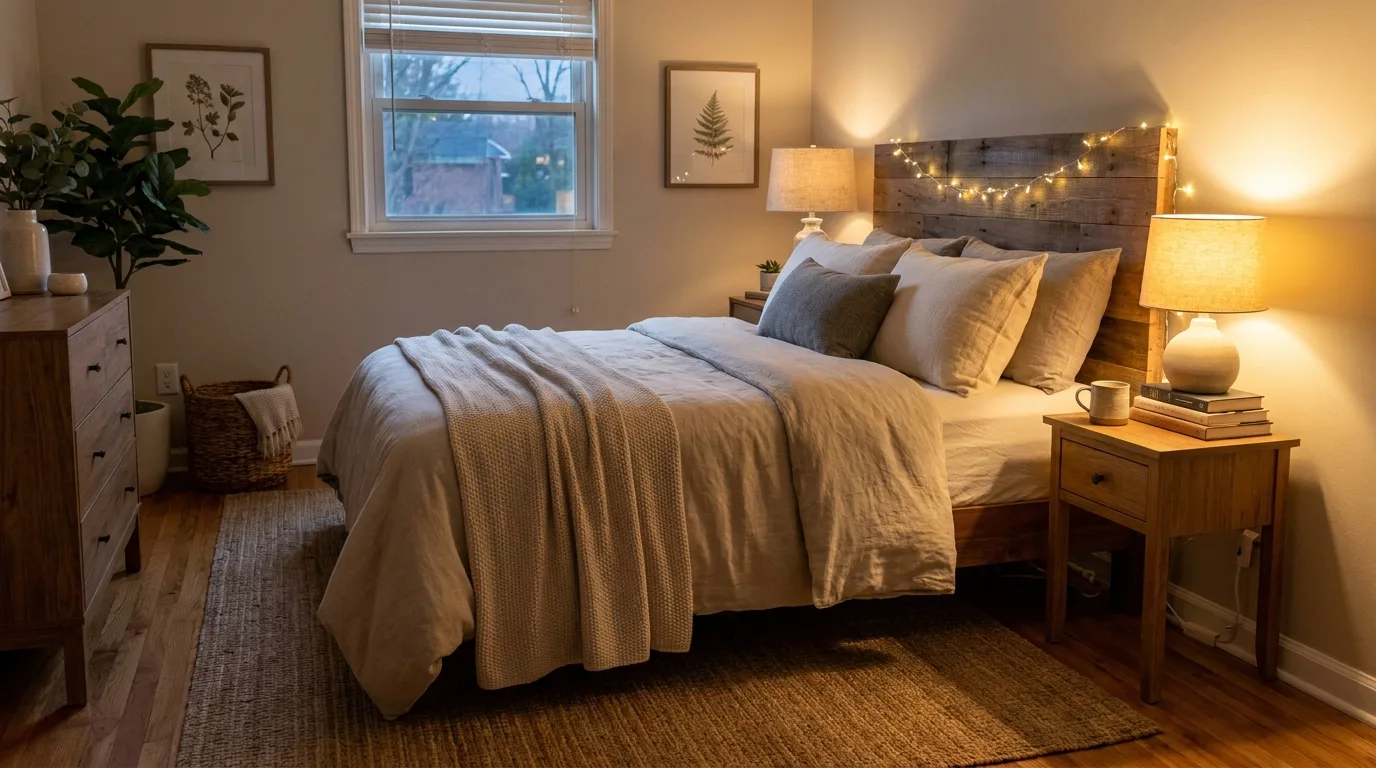
An accent wall can give a small bedroom character without requiring extensive decoration throughout the room. Consider painting the wall behind your bed in a muted green, warm terracotta, soft navy, or earthy taupe. If you prefer patterns, delicate botanical wallpaper or subtle vertical stripes can introduce visual interest without overwhelming the space. Keeping the remaining walls relatively simple helps the accent wall become a natural focal point. Choose bedding and accessories that coordinate with its color rather than competing for attention. For a budget-friendly transformation, paint is often enough to create a fresh look. A thoughtfully styled accent wall can make a compact bedroom feel intentionally designed instead of merely small.
3. Use a Large Mirror to Reflect Light
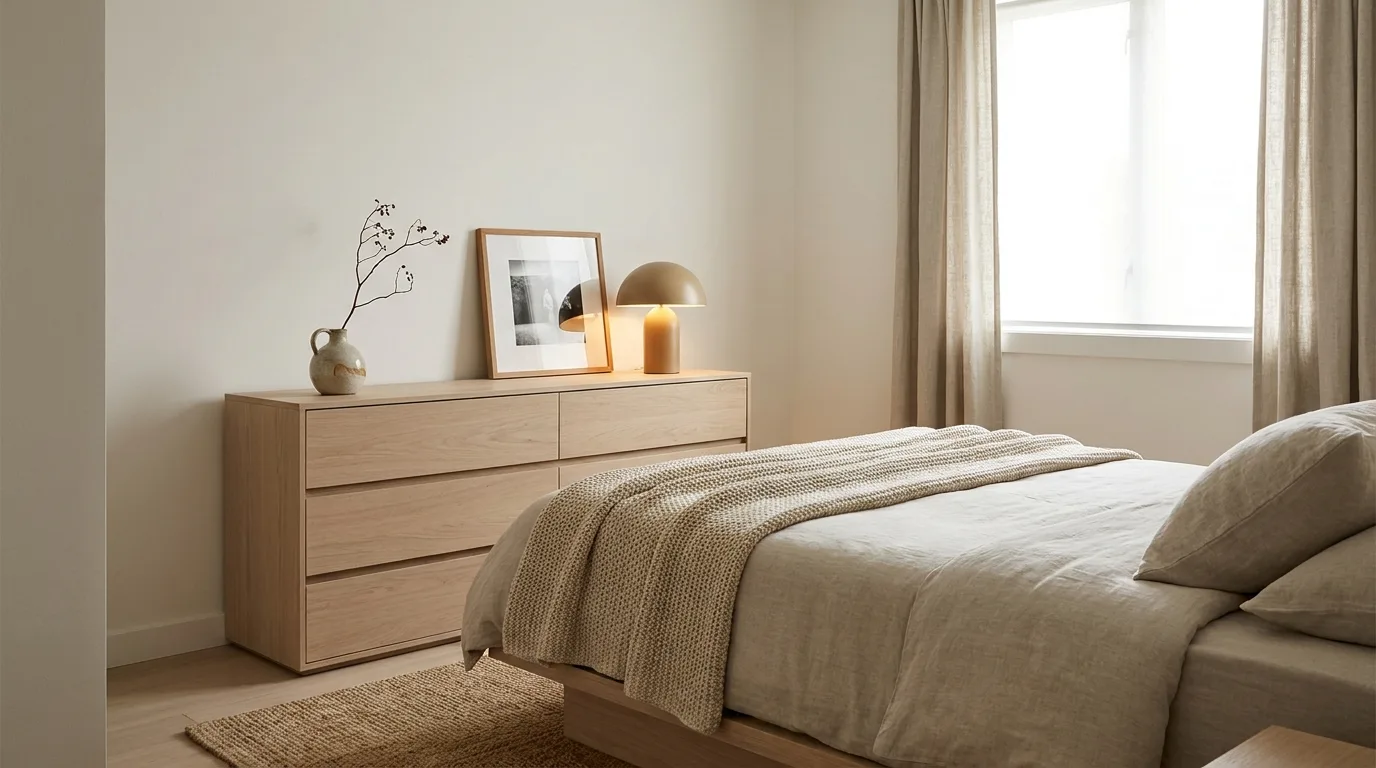
Mirrors are practical decorative accessories that can make a small bedroom appear brighter and more open. A full-length mirror leaning securely against a wall, a tall mirror beside a wardrobe, or a simple mirror above a dresser can help reflect daylight and create a greater sense of depth. Position the mirror to reflect a window, a light-colored wall, or an attractive part of the room. Avoid reflecting clutter, since that can make the space feel busier. Choose a slim black frame for a modern look, a light wood frame for Scandinavian decor, or a rounded gold frame for a softer, elegant style. Always secure large mirrors appropriately, especially in homes with children or pets.
4. Install Floating Nightstands
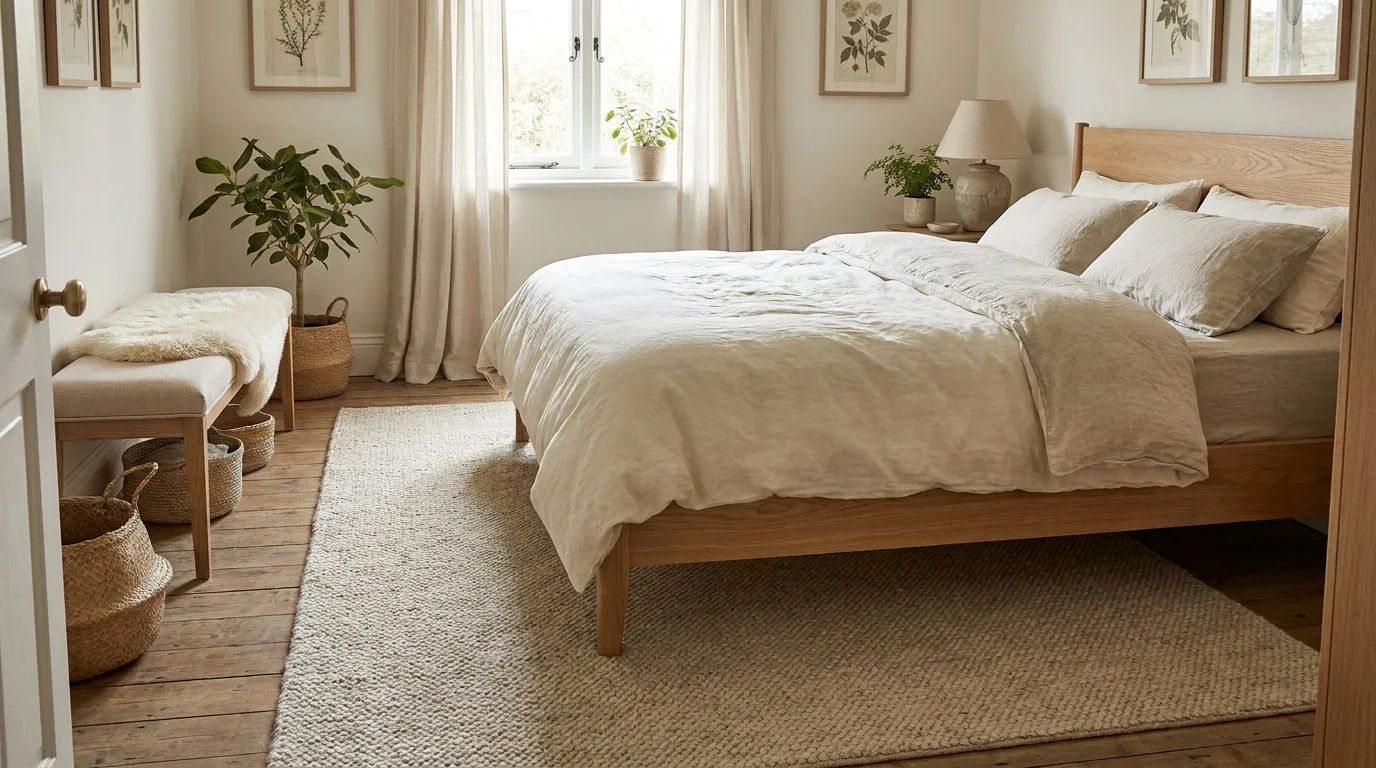
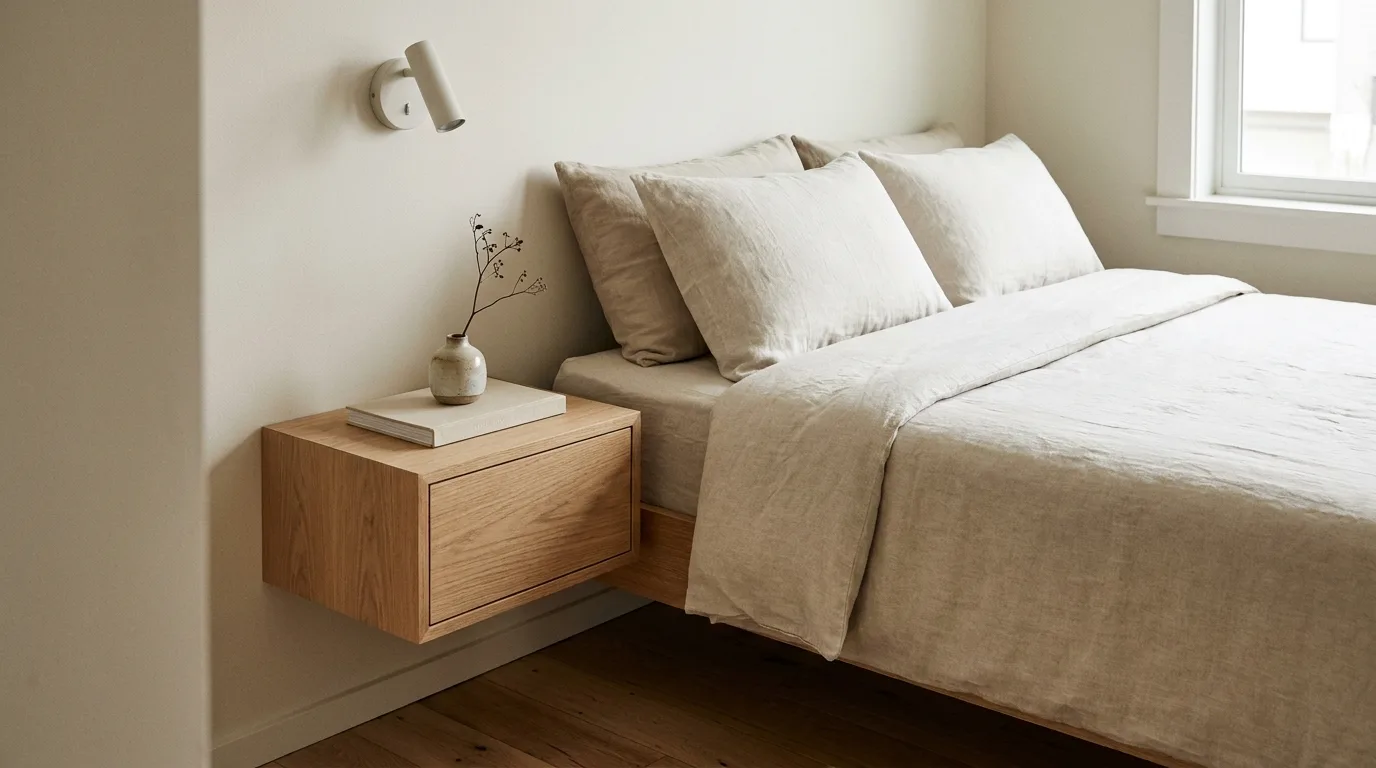
Traditional bedside tables can take up valuable floor space, particularly when your bed sits close to a wall or wardrobe. Floating nightstands offer a streamlined alternative by attaching directly to the wall. Choose a compact shelf or a small wall-mounted drawer to hold your phone, reading glasses, a book, and a bedside lamp. Because the floor remains visible underneath, the room can feel less crowded and cleaning becomes easier. Match the finish to your bed frame for a coordinated appearance, or choose a contrasting wood tone for subtle interest. Before installing a floating nightstand, check the wall construction and use suitable fixings to support its intended load safely.
5. Decorate With a Space-Saving Bed Frame
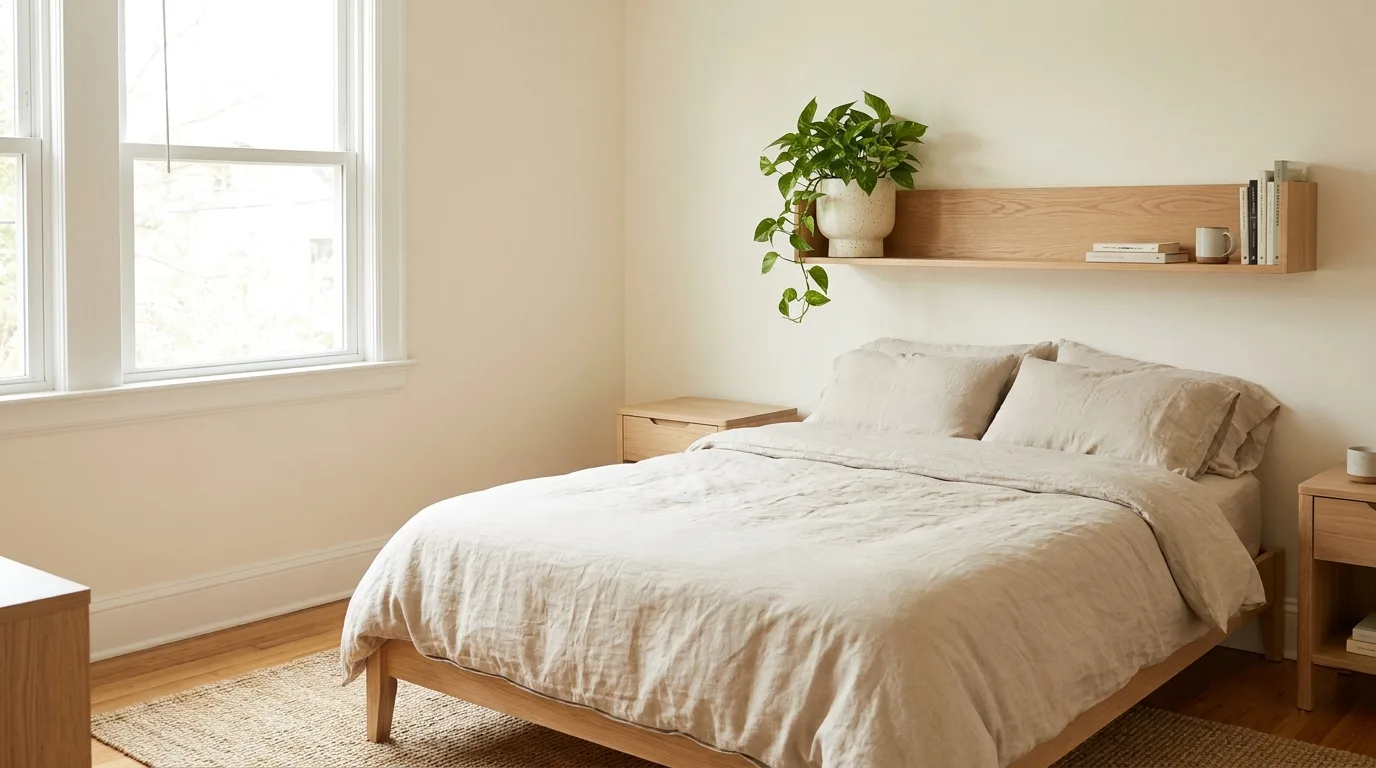
The bed usually occupies the largest area in a bedroom, so its design has a major influence on the overall layout. A simple platform bed with a slim frame can create a clean appearance without unnecessary visual bulk. Low-profile designs work particularly well in rooms with low ceilings, while open-legged frames allow more flooring to remain visible. If storage is essential, consider a bed with built-in drawers or a suitable lift-up base. Avoid oversized headboards and heavy decorative footboards when every inch matters. Measure the bed, including its frame, before purchasing, and leave enough clearance to open drawers and move comfortably around it. The right bed can improve both appearance and everyday function.
6. Add Storage Under the Bed
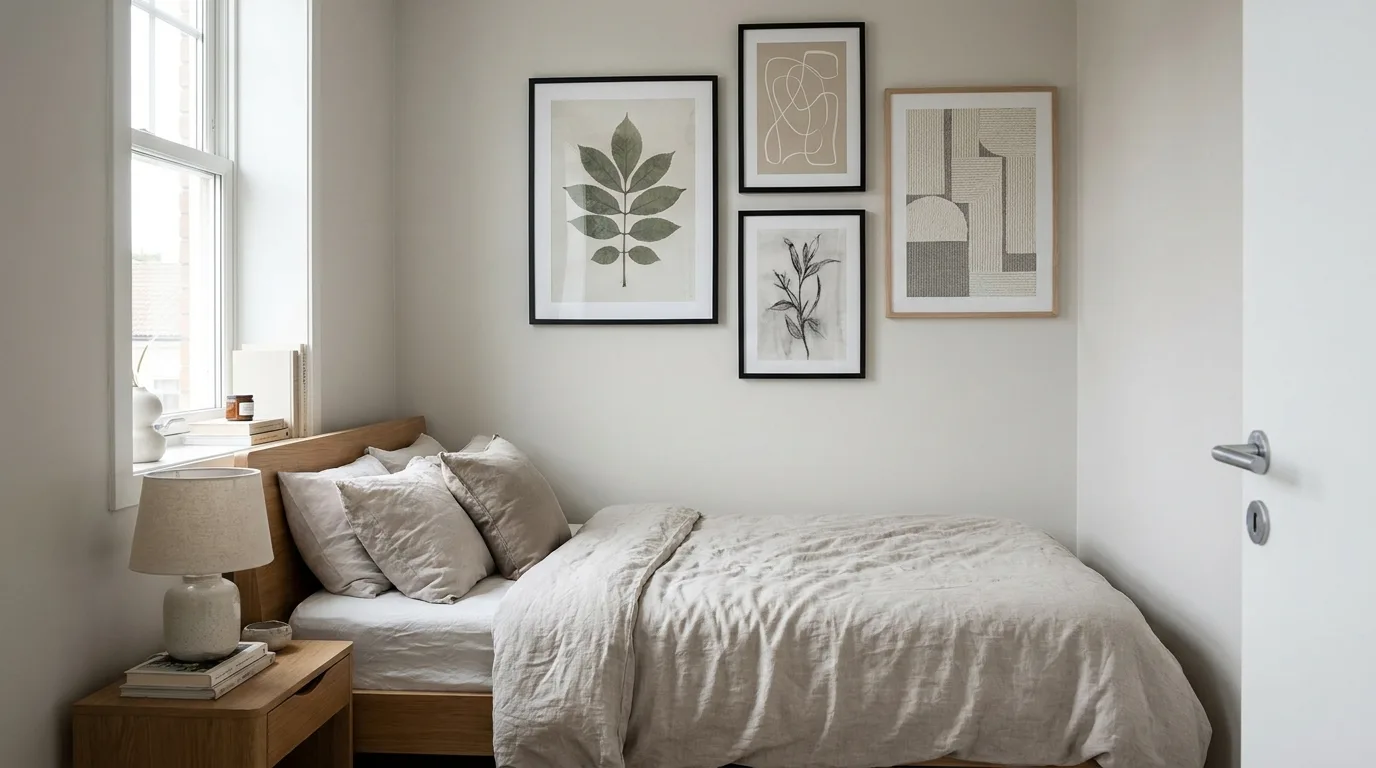
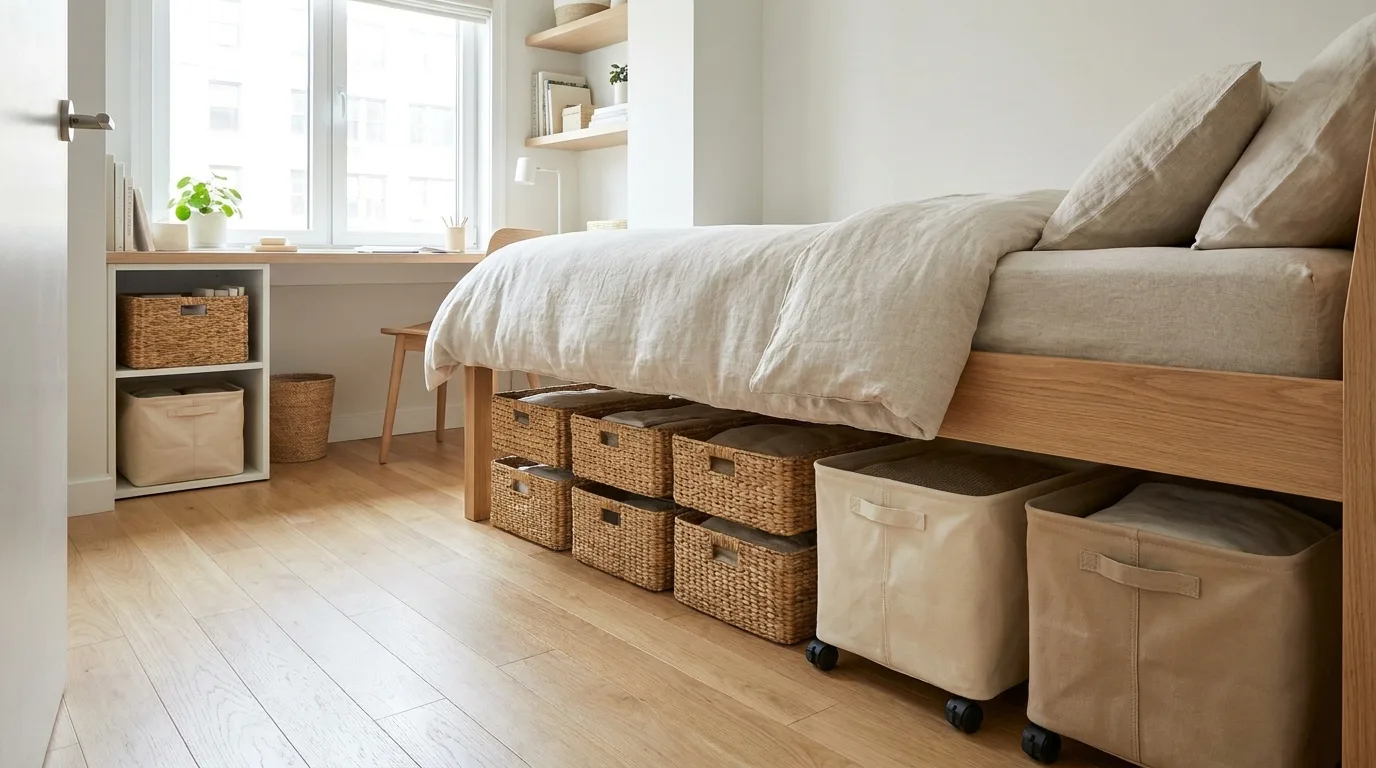
Under-bed storage is an effective way to keep a small bedroom organized without adding another cabinet. Use shallow rolling bins, fabric storage bags, or purpose-built drawers for spare bedding, seasonal clothes, shoes, and accessories. Choose matching containers to create a tidy appearance, and label them so you can find items easily. If your bed has limited clearance, measure the available height before buying storage products. A bed skirt can conceal stored items beneath a traditional frame, while a platform bed with integrated drawers offers a more built-in look. Keep frequently used belongings within easy reach and store seasonal items farther back. Organized hidden storage helps maintain clear surfaces and a calmer atmosphere.
7. Hang Curtains High and Wide
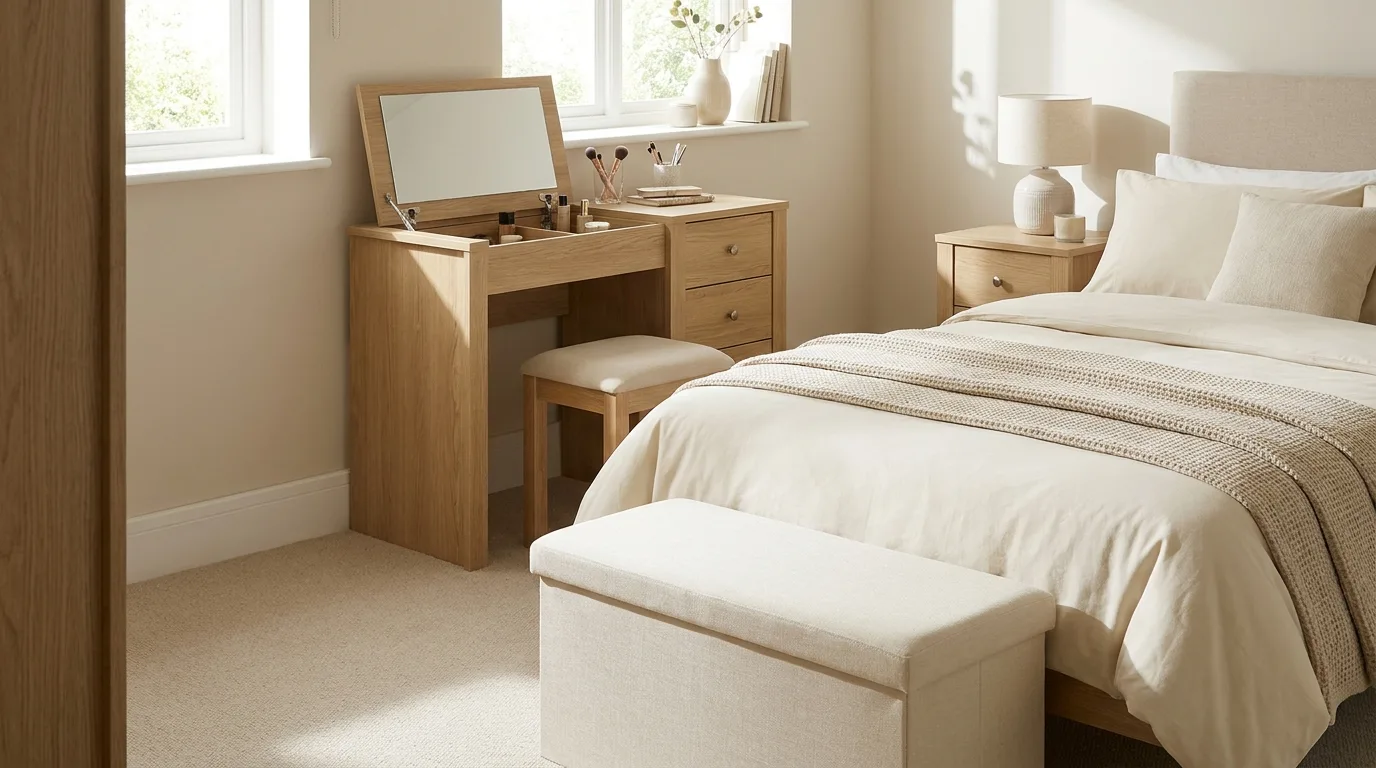
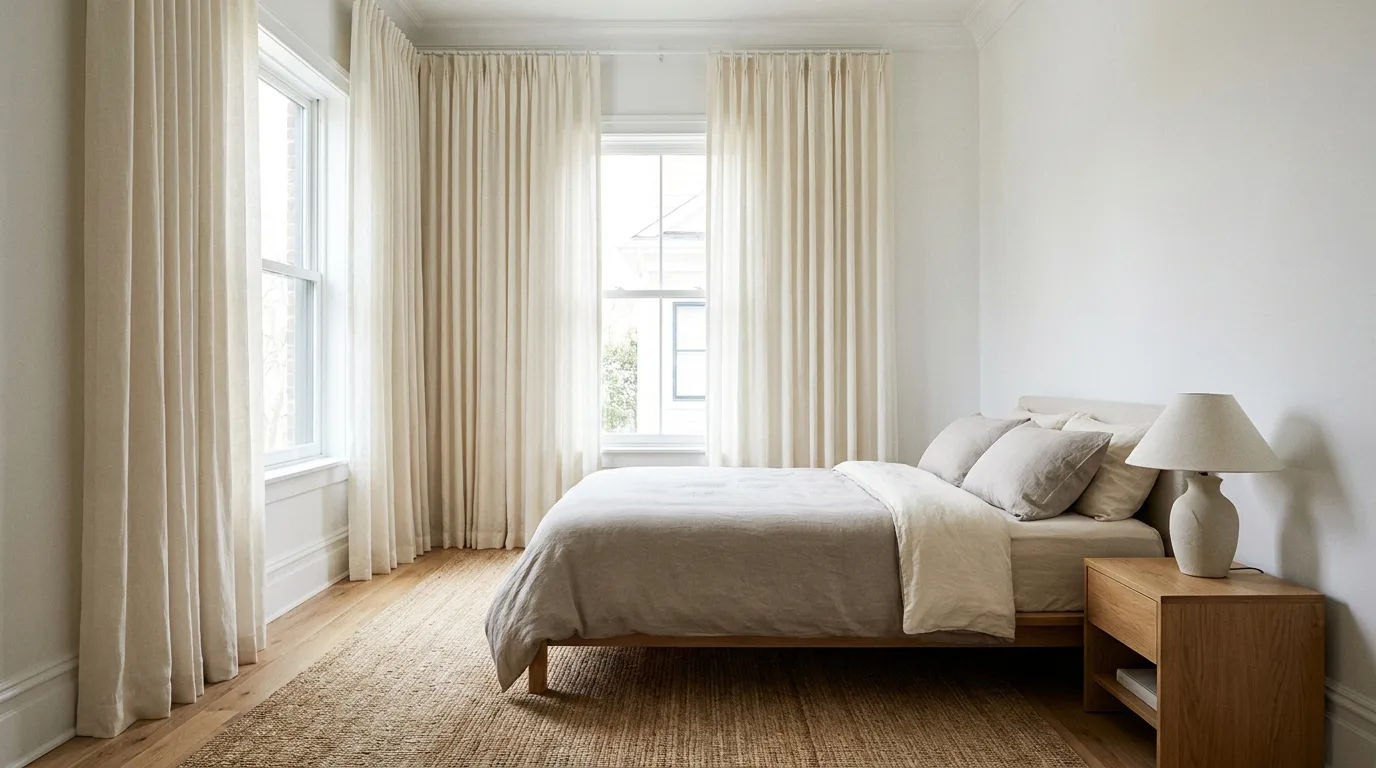
Thoughtfully placed curtains can make a small bedroom appear taller and more balanced. Instead of installing the curtain rod directly above the window frame, position it closer to the ceiling when practical. Extending the rod beyond the window on both sides allows the curtains to sit mostly outside the glass when open, helping maximize daylight. Floor-length curtains in a soft neutral shade create a graceful vertical line that complements many decor styles. Lightweight linen-look fabrics offer a relaxed appearance, while blackout curtains can improve darkness for sleeping. Make sure the fabric does not overwhelm the wall or obstruct furniture. A simple, well-fitted curtain treatment adds softness while keeping the overall design uncluttered.
8. Create a Cozy Layered Bedding Look
Beautiful bedding can transform a compact bedroom without requiring new furniture or major renovations. Start with comfortable sheets, a duvet or quilt, and a small selection of pillows in coordinating colors. Layer different textures, such as cotton, linen, knitted fabric, or a lightly quilted coverlet, to create depth without introducing too many patterns. A neutral base makes it easy to change the room’s mood with seasonal accent cushions or a folded throw at the foot of the bed. Avoid piling on so many decorative pillows that they become inconvenient to remove every night. A thoughtfully layered bed creates a welcoming focal point and gives the entire bedroom a more finished, intentional appearance.
9. Use Wall-Mounted Lighting
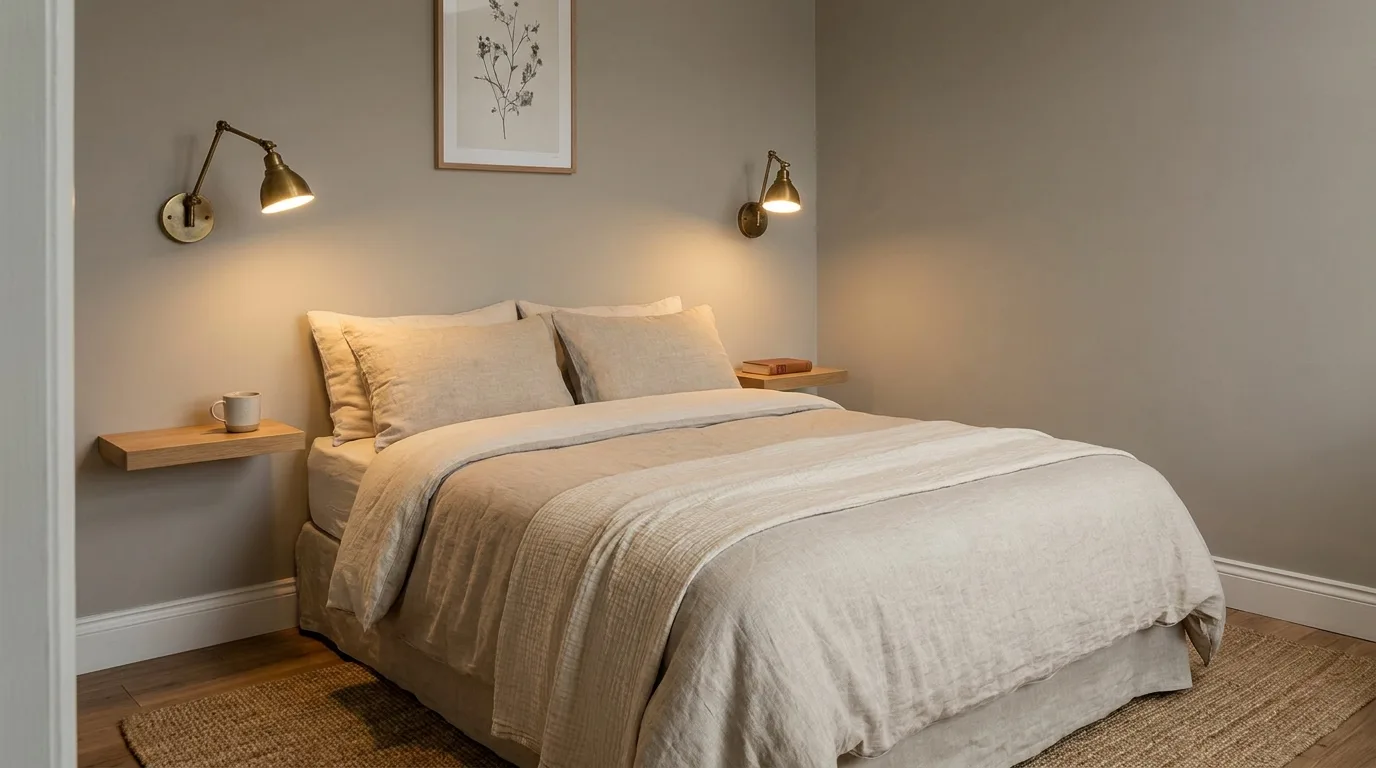
Wall-mounted lights free up the surface of a nightstand and provide useful illumination for reading or relaxing. Adjustable sconces beside the bed are especially practical because they direct light where it is needed without requiring a bulky table lamp. Choose simple fixtures in matte black, brushed brass, white, or a finish that coordinates with your other hardware. Warm-white bulbs can create a relaxing atmosphere, while dimmable lighting offers flexibility for different activities. If you cannot install hardwired fixtures, consider plug-in wall lights with tidy cable management. Check mounting requirements and electrical safety before installation. By moving lighting onto the walls, you gain useful bedside space and add an attractive design feature.
10. Take Advantage of Vertical Storage
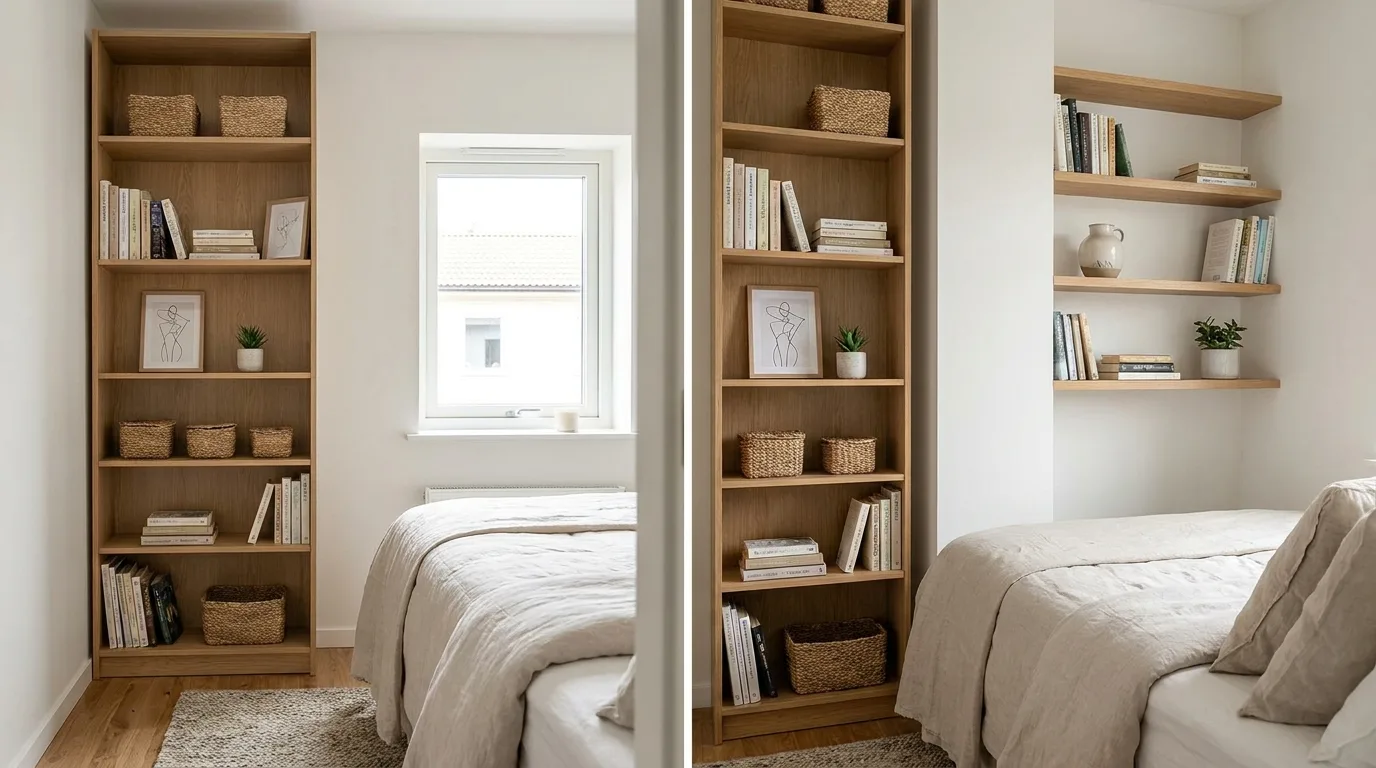
When floor space is limited, look upward. Tall, narrow bookcases, wall-mounted shelves, and vertical organizers make use of areas that might otherwise remain empty. Install shelves above a desk or beside the wardrobe to store books, small baskets, framed photographs, and carefully chosen accessories. Keep frequently used items on lower shelves and reserve higher levels for belongings you rarely need. A consistent arrangement of baskets and storage boxes can reduce visual clutter while adding texture. Avoid covering every wall with shelving, as too many objects can make the room feel busy. Secure shelves properly to suitable wall supports, and leave enough open space to preserve a balanced, comfortable appearance.
11. Choose Multifunctional Bedroom Furniture
Furniture that serves more than one purpose is especially valuable in a small bedroom. An ottoman with hidden storage can provide seating while holding extra blankets, and a compact desk can double as a vanity with the addition of a mirror. A bedside cabinet with drawers offers both a surface and concealed storage, while a fold-down desk can be useful when a permanent workspace is needed only occasionally. Before purchasing multifunctional furniture, consider how each feature will work in daily life. Measure the room with doors, drawers, and fold-out surfaces fully extended to ensure they will not obstruct walkways. A few well-chosen pieces often provide more practical value than several separate items.
12. Add a Small Bedroom Gallery Wall
A gallery wall introduces personality without taking up floor space. Above the bed, dresser, or a narrow desk, arrange framed prints, personal photographs, or simple illustrations in a cohesive layout. For a calm look, choose artwork that shares a color palette, such as black and white, muted earth tones, or soft botanical greens. Matching frames create a structured appearance, while a mixture of frame styles can feel more relaxed. In a very small room, a carefully arranged group of three to five pieces may be more effective than covering an entire wall. Lay out the composition before hanging anything, and leave adequate space around nearby furniture. This makes the display feel intentional rather than crowded.
13. Bring Nature Indoors With Small Plants
Plants add freshness, texture, and color to a small bedroom. If your room receives bright indirect light, consider a compact pothos, a small peperomia, or another plant suited to those conditions. Place a little planter on a shelf, dresser, or windowsill rather than using a large floor-standing pot. Hanging planters can also make use of vertical space when safely installed and positioned away from areas where they might be knocked. If natural light is limited, select a plant that tolerates lower-light conditions and adjust its care accordingly. Avoid overcrowding the room with greenery, and use pots that coordinate with the decor. A single healthy plant can provide a fresh accent without adding visual clutter.
14. Use a Rug to Define the Sleeping Area
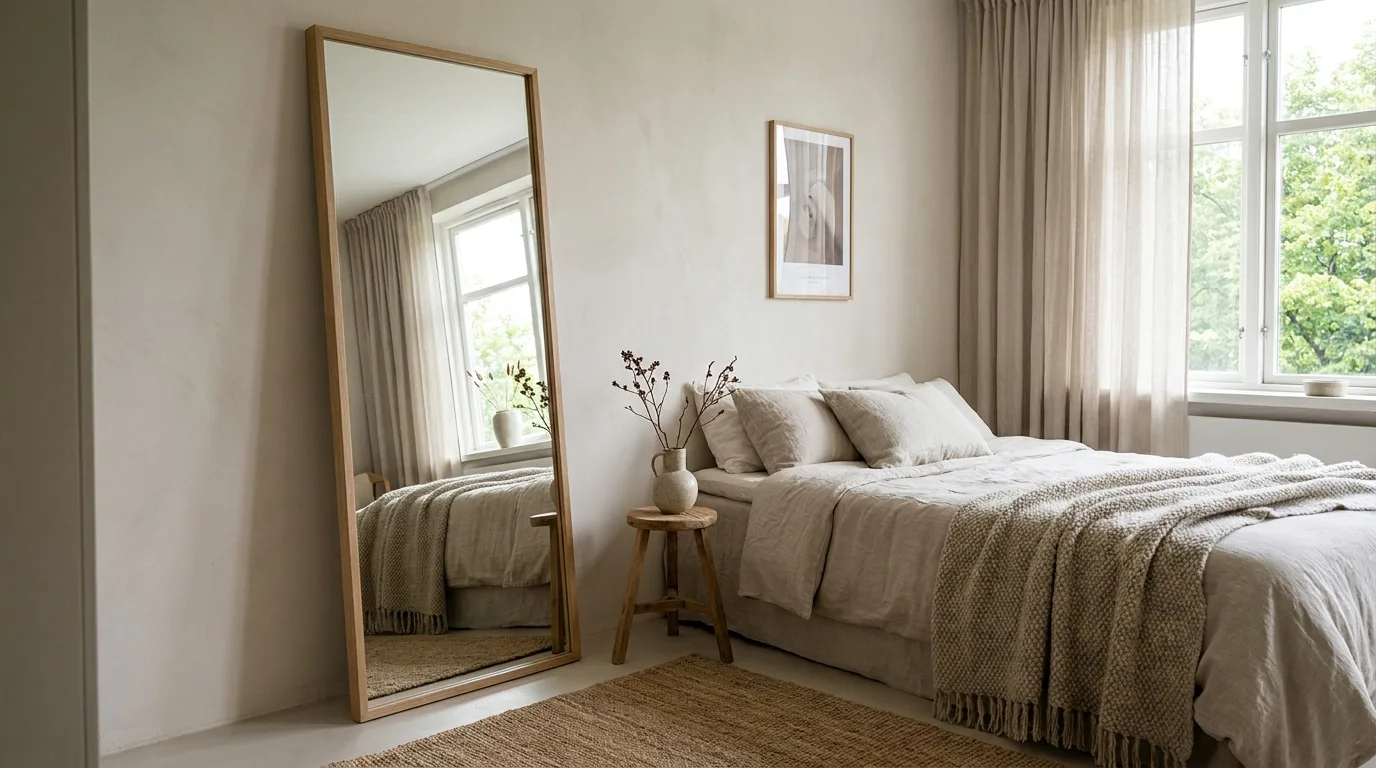
A rug can make a small bedroom feel warmer and visually connected. Placing a suitably sized rug partly beneath the bed creates a soft landing for your feet and helps anchor the main furniture. Light neutrals, subtle stripes, and understated patterns work well in many compact rooms because they add texture without dominating the design. If a large rug is impractical, use a pair of small bedside rugs or runners, provided they do not obstruct movement. Measure carefully so the rug does not look unintentionally undersized relative to the bed. A non-slip underlay is especially useful on smooth flooring. The right rug adds comfort and helps tie together the bedding, furniture, and wall colors.
15. Keep Decor Minimal but Meaningful
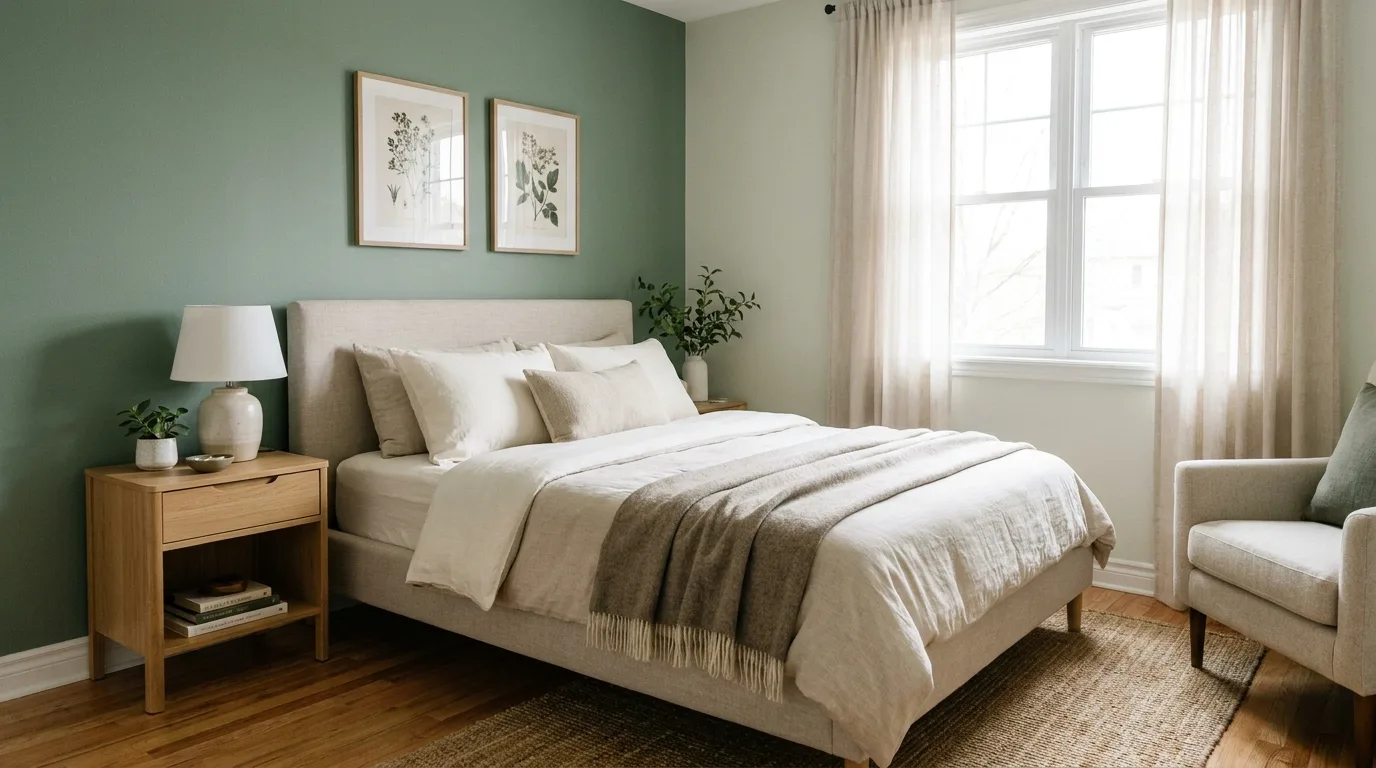
Minimal decor does not mean leaving your bedroom completely bare. It means choosing accessories that contribute to the room’s comfort or personality instead of filling every available surface. A favorite framed print, a decorative bowl, a small lamp, or a treasured photograph can make a room feel personal without creating clutter. Try styling a dresser with just a few coordinated objects and leaving some surface area empty. Repeat one or two materials, such as wood, ceramic, or glass, to create a sense of continuity. Regularly remove items that no longer serve a purpose or bring enjoyment. By editing rather than endlessly adding, you allow the most meaningful pieces to stand out.
16. Incorporate Soft Lighting and String Lights
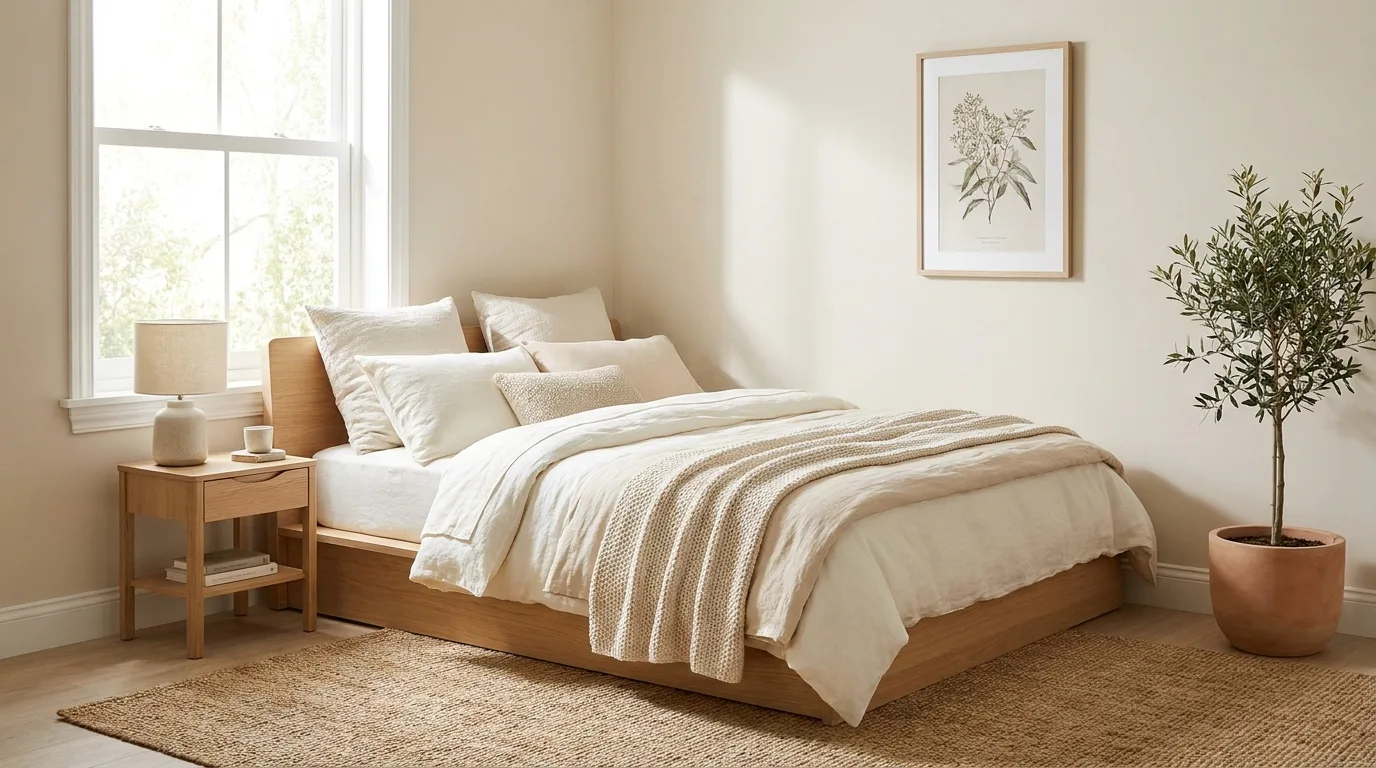
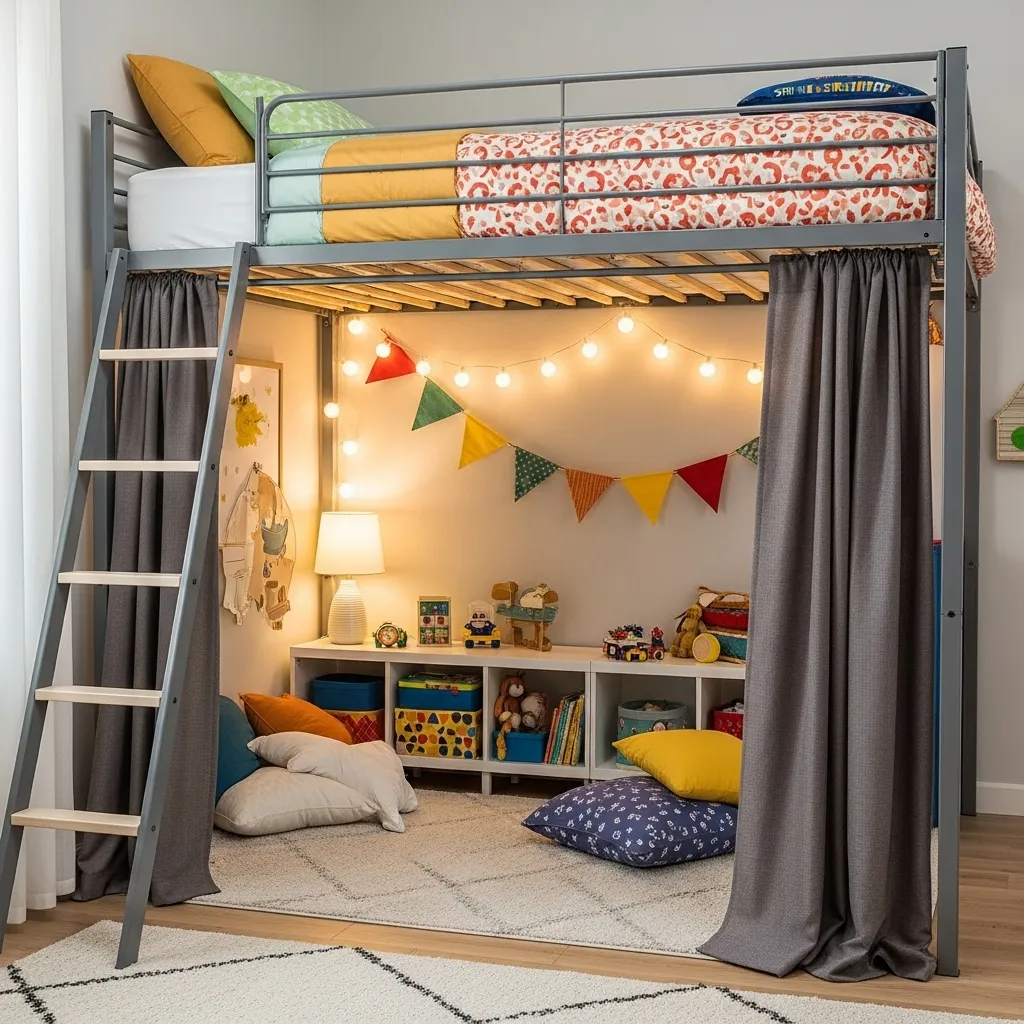
Lighting can change the mood of a small bedroom as much as color or furniture. Instead of relying entirely on a bright overhead fixture, combine ambient lighting with bedside lights or a small accent lamp. Warm-white bulbs create a relaxed evening atmosphere, while shaded fixtures help soften harsh glare. Discreet string lights can add a gentle decorative touch around a headboard or along a suitable shelf, especially in a cozy guest room or youthful bedroom. Choose well-made lights intended for indoor use, follow the manufacturer’s instructions, and keep electrical cords away from bedding and walkways. Layering light sources makes the room more versatile and inviting without requiring additional furniture or elaborate decoration.
17. Personalize the Room With a Consistent Theme
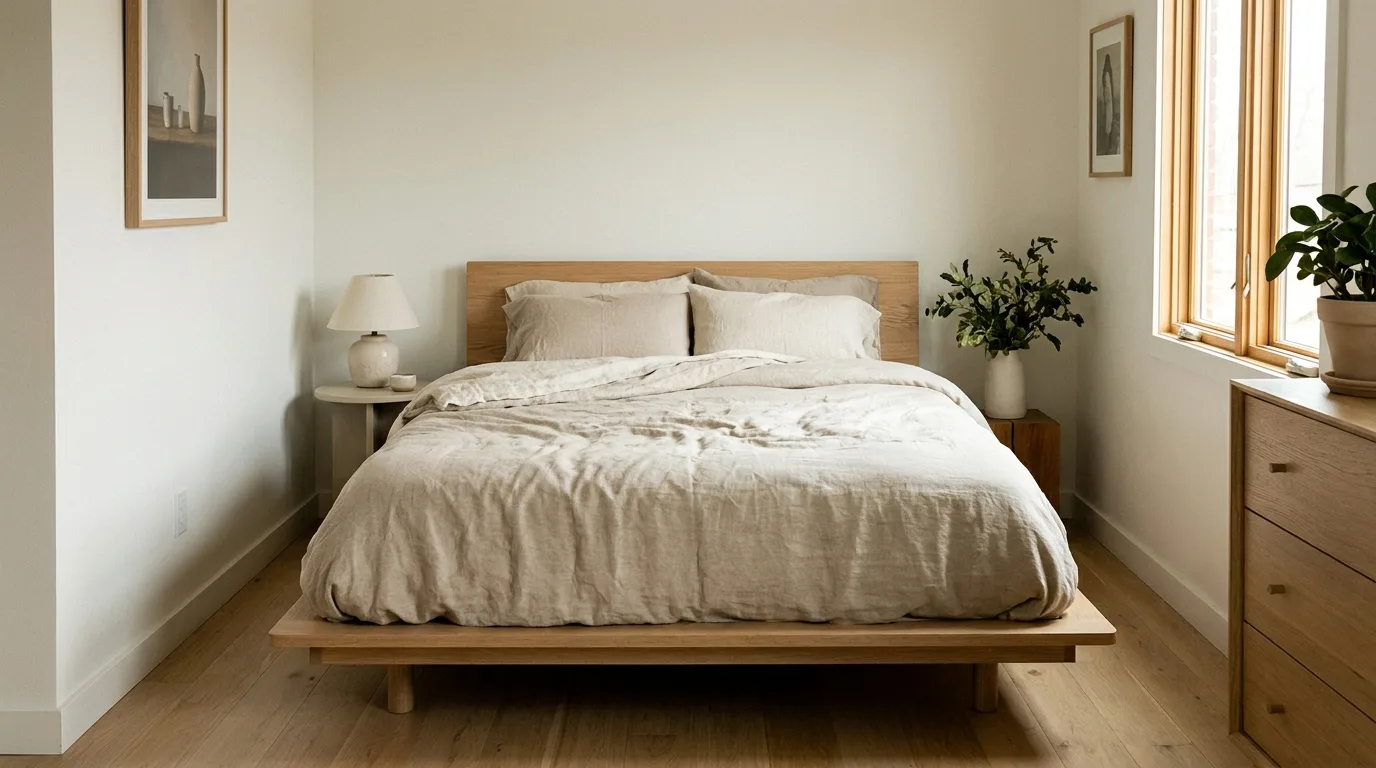
A clear decorating theme helps a small bedroom feel cohesive, even when the furniture and accessories are simple. For a Scandinavian look, combine pale wood, white bedding, and functional storage. For modern minimalism, use clean lines, restrained colors, and a few sculptural accessories. A cozy cottage style can include floral prints, soft textiles, and warm wood details, while a contemporary bedroom may feature black accents and simple geometric artwork. Choose a theme that suits your preferences rather than following every trend. Repeat a few colors and materials throughout the room so the different elements feel connected. Consistency reduces visual noise and helps even an inexpensive bedroom makeover look thoughtfully planned.
Conclusion
Decorating a small bedroom is about making thoughtful choices that balance comfort, storage, and personal style. Light colors, mirrors, floating nightstands, layered bedding, and wall-mounted lighting can help the room feel brighter and less crowded. Meanwhile, under-bed storage, vertical shelving, and multifunctional furniture make everyday living more practical. You do not need to adopt all 17 ideas at once. Start with the biggest challenge in your room, whether it is clutter, limited light, or an awkward furniture layout, and make changes gradually. With a cohesive color palette and a few meaningful decorative details, you can create a small bedroom that feels organized, relaxing, and distinctly yours.