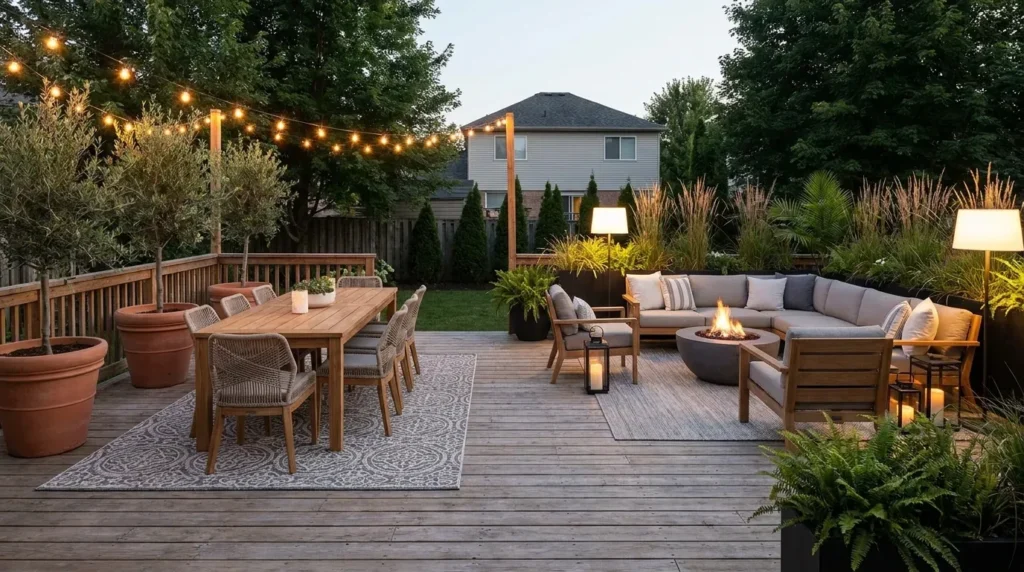
A beautiful backyard deck does not have to require a huge renovation budget. With smart material choices, simple layouts, and a little creativity, you can create an outdoor space that feels comfortable, stylish, and much more expensive than it actually is. The best budget-friendly deck ideas focus on improving what you already have rather than replacing everything at once. A simple platform can become a welcoming entertaining area with outdoor rugs, affordable seating, planters, lighting, and a few thoughtful details. You can also save money by choosing straightforward deck shapes, using economical materials, completing smaller projects yourself, or upgrading the space in stages. Whether you have a tiny patio, a basic wooden deck, or an unused patch of backyard, these ideas can help you turn it into a practical outdoor retreat without overspending.
1. Keep the Deck Design Simple
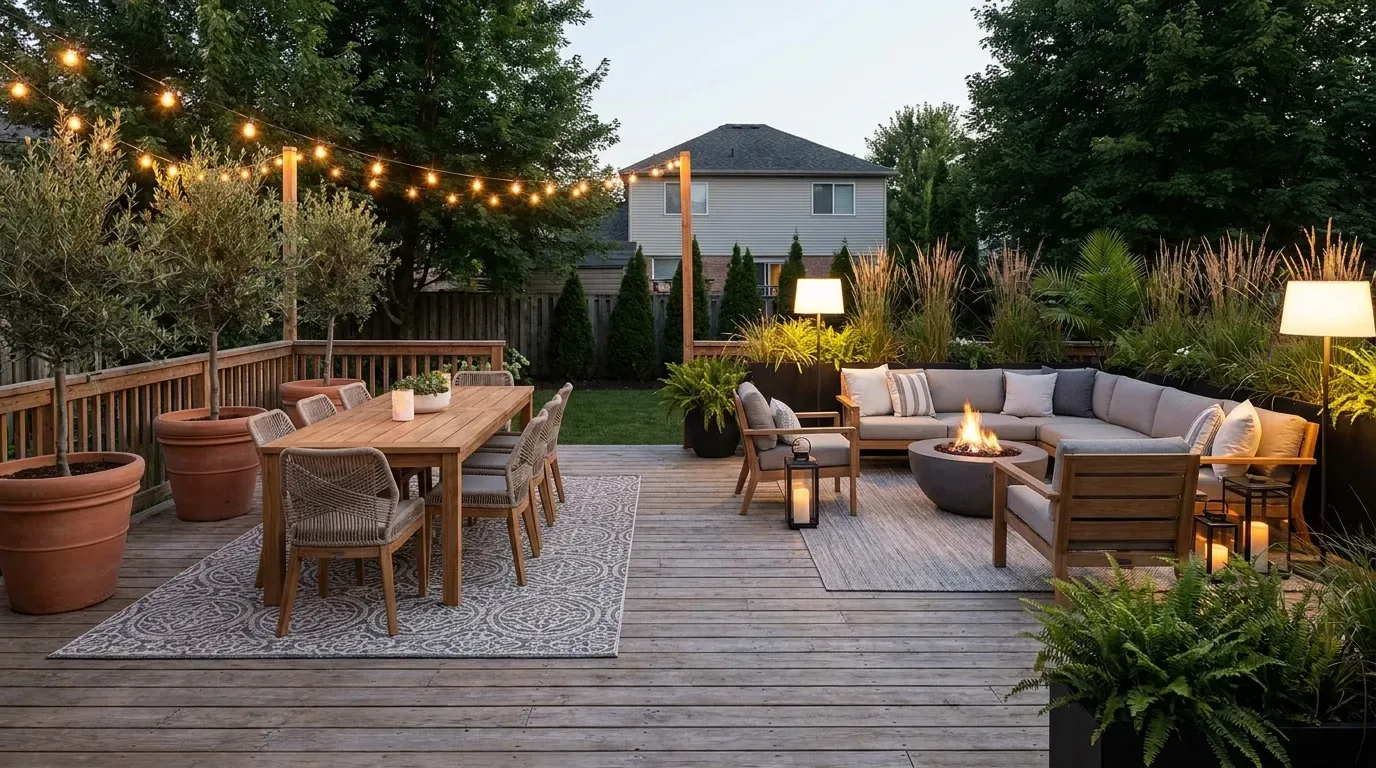
One of the easiest ways to save money on a backyard deck is to choose a simple design. A basic rectangular or square platform usually requires fewer cuts, less framing complexity, and fewer specialized materials than a deck with multiple angles or levels. Simple does not mean boring. You can give a straightforward deck personality with comfortable furniture, planters, lighting, and a well-chosen outdoor rug. Keeping the footprint proportional to your backyard can also prevent unnecessary spending. Before buying materials, measure the area carefully and decide exactly how much space you need for seating, dining, or relaxing. A compact, functional deck is often more enjoyable than an oversized structure that consumes the budget without adding useful living space.
2. Build a Small Floating Deck
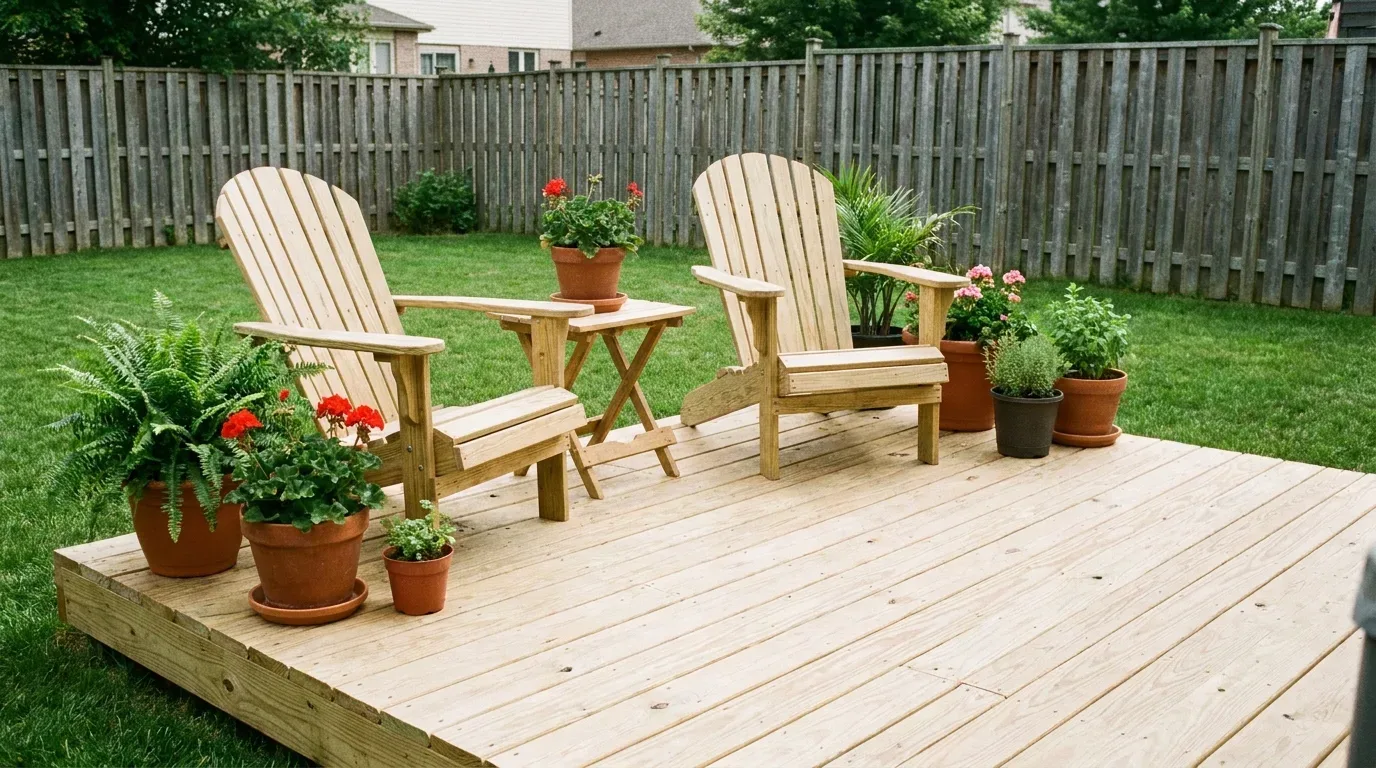
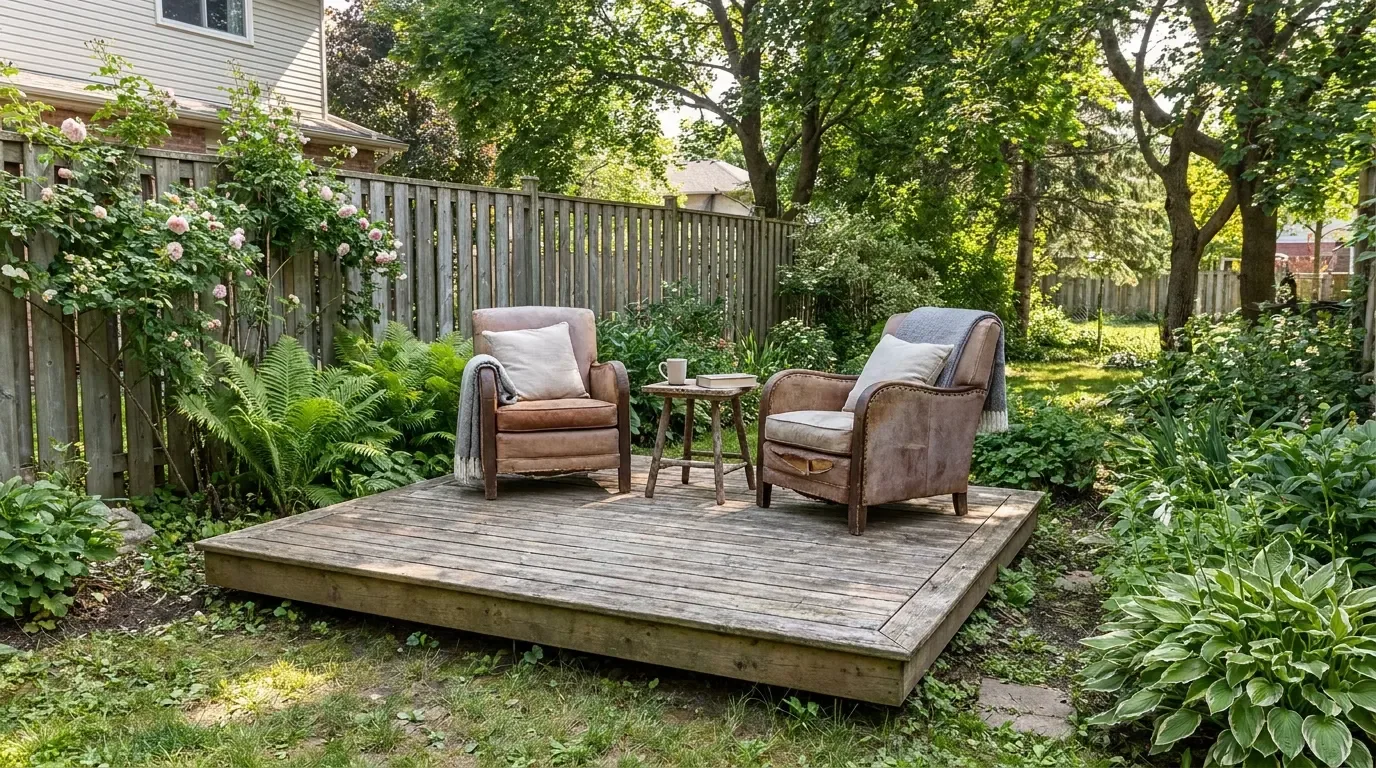
A small floating deck can be an economical way to create a defined outdoor seating area without committing to a large permanent structure. These decks sit slightly above the ground and can work especially well for patios, garden corners, and relatively level yards. Because the design is compact and visually lightweight, it can provide the feel of a dedicated outdoor room while using fewer materials. Position it near a back door or beneath a favorite tree to make the space feel intentional. Add two chairs, a small table, and a few containers of greenery for an inviting retreat. Always check local building requirements and site conditions before constructing a deck, particularly when foundations, drainage, or structural attachments are involved.
3. Use Pressure-Treated Wood
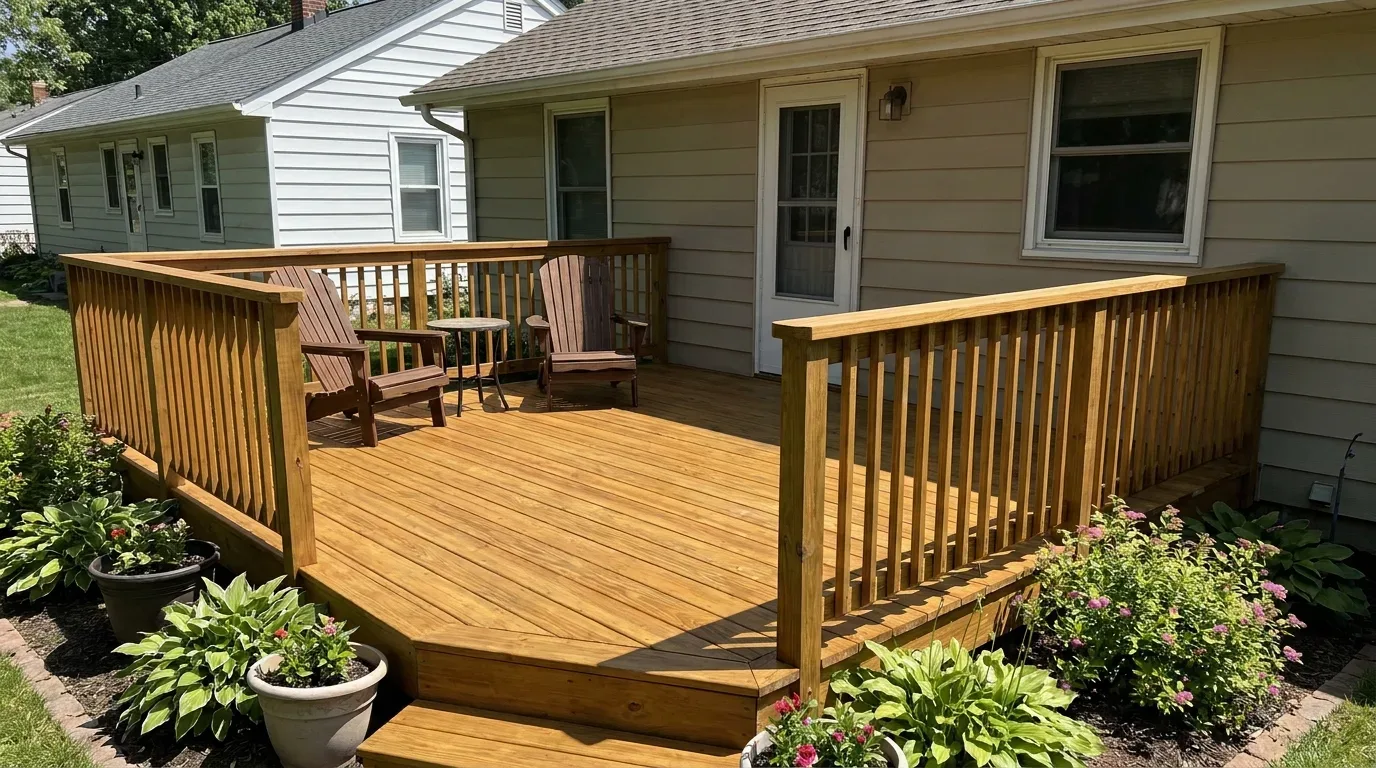
Pressure-treated lumber is a popular choice when the goal is to balance appearance, durability, and upfront cost. Compared with many premium decking materials, treated wood can offer a lower-cost starting point while still creating a classic backyard look. The finished appearance can be changed with exterior stain in a color that complements your home. To keep expenses controlled, compare local lumber prices and calculate the complete material list before purchasing. Look for straight boards and plan your cuts carefully to reduce waste. Although pressure-treated wood can be budget-friendly, it still needs appropriate installation, sealing or staining when recommended, and regular maintenance. A little preventative care can help protect the investment and keep the deck looking attractive for years.
4. Create a Deck With a Built-In Bench
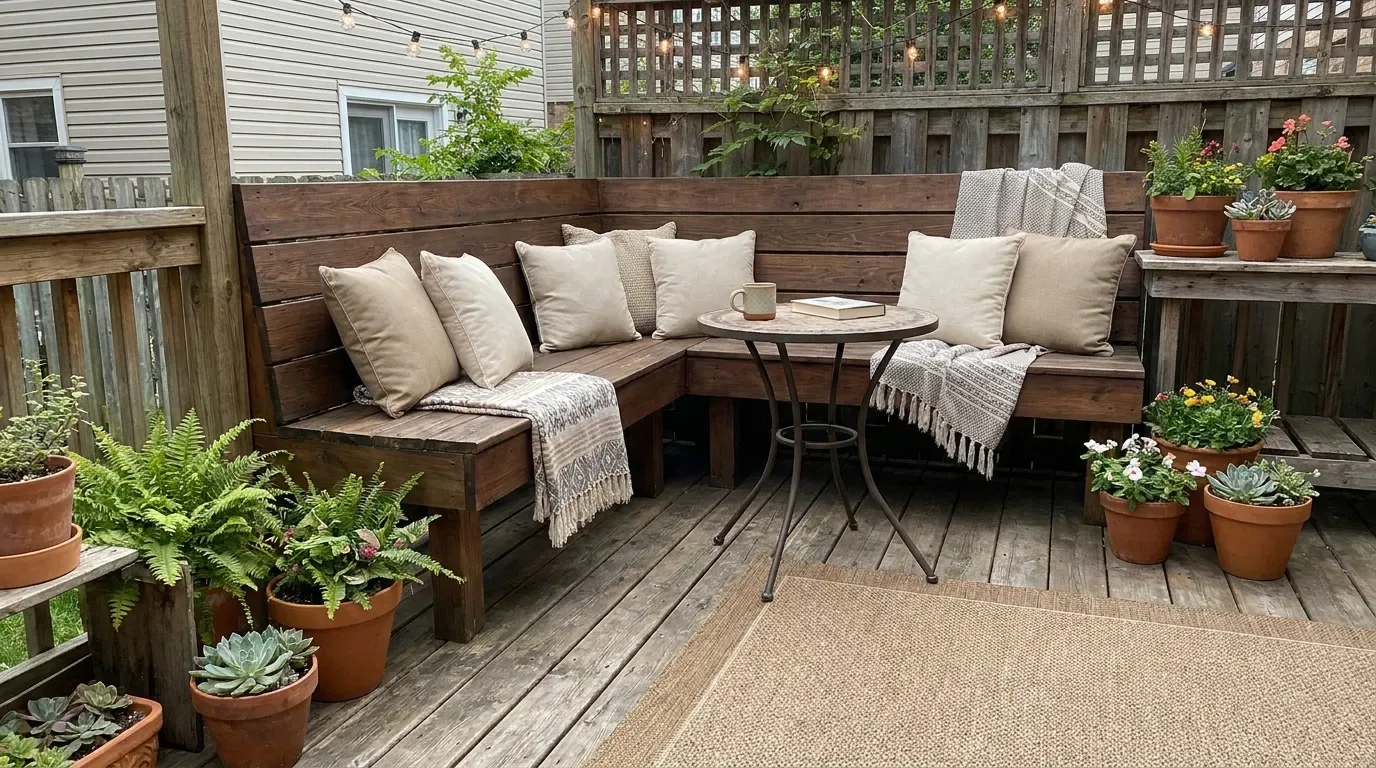
Built-in seating can make a small deck feel more useful while reducing the need to purchase several pieces of outdoor furniture. A simple bench along one or two sides can provide plenty of seating for guests without taking up the center of the deck. If you are already building or renovating the structure, using compatible decking or framing materials for the bench can create a cohesive appearance. Add inexpensive outdoor cushions for comfort and choose removable covers that are easy to clean. The space beneath a bench can also become useful storage for gardening supplies or outdoor accessories if designed appropriately. Keep the bench simple rather than adding complicated curves or decorative details, since straightforward construction is usually easier and more economical.
5. Add an Affordable Outdoor Rug
An outdoor rug is one of the fastest ways to make a budget deck feel finished. Instead of replacing old boards or investing in expensive furniture, use a patterned or neutral rug to visually define a seating zone. A rug can soften the appearance of plain decking while introducing color and texture. Choose a product specifically designed for outdoor use so it can better handle moisture, sunlight, and regular foot traffic. On a small deck, a compact rug under a coffee table can be enough to establish a comfortable focal point. If the deck already has several colors or wood tones, a simple rug can create visual calm. Rotate and clean the rug according to its care instructions to help maintain its appearance.
6. Make a DIY Pallet Seating Area
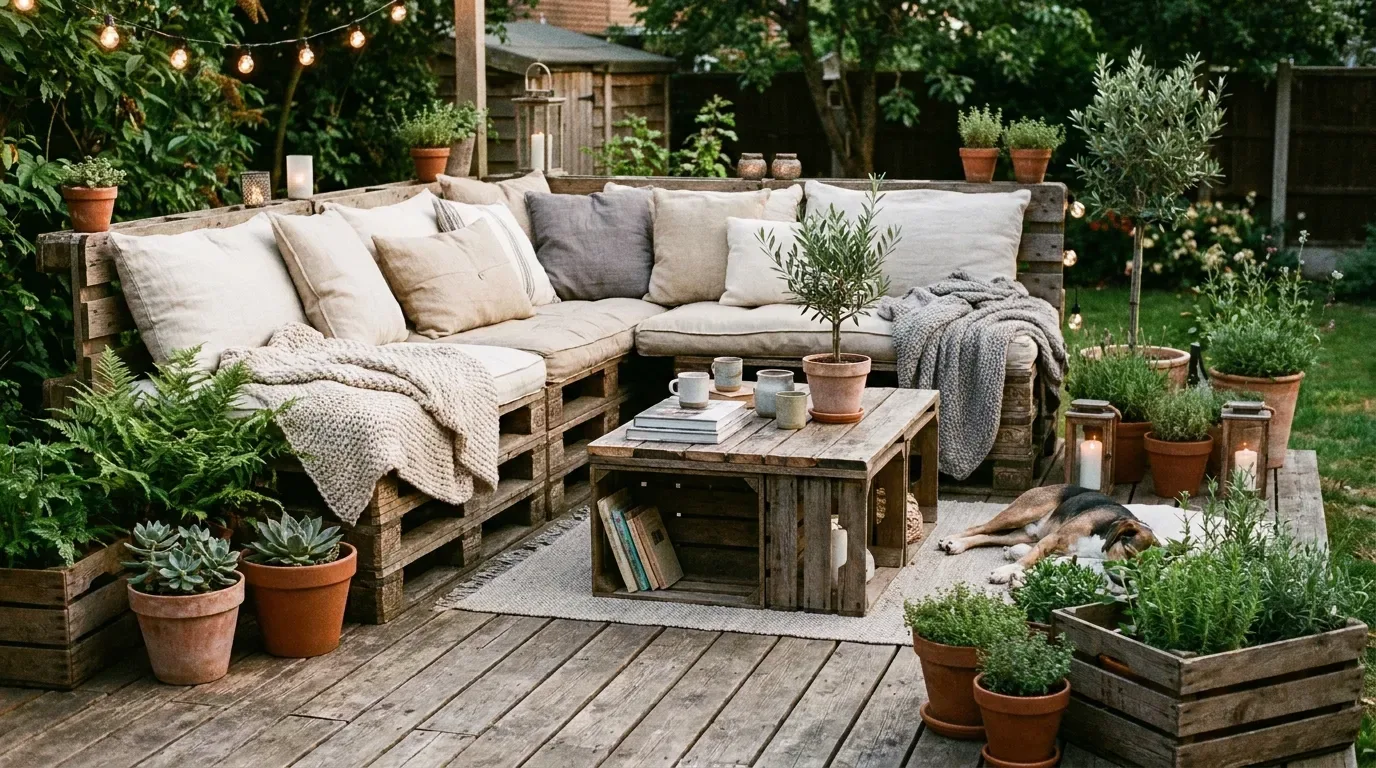
Wood pallets can inspire inexpensive outdoor furniture when they are suitable for the intended use and properly prepared. Stack or arrange appropriate pallets to create a low platform for outdoor cushions, then add a simple backrest or separate chairs if needed. Sanding rough surfaces and protecting the finished wood are important for comfort and durability. Keep the design uncomplicated so the seating remains easy to rearrange or repair. Large outdoor cushions can transform the basic structure into a casual lounge area, while a small table completes the arrangement. Because pallet quality and treatment can vary, use only pallets that are appropriate and safe for furniture applications. This idea works particularly well for relaxed, rustic, bohemian, or casual backyard styles.
7. Install String Lights
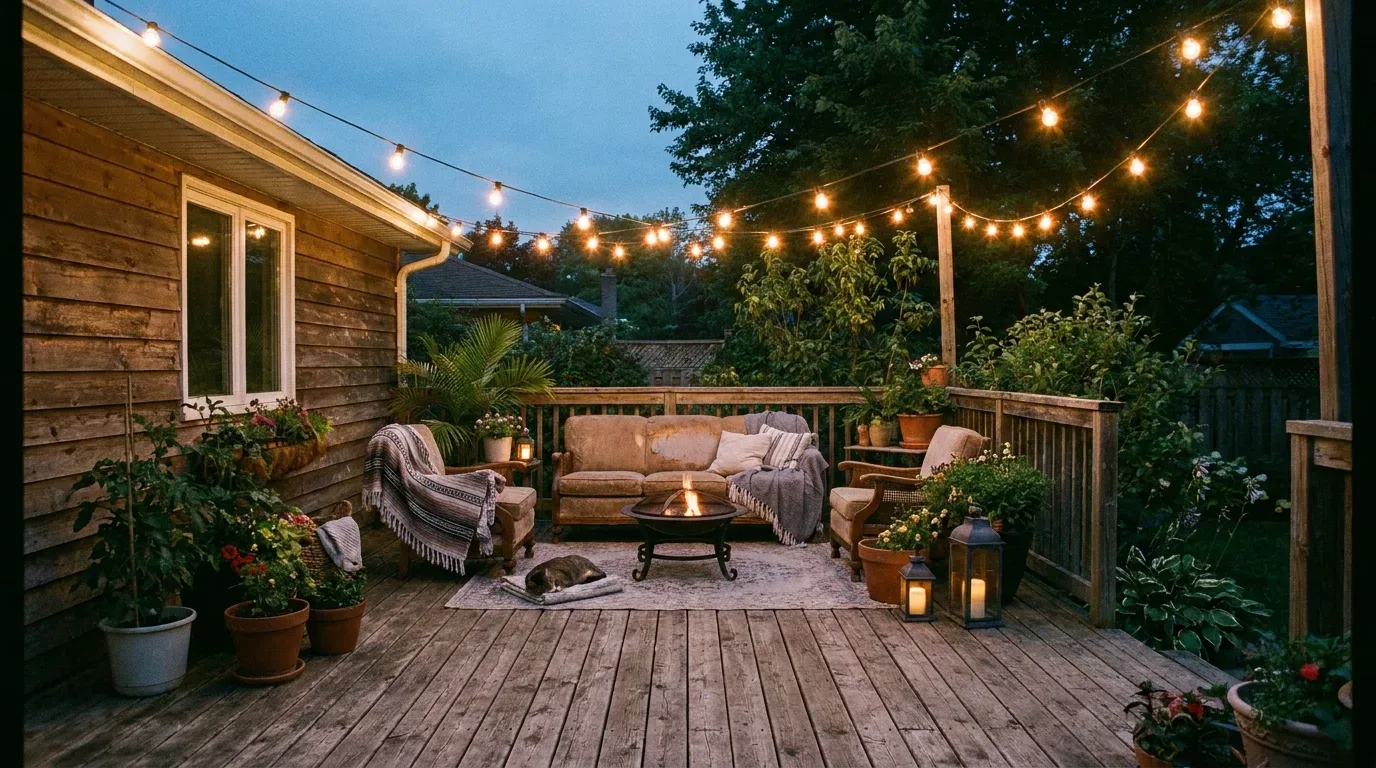
String lights can dramatically improve the atmosphere of a backyard deck without requiring an expensive lighting system. Hang them around a railing, between sturdy posts, or across a designated seating area to create a warm evening glow. Choose weather-appropriate outdoor lighting and install it according to the manufacturer’s safety instructions. You do not need to cover the entire deck. A single carefully planned strand can highlight a dining table or lounge area and make the deck feel more intimate. Solar-powered options may also reduce the need for electrical connections in suitable locations. For a polished look, keep the spacing consistent and avoid overcrowding the space with too many strands. Simple lighting can make even a basic deck feel like an inviting outdoor room.
8. Add Large Container Plants
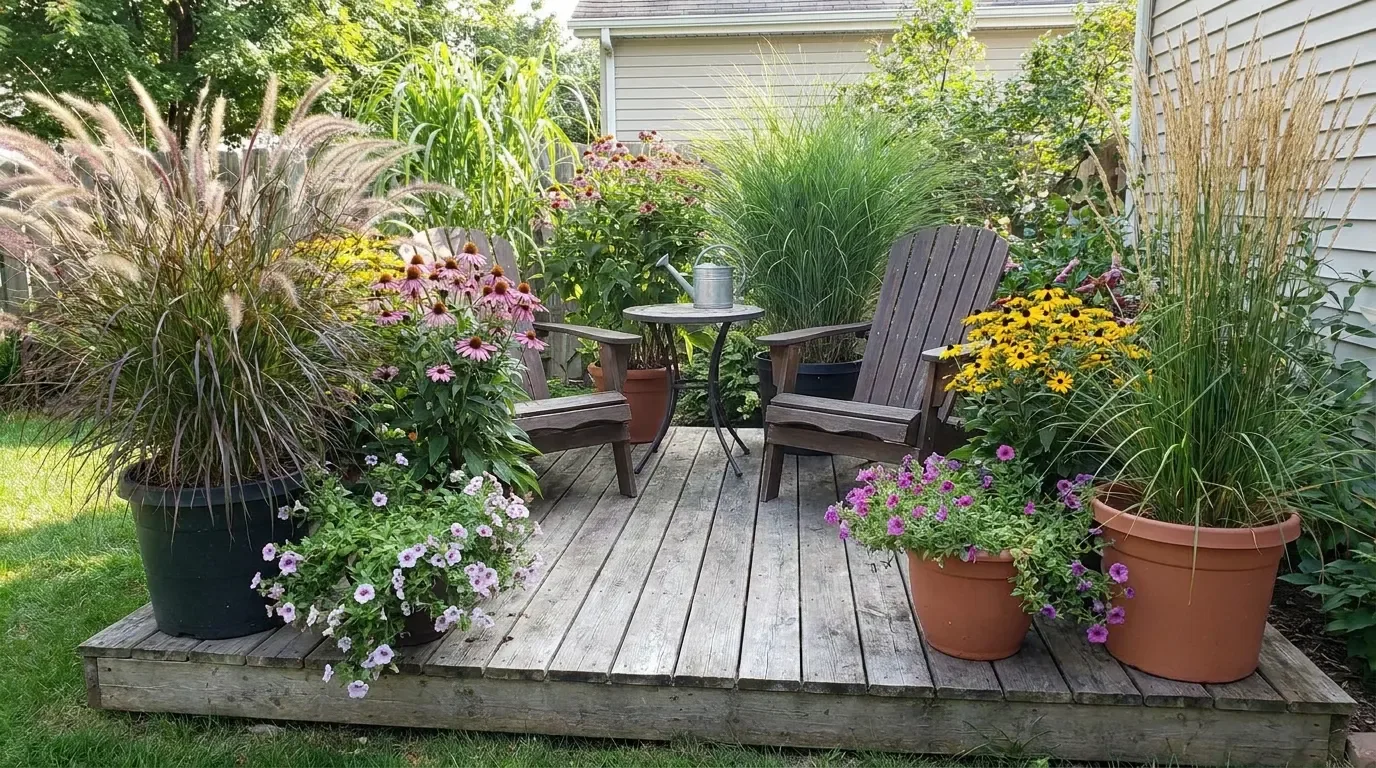
Plants can make an inexpensive deck feel lush and established without requiring major landscaping work. Instead of planting directly around the entire deck, use a few large containers to define corners, frame a doorway, or soften the edge of the structure. Choose plants suited to your climate and the amount of sunlight the deck receives. Mixing different heights creates more visual interest without requiring dozens of pots. You can also refresh inexpensive containers with exterior paint or place smaller nursery pots inside decorative planters. Herbs, ornamental grasses, flowering plants, and compact shrubs can all contribute to the look. Grouping several containers together often creates more impact than scattering them individually, helping you achieve a finished appearance while keeping the plant budget under control.
9. Refinish an Old Wooden Deck
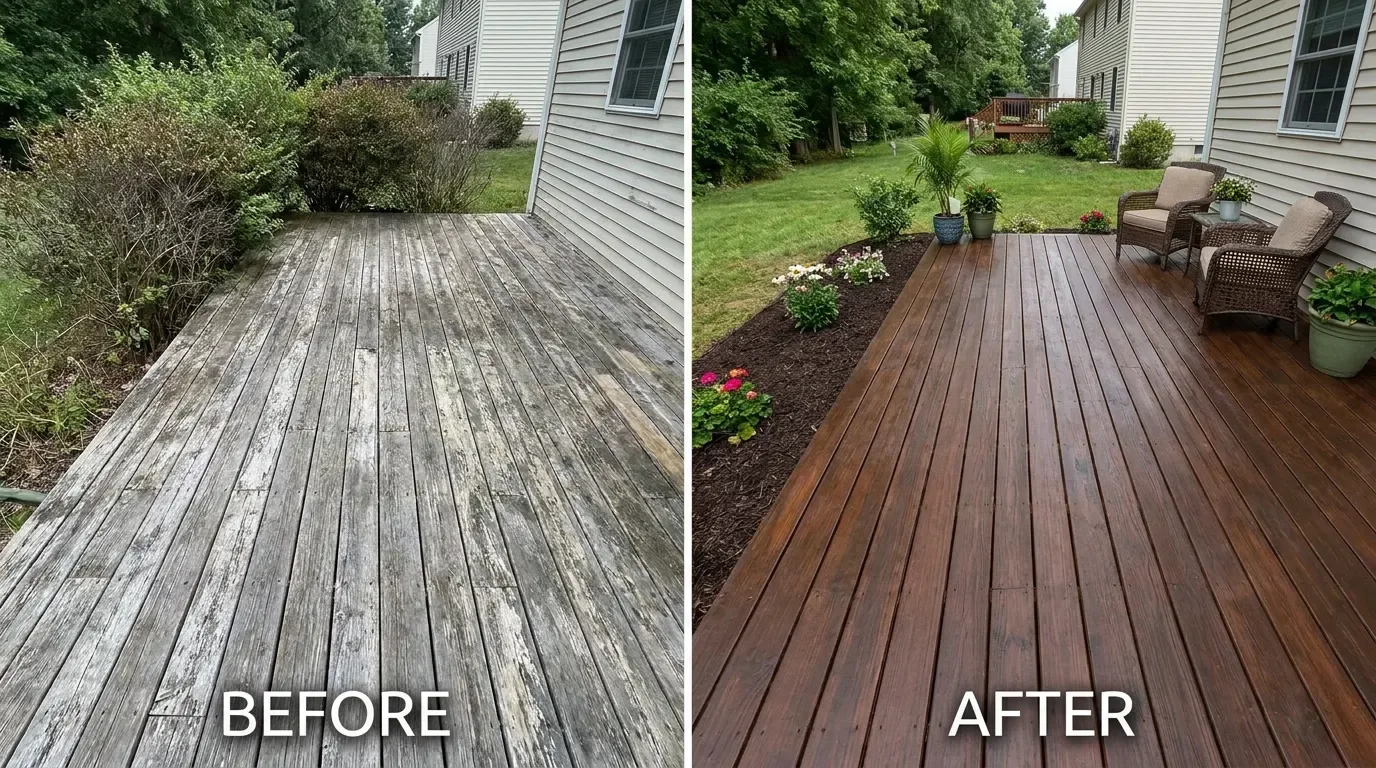
If your existing deck is structurally sound, refinishing it may be much less expensive than rebuilding it. Start by inspecting the boards, framing, fasteners, railings, and areas where moisture may have caused deterioration. Replace damaged components where necessary before cleaning the surface. Once the deck is properly prepared, an exterior stain or suitable finish can refresh the color and help protect the wood. A darker stain can create a more contemporary appearance, while a natural tone can emphasize the character of the lumber. Completing the work yourself can reduce labor costs if you are comfortable with the preparation and application process. The key is not to cover structural problems with cosmetic products; address safety and condition issues before focusing on appearance.
10. Create a Two-Level Deck Look
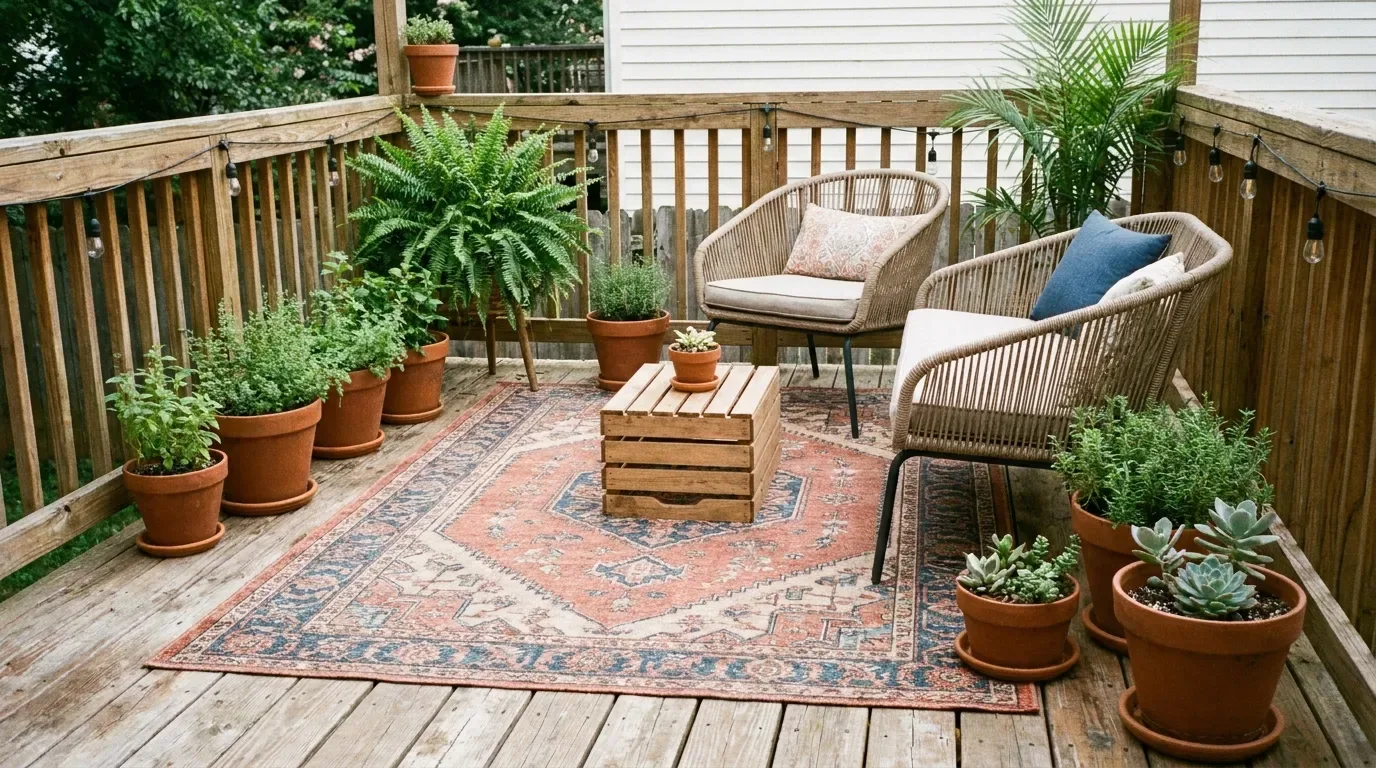
You can create the visual impression of separate deck zones without necessarily building an elaborate multi-level structure. Use furniture placement, outdoor rugs, planters, or a slight change in surface treatment to distinguish dining and lounging areas. For example, place a dining table near the house and arrange comfortable chairs around a small coffee table farther into the yard. Different lighting arrangements can reinforce the separation. This approach can make a modest deck feel larger because each section has a clear purpose. If you do decide to build actual levels, remember that changes in height can add structural complexity and may affect permits, drainage, railings, and accessibility. For a budget makeover, creating visual zones rather than constructing complicated elevations is often the simpler approach.
11. Use Gravel Around the Deck
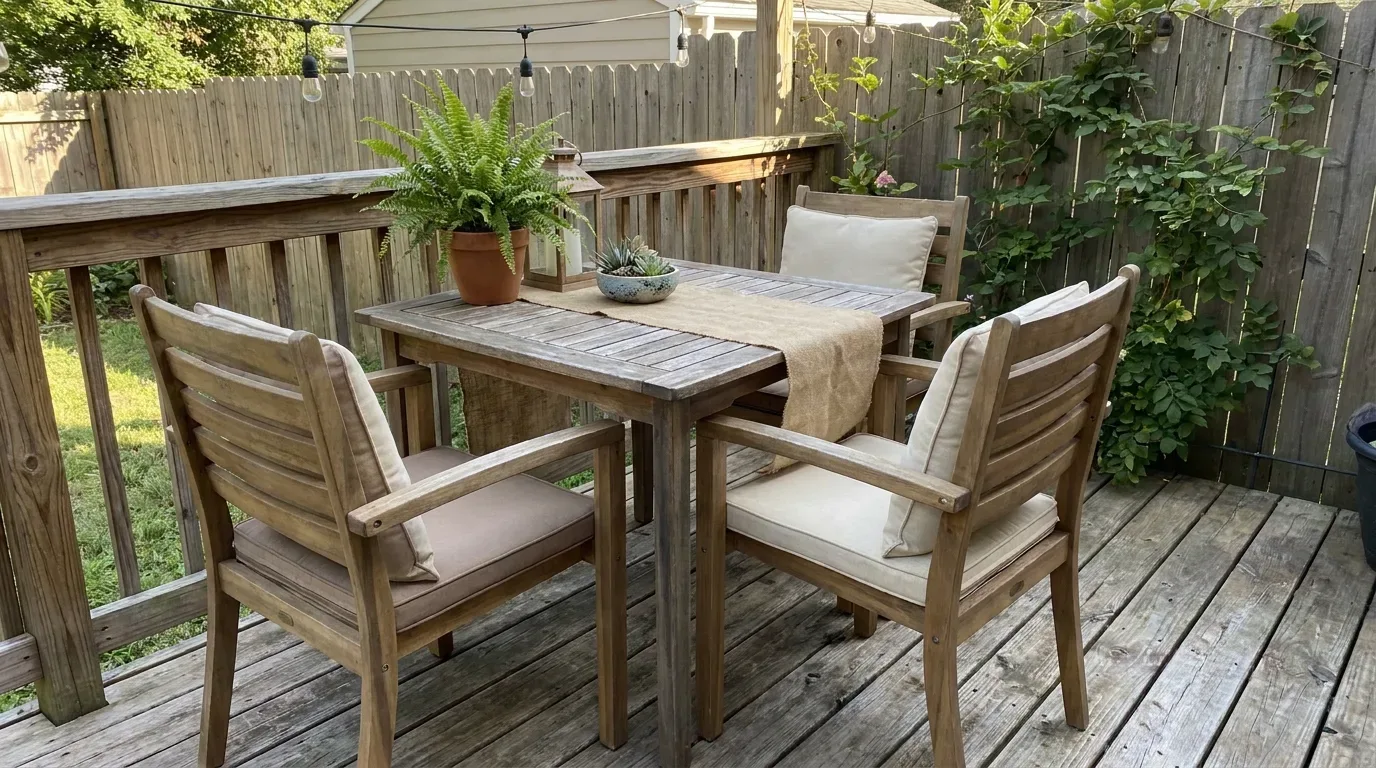
Gravel can be an affordable landscaping material for finishing the area around a deck. Instead of extending expensive decking across the entire backyard, create a deck as the main gathering platform and use gravel around it for pathways, seating pockets, or decorative borders. The contrast between wood and stone can make both materials stand out. Gravel can also help define an outdoor dining or fire-free relaxation area where appropriate. Choose a size and type that works well with your local conditions and install a suitable base and edging to help keep the material contained. Proper drainage and ground preparation matter because poorly prepared areas can shift or collect water. With a few containers and comfortable chairs, a gravel border can turn a simple deck into a more complete outdoor living space.
12. Add a Simple Privacy Screen
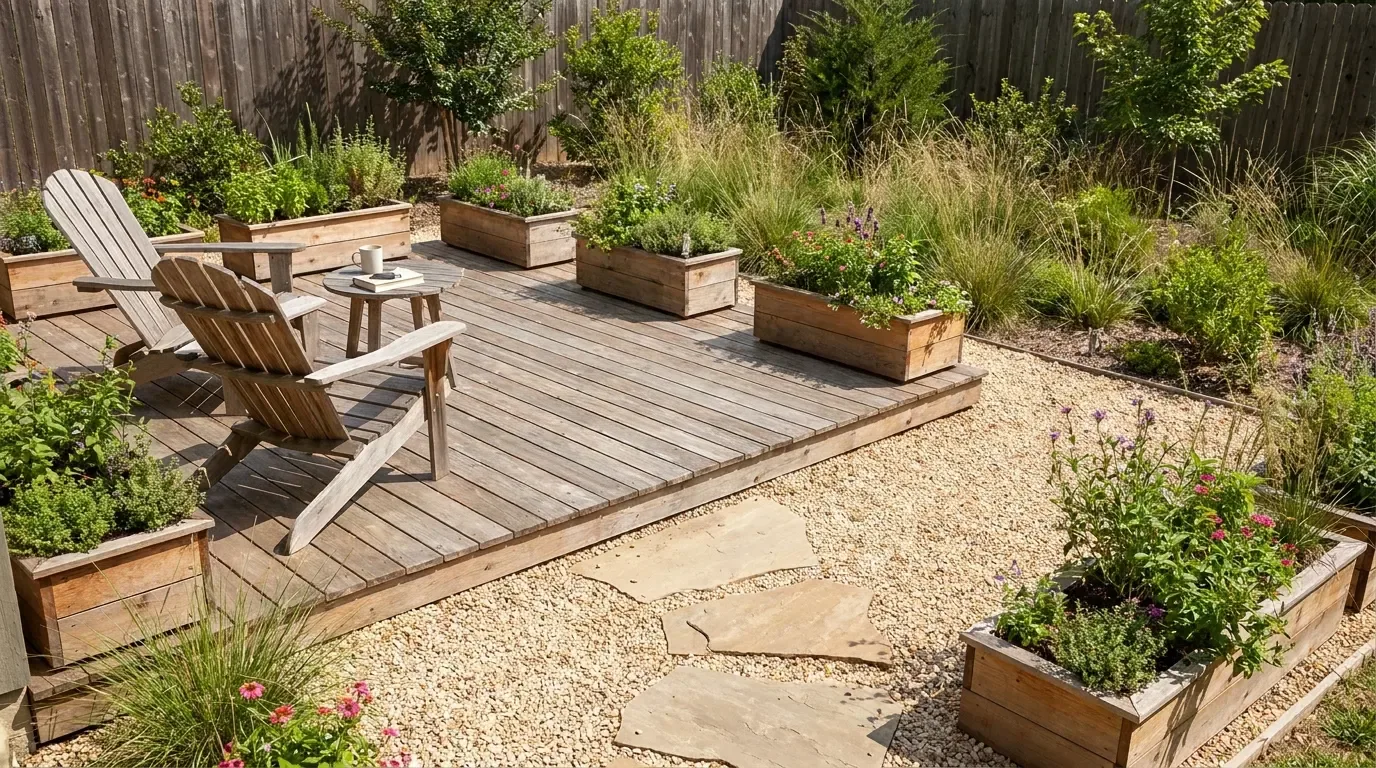
A privacy screen can make a deck feel more comfortable, particularly when neighboring homes are close together. You do not necessarily need to build a full wall. A few vertical boards, lattice panels, outdoor curtains, or appropriately designed screening can provide a sense of separation while keeping the space open. For a budget-conscious project, concentrate the screen where privacy matters most instead of enclosing the entire deck. Climbing plants can eventually soften the structure and add greenery. Make sure any permanent screen is properly supported and complies with local requirements. A simple screen can also serve a decorative purpose by creating a background for seating, lighting, or planters. Choosing a clean design that matches the home’s exterior helps the addition look intentional rather than temporary.
13. Paint the Deck Furniture Instead of Replacing It
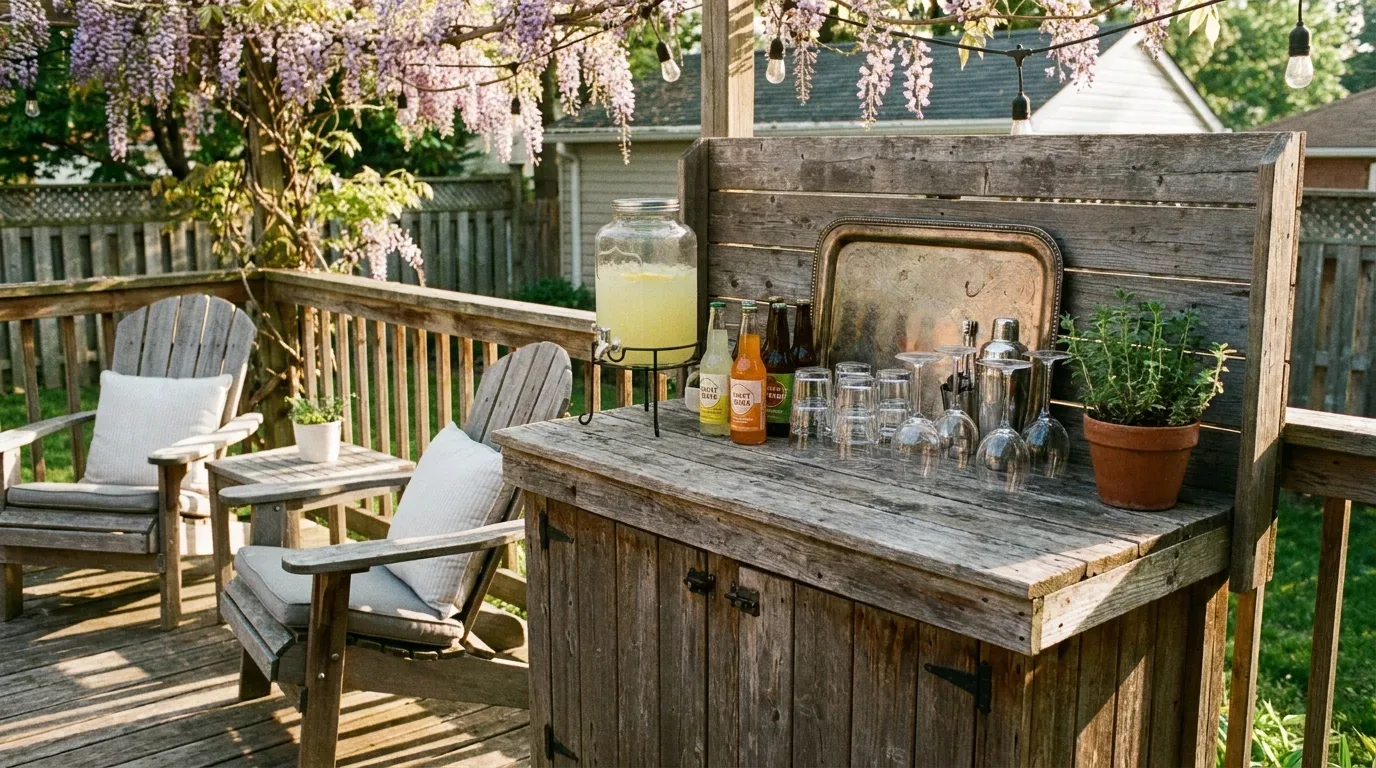
If your deck furniture is still sturdy but looks tired, refreshing it can save a significant amount of money. Clean each piece thoroughly, repair loose parts, and use a suitable exterior primer or paint when the material and product instructions allow it. A coordinated finish can make mismatched chairs and tables look more cohesive. You can also replace only the cushions or hardware instead of buying an entirely new set. For a modern appearance, use a restrained palette that works with the deck and surrounding landscaping. Bright cushions, patterned textiles, or colorful planters can provide smaller accents without requiring a complete furniture makeover. This approach is especially useful when you want a noticeable visual change but the existing outdoor furniture remains structurally sound.
14. Build a Simple Outdoor Dining Nook
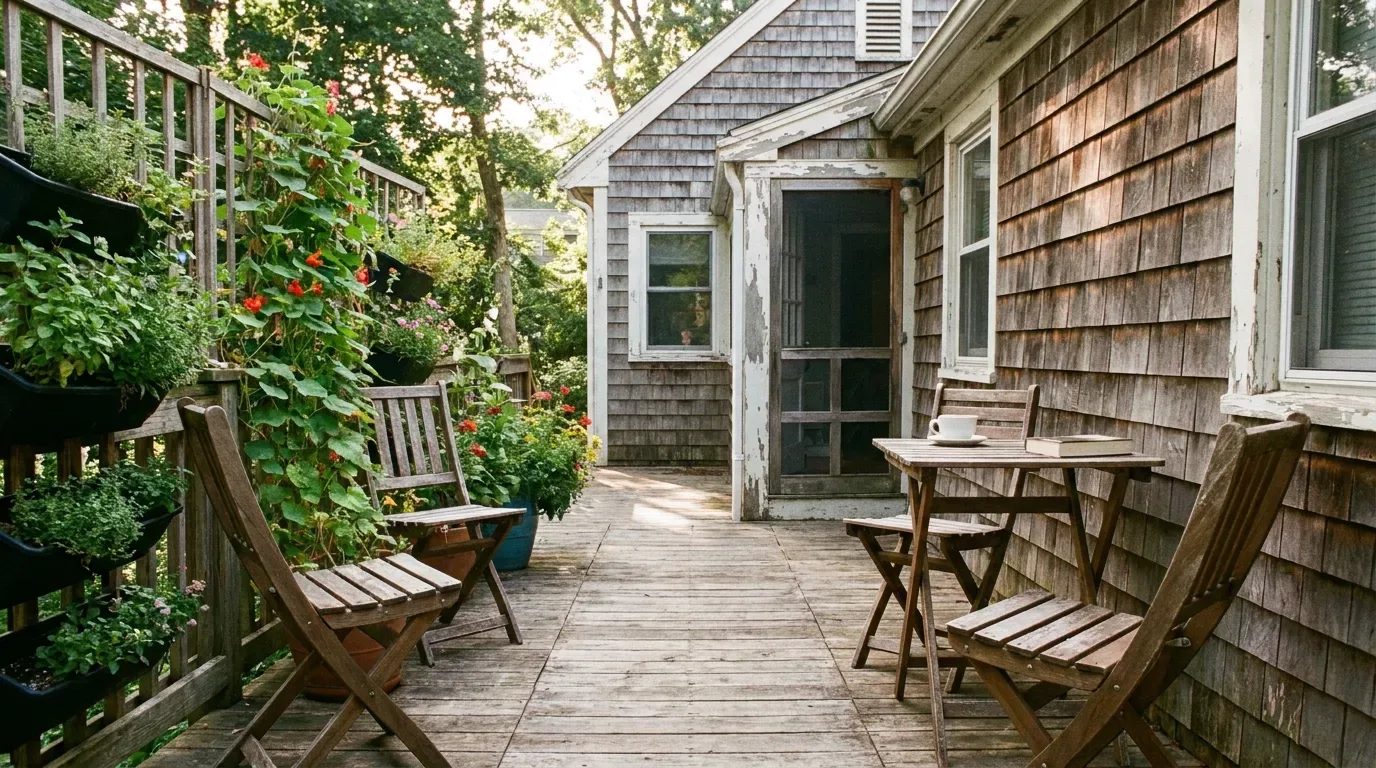
A dedicated dining nook can make a small deck much more functional. You do not need a large outdoor dining set; a compact table with two to four chairs may be enough for everyday meals, morning coffee, or weekend gatherings. Position the table where there is enough room to pull chairs out comfortably without blocking doors or walkways. A simple outdoor table can be dressed up with a washable runner, small centerpiece, and weather-resistant cushions. If space is extremely limited, consider a narrow table along a railing or wall where appropriate. The goal is to give the deck a clear purpose without filling it with furniture. Keeping the arrangement proportional to the deck will make the entire area feel more open and usable.
15. Add a Small Shade Canopy
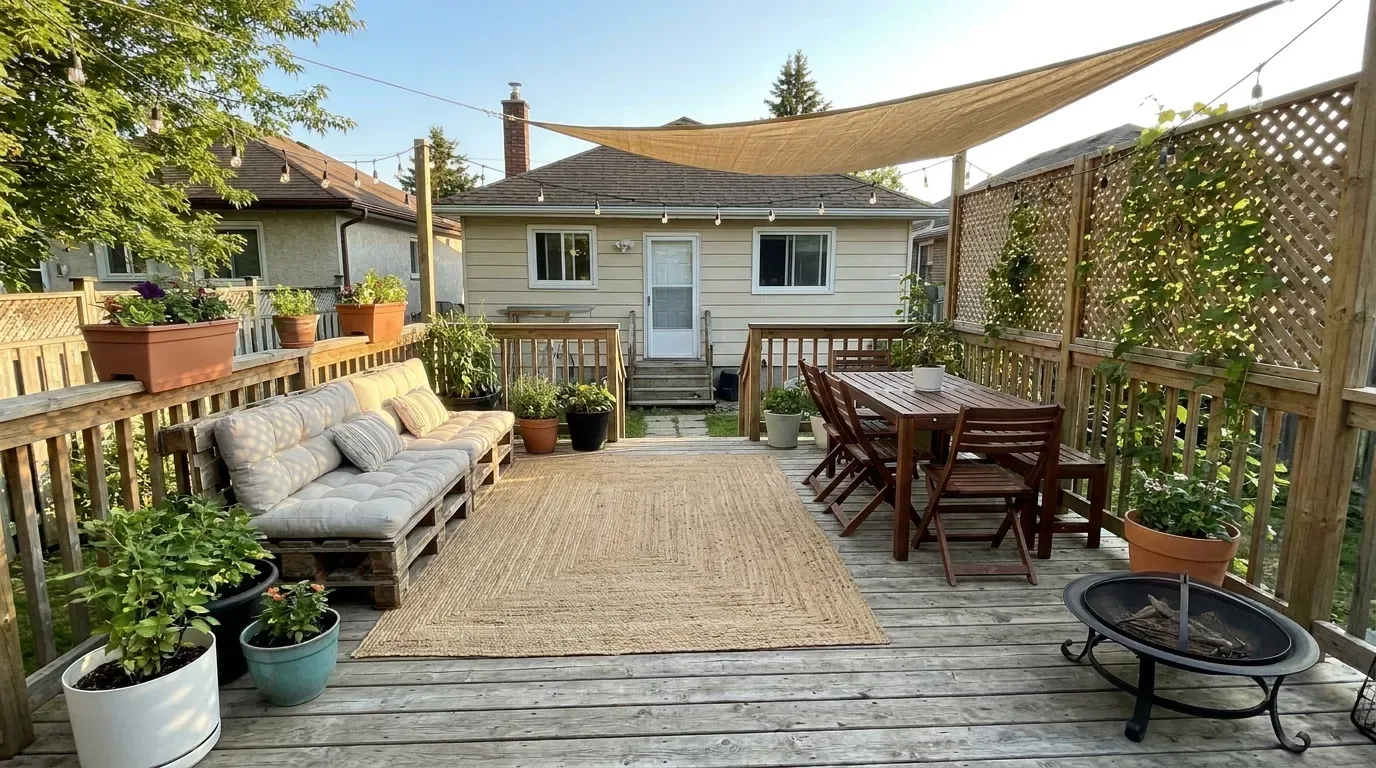
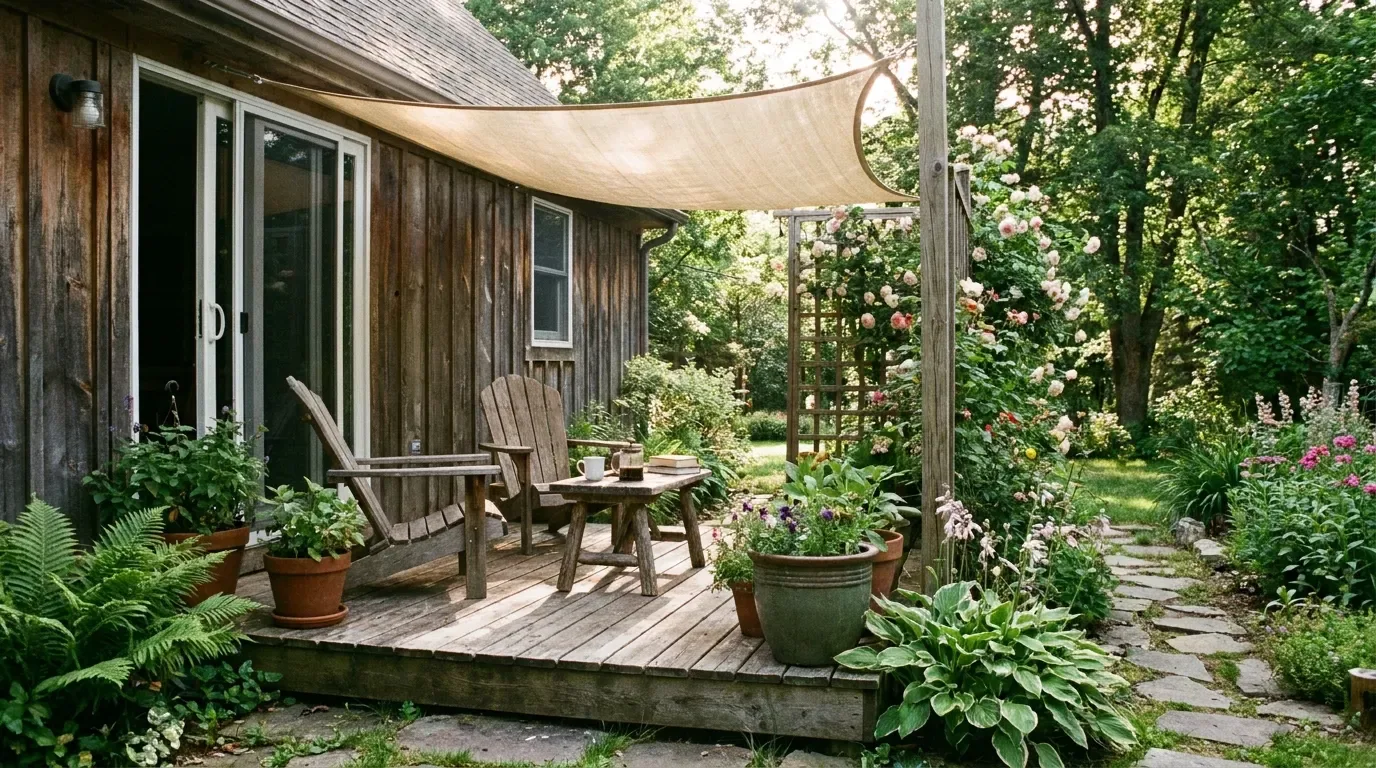
Shade can make a deck far more comfortable during warm weather, and you do not necessarily need a permanent roof to get the benefit. A compact outdoor umbrella, shade sail, or appropriately installed canopy can cover a seating area without changing the entire structure. Choose the size according to the furniture underneath and consider how the sun moves across the backyard throughout the day. Neutral fabrics can blend easily with wood decking, while a subtle pattern can add personality. For safety, make sure the chosen shade solution is securely installed and suitable for local wind conditions. A targeted shade solution is usually more economical than covering the entire deck. It also allows you to adjust or remove the shade as your outdoor needs change.
16. Use a Narrow Deck Along the House
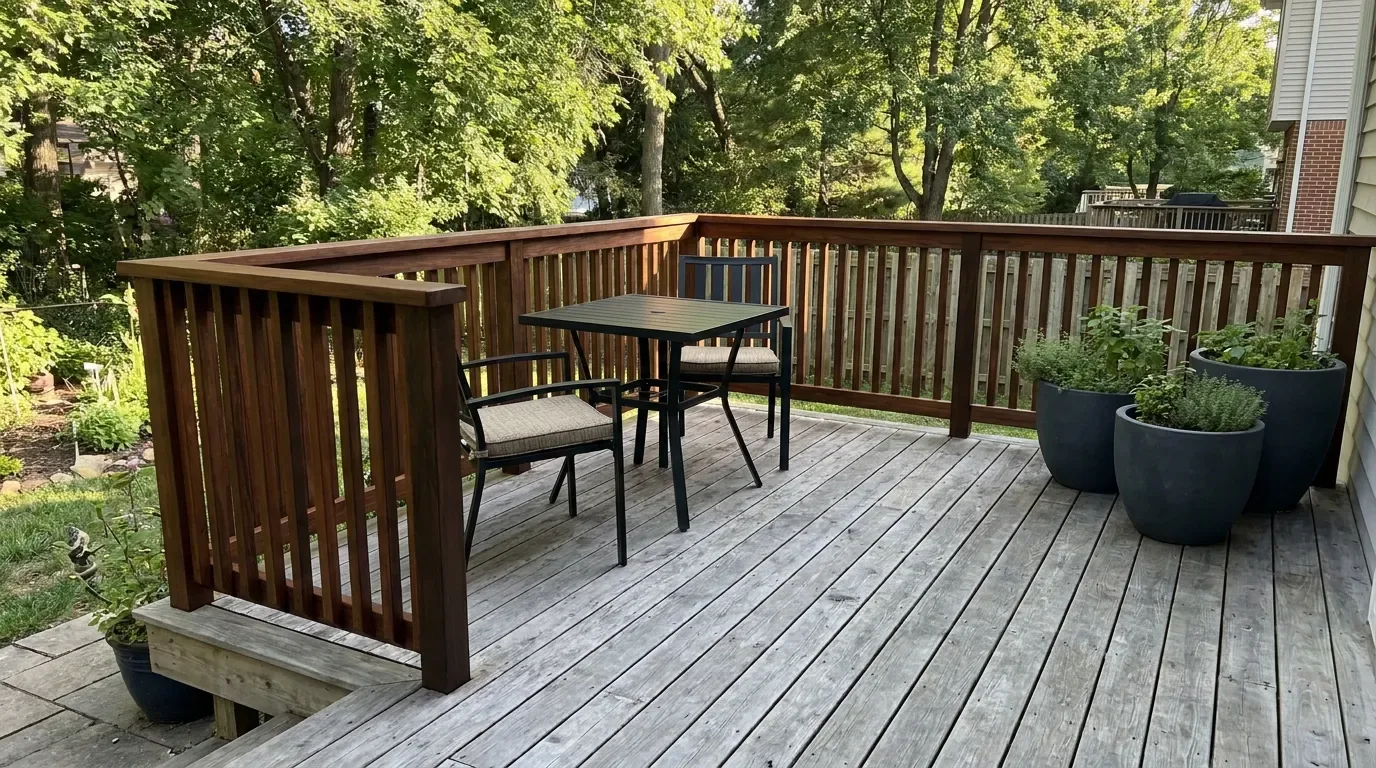
If your backyard is small, a narrow deck can provide valuable outdoor living space without taking over the yard. Extending a modest platform along the back of the house can create room for a couple of chairs, a small table, or a compact grill area where appropriate. Keeping the depth limited can reduce material requirements while still creating a practical transition between indoors and outdoors. Use the wall of the house as a visual backdrop and add vertical planters or wall-mounted decorative elements where suitable. A narrow deck can also work well with folding furniture, allowing the space to serve multiple purposes. Before attaching anything to the home or changing drainage patterns, make sure the construction is appropriate for the property and complies with applicable requirements.
17. Create a Cozy Corner With Two Chairs
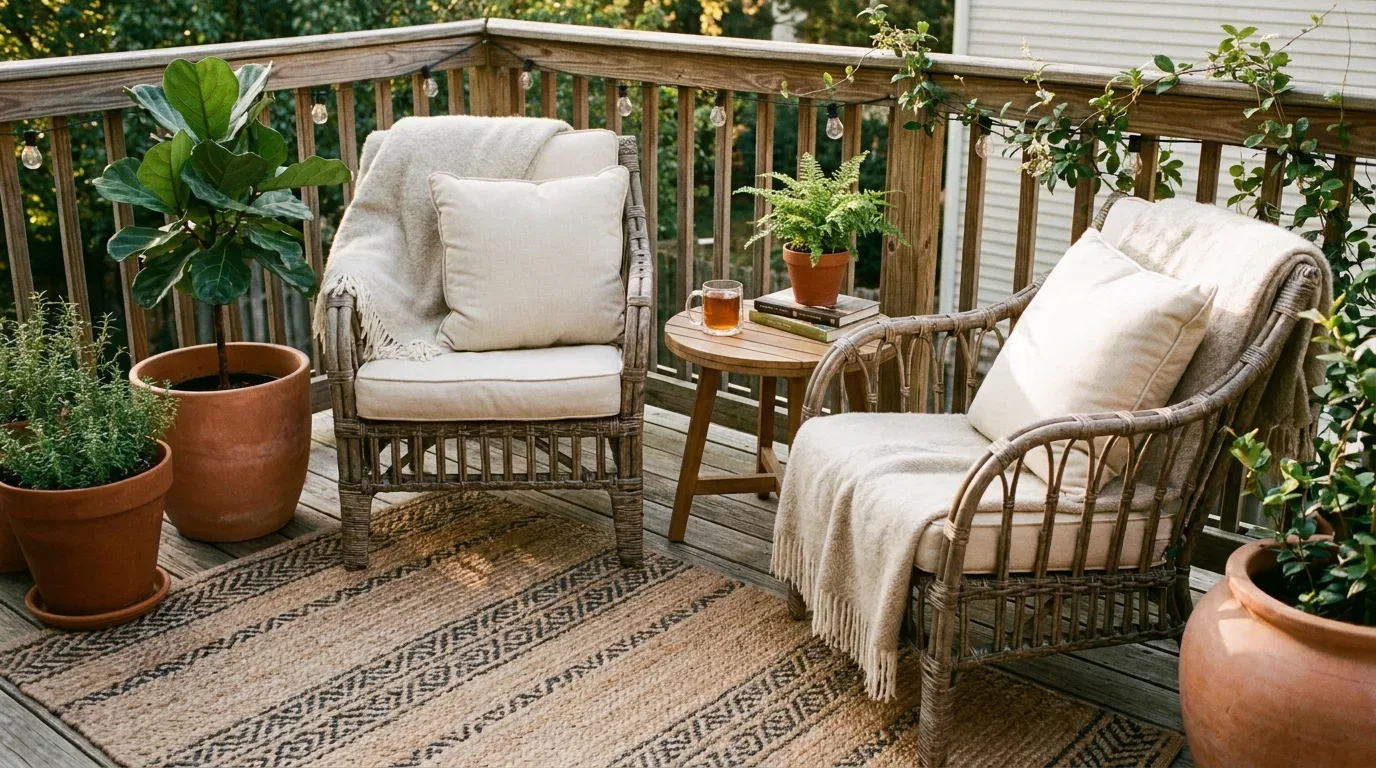
You do not need a full outdoor furniture set to make a deck inviting. Two comfortable chairs and a small side table can create a simple reading, coffee, or conversation corner. Place the chairs at an angle rather than pushing them directly against the railing, leaving enough room for movement. Add cushions, a small outdoor rug, and a plant to give the area more personality. Secondhand or existing furniture can work particularly well for this idea if it is appropriate for outdoor conditions. The smaller arrangement also makes it easier to refresh the deck seasonally. By concentrating your spending on comfort instead of quantity, you can create a useful outdoor retreat without filling the deck with unnecessary pieces.
18. Use Folding Outdoor Furniture
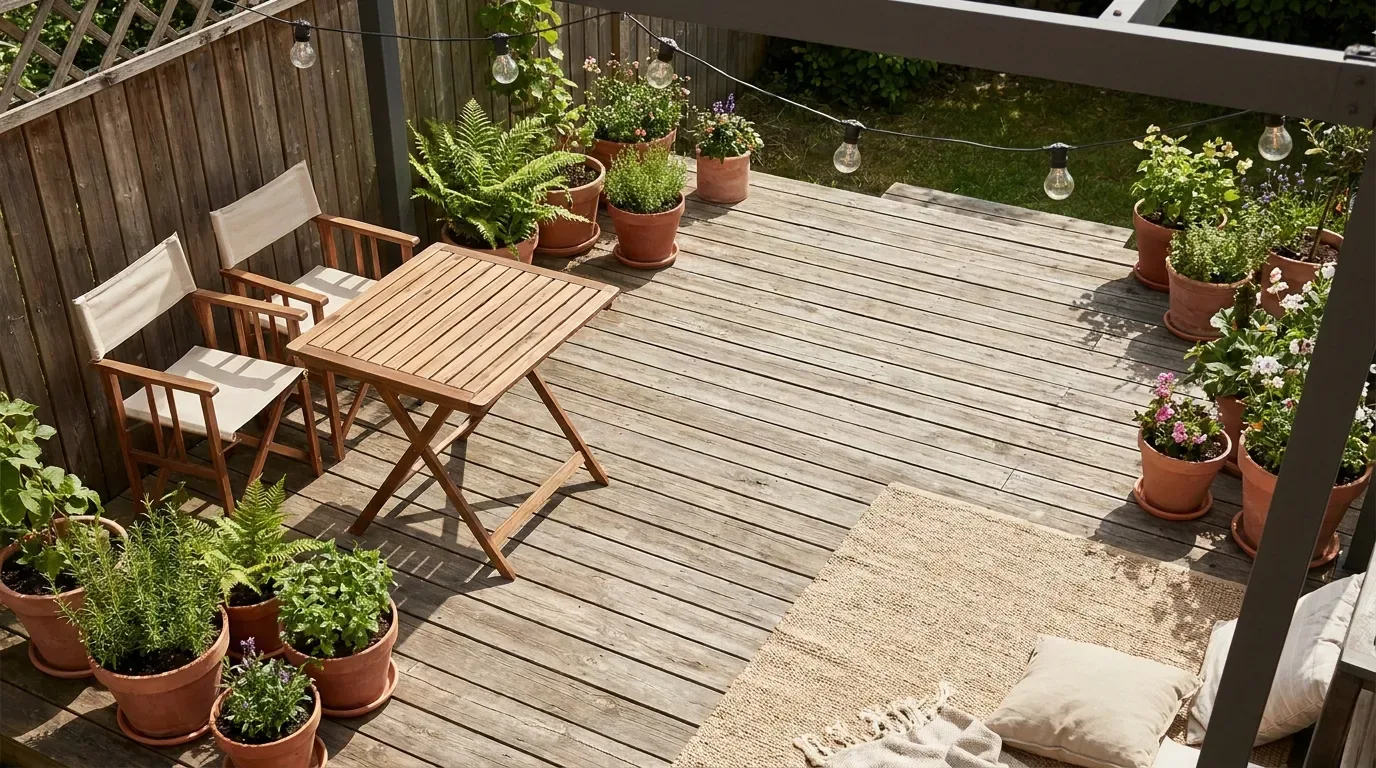
Folding furniture is especially useful when a backyard deck needs to serve several purposes. Chairs and tables that fold away can free floor space for gatherings, gardening, or children’s activities when they are not being used. This flexibility also allows you to avoid buying separate furniture for every occasion. Look for durable outdoor-rated pieces that are easy to move and store. A small folding dining set can function as a breakfast area during the week and be moved aside for entertaining on weekends. If your deck is exposed to harsh weather, store lightweight pieces appropriately when they are not needed. The money-saving advantage comes from making one small collection of furniture serve multiple roles rather than continually adding more items.
19. Make a DIY Deck Planter
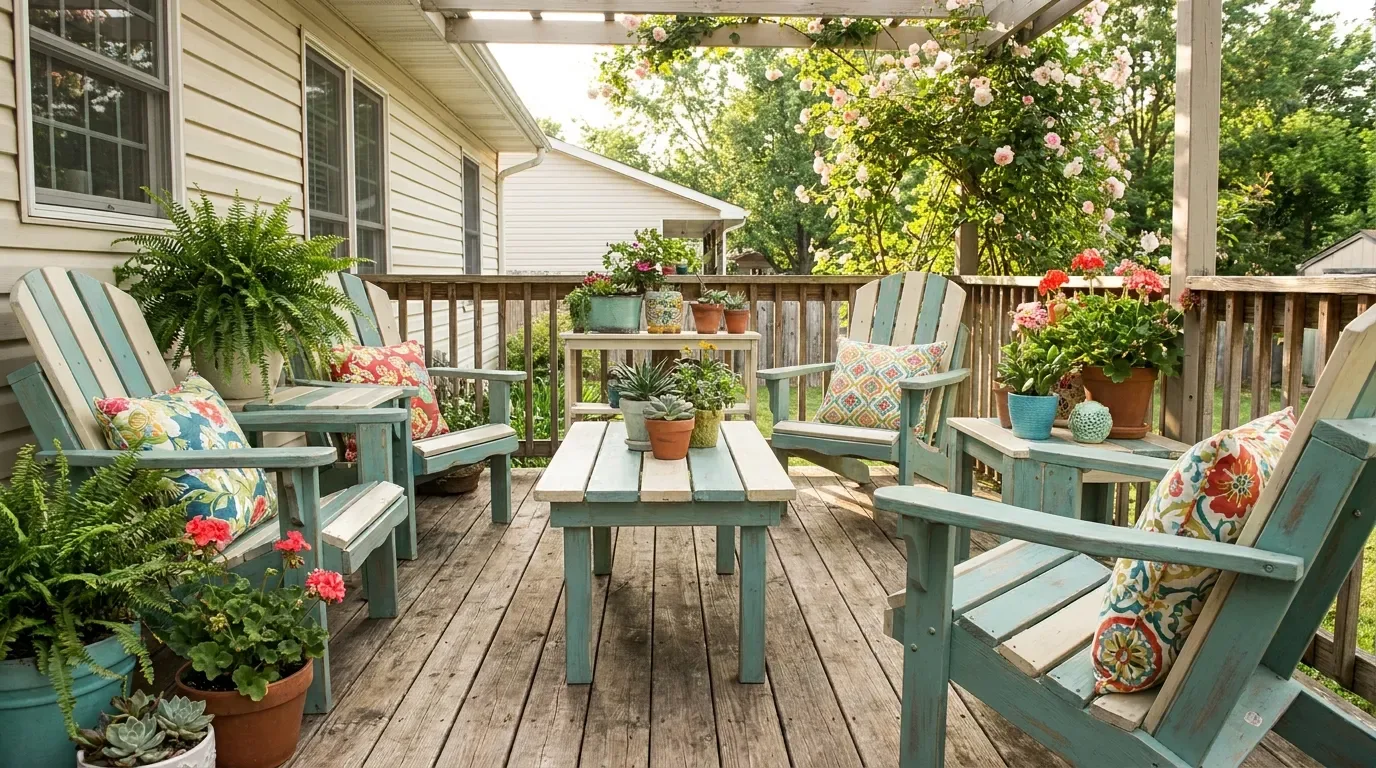
Custom planters can add character to a deck without requiring expensive landscaping. A simple planter box can be built to fit an unused corner, run along a railing, or sit beside an entrance. Use suitable exterior materials and protect the planter according to the product recommendations. Fill it with plants that match the available light and your local climate. Grouping edible herbs together can make the planter both attractive and useful. You can also create a visual border by placing several matching planters along one side of the deck. Keep drainage in mind because excess water can damage wood surfaces or affect nearby structures. A few carefully positioned planters often have more impact than filling every available surface with containers.
20. Add a Budget-Friendly Beverage Station
A small beverage station can make a backyard deck feel designed for entertaining without requiring a full outdoor kitchen. Repurpose a sturdy outdoor cart, narrow console, or suitable table as a place for drinks, glasses, napkins, and a small cooler. Choose a location that does not interfere with the main walkway or seating arrangement. Weather-resistant trays and containers can help keep everything organized. For an inexpensive decorative touch, add a small plant, lantern, or simple sign. If you are using electrical appliances outdoors, select equipment rated for outdoor use and follow all safety requirements. The best budget stations remain flexible: when guests are not visiting, the cart can be used for gardening supplies, plants, or everyday outdoor storage.
21. Define the Deck With Mulch and Plants
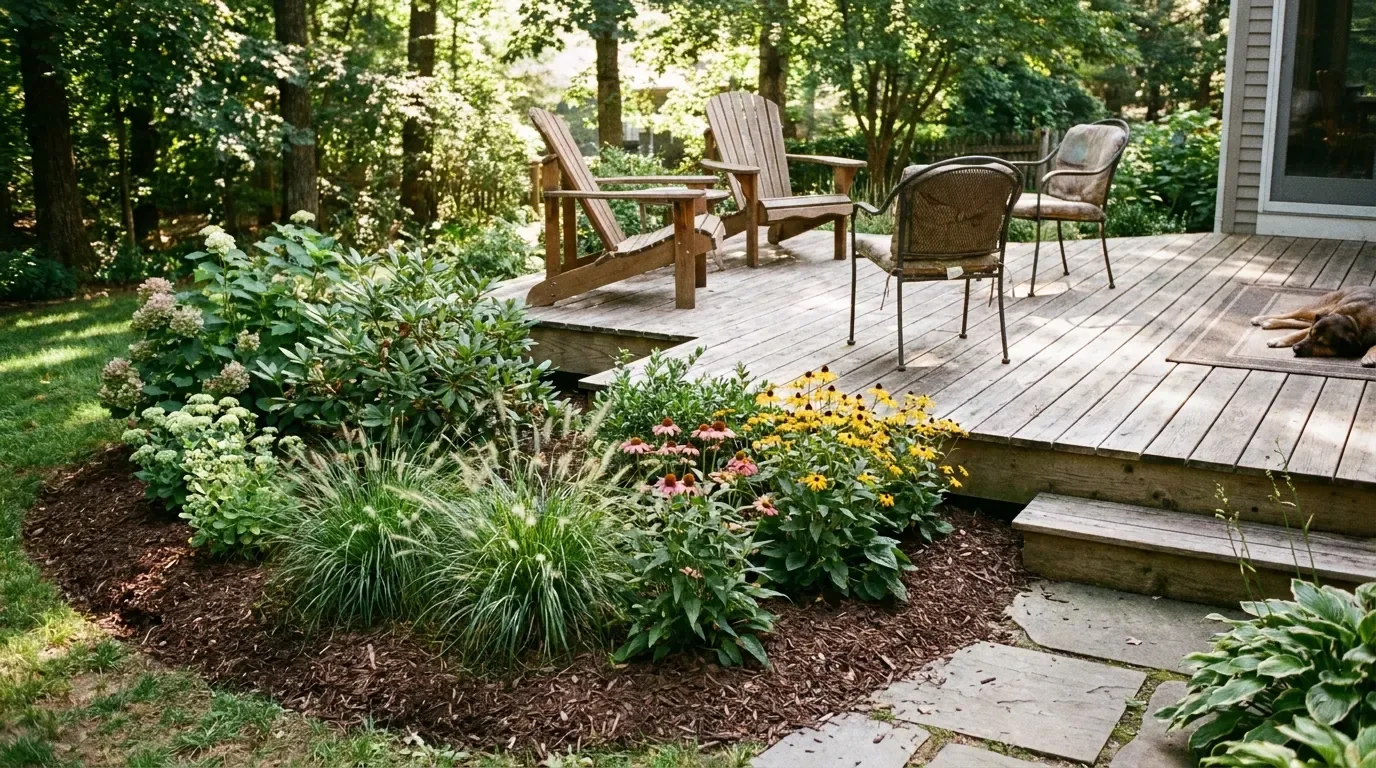
Mulch and plants can make a basic deck look more connected to the rest of the backyard. Rather than spending heavily on hardscaping around every edge, create simple planting beds beside the deck and finish them with an appropriate mulch. Repeating a few plant varieties can give the landscape a cohesive appearance while keeping the planting plan manageable. Choose species based on local climate, soil, sunlight, and water requirements instead of selecting plants only for appearance. Leave enough space around the structure for maintenance and drainage. A combination of low plants near the edge and taller greenery farther back can create layers without overwhelming the deck. This landscaping approach can add substantial visual impact while relying on relatively affordable materials.
22. Refresh the Railings
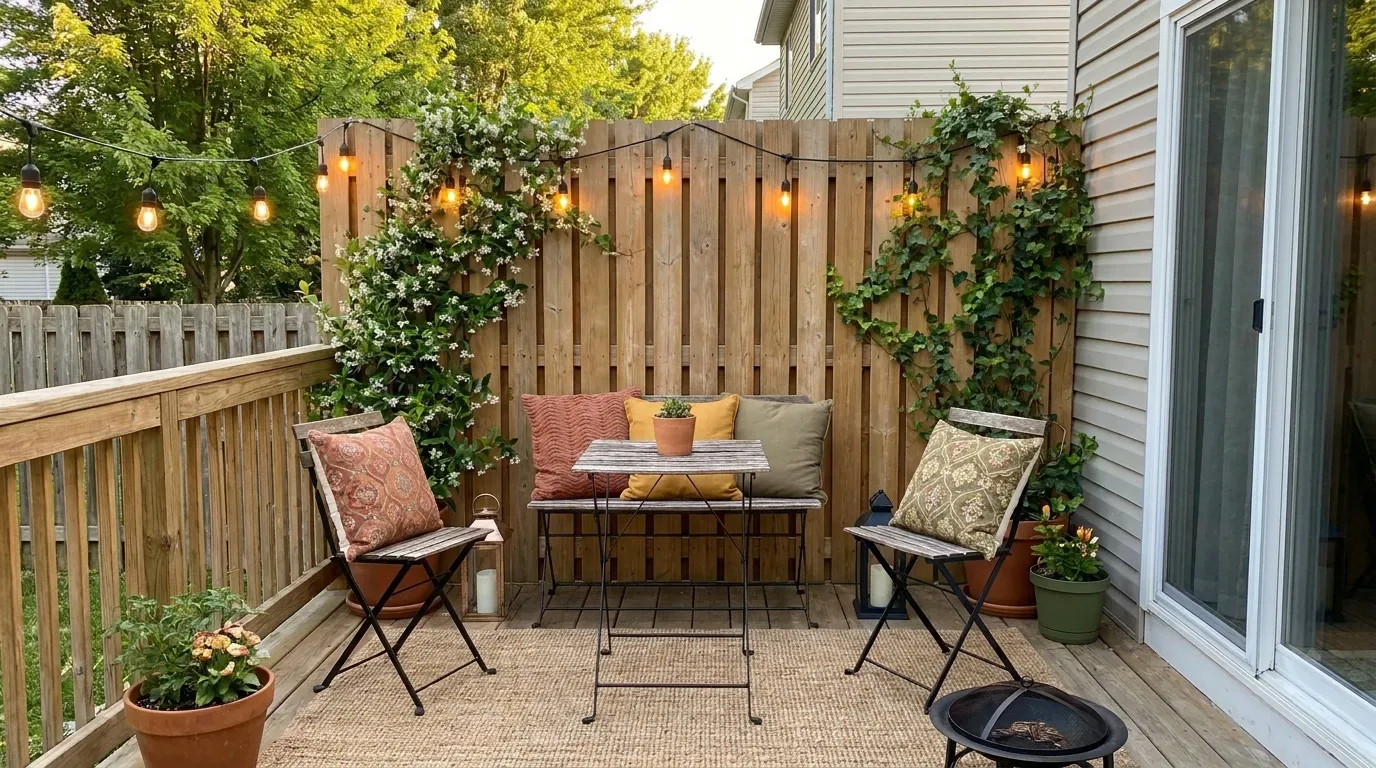
Railings can have a surprisingly large effect on the appearance of an older deck. If the existing railing is structurally sound, cleaning, repairing, and refinishing it may be enough to refresh the space. A new stain or suitable exterior finish can help coordinate the railing with the decking. Decorative elements should never compromise the railing’s safety or required dimensions, so focus on appearance only after structural needs are addressed. You can also use planters or carefully selected outdoor accessories to soften a plain railing while keeping required clearances and safety considerations in mind. If the railing itself is damaged or unsafe, replacement should be treated as a structural project rather than a purely cosmetic upgrade.
23. Create a Minimalist Deck With Neutral Colors
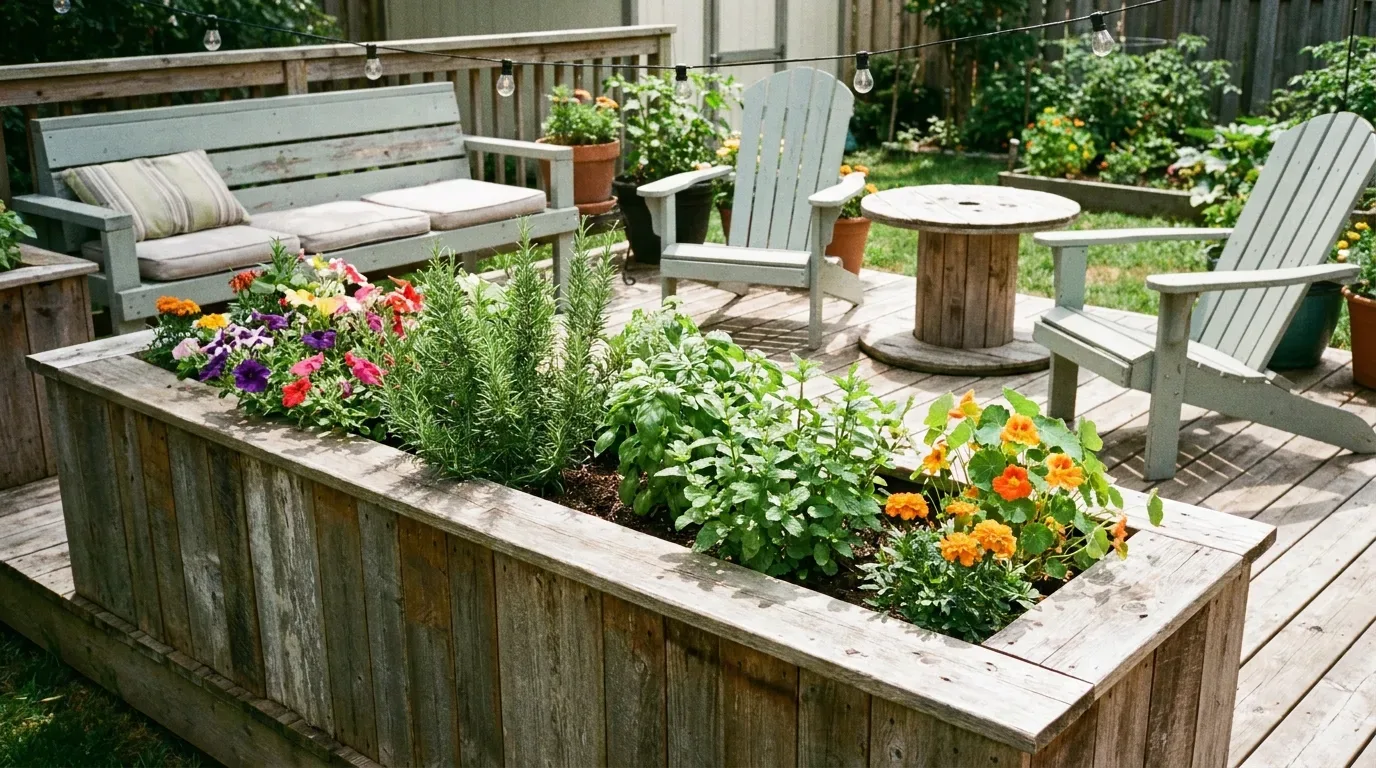
A minimalist color scheme can make an inexpensive deck feel polished and intentional. Start with the natural color of the decking or a simple exterior stain, then choose furniture and accessories in two or three complementary neutral shades. Cream, gray, beige, brown, and muted green can work well with outdoor surroundings, although the best combination depends on your home’s exterior and personal taste. Limiting the palette also makes it easier to mix affordable pieces without creating a visually cluttered space. Add texture through cushions, woven baskets, rugs, and planters rather than relying on many different colors. This approach proves that budget design is not about having more decorations; carefully selecting a small number of coordinated elements can make the entire deck appear more refined.
24. Upgrade the Deck in Stages
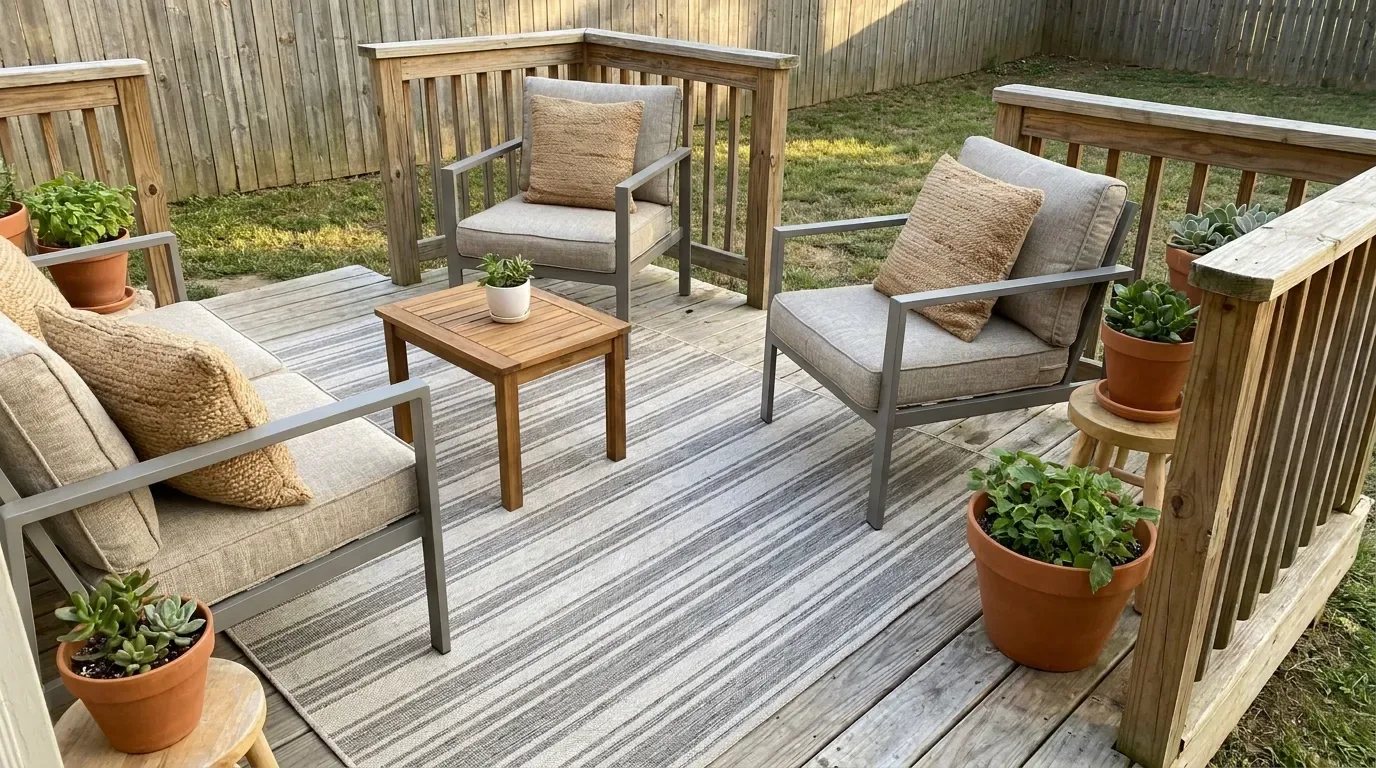
You do not have to complete every backyard deck improvement at once. A staged approach can make a larger project much easier to manage financially. Start with the essentials: make sure the deck is structurally sound, clean, and safe. Next, add the pieces that improve everyday use, such as comfortable seating and lighting. Landscaping, privacy features, decorative accessories, and seasonal upgrades can come later. Creating a simple priority list helps prevent impulse purchases and allows you to compare prices before buying. You can also reuse furniture or decorations from other parts of the home whenever appropriate. Over time, small improvements can produce a complete transformation without requiring one large expense. The result is a deck that develops around how you actually use the backyard rather than around a rushed shopping list.
Conclusion
A budget-friendly backyard deck can be stylish, comfortable, and highly functional when every improvement has a clear purpose. Simple construction, affordable furniture, container plants, lighting, rugs, shade, and thoughtful landscaping can transform an ordinary outdoor area without requiring an expensive overhaul. Start with the condition and layout of the existing space, then focus your budget on the features that will improve how you use it most. Whether you tackle one small project at a time or combine several inexpensive upgrades, a little planning can make a big difference. The best deck makeover is not necessarily the one with the most expensive materials—it is the one that creates an outdoor space you genuinely enjoy using.